Match the Driver
Motor parameters, encoder signals, current limits and brake logic should be verified with the servo or BLDC driver before shipment. This reduces commissioning time and protects the motor during first start-up.
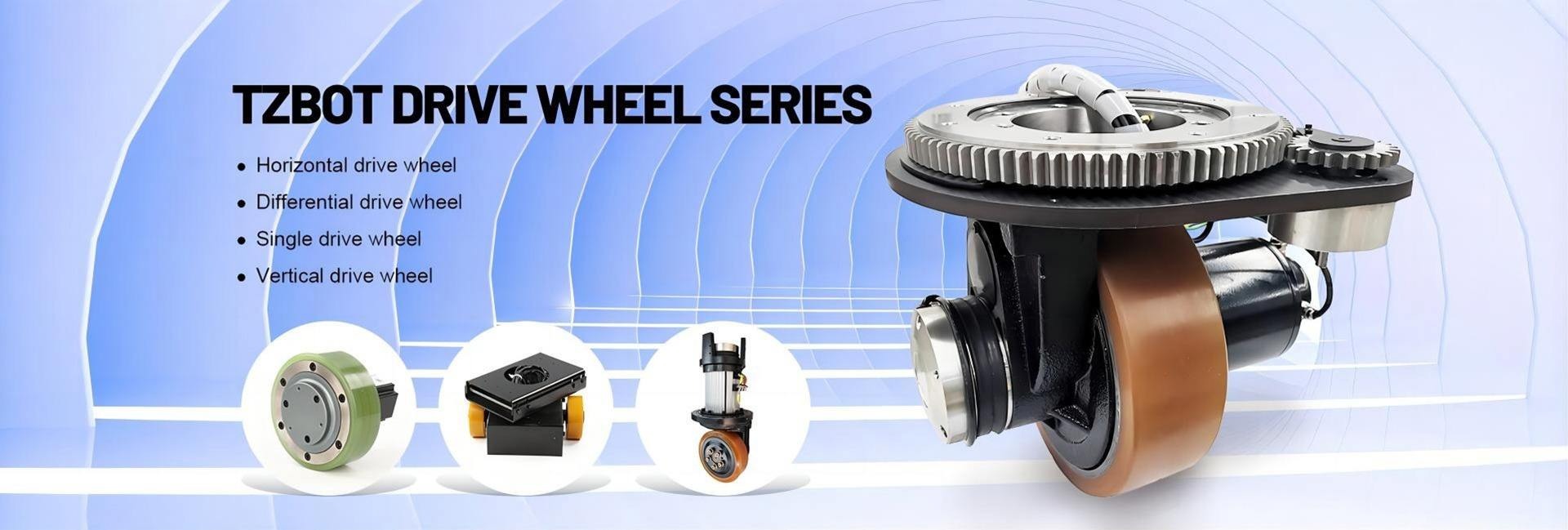
A horizontal drive wheel assembly is more than a wheel with a motor attached. For AGV and AMR builders, it is a compact motion module that influences chassis height, floor load, maintenance access, gradeability, positioning stability and the service life of the complete drive train.
An AGV horizontal drive wheel assembly is a compact drive module in which the traction motor, planetary reducer, wheel hub, encoder, brake and mounting interface are arranged on a horizontal axis. Instead of standing the motor vertically above the wheel, the horizontal layout keeps the overall height low. This is especially valuable for latent AGVs, under-ride carts, pallet trucks, low-clearance AMRs and mobile platforms where vertical space is limited by the chassis or load deck.
The assembly is a system, not a parts list. Motor torque, reduction ratio, wheel diameter, tread hardness, encoder resolution, brake holding torque and driver parameters must be matched. A small mismatch can produce overheating, poor stop accuracy, premature tread wear or unstable low-speed motion. In a matched assembly, the motor and reducer are selected together for the vehicle's gross weight, acceleration, gradient, duty cycle and floor condition.
Start with the vehicle, not the catalog. The most reliable quotation begins with a clear load case, floor condition and chassis envelope.
| Input | What to Confirm | Why It Matters |
|---|---|---|
| Gross vehicle weight | Empty weight plus maximum payload | Sets wheel load, motor torque and brake size |
| Speed and acceleration | Travel speed, ramp time and stop distance | Defines peak torque and controller current |
| Gradient | Maximum ramp angle and floor friction | Prevents slip and motor overload on inclines |
| Wheel diameter | Allowed height and floor clearance | Changes output torque and travel speed |
| Battery voltage | 24 V, 48 V or 60 V DC platform | Determines motor and driver compatibility |
| Duty cycle | Continuous, intermittent or high-frequency start-stop | Affects thermal margin and service life |
| Floor condition | Clean concrete, metal plate, wet or dusty surface | Guides tread material and IP protection |
| Application | Typical Layout | Engineering Focus |
|---|---|---|
| Latent and lifting AGV | Low-profile horizontal drive wheel | Low build height, stable stop, quiet PU tread |
| Under-ride cart | Horizontal drive with offset mounting | Radial load, floor clearance and cable routing |
| Pallet truck AGV | Horizontal drive plus brake | Holding torque, ramp safety and dust protection |
| Heavy platform AMR | Reinforced reducer and larger wheel | Peak torque, heat rise and tread replacement |
| Cleanroom or medical | Low-noise drive with sealed bearing | Particle control, smooth motion and low vibration |
Motor parameters, encoder signals, current limits and brake logic should be verified with the servo or BLDC driver before shipment. This reduces commissioning time and protects the motor during first start-up.
AGVs often stop, start and reverse frequently. Share the real operating pattern so the motor, reducer and brake are sized with thermal margin rather than only nominal load.
Confirm how the wheel tread, encoder and brake can be inspected or replaced. A serviceable design lowers total cost of ownership when a fleet grows from pilot units to hundreds of vehicles.
These are example configuration ranges used by Zhejiang Torqen Technology Co., Ltd. for OEM projects. Final motor power, reduction ratio, wheel size, brake and connector are confirmed against your vehicle data.
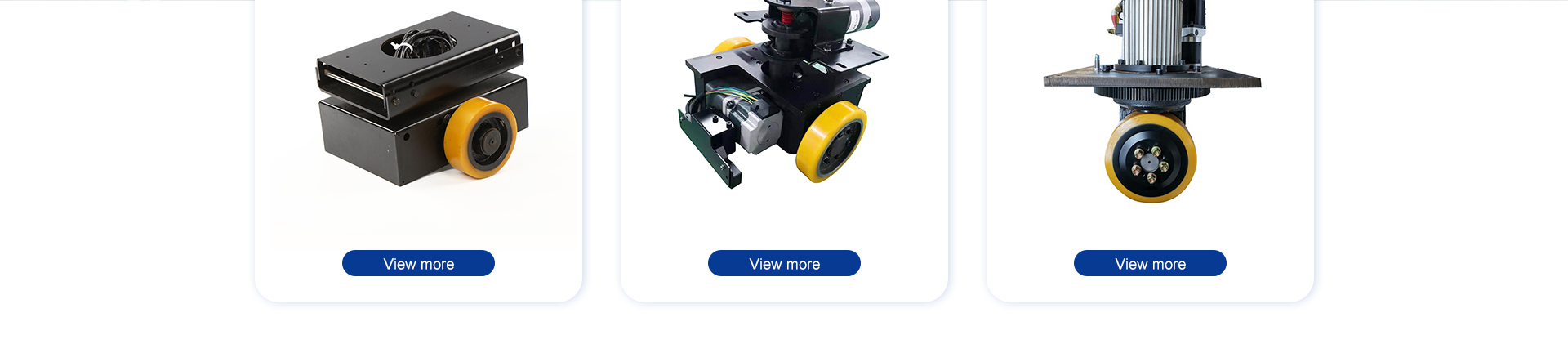
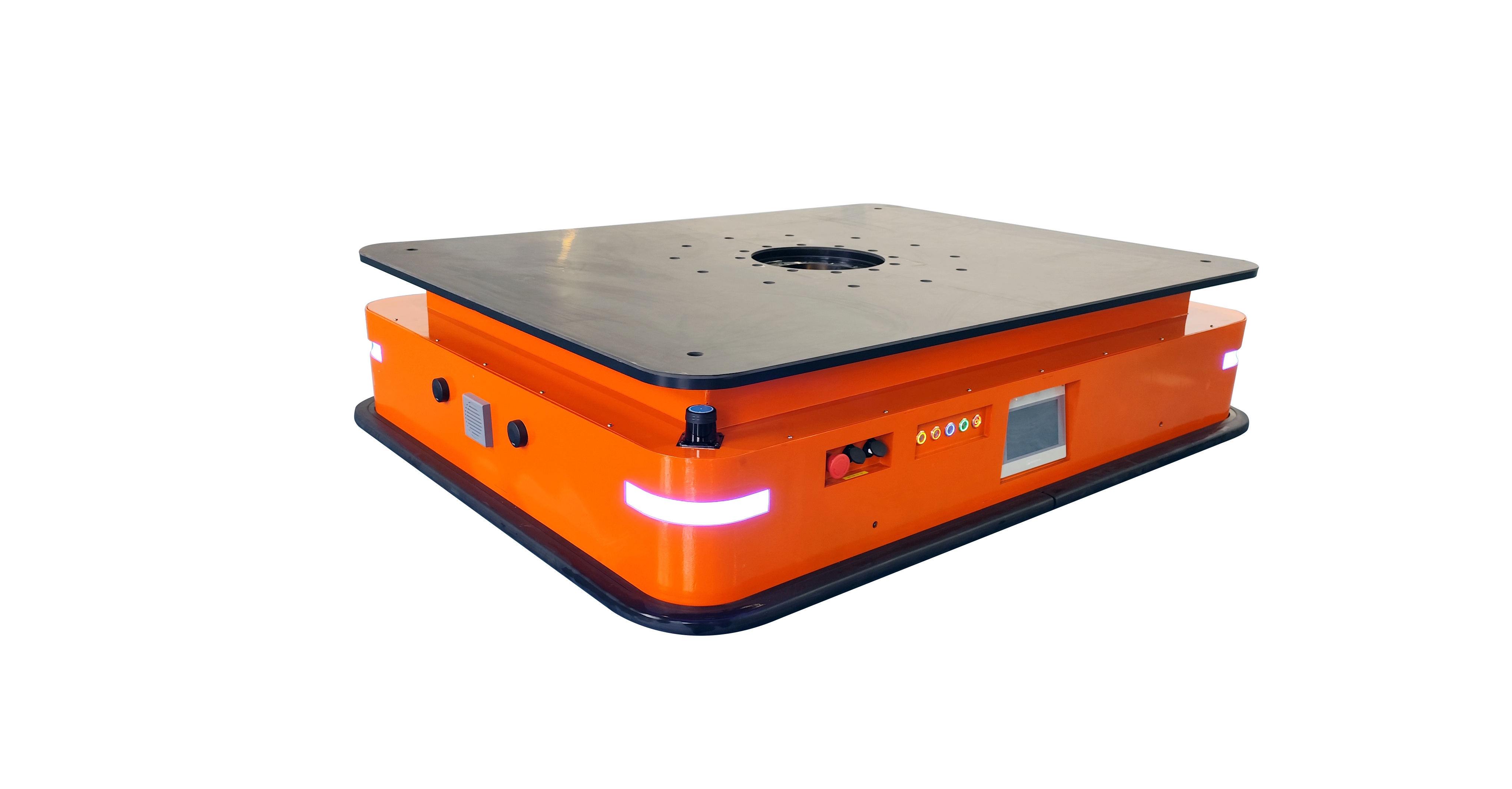
For latent AGVs, small lifting robots and low-clearance platforms that need a compact drive module under the chassis.
For under-ride carts, pallet-handling platforms and production-line transfer vehicles requiring higher torque and braking.
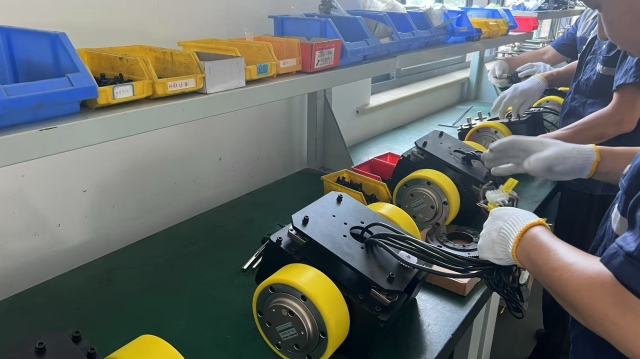
For industrial platforms, heavy transfer carts and custom AMRs where wheel load, ramp holding and service life are critical.
Global procurement teams are moving from one-off lowest-price purchasing toward supply assurance, documented performance and lifecycle cost.
Buyers qualify two or more compatible drive configurations for the same vehicle family. Standard mounting interfaces and exchangeable wheel treads help reduce line-down risk without duplicating engineering work.
Purchasing decisions increasingly include spare treads, brake wear, encoder replacement and energy consumption. A slightly higher sample price can be justified when the drive module is easier to service and has a longer service interval.
Procurement teams now ask for inspection records, test data, drawing revisions and material specifications. Traceable documentation supports internal quality audits and helps resolve integration questions faster.
Long-term supply agreements, buffer stock and clear lead-time commitments are becoming standard. Buyers want the same wheel geometry and motor parameters available for repeat orders and after-sales spare parts.
CAD models, mounting dimensions, wiring diagrams and driver parameter files shorten the design cycle. Buyers prefer suppliers who can support both mechanical integration and motion commissioning.
Vehicle makers review brake behavior, emergency stop response and fault reporting earlier in the project. Specify these requirements with the drive assembly so they can be validated together with the controller and vehicle safety system.
Drive assemblies are becoming more integrated, more communicative and easier to maintain as AGV fleets scale from pilot projects to production logistics.
Compact servo motors and optimized planetary reducers deliver more wheel torque in the same envelope. This helps designers keep the chassis low without sacrificing acceleration or gradeability.
Temperature, encoder status, current and fault codes are increasingly exposed to the vehicle controller. Maintenance teams can identify overload, misalignment or brake issues before they become downtime events.
Low rolling resistance treads, efficient reducers and matched motor control help extend battery runtime. This is especially important for 24 V platforms and high-cycle warehouse AGVs.
Brake monitoring, emergency stop logic, over-temperature protection and safe torque-off options are being requested for AGVs working near people and high-value goods.
Replaceable PU and rubber treads allow buyers to adapt the same drive body to cleanroom, wet, oily or outdoor floor conditions while keeping the motor and reducer platform common.
Horizontal drive units are being tuned for smooth low-speed control and precise stop behavior, which supports laser SLAM, QR code and hybrid navigation platforms.
Founded in 2015 in Zhejiang, China, Zhejiang Torqen Technology Co., Ltd. designs and manufactures automatic guided vehicles, AGV drive wheel assemblies, DC/AC motors, encoders, reducers, motor controllers, caster and PU wheels, and in-wheel motor units for automation builders worldwide. Our team supports OEM integrators from concept review through prototype testing and series production.
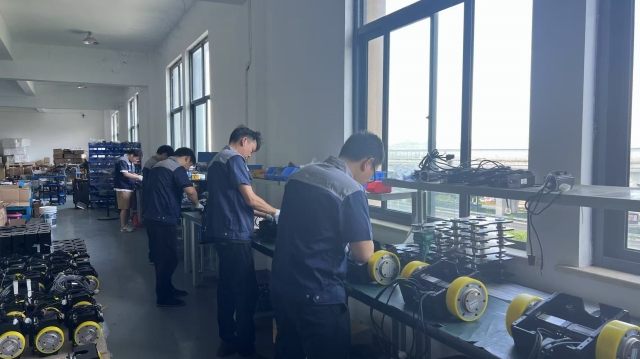
For horizontal drive wheel assembly projects, the advantage is matched engineering. We can combine the drive wheel, servo or BLDC motor, reducer, encoder, brake, driver and optional sensors in one technical review. This reduces interface risk and gives buyers a single point of contact for dimensions, test records and delivery planning.

Years in drive technology
Patents awarded
Employees & engineers
Buyer rating
Inquiry response rate
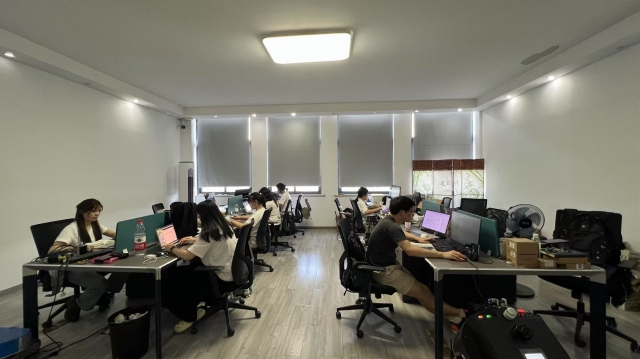
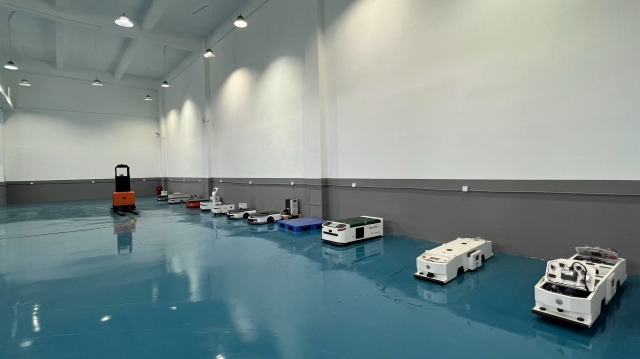
Real production and inspection photos help buyers evaluate manufacturing depth before requesting samples. Click any image to enlarge.
These are the questions global engineers and purchasing teams most often raise before requesting samples or production orders.
A horizontal drive wheel assembly arranges the traction motor and reducer horizontally to keep the chassis height low. It may be used as an individual drive module or paired with another wheel. A differential drive unit usually refers to a pair of independently driven wheels that steer by speed difference. The right choice depends on the chassis envelope, turning method and load distribution.
Provide gross vehicle weight, maximum payload, target speed, acceleration, maximum gradient, wheel diameter preference, battery voltage, available chassis height, duty cycle, floor condition, brake requirement, IP rating and estimated annual quantity. A mounting drawing or 3D model of the interface is also helpful.
Yes. OEM and ODM customization can include motor power and voltage, reduction ratio, wheel diameter, PU or rubber tread, bearing and hub design, encoder type, brake holding torque, connector type, cable length and private-label packaging. Custom drawings are reviewed by our application engineering team before sampling.
There is no single payload limit because the assembly works as part of a vehicle system. Common configurations cover approximately 300 kg to 3,000 kg gross vehicle weight, with larger or reinforced designs quoted after engineering review. The final selection depends on wheel load, speed, gradient, duty cycle and the number of drive wheels.
Zhejiang Torqen Technology Co., Ltd. operates an ISO 9001:2015 quality management system and has been verified onsite by Intertek. Finished-product inspection uses five in-house testing instruments. Prototypes can be run for extended periods before production release, and inspection records can be provided with shipment documentation.
MOQ and lead time depend on whether the project uses a standard configuration or a custom motor, reducer, wheel and mounting interface. Standard samples are usually discussed first for engineering validation. Production lead time is confirmed after drawings, sample approval, material planning and order quantity are finalized.
Yes. Zhejiang Torqen Technology Co., Ltd. can supply matched servo or BLDC drivers as well as magnetic guide sensors, RFID position sensors and lidar options. Sharing the driver parameters from the beginning helps avoid current-limit, encoder or brake-logic issues during commissioning.
Accepted payment methods include T/T, L/C, D/P, D/A, MoneyGram, credit card, PayPal, Western Union, cash and escrow, in USD, EUR, JPY, CAD, AUD, HKD, GBP or CNY. Delivery terms include FOB, CFR, CIF, EXW, CIP, FCA, CPT, DDU and express delivery.
Routine checks should cover tread wear, wheel mounting torque, cable condition, brake response, abnormal noise and encoder signal stability. In dusty or wet environments, verify the specified IP protection and cleaning procedure. Replaceable treads and accessible brake or encoder components help reduce downtime.
They are used in AGVs and AMRs, warehousing and logistics equipment, forklifts, under-ride carts, airport equipment, floor scrubbers and sweepers, industrial automation platforms, medical devices and other mobile equipment requiring a low-profile electric drive.
Yes. We support spare wheels, treads, encoders, brakes and related components, and can provide wiring diagrams and parameter guidance. Technical questions are handled by the sales and engineering team, with the full company contact available at info@torqenbot.com.
Send gross vehicle weight, target speed, gradient, wheel diameter, battery voltage and chassis height. Zhejiang Torqen Technology Co., Ltd. will recommend the motor, reducer, encoder, brake and wheel tread, then confirm sample and production lead time.
info@torqenbot.com