Clear or Low-Profile Wear Film
Useful where maintenance teams need to inspect the magnetic stripe visually while still adding a protective top layer. Low-profile film can help reduce edge lift and is often preferred on smooth epoxy floors.
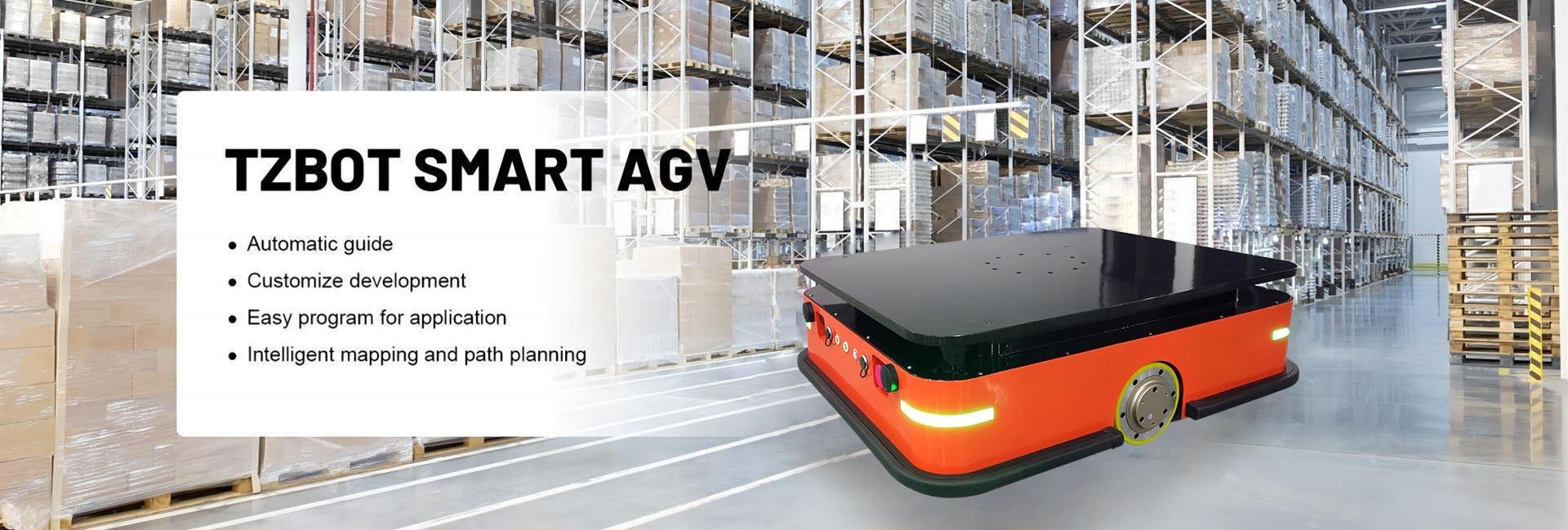
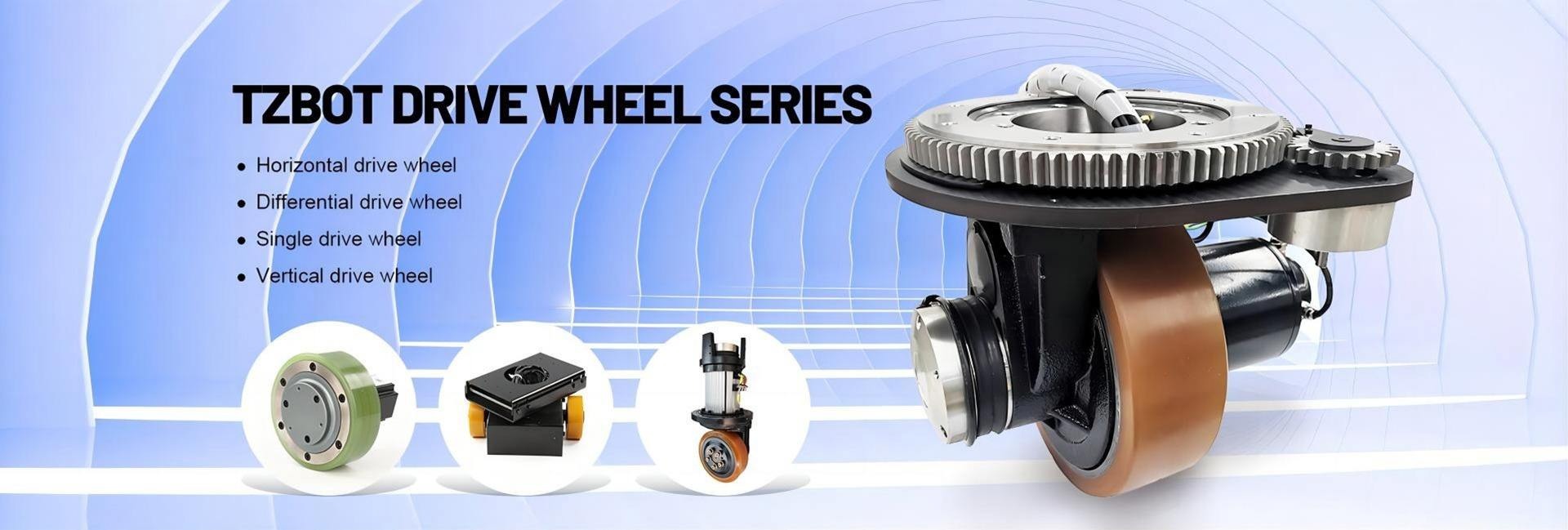
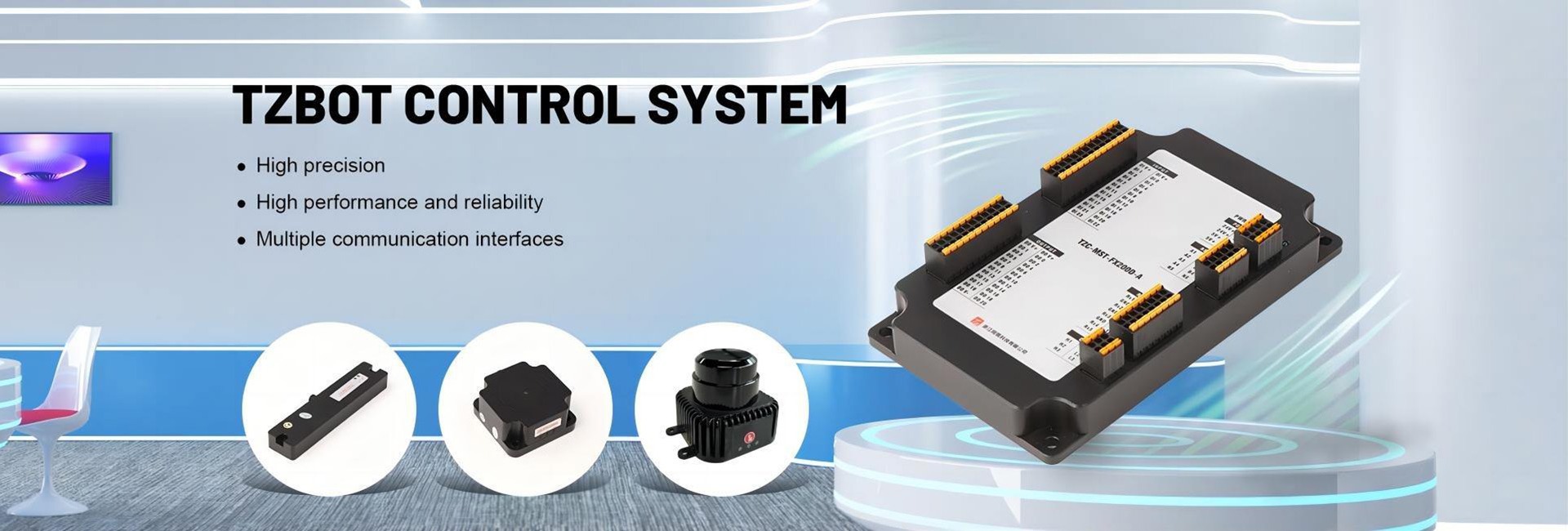
If you are comparing suppliers for AGV magnetic stripe protective tape, the real question is not only price per roll. It is how the tape performs on your floor, under your wheels, around your cleaning schedule and inside your sensor window. This guide answers the questions global procurement and engineering teams ask before they specify, sample and scale protective tape for magnetic guide paths.
AGV magnetic stripe protective tape is a wear-resistant covering applied over the magnetic guide stripe used by automatic guided vehicles. It is not the navigation stripe itself. The magnetic tape carries the guide signal; the protective tape creates a durable barrier between that magnetic track and the operating environment. It helps shield the guide path from wheel abrasion, dust, moisture, cleaning chemicals, foot traffic and general production wear.
Buyers usually search for this product when they are replacing a worn guide path, specifying a new AGV lane, standardizing maintenance consumables, or qualifying a second-source accessory supplier. The decision is rarely just “lowest price per roll.” Tape that curls at the edges, traps debris, discolors, or changes sensor behavior can create hidden downtime. A good specification therefore connects the tape to the magnetic sensor, the floor substrate, the wheel material and the cleaning routine.
From a sourcing perspective, AGV magnetic stripe protective tape belongs to the AGV navigation consumables and AGV accessories category. Experienced suppliers should understand the surrounding drive wheel, sensor and controller system, because a tape that works on one vehicle platform may not suit another. That is why an accessories quotation is stronger when it is supported by engineering questions, sample validation and batch traceability rather than a simple price sheet.
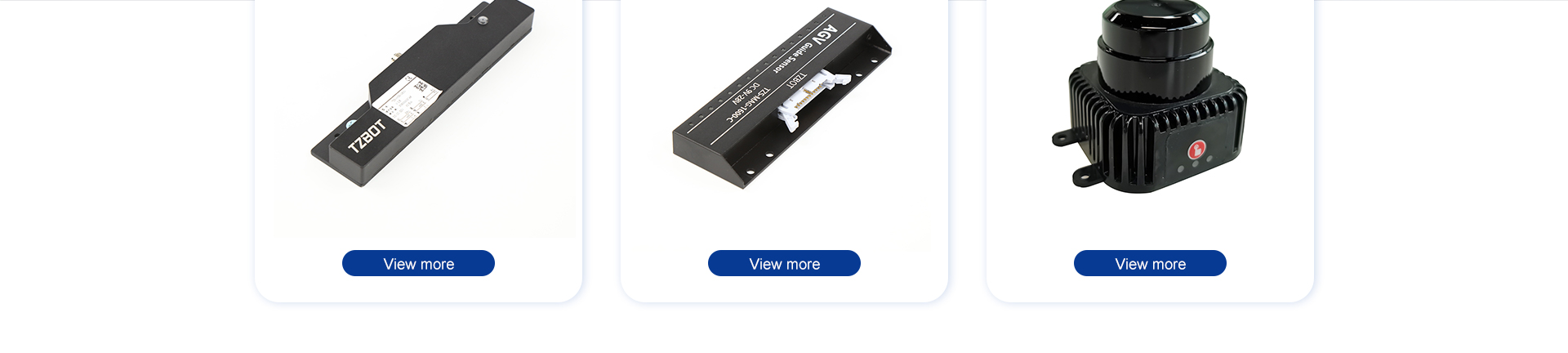
There is no single protective tape that is ideal for every AGV route. The right construction depends on wheel load, traffic frequency, floor finish, cleaning chemicals, curve radius, splice tolerance and the magnetic sensor’s reading window. The most useful recommendation is therefore a specification process, not a generic catalogue number.
Useful where maintenance teams need to inspect the magnetic stripe visually while still adding a protective top layer. Low-profile film can help reduce edge lift and is often preferred on smooth epoxy floors.
Pre-slit widths reduce on-site cutting, improve edge consistency and shorten planned shutdown time. For OEM projects, roll length, core size and private-label packaging can be specified in the quotation.
For dusty plants, cleaning-intensive lines or electronics areas, discuss low-friction, easy-clean or anti-static options with your supplier. Actual performance should be confirmed by a route sample.
| Route Condition | Specification Focus | Procurement Note |
|---|---|---|
| High wheel traffic | High-wear top surface, stable adhesive, controlled thickness | Request sample wear testing on the actual floor and wheel load |
| Dust and abrasion | Smooth easy-clean surface that does not trap grit | Review cleaning method and edge sealing with the supplier |
| Chemical cleaning | Chemical-resistant film and compatible adhesive | Share the cleaning agents and exposure frequency in the RFQ |
| Electronics / ESD area | Anti-static grade and documented surface properties | Ask for a sample and applicable test information |
| Curves and junctions | Conformability, tensile balance and controlled width tolerance | Confirm minimum bend radius and overlap method before ordering |
To recommend a suitable AGV magnetic stripe protective tape, please provide:
Photos of the existing guide path, worn edges and floor transitions are also useful. With these details, Zhejiang Torqen Technology Co., Ltd. can confirm a quotation scope, sample plan and OEM packaging requirements more efficiently.
Buyer recommendation: approve protective tape only after a short on-site trial. Validate sensor signal stability, edge adhesion after wheel passes, cleaning response and splice behavior. A small sample roll is usually cheaper than a full-line rework project.
Global buyers are becoming more sophisticated. The conversation is moving from “How much per roll?” to “How much risk does this roll remove from my AGV route?” These are the procurement patterns shaping supplier selection and RFQ documents.
Procurement teams are calculating installation labor, downtime, rework and sensor alignment time, not only unit price. A tape that applies faster and stays flat can be more economical even at a higher roll price.
Laser SLAM and QR-code navigation are growing, but many fleets still use magnetic guidance for fixed, high-traffic or metal-dense routes. Buyers increasingly source protective tape as part of a long-term spare-parts program.
More RFQs ask for batch identification, packaging labels, material descriptions and sample records. Traceability makes it easier to compare lots, investigate route failures and maintain a repeatable maintenance standard.
Instead of sourcing tape from a local converter and AGV parts from multiple vendors, buyers prefer one qualified AGV accessory partner who understands sensors, controllers, drive wheels and route maintenance.
Another shift is the rise of small trial orders followed by scheduled releases. Buyers want to test on a real AGV route before committing to annual volume, but they also want a supplier who can scale consistently. That has made sample responsiveness, roll-format flexibility and export packaging just as important as the tape itself. For plants with multiple sites, procurement teams are also asking for repeatable specifications that can be used across regions, so a site in Europe and a site in Asia do not qualify different materials for the same route standard.
Finally, the “AI search” behavior of buyers is changing the way suppliers are evaluated. Purchasing managers now ask tools questions such as “What is the difference between AGV magnetic guide tape and protective tape?”, “How do I test magnetic stripe protective tape?” and “What should an AGV accessory RFQ include?” A supplier with clear technical content, real factory photos and traceable credentials can answer these questions with information gain, not just a slogan. Zhejiang Torqen Technology Co., Ltd. presents its manufacturing data, AGV product range and quality process so buyers can compare evidence before they start the sampling process.
AGV platforms are becoming faster, more compact and more integrated with manual workflows. Those changes place new demands on the protective layer above the magnetic guide stripe.
Lower build height can help reduce edge lift and improve transition performance. At the same time, film strength must remain sufficient for wheel traffic, cleaning brushes and repeated maintenance handling.
Dust, cardboard fibers and pallet debris can build up on a route. A smoother surface can reduce drag, simplify cleaning and help protect the magnetic track without disrupting sensor reading.
Epoxy coatings, sealed concrete, tile transitions and older substrates behave differently. Adhesive selection and surface preparation are becoming more important than color or thickness alone.
Electronics, medical and precision assembly environments increasingly request anti-static or low-particle options. Suppliers should provide material information and sample validation support rather than vague claims.
Pre-slit rolls, consistent core sizes and protected outer wraps reduce installation scrap. OEM buyers also want private labels, carton marks, barcodes and batch numbers that match their internal systems.
Where AGVs switch between magnetic guide paths and natural-feature navigation, protective tape must coexist with floor markers, QR labels and RFID tags. Route maintenance documentation becomes a shared task.
Information gain for buyers: ask suppliers to provide a route-specific sample pack, not just a product photo. Test the sample under a loaded vehicle, run repeated wheel passes and document sensor signal stability. The data from that test is more valuable than a generic “wear-resistant” statement.
Zhejiang Torqen Technology Co., Ltd. was founded in 2015 in Zhejiang, China, and manufactures automatic guided vehicles, AGV drive wheel assemblies, motors, servo/BLDC controllers, navigation sensors and AGV accessories for automation builders worldwide. This breadth matters when you source a consumable such as AGV magnetic stripe protective tape: the supplier can discuss the tape together with the drive wheel, guide sensor and controller environment that determines route reliability.
Our quality management system is certified to ISO 9001:2015, and our facility has been independently assessed onsite. We hold eight awarded patents and use five in-house testing instruments for finished-product inspection. Prototypes undergo extended-duration testing before production release. For global buyers, these controls support repeatability across samples, pilot orders and volume shipments.
We support sample-based customization, design-based customization, OEM production, design services and buyer-label packaging. Typical customization discussions include dimensions, packaging, labeling, roll format and application-specific requirements. Export support includes FOB, CFR, CIF, EXW, CIP, FCA, CPT and DDU terms, with payment methods such as T/T, L/C, D/P, D/A, credit card, PayPal, Western Union and escrow. Our buyer inquiry response rate is 97.9%, and technical follow-up continues after delivery.

Years in motion technology
Patents awarded
Team members & engineers
In-house testing instruments
Inquiry response rate
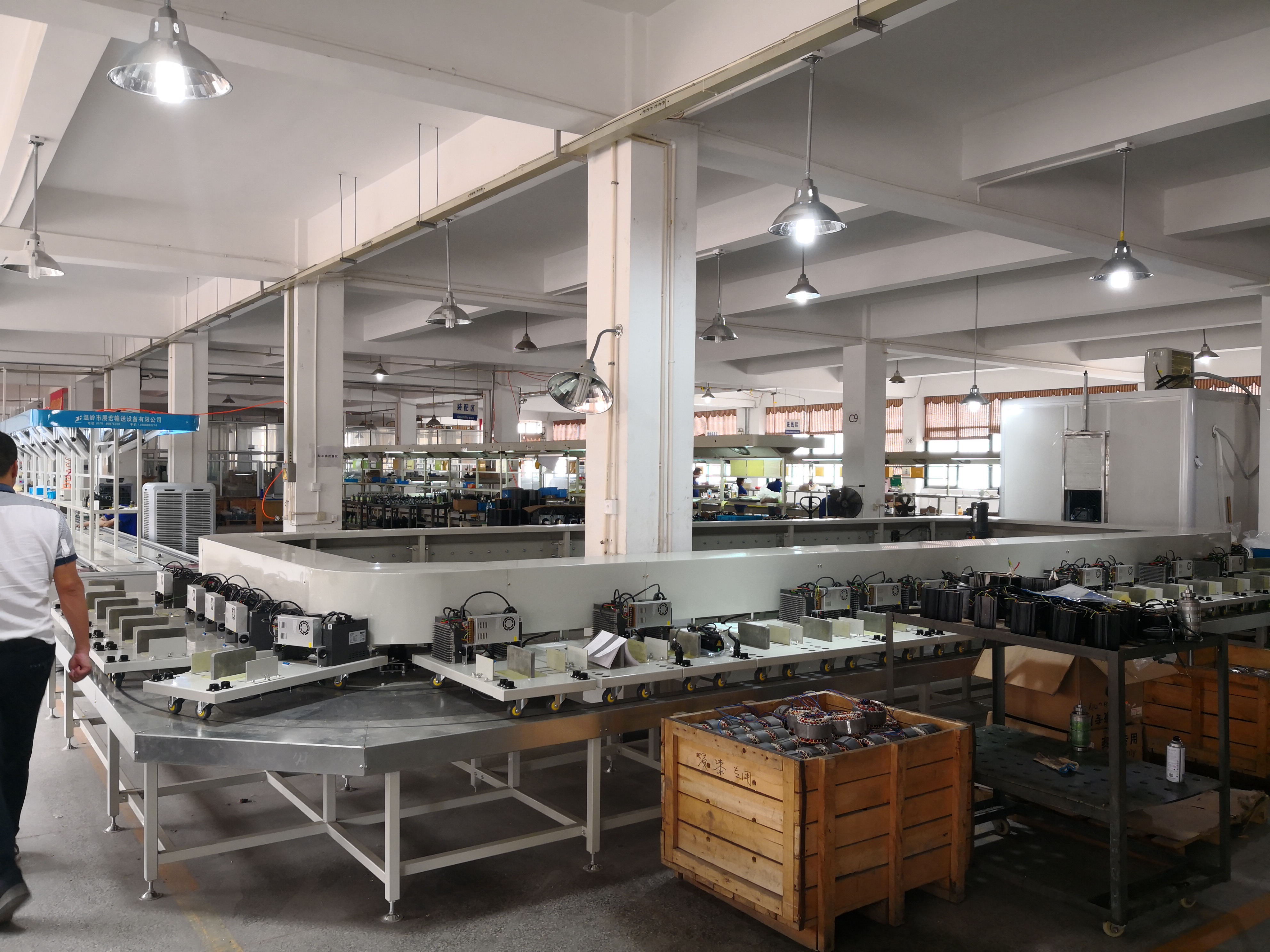
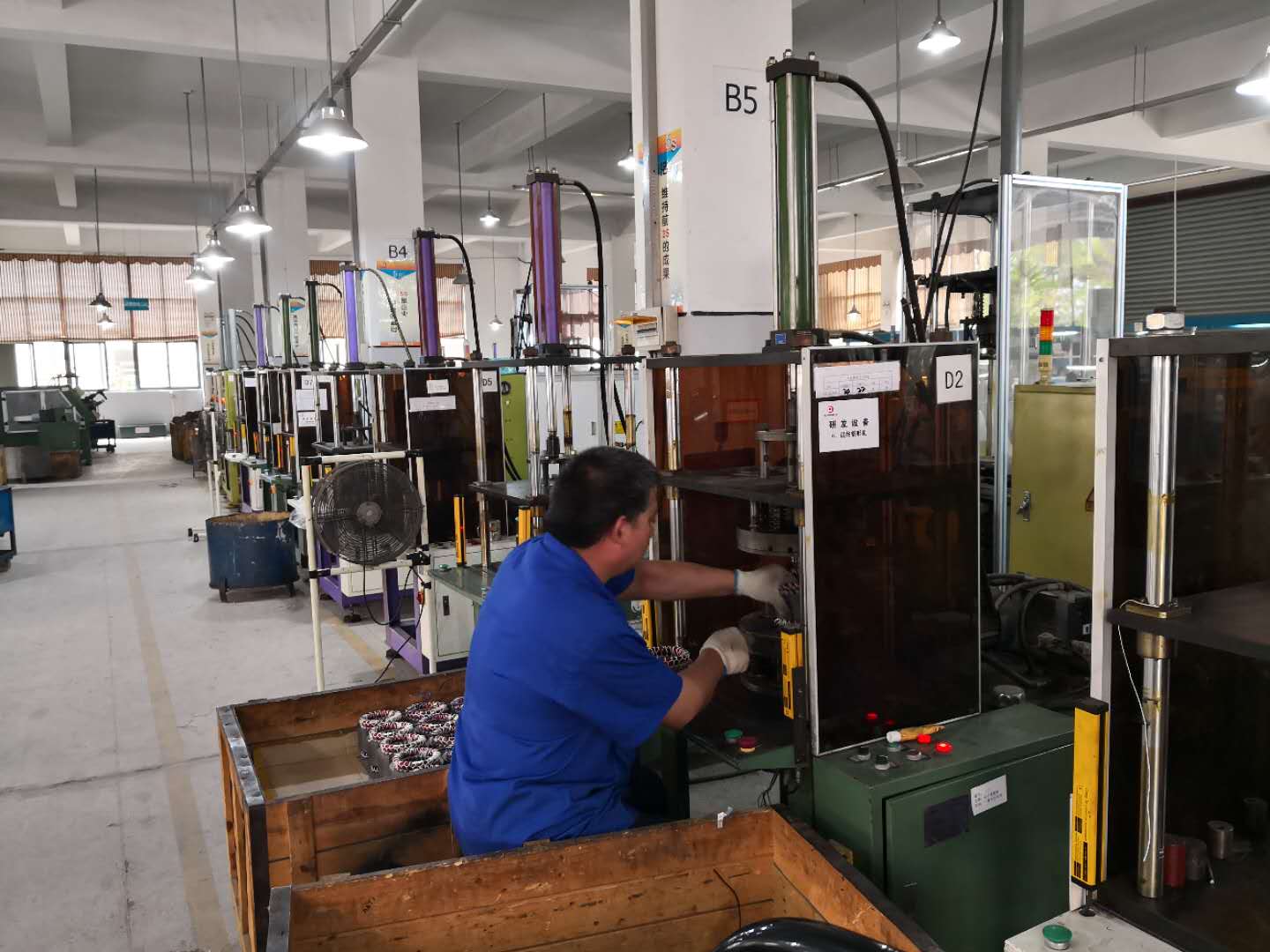
Real images from our facility help buyers verify the supplier behind the quotation. Click any photo to enlarge.
Protective tape is a small component with a large effect on route reliability. A disciplined sample and installation process protects both the magnetic stripe and the AGV schedule.
A supplier who can answer questions about the AGV drive wheel, magnetic sensor and controller environment is better positioned to support long-term maintenance than a tape-only trader who cannot discuss route integration.
Buyers should discuss these points before placing a volume order. The aim is not to promise a universal service life, but to define a specification and maintenance procedure that can be repeated across routes and sites.
Measure stripe width, floor type, traffic, speed and cleaning routine.
Test adhesion, sensor signal and edge stability on a short route section.
Clean, dry and confirm the surface is compatible with the adhesive system.
Use consistent tension and avoid trapped air, wrinkles and contaminated splices.
Run loaded vehicle tests through curves, junctions and stop positions.
Document batch details and inspect edges during planned maintenance.
The magnetic guide tape carries the navigation signal that the AGV sensor reads. The protective tape is an outer wear layer that covers the magnetic stripe and helps protect it from abrasion, moisture, dust and cleaning. They serve different functions, and the protective layer should be selected to work with the magnetic sensor and route conditions.
It can affect the signal if the film, adhesive or thickness is not suitable for the application. The safest approach is to request a sample and test it on the actual magnetic stripe, floor and AGV platform. Confirm sensor signal stability, switching points and route performance before approving volume production. Zhejiang Torqen Technology Co., Ltd. can coordinate the sample discussion with your technical team.
Not completely. Laser SLAM is valuable for flexible routes and changing layouts, while magnetic guidance remains practical for fixed routes, high-traffic lanes and environments with metal structures or other conditions that complicate natural-feature navigation. Many operations use hybrid navigation, so protective tape remains a relevant consumable for the magnetic sections of the route.
Include the existing magnetic tape width and thickness, floor substrate, AGV weight, wheel material, route speed, traffic frequency, cleaning chemicals, required roll length, target slit width and packaging requirements. Photos of the route and worn areas help. If you need OEM labeling, state the artwork, carton marks, barcode and batch-label requirements in the first message.
Yes. Zhejiang Torqen Technology Co., Ltd. supports sample-based customization, design-based customization, OEM production and buyer-label packaging. Width, roll length, core size and packaging can be discussed against the application. The final specification should be confirmed in the quotation after the sample and technical requirements are reviewed.
Run a short route sample under the same wheel load, speed and cleaning routine as production. Check edge adhesion, curling, surface wear, debris accumulation, splice behavior and sensor signal. Ask the supplier for batch identification and material information so the approval can be repeated in future purchases. This sample-based approval process reduces the risk of a full-site rework.
Export support includes payment methods such as T/T, L/C, D/P, D/A, MoneyGram, credit card, PayPal, Western Union, cash and escrow, with delivery terms including FOB, CFR, CIF, EXW, CIP, FCA, CPT, DDU and express delivery. Currencies can include USD, EUR, JPY, CAD, AUD, HKD, GBP and CNY. Final terms are confirmed in the quotation.
Typical applications include warehouse AGVs and AMRs, production-line material handling, automotive assembly, electronics manufacturing, food and beverage logistics, pharmaceutical operations, packaging lines, and other fixed-route automation systems. Each application should be reviewed for floor type, cleaning chemicals, traffic and sensor compatibility before a specification is approved.
Sample discussions are an important part of the sourcing process. Share the route details, target width and application conditions, and the supplier can confirm the available sample arrangement. A trial on a real AGV route is usually the most reliable way to validate whether the protective tape is suitable for your floor, wheel load and magnetic sensor system.
Use the Contact Us button on this page to open the live inquiry window, or write to info@torqenbot.com. Please include the RFQ data pack so our team can respond with a suitable product direction, sample plan and quotation scope. For company and factory information, you can also review the company profile, trade capacity and transaction history pages.
Send your guide tape width, floor type, AGV weight, cleaning routine and target roll length. Our team will help you define a sample plan, packaging requirement and export quotation for your route.
info@torqenbot.com