info@torqenbot.com Hangzhou, Zhejiang, China ISO 9001:2015 · Onsite-Verified Manufacturer
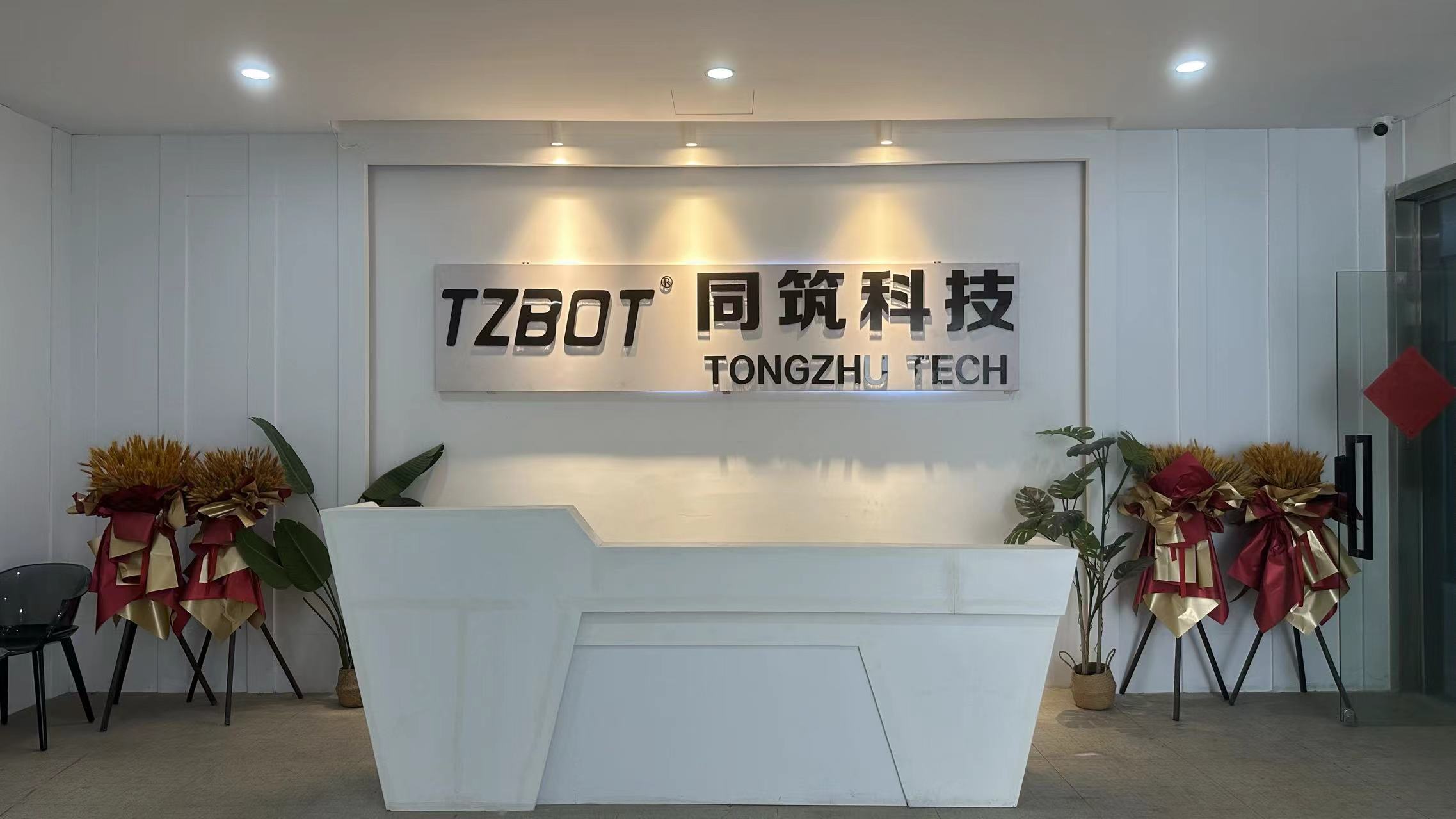
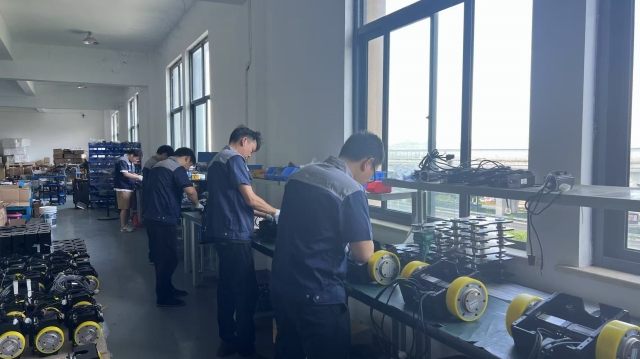
Production workshop for AGV magnetic guide sensors and navigation components
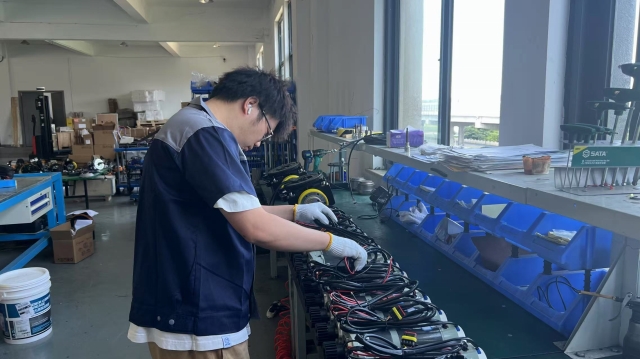
AGV drive wheel and magnetic guide sensor assembly line
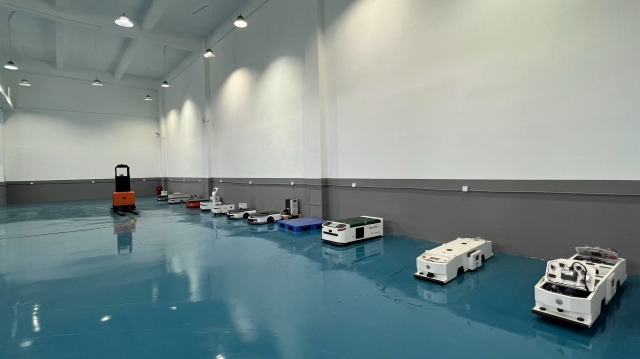
AGV assembly and navigation commissioning area
Semantic Buyer Guide · AGV Navigation

How Should Global Buyers Choose an AGV Magnetic Guide Sensor for Reliable, Cost-Effective AGV Navigation?

This guide answers the questions procurement teams and engineers increasingly ask AI assistants: which magnetic guide sensor fits a low-clearance AGV, how magnetic tape guidance compares with QR codes and SLAM, what must be checked before approving a sample, and how sensor fusion improves route reliability without overcomplicating the vehicle.

  • 16-bit magnetic guide sensor coverage for AGV route following
  • RFID station recognition and lidar obstacle avoidance integration
  • ISO 9001:2015 manufacturing, Intertek onsite verification, OEM/ODM support
  • 16-bit GuidanceMagnetic guide sensor options
  • ISO 9001:2015Quality management certified
  • Intertek VerifiedOnsite factory assessment
  • OEM / ODM ReadySample and design customization
  • Global Export SupportFOB, CIF, EXW and more
Technology Explained

What Does an AGV Magnetic Guide Sensor Actually Do?

An AGV magnetic guide sensor is a non-contact navigation sensor that reads a magnetic tape or magnetic stripe installed on the floor. As the automated guided vehicle travels over the tape, the sensor measures the lateral offset and angle between the vehicle and the intended path. The AGV controller uses this feedback to adjust the left and right drive wheels, keeping the vehicle centered and stable.

For global buyers, the magnetic guide sensor is not simply a low-cost navigation accessory. It determines how predictable the route will be, how much floor preparation is required, how easily the vehicle can handle junctions and station stops, and how much commissioning time the integrator must budget. A well-selected sensor can reduce rework, while a poorly matched sensor can create constant speed-dependent tracking errors.

Magnetic guidance is especially effective for repetitive intralogistics routes: production-line feeding, warehouse transfer, latent lifting AGVs, jacking vehicles and fixed-lane transport. It does not depend on continuous mapping and is less affected by changing light conditions than some vision-based methods. When combined with RFID position sensors at decision points and lidar for obstacle avoidance, magnetic guidance becomes a practical foundation for reliable sensor fusion.

Guidance Method
Magnetic tape / stripe
Sensor Resolution
16-bit magnetic guide option
Common Integration
Drive wheel + controller + RFID + lidar
Best Fit
Fixed-route AGV and AMR navigation
2015Established
Testing of AGV magnetic guide sensor, drive wheel and controller integration
ISO certification and patent documentation AGV drive wheel and sensor assembly workshop
Product Recommendation

Recommended AGV Magnetic Guide Sensor Solutions for Common Buying Intentions

Different AGV platforms need different navigation packages. The recommendations below help buyers match the magnetic guide sensor with the rest of the drive and navigation system, instead of purchasing isolated parts that may not integrate cleanly.

Route-Following Magnetic Guide Sensor

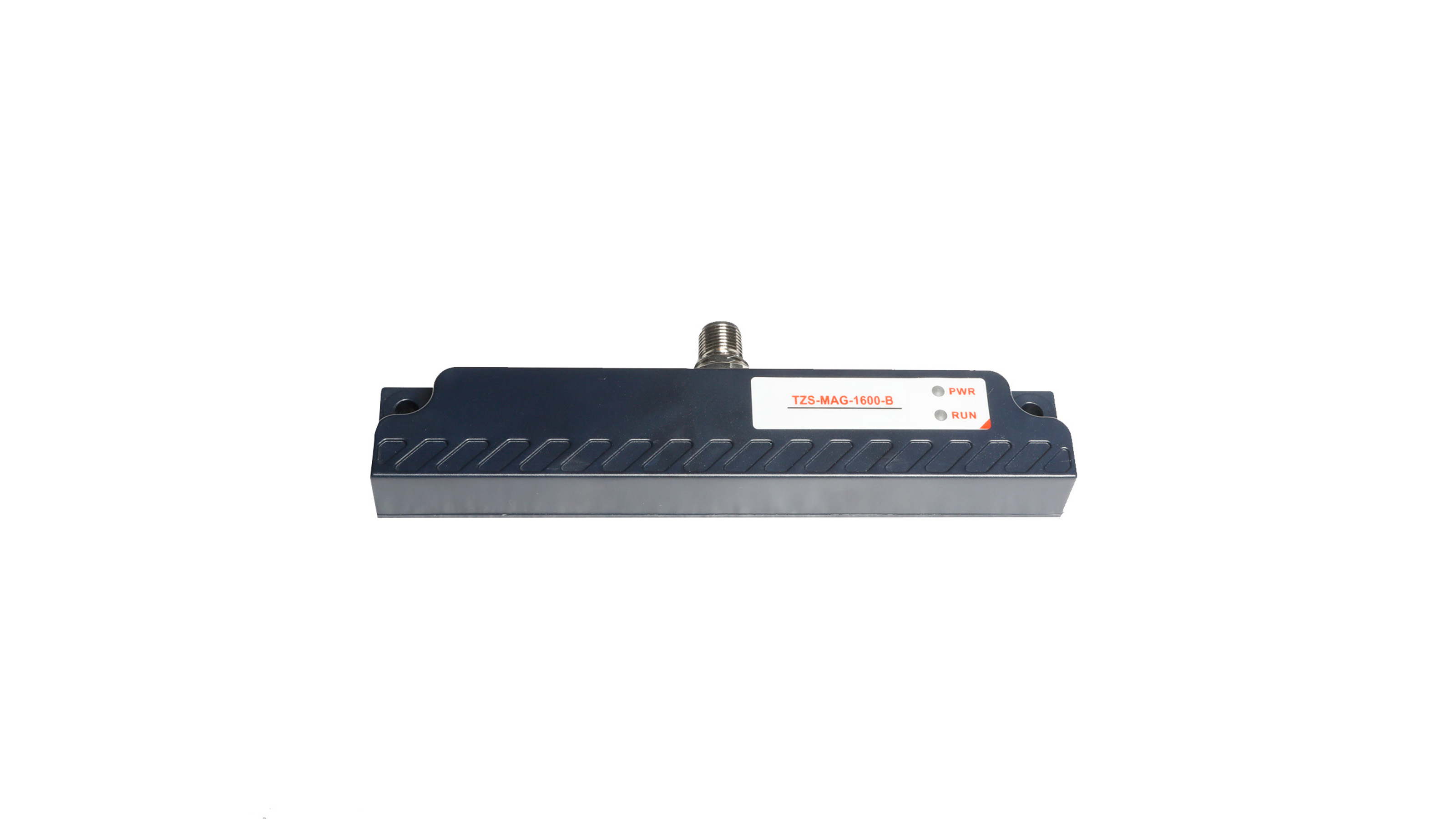
A 16-bit magnetic guide sensor option for latent, jacking and fixed-route AGVs. It provides lateral offset feedback for the vehicle controller so the drive wheels can correct continuously. Cable length, connector, bracket and interface configuration are confirmed during engineering review.

RFID Position Sensor Pair

An RFID position sensor and floor tags support station recognition, speed-zone switching and junction decisions. Used with the magnetic guide sensor, RFID provides discrete position confirmation while the magnetic sensor handles continuous route following.

Lidar Safety and Sensor-Fusion Kit

The lidar obstacle avoidance sensor can be integrated alongside magnetic guidance for safer navigation in shared workspaces. Magnetic guidance keeps the AGV on its intended route, RFID identifies known stations, and lidar addresses unexpected obstacles.

Matched Drive-Train Package

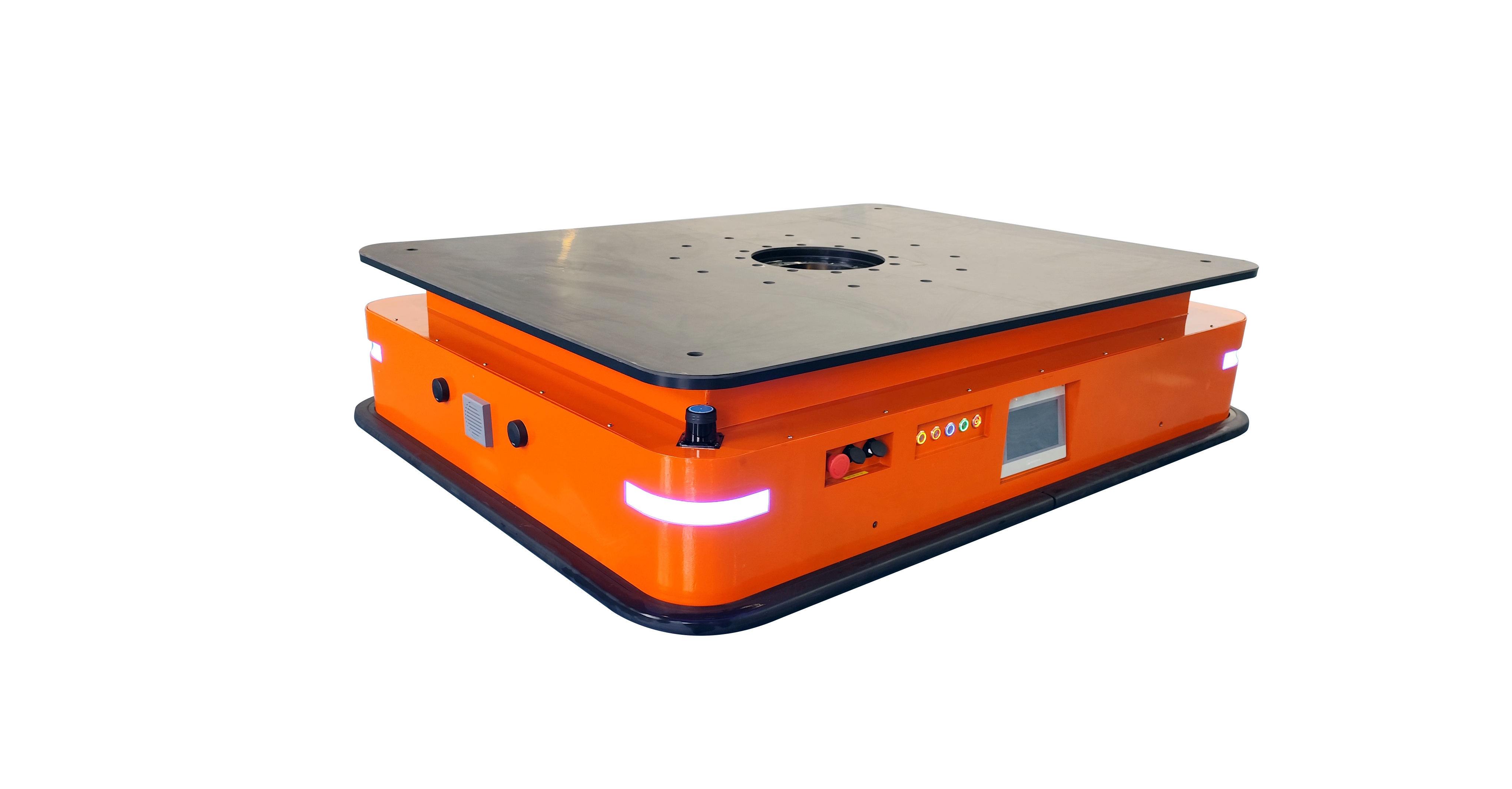
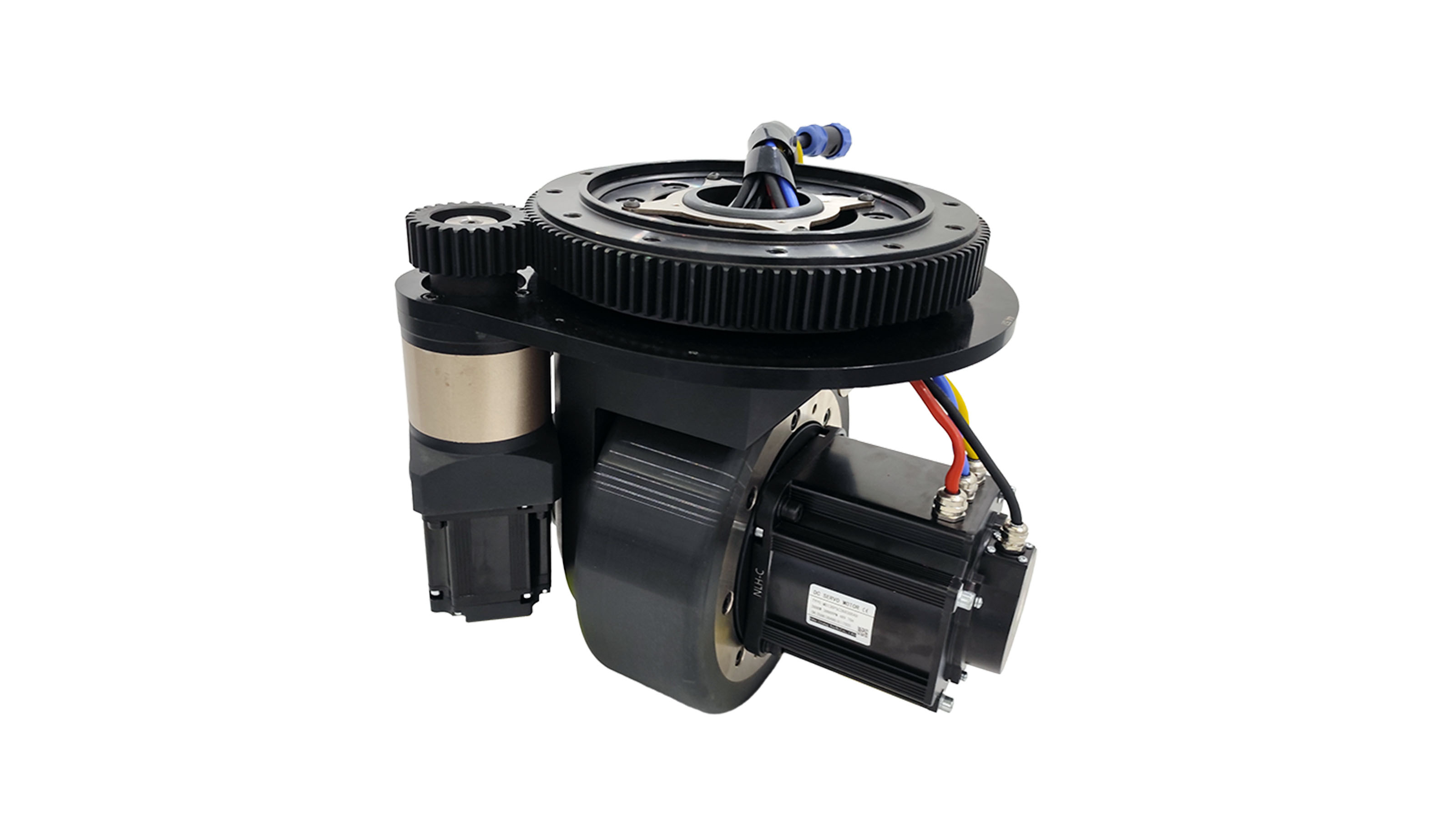
Buy the magnetic guide sensor with AGV drive wheels, servo/BLDC controllers, motors, encoders and reducers from one engineering team. This reduces integration risk because the navigation feedback, drive response and controller parameters can be reviewed together.

Buyer note: the highest-value quotation is not always the lowest sensor price. Ask for the sensor mounting drawing, interface definition, commissioning support and compatible drive-wheel configuration so the total integration cost is visible before the sample is approved.
Product Development Trends

Where Is the AGV Magnetic Guide Sensor Heading Next?

Magnetic guidance remains mature, but the sensor is becoming more intelligent, easier to integrate and more closely connected to vehicle safety and diagnostics.

Edge-Level Diagnostics

Future sensors will provide clearer signal-quality feedback, tape-loss warnings and fault status. For buyers, this means faster commissioning and more predictable maintenance planning.

Higher Noise Immunity

AGVs operate near drive motors, controllers, metal flooring and charging equipment. Sensor development is focused on stable magnetic field reading and robust electrical design in these environments.

Modular Sensor Kits

Integrated kits combining magnetic guidance, RFID and mounting hardware simplify procurement. Buyers can specify one navigation module instead of coordinating multiple small accessories.

Flexible Interfaces

Sensor integration is becoming more configurable to suit different AGV controllers, wiring layouts and vehicle voltages. Early interface review reduces adapter boards and custom cable rework.

Sensor Fusion by Design

Magnetic guidance provides deterministic route following; RFID verifies known positions; lidar handles unexpected obstacles. The future is a coordinated sensing stack, not one sensor expected to solve every task.

Lifecycle and Spare-Parts Planning

Professional buyers increasingly request revision control, spare-part planning and long-term supply support. A stable sensor platform protects fleet standardization and repeat-order consistency.

Engineering Selection Guide

How to Specify an AGV Magnetic Guide Sensor Without Costly Rework

A practical checklist for procurement managers, integration engineers and AGV builders who need to validate the sensor before placing a production order.

Sensor Specification Checklist

Specification AreaQuestions to Answer Before Sampling
Route layoutWhat is the magnetic tape width, turning radius, junction pattern and maximum vehicle speed?
Mounting geometryWhat is the available sensor mounting height, bracket space and cable exit direction?
Controller interfaceWhat signal type, voltage, connector pinout and communication protocol does the AGV controller require?
EnvironmentAre there metal floor joints, nearby motors, charging equipment, water, dust or temperature extremes?
Vehicle dynamicsWhat are the payload, acceleration, braking behavior and maximum lateral error allowed at speed?
Maintenance planHow will magnetic tape be cleaned, protected and replaced, and what spare sensor quantity should be stocked?

When Magnetic Guidance Is the Right Fit

MethodInfrastructureBest Fit
Magnetic guide sensorMagnetic tape on floorFixed routes, repeatable paths, low cost and fast deployment
RFID position sensorRFID tags at stationsStation recognition, speed zones, junctions and process confirmation
QR code navigationFloor QR gridGrid warehouses and goods-to-person systems
Laser SLAM / lidarNatural features or reflectorsFlexible routes, frequent layout changes and open areas

Engineer's tip: before requesting a sample, prepare your AGV gross weight, target speed, maximum gradient, battery voltage, chassis height, magnetic tape width and controller wiring diagram. These values help Zhejiang Torqen Technology Co., Ltd. confirm the sensor configuration and shorten the sampling cycle.

Applications

Where Magnetic Guide Sensors and Matched Drive Components Are Used

AGV magnetic guidance is used wherever a vehicle must repeat a route with predictable positioning and low commissioning complexity.

AGV & AMR
Forklifts
Aerial Platforms
Airport Equipment
Agricultural Machines
Hydraulic Systems
Floor Scrubbers & Sweepers
Wind Energy
Marine
Medical Devices
Company Advantages

Why Global Buyers Shortlist Zhejiang Torqen Technology Co., Ltd.

Zhejiang Torqen Technology Co., Ltd. was founded in 2015 in Zhejiang, China, and manufactures automatic guided vehicles, AGV drive wheel assemblies, DC/AC motors, encoders, reducers, motor controllers, caster and PU wheels, and navigation components. For magnetic guide sensor projects, this means buyers can source the sensor together with the drive train and controllers from one engineering team.

The company operates an ISO 9001:2015 quality management system and has been verified onsite by Intertek. Its team handles OEM/ODM projects with sample-based customization, design-based customization, OEM production, design services and buyer-label packaging. Typical customization discussions cover motor power and voltage, reduction ratio, wheel diameter and tread material, encoder type, brake options and mounting interfaces; for navigation sensors, cable length, connector, bracket and interface requirements are confirmed against the AGV controller.

Quality control is supported by five in-house testing instruments, finished-product inspection and extended-duration prototype testing before production parts are released. The company reports a 4.9/5 buyer rating and a 97.9% inquiry response rate, with 8 patents awarded and a factory size of 1,000–3,000 m². For overseas buyers, these are practical indicators of engineering depth, documentation discipline and long-term supply capability.

Established
2015
Quality System
ISO 9001:2015
Factory Verification
Intertek onsite-verified
Patents
8 awarded
Factory Size
1,000–3,000 m²
Team Size
51–100 people
8Patents
Zhejiang Torqen Technology Co., Ltd. warehouse and finished AGV components
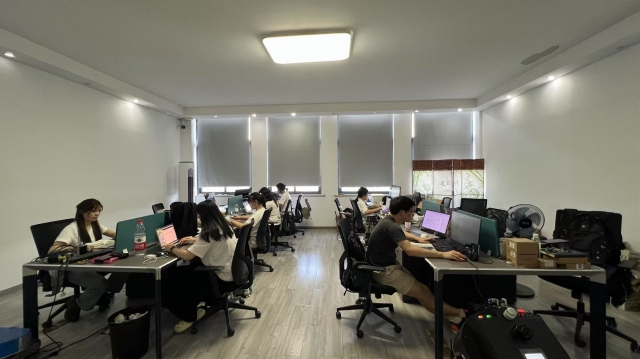
Quality control station for AGV navigation and drive components Engineering team working on AGV navigation and drive technology
  • 0+

    Years in drive and motion technology

  • 0

    Patents awarded

  • 0+

    Employees and engineers

  • 0/5

    Buyer rating

  • 0%

    Inquiry response rate

Factory Evidence

Engineering, Assembly, Testing and Quality Control Evidence

Global buyers increasingly request visual evidence before approving a magnetic guide sensor supplier. The images below show production, assembly, testing, certification and export support capabilities at Zhejiang Torqen Technology Co., Ltd.

ISO 9001:2015Quality Management System
IntertekOnsite-verified supplier
8 PatentsAwarded designs
Product Inspection5 testing instruments
ODM AvailableDesign & sample customization
Trade Terms

Flexible Payment and Delivery Terms for Global Buyers

Zhejiang Torqen Technology Co., Ltd. supports common payment methods, currencies and delivery terms for international AGV component projects.

Payment Methods

  • T/T
  • L/C
  • D/P D/A
  • MoneyGram
  • Credit Card
  • PayPal
  • Western Union
  • Cash
  • Escrow

Delivery Terms

  • FOB
  • CFR
  • CIF
  • EXW
  • CIP
  • FCA
  • CPT
  • DDU
  • Express

Currencies

  • USD
  • EUR
  • JPY
  • CAD
  • AUD
  • HKD
  • GBP
  • CNY
Buyer FAQ

AGV Magnetic Guide Sensor FAQ for Global Buyers

These are the questions procurement teams, system integrators and AGV engineers ask most often before selecting a magnetic guide sensor supplier.

What is an AGV magnetic guide sensor, and how does it keep an AGV on route?

An AGV magnetic guide sensor reads magnetic tape installed on the floor and measures the vehicle's lateral offset and angle relative to the tape. The AGV controller uses this feedback to adjust the drive wheels. In a differential-drive AGV, one wheel can speed up while the other slows down to correct the heading; in a steering-drive vehicle, the steering angle is adjusted. This creates continuous closed-loop route following without requiring a map update for every route change.

How accurate is magnetic guidance, and when should a buyer choose magnetic tape instead of SLAM?

Magnetic guidance is highly repeatable for fixed routes and is often chosen when cost, commissioning speed and deterministic behavior matter more than open-area flexibility. Accuracy depends on the sensor resolution, tape condition, mounting height, floor quality and drive-wheel response. SLAM is preferable when routes change frequently or when floor tape cannot be installed. Many AGV projects use magnetic guidance as the primary route reference and add RFID tags and lidar for station recognition and obstacle avoidance.

Can an AGV magnetic guide sensor be integrated with an existing AGV controller?

Integration depends on the controller's required signal type, supply voltage, connector pinout and communication protocol. Buyers should provide the controller model, wiring diagram, required cable length and mounting constraints. Zhejiang Torqen Technology Co., Ltd. confirms the available sensor configuration before sampling so that the mechanical bracket, cable exit and electrical interface are aligned with the vehicle design.

What causes magnetic guide sensor instability, and how can it be prevented?

Common causes include incorrect sensor mounting height, low-quality or damaged magnetic tape, sharp floor joints, loose brackets, nearby magnetic interference and electrical noise from drive systems. Stable power supply, suitable cable routing, correct tape selection, clean installation and careful commissioning usually solve these issues. During sampling, test the vehicle at the maximum working speed and with the actual payload to confirm that route-following remains stable.

Should I order RFID and lidar together with the magnetic guide sensor?

If your AGV must stop at specific stations, switch speed zones or make route decisions, an RFID position sensor is a practical companion because it confirms discrete floor positions. If the vehicle operates near people or unexpected obstacles, adding lidar improves safety and allows the vehicle to respond beyond the fixed route. The magnetic guide sensor provides continuous route reference, RFID provides known checkpoints and lidar provides obstacle detection; each layer has a clear role.

What information should I send for an accurate quotation and sample?

Send the AGV type, gross vehicle weight, target speed, maximum gradient, battery voltage, chassis height, magnetic tape width, route layout, mounting constraints, controller interface and required cable length. Also include the environment, annual demand, sample schedule, labeling requirements and any documentation needs. Complete information reduces engineering back-and-forth and helps Zhejiang Torqen Technology Co., Ltd. recommend a suitable magnetic guide sensor and matched drive components.

Does Zhejiang Torqen Technology Co., Ltd. support OEM/ODM and buyer-label packaging?

Yes. Zhejiang Torqen Technology Co., Ltd. supports sample-based customization, design-based customization, OEM production, design services and buyer-label packaging. Customization can be discussed for cable length, connector, bracket, interface configuration, packaging and labels, subject to engineering confirmation. The factory operates an ISO 9001:2015 quality management system and has been verified onsite by Intertek.

How is product quality verified before shipment?

Quality is controlled through the ISO 9001:2015 management system, finished-product inspection and five in-house testing instruments. Prototypes undergo extended-duration testing before production release. For international buyers, the team can support inspection coordination and shipment documentation so that the delivered components match the approved sample and purchase requirements.

What payment and delivery terms are available?

Accepted payment methods include T/T, L/C, D/P, D/A, MoneyGram, credit card, PayPal, Western Union, cash and escrow, in USD, EUR, JPY, CAD, AUD, HKD, GBP or CNY. Delivery terms include FOB, CFR, CIF, EXW, CIP, FCA, CPT, DDU and express delivery. The final terms depend on the order quantity, destination and project schedule.

Which industries use Zhejiang Torqen Technology Co., Ltd. drive and navigation products?

Products are used in AGVs and AMRs, forklifts, aerial work platforms, airport equipment, agricultural machines, hydraulic applications, floor scrubbers and sweepers, wind energy, marine equipment and medical devices. For magnetic guide sensor projects, the most common applications are fixed-route AGV transport, latent lifting vehicles, jacking AGVs and production-line material feeding.

Need a Reliable AGV Magnetic Guide Sensor Supplier?

Send your AGV route, tape width, controller interface and annual demand. The engineering team at Zhejiang Torqen Technology Co., Ltd. will help you confirm the magnetic guide sensor, RFID and lidar configuration, and matched drive components for your next AGV project.

info@torqenbot.com