Selection starts with the wheel, battery and duty cycle
Global procurement teams often compare controllers by wattage alone, but the correct approach is to start from the drive wheel assembly, gearbox ratio, wheel diameter, vehicle mass, target speed, slope and battery voltage. A controller that looks suitable on a datasheet may overheat when the AGV runs continuous shifts in a warm warehouse, or may trip during emergency stops because regenerative energy has nowhere to go.
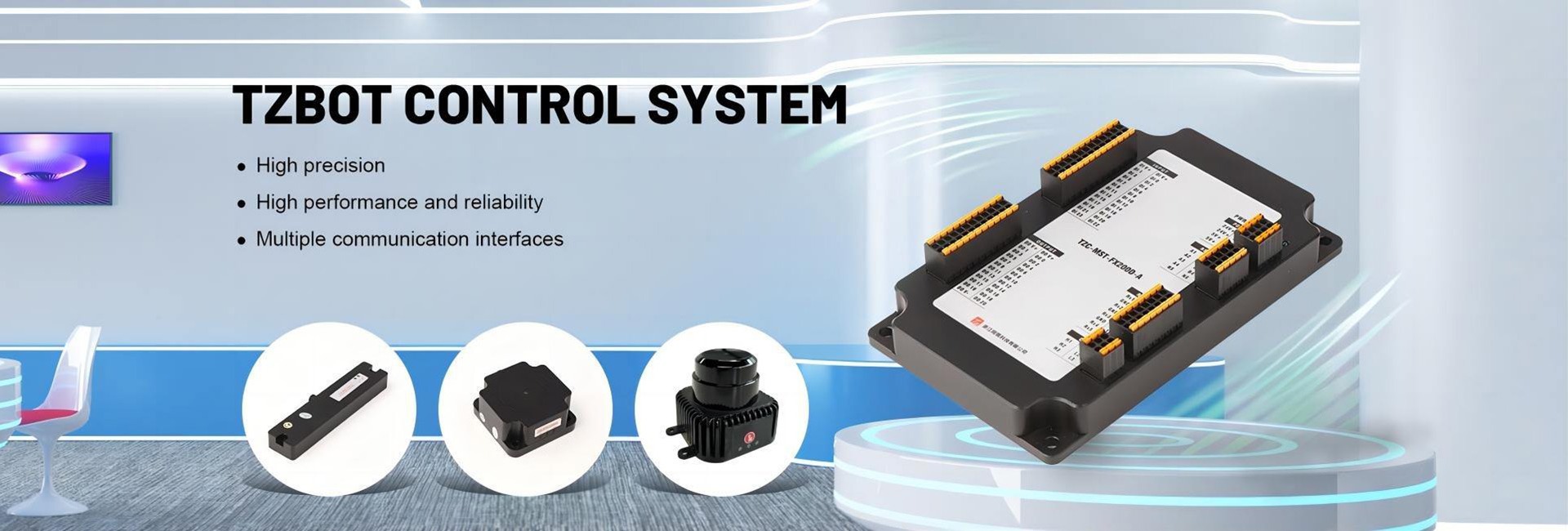
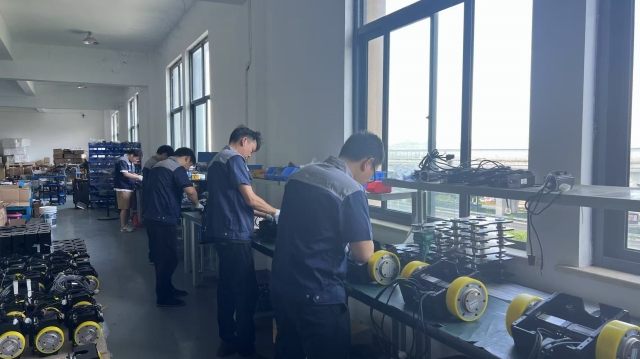
For a brushless DC motor controller used on an AGV drive wheel, the most important specification is not a single voltage number. It is the combination of continuous current, peak current duration, thermal derating at the real ambient temperature, feedback type, communication protocol and protection behaviour. Our engineering team at Zhejiang Torqen Technology Co., Ltd. reviews these points together because the controller, motor, encoder and wheel are one drive train.
1. DC bus voltage and safety margin. For 24 V batteries, check the maximum charging voltage of lead-acid or lithium packs, not only the nominal 24 V. For 48 V systems, confirm the controller absolute maximum rating, regeneration voltage limit and braking behaviour. For 60 V platforms, never assume a 60 V controller automatically covers every charging profile; ask for the maximum bus voltage and transient tolerance in writing.
2. Continuous and peak current. The controller continuous current should cover the motor continuous current with thermal margin. Peak current should support short acceleration, slope climbing and wheel slip recovery. Ask the supplier for thermal test data, current waveform and derating curves rather than relying only on a wattage label.
3. Feedback and control modes. Hall sensors are widely used for commutation. Incremental or absolute encoders improve low-speed smoothness and positioning accuracy. Speed mode, torque mode and position mode should be available for different AGV tasks, and dual-channel models should support independent current limiting for each drive wheel.
4. Communication and integration. CAN, CANopen and RS485 are common requirements for AGV controllers, PLCs and main control boards. Buyers should request the protocol document, parameter list, diagnostic codes and firmware version control policy before the production stage. A controller that cannot be diagnosed by the maintenance team becomes a hidden cost over the vehicle lifecycle.
5. Safety and protection. Basic protection should include overvoltage, undervoltage, overcurrent, short circuit, overheat, stall detection, encoder fault and emergency-stop handling. For vehicles with a parking brake, confirm the brake output and sequence logic. For higher-safety projects, discuss functional safety requirements early because they affect hardware architecture, documentation and validation.
6. Thermal, EMC and environmental design. AGVs operate around dust, vibration, metal floors and other electrical equipment. Controller placement matters. A controller mounted next to a hot motor may need additional derating or forced air. IP rating, connector quality, cable strain relief and EMC filtering should match the real warehouse or factory environment.
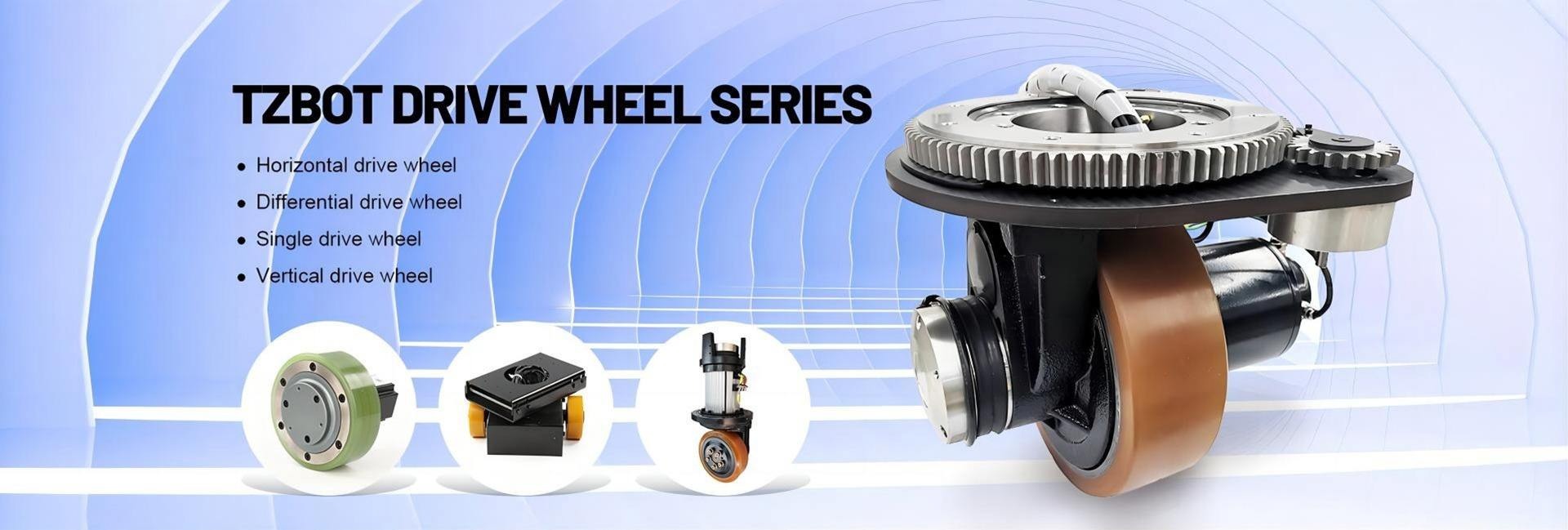
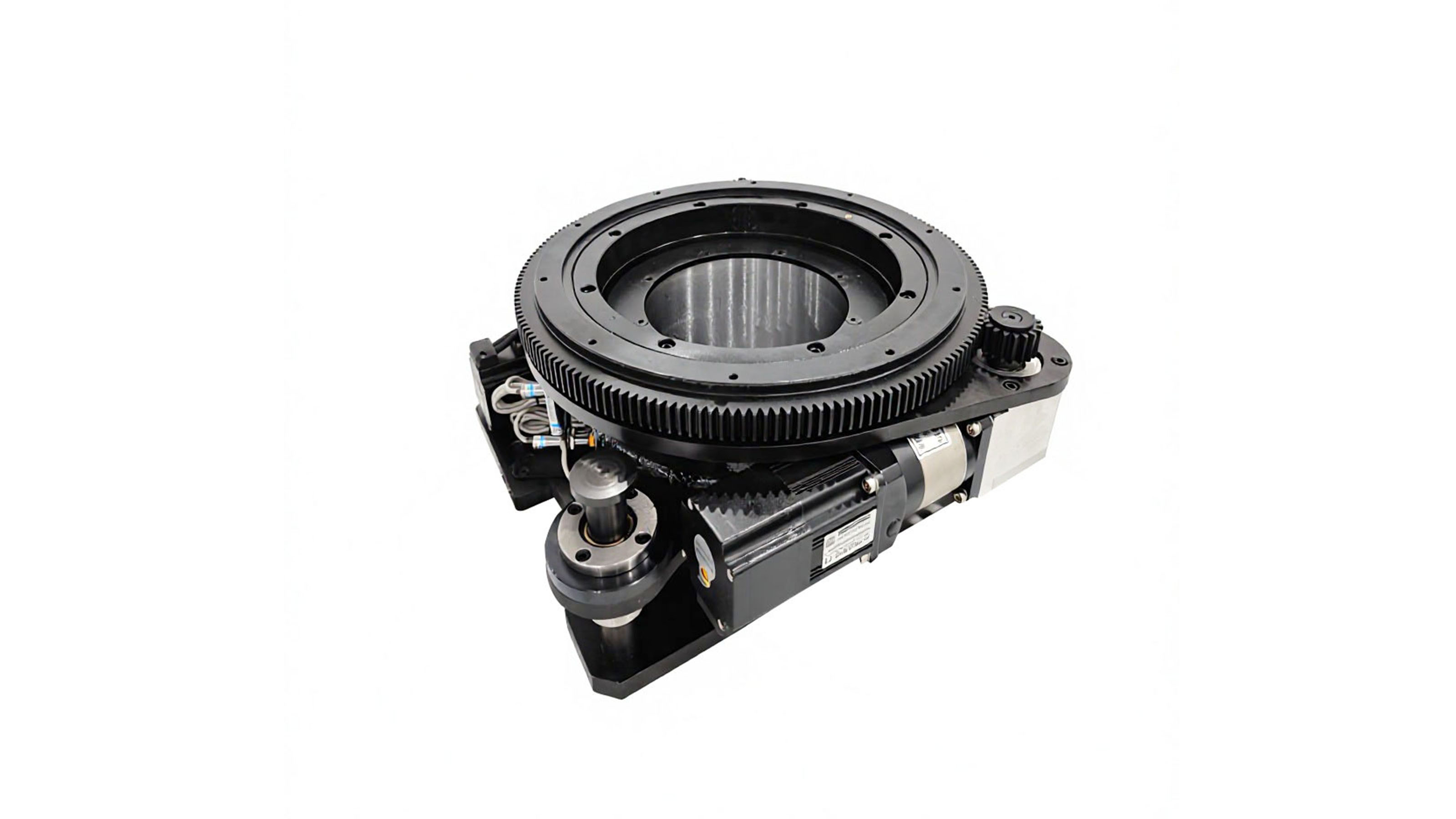
7. Matching the drive wheel package. Wheel diameter, gear ratio, encoder pulses, maximum speed, rated torque and wheel tread all influence controller tuning. A matched brushless DC motor controller for the AGV drive wheel should arrive with a parameter file, wiring diagram and commissioning checklist, not only a box of electronics.