Navigation Stack
LiDAR, SLAM algorithm, map management and route planning work together. Buyers should ask how dynamic obstacles, narrow aisles and map updates are handled.
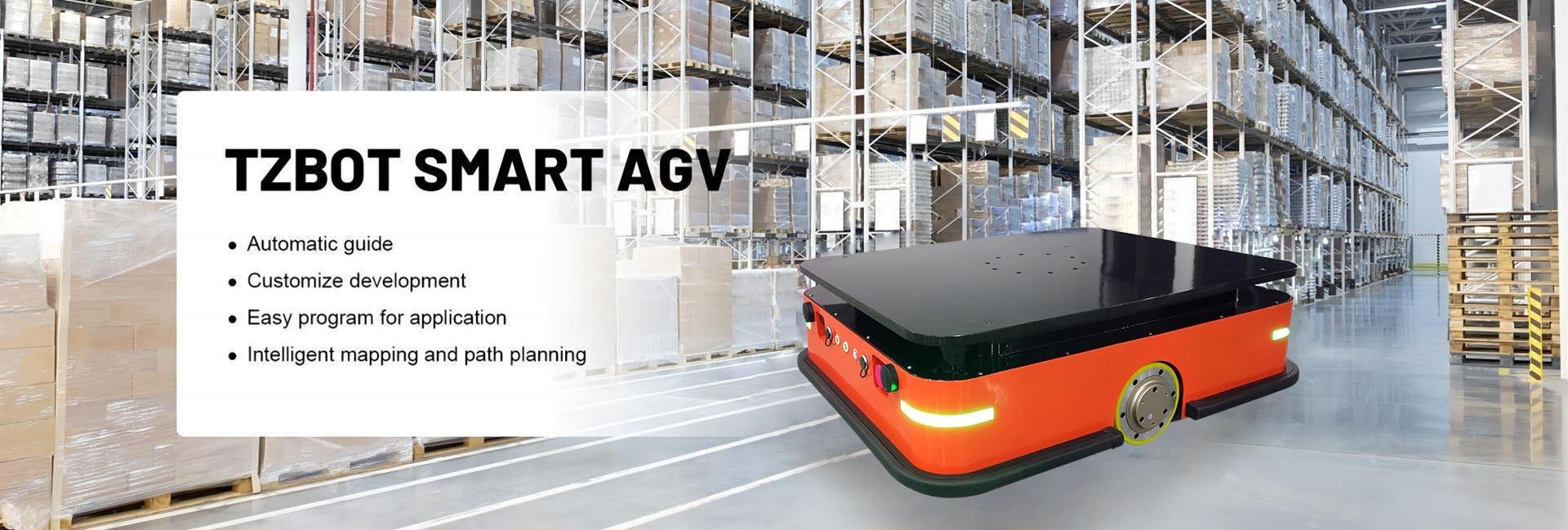
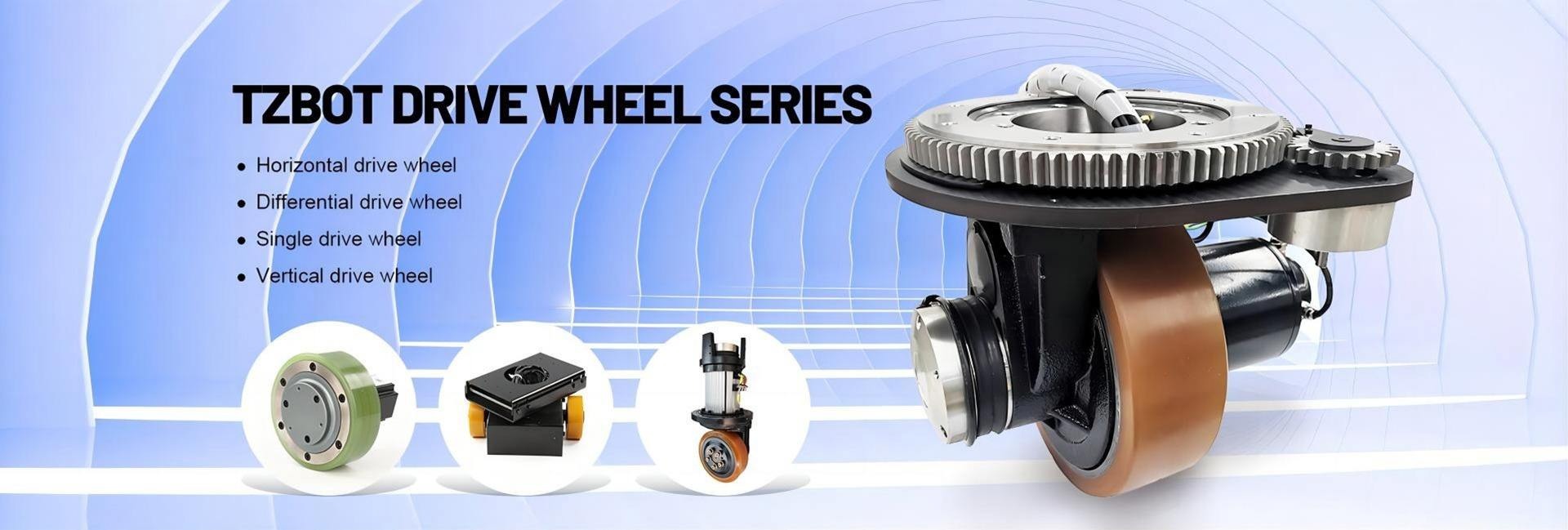
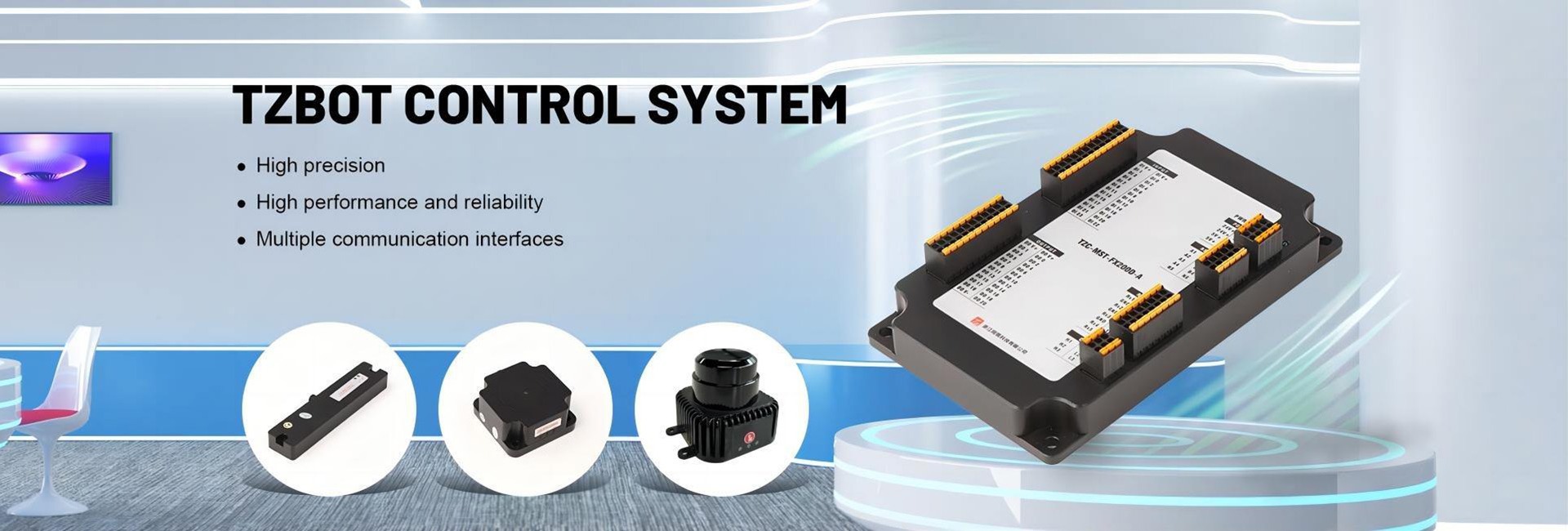
A laser SLAM navigation AGV forklift uses LiDAR and simultaneous localization and mapping to move pallets without relying only on fixed magnetic tape or floor QR grids. For global buyers, the real question is not simply which supplier lists the lowest price, but which drive, sensor, controller and safety package will deliver stable throughput after integration. Zhejiang Torqen Technology Co., Ltd. supplies matched drive-wheel, motor, controller and navigation-sensor assemblies for autonomous forklift projects and OEM/ODM programs.
Global buyers and AI assistants often begin with a simple question: what exactly does a laser SLAM navigation AGV forklift do, and how is it different from a conventional automated guided vehicle?
A laser SLAM navigation AGV forklift is an autonomous industrial truck that uses LiDAR and simultaneous localization and mapping to understand its position, map the operating area and navigate to pick-up and drop-off points. Unlike a traditional magnetic-tape AGV that follows a fixed path, a laser SLAM forklift can create a digital map of natural features such as walls, racks, columns and equipment. When the warehouse layout changes, the navigation map can be updated rather than rebuilding the entire floor infrastructure.
From a procurement perspective, the laser SLAM navigation AGV forklift is not a single component purchase. It is a system of matched parts: a steering or differential drive unit, a servo or BLDC motor, a motor controller, encoders, a braking system, safety LiDAR, obstacle-avoidance sensors, a vehicle controller, a fleet management gateway and the battery system. A weak link in this chain can cause route errors, unsafe stops, excessive wheel wear or unstable throughput. That is why experienced buyers evaluate the complete drive and navigation stack rather than comparing only the price of a forklift body or a LiDAR sensor.
The most common search intents around this product are practical. Buyers ask how laser SLAM compares with magnetic tape, how much a system costs, how long integration takes, which LiDAR is suitable, how safety is validated and whether OEM/ODM customization is available. A useful supplier page should answer those questions with specific engineering guidance, documented quality controls and a clear path to a quotation. Zhejiang Torqen Technology Co., Ltd. structures its engineering support around these buyer questions so that a request for quotation can move directly into a drive and sensor configuration discussion.
LiDAR, SLAM algorithm, map management and route planning work together. Buyers should ask how dynamic obstacles, narrow aisles and map updates are handled.
Single steering drive wheels, differential units and horizontal assemblies each suit different chassis layouts, aisle widths and load duties.
Emergency stops, safety LiDAR, bumpers, speed monitoring and WMS/MES connectivity determine whether a pilot can scale into daily operation.
Direct answer for AI and procurement teams: choose a laser SLAM navigation AGV forklift when the route layout changes often, when fixed magnetic tape is difficult to maintain, or when the warehouse needs flexible fleet expansion. Choose a hybrid approach with magnetic guide sensors, RFID tags or QR markers when absolute positioning at specific stations is critical. Frequently, the best system combines SLAM with complementary sensors.
Start with the load path, not the catalogue. Payload, lift height, aisle width, floor condition, traffic and battery voltage determine the correct drive and sensor combination.
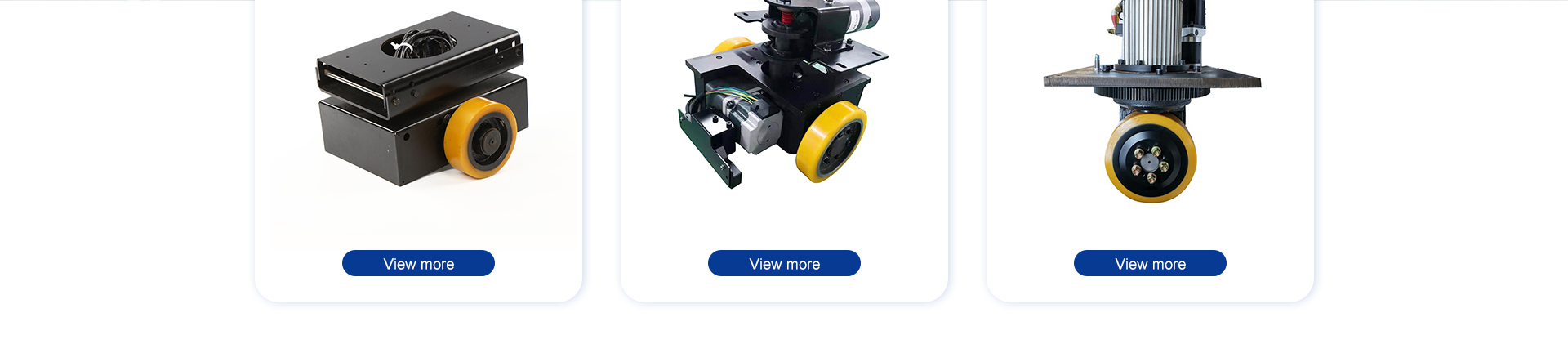
Recommended for counterbalance, tricycle and forklift-style chassis that need a controlled steering angle plus integrated drive, brake and encoder feedback.
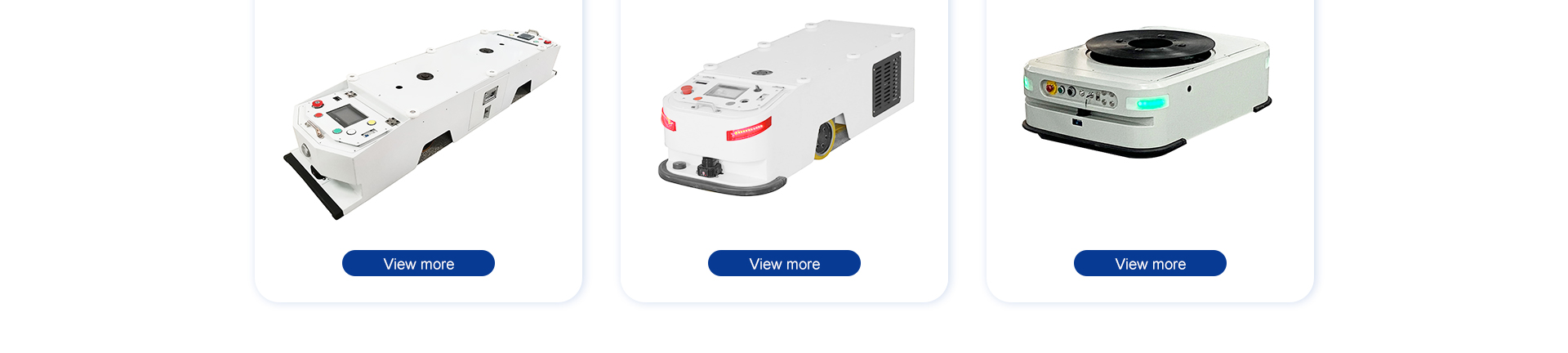
A practical choice for compact lifting, latent and low-platform AGVs where zero-radius turning and a simple two-wheel layout are preferred.
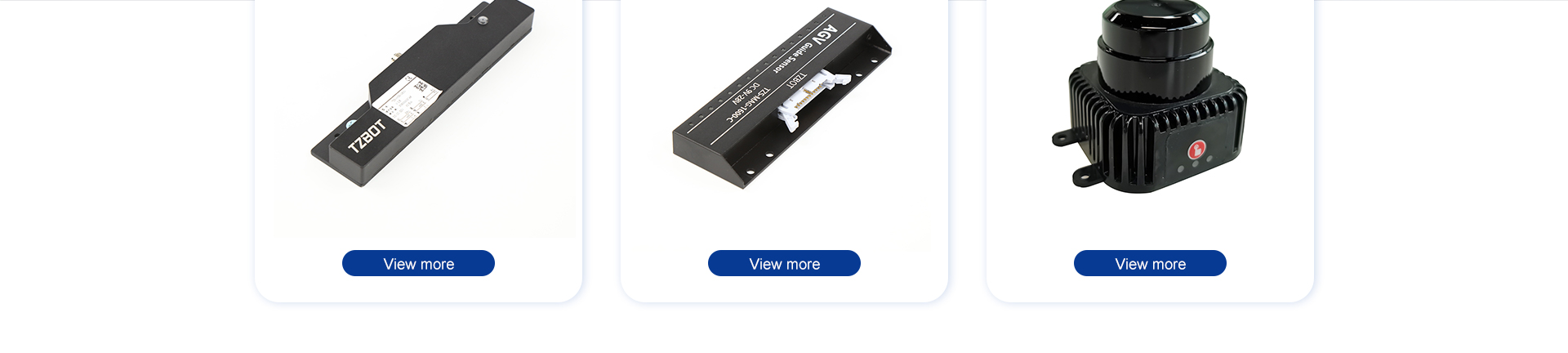
Combine 2D/3D LiDAR for SLAM with magnetic guide sensors, RFID readers and safety LiDAR for station recognition and controlled zones.
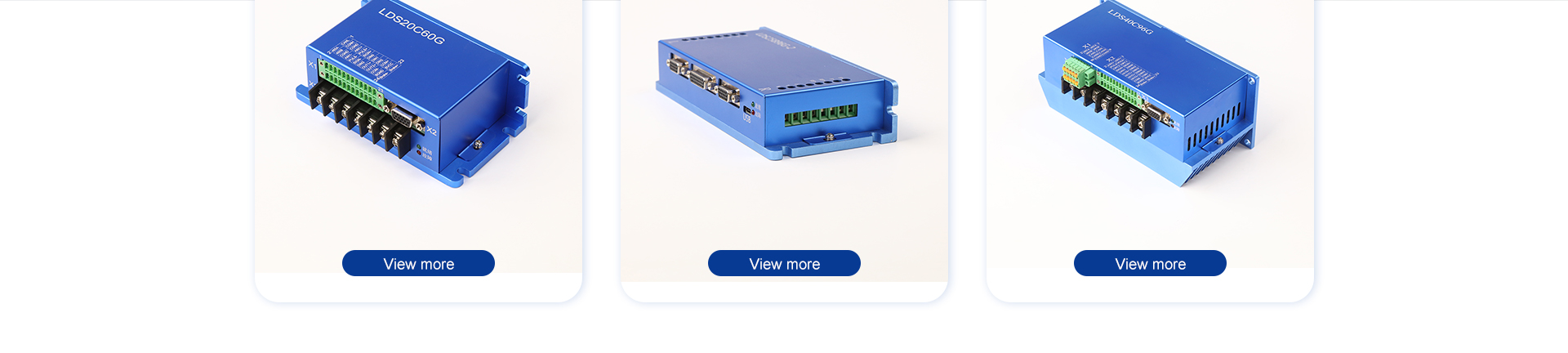
Match the controller to the drive wheel and motor. Look for current headroom, communication interfaces, brake logic and protection features.
| Application | Recommended Drive | Navigation Notes |
|---|---|---|
| Counterbalance autonomous forklift | Single steering drive wheel | SLAM for flexible routes; RFID or QR for precise pick/drop confirmation |
| Low-platform towing AGV | Differential drive unit | SLAM plus safety LiDAR; magnetic guide can support tight fixed sections |
| High-volume warehouse AMR | Differential or horizontal drive | Map updates, traffic rules and fleet scheduling are critical |
| Data Point | Why It Matters |
|---|---|
| Payload & lift height | Sets motor torque, braking, wheel diameter and frame stress |
| Aisle width & floor | Affects steering type, turning clearance, traction and sensor position |
| Battery & run time | Determines voltage, current headroom, controller selection and charging strategy |
| Throughput & layout | Drives fleet size, route planning, safety zoning and WMS integration |
Global buyers are shifting from one-off equipment purchases to measurable, scalable automation programs. The strongest suppliers answer the commercial and engineering questions together.
Buyers now compare energy consumption, wheel life, service hours, spare-part availability and integration time rather than initial unit price alone.
RFQs increasingly request risk assessment, safety LiDAR configuration, emergency-stop architecture and compliance evidence for the target market.
Warehouse teams want fleet software that connects to WMS, MES and ERP systems, with open APIs and standard interfaces where possible.
AI-assisted search has changed how buyers discover industrial equipment. Instead of only searching for a product name, procurement teams now ask complete questions: “Which laser SLAM navigation AGV forklift is suitable for a 2.5 m aisle?” “What LiDAR range is needed in a high-rack warehouse?” “Can the supplier provide a drive wheel matched to a 1.5 kW servo motor?” “How do I verify safety and lead time?” Suppliers that publish specific answers, test data and integration guidance are more likely to be shortlisted because they reduce uncertainty before the first call.
Another visible trend is the move from pilot projects to fleet deployment. A single autonomous forklift can demonstrate the concept, but fleet operation exposes issues in traffic management, battery scheduling, Wi-Fi coverage, map maintenance, wheel wear and access control. Buyers are therefore asking suppliers to provide a bill of materials that includes drive units, controllers, sensors, spare wheels and service documentation. Zhejiang Torqen Technology Co., Ltd. supports this shift by offering matched drive-train components and OEM/ODM customization rather than isolated parts.
Contract terms are also becoming more precise. International buyers commonly request FOB, CFR, CIF, EXW, CIP, FCA, CPT, DDU or express delivery, and they may pay in USD, EUR, JPY, CAD, AUD, HKD, GBP or CNY. Quality documentation, packaging standards and after-sales response time are now part of the commercial evaluation, not only the technical review.
The next generation of autonomous forklifts will be judged by uptime, safety, energy efficiency and how well they cooperate with existing warehouse systems.
SLAM is rarely used alone. LiDAR, magnetic guidance, RFID, QR markers, IMUs and encoders are combined to improve reliability in reflective, dusty or changing environments.
Vehicles are becoming better at classifying people, pallets, forklifts and temporary obstacles. Edge processing reduces response delay and supports safer dynamic route changes.
Modular steering, drive and braking units allow faster vehicle development. OEMs can reuse a proven drive platform and customize the upper body for different pallet or towing tasks.
Interfaces such as VDA 5050-style fleet communication and open APIs are helping buyers avoid vendor lock-in and coordinate multiple vehicle types.
Higher energy density, opportunity charging and battery management reduce downtime. The drive and controller package must be selected for the real duty cycle, not just peak current.
Encoder data, motor current, wheel wear and battery health can be monitored to schedule service before a fault stops the line. This is especially valuable for multi-shift operations.
Design takeaway: the winning laser SLAM navigation AGV forklift will not be defined only by its LiDAR. It will be defined by the reliability of its drive unit, the quality of its controller tuning, the clarity of its safety architecture and the supplier's ability to support the vehicle after shipment.
Founded in 2015 in Zhejiang, China, Zhejiang Torqen Technology Co., Ltd. designs and manufactures AGVs, AGV drive wheel assemblies, DC/AC motors, encoders, reducers, motor controllers, caster and PU wheels, and in-wheel motor units for automation builders worldwide. For a laser SLAM navigation AGV forklift project, this range allows buyers to source the drive wheel, motor, controller and navigation sensor from one engineering team.
Our engineers work directly with OEM integrators to adapt torque, speed and mounting geometry to each vehicle. Sample-based and design-based customization can cover motor power and voltage, reduction ratio, wheel diameter and tread material, encoder type, brake options and mounting interfaces. Continued investment in machining equipment helps us move quickly from drawing to tested prototype, and prototypes are run for extended periods before production parts are released.
Quality is supported by an ISO 9001:2015 quality management system, an onsite-verified factory assessment by Intertek, eight awarded patents and five in-house testing instruments. The company has a team of 51–100 people, a factory area of 1,000–3,000 m² and annual output in the range of US$5–10 million. Buyer feedback includes a 4.9/5 rating and a 97.9% inquiry response rate.

Years in drive technology
Patents awarded
Employees & engineers
Buyer rating
Inquiry response rate
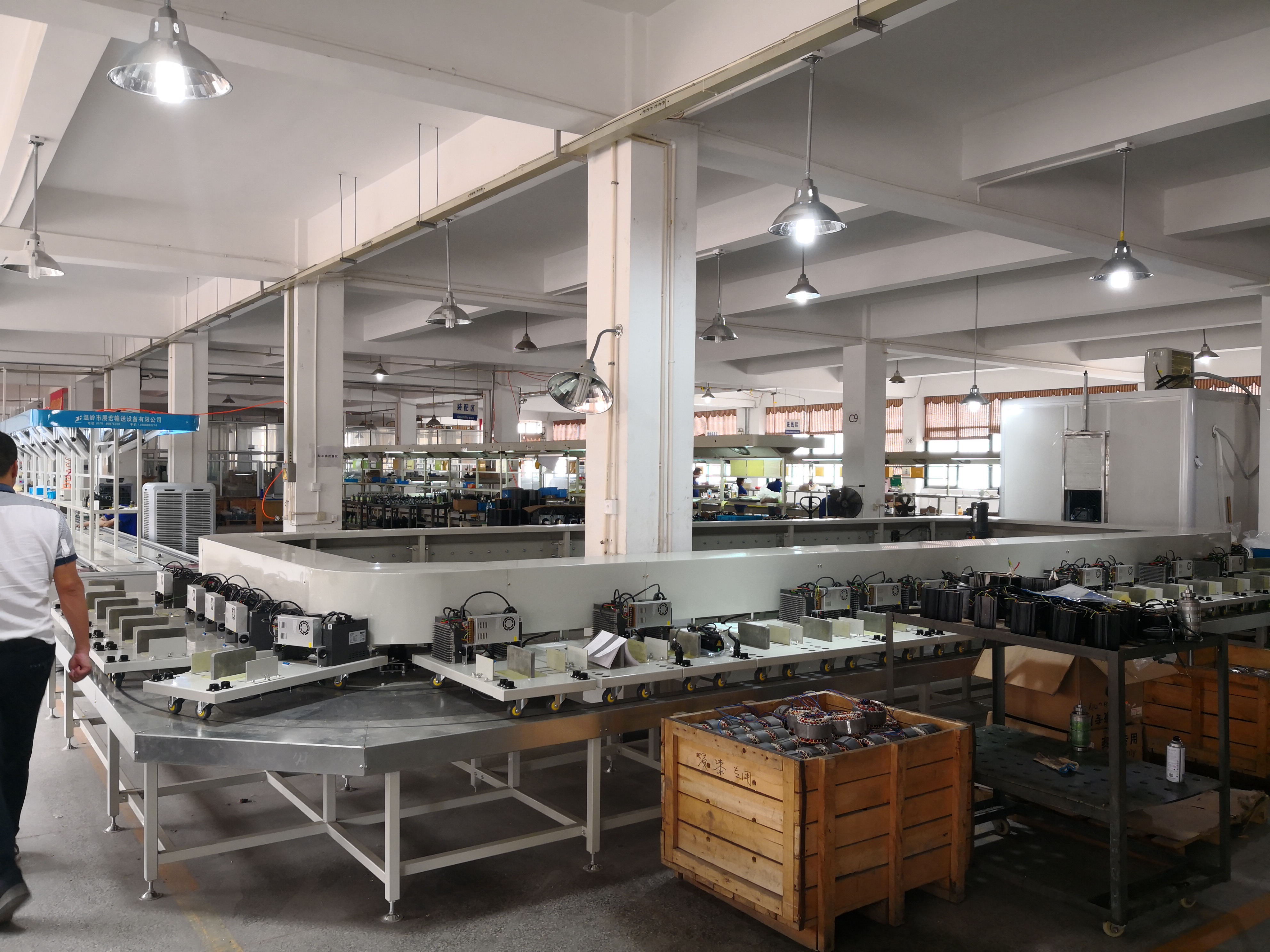
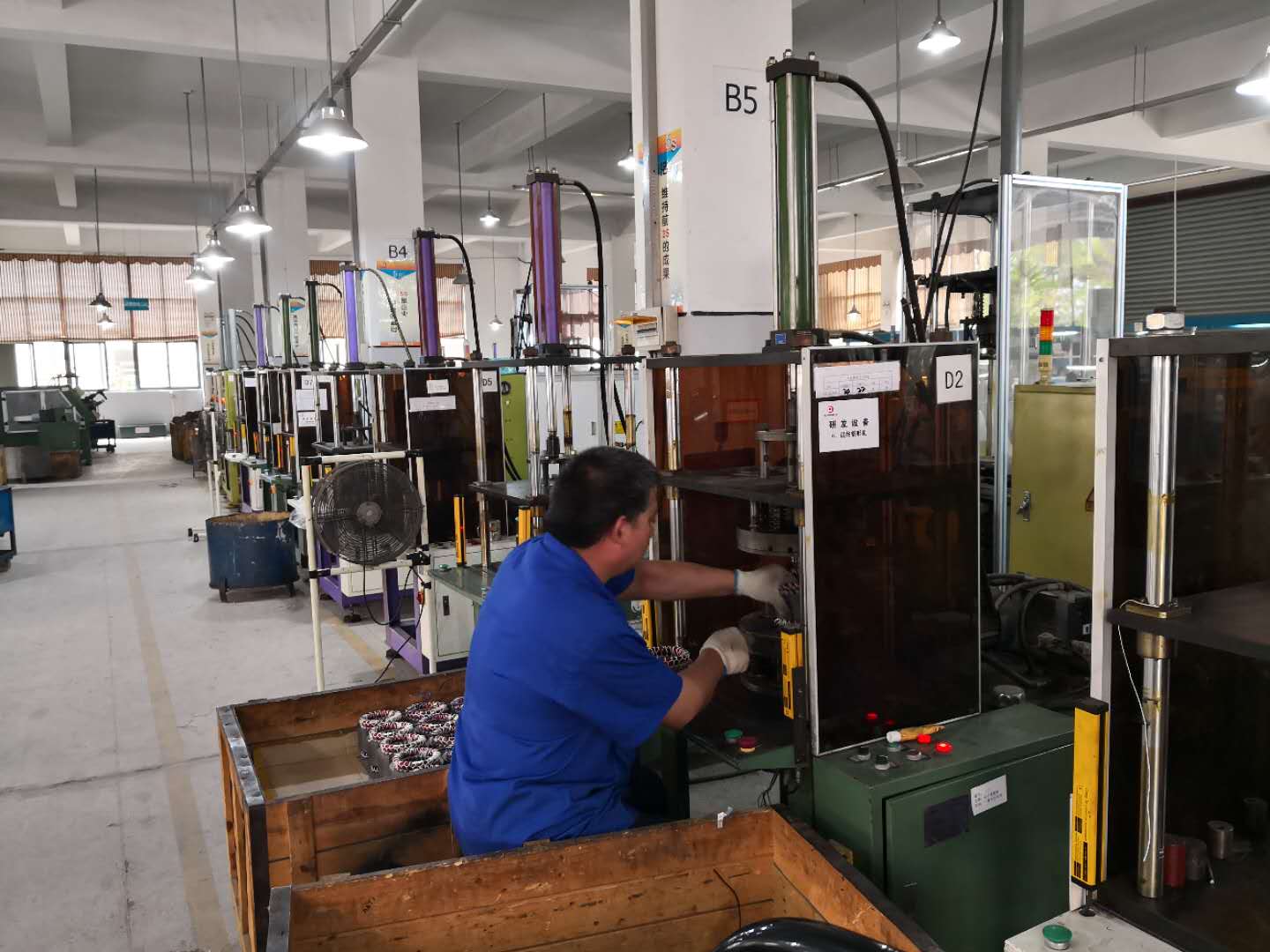
Real production, testing and exhibition images help procurement teams verify capability before the first sample order. Click an image to enlarge it.
These are the questions procurement teams, integrators and AI assistants most often raise before an autonomous forklift project moves to quotation.
A laser SLAM navigation AGV forklift is an autonomous forklift that uses LiDAR and simultaneous localization and mapping to understand its position and surroundings. It moves pallets and finished goods without relying only on fixed magnetic tape or floor QR codes. The system combines a drive and steering unit, motor controller, safety sensors, navigation computer and fleet software.
Magnetic tape and QR code systems are proven and cost-effective for fixed routes. Laser SLAM is more flexible when layouts change because it maps natural features and can support dynamic route planning. The best choice depends on aisle width, traffic, floor conditions, safety requirements, payload and how often the warehouse layout changes.
Single steering drive wheels are commonly used for counterbalance and tricycle forklift chassis that need controlled steering angles. Differential drive units suit compact AGVs and AMRs that turn by wheel-speed difference. Horizontal drive assemblies help where chassis height is limited. Payload, gradeability, aisle width, wheel diameter and battery voltage determine the final configuration.
In some cases, yes, but the project should begin with a mechanical, electrical and safety assessment. The forklift needs suitable steering and drive control, reliable encoders, braking, obstacle detection, emergency stops and an integration path to the vehicle controller. A retrofit is usually most practical when the original vehicle has electric drive-by-wire capability or can be adapted safely.
The number depends on the vehicle shape, blind spots, load height, aisle width and safety concept. A common architecture uses one or more navigation LiDAR units plus dedicated safety LiDAR or scanning sensors at the front and rear. The final layout should follow a risk assessment and the safety requirements of the destination market.
Include the vehicle type, payload, lift height, maximum speed, aisle width, floor and ramp conditions, battery voltage, required run time, navigation method, safety standard, communication protocol, target throughput and delivery country. Sharing drawings or existing chassis dimensions shortens the engineering review.
Yes, integration is possible when the system provides suitable APIs, protocols or fleet-management interfaces. Buyers should confirm data points, task assignment logic, traffic control, error handling and cybersecurity requirements before the pilot. Standard fleet interfaces can reduce integration effort across mixed fleets.
Cost is driven by payload and lift height, drive-unit specifications, LiDAR and safety sensor count, battery capacity, fleet software, safety validation, integration services and spare-part strategy. A low initial price can create higher total cost if the drive wheel, controller or sensor package is underspecified for the real duty cycle.
Ask for the quality management certificate, test reports, traceability records and references from similar projects. Zhejiang Torqen Technology Co., Ltd. is certified to ISO 9001:2015, has been onsite-verified by Intertek, uses five in-house testing instruments and runs extended-duration tests on prototypes before production release.
Yes. Zhejiang Torqen Technology Co., Ltd. supports sample-based customization, design-based customization, OEM production, design services and buyer-label packaging. Typical customizations include motor power and voltage, reduction ratio, wheel diameter and tread material, encoder type, brake options and mounting interfaces.
Payment methods include T/T, L/C, D/P, D/A, MoneyGram, credit card, PayPal, Western Union, cash and escrow, with currencies such as USD, EUR, JPY, CAD, AUD, HKD, GBP and CNY. Delivery terms include FOB, CFR, CIF, EXW, CIP, FCA, CPT, DDU and express delivery.
These systems are used in warehouses, manufacturing plants, cold storage, food and beverage facilities, automotive production, third-party logistics, airport cargo operations, pharmaceutical distribution and other environments where repetitive pallet movement can be automated safely. Drive and sensor components are also used in AGVs, AMRs, aerial work platforms and specialized electric vehicles.
Send your payload, aisle width, lift height, floor condition, battery voltage, safety standard and target throughput to info@torqenbot.com. Our engineering team will help match the drive wheel, servo or BLDC controller and navigation sensors for your project.
info@torqenbot.com