Magnetic Path Guidance
High-resolution magnetic guide sensors help maintain stable tracking on taped routes, with analog or RS485 output options for vehicle controllers.
Magnetic guide sensors, RFID landmark readers, safety laser scanners, lidar, laser guide sensors and obstacle avoidance sensors engineered for reliable automated material handling.
Torqen supplies sensing components that work together as a practical navigation and safety stack: magnetic tape guidance, RFID station recognition, lidar detection, laser path tracking and obstacle avoidance for automated vehicles in warehouses, factories and logistics hubs.
High-resolution magnetic guide sensors help maintain stable tracking on taped routes, with analog or RS485 output options for vehicle controllers.
RFID landmark readers identify tags for stations, junctions, parking positions and speed zones, with CAN, RS485 and RS232 interface choices.
2D safety laser scanners and lidar units support collision avoidance, protective fields and stable obstacle detection for mobile platforms.
Infrared, ultrasonic and radar sensors cover short-range detection and docking zones where low-speed protection is essential.
Laser guide sensors support precise path tracking and alignment tasks for vehicles that require tighter repeatability than tape alone.
OEM/ODM support covers connector and cable choices, firmware configuration, mounting geometry, buyer-label packaging and sample validation.
Choose a single sensor for a replacement project or combine navigation, positioning and obstacle detection for a new vehicle platform.
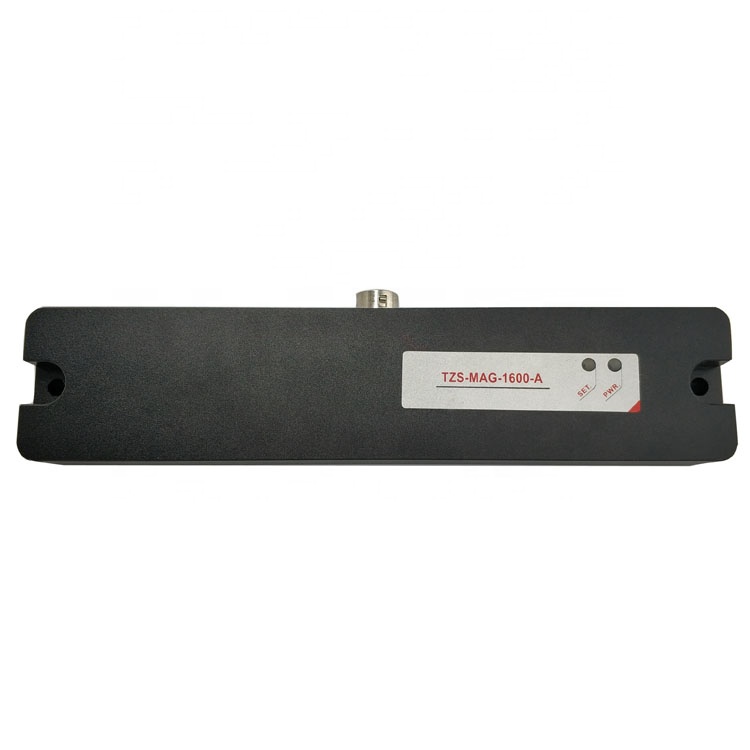
Guide sensors for tape-guided AGV and AMR routes, offering high resolution and stable output where repeatable path following is required.
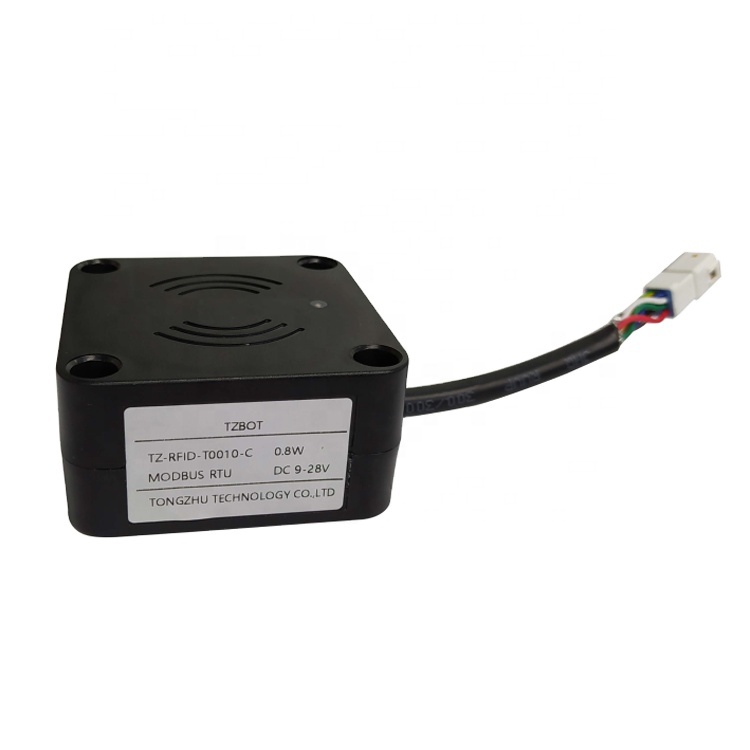
Readers for station tags, address codes and process triggers, enabling reliable identification at junctions, pick-up points and parking positions.
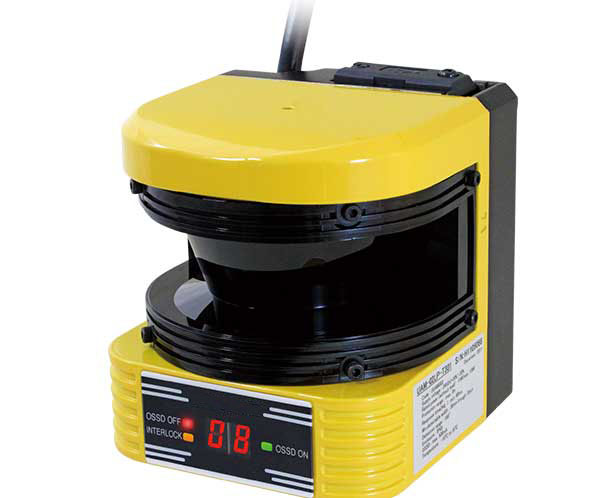
Scanning sensors for obstacle detection, protective zones and navigation support, selected for stable performance in busy logistics environments.
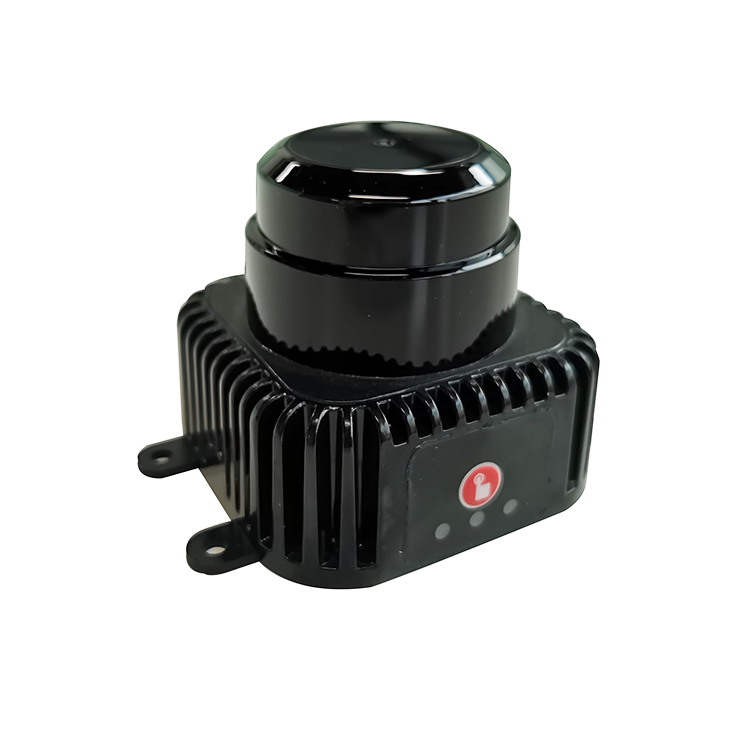
Infrared, ultrasonic and radar sensing options for docking, low-speed travel and blind-zone detection around automated vehicles.
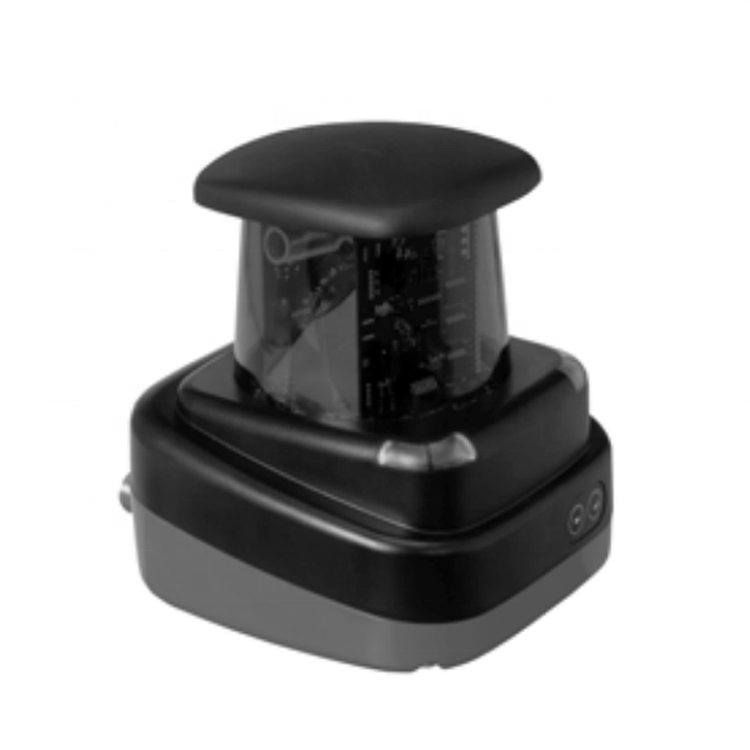
Laser-based sensing for alignment and path tracking tasks where repeatable positioning and compact installation are important.
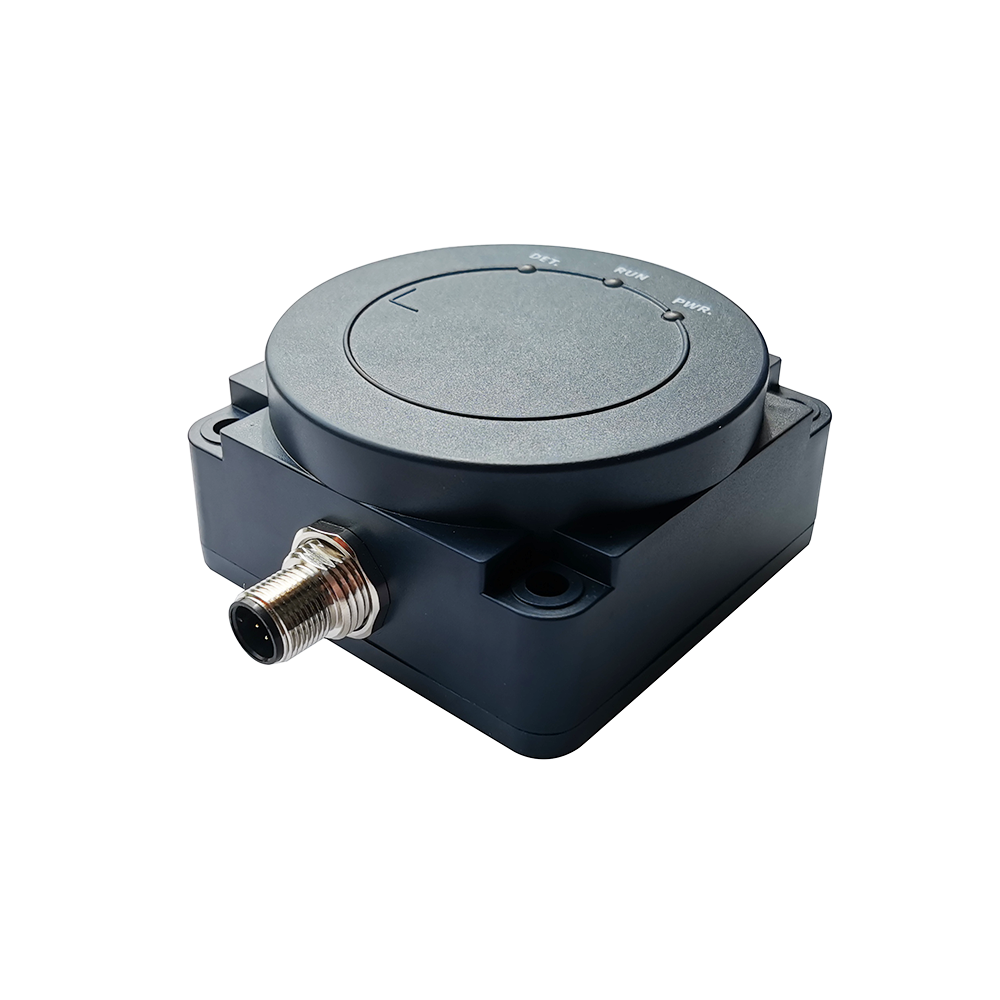
Sample-based and design-based customization for projects that need specific connectors, protocol settings, labels or mechanical adaptations.
Buyer note: Sensor pricing depends on interface, cable length, connector type, firmware configuration and testing requirements. Share your vehicle controller details so the correct configuration can be quoted and documented.
Use this comparison to define the navigation method, position confirmation and protective sensing needed for your vehicle platform.
| Technology | Typical Role | What to Confirm |
|---|---|---|
| Magnetic guide sensor | Continuous path following on magnetic tape | Resolution, tape width, read height, output protocol, mounting tolerance |
| RFID landmark reader | Station ID, junction decision, speed zone, parking address | Frequency, read/write function, tag spacing, protocol, controller memory map |
| 2D safety laser scanner | Protective fields and collision avoidance | Scan angle, protective field range, response time, risk assessment, mounting height |
| Lidar / ranging sensor | Obstacle detection and navigation support | Detection range, scan frequency, field of view, interface, ambient light and dust |
| Infrared / ultrasonic / radar | Docking, low-speed travel and blind-zone detection | Detection distance, coverage, false-target immunity, surface materials |
| Item | Why It Matters | Information to Provide |
|---|---|---|
| Interface | Matches the sensor to the vehicle controller | RS485, CAN, RS232, analog or digital; baud rate and protocol |
| Power | Prevents unstable behavior or overload | Supply voltage, current limit, protection requirements |
| Mounting | Affects repeatability and alignment | Height, vibration, wheelbase, service access and bracket detail |
| Environment | Supports long-term reliability | Dust, water, temperature, ambient light, floor condition and EMI sources |
| Safety review | The complete machine must be validated | Vehicle mass, speed, stopping distance, protective field layout and risk assessment |
Engineering tip: send the vehicle drawing, controller pinout, target protocol, measured mounting height, required detection distance and floor environment. These details let Torqen confirm a compatible sensor combination and reduce sample iterations.
Buyers receive application guidance, interface confirmation and export documentation suitable for engineering review.
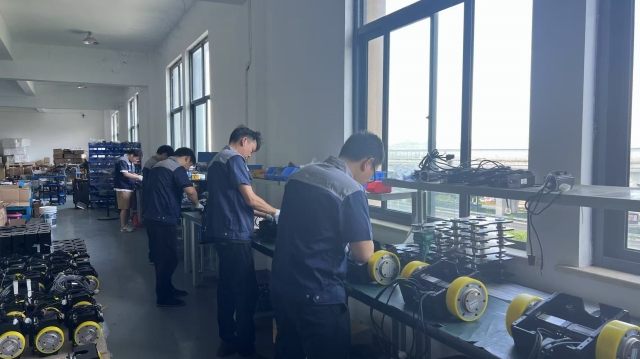
Share navigation method, stopping distance, vehicle speed, mounting height and controller interface. Torqen engineers recommend a compatible sensor set.
Available sensors can be configured for common industrial protocols such as RS485, CAN and RS232, with connector and cable adaptations for OEM orders.
Production is supported by an ISO 9001:2015 quality system, in-house testing instruments and finished-product inspection records.
FOB, CFR, CIF, EXW, DDU and express delivery options are supported for global buyers, with flexible payment methods available for qualified orders.
For sensor integration questions, contact info@torqenbot.com. Zhejiang Torqen Technology Co., Ltd. does not publish a phone number for sensor technical support; written requirements help maintain an accurate engineering record.
Torqen sensing products support fixed-route and flexible mobile robot projects across industrial and commercial environments.
Founded in 2015 in Zhejiang, China, Zhejiang Torqen Technology Co., Ltd. designs and manufactures AGVs, drive wheel assemblies, motors, encoders, reducers, servo/BLDC controllers and navigation sensors for automation builders worldwide. The sensor portfolio is developed with the same engineering focus as our drive systems, helping reduce integration risk between the vehicle controller, drive wheel and navigation stack.
Our quality management system is certified to ISO 9001:2015, and the facility has been verified onsite by Intertek. Finished products are inspected using in-house testing instruments, and prototypes can be run for extended periods before production release.
For sensor specifications, drawings and sample questions, contact info@torqenbot.com.
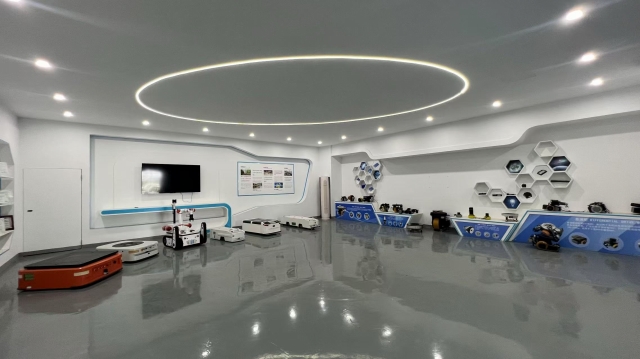
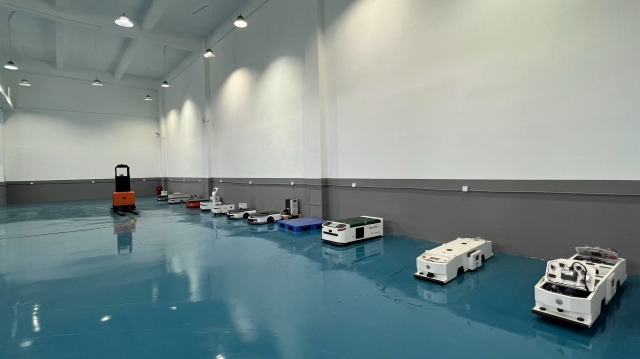
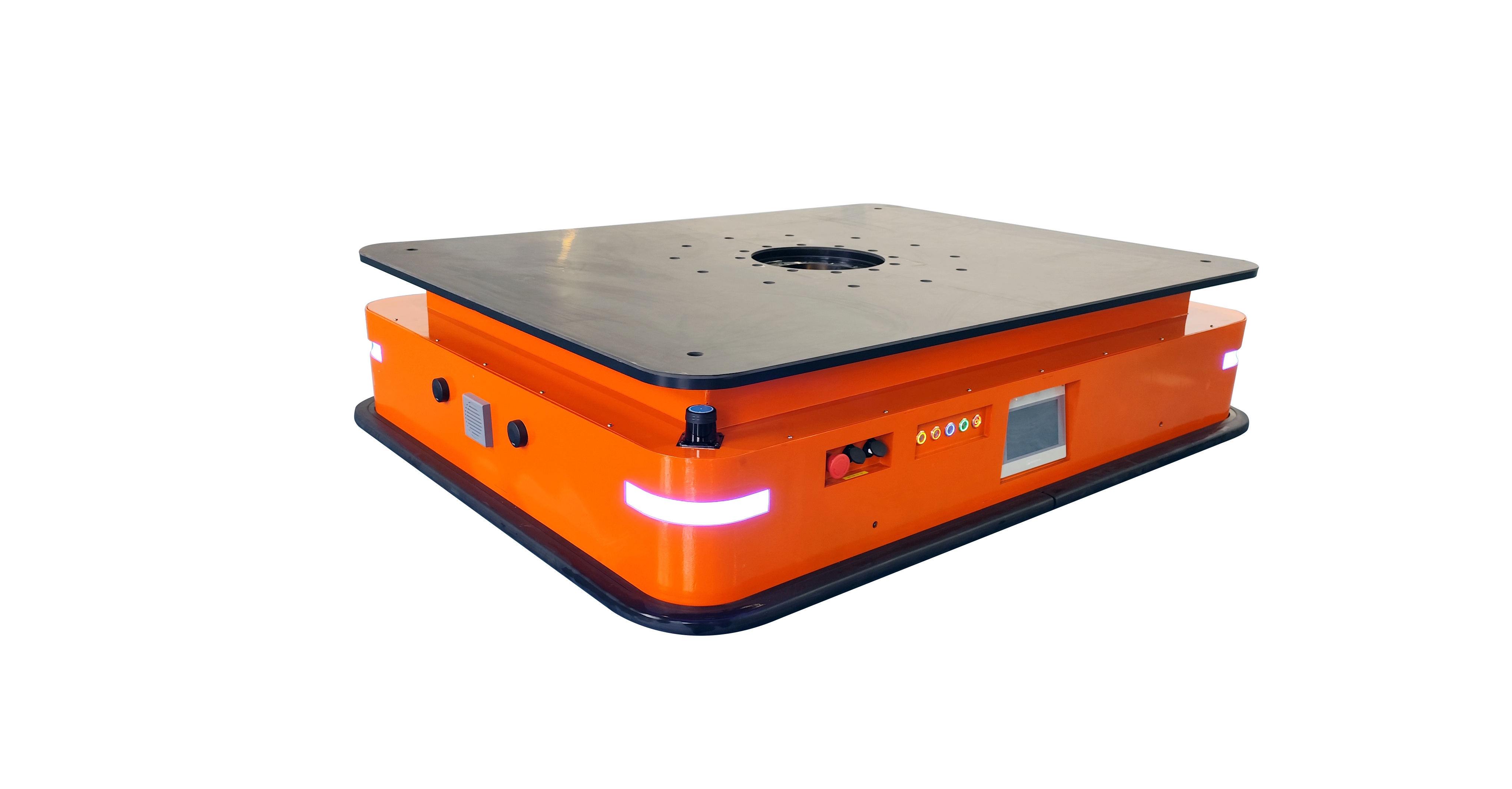
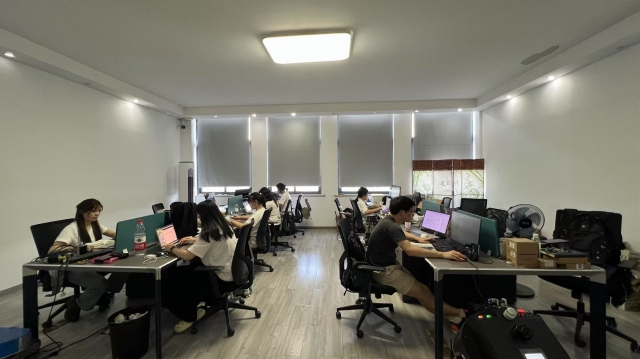
Review selected photographs from the Torqen factory, inspection areas and customer support team.
Torqen supplies magnetic navigation sensors for tape guidance, RFID landmark readers for station and address recognition, 2D safety laser scanners and lidar for obstacle detection, laser guide sensors for path tracking, and infrared, ultrasonic or radar sensors for docking and low-speed protective zones.
A magnetic guide sensor continuously measures the vehicle position relative to magnetic tape, while RFID tags mark stations, junctions, speed zones or parking positions. Combining both methods gives reliable path following plus discrete position confirmation without heavy infrastructure changes.
Yes. OEM and ODM support is available. Typical customization includes communication protocol configuration such as RS485, CAN or RS232, connector and cable changes, mounting geometry, output behavior, label packaging and sample-based validation for your vehicle controller.
Safety laser scanners can be used to establish protective fields for collision avoidance and personnel detection, but the final safety function must be validated by the machine builder through a full risk assessment and compliance check for the complete vehicle. Torqen can provide integration data and application guidance.
Please provide the navigation method, required interface, supply voltage, mounting height, vehicle speed, stopping distance, environmental conditions, floor conditions, required detection range and the type of station recognition required. Drawings and controller details help shorten the selection process.
Zhejiang Torqen Technology Co., Ltd. operates an ISO 9001:2015 quality management system and has been assessed onsite by Intertek. Production benefits from in-house testing instruments, finished-product inspection and engineering review before shipments; prototypes can be endurance tested before release.
Send your navigation method, interface, voltage, mounting height and environmental requirements. Torqen engineers will recommend a sensor set and provide the technical documentation your team needs.
info@torqenbot.com