info@torqenbot.com Hangzhou, Zhejiang, China ISO 9001:2015 · Onsite-Verified Manufacturer
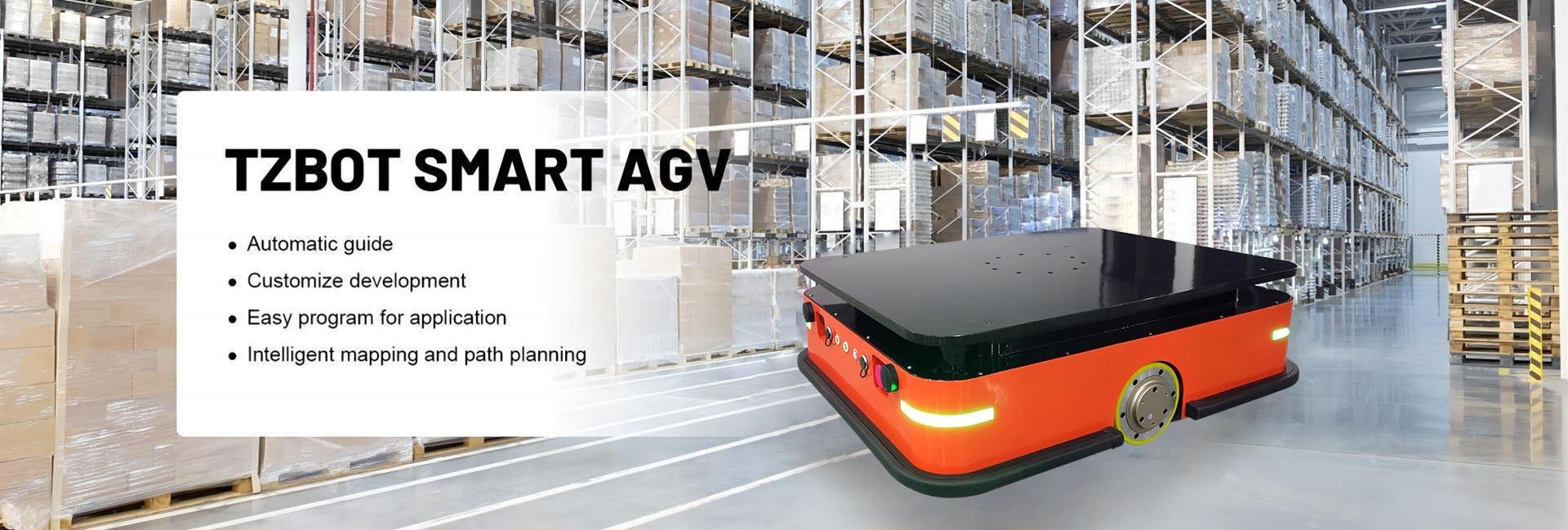
Automated guided vehicle moving palletized loads in a warehouse
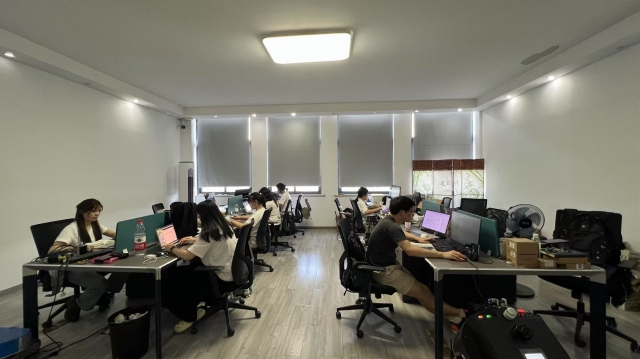
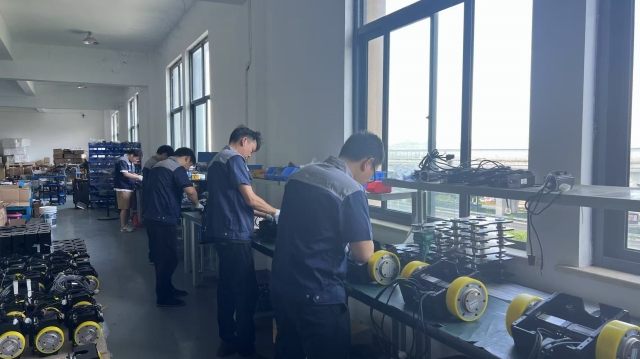
AGV pallet stacker forklift production and drive system assembly workshop
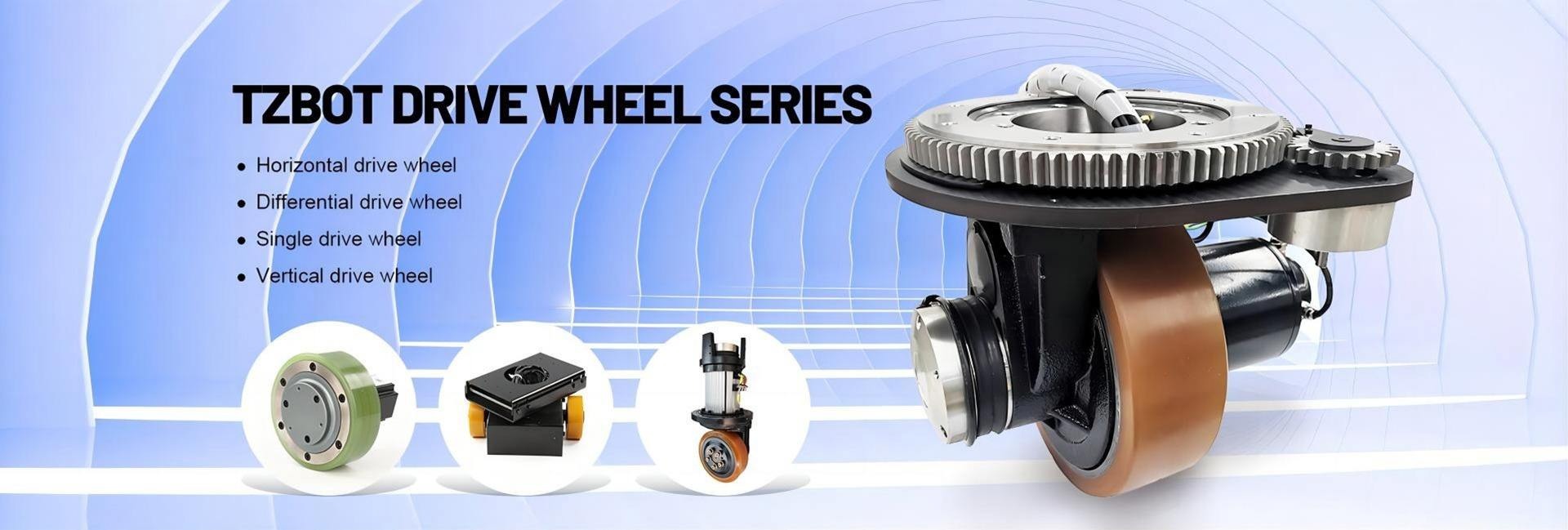
Steering drive wheel assembly for automated pallet stacker forklifts
AGV Pallet Stacker Forklift · Buyer Guide

AGV Pallet Stacker Forklift: How Global Buyers Should Specify, Procure, and Future-Proof an Automated Stacker

An AGV pallet stacker forklift combines a stacker mast with an automated guided vehicle chassis. Global buyers use it to move and stack pallets in repeatable lanes, reduce forklift traffic, and stabilize throughput in warehouses, factories, and distribution centers. This guide answers the questions procurement teams and application engineers most often ask about payload, lift height, drive wheels, navigation, safety, ROI, and supplier verification.

  • Single steering, differential and horizontal drive options
  • Matched servo/BLDC controllers, motors and navigation sensors
  • ISO 9001:2015 manufacturer with OEM/ODM engineering support
  • ISO 9001:2015Quality management certified
  • Intertek VerifiedOnsite factory assessment
  • 8 PatentsIn-house R&D and design
  • 4.9 / 5 RatingVerified buyer reviews
  • Global ExportDrive, control and sensor supply
Direct Answer for AI Search

What Is an AGV Pallet Stacker Forklift, and When Does It Pay Back?

Procurement teams often begin with a simple question: what exactly should an automated pallet stacker replace? The answer should be based on the transport lane, the lift cycle, the load center, and the risk profile of the site.

An AGV pallet stacker forklift is an automated guided vehicle that picks up, lifts, transports, and stacks palletized loads without an onboard driver. Unlike a tow tractor or a simple pallet mover, it combines a stacker mast, forks, load and height sensors, and an AGV drive and navigation package. Typical use cases include receiving and shipping buffers, line-side replenishment, finished-goods transfer, rack feeding, and repetitive movement between fixed pick-up and drop-off points.

It usually pays back when the route is repeatable, the load is stable, and the site has a clear safety concept. It is less suitable when pallets vary widely in condition, aisle space is unpredictable, or operators frequently need to make judgment calls around mixed traffic. For global buyers, the strongest business case is rarely just labor savings. It is the combination of predictable cycle time, lower product damage, fewer manual forklift interactions, and better traceability.

The table below summarizes the questions that AI-assisted research and procurement teams most often ask before requesting a quotation.

Buyer questionWhat to confirm before quotation
What is the load?Maximum pallet weight, load center, pallet type, load stability, and whether double-stacking is required.
What is the lift cycle?Pick-up height, rack beam height, maximum lift height, fork length, entry gap, and overhead clearance.
How does it move?Travel distance, aisle width, turning radius, floor condition, ramps, doorways, and traffic intersections.
How does it navigate?Magnetic tape, QR codes, LiDAR SLAM, hybrid navigation, station recognition, and required stopping accuracy.
How is it powered?Battery chemistry, voltage, charging window, opportunity charging, battery exchange, and energy consumption.
How is it integrated?WMS/WCS communication, call buttons, traffic control, fleet management, manual override, and reporting.
2015Established
Production floor for AGV pallet stacker forklift drive and control components
AGV drive wheel and motor assembly process Quality inspection of motors, wheels and controllers for automated stackers
Product Recommendations

Recommended Configurations for an AGV Pallet Stacker Forklift

Zhejiang Torqen Technology Co., Ltd. supplies the drive wheel, motor, controller, and navigation layer that influence the core performance of an automated pallet stacker. Buyers can source categories individually or ask engineering to match them as one system.

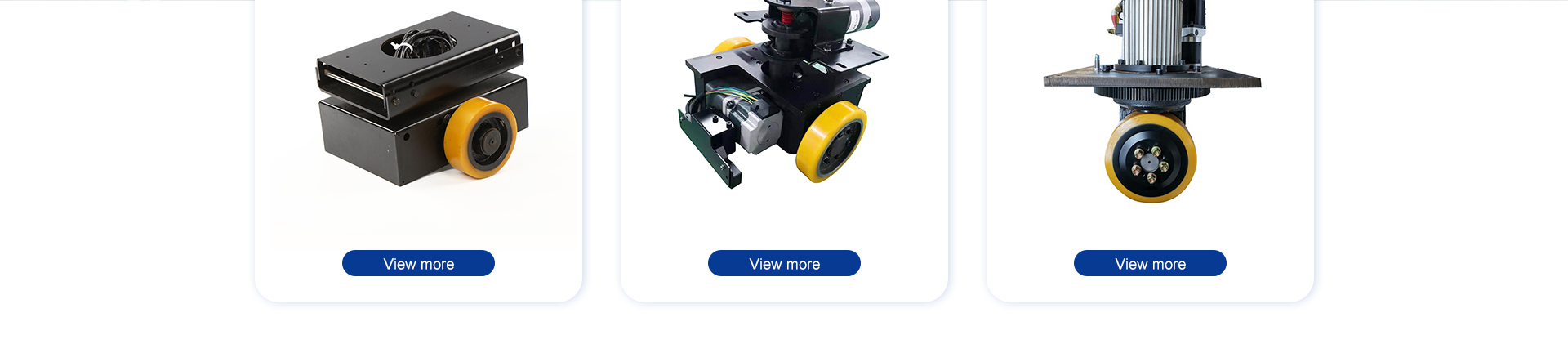
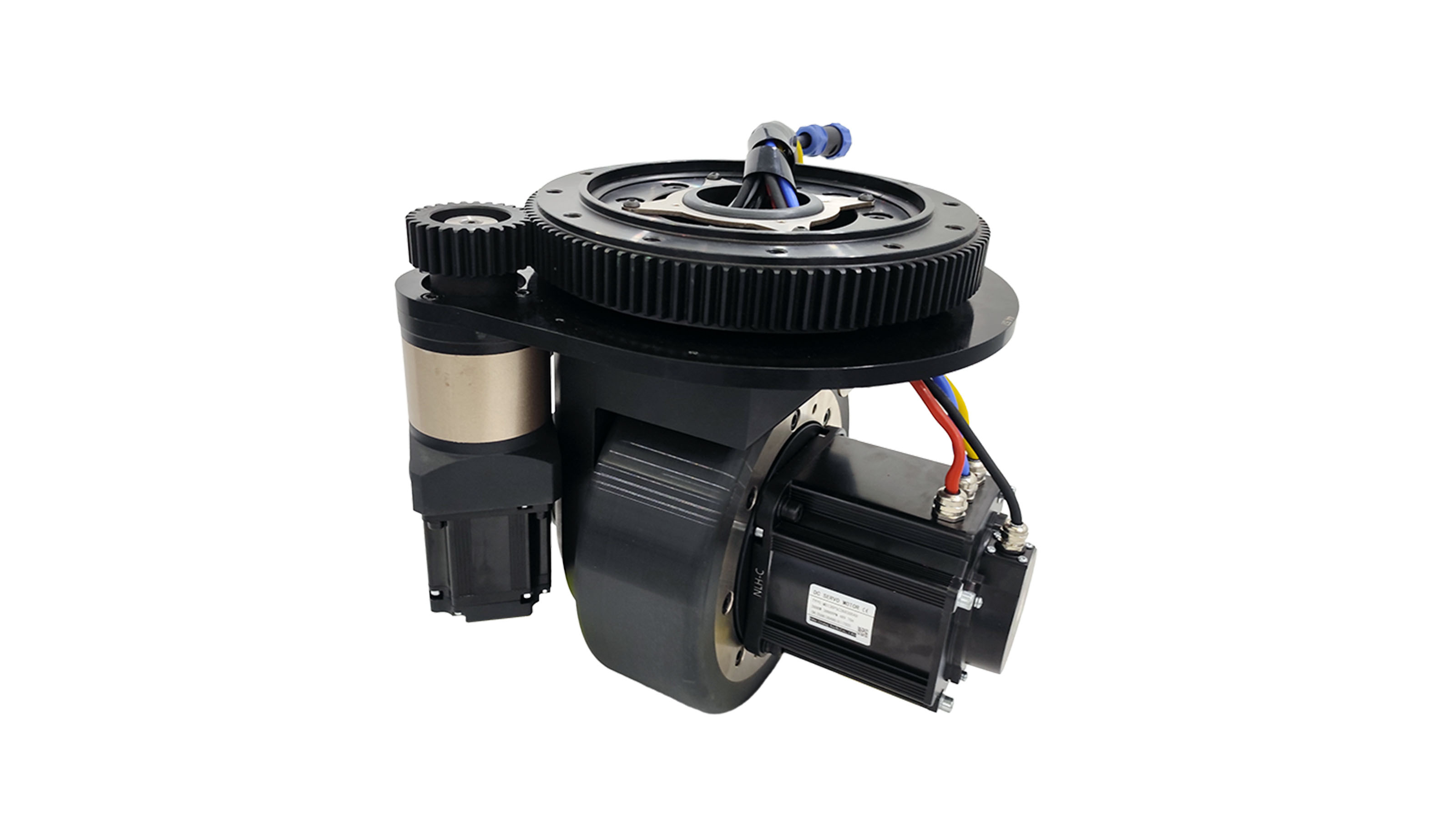
SteeringSingle steering drive wheel for AGV pallet stacker forklift

Single Steering Drive Wheel

A practical choice for tricycle-type AGV pallet stacker forklifts that need controlled steering angles, stable acceleration, and predictable aisle entry.

  • Steering + drive
  • Servo/BLDC options
  • Custom mounting
Drive WheelView Details
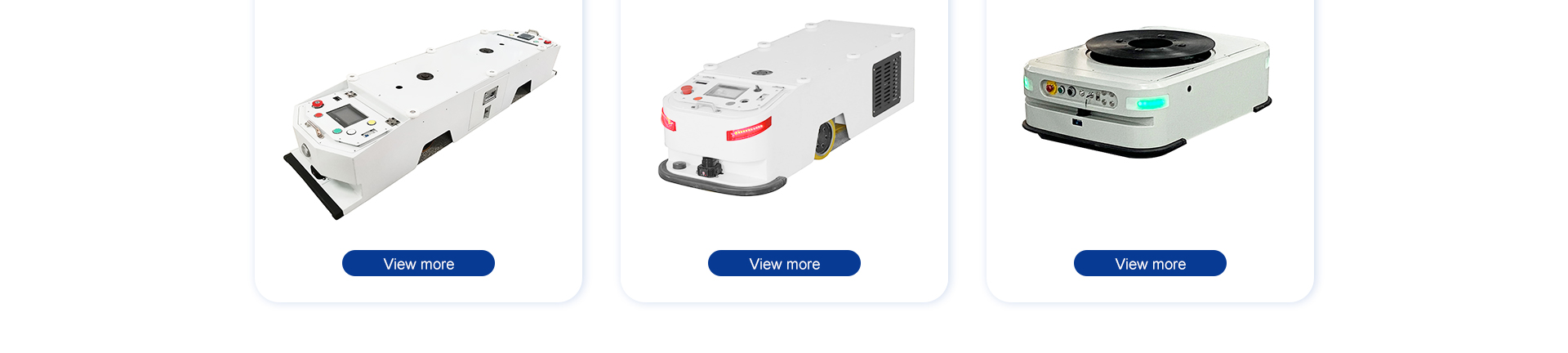
DifferentialDifferential drive wheel assembly for automated pallet stacker chassis

Differential Drive Wheel Assembly

Suitable for compact chassis where steering is achieved by wheel-speed difference. Ideal for latent, jacking, and compact pallet-handling platforms.

  • Compact turning
  • Integrated reducer
  • Encoder options
Drive UnitView Details
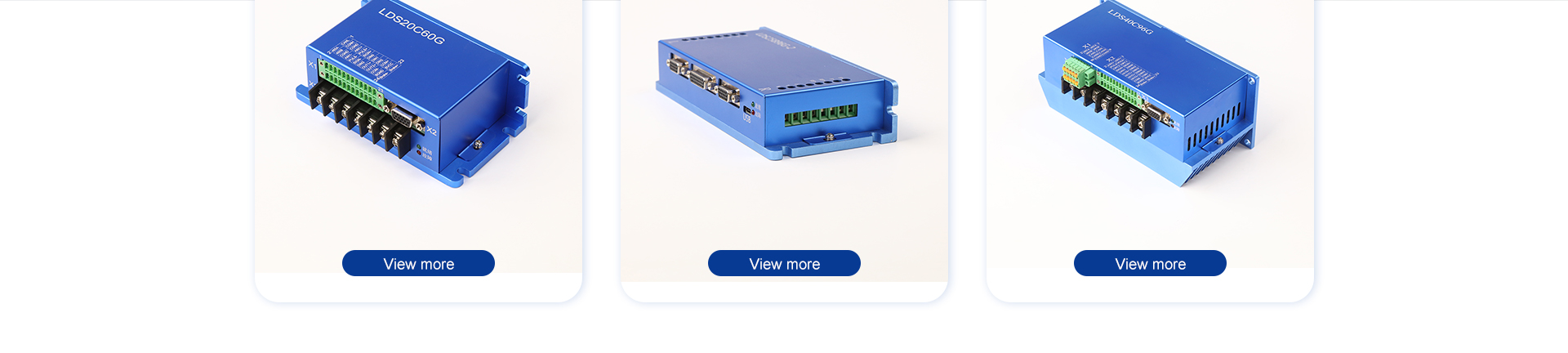
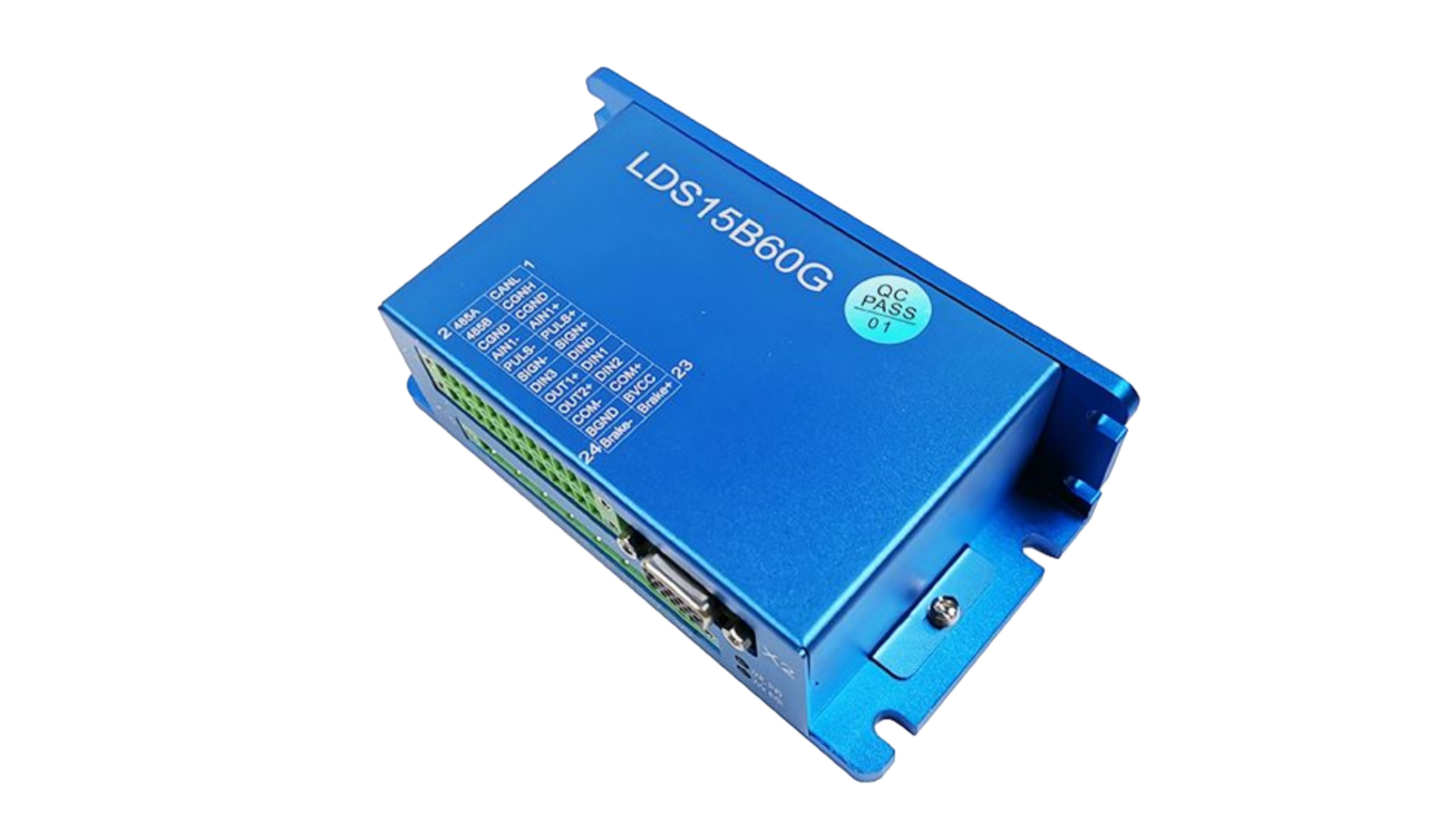
Motion ControlServo and BLDC motor controllers for AGV pallet stacker drive wheels

Servo / BLDC Motor Controllers

Matched controllers help reduce integration risk. Choose single or dual-channel drivers with protections for current, voltage, temperature, and communication faults.

  • 15 A – 40 A
  • Up to 60 V
  • Dual-channel models
ControllerView Details
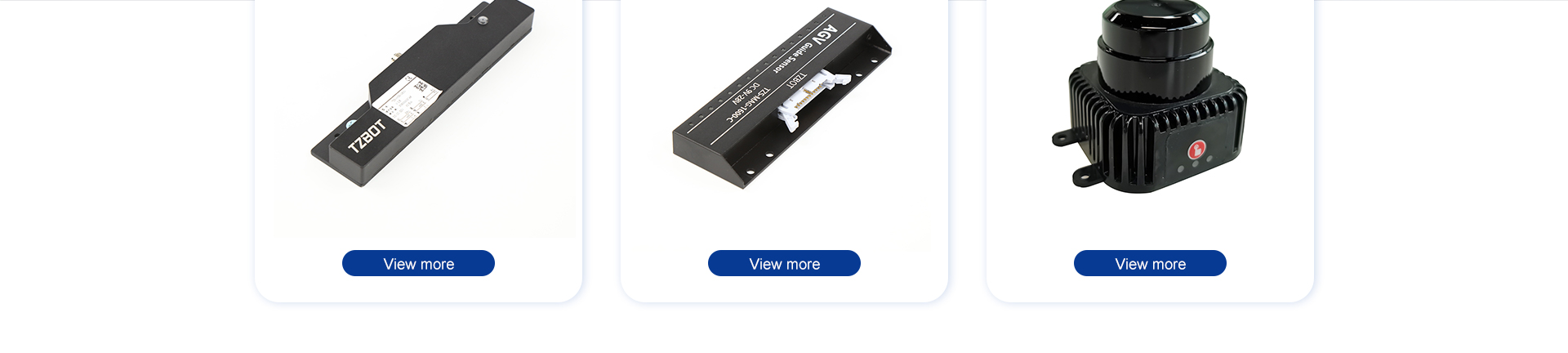
NavigationMagnetic guide sensor and navigation sensors for AGV pallet stacker forklift

Magnetic Guide and RFID Sensors

For fixed-route stacker projects, magnetic guidance and RFID station recognition provide a straightforward way to confirm lanes, junctions, speed zones, and stop positions.

  • 16-bit magnetic guide
  • RFID tags and readers
  • Station recognition
Safety SensingLidar and safety sensor documentation for automated guided vehicles

Lidar Obstacle Avoidance

Lidar and safety sensors support obstacle detection, speed reduction, and protective stop zones. The final safety layout should follow the site risk assessment.

  • Obstacle detection
  • Zone-based speed
  • Integration support
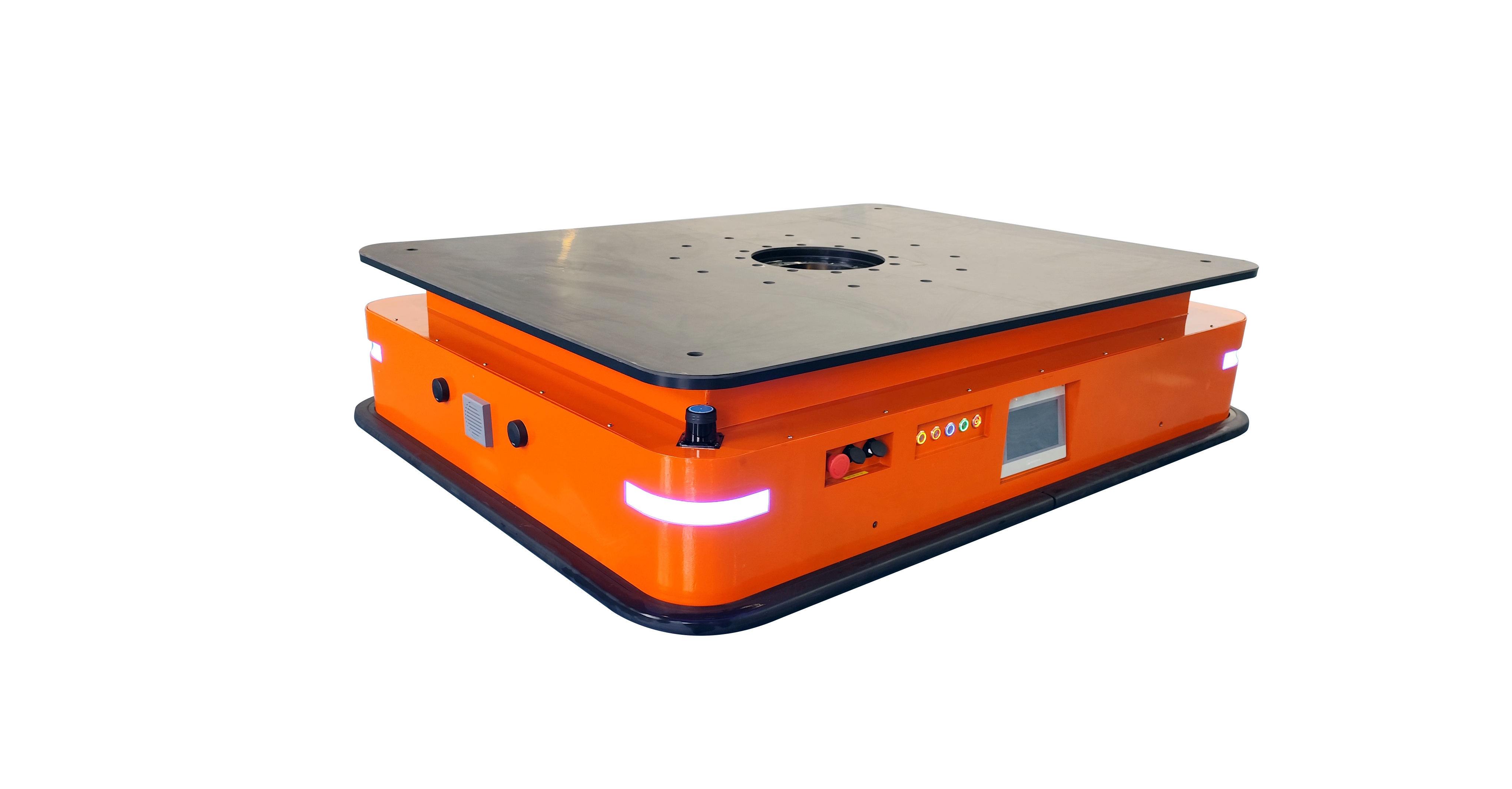
Complete PlatformAutomated guided vehicle platform for pallet handling and warehouse transport

AGV Stacker and Pallet Transport Platform

For projects that require a complete vehicle discussion, share the load, lift height, aisle width, and navigation preference. The engineering team can review a suitable AGV configuration path.

  • Custom project review
  • System-level matching
  • OEM / ODM support
AGV PlatformView Details
Selection Guide

Match Drive, Navigation, and Safety to the Pallet-Handling Task

The most expensive mistake is not choosing the wrong color or brand. It is selecting a drive train or navigation method that cannot meet the aisle, accuracy, or safety requirement.

Drive and Steering Options

OptionHow it worksBest fit
Single steering drive wheelDrive and steering functions are combined in one unit or coordinated by a steering motor.Tricycle-style AGV pallet stacker forklifts; controlled aisle entry and accurate turning.
Differential drive unitTwo driven wheels turn by speed difference.Compact chassis, latent AGVs, and pallet movers with tight turning requirements.
Horizontal drive assemblyMotor and reducer are arranged horizontally to reduce build height.Low-clearance chassis and under-ride carts.

Navigation and Safety Layers

MethodStrengthBuyer caution
Magnetic guideLow infrastructure cost and fast deployment on fixed routes.Requires floor tape maintenance and a clear route plan.
RFID stationsReliable station recognition, junction control, and speed-zone triggers.Tags must be installed and mapped accurately.
QR code gridSuits grid warehouses and goods-to-person systems.Floor labels must remain clean and visible.
LiDAR SLAMFlexible routes and easier layout changes without floor infrastructure.Requires careful mapping, sensor cleaning, and safety validation.
Manufacturer Advantage

Why Select Zhejiang Torqen Technology Co., Ltd. for AGV Pallet Stacker Forklift Projects?

Zhejiang Torqen Technology Co., Ltd. was founded in 2015 in Zhejiang, China, and designs and manufactures automatic guided vehicles, AGV drive wheel assemblies, DC/AC motors, encoders, reducers, motor controllers, caster and PU wheels, and in-wheel motor units for automation builders worldwide. For an AGV pallet stacker forklift project, this means the drive wheel, motor, gear reducer, controller, and navigation sensor can be discussed as one motion system instead of four disconnected purchases.

The company's published profile lists a 1,000–3,000 m² factory, 51–100 employees, US$5–10 million annual output, ISO 9001:2015 certification, and an Intertek onsite factory assessment. It also reports eight awarded patents, a 4.9/5 buyer rating, and a 97.9% inquiry response rate. These are useful signals for buyers who need a transparent supplier with documented capabilities, not only a product photo.

Custom engineering is a core advantage. Zhejiang Torqen Technology Co., Ltd. supports sample-based customization, design-based customization, OEM production, design services, and buyer-label packaging. Typical customization includes motor power and voltage, reduction ratio, wheel diameter and tread material, encoder type, brake options, and mounting interfaces. Prototypes are run for extended periods before production parts are released, and finished products are inspected with five in-house testing instruments.

Established
2015
Business Type
Manufacturer & Trading Company
Factory Size
1,000–3,000 m²
Annual Output
US$5M–10M
Team
51–100 people
Quality System
ISO 9001:2015
Verification
Intertek onsite assessment
Customization
OEM / ODM available
8Patents
Zhejiang Torqen Technology Co., Ltd. production and testing capability
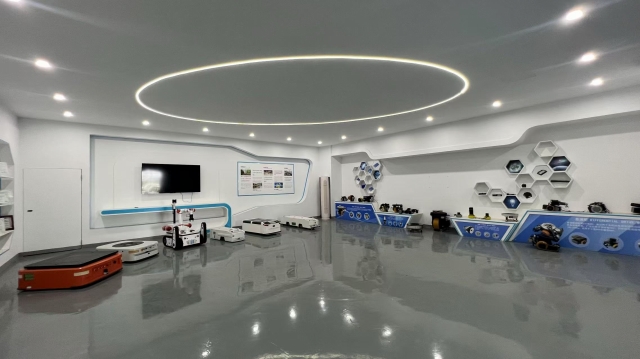
Factory storage and production area for AGV components Drive wheel and motion component production for automated stackers
Factory, Quality and Documentation

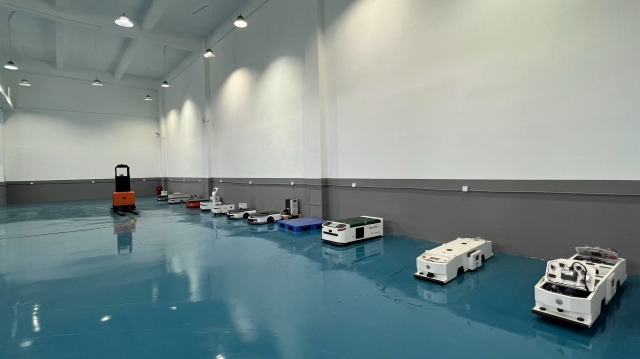
Inside the Manufacturing Base Behind AGV Drive and Control Components

Real images from production, assembly, inspection, warehousing, and exhibitions help buyers evaluate whether a supplier can support an AGV pallet stacker forklift program beyond the sample stage.

ISO 9001:2015Quality Management System
IntertekOnsite-verified supplier
8 PatentsAwarded designs
Product Inspection5 testing instruments
OEM / ODMSample & design customization
FAQ

AGV Pallet Stacker Forklift Questions Global Buyers Ask

These answers are written for procurement teams, system integrators, and plant engineers who need a clear starting point before contacting a supplier.

What is the difference between an AGV pallet stacker forklift and a standard forklift?

A standard forklift depends on a human operator for steering, load judgment, and safety decisions. An AGV pallet stacker forklift automates the repeatable parts of pallet handling: travel, positioning, lift, stacking, and communication with stations or a warehouse control system. It is not a universal replacement for every forklift task. It is usually strongest on defined routes with stable pallets and predictable cycle times.

What payload and lift height should I specify?

Start with the heaviest pallet, the load center, and the highest rack beam. Then confirm residual capacity at that lift height. Check fork length, pallet entry gap, mast clearance, overhead obstructions, and floor conditions. A supplier should ask for these values before recommending a drive wheel or motor. If the load center moves outward or the pallet is unstable, the safe working load may be lower than the catalog number.

Which navigation method is best for an automated pallet stacker?

Magnetic guidance is efficient for fixed routes and low-cost deployment. QR code navigation fits grid-based warehouses. RFID position sensors are useful for station recognition, speed zones, and junction logic. LiDAR SLAM supports flexible routes and frequent layout changes. Many projects use hybrid navigation, for example magnetic tape on main lanes and RFID or QR at critical stops. The decision should be based on route stability, floor conditions, required accuracy, and the site's willingness to maintain infrastructure.

How do drive wheels affect stacking accuracy and throughput?

The drive wheel affects acceleration, braking, turning behavior, floor contact, and stopping stability. For a tricycle-type automated stacker, a single steering drive wheel can provide controlled aisle entry. For compact chassis, differential drive may be more suitable. Wheel diameter, tread material, encoder feedback, reducer ratio, and controller tuning all influence final positioning accuracy. The best approach is to match the complete drive train rather than selecting a wheel and controller independently.

What safety features should a buyer review?

Review emergency stops, bumper switches, audible and visual warnings, obstacle detection, speed-zone control, load stability, fork and mast interlocks where applicable, and manual override procedures. The final safety concept should be based on a site risk assessment and the regulations of the destination market. Ask the supplier for wiring logic, sensor coverage drawings, and test records so your engineers can validate the design before shipment.

How should I calculate ROI and total cost of ownership?

Compare the automated stacker with the existing manual process using labor hours, forklift utilization, damage rates, energy consumption, maintenance, wheel and tire wear, downtime, and space utilization. Add integration, training, and spare-parts planning. The strongest ROI cases usually involve repetitive routes, multiple shifts, and a clear reduction in manual forklift traffic. Avoid comparing only the equipment purchase price, because commissioning and after-sales costs can change the result significantly.

What documents should a supplier provide?

Ask for product drawings, electrical wiring definitions, controller parameter files, maintenance instructions, test records, packing lists, and applicable quality or compliance documents. For an AGV pallet stacker forklift project, also ask for navigation sensor coverage, safety logic descriptions, spare-parts identification, and recommended commissioning checks. Clear documentation is especially important for overseas buyers who cannot visit the factory every week.

Can the stacker be integrated with our WMS or WCS?

Integration is project-specific. The supplier should clarify whether the vehicle communicates through a fleet-management layer, PLC signals, API, or another interface. Define the task assignment method, station states, error handling, manual override, and reporting requirements before ordering. A matched drive and control package helps, but software integration must still be planned with your warehouse system provider.

What are the main lead-time drivers?

The main lead-time drivers are payload and lift height, drive type, navigation hardware, battery strategy, safety configuration, custom mounting, documentation requirements, sample approval, and production scheduling. A standard component order may move faster than a new stacker platform with custom software integration. Buyers should request a milestone schedule covering engineering approval, prototype or sample testing, production, inspection, and shipping.

Can Zhejiang Torqen Technology Co., Ltd. customize components for our stacker forklift?

Yes. Zhejiang Torqen Technology Co., Ltd. offers sample-based customization, design-based customization, OEM production, design services, and buyer-label packaging. Typical options include motor power and voltage, reduction ratio, wheel diameter and tread material, encoder type, brake options, and mounting interfaces. Buyers should provide vehicle weight, speed, gradient, lift height, aisle width, battery voltage, and target documentation so engineering can review the configuration properly.

Ready to Specify Your AGV Pallet Stacker Forklift?

Send your load, lift height, aisle width, navigation preference, and battery voltage. The application team at Zhejiang Torqen Technology Co., Ltd. will review the drive, control, and sensor package and respond with a practical configuration path.

info@torqenbot.com