CE Certified Automatic Guided Vehicle Exporters & Wholesaler
Factory-direct AGV drive wheels, servo controllers, magnetic guide tape, charger pads and heavy-duty traction assemblies for warehouse automation integrators, robot OEMs and wholesale distributors. ISO 9001:2015 manufacturing, onsite-verified production and export documentation support for CE-conscious projects.
8 Automatic Guided Vehicle Products Available for Wholesale and Custom Export
Start with a component list that is already designed to work together. The eight product families below cover drive motion, steering, guidance, charging and material handling accessories for AGV and AMR platforms. Product links preserve the original catalog URLs so engineering buyers can move from this sourcing guide to full specifications quickly.
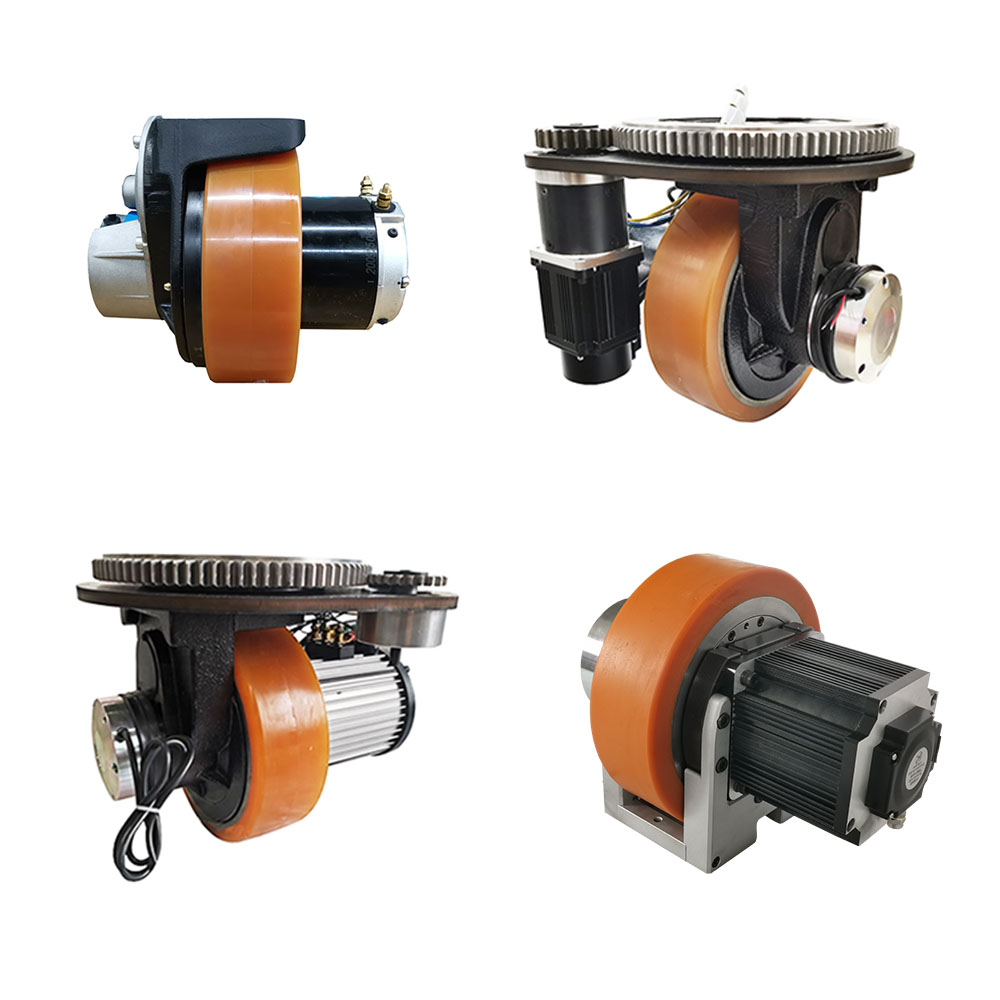
TZBOT 750W 1000KG Horizontal Drive Wheel Assembly
A compact horizontal drive package for low-clearance AGV chassis, latent lifting vehicles and under-ride carts that need strong load support without raising the deck.
- 750 W
- 1,000 kg
- Low profile
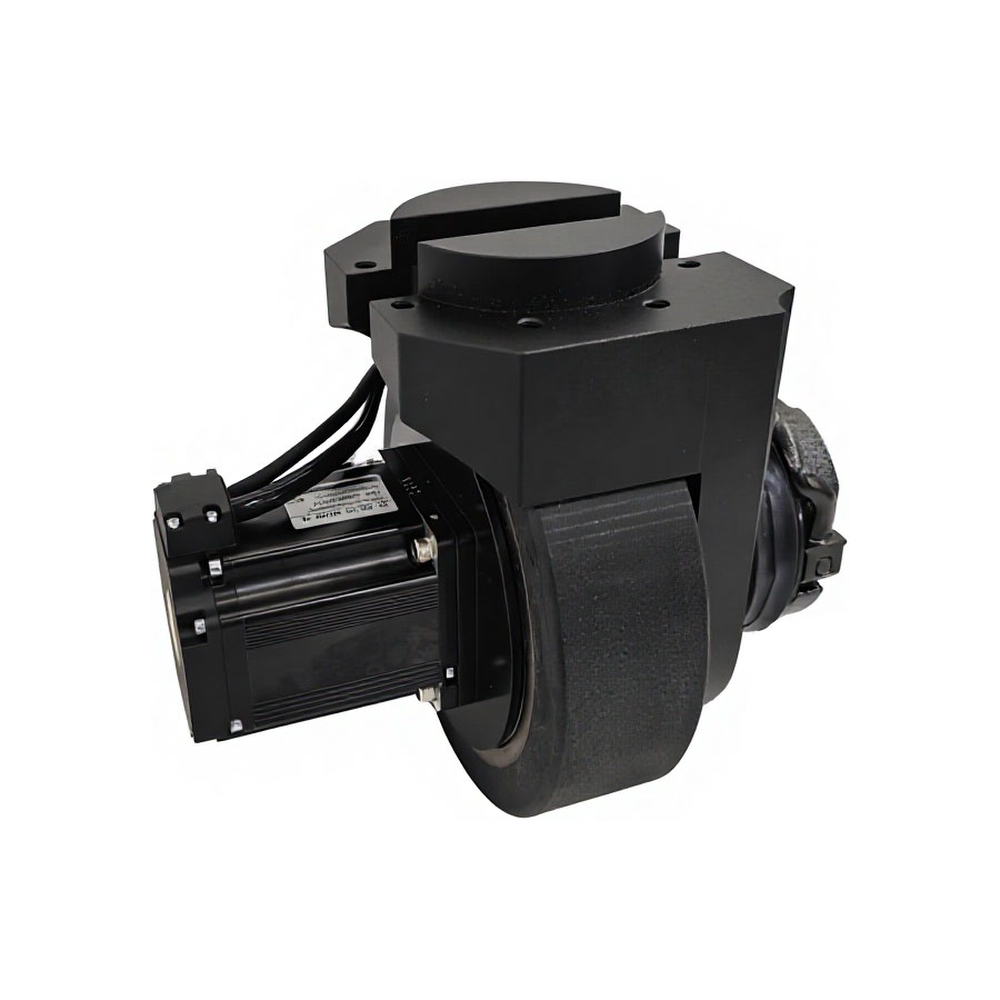
TZBOT 1000kg 1000W Servo Horizontal Drive Wheel
A servo-driven material handling part for stable traction, controlled acceleration and repeatable stopping in medium-duty logistics robots and automated carts.
- 1,000 W
- 1,000 kg
- Servo motor
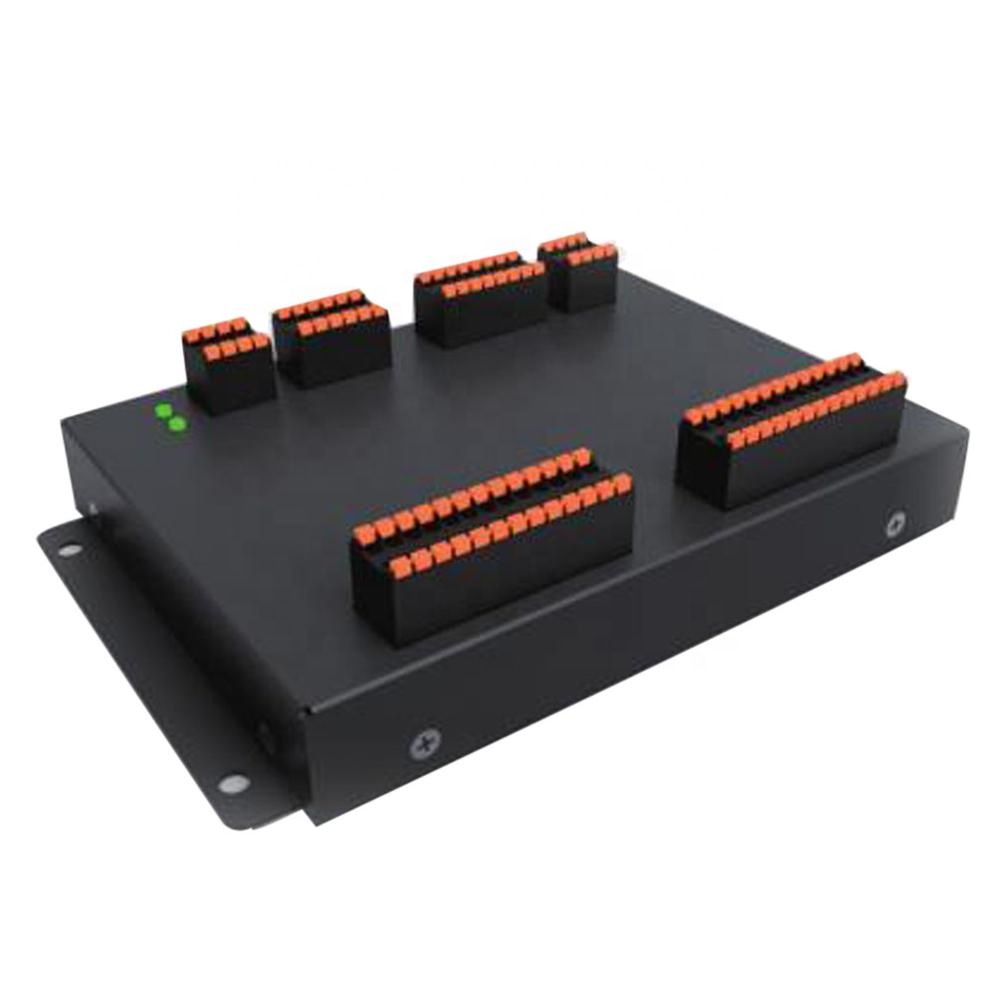
TZBOT Smart Controller TZC-MST-FX200D-A
AGV guidance controller for route logic and motion coordination. It helps reduce integration risk when paired with matching drive wheels, sensors and vehicle wiring.
- AGV guidance
- Route control
- OEM integration
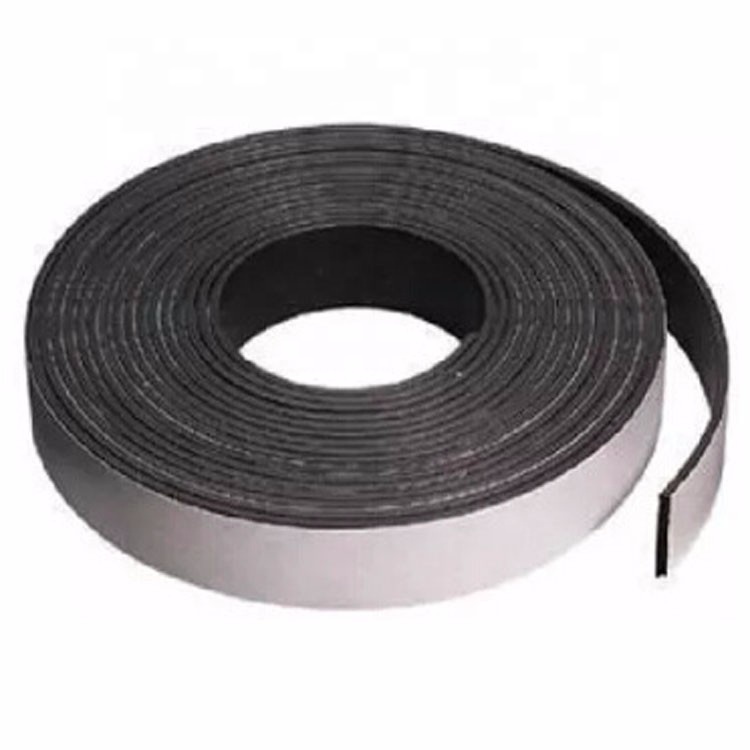
Magnetic Guide Tape 5cm x 25m, N Pole Up
Paved-path magnetic tape for AGV navigation. One 25-metre roll supports fast route installation, retrofit work and low-cost layout changes in warehouses.
- 5 cm width
- 25 m roll
- N pole up
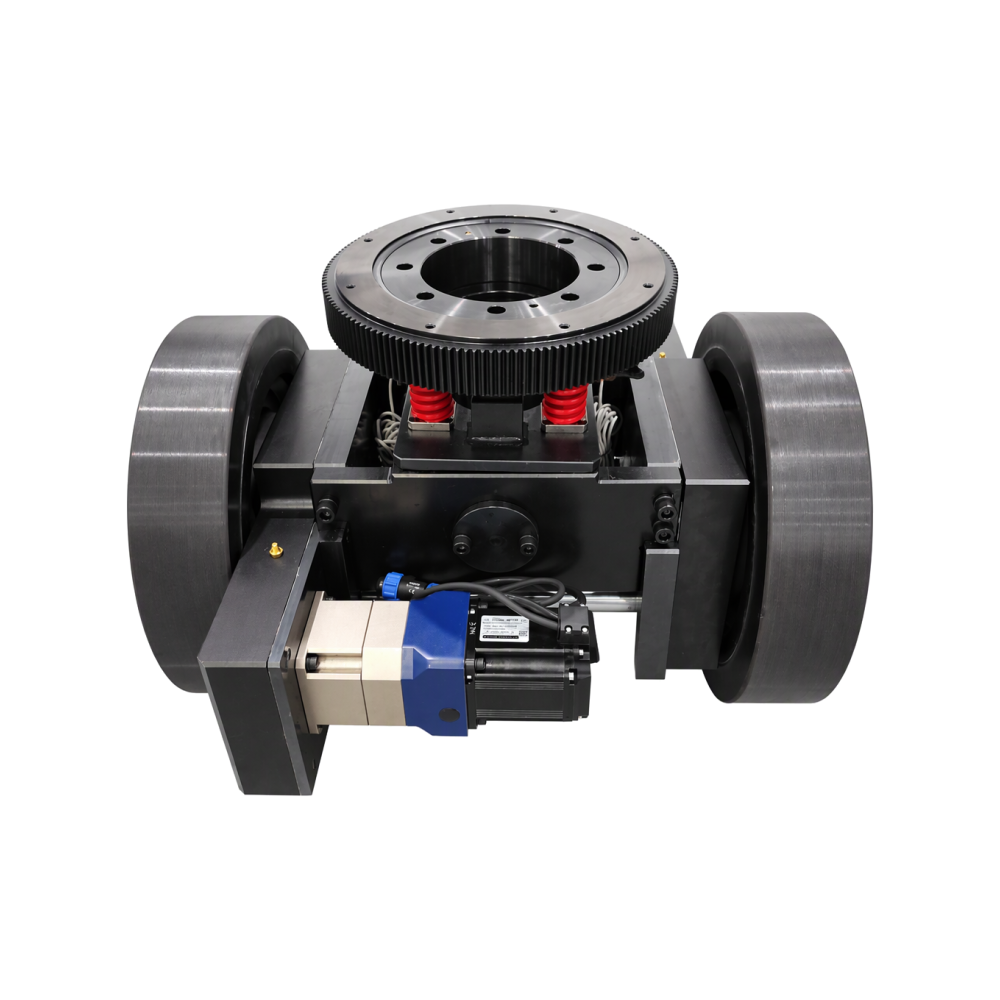
TZBOT Heavy Duty 1000W 48V Differential Drive Wheel
Heavy-duty differential drive with spring suspension for uneven floors and high-traction mobile robots. The suspension design supports stable contact pressure.
- 1,000 W
- 48 V
- Spring suspension
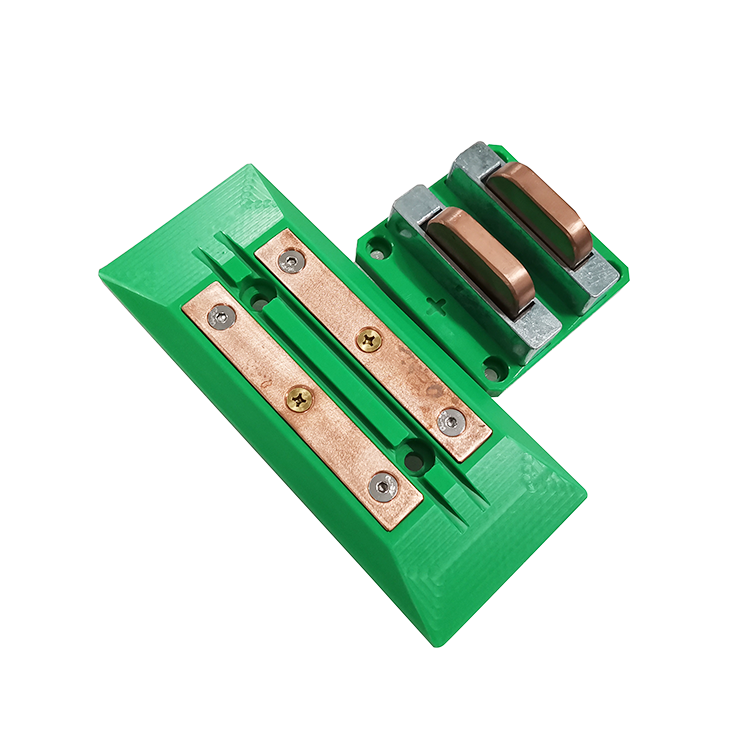
TZBOT Charger Pad TZ-CP-50A with Brush Plate
Automatic charging pad for AGV navigation vehicles. The brush plate and brush block design supports opportunity charging in multi-shift fleet operations.
- TZ-CP-50A
- Brush plate
- AGV charging
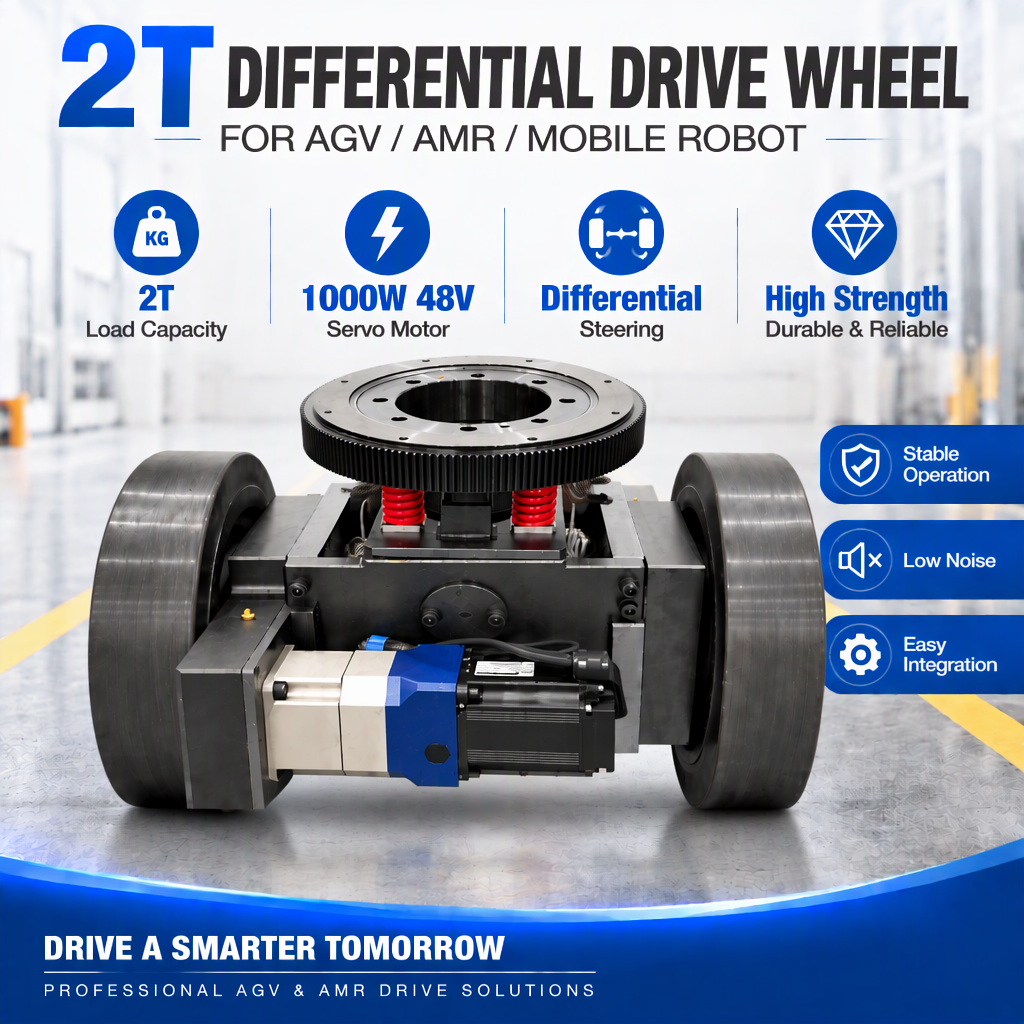
TZBOT 2000kg Differential Steering Drive Wheel
A high-traction steering drive wheel for logistics robots and AMR platforms. A strong candidate for tugger, forklift-style and heavy-load transport chassis.
- 2,000 kg
- Steering drive
- Logistics robot
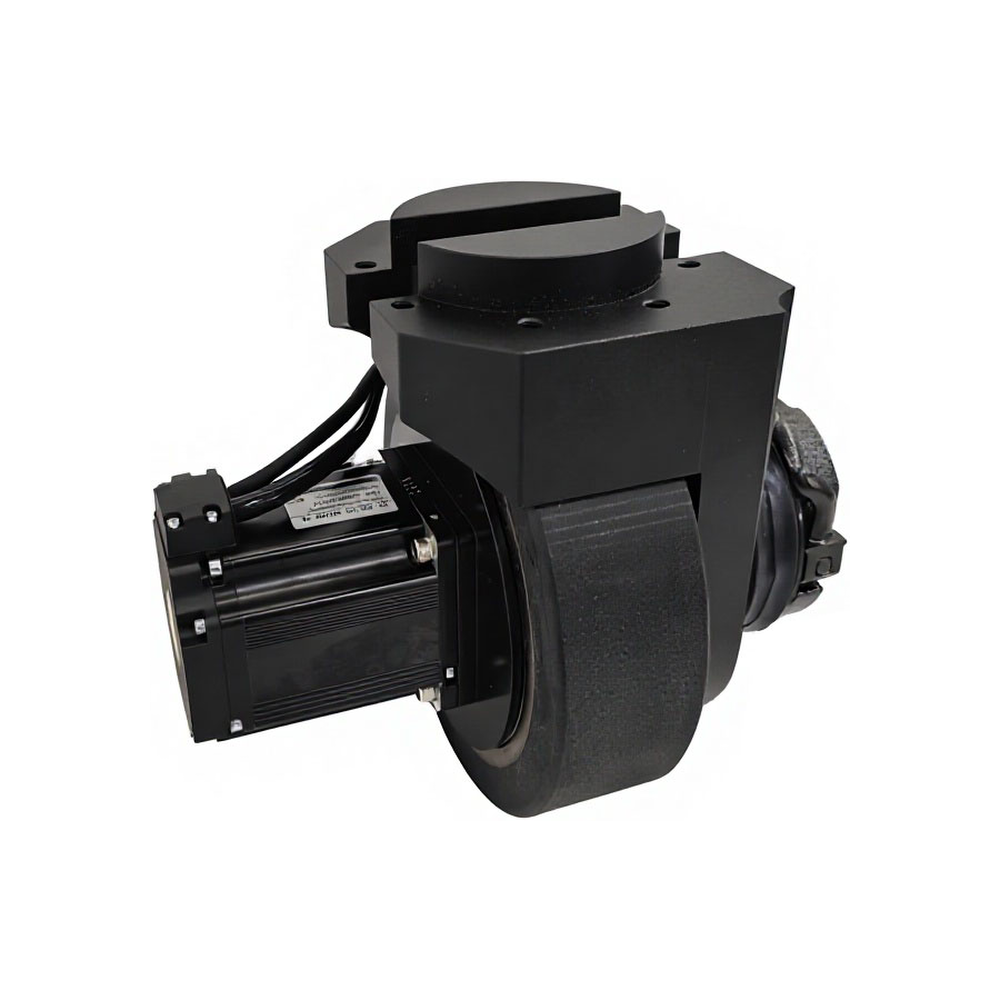
TZBOT 1000kg Heavy Duty Horizontal Drive Wheel Assembly
A traction accessory for material handling equipment with a low-profile chassis. It combines a horizontal layout with heavy-duty load support for OEM builds.
- 1,000 kg
- Heavy duty
- Horizontal
What a CE-Certified Automatic Guided Vehicle Exporter Should Prove Before You Place a PO
Purchasing teams often compare AGV suppliers on unit price, yet most cost overruns appear after installation: an encoder mismatch, a wheel that cannot hold traction on a wash-down floor, a charger pad that needs a different approach tolerance, or a missing document that delays CE sign-off. The more useful comparison is between suppliers that can document and engineer the whole motion chain.
Documentation depth, not a certificate image
Ask for the exact model, drawing revision, material list, encoder and brake option, test report and change-control note. That is the difference between a catalog component and a traceable export part.
Drive-train matching before quotation
Wheel diameter, gear ratio, servo driver current and encoder resolution must be selected together. A supplier that quotes a wheel alone may leave the most expensive integration work to your engineering team.
Integration evidence for the final machine
CE marking for a finished AGV is configuration-specific, so the final builder remains responsible for the machine-level declaration. A strong exporter helps by supplying technical data, wiring guidance, test records and practical answers that shorten the CE file review.
| What buyers ask | Why it matters | Evidence to request |
|---|---|---|
| Is the ordered model covered by the CE file? | AGV systems and components have different applicability; the final machine configuration drives the declaration. | Declaration of conformity for the finished machine where applicable, component drawing, bill of materials and revision history. |
| Will the drive wheel match my servo driver? | Mismatched electronics can cause overheating, encoder faults, unstable low-speed motion or premature brake wear. | Matched motor, reducer, driver, encoder and brake specification, plus bench-test report and parameter guidance. |
| Can the supplier support total cost of ownership? | Efficiency, traction, service life and spare-parts reach influence the cost per operating hour more than the initial unit price. | Performance curves, maintenance intervals, spare-parts list, export packing data and recommended stock items. |
| Can the supplier support a pilot then scale up? | Many automation projects begin with one route or a small fleet and expand after validation. | Sample workflow, customization scope, production capacity, inspection plan and batch traceability. |
Product Recommendation: Match the AGV Component to the Duty Cycle, Not the Catalog Photo
A drive wheel is only “right” when the vehicle weight, floor condition, speed, gradient, battery voltage and available chassis height are considered together. The recommendations below reflect how our application engineers usually narrow the first shortlist before sampling.
Low-clearance latent AGV
Use the TZBOT 750W 1000KG Horizontal Drive Wheel Assembly as a practical starting point for latent lifting and under-ride carts. The horizontal layout keeps the deck low while retaining enough traction for shuttle movements.
Uneven floors and towing duty
The Heavy Duty 1000W 48V Differential Drive Wheel with spring suspension is often preferred when floor transitions, dock levelers or outdoor aprons can reduce wheel contact. Suspension helps maintain traction and reduce shock loads.
Steering forklift AGV
For forklift-style, tricycle or tugger platforms, evaluate the TZBOT 2000kg Differential Steering Drive Wheel. Controlled steering angle and high traction support safe turning under load in narrow aisles.
Low-profile replacement build
The TZBOT 1000kg Heavy Duty Horizontal Drive Wheel Assembly is suitable when an OEM needs a compact traction unit for a low chassis. Share mounting hole patterns early to avoid redesign at the prototype stage.
New magnetic route or retrofit
A magnetic guide project commonly combines N-pole magnetic tape with the TZC-MST-FX200D-A smart controller. This pairing is attractive when fixed routes, low infrastructure cost and fast commissioning matter.
Opportunity-charging fleet
The TZ-CP-50A Charger Pad with Brush Plate supports automatic charging for AGV navigation vehicles. Plan approach tolerance and floor cleanliness together with the vehicle navigation method.
Information gain: the five-input sizing model our engineers use
Before recommending a drive wheel, prepare gross vehicle weight, target speed, maximum gradient, battery voltage and available chassis height. Add floor type, wheel tread preference, duty cycle and required stopping behavior for a faster sample recommendation. These inputs shorten the quotation cycle and reduce prototype rework.
AGV Component Procurement Trends Buyers Should Plan For
Automation buyers are moving away from isolated part sourcing. The next purchasing cycle will reward suppliers that can prove cost of ownership, documentation discipline, spare-parts readiness and engineering responsiveness.
Total cost of ownership replaces lowest unit price
Fleet operators increasingly compare tire life, energy efficiency, spare-part availability and service response. A lower-priced wheel that wears faster or causes encoder faults is no longer treated as a bargain.
CE documentation becomes a gate item
Procurement teams now ask for model-level documentation earlier, because a missing declaration or an unclear change record can delay commissioning. Traceability will remain part of supplier qualification.
Modular BOMs with fewer qualified suppliers
Instead of buying wheels, drivers, sensors and chargers from separate vendors, more OEMs want a single source that can confirm compatibility. Fewer qualified suppliers reduce interface risk and purchasing administration.
Regional stock and fast spare-part response
Downtime is more visible than ever in warehouse operations. Buyers will favor suppliers that provide spare-part lists, packing data and clear export terms so distributors can maintain local stock.
Small-batch customization without long tooling
AGV builders increasingly need different wheel diameters, tread materials, encoders or brakes for a specific vehicle. Suppliers that support sample-based customization can shorten the path from design to field test.
Data-backed change control
When a project scales from pilot to fleet, revision control becomes part of risk management. Buyers will expect consistent drawings, labels, test records and parameter files for repeat orders.
How AGV Drive, Guidance and Charging Products Are Evolving
The technical direction is clear: higher payload density, more integrated motion packages, safer control behavior and navigation systems that combine multiple sensor inputs. These trends directly affect future spare-parts planning and OEM platform design.
Higher payload density in lower chassis
Warehouse vehicles must carry more while staying low enough to enter carts, racks and conveyors. Horizontal and integrated drive assemblies will continue to gain attention where deck height is constrained.
Integrated wheel, motor and driver packages
OEMs want fewer interfaces to manage. Matching a servo motor, reducer, encoder, brake and driver as one qualified package reduces commissioning time and improves repeatability across vehicle builds.
Safety-aware motion control
Controlled acceleration, regenerative behavior, brake logic and fault reporting are becoming part of the buying decision. Drive components that support predictable stopping and clear diagnostics help vehicle builders design safer machines.
Sensor fusion navigation
Magnetic guide sensors, RFID position readers, QR grids and lidar are increasingly combined. The right architecture depends on route stability, infrastructure budget, traffic density and how often the layout changes.
Fast charging and battery-aware operation
Opportunity charging changes how charger pads and vehicle power budgets are specified. Buyers should evaluate approach tolerance, contact wear, floor cleanliness and charging-cycle fit with shift patterns.
Serviceability and predictive maintenance
Fleet operators want faster fault isolation and simple replacement. Clear part numbering, accessible mounting, consistent wiring and documented wear limits are becoming as important as peak performance.
Why Global Buyers Shortlist Zhejiang Torqen Technology Co., Ltd.
Zhejiang Torqen Technology Co., Ltd. has manufactured automatic guided vehicles and motion components since 2015. The company profile describes a manufacturer and trading company with a 1,000–3,000 m² factory, 51–100 employees, annual output of US$5M–10M, ISO 9001:2015 quality management certification, Intertek onsite verification, eight awarded patents, a 4.9/5 buyer rating and a 97.9% inquiry response rate.
Those facts are useful because AGV component buying is not a one-time catalog transaction. It involves sample coordination, engineering adaptation, repeatable inspection and a spare-parts relationship after commissioning. Torqen’s product development is organized around motion control: AGVs, AGV drive wheel assemblies, DC/AC motors, encoders, reducers, servo and BLDC controllers, caster and PU wheels, navigation sensors and charging accessories.
The practical advantage is single-source matching. Drive wheels are checked against our own servo and BLDC drivers, smart controllers and navigation sensors, so the buyer is not left to reconcile incompatible datasheets. OEM/ODM support includes sample-based customization, design-based customization, design services and buyer-label packaging.

In-house drive-train matching
Drive wheel, motor, reducer, encoder, brake and controller are reviewed as one system. This is especially valuable for first-time OEM builds where the interface assumptions are still being tested.
Custom engineering for OEM/ODM projects
Typical customization includes motor power and voltage, reduction ratio, wheel diameter and tread material, encoder type, brake options and mounting interfaces. Buyer-label packaging is also supported.
Quality verification before shipment
The ISO 9001:2015 system, Intertek onsite verification, five in-house testing instruments and extended-duration prototype testing support a more disciplined release process. Finished-product inspection is part of the export workflow.
Flexible export and payment terms
Payment methods include T/T, L/C, D/P, D/A, MoneyGram, credit card, PayPal, Western Union, cash and escrow. Delivery terms include FOB, CFR, CIF, EXW, CIP, FCA, CPT, DDU and express delivery. Currencies include USD, EUR, JPY, CAD, AUD, HKD, GBP and CNY.
Responsive engineering support
A 97.9% inquiry response rate and 24/7 online support message reflect a service model built for overseas buyers. Wiring diagrams, driver parameters and commissioning guidance can be discussed with the technical team.
Single-source bill of materials
AGV drive wheels, sensors, controllers, magnetic tape, charger pads and accessories can be quoted together. Consolidated documentation and packing simplify purchasing administration for distributors and system integrators.
From Sample to Shipment: A Clearer OEM/ODM Process
A predictable process matters when a new AGV platform is moving from concept to pilot. The workflow below reflects the manufacturing and support strengths described in the company profile and helps buyers prepare the right questions.
Requirement review
Share load, speed, voltage, chassis height, floor condition and route type. These basics prevent the quotation from becoming a guess based only on a product photo.
Engineering proposal
Motor, reducer, wheel, encoder and brake options are matched. Drawings and mounting details are discussed before the prototype cycle begins.
Prototype build
Sample-based or design-based customization is produced. Buyers should confirm test criteria, labels, packaging and any documentation needs at this stage.
Endurance testing
Prototypes are run for extended periods and checked against performance expectations. This reduces the chance of discovering a thermal, traction or encoder issue only after production.
Mass production
Production is controlled under the ISO 9001:2015 management system. Repeat orders can reference approved drawings and revision notes to maintain consistency.
Inspection and delivery
Finished-product inspection, export packing and shipping terms are confirmed. Flexible delivery options support distributors and project buyers in different regions.
Payment methods
- T/T
- L/C
- D/P D/A
- MoneyGram
- Credit card
- PayPal
- Western Union
- Cash
- Escrow
Delivery terms
- FOB
- CFR
- CIF
- EXW
- CIP
- FCA
- CPT
- DDU
- Express
Quotation currencies
- USD
- EUR
- JPY
- CAD
- AUD
- HKD
- GBP
- CNY
Common Questions About CE-Certified AGV Export and Wholesale Supply
These are the questions engineering buyers, distributors and warehouse automation teams ask before requesting samples or issuing a purchase order.
Are you a CE-certified automatic guided vehicle exporter and wholesaler?
Torqen supplies AGV drive wheels, controllers, sensors and charging accessories to global OEM and wholesale buyers, with ISO 9001:2015 quality management and export documentation support. CE marking for a finished AGV is configuration-specific and depends on the final machine build, risk assessment and integration. For a CE-conscious project, request the applicable declaration, technical data and order-specific documentation before placing the purchase order.
Can you customize motor power, voltage, wheel diameter, encoder or brake options?
Yes. OEM/ODM support includes sample-based customization, design-based customization, design services and buyer-label packaging. Typical customization includes motor power and voltage, reduction ratio, wheel diameter and tread material, encoder type, brake options and mounting interfaces. Send the chassis drawing and duty-cycle data so our engineers can review feasibility before quotation.
Which drive wheel type should I choose for my AGV or AMR?
Differential drive units suit compact latent and jacking AGVs that turn by wheel-speed difference. Steering drive wheels suit forklift, tricycle and tugger platforms that need controlled steering angles. Horizontal drive wheel assemblies suit low-clearance chassis. Share payload, target speed, maximum gradient, battery voltage and chassis height, and the team can recommend a configuration.
What inputs are needed for a fast drive recommendation?
Provide gross vehicle weight, target speed, maximum gradient, battery voltage and available chassis height. Additional useful details include floor type, wheel tread preference, required stopping behavior, duty cycle, ambient conditions and annual volume. These inputs help select motor power, reduction ratio, wheel diameter and brake configuration more efficiently.
How is product quality verified before shipment?
The quality management system is certified to ISO 9001:2015, and the facility has been verified onsite by Intertek. The company profile lists five in-house testing instruments and finished-product inspection. Prototypes undergo extended-duration testing before production parts are released, which helps identify traction, thermal and encoder issues early.
Do you support OEM/ODM and buyer-label packaging?
Yes. The company profile lists sample-based customization, design-based customization, OEM production, design services and buyer-label packaging. For distributor programs, discuss label format, carton marking, spare-part kits and inspection documentation at the quotation stage so the packaging matches your local sales requirements.
What payment and delivery terms are accepted?
Accepted payment methods include T/T, L/C, D/P, D/A, MoneyGram, credit card, PayPal, Western Union, cash and escrow. Delivery terms include FOB, CFR, CIF, EXW, CIP, FCA, CPT, DDU and express delivery. Quotations can be issued in USD, EUR, JPY, CAD, AUD, HKD, GBP or CNY depending on the order arrangement.
Do you supply spare parts after the project is commissioned?
Yes. A single-source bill of materials can include drive wheels, motor drivers, controllers, sensors, magnetic tape, charger pads and accessories. For fleet projects, request a recommended spare-parts list and documentation package so maintenance teams can plan local stock and reduce downtime.
Which industries use Torqen drive products?
Applications include AGVs and AMRs, forklifts, aerial work platforms, airport equipment, agricultural machines, hydraulic applications, floor scrubbers and sweepers, wind energy, marine equipment and medical devices. The common requirement is reliable electric motion in a compact or heavy-duty mobile platform.
How do I start an inquiry or compatibility review?
Use the inquiry button on this page and include your gross vehicle weight, target speed, maximum gradient, battery voltage, chassis height, route type, required documentation and estimated annual volume. If you already have a drive wheel drawing or servo driver specification, share it with the message so the application team can check the interface before recommending a product.
Ready to Shortlist a CE-Conscious AGV Component Supplier?
Send your gross vehicle weight, target speed, maximum gradient, battery voltage, chassis height and annual volume. Our team will return a drive-wheel, controller and navigation recommendation matched to your application and export requirements.
For documented projects, include drawings, required test reports and any target delivery terms in the first message.
