CE Certified SLAM Navigation AGV Suppliers & Wholesalers
Source drive wheels, servo/BLDC controllers, magnetic and RFID sensors, and SLAM-ready AGV components from an ISO 9001:2015 manufacturer established in 2015. Engineer-to-engineer customization, export documentation support and wholesale supply for global integrators.
8 AGV Drive, Control and Navigation Products for SLAM and Material Handling Projects
These eight products cover the core bill of materials for a modern AGV platform: traction, steering, control, and navigation. Product URLs are retained for direct technical review and quotation.
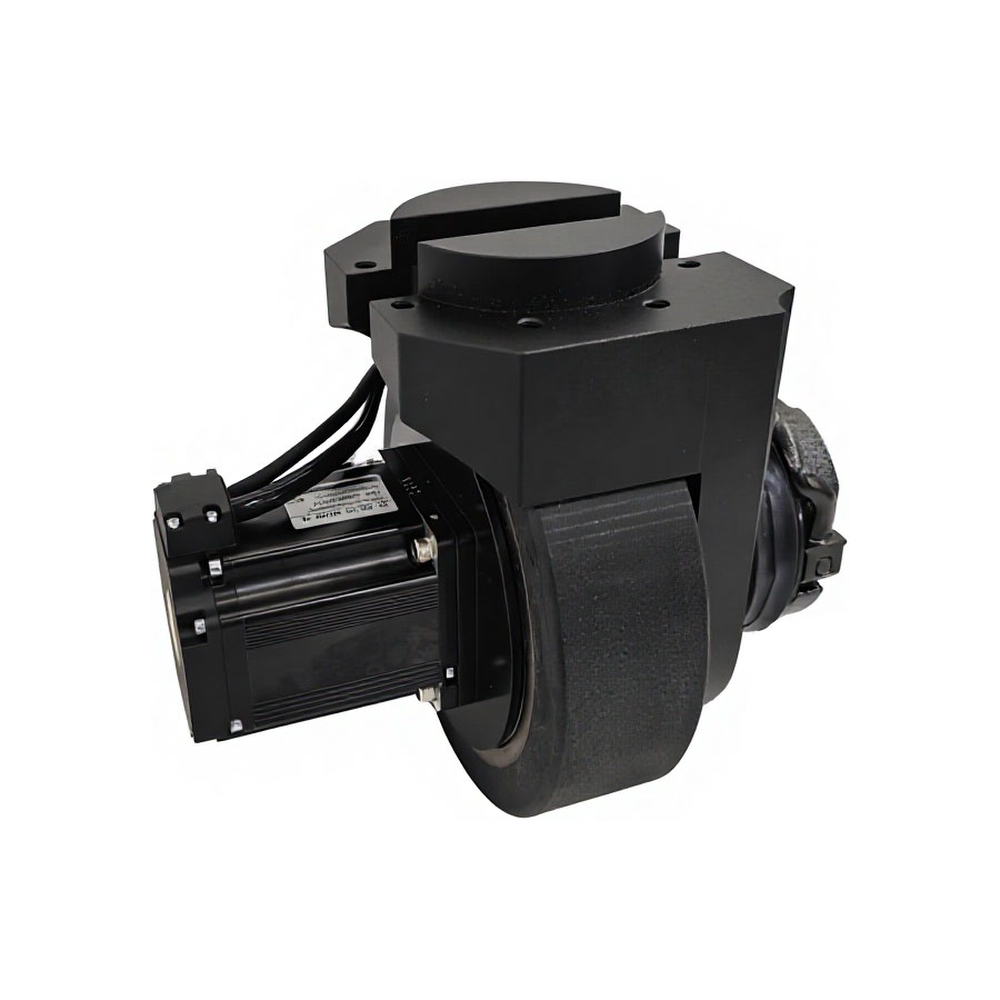
TZBOT 1000kg Bearing Capacity agv Wheel 1000w Servo Motor Material Handling Equipment Part Horizontal Drive Wheel
A horizontal drive wheel for compact material handling AGVs, combining 1,000 kg load capacity with a 1,000 W servo motor for stable acceleration and precise positioning.
- 1,000 kg
- 1,000 W
- Horizontal drive
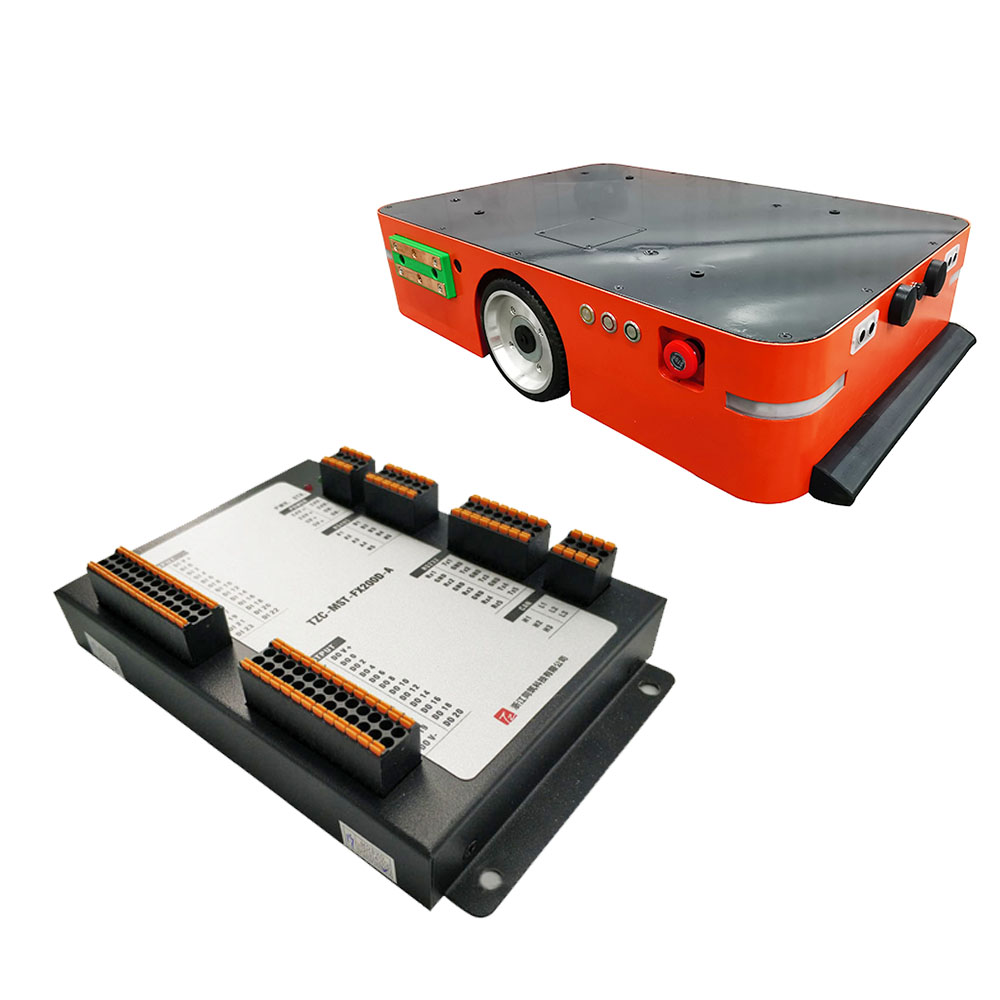
TZBOT Smart agv Controller for Commanding the AGV
A central command module for AGV route execution, task coordination and peripheral control, suitable for new builds and controller upgrades.
- AGV command
- Peripheral control
- System integration
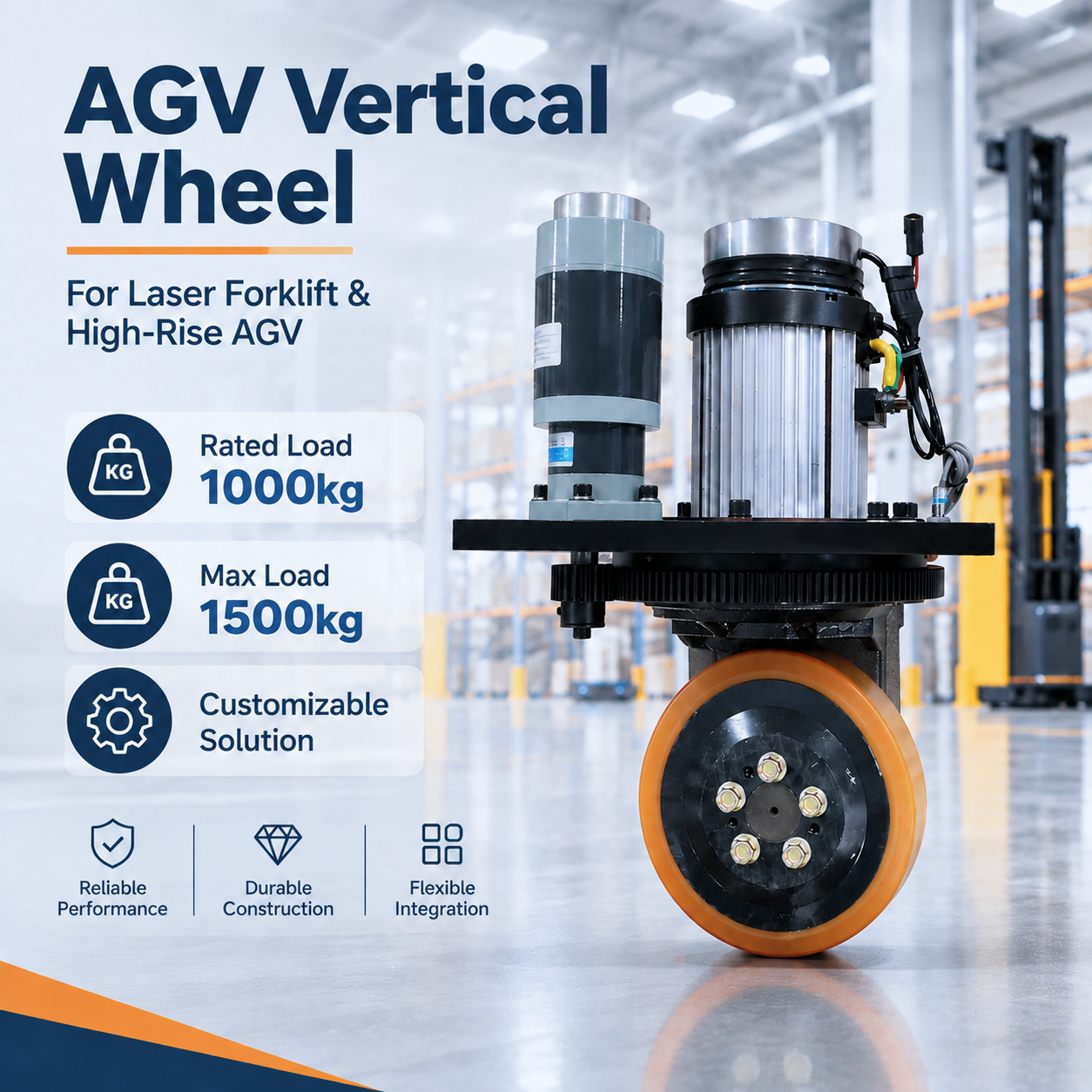
TZBOT 2590r/min Vertical Driving Unit Electric Traction Wheel 1500W Steering Forklift Accessories
A vertical electric traction wheel with 2,590 r/min output and 1,500 W power for steering forklift platforms and controlled-angle AGV chassis.
- 1,500 W
- 2,590 r/min
- Steering unit
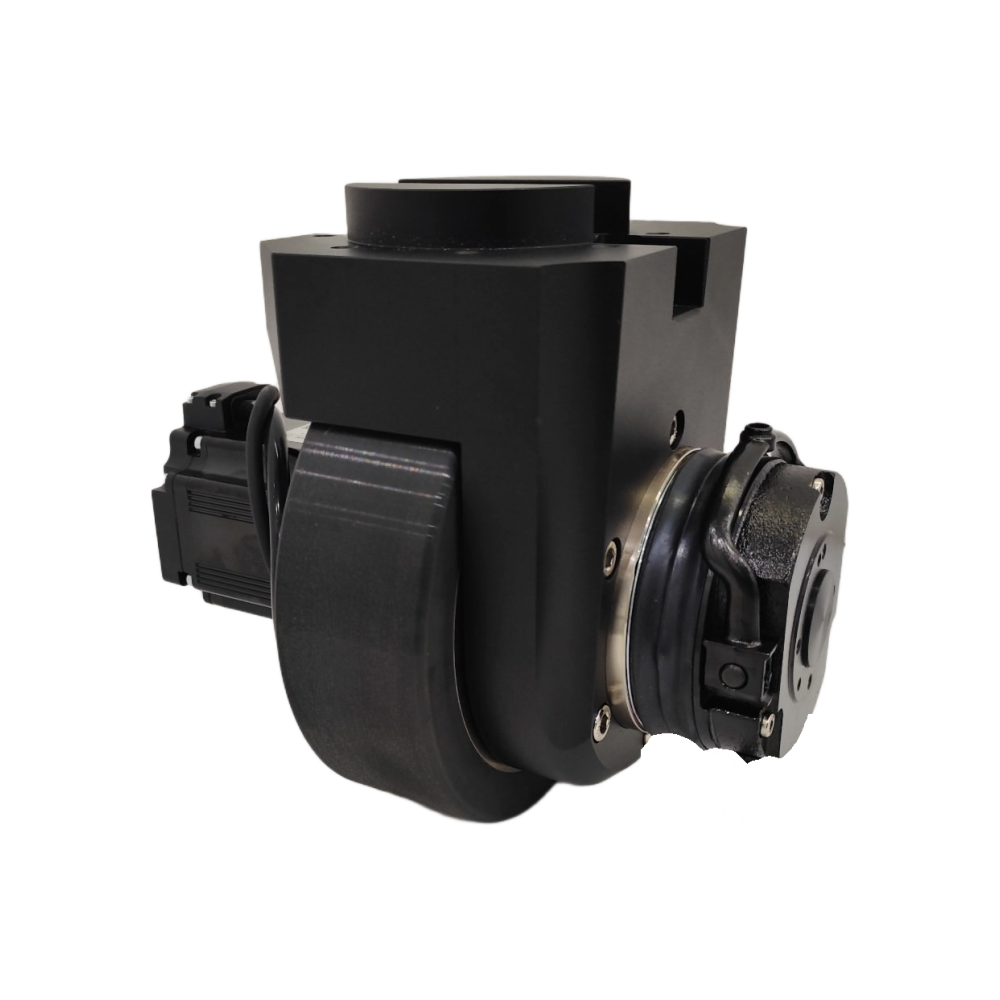
TZBOT Compact Structure agv Wheel Imported Polyurethane 1000kg Load Duty Mobile Robot Horizontal Drive Wheel Unit
Compact horizontal drive wheel unit with imported polyurethane tread, designed for mobile robots that need quiet traction and low chassis height.
- 1,000 kg
- Imported PU
- Compact design

TZBOT 48V DC 2 Ton Heavy Duty Differential Unit AGV Wheel TZCS-750-30
A 48 V DC, 2-ton heavy-duty differential unit for high-load logistics robots and industrial platforms needing robust traction and turning control.
- 2 ton
- 48 V DC
- TZCS-750-30
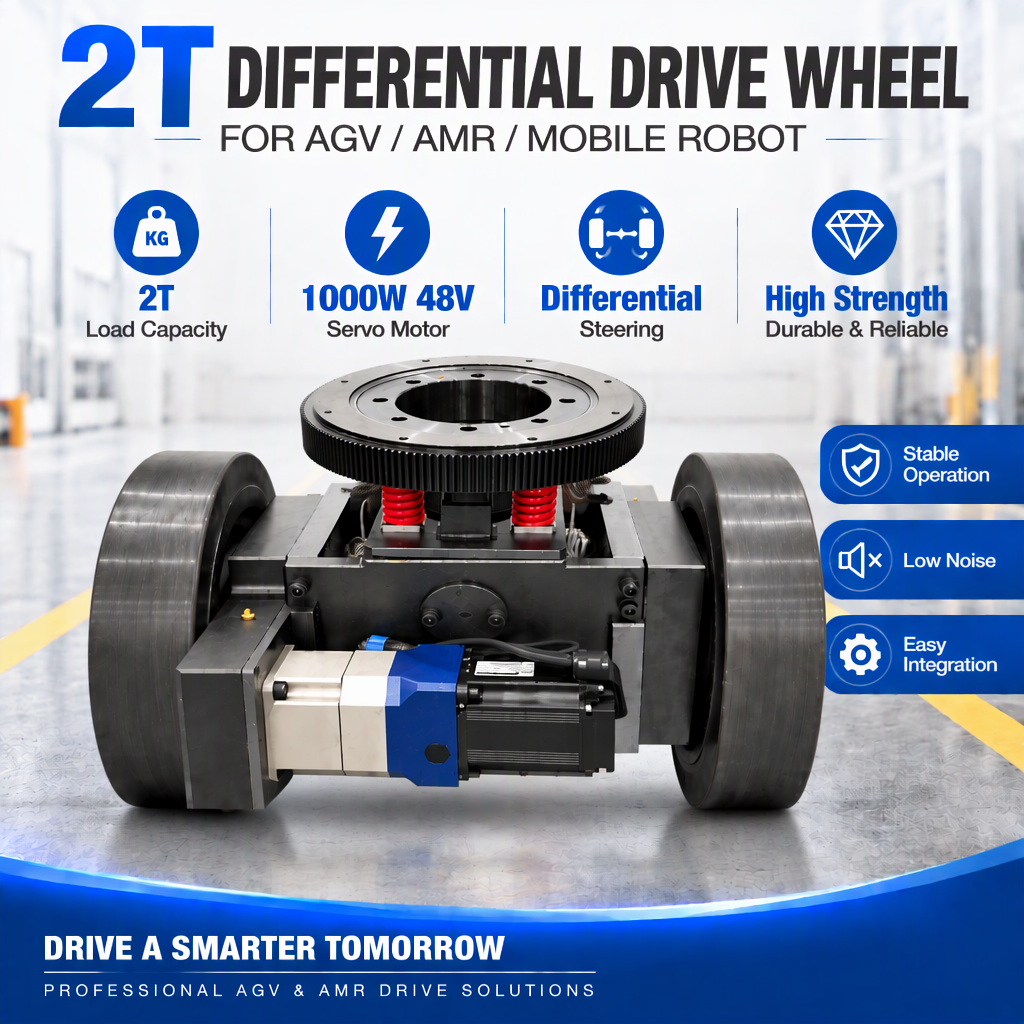
TZBOT 2000kg Traction Capacity Logistic Robot Part agv Amr Differential Steering Drive Wheel for Sale
A 2,000 kg traction-capacity differential steering drive wheel for logistics robots, AMRs and heavy handling vehicles that require precise path tracking.
- 2,000 kg
- Differential steering
- AMR / AGV
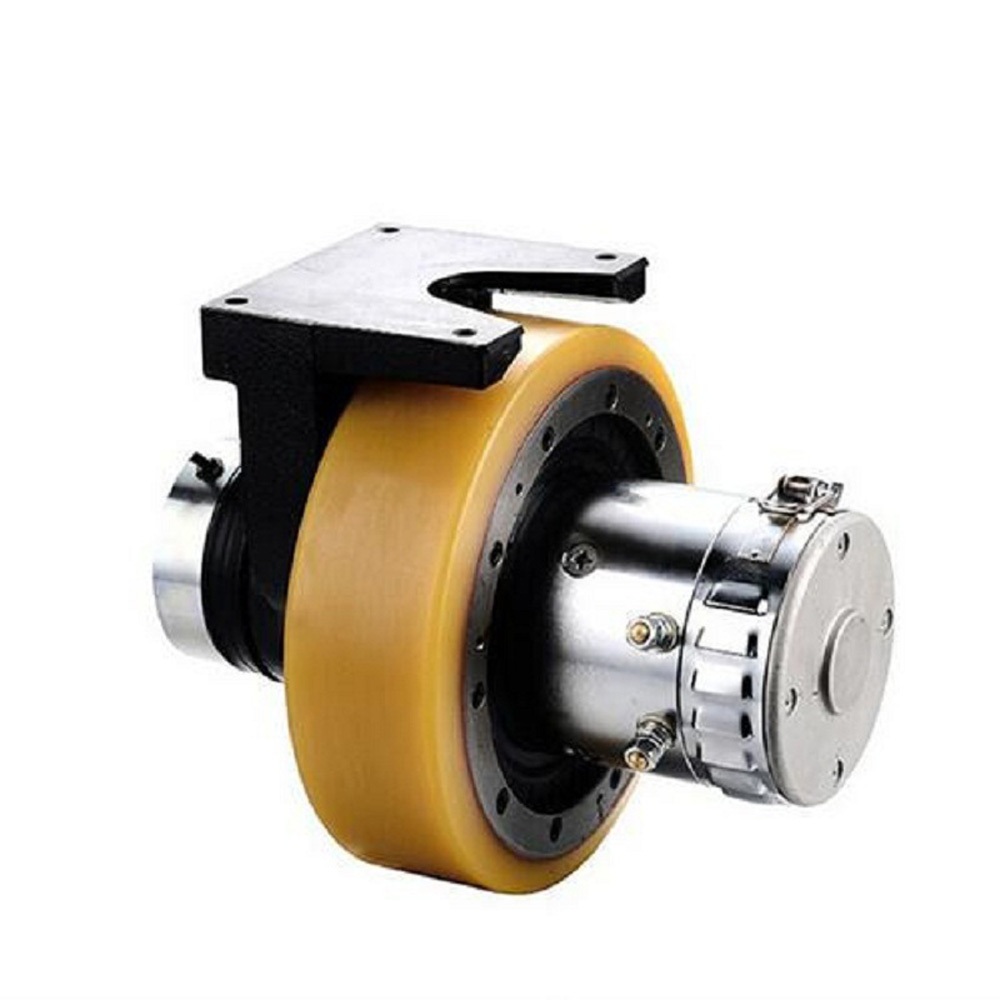
TZBOT TZ18-D12 1200W 24V Horizontal Drive Wheel Assembly Horizontal Wheel Unit Omnidirectional Automatic Steering Wheel
A 1,200 W, 24 V horizontal wheel assembly for omnidirectional and automatic steering layouts, supporting flexible maneuvering in constrained spaces.
- 1,200 W
- 24 V
- Omnidirectional
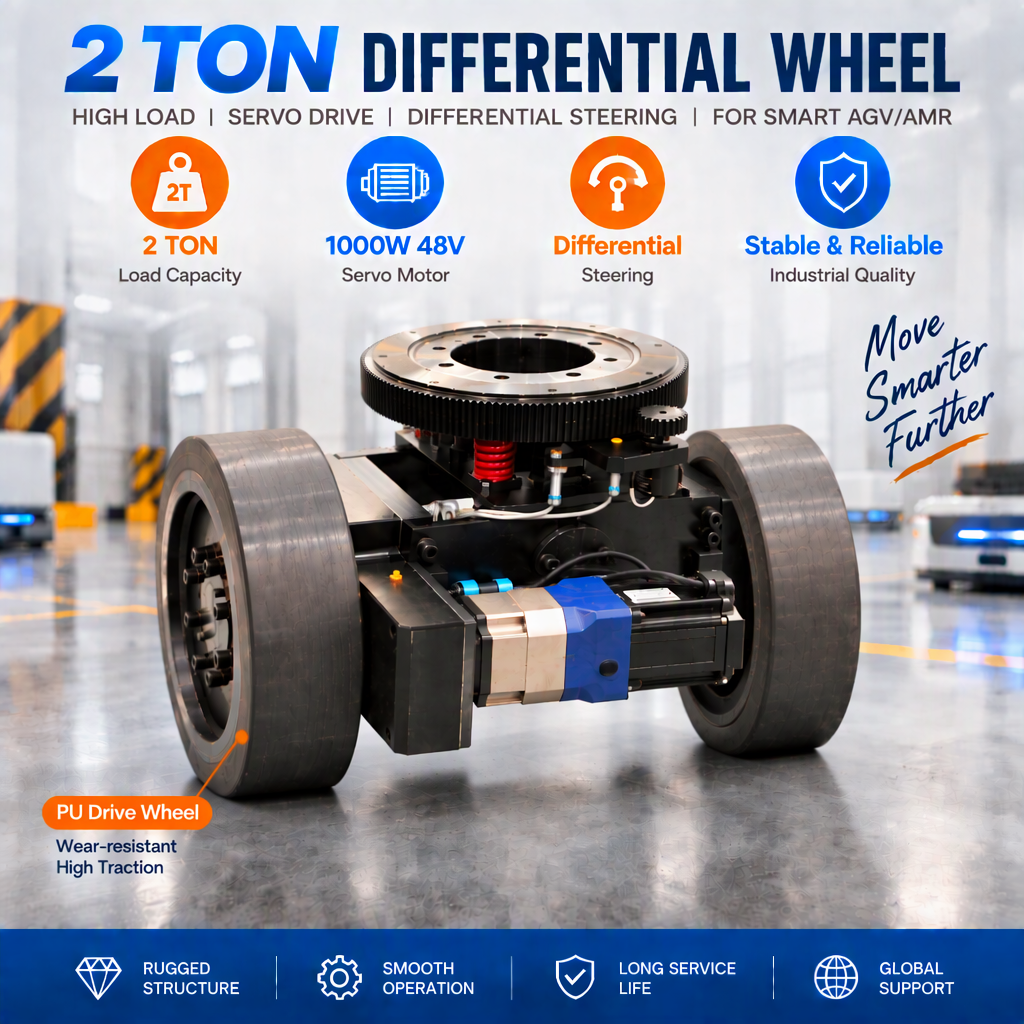
TZBOT 2000KG Heavy Duty Series AGV Wheel 1000w 48V Strong Power Mobile Robot Differential Drive Wheel with Spring Suspension
A 2,000 kg heavy-duty differential drive wheel with 1,000 W, 48 V power and spring suspension for unstable floors and high-traction mobile robot applications.
- 2,000 kg
- 1,000 W / 48 V
- Spring suspension
What “CE Certified SLAM Navigation AGV Suppliers & Wholesalers” Really Means for Buyers
Buyers who search for CE Certified SLAM Navigation AGV Suppliers & Wholesalers are rarely looking for a single component in isolation. They are usually comparing three different purchase paths: a complete SLAM navigation AGV platform, a customized drive-train package for an in-house robot, or a wholesale supply program for a regional integrator. Each path has different compliance evidence, lead time and lifecycle expectations.
For a system integrator, the priority is predictable integration: wheel mounting, encoder feedback, controller parameters, sensor protocol and spare-part continuity. For an end user, the priority is safety, uptime and total cost of ownership. For a wholesaler, the priority is documentation quality, packaging consistency, mixed-model flexibility and reliable restocking. A supplier worth shortlisting must answer all three perspectives, not only quote a unit price.
CE marking is also frequently misunderstood during sourcing. CE is product- and application-specific. A drive wheel alone may be a component, while a complete AGV is machinery. The credible question is not simply “Are you CE certified?” but “Which SKU, which directive, which standards, which technical file, and who signs the declaration?” This article explains how to evaluate that evidence while selecting SLAM-ready AGV components from a manufacturer or wholesaler.
Procurement snapshot: what to verify first
Use this quick screen before requesting a sample. It reduces engineering iterations and protects your compliance file.
- Product-specific Declaration of Conformity, test reports and material declarations where applicable.
- Drive wheel load rating, voltage, reduction ratio, tread material, encoder and brake options.
- SLAM sensor interface, safety lidar logic, magnetic/RFID fallback and controller compatibility.
- OEM/ODM scope, sample-to-production handoff, private-label packaging and spare-parts plan.
- Incoterms, payment currencies, response time, warranty route and traceability records.
| Buyer question | Why it matters | Evidence to request |
|---|---|---|
| Is the AGV or component CE-relevant? | Complete machinery, electrical drives, batteries and wireless devices may fall under different directives. | Product-specific declaration, standards list, risk assessment, EMC test data and responsible economic operator details. |
| Does SLAM navigation match the environment? | Natural-feature SLAM can struggle with repetitive racks, glass, dust or changing layouts without sensor fusion. | Lidar specification, reflective-plate or magnetic tape fallback, RFID station logic and commissioning reports. |
| Is the drive train matched as a system? | Wheel, motor, reducer, encoder and driver mismatches cause vibration, heat, positioning drift and downtime. | Matched motor-driver test records, parameter files, thermal data and mounting drawings. |
| Can the supplier support wholesale scale? | Growth channels need stable packaging, SKU traceability, mixed containers and responsive technical support. | Production capacity, inspection instruments, sample lead time, private-label capability and export documents. |
AGV Sourcing Trends Reshaping Supplier and Wholesaler Decisions
Price remains important, but documentation, integration risk and lifecycle support now decide whether a supplier becomes a long-term partner.
Documentation-first buying
Procurement teams are asking for CE-relevant declarations, test reports, material records and traceability before pricing approvals. A supplier with organized technical files shortens audit cycles and reduces compliance risk for integrators entering regulated facilities.
Matched drive-train packages
Buying a wheel, servo driver and sensor from unrelated vendors creates hidden integration cost. More buyers now prefer a single source that can test the wheel, motor, reducer, encoder and controller together, then supply parameter files and wiring guidance.
Resilient multi-source supply
Lead-time volatility has pushed wholesalers to qualify backup sources without duplicating engineering work. Modular drive platforms, stable mounting interfaces and documented second-source options help buyers protect delivery commitments while maintaining design consistency.
Lifecycle cost over unit price
Fleet owners are calculating spares availability, tread wear, service access and replacement lead time alongside first cost. A slightly higher-priced drive unit with predictable quality and fast technical response often delivers a lower total cost of ownership across a multi-year AGV deployment.
Where SLAM Navigation AGV Components Are Heading Next
The next procurement cycle will reward suppliers who can combine mechanical traction, functional safety and sensor fusion—not just individual parts.
SLAM plus fallback navigation
Pure SLAM is powerful but not universal. Repetitive racking, glass walls, dust and temporary obstructions can affect natural-feature localization. Future-ready AGVs increasingly combine lidar SLAM with magnetic tape, RFID tags or QR landmarks for deterministic behavior in critical zones.
Functional-safety-ready drives
Procurement specifications are moving toward dual-channel encoders, safer torque-off behavior, diagnostic coverage and documented safety functions. AGV builders want drive components that support risk reduction rather than requiring external workarounds during certification.
Compact high-torque integration
Lower chassis heights and denser warehouse layouts are pushing demand for horizontal drive units with higher torque density, integrated servo control and reduced maintenance points. Spring suspension and optimized polyurethane treads are becoming differentiators in rough-floor environments.
Digital twin and serviceability
AGV buyers increasingly expect CAD models, wiring diagrams, parameter files and diagnostic data that support simulation and predictive maintenance. Suppliers that treat documentation as part of the product will be easier to design in, qualify and scale across multiple facilities.
Recommended Configurations for Common AGV and AMR Projects
Use these starting points to brief your engineering team, then confirm load, speed, floor condition, battery voltage and chassis height with the supplier.
| Project type | Recommended component logic | Procurement note |
|---|---|---|
| Light latent or lifting AGV | Horizontal drive wheel with 1,000 kg class capacity, matched servo driver and compact controller. | Confirm chassis height and required braking distance before selecting the wheel diameter. |
| Heavy 2-ton logistics platform | 48 V DC heavy-duty differential unit or 2,000 kg traction drive wheel with spring suspension. | Ask for thermal test data, mounting drawing and recommended tire pressure or tread inspection interval. |
| Forklift or tricycle steering AGV | Vertical electric traction wheel with steering control and high-resolution encoder feedback. | Check steering-angle repeatability, brake option and compatibility with the vehicle’s safety controller. |
| SLAM navigation AGV | Differential or omnidirectional drive platform plus lidar, magnetic/RFID fallback and smart AGV controller. | Define environmental features, maximum speed, map change frequency and safety lidar zones. |
Why Zhejiang Torqen Technology Co., Ltd. Fits AGV Wholesale and OEM Programs
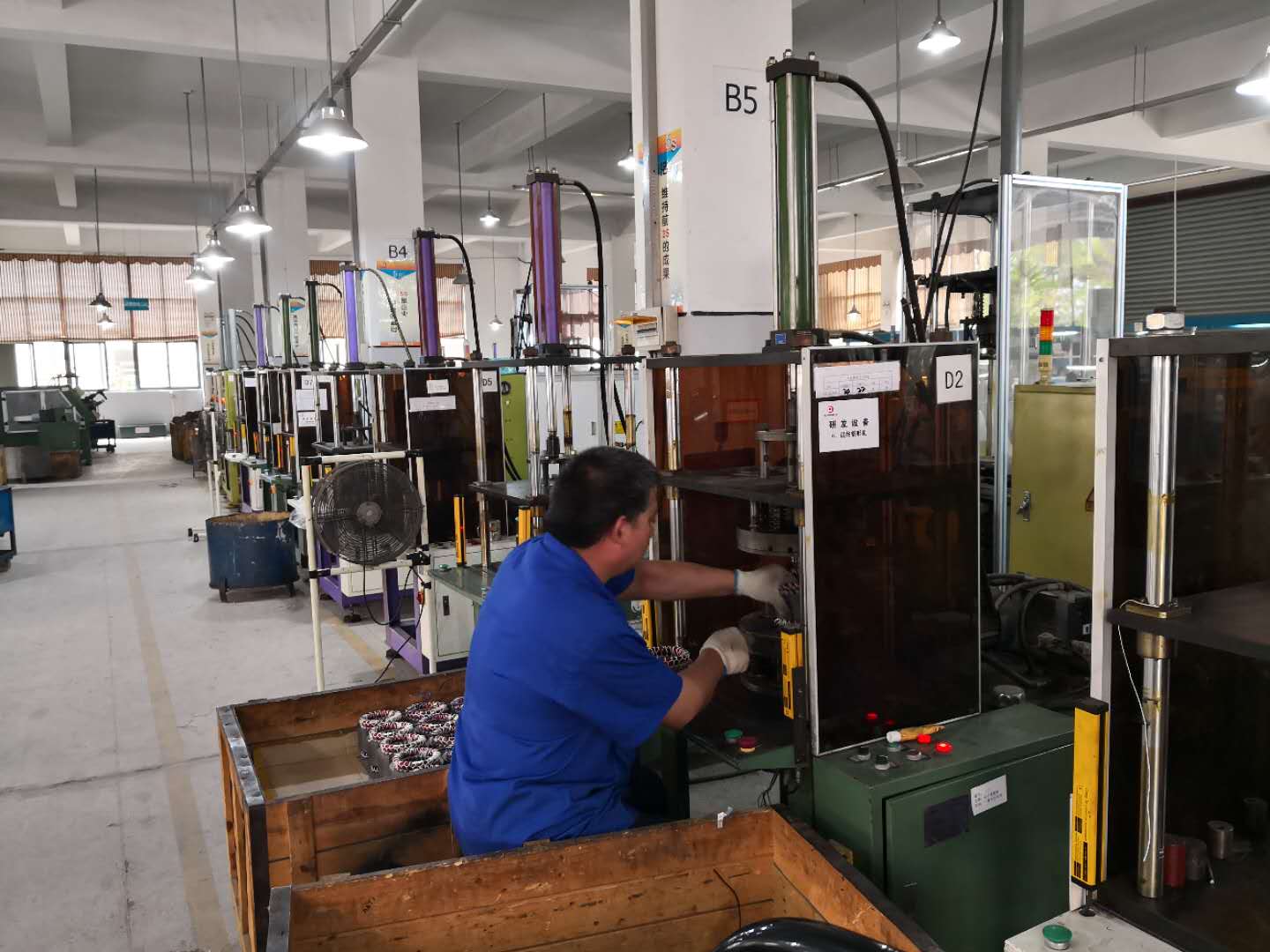
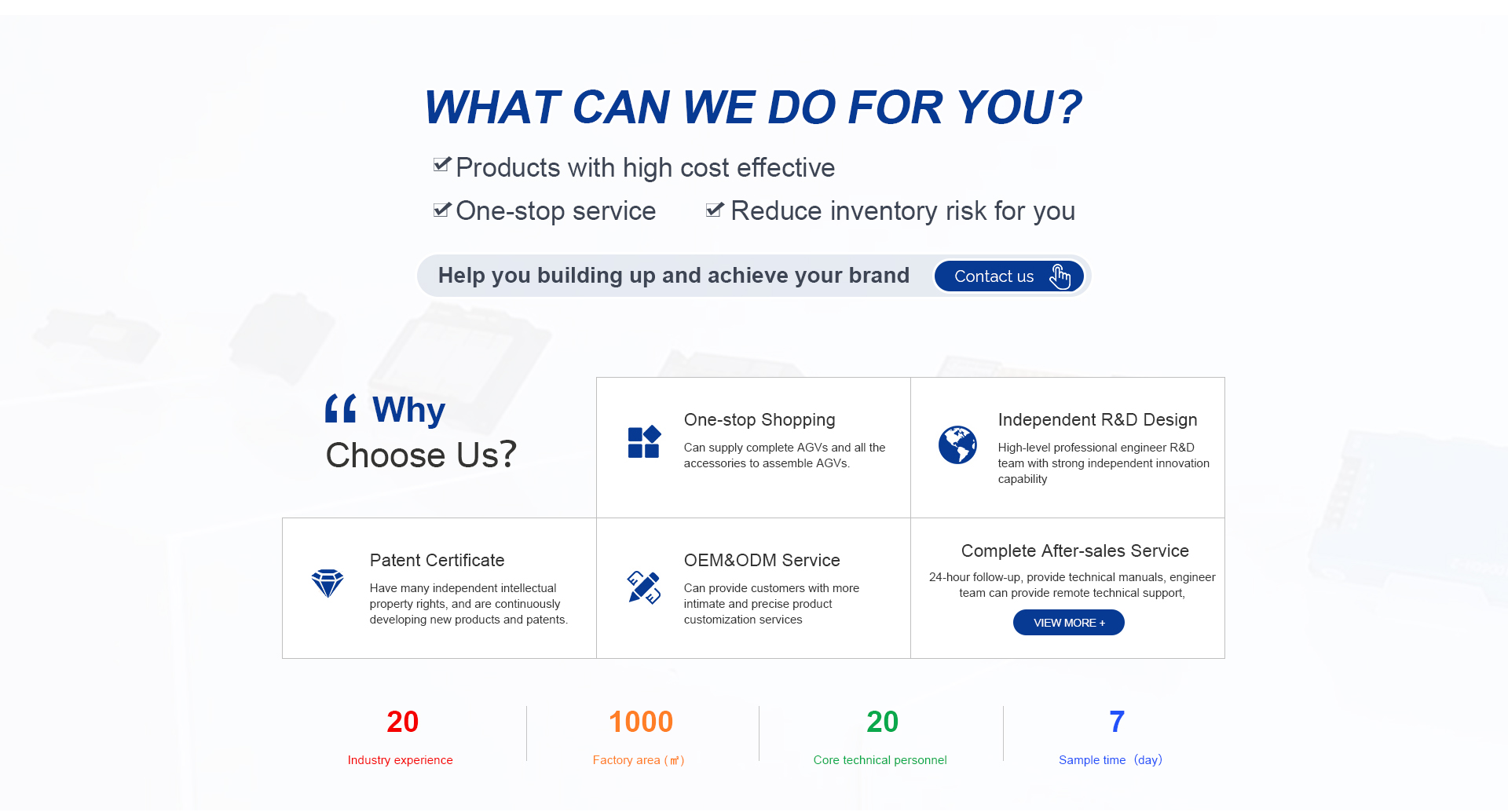
Zhejiang Torqen Technology Co., Ltd. was founded in 2015 in Zhejiang, China. The company designs and manufactures automatic guided vehicles, AGV drive wheel assemblies, DC/AC motors, encoders, reducers, motor controllers, caster and PU wheels, and in-wheel motor units for automation builders worldwide. Its business model combines manufacturing with trading-company flexibility, which is useful for buyers who need both standard products and engineering-led customization.
The practical advantage is control over the drive train. Torqen can match motor power, voltage, reduction ratio, wheel diameter, tread material, encoder type, brake options and mounting interfaces to a customer chassis. Because servo/BLDC drivers and navigation sensors are also part of the portfolio, the company can reduce the gap between mechanical sample, electrical tuning and final vehicle commissioning.
For CE-marking-sensitive projects, buyers should confirm the exact SKU, destination market and whether the product is supplied as a component or integrated into complete machinery. Torqen’s quality system, inspection records and customization capability support the technical file preparation process, while final CE marking responsibility is defined contractually for the application.

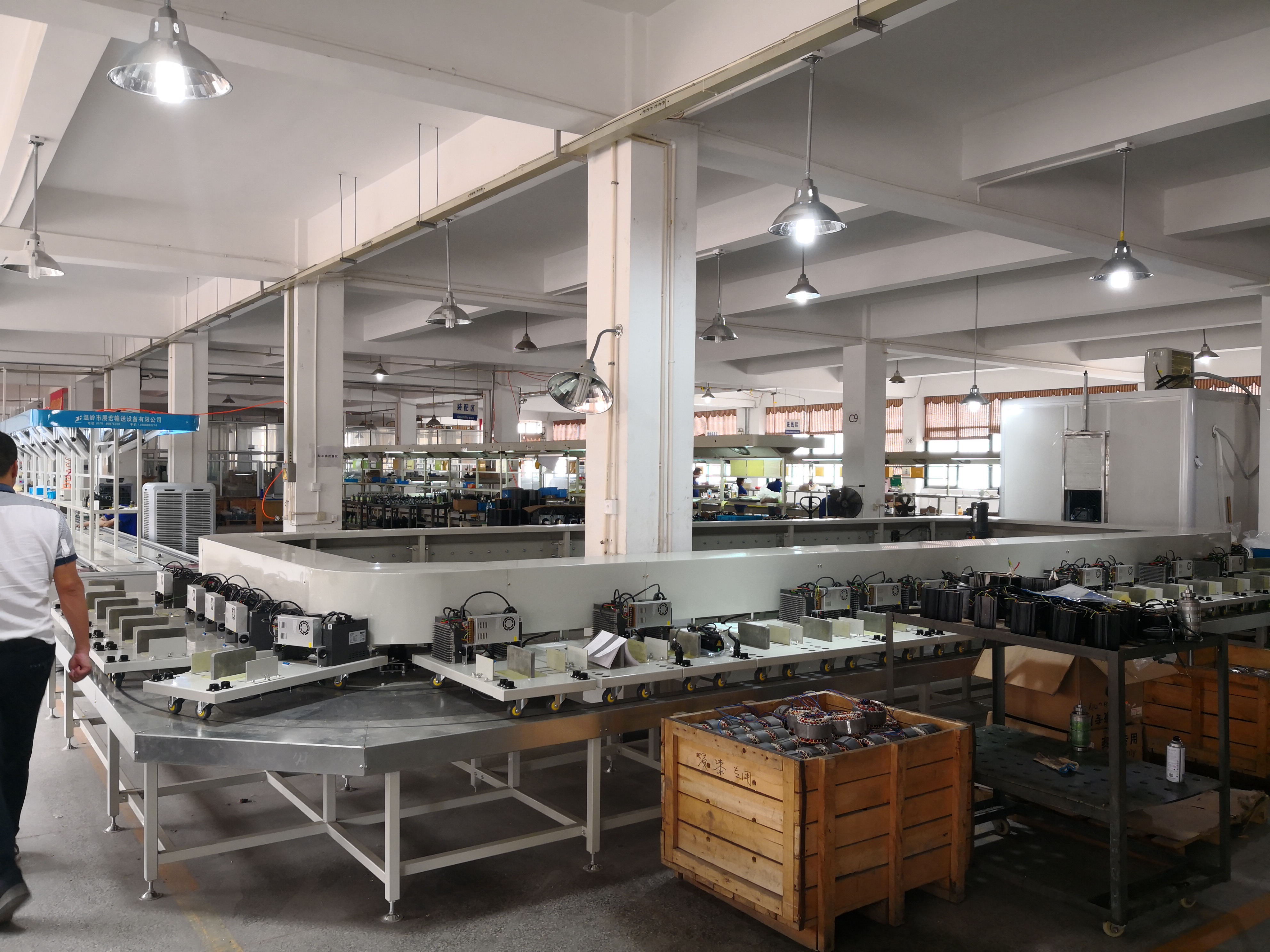

Evidence-Based Quality Support for Wholesalers and System Integrators
The most useful supplier is the one that makes your next build predictable. Torqen supports this through component matching, inspection and export-ready communication.
Five in-house testing instruments
Finished-product inspection and prototype endurance runs help identify heat, vibration, encoder drift or mounting issues before production release. This is especially important when a drive wheel is adapted for a new chassis.
Matched electronics and sensors
Servo and BLDC drivers can be tuned to Torqen drive wheels, while magnetic guide, RFID and lidar sensors support navigation and station recognition. Buying these together reduces interface risk and speeds up commissioning.
Export-ready trade support
Payment methods include T/T, L/C, D/P, D/A, MoneyGram, credit card, PayPal, Western Union, cash and escrow, with USD, EUR, JPY, CAD, AUD, HKD, GBP and CNY supported. Delivery terms include FOB, CFR, CIF, EXW, CIP, FCA, CPT, DDU and express delivery.
Requirement review
Share load, speed, voltage, floor condition and chassis height for engineering assessment.
Engineering proposal
Motor, reducer, wheel and controller are matched; drawings and options are confirmed.
Prototype build
Sample-based or design-based customization is produced for evaluation.
Endurance testing
Extended-duration runs and parameter checks verify mechanical and electrical fit.
Mass production
ISO 9001:2015 controlled manufacturing with finished-product inspection.
Inspection and delivery
Final inspection, export packing and global shipping under agreed Incoterms.
Note: CE marking scope must be confirmed for each product and machine application. Request the applicable declaration, standards list and technical documentation package before purchase.
FAQ for CE Certified SLAM Navigation AGV Wholesale Buyers
Clear answers for integrators, distributors and end users comparing AGV suppliers and wholesalers.
Are Torqen AGV drive wheels and components CE certified?
CE compliance is product- and application-specific. A drive wheel, controller or sensor may be supplied as a component, while a complete AGV is machinery that requires its own risk assessment and CE marking process. Buyers should request the product-specific declaration, applicable standards list, EMC test information where relevant, and technical file details for the exact SKU and destination market. Torqen supports documentation preparation through its ISO 9001:2015 quality system and engineering records, but the final CE scope must be confirmed per product and vehicle application.
Can Torqen supply a complete SLAM navigation AGV or only drive components?
Both paths can be discussed. Torqen manufactures AGV drive wheels, controllers, motors and sensors, and also works with automatic guided vehicle platforms. A buyer may source a complete vehicle, or purchase a drive-train package for an existing chassis and integrate third-party SLAM navigation. For the best result, share the payload, route environment, required speed, safety zones, battery voltage and chassis dimensions so the drive and navigation components can be matched correctly.
Which drive wheel should I choose for a SLAM navigation AGV?
Differential drive units are common for compact latent and jacking AGVs that turn by wheel-speed difference. Steering drive wheels suit forklift or tricycle-type layouts that require controlled steering angles. Horizontal drive assemblies fit low-clearance chassis, while heavy-duty differential units with spring suspension suit 2-ton platforms and uneven floors. SLAM navigation itself is handled by the perception and control system, so the drive wheel must be selected for load, speed, mounting height, braking and positioning accuracy rather than navigation method alone.
Do you support OEM, ODM, private label and wholesale orders?
Yes. Torqen offers sample-based customization, design-based customization, OEM production, design services and buyer-label packaging. Typical customization includes motor power and voltage, reduction ratio, wheel diameter and tread material, encoder type, brake options and mounting interfaces. Wholesalers can discuss packaging, model mix, documentation format and restocking plans. MOQ and lead time depend on whether the item is a standard SKU, a light customization or a fully engineered sample.
What payment methods and delivery terms are accepted?
Accepted payment methods include T/T, L/C, D/P, D/A, MoneyGram, credit card, PayPal, Western Union, cash and escrow. Currencies include USD, EUR, JPY, CAD, AUD, HKD, GBP and CNY. Delivery terms include FOB, CFR, CIF, EXW, CIP, FCA, CPT, DDU and express delivery. The final term should be confirmed in the quotation, because packaging size, battery content, destination customs and freight mode can affect the most suitable option.
How is product quality verified before shipment?
The quality management system is certified to ISO 9001:2015, and the facility has been verified onsite by Intertek. Finished-product inspection uses five in-house testing instruments, and prototypes undergo extended-duration testing before production parts are released. For critical projects, buyers can request inspection records, test parameters, mounting drawings, encoder specifications and packing details. Where required, third-party inspection can be arranged before shipment.
How do I request a matched drive wheel, controller and sensor quotation?
Prepare five values: gross vehicle weight, target speed, maximum gradient, battery voltage and available chassis height. Then add your navigation method, safety requirements, floor condition, required delivery port and estimated annual quantity. This information allows the engineering team to recommend a wheel, motor, reducer, driver and sensor combination instead of quoting isolated parts. A sample plan and production lead time can then be proposed for evaluation.
Need a CE-Ready SLAM AGV Drive-Train Package?
Send your load, speed, voltage, chassis height and navigation requirements. The engineering team will match the drive wheel, servo/BLDC controller and sensor set for your application, then advise on sampling, documentation and wholesale supply.
info@torqenbot.com