8 Warehouse Robot & AGV Components for 2025 Procurement
This shortlist is written for warehouse integrators, forklift robot OEMs and wholesale buyers who need CE-relevant documentation, matched motion components and predictable lead times. Each product below is linked to its original specification page so engineering teams can verify dimensions, interfaces and customization options before quotation.
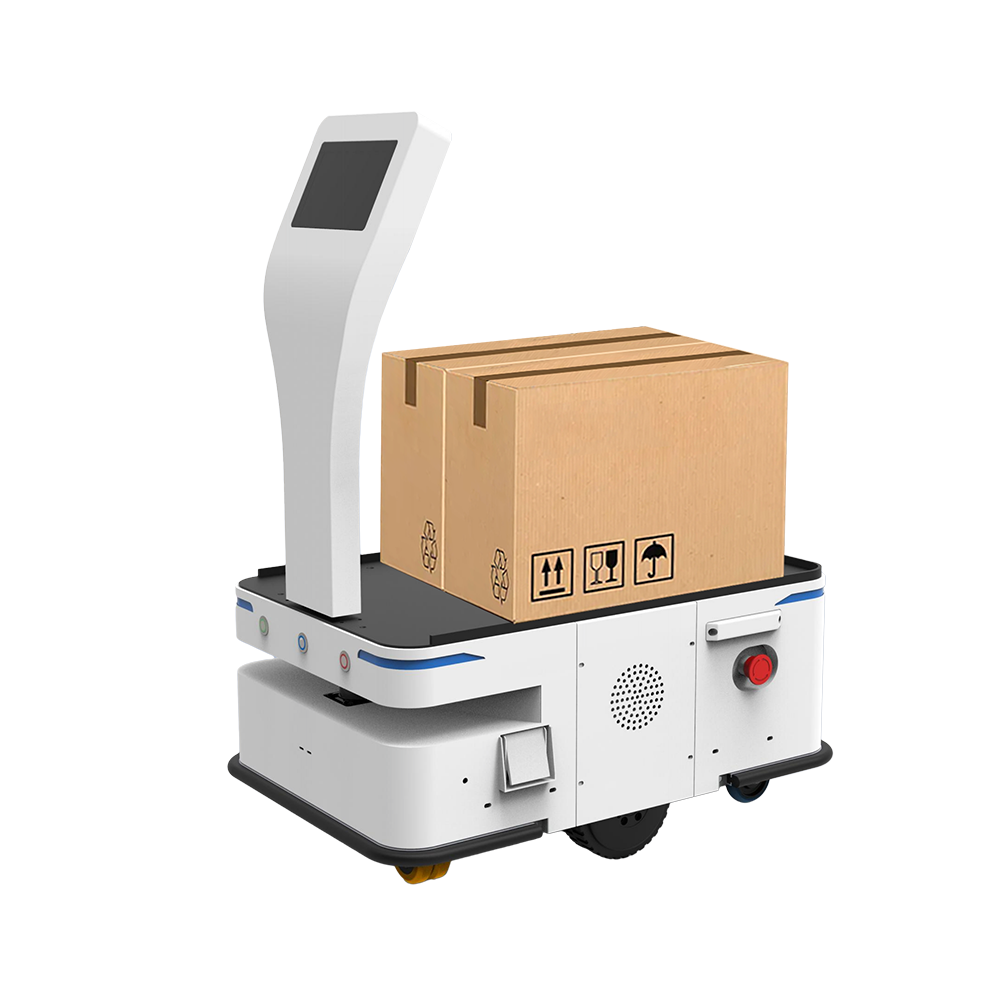
TZBOT Laser SLAM Navigation AMR — 80 kg
Best for narrow aisles, dynamic layouts and mixed manual-to-automated workflows where floor infrastructure should stay minimal.
- 80 kg payload
- Laser SLAM
- 7-inch HMI
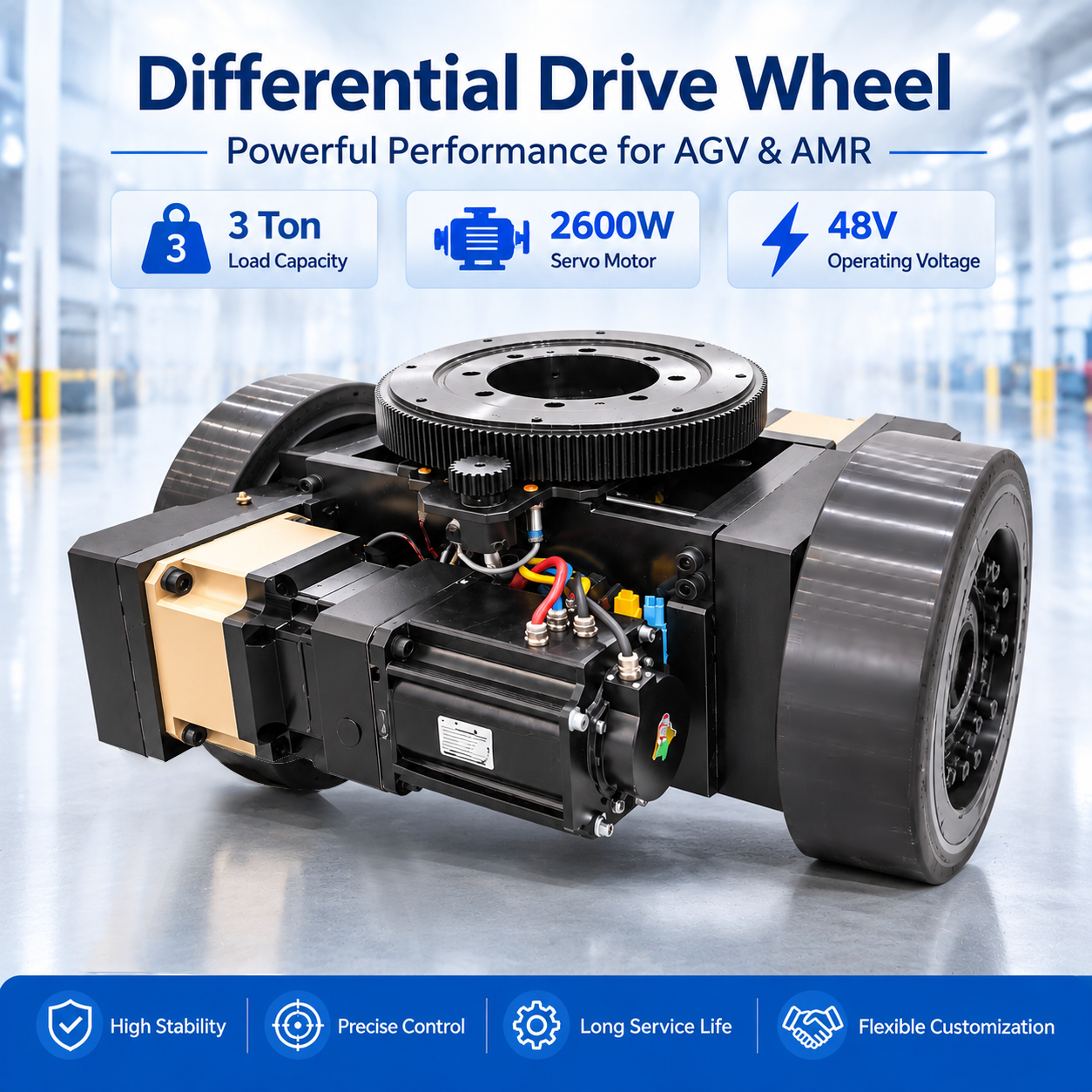
TZBOT 3000 kg AGV Differential Drive Wheel — 2600 W, 48 V
Built for heavy pallet movers, tugger platforms and custom forklift robots that need high traction with servo control.
- 3000 kg capacity
- 2600 W
- 48 V servo motor
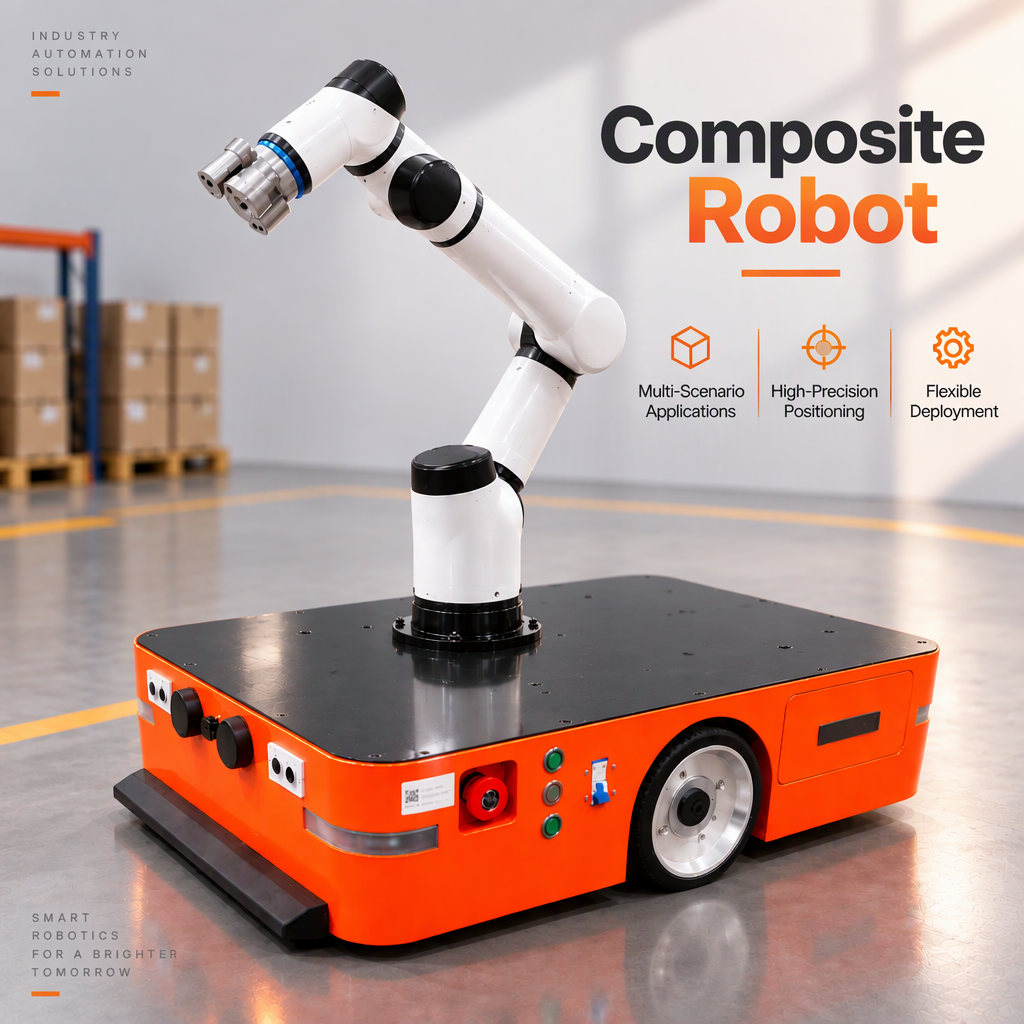
TZBOT 200 kg Backpack AGV Chassis with Robotic Arm
Suitable for machine tending, picking assistance and flexible automation cells that combine mobility with a mounted arm.
- 200 kg load
- Magnetic guidance
- Robotic arm integration
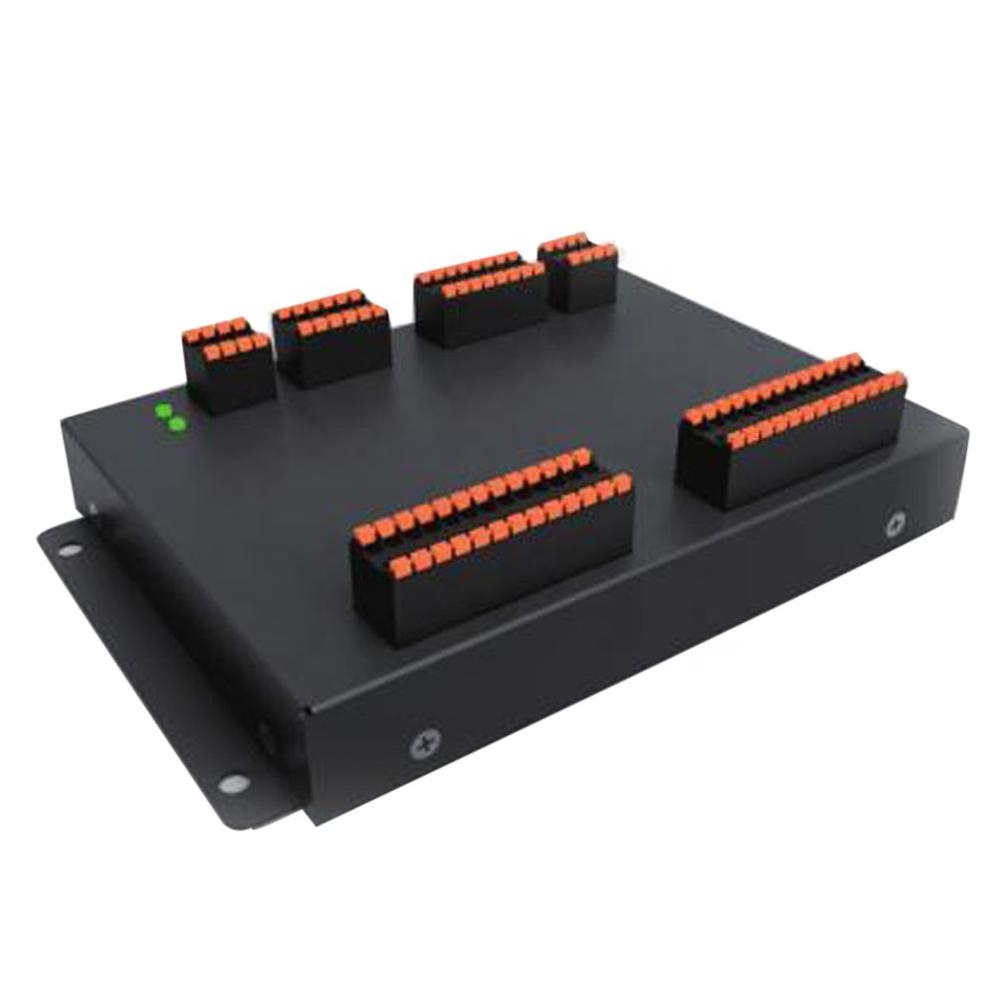
TZBOT TZC-MST-FX200D-A AGV Command Controller
A command-layer controller for AGV builders who need a tested interface between drive, navigation and safety I/O.
- AGV command
- Fleet integration
- Factory-matched
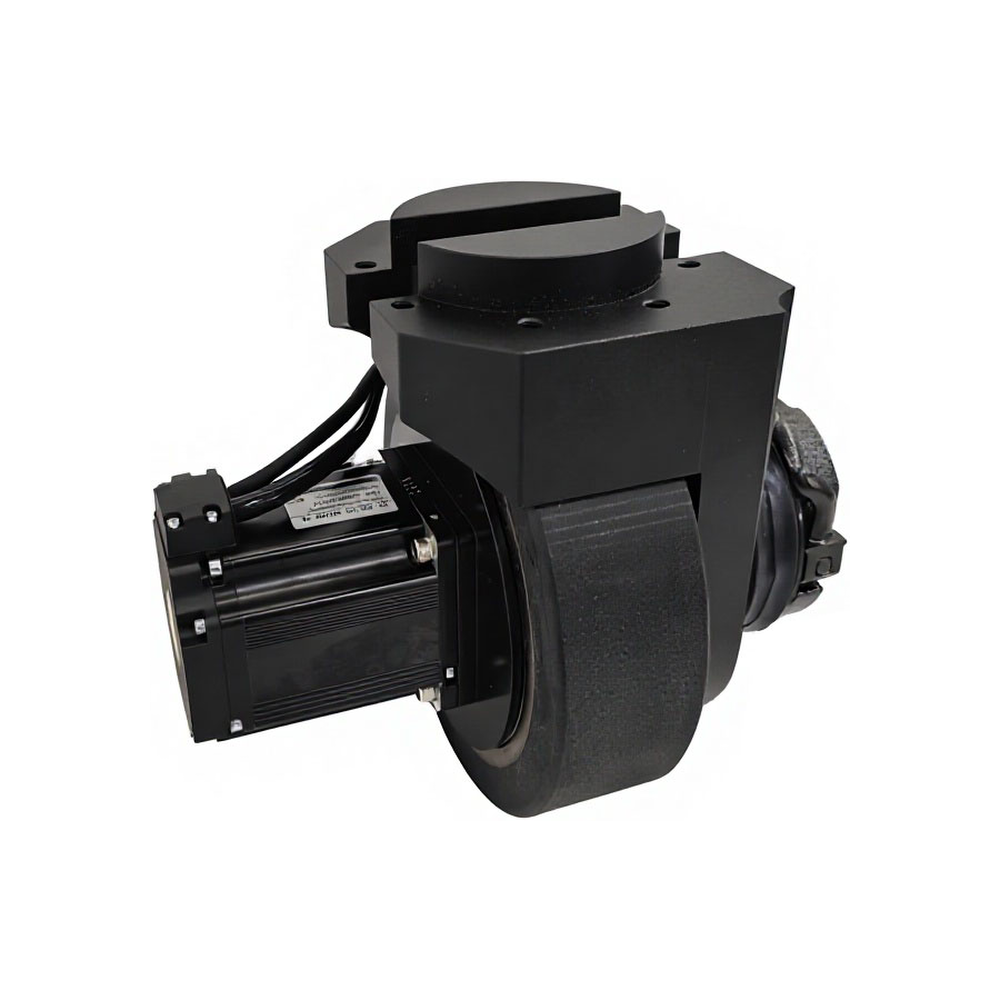
TZBOT 1000 kg Horizontal Drive Wheel Assembly
For low-clearance under-ride carts, horizontal AGV platforms and material handling equipment where build height is critical.
- 1000 kg duty
- Horizontal drive
- Heavy-duty traction
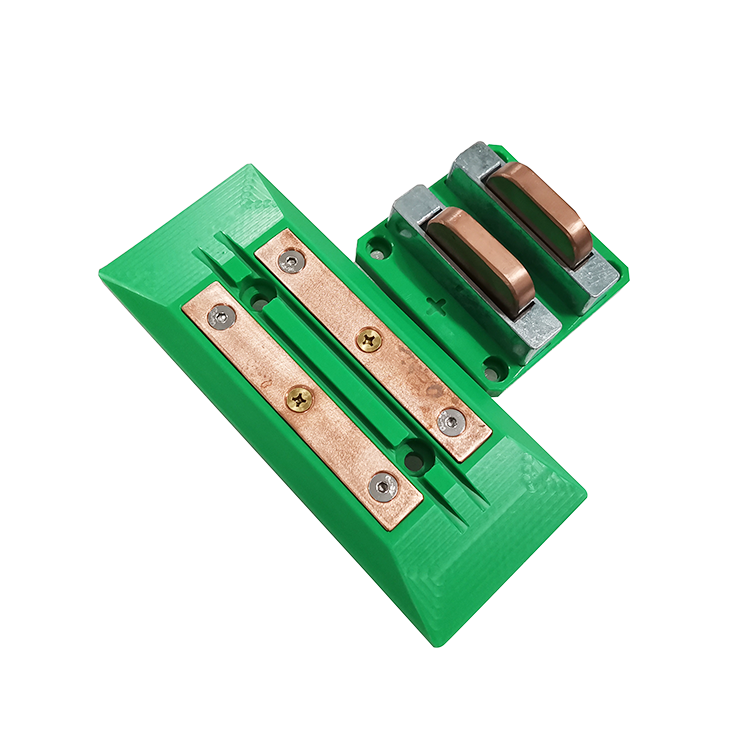
TZBOT TZ-CP-50A Charger Pad with Brush Plate
An automatic charging contact solution for AGV fleets that require repeatable docking and reduced manual intervention.
- 50 A charger pad
- Brush plate
- AGV docking
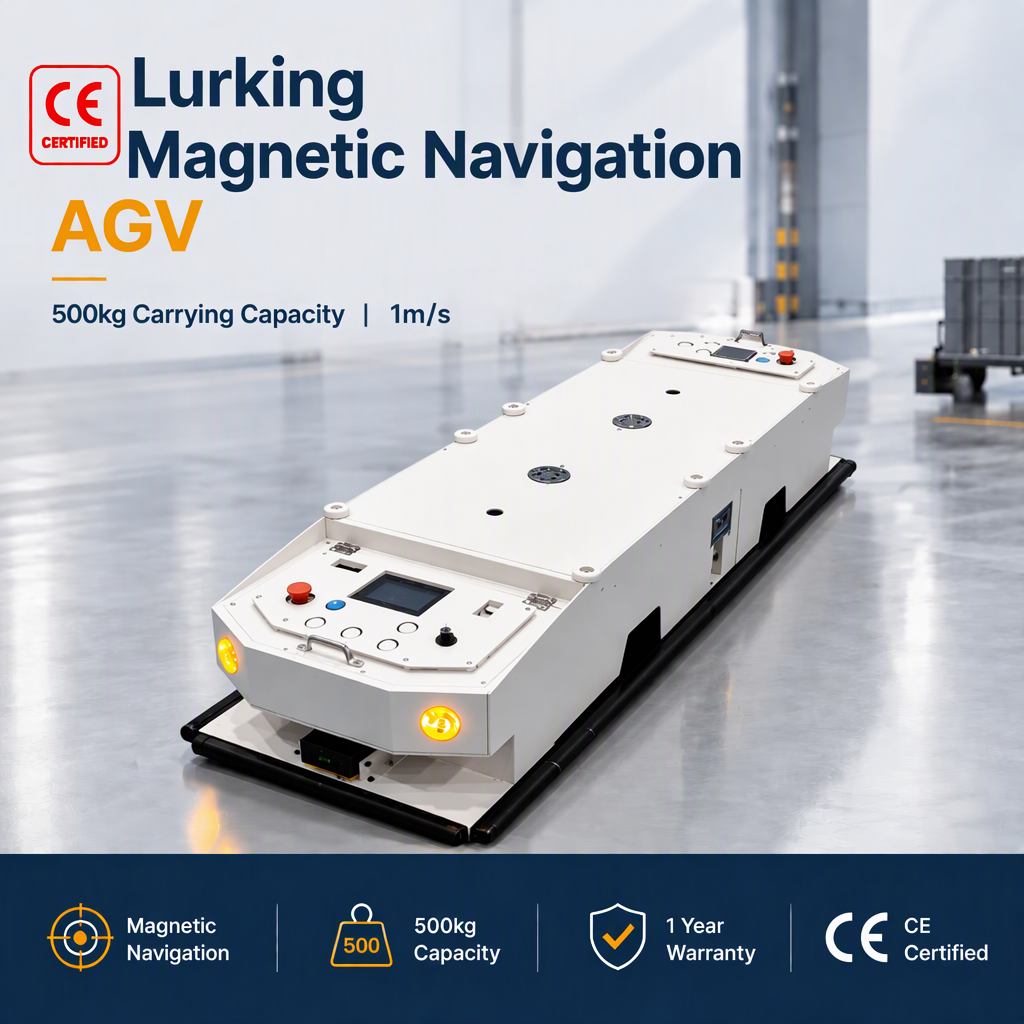
TZBOT CE-Approved 500 kg Bidirectional Lurking AGV
A magnetic-navigation lurking robot for under-cart towing, line-side replenishment and repetitive warehouse transport.
- 500 kg towing
- Bidirectional
- Magnetic navigation
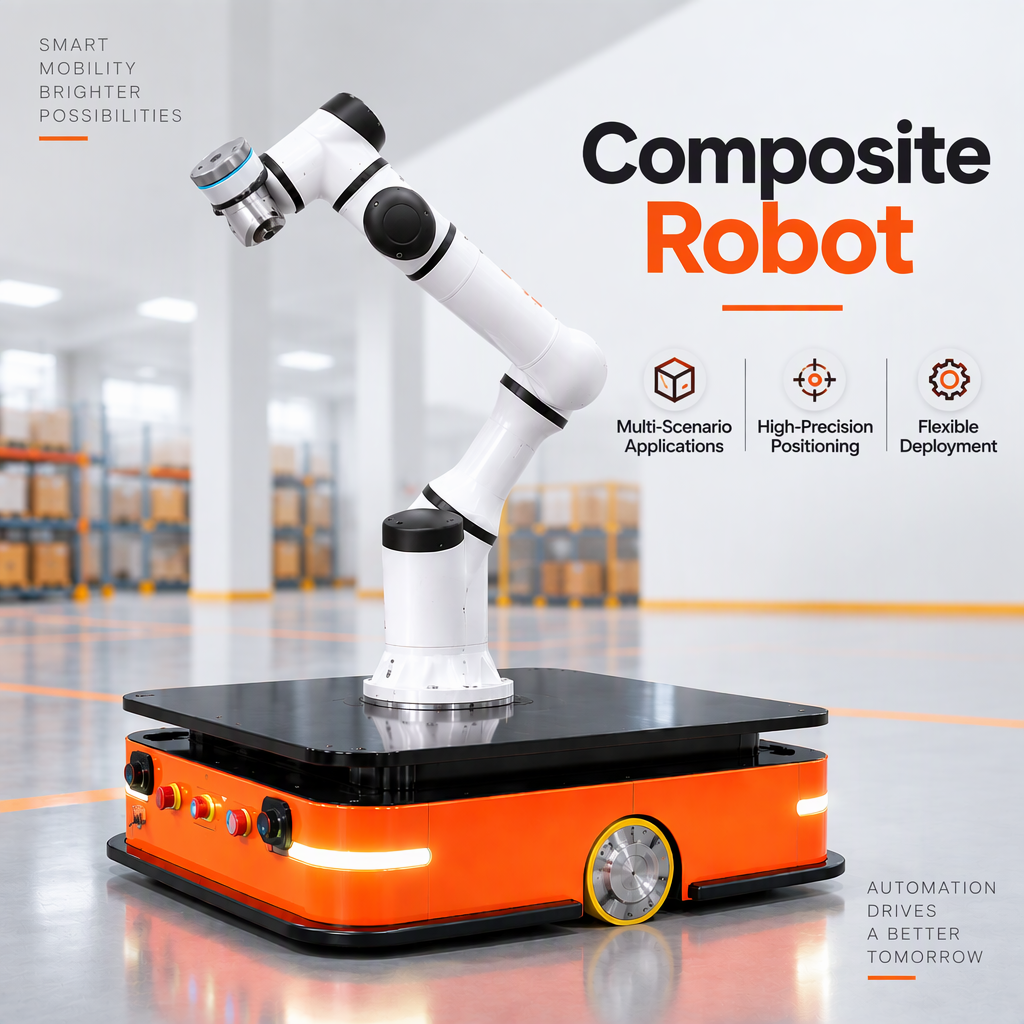
TZBOT 600 kg Composite Robot AGV with Robotic Arm
For integrators building multi-application mobile manipulation systems that need a stronger chassis and OEM flexibility.
- 600 kg bearing
- Robotic arm
- OEM customization
How to Specify a CE-Certified Warehouse Forklift Robot Without Overpaying
CE certification is not a single sticker. For driverless industrial trucks, buyers should expect product-level documentation, safety-function validation and a technical file that matches the actual configuration being delivered.
Start With Duty Cycle & Payload
Specify not only maximum load but average load, lift height, travel distance, ramp grade and shifts per day. A 500 kg platform with a high duty cycle may require a stronger drive and thermal margin than a 1,000 kg platform used intermittently.
Match Drive Wheel to Chassis
Differential drive suits compact latent and jacking AGVs. Steering drive wheels suit forklift and tricycle layouts that need controlled steering angles. Horizontal drive assemblies suit low-clearance chassis. Always share wheel diameter, tread, speed and battery voltage before sampling.
Choose Navigation by Change Frequency
Magnetic guidance is cost-efficient for stable routes. QR navigation works well in grid warehouses. Laser SLAM suits layouts that change often. Many high-performing projects combine SLAM with RFID or magnetic markers to improve docking repeatability and station recognition.
Demand Evidence, Not Claims
Request the declaration of conformity, safety-function descriptions, EMC information, risk-assessment support and component traceability for the exact robot or drive assembly. A responsible factory will separate standard components from CE-certified finished configurations.
| Warehouse Pattern | Recommended Configuration | Drive / Navigation Logic | Why It Performs |
|---|---|---|---|
| Narrow-aisle 80–200 kg AMR | Laser SLAM AMR or 200 kg backpack AGV | Differential mobility with SLAM or magnetic guidance | Fast deployment and flexible route changes with compact turning. |
| Heavy pallet 1,000–3,000 kg | 3,000 kg differential drive wheel or 1,000 kg horizontal assembly | High-torque servo motor with matched controller | Stable traction, controlled acceleration and lower wheel slip risk. |
| Under-cart towing | CE-approved 500 kg bidirectional lurking AGV | Magnetic navigation and low-profile chassis | Repeatable docking on fixed routes with modest infrastructure cost. |
| Machine tending & picking | 200 kg or 600 kg composite robot AGV | Mobile chassis with robotic arm and station markers | Combines transport and manipulation for multi-application cells. |
| Fleet opportunity charging | TZ-CP-50A charger pad with brush plate | Automatic contact docking | Reduces manual charging tasks and supports higher fleet utilization. |
Warehouse Forklift Robot Purchasing Trends Buyers Should Plan For
Price comparison is no longer enough. Procurement teams are now evaluating documentation quality, fleet interoperability and long-term spares availability before approving an AGV or AMR project.
Compliance Evidence Becomes a Bid Requirement
Buyers increasingly ask for machinery safety documentation, EMC information, risk-assessment support and product-level CE evidence. For warehouse forklift robots, the evaluation should focus on the delivered configuration, not only a supplier brochure.
Total Cost of Ownership Outranks Sticker Price
Procurement models now include charging efficiency, wheel tread life, controller replacement cost, spare-parts lead time and engineering support. A slightly higher drive assembly with matched controller can lower downtime and integration labor.
Open Interfaces Reduce Fleet Lock-In
Warehouse operators want mixed fleets to share traffic rules and task dispatch. CAN, Modbus, open I/O and fleet-management compatibility become evaluation criteria, especially when AGVs and AMRs are purchased in phases.
Modular Spares and Serviceability Matter
Wholesale buyers and maintenance teams prefer modular wheels, controllers and charger pads that can be replaced without redesigning the robot. Clear part numbers, wiring diagrams and parameter files shorten repair cycles.
Safety-Aware Navigation Moves Upstream
Lidar, bumpers, emergency stop circuits and speed-zone logic are being specified at the component-selection stage. Projects that plan safety architecture early avoid expensive retrofits after the robot reaches the site.
Local Support Becomes a Factory Criterion
Overseas buyers now check response speed, export experience and spare-parts planning. A factory that answers engineering questions quickly and ships globally with FOB, CIF, EXW or DDU options reduces project risk.
What the Next Generation of Warehouse Forklift Robots Will Require
The next procurement cycle will reward suppliers who combine mechanical robustness with navigation intelligence, charging efficiency and integration-ready electronics.
Fused SLAM, QR and Magnetic Navigation
No single navigation method fits every warehouse. Future platforms will fuse laser SLAM with QR or magnetic references for docking accuracy, recovery behavior and predictable station arrival.
Low-Profile, High-Payload Drive Units
Warehouse space pressure is pushing chassis designs lower without sacrificing load capacity. Horizontal and integrated drive assemblies will continue to grow for under-ride carts and compact forklift robots.
Composite Robots with Robotic Arms
Mobile manipulation is moving from demonstration to production for machine tending, picking and inspection. The mechanical interface between arm, battery and chassis must be engineered together to maintain stability.
Intelligent Charging and Battery Health
Opportunity charging, contact-quality monitoring and charger-pad alignment reduce fleet downtime. Battery voltage, charging current and docking repeatability should be reviewed as a system, not as isolated parts.
Functional Safety and Cyber Hardening
Safety-rated stop functions, controlled speed zones and secure remote access are becoming part of the purchasing checklist. Buyers should document how safety inputs interact with the drive controller and fleet manager.
Digital Twin and Remote Commissioning
Factory-generated wiring diagrams, parameter files and simulation-ready route data shorten on-site commissioning. Suppliers who provide structured technical data will reduce integration hours and field-service ambiguity.
Why Torqen Is More Than a Warehouse Forklift Robot Wholesaler
Zhejiang Torqen Technology Co., Ltd. combines OEM customization, matched motion components and export-ready service. The result is a more predictable path from engineering drawing to tested warehouse robot.
Engineering-Led OEM / ODM Customization
Founded in 2015, Torqen supports sample-based customization, design-based customization, OEM production, design services and buyer-label packaging. Typical changes include motor power and voltage, reduction ratio, wheel diameter, tread material, encoder type, brake options and mounting interfaces.
One Factory for the Complete Drive Train
Torqen manufactures and supplies AGVs, AGV drive wheel assemblies, DC/AC motors, encoders, reducers, servo and BLDC controllers, caster and PU wheels, in-wheel motor units and navigation sensors including magnetic, RFID and lidar options.
Verified Quality and Testing Discipline
The quality management system is certified to ISO 9001:2015, and the facility has been verified onsite by Intertek. Eight patents and five in-house testing instruments support finished-product inspection, while prototypes undergo extended-duration testing before production release.
Export-Ready Wholesale Support
Payment methods include T/T, L/C, D/P, D/A, MoneyGram, credit card, PayPal, Western Union, cash and escrow in USD, EUR, JPY, CAD, AUD, HKD, GBP or CNY. Delivery terms include FOB, CFR, CIF, EXW, CIP, FCA, CPT, DDU and express delivery.
Three Controls That Protect Warehouse Automation ROI
A forklift robot project succeeds when compliance, spares and integration are planned before purchase order release.
Compliance File Pack
Build a project-specific technical file with declaration of conformity, risk-assessment support, drawings, component traceability and safety-function notes. Treat CE as a configuration-specific engineering process, not a purchased logo.
Spare-Parts and Uptime Plan
Identify wear items such as wheel tread, charger pad brushes, sensors and connectors, then set a stocking plan. Because Torqen supplies both complete AGVs and components, buyers can purchase critical spares with matching specifications.
Integration and Commissioning Support
Request wiring diagrams, controller parameter files, input/output definitions and tuning guidance. A factory-matched drive wheel, motor and controller set reduces time spent troubleshooting mismatched electronics during commissioning.
Warehouse Forklift Robot Procurement FAQs
Practical answers for buyers comparing CE-certified warehouse forklift robot factories and wholesalers.
What does “CE certified warehouse forklift robot” mean, and what should I verify?
CE marking is product- and configuration-specific. Ask for the declaration of conformity, relevant harmonized standards, risk-assessment support, EMC information, technical file evidence and safety-function documentation for the exact robot being supplied. For driverless industrial trucks, buyers should also review safety-related navigation and stop functions rather than relying on a general supplier statement.
Can Torqen supply a complete AGV drive train or only one component?
Both models are supported. Buyers can purchase individual drive wheels, motors, controllers, sensors, charger pads or complete AGV/AMR platforms. A single-source drive train is useful because the servo or BLDC controller can be matched to the motor, wheel diameter and intended payload before shipment.
How do I choose between differential, steering and horizontal drive wheels?
Differential drive is compact and turns by wheel-speed difference, making it suitable for latent and jacking AGVs. Steering drive wheels suit forklift-type and tricycle chassis that need controlled steering angles. Horizontal drive assemblies are chosen when chassis height is limited. Share payload, speed, gradient, wheel diameter, battery voltage and available height for a recommendation.
What specifications must I send before requesting a quotation?
Provide gross vehicle weight, average and maximum payload, target speed, maximum gradient, wheel diameter limits, chassis height, battery voltage, navigation method, control interface, required safety inputs, operating environment and preferred delivery terms. These details determine motor power, reduction ratio, wheel tread and controller selection.
What OEM / ODM customization options are available?
Typical customization includes motor power and voltage, reduction ratio, wheel diameter and tread material, encoder type, brake options, mounting interfaces, cable length, labeling and packaging. Torqen supports sample-based customization, design-based customization, OEM production, design services and buyer-label packaging for wholesale and project buyers.
What payment, delivery and support terms are available?
Accepted payment methods include T/T, L/C, D/P, D/A, MoneyGram, credit card, PayPal, Western Union, cash and escrow in USD, EUR, JPY, CAD, AUD, HKD, GBP or CNY. Delivery terms include FOB, CFR, CIF, EXW, CIP, FCA, CPT, DDU and express delivery. The response rate is 97.9%, with engineering support available for drawings, controller parameters and commissioning questions.
Specifying a CE-Ready Warehouse Forklift Robot?
Send your payload, speed, chassis height, battery voltage and navigation preference. Torqen engineers will match the drive wheel, motor, controller, sensor and charging option for your warehouse project, with OEM customization available for qualified wholesale buyers.
