Eight Warehouse Robot & AGV Products for Export and Wholesale
These are the core warehouse automation products buyers request most often when sourcing from a CE-ready exporter and wholesaler. Each card preserves the original product link, and every image is shown complete without distortion so engineering buyers can inspect wheel structure, chassis format, guidance style and charging contact design before requesting a quotation.
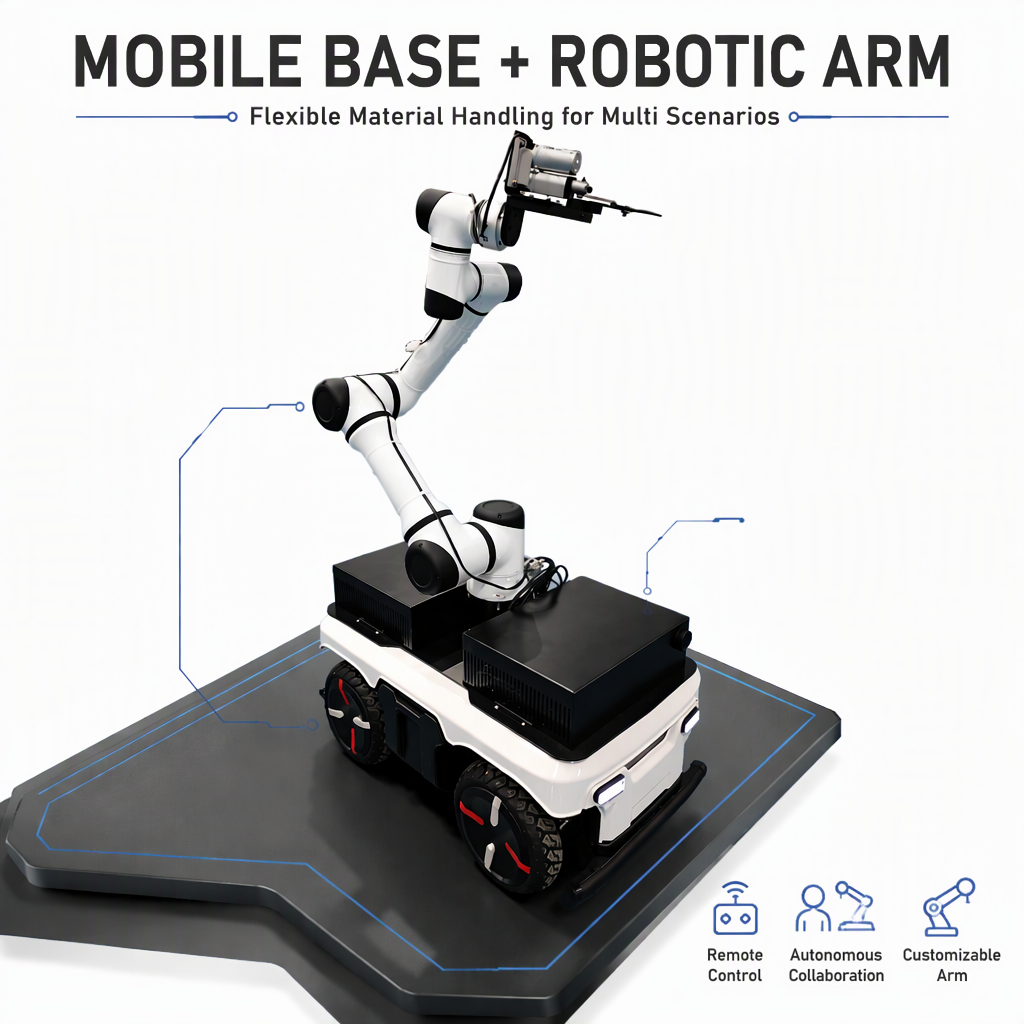
TZBOT Four Wheel Drive Ackerman Chassis AGV Collaborative Remote Control Composite Robot with Arm
A flexible mobile manipulation platform for warehouse and production-line tasks that combine travel with pick-and-place, inspection or tool handling.
- 4WD Ackerman chassis
- Composite robot arm
- Remote control
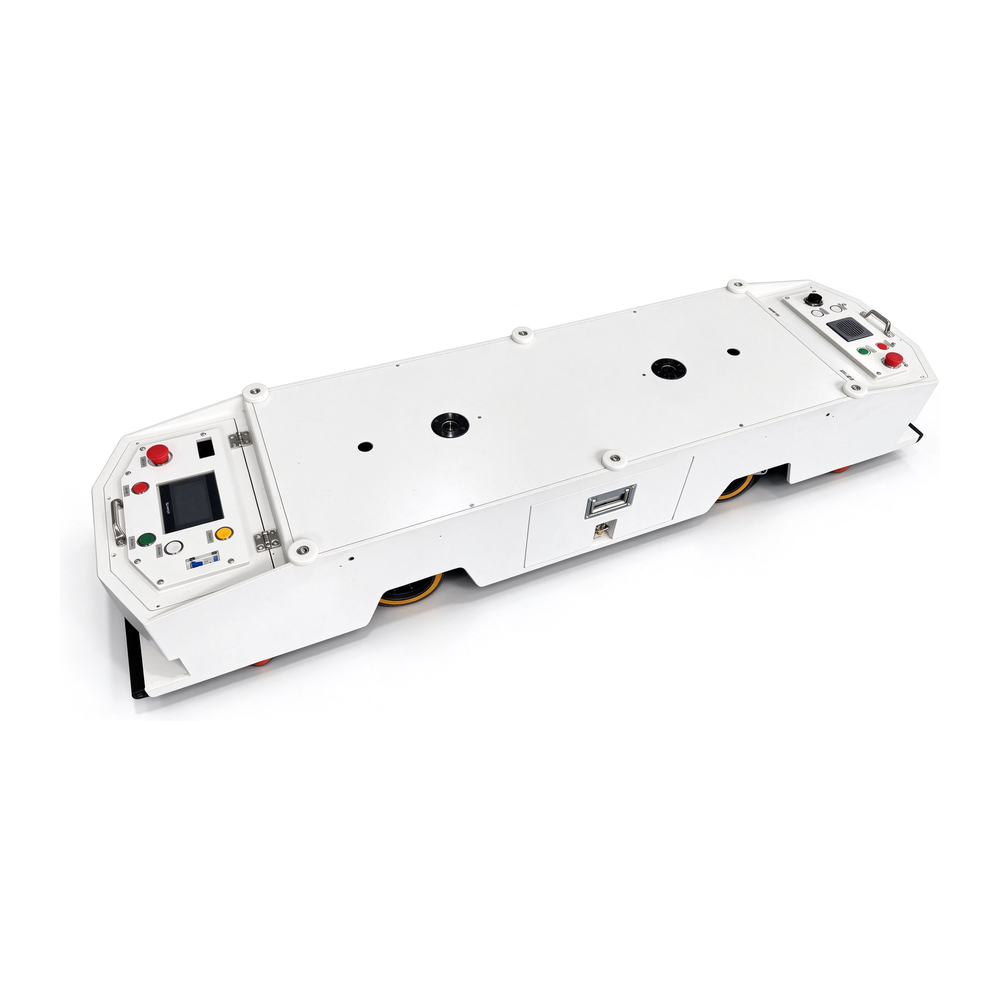
TZBOT 2500KG Lurking AGV Unmanned Control 8H Long Endurance Material Handling Mobile Robot for Shelf Towing
Designed for repetitive shelf towing and internal logistics where payload stability, long endurance and low-profile navigation are essential.
- 2,500 kg class
- 8-hour endurance
- Shelf towing
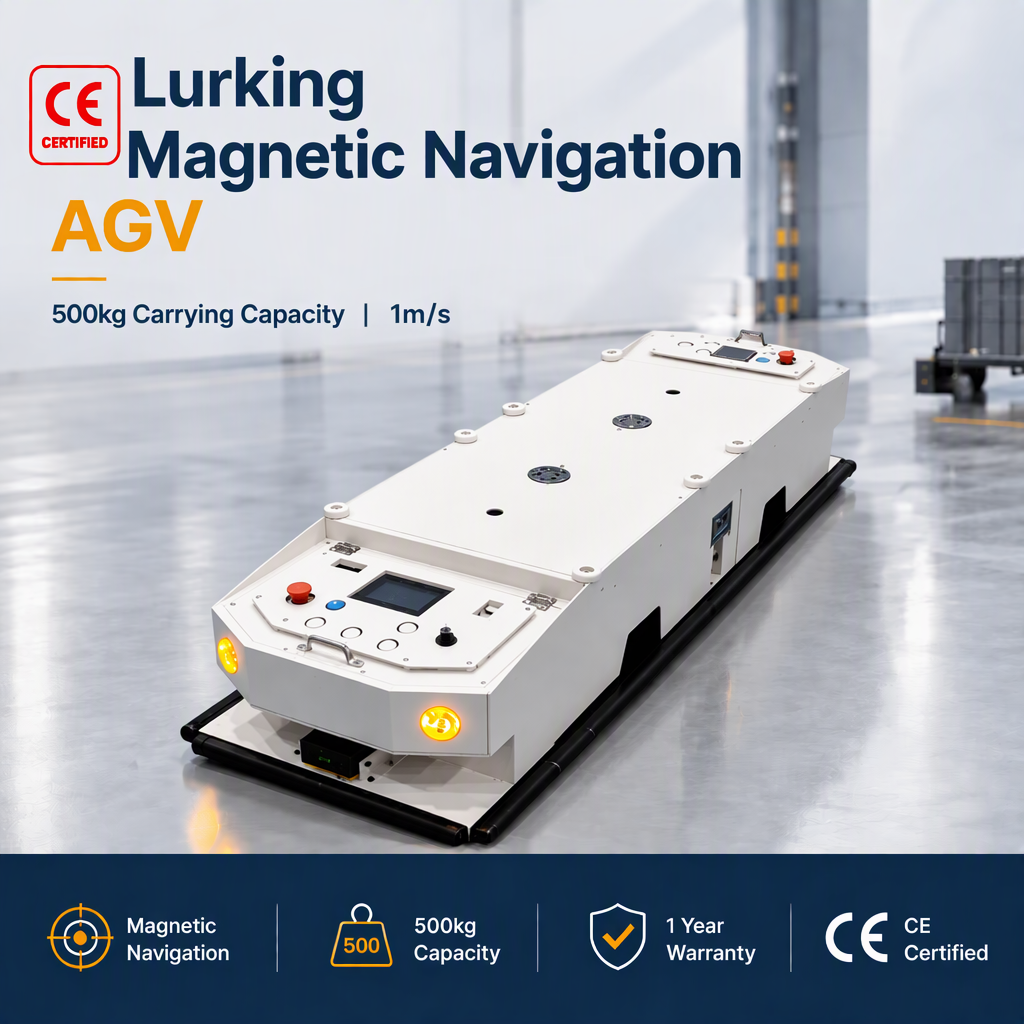
TZBOT EU CE Lurking AGV Material Handling Equipment Logistic Automation 500kg Bidirectional Magnetic Guidance Mobile Robot
A practical lower-payload AGV for fixed-route material handling, with bidirectional magnetic guidance suited to repeatable warehouse flows.
- 500 kg payload
- Bidirectional drive
- Magnetic guidance
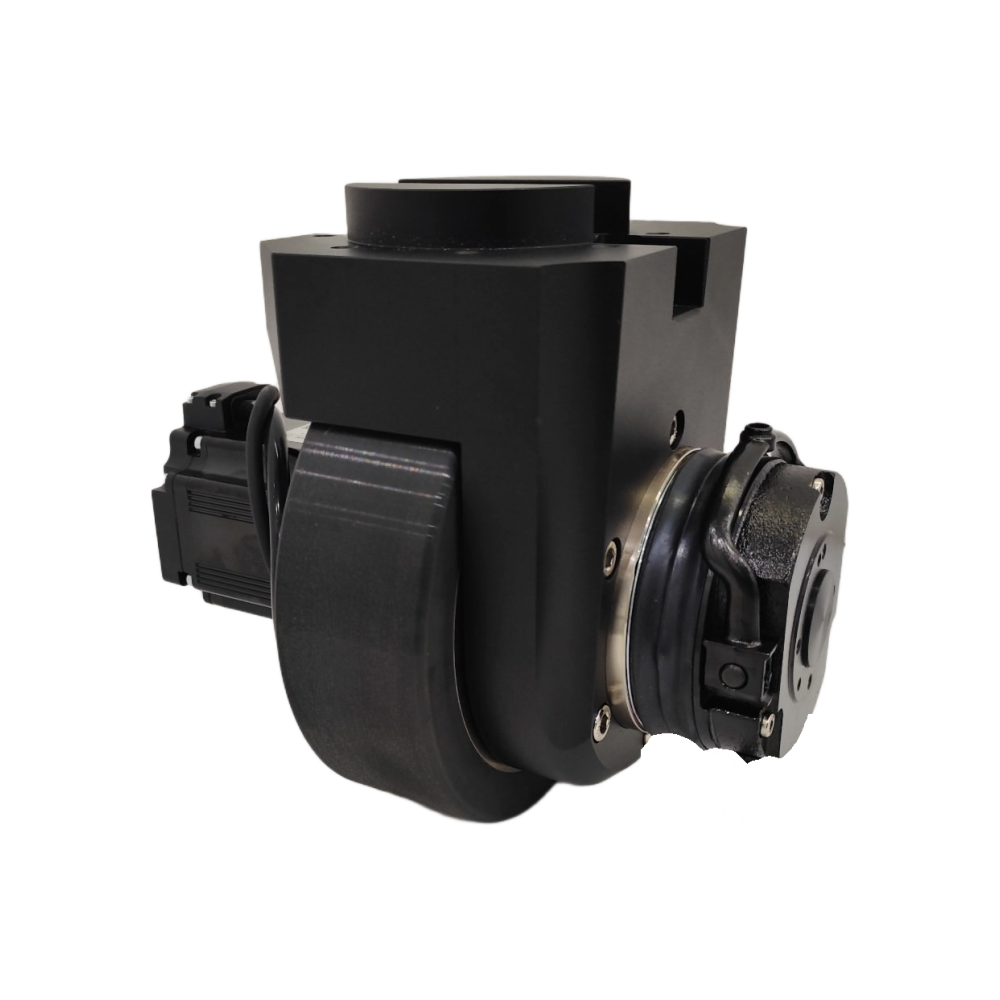
TZBOT Compact Structure agv Wheel Imported Polyurethane 1000kg Load Duty Mobile Robot Horizontal Drive Wheel Unit
A compact horizontal drive wheel unit for integrators who need low chassis height, imported polyurethane traction and reliable load duty.
- 1,000 kg load
- Imported PU
- Horizontal layout
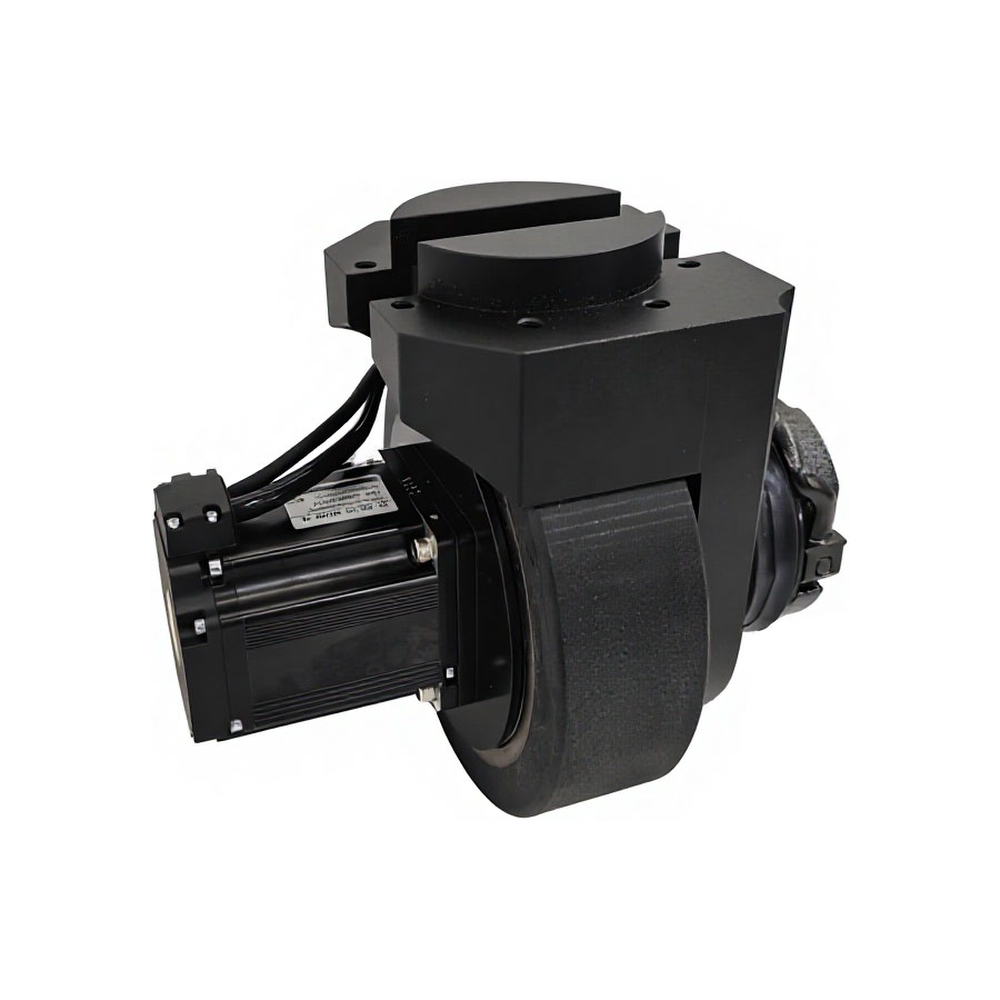
TZBOT 1000kg Bearing Capacity agv Wheel 1000w Servo Motor Material Handling Equipment Part Horizontal Drive Wheel
A matched mechanical and servo-motor drive assembly for OEMs standardizing a 1,000 kg AGV platform around proven motion components.
- 1,000 kg bearing
- 1,000 W servo
- Horizontal drive
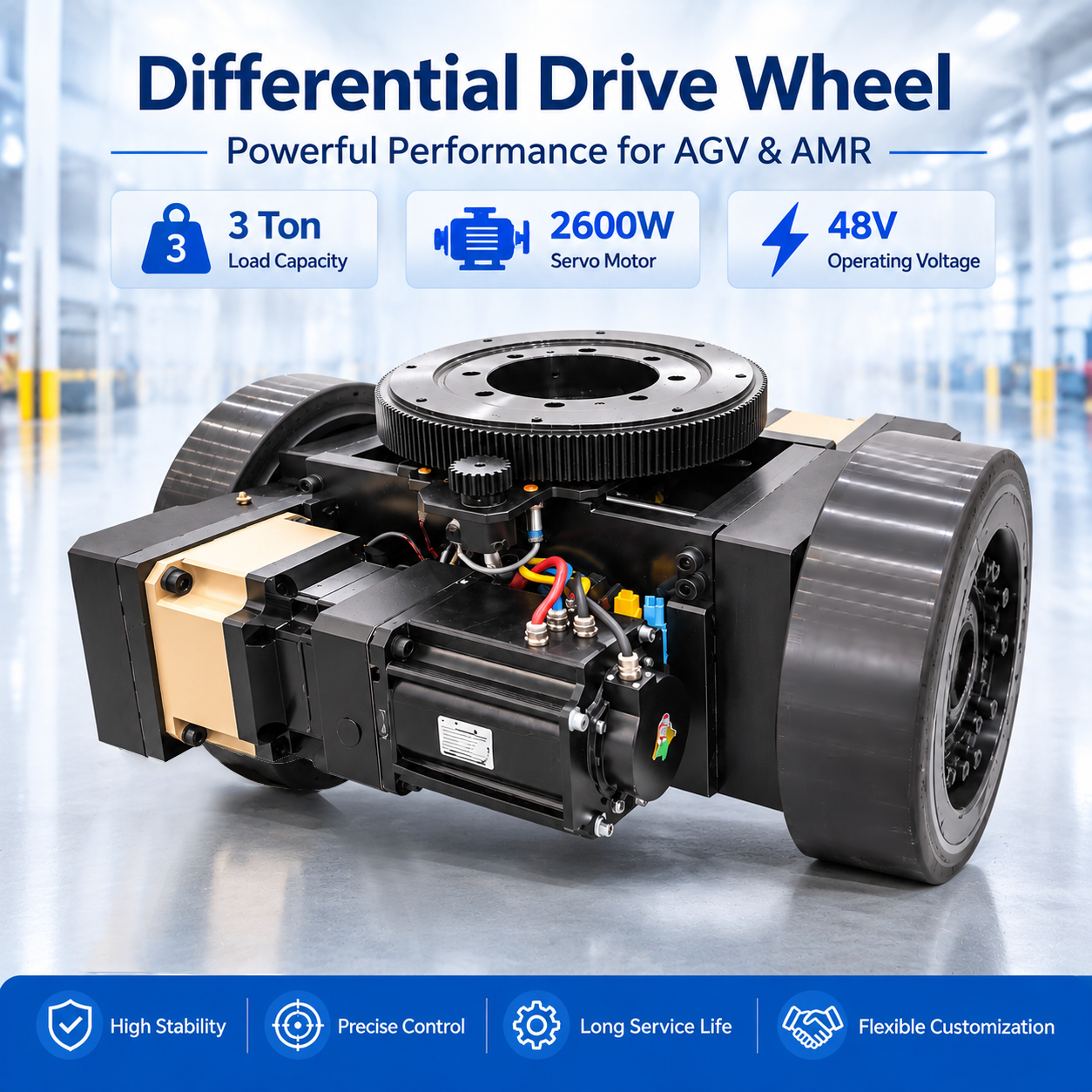
TZBOT Customizable 3000kg Load Capacity agv Wheel Automatic Guided Vehicle Differential Drive Wheel with 2600w 48V Servo Motor
Built for heavy warehouse platforms that need higher torque and stable differential steering under demanding industrial duty cycles.
- 3,000 kg capacity
- 2,600 W servo
- 48 V system
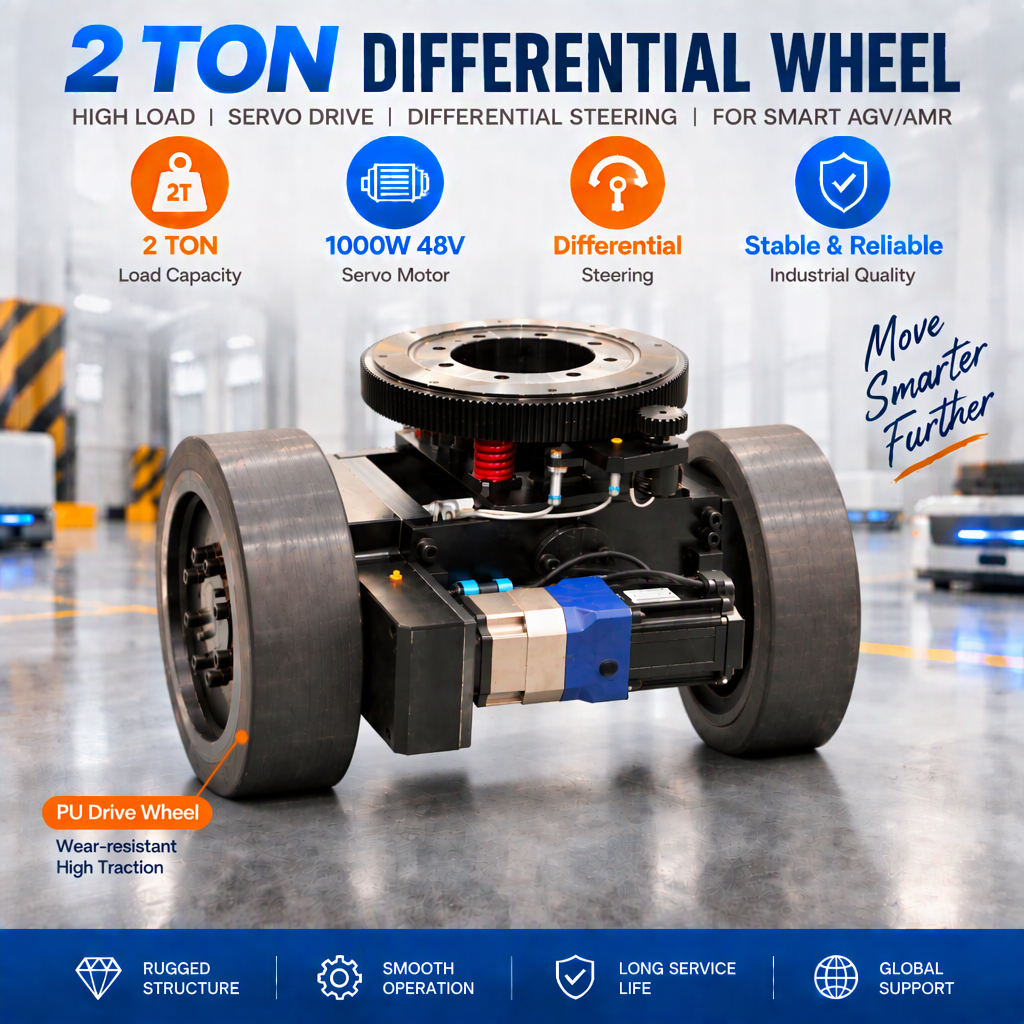
TZBOT Customized 2000kg Bearing Duty agv Wheel 1000w 48V Heavy Duty Series Mobile Robot Differential Drive Wheel with Suspension
A suspension-equipped heavy-duty differential drive wheel that helps maintain ground contact and traction on less-than-perfect floors.
- 2,000 kg bearing
- 1,000 W 48 V
- Suspension design
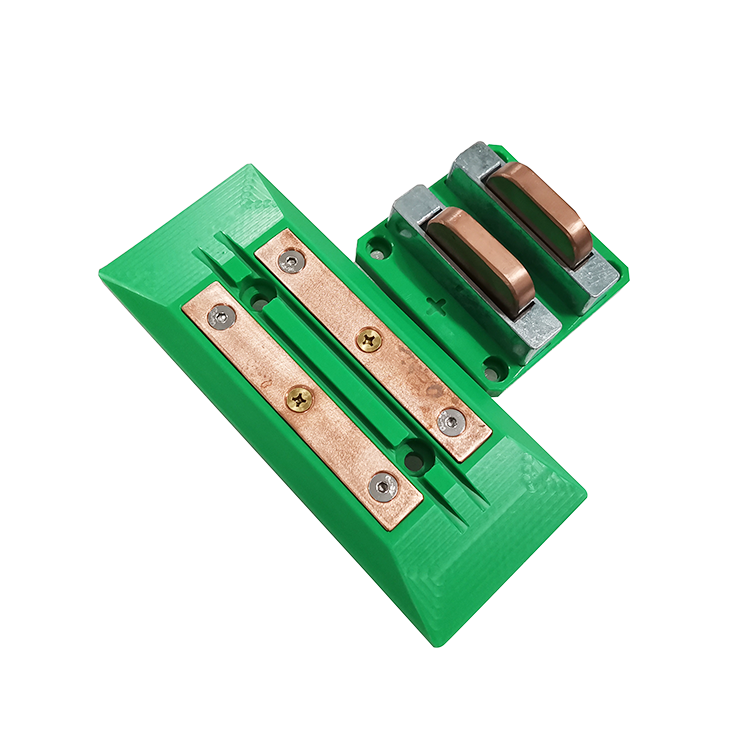
TZBOT Charger Pad Model TZ-CP-50A with Brush Plate and Brush Block for AGV Navigation Vehicles
An automatic charging contact solution with brush plate and brush block, supporting unattended AGV fleets and reducing manual charging downtime.
- TZ-CP-50A
- Brush plate
- Brush block
What CE Certification Really Means When You Buy Warehouse Robots
For serious buyers, CE is not a decorative label. It is a chain of design, documentation, testing and traceability evidence that supports the final machine’s conformity assessment in the destination market.
Model-Specific Conformity Evidence
Buyers should request declarations, technical data and applicable test evidence for the exact drive wheel, controller, sensor or AGV configuration being quoted. A generic certificate image is not enough for an engineering file.
Technical File Readiness
Bills of material, component declarations, change-control records, wiring information and inspection records help vehicle integrators assemble a defensible technical file for CE marking and customs review.
Component-to-Machine Responsibility
Drive units and sensors are usually integrated into a final AGV or AMR. The supplier provides component-level information; the machine builder completes final risk assessment, safety validation and site commissioning.
Test Before Shipment
Warehouse robots are safety-critical assets. Prototype endurance checks, final inspection and matched motor-driver testing reduce commissioning surprises and protect the buyer’s warranty exposure.
Recommended Configurations for 2025 Warehouse Automation Projects
These recommendations are written for distributors and OEM integrators comparing a full system purchase against buying matched components. The goal is not to sell the largest unit, but to select the smallest robust configuration that satisfies throughput, safety and life-cycle cost targets.
High-Density Shelf Towing
Start with the 500 kg magnetic guidance lurking AGV for fixed-route transport, and scale heavy shelf movement with the 2,500 kg lurking AGV.
- Magnetic tape routes are cost-effective for stable layouts.
- Bidirectional movement simplifies narrow-aisle deployment.
- Long endurance reduces opportunity charging disruption.
Heavy-Duty Differential Drive
For 2,000–3,000 kg class platforms, combine the 2,600 W 48 V drive wheel with a controller matched to the vehicle’s acceleration profile.
- Suspension helps maintain traction on imperfect floors.
- Higher load capacity protects against shock loads.
- Matched servo and driver reduce tuning time.
Mobile Manipulation
The Ackerman chassis with composite robot arm suits flexible workstations where the vehicle must move, position and perform a tool or handling task.
- Remote control aids commissioning and exception handling.
- Four-wheel drive supports varied indoor surfaces.
- Useful for inspection, pick-and-place and assisted logistics.
Autonomous Charging
Add the TZ-CP-50A charger pad with brush plate and brush block to reduce manual charging labor and improve fleet availability.
- Brush contact design protects the charging interface.
- Suitable for unattended AGV operation.
- Specify charging logic and safety interlocks with your fleet controller.
What Smart Buyers Are Including in Warehouse Robot RFQs Now
Price-per-unit remains important, but the strongest buyers now compare supplier readiness across compliance, integration, spare parts and total cost of ownership. This adds information gain before the first purchase order is issued.
Compliance Before Commercials
European and multinational buyers increasingly request CE documentation, component declarations, EMC-related information and traceability before negotiating price. Suppliers that can answer these questions early move faster through procurement.
Matched Component Kits
Instead of sourcing a drive wheel, controller, motor and sensor from four vendors, integrators prefer a matched kit. A single technical contact reduces integration risk and simplifies warranty responsibility.
Mixed Wholesale Orders
Distributors want one container to carry multiple SKUs: small AGVs, drive wheels, charger pads and spare controllers. Flexible wholesale packing and buyer-label support are becoming competitive advantages.
Life-Cycle Cost Review
Purchase price is only one line item. Spare wheel availability, controller replacement time, after-sales response, documentation quality and service training all influence the true cost of a warehouse robot fleet.
A Practical Supplier Scorecard for CE Warehouse Robot Procurement
Use this example weighting model when comparing quotations. Adjust the percentages to match your project, then ask every supplier for evidence rather than assumptions.
Where Warehouse Robot Components Are Heading
Warehouse automation is moving from isolated vehicles toward connected fleets. Component design is following the same path: higher integration, better safety data and easier maintenance.
Higher Payload in Lower Chassis
Horizontal drive wheel units and compact differential wheel assemblies allow AGV builders to reduce overall chassis height while maintaining load capacity. This is especially valuable for latent lifting and under-ride cart systems.
Integrated Servo Drive Wheels
Motor, reducer, encoder and brake integration continues to shorten assembly time. Buyers increasingly expect drive wheels and controllers to be tuned together, with clear parameter files and wiring diagrams for commissioning.
Hybrid Navigation
Magnetic guidance remains highly reliable for fixed routes, while RFID tags support station recognition and SLAM/lidar adds flexibility. Hybrid navigation allows buyers to optimize cost where routes are stable and flexibility where workflows change.
Automatic Charging & Safety Sensing
Unattended fleets require dependable charging contacts, obstacle avoidance and predictable maintenance. Charger pads with brush protection and modular sensor replacements are becoming standard considerations in fleet design.
How to Choose an AGV Drive Unit and Navigation Method
Use the comparison below to align mechanical selection with route strategy. The most expensive drive wheel is not automatically the best choice; the correct wheel is the one that matches payload, floor conditions, stopping distance, turn radius and battery voltage.
Drive Wheel Selection Logic
Differential drive: two independently driven wheels create turning by speed difference. Best for compact latent AGVs, jacking vehicles and shelf-to-person robots.
Single steering drive wheel: a dedicated steering motor controls wheel angle. Best for forklift AGVs, tricycle chassis and towing vehicles requiring controlled steering.
Horizontal drive assembly: the motor is arranged to reduce build height. Best for low-clearance chassis and under-ride cart systems.
Navigation Fit
Magnetic guidance: low-cost, reliable and ideal for stable fixed routes. Requires magnetic tape installation and maintenance.
RFID positioning: identifies stations, junctions and speed zones. Often used with magnetic or QR navigation rather than alone.
Laser SLAM / lidar: supports flexible routes with little floor infrastructure, but requires stronger mapping, safety configuration and fleet management planning.
The Five Numbers to Send
Before requesting a quotation, prepare: gross vehicle weight, target speed, maximum gradient, battery voltage and available chassis height. These five values determine motor power, reduction ratio and wheel diameter.
Adding floor conditions, required stopping distance and operating hours per shift helps the factory recommend a more accurate drive-train configuration.
| Drive Type | How It Turns | Best Application | Buyer Checkpoint |
|---|---|---|---|
| Differential drive wheel | Wheel speed difference | Latent AGV, jacking AGV and compact warehouse robots | Confirm floor friction, suspension needs and load per wheel |
| Steering drive wheel | Dedicated steering angle plus drive motor | Forklift AGVs, tugger trains and tricycle chassis | Check steering clearance, encoder feedback and brake logic |
| Horizontal drive unit | Low-profile wheel arrangement | Low-clearance under-ride carts and compact platforms | Verify chassis height, service access and wheel tread material |
Engineer’s note: if your project requires CE-marked machinery at the final vehicle level, include the destination country, intended operating zone, safety functions and charging strategy in the first RFQ. This allows the supplier to provide the correct component documentation and reduces repeated engineering reviews.
A Factory-Aligned Exporter and Wholesaler, Not a Trading Shell
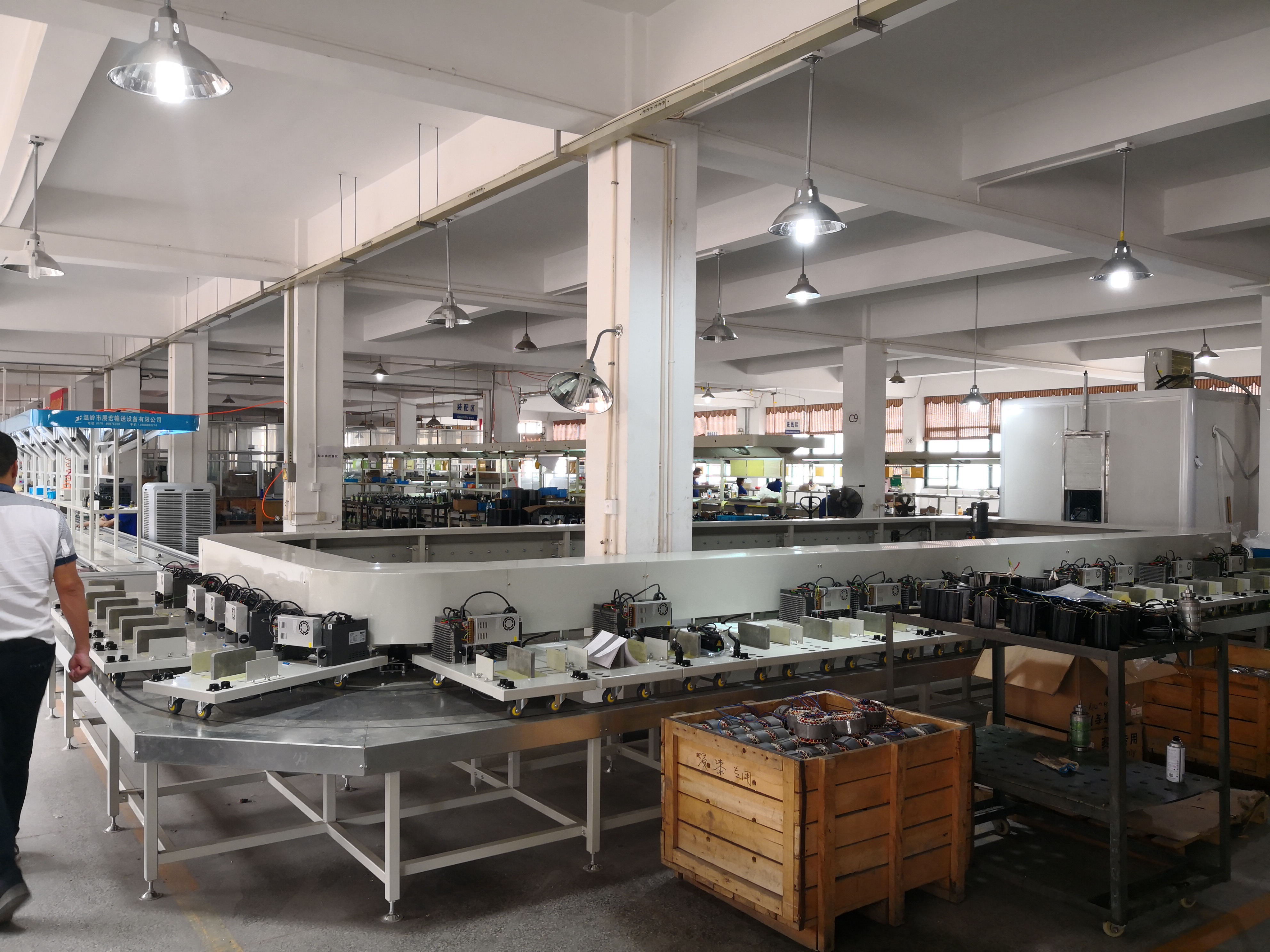
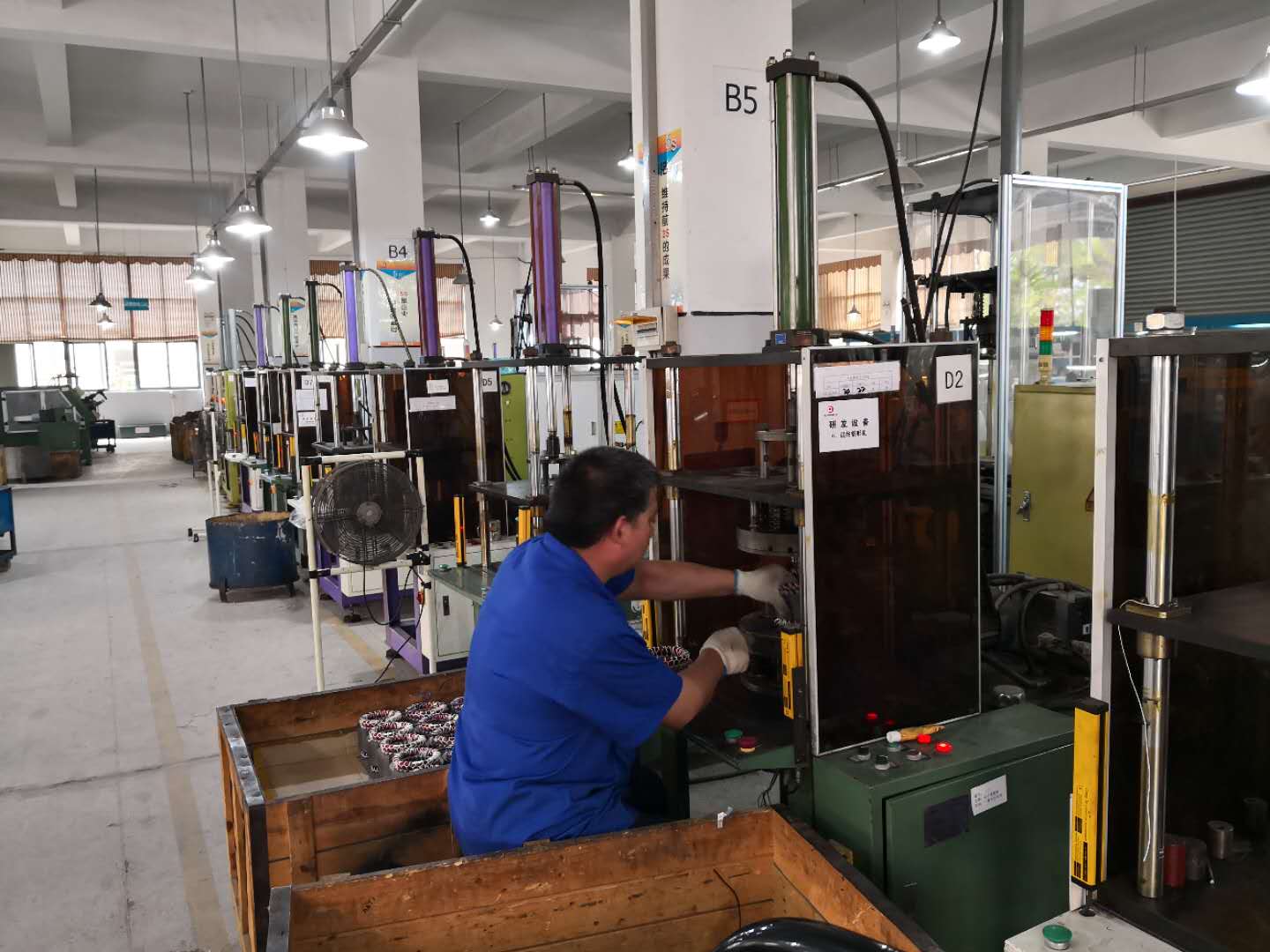
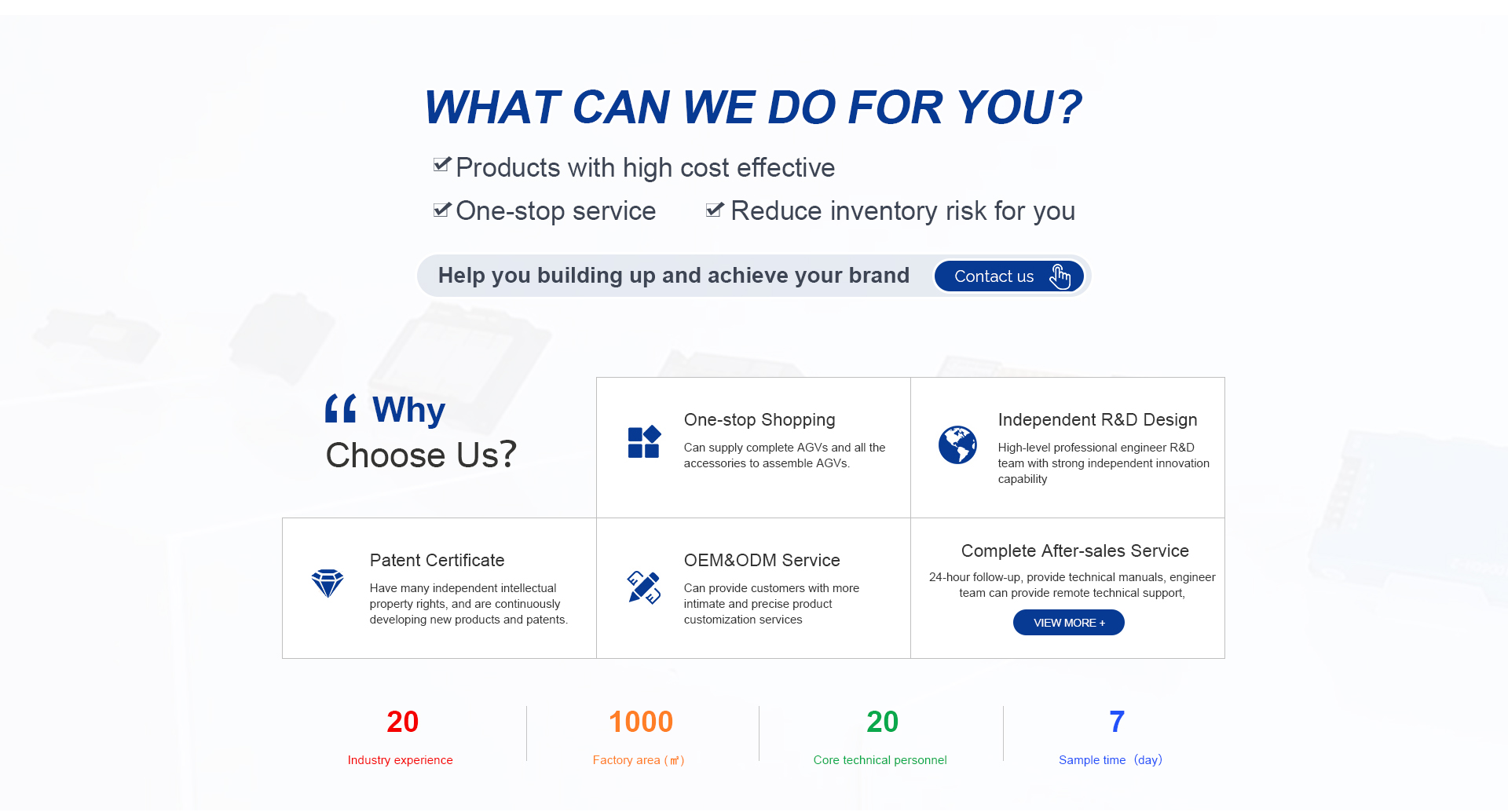
Zhejiang Torqen Technology Co., Ltd. was founded in 2015 in Hangzhou, Zhejiang, China. The company manufactures and supplies automatic guided vehicles, AGV drive wheel assemblies, DC/AC motors, encoders, reducers, motor controllers, caster and PU wheels, and in-wheel motor units for global automation builders.
Engineering Support That Begins Before the Quotation
Warehouse robot sourcing fails when mechanical, electrical and navigation choices are made separately. Torqen works directly with OEM integrators to adapt torque, speed and mounting geometry to the vehicle. Sample-based and design-based customization can cover motor power, voltage, reduction ratio, wheel diameter, tread material, encoder type, brake options and mounting interfaces.
Our quality management system is certified to ISO 9001:2015, and our facility has been verified onsite by Intertek. We use finished-product inspection with five in-house testing instruments, and prototypes are run for extended periods before production parts are released. This disciplined process supports buyers who need repeatable supply, clear documentation and a partner capable of supporting custom machine builds.

From Specification Review to Export Packing in Six Controlled Steps
A predictable process matters when your warehouse robot program has a launch date, a safety review and a distributor waiting for stock.
Requirement Review
Payload, speed, voltage, wheel diameter, floor conditions and chassis height are assessed by the engineering team.
Engineering Proposal
Motor, reducer, wheel tread and controller are matched, with drawings and key specifications shared for approval.
Prototype Build
Sample-based or design-based customization is produced for integration testing and performance verification.
Endurance Testing
Extended-duration runs, parameter checks and finished-product inspection help confirm reliability before mass production.
Mass Production
Manufacturing is controlled under the ISO 9001:2015 quality system with traceable components and change control.
Inspection & Delivery
Final inspection, export packing and flexible shipping terms support wholesale buyers and project deadlines.
Payment Methods
- T/T
- L/C
- D/P
- D/A
- MoneyGram
- Credit Card
- PayPal
- Western Union
- Cash
- Escrow
Delivery Terms
- FOB
- CFR
- CIF
- EXW
- CIP
- FCA
- CPT
- DDU
- Express
Currencies
- USD
- EUR
- JPY
- CAD
- AUD
- HKD
- GBP
- CNY
Common Questions About CE Warehouse Robot Export & Wholesale
Clear answers help engineering buyers, distributors and procurement teams evaluate fit before contacting the factory.
What does “CE certified warehouse robot exporter” mean for my purchase?
It means the supplier can support CE-related information for applicable models, including component declarations, technical data and traceability relevant to the final warehouse robot or AGV. Because drive wheels, controllers and sensors are often integrated into a complete machine, buyers should confirm the exact product scope, intended use and documentation package in the quotation. The final machine builder remains responsible for the complete vehicle’s risk assessment and conformity mark where required.
Are you a factory or a trading company?
Zhejiang Torqen Technology Co., Ltd. is a manufacturer and trading company founded in 2015. The company designs and supplies AGVs, drive wheel assemblies, motors, controllers, sensors and related components. Buyers can request company profile details, onsite verification information, trade capacity and product inspection information before placing a wholesale order.
Can you supply mixed wholesale orders with drive wheels, sensors and charger pads?
Yes. Distributors often combine multiple SKUs in one shipment, such as differential drive wheels, horizontal drive units, magnetic guidance sensors and TZ-CP-50A charger pads. Share the target quantities, vehicle platforms and destination market so the export team can propose packing, labeling and delivery terms that fit a mixed wholesale order.
Which drive wheel type should I select for my AGV platform?
Use differential drive wheels for compact latent, jacking and shelf-lifting AGVs that turn by wheel-speed difference. Use single steering drive wheels for forklift AGVs, tugger vehicles and tricycle chassis requiring controlled steering angles. Use horizontal drive assemblies for low-clearance chassis. Provide gross vehicle weight, target speed, maximum gradient, battery voltage and available chassis height for an accurate recommendation.
Can motor power, voltage, wheel diameter and brakes be customized?
OEM and ODM customization is available. Typical customization areas include motor power and voltage, reduction ratio, wheel diameter, tread material, encoder type, brake options and mounting interfaces. The engineering team can support sample-based customization, design-based customization, OEM production and buyer-label packaging according to the project’s technical and commercial requirements.
How is product quality verified before shipment?
The quality management system is certified to ISO 9001:2015, and the facility has been verified onsite by Intertek. Finished-product inspection uses five in-house testing instruments, and prototypes undergo extended-duration testing before production parts are released. Final inspection and export packing can be coordinated with the buyer’s quality requirements.
What payment, delivery and currency terms are accepted?
Accepted payment methods include T/T, L/C, D/P, D/A, MoneyGram, credit card, PayPal, Western Union, cash and escrow. Delivery terms include FOB, CFR, CIF, EXW, CIP, FCA, CPT, DDU and express delivery. Supported currencies include USD, EUR, JPY, CAD, AUD, HKD, GBP and CNY.
Which industries use these warehouse robot drive and navigation products?
Products are used in AGVs and AMRs, forklifts, aerial work platforms, airport equipment, agricultural machines, hydraulic applications, floor scrubbers and sweepers, wind energy, marine equipment and medical devices. For warehouse automation specifically, the most common requests are latent AGVs, shelf towing robots, differential drive wheels, magnetic guide sensors, RFID position sensors, charger pads and matched servo or BLDC controllers.
How do I start an export or wholesale inquiry?
Send the required product model, quantity, destination country, payload, voltage, speed, chassis height and required delivery term. If you are comparing multiple configurations, include a simple layout or route description. The sales and engineering team can then recommend a matched drive wheel, controller, sensor and charging setup and confirm lead time, packing and quotation details.
Build a More Reliable Warehouse Robot Supply Chain
Share your payload, speed, chassis height, battery voltage, navigation method and destination market. Our export and engineering team will help you match the right AGV platform, drive wheel, servo/BLDC controller, sensor and charger pad for your next wholesale order or OEM project.
