China Best Automated Guided Vehicle Factories & Supplier
A procurement-grade guide for engineering buyers comparing AGV drive wheels, composite robot chassis, controllers, navigation sensors and charging systems from China’s verified automation supply base.
8 AGV Products Recommended for 2025–2026 Procurement
The following product matrix covers heavy-duty drive wheels, a composite robot chassis, a magnetic-guidance lurking AGV, smart controllers and a charger pad. Each item is a practical building block for OEM/ODM AGV and AMR programmes, not a generic catalogue listing.
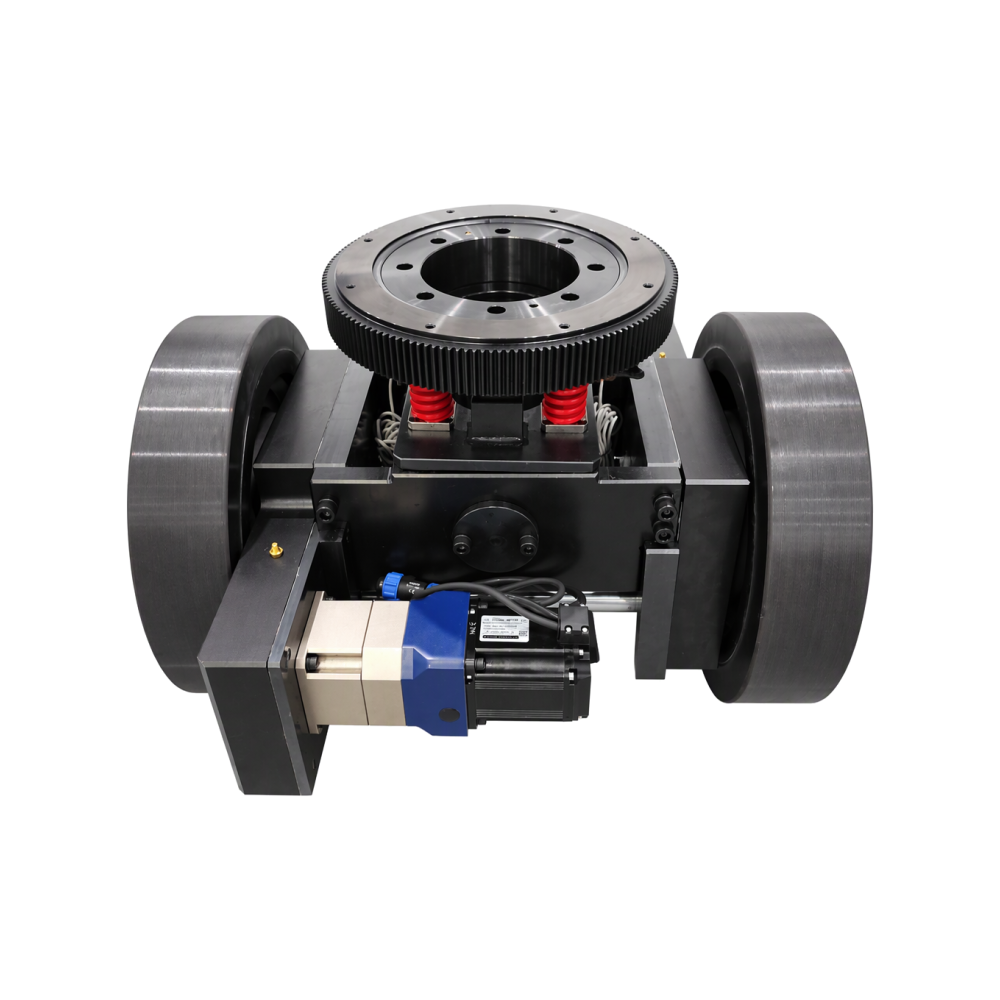
TZBOT Heavy Duty Series agv Wheel 1000w 48v Servo Motor Control Mobile Robot Differential Drive Wheel with Spring Suspension
For 1,000 kg-class differential-drive platforms that need stable traction, compact turning and spring suspension over mixed floor conditions.
- 1000 W
- 48 V servo
- Spring suspension
- Differential
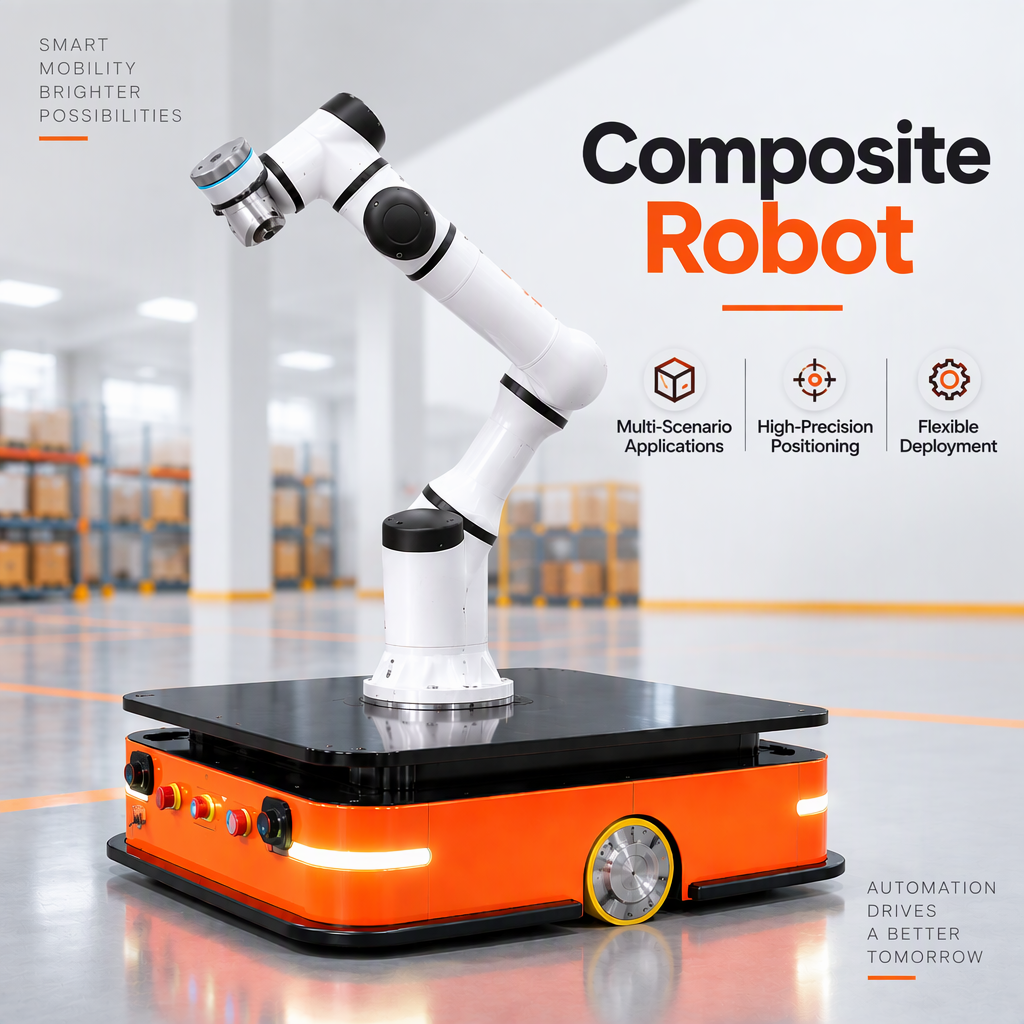
TZBOT Customizable Composite Robot Multi Applications 600kg Bearing Chassis AGV AMR with Robotic Arm
A configurable mobile manipulation platform for machine tending, inspection and flexible production cells where a 600 kg bearing chassis and arm integration must work as one system.
- 600 kg bearing
- Robotic arm
- AGV/AMR
- Customizable
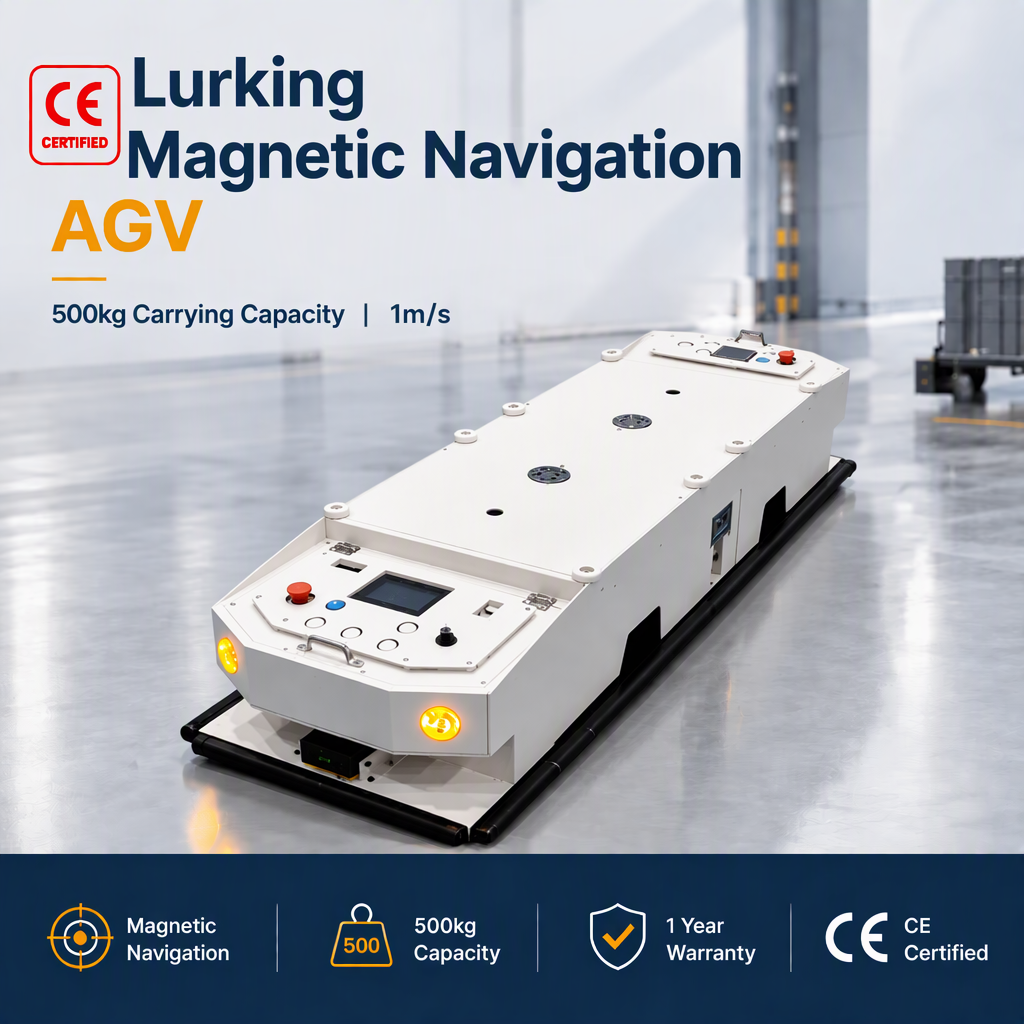
TZBOT EU CE Lurking AGV Material Handling Equipment Logistic Automation 500kg Bidirectional Magnetic Guidance Mobile Robot
Designed for repeatable material transport on fixed routes, with bidirectional magnetic guidance and a 500 kg load platform for warehouse and line-side logistics.
- 500 kg payload
- Bidirectional
- Magnetic guidance
- EU CE
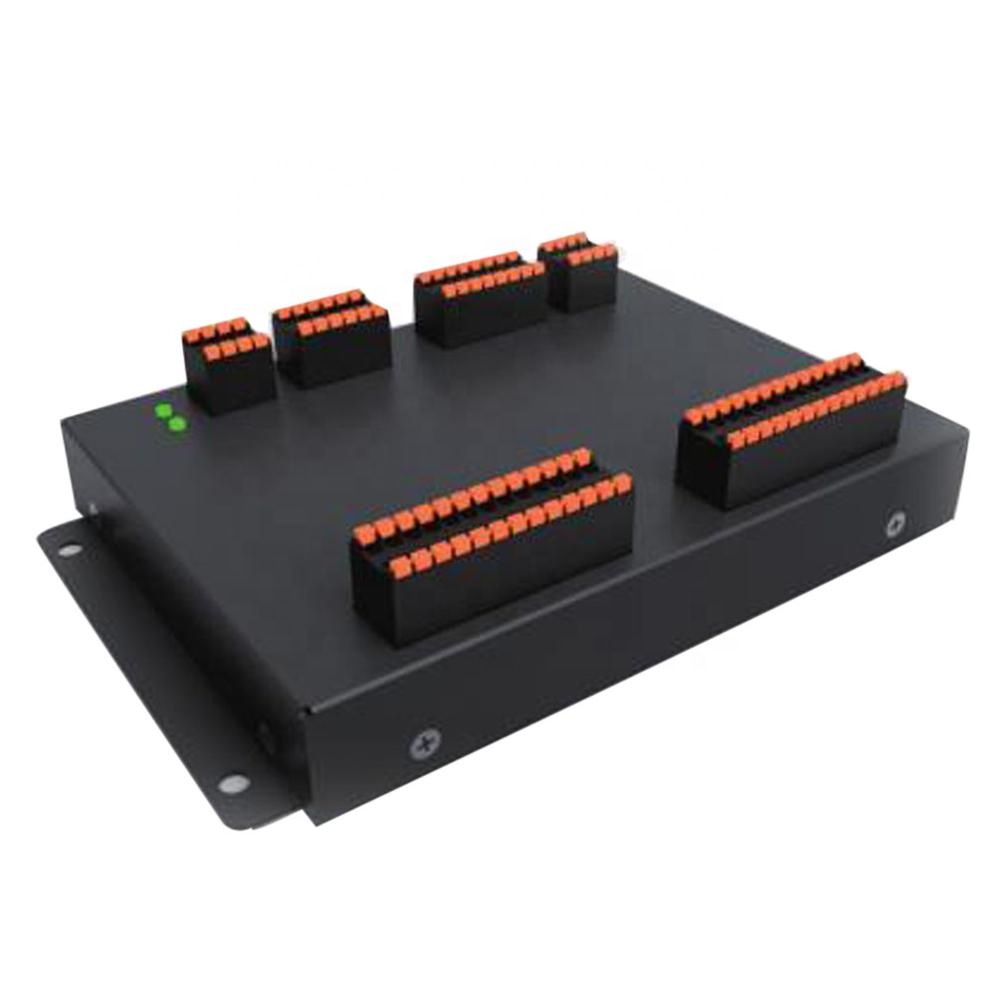
TZBOT Smart Controller TZC-MST-FX200D-A for Guiding the AGV Robot
A compact control unit for AGV guidance and vehicle logic, suitable for OEM integrators who need a matched controller rather than a separate board-level experiment.
- TZC-MST-FX200D-A
- AGV guidance
- OEM integration
- Compact
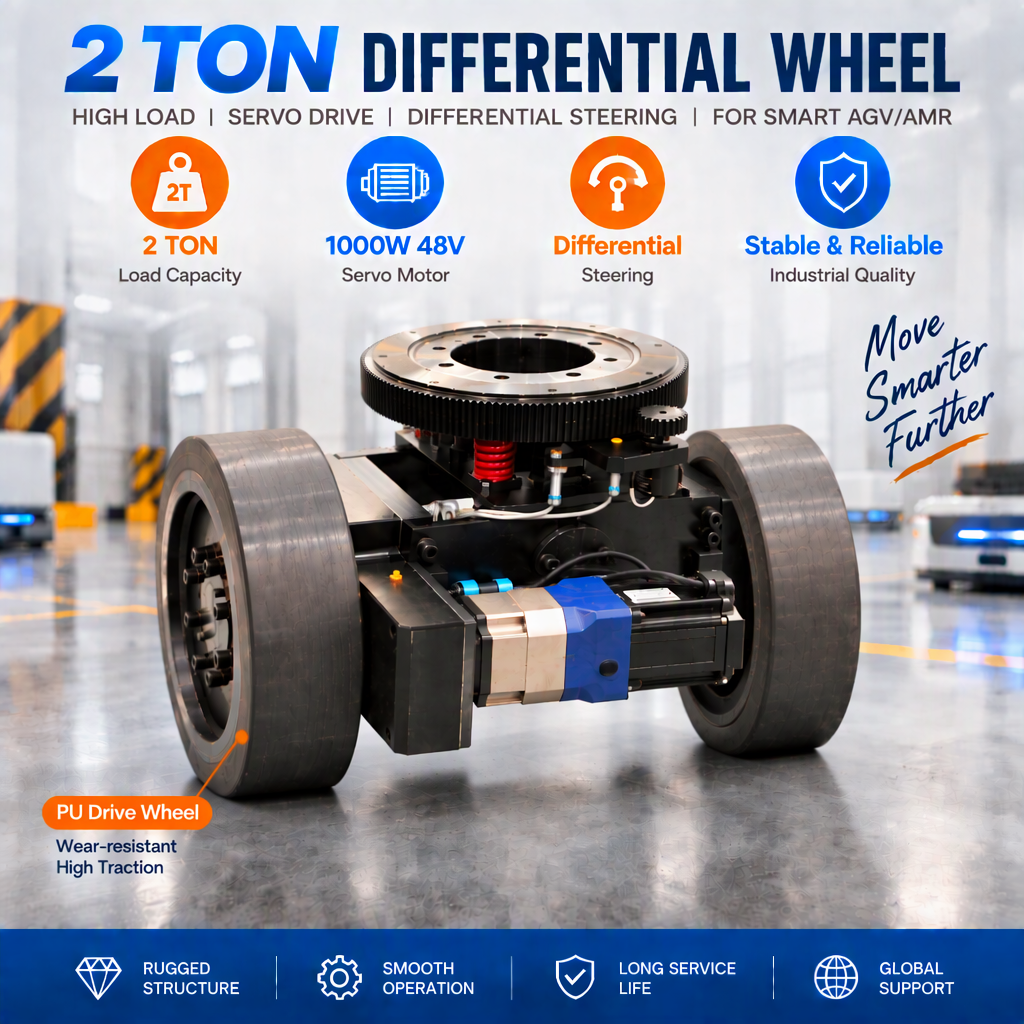
TZBOT 2000KG Heavy Duty Series AGV Wheel 1000w 48V Strong Power Mobile Robot Differential Drive Wheel with Spring Suspension
Built for heavier mobile platforms where the drivetrain must absorb floor irregularities while preserving torque delivery and predictable low-speed control.
- 2,000 kg class
- 1000 W
- 48 V
- Spring suspension
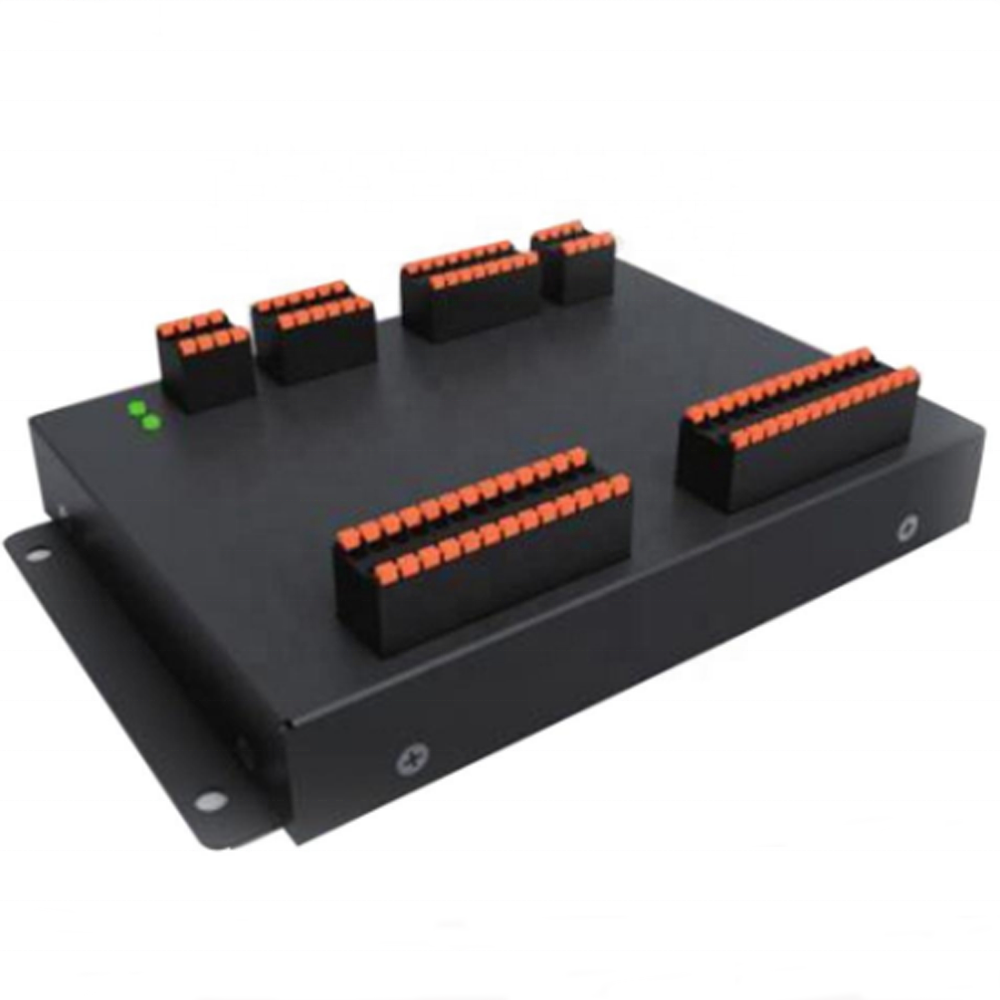
TZBOT FX Series Controller of HX Support Magnetic Tap Guided AGV
A controller option for magnetic-tape-guided AGV architectures, helping integrators shorten the wiring and tuning cycle when routes are fixed and repeatable.
- FX series
- Magnetic tape
- HX support
- Route control
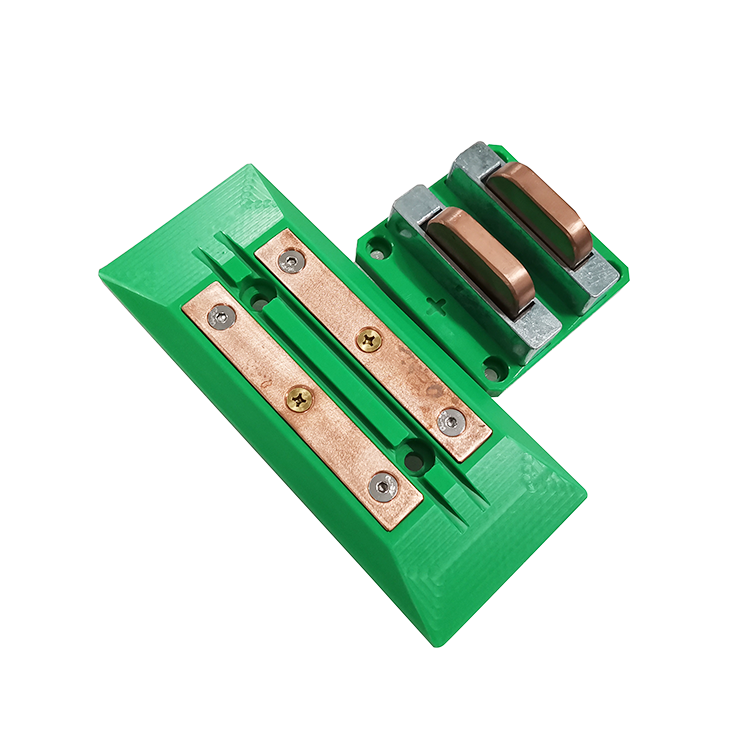
TZBOT Charger Pad Model TZ-CP-50A with Brush Plate and Brush Block for AGV Navigation Vehicles
An opportunity-charging interface for AGV fleets that need repeatable contact, brush cleaning and a compact charging footprint at the station.
- TZ-CP-50A
- Brush plate
- Brush block
- AGV charging
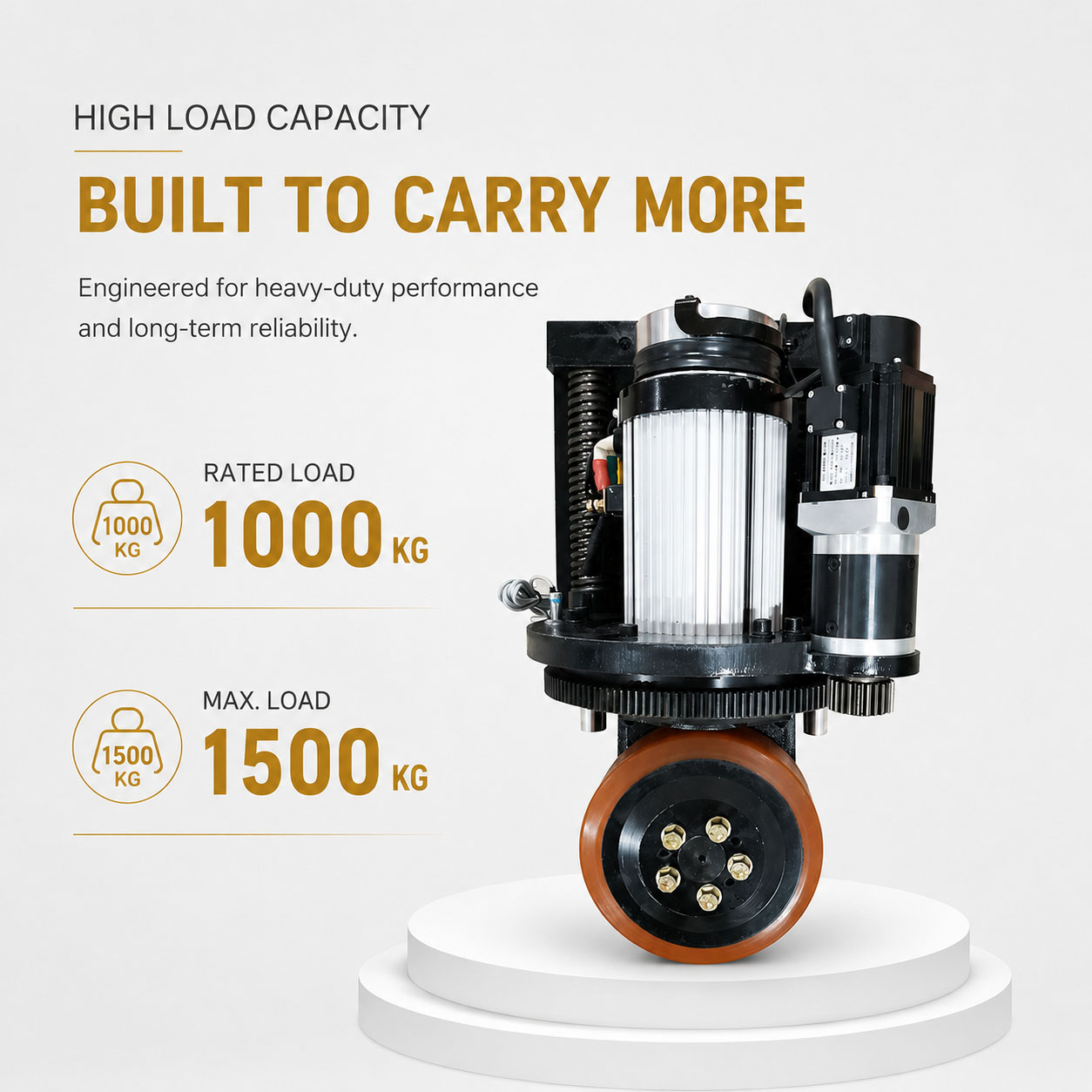
TZBOT 1000KG Bearing Duty 1500w Servo Motor AGV Forklift Driving Wheel with Suspension for Automatic Forklift
For automatic forklift and tricycle-type AGV chassis that require a 1,500 W servo drive, suspension travel and a 1,000 kg bearing duty rating.
- 1,000 kg bearing
- 1500 W servo
- Suspension
- Forklift AGV
Why the “China Best AGV Factory” Question Has Changed
Price discovery was the first phase of AGV component sourcing. The next phase is evidence-based integration: buyers need to know how the wheel, motor, controller, sensor and charger behave as one drivetrain.
From parts to a matched drivetrain
Buyers now compare complete stacks: wheel assembly, servo or BLDC motor, driver, encoder and navigation sensor. A lower component price can disappear quickly if the interface, tuning and warranty are not aligned.
Total lifecycle cost replaces unit price
Engineering time, commissioning delays, spare-part lead time and field failure costs are now part of the sourcing decision. A verified factory with traceable production records reduces the hidden cost of integration.
Evidence over unverified claims
The strongest “best factory” signal is not a slogan. It is an onsite-verified facility, an ISO quality system, patent records, test instrumentation and a documented path from prototype to production.
For global buyers, the phrase “China best automated guided vehicle factory” should not be treated as a single league table. “Best” depends on application fit: a latent lifting AGV programme has different requirements from an automated forklift, a composite robot cell or a 2,000 kg heavy-load transfer platform. The useful comparison is therefore a matrix of engineering evidence, product depth and commercial reliability. Zhejiang Torqen Technology Co., Ltd. — trading as Torqen — has manufactured automatic guided vehicles, AGV drive wheel assemblies, DC/AC motors, encoders, reducers, motor controllers, caster and PU wheels and in-wheel motor units since 2015. The company operates from Zhejiang, China, with a 1,000–3,000 m² factory, 51–100 employees, annual output in the US$5–10 million range and a quality management system certified to ISO 9001:2015. Its facility has been verified onsite by Intertek, and the company reports eight awarded patents, five in-house testing instruments and a 4.9/5 buyer rating. For procurement teams, these facts matter because they shorten the distance between a catalogue enquiry and a tested production part.
The second shift is technical. AGV platforms are moving toward higher payload density, lower chassis height, opportunity charging and sensor fusion. A drive wheel is no longer a passive mechanical part; it is an electromechanical module that shapes acceleration, positioning accuracy, floor wear, energy consumption and maintenance intervals. This is why the product shortlist above combines heavy-duty wheels, a composite robot chassis, magnetic-guidance controllers, a smart controller and a charger pad. The buyer can evaluate a single component or a coordinated subsystem — and that flexibility is a genuine information advantage when building a 2026 procurement shortlist.
One Integrated Drivetrain Partner, Not a Catalogue Reseller
Torqen’s advantage is not simply a product list. It is the ability to match motor power, reduction ratio, wheel diameter, suspension, encoder, controller and charger around the same vehicle requirement.
Custom drive engineering
Sample-based and design-based customization covers motor power, voltage, reduction ratio, wheel diameter, tread material, encoder type, brake options and mounting interfaces.
Tested before shipping
Prototypes undergo extended-duration testing before production release. Finished-product inspection is supported by five in-house testing instruments and traceable production records.
Matched electronics
Servo and BLDC controllers are tuned to Torqen drive wheels, while magnetic, RFID and lidar sensors support a single-source bill of materials for AGV builders.
Export-ready support
FOB, CFR, CIF, EXW, CIP, FCA, CPT, DDU and express delivery options are supported, with payment in USD, EUR, JPY, CAD, AUD, HKD, GBP or CNY.
Factory evidence at a glance
Selected company facts for buyer due diligence. These are not estimates; they are the operational signals procurement teams should verify in a supplier profile, certificate file or onsite audit.

Company office and manufacturing base in Zhejiang, China — the operational base for AGV drive wheels, motors, controllers and sensors.
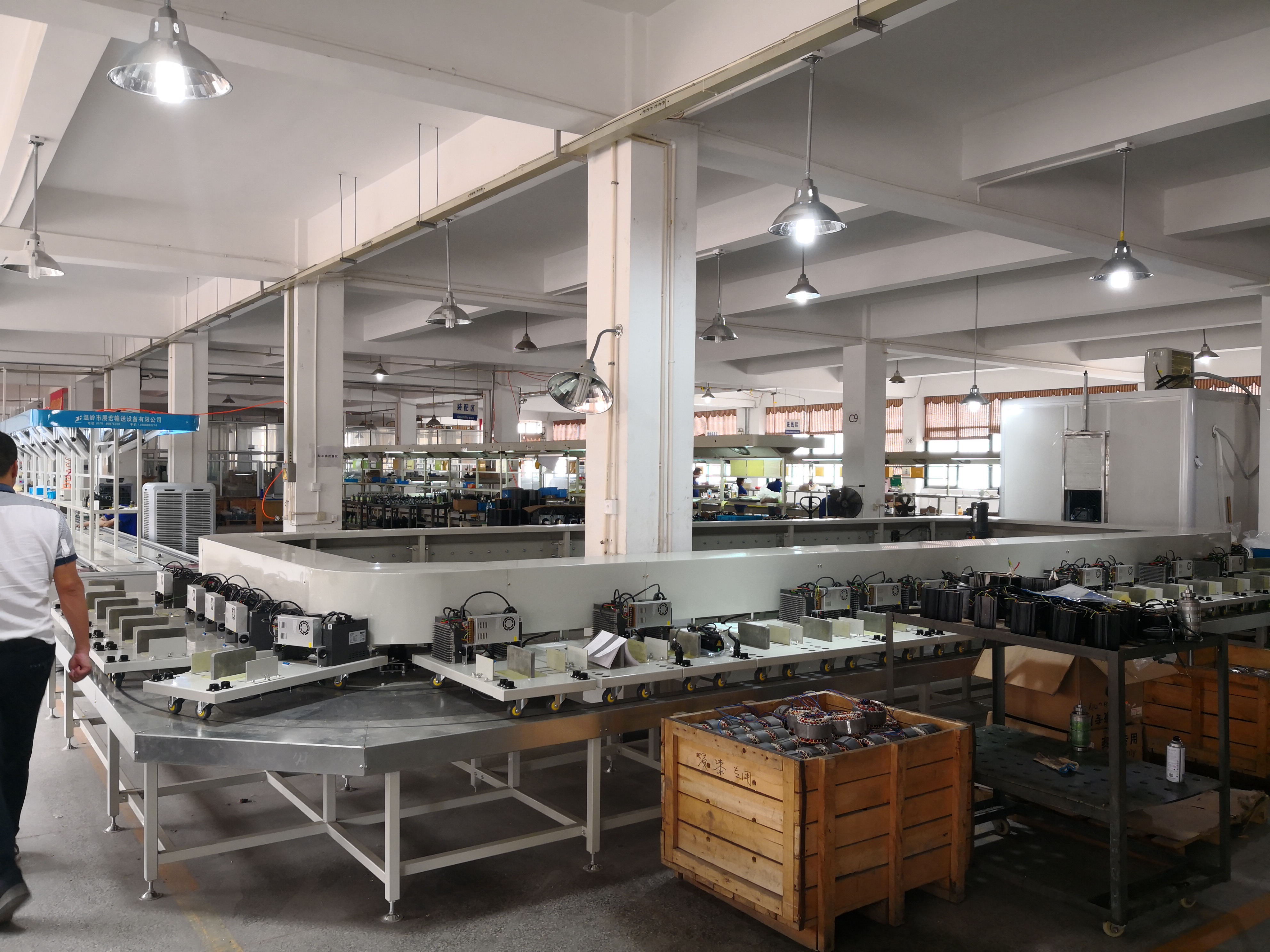
Drive wheel assembly workshop. Matching mechanical assembly to controller parameters is central to stable AGV motion.
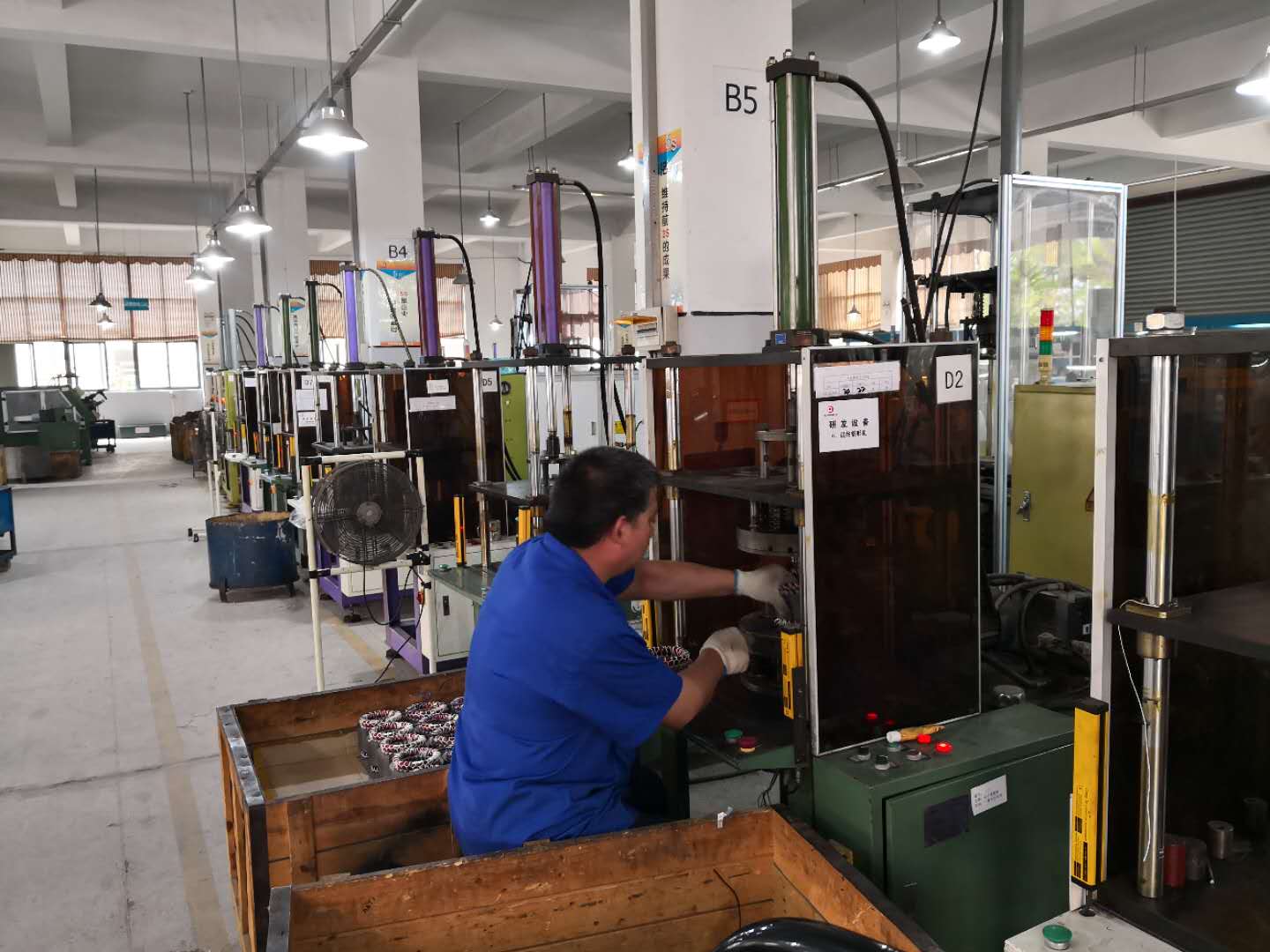
Engineering and inspection area. Finished-product checks and prototype endurance runs reduce integration surprises.
AGV Procurement Trends Buyers Should Model Before 2027
Procurement is becoming more technical, more modular and more sensitive to lifecycle cost. These four trends should appear in any serious supplier scorecard.
Modular single-source procurement
Instead of buying a wheel, motor, driver and sensor from four vendors, OEMs are consolidating around a matched module. The benefit is fewer interface risks, faster commissioning and one technical contact when a fault appears.
Procurement implication: request an interface matrix, not only a price listEnergy architecture and opportunity charging
Fleet availability increasingly depends on short, frequent charging windows rather than overnight battery swaps. Charger pads, brush plates and controller-level power management are becoming part of the drivetrain specification.
Procurement implication: model charging time against vehicle uptimeSafety and compliance documentation
CE-marked AGV platforms, clear wiring diagrams, component traceability and test reports are moving from “nice to have” to tender requirements. Buyers want evidence before the first vehicle reaches the site.
Procurement implication: add document review to the RFQ gateFlexible batch sizes and local support
Projects often begin with samples, move to pilot production and then scale. Suppliers that can support small custom batches without breaking quality discipline have an advantage over factories that only quote large volumes.
Procurement implication: test the sample-to-production handoverWhere AGV Drive Wheels, Controllers and Power Systems Are Heading
The next generation of AGV components will be judged by integration density, serviceability and data readiness — not by mechanical specifications alone.
Integrated electromechanical modules
Motor, reducer, encoder, brake and suspension are being packaged as a single drive unit. This reduces mounting tolerance stack-up and makes replacement faster in the field. Differential and steering configurations will continue to coexist because vehicle architecture still dictates the steering method.
Heavy payload with low floor clearance
As AGVs move into forklift, tow-tractor and heavy transfer applications, 1,000 kg and 2,000 kg drive wheels with spring suspension become more important. The engineering challenge is preserving torque and ride quality without increasing chassis height.
Sensor fusion and smart power management
Magnetic guidance, RFID position tags and lidar obstacle avoidance are being combined rather than chosen as isolated options. At the same time, charger pads and controllers must exchange status data to avoid unnecessary charge cycles and improve fleet uptime.
The TZBOT 2000KG Heavy Duty Series AGV Wheel and the 1000KG Bearing Duty 1500W Servo Motor AGV Forklift Driving Wheel illustrate this direction: higher load ratings, suspension and servo control in a package that still fits an industrial chassis. The TZ-CP-50A charger pad and smart controllers show the same logic on the power and control side. Buyers should ask whether the supplier can provide a matched combination, not just a standalone part.
Match the Product to the Vehicle Architecture
Use this matrix as an initial RFQ filter. It helps technical buyers ask the right questions before requesting a sample.
| Product direction | Best-fit vehicle | Critical specification | Procurement check |
|---|---|---|---|
| 1000 W / 2000 kg differential drive wheel | Latent, jacking and heavy-load transfer AGVs | Payload class, wheel diameter, suspension travel, 48 V servo system | Confirm floor condition, maximum gradient and required turning radius |
| 1500 W forklift driving wheel | Automatic forklifts, tow tractors and tricycle AGVs | Bearing duty, braking, vertical load and servo response | Ask for suspension load curves and installation drawings |
| 600 kg composite robot chassis | Mobile manipulation cells and flexible production lines | Arm payload, centre of gravity and cycle time | Validate stability during acceleration and arm extension |
| Magnetic guidance controller and charger pad | Fixed-route AGVs with opportunity charging | Tape quality, RFID nodes, charging window and contact alignment | Review electrical interface, safety logic and maintenance access |
Questions Buyers Ask Before Ordering AGV Components
These answers reflect the practical issues that arise during factory selection, sample evaluation and mass-production release.
What makes a China AGV factory a reliable supplier rather than a low-cost catalogue?
A reliable supplier can show evidence across four layers: company verification, quality system, engineering method and production traceability. Torqen’s profile includes ISO 9001:2015 certification, onsite verification by Intertek, eight awarded patents, five in-house testing instruments and a factory footprint of 1,000–3,000 m². The more important question is whether those facts connect to your application. Ask for the drive wheel drawing, motor and reducer selection logic, controller parameter file, test record and spare-part recommendation. A supplier that can answer these points is closer to a manufacturing partner than a catalogue reseller.
Which drive wheel type should I choose: differential, steering or horizontal?
Differential drive units are usually the best fit for compact latent, jacking and shelf-lifting AGVs because the vehicle turns by wheel-speed difference. Steering drive wheels suit forklift and tricycle-type layouts that need a controlled steering angle. Horizontal drive assemblies are useful when the chassis must stay low. The decision should be based on payload, required turning radius, floor clearance, maximum speed and the control architecture. For heavy loads, suspension is not a luxury; it helps maintain wheel contact and reduces shock loads on the reducer and motor.
How should I compare a 1,000 kg and 2,000 kg AGV wheel?
Do not compare the load class alone. Check the actual vertical load per wheel, the dynamic factor during braking and turning, the gearbox service life, the motor torque curve and the suspension travel. A 2,000 kg-class wheel can be the correct choice for a 1,000 kg vehicle if the centre of gravity is offset or the duty cycle includes ramps and frequent starts. Send the gross vehicle weight, payload distribution, wheelbase, target speed and floor profile to the engineering team before selecting the model.
What customization options are realistic for AGV components?
Realistic customization includes motor power and voltage, reduction ratio, wheel diameter and tread material, encoder type, brake options, mounting interface, cable length and connector type. Composite robot chassis and AGV bodies can also be adapted around arm mounting, sensor placement and battery access. The practical boundary is not “anything is possible”; it is whether the change can be validated without compromising safety, repeatability and production economics. Ask for a prototype plan with inspection criteria before approving a design change.
How do I verify quality before mass production?
Request a pre-production sample, the inspection plan and the test data that will be repeated in mass production. For drive wheels, review no-load current, rated torque, speed accuracy, noise, temperature rise, backlash and suspension behaviour. For controllers, review protection functions, communication protocol and parameter backup. For charger pads, review contact alignment, brush wear and charging cycle stability. A factory with five in-house testing instruments and extended-duration prototype testing can usually provide a more useful evidence pack than a supplier that only sends a product photo.
What payment, delivery and support terms are typical?
Torqen accepts payment methods including T/T, L/C, D/P, D/A, MoneyGram, credit card, PayPal, Western Union, cash and escrow, with currencies including USD, EUR, JPY, CAD, AUD, HKD, GBP and CNY. Delivery terms include FOB, CFR, CIF, EXW, CIP, FCA, CPT, DDU and express delivery. For first orders, confirm the Incoterm, packaging method, spare-part list and technical contact before shipment. For repeat orders, agree on a change-control process so that motor, controller or wheel updates do not silently alter vehicle behaviour.
Build the 2026 Procurement Shortlist with Engineering Evidence
Send your payload, speed, chassis height, battery voltage and route requirement. The Torqen team can match a drive wheel, controller, sensor and charging configuration around your AGV platform — or provide a catalogue for comparison.
info@torqenbot.com