China Best Industrial AGV Supplier & Suppliers
Compare AGV drive wheels, robot controllers, charging pads, navigation magnetic tape and steering traction units from a verified Chinese AGV components manufacturer — with application notes, procurement trends and an E-E-A-T buying framework for global integrators.
Eight Industrial AGV Products Buyers Evaluate First
These are not random catalogue items. They represent the drive, power, control and navigation bill-of-materials that determines whether an AGV platform is stable, serviceable and profitable after commissioning.
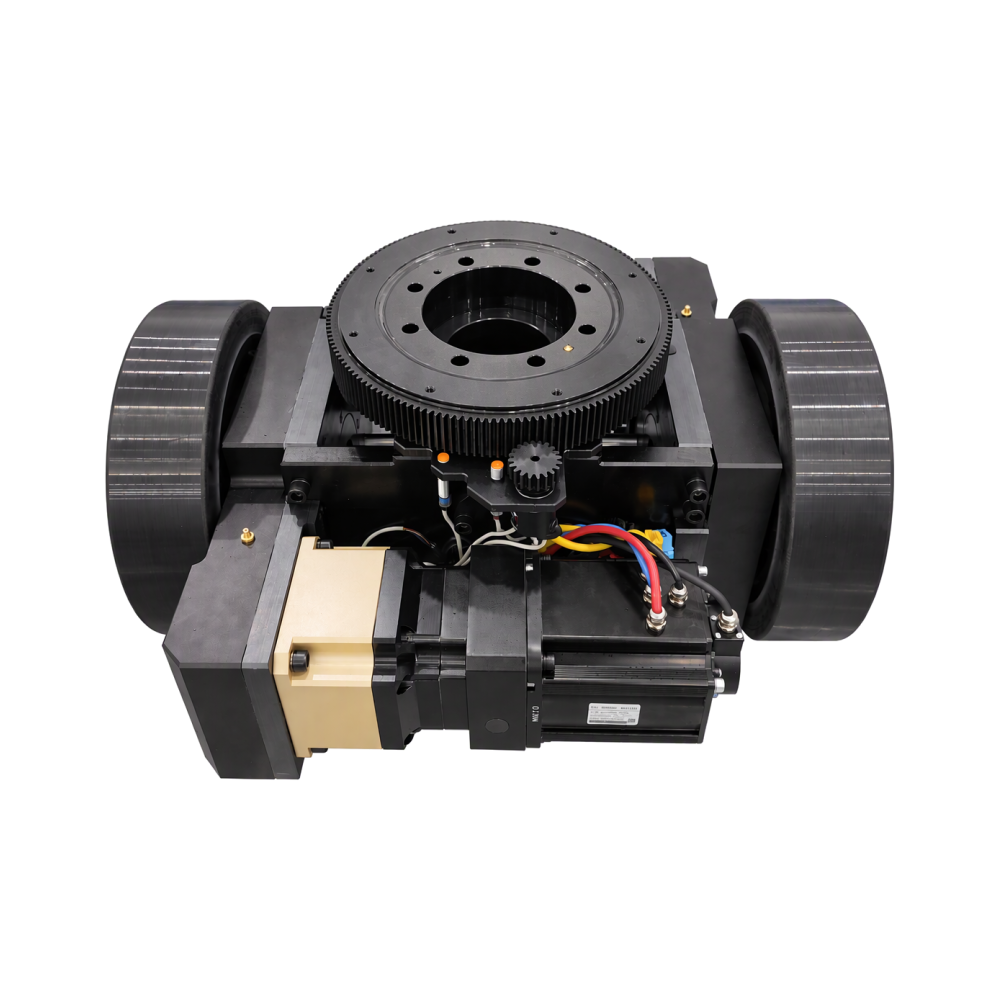 Heavy Duty
TZBOT Heavy Duty Series Robot Wheel 3000kg Bearing Capacity AGV Material Handling Equipment Differential Drive Wheel Assembly
For high-payload AGV platforms where wheel strength, bearing life and stable differential steering are more important than the lowest component price.
- 3000 kg load
- Differential drive
- Material handling
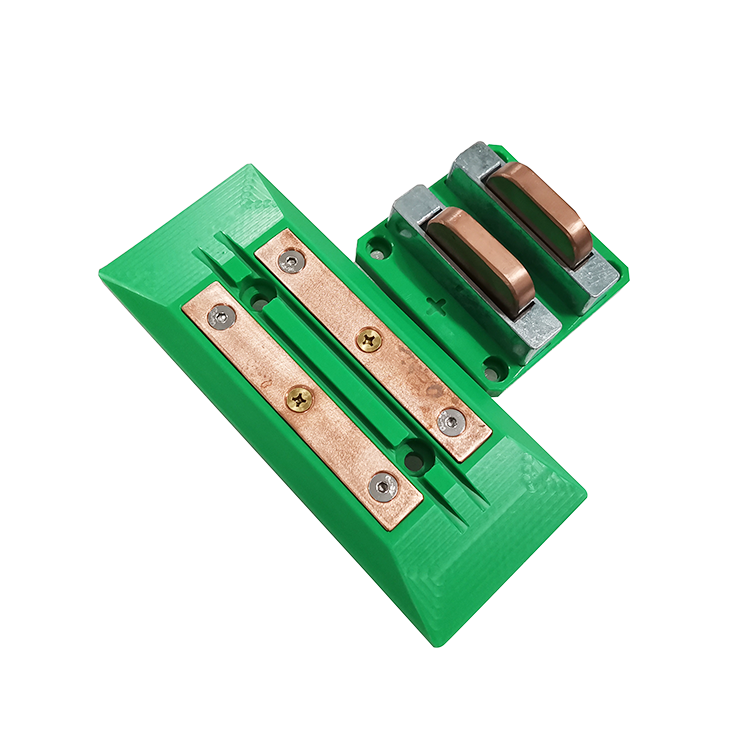 Charging
TZBOT Charger Pad Model TZ-CP-50A with Brush Plate and Brush Block for AGV Navigation Vehicles
A focused charging interface component for AGV opportunity charging, designed around reliable contact and maintainable wear parts.
- TZ-CP-50A
- Brush plate
- AGV charging
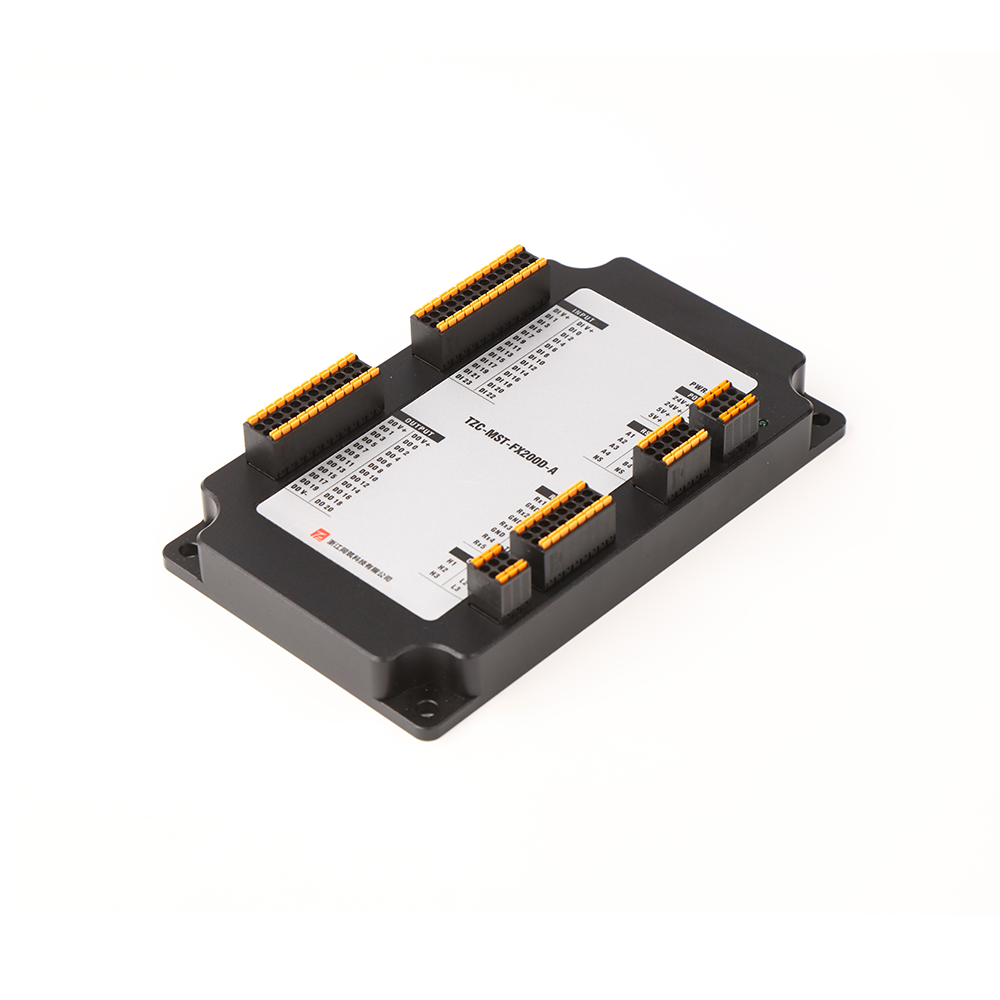 Control
AGV Accessories Automated Guided Vehicle Controller with 19V~29V Power for AGV Robot
A compact controller option for AGV builders who need 19V–29V power compatibility and a straightforward path from prototype to serial build.
- 19V–29V
- AGV robot
- Accessory
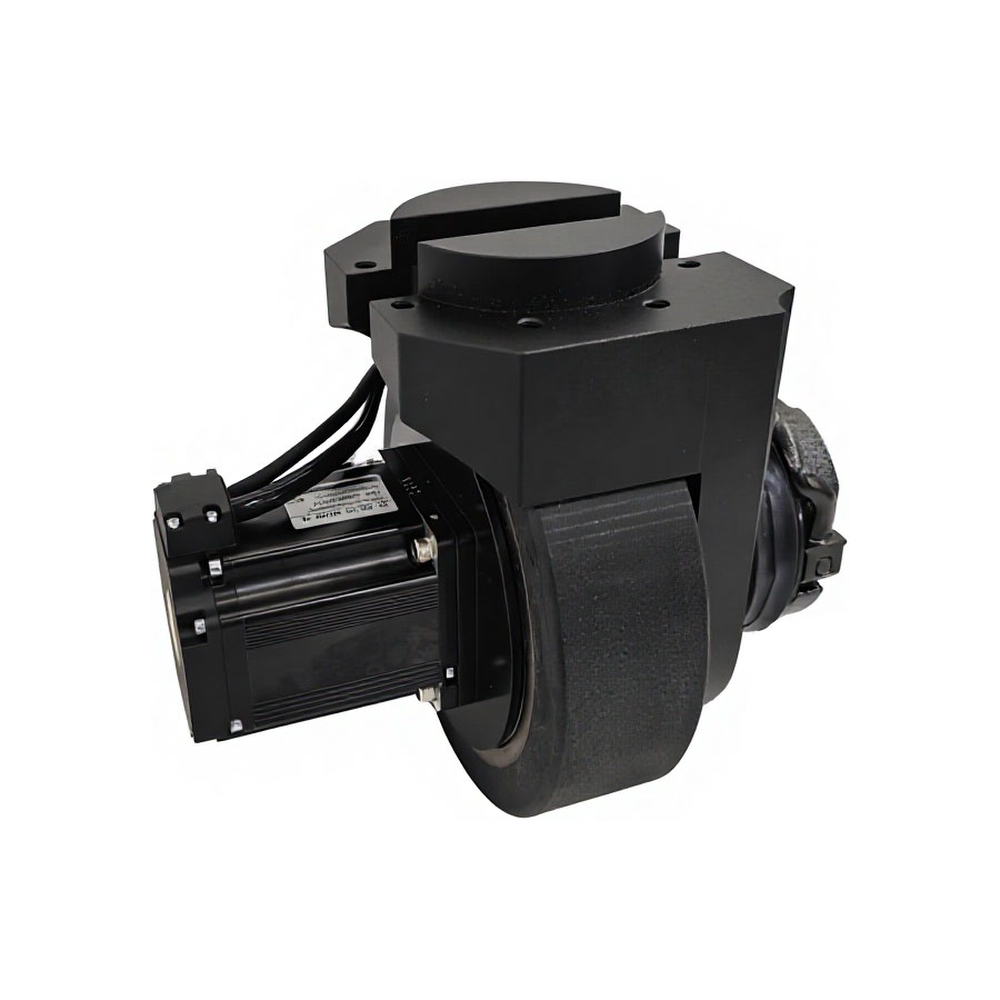 Horizontal Drive
TZBOT 1000kg Bearing Capacity agv Wheel 1000w Servo Motor Material Handling Equipment Part Horizontal Drive Wheel
Useful for low-clearance chassis and latent AGVs where a horizontally mounted servo drive package protects valuable vertical space.
- 1000 kg
- 1000W servo
- Horizontal
 Steering Drive
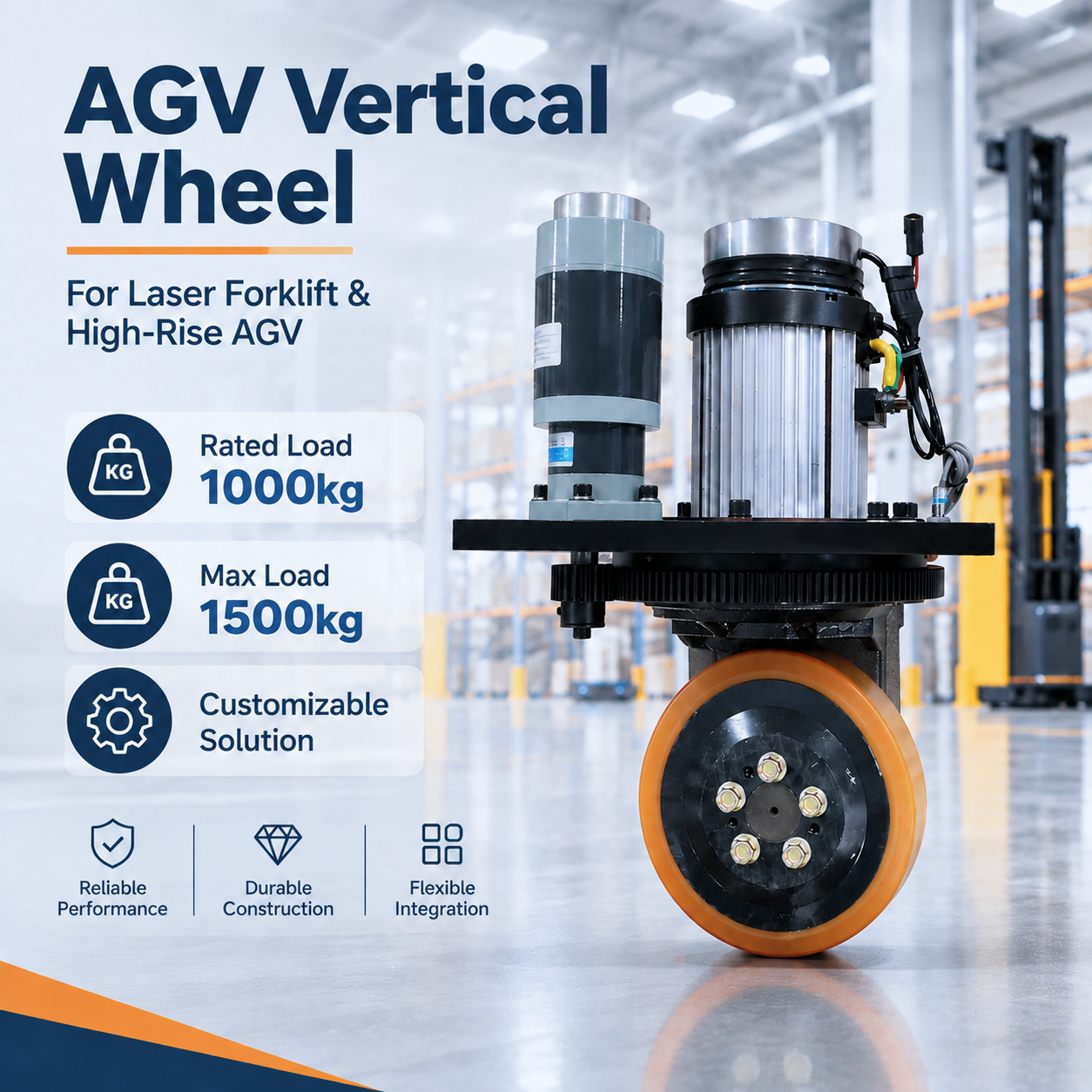
TZBOT 2590r/min Vertical Driving Unit Electric Traction Wheel 1500W Steering Forklift Accessories
A steering and traction wheel choice for forklift-style AGVs and tricycle chassis that require controlled wheel angle, not only speed difference.
- 2590 r/min
- 1500W
- Forklift AGV
 Smart Control
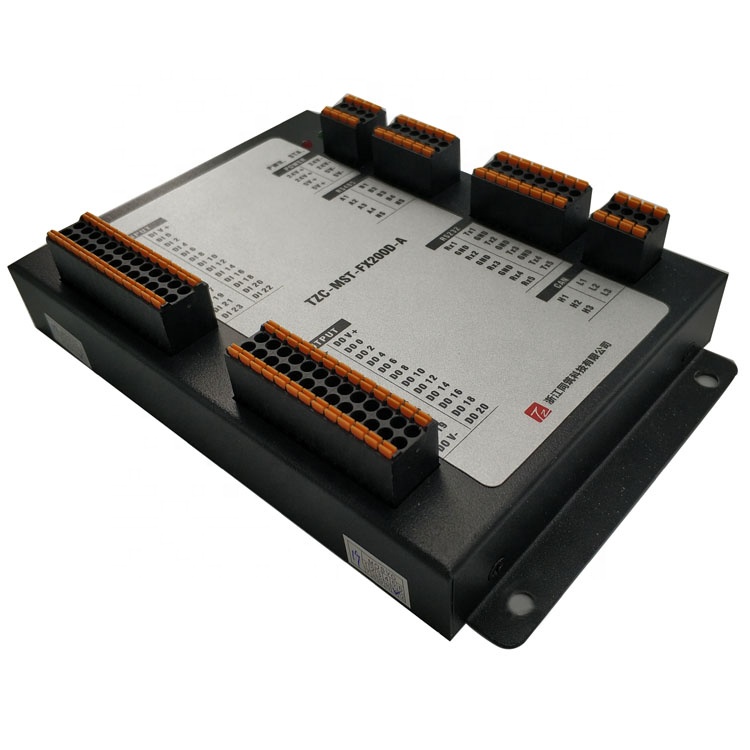
Smart AGV Controller TZC-MST-FX200D-A with Auto Guide Apply for Building Material Shops
A smart AGV controller for auto-guided material handling layouts, especially where distributors need practical deployment for building-material yards and shops.
- TZC-MST-FX200D-A
- Auto guide
- Material shops
 Navigation
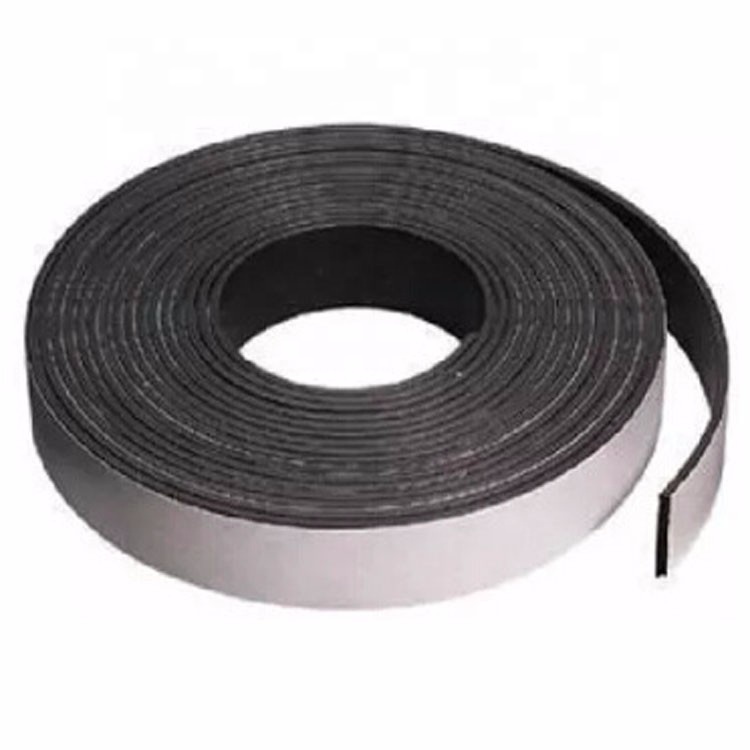
Sell Well Magnetic Tape Which N Pole up of 5cm Weith,25m One Roll for AGV Paved Path Can Retail or Wholesale
N-pole-up magnetic tape for AGV paved guidance paths, supplied as a 5 cm × 25 m roll for project installation, retail or wholesale replenishment.
- N pole up
- 5 cm × 25 m
- Retail/wholesale
 Traction Assembly
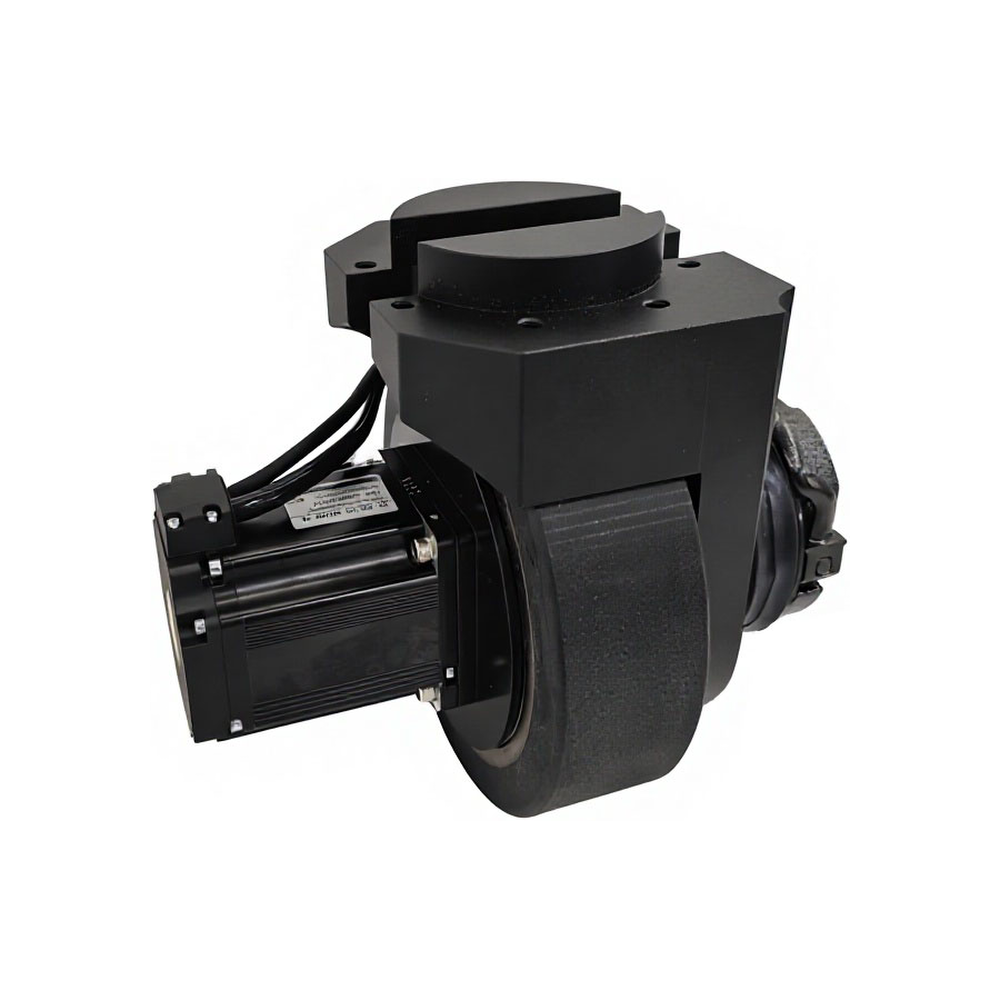
TZBOT agv Wheel Traction Accessories 1000kg Heavy Duty Capacity Material Handling Equipment Part Horizontal Drive Wheel Assembly
An alternative 1000 kg heavy-duty horizontal drive wheel assembly for AGV traction systems where mounting geometry or service access differs from standard layouts.
- 1000 kg
- Heavy duty
- Drive assembly
What “China Best Industrial AGV Supplier & Suppliers” Should Really Mean
For professional buyers, “best” is not a slogan. It is a measurable balance between engineering fit, quality evidence, customization depth, spare-parts continuity and communication speed.
When procurement teams search for the China best industrial AGV supplier & suppliers, they usually have one of four intents: find a source for an AGV drive wheel, compare industrial AGV suppliers for a complete drive train, locate an OEM/ODM partner for a new vehicle platform, or replace a fragile component in an existing fleet. Each intent requires different evidence. A buyer selecting a 3000 kg differential wheel should ask for load, bearing and mounting data. A buyer selecting magnetic tape needs stable pole orientation, roll length and installation guidance. A buyer comparing smart AGV controllers needs interface details, voltage compatibility and after-sales support.
The most useful evaluation model is a five-part scorecard: technical fit, quality evidence, customization ability, supply continuity and response quality. Technical fit answers whether the component matches your vehicle. Quality evidence shows whether the supplier can control production, not just assemble samples. Customization ability determines whether you can reach a differentiated product. Supply continuity protects your after-sales parts business. Response quality is often overlooked, but a supplier that cannot answer a wiring or reduction-ratio question quickly becomes expensive during commissioning.
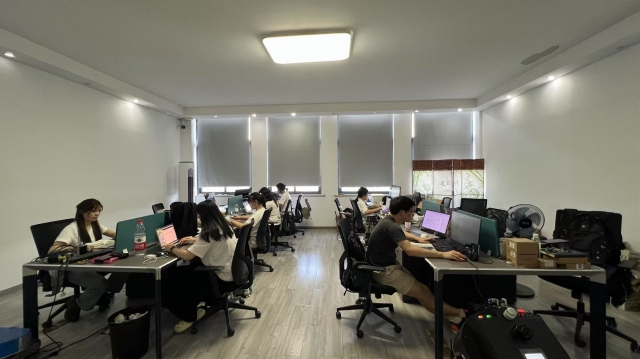
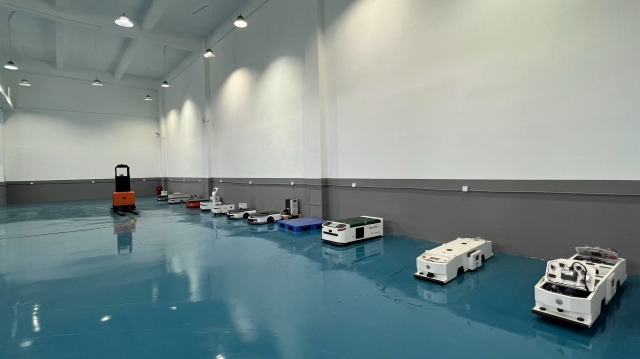
Zhejiang Torqen Technology Co., Ltd. is positioned around this practical, engineering-led view. Founded in 2015 in Zhejiang, China, Torqen manufactures and supplies automatic guided vehicles, AGV drive wheel assemblies, DC/AC motors, encoders, reducers, motor controllers, caster and PU wheels, in-wheel motor units, sensors and accessories. The company reports ISO 9001:2015 quality management certification, Intertek onsite verification, eight awarded patents, a 4.9/5 buyer rating and a 97.9% inquiry response rate. Those facts do not replace a sample test, but they reduce the initial risk of engaging an unverified China industrial AGV supplier.
Why Torqen Is a Lower-Risk China AGV Components Partner
Trust is built from auditable production, engineering and service signals. This is how the company’s published profile maps to real purchasing concerns.
Factory-Direct Engineering
Drive wheels, motors, controllers and sensors are developed around AGV motion requirements rather than sold as unrelated catalog parts.
ISO 9001:2015 + Intertek
The quality system and onsite-verified supplier status support buyers who need documented production discipline.
Matched Motion & Control
Servo and BLDC controllers can be matched to Torqen drive wheel assemblies, reducing integration mismatch risk.
OEM / ODM Customization
Sample-based and design-based customization covers motor power, voltage, reduction ratio, wheel tread, encoders, brakes and mounting interfaces.
Tested Before Shipping
Five in-house testing instruments, finished-product inspection and extended-duration prototype runs support release decisions.
Export-Ready Service
FOB, CIF, EXW, DDU and express delivery are supported, with multiple payment methods and currencies for global buyers.
Match the AGV Component to the Vehicle Duty Cycle
Industrial AGV suppliers become valuable when they help you choose the correct drivetrain architecture, not just quote the part number you already named.
For compact latent AGVs and jacking robots, a differential drive wheel assembly is often the most efficient choice because the vehicle turns through wheel-speed difference without a separate steering motor. For forklift-type AGVs, tricycle chassis or tugger vehicles, a steering drive wheel with controlled wheel angle gives better directional stability. For low-clearance chassis, a horizontal drive wheel assembly protects vertical space. For heavy loads, a 3000 kg differential drive wheel and reinforced mounting plan should be treated as a system-level decision, because the wheel, bearing, frame and controller all influence service life.
| AGV / Platform Type | Recommended Drive Choice | Why It Fits | Navigation Pairing |
|---|---|---|---|
| Latent, jacking and shelf-lifting AGV | Differential drive wheel assembly | Compact turning by speed difference; simple mechanical layout | Magnetic tape + RFID station tags |
| Forklift-style and tricycle AGV | Vertical steering traction wheel | Controlled steering angle with traction in one unit | Magnetic guide + lidar obstacle avoidance |
| Low-clearance under-ride chassis | Horizontal drive wheel assembly | Motor mounted horizontally to reduce build height | Magnetic tape or QR grid |
| Heavy material handling platform | 3000 kg differential drive wheel | Higher bearing capacity and reinforced structure | Magnetic guide + safety sensors |
| Building-material yard or shop | Smart AGV controller + matched drive | Practical auto-guide deployment with maintainable electronics | Magnetic tape and charging pad |
For procurement teams, the most valuable product recommendation is not “buy the biggest wheel.” It is “buy the wheel that matches your duty cycle and controller.” A 1000W servo horizontal wheel may be correct for one chassis and underpowered for another with the same load but a steeper ramp. A 1500W steering traction unit may be ideal for a forklift AGV, but unnecessary for a flat-floor latent robot. This is why Torqen’s OEM/ODM process begins with sample-based or design-based customization rather than a blind catalogue selection.
The eight products above also show how a complete AGV bill-of-materials can be sourced from one partner: heavy-duty differential wheels, a 1000W horizontal servo drive wheel, a 1500W steering traction wheel, a smart AGV controller, a 19V–29V controller, a charger pad with brush plate, N-pole-up magnetic tape and a second 1000 kg horizontal drive assembly. Buyers who want to compare technical details can request drawings, interface data and sample-test guidance directly from the engineering team.
The 2026 Procurement Trend: Buyers Are Sourcing Complete AGV Drive Trains
Price comparisons still matter, but experienced buyers increasingly evaluate total integration cost, spare-parts availability and engineering responsiveness.
Single-Source Drive Trains
Buyers prefer one partner for wheel, motor, driver and sensor matching to reduce commissioning delays and split responsibility.
Sensor Fusion Is Normal
Magnetic guide tape, RFID tags and lidar are increasingly combined instead of treated as competing navigation options.
Charging Integration
Charger pads and brush plate assemblies are specified earlier because opportunity charging affects fleet uptime and battery sizing.
Higher Voltage Efficiency
AGV platforms continue to evaluate higher-voltage and higher-efficiency packages while keeping controller compatibility practical.
Evidence-Based Qualification
Procurement teams request ISO certification, onsite verification, test reports, patents and buyer reviews before sampling.
TCO Over Lowest Price
Wheel life, spare-parts continuity, response time and installation risk are being scored alongside unit price.
Product Development Trends Reshaping Industrial AGV Components
These engineering directions are already visible in the specifications buyers request most often: integrated drive wheels, matched controllers, practical navigation materials and maintainable charging interfaces.
Integrated Drive Assemblies
Motor, reducer, encoder, brake and wheel are increasingly treated as one tested assembly to simplify integration.
Steering Units for Forklift AGVs
Vertical steering traction wheels support higher manoeuvrability demands in forklift, tugger and tricycle platforms.
Low-Clearance Architectures
Horizontal drive wheel assemblies allow lower chassis profiles for under-ride and latent transport vehicles.
Magnetic Guidance Refinement
N-pole orientation, tape width, roll length and installation consistency remain critical for reliable magnetic navigation.
RFID and Lidar Integration
Station recognition and obstacle avoidance are being designed into the same navigation architecture as magnetic guidance.
Maintainable Charging Interfaces
Brush plate and brush block designs allow wear-part replacement, an important consideration for multi-shift AGV fleets.
Common Questions from Industrial AGV Buyers
Practical answers for sourcing teams comparing China industrial AGV suppliers, AGV drive wheels, controllers and navigation accessories.
How can I verify a China industrial AGV supplier before ordering?
Start with company identity, quality certification and factory verification. Torqen is ISO 9001:2015 certified and has been onsite-verified by Intertek. Ask for product drawings, testing methods, patents, buyer reviews and sample-test criteria. For drive wheels, request load, speed, voltage and mounting data. For controllers, request wiring, interface and parameter documentation. A supplier that answers technical questions clearly is usually safer than one that only sends a price list.
Which AGV drive wheel type should I choose?
Use a differential drive wheel assembly for compact latent, jacking and shelf-lifting AGVs that turn through wheel-speed difference. Choose a steering drive wheel for forklift AGVs, tricycle chassis and tugger vehicles needing controlled steering angles. Choose a horizontal drive wheel assembly for low-clearance chassis. For heavy loads, specify a high-capacity differential wheel such as the 3000 kg series and confirm the frame and bearing design together.
Does Torqen support OEM and ODM customization?
Yes. Torqen supports sample-based customization, design-based customization, OEM production, design services and buyer-label packaging. Typical customization items include motor power and voltage, reduction ratio, wheel diameter, tread material, encoder type, brake options and mounting interfaces. This is useful when a standard AGV drive wheel is close but not exact for your chassis.
What information should I send for an accurate AGV component quotation?
Send gross vehicle weight, target speed, maximum gradient, battery voltage, chassis height, wheel diameter limits, required steering mode, navigation method and annual volume. For controller inquiries, add motor type, rated current, communication interface and safety requirements. With these inputs, our engineers can recommend a drive wheel, controller and sensor package instead of quoting a part in isolation.
How are Torqen products tested before shipment?
Torqen uses finished-product inspection with five in-house testing instruments and runs extended-duration testing on prototypes before production parts are released. This testing discipline matters most for drive wheel assemblies, servo/BLDC controllers and steering units where early failure creates expensive field-service costs.
What payment and delivery terms are accepted?
Accepted payment methods include T/T, L/C, D/P, D/A, MoneyGram, credit card, PayPal, Western Union, cash and escrow, in USD, EUR, JPY, CAD, AUD, HKD, GBP or CNY. Delivery terms include FOB, CFR, CIF, EXW, CIP, FCA, CPT, DDU and express delivery. Final terms are confirmed with the quotation and destination.
Which industries use Torqen AGV and drive products?
Published applications include AGVs and AMRs, forklifts, aerial work platforms, airport equipment, agricultural machines, hydraulic applications, floor scrubbers and sweepers, wind energy, marine equipment and medical devices. This breadth is useful because it exposes the engineering team to different load, duty-cycle and reliability requirements.
How do magnetic tape, RFID and charger pads work together?
Magnetic tape provides a physical guidance path for the AGV sensor; RFID tags mark stations, junctions or speed zones; the controller interprets sensor inputs and vehicle logic; the charger pad supports opportunity charging at defined locations. Treat these as one operating system. Tape width, N-pole orientation, floor preparation, charger contact alignment and controller configuration all affect uptime.
Specifying a New AGV Platform or Replacing a Drive Component?
Send your load, speed, voltage, chassis height and navigation method. Our engineering team will help match the drive wheel, controller, magnetic tape and charging accessory for your application.
