8 Lifting AGV Products Buyers Compare First
These factory-direct references cover the complete lifting AGV drive train: command controllers, heavy-duty drive wheels, a 2.5-ton lurking AGV, opportunity charging, SLAM AMR transfer, magnetic guidance tape and 2-ton differential traction.
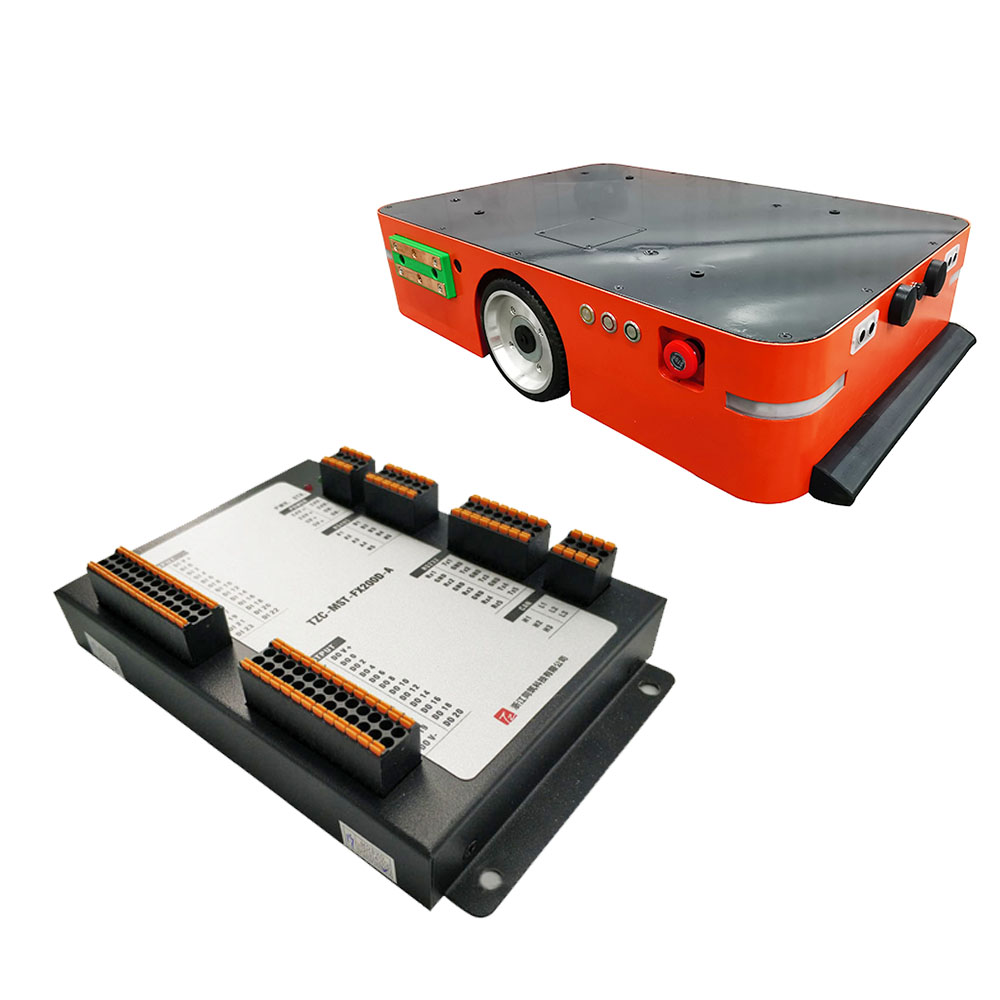
TZBOT Smart agv Controller for Commanding the AGV
A central command controller for AGV routing, task dispatch and safety logic, suited to lifting AGV retrofits and custom fleets that need predictable motion coordination.
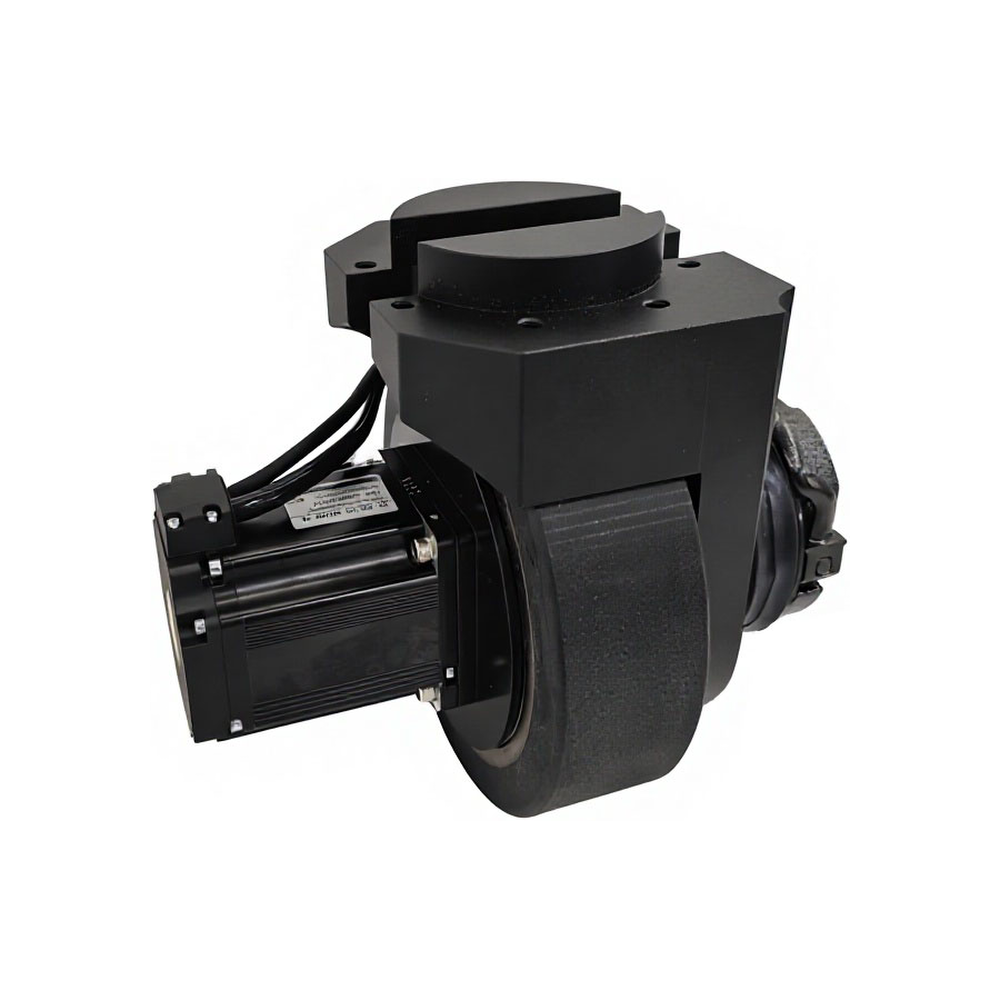
TZBOT agv Wheel Traction Accessories 1000kg Heavy Duty Capacity Material Handling Equipment Part Horizontal Drive Wheel Assembly
A 1,000 kg heavy-duty horizontal drive wheel assembly for low-clearance lifting AGV and material-handling chassis where build height is a hard constraint.
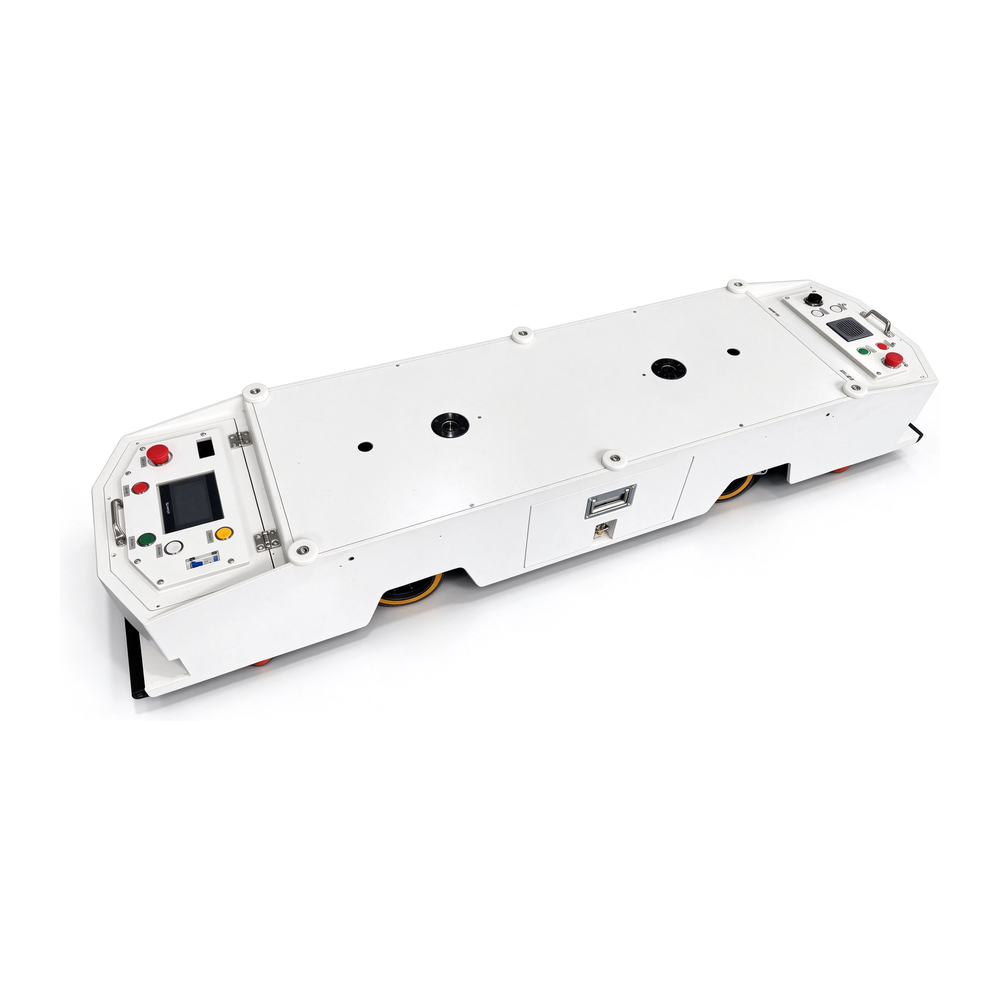
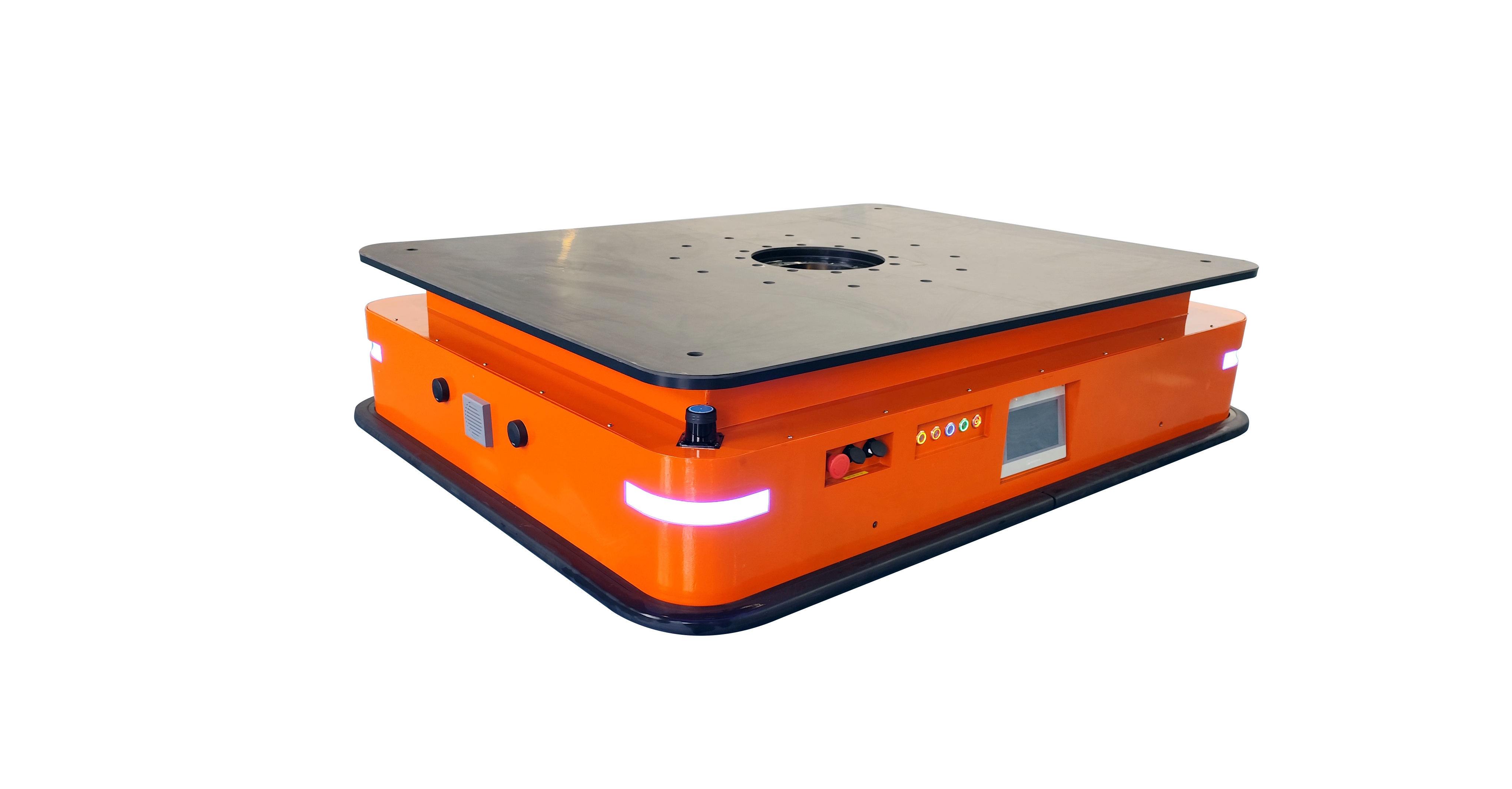
TZBOT 2500KG Lurking AGV Unmanned Control 8H Long Endurance Material Handling Mobile Robot for Shelf Towing
An 8-hour endurance shelf-towing robot for heavy cart and shelf movement, giving buyers a complete 2.5-ton-class unmanned platform rather than a component-only upgrade.
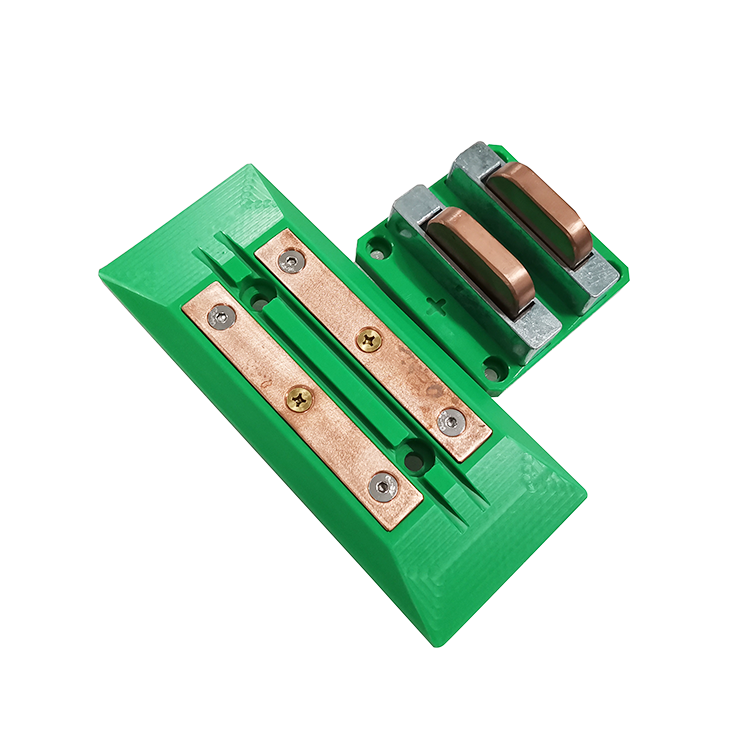
TZBOT Charger Pad Model TZ-CP-50A with Brush Plate and Brush Block for AGV Navigation Vehicles
Contact charging with brush plate and brush block for AGV navigation vehicles, supporting opportunity charging and reducing manual battery-swap downtime.
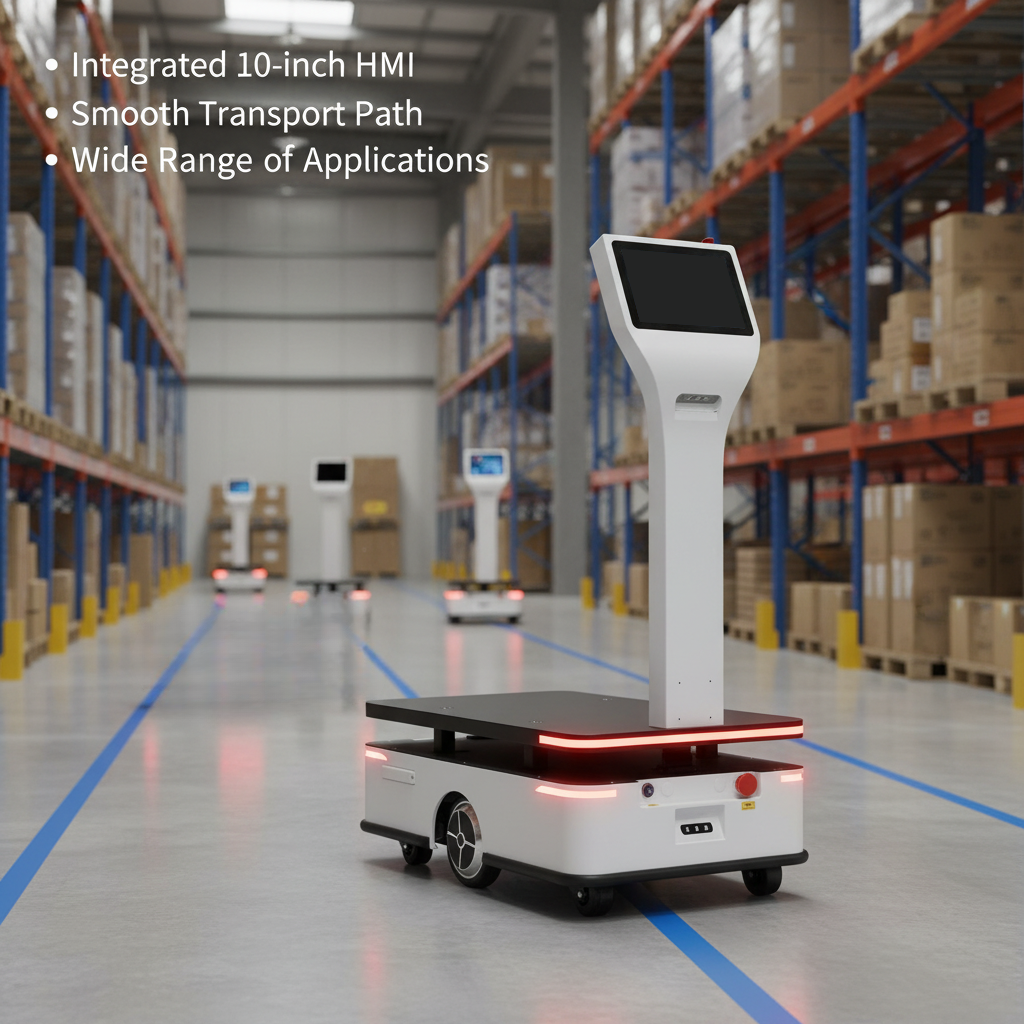
TZBOT Intelligent Warehouse Logistic Robot Unmanned Control System Customizable 80kg Payload agv Transfer Cart Slam Amr
A natural-navigation SLAM AMR cart for light electronics, e-commerce and line-side transfer, with a customizable top module for faster deployment without floor tape.
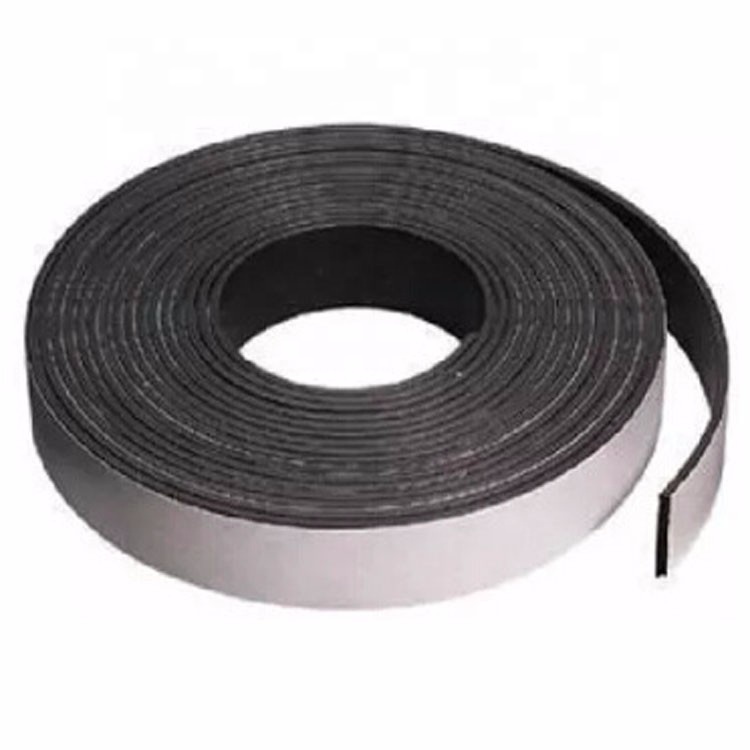
Sell Well Magnetic Tape Which N Pole up of 5cm Weith,25m One Roll for AGV Paved Path Can Retail or Wholesale
5 cm × 25 m N-pole guide tape for AGV paved paths, available for retail or wholesale route installation, expansion and maintenance projects.
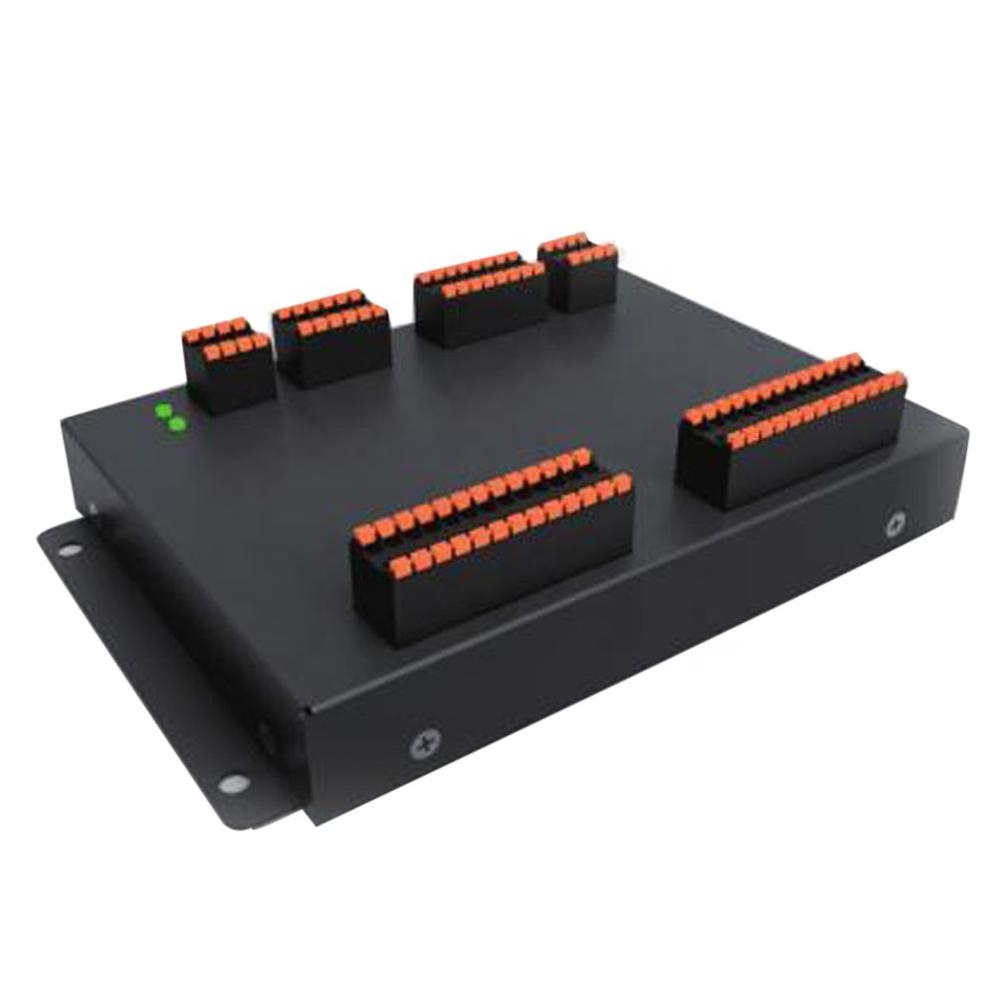
TZBOT TZC-MST-FX200D-A Controller for Commanding the AGV
An AGV command controller for vehicle motion logic, I/O coordination and integration with sensors, drivers and lifting mechanisms.

TZBOT 48V DC 2 Ton Heavy Duty Differential Unit AGV Wheel TZCS-750-30
A 48 V DC 2-ton differential wheel unit for heavy AGV platforms, combining heavy-duty traction with compact integration for OEM chassis builders.
What “Best” Really Means When Comparing China Lifting AGV Factories and Suppliers
Most buyers searching for the China best lifting AGV factory and suppliers are not only comparing unit prices. The deeper intent is risk reduction. A warehouse operator wants a vehicle that lifts, tows or transfers loads without repeat path failures. An OEM integrator wants matching drive wheels, motors, drivers and sensors. A distributor wants stable documentation, spare parts and delivery terms that do not create hidden after-sales costs.
The strongest supplier is therefore not the one with the loudest claim. It is the one that can show factory ownership, engineering depth, inspection evidence and a clear path from sample validation to mass production. Lifting AGV projects usually fail at the interfaces: wheel diameter versus chassis height, motor power versus slope, driver current versus battery voltage, and navigation choice versus actual traffic flow.
A practical RFQ should separate a lifting AGV vehicle supplier from a drive-train component factory. If you need a complete 2,500 kg shelf-towing robot, ask for vehicle validation. If you build your own chassis, ask for matched drive wheel, differential unit, controller and sensor data. This distinction shortens evaluation and exposes whether the supplier is truly engineering-led.
For international procurement, evidence matters more than adjective-heavy brochures. Confirm the manufacturing address, certification scope, testing instruments, prototype endurance process and export record. Ask how custom voltage, reduction ratio, encoder, brake and mounting interface are controlled on drawings. A factory able to answer these points usually reduces integration risk before the purchase order is issued.
Supplier Verification Checklist
- Factory address, business type and onsite verification evidence
- ISO 9001:2015 scope and latest quality management records
- In-house matching of wheels, motors, drivers and sensors
- Prototype endurance and finished-product inspection reports
- OEM/ODM drawing control, labeling and packaging terms
- Spare parts, technical response and export documentation support
Match the Lifting AGV Module to the Real Job
A lifting AGV project can be specified as a complete vehicle, a drive assembly, a control module or an infrastructure accessory. This comparison helps buyers choose the right starting point.
| Buyer Scenario | Recommended TZBOT Product | Why It Fits |
|---|---|---|
| Heavy shelf towing around 2.5 tons | 2500KG Lurking AGV | Complete unmanned platform with 8-hour endurance for repetitive shelf and cart movement. |
| Low-clearance AGV chassis around 1 ton | 1000kg Horizontal Drive Wheel Assembly | Horizontal layout preserves build height while retaining heavy-duty traction capacity. |
| 2-ton differential-drive OEM platform | TZCS-750-30 48V DC Differential Unit | Heavy-duty differential traction for builders who already control the upper vehicle design. |
| AGV routing, task dispatch and I/O logic | Smart AGV Controller or TZC-MST-FX200D-A | Two control levels for fleet command, vehicle motion logic and integration with sensors or lifting mechanisms. |
| Light SLAM-based material transfer | 80kg Payload SLAM AMR Transfer Cart | Natural navigation for flexible layouts where adding floor tape or QR grids is not desirable. |
| Fixed-route magnetic guidance deployment | 5cm × 25m N-Pole Magnetic Tape | Low-cost paved-path installation for stable routes, junction expansion and maintenance stock. |
| Automated opportunity charging | TZ-CP-50A Charger Pad with Brush Plate | Contact charging reduces manual intervention and supports higher fleet availability. |
| Lifting AGV retrofit or custom integration | Matched controller, drive wheel and navigation package | Single-source engineering review reduces interface risk between motion, sensing and control. |
Lifting AGV Procurement Trends for 2026–2030
Buyers are shifting from “Can you supply an AGV?” to “Can you prove total cost, safety, uptime and integration?” The sourcing criteria are becoming more engineering-driven.
Total Cost Over Unit Price
Procurement teams will compare energy use, charging strategy, spare-part consumption and downtime risk, not only the quoted vehicle price.
Single-Source Drive Trains
Buyers prefer wheel, motor, driver and sensor packages matched by one factory to avoid compatibility disputes during commissioning.
Functional Safety Evidence
Safety architecture, obstacle avoidance and traceable inspection will become routine purchase-order attachments, not optional extras.
Energy & Fleet Uptime
Opportunity charging, battery matching and fast technical response will matter more as lifting AGV fleets scale from a pilot to dozens of units.
How Lifting AGV Technology Is Evolving
The next generation of lifting AGV platforms will be judged by adaptability, safety determinism, energy efficiency and data integration.
Multi-Sensor Navigation
SLAM, lidar, magnetic guide and RFID will be combined rather than treated as competing choices, giving fallback accuracy in mixed environments.
Higher Payload, Lower Chassis
Horizontal drive units and compact differential wheels allow heavier loads under low-clearance vehicles, expanding lifting AGV use in dense warehouses.
Edge Intelligence
On-vehicle processing will improve obstacle classification, traffic negotiation and task re-routing without waiting for central system decisions.
Digital Twin & Fleet Data
Simulation, utilization data and traceable component records will support layout planning, predictive maintenance and supplier performance reviews.
Inside Zhejiang Torqen Technology Co., Ltd.
Founded in 2015 in Hangzhou, Zhejiang, Torqen is a manufacturer and trading company focused on AGVs, drive wheel assemblies, motors, controllers, sensors and AGV accessories for global automation builders.
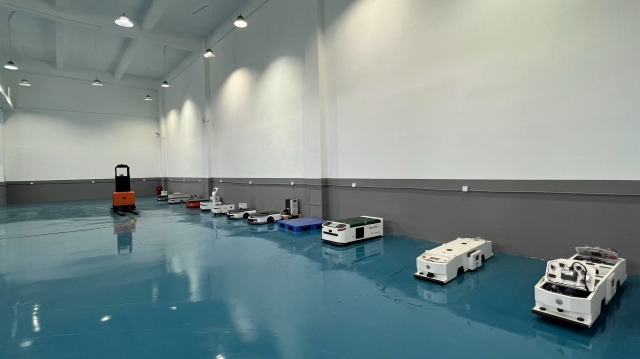
Torqen has built its factory advantage around motion control rather than catalogue assembly. The product range includes automatic guided vehicles, differential and steering drive wheels, horizontal drive assemblies, DC/AC motors, encoders, reducers, servo and BLDC controllers, magnetic guide sensors, RFID position sensors, lidar sensors, caster wheels, PU wheels and in-wheel motor units. This breadth matters because a lifting AGV is a system: traction, steering, lifting, sensing, charging and control must be engineered together.
The company operates a facility of 1,000–3,000 m² with a team of 51–100 people, annual output in the US$5M–10M range and eight awarded patents. Quality management is certified to ISO 9001:2015, and the facility has been verified onsite by Intertek. For buyers comparing China AGV suppliers, these are practical evidence points: a defined factory scope, a quality system, patent records and a declared production footprint.
Custom engineering is handled through sample-based customization, design-based customization, OEM production, design services and buyer-label packaging. Typical adaptations cover motor power and voltage, reduction ratio, wheel diameter and tread material, encoder type, brake options and mounting interfaces. Prototypes undergo extended-duration testing before production parts are released, and finished products are inspected with five in-house testing instruments.
Export support is equally important for a lifting AGV factory. Torqen accepts T/T, L/C, D/P, D/A, MoneyGram, credit card, PayPal, Western Union, cash and escrow, in USD, EUR, JPY, CAD, AUD, HKD, GBP or CNY. Delivery terms include FOB, CFR, CIF, EXW, CIP, FCA, CPT, DDU and express delivery. The sales and technical team reports a 97.9% inquiry response rate and a 4.9/5 buyer rating, which supports the practical side of international procurement.

Custom Drive Engineering
Motor power, voltage, reduction ratio, wheel tread, encoder and brake options can be matched to the lifting AGV chassis rather than forced into a catalogue fit.
Matched Electronics
Servo and BLDC drivers are tuned to Torqen drive wheels, while magnetic, RFID and lidar sensors support a single-source bill of materials.
Prototype & Endurance Testing
Extended-duration prototype runs and finished-product inspection reduce the chance that an unproven drive unit reaches a production AGV platform.
ISO 9001:2015
The quality management system is certified to ISO 9001:2015, supported by onsite verification and a defined production footprint in Zhejiang.
OEM / ODM Documentation
Sample-based customization, design-based customization, OEM production, design services and buyer-label packaging are supported for distributor and integrator programs.
Export & After-Sales Support
Flexible payment methods, multiple delivery terms and technical support help overseas buyers move from sample approval to repeat orders with fewer surprises.
From RFQ to Export Packing in Four Controlled Steps
A transparent engineering flow reduces sampling risk for buyers sourcing lifting AGV platforms and drive components from China.
Requirement Review
Payload, speed, gradient, voltage, chassis height and navigation data are assessed before a drive concept is proposed.
Drive-Train Matching
Motor, reducer, wheel, controller and sensor options are matched, with drawings and interface points shared for approval.
Prototype & Endurance Test
Sample or design-based customization is built, then run for extended periods to expose thermal, traction and control issues.
Production & Inspection
ISO 9001:2015 controlled manufacturing, finished-product inspection, export packing and shipment follow the approved specification.
Where Torqen Drive and AGV Components Are Used
The same motion-control building blocks support lifting AGV, AMR and other mobile equipment across demanding industries.
Common Questions When Buying Lifting AGV from China
Direct answers for procurement teams, OEM integrators and distributors evaluating a China lifting AGV factory and suppliers.
Are you a lifting AGV factory or a trading company?
Zhejiang Torqen Technology Co., Ltd. is a manufacturer and trading company founded in 2015 in Hangzhou, Zhejiang. The facility has been verified onsite by Intertek, and quality management is certified to ISO 9001:2015. Buyers can evaluate both vehicle-level products and component-level drive technology from one supplier.
What lifting AGV products can Torqen supply?
The range includes automatic guided vehicles, latent and jacking AGV platforms, shelf-towing robots, differential and steering drive wheels, horizontal drive wheel assemblies, servo and BLDC controllers, magnetic guide sensors, RFID position sensors, lidar sensors, charger pads, magnetic tape and AGV accessories. For a complete platform, the 2500KG lurking AGV is a direct starting point. For custom chassis builders, the 1000 kg horizontal drive wheel and 2-ton differential unit are common building blocks.
How do I choose between a 2500 kg lurking AGV and a 2-ton differential wheel unit?
Choose the 2500KG lurking AGV when you need a complete unmanned shelf-towing platform with 8-hour endurance and a known vehicle envelope. Choose the TZCS-750-30 48V DC 2-ton differential unit when your team already designs the chassis, lifting mechanism and control system and needs a heavy-duty traction assembly. The vehicle route reduces integration work; the component route gives OEM engineers more design control.
Which drive wheel type suits a low-clearance lifting AGV?
A horizontal drive wheel assembly is usually preferred for low-clearance AGV, under-ride carts and compact lifting platforms. A differential drive unit suits vehicles that turn by wheel-speed difference, while a steering drive wheel suits forklift or tricycle layouts that need controlled steering angles. Share chassis height, gross weight, speed and slope so the wheel diameter, motor power and reduction ratio can be matched correctly.
Do you support OEM and ODM customization?
Yes. Supported models include sample-based customization, design-based customization, OEM production, design services and buyer-label packaging. Typical changes include motor power and voltage, reduction ratio, wheel diameter and tread material, encoder type, brake options and mounting interfaces. Drawing approval and prototype testing are recommended before production release.
How is product quality verified before shipment?
Quality control combines an ISO 9001:2015 management system, onsite factory verification, five in-house testing instruments, finished-product inspection and extended-duration prototype testing. For lifting AGV projects, buyers should also request the approved drawing, motor and wheel configuration, controller parameter list, packing method and spare-parts recommendation with the final inspection records.
What payment and delivery terms are accepted?
Accepted payment methods include T/T, L/C, D/P, D/A, MoneyGram, credit card, PayPal, Western Union, cash and escrow. Supported currencies include USD, EUR, JPY, CAD, AUD, HKD, GBP and CNY. Delivery terms include FOB, CFR, CIF, EXW, CIP, FCA, CPT, DDU and express delivery, depending on destination and order scope.
What information should I send for a fast lifting AGV quotation?
Send the load weight, lifting height, target speed, maximum gradient, battery voltage, available chassis height, required wheel diameter, navigation method, safety standard, annual volume and whether you need samples or production quantities. For custom drive wheels, include mounting drawings, encoder feedback requirements and brake preference. Complete RFQ data usually reduces back-and-forth and shortens the sampling cycle.
Specifying a New Lifting AGV Platform?
Send your load, speed, chassis height and navigation requirements. The factory team can recommend matching drive wheels, controllers, sensors and charging accessories for a complete, testable solution.
Email: info@torqenbot.com