China Best Natural Navigation AGV Factory & Exporters
Factory-direct natural navigation AGV platforms, AGV smart controllers, heavy-duty drive wheels and mobile robot chassis from Zhejiang Torqen Technology Co., Ltd. — an ISO 9001:2015 certified, Intertek onsite-verified manufacturer established in 2015.
What Makes a Natural Navigation AGV Factory “Best Fit” for Export Procurement?
A high-intent search for “China best natural navigation AGV factory & exporters” usually points to an active procurement project. The right partner should prove engineering depth, manufacturing control, export readiness and honest application guidance — not only publish a product catalogue.
Natural navigation AGVs are often described as “infrastructure-free,” but that shorthand hides the engineering work. Natural-feature navigation uses environmental references — lidar features, 3D cameras, IMU data and wheel odometry — to localize and plan paths. It can remove magnetic tape and floor QR grids, yet it also raises requirements for sensor calibration, map maintenance, safety-rated obstacle detection, lighting stability and fleet software discipline. For a dynamic warehouse with changing routes, natural navigation can be a strong fit. For a fixed 30-metre transfer line with stable traffic and low dust, magnetic guidance can still be the more economical and repeatable choice. A credible factory should explain those trade-offs before quoting.
Natural navigation is a system decision, not a sensor checkbox
The vehicle’s navigation performance depends on the complete drive train: motor torque, wheel tread, suspension, encoder resolution, controller response, brake logic and sensor fusion. A controller that performs well on a bench can still behave poorly when paired with a mismatched wheel diameter or a servo driver without tuned parameters. This is why single-source integration matters. Zhejiang Torqen Technology Co., Ltd. manufactures AGV drive wheels, servo/BLDC controllers, navigation sensors and complete automatic guided vehicles, and matches those components before the first prototype is released. That reduces the common procurement risk in which the controller supplier, wheel supplier and sensor supplier each pass a local test while the assembled AGV fails in the aisle.
What buyers should verify before treating an exporter as “best”
Request the quality-system certificate and the onsite audit report, then ask for product-specific evidence: no-load current, temperature rise, backlash, braking response, insulation resistance, encoder signal stability and endurance-run records. For natural navigation platforms, ask for controller firmware version control, communication protocol documentation, parameter files and the process for changing sensor calibration. Ask about spare-part lead times, because a low unit price will not protect a warehouse if a drive wheel or controller cannot be replaced quickly. The strongest exporter is not the one with the most optimistic claim; it is the one that can show traceability from drawing to tested prototype to export packing.
The product set in this guide reflects a practical route for procurement teams: choose a controller architecture first, then select the drive wheel by payload and chassis height, then confirm the navigation and safety sensors. For compact mobile manipulators, the 200 kg backpack AGV chassis offers a starting platform. For fixed-route European logistics automation, the EU CE 500 kg magnetic guidance lurking AGV remains a rational option. For heavy loads, the 3,000 kg differential drive wheel and 1,000 kg suspension drive wheel address the structural side of the design. The right mix is the one that matches the route, floor, payload, duty cycle and service plan.
Evidence to request from any AGV exporter
- ISO 9001:2015 certificate with a scope that covers the relevant product family.
- Intertek or equivalent onsite factory verification, not only a trading-company registration.
- Test records for the exact drive wheel or controller model being quoted.
- Controller pinout, communication protocol, parameter file and firmware revision history.
- Spare-part list with replacement intervals, moq and lead time.
- Export references that match your floor, payload and navigation environment.
8 Factory-Direct Products for Natural Navigation AGV Projects
These eight products cover controller architectures, heavy-duty drive wheels and complete AGV platforms. Each image links to the original product URL so your engineering team can compare specifications without losing the source reference.
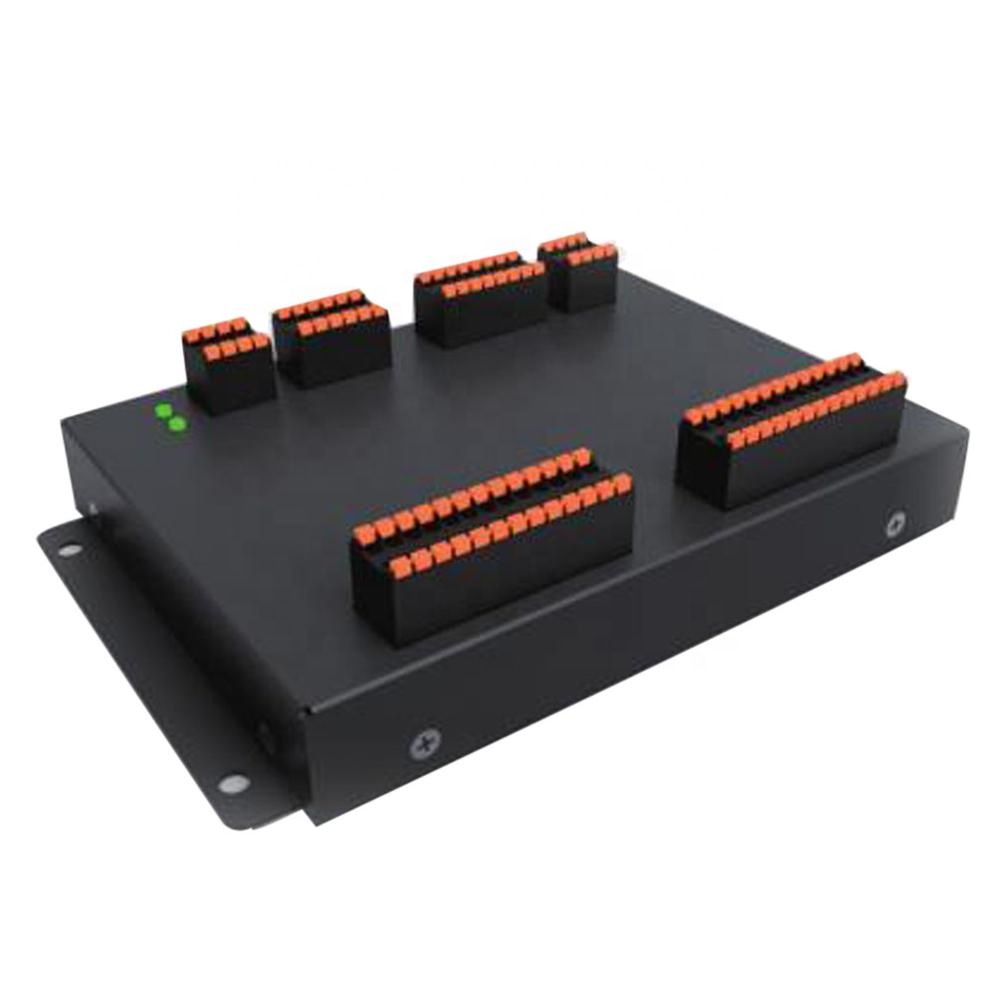
TZBOT Smart Controller TZC-MST-FX200D-A for Guiding the AGV Robot
A practical control platform for route guidance, motion coordination and AGV system integration.
View specification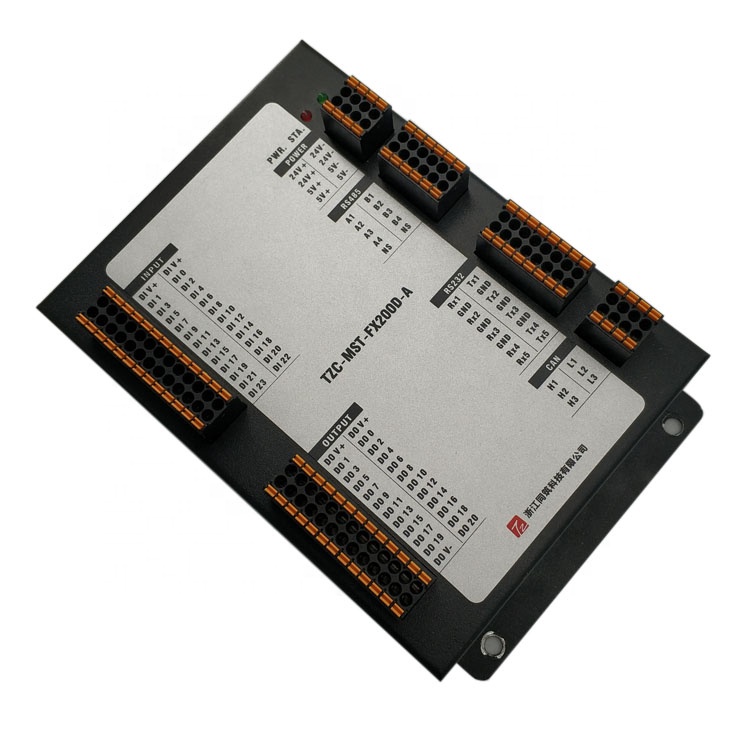
TZBOT AGV Smart Controller TZC-MST-FX200D-A with Function of Mapping and Auto Guide for agv
Mapping and auto-guide control for prototypes that need route planning and onboard map management.
View specification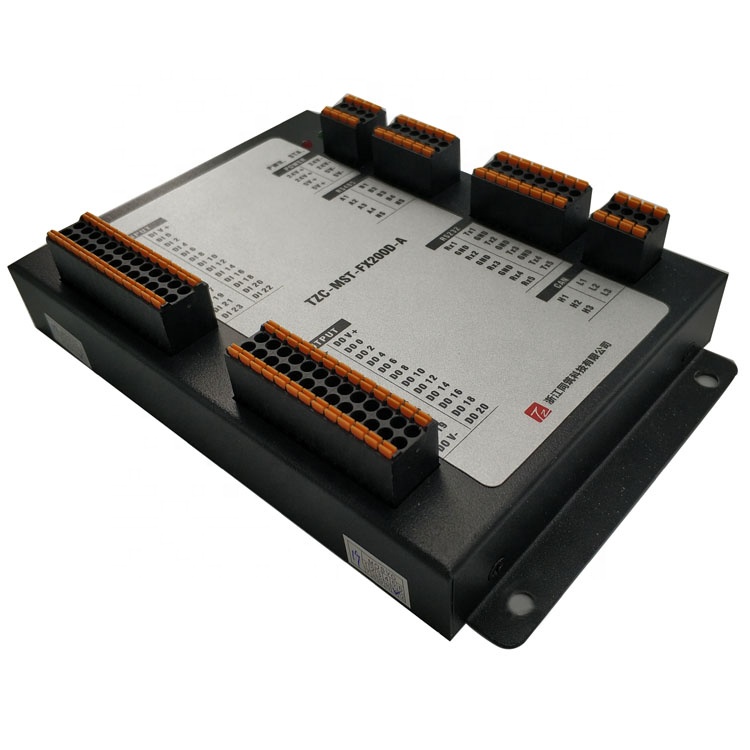
Smart AGV Controller TZC-MST-FX200D-A with Auto Guide Apply for Building Material Shops
Controller variant for repetitive material transfer in building-material shops and yard-to-aisle logistics.
View specification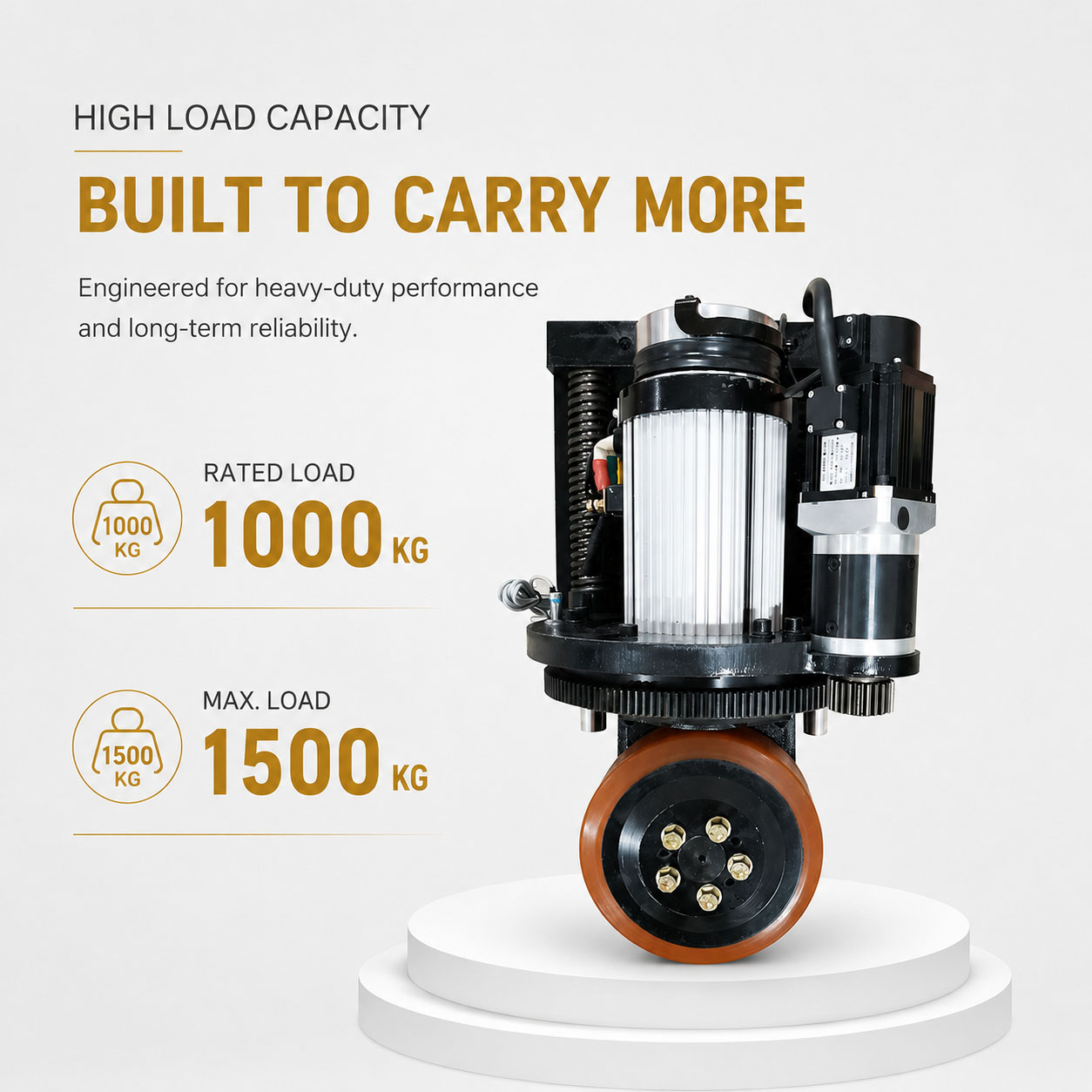
TZBOT 1000KG Bearing Duty 1500w Servo Motor AGV Forklift Driving Wheel with Suspension for Automatic Forklift
1,000 kg suspension drive wheel with 1,500 W servo motor for automatic forklifts and uneven floors.
View specification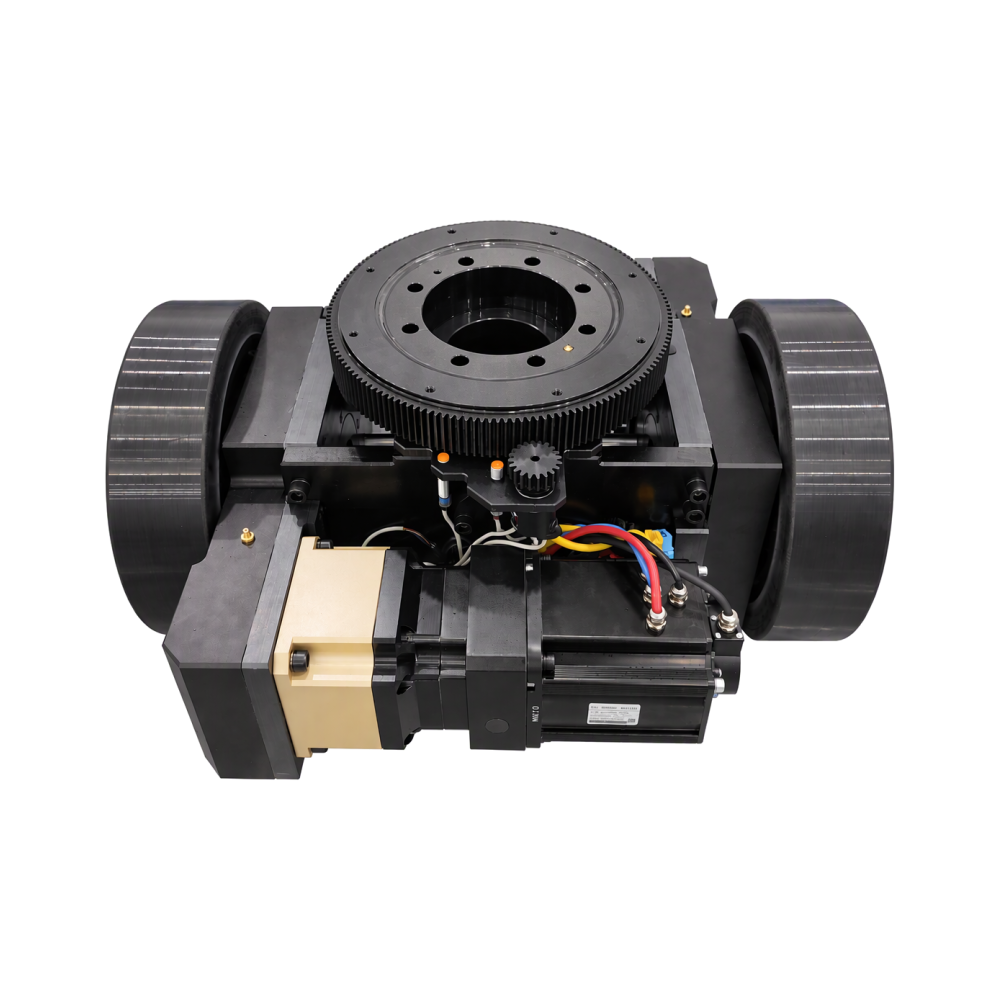
TZBOT Heavy Duty Series Robot Wheel 3000kg Bearing Capacity AGV Material Handling Equipment Differential Drive Wheel Assembly
High-capacity differential drive assembly for tonnage carts, industrial transfer and heavy material handling.
View specification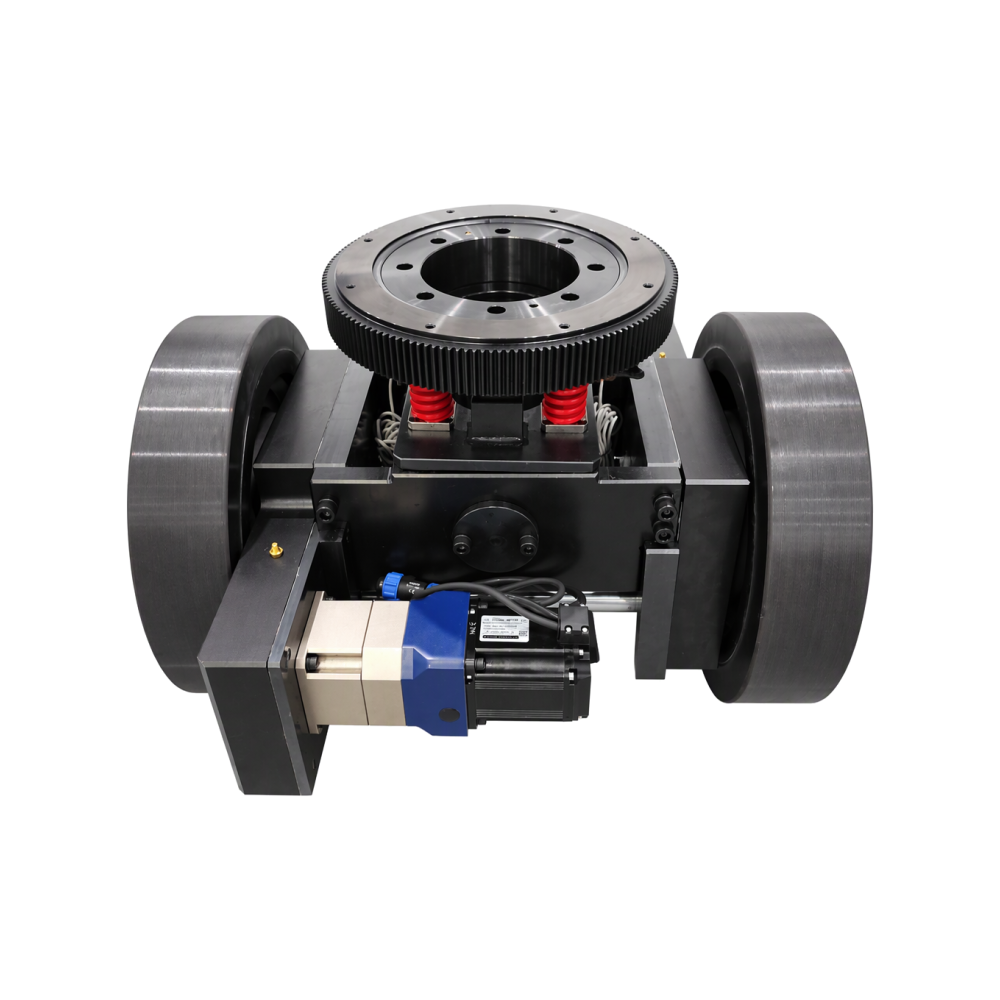
TZBOT Heavy Duty Series agv Wheel 1000w 48v Servo Motor Control Mobile Robot Differential Drive Wheel with Spring Suspension
1,000 W 48 V servo differential drive wheel with spring suspension for mobile robot traction control.
View specification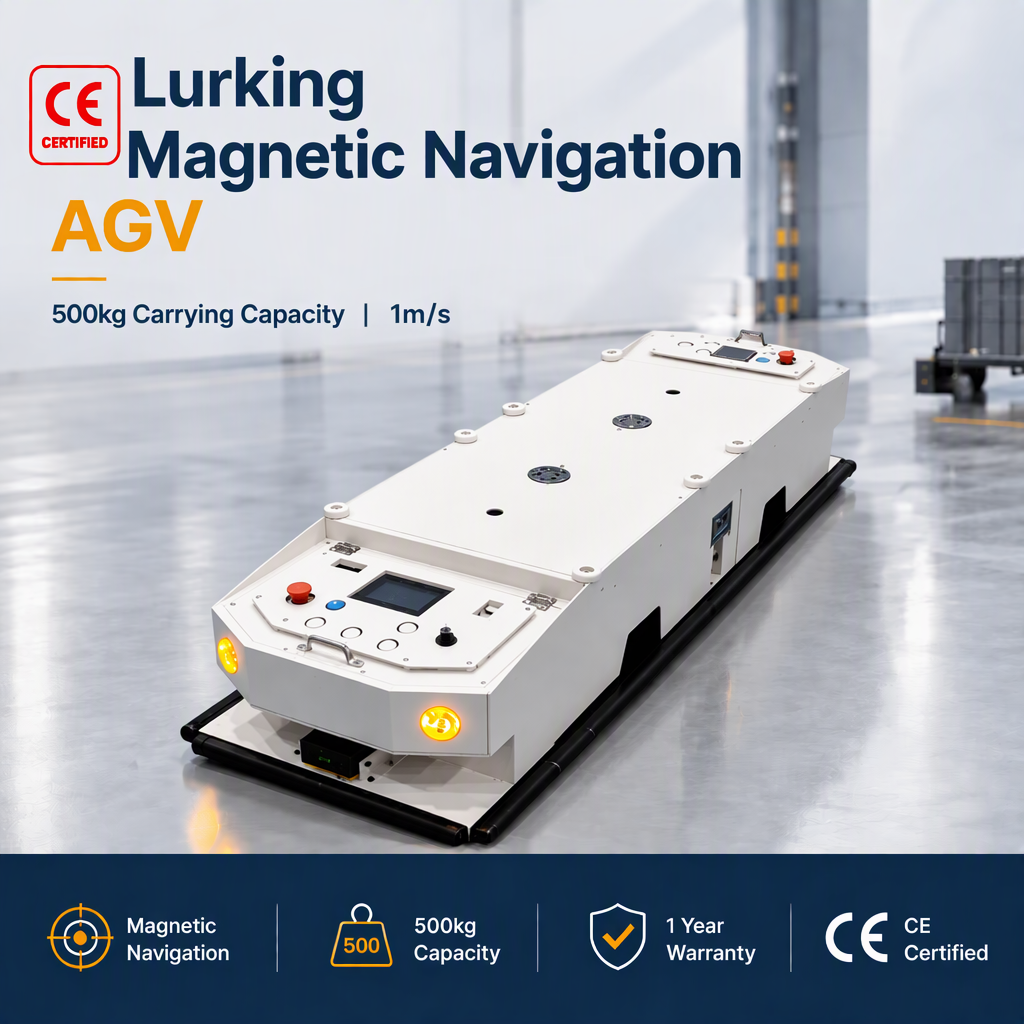
TZBOT EU CE Lurking AGV Material Handling Equipment Logistic Automation 500kg Bidirectional Magnetic Guidance Mobile Robot
500 kg bidirectional magnetic guidance lurking AGV for fixed-route logistics automation and EU markets.
View specification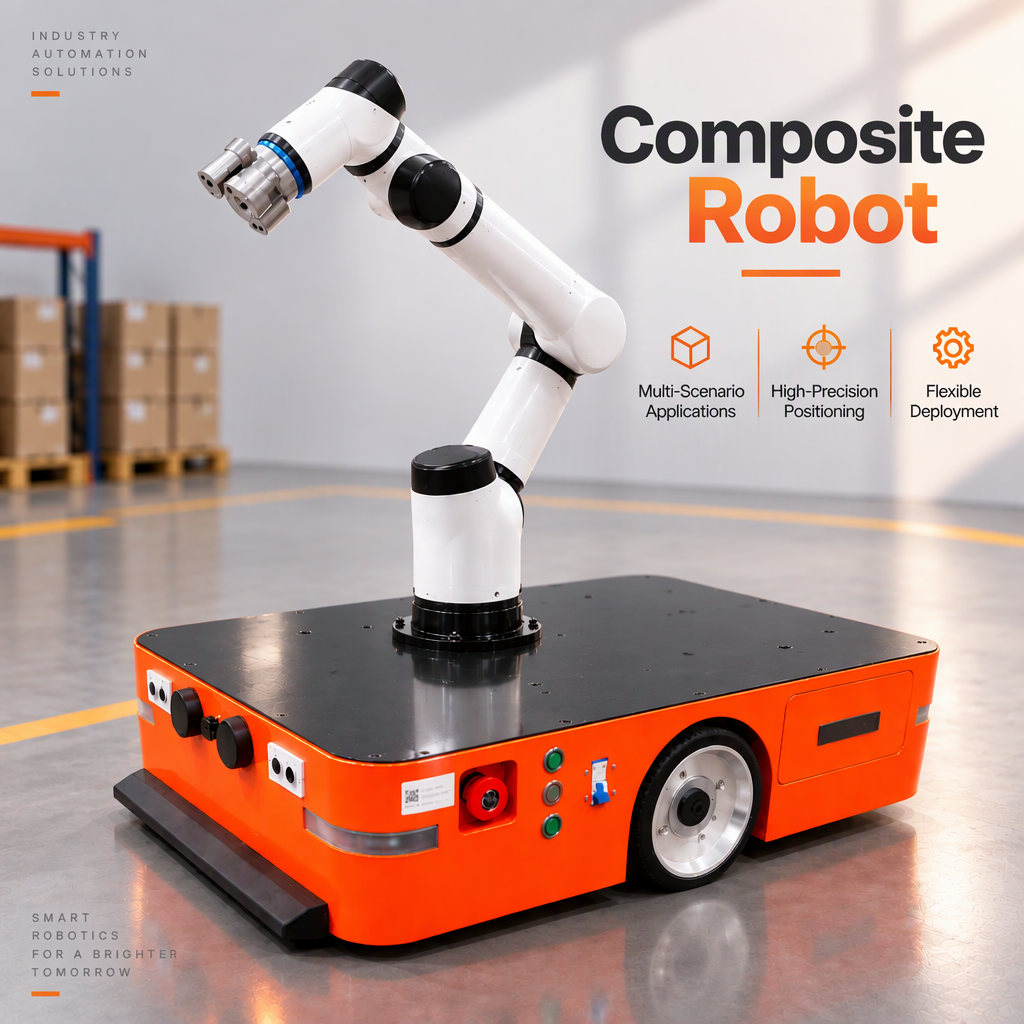
TZBOT Backpack AGV 200kg Load Capacity Chassis Magnetic Guidance Composite Robot with Robotic Arm
Compact 200 kg backpack AGV chassis for robotic arm integration, assembly support and flexible handling.
View specificationProduct Recommendations by Natural Navigation AGV Use Case
Use the application notes below to shortlist the first engineering sample. The controller, drive wheel and vehicle platform should be specified together, because payload, floor friction, turning radius and battery voltage all change the optimal configuration.
For a new natural-navigation platform
Start with the TZC-MST-FX200D-A controller family for guide, mapping and auto-guide functions. Pair it with the 1,000 W 48 V servo differential drive wheel when a compact chassis needs spring suspension and precise speed control. Confirm the controller IO, brake logic and encoder interface before sample approval.
For automatic forklift and heavy transfer
The 1,000 kg suspension drive wheel with 1,500 W servo motor is designed for automatic forklifts and uneven floors. For higher loads, the 3,000 kg differential drive wheel assembly gives a heavier structural platform. Both choices require a brake and safety review, especially when the vehicle handles raised loads or operates near pedestrians.
For fixed-route or hybrid logistics
Natural navigation does not always replace every fixed route. The EU CE 500 kg magnetic guidance lurking AGV is suitable for stable transfer loops, while the 200 kg backpack AGV chassis supports composite robot integration. A hybrid design can use natural navigation in open zones and magnetic or QR docking at final stations, balancing flexibility with repeatability.
What AGV Buyers Will Evaluate More Carefully in the Next Procurement Cycle
Price remains important, but the purchasing decision is shifting toward total lifecycle performance, integration evidence and supply continuity. These are the signals our application engineers see in serious AGV and AMR projects.
Total cost of ownership replaces unit price
Buyers now score energy efficiency, tyre wear, encoder replacement, brake service, spare-part lead time and firmware support. A matched motor, reducer, wheel and driver package shortens troubleshooting and protects uptime.
Sensor-fusion readiness becomes a data request
Natural navigation projects need clock synchronization, CAN/RS485/Ethernet interfaces, enough IO and traceable firmware revisions. Procurement teams increasingly request interface documentation before approving a sample.
Compliance evidence is no longer optional
CE-marked mobile robots, ISO 9001:2015 quality records, risk assessments, battery documentation and emergency-stop logic are treated as procurement evidence. Exporters must be able to support the integrator’s technical file.
Modular dual sourcing protects production
One controller family across several wheel sizes reduces spare inventory and training. Standard mounting interfaces allow a second drive-wheel source without redesigning the chassis, which is increasingly valuable during long fleet rollouts.
How Natural Navigation AGV Technology Is Evolving
The next generation of AGV platforms will not be judged only by whether they can navigate from A to B. They will be judged by how consistently they do it across changing routes, mixed traffic, variable floor conditions and multi-shift duty cycles.
Hybrid navigation becomes the practical standard
Lidar SLAM and natural-feature localization provide route flexibility, while QR or magnetic docking supplies repeatability at conveyors, lifts and charging stations. Hybrid architecture gives procurement teams a route to upgrade without replacing the entire floor infrastructure.
Higher payload density with better traction
Heavy-duty drive wheels with spring suspension help maintain wheel contact on uneven floors. The 1,000 kg and 3,000 kg drive wheel families show the direction: more payload per chassis, but with more attention to floor load, tyre compound, braking distance and frame stiffness.
Integrated servo and controller matching
Procurement teams are moving away from assembling unmatched motors, drivers and controllers. Factory-matched servo systems reduce parameter tuning, improve response consistency and simplify replacement when a fleet scales from a pilot to dozens of vehicles.
Fleet data and safety supervision move onboard
Controllers are becoming edge gateways for diagnostic data, battery state, fault logs and safety events. Buyers will ask for exportable logs, remote firmware planning and clear responsibility boundaries between the AGV controller, fleet manager and safety PLC.
Natural Navigation vs Magnetic Guidance vs QR Code Navigation
There is no universal winner. Use this comparison to align the navigation method with the route stability, infrastructure budget, floor environment and fleet software plan.
| Navigation method | Infrastructure requirement | Best-fit applications | Procurement caution |
|---|---|---|---|
| Natural navigation / lidar SLAM | No fixed tape or QR grid; relies on stable environmental features, mapping and sensor calibration. | Changing warehouse layouts, mixed fleets, large open zones and projects where floor modification is expensive. | Validate feature-poor aisles, glass walls, dust, pallet congestion and lighting. Ask for map-update workflow and sensor-fusion documentation. |
| Magnetic guidance | Magnetic tape installed on the floor; station tags optional. | Fixed transfer loops, repetitive production lines, low-cost automation and stable route structures. | Layout changes require tape rework. Confirm tape protection, floor cleaning procedure and sensor height tolerance. |
| QR code navigation | QR grid or station markers on the floor; central scheduling often required. | Goods-to-person systems, dense storage grids and high-accuracy station docking. | Floor cleanliness and code maintenance matter. Confirm camera height, code replacement plan and traffic-control logic. |
| Hybrid navigation | Natural navigation for main routes plus magnetic or QR docking at selected stations. | Brownfield automation where part of the route is fixed and part must remain flexible. | Define responsibility between navigation layers. Test handover accuracy, recovery behavior and fault escalation. |
Inside Zhejiang Torqen Technology Co., Ltd.
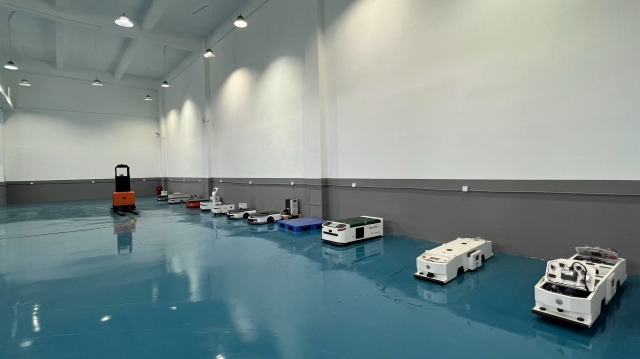
Established in 2015 in Hangzhou, Zhejiang, the company manufactures automatic guided vehicles, AGV drive wheel assemblies, DC/AC motors, encoders, reducers, servo/BLDC controllers, magnetic guide sensors, RFID position sensors, lidar sensors, caster wheels and smart AGV controllers.
One factory for the complete AGV drive train
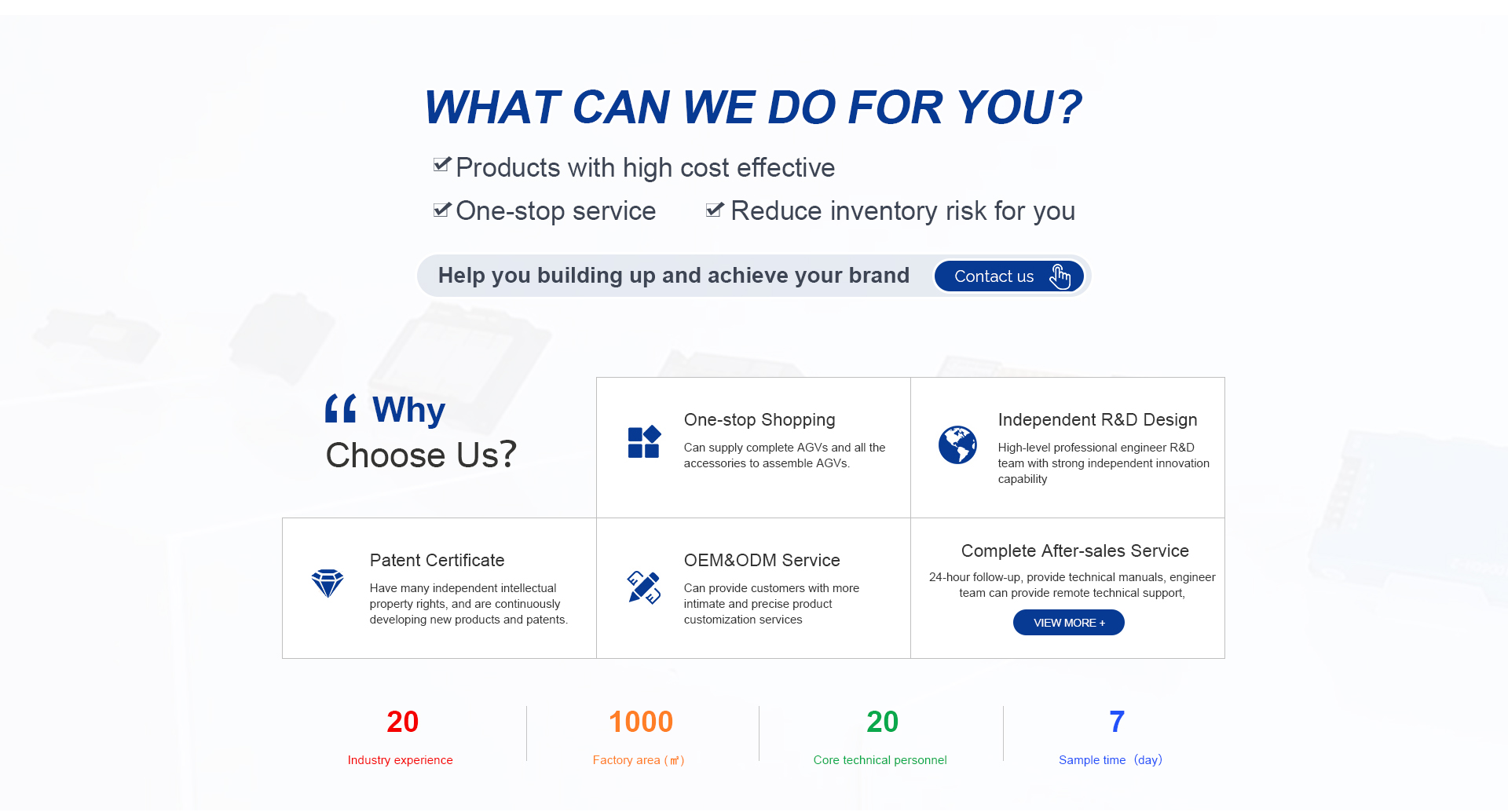
Buying wheels, motors, drivers and sensors from separate vendors creates integration risk. Torqen designs, matches and tests them together, so the chassis, motion control and navigation electronics can be validated as a system. The company’s own product range includes differential drive wheels, steering drive wheels, horizontal drive assemblies, smart controllers, navigation sensors and complete AGV platforms.
Customization is available through sample-based customization, design-based customization, OEM production, design services and buyer-label packaging. Typical changes include motor power and voltage, reduction ratio, wheel diameter and tread material, encoder type, brake options and mounting interfaces. Prototypes undergo extended-duration testing before production parts are released, and finished-product inspection is supported by five in-house testing instruments.
The quality system is certified to ISO 9001:2015 and the facility has been verified onsite by Intertek. Buyer feedback shows a 4.9/5 rating and a 97.9% inquiry response rate. The factory is located in Hangzhou, Zhejiang, China, with export support for global automation builders, OEM integrators and distributors.


From Specification to Shipment in Six Controlled Steps
This workflow is designed for engineering buyers who need predictable sampling, traceable testing and a clean transition from prototype to mass production.
Requirement review
Payload, speed, voltage, floor condition and chassis height are assessed.
Engineering proposal
Motor, reducer, wheel and controller are matched; drawings are shared.
Prototype build
Sample or design-based customization is produced to the agreed interface.
Endurance testing
Extended-duration runs and parameter checks precede production release.
Mass production
Manufacturing is controlled under the ISO 9001:2015 quality system.
Inspection & delivery
Final inspection, export packing, documentation and global shipping.
Flexible Payment, Delivery and Engineering Support
A dedicated sales and technical team answers buyer inquiries quickly and stays with the project after delivery. Export terms are structured for global OEM integrators, distributors and end users.
Payment methods
T/T, L/C, D/P, D/A, MoneyGram, credit card, PayPal, Western Union, cash and escrow are accepted.
Delivery terms
FOB, CFR, CIF, EXW, CIP, FCA, CPT, DDU and express delivery are available for export orders.
Service & currency support
24/7 online response, wiring diagrams, driver parameter files and commissioning guidance are available. Currencies include USD, EUR, JPY, CAD, AUD, HKD, GBP and CNY.
Common Questions About Natural Navigation AGV Sourcing
These answers address the questions buyers usually ask before requesting a sample, confirming a drive wheel configuration or placing an export order.
What is a natural navigation AGV, and is it always better than magnetic guidance?
A natural navigation AGV localizes by comparing live sensor data with a map of environmental features, typically using lidar, 3D cameras, IMU data and wheel odometry. It is not automatically better. It is strongest when routes change, floor modification is expensive or the environment has stable features. Magnetic guidance can be more economical and repeatable for fixed routes with stable traffic. A credible supplier should recommend the navigation method that fits the route rather than the highest-priced option.
Which product should I choose for a new natural navigation AGV platform?
Start with payload, speed, acceleration, gradient, battery voltage and chassis height. For compact robots, the 1,000 W 48 V servo differential drive wheel with spring suspension is a practical starting point. For automatic forklifts, review the 1,000 kg suspension drive wheel with 1,500 W servo motor. For tonnage transfer, evaluate the 3,000 kg differential drive wheel assembly. Match the controller to the selected drive and sensors, and confirm brake, encoder and communication requirements before the prototype build.
Does Zhejiang Torqen support OEM and ODM customization?
Yes. The company offers sample-based customization, design-based customization, OEM production, design services and buyer-label packaging. Typical customizations include motor power and voltage, reduction ratio, wheel diameter and tread material, encoder type, brake options and mounting interfaces. Share the target interface drawing, environmental conditions and annual quantity so the engineering team can confirm feasibility and sampling steps.
How is product quality verified before export?
The quality management system is certified to ISO 9001:2015, and the facility has been verified onsite by Intertek. Finished-product inspection is supported by five in-house testing instruments. Prototypes undergo extended-duration testing before production parts are released. For high-risk applications, request the model-specific test record, controller parameter file and spare-part list with the quotation.
What information should I send for a drive wheel recommendation?
Provide gross vehicle weight, payload, load centre, target speed, acceleration, maximum gradient, wheel diameter limit, floor condition and cleaning procedure. Also include battery voltage, communication protocol, brake requirement, annual quantity and the safety standard applied to the vehicle. These values determine motor power, reduction ratio, wheel diameter, tyre tread and suspension choice, and they shorten the sampling cycle considerably.
What payment, currency and delivery terms are accepted?
Accepted payment methods include T/T, L/C, D/P, D/A, MoneyGram, credit card, PayPal, Western Union, cash and escrow. Orders can be quoted in USD, EUR, JPY, CAD, AUD, HKD, GBP or CNY. Delivery terms include FOB, CFR, CIF, EXW, CIP, FCA, CPT, DDU and express delivery. Confirm the Incoterm, destination port and inspection requirement before the order is released.
Which industries use Torqen drive products?
Torqen drive products are used in AGVs and AMRs, forklifts, aerial work platforms, airport equipment, agricultural machines, hydraulic applications, floor scrubbers and sweepers, wind energy, marine equipment and medical devices. The common requirement is controlled electric motion in a compact or demanding mobile platform.
How do I evaluate whether a China AGV exporter is reliable?
Verify the legal entity, factory address and certification scope. Review test reports for the exact model, not only a catalogue claim. Ask for controller firmware version control, pinout, communication protocol, spare-part lead times and reference projects. Check whether the exporter can explain trade-offs between natural navigation, magnetic guidance and QR docking. A reliable partner will protect the project from an over-specified or mismatched solution.
Send Your Natural Navigation AGV Specification
Share payload, speed, chassis height, battery voltage, navigation method, annual quantity and target export market. Our engineers will return a drive wheel, controller and sensor configuration with lead-time and trade-term guidance.
