8 Factory-Direct AGV Products for Wholesale and OEM Procurement
The products below represent the practical buying matrix for distributors, integrators and fleet builders sourcing from China: heavy-duty drive wheels, smart AGV controllers, magnetic-navigation robots and low-clearance horizontal drive assemblies. Each product image is shown complete, and each original product URL is preserved below for direct technical review.
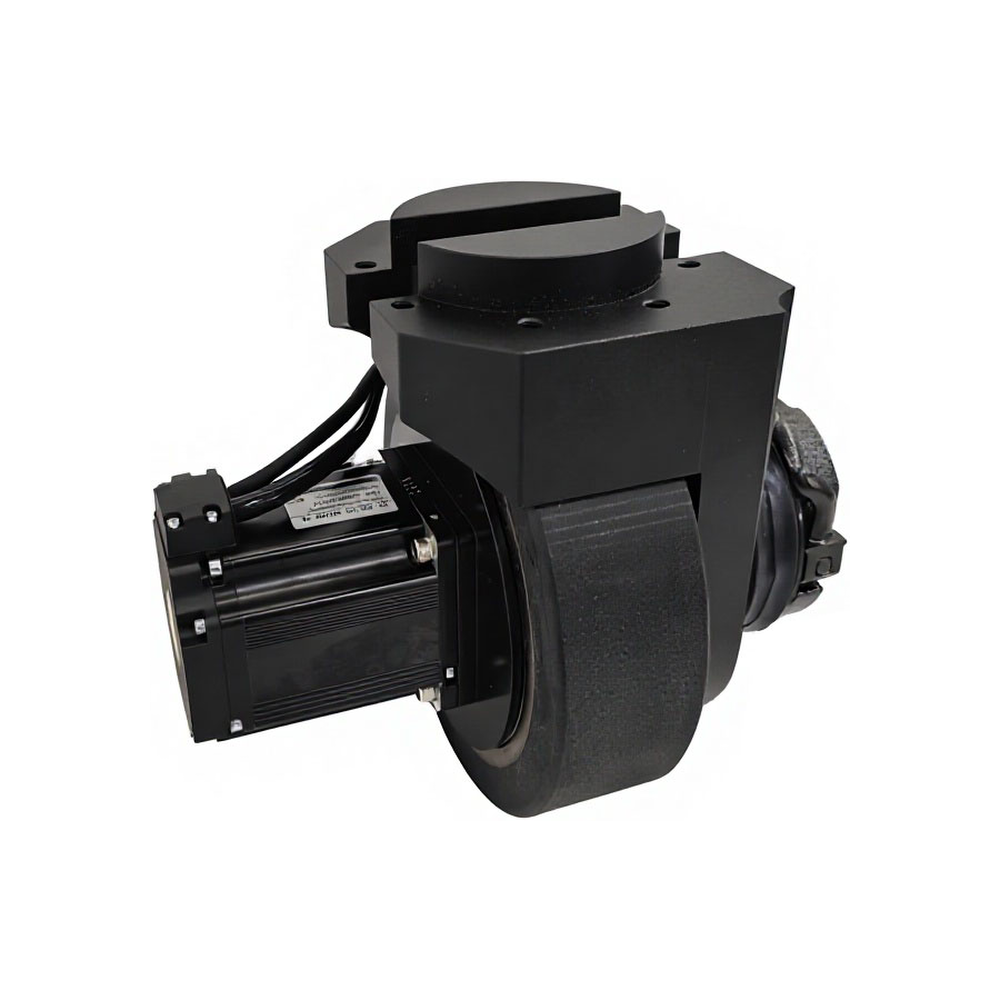
TZBOT agv Wheel Traction Accessories 1000kg Heavy Duty Capacity Material Handling Equipment Part Horizontal Drive Wheel Assembly
A 1,000 kg-class horizontal drive wheel for stable traction, tight chassis packaging and material handling equipment builds.
- 1,000 kg capacity
- Horizontal drive
- Wholesale/OEM
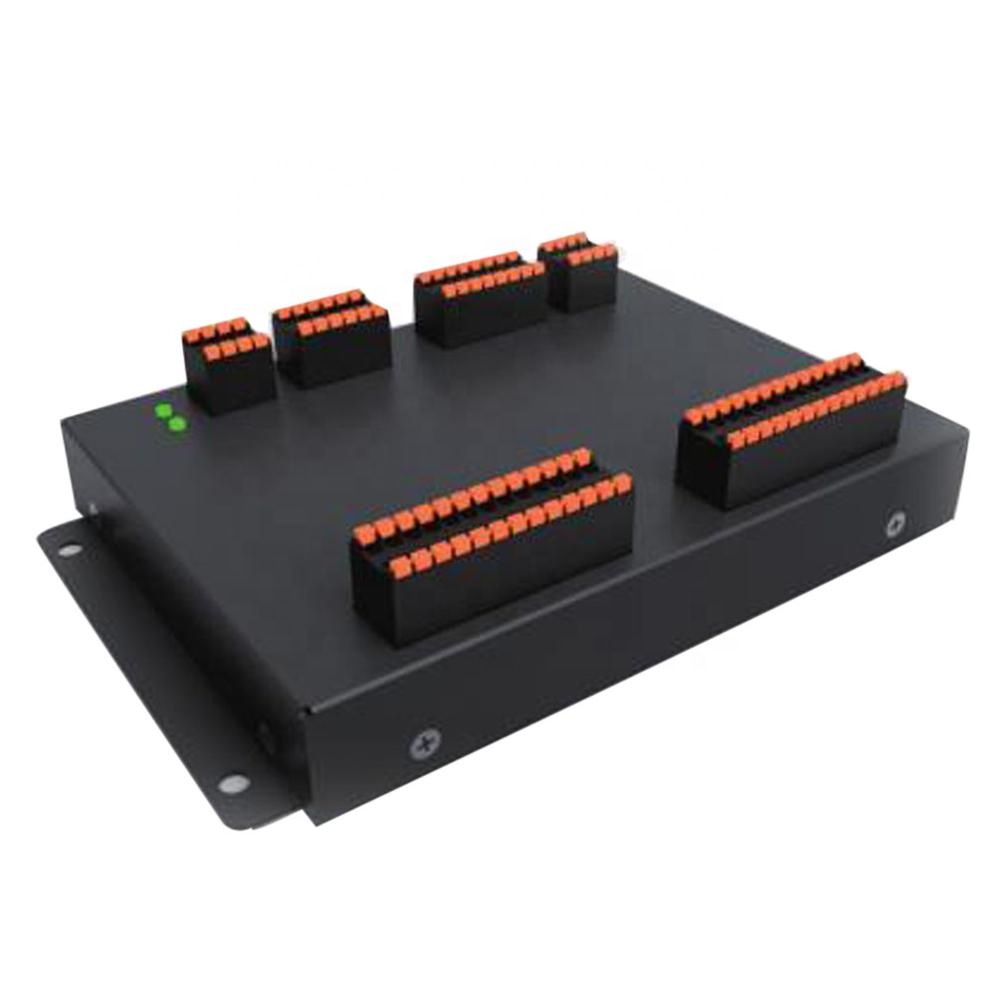
TZBOT Smart Controller TZC-MST-FX200D-A for Guiding the AGV Robot
A dedicated smart controller for AGV guidance, route execution and coordinated motion control in automated handling systems.
- TZC-MST-FX200D-A
- AGV guidance
- Integration-ready
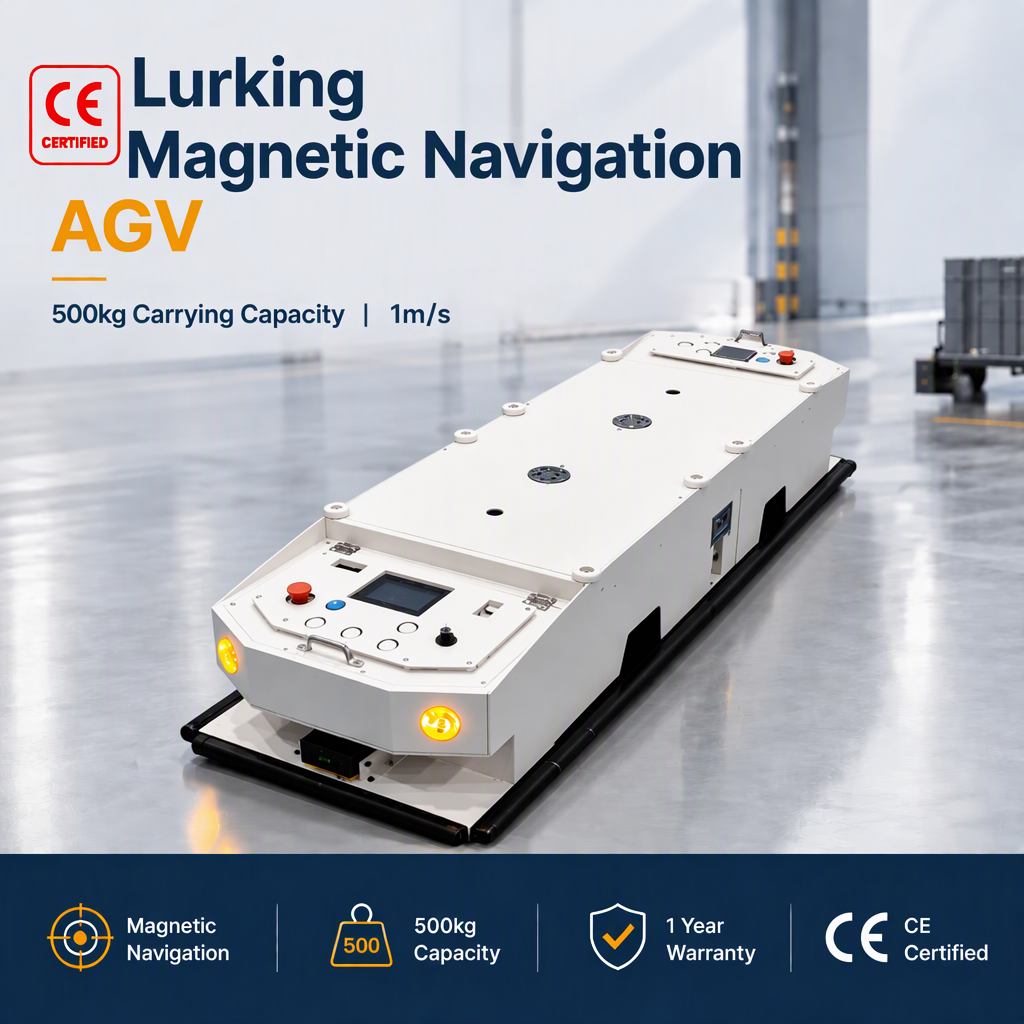
TZBOT CE Approved 500kg Bidirectional Lurking Robot 500kg Towing Capacity Material Handling Equipment Magnetic Navigation AGV
A CE-approved bidirectional lurking robot for under-cart towing and repetitive material movement using magnetic navigation.
- 500 kg towing
- Bidirectional
- Magnetic navigation
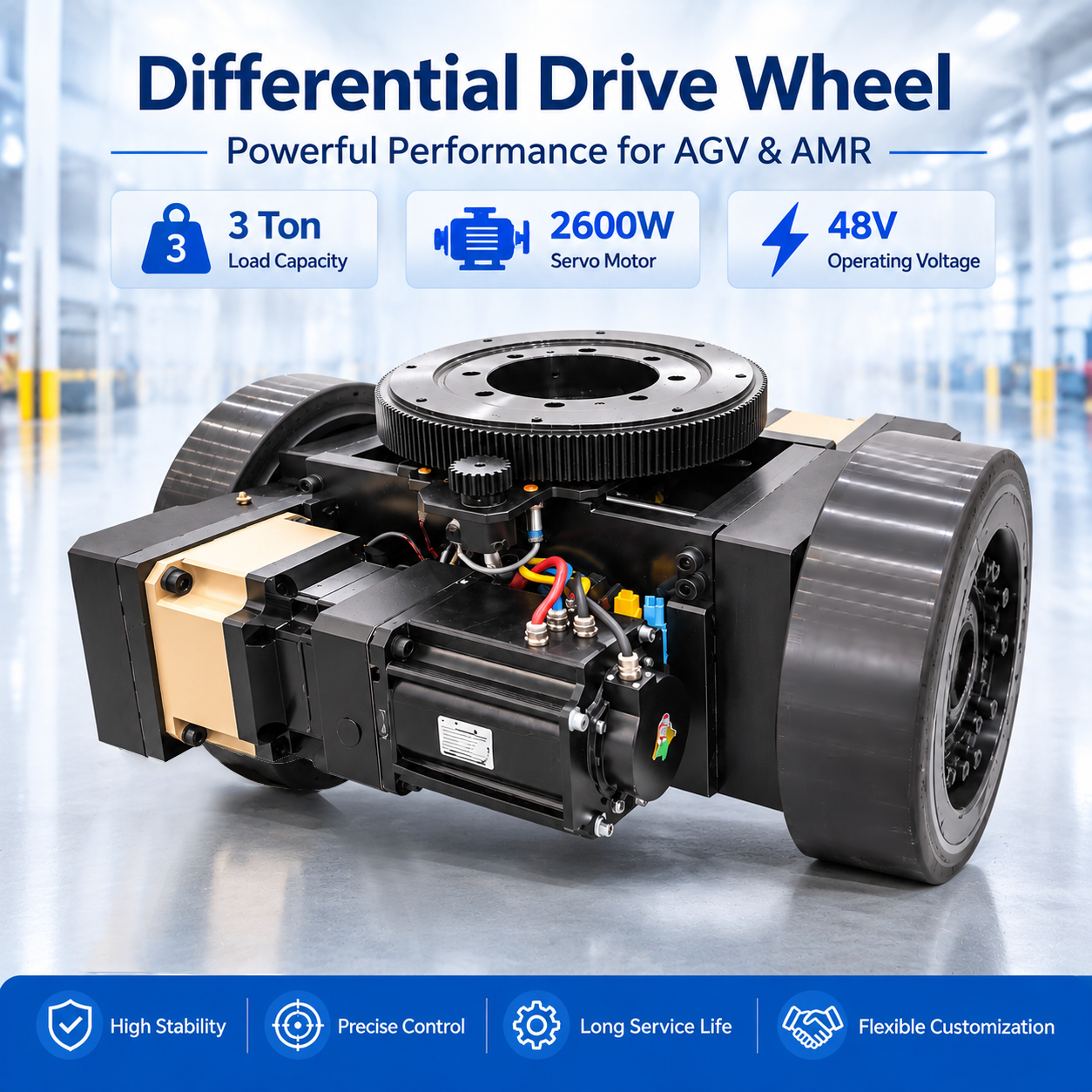
TZBOT Customizable 3000kg Load Capacity agv Wheel Automatic Guided Vehicle Differential Drive Wheel with 2600w 48V Servo Motor
A customizable 3,000 kg differential drive platform with 2,600 W 48 V servo power for heavy mobile robot chassis.
- 3,000 kg load
- 2,600 W / 48 V
- Differential drive
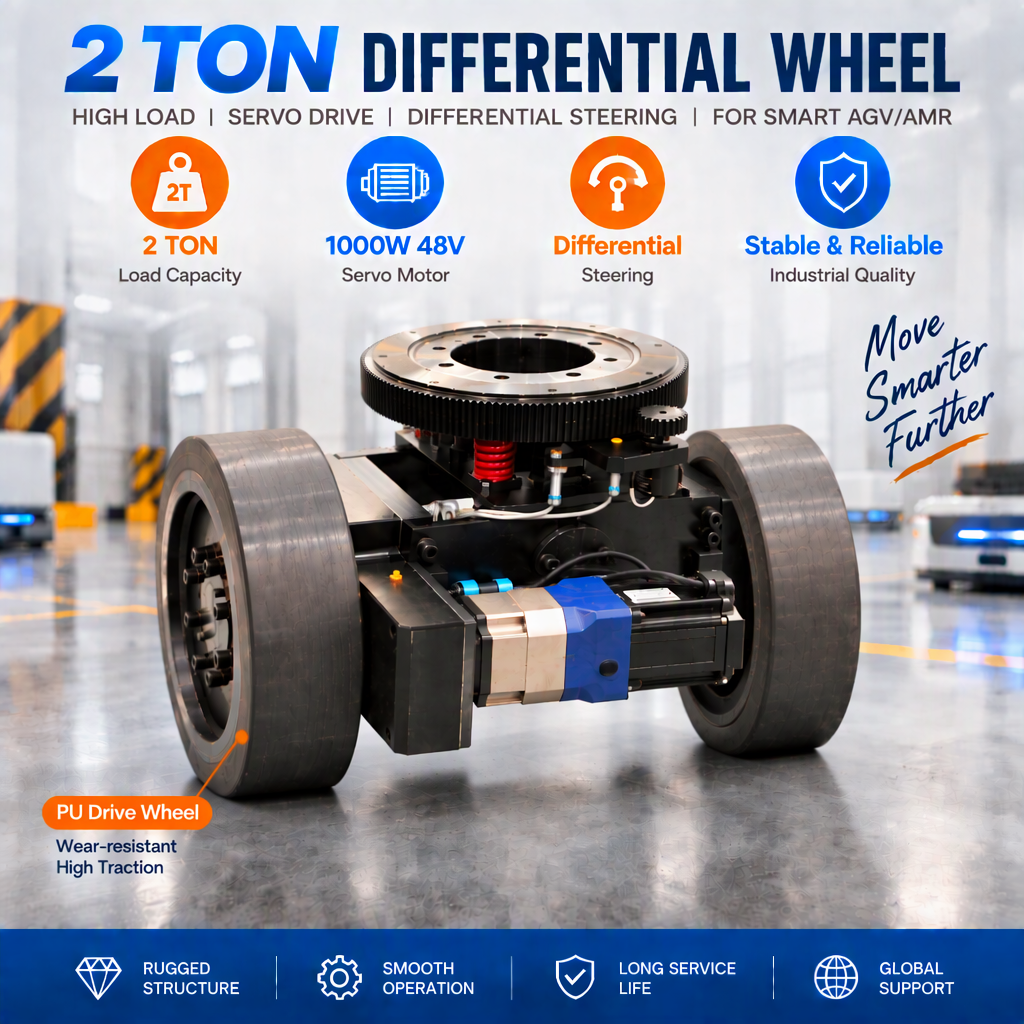
TZBOT 2000KG Heavy Duty Series AGV Wheel 1000w 48V Strong Power Mobile Robot Differential Drive Wheel with Spring Suspension
A 2,000 kg heavy-duty differential drive wheel with spring suspension for uneven floors and mobile robot stability.
- 2,000 kg load
- 1,000 W / 48 V
- Spring suspension
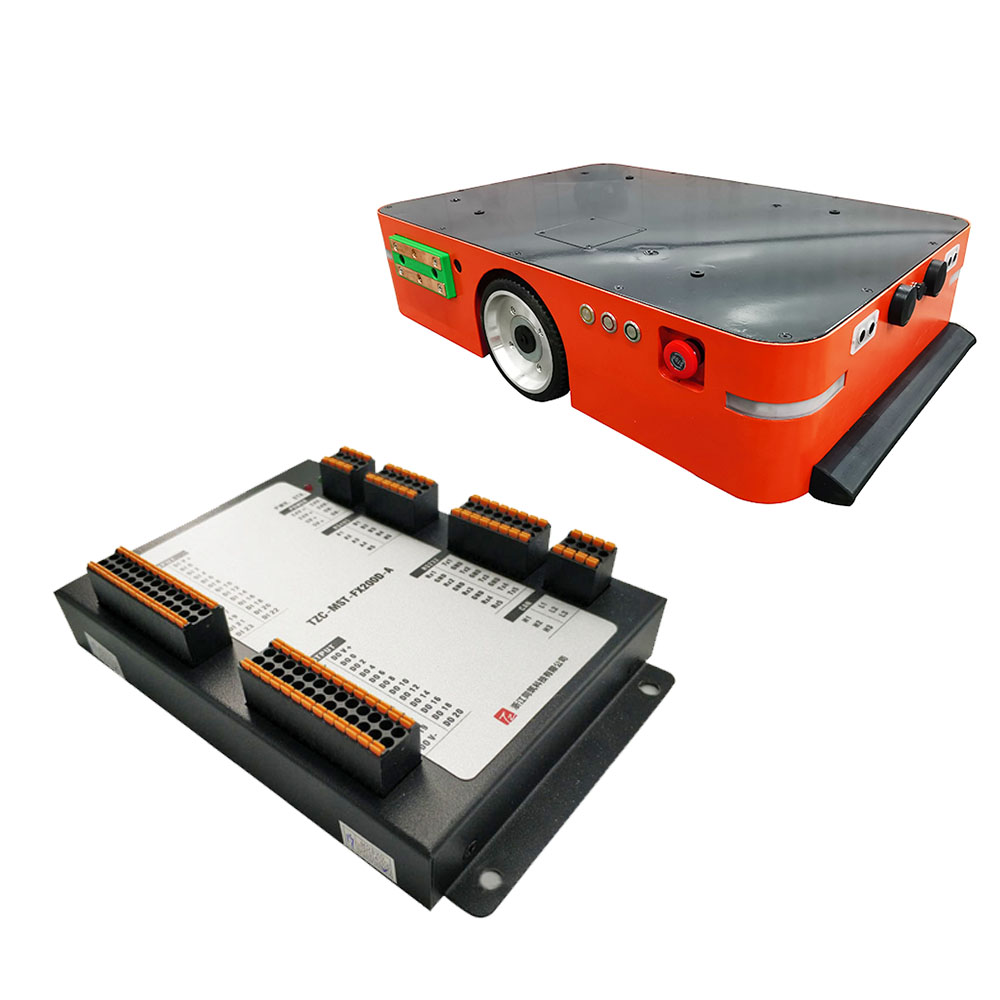
TZBOT Smart agv Controller for Commanding the AGV
A smart AGV controller for vehicle-level command, motion coordination and flexible integration with custom AGV designs.
- Command control
- Custom integration
- OEM support
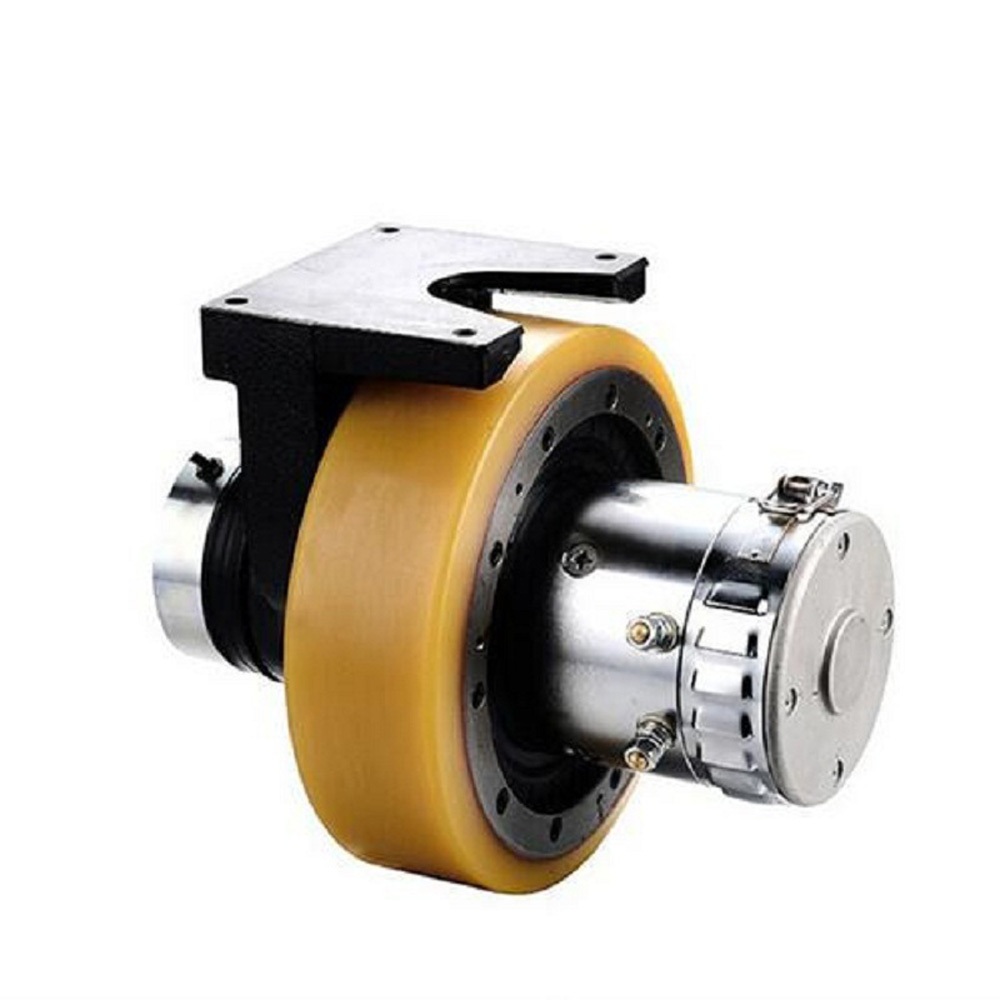
TZBOT TZ18-D12 1200W 24V Horizontal Drive Wheel Assembly Horizontal Wheel Unit Omnidirectional Automatic Steering Wheel
A 1,200 W 24 V horizontal wheel unit for omnidirectional steering and compact AGV chassis with low build height.
- 1,200 W / 24 V
- Horizontal unit
- Omnidirectional
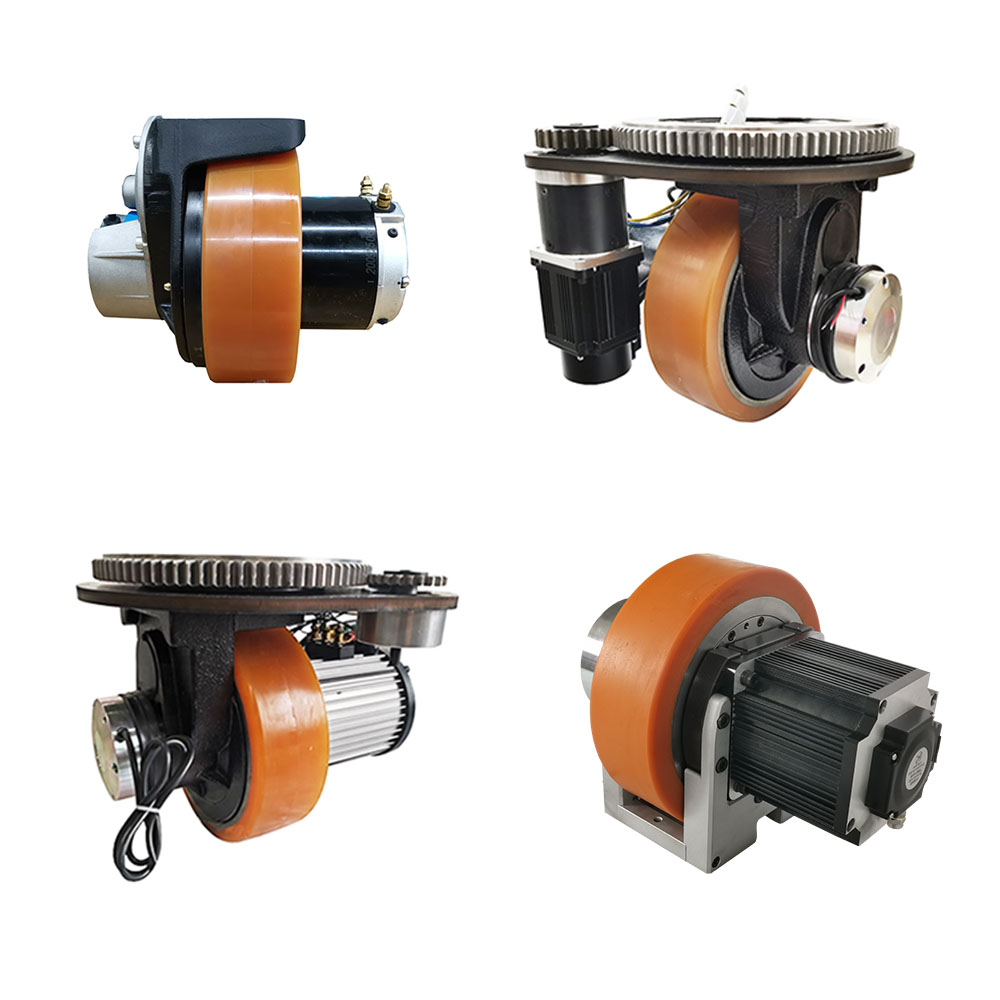
TZBOT 750W 1000KG Load Capacity Horizontal Drive Wheel Assembly AGV Wheel for Wholesale Automated Guided Robot
A 750 W, 1,000 kg horizontal drive assembly built for wholesale AGV projects and repeatable automated guided robot production.
- 750 W
- 1,000 kg load
- Wholesale AGV wheel
Need a mixed-model quotation, a sample, or a custom drive-train match? Send your load, speed, voltage and chassis-height data.
Send an InquiryWhat “China Top AGV Robot Supplier & Wholesalers” Should Mean in 2025
The search phrase China top AGV robot supplier & wholesalers carries several buying intents at once. An integrator may need a replacement drive wheel for an existing AGV fleet. A distributor may be comparing wholesale suppliers for a regional automation portfolio. An OEM may need a Chinese manufacturer that can co-engineer a differential drive unit, match a servo controller and deliver repeatable batches under an ISO quality system. The strongest supplier is not always the one with the lowest first quote; it is the one that reduces integration risk, documentation risk and after-sales risk across the full vehicle lifecycle.
China’s AGV supply chain is attractive because motor, reducer, wheel, controller, sensor and chassis know-how sit close together. That proximity shortens sampling cycles and makes customisation practical. However, the market also contains trading intermediaries that present catalogue images without owning a stable manufacturing process. For that reason, verified manufacturing evidence, matched electronics, test records and export experience are more valuable than a generic “top supplier” claim.
This guide is written for sourcing teams that need decision-grade information. It combines product-level selection logic with procurement trends, technology trends, supplier evaluation criteria and the verified company advantages of Zhejiang Torqen Technology Co., Ltd. The objective is simple: help wholesale buyers and OEM engineers compare AGV robots and components with less ambiguity.
How AGV Robot and Component Buying Is Changing
Wholesale buyers are moving from catalogue purchasing to total-cost procurement. These four shifts should shape supplier shortlists and quotation comparisons.
Total Cost of Ownership
Buyers now compare motor efficiency, tyre life, controller reliability, spare-part availability and commissioning time. A cheaper drive wheel that fails early can erase the saving in a single production stoppage.
Matched Modular Sourcing
Wholesalers increasingly prefer a supplier that can match wheel, servo motor, reducer and driver as one motion stack. Matched components reduce parameter tuning and protect delivery schedules.
Safety and Traceability
AGV robots are mobile industrial assets. Buyers ask for CE-aware design, protected controllers, inspection records and clear product identification so maintenance and audits remain manageable.
Wholesale Flexibility
Distributors want mixed-model containers, buyer-label packaging and predictable documentation. Suppliers with export-ready terms make it easier to serve multiple industries without building excess inventory.
Engineering Trends Shaping the Next Generation of AGV Drive Systems
Higher Payload Density
Heavy-duty AGV platforms are moving toward 2,000–3,000 kg capacity without proportional increases in chassis size. Products such as the 3,000 kg differential drive wheel and 2,000 kg spring-suspension wheel reflect this direction.
48 V Servo Efficiency
48 V servo drive systems are becoming a practical baseline for stronger acceleration, lower current losses and better thermal headroom. Matching the servo motor, reducer and controller is critical to real-world performance.
Sensor Fusion
Magnetic guidance, RFID station recognition, QR positioning and lidar obstacle avoidance are being combined rather than treated as alternatives. This improves route reliability in mixed warehouse environments.
Smarter Vehicle Control
AGV controllers are becoming more programmable and easier to integrate with fleet software. Dedicated smart controllers, such as the TZC-MST-FX200D-A, help reduce custom electronics work for OEMs.
A Practical Checklist for Comparing AGV Robot Wholesalers
A credible shortlist should survive four questions before price negotiation begins.
Manufacturing Evidence
Ask for a factory profile, production area, team size, certification and onsite verification. Torqen’s profile states 1,000–3,000 m², 51–100 employees, ISO 9001:2015 and Intertek onsite verification.
Engineering Data Pack
Request drawings, torque and speed curves, voltage limits, encoder details, brake options, mounting interfaces and recommended driver parameters. A supplier that can answer precisely is easier to integrate.
Testing and Traceability
Prototype endurance runs, finished-product inspection and in-house testing instruments matter. Buyers should ask which parameters are measured and how production records can be traced after shipment.
Export and After-Sales
Payment methods, delivery terms, packaging, spare-part support and technical response time should be confirmed in writing. Flexible trade terms are useful only when backed by clear communication.
Inside Zhejiang Torqen Technology Co., Ltd.
Zhejiang Torqen Technology Co., Ltd. was founded in 2015 and operates as a manufacturer and trading company focused on motion control for automated equipment. Its product scope covers automatic guided vehicles, AGV drive wheel assemblies, DC/AC motors, encoders, reducers, motor controllers, caster and PU wheels, and in-wheel motor units. For wholesale buyers, this breadth is useful because the drive wheel, motor, driver and sensor can be evaluated as one system rather than as disconnected parts.
The company reports a 1,000–3,000 m² factory, a team of 51–100 people and annual output of US$5–10 million. Its quality management system is certified to ISO 9001:2015, and the facility has been verified onsite by Intertek. Eight awarded patents, five in-house testing instruments and extended-duration prototype testing support the claim that engineering is part of the production process, not an afterthought.
Customisation is available through sample-based and design-based programmes, OEM production, design services and buyer-label packaging. Typical custom work includes motor power and voltage, reduction ratio, wheel diameter and tread material, encoder type, brake options and mounting interfaces. In practical terms, that means an AGV builder can start from a standard platform and adapt it to chassis geometry, duty cycle and regional market requirements without rebuilding the entire motion stack.
- Founded2015, Zhejiang, China
- Quality SystemISO 9001:2015 certified
- VerificationIntertek onsite-verified supplier
- PortfolioAGVs, drive wheels, motors, controllers, sensors

Where Torqen AGV Drive Components Support Real Equipment
The product range is not limited to warehouse AGVs. Torqen drive technology is positioned for mobile equipment that needs compact power, controlled motion and dependable service life.
From Specification Review to Export Shipment
Requirement Review
Share payload, speed, gradient, battery voltage, wheel diameter and chassis height. The engineering team checks whether a standard unit or custom configuration is the better starting point.
Engineering Proposal
Motor power, reduction ratio, wheel tread, encoder and mounting interface are matched. Drawings and parameters are prepared for buyer confirmation.
Prototype Build
Sample-based or design-based customisation is produced, including buyer-label packaging where required.
Endurance Testing
Prototypes undergo extended-duration runs and parameter checks using in-house testing instruments before production release.
Mass Production
Production follows the ISO 9001:2015 quality management system, with inspection points tied to finished-product requirements.
Inspection & Delivery
Final inspection, export packing and shipping are coordinated under the agreed trade terms and destination requirements.
Wholesale-Ready Payment, Delivery and Currency Support
Payment Methods
- T/T
- L/C
- D/P
- D/A
- MoneyGram
- Credit Card
- PayPal
- Western Union
- Cash
- Escrow
Delivery Terms
- FOB
- CFR
- CIF
- EXW
- CIP
- FCA
- CPT
- DDU
- Express Delivery
Supported Currencies
- USD
- EUR
- JPY
- CAD
- AUD
- HKD
- GBP
- CNY
AGV Robot Supplier & Wholesale Buying Questions
What does “China top AGV robot supplier & wholesalers” mean when comparing quotes?
It should refer to a supplier that combines verified manufacturing, matched motion components, documented quality control and export support. A low unit price without engineering data, inspection records or after-sales response can create hidden commissioning and downtime costs. Compare suppliers on total cost of ownership, not headline price alone.
Is Zhejiang Torqen Technology a manufacturer or a trading company?
Torqen is described as a manufacturer and trading company. Its profile states a 1,000–3,000 m² factory, 51–100 employees and annual output of US$5–10 million. The company is ISO 9001:2015 certified and has been verified onsite by Intertek, which gives buyers a stronger starting point than an unverified intermediary.
Can AGV drive wheels and controllers be customised for an OEM project?
Yes. Torqen offers sample-based customisation, design-based customisation, OEM production, design services and buyer-label packaging. Customisation can cover motor power and voltage, reduction ratio, wheel diameter and tread material, encoder type, brake options and mounting interfaces. Buyers should provide load, speed, voltage, chassis height and duty-cycle information for an accurate proposal.
How is product quality verified before shipment?
Torqen’s quality management system is certified to ISO 9001:2015, and the facility has been onsite-verified by Intertek. The manufacturer reports finished-product inspection with five in-house testing instruments, plus extended-duration prototype testing before production parts are released. For critical projects, buyers should request the agreed inspection items and traceability records in the purchase order.
Which drive wheel type is best for low-clearance or heavy-duty AGV design?
Differential drive units suit compact latent, jacking and heavy AGV platforms that turn by wheel-speed difference. Steering drive wheels suit forklift and tricycle-type chassis that need controlled steering angles. Horizontal drive wheel assemblies suit low-clearance chassis. For heavy loads, compare the 1,000 kg, 2,000 kg and 3,000 kg options, then confirm wheel diameter, motor power, reduction ratio and suspension requirements.
Can wholesale buyers mix models, request packaging and use flexible payment terms?
Wholesale buyers can discuss mixed-model configurations, buyer-label packaging and order planning with the sales team. Payment options listed by Torqen include T/T, L/C, D/P, D/A, MoneyGram, credit card, PayPal, Western Union, cash and escrow. Delivery terms include FOB, CFR, CIF, EXW, CIP, FCA, CPT, DDU and express delivery, with support for USD, EUR, JPY, CAD, AUD, HKD, GBP and CNY. Final terms should be confirmed in the quotation and contract.
Send Your AGV Specification and Get an Engineered Recommendation
To receive a useful quotation for AGV robots, drive wheels, controllers or wholesale components, send the payload, target speed, maximum gradient, battery voltage, wheel diameter and available chassis height. Torqen’s team can then recommend a standard model or a custom OEM configuration.
