Product Recommendations
8 Automated Forklift & AGV Components Shortlisted for 2025 Sourcing
Start with the motion core: controllers, heavy-duty drive wheels, magnetic guidance tape, charger pads, mobile chassis, horizontal drive wheels and CE lurking AGVs. Each product below links to the original product page so procurement teams can compare specifications, images and inquiry options directly.
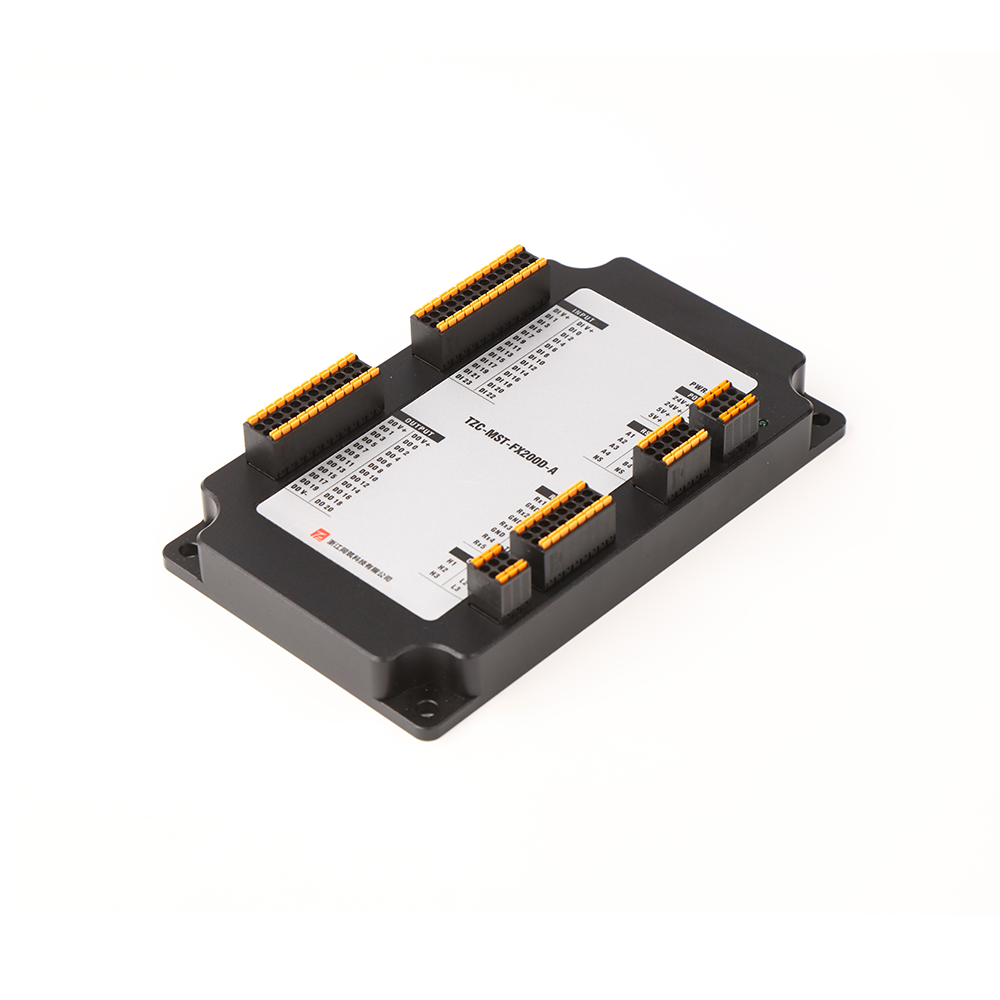
AGV Accessories Automated Guided Vehicle Controller with 19V~29V Power for AGV Robot
A low-voltage AGV controller for route logic, motion coordination and robot integration. Suitable for new builds and replacement projects where stable 19V~29V control hardware is required.
View product details →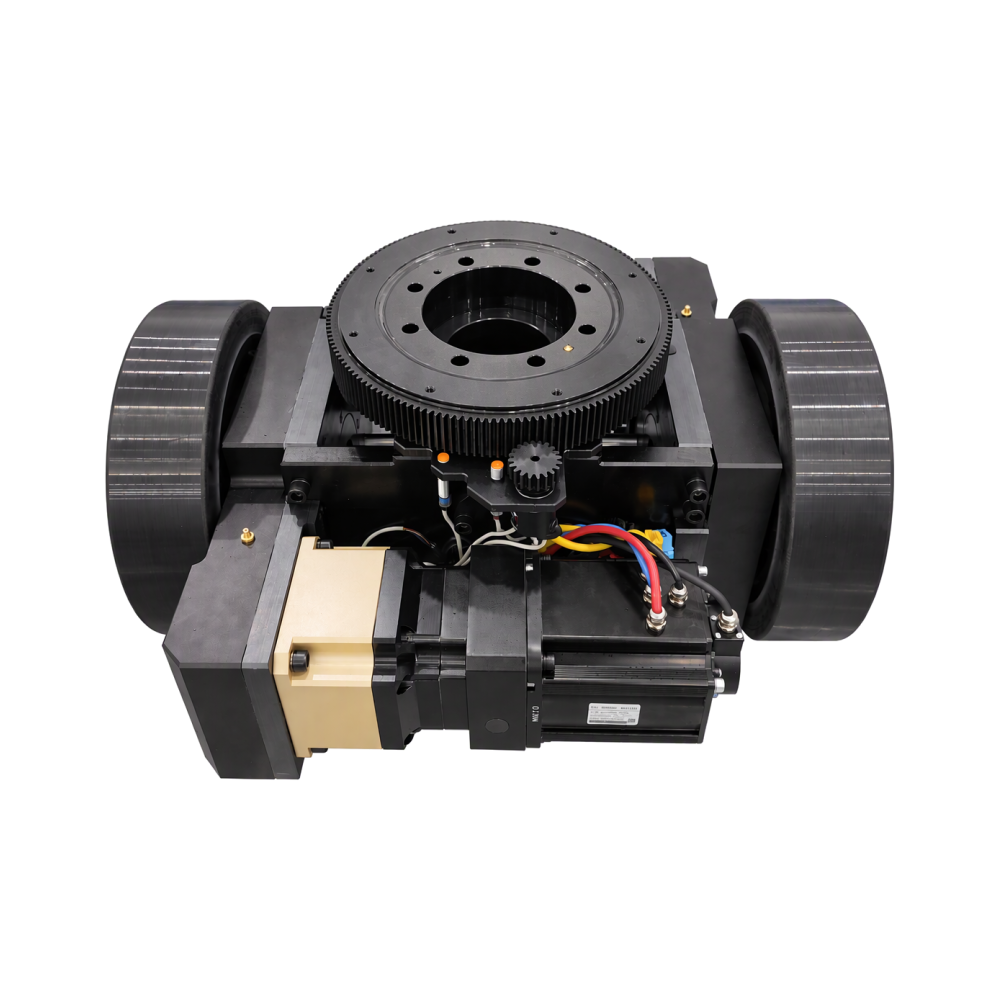
TZBOT Heavy Duty Series Robot Wheel 3000kg Bearing Capacity AGV Differential Drive Wheel Assembly
Heavy-duty differential drive wheel assembly for high-load automated forklifts and material handling equipment. The 3000kg bearing capacity supports robust chassis designs and demanding industrial cycles.
View product details →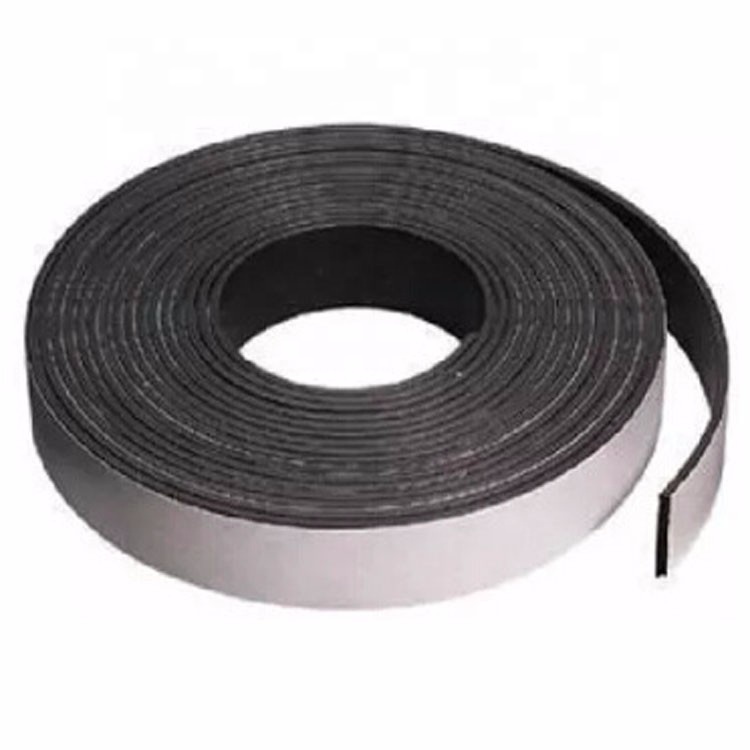
Sell Well Magnetic Tape Which N Pole up of 5cm Width, 25m One Roll for AGV Paved Path
Magnetic guide tape for fast, repeatable AGV route deployment. The 5cm width and 25m roll format support warehouse lanes, production-line loops and pilot projects with retail or wholesale purchasing.
View product details →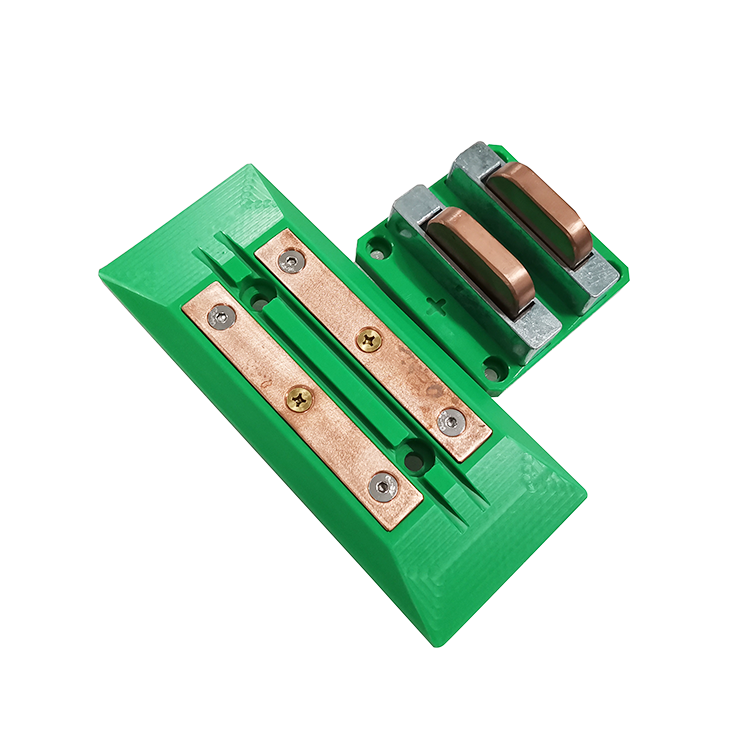
TZBOT Charger Pad Model TZ-CP-50A with Brush Plate and Brush Block for AGV Navigation Vehicles
Charger pad assembly with brush plate and brush block for automatic charging stations. Designed for AGV navigation vehicles that need repeatable contact and reduced manual charging intervention.
View product details →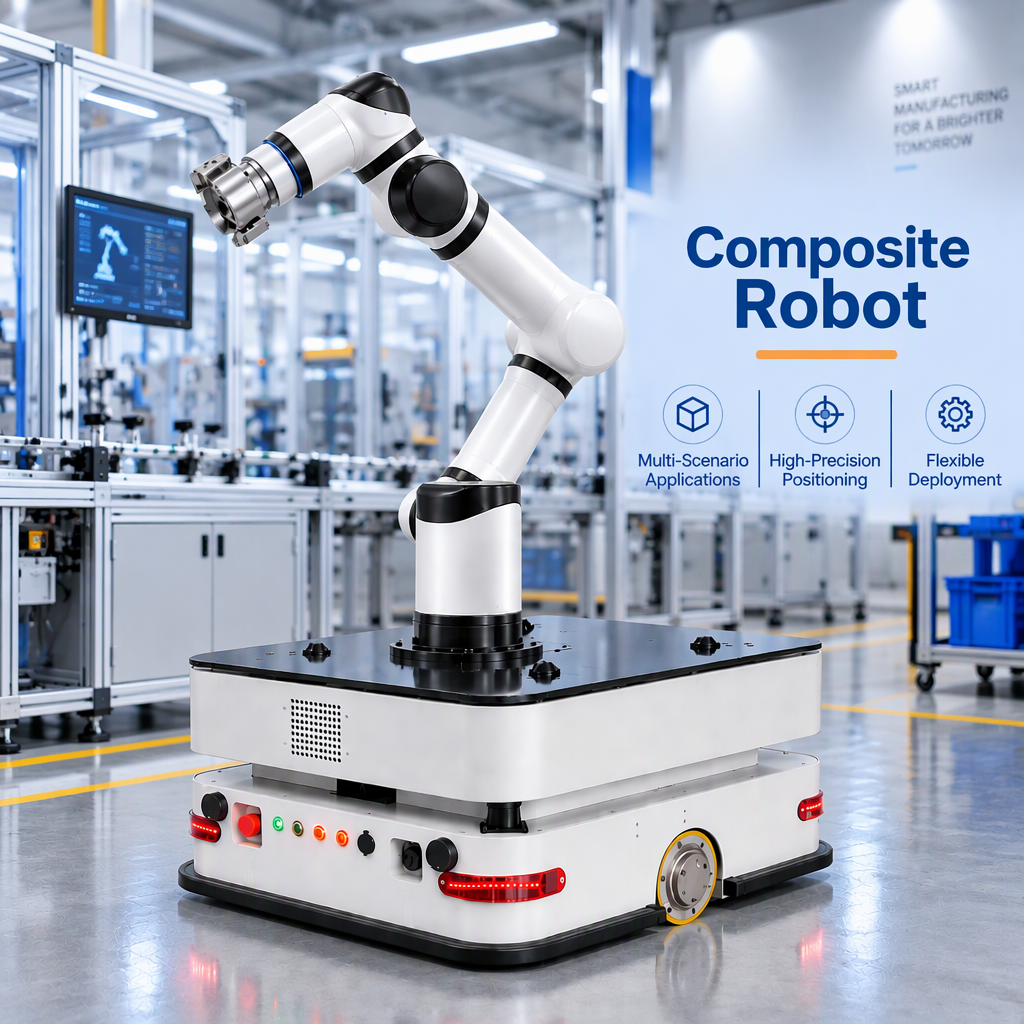
TZBOT Auto Guidance Mobile Chassis 1000kg Payload AGV Integrated Arm Robotic Intelligent Composite Robot
A 1000kg-payload auto guidance mobile chassis for integrated arm robotic and intelligent composite robot applications. It provides a practical platform for automating pick-and-place, machine tending and flexible material transfer.
View product details →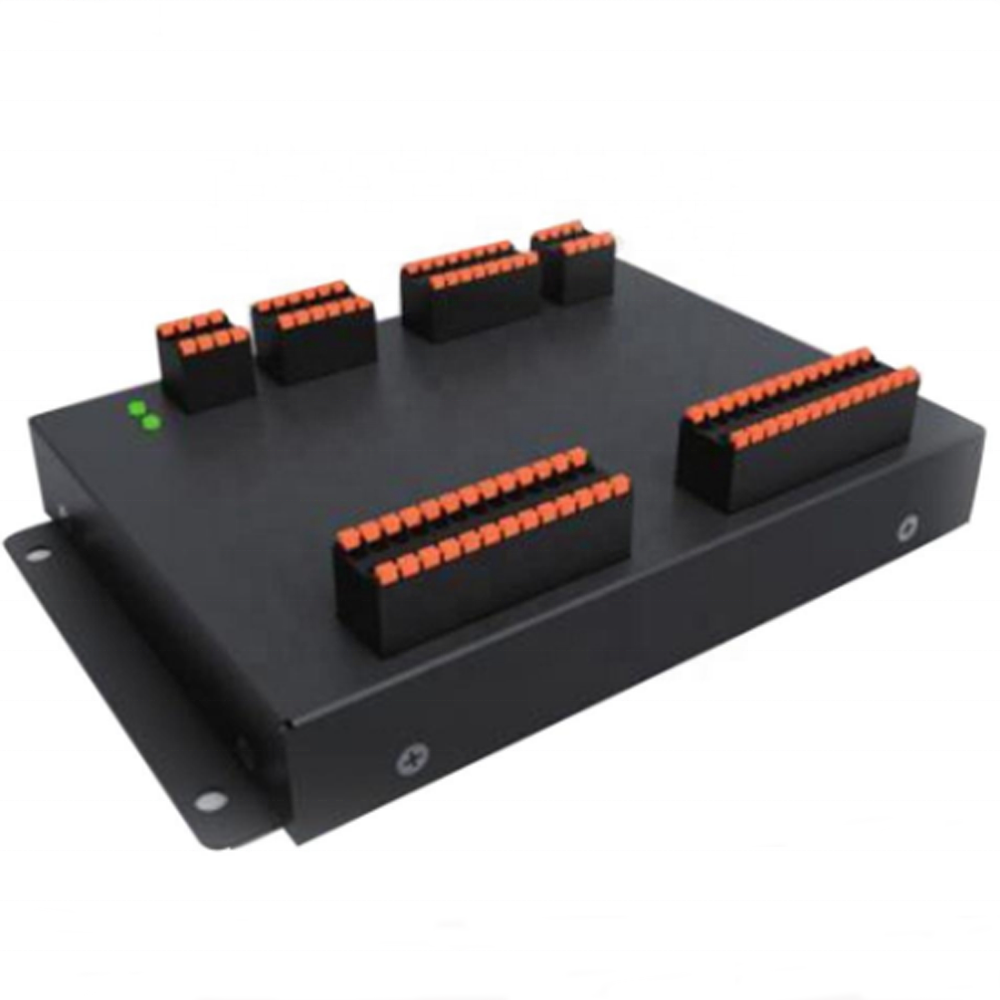
TZBOT FX Series Controller of HX Support Magnetic Tap Guided AGV
FX Series controller supporting magnetic tape guided AGV operation. A focused option for builders that need a proven control platform for fixed-route logistics, towing and production-line transport.
View product details →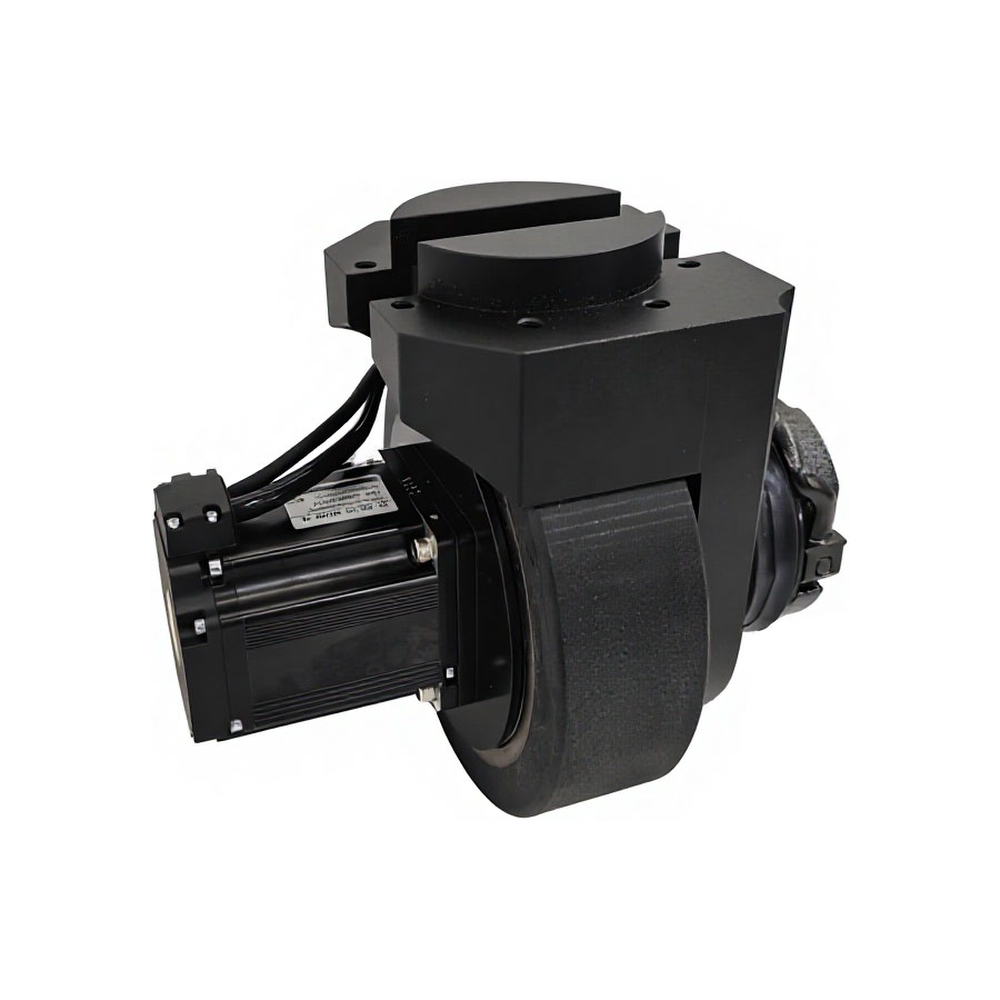
TZBOT 1000kg Bearing Capacity AGV Wheel 1000W Servo Motor Material Handling Equipment Part Horizontal Drive Wheel
A horizontal drive wheel with 1000kg bearing capacity and a 1000W servo motor. The low-clearance layout is useful for compact automated forklift chassis, under-ride carts and space-sensitive mobile robots.
View product details →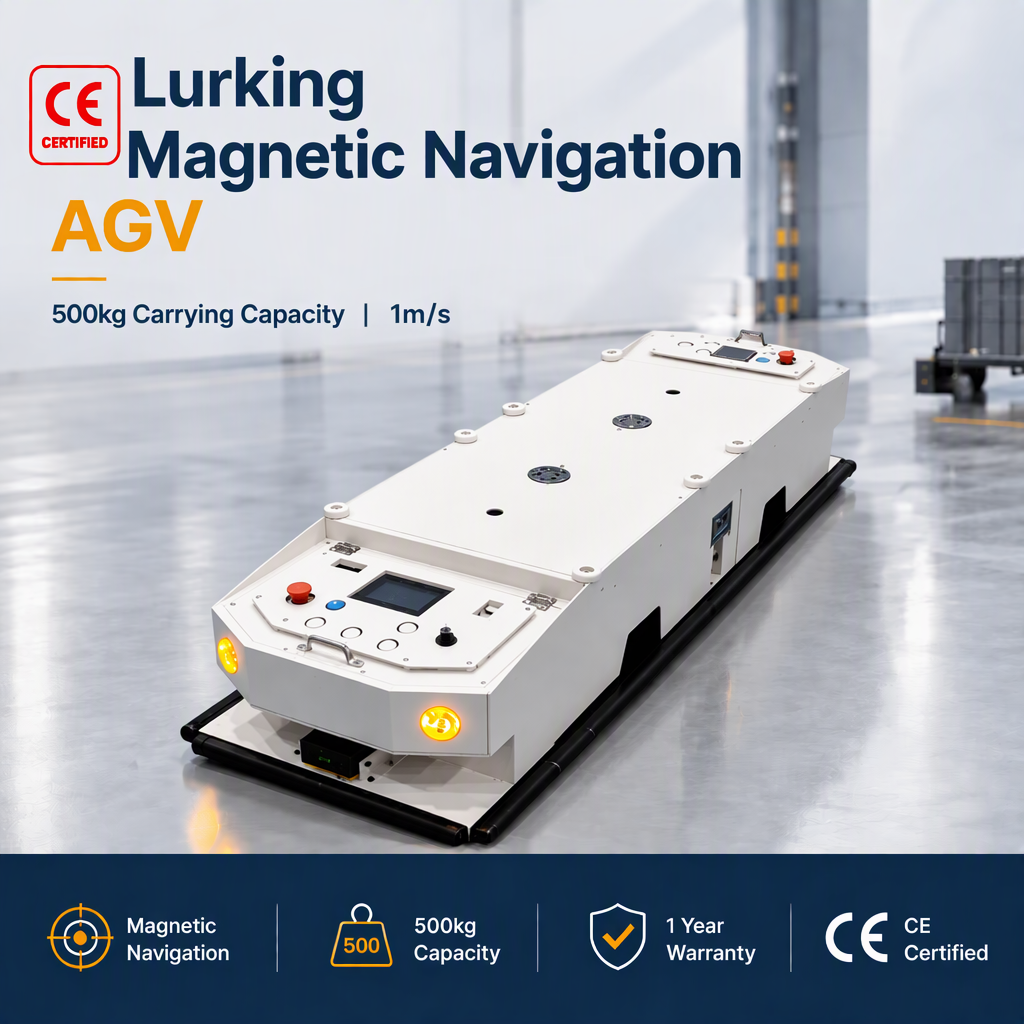
TZBOT EU CE Lurking AGV Material Handling Equipment Logistic Automation 500kg Bidirectional Magnetic Guidance Mobile Robot
A 500kg bidirectional magnetic guidance lurking AGV for logistics automation. The CE-oriented platform suits warehouses and factories that need a low-profile, repeatable transport solution with straightforward deployment.
View product details →Factory Verification
What “China Top Automated Forklift Factories” Really Means for Buyers
For procurement teams, this is not a directory query. It is a risk-reduction query: who can prove manufacturing scope, match the drive train, document quality control and support the vehicle after shipment?
A top automated forklift factory is not defined by floor area alone. The stronger supplier is the one that can align mechanical drive hardware, motor control, navigation sensors and export documentation around the actual load case, aisle width, battery voltage and maintenance plan.
Verified Production Scope
Look for onsite verification, a quality management system and a product range that covers vehicles, drive wheels, controllers, motors, sensors and spare parts. A trading listing alone does not show integration capability.
Whole-Drivetrain Matching
Drive wheel, servo or BLDC driver, encoder, reducer, magnetic sensor and charger pad must work as one system. Suppliers that tune these parts together shorten commissioning and reduce field failures.
OEM / ODM Engineering
Custom motor power, voltage, reduction ratio, wheel diameter, tread material, encoder type, brake option and mounting interface are practical requirements for automated forklift chassis design.
Lifecycle and Export Support
Payment terms, delivery terms, spare-parts continuity, wiring guidance and after-sales response matter as much as the first quotation. A factory should support both prototype and repeat-production phases.
Zhejiang Torqen Technology Co., Ltd. is a useful reference point in this category because its public factory data covers the components automated forklift builders actually buy: automatic guided vehicles, AGV drive wheel assemblies, DC/AC motors, encoders, reducers, servo and BLDC controllers, navigation sensors, caster and PU wheels, and in-wheel motor units. Founded in 2015 and based in Zhejiang, China, the company operates as a manufacturer and trading company with a stated factory size of 1,000–3,000 m², annual output of US$5M–10M and a team of 51–100 people.
Its quality position is supported by ISO 9001:2015 certification, Intertek onsite verification, eight awarded patents and five in-house testing instruments. Public buyer-facing data also cites a 4.9/5 rating and a 97.9% inquiry response rate. These are not cosmetic trust signals; they help a buyer judge whether a supplier can move from drawing to tested prototype and then to controlled mass production.
Future Procurement Trends
How Automated Forklift Buyers Will Source From China in the Next Cycle
Price comparison is still important, but the purchase decision is shifting toward total cost of ownership, integration risk and long-term parts availability.
TCO Over Unit Price
Buyers are calculating commissioning time, spare-parts turnover, energy efficiency, maintenance access and downtime risk. A lower-priced drive wheel that causes repeated alignment issues is not a lower-cost project.
Integrated Vehicle Platforms
Automated forklifts, AGVs, AMRs and composite robot chassis are being planned together. Suppliers that offer a shared motion platform — drive wheel, controller and sensor kit — reduce engineering duplication.
Modular and Low-Clearance Designs
Horizontal drive wheels, compact steering units and modular chargers allow smaller chassis and faster model changes. Procurement teams increasingly ask for one platform that can scale from 500kg to 3000kg load classes.
Compliance and Traceability
ISO 9001:2015, onsite factory verification, CE-oriented platforms and documented testing are becoming standard checks. Traceable production records help buyers manage audits and after-sales claims.
Product Development Trends
Where Automated Forklift Hardware Is Going Next
The component roadmap is moving toward higher load density, sensor fusion, safer charging and easier integration into mixed automation environments.
Higher Payload, Compact Package
Demand is rising for 1000kg, 3000kg and higher-capacity drive wheel assemblies that still fit low-clearance chassis. Servo motors, reinforced reducers and optimized wheel treads are part of the answer.
Sensor Fusion Is Becoming Normal
Magnetic guidance remains cost-effective for fixed routes, while RFID tags handle stations, speed zones and junctions. Lidar adds obstacle avoidance and flexibility when layouts change.
Charging as an Automated Workflow
Charger pads with brush plates and brush blocks reduce manual intervention. Buyers increasingly evaluate charging reliability together with drive-wheel life and battery strategy.
Controls Matched to Motion
Servo and BLDC controllers are being selected together with the drive wheel rather than treated as generic electronics. This improves torque response, parameter consistency and commissioning speed.
Enterprise Advantages
Inside a Verified China Factory for AGV Drive & Motion Technology
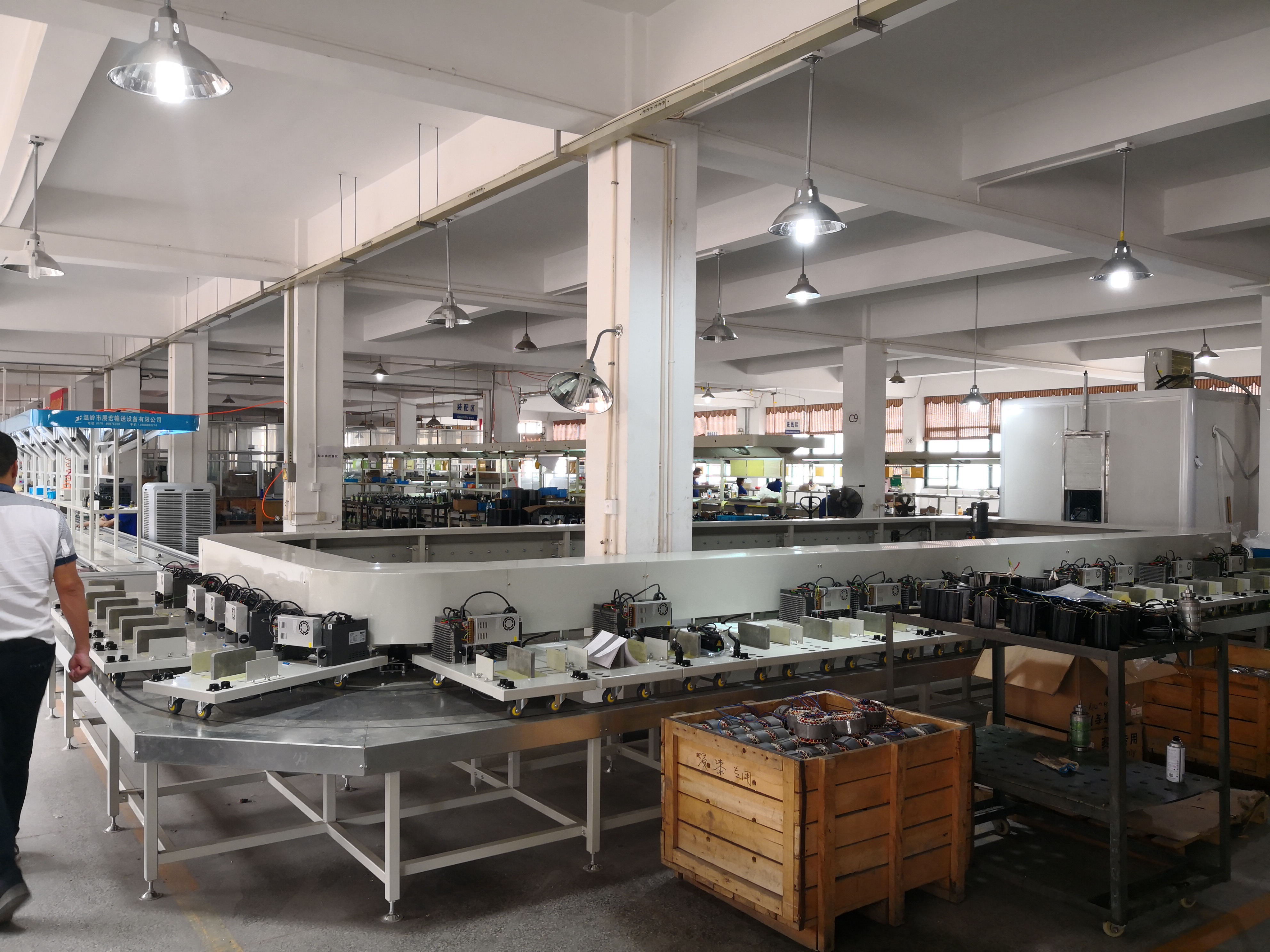
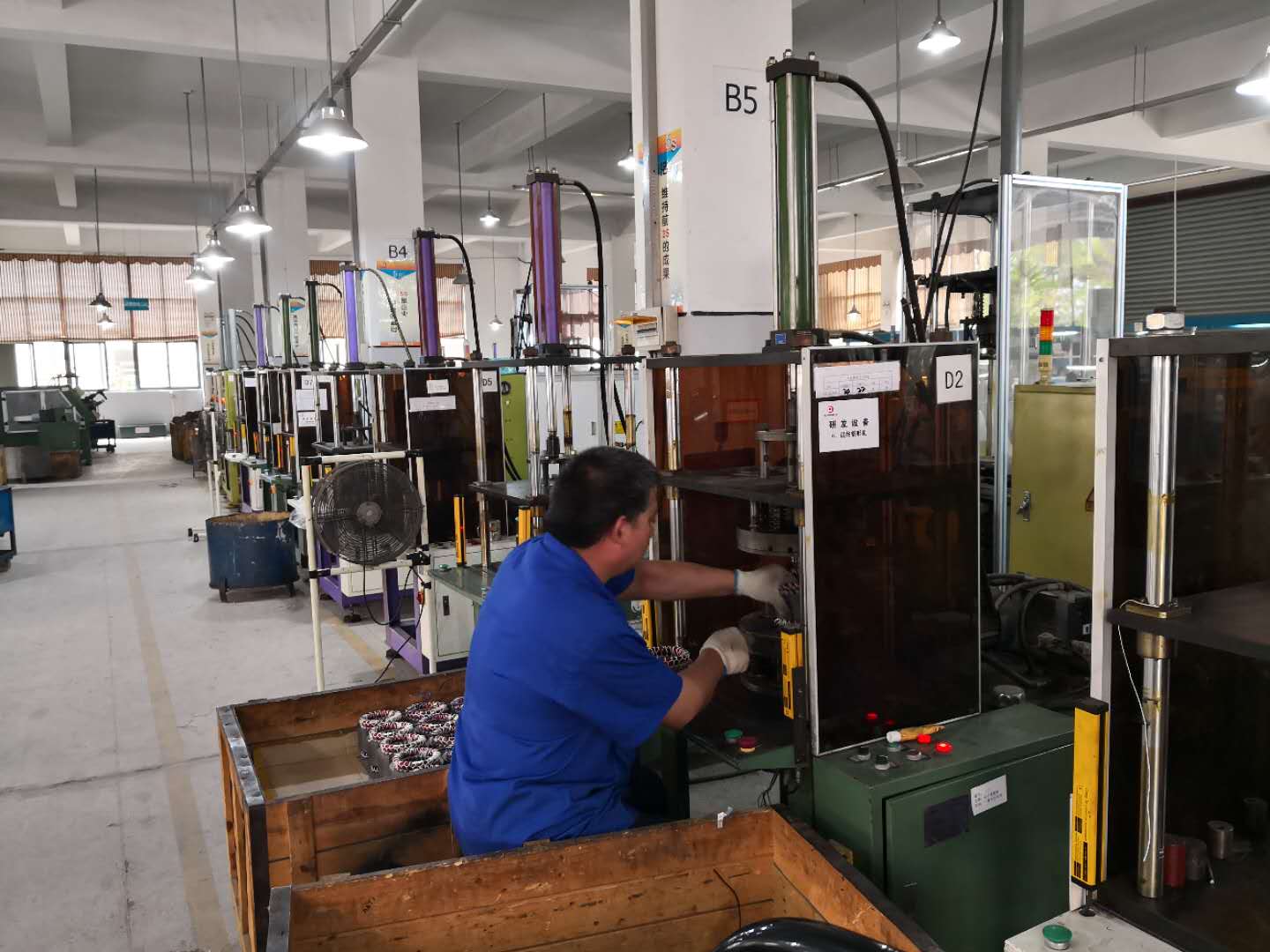
Torqen’s advantage is not a single component. It is the ability to keep the drive wheel, motor, reducer, encoder, driver and navigation sensor in one engineering conversation. That matters when an automated forklift project moves from specification to prototype and then to repeat production.
Engineers work directly with OEM integrators to adapt torque, speed and mounting geometry to each vehicle. Continued investment in modern machining equipment supports a faster path from drawing to tested prototype, and prototypes are run for extended periods before production release.

Custom Drive Engineering
Sample-based and design-based customization of motor power, voltage, reduction ratio, wheel diameter, tread material, encoder type, brake options and mounting interfaces.
Tested Before Shipping
ISO 9001:2015 controlled manufacturing, Intertek onsite verification, five in-house testing instruments, finished-product inspection and extended-duration prototype testing.
Matched Electronics
Servo and BLDC drivers tuned to the drive wheels, plus magnetic, RFID and lidar sensors for a single-source bill of materials and fewer integration conflicts.
Export-Ready Logistics
FOB, CFR, CIF, EXW, CIP, FCA, CPT, DDU and express delivery options, with payment methods and currencies suitable for global buyers.

Engineering Selection Matrix
Match the Drive Wheel and Navigation Method to the Forklift Task
Use this comparison as a first-pass filter before requesting a quotation. The right combination depends on load, aisle width, chassis height, route flexibility and safety requirements.
| Solution Combination | Infrastructure | Strength | Best-Fit Project |
|---|---|---|---|
| Magnetic guidance + differential drive | Magnetic tape and optional RFID tags | Fast deployment, low route cost, repeatable movement | Latent AGVs, jacking AGVs and fixed warehouse lanes |
| Magnetic steering drive | Tape plus controlled steering motor | Controlled steering angles and higher tractive effort | Automated forklifts, tricycle chassis and towing vehicles |
| QR code + horizontal drive | Floor QR grid | High positional accuracy in dense storage zones | Goods-to-person systems and low-clearance chassis |
| Lidar SLAM + servo drive | No fixed path required | Flexible routes and easier layout changes | Mixed zones, retrofit projects and dynamic environments |
Engineer’s tip: before requesting a drive wheel or automated forklift quotation, prepare gross vehicle weight, target speed, maximum gradient, battery voltage, available chassis height and required route flexibility. These six values determine motor power, reduction ratio, wheel diameter and sensor choice — and they shorten the sampling cycle significantly.
Applications
Where These Automated Forklift Components Fit
The same motion and navigation building blocks appear across industrial mobile equipment, from warehouse AGVs to airport ground support and medical devices.
For automated forklift projects, the highest-value sourcing approach is to define the drive wheel, controller, sensor set and charging method as one subsystem. That reduces mechanical mismatch, simplifies parameter tuning and gives maintenance teams a clear spare-parts list.
OEM / ODM Workflow
A Practical Path From Specification to Shipment
A transparent sampling and production process is especially important when a buyer is comparing several China automated forklift factories at once.
Define the Load Case
Share load, speed, gradient, voltage, chassis height and route requirements.
Match Drive & Control
Select wheel type, motor power, reducer ratio, encoder, driver and sensor set.
Validate the Prototype
Run extended-duration testing and inspect performance before mass release.
Control Production
Apply ISO 9001:2015 process control, final inspection, export packing and shipping.
Trade Terms
Flexible Payment and Delivery for Global Procurement Teams
International buyers should confirm final terms with the supplier, then align Incoterms, currency and inspection requirements with their purchasing policy.
Payment Methods
- T/T
- L/C
- D/P
- D/A
- MoneyGram
- Credit Card
- PayPal
- Western Union
- Cash
- Escrow
Delivery Terms
- FOB
- CFR
- CIF
- EXW
- CIP
- FCA
- CPT
- DDU
- Express
Currencies
- USD
- EUR
- JPY
- CAD
- AUD
- HKD
- GBP
- CNY
Procurement FAQ
Questions Buyers Ask Before Choosing an Automated Forklift Factory
These answers focus on the checks that matter most during supplier comparison, sampling and production release.
What makes a China automated forklift factory “top” for a serious buyer?
A top factory should demonstrate verified manufacturing scope, a certified quality system, real testing capability and the ability to match the drive wheel, motor, controller and sensors as one system. Check for ISO 9001:2015, onsite verification such as Intertek, documented inspection and clear OEM/ODM support. Floor size matters, but integration depth and traceability usually matter more.
Are automated forklifts the same as AGVs?
An automated forklift is a vehicle form with lifting and load-handling functions, while AGV is a broader category for automatic guided vehicles. Many automated forklifts use the same building blocks: differential or steering drive wheels, servo/BLDC controllers, magnetic or RFID sensors, safety devices and charger pads. For sourcing, define load center, lift height, aisle width, route flexibility and safety requirements before comparing factories.
Which drive wheel configuration should I choose?
Differential drive units suit compact latent, jacking and shelf-lifting AGVs that turn by wheel-speed difference. Single steering drive wheels suit forklift and tricycle-type vehicles that need controlled steering angles. Horizontal drive wheel assemblies suit low-clearance chassis. Share payload, speed, chassis height and battery voltage, and an application engineer can recommend the configuration.
How is product quality verified before shipment?
Torqen’s quality management system is certified to ISO 9001:2015, and the facility has been verified onsite by Intertek. The factory uses five in-house testing instruments, finished-product inspection and extended-duration prototype testing before production parts are released. Buyers can also request inspection records and discuss pre-shipment inspection requirements.
Does Torqen support OEM and ODM customization?
Yes. The company offers sample-based customization, design-based customization, OEM production, design services and buyer-label packaging. Typical changes include motor power and voltage, reduction ratio, wheel diameter and tread material, encoder type, brake options and mounting interfaces.
What payment and delivery terms are accepted?
Accepted payment methods include T/T, L/C, D/P, D/A, MoneyGram, credit card, PayPal, Western Union, cash and escrow, in USD, EUR, JPY, CAD, AUD, HKD, GBP or CNY. Delivery terms include FOB, CFR, CIF, EXW, CIP, FCA, CPT, DDU and express delivery. Final terms should be confirmed in the quotation and contract.
Which industries use Torqen drive products?
Products are used in AGVs and AMRs, forklifts, aerial work platforms, airport equipment, agricultural machines, hydraulic applications, floor scrubbers and sweepers, wind energy, marine equipment and medical devices. This broad application base helps engineers anticipate duty cycles, environmental protection needs and maintenance access requirements.
How do I request a matched drive-train proposal or catalog?
Use the inquiry button to request the latest catalog, then provide gross vehicle weight, target speed, maximum gradient, battery voltage, chassis height, wheel diameter limit, navigation preference and annual demand. The engineering team can respond with a drive wheel, controller, sensor and charger configuration for review before sampling.
Build Your Next Automated Forklift Around a Matched Drive Train
Send your load, speed, chassis height, battery voltage and navigation requirements. Torqen can match the drive wheel, servo or BLDC controller, magnetic/RFID sensor and charging pad for a faster, more reliable vehicle platform.
Get Catalog