8 Heavy-Duty AGV Products for High-Load, High-Duty-Cycle Fleets
The shortlist below includes factory-direct controllers, latent robots, horizontal drive assemblies, differential drive units, steering wheels and suspended forklift wheels. Each product link preserves the original product URL for fast technical review.
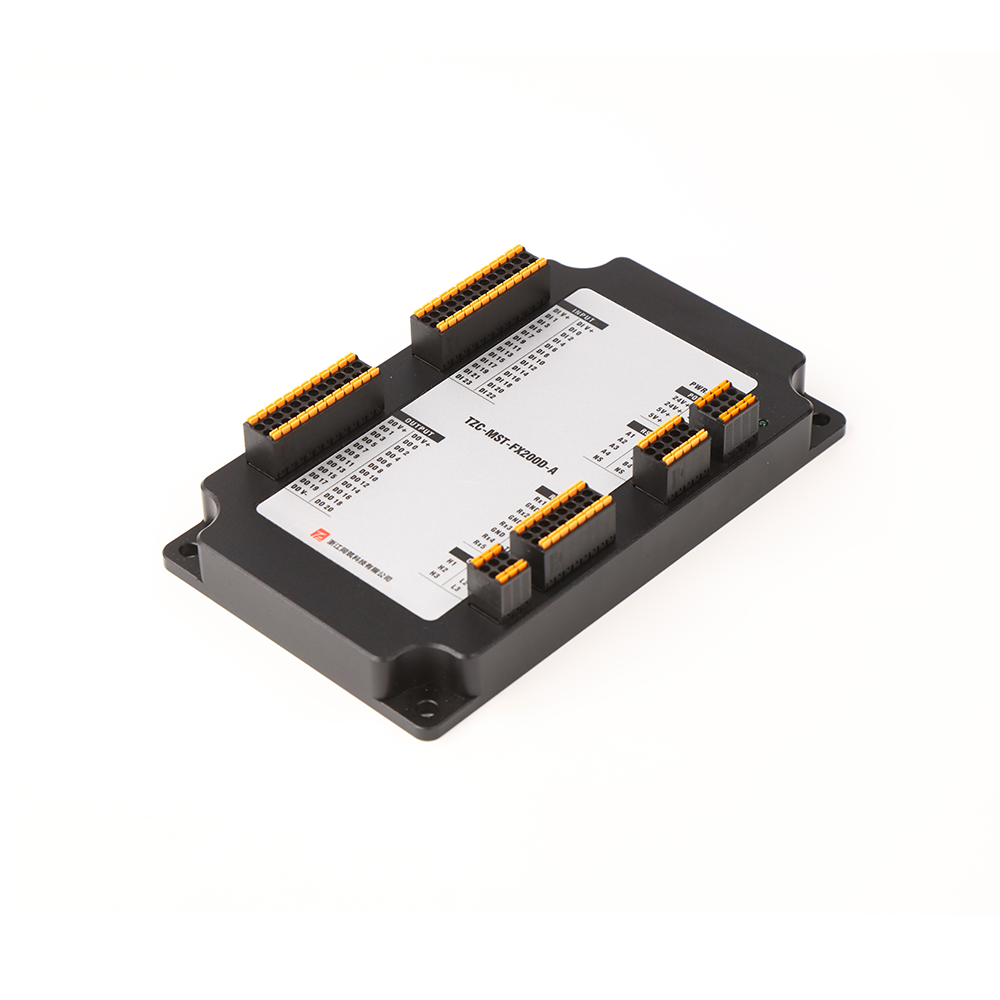
AGV Accessories Automated Guided Vehicle Controller with 19V~29V Power
A compact heavy-duty control platform for AGV accessories, designed for stable low-voltage motion control and straightforward integration.
- 19V–29V
- AGV accessory
- OEM ready
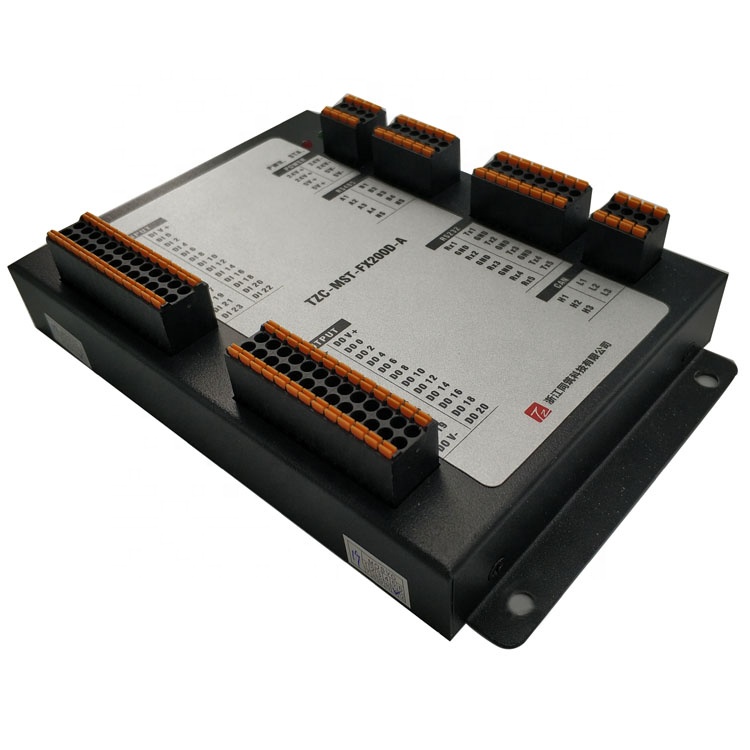
Smart AGV Controller TZC-MST-FX200D-A with Auto Guide for Building Material Shops
A smart controller for guided material movement in building-material shops, warehouse transfer zones and repetitive industrial routes.
- Auto guide
- Smart control
- Industrial use
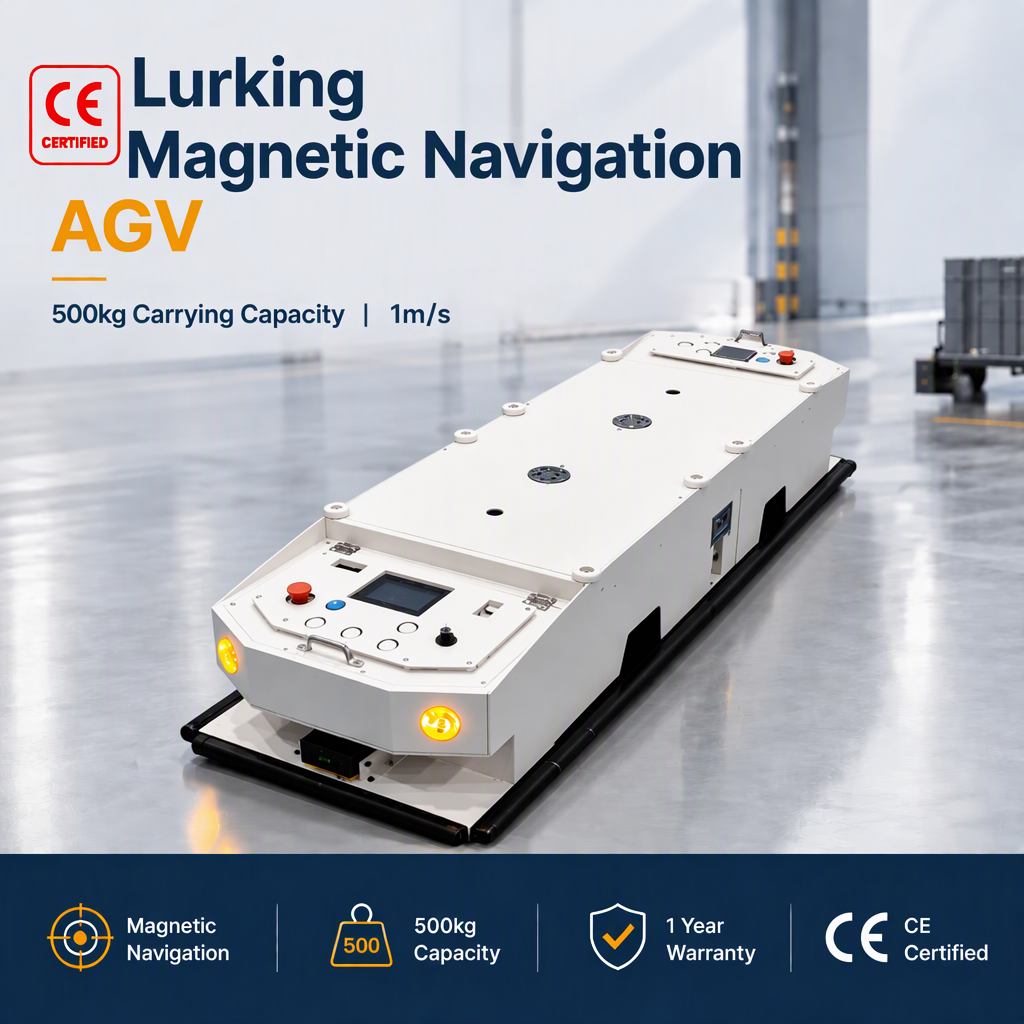
TZBOT CE Approved 500kg Bidirectional Lurking Robot with Magnetic Navigation
A 500 kg class bidirectional latent AGV for towing and material handling, using magnetic navigation for repeatable plant routes.
- 500 kg class
- CE approved
- Magnetic guide
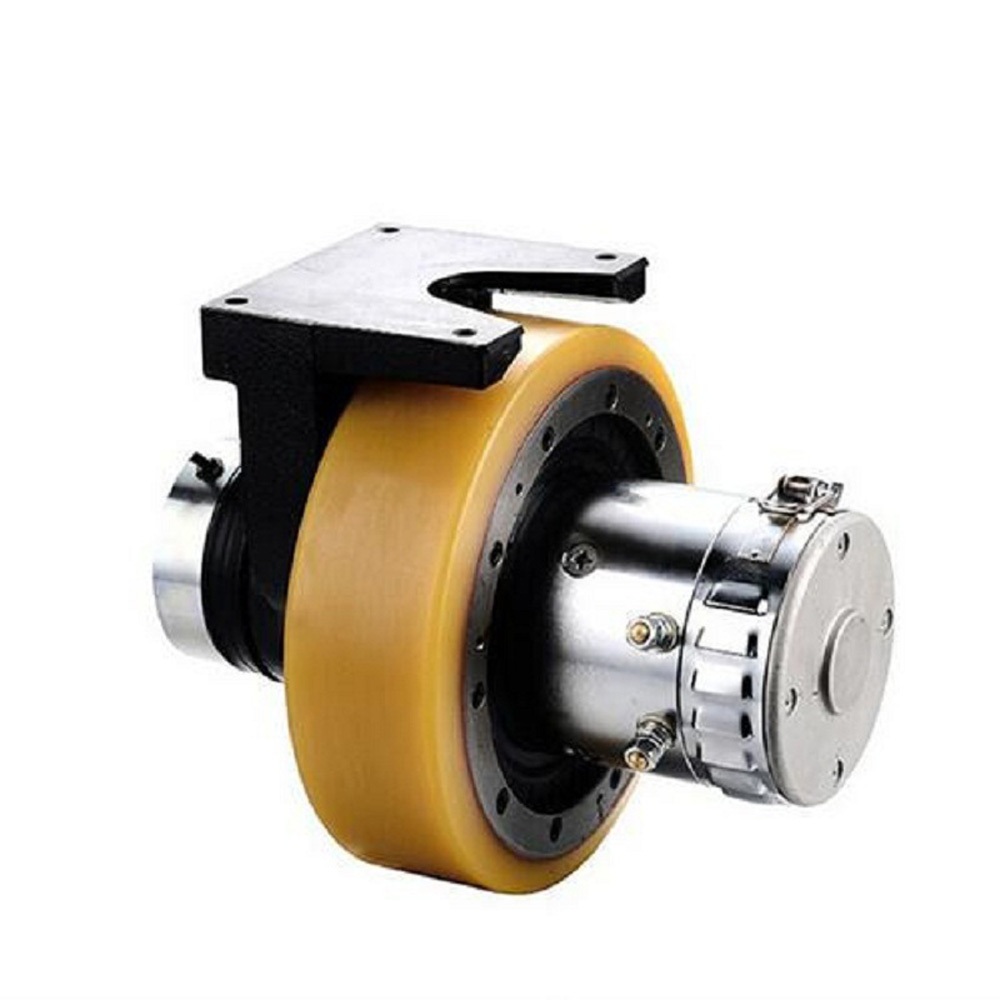
TZBOT TZ18-D12 1200W 24V Horizontal Drive Wheel Assembly
A 1,200 W, 24 V horizontal wheel unit for low-clearance AGV chassis that need omnidirectional steering and compact build height.
- 1,200 W
- 24 V
- Omnidirectional

TZBOT 48V DC 2 Ton Heavy Duty Differential Unit AGV Wheel TZCS-750-30
A 48 V DC, 2-ton-class differential drive unit for heavy-duty AGV and AMR platforms that require high traction and robust steering response.
- 48 V DC
- 2-ton class
- Differential drive
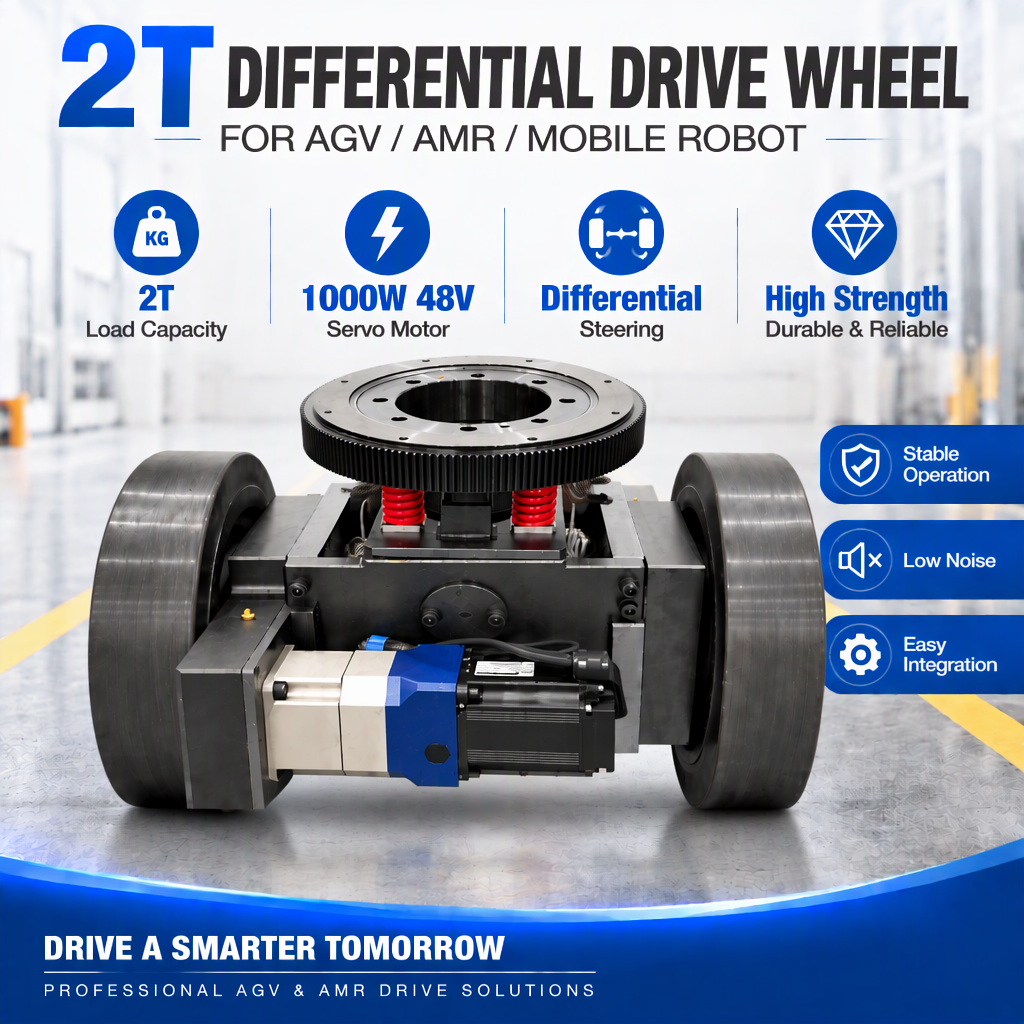
TZBOT 2000kg Traction Capacity Logistic Robot AGV AMR Differential Steering Drive Wheel
A 2,000 kg traction capacity differential steering wheel for heavy logistics robots, with steering control suited to tight transfer lanes.
- 2,000 kg traction
- Steering drive
- Logistics robot
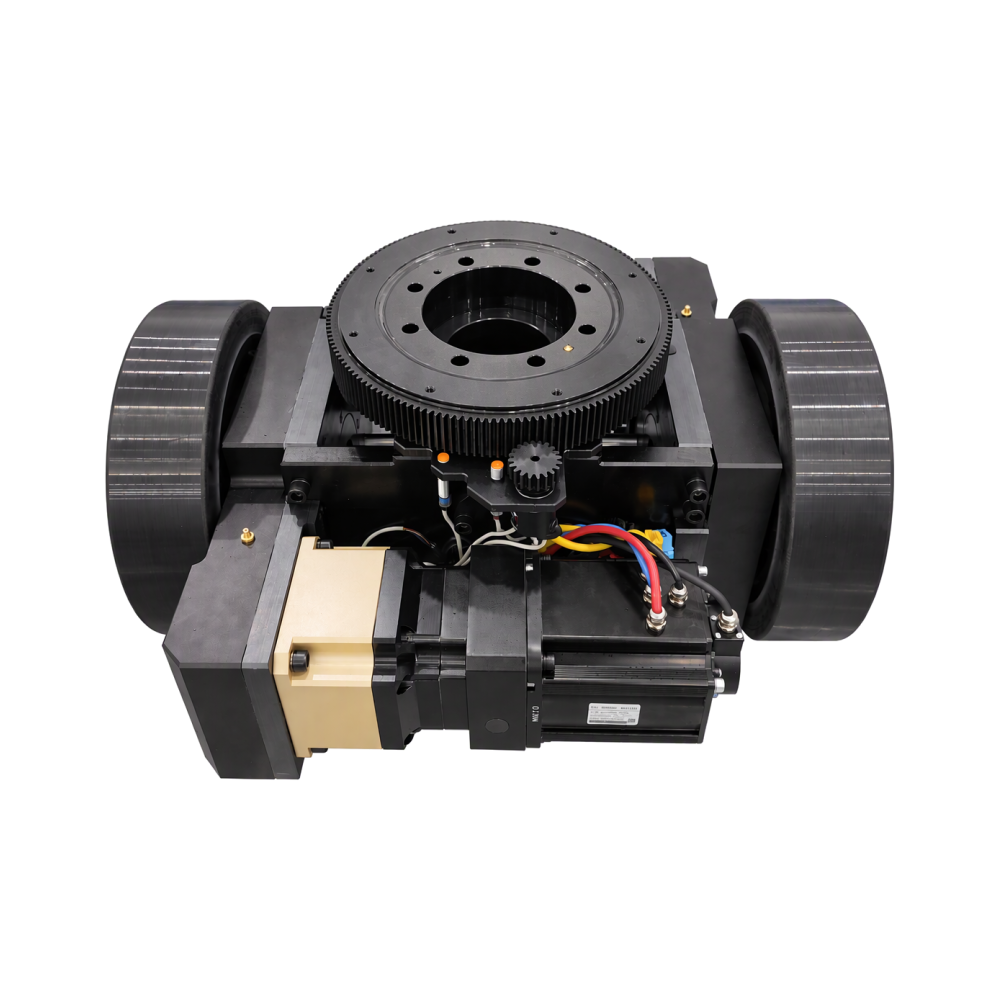
TZBOT Heavy Duty 3000kg Bearing Capacity Differential Drive Wheel Assembly
A 3,000 kg bearing-capacity wheel assembly for high-load material handling equipment where bearing life and structural stiffness are critical.
- 3,000 kg bearing
- Differential drive
- Heavy series
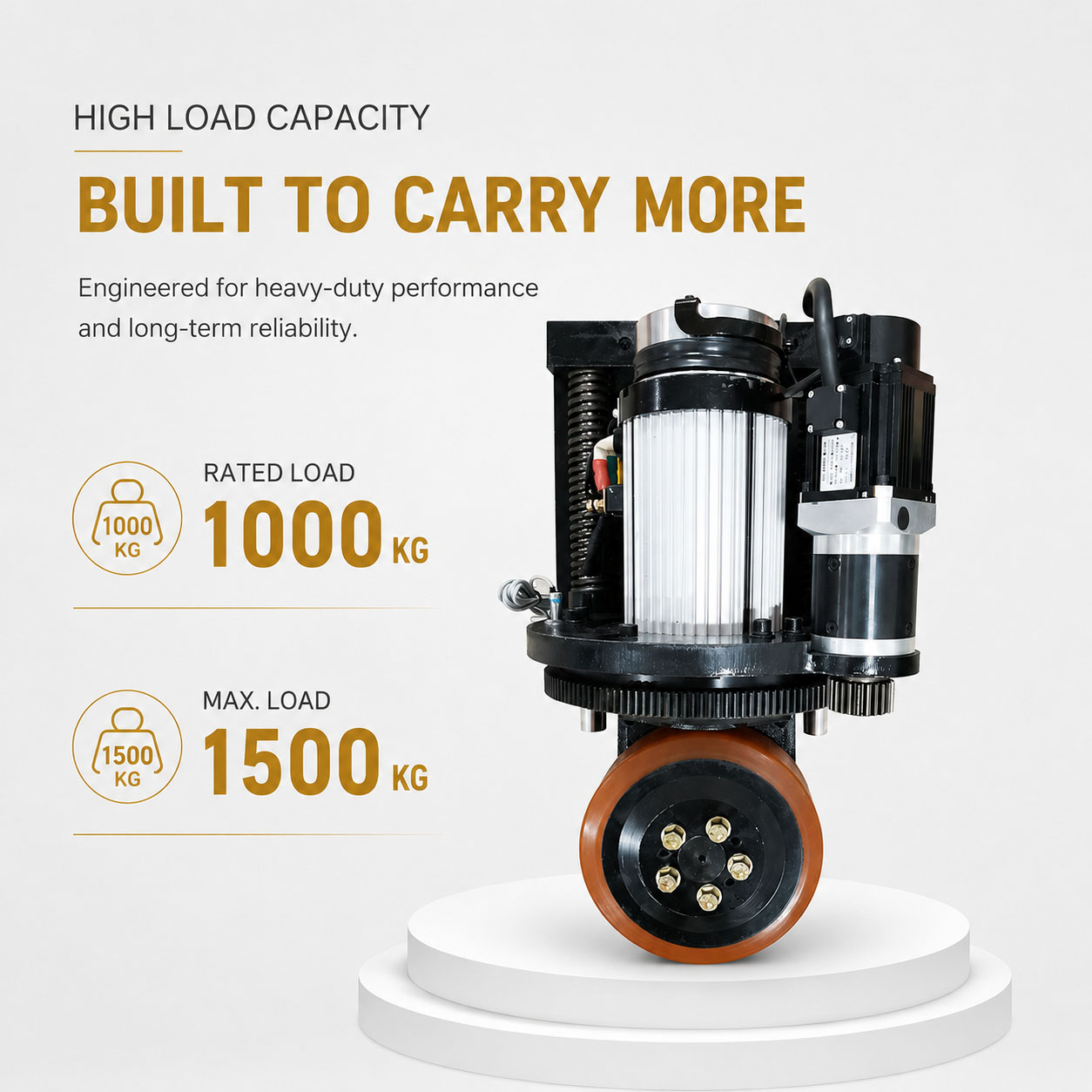
TZBOT 1000KG Bearing Duty 1500W Servo Motor AGV Forklift Driving Wheel with Suspension
A 1,000 kg bearing-duty forklift drive wheel with 1,500 W servo motor and suspension, supporting smoother floor contact and traction.
- 1,500 W servo
- 1,000 kg duty
- Suspension
What Makes a China Heavy Duty AGV Manufacturer Qualified for Your Project?
China’s heavy-duty AGV market is no longer a price-only market. For high-payload vehicles, buyers are not simply purchasing a robot; they are purchasing a matched drive train, a verified factory process and a long-term spare-parts relationship.
Duty-Cycle Engineering
Heavy-duty performance is defined by load spectrum, acceleration, floor condition, ramp grade and daily operating hours. A good factory asks for these inputs before quoting a wheel.
Matched Electronics
Motor, reducer, encoder, brake, servo controller and wheel should be selected as one system. Matched current limits and encoder resolution reduce commissioning time.
Verifiable Quality
Look for ISO 9001:2015, onsite factory verification, in-house testing instruments and endurance records for prototypes before mass production.
Export Reliability
Confirmed trade terms, response speed and spare-parts planning matter as much as the wheel itself when your AGV fleet operates overseas.
Information-gain insight: a “3,000 kg bearing capacity” wheel is not automatically the correct choice for a 3,000 kg payload. Engineers must calculate the actual wheel load, safety factor, unsprung mass, floor flatness and braking torque. Oversizing without checking chassis height can reduce traction; undersizing to save cost can shorten bearing life. The right specification starts with the vehicle’s real load spectrum, not the headline capacity.
Five Inputs That Prevent Expensive Heavy-Duty AGV Re-Design
Before requesting a quotation, prepare these five values. They determine motor power, reduction ratio, wheel diameter, controller current and the mechanical interface between the drive unit and your chassis.
| Specification Input | Why It Matters | Common Buyer Error |
|---|---|---|
| Gross vehicle weight | Sets the normal force on the drive wheel and therefore the traction and bearing load. Include payload, battery pack, lifting mechanism and attachments. | Using only the rated payload while ignoring the vehicle body and battery mass. |
| Target speed and acceleration | Defines torque demand, controller current and braking strategy. Fast cycles with frequent starts are harder on the drive train than steady travel. | Quoting a wheel by load capacity without checking acceleration torque. |
| Maximum gradient and floor condition | Ramps, ramps with turns, dock levellers and wet floors change the required friction and safety margin. | Testing only on a flat, dry warehouse floor. |
| Battery voltage and controller platform | 24 V, 48 V and higher-voltage architectures affect motor selection, current, heat and charger compatibility. | Choosing a 24 V wheel before confirming the battery and charger architecture. |
| Available chassis height | Low-clearance AGVs may need a horizontal drive unit; standard differential wheels may not fit under the deck. | Leaving insufficient space for suspension travel, cables and brake release access. |
For a faster sampling cycle, provide a simple drawing with wheel position, mounting hole pattern, required wheel travel and the expected daily operating hours. These details allow the factory to recommend a differential drive unit, steering drive wheel or horizontal wheel assembly without repeated back-and-forth revisions.
Match the Module to the Duty Cycle, Not the Discount
For heavy-duty AGV projects, the best component is the one that fits the vehicle architecture and can be supported through the full lifecycle. These practical pairings help buyers narrow the shortlist.
Latent Towing and 500 kg Transfers
Use the CE-approved 500 kg bidirectional lurking robot for repeatable magnetic routes, and consider the 2-ton differential unit when towing loads rise.
2,000 kg to 3,000 kg Heavy Loads
Pair the 48 V DC 2-ton differential unit with 2,000 kg and 3,000 kg bearing-capacity wheels when floor contact, bearing life and ramp stability are critical.
Low-Clearance Omnidirectional Chassis
The TZ18-D12 1,200 W 24 V horizontal drive wheel assembly supports omnidirectional steering where vertical space is limited.
Forklift and Suspension Applications
For automatic forklifts, the 1,000 kg bearing-duty 1,500 W servo driving wheel with suspension improves floor contact and ride stability.
2025–2030 Heavy-Duty AGV Procurement Trends
Buyers are shifting from isolated component purchases to system-level sourcing. The following trends are shaping supplier selection in China and global markets.
Modular BOM Sourcing
Procurement teams increasingly prefer one supplier for the matched drive wheel, motor, driver and sensor set. This reduces interface risk, shortens commissioning and simplifies spare-parts planning.
Higher Voltage and Power Density
48 V DC and higher-power servo architectures are becoming more common in heavy-duty AGVs. Buyers are asking for current margin, thermal headroom and charger compatibility evidence.
Safety and Compliance Evidence
CE-related evidence, traceable production records and clear risk documentation are moving from “nice to have” to formal supplier qualification requirements.
Total Cost of Ownership
Lowest unit price is no longer the leading metric. Buyers now compare energy efficiency, maintenance intervals, bearing life, spare-wheel availability and downtime exposure.
Digital Documentation
3D models, wiring diagrams, parameter files and commissioning guides are increasingly requested during procurement so that integrators can shorten project schedules.
Local Support and Spare Parts
Heavy-duty AGV fleets require predictable after-sales response. Buyers are asking suppliers to clarify spare-part lead times, technical escalation paths and packaging for export.
Product Development Trends for Next-Generation Heavy-Duty AGVs
Component suppliers that only sell catalogue wheels will struggle as AGV platforms become more integrated, safer and more data-driven.
Integrated Drive, Steering and Reduction
More heavy-duty AGVs will use integrated wheel units that combine servo motor, encoder, brake, reducer and steering in one compact assembly. The benefit is shorter engineering cycles and fewer assembly tolerances.
Sensor Fusion and Navigation Redundancy
Magnetic guide, RFID station tags, lidar and QR navigation will be combined rather than used alone. Heavy-duty vehicles need redundancy in dusty, reflective and high-traffic environments.
Functional Safety by Design
Braking redundancy, safe torque off, obstacle detection and controlled deceleration will become standard requirements for high-payload AGVs operating around people and mixed traffic.
Energy Recovery and Battery Integration
Regenerative braking, battery management integration and thermal monitoring will influence drive selection. Heavy AGVs with frequent stops can recover meaningful energy if the controller supports it.
Omnidirectional and Low-Clearance Designs
Horizontal drive units and compact steering wheels will continue to grow as warehouses adopt more flexible layouts and low-profile lifting platforms.
Digital Twin and Predictive Maintenance
Encoder data, current logs and temperature signals can be used to predict bearing wear and wheel slip. Suppliers that provide parameter visibility will have an advantage in fleet-service contracts.
Why Zhejiang Torqen Technology Co., Ltd. Is Built for Heavy-Duty OEM/ODM Programs
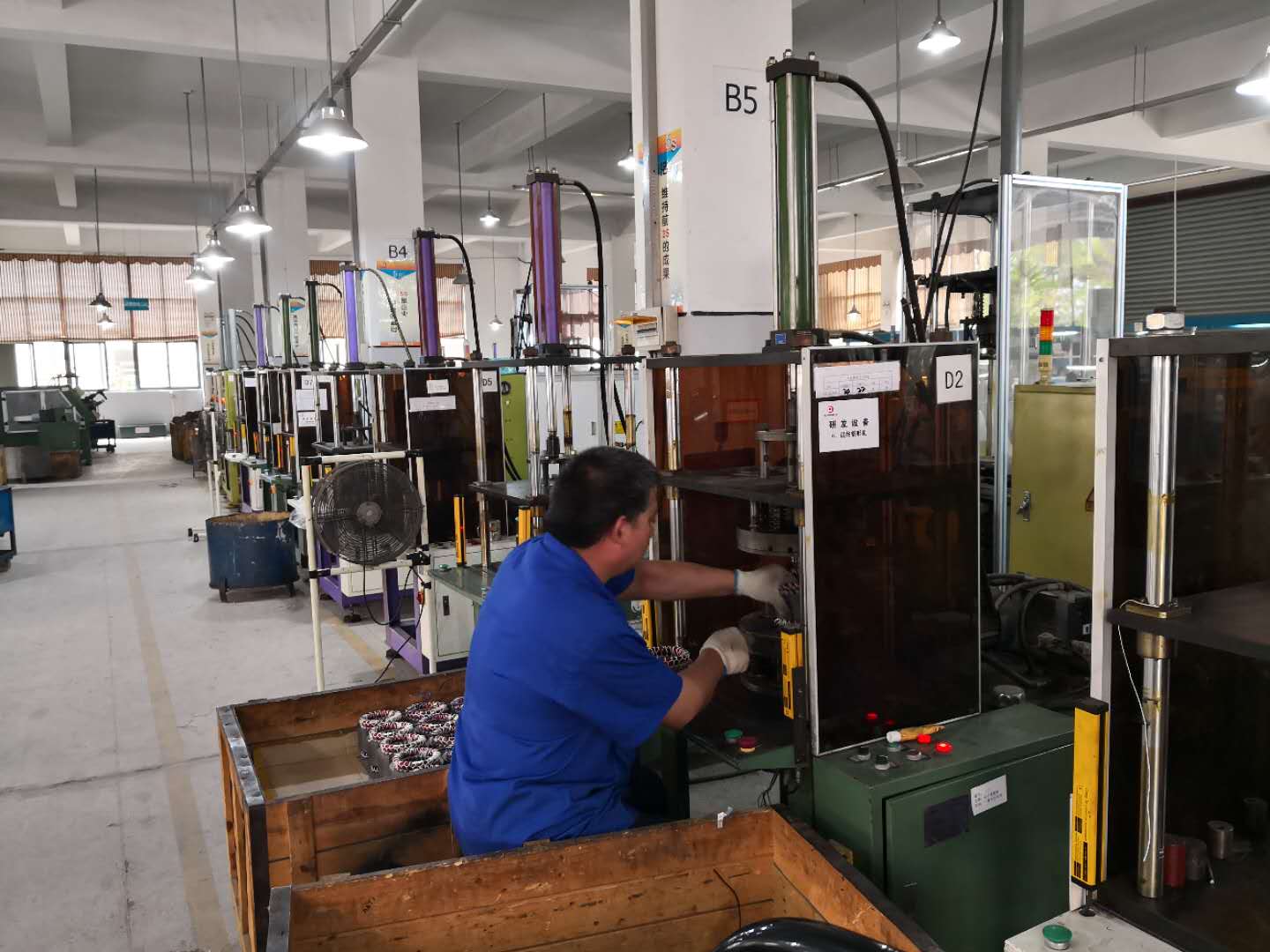
Zhejiang Torqen Technology Co., Ltd. was founded in 2015 in Zhejiang, China, and manufactures automatic guided vehicles, AGV drive wheel assemblies, DC/AC motors, encoders, reducers, motor controllers, caster wheels, PU wheels and in-wheel motor units for automation builders worldwide.
The company operates as a manufacturer and trading company with a factory area of 1,000–3,000 m², an annual output value of US$5M–10M and a team of 51–100 people. Its quality management system is certified to ISO 9001:2015, and its facility has been verified onsite by Intertek. Torqen has been awarded eight patents and uses five in-house testing instruments for finished-product inspection.
For heavy-duty AGV buyers, the strongest advantage is not a single product. It is the ability to match wheel, motor, reducer, encoder, brake, controller and navigation sensor as one drive train. This matched approach reduces integration risk, shortens sample cycles and gives overseas buyers a clearer path from prototype to production.

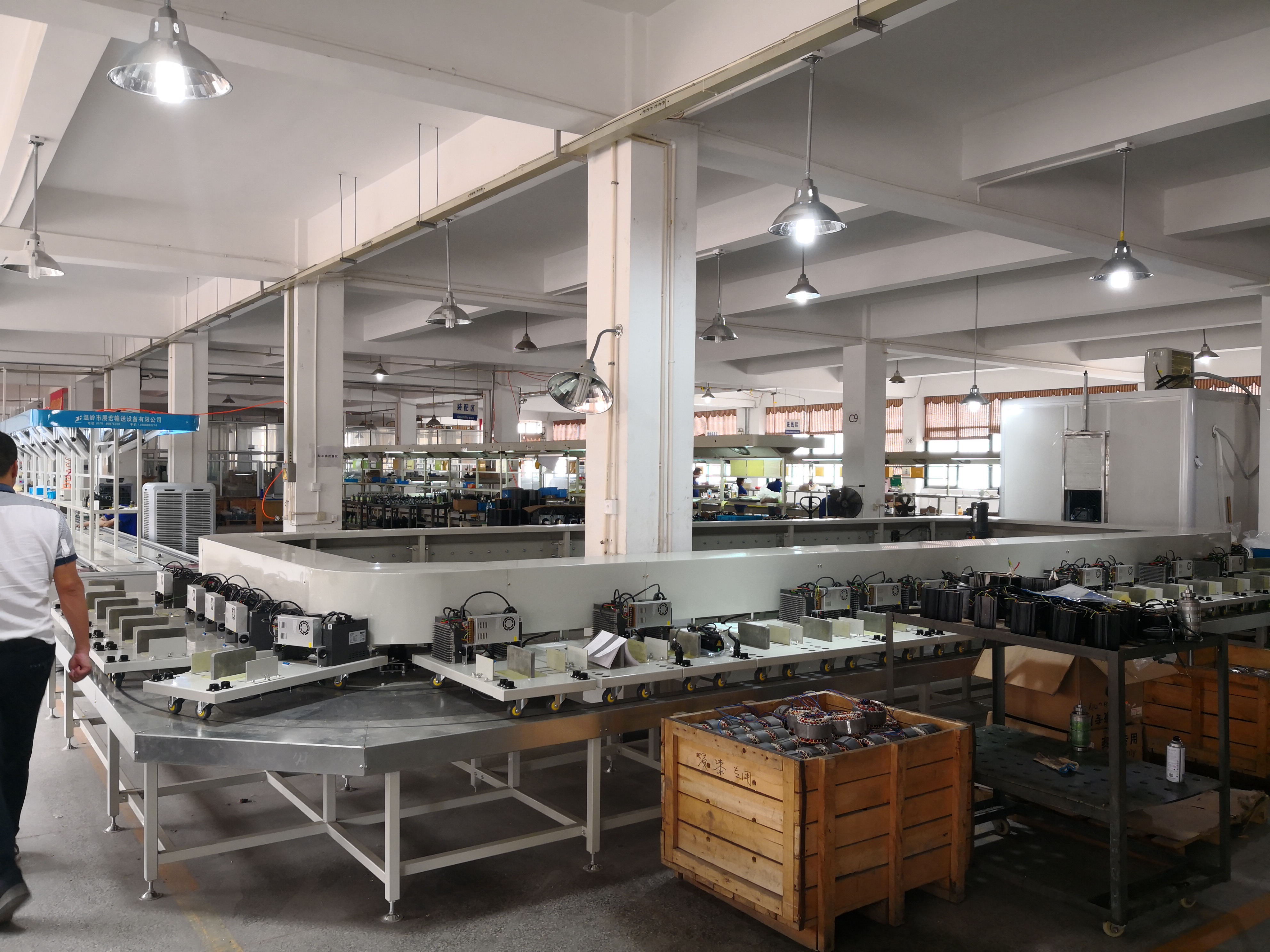

Four Reasons Engineering Buyers Shortlist Torqen
Heavy-duty AGV projects demand evidence, not adjectives. These advantages are the practical reasons OEM and ODM buyers request samples from Torqen.
Engineering-Led Customization
Sample-based customization, design-based customization, OEM production, design services and buyer-label packaging are available for motor power, voltage, reduction ratio, wheel tread and mounting interfaces.
Matched Drive Train
Wheels, motors, reducers, encoders, servo/BLDC controllers and sensors are selected together. This reduces the risk of mismatched current limits, encoder signals and mechanical interfaces.
Inspection Before Shipment
ISO 9001:2015 controlled manufacturing, five in-house testing instruments, finished-product inspection and extended-duration prototype testing support consistent production quality.
Export-Ready Support
Flexible payment methods, multiple delivery terms and an inquiry response rate of 97.9% help overseas buyers keep projects moving across time zones.
From Specification to Shipment in Six Steps
A transparent engineering workflow is especially important for heavy-duty AGVs, where a small interface error can delay an entire vehicle program.
Requirement Review
Load, speed, gradient, voltage and chassis height are checked against the intended use.
Engineering Proposal
Motor, reducer, wheel diameter and controller current are matched; drawings are shared.
Prototype Build
A sample or design-based customization is produced for fit and function testing.
Endurance Testing
Extended-duration runs and parameter checks are completed before release to production.
Mass Production
Manufacturing proceeds under the ISO 9001:2015 quality management system.
Inspection & Delivery
Finished-product inspection, export packing, documentation and shipment are completed.
Flexible Payment and Delivery for Global Heavy-Duty AGV Buyers
Clear commercial terms reduce project risk. Torqen supports common international payment methods, delivery terms and invoicing currencies for OEM and ODM orders.
Payment Methods
- T/T
- L/C
- D/P
- D/A
- MoneyGram
- Credit Card
- PayPal
- Western Union
- Cash
- Escrow
Delivery Terms
- FOB
- CFR
- CIF
- EXW
- CIP
- FCA
- CPT
- DDU
- Express
Supported Currencies
- USD
- EUR
- JPY
- CAD
- AUD
- HKD
- GBP
- CNY
Common Questions Buyers Ask Before Ordering
These are the buyer-intent questions most frequently raised during heavy-duty AGV drive-wheel, controller and customization discussions.
What does “heavy duty” mean for an AGV drive wheel?
Heavy duty means more than a high load number. It includes bearing selection, housing stiffness, wheel tread, braking torque, motor thermal margin, encoder durability and the ability to survive frequent starts, ramps and uneven floors. Buyers should match the drive unit to the actual load spectrum and duty cycle, not only the rated payload.
Does Torqen support OEM and ODM customization for AGV components?
Yes. Torqen offers sample-based customization, design-based customization, OEM production, design services and buyer-label packaging. Typical customizations include motor power and voltage, reduction ratio, wheel diameter and tread material, encoder type, brake options and mounting interfaces.
How can I verify product quality before placing a heavy-duty AGV order?
Review the factory’s ISO 9001:2015 certificate, onsite verification records, testing instruments and prototype endurance-testing process. Ask for inspection records relevant to your specification, and request a sample or pilot order before mass production. Torqen’s quality management system is certified to ISO 9001:2015, its facility has been verified onsite by Intertek, and it uses five in-house testing instruments for finished-product inspection.
Which drive wheel type should I choose for my AGV or AMR?
Differential drive units suit compact latent and jacking AGVs that turn by wheel-speed difference. Steering drive wheels suit forklift and tricycle-type AGVs that need controlled steering angles. Horizontal drive wheel assemblies suit low-clearance chassis. Share your payload, speed, chassis height, ramp grade and battery voltage so the engineering team can recommend the right configuration.
Can Torqen match the drive wheel, motor and controller together?
Yes. This is one of the main advantages of sourcing from a motion-control manufacturer rather than assembling parts from separate suppliers. Matching the motor, reducer, encoder, brake, wheel and servo/BLDC controller reduces interface risk and simplifies commissioning for your engineering team.
What payment and delivery terms are accepted?
Accepted payment methods include T/T, L/C, D/P, D/A, MoneyGram, credit card, PayPal, Western Union, cash and escrow in USD, EUR, JPY, CAD, AUD, HKD, GBP or CNY. Delivery terms include FOB, CFR, CIF, EXW, CIP, FCA, CPT, DDU and express delivery.
Which industries use Torqen AGV drive and control products?
Products are used in AGVs and AMRs, forklifts, aerial work platforms, airport equipment, agricultural machines, hydraulic applications, floor scrubbers and sweepers, wind energy, marine equipment and medical devices. For heavy-duty intralogistics, the most common applications are warehouse material transport, automatic forklifts, latent towing and production-line feeding.
How do I start a heavy-duty AGV sample or OEM project?
Send the gross vehicle weight, target speed, maximum gradient, battery voltage, chassis height, wheel position drawing and expected daily operating hours. The engineering team can then recommend a drive unit, controller and navigation sensor combination and outline the sample or OEM/ODM process. Use the inquiry button on this page to begin the technical review.
Send Your Load, Speed and Chassis Drawing
Tell us the vehicle weight, target speed, ramp grade, battery voltage and available chassis height. Our engineers will recommend the heavy-duty AGV drive wheel, controller and sensor combination for your project.
