Eight Factory-Direct Building Blocks for Mobile Robot Programs
Global integrators rarely buy a “part” in isolation. They buy motion, control, navigation, charging, and structure that must work together. The eight products below are the configurations most often requested from Chinese mobile robot factories — and each one links to its original product page.
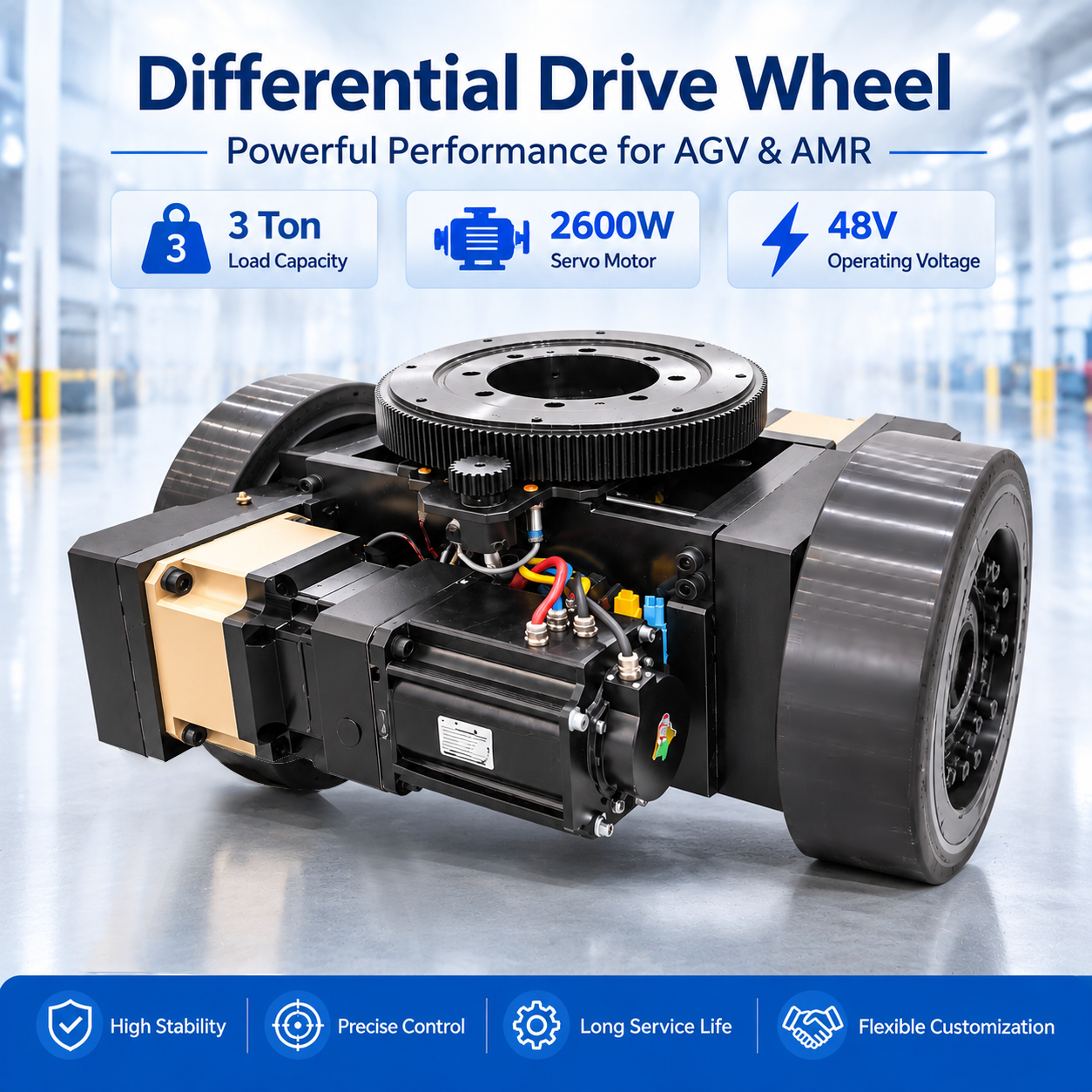
TZBOT Customizable 3000kg Load Capacity AGV Wheel Automatic Guided Vehicle Differential Drive Wheel with 2600w 48V Servo Motor
A high-load differential drive wheel for heavy AGV and AMR platforms, with customizable motor voltage, reduction ratio, wheel tread, encoder, brake, and mounting interface.
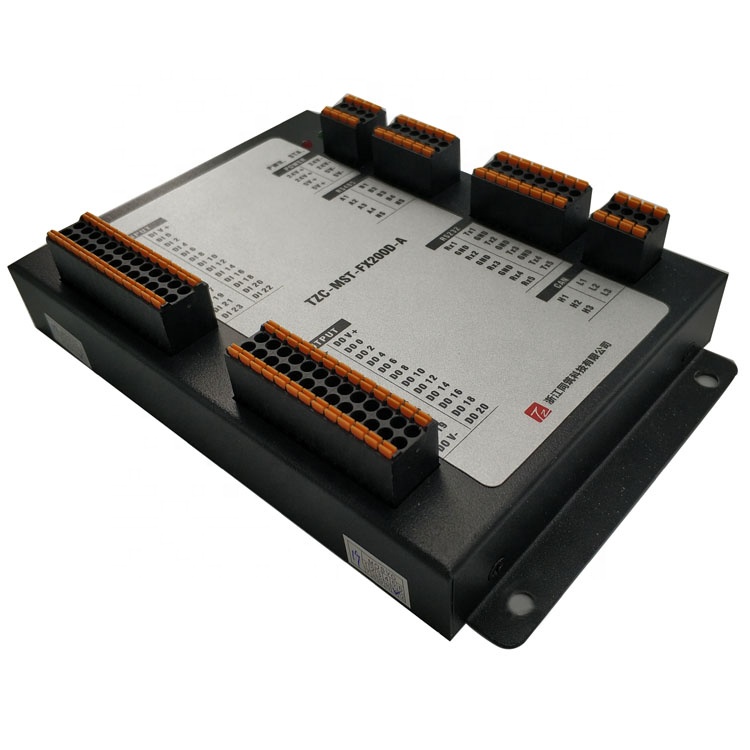
Smart AGV Controller TZC-MST-FX200D-A with Auto Guide Apply for Building Material Shops
An auto-guide controller for industrial mobile platforms, route logic, station recognition, and integration with magnetic or RFID navigation in building-material operations.
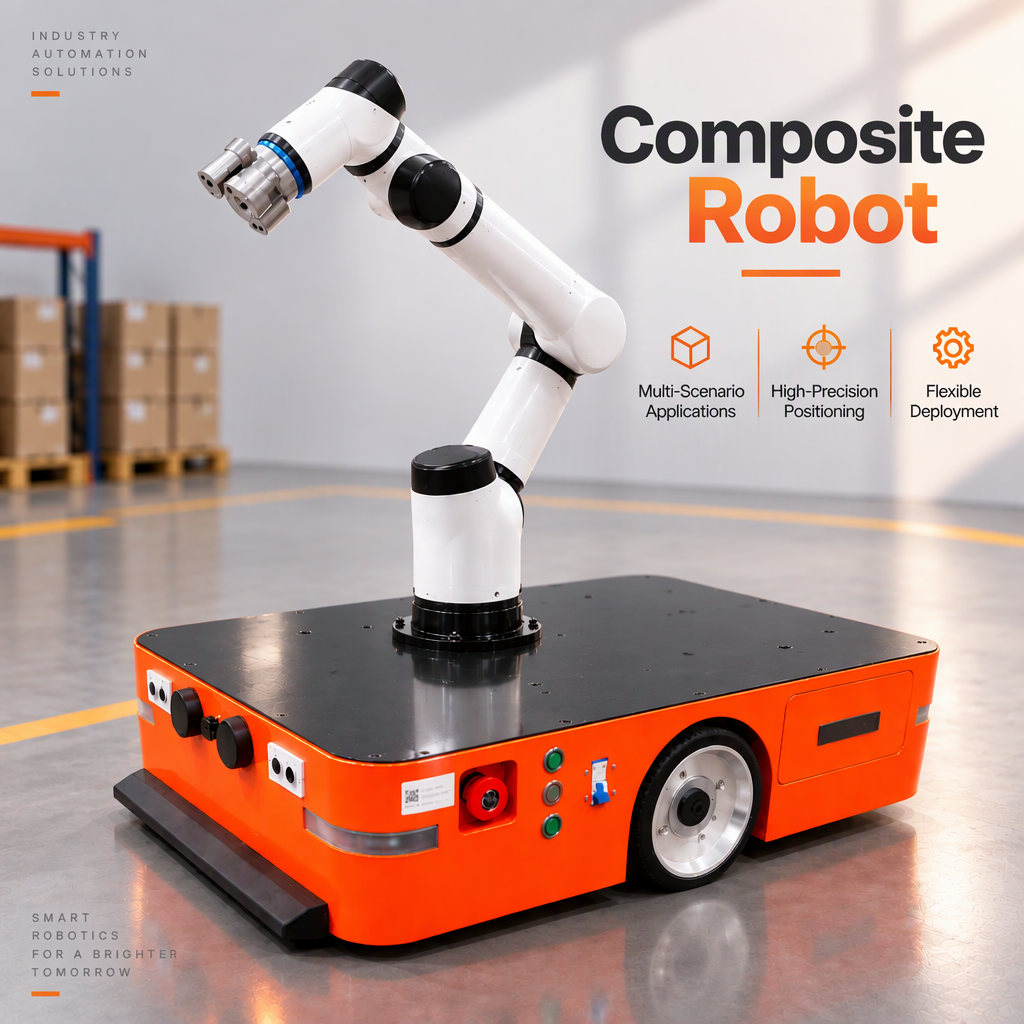
TZBOT Backpack AGV 200kg Load Capacity Chassis Magnetic Guidance Composite Robot with Robotic Arm
A magnetic-guidance composite robot chassis for lightweight pick-and-place, laboratory automation, and compact material-handling cells with an arm interface.
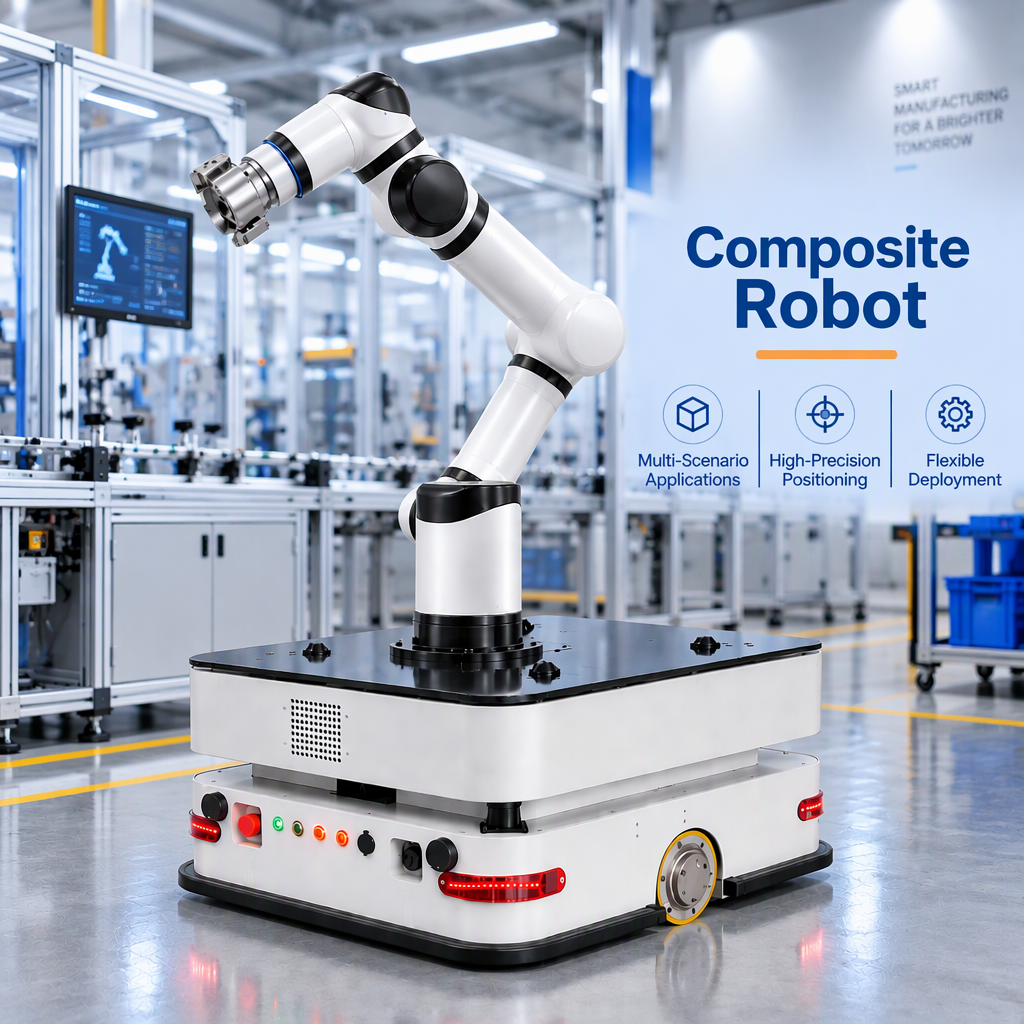
TZBOT Auto Guidance Mobile Chassis 1000kg Payload AGV Integrate Arm Robotic Intelligent Composite Robot
A 1000 kg payload AGV chassis designed to integrate a robotic arm for intelligent composite robot applications in flexible manufacturing and warehousing.
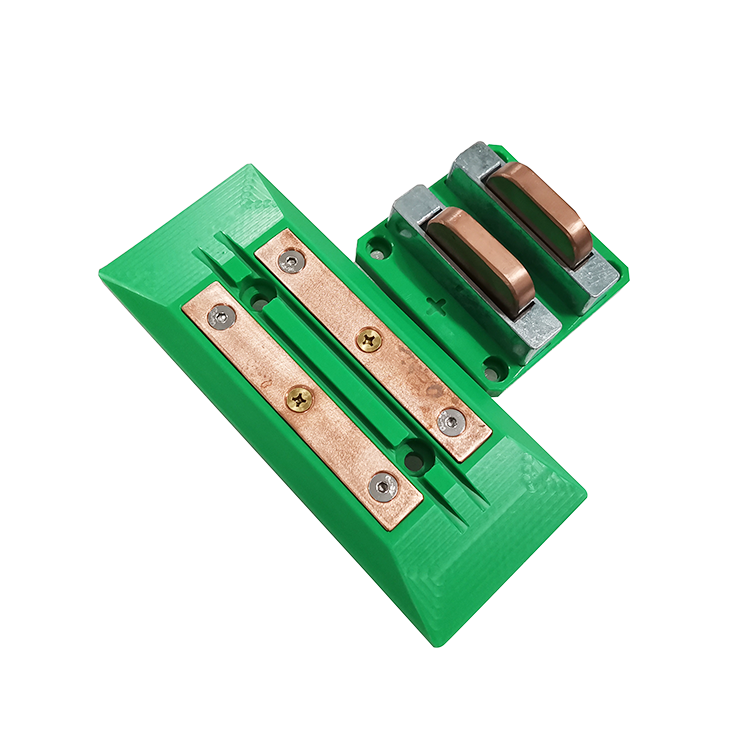
TZBOT Charger Pad Model TZ-CP-50A with Brush Plate and Brush Block for AGV Navigation Vehicles
A brush-plate and brush-block charger pad for AGV navigation vehicles, supporting automatic charging and reducing manual docking risk in repeated duty cycles.
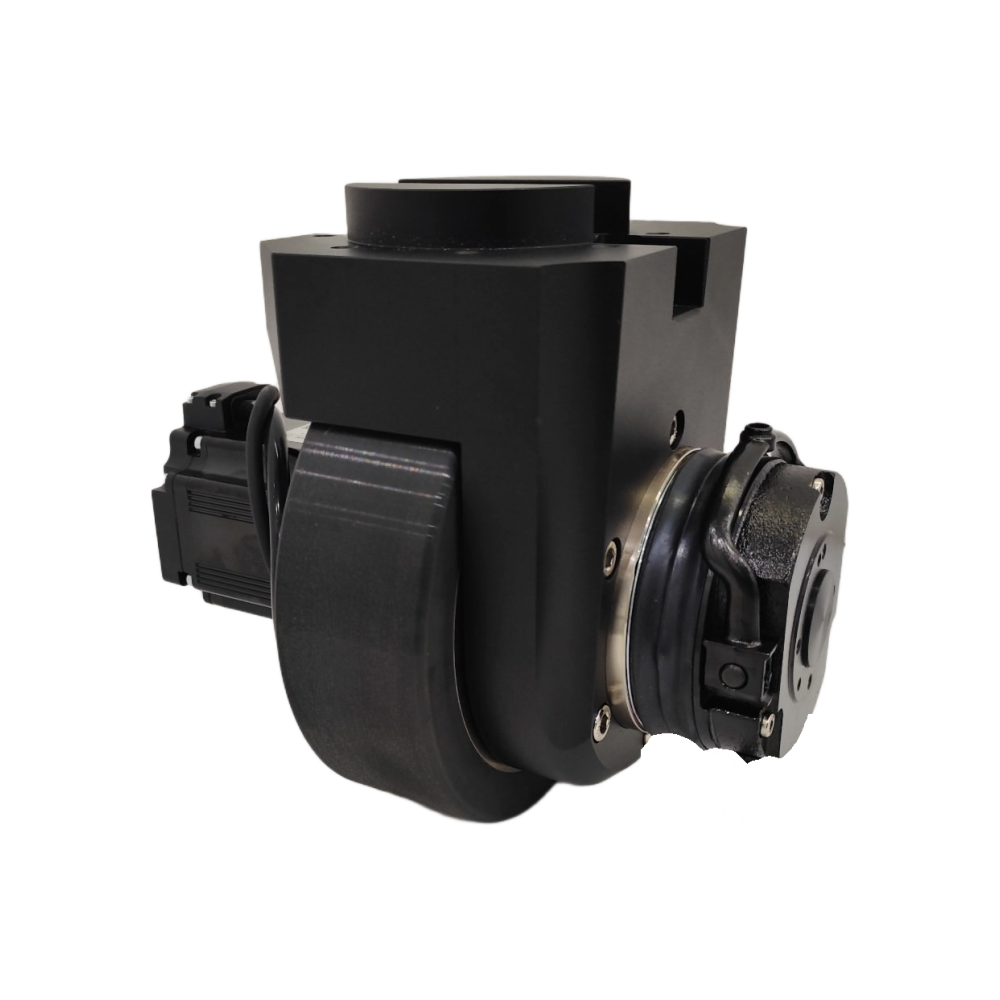
TZBOT Compact Structure AGV Wheel Imported Polyurethane 1000kg Load Duty Mobile Robot Horizontal Drive Wheel Unit
A low-profile horizontal drive wheel unit with imported polyurethane tread for 1000 kg duty, suited to low-clearance AGV chassis and under-ride carts.
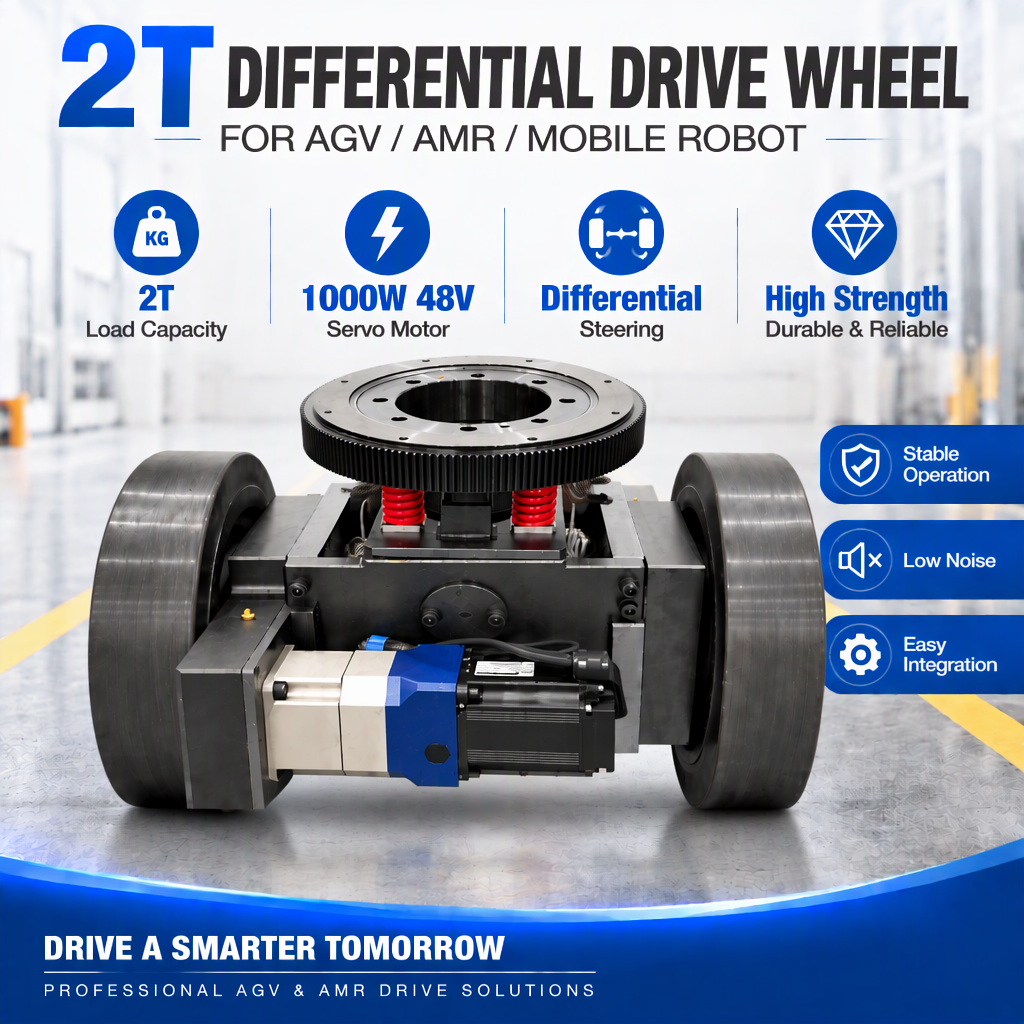
TZBOT 2000kg Traction Capacity Logistic Robot Part AGV AMR Differential Steering Drive Wheel for Sale
A heavy-duty differential steering drive wheel for logistics robots and AMRs, combining traction, steering control, and compact integration for tugger and forklift-style platforms.
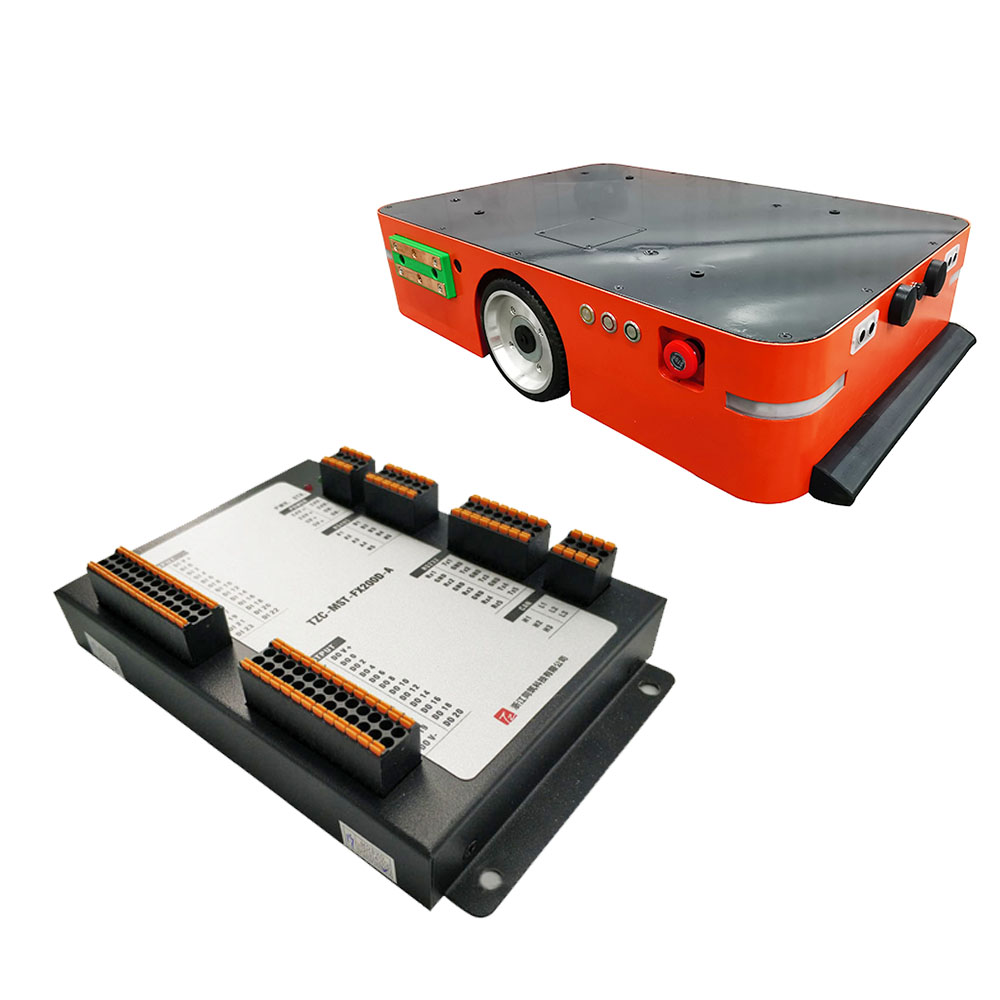
TZBOT Smart agv Controller for Commanding the AGV
A smart controller for commanding AGV motion and task logic, useful for integrators building custom vehicles around Torqen drive wheels and navigation sensors.
Why “China Top Mobile Robot Factories & Exporter” Deserves a Whitepaper, Not a List
The search intent behind this phrase is unusually rich. A buyer may begin with a simple supplier query, but the real decision usually involves drive-train matching, controller compatibility, navigation method, charging strategy, export terms, and after-sales risk.
Search Intent Is Multi-Stage
The same buyer may search for “AGV drive wheel manufacturer,” “China mobile robot exporter,” “OEM AGV controller,” and “ISO 9001 AGV factory.” A top supplier page must answer all four intents without forcing the buyer to restart research.
Hidden Cost Is Integration
Buying a wheel from one supplier, a motor from another, and a driver from a third creates an invisible engineering tax. The most bankable suppliers reduce that tax by matching mechanics, electronics, and firmware interface assumptions.
Verification Beats Claims
For E-E-A-T and real procurement confidence, look for evidence: ISO 9001:2015, third-party onsite verification, testing instruments, patents, buyer ratings, and documented response performance. Claims without evidence are only marketing.
For an engineering buyer, the highest-value information gain is not a longer product list. It is a decision framework: which drive wheel suits which chassis, which controller matches which motor, which navigation method fits the route layout, and which exporter can support the platform after shipment. That is the lens used throughout this guide.
Zhejiang Torqen Technology Co., Ltd. Through a Buyer’s Due-Diligence Lens
Founded in 2015 in Zhejiang, China, Torqen is a manufacturer and trading company focused on mobile robot motion. Its product scope spans automatic guided vehicles, AGV drive wheel assemblies, DC/AC motors, encoders, reducers, servo and BLDC controllers, caster and PU wheels, and in-wheel motor units.
For overseas buyers, the most useful question is not “How large is the factory?” but “Can the factory engineer, test, document, and ship the motion subsystem I actually need?” Torqen’s profile is relevant because it sits at the component and platform intersection: the company supplies individual drive wheels and controllers, yet also builds AGV chassis and composite robot platforms.
That matters in procurement. A matched drive train reduces interface risk between motor, reducer, encoder, brake, wheel tread, and driver parameters. It also shortens commissioning because the supplier can provide wiring diagrams, parameter sets, and application guidance from one technical team.
- Established
- 2015 · Zhejiang, China
- Business Type
- Manufacturer & Trading Company
- Factory Size
- 1,000–3,000 m²
- Annual Output
- US$5M–10M
- Team
- 51–100 people
- Quality System
- ISO 9001:2015
- Verification
- Intertek onsite assessment
- Testing
- 5 in-house instruments
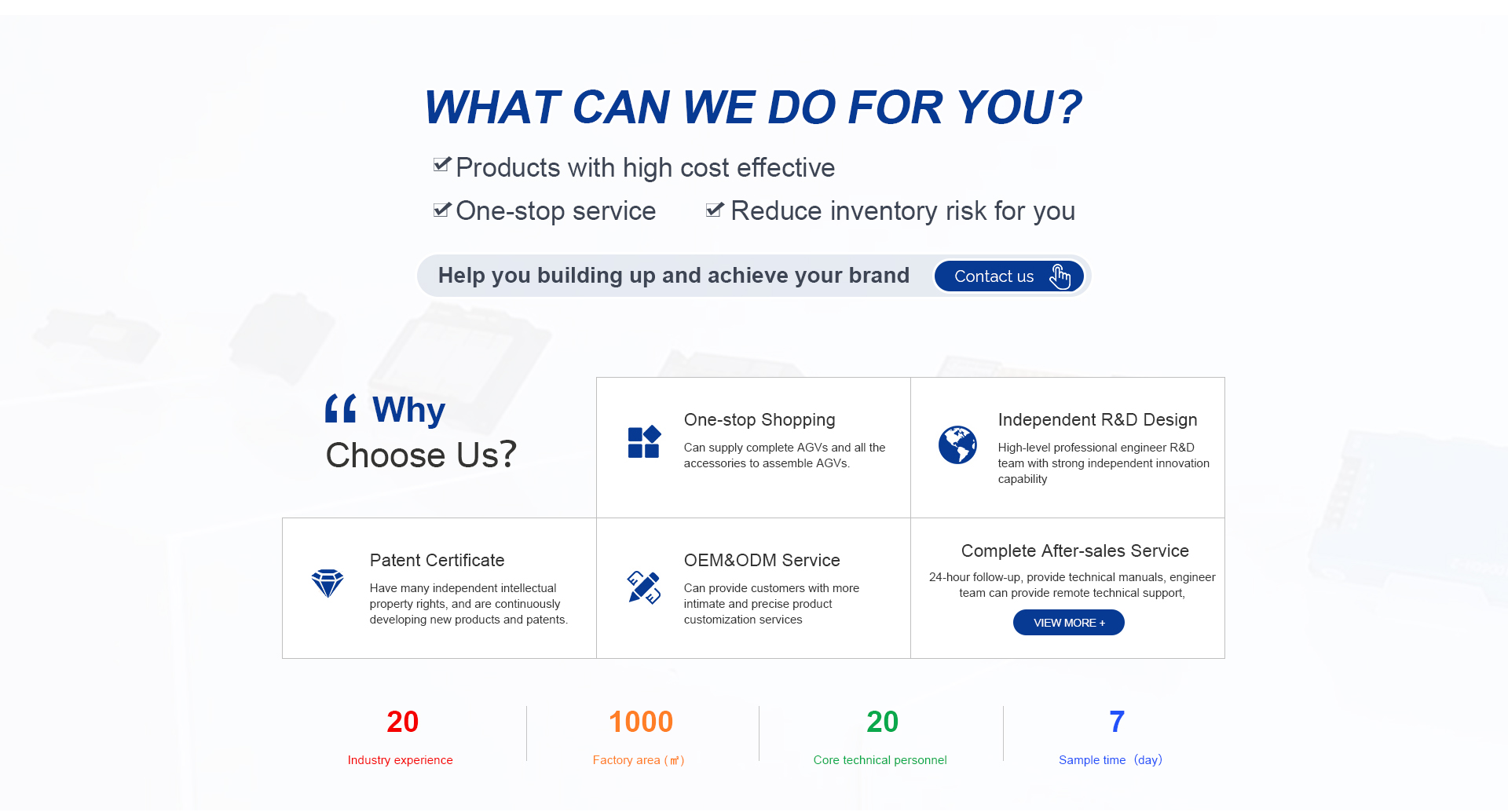
Torqen also reports 8 awarded patents, a 4.9/5 buyer rating, and a 97.9% inquiry response rate. Those proof points matter because they speak to repeatability, not just capability. Customization is available through sample-based and design-based programs, including motor power and voltage, reduction ratio, wheel diameter and tread material, encoder type, brake options, and mounting interfaces.
Applications extend beyond warehouse AGVs to forklifts, aerial work platforms, airport equipment, agricultural machines, hydraulic applications, floor scrubbers and sweepers, wind energy, marine equipment, and medical devices. Export terms include T/T, L/C, D/P, D/A, MoneyGram, credit card, PayPal, Western Union, cash, and escrow, with currencies such as USD, EUR, JPY, CAD, AUD, HKD, GBP, and CNY. Delivery terms include FOB, CFR, CIF, EXW, CIP, FCA, CPT, DDU, and express delivery.


Product Recommendations: Match the Drive Wheel to the Chassis, Not the Catalog
The fastest way to reduce sampling cycles is to send the five values every drive-wheel engineer asks for: gross vehicle weight, target speed, maximum gradient, battery voltage, and available chassis height.
Differential and Steering Drive Wheels
For latent, jacking, tugger, and heavy logistics platforms, the drive wheel becomes a structural and control decision. Torqen’s 3000 kg differential drive wheel with 2600 W 48 V servo motor and the 2000 kg traction differential steering drive wheel cover two common heavy-duty paths.
- Differential units for compact turning by wheel-speed difference
- Steering units for forklift and tricycle-style chassis
- Custom reduction ratio, encoder, brake, and mounting interface
Horizontal Drive Wheel Units
When the chassis must sit low, a conventional vertical motor layout may not fit. The 1000 kg compact horizontal drive wheel unit with imported polyurethane tread offers a lower build height for under-ride carts and space-constrained AGVs.
- Imported polyurethane tread for traction and wear balance
- Horizontal motor layout for low-clearance chassis
- Suitable for 1000 kg load-duty mobile robot platforms
Arm-Ready AGV Chassis & Control
Composite robots combine mobility with manipulation. The 200 kg backpack AGV chassis and 1000 kg payload arm-ready chassis let integrators start from a moving base, while Torqen controllers and charger pads complete the motion and energy loop.
- Magnetic guidance and robotic-arm integration options
- Smart AGV controllers for task logic and motion command
- Automatic charger pad with brush plate and brush block
What Global Buyers Will Ask Chinese Mobile Robot Exporters Next
Procurement is shifting from lowest-piece-price sourcing to lifecycle-risk sourcing. The winning exporter will be the one that can document interfaces, test outcomes, and service commitments as clearly as it can quote a unit price.
Drive-Train Orchestration
Buyers increasingly prefer one supplier to match wheel, motor, reducer, encoder, brake, and driver. This reduces integration risk and shortens the path from prototype to stable production.
Total Cost of Ownership
Cheap components can become expensive when they cause downtime, rework, or spare-parts delays. Buyers now ask for efficiency, service life, and after-sales response — not just unit price.
Modular Customization
Customization is becoming modular: voltage, reduction ratio, wheel diameter, tread material, encoder, brake, and mounting interface. Documented option libraries are more valuable than one-off modifications.
Traceability & Safety
Quality records, inspection reports, and consistent part revisions are becoming procurement requirements. Exporters need to show how changes are controlled after the sample is approved.
Supply-Chain Resilience
Dual sourcing and buffer planning remain important. Buyers want to know which subcomponents are standard, which are customized, and how quickly replacement parts can be shipped.
Commissioning Data
Wiring diagrams, parameter sets, and interface notes are now part of the product. A supplier that shortens commissioning is worth more than a slightly lower quotation.
From Mechanical Parts to Intelligent Motion Modules
Mobile robot components are becoming more integrated, more measurable, and more connected. The product development trend is clear: the drive wheel is no longer just a wheel, and the controller is no longer just a driver.
| Conventional Sourcing | Next-Generation Expectation | Procurement Impact |
|---|---|---|
| Wheel + motor + reducer sourced separately | Integrated servo drive wheel with matched encoder and brake | Fewer interface failures, faster commissioning, clearer warranty boundary |
| Basic motor driver | Smart controller with parameter sets and task logic interface | Shorter software integration and easier field replacement |
| Single navigation method | Sensor fusion: magnetic guide, RFID, lidar, and QR options | Route layout flexibility and better fit to brownfield facilities |
| Manual or semi-automatic charging | Automatic charger pad with brush plate and brush block | Lower labor involvement and higher uptime in repetitive duty |
| Separate AGV and robot arm | Composite robot chassis designed for arm integration | One motion base, one control architecture, faster cell deployment |
In practical terms, buyers should ask whether the supplier can move from “I have a drawing” to “I have a tested, documented motion module.” Torqen’s extended-duration prototype testing, five in-house testing instruments, ISO 9001:2015 quality system, and OEM/ODM customization approach are directly relevant to that transition. The more the drive wheel, controller, and navigation sensor are engineered together, the fewer surprises remain for the integrator.
10 Questions That Separate a Factory From a Catalog Reseller
Use this checklist before releasing a purchase order. A strong Chinese mobile robot exporter should answer these questions with documents, not just assurances.
Engineer’s tip: before requesting a quotation, prepare gross vehicle weight, target speed, maximum gradient, battery voltage, available chassis height, wheel diameter limit, duty cycle, navigation method, and floor conditions. These nine values will determine whether a differential wheel, steering wheel, or horizontal unit is the right starting point.
Questions Buyers Ask Before Ordering Mobile Robot Components
These answers are written for engineering buyers, sourcing managers, and integrators comparing Chinese AGV/AMR component factories and exporters.
Does Torqen support OEM and ODM customization for mobile robot components?
Yes. Torqen offers sample-based customization, design-based customization, OEM production, design services, and buyer-label packaging. Typical customizations include motor power and voltage, reduction ratio, wheel diameter and tread material, encoder type, brake options, and mounting interfaces.
How is product quality verified before shipment?
The quality management system is certified to ISO 9001:2015, and the facility has been verified onsite by Intertek. Finished-product inspection uses five in-house testing instruments, and prototypes undergo extended-duration testing before production parts are released.
Which drive wheel type should I choose for my AGV or AMR?
Differential drive units suit compact latent and jacking AGVs that turn by wheel-speed difference. Steering drive wheels suit forklift and tricycle-type AGVs that need controlled steering angles. Horizontal drive wheel assemblies suit low-clearance chassis. Share payload, speed, chassis height, and battery voltage, and the engineering team can recommend a configuration.
What payment and delivery terms are accepted?
Payment methods include T/T, L/C, D/P, D/A, MoneyGram, credit card, PayPal, Western Union, cash, and escrow, in USD, EUR, JPY, CAD, AUD, HKD, GBP, or CNY. Delivery terms include FOB, CFR, CIF, EXW, CIP, FCA, CPT, DDU, and express delivery.
Which industries use Torqen drive products?
Products are used in AGVs and AMRs, forklifts, aerial work platforms, airport equipment, agricultural machines, hydraulic applications, floor scrubbers and sweepers, wind energy, marine equipment, and medical devices.
What information should I send for a fast quotation?
Send gross vehicle weight, target speed, maximum gradient, battery voltage, available chassis height, wheel diameter limit, duty cycle, navigation method, and floor conditions. If you already have a chassis drawing, include the mounting interface and available installation space. This shortens the engineering review and sampling cycle considerably.
What does the OEM/ODM workflow look like?
A typical workflow begins with requirement review, then an engineering proposal covering motor, reducer, and wheel matching. After that comes prototype build, endurance testing, ISO 9001:2015 controlled mass production, final inspection, export packing, and global shipping.
How can buyers reduce total cost of ownership in mobile robot projects?
Start by matching the drive wheel, controller, and navigation sensor as one motion subsystem rather than buying disconnected parts. Confirm spare-parts availability, request commissioning files, and choose a supplier that can support both sample customization and repeat production. In repetitive duty cycles, automatic charging and serviceable wheel treads also reduce operational friction.
Build a More Bankable Mobile Robot Supply Chain
Send your payload, speed, chassis height, battery voltage, and navigation method. Torqen engineers can recommend a matched drive wheel, controller, sensor, and charging configuration for your platform — and support OEM/ODM customization from sample to production.
