Eight Factory-Direct Systems for Warehouse Automation
These eight products cover the practical building blocks of a warehouse robotics platform: a complete SLAM AMR cart, heavy-duty differential and steering drive units, a smart AGV controller, a 2.5-ton shelf-towing robot, a composite robot chassis, a spring-suspension drive wheel and an automatic charger pad. Compare payload, navigation and duty cycle, then request the catalogue for full specifications.
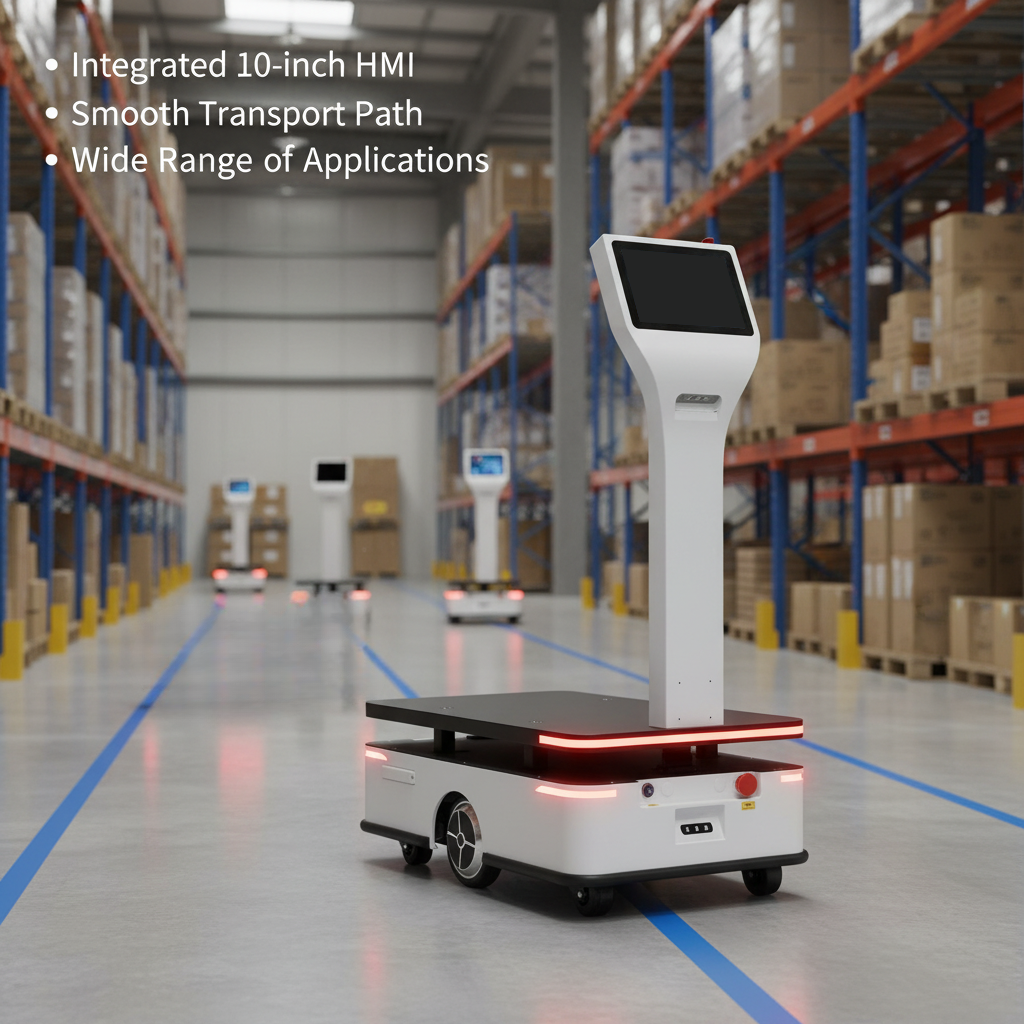
TZBOT Intelligent Warehouse Logistic Robot Unmanned Control System Customizable 80kg Payload AGV Transfer Cart SLAM AMR
A compact transfer platform for flexible material flow. SLAM navigation reduces fixed-route infrastructure and supports faster layout changes in e-commerce, electronics and light manufacturing.
- 80 kg payload
- SLAM navigation
- Customizable
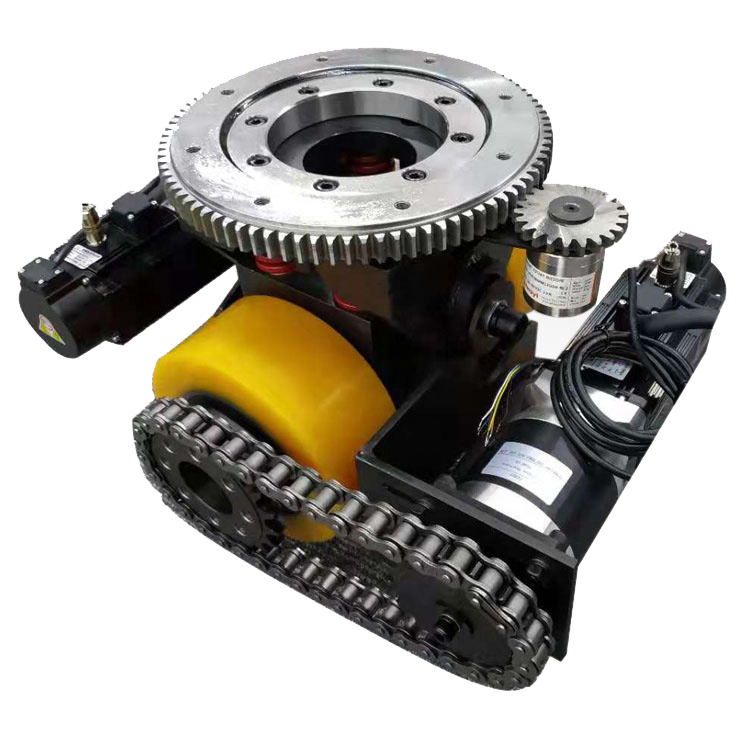
TZBOT 48V DC 2 Ton Heavy Duty Differential Unit AGV Wheel TZCS-750-30
Engineered for heavy payloads and repeated industrial duty. The 48V DC differential drive package is suited to towing, lifting and low-speed high-torque platforms.
- 2 ton class
- 48V DC
- Differential drive
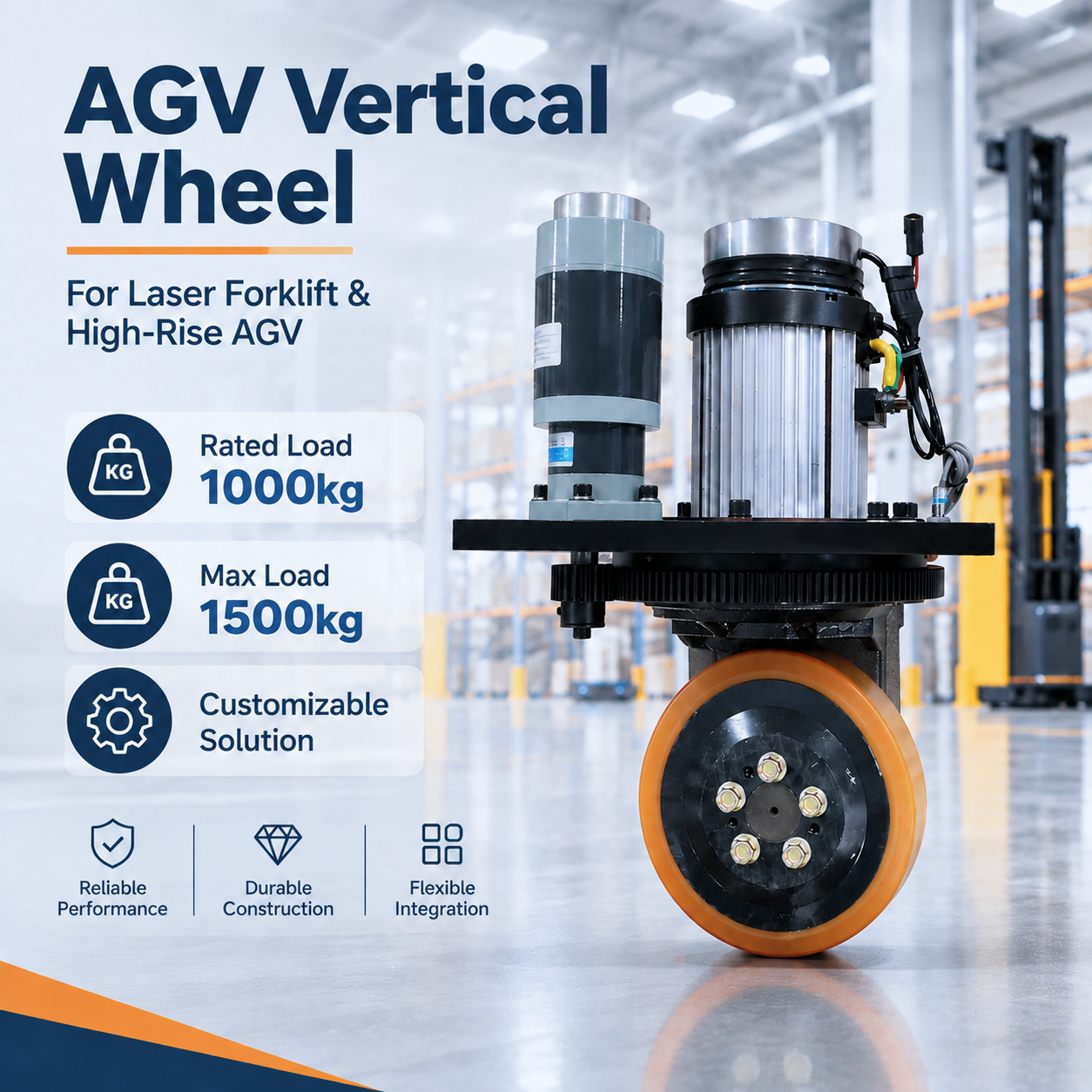
TZBOT 2590r/min Vertical Driving Unit Electric Traction Wheel 1500W Steering Forklift Accessories
A vertical driving unit for controlled steering angles and forklift-type AGV motion. Useful where tight aisle access and precise directional control are more important than simple differential turning.
- 1500W
- 2590 r/min
- Steering type
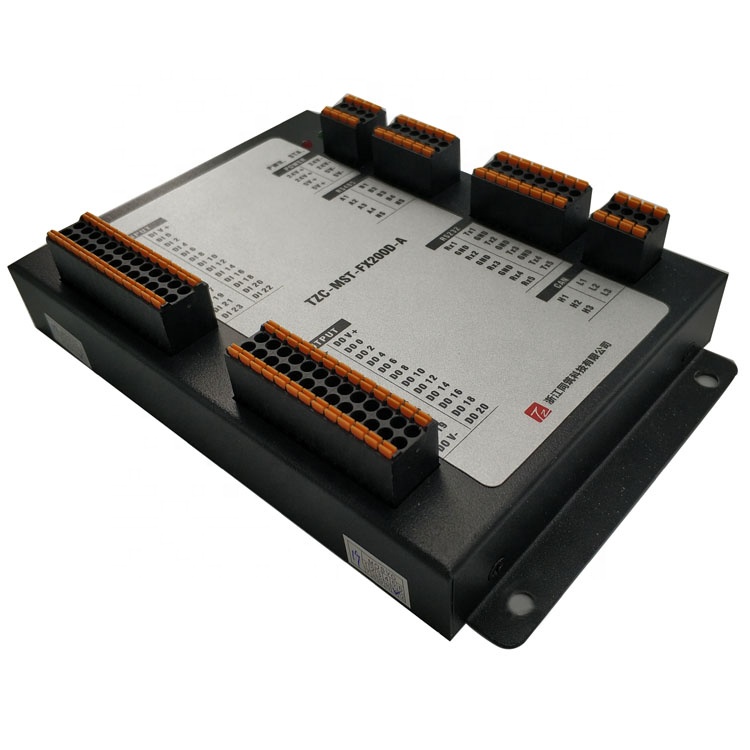
Smart AGV Controller TZC-MST-FX200D-A with Auto Guide Apply for Building Material Shops
A control building block for guided vehicles in practical commercial environments. It helps integrators shorten development time when the vehicle needs dependable route control and I/O integration.
- TZC-MST-FX200D-A
- Auto guide
- Application-ready
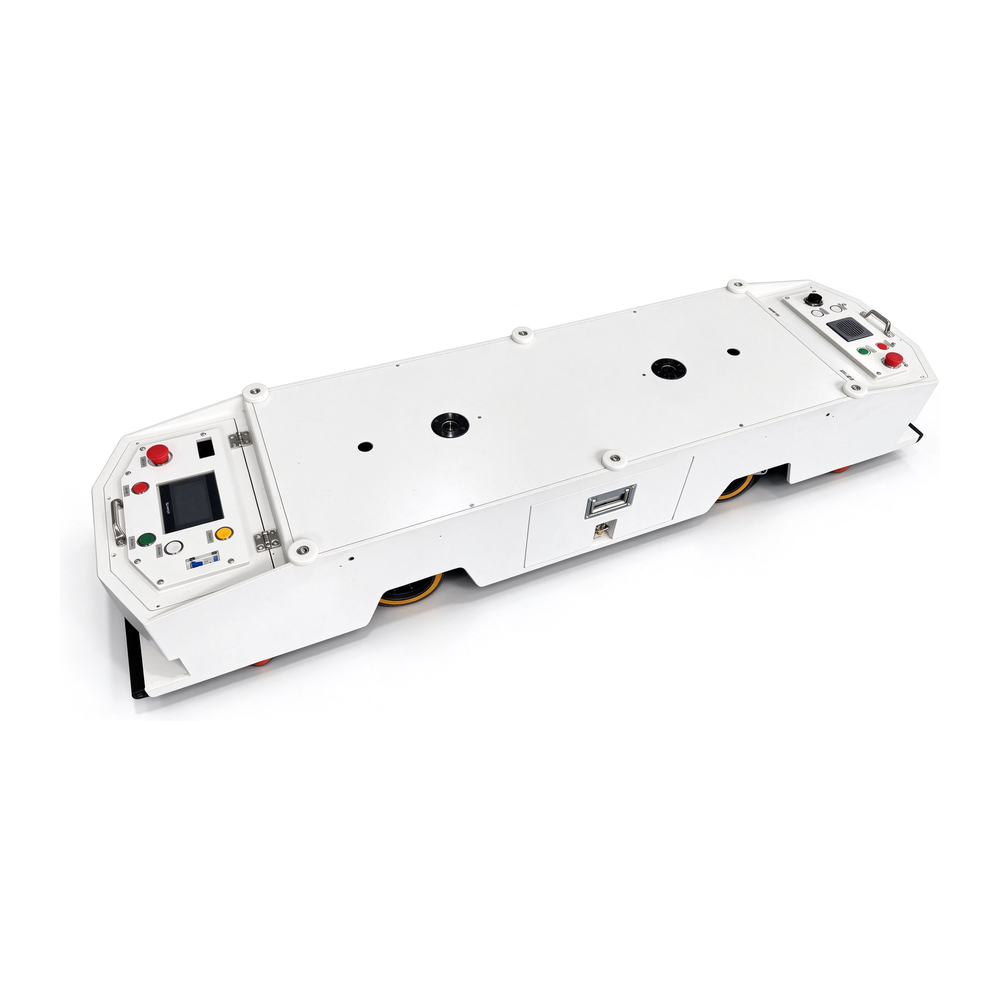
TZBOT 2500KG Lurking AGV Unmanned Control 8H Long Endurance Material Handling Mobile Robot for Shelf Towing
Designed for high-load shelf movement and long shifts. The 2.5-ton class platform with 8-hour endurance addresses the gap between light AMRs and fixed conveyors.
- 2500 kg
- 8H endurance
- Shelf towing
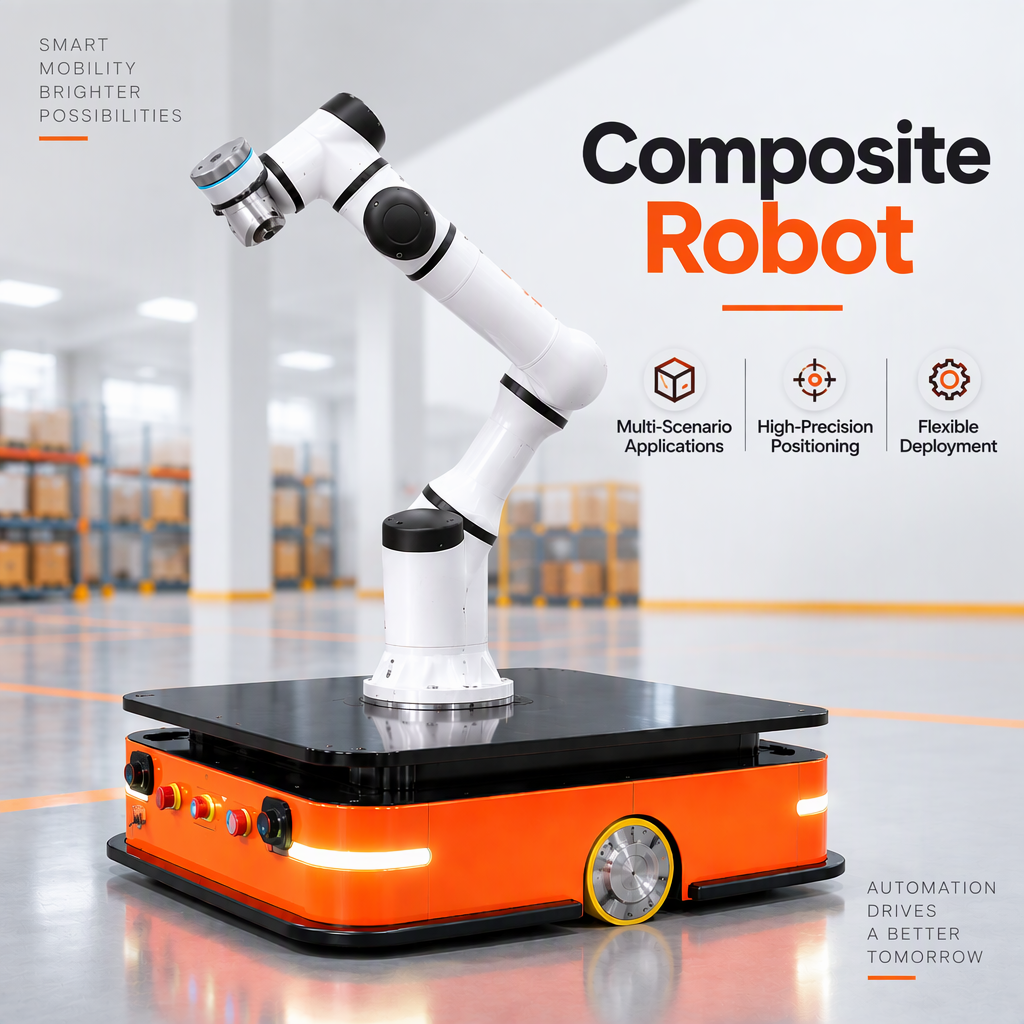
TZBOT Customizable Composite Robot Multi Applications 600kg Bearing Chassis AGV AMR with Robotic Arm
Combines mobile material transport with manipulation. A 600 kg bearing chassis and customizable arm integration make it relevant for machine tending, palletising and flexible workcells.
- 600 kg chassis
- Robotic arm ready
- Multi-application
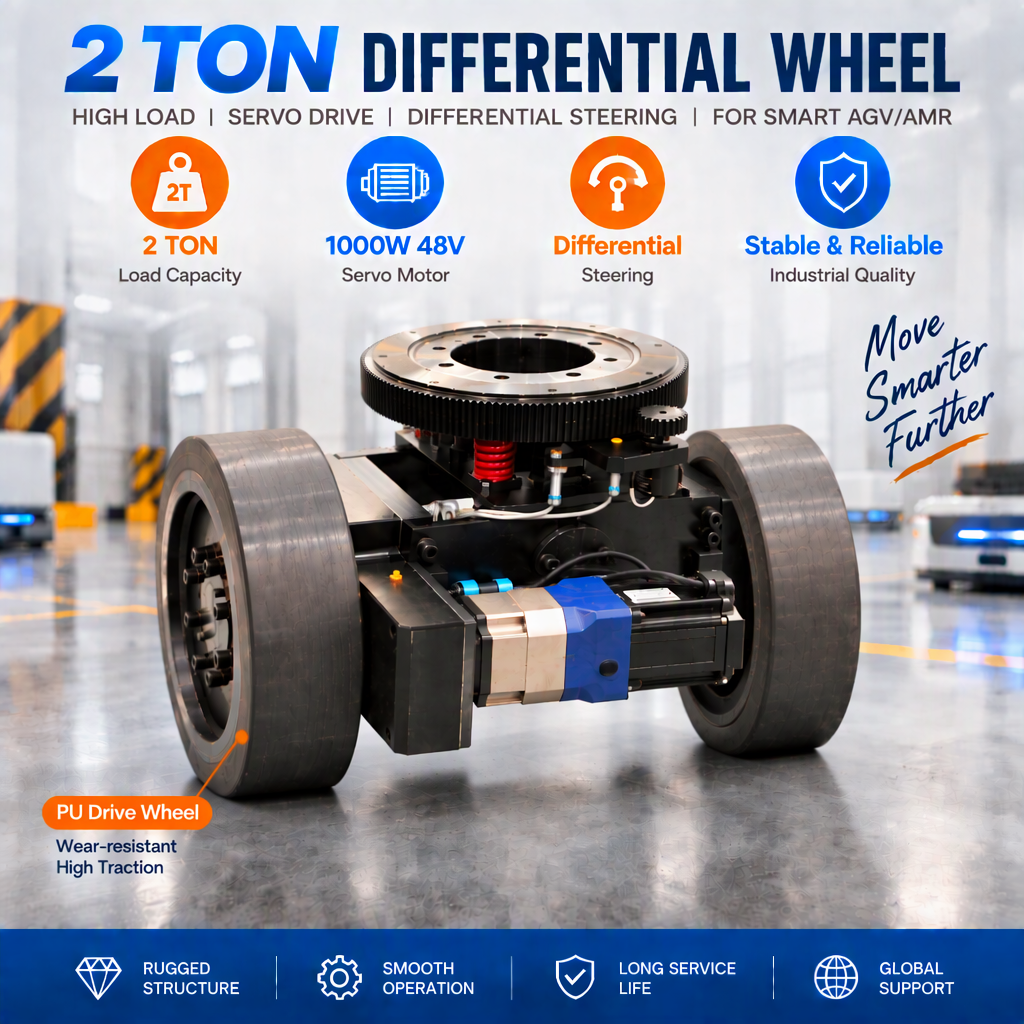
TZBOT 2000KG Heavy Duty Series AGV Wheel 1000w 48V Strong Power Mobile Robot Differential Drive Wheel with Spring Suspension
A 2-ton differential drive wheel with spring suspension for uneven floors and demanding wheel-load conditions. The 1000W 48V drive supports strong traction with improved chassis contact.
- 2000 kg
- 1000W / 48V
- Spring suspension
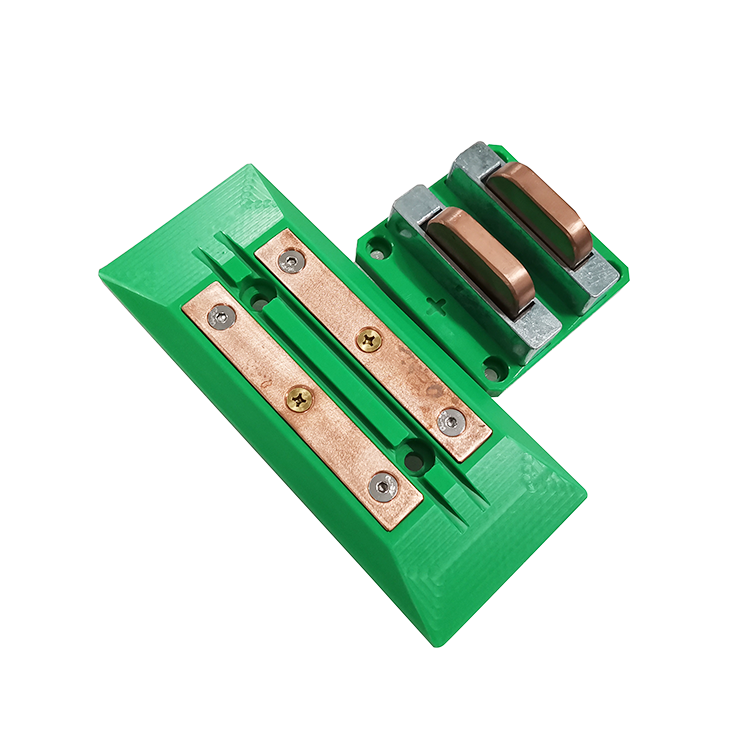
TZBOT Charger Pad Model TZ-CP-50A with Brush Plate and Brush Block for AGV Navigation Vehicles
An automatic charging accessory for AGV fleets. The brush plate and brush block design supports contact cleaning and repeatable docking in dusty warehouse conditions.
- TZ-CP-50A
- Brush plate
- AGV charging
Send your payload, speed, battery voltage, chassis height and duty cycle to receive a matched drive and navigation recommendation.
- ISO 9001:2015Quality management certified
- Intertek VerifiedOnsite factory assessment
- 8 PatentsIn-house R&D and designs
- 4.9 / 5 RatingVerified buyer reviews
- 97.9% ResponseInquiry response rate
Why Global Integrators Shortlist This Warehouse Robotics Factory
Buying AGV and AMR components from a trading agent is easy until the first integration problem appears. The advantage here is a factory team that designs, matches and tests the motion stack as one system.
One Factory for the Motion Stack
Drive wheels, motors, reducers, drivers, sensors and chargers can be specified together. This reduces the risk of mismatched torque curves, encoder signals and mounting interfaces.
OEM / ODM from Your Chassis
Sample-based and design-based customization includes motor power, voltage, reduction ratio, wheel diameter, tread material, encoder type, brake options and mounting geometry.
Quality Evidence Before Shipping
ISO 9001:2015 certification, Intertek onsite verification, five in-house testing instruments and extended-duration prototype runs provide a traceable quality trail.
Matched Electronics
Servo and BLDC drivers can be tuned to the selected drive wheel, while magnetic, RFID and lidar sensing options simplify the bill of materials for the vehicle builder.
Export-Ready Trade Terms
T/T, L/C, D/P, D/A, credit card, PayPal and other payment options are supported, with FOB, CIF, EXW, DDU and express delivery for global projects.
Support After Delivery
Integration guidance, spare parts support and fault analysis backed by production records help keep pilot vehicles and production fleets running.
How to Evaluate a China Warehouse Robotics Factory in 2026
China remains the world’s most concentrated supply base for AGV and AMR hardware, but the buying decision has changed. Procurement teams are no longer asking only, “Who has the lowest FOB price?” They are asking, “Who can deliver a repeatable motion subsystem that passes our factory acceptance test, documentation review and after-sales plan?” That shift matters because warehouse robots are not consumer products. A drive wheel that performs well on a test bench may fail when the chassis is loaded unevenly, the floor has slope, the battery voltage drops, or the controller is not tuned to the motor.
The most reliable evaluation path is to treat the robot as a chain of physical evidence. Start with the motion subsystem: drive wheel, motor, reducer, encoder, brake, controller and wheel tread. Then review the navigation stack: magnetic guide, RFID, QR code, lidar or SLAM. Finally, test the commercial stack: spare parts, response time, packing, payment terms and export experience. A factory that can provide evidence at all three levels is a lower-risk partner than a catalogue with a lower unit price but no engineering interface.

Drive and Navigation Selection for Common Warehouse Scenarios
Use this practical matrix as a first filter. The final configuration should still be validated against payload, floor condition, speed, ramp, battery voltage and available chassis height.
| Operating Requirement | Recommended Drive / Navigation | Why It Fits |
|---|---|---|
| Compact latent, jacking or shelf-lifting AGV | Differential drive unit + magnetic guide or QR code | Turning is achieved by wheel-speed difference, keeping the chassis compact and cost-efficient for fixed or semi-fixed aisles. |
| Forklift-type or tricycle AGV | Single steering drive wheel + lidar / SLAM | A dedicated steering motor controls the wheel angle, which suits tight aisle entry and more complex directional motion. |
| Low-clearance underride cart | Horizontal drive wheel assembly + QR or magnetic tape | The horizontal motor layout saves vertical space while retaining traction and straightforward maintenance access. |
| Heavy shelf towing or 2.5-ton material movement | Lurking AGV + high-torque 48V drive system | High wheel load and long endurance require current headroom, thermal margin and a robust suspension strategy. |
| Dynamic warehouse layout with frequent changes | SLAM AMR + safety lidar and RFID station tags | Natural-feature navigation reduces floor infrastructure, while RFID tags can still confirm critical station positions. |
Product Development Trends Shaping the Next Generation of Warehouse Robots
For buyers planning a platform in 2026 and beyond, these six trends are already influencing RFQs, sample testing and supplier qualification.
Modular Drive Platforms
Integrators want fewer custom parts and faster platform variants. Modular wheel, motor, driver and suspension combinations shorten engineering cycles while keeping the main chassis design stable.
Higher Payload, Higher Efficiency
Warehouse equipment is moving toward 1–3 ton handling without proportional increases in energy use. High-torque 48V systems, spring suspension and better thermal design become key purchase criteria.
Sensor Fusion and SLAM
Magnetic tape remains cost-effective, but SLAM and multi-sensor fusion are gaining ground where layouts change frequently. RFID, QR, lidar and odometry are increasingly combined rather than used alone.
Composite Robot Chassis
AGV mobility is merging with collaborative robotic arms. A stable 600 kg class chassis, repeatable docking and power/data integration allow one mobile platform to serve machine tending and palletising.
Opportunity Charging
Fleet uptime depends on charging strategy as much as battery capacity. Automatic charger pads, brush cleaning and reliable docking are becoming standard infrastructure for multi-shift operations.
Safety, Data and Digital Twins
Buyers increasingly request safety documentation, traceable test records and data-ready controllers. Digital-twin compatibility is emerging as a differentiator for larger warehouse automation projects.
What Procurement Teams Will Ask For in the Next Buying Cycle
Price comparison will remain important, but supplier selection is shifting toward total lifecycle cost, fewer integration interfaces and stronger documentation.
Fewer Interfaces, Not Just More Suppliers
Dual sourcing remains sensible, but every extra supplier adds a matching risk. Buyers increasingly prefer one factory to match wheel, motor, driver and sensor, then qualify a second source only for the complete subsystem.
Total Cost per Operating Hour
Unit price is being replaced by cost per 1,000 operating hours. Wheel wear, charging downtime, controller failures, spare-parts freight and commissioning time all enter the comparison.
Serviceability and Spare Parts
Warehouse operators want predictable maintenance. Suppliers must show which parts wear, how assemblies are replaced and whether production records can trace a fault back to the correct batch.
Documentation and Compliance
ISO 9001:2015, onsite verification, test reports and consistent specifications are becoming standard tender requirements. Paper certificates alone are less persuasive than process evidence.
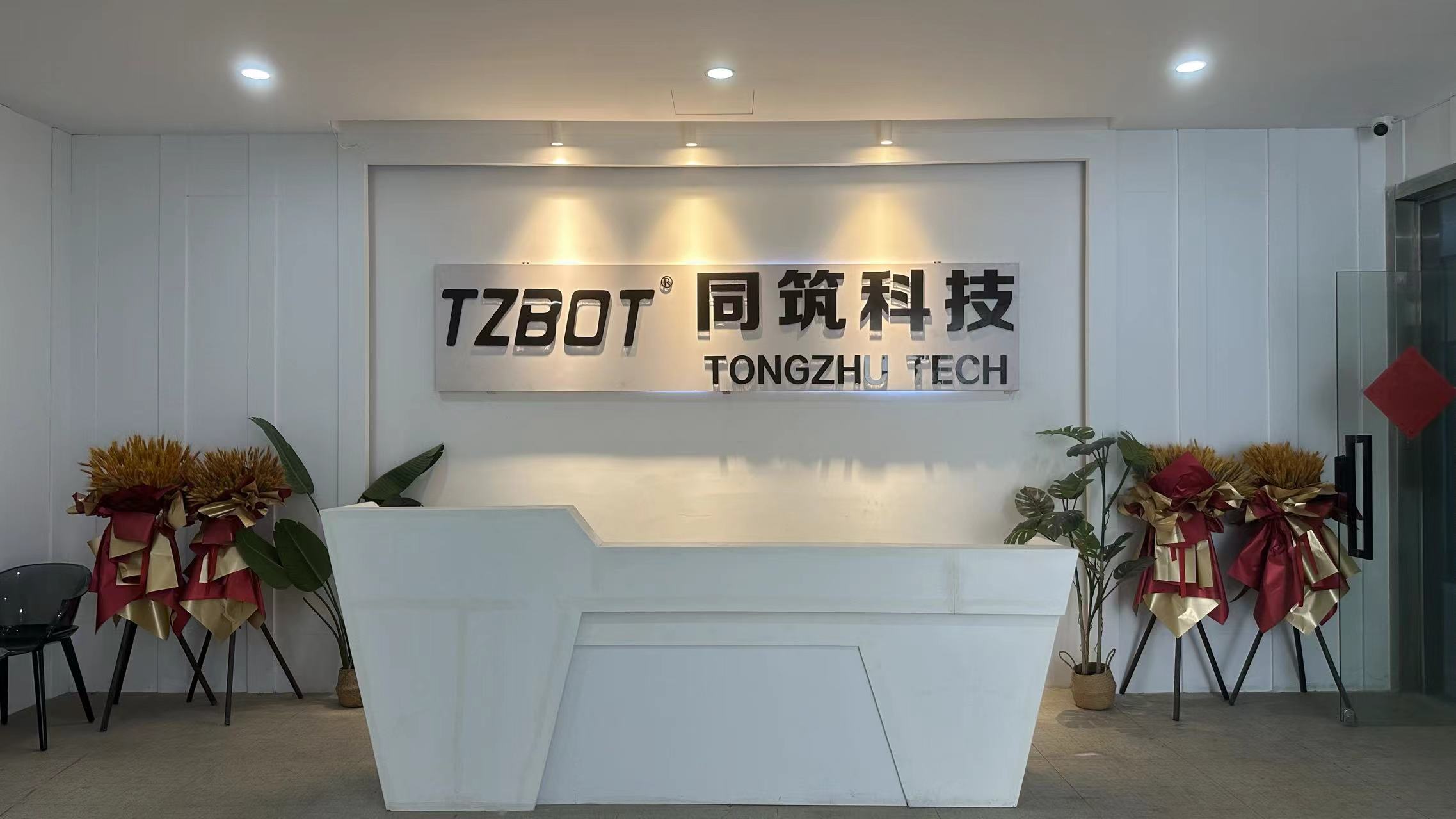
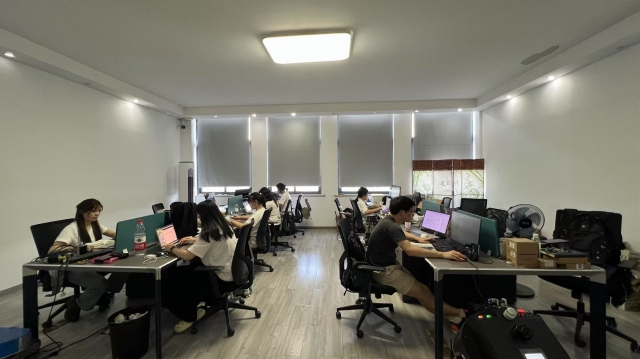
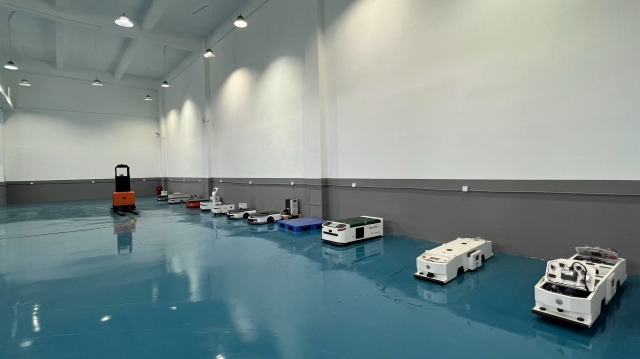
Inside Zhejiang Torqen Technology Co., Ltd.
Founded in 2015 in Zhejiang, China, Torqen designs and manufactures automatic guided vehicles, AGV drive wheel assemblies, motors, encoders, reducers, controllers, caster and PU wheels, in-wheel motor units, navigation sensors and charging accessories for automation builders.
The company operates as a manufacturer and trading company with a factory footprint of 1,000–3,000 m², annual output in the US$5M–10M range and a team of 51–100 people. Its products are used in AGVs and AMRs, forklifts, aerial work platforms, airport equipment, agricultural machines, hydraulic applications, floor scrubbers and sweepers, wind energy, marine equipment and medical devices.
For warehouse robotics buyers, the practical value is not simply a product list. It is the ability to move from a drawing or sample requirement to a tested prototype, then to controlled production. Customization can cover motor power and voltage, reduction ratio, wheel diameter and tread material, encoder type, brake options, mounting interfaces and buyer-label packaging. Every prototype is expected to undergo extended-duration testing before production parts are released.
- ISO 9001:2015 quality management system and Intertek onsite verification.
- Eight awarded patents and continued investment in machining, assembly and test equipment.
- Five in-house testing instruments, finished-product inspection and extended prototype runs.
- OEM / ODM support, buyer-label packaging and engineering communication across time zones.
Flexible Payment, Delivery and Currency for Global Buyers
Project buyers need commercial terms that fit the destination, financing method and shipment size. The factory supports common international trade arrangements.
Payment Methods
- T/T
- L/C
- D/P
- D/A
- MoneyGram
- Credit Card
- PayPal
- Western Union
- Cash
- Escrow
Delivery Terms
- FOB
- CFR
- CIF
- EXW
- CIP
- FCA
- CPT
- DDU
- Express
Supported Currencies
- USD
- EUR
- JPY
- CAD
- AUD
- HKD
- GBP
- CNY
Questions Buyers Ask Before Ordering Warehouse Robotics Components
Clear answers reduce sampling time. If your application is not covered here, send the load, speed, chassis height, voltage and duty cycle for an engineering recommendation.
Does Torqen support OEM and ODM customization for AGV and AMR components?
Yes. Torqen offers sample-based customization, design-based customization, OEM production, design services and buyer-label packaging. Typical customization includes motor power and voltage, reduction ratio, wheel diameter, tread material, encoder type, brake options, mounting interfaces and connector definitions. For a faster review, provide a drawing, existing part number or a clear description of the chassis interface.
How is product quality verified before shipment?
The quality management system is certified to ISO 9001:2015, and the facility has been verified onsite by Intertek. Finished-product inspection uses five in-house testing instruments, and prototypes are run for extended durations before production parts are released. When required, buyers can request inspection evidence, packing checks and traceable production records for the order.
Which drive wheel type should I choose for my AGV or AMR?
Differential drive units suit compact latent, jacking and shelf-lifting vehicles that turn by wheel-speed difference. Single steering drive wheels suit forklift and tricycle-type vehicles that need a controlled steering angle. Horizontal drive assemblies are appropriate for low-clearance chassis. For heavy towing or uneven floors, consider spring suspension and a higher torque margin. Share payload, speed, gradient, wheel load, battery voltage and available chassis height so the configuration can be calculated rather than guessed.
What payment and delivery terms are accepted?
Accepted payment methods include T/T, L/C, D/P, D/A, MoneyGram, credit card, PayPal, Western Union, cash and escrow. Supported currencies include USD, EUR, JPY, CAD, AUD, HKD, GBP and CNY. Delivery terms include FOB, CFR, CIF, EXW, CIP, FCA, CPT, DDU and express delivery. The most appropriate term depends on destination, cargo size, customs arrangements and the buyer’s freight forwarder.
Which industries use these drive and navigation products?
The product range is used in AGVs and AMRs, forklifts, aerial work platforms, airport equipment, agricultural machines, hydraulic applications, floor scrubbers and sweepers, wind energy, marine equipment and medical devices. This breadth matters because it exposes the factory to different duty cycles, environmental conditions and safety expectations, which informs the design of warehouse-specific drive systems.
What information is needed for a fast quotation or catalogue recommendation?
Send the gross vehicle weight, maximum payload, target speed, acceleration requirement, maximum ramp angle, wheel diameter limit, chassis height, battery voltage, required endurance, floor condition, navigation method and estimated annual quantity. If you already have a motor or controller, include its rated power, current and communication protocol. These details allow the factory to recommend a drive wheel, motor, reducer, driver and charger as a matched set.
Are samples available before mass production?
Sampling is available for suitable projects, and the scope depends on whether the request is a catalogue item or a customized assembly. For customized drive wheels, the sample phase usually includes drawing confirmation, key parameter review and functional testing. Lead time depends on the selected motor, reducer, encoder, brake and controller combination, so share your target schedule together with the technical requirements.
Can spare parts be supplied after delivery?
Yes. Spare parts supply can cover wear items, chargers, controllers, sensors and replacement drive assemblies. Because production records are traceable, the team can review the original configuration and reduce the risk of ordering an incompatible replacement. For fleet projects, discuss recommended spare ratios and critical wear parts during the quotation stage.
Choose a Factory That Can Prove the Motion System, Not Just List the Part
The strongest 2026 procurement strategy is to evaluate the complete working system: a matched drive wheel, motor, controller, sensor, charger and documentation package. That is the difference between a low-cost component and a production-ready warehouse robot.
For warehouse robotics projects, information gain comes from testing integration risk before it reaches your assembly line. Request the catalogue, share your chassis data, and ask for a matched configuration rather than a standalone part number.
Specifying a New AGV, AMR or Warehouse Robot Platform?
Send your load, speed, voltage and chassis requirements. The engineering team will match the drive wheel, motor, controller, navigation sensor and charger for your application.
