China Wholesale Automated Stacker Forklift Factories & Wholesalers
A procurement and technology guide for OEMs, integrators and warehouse automation buyers sourcing stacker-ready AGV drive wheels, controllers, sensors, charging pads and mobile robot chassis from China.
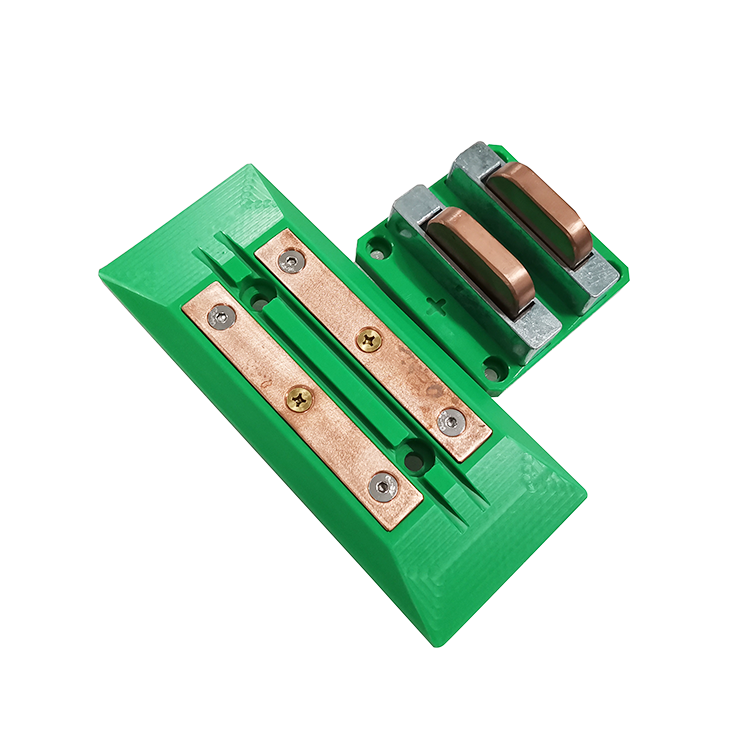
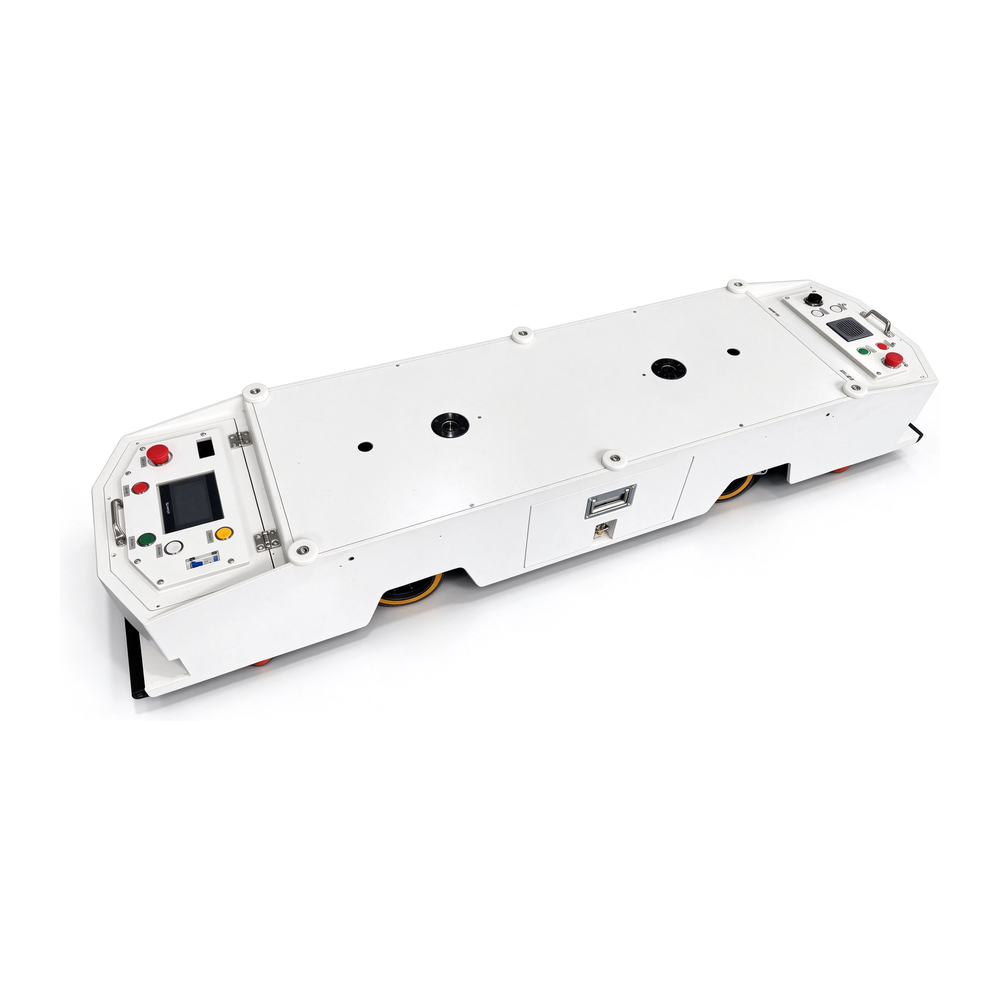
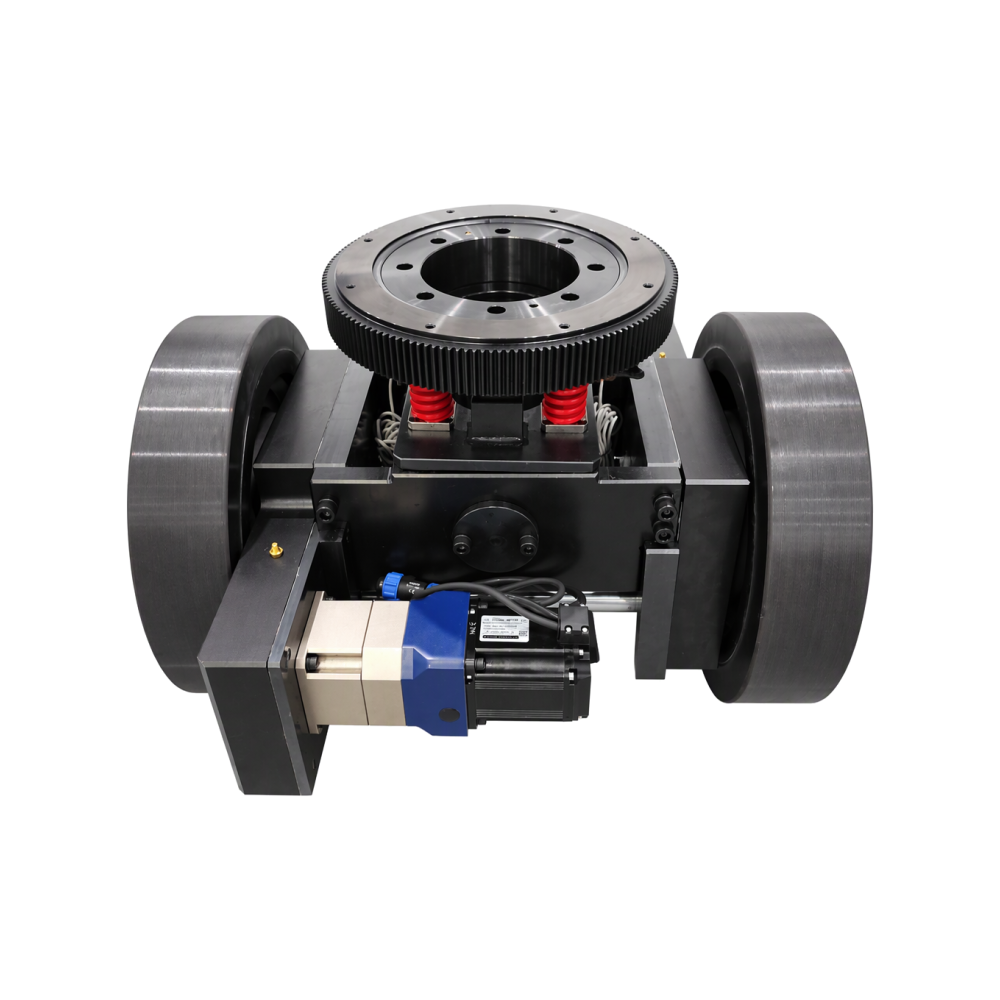
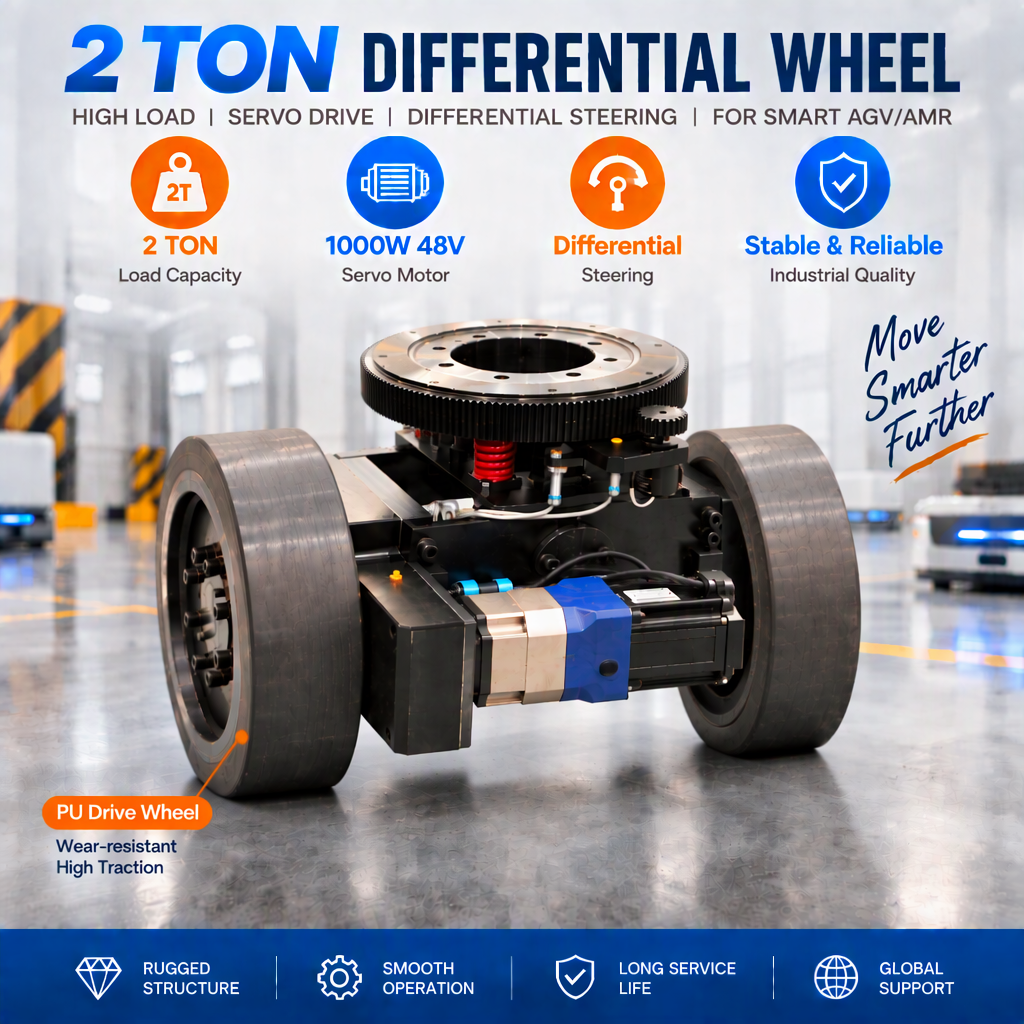
Get CatalogEight Products That Support Automated Stacker Forklift and AGV Programs
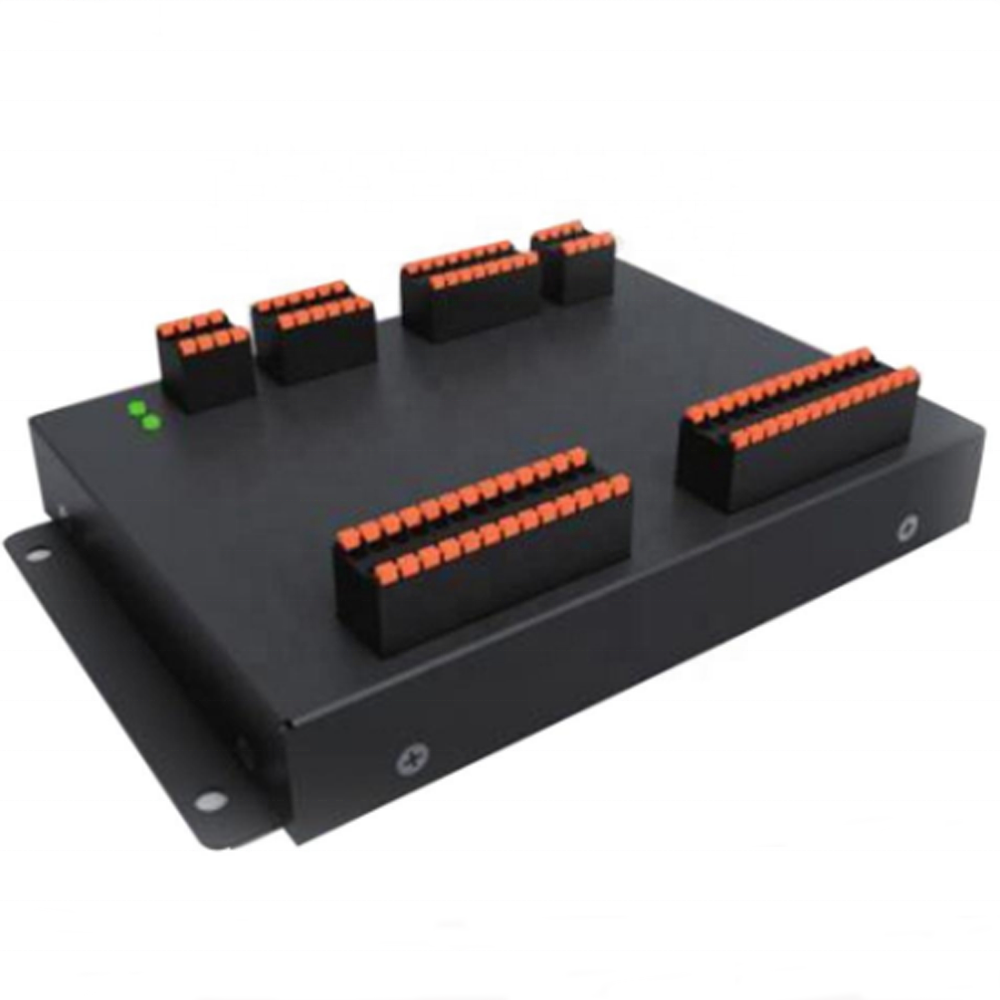
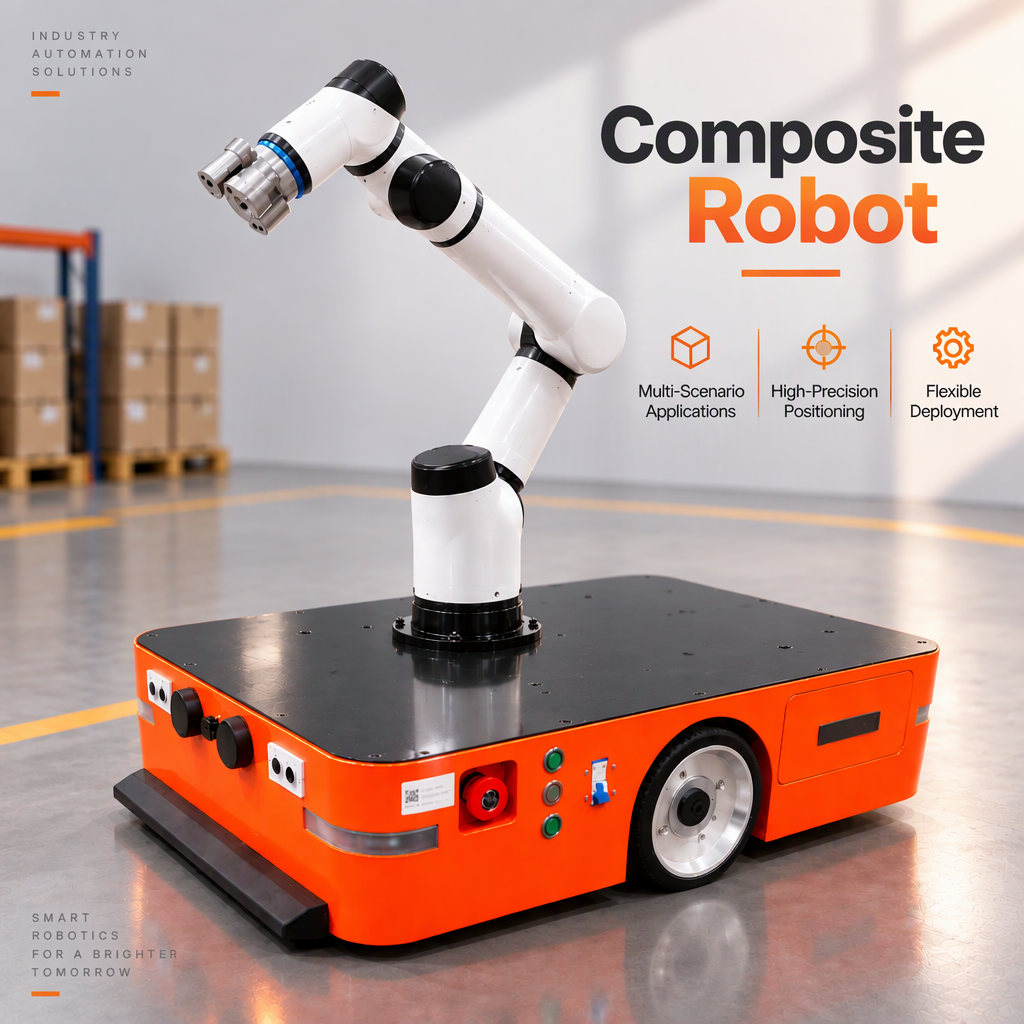
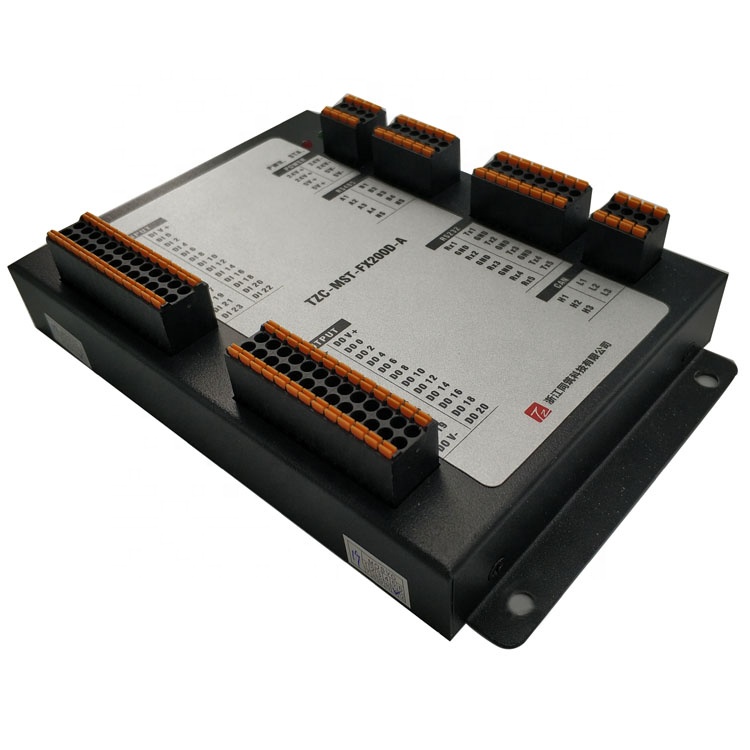
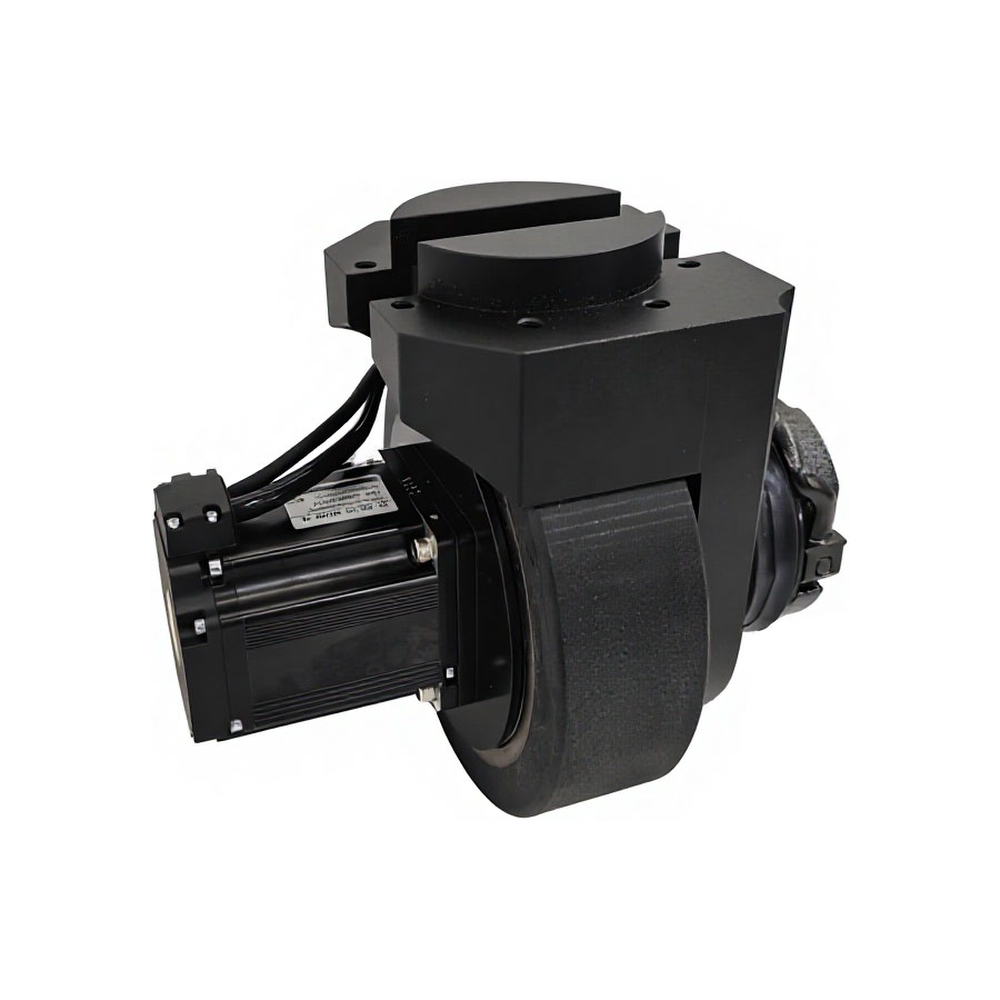
These are not isolated catalogue items. They form a practical bill of materials for stacker forklift bases, latent towing robots, composite mobile manipulators and brownfield AGV upgrades. Every product image links to its live product page so engineering teams can verify specifications before an RFQ.
The Buyer's Real Problem Is Integration, Not Part Availability
China wholesale automated stacker forklift factories and wholesalers can supply almost every visible component. The competitive advantage now belongs to buyers who can verify compatibility, safety evidence and lifecycle cost before placing a production order.
An automated stacker forklift is not simply a forklift with a battery and a sensor. It is a tightly coupled motion system: the drive wheel determines traction and braking behaviour, the controller determines current response and route logic, the navigation sensor determines repeatability at pick-and-drop points, and the charging interface determines fleet uptime. A low unit price on one component can create expensive integration work later.
For this reason, serious procurement teams should evaluate Chinese suppliers on component-level integration capability, not on the number of products listed on a wholesale page. A supplier that engineers differential and steering drive wheels, matches servo or BLDC controllers, and tests prototypes for extended periods reduces the hidden cost of field failures.
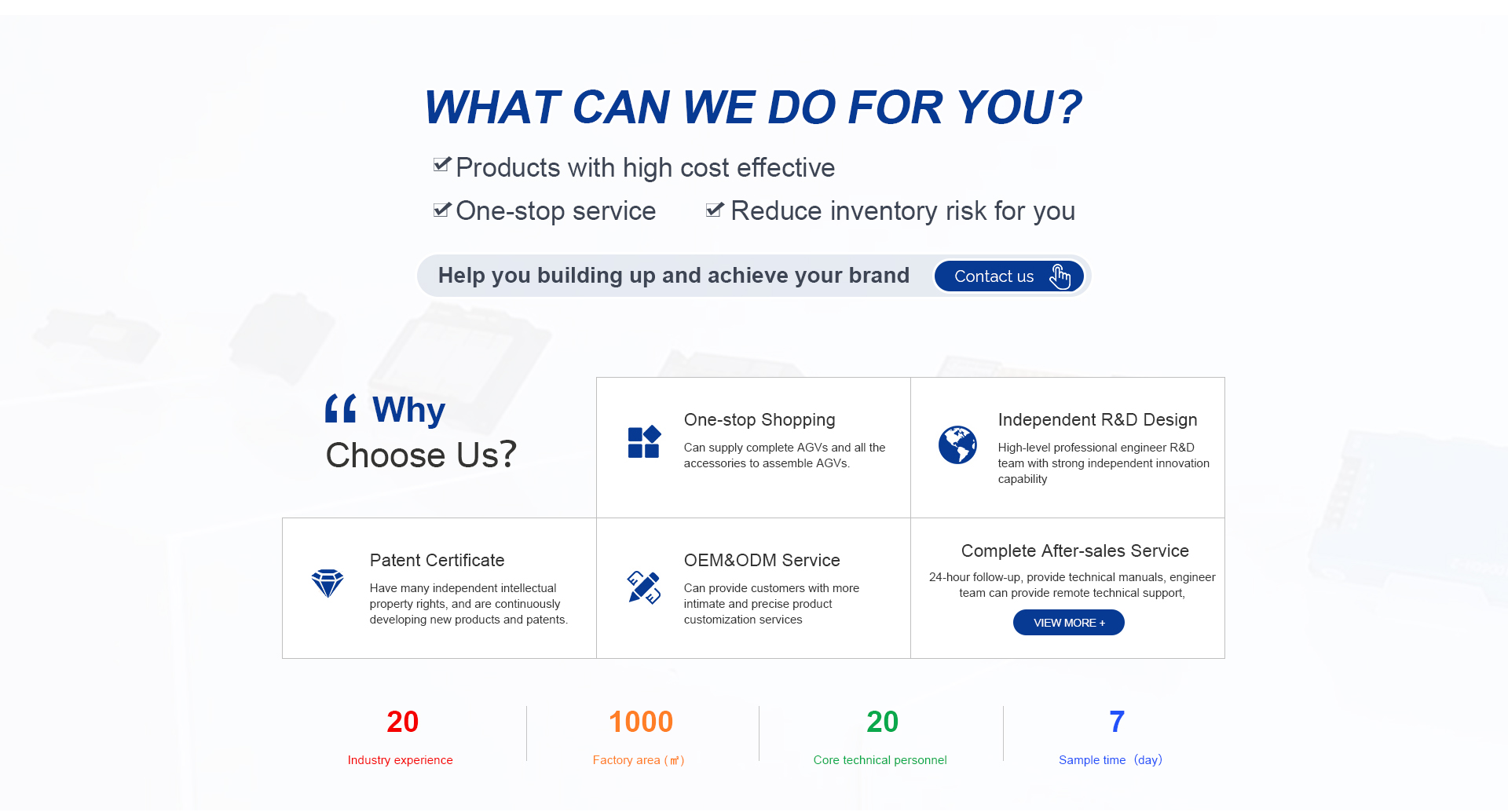
Zhejiang Torqen Technology Co., Ltd. is a useful reference point for this model. Founded in 2015 in Zhejiang, China, the company manufactures AGVs, drive wheel assemblies, DC/AC motors, encoders, reducers, motor controllers and navigation sensors. Its ISO 9001:2015 quality management system, Intertek onsite verification and in-house testing instruments give buyers a documented basis for due diligence.
This white paper is written for engineering buyers, sourcing managers and automation integrators who need more than a price table. It explains the procurement trends, technology direction, product selection logic, factory verification checklist and FAQ that should shape a 2025–2027 China sourcing program for automated stacker forklifts and AGV sub-systems.


Four Sourcing Shifts Reshaping China Wholesale Automated Stacker Forklift Programs
Wholesale pricing still matters, but the evaluation criteria have moved toward total cost of ownership, documentation quality and supply continuity.
Total Cost of Ownership Beats Lowest Quote
Buyers now compare wheel life, controller failure rate, charging cycle stability and spare-parts response alongside the FOB price. A component that shortens commissioning by two weeks often justifies a higher quotation.
Modular Platforms Replace One-Off Designs
Integrators prefer a drive wheel, controller and sensor set that can be reused across 200 kg, 1,000 kg and 2,500 kg platforms. Modular sourcing reduces engineering duplication and service-parts inventory.
Compliance Evidence Becomes a Gate
Safety managers ask for test records, inspection reports, traceable production data and clear warranty terms. Suppliers that can document ISO 9001:2015 processes and onsite verification move faster through buyer approval.
Supply Resilience and China+1 Planning
Buyers are dual-sourcing critical electronics while keeping mechanical assemblies with proven Chinese manufacturers. The practical strategy is not to abandon China wholesale suppliers, but to require transparent lead times and substitute-part planning.
Technical Direction: From Stacker Forklift to Modular Mobile Manipulation
Drive-by-wire architectures, sensor fusion and opportunity charging are changing the specification sheet for stacker-ready AGVs and mobile robot bases.
Integrated Drive Wheels
Motor, reducer, encoder, brake and suspension are increasingly specified as one assembly. This reduces mounting tolerance errors and shortens the design cycle for stacker forklift OEMs.
Higher Current, Smarter Control
Dual-channel servo and BLDC controllers with hardware protection and parameter tuning help match high-torque drive wheels without adding separate control cabinets.
Sensor Fusion and Safe Navigation
Magnetic guidance, RFID station tags, QR grids and lidar obstacle avoidance are being combined according to route criticality rather than treated as competing systems.
Opportunity Charging
Automatic charger pads and brush-cleaning interfaces support short, frequent charging cycles. Fleet uptime becomes a charging-station design decision, not only a battery-capacity decision.
Weighted Buyer Priority Index for Stacker-Ready AGV Components
Editorial index based on common RFQ evaluation criteria for automated stacker forklift and AGV sub-system sourcing. Use it as a discussion framework, not a statistical survey.
Recommended Configurations by Automated Stacker Forklift Use Case
The right mix depends on payload, chassis height, route infrastructure and charging strategy. These three configurations show how the eight products above can be combined into practical sourcing packages.
Heavy-Duty Pallet Transfer and Shelf Towing
For 1.5–2.5 t pallet movement, long shifts and demanding floor conditions, start with a high-torque drive base and a controller that can sustain current without overheating.
- AGV platform: TZBOT 2500KG Lurking AGV for 8-hour endurance.
- Drive unit: TZBOT 2000KG Heavy Duty Series AGV Wheel for load stability.
- Control: TZBOT FX Series Controller for repeatable magnetic-tape routes.
This package prioritizes traction, service access and mature magnetic guidance. It is appropriate for warehouse aisles with fixed routes and predictable station locations.
Compact Composite Robots and Low-Clearance Chassis
For robotic arm integration, inspection payloads or low-clearance platforms, the design priority shifts to compact packaging, stable horizontal drive geometry and easy programming.
- Chassis: TZBOT Backpack AGV 200kg Load Capacity Chassis.
- Drive unit: TZBOT 1000kg Horizontal Drive Wheel.
- Control: Smart AGV Controller TZC-MST-FX200D-A.
This is a better fit for application-specific automation than for high-speed pallet transport. Verify centre-of-gravity changes after the arm and end effector are installed.
Brownfield Upgrades and Automatic Charging
Existing warehouses often need incremental automation without rebuilding the complete vehicle. Charging reliability and spare-part availability become as important as peak motor power.
- Charging: TZBOT Charger Pad TZ-CP-50A with brush plate and brush block.
- Drive unit: TZBOT Heavy Duty Series AGV Wheel 1000W.
- Control: TZBOT FX Series Controller of HX Support.
This combination supports phased fleet expansion. Keep charger placement, brush cleaning intervals and controller parameter backups inside the maintenance plan from day one.
Factory and Wholesaler Verification: A Practical 12-Point Checklist
China wholesale automated stacker forklift factories and wholesalers should be evaluated with evidence, not assurances. Request the following documents and sample data before releasing a production purchase order.
| Checkpoint | Evidence to Request | Why It Matters |
|---|---|---|
| Legal entity | Business licence and manufacturer/trading-company status | Clarifies who is accountable for warranty and export documents. |
| Quality system | ISO 9001:2015 certificate and scope | Confirms a documented process for inspection, traceability and corrective action. |
| Factory verification | Intertek onsite assessment or equivalent audit report | Reduces the risk of dealing with an unverified trading intermediary. |
| Product test data | Load, endurance, current, temperature and noise test records | Shows whether the drive wheel and controller were matched as a system. |
| OEM/ODM process | Drawing approval, sample approval and change-control workflow | Prevents specification drift between prototype and mass production. |
| Safety documentation | Braking, emergency-stop, bumper and sensor response evidence | Supports internal risk assessment and site acceptance testing. |
| Spare-parts plan | Recommended spare list, wear parts and lead times | Protects fleet uptime after commissioning. |
| Integration support | Wiring diagrams, parameter files and commissioning guidance | Shortens engineering time for the buyer's controls team. |
| Trade terms | FOB, CIF, EXW, DDU, payment and currency options | Aligns logistics risk and cash flow with the buyer's import process. |
| Communication record | Response time, technical answer quality and escalation path | Indicates what after-sales support will look like after payment. |
| References | Comparable customer cases or transaction history | Provides indirect evidence of repeatability in export markets. |
| Traceability | Serial-number records and batch inspection data | Enables fault analysis and targeted recalls if a field issue appears. |
Why Zhejiang Torqen Technology Co., Ltd. Is a Credible China Manufacturing Partner
A supplier is only useful if it can support the entire lifecycle of the drive train: specification, customization, testing, mass production, export and after-sales response.
Built Around Motion Control, Not Catalogue Reselling
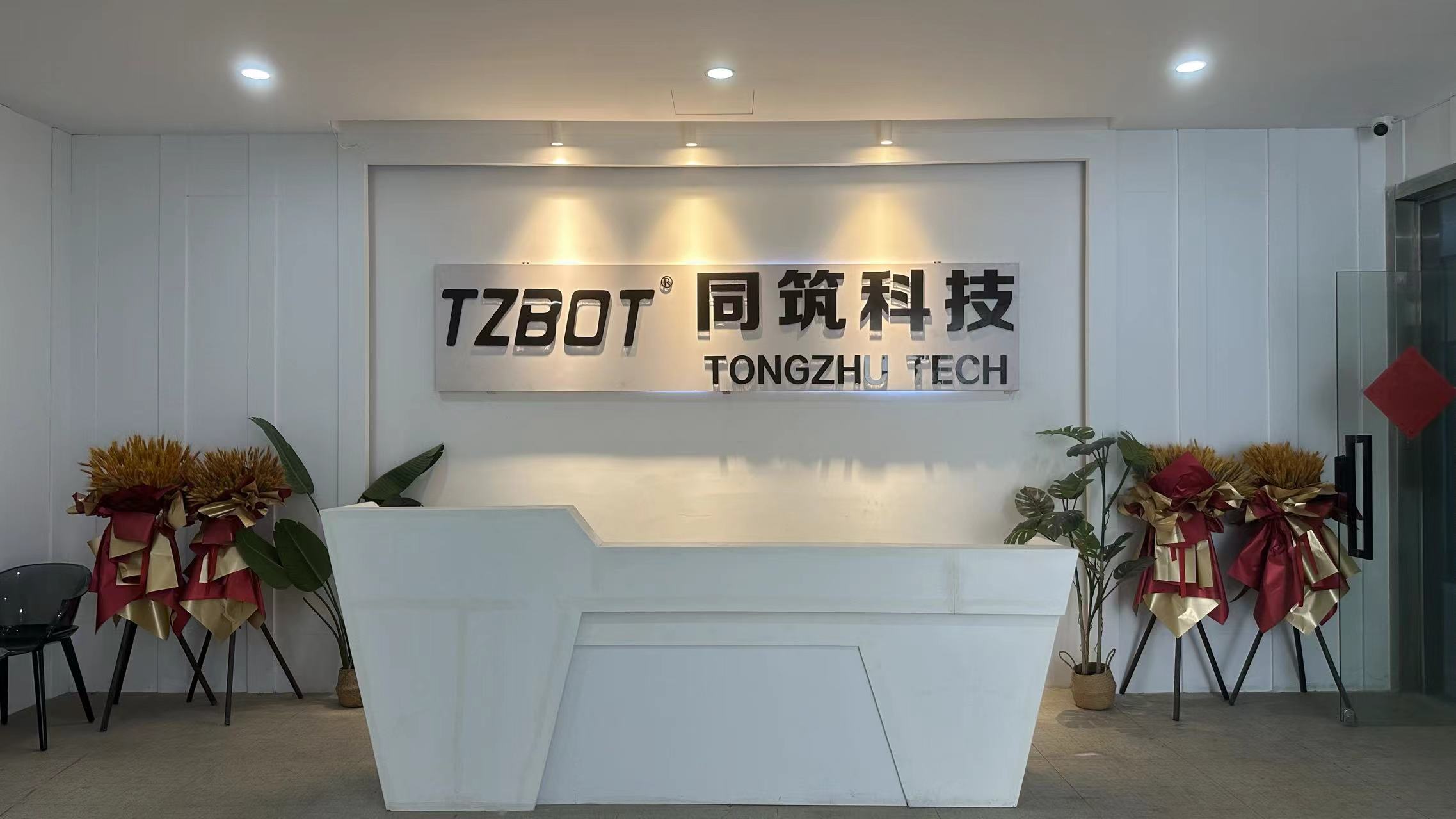
Zhejiang Torqen Technology Co., Ltd. was founded in 2015 and operates as a manufacturer and trading company in Hangzhou, Zhejiang, China. Its product scope covers automatic guided vehicles, AGV drive wheel assemblies, DC/AC motors, encoders, reducers, servo and BLDC motor controllers, caster and PU wheels, and in-wheel motor units.
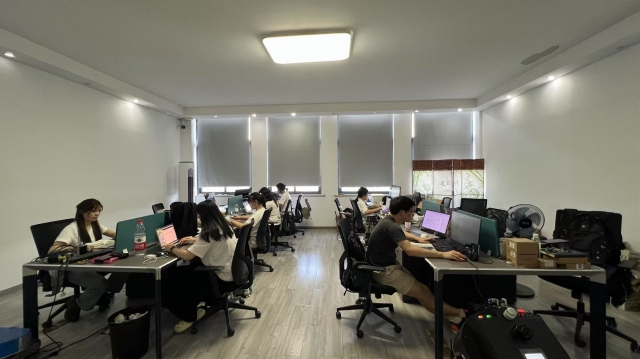
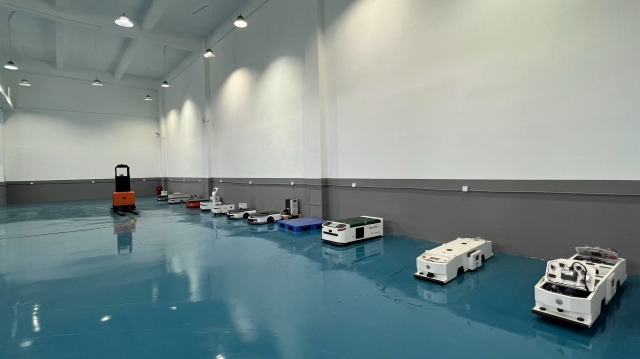
The company reports a factory area of 1,000–3,000 m², a team of 51–100 people and annual output in the US$5M–10M range. More importantly for engineering buyers, its quality system is certified to ISO 9001:2015, its facility has been verified onsite by Intertek, and it uses five in-house testing instruments for finished-product inspection. Prototypes are run for extended periods before production parts are released.
Customization is handled through sample-based and design-based programs, OEM production, design services and buyer-label packaging. Typical adaptations include motor power and voltage, reduction ratio, wheel diameter and tread material, encoder type, brake options and mounting interfaces. This is the kind of flexibility that stacker forklift OEMs need when a chassis is revised but the production deadline is fixed.
For international procurement, accepted payment methods include T/T, L/C, D/P, D/A, MoneyGram, credit card, PayPal, Western Union, cash and escrow, in USD, EUR, JPY, CAD, AUD, HKD, GBP or CNY. Delivery terms include FOB, CFR, CIF, EXW, CIP, FCA, CPT, DDU and express delivery. A 97.9% inquiry response rate and a 4.9/5 buyer rating provide additional commercial context for sourcing teams.
- ISO 9001:2015 quality management system and Intertek onsite verification.
- Eight awarded patents and continued investment in machining and testing equipment.
- Matched drive wheels, servo/BLDC controllers, motors and navigation sensors.
- OEM/ODM support with drawing approval, sample validation and production control.
- Export-ready payment, currency and delivery-term coverage for global buyers.
- Technical support for wiring, driver parameters and commissioning questions.
FAQ: China Wholesale Automated Stacker Forklift Factories & Wholesalers
Practical answers for buyers comparing factories, wholesalers and component suppliers before an RFQ.
What does “China wholesale automated stacker forklift factories & wholesalers” mean for a buyer?
It describes a broad supply market that includes complete-vehicle factories, component manufacturers, trading companies and wholesale distributors. The key distinction is technical accountability. A component manufacturer can usually support drive-wheel matching, controller parameters and test evidence, while a pure wholesaler may only quote a price and lead time. Buyers should confirm whether the supplier designs, tests and documents the product or simply resells it.
Should I source a complete automated stacker forklift or an AGV component set?
Source a complete vehicle when your team lacks mechanical, electrical and control engineering capacity and the application is standard. Source a component set when you already have a chassis platform or need to protect your own control software and service network. Many OEMs use a hybrid approach: they buy matched drive wheels, controllers and sensors from a specialist manufacturer, then integrate them into their own stacker forklift body.
What specifications are needed for a drive wheel recommendation?
Provide gross vehicle weight, maximum payload, target speed, maximum gradient, wheel diameter limit, available chassis height, battery voltage, braking requirement and duty cycle. Also state whether the vehicle uses differential steering, single steering or a horizontal drive layout. These inputs determine motor power, reduction ratio, wheel tread and controller current. Sharing a simple drawing of the mounting interface shortens the sampling cycle significantly.
How can I verify a Chinese factory before payment?
Request the business licence, ISO certificate, onsite audit report, product test records and a live video walkthrough of the production line. Ask for the exact model's test data instead of a generic catalogue. Confirm the legal entity name on the quotation matches the bank account and export documents. For custom projects, require a sample approval step and a written change-control process before mass production.
Does Torqen support OEM/ODM and private-label packaging?
Yes. The company offers sample-based customization, design-based customization, OEM production, design services and buyer-label packaging. Customization can cover motor power and voltage, reduction ratio, wheel diameter and tread material, encoder type, brake options and mounting interfaces. Buyers should provide application data, drawings and acceptance criteria so the engineering proposal and inspection plan can be written against measurable requirements.
What payment, delivery and after-sales terms are available?
Payment methods include T/T, L/C, D/P, D/A, MoneyGram, credit card, PayPal, Western Union, cash and escrow, with currencies including USD, EUR, JPY, CAD, AUD, HKD, GBP and CNY. Delivery terms include FOB, CFR, CIF, EXW, CIP, FCA, CPT, DDU and express delivery. After-sales support includes spare-parts supply, fault analysis and integration guidance; the exact warranty and response commitment should be written into the purchase contract for each project.
Build a Better Automated Stacker Forklift Supply Chain
Share your payload, speed, chassis height, battery voltage and route requirements. The factory can respond with a matched drive wheel, controller, sensor and charging configuration for your next AGV or stacker forklift program.
