China Wholesale Visual Navigation AGV Manufacturer & Supplier
Source CE-approved latent AGVs, SLAM AMRs, 2-ton differential drive units, 1,200W horizontal drive wheels, mapping controllers, and navigation sensors from one engineering-led partner with onsite-verified production.
Visual Navigation AGV Systems and Core Drive Modules
Eight products for complete vehicle sourcing and OEM component supply. Compare complete AGVs, drive-wheel assemblies, smart controllers, and navigation components while retaining the original product URLs for fast procurement.
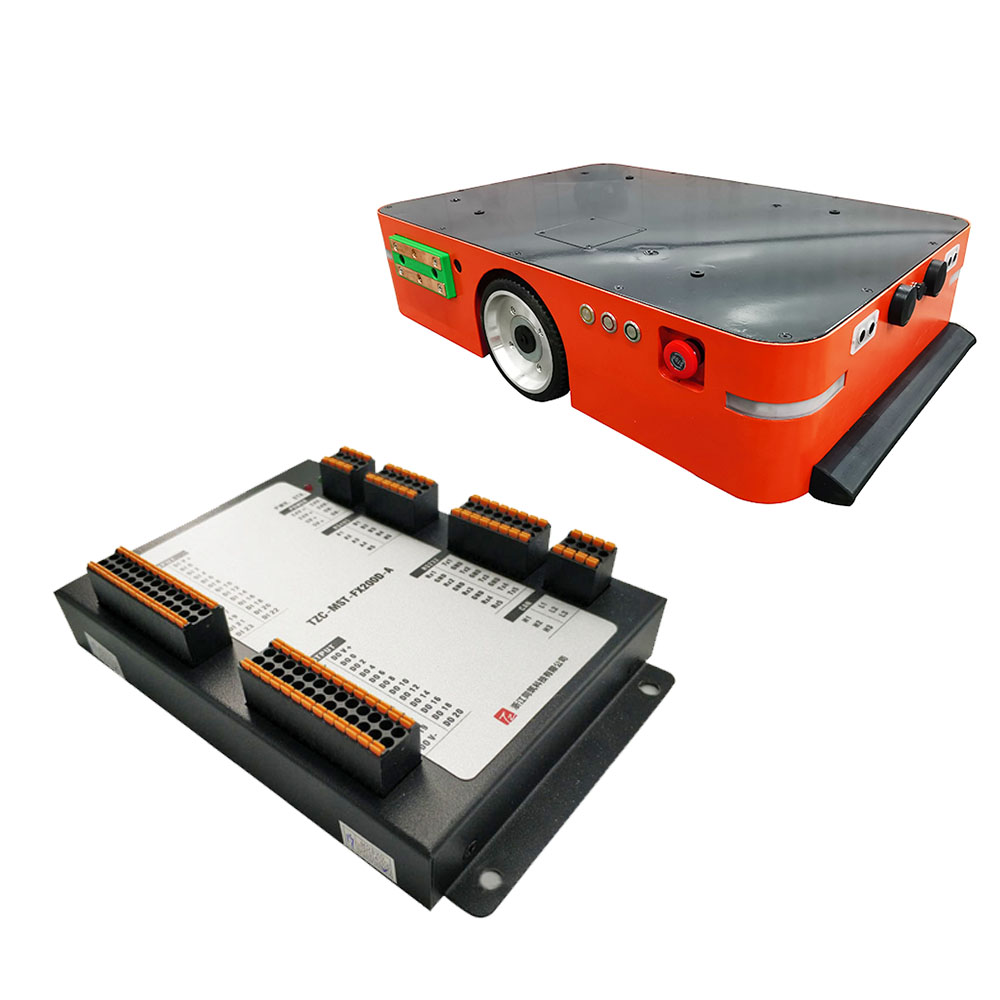
TZBOT Smart AGV Controller for Commanding the AGV
A central command controller for task dispatch, vehicle coordination, and reliable AGV motion sequencing in automated material handling lines.
View product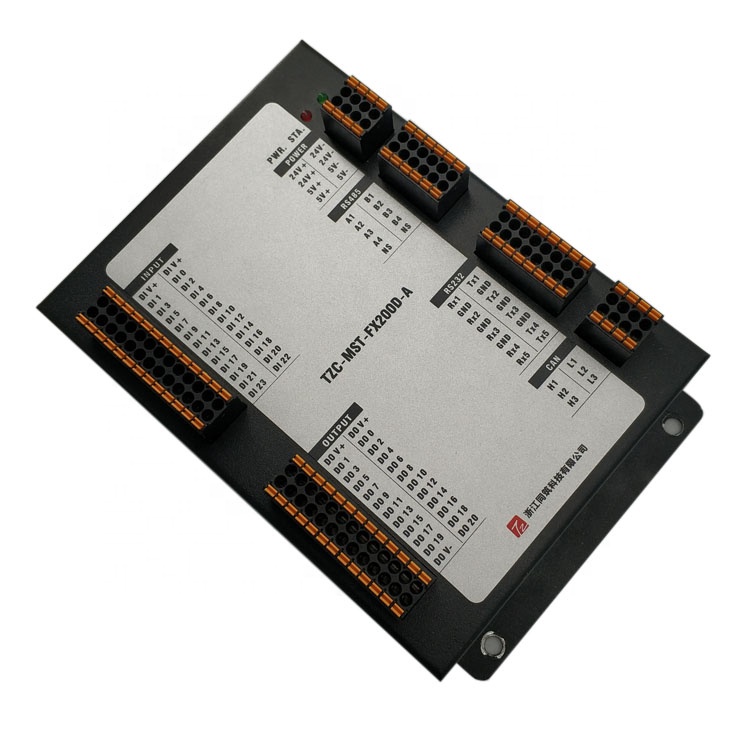
TZBOT AGV Smart Controller TZC-MST-FX200D-A with Function of Mapping and Auto Guide for agv
Combines mapping and auto-guide logic for faster route commissioning, suitable for OEM teams building visual navigation AGV platforms.
View product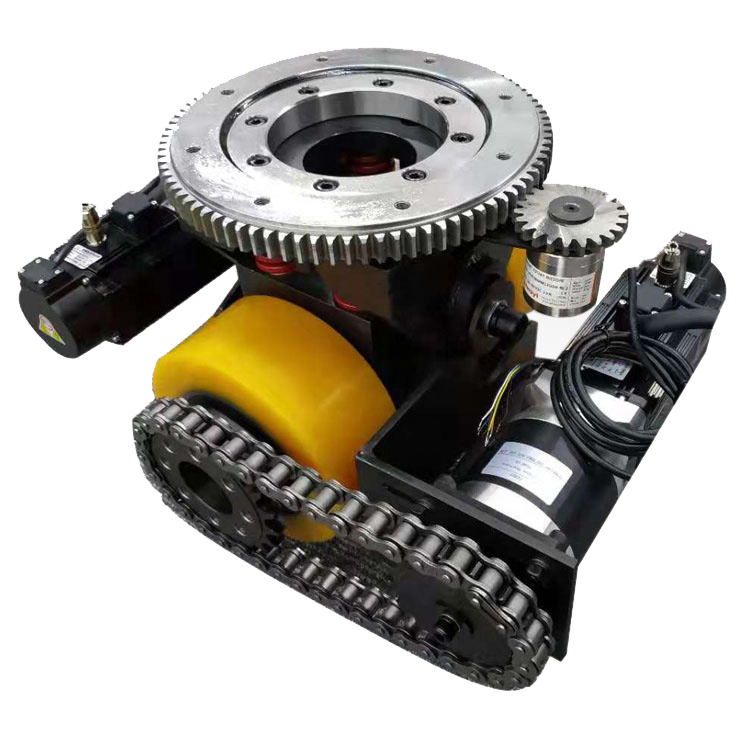
TZBOT 48V DC 2 Ton Heavy Duty Differential Unit AGV Wheel TZCS-750-30
A heavy-duty differential drive unit for 2-ton platforms, with matched motor, reducer, and wheel geometry for stable traction.
View product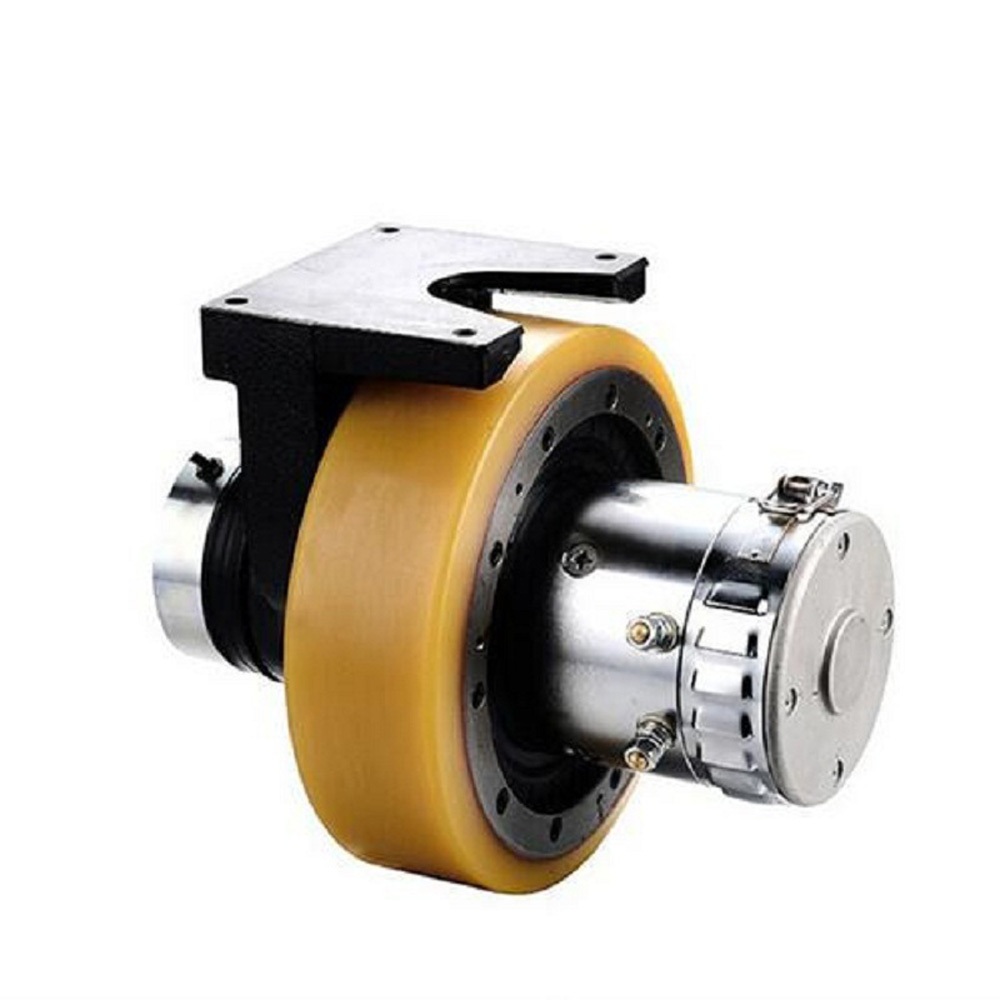
TZBOT TZ18-D12 1200W 24V Horizontal Drive Wheel Assembly Horizontal Wheel Unit Omnidirectional Automatic Steering Wheel
Low-clearance horizontal drive with 1,200W 24V power and omnidirectional steering geometry for compact AGV chassis.
View product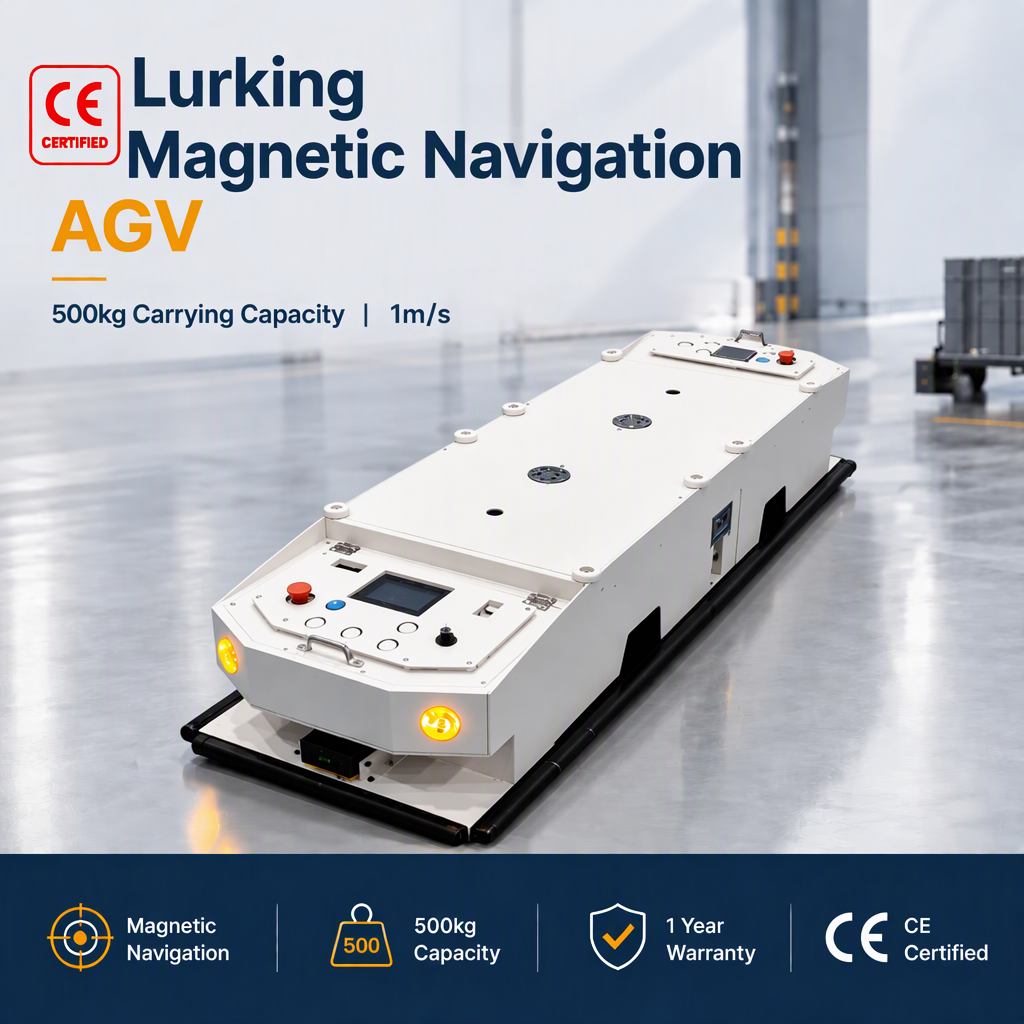
TZBOT CE Approved 500kg Bidirectional Lurking Robot 500kg Towing Capacity Material Handling Equipment Magnetic Navigation AGV
A 500kg bidirectional lurking AGV with magnetic navigation and towing capacity for repeatable material movement.
View product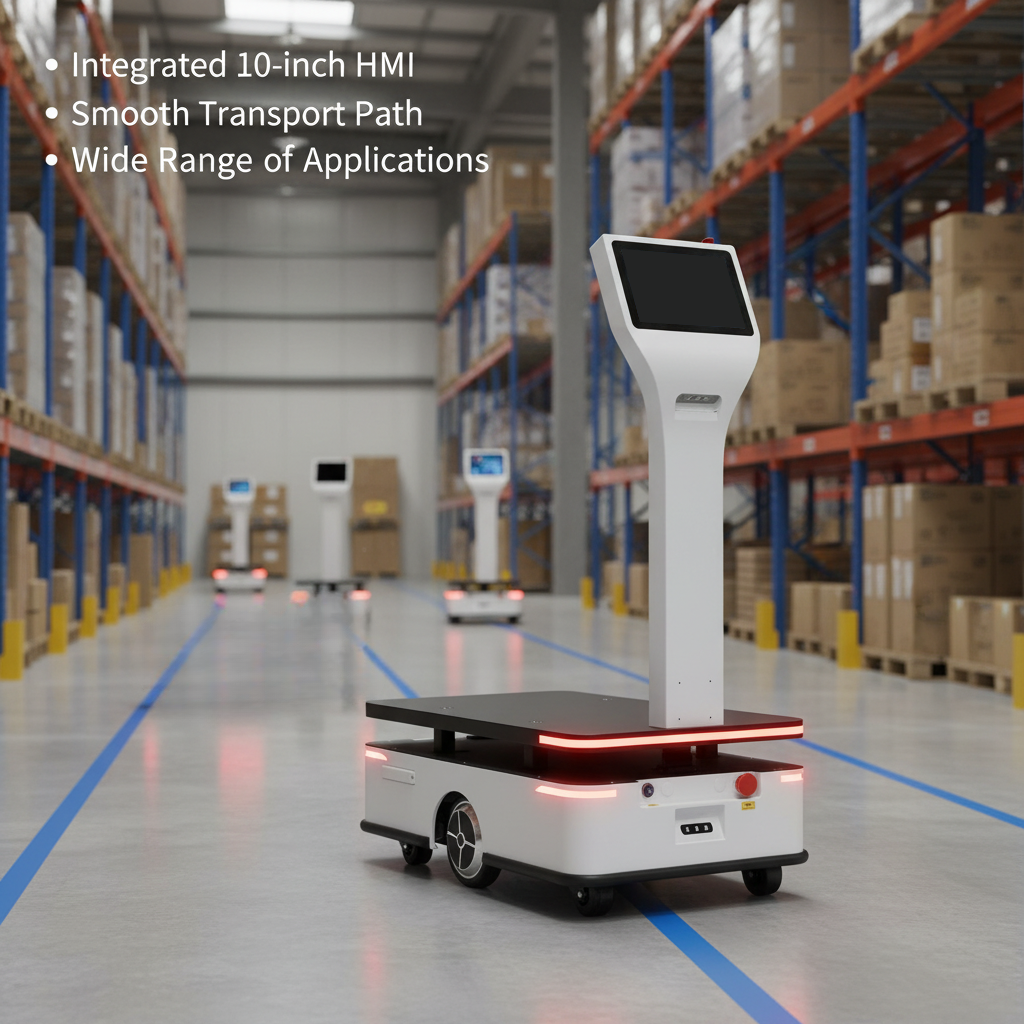
TZBOT Intelligent Warehouse Logistic Robot Unmanned Control System Customizable 80kg Payload agv Transfer Cart Slam Amr
A customizable 80kg payload SLAM AMR transfer cart for flexible warehouse routes and mixed-material handling.
View product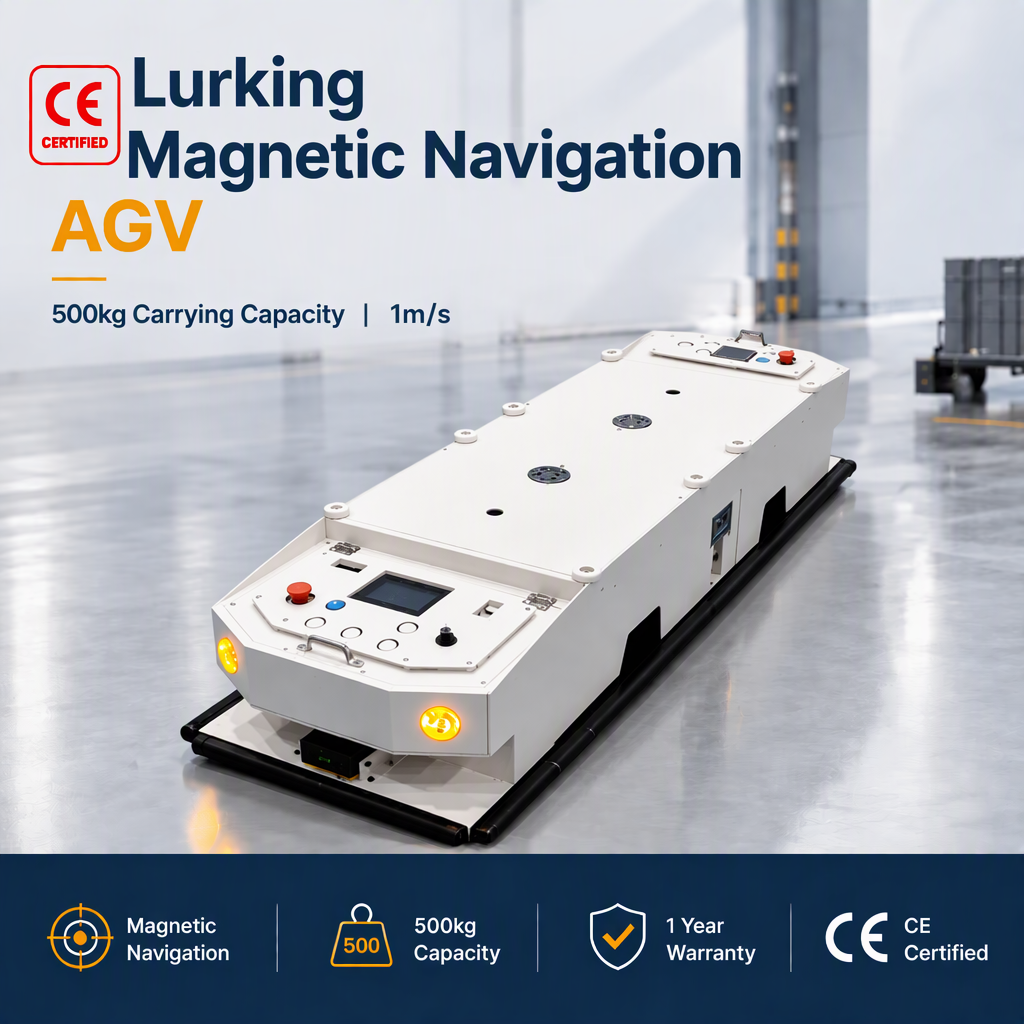
TZBOT EU CE Lurking AGV Material Handling Equipment Logistic Automation 500kg Bidirectional Magnetic Guidance Mobile Robot
A 500kg bidirectional magnetic guidance mobile robot for logistics automation, line-side supply, and routine towing.
View product
TZBOT 2500KG Lurking AGV Unmanned Control 8H Long Endurance Material Handling Mobile Robot for Shelf Towing
A 2,500kg shelf-towing AGV with 8-hour endurance, engineered for heavy replenishment and long-shift operations.
View productWhy Global Buyers Choose Torqen for Visual Navigation AGV Projects
Torqen is not a catalogue-only trader. Zhejiang Torqen Technology Co., Ltd. combines application engineering, drive-wheel assembly, controller matching, and quality documentation so buyers can verify capability before scaling.
Engineering-Led Customization
We support sample-based customization, design-based customization, OEM production, design services, and buyer-label packaging. Motor power, voltage, reduction ratio, wheel diameter, tread material, encoder type, brake options, and mounting interfaces can be adapted to your chassis.
One Drive Train, One Source
Differential drive units, steering drive wheels, horizontal drive assemblies, servo/BLDC controllers, magnetic guide sensors, RFID position sensors, and lidar are matched as a system. That reduces integration risk for visual navigation AGV builders.
Verified Quality System
ISO 9001:2015 certified and Intertek onsite-verified, with finished-product inspection using five in-house testing instruments. Prototypes undergo extended-duration testing before production parts are released.
Export-Ready Commercial Terms
Accepted payment methods include T/T, L/C, D/P, D/A, MoneyGram, credit card, PayPal, Western Union, cash, and escrow in USD, EUR, JPY, CAD, AUD, HKD, GBP, or CNY. Delivery terms include FOB, CFR, CIF, EXW, CIP, FCA, CPT, DDU, and express delivery.
Application Engineering Support
Our team reviews payload, speed, gradient, chassis height, and battery voltage, then recommends motor power, reduction ratio, wheel diameter, and navigation sensors. Wiring diagrams and parameter guidance support commissioning.
Responsive After-Sales
Online support is available 24/7 with a 97.9% inquiry response rate. Spare-parts supply and fault analysis are backed by traceable production records and a 4.9/5 buyer rating.
Inside Zhejiang Torqen Technology Co., Ltd.
Founded in 2015 in Zhejiang, China, Torqen designs and manufactures automatic guided vehicles, AGV drive wheel assemblies, DC/AC motors, encoders, reducers, motor controllers, caster and PU wheels, and in-wheel motor units for automation builders worldwide.
Manufacturing is organized around motion-control reliability rather than catalogue assembly. A team of 51–100 people works from a 1,000–3,000 m² facility with annual output in the US$5M–10M range. Continued investment in modern machining equipment lets Torqen move from drawing to tested prototype quickly. Eight awarded patents, onsite verification by Intertek, and ISO 9001:2015 certification give procurement teams concrete evidence for supplier approval.

Office and production facility: a manufacturer and trading company supporting global automation integrators.
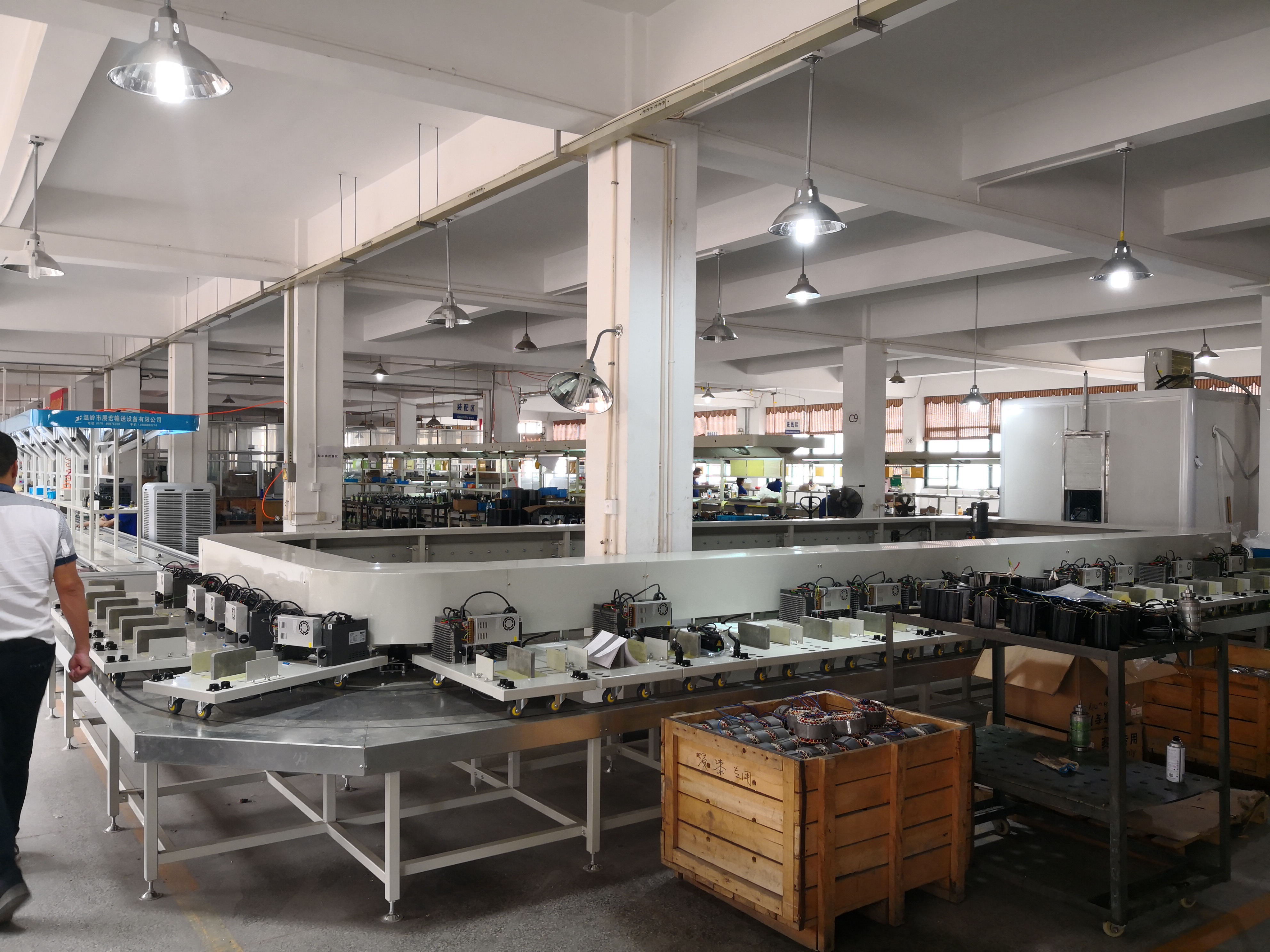
AGV drive-wheel assembly workshop: motor, reducer, wheel, and mounting geometry matched before shipment.
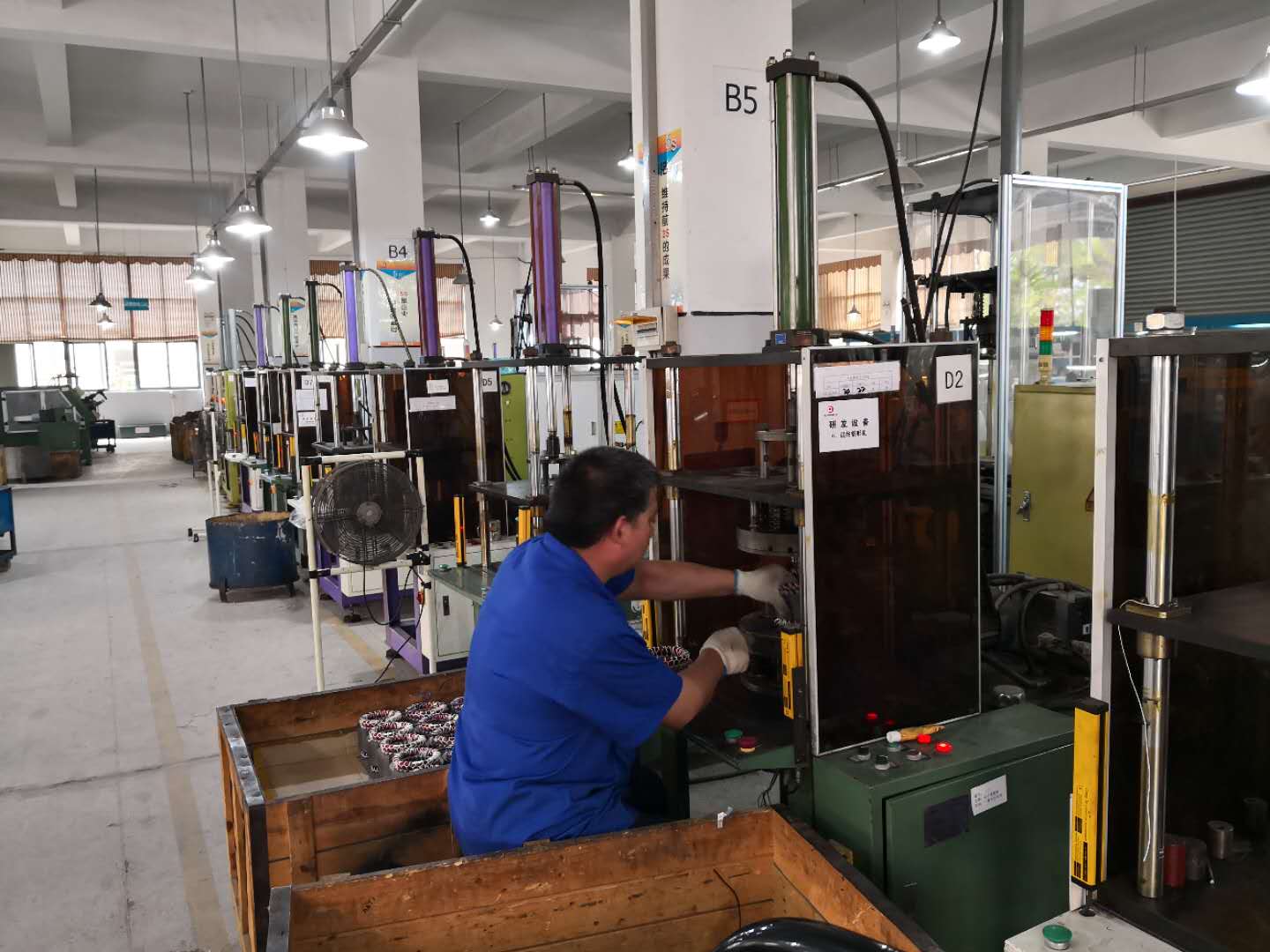
Engineering and quality inspection area: finished-product inspection and extended-duration prototype testing.
Which Visual Navigation AGV or Drive Module Should You Source?
Use the application logic below to shortlist a platform before requesting a quotation. Final selection should always be confirmed against payload, aisle width, duty cycle, safety requirements, and charging strategy.
For Agile 3C and E-commerce Warehousing
Choose the 80kg payload SLAM AMR transfer cart when routes change frequently and floor infrastructure should remain minimal. It suits flexible mixed-material transport, line-side delivery, and small-load picking where visual navigation and obstacle avoidance matter more than fixed tape.
View SLAM AMRFor 500kg Bidirectional Towing
The CE-approved 500kg bidirectional lurking robot fits repeatable material movement, cart towing, and compact warehouse lanes. Magnetic navigation keeps deployment predictable while the 500kg towing capacity covers common intralogistics loads.
View 500kg AGVFor Heavy Shelf Replenishment
Use the 2,500kg lurking AGV with 8H endurance for heavy shelf towing and long-shift operations. Its value is not only payload; it is the combination of towing stability, endurance, and service access for continuous logistics.
View 2,500kg AGVFor OEM Chassis Engineering
OEM builders should start with the 48V DC 2-ton differential wheel unit or the 1,200W 24V horizontal drive assembly, then match the TZC-MST-FX200D-A controller and sensors. This approach gives control over speed, torque, mounting height, and future visual-navigation upgrades.
View 2-ton drive2025–2030 Procurement Trends for Visual Navigation AGV Systems
Buying behavior is shifting from single-machine price comparison to validated throughput, integration risk, and lifecycle cost. These six trends are shaping tenders and supplier scorecards.
Infrastructure-Light Deployment
Visual SLAM, QR code, and hybrid navigation reduce dependence on magnetic tape and fixed floor marks. Procurement teams now ask for route-change cost, remapping time, and whether the AGV can support a phased layout without stopping production.
Total Cost of Ownership Over Unit Price
Lowest purchase price is no longer the leading metric. Buyers compare cost per pallet movement, uptime, energy consumption, spare-wheel life, controller replacement cost, and service response. A matched drive train often reduces hidden engineering hours.
Mixed-Fleet Interoperability
Warehouses rarely run one vehicle type forever. Procurement specifications increasingly require documented interfaces, CAN/RS485 support, fleet-manager compatibility, and clear responsibility boundaries between AGV, conveyor, elevator, and warehouse-management systems.
Safety and Compliance Evidence
CE claims alone are not enough. Buyers ask for risk-assessment support, emergency-stop logic, lidar and bumper integration details, test records, and traceability between prototype and production. Compliance documentation is becoming part of supplier qualification.
Modular Spare-Parts Strategy
Drive wheels, servo/BLDC drivers, and navigation sensors are being purchased as a maintainable family rather than isolated parts. Standardized mounting and tuning reduce downtime and make it easier to expand a fleet without retraining service teams.
Pilot-to-Scale Procurement
Procurement cycles now start with a structured pilot: defined payloads, route density, acceptance KPIs, safety checks, and maintenance trials. Suppliers that support engineering validation before mass production are more likely to win multi-site rollout contracts.
What the Next Generation of Visual Navigation AGVs Will Require
Hardware and software roadmaps are converging. Future AGV platforms will be judged by sensor fusion quality, serviceability, and how efficiently they adapt to dynamic environments.
Multi-Sensor Fusion
Vision, lidar, IMU, and wheel odometry are being combined to improve localization under changing light, pallet shadows, and partial occlusion. The drive unit must provide clean encoder feedback and predictable traction for fusion algorithms to work.
Edge AI and Semantic Mapping
AGVs are moving from geometric maps to semantic maps that understand aisles, staging zones, docking areas, and human traffic patterns. This supports smarter route planning and fewer manual exceptions in mixed warehouse operations.
Modular Low-Clearance Drives
Chassis designers want higher payloads in lower vehicle profiles. Horizontal drive assemblies, compact steering units, and integrated in-wheel motor concepts allow AGV makers to reduce deck height without sacrificing tractive effort.
Energy and Endurance Management
Long-shift endurance, fast charging, and battery-health visibility are becoming product requirements. A 2,500kg towing platform with 8-hour endurance shows how energy strategy directly shapes commercial availability for heavy logistics.
Safety by Design and Diagnostics
Emergency stop, obstacle detection, speed zones, brake control, and fault logging are being designed into the motion layer rather than added afterward. Diagnostic data from controllers helps service teams isolate drive, sensor, or wiring issues quickly.
Standard Interfaces and Fleet Data
Open interfaces for controllers, sensors, and fleet managers reduce integration cost. Buyers increasingly expect parameter files, wiring diagrams, and production traceability so an AGV platform can be replicated across sites without repeated engineering.
A Practical Checklist Before You Place a Visual Navigation AGV Order
Use these six checks to compare China wholesale AGV suppliers with the same evidence standard. The goal is to reduce commissioning risk before the purchase order is issued.
Ask for Engineering Calculations
Request motor power, reduction ratio, wheel diameter, and traction assumptions based on gross vehicle weight, speed, gradient, and duty cycle. A credible supplier should show how the drive train was matched.
Verify BOM Traceability and Test Data
Confirm that motor, reducer, encoder, controller, and wheel batch records can be traced. Ask for finished-product inspection evidence and extended-duration prototype testing records before approving serial supply.
Assess Prototype-to-Production Consistency
Check whether the same mounting geometry, wiring, firmware parameters, and quality gates are used from sample to mass production. This is especially important for visual navigation AGV platforms that will be replicated across sites.
Check Compliance and Safety Documentation
Review ISO 9001:2015 certification, onsite verification reports, CE-related documentation where applicable, and safety integration guidance for emergency stop, lidar, bumpers, and speed control.
Review Spare-Parts and Service Model
Ask how quickly drive wheels, controllers, sensors, and wear parts can be supplied after commissioning. A 24/7 online response channel and traceable production records reduce long-term fleet downtime.
Validate Commercial and Logistics Terms
Confirm payment method, currency, Incoterm, packing method, and spare-parts inclusion before comparing landed cost. Flexible terms such as FOB, CIF, EXW, DDU, and express delivery can be quoted against the final BOM.
How the Torqen Process De-Risks Your Visual Navigation AGV Project
From specification review to shipment, each stage is designed to give engineering buyers predictable sampling, testing, and production release.
Requirement Review
Payload, speed, gradient, battery voltage, chassis height, navigation method, and route-change frequency are reviewed against the intended application.
Engineering Proposal
Motor, reducer, wheel, controller, and sensor options are matched. Drawings and interface requirements are shared for approval before sampling.
Prototype Build
Sample-based or design-based customization is produced according to the agreed mounting geometry, performance targets, and connector layout.
Endurance Testing
Prototypes undergo extended-duration runs and parameter checks. Test feedback is used to refine tuning before production release.
Mass Production
Manufacturing is controlled under ISO 9001:2015 with traceable material records and consistent assembly criteria across batches.
Inspection & Delivery
Final inspection is performed with in-house testing instruments. Export packing and shipping are arranged under the agreed Incoterm and payment terms.
Common Questions About China Wholesale Visual Navigation AGVs
Answers for procurement teams comparing AGV platforms, drive-wheel assemblies, controllers, and navigation sensors.
What is a visual navigation AGV, and how is it different from a magnetic-tape AGV?
A visual navigation AGV uses cameras, visual SLAM, and supporting sensors to understand its environment and localize without relying entirely on fixed floor marks. A magnetic-tape AGV follows tape installed on the floor. Visual systems are more flexible when layouts change, while magnetic systems can be highly repeatable and cost-effective for stable routes. The right choice depends on route variability, floor conditions, lighting, safety requirements, and the total cost of future layout changes.
Can visual navigation AGVs handle changing warehouse layouts?
Yes, but the change process must be controlled. Buyers should provide CAD layouts, rack heights, aisle widths, traffic rules, charging locations, and material profiles. A structured pilot should confirm localization stability, docking accuracy, obstacle response, and route-change time. In many projects, a hybrid approach using visual navigation with magnetic or QR checkpoints provides a practical balance between flexibility and repeatability.
Which product should I choose for a 500kg to 2,500kg material handling task?
For compact 500kg material handling and towing, review the CE-approved 500kg bidirectional lurking robot or the EU CE 500kg magnetic guidance mobile robot. For shelf towing and heavy replenishment, the 2,500kg lurking AGV with 8-hour endurance is the appropriate platform. If you are building your own chassis, start with the 2-ton differential wheel unit or horizontal drive assembly and match a suitable controller and sensor set.
Does Torqen support OEM and ODM customization for AGV components?
Yes. We offer sample-based customization, design-based customization, OEM production, design services, and buyer-label packaging. Typical customizations include motor power and voltage, reduction ratio, wheel diameter and tread material, encoder type, brake options, and mounting interfaces. Sharing vehicle weight, speed, chassis height, and mounting drawings helps shorten the engineering review.
How is product quality verified before shipment?
Our quality management system is certified to ISO 9001:2015, and our facility has been verified onsite by Intertek. We run finished-product inspection with five in-house testing instruments, and prototypes undergo extended-duration testing before production parts are released. Buyers can request traceability information and inspection records as part of supplier qualification.
What payment methods, delivery terms, and currencies are accepted?
Accepted payment methods include T/T, L/C, D/P, D/A, MoneyGram, credit card, PayPal, Western Union, cash, and escrow, in USD, EUR, JPY, CAD, AUD, HKD, GBP, or CNY. Delivery terms include FOB, CFR, CIF, EXW, CIP, FCA, CPT, DDU, and express delivery. Final terms are confirmed against product configuration, order quantity, and destination.
What information should I provide to get an accurate drive-wheel or AGV quote?
Provide gross vehicle weight, maximum payload, target speed, maximum gradient, battery voltage, available chassis height, wheel diameter limits, duty cycle, braking requirements, floor condition, and navigation method. For drive-wheel quotes, include mounting interface drawings and whether encoder feedback or a brake is required. For complete AGVs, add aisle width, route layout, load type, and charging strategy.
Which industries use Torqen AGV drive products?
Torqen products are used in AGVs and AMRs, forklifts, aerial work platforms, airport equipment, agricultural machines, hydraulic applications, floor scrubbers and sweepers, wind energy, marine equipment, and medical devices. This application breadth helps our engineers match drive components to different duty cycles, environments, and safety expectations.
Need a Visual Navigation AGV Specification Matched to Your Load?
Send gross vehicle weight, target speed, aisle width, battery voltage, chassis height, route-change frequency, and required navigation method. Our engineers will recommend the drive wheel, controller, sensor set, and suitable AGV platform.
