Why the Best Custom Industrial Mobile Robot Factory Is a Drive-Train Integrator
Industrial mobile robots are not assembled from generic catalogue parts. A latent-lifting AGV, towing AMR, autonomous forklift or heavy-duty transfer robot only performs to specification when the drive wheel, servo motor, controller, encoder, brake, navigation sensor and chassis interface are engineered as one motion system.
What OEM Buyers Should Really Evaluate
Experienced procurement teams compare factories on engineering evidence rather than a single unit price. They ask for load calculations, duty-cycle assumptions, wheel tread selection, controller parameter matching, sensor compatibility, prototype endurance records and production traceability. These details determine whether a robot fleet can be reproduced with the same handling feel, positioning accuracy and service life after the first shipment.
Zhejiang Torqen Technology Co., Ltd. has focused on this motion-control layer since 2015. The company manufactures AGV drive wheel assemblies, DC/AC motors, encoders, reducers, servo and BLDC controllers, magnetic guide sensors, RFID position sensors and related mobile robot accessories. That scope matters because a custom industrial mobile robot manufacturer should be able to resolve integration issues inside one engineering conversation instead of sending buyers between multiple suppliers.
Information Gain for Global Procurement Teams
The practical information gain here is not another list of parts. It is a decision framework for matching payload, speed, chassis height, battery voltage, navigation method and maintenance strategy. A 1,000 kg horizontal drive wheel, a 2,000 kg differential drive unit and a 1,500 W servo forklift drive wheel solve different mechanical problems. Choosing the wrong architecture can increase chassis height, reduce turning accuracy or shorten motor life.
- Mechanical fit: wheel diameter, suspension, mounting interface and ground clearance.
- Electrical fit: voltage, current, encoder feedback, brake logic and controller protocol.
- Navigation fit: magnetic tape, RFID tags, QR grids, lidar SLAM or hybrid positioning.
- Commercial fit: OEM customization, sample cycle, inspection records and export terms.
8 Industrial Mobile Robot Components for Custom OEM Builds
These eight products cover controllers, horizontal drive wheels, heavy-duty differential drive wheels, forklift driving wheels and customized AGV wheels. Each product page can be used as a starting point for sample-based customization and engineering review.
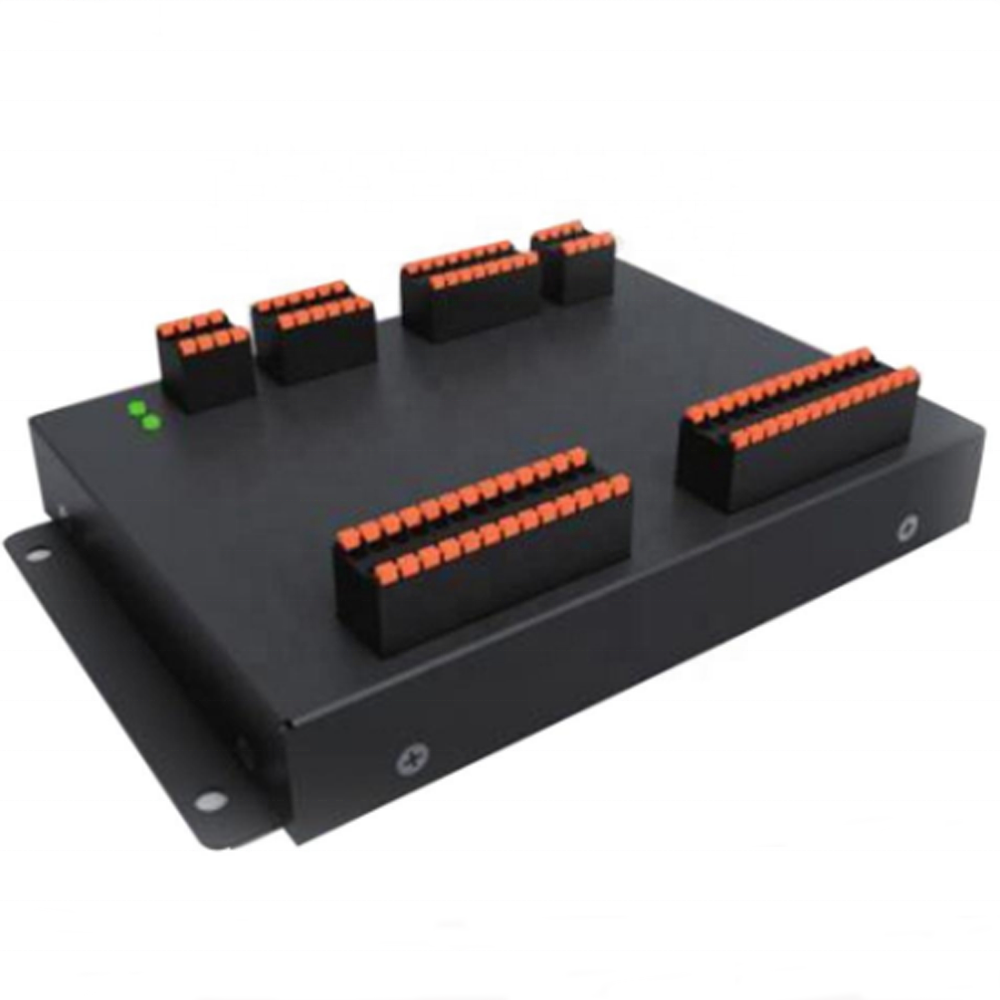
TZBOT FX Series Controller of HX Support Magnetic Tap Guided AGV
A magnetic-tape guided controller for compact AGV platforms that need stable path following, simple commissioning and predictable integration with drive wheels and safety I/O.
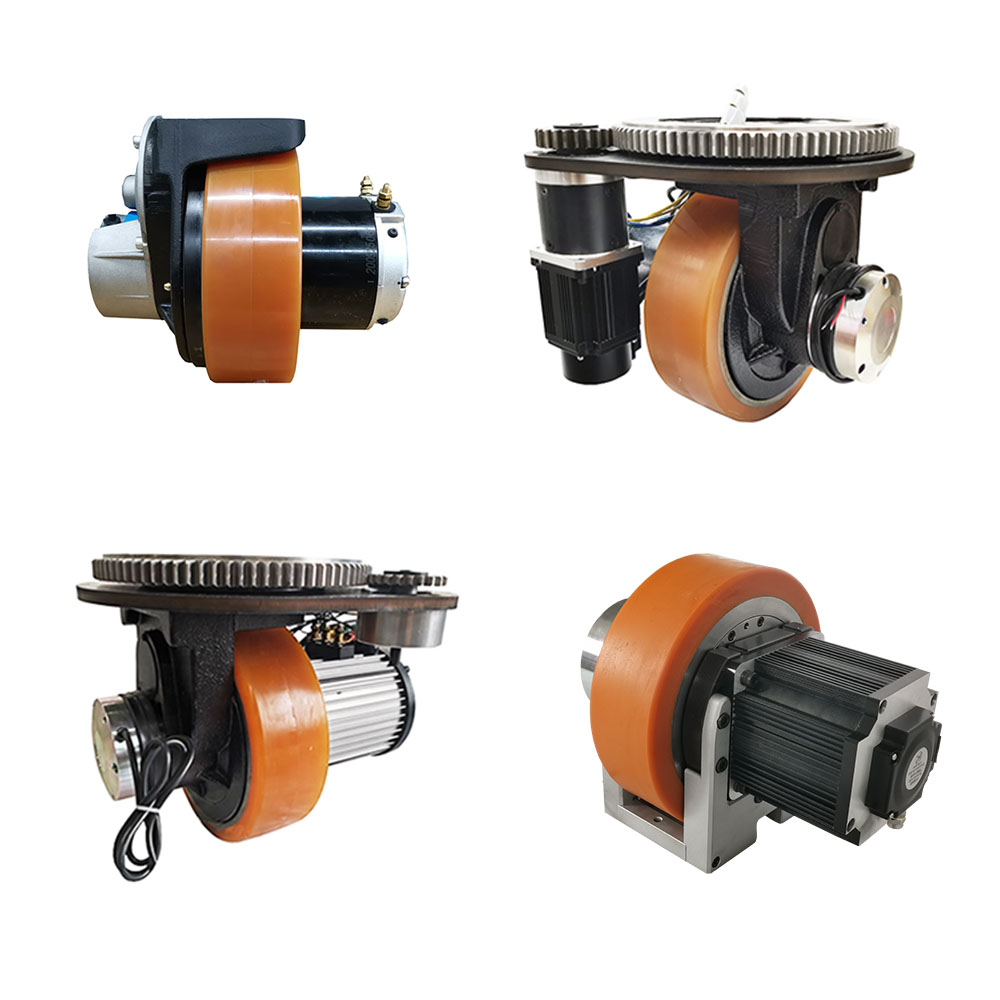
TZBOT 750W 1000KG Load Capacity Horizontal Drive Wheel Assembly AGV Wheel for Wholesale Automated Guided Robot
Designed for low-clearance automated guided robot chassis, this horizontal drive assembly balances 750 W motor output with a 1,000 kg load target for warehouse transfer platforms.
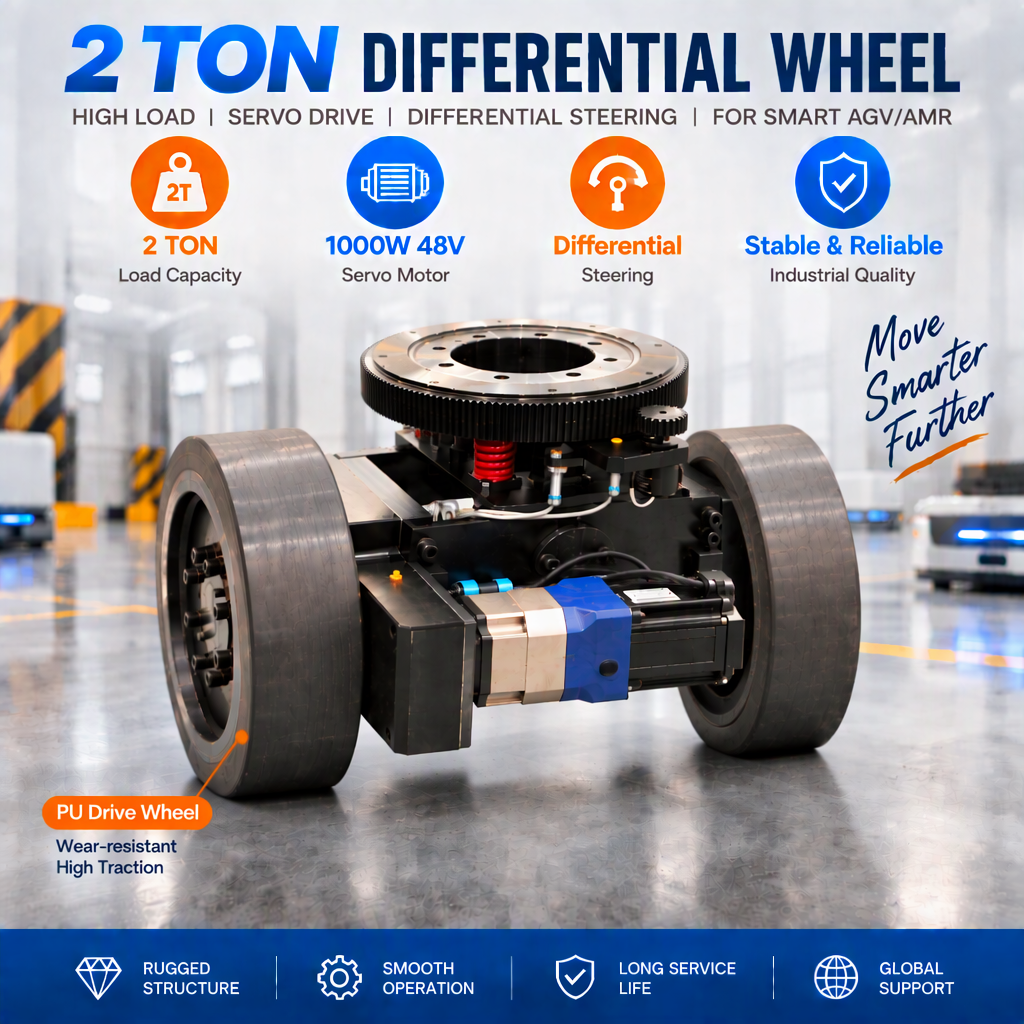
TZBOT 2000KG Heavy Duty Series AGV Wheel 1000w 48V Strong Power Mobile Robot Differential Drive Wheel with Spring Suspension
A 2,000 kg heavy-duty differential drive wheel with 1,000 W, 48 V power and spring suspension for industrial transfer robots that must retain traction on uneven floors.
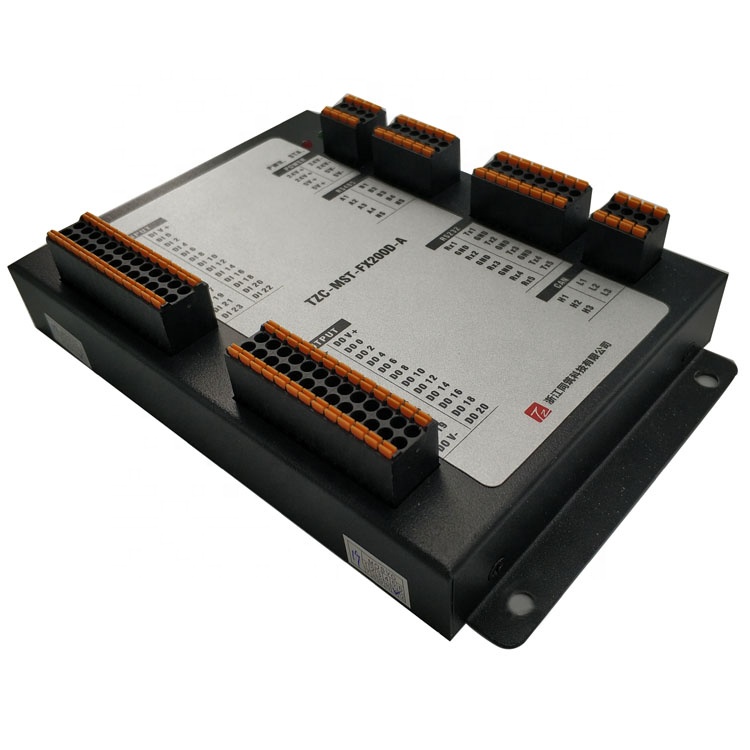
Smart AGV Controller TZC-MST-FX200D-A with Auto Guide Apply for Building Material Shops
An auto-guided controller option for building-material handling carts and mobile platforms, helping OEMs shorten control architecture development and focus on chassis fit.
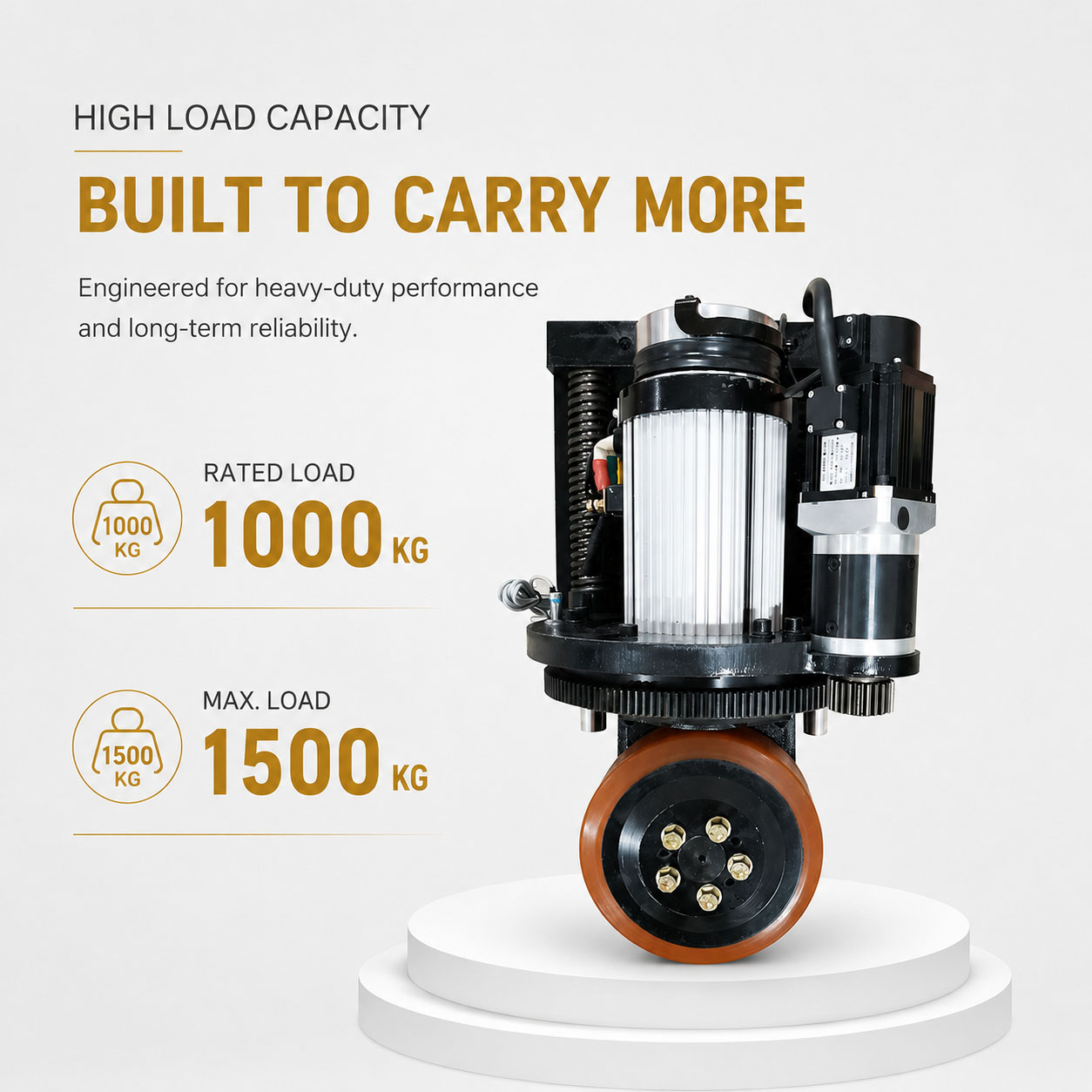
TZBOT 1000KG Bearing Duty 1500w Servo Motor AGV Forklift Driving Wheel with Suspension for Automatic Forklift
A 1,500 W servo driving wheel with suspension for automatic forklifts and tricycle-style mobile robots that need controlled torque, steering response and floor contact.
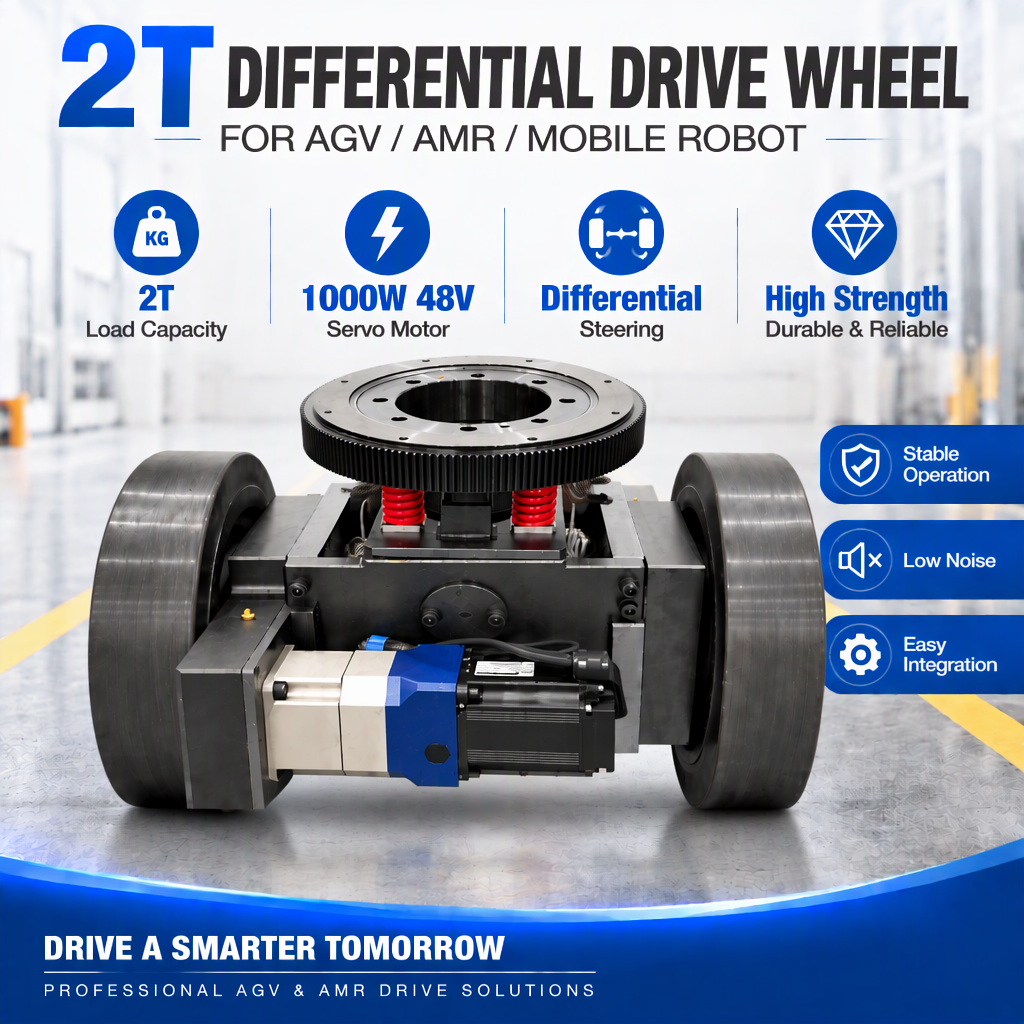
TZBOT 2000kg Traction Capacity Logistic Robot Part agv Amr Differential Steering Drive Wheel for Sale
A 2,000 kg traction-capacity differential steering drive wheel for logistics robots that require stronger towing capability, controlled steering and serviceable wear parts.
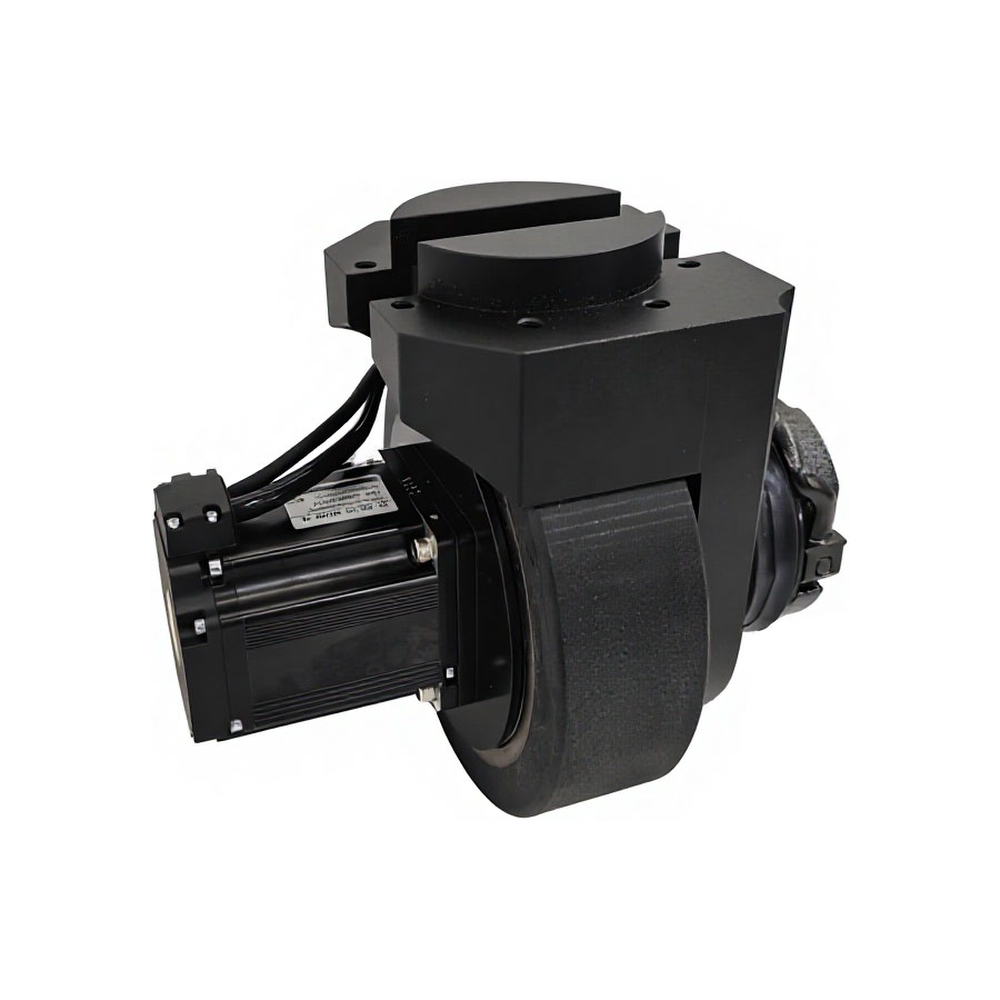
TZBOT 1000kg Bearing Capacity agv Wheel 1000w Servo Motor Material Handling Equipment Part Horizontal Drive Wheel
A 1,000 kg bearing-capacity horizontal drive wheel with 1,000 W servo motor, suitable for material-handling equipment where compact height and repeatable motion are priorities.
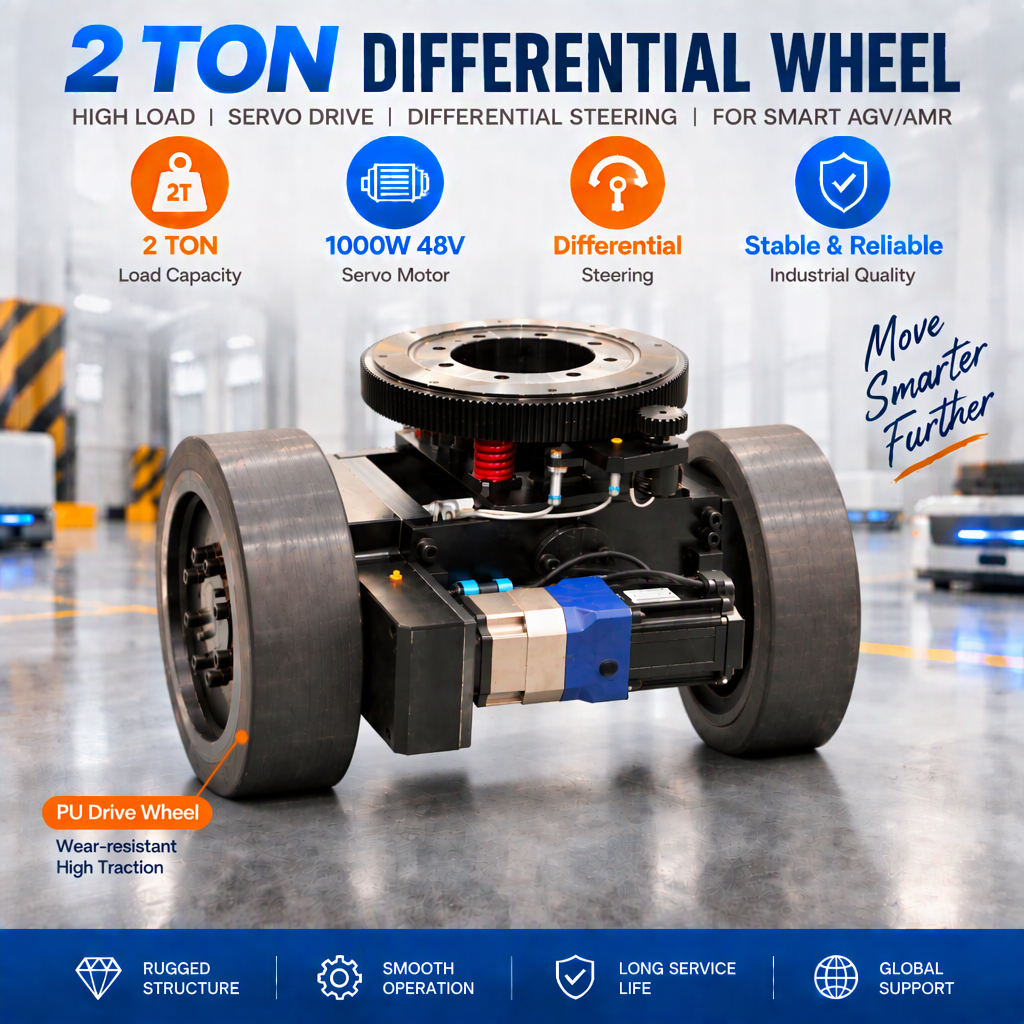
TZBOT Customized 2000kg Bearing Duty agv Wheel 1000w 48V Heavy Duty Series Mobile Robot Differential Drive Wheel with Suspension
A customized 2,000 kg differential drive wheel with 1,000 W, 48 V power and suspension, recommended for heavy mobile robot platforms that need OEM interface adaptation.
Recommended Configurations by Mobile Robot Application
Use these application-led recommendations to start a specification discussion. Final selection should always be confirmed against payload, speed, floor condition, battery voltage and chassis height.
Warehouse Latent AGV / Compact AMR
For low-clearance chassis and moderate loads, start with the 750 W 1,000 kg horizontal drive wheel or the 1,000 kg bearing capacity horizontal drive wheel. Pair with a magnetic guided controller when fixed routes are stable, or a higher-level AMR controller when the layout changes frequently.
Compare horizontal drive option →Heavy Transfer Robot / Towing Platform
For 2,000 kg-class transport, the heavy-duty differential drive wheel with spring suspension is a strong baseline. Spring suspension helps maintain wheel contact on imperfect concrete, while the 48 V architecture supports high starting torque and controlled acceleration.
Review 2,000 kg drive wheel →Automatic Forklift / Steering Chassis
For forklift-type robots that need controlled steering geometry, evaluate the 1,500 W servo motor driving wheel with suspension. It is intended for automatic forklift platforms where torque density, brake response and service access matter more than compact horizontal packaging.
Review forklift drive option →Future Procurement Trends for Industrial Mobile Robot OEM Buyers
The purchasing conversation is moving from component price toward lifetime system performance. These trends should shape RFQs, supplier scorecards and factory audit questions.
Total Cost of Ownership Becomes the RFQ Language
Procurement teams increasingly evaluate drive wheels by service life, tread replacement interval, brake reliability, controller compatibility and spare-part availability. A lower-priced wheel that causes downtime in a 24/7 warehouse can cost more than a properly engineered assembly. Buyers should request duty-cycle assumptions, inspection records and recommended maintenance intervals, not only quotation sheets.
Modular Platforms Replace One-Off Assemblies
Robot builders are standardizing around modular drive, control and navigation platforms so that one chassis can serve multiple payload classes. A supplier able to provide 1,000 kg and 2,000 kg drive wheels, matched servo controllers and sensor options helps reduce engineering rework. Modularity also improves spare-parts planning and makes fleet upgrades easier to manage across regions.
Traceability and Dual-Source Readiness Matter
Global buyers want documented inspection, production records and clear customization boundaries. They also ask whether key components can be dual-sourced without changing vehicle behavior. A factory with in-house motor, reducer, controller and sensor knowledge can better support alternative configurations while keeping the mechanical and electrical interfaces consistent. This is especially important for OEM programs with multi-year delivery schedules.
How AGV and AMR Drive Technology Is Evolving
Mobile robot hardware is becoming more integrated, safer and easier to commission. The most useful supplier is the one that can translate these trends into production-ready assemblies.
Higher Payload Density in Lower Chassis Height
Horizontal drive wheel assemblies continue to improve because warehouse robots need maximum payload without raising the deck. Integrated servo motors, compact reducers and optimized wheel geometry help OEMs reduce frame height while preserving torque. This is particularly relevant for latent lifting AGVs and under-ride carts that must fit beneath existing racks and conveyors.
Integrated Drive, Controller and Sensor Matching
Robot builders increasingly prefer suppliers who can tune controller parameters to the supplied motor, encoder and wheel. Matching current limits, acceleration ramps and braking behavior inside one factory reduces commissioning time. Combined with magnetic guide, RFID and lidar sensors, this integration improves navigation stability and gives engineering teams a single point of technical accountability.
Safety, Suspension and Serviceability by Design
Spring suspension is no longer only a heavy-duty feature; it is becoming a design requirement for maintaining traction on uneven industrial floors. At the same time, buyers want serviceable brake, encoder and wheel parts without replacing the entire drive unit. Future drive products will be judged on how quickly maintenance teams can inspect wear, replace components and return a robot to service with minimal downtime.
Zhejiang Torqen Technology Co., Ltd. — Built for Custom OEM Motion Projects
Founded in 2015 in Zhejiang, China, Torqen combines manufacturing and trading capability with an engineering focus on automatic guided vehicles, drive wheel assemblies, motors, encoders, reducers, controllers and navigation sensors. The company serves OEM integrators who need a responsive factory partner rather than a catalogue-only reseller.
Factory size is in the 1,000–3,000 m² range, the team is 51–100 people, and annual output is in the US$5M–10M class. Prototypes are run for extended periods before production release, and quality inspection uses five in-house testing instruments. These facts matter for buyers who need a traceable sample cycle before committing to a fleet program.

Custom Drive Engineering
Sample-based and design-based customization can cover motor power, voltage, reduction ratio, wheel diameter, tread material, encoder type, brake options and mounting interfaces.
Prototype Endurance Testing
Prototypes undergo extended-duration testing before production release. Finished-product inspection and five in-house testing instruments support repeatable shipment quality.
Matched Electronics
Servo and BLDC drivers can be tuned to Torqen drive wheels, while magnetic, RFID and lidar sensors support a more complete single-source bill of materials.
Export-Ready Order Support
Payment methods include T/T, L/C, D/P, D/A, credit card, PayPal, Western Union and more. Delivery terms include FOB, CFR, CIF, EXW, CIP, FCA, CPT, DDU and express delivery.
Drive Wheel and Navigation Selection Guide
A practical comparison that application engineers can use when configuring a new industrial mobile robot platform.
| Drive configuration | How it steers | Recommended application | Procurement check |
|---|---|---|---|
| Differential drive unit | Two independently driven wheels turn by speed difference. | Latent AGVs, jacking robots, shelf-lifting AMRs and compact turning chassis. | Confirm floor friction, turning center, payload distribution and encoder feedback. |
| Horizontal drive assembly | Motor mounted horizontally for a lower chassis height. | Low-clearance automated guided robots and under-ride carts. | Check available deck height, wheel diameter, braking distance and maintenance access. |
| Single steering drive wheel | Drive motor plus steering motor controls wheel angle. | Forklift-type robots, tricycle chassis and towing platforms. | Review steering motor response, suspension travel, rated load and brake logic. |
| Magnetic guide / RFID / lidar | Navigation sensors provide path, station or environment references. | Fixed routes, station recognition, QR grids and SLAM navigation. | Ask for interface documentation, sensor mounting tolerances and controller compatibility. |
Common Questions Before Ordering Custom Mobile Robot Components
These answers help engineering buyers compare a custom OEM industrial mobile robot manufacturer on capability, quality evidence and commercial fit.
What does custom OEM manufacturing mean for industrial mobile robot components?
Custom OEM manufacturing means adapting a base drive, controller or sensor platform to the buyer’s chassis and performance targets. Typical changes include motor power and voltage, reduction ratio, wheel diameter, tread material, encoder type, brake configuration and mounting interface. For robot builders, this is often more valuable than buying a standard part and modifying the chassis around it.
Which drive wheel type should I choose for an AGV or AMR?
Differential drive units suit compact latent and jacking AGVs that turn by wheel-speed difference. Steering drive wheels suit forklift and tricycle-type AGVs that need a controlled steering angle. Horizontal drive wheel assemblies suit low-clearance chassis. Share your payload, speed, chassis height, floor condition and battery voltage, and an application engineer can recommend a starting configuration.
How can I verify quality and factory capability?
Review ISO 9001:2015 certification, onsite verification reports such as Intertek, patent records, prototype endurance testing procedures and finished-product inspection records. Ask whether key components such as motors, reducers, controllers and sensors are matched in-house. A factory that can explain why a drive wheel and controller were paired together is usually easier to audit than a supplier that simply resells separate parts.
Can controllers and sensors be matched with the drive wheel?
Yes. For custom mobile robot projects, controller parameter matching should cover current limits, acceleration ramps, encoder counts, braking behavior and fault handling. Navigation sensors should be selected according to route strategy: magnetic guide sensors for fixed tape routes, RFID sensors for station recognition and speed zones, and lidar for obstacle avoidance or SLAM-based flexibility. Matching these inside one supplier reduces commissioning risk.
What payment and delivery terms are supported?
Typical payment methods include T/T, L/C, D/P, D/A, MoneyGram, credit card, PayPal, Western Union, cash and escrow. Currencies can include USD, EUR, JPY, CAD, AUD, HKD, GBP and CNY. Delivery terms include FOB, CFR, CIF, EXW, CIP, FCA, CPT, DDU and express delivery. Final terms should be confirmed on the quotation according to order value, destination and production schedule.
What information should I send for a faster quotation?
Send the robot type, gross vehicle weight, target speed, maximum gradient, wheel diameter limit, chassis mounting drawing, battery voltage, required brake or suspension, navigation method and estimated annual order quantity. If you have an existing drive unit drawing or a competitor part number, include it. The more performance context you provide, the faster the factory can recommend a drive wheel, controller and sensor package and estimate the sample cycle.
Build a More Reliable Industrial Mobile Robot Platform
Share your load, speed, chassis height, voltage and navigation requirements. Our engineering team can help compare differential, horizontal or steering drive options and recommend the matching controller and sensor package for your OEM project.
Custom OEM industrial mobile robot manufacturer and factories guide for AGV drive wheels, servo controllers, magnetic guidance, RFID positioning and heavy-duty mobile robot drive assemblies.
