Eight Product Platforms for Robotic Pallet Truck Development
A custom OEM robotic pallet truck programme usually combines a load-handling chassis, a traction drive unit, a motion controller, a navigation sensor set and a safe battery strategy. The eight catalogue references below are practical modules for that architecture. Product URLs are preserved as supplied; buyers comparing a custom OEM robotic pallet truck supplier should read them as one engineering system, not as isolated spare parts.
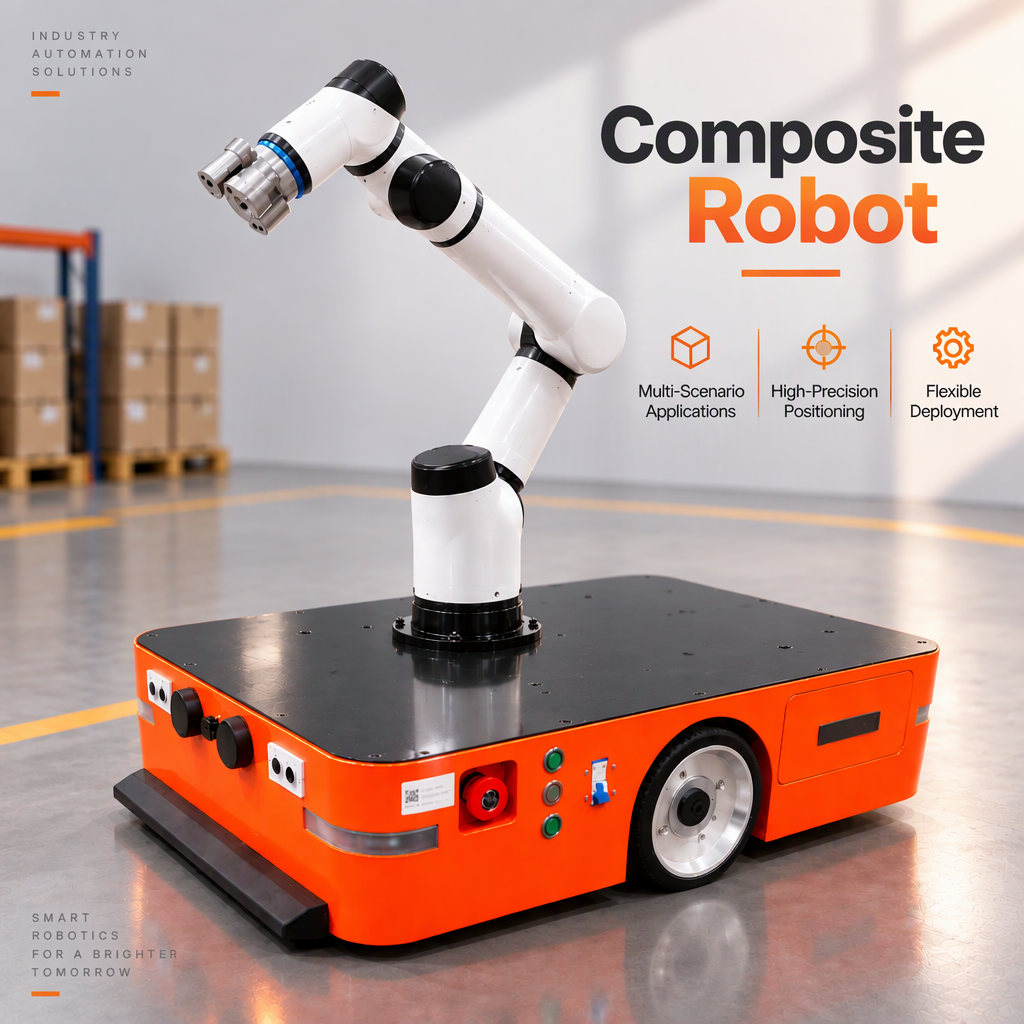
TZBOT Backpack AGV 200kg Load Capacity Chassis Magnetic Guidance Composite Robot with Robotic Arm
A compact backpack platform for composite robots and early pallet-truck prototypes. It is a useful reference when the lift mechanism, battery and control stack must be arranged around a low-profile chassis.
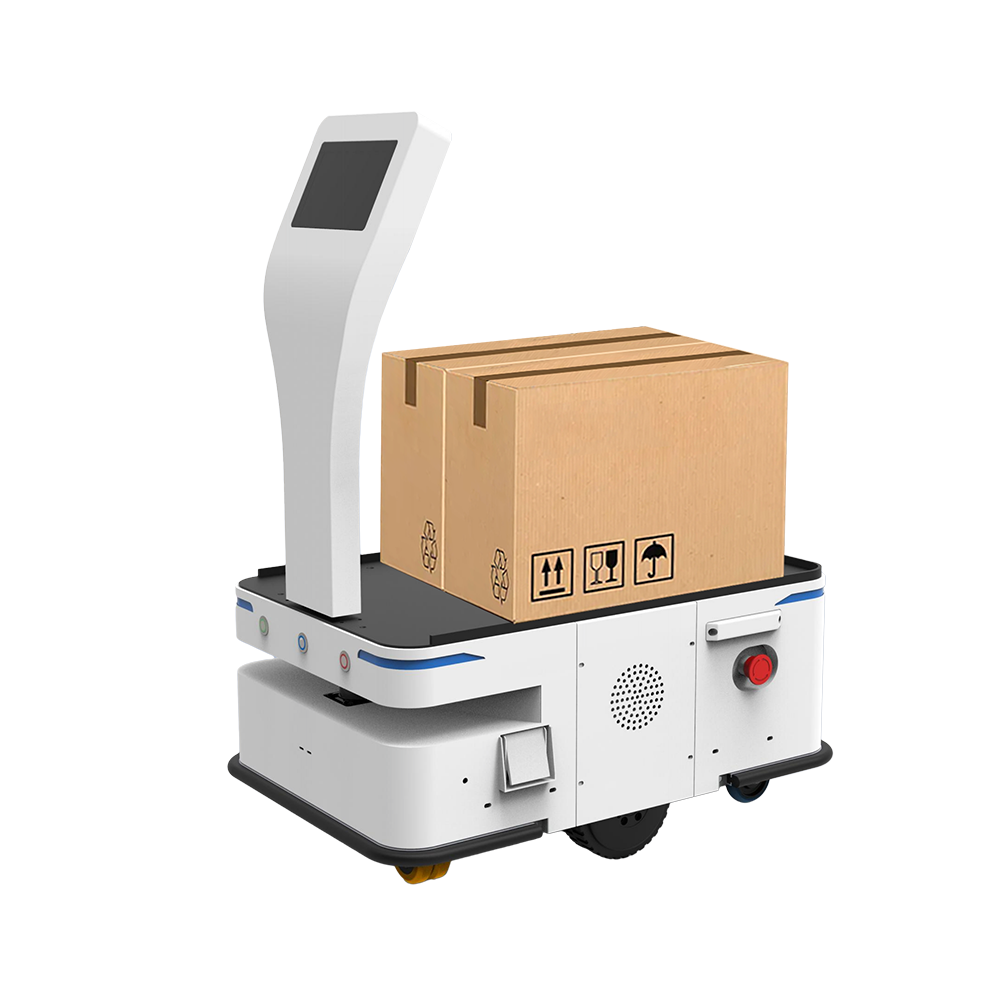
TZBOT High Precision Guidance Laser Slam Navigation Amr Robot 80kg Carrying Capacity Material Handling Amr Robot with 7 Inch HMI
A sensor-rich AMR reference with 7-inch HMI. For pallet-truck OEMs, it illustrates the flexible-route option: less fixed magnetic tape, faster layout changes and stronger evidence for mixed intralogistics.

TZBOT 48V DC 2 Ton Heavy Duty Differential Unit AGV Wheel TZCS-750-30
Heavy-duty differential traction for larger pallet trucks and tugger platforms. Buyers should compare torque margin, braking strategy, wheel tread and thermal limits rather than catalogue peak speed alone.
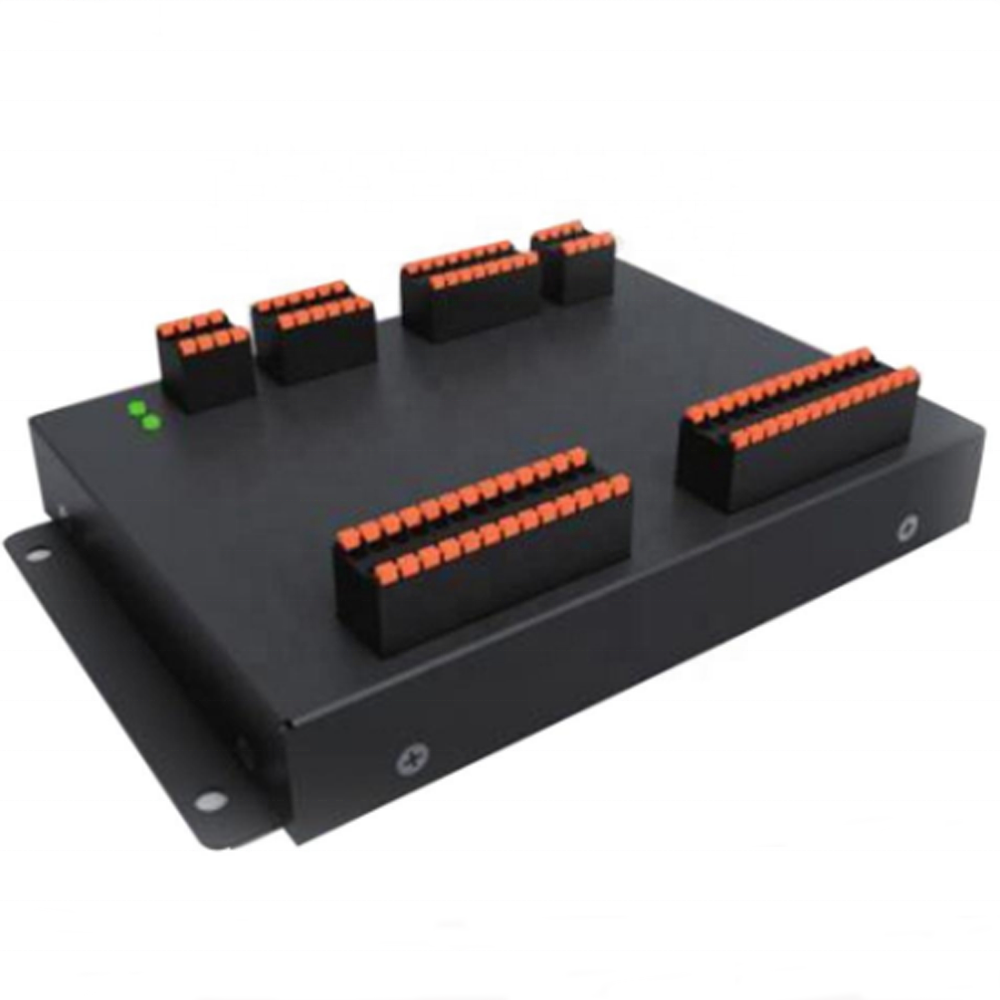
TZBOT FX Series Controller of HX Support Magnetic Tap Guided AGV
A control-layer reference for OEMs that need a proven magnetic-tap guided AGV controller rather than building every low-level motion function from scratch.
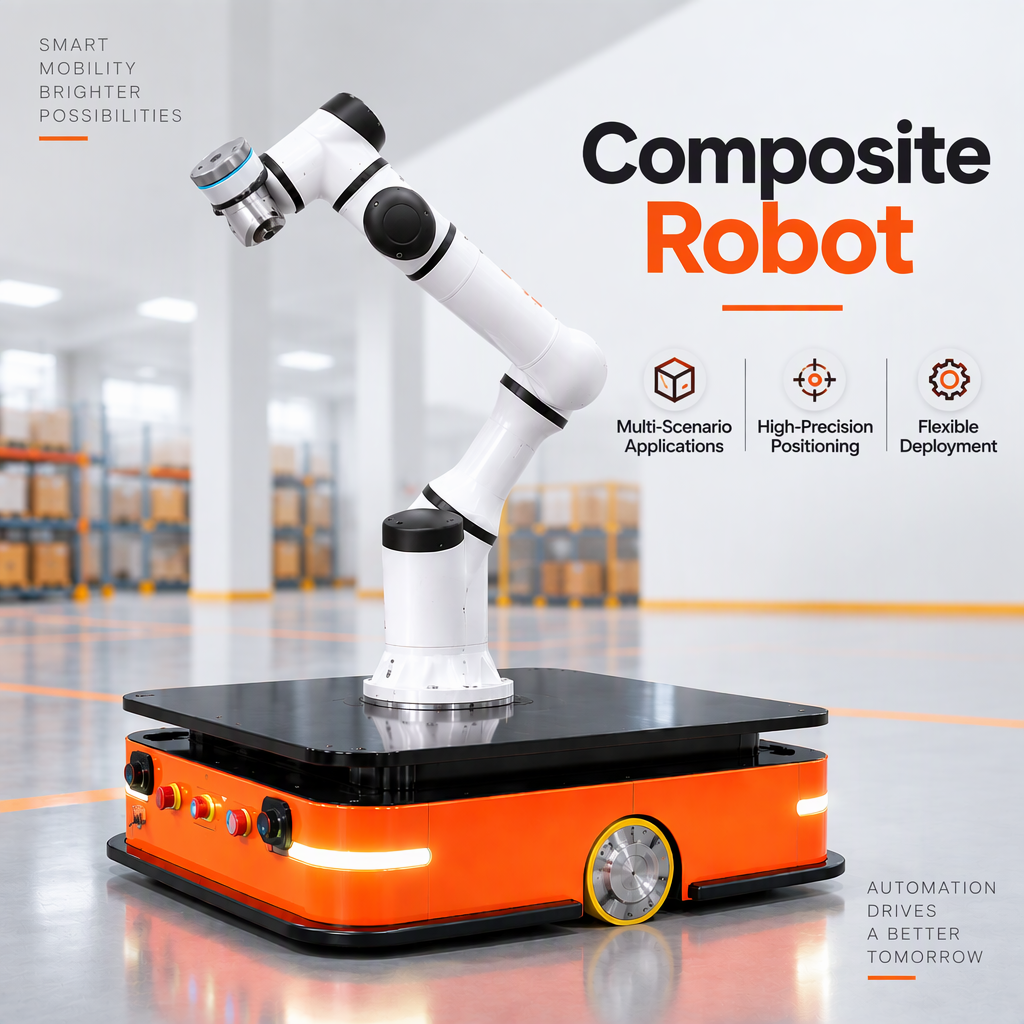
TZBOT Customizable Composite Robot Multi Applications 600kg Bearing Chassis AGV AMR with Robotic Arm
A mobile-manipulation reference that shows how a pallet truck can evolve from horizontal transport into pick-and-place, machine tending and transfer duties on one route.
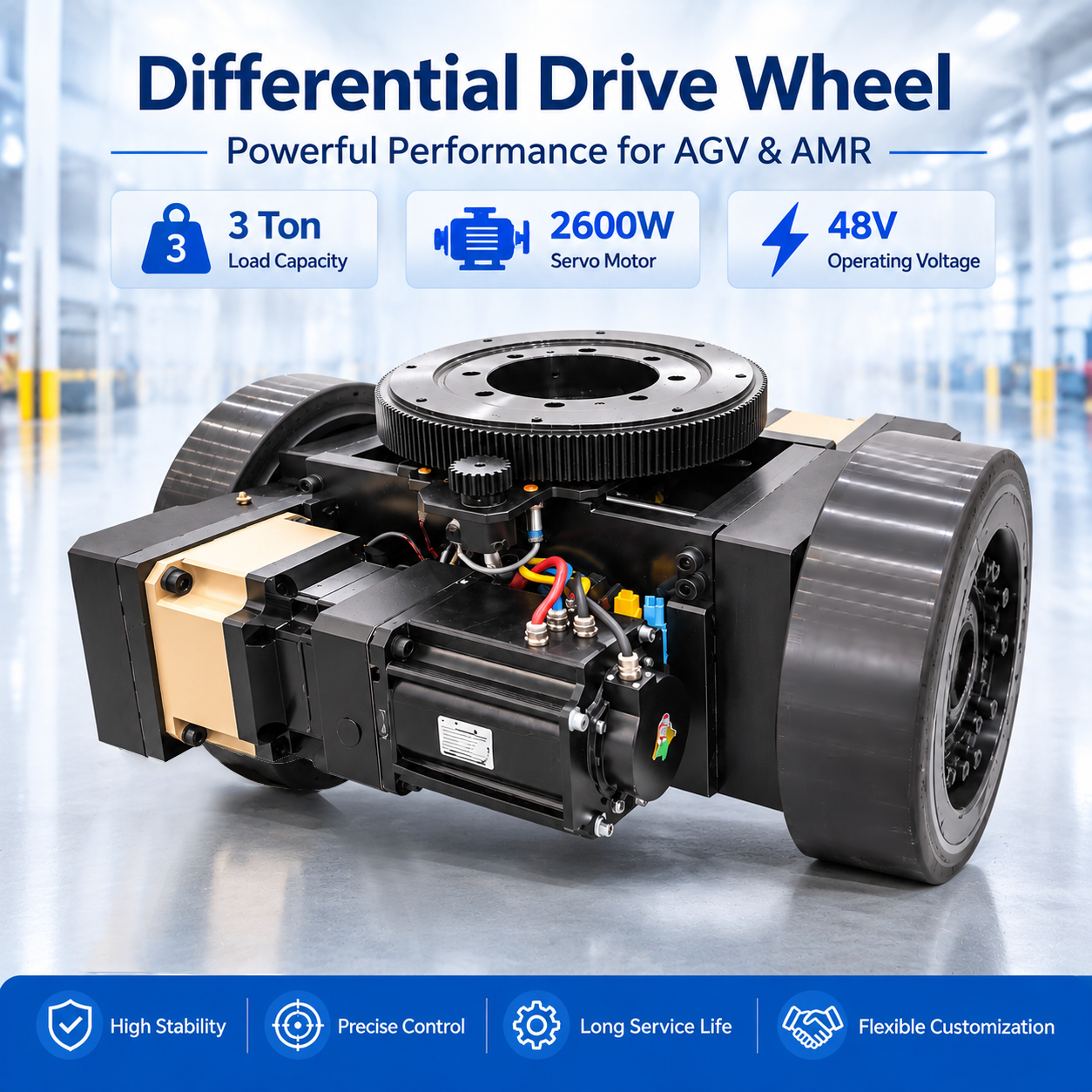
TZBOT Customizable 3000kg Load Capacity agv Wheel Automatic Guided Vehicle Differential Drive Wheel with 2600w 48V Servo Motor
A high-capacity drive reference for dense loads. Serious suppliers should be able to document torque curves, mounting geometry, service access and heat management for this class of hardware.
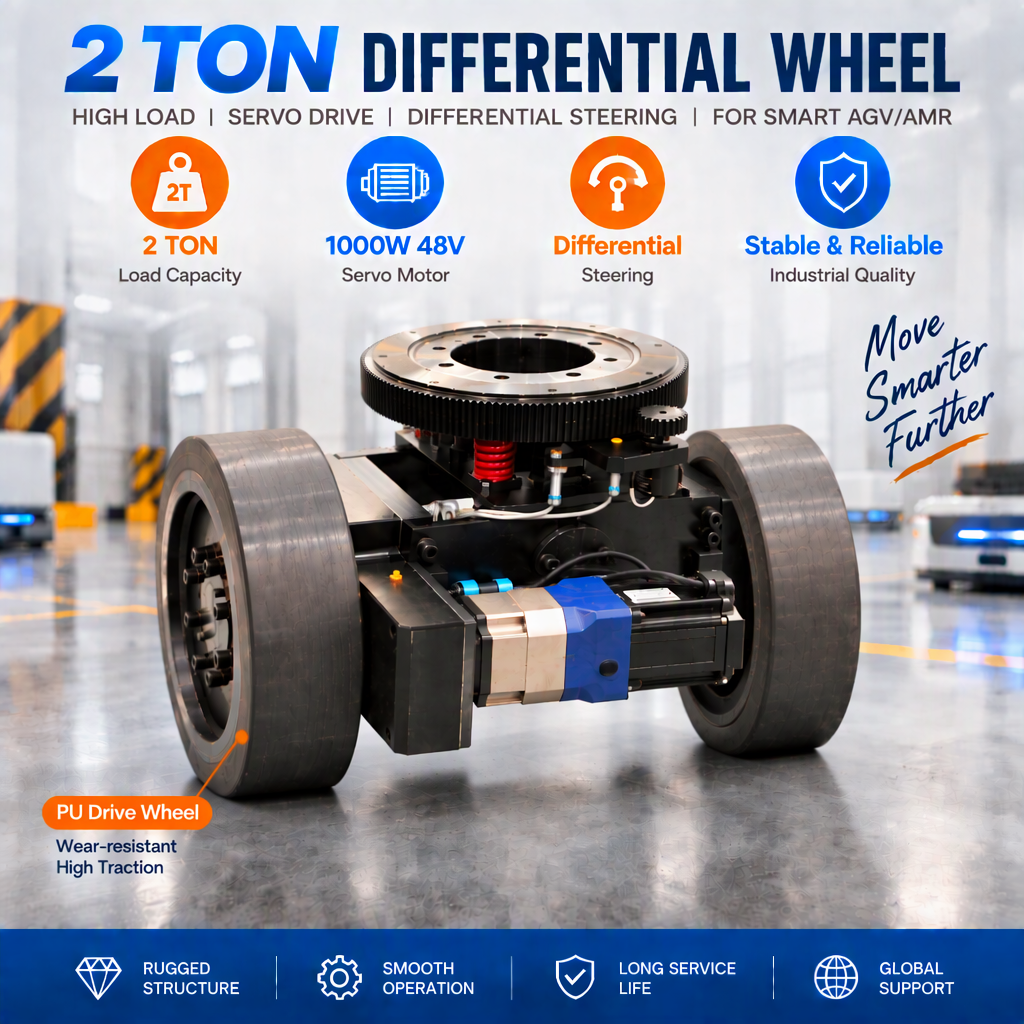
TZBOT 2000KG Heavy Duty Series AGV Wheel 1000w 48V Strong Power Mobile Robot Differential Drive Wheel with Spring Suspension
Spring suspension matters on real factory floors: a custom pallet truck must keep traction on imperfect surfaces without transferring shock into the lift frame or sensor mast.
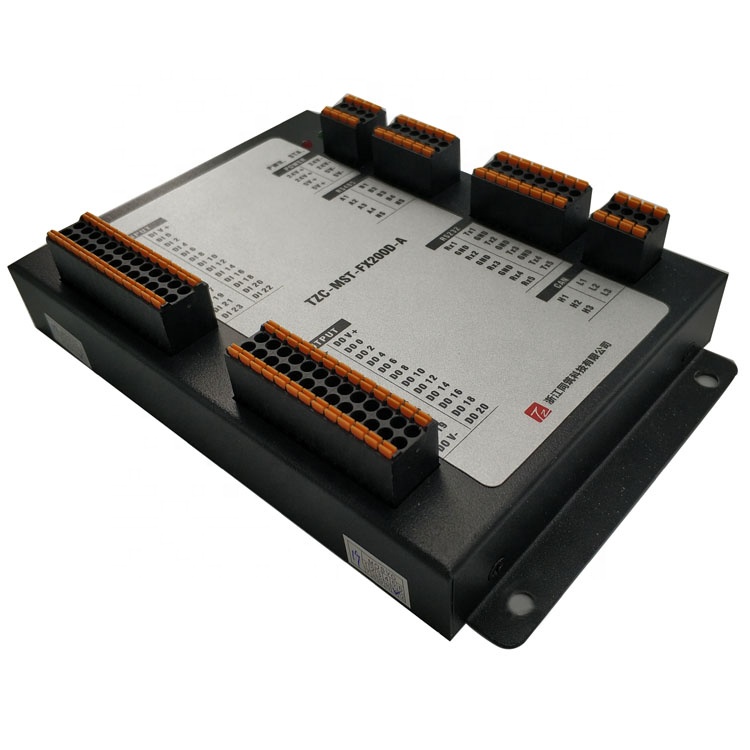
Smart AGV Controller TZC-MST-FX200D-A with Auto Guide Apply for Building Material Shops
An application-specific controller reference for dusty, semi-structured sites. It is relevant when a pallet-truck platform must be tuned for building-material yards rather than a clean e-commerce warehouse.
What “Custom OEM” Must Mean Before a Robotic Pallet Truck Quote Is Credible
In a crowded supplier search, many pages repeat the same words: custom, OEM, factory, high quality and fast delivery. For a technical buyer, that is not enough information gain. A credible custom OEM robotic pallet truck supplier should reduce engineering uncertainty. That means explaining which interfaces can be changed, which parameters are fixed by safety or certification logic, how prototypes are validated, and what production records travel with the shipment.
A robotic pallet truck is not simply a pallet truck with a screen added. It is a drive-by-wire vehicle that combines traction control, steering or differential kinematics, braking, lift actuation, battery management, obstacle detection and fleet communication. The supplier must therefore understand the whole motion chain. If the drive wheel, servo driver, encoder, controller and sensor are sourced from unrelated vendors, the buyer often inherits the integration risk. A more useful offer is a matched drive train with a clear boundary of responsibility.
The procurement question should move from “Can you customize?” to “Can you show the change-control path?” For example: motor power and voltage, reduction ratio, wheel diameter and tread material, encoder type, brake options and mounting interfaces are all realistic customization points. In contrast, overload protection, emergency-stop behaviour and safety-distance logic need documented validation rather than a verbal promise. Buyers should ask for drawings, test criteria, sample reports and spare-part recommendations before releasing a production order.
- Gross vehicle weight, load centre, target speed and maximum gradient.
- Battery voltage, charge strategy, duty cycle and opportunity-charging window.
- Navigation mix: magnetic guide, RFID, QR code, laser SLAM or hybrid.
- Interface control: CAN, RS-485, I/O, driver parameters and safety chain.
- Lifecycle evidence: spare parts, maintenance access, firmware records and labels.
Buyer’s operating definition
Custom OEM should mean engineering control over the interfaces that affect uptime, safety and total cost of ownership — not a new paint colour and a private label.
- Matched drive wheel, servo driver and encoder.
- Prototype endurance testing before mass production.
- Documented customization limits and change approval.
- Export terms, packing and spare-parts plan aligned with the project.
Robotic Pallet Truck Trends That Will Shape Supplier Selection
Industrial buyers are not only comparing today’s product catalogue. They are choosing a partner for the next platform refresh, the next safety review and the next change in warehouse layout. The following trends are written from an engineering and procurement perspective rather than a consumer-product perspective.
1. Modular drive-train architecture
Pallet-truck platforms are moving toward reusable drive modules: a traction unit, steering or differential unit, controller, sensor set and battery interface. The commercial benefit is faster variant creation. The engineering benefit is predictable validation. Suppliers that can document module boundaries will be easier to qualify than suppliers that custom-build every chassis from drawings alone.
2. Sensor fusion and safety validation
Laser SLAM, lidar, magnetic guidance and RFID are increasingly combined in one vehicle. The future purchasing question is not “Which sensor is best?” but “How does the supplier prove safe behaviour when one sensor is degraded?” Look for evidence of obstacle-avoidance logic, speed zoning, contamination handling and maintenance procedures for dusty or mixed-traffic sites.
3. Higher payloads with better energy orchestration
Two-ton and three-ton drive units are no longer niche catalogue items. As pallet-truck projects move into building materials, metal products and heavy logistics, the battery and thermal strategy becomes decisive. Opportunity charging, regenerative options, brake energy behaviour and duty-cycle transparency will matter as much as nominal motor power.
4. Software-defined diagnostics
Fleet managers increasingly want evidence: fault history, parameter backups, event logs and predictive maintenance signals. A drive supplier that can provide parameter files, wiring diagrams and traceable serial numbers reduces commissioning time and after-sales ambiguity. This is where an experienced manufacturer becomes more valuable than a low-cost parts assembler.
Procurement Trends: The Evaluation Criteria Behind Better Quotes
Procurement teams are moving away from lowest-unit-price comparisons. The following four criteria are increasingly used to shortlist a robotic pallet truck supplier and its suppliers.
Total cost of ownership replaces impulse pricing
Buyers now weigh wheel life, motor efficiency, driver protection, spare-part lead time and commissioning labour. A lower purchase price can be erased by one unscheduled stop on a multi-shift pallet route. Suppliers that publish realistic torque, speed, thermal and service data are easier to compare on TCO.
Dual sourcing without design chaos
OEMs want a second source for resilience but cannot afford two incompatible drive trains. A practical strategy is to standardize the mechanical and electrical interface first, then qualify alternate components against the same test schedule. This is more robust than duplicating entire vehicle designs.
Documentation becomes a deliverable
Drawings, wiring diagrams, driver parameter files, maintenance intervals, packing lists and inspection reports are now part of the product. For export buyers, documentation quality is also a proxy for production discipline. Missing documents create delays in customs, commissioning and after-sales support.
Local support and commissioning confidence
Overseas buyers increasingly ask who will support integration after arrival. Remote wiring review, parameter guidance, spare-parts kits and clear escalation paths can be more valuable than a nearby warehouse. Suppliers with export terms and multilingual technical support reduce the perceived risk of a custom project.
Zhejiang Torqen Technology Co., Ltd. — Motion-Control Manufacturing Since 2015
Zhejiang Torqen Technology Co., Ltd. designs and manufactures automatic guided vehicles, AGV drive wheel assemblies, DC/AC motors, encoders, reducers, motor controllers, caster and PU wheels, and in-wheel motor units for automation builders. Founded in 2015 in Zhejiang, China, the company operates as a manufacturer and trading company with a factory footprint of 1,000–3,000 m² and an annual output range of US$5M–10M.
For a custom OEM robotic pallet truck supplier evaluation, the most relevant capability is not the number of catalogue pages. It is the ability to match mechanical, electrical and control parameters together. Our engineers work with OEM integrators to adapt torque, speed and mounting geometry to each vehicle. Sample-based customization, design-based customization, OEM production, design services and buyer-label packaging are available. Typical customization points include motor power and voltage, reduction ratio, wheel diameter and tread material, encoder type, brake options and mounting interfaces.
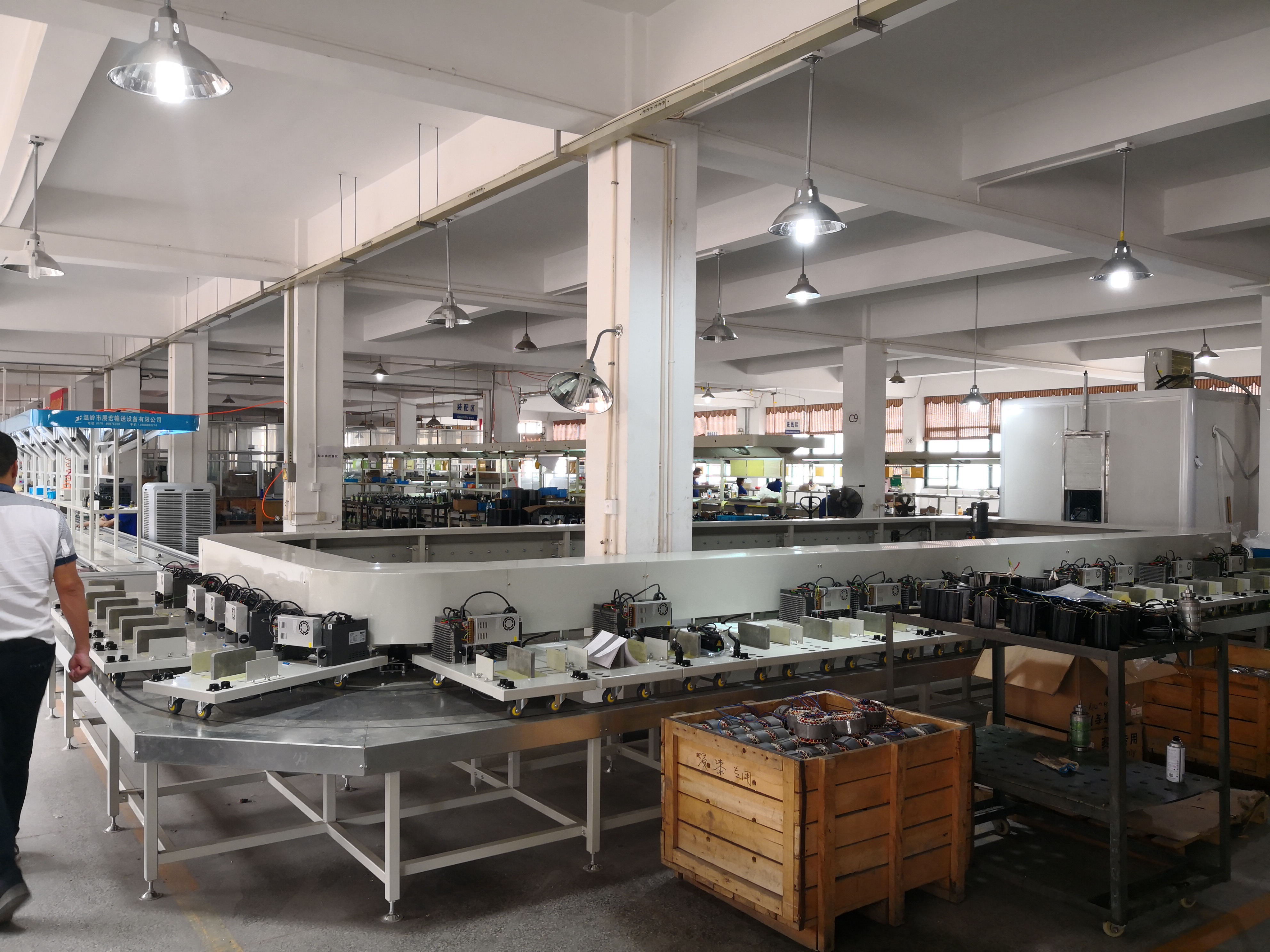
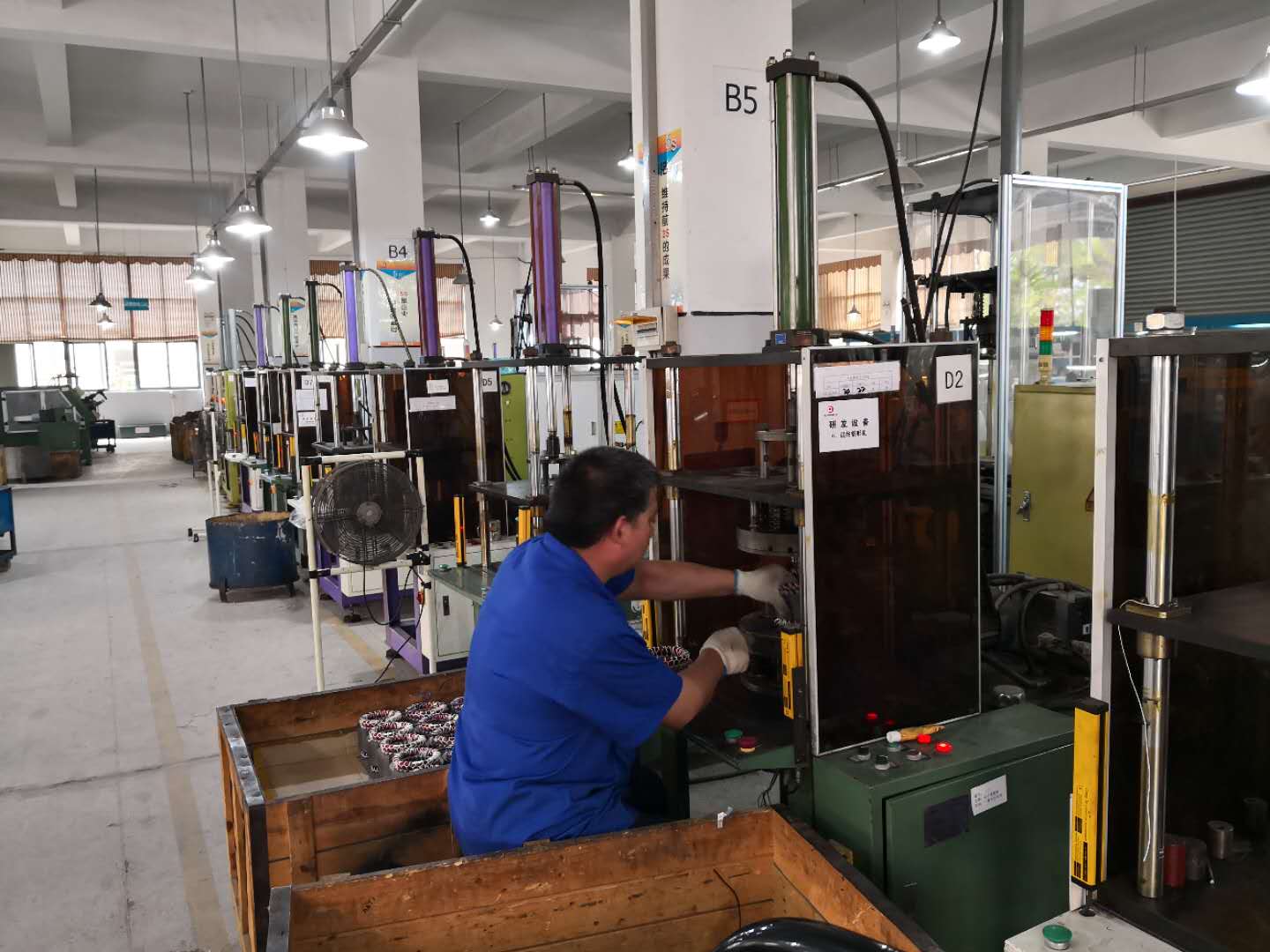
Quality is supported by an ISO 9001:2015 quality management system and an onsite-verified Intertek factory assessment. Finished-product inspection uses five in-house testing instruments, and prototypes undergo extended-duration testing before production parts are released. This matters for pallet-truck OEMs because the failure mode is often not start-up performance, but thermal drift, encoder noise, brake wear, mounting fatigue or contamination after weeks of shift work.

Custom by sample and by design
Sample-based customization, design-based customization, OEM production, design services and buyer-label packaging support different stages of product development.
Tested before production release
Five in-house testing instruments, finished-product inspection and extended-duration prototype runs create evidence before a new pallet-truck drive train is approved.
One-source drive train
Drive wheels, motors, drivers, controllers and navigation sensors can be matched as a system, reducing interface risk between unrelated vendors.
Export-ready commercial support
Payment methods, delivery terms and currencies are structured for global buyers, with technical support available for integration and after-sales follow-up.
From Specification to Shipment in Six Controlled Steps
A transparent process is part of the product. Buyers should know where engineering ends, where validation begins and which records accompany the shipment.
Requirement review
Load, speed, voltage, chassis height, steering type and duty cycle are assessed before a drive recommendation is made.
Engineering proposal
Motor, reducer, wheel, driver and sensor options are matched. Drawings and interface assumptions are shared for buyer review.
Prototype build
Sample or design-based customization is produced, including mounting, encoder, brake, tread or label changes where applicable.
Endurance testing
Extended-duration runs and parameter checks are used to expose thermal, mechanical and control issues before production release.
Mass production
Manufacturing follows ISO 9001:2015 controlled processes, with inspection and traceability linked to the approved sample.
Inspection and delivery
Final inspection, export packing and shipping documents are prepared against the agreed delivery term and destination.
What to Specify in a Robotic Pallet Truck Drive and Navigation Package
Use this matrix to compare quotations on equal technical terms. A supplier that cannot answer these points is likely to transfer integration risk back to the buyer.
| OEM decision | What to request | Why it matters |
|---|---|---|
| Payload and load centre | Gross vehicle weight, unladen weight, load centre, maximum speed, gradient and floor condition. | Determines motor torque, wheel diameter, reducer ratio, brake size and suspension choice. |
| Drive configuration | Differential drive, single steering drive wheel or horizontal drive assembly; mounting envelope and service access. | Affects turning behaviour, chassis height, traction, maintenance and control complexity. |
| Navigation and safety | Magnetic guide, RFID, QR code or laser SLAM; lidar fields, bumpers, e-stop and speed zones. | Defines integration effort, route flexibility and the evidence needed for site acceptance. |
| Power and control | Battery voltage, controller protocol, encoder type, driver current, braking strategy and parameter ownership. | Prevents late-stage incompatibility between drive, controller and battery management. |
| Documentation | Wiring diagram, test report, parameter file, maintenance schedule, spare-parts list and serial traceability. | Reduces commissioning time, improves after-sales response and supports export compliance. |
| Commercial terms | Payment method, currency, delivery term, packing, warranty scope and spare-parts lead time. | Makes the total landed cost and lifecycle risk visible before production commitment. |
The commercial terms accepted by Zhejiang Torqen Technology Co., Ltd. include T/T, L/C, D/P, D/A, MoneyGram, credit card, PayPal, Western Union, cash and escrow, in USD, EUR, JPY, CAD, AUD, HKD, GBP or CNY. Delivery terms include FOB, CFR, CIF, EXW, CIP, FCA, CPT, DDU and express delivery.
Industries Powered by Torqen Drive, Control and Sensor Products
These products move far more than pallet trucks. They are used across demanding mobile equipment where torque density, service life and control stability matter.
Frequently Asked Questions About Custom Robotic Pallet Truck Sourcing
Direct answers for engineering, procurement and after-sales teams comparing suppliers.
Can Torqen support a custom OEM robotic pallet truck under our brand?
Yes. The available scope includes sample-based customization, design-based customization, OEM production, design services and buyer-label packaging. Typical customizations are motor power and voltage, reduction ratio, wheel diameter and tread material, encoder type, brake options and mounting interfaces. For a complete pallet truck, the buyer should clearly separate vehicle-level responsibility from drive-train supply so that safety validation and warranty boundaries are understood.
Which drive wheel type should we choose for a pallet truck platform?
Differential drive units suit compact pallet trucks that turn by wheel-speed difference. Single steering drive wheels suit forklift-style and tricycle platforms that need a controlled steering angle. Horizontal drive assemblies suit low-clearance chassis. Share payload, speed, chassis height, battery voltage and floor condition; the drive configuration should be selected from those constraints, not from a catalogue picture.
How is product quality verified before shipment?
The quality management system is certified to ISO 9001:2015 and the facility has been onsite-verified by Intertek. Finished-product inspection uses five in-house testing instruments. Prototypes undergo extended-duration testing before production parts are released. Buyers should also request the inspection report, parameter file and serial-number traceability for the specific order.
Which payment methods, currencies and delivery terms are accepted?
Accepted payment methods include T/T, L/C, D/P, D/A, MoneyGram, credit card, PayPal, Western Union, cash and escrow. Quotations can be issued in USD, EUR, JPY, CAD, AUD, HKD, GBP or CNY. Delivery terms include FOB, CFR, CIF, EXW, CIP, FCA, CPT, DDU and express delivery. Final terms should be confirmed in the proforma invoice and aligned with the Incoterms version used.
What information shortens the quotation and sampling cycle?
Provide gross vehicle weight, load centre, maximum speed, gradient, wheel layout, battery voltage, available chassis height, navigation method and required safety functions. Add a sketch of the mounting envelope and the expected duty cycle. With these inputs, the supplier can propose motor power, reduction ratio, wheel diameter, driver current and sensor options in a single engineering pass.
Which industries use these drive products?
Products are used in AGVs and AMRs, forklifts and pallet trucks, aerial work platforms, airport equipment, agricultural machines, hydraulic applications, floor scrubbers and sweepers, wind energy, marine equipment and medical devices. This breadth is useful during supplier evaluation because it shows whether the drive hardware has been exposed to dust, moisture, shock, outdoor light or hygiene requirements beyond a single warehouse scenario.
Send Your Pallet Truck Specification for an Engineer-Led Review
Share your load, speed, chassis height, battery voltage and navigation preference. We will help match the drive wheel, servo/BLDC controller and sensor package, then outline the customization path, sample requirements and export terms for your market.
Inquire NowSupplier due diligence is welcome. Ask for drawings, test evidence, spare-part recommendations and the documentation package before approving a custom OEM robotic pallet truck programme.
