Custom Tugger AGV Vehicles & Core Drive Components
Start with a complete vehicle, retrofit a legacy chassis, or single-source the drive train. Every configuration below preserves its original product URL and is available for sample-based or design-based customization.
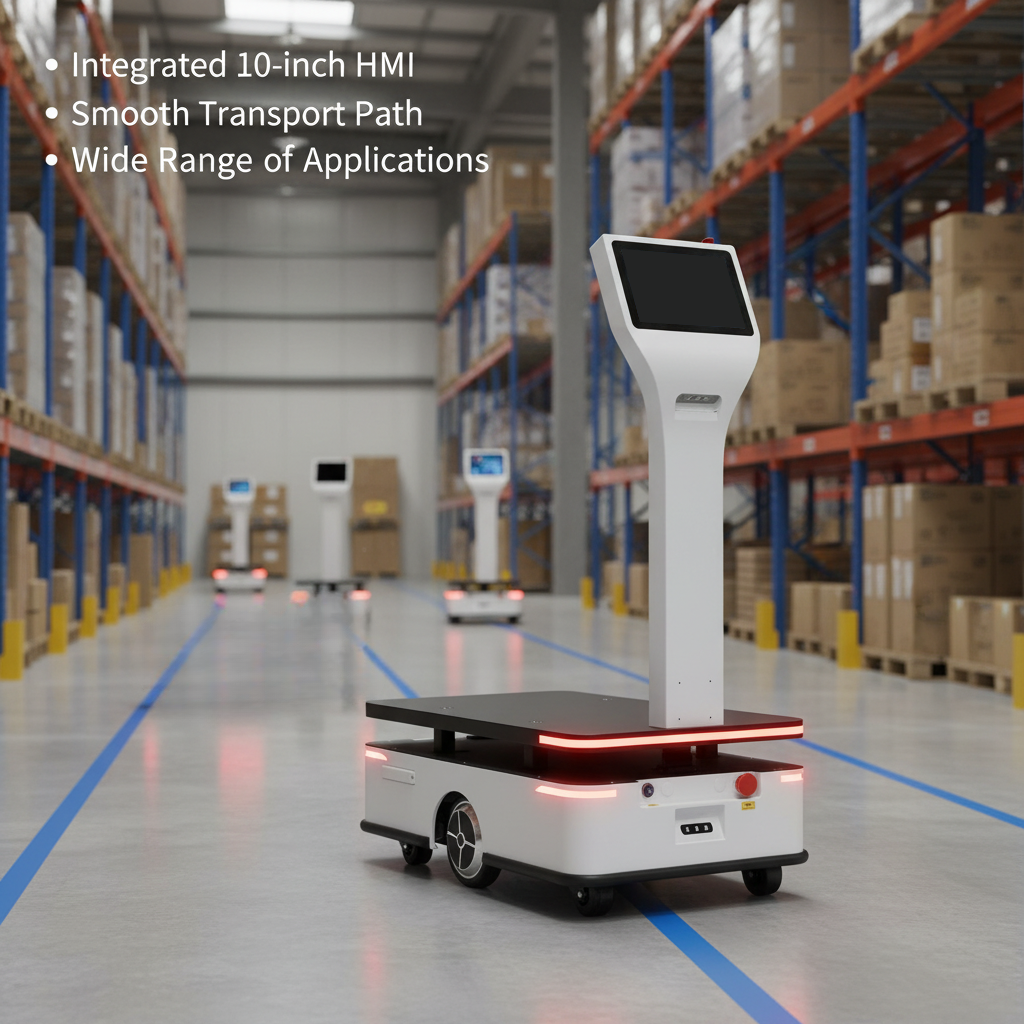
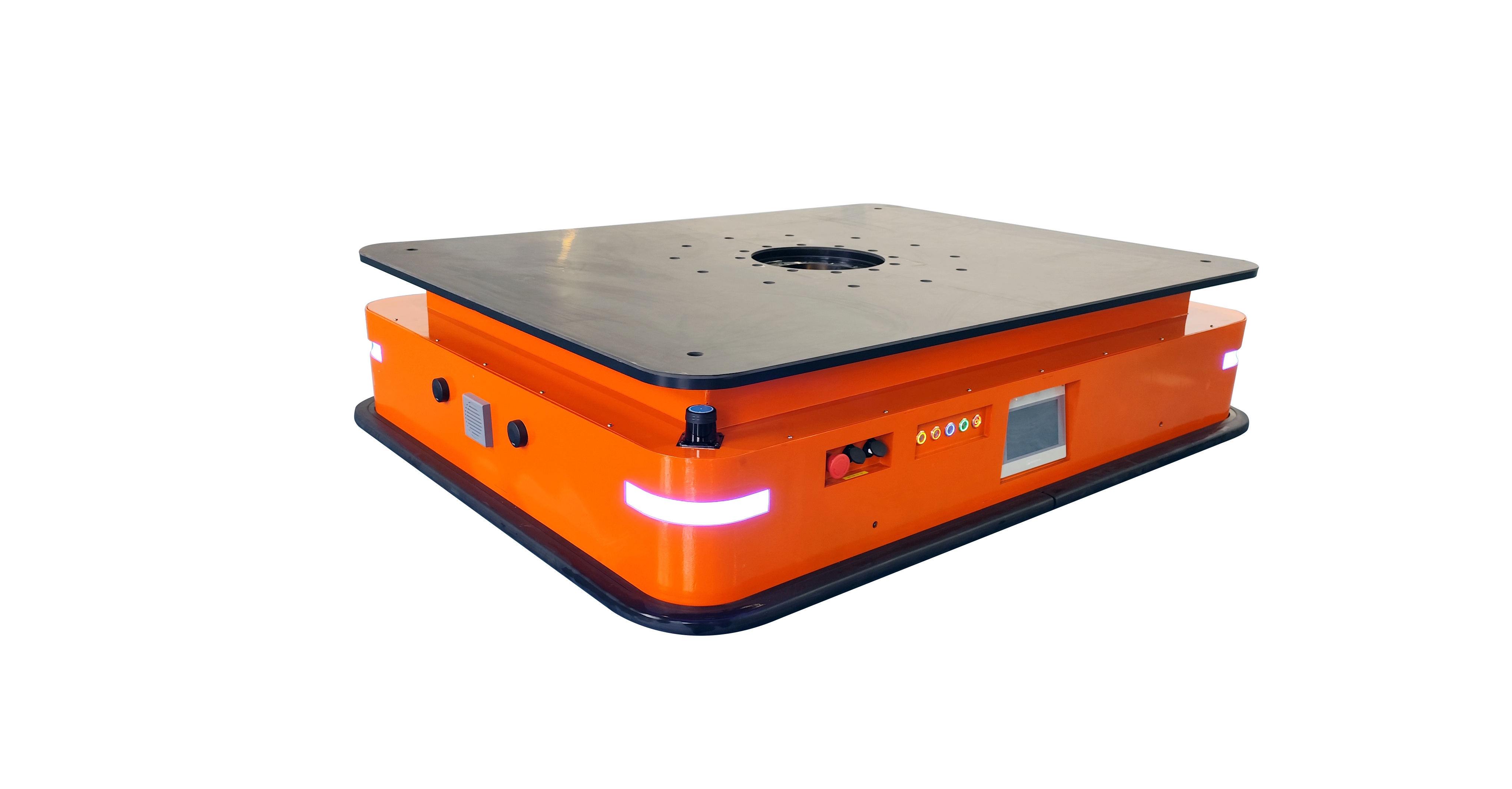
TZBOT Intelligent Warehouse Logistic Robot Unmanned Control System Customizable 80kg Payload AGV Transfer Cart SLAM AMR
Light-duty, route-flexible transfer platform for electronics, e-commerce and clean assembly lines. SLAM navigation and a customizable top module support fast pilot deployment.
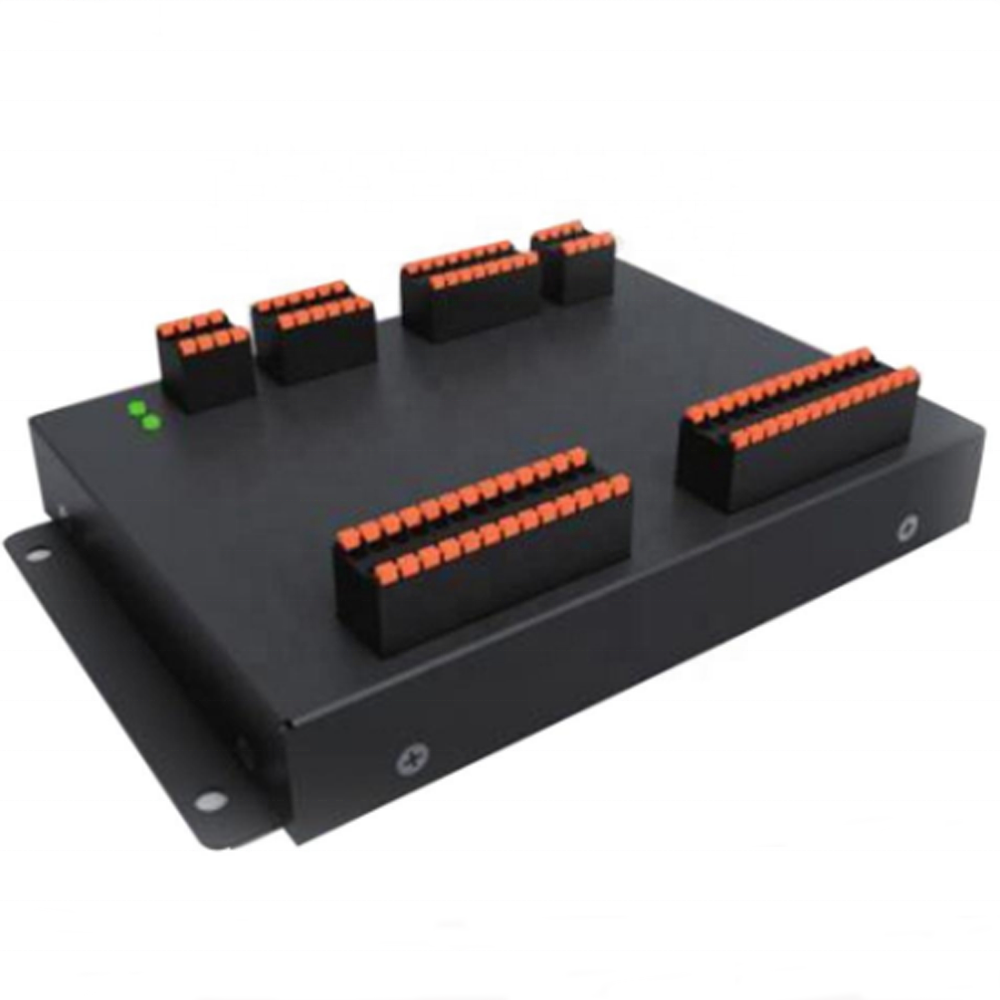
TZBOT FX Series Controller of HX Support Magnetic Tap Guided AGV
Control platform for magnetic-tape guided tugger routes, station stops and speed zones. A practical choice for retrofitting existing carts or building a repeatable logistics loop.
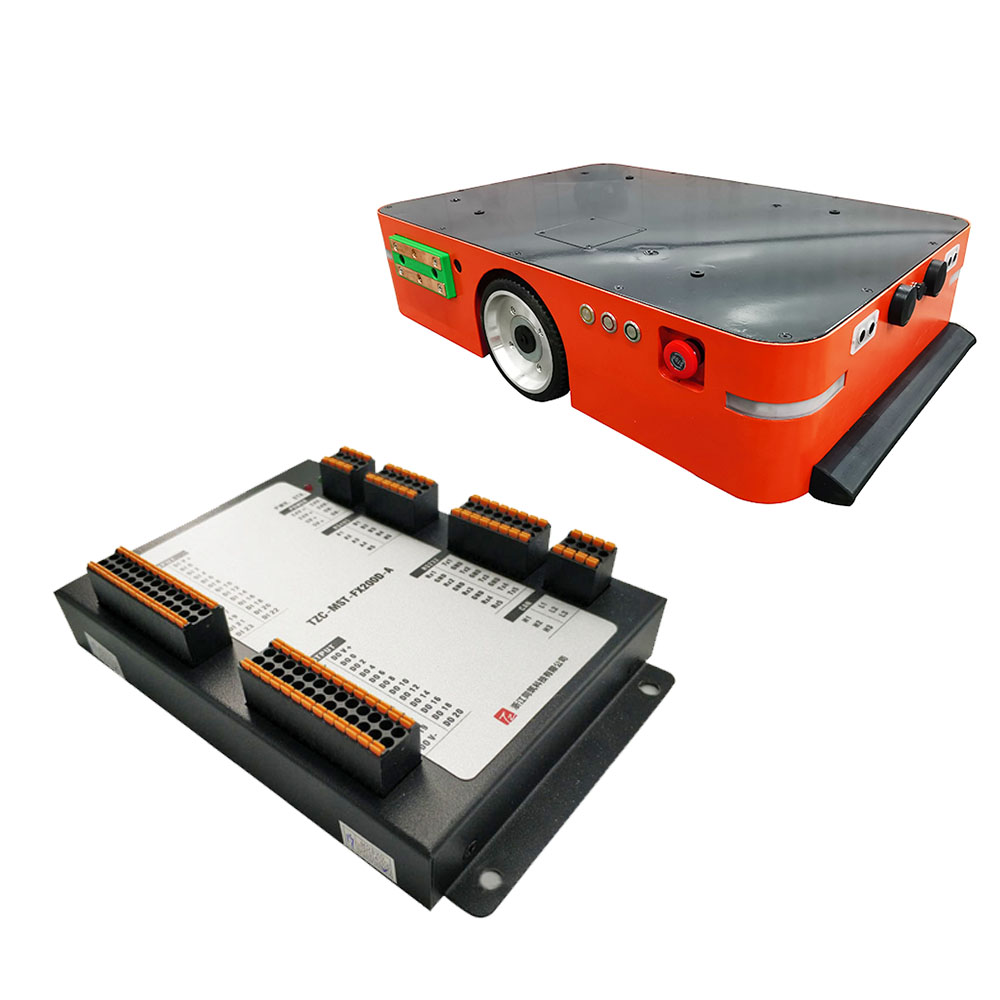
TZBOT Smart AGV Controller for Commanding the AGV
Central command electronics for coordinating drive, steering, sensors and station logic. Engineers can align I/O and motion parameters with your fleet protocol and safety architecture.
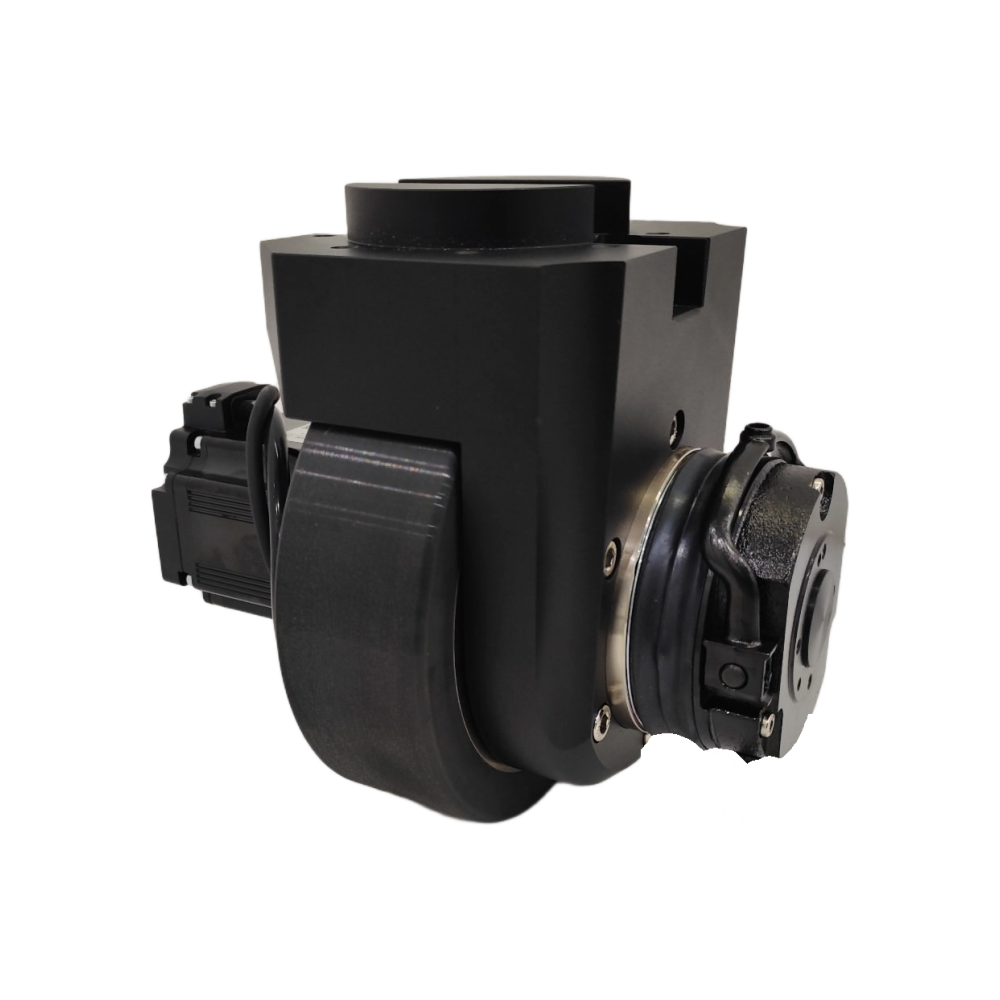
TZBOT Compact Structure AGV Wheel Imported Polyurethane 1000kg Load Duty Mobile Robot Horizontal Drive Wheel Unit
Compact horizontal drive unit for low-clearance tugger and under-ride platforms. Imported polyurethane helps balance traction, floor protection and wear life.
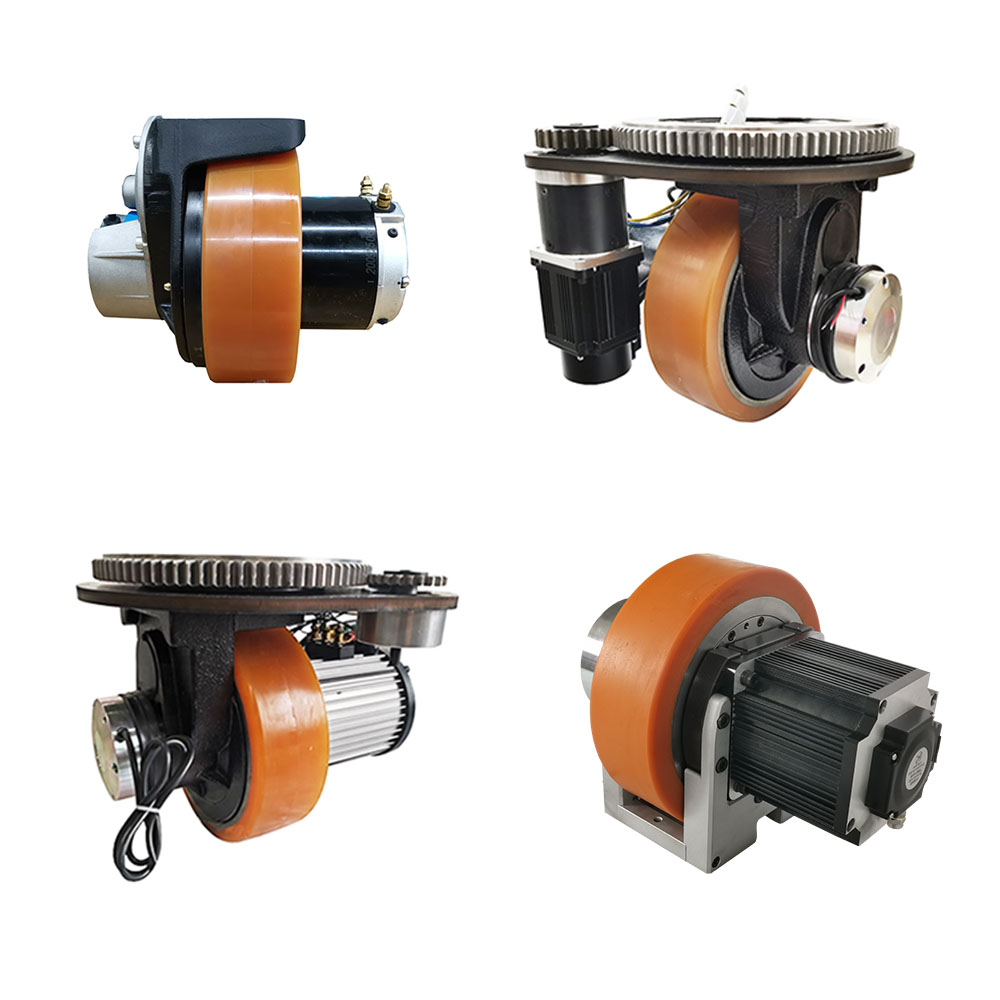
TZBOT 750W 1000KG Load Capacity Horizontal Drive Wheel Assembly AGV Wheel for Wholesale Automated Guided Robot
750 W horizontal drive wheel assembly for compact automated guided platforms. A strong match for OEM builders who need repeatable torque and straightforward chassis integration.
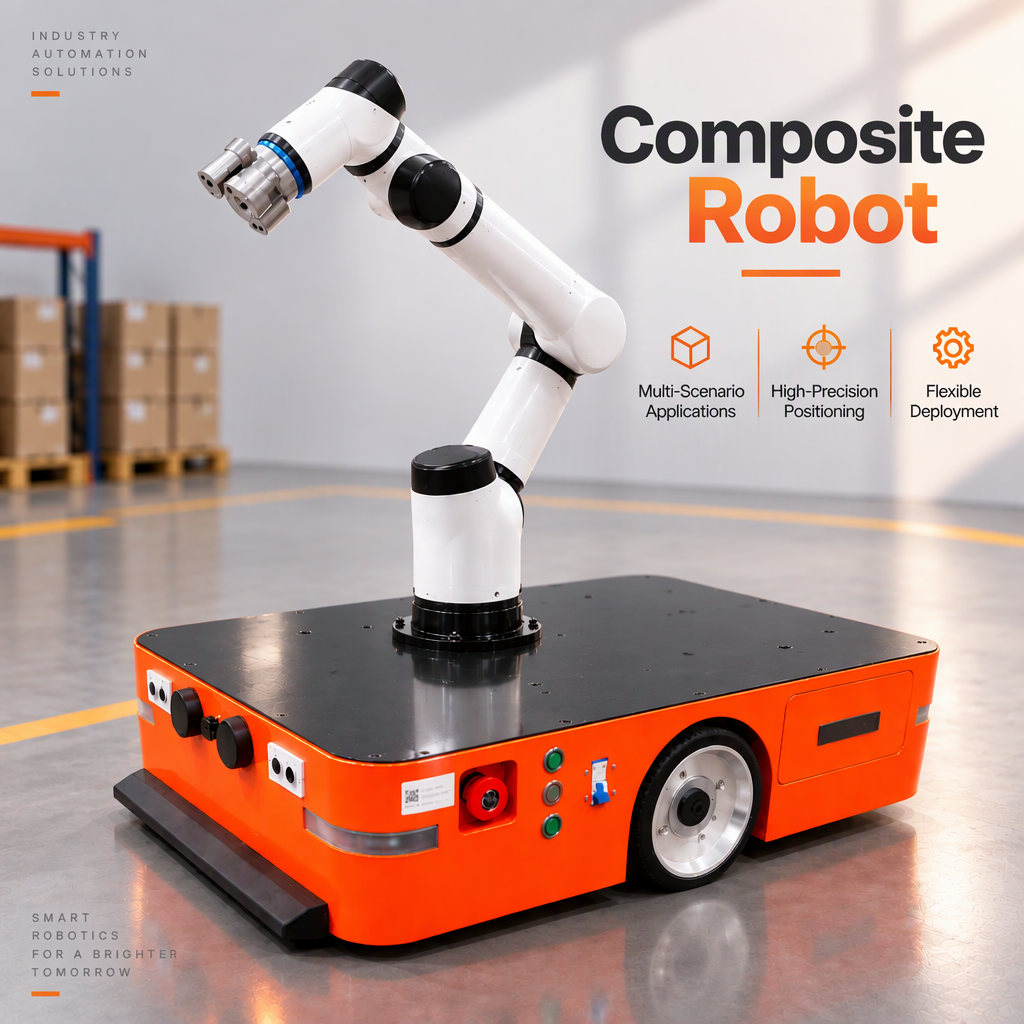
TZBOT Backpack AGV 200kg Load Capacity Chassis Magnetic Guidance Composite Robot with Robotic Arm
Mobile base for machine tending, inspection and composite robot projects. Magnetic guidance keeps station positioning repeatable while the top module can be engineered around your arm.
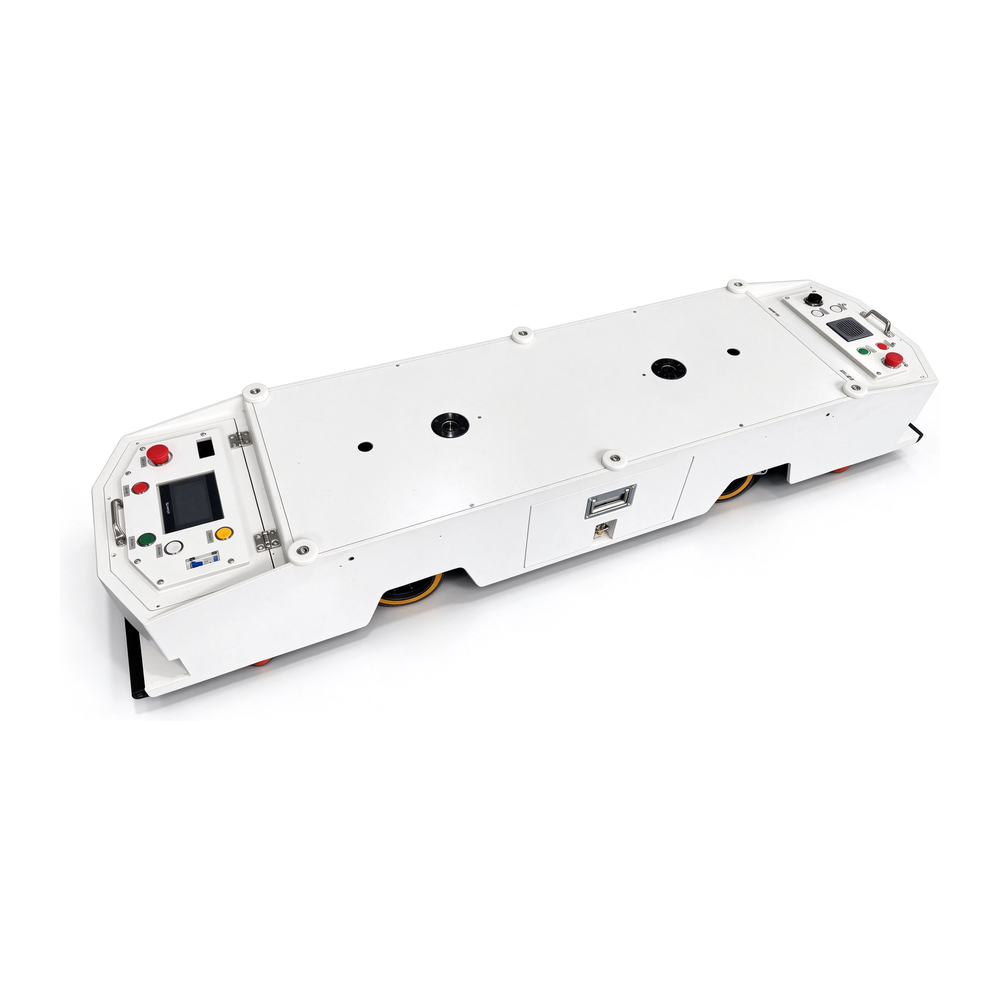
TZBOT 2500KG Lurking AGV Unmanned Control 8H Long Endurance Material Handling Mobile Robot for Shelf Towing
Heavy-duty lurking AGV for shelf towing, line-side replenishment and warehouse transfer. Eight-hour endurance supports multi-shift logistics with fewer battery interruptions.
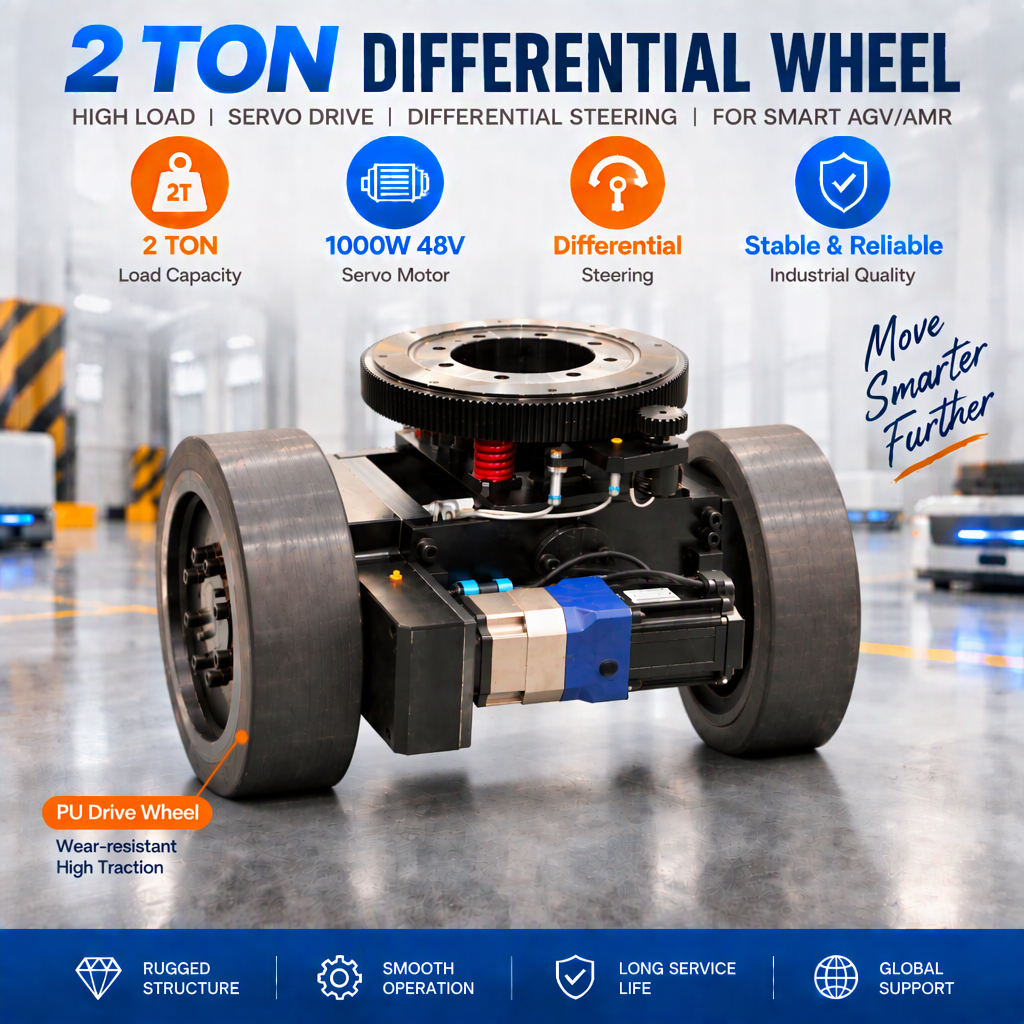
TZBOT Customized 2000kg Bearing Duty AGV Wheel 1000W 48V Heavy Duty Series Mobile Robot Differential Drive Wheel with Suspension
Heavy-duty differential drive wheel with suspension for uneven floors and high payloads. 1,000 W / 48 V configuration supports stable traction during acceleration and turning.
The Tugger AGV Buying Decision Has Moved Beyond Vehicle Price
A conventional quote compares the price of a vehicle. A more advanced procurement model compares the cost of engineering changes, commissioning days, spare-part inventory and production downtime. That is why experienced OEM buyers now ask for a drive-train compatibility matrix, test log and spare-parts BOM before approving a sample.
For a custom tugger AGV, the highest risks usually sit between components: a wheel with excellent load capacity can still underperform if the controller lacks the right current curve; a precise magnetic guide sensor can still create delays if mounting geometry is wrong. Torqen reduces this integration risk by matching wheel, motor, reducer, servo/BLDC driver and navigation sensor as one mechanical-electrical system. The result is a shorter commissioning window and a more predictable bill of materials for procurement teams.
Factory Snapshot
Years in drive and motion technology
Patents awarded for OEM designs
Employees, engineers and specialists
In-house testing instruments
Inquiry response rate
What OEM Tugger AGV Buyers Will Prioritise Next
Procurement teams are shifting from catalogue purchasing to engineering-led sourcing. These six trends are shaping supplier selection for warehouse, factory and line-side logistics projects.
Single-Source Drive Trains
Buyers want wheel, motor, reducer, driver and sensor matched before shipment. One source reduces interface disputes and simplifies warranty ownership.
Modular Customisation
OEM programmes increasingly specify modular options: motor power, voltage, reduction ratio, tread, encoder, brake and mounting interface instead of a new platform.
Higher Payload, Lower Profile
Heavy tugger AGVs must carry more while fitting under shelves and carts. Low-clearance horizontal drive units and suspended differential wheels are replacing oversize designs.
Safety and Cybersecurity Evidence
Procurement files now request obstacle-avoidance logic, emergency-stop behaviour, controller traceability and secure parameter management, not only mechanical drawings.
Total Cost of Ownership
Battery endurance, tyre wear, spare-part lead time and commissioning support are now weighed against unit price. A lower-cost wheel can become expensive if it interrupts production.
Supply Chain Resilience
OEM buyers are qualifying factories that can support FOB, CIF, EXW, DDU and express delivery, maintain traceable production records and respond across time zones.
Where Tugger AGV Hardware Is Heading
The next generation of tugger AGV platforms is being designed around integration density, energy efficiency and hybrid navigation. These development directions matter to buyers who expect a five-year service life.
Integrated Servo Drive Wheels
Motor, encoder, reducer, brake and wheel are becoming a single tested assembly. This shrinks chassis space and shortens the OEM engineering cycle.
Hybrid Navigation Architecture
Magnetic tape, RFID, QR and SLAM are increasingly combined. Fixed routes use low-cost tape, while SLAM and lidar cover flexible zones and temporary layout changes.
Energy-Aware Motion
Longer endurance and opportunity charging are shaping drive selection. Payload, acceleration and route profile are tuned together to protect battery life and reduce fleet idle time.
Functional Safety by Design
Emergency-stop circuits, bumpers, lidar fields and controller diagnostics are being specified earlier. Safety components are no longer added after the mechanical design is fixed.
Digital Twin and API Integration
OEM teams expect parameter files, wiring diagrams and interface documentation that can be imported into simulation, fleet management and commissioning workflows.
Data-Driven Maintenance
Encoder feedback, current monitoring and fault logs allow maintenance teams to plan tyre replacement, driver checks and brake service before unplanned downtime occurs.
Recommended Configurations for Common Tugger AGV Projects
Use these starting points to narrow the specification. Final selection should always be confirmed against your load distribution, floor condition, route gradient and required safety category.
Heavy Shelf Towing
Choose the TZBOT 2,500 kg lurking AGV where line-side replenishment and warehouse shelf towing require long endurance. Its 8-hour operating capability supports multi-shift routines.
Review heavy towing AGV →Uneven Floors, High Payload
Specify the 2,000 kg differential drive wheel with suspension when traction and ride stability matter. The 1,000 W / 48 V configuration suits heavy mobile platforms and continuous transfer duty.
Review heavy duty wheel →Low-Clearance Chassis
Use the 750 W 1,000 kg horizontal drive wheel assembly for under-ride carts and compact tugger platforms. It helps keep the deck low without sacrificing load capacity.
Review horizontal assembly →Composite Machine Tending
Pair the 200 kg backpack AGV chassis with a robotic arm for inspection, machine loading or lab automation. Magnetic guidance delivers repeatable station positioning for process equipment.
Review composite robot base →| Drive Configuration | How It Steers | Best Fit for Tugger AGV Projects | What to Specify |
|---|---|---|---|
| Differential drive unit | Two independently driven wheels turn by speed difference | Latent, jacking and shelf-lifting platforms that need compact turning | Gross weight, wheelbase, floor friction, acceleration and suspension travel |
| Single steering drive wheel | Drive motor plus steering motor control wheel angle | Forklift-style tuggers, tricycle chassis and routes with controlled steering | Steering angle, vertical load, braking method and mounting height |
| Horizontal drive assembly | Motor mounted horizontally for a low build height | Low-clearance chassis, under-ride carts and compact OEM vehicles | Available height, deck thickness, wheel diameter, tread material and voltage |
Why OEM Buyers Choose Torqen as a Tugger AGV Factory
Zhejiang Torqen Technology Co., Ltd. combines drive-wheel engineering, motion control and navigation sensors in one manufacturing organisation. This structure gives OEM buyers a practical route from prototype to repeat production.
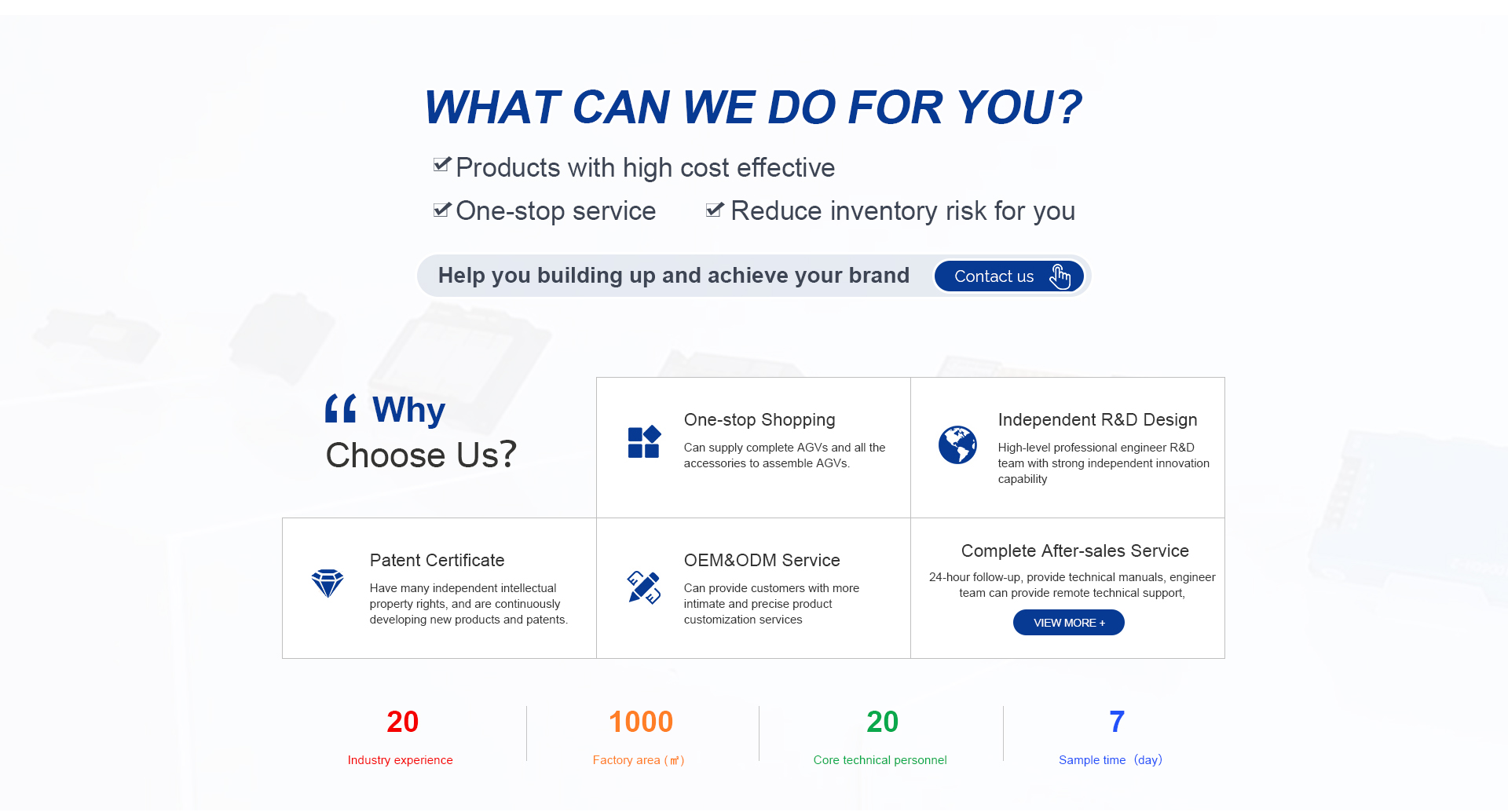
Built Around Motion Control Since 2015
Founded in 2015 in Zhejiang, China, Torqen designs and manufactures automatic guided vehicles, AGV drive wheel assemblies, DC/AC motors, encoders, reducers, motor controllers, caster and PU wheels, and in-wheel motor units for automation builders worldwide. The company operates as a manufacturer and trading company with a 1,000–3,000 m² factory, a 51–100 person team and an annual output range of US$5M–10M.
Our engineers work directly with OEM integrators to adapt torque, speed and mounting geometry to each vehicle. Continued investment in modern machining equipment allows a fast move from drawing to tested prototype. Every prototype is run for extended periods before production parts are released, and finished products pass inspection using five in-house testing instruments. The quality management system is certified to ISO 9001:2015, and the facility has been verified onsite by Intertek.
For procurement teams, the advantage is not simply a component catalogue. It is a coordinated engineering response: drive wheel, servo/BLDC controller, magnetic guide sensor, RFID position sensor and lidar can be specified together, packed together and supported with traceable production records.
Custom Drive Engineering
Sample-based and design-based customization covers motor power, voltage, reduction ratio, wheel diameter, tread material, encoder type, brake options and mounting interfaces.
Matched Electronics
Servo and BLDC drivers are tuned to our own drive wheels, while magnetic, RFID and lidar sensors can be supplied for a single-source bill of materials.
Verified Quality
ISO 9001:2015 certification, Intertek onsite verification, five in-house testing instruments and extended-duration prototype runs before production release.
Export-Ready Terms
Payment methods include T/T, L/C, D/P, D/A, credit card, PayPal, Western Union and escrow. Delivery supports FOB, CFR, CIF, EXW, CIP, FCA, CPT, DDU and express service.
Fast Technical Response
A 97.9% inquiry response rate and 24/7 online support help overseas buyers resolve integration questions without waiting a full business day.
Manufacturing Depth
Eight awarded patents, in-house R&D, controlled assembly, finished-product inspection and traceable production records support repeat OEM orders.
Inside the Production Floor, Testing Area and Export Process
Real images from the factory, assembly line, testing and exhibition records help procurement teams assess manufacturing capability before requesting a sample.
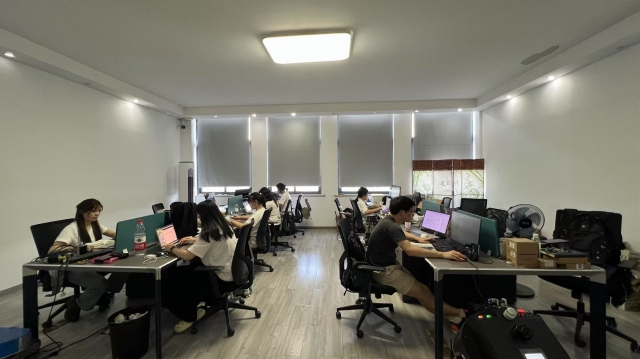
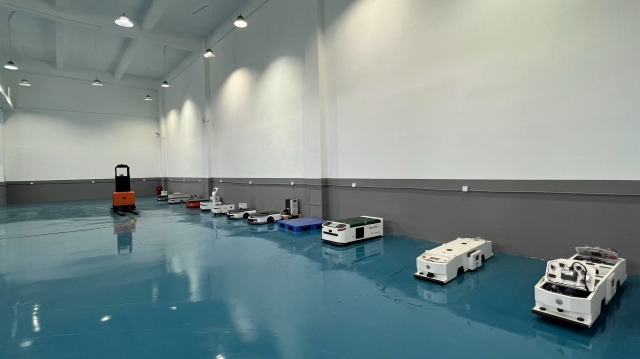

Procurement note: request the exact test record, wiring diagram and spare-parts list for your chosen configuration. This shortens technical review and reduces commissioning variance between prototype and mass production.
Common Questions About Custom OEM Tugger AGV Sourcing
These are the questions engineering and purchasing teams usually raise before a sample order, supplier audit or mass-production release.
Can you build a custom tugger AGV rather than supply a catalogue model?
Yes. Torqen supports sample-based customization, design-based customization, OEM production, design services and buyer-label packaging. The typical scope includes motor power and voltage, reduction ratio, wheel diameter and tread material, encoder type, brake options, mounting interfaces and top-module integration. For complex projects, share your CAD envelope, load diagram and route profile so engineering can confirm whether a modified standard platform or a new design is the lower-risk path.
Which drive configuration should I select for a tugger AGV?
Differential drive units suit compact latent, jacking and shelf-lifting AGVs that turn by wheel-speed difference. Single steering drive wheels suit forklift-style and tricycle chassis that need controlled steering angles. Horizontal drive wheel assemblies suit low-clearance chassis and under-ride carts. Before choosing, define gross vehicle weight, top speed, maximum gradient, battery voltage, available chassis height and required brake behaviour.
How should navigation be matched to route flexibility?
Use magnetic guide sensors for fixed, repeatable routes where low infrastructure cost matters. Add RFID position sensors at stations, junctions and speed zones. QR code navigation is effective in grid warehouses and goods-to-person systems. Laser SLAM and lidar are appropriate where routes change frequently or natural features are available. Hybrid navigation is often the most practical commercial choice: fixed tape for high-traffic trunks, RFID for station logic and SLAM for flexible zones.
What quality evidence can we review before ordering?
Torqen operates an ISO 9001:2015 quality management system and has been verified onsite by Intertek. Finished-product inspection uses five in-house testing instruments, and prototypes undergo extended-duration testing before production parts ship. Buyers can request inspection records, interface drawings, controller parameter files, certification copies and the spare-parts recommendation for the selected configuration.
What is the typical customization scope for drive wheels and controllers?
Drive-wheel customization can cover motor power, rated voltage, reduction ratio, wheel diameter, tread material, encoder type, brake specification and mounting geometry. Controller customization can include current limits, communication interface, connector definition, parameter defaults, safety input logic and buyer-label packaging. Production volume, test requirements and regulatory documentation should be confirmed during the RFQ stage.
What payment and delivery terms are accepted?
Accepted payment methods include T/T, L/C, D/P, D/A, MoneyGram, credit card, PayPal, Western Union, cash and escrow, in USD, EUR, JPY, CAD, AUD, HKD, GBP or CNY. Delivery terms include FOB, CFR, CIF, EXW, CIP, FCA, CPT, DDU and express delivery. The best term depends on consignee experience, cargo size and the required Incoterms arrangement.
What should be included in an RFQ to shorten the sampling cycle?
Send the five operating values — gross weight, target speed, maximum gradient, battery voltage and available chassis height — plus wheel diameter constraints, floor material, duty cycle, annual volume, safety category and desired navigation method. A simple CAD envelope or mounting drawing is also valuable. These details allow the engineering team to recommend a drive wheel, driver and sensor combination instead of iterating through several basic samples.
How are commissioning and after-sales supported?
Support can include wiring diagrams, driver parameter files, sensor configuration guidance and fault-analysis assistance. Spare-part recommendations are prepared around tyres, encoders, brakes, drivers, controllers and sensors. For overseas projects, the sales and technical team coordinates across time zones so integrators can resolve issues during commissioning and after delivery.
Send the Five Numbers That Define Your Tugger AGV
Gross vehicle weight, target speed, maximum gradient, battery voltage and available chassis height. Our engineers will use these inputs to recommend the drive wheel, controller and navigation sensor combination for your OEM project.
