8 AGV & AMR Products Buyers Often Evaluate First
These are not random catalogue items. They represent the practical building blocks of a laser navigation AGV or AMR programme: mobile robot platforms, heavy-duty drive wheels, a magnetic-tape controller, composite robot chassis and high-precision SLAM navigation hardware.
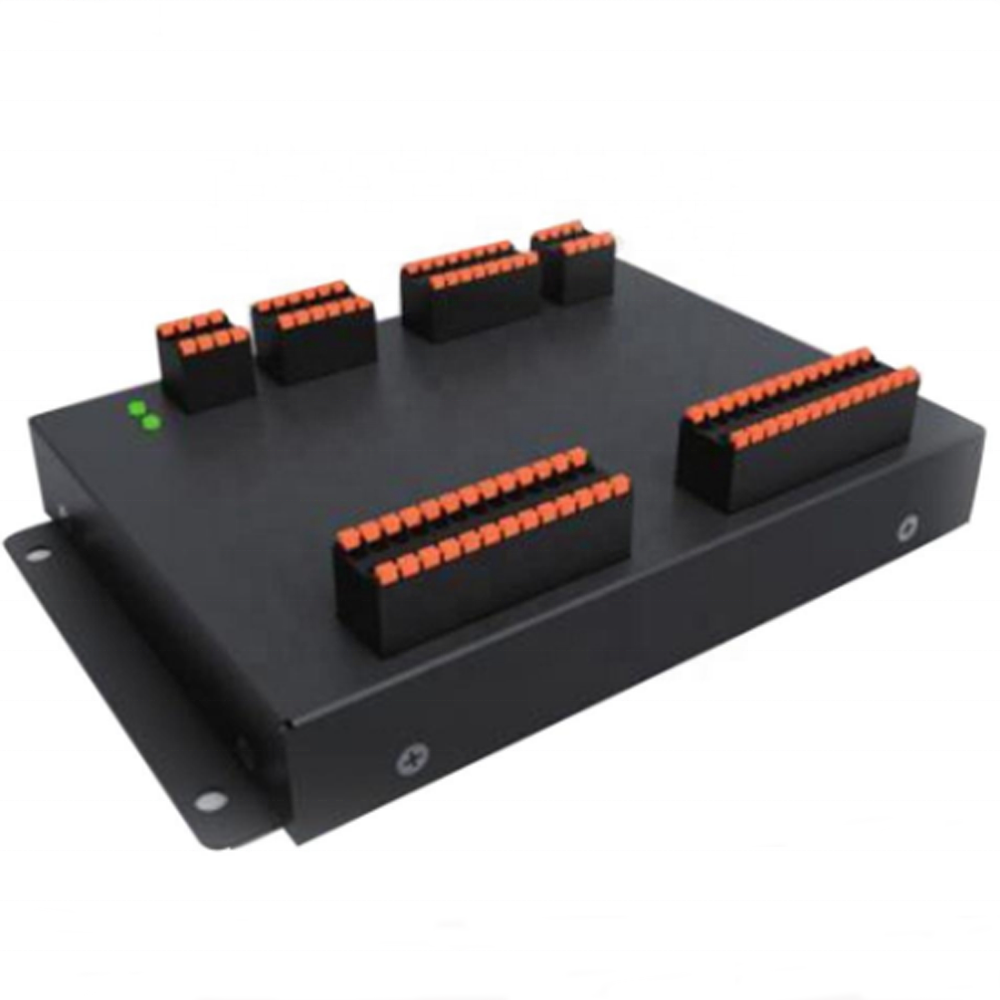
TZBOT FX Series Controller of HX Support Magnetic Tap Guided AGV
Magnetic-tape control unit for AGV line following, station logic and stable route deployment where laser SLAM is not required.
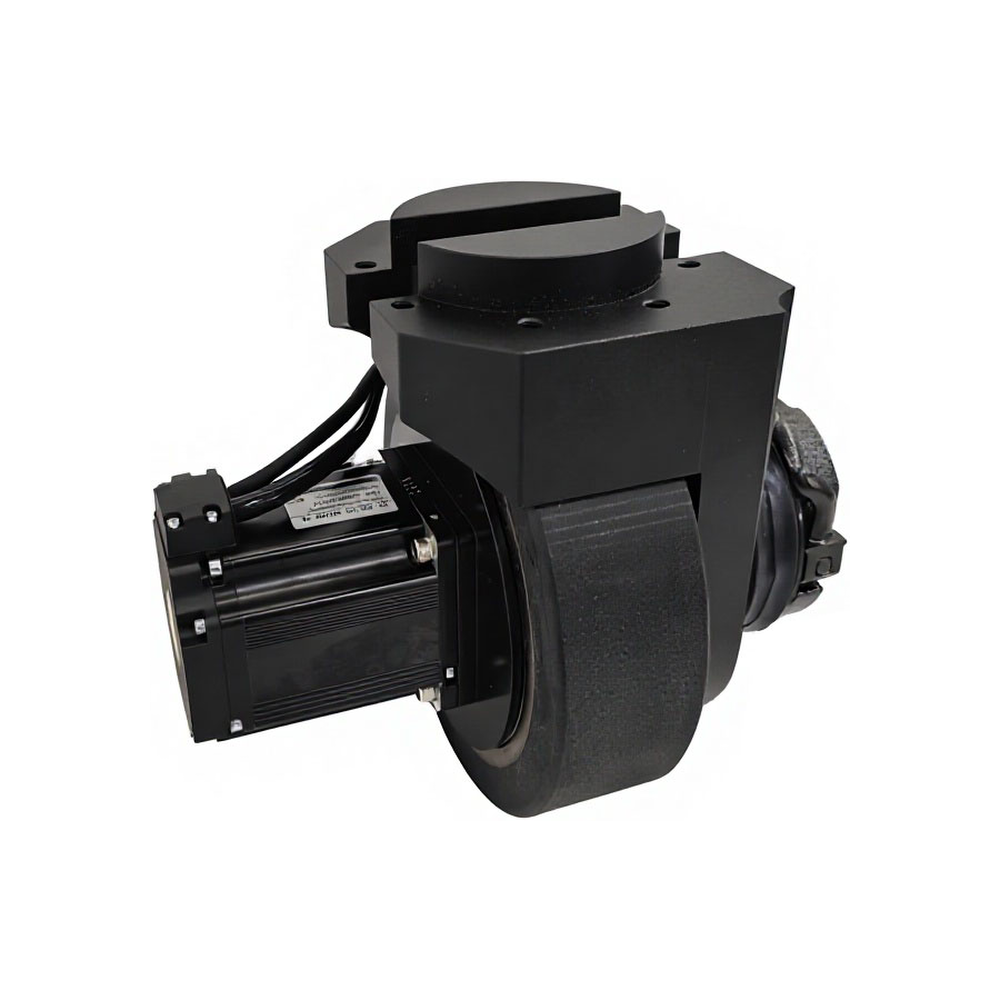
TZBOT agv Wheel Traction Accessories 1000kg Heavy Duty Capacity Material Handling Equipment Part Horizontal Drive Wheel Assembly
Horizontal drive wheel assembly for low-clearance AGV chassis that need 1,000 kg-class traction without raising the deck height.
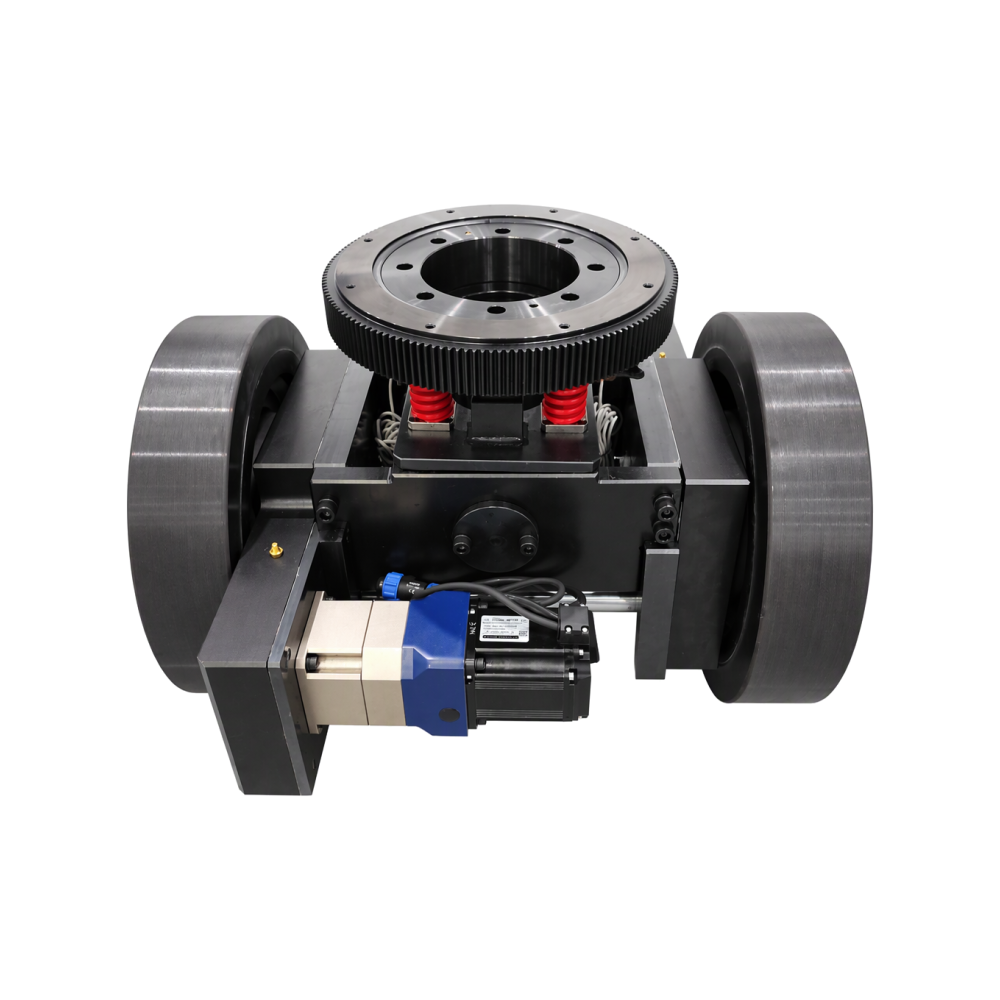
TZBOT Heavy Duty Series agv Wheel 1000w 48v Servo Motor Control Mobile Robot Differential Drive Wheel with Spring Suspension
Servo differential drive wheel with spring suspension for mobile robots that must keep traction on slightly uneven factory floors.
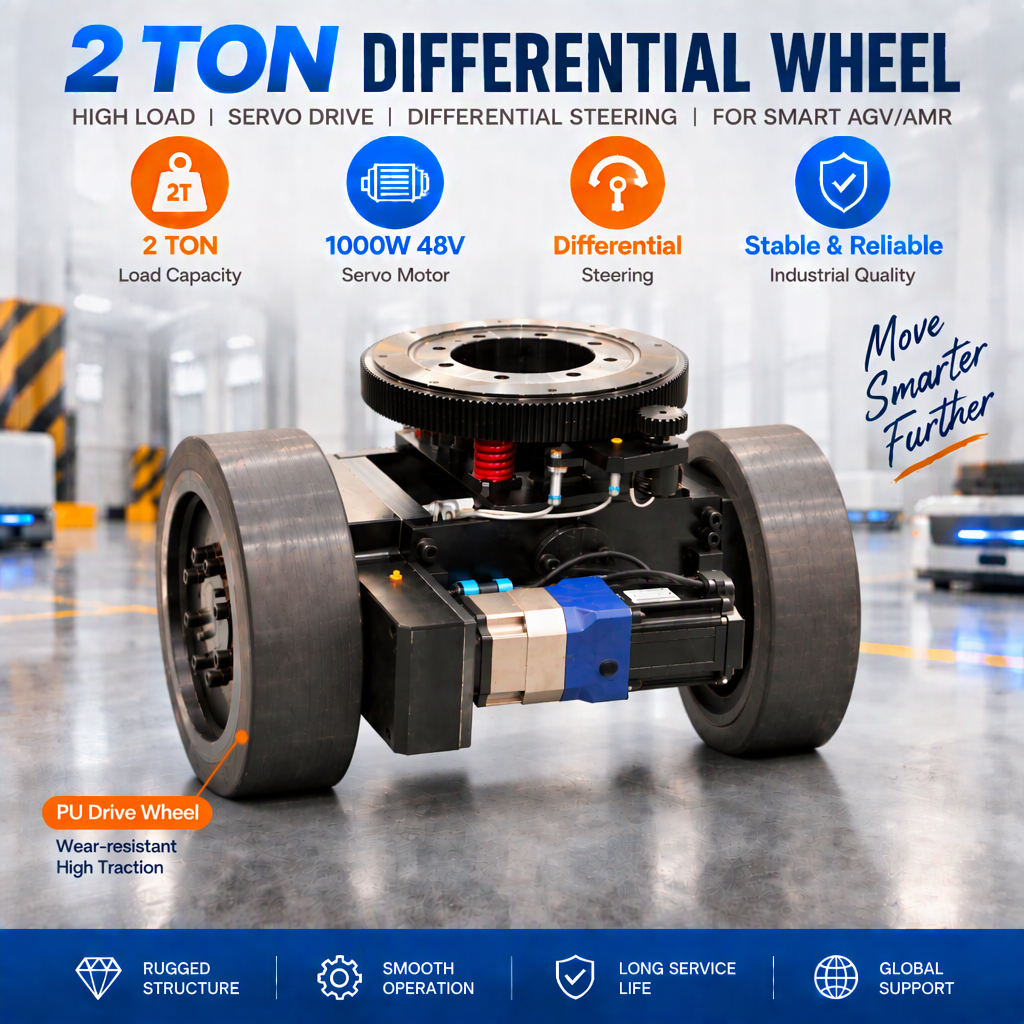
TZBOT Customized 2000kg Bearing Duty agv Wheel 1000w 48V Heavy Duty Series Mobile Robot Differential Drive Wheel with Suspension
High-load differential drive wheel for heavy pallet movers, customized platforms and 2,000 kg-class material handling robots.
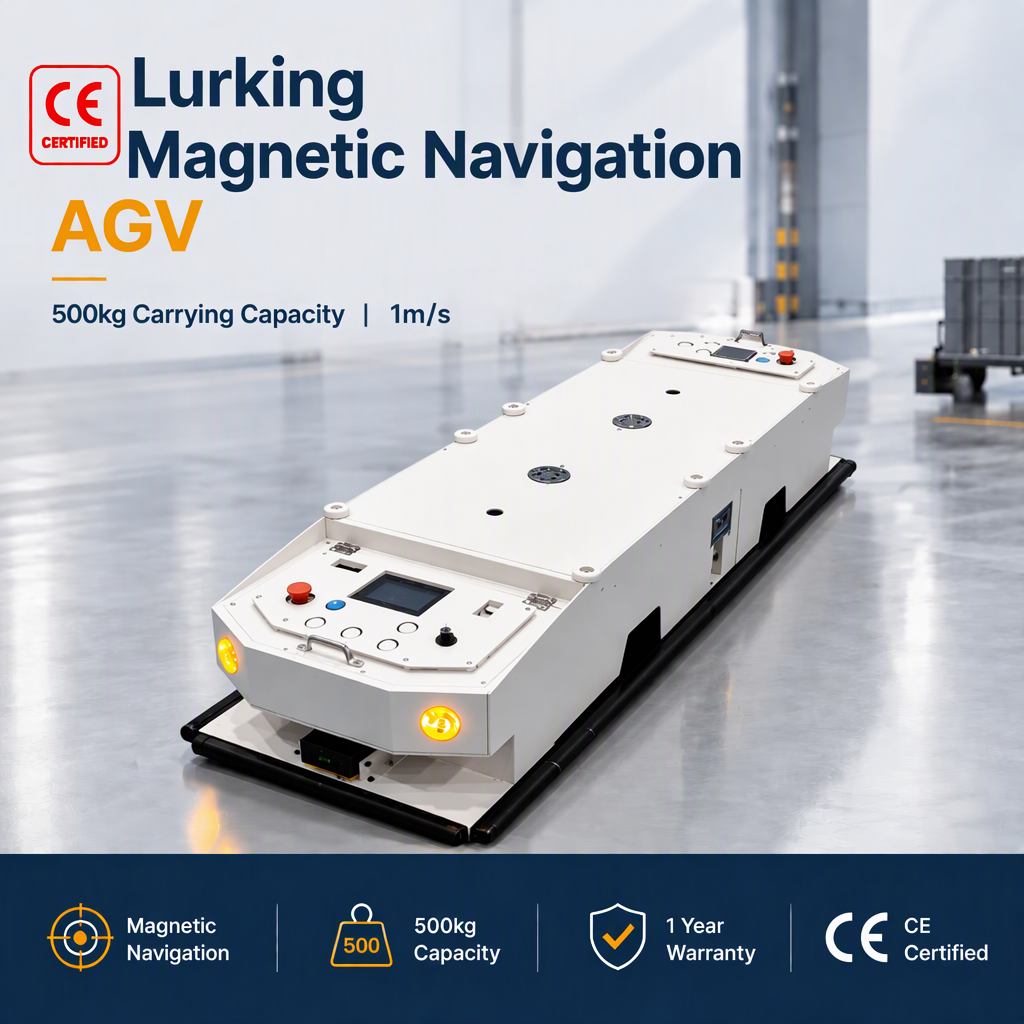
TZBOT CE Approved 500kg Bidirectional Lurking Robot 500kg Towing Capacity Material Handling Equipment Magnetic Navigation AGV
Bidirectional lurking robot for cart towing and under-ride transport, using magnetic navigation for repeatable fixed routes.
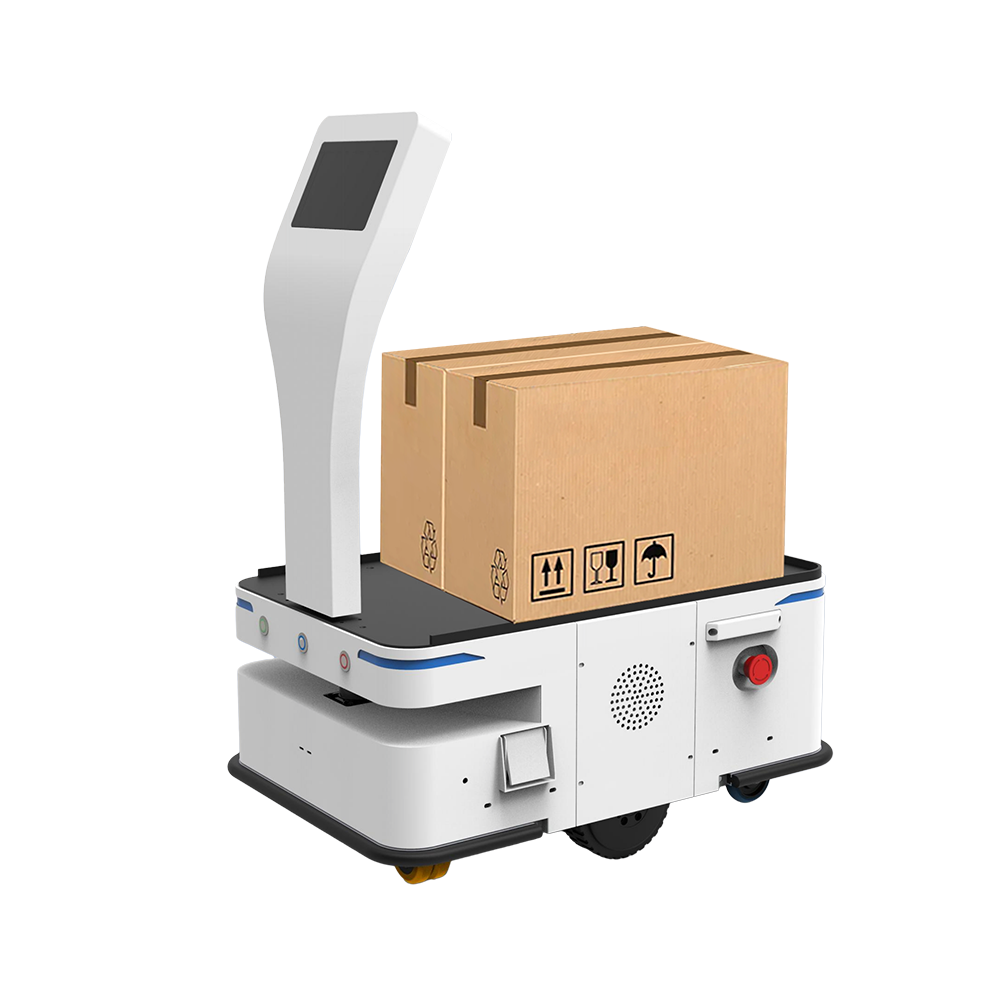
TZBOT High Precision Guidance Laser Slam Navigation Amr Robot 80kg Carrying Capacity Material Handling Amr Robot with 7 Inch HMI
Laser SLAM AMR with 80 kg carrying capacity and a 7-inch HMI for flexible routing, task dispatch and quick layout changes.
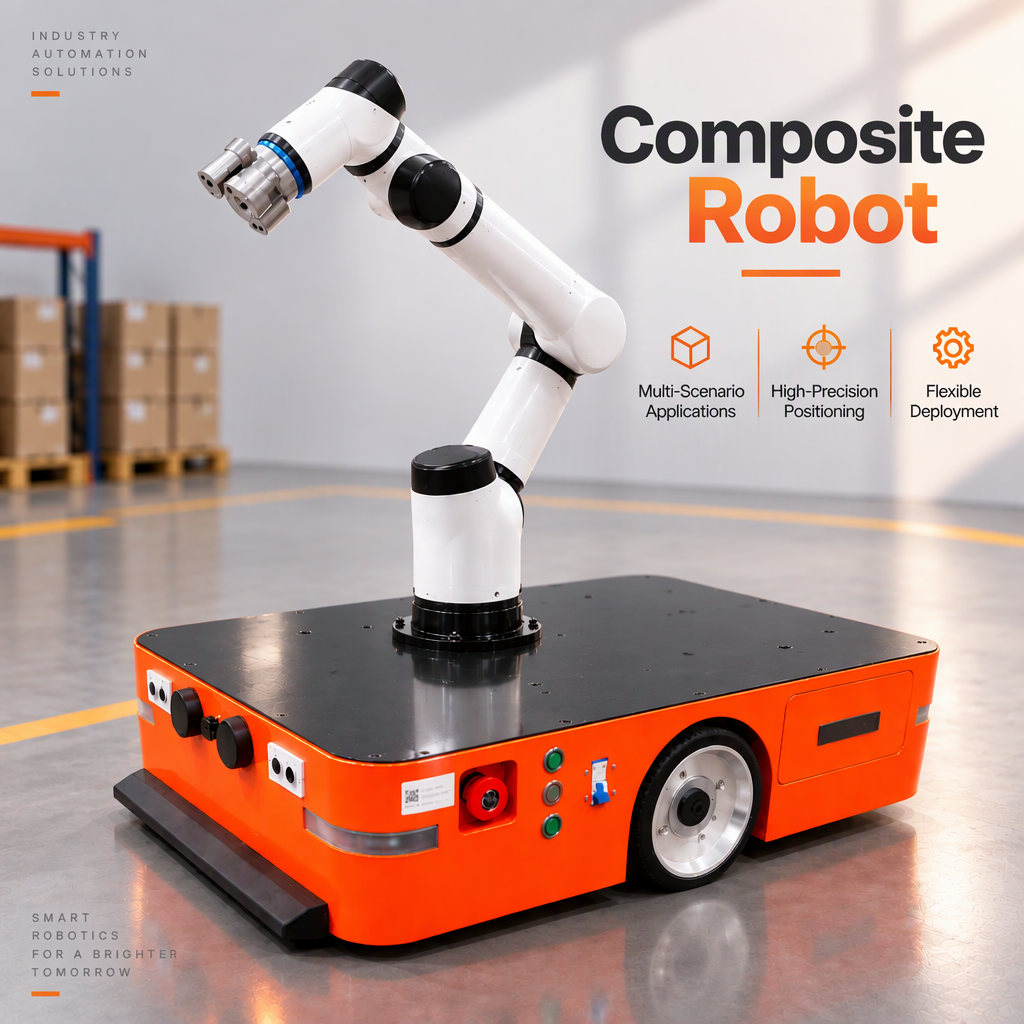
TZBOT Backpack AGV 200kg Load Capacity Chassis Magnetic Guidance Composite Robot with Robotic Arm
Composite robot chassis for arm integration, machine tending, pick-and-place and repetitive handling in cell-based production.
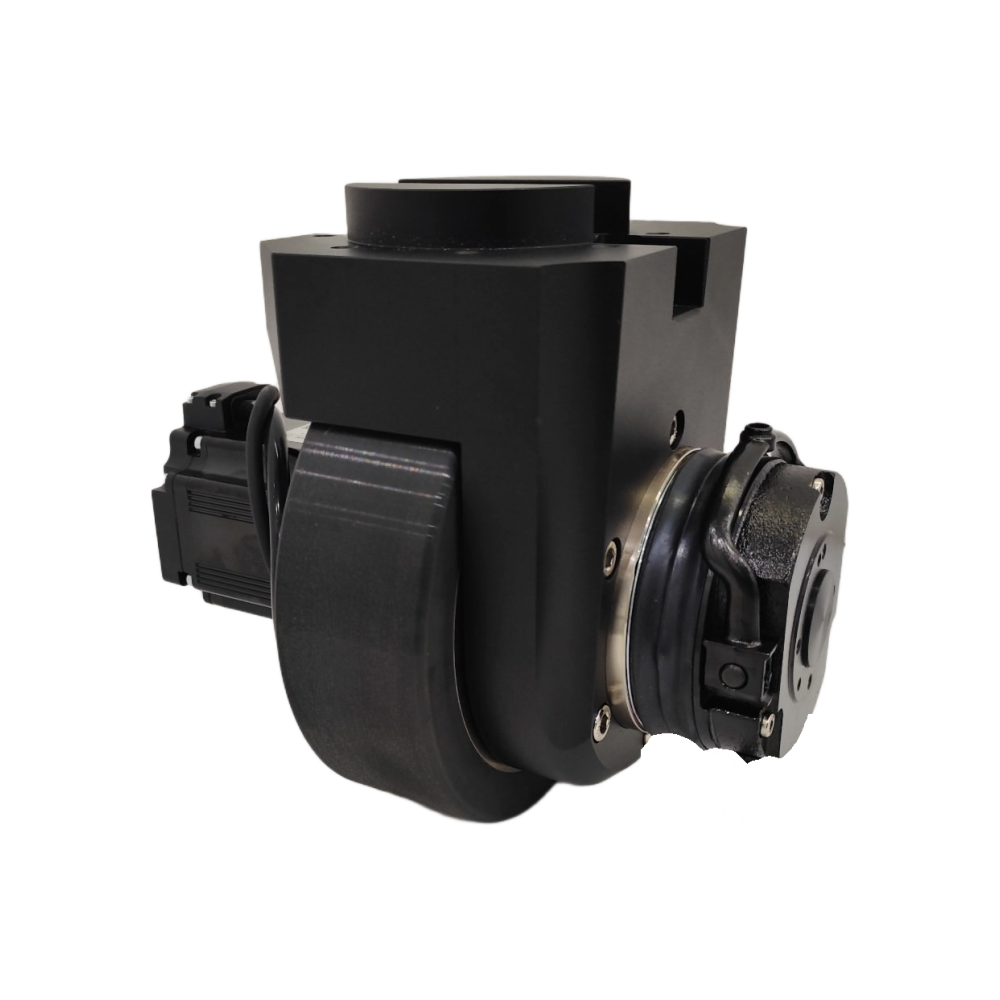
TZBOT Compact Structure agv Wheel Imported Polyurethane 1000kg Load Duty Mobile Robot Horizontal Drive Wheel Unit
Compact horizontal drive wheel with imported polyurethane tread for a balance of traction, floor protection and low build height.
Need a configuration outside this list? Share your payload, speed, floor condition, battery voltage and chassis height. Our engineers will recommend a drive wheel, controller and navigation set.
What “Laser Navigation AGV Factories & Exporters” Really Means to a Buyer
Search intent for AGV factories usually contains three different buying jobs: source a complete vehicle, find a matched motion subsystem, or qualify an OEM/ODM partner for a custom platform. A serious supplier page should answer all three.
The highest-value buyer is not always looking for a finished AGV. Many integrators already have a chassis design, a warehouse execution system and a safety architecture. They need a factory that can supply the traction unit, servo driver, magnetic or SLAM navigation stack, and controller as one matched set. This reduces integration risk and shortens commissioning time.
Zhejiang Torqen Technology Co., Ltd. was founded in 2015 in Zhejiang, China, and manufactures automatic guided vehicles, AGV drive wheel assemblies, DC/AC motors, encoders, reducers, motor controllers, caster and PU wheels, and in-wheel motor units. The practical advantage is not simply a catalogue breadth. It is the ability to match motor power, reduction ratio, wheel diameter, encoder feedback and driver parameters around one vehicle requirement.
For buyers comparing exporters, the due-diligence questions should move beyond “Can you supply?” to “Can you prove process control, repeat a sample, and support a production ramp?” The original manufacturer profile provides concrete checks: ISO 9001:2015 certification, Intertek onsite verification, 8 patents, five in-house testing instruments, a 51–100 person team and a 1,000–3,000 m² factory. These are useful signals for a serious OEM/ODM evaluation.
Illustrative AGV Supplier Scorecard
A practical weighting model for OEM/ODM buyers. Percentages are illustrative for discussion, not a market statistic.
Product Procurement Trends Reshaping AGV Factory Selection
The purchasing conversation is shifting from “who sells the cheapest AGV wheel?” to “who can reduce integration risk across the complete drive train?” These four trends are visible in buyer RFQs and engineering specifications.
1. Supplier Consolidation Around the Drive Train
Buyers increasingly prefer one supplier for drive wheels, servo/BLDC controllers and navigation sensors. A matched set reduces parameter mismatch, wiring ambiguity and finger-pointing during commissioning. For custom AGV platforms, the engineering time saved often matters more than a small unit-price difference.
2. Dual-Mode Navigation with Fallback
Laser SLAM is flexible, but many factories still need repeatable station docking. The procurement trend is a hybrid strategy: laser navigation for open routes, plus magnetic tape or RFID tags at critical junctions, charging stations and high-traffic transfer points. This improves resilience without giving up layout flexibility.
3. Total Cost of Ownership over Unit Price
Procurement teams now compare energy efficiency, tyre wear, floor impact, spare-part lead time and mean time to repair. A slightly higher-priced drive wheel with serviceable components and clear spare-part support can be cheaper over a three-year production cycle than a low-cost unit that stops the line.
4. Auditability, Traceability and Export Readiness
Certifications, onsite verification, inspection records and flexible trade terms are becoming procurement gates. Exporters that can support T/T, L/C, D/P, D/A, PayPal, credit card and escrow-style payment options, with FOB, CIF, EXW, DDU and express delivery, reduce friction for first-time international buyers.
AGV & AMR Product Development Trends Factories Should Prepare For
Future AGV platforms will be judged less on basic movement and more on navigation robustness, safety integration, serviceability and the ability to collaborate with robots, conveyors and people.
Low-Clearance, High-Payload Drive Wheels
Warehouse layouts are getting denser. A horizontal drive wheel unit with a compact structure, polyurethane tread and 1,000 kg or 2,000 kg load capability lets designers keep the deck low while maintaining traction. This is especially relevant for under-ride carts and latent lifting AGVs.
SLAM, RFID and Magnetic Sensor Fusion
Laser SLAM delivers flexible mapping, but it is not a complete navigation policy. A robust design may combine lidar obstacle avoidance, magnetic guide sensors for precise line following, and RFID tags for station identification. The controller must arbitrate these inputs consistently.
Composite Robot Chassis and Robotic Arms
The backpack AGV concept — a mobile chassis carrying a robotic arm or working module — is moving from demonstration to production-cell deployment. Buyers should verify load distribution, chassis stiffness, HMI integration and safety zoning before specifying a composite robot.
Safety, Battery and Serviceability by Design
Battery voltage, charge strategy, brake options, bumper architecture and remote diagnostics are now part of the drive-train decision. A factory that can supply matched servo control, brake options and mechanical interfaces helps the integrator avoid late-stage redesign.
How to Choose the Drive Wheel and Navigation Architecture
The right specification starts with the vehicle job, not the product category. Use this matrix to align load, steering, floor conditions and navigation infrastructure before requesting a quotation.
| Vehicle or Application | Drive Choice | Navigation Choice | Procurement Note |
|---|---|---|---|
| Latent, lifting or under-ride AGV | Differential drive wheel or compact horizontal drive unit | Magnetic tape, QR grid or SLAM | Check chassis height, turning radius and floor transition gaps. |
| Forklift or tugger AGV | Single steering drive wheel with dedicated steering control | Laser SLAM plus RFID / magnetic fallback | Steering angle control, brake logic and payload gradient matter. |
| Low-clearance pallet mover | Horizontal drive wheel assembly | Magnetic or hybrid | Confirm deck height, wheel tread and required ground clearance. |
| Flexible warehouse AMR | Servo differential drive with suspension | Laser SLAM, lidar safety and QR docking | Evaluate map update effort, sensor fusion and battery uptime. |
| Composite robot with arm | High-stiffness differential chassis | SLAM for mobility, tags or vision for docking | Load distribution and safety zoning should be verified early. |
Engineer’s checklist before RFQ: prepare gross vehicle weight, maximum speed, floor material and slope, required chassis height, battery voltage, stopping distance, daily operating hours, and the exact docking position tolerance. These inputs determine motor power, reduction ratio, wheel diameter, brake option and sensor selection.
Why Zhejiang Torqen Technology Is Built for OEM/ODM AGV Projects
The company profile points to one central advantage: motion-control components are developed and matched around real vehicle requirements, with verifiable quality processes and export-ready commercial support.
One Factory for the Complete Drive Train
AGV vehicles, drive wheel assemblies, servo and BLDC controllers, motors, reducers, encoders and sensors are available from one supplier. This reduces integration cycles and creates a single technical channel when a problem crosses mechanical and electronic boundaries.
Verified Quality Management
ISO 9001:2015 certification and Intertek onsite verification provide third-party evidence that the quality management system and factory operations have been reviewed. Finished-product inspection is supported by five in-house testing instruments.
OEM/ODM Customization
Sample-based customization, design-based customization, OEM production, design services and buyer-label packaging are offered. Typical customizations include motor power and voltage, reduction ratio, wheel diameter, tread material, encoder type, brake options and mounting interfaces.
Prototype Testing Before Release
Prototypes undergo extended-duration testing before production parts ship. For a new AGV platform, this is the stage where thermal behaviour, encoder response, brake logic and traction under load can be checked before tooling and mass production.
Export-Ready Commercial Support
Payment methods include T/T, L/C, D/P, D/A, MoneyGram, credit card, PayPal, Western Union, cash and escrow, in multiple currencies. Delivery terms include FOB, CFR, CIF, EXW, CIP, FCA, CPT, DDU and express delivery for urgent samples.
Engineering Support and After-Sales
The team supports wiring diagrams, driver parameters, commissioning guidance, spare-parts supply and fault analysis. A 97.9% inquiry response rate and 4.9/5 buyer rating reflect the commercial discipline expected by international integrators.

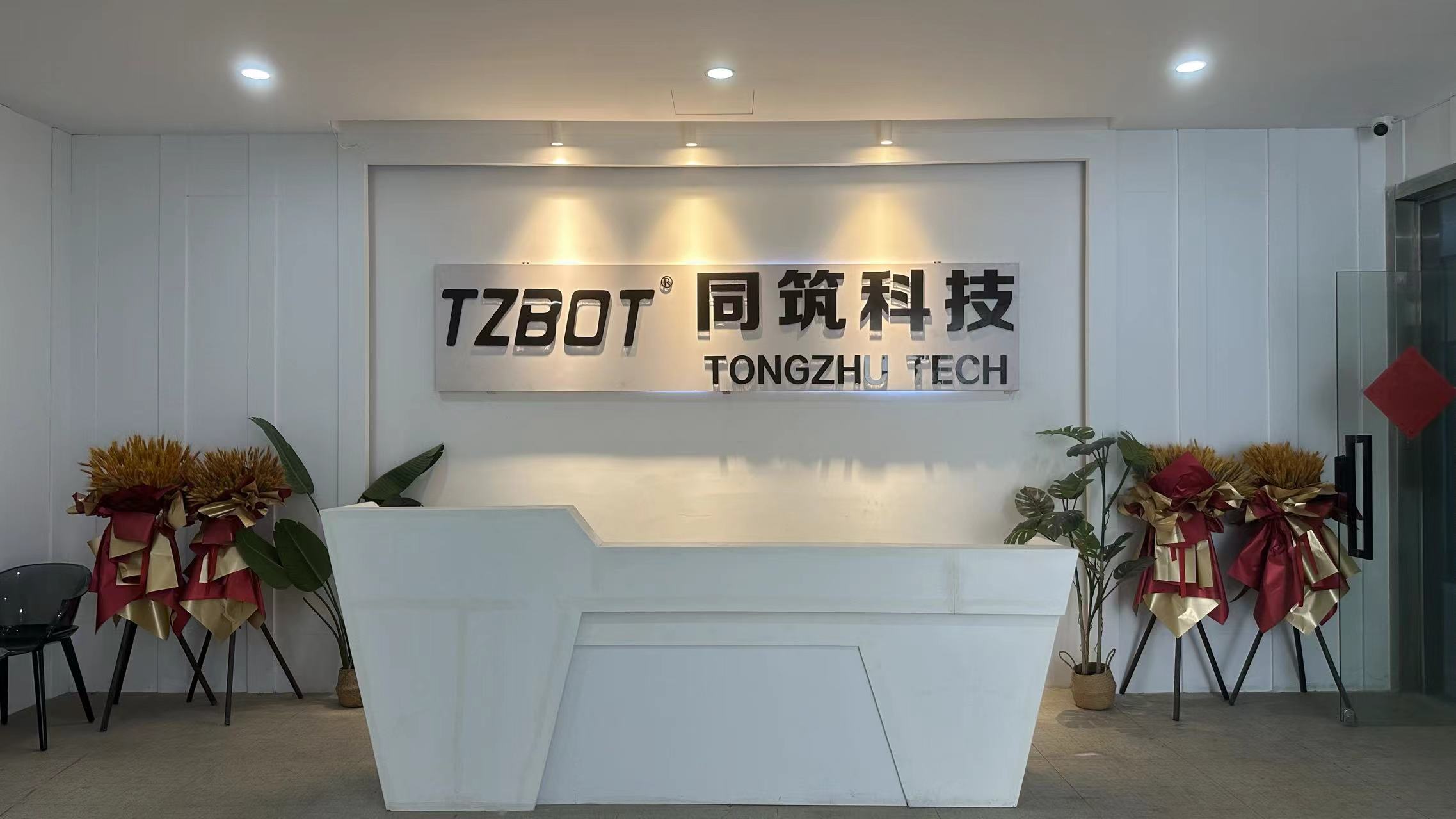
Company facility in Hangzhou, Zhejiang — the base for AGV, drive wheel and motion-control development.
Production workshop: machining, assembly and product preparation for AGV drive and control components.

International sales and technical team supporting OEM/ODM projects across time zones.
Common Questions Buyers Ask Before Ordering AGV Products
These answers are written for engineering buyers, sourcing managers and automation integrators who need to compare an OEM/ODM AGV factory on capability, documentation and delivery reliability.
Does Torqen support OEM and ODM customization for AGV components?
Yes. The supported model includes sample-based customization, design-based customization, OEM production, design services and buyer-label packaging. Typical customization areas include motor power and voltage, reduction ratio, wheel diameter, tread material, encoder type, brake options and mounting interfaces. For best results, provide a vehicle drawing, load diagram, speed profile and electrical architecture before the sample stage.
What is the usual MOQ and sample process for AGV drive wheels or sensors?
MOQ depends on whether the item is a standard catalogue product or a customized drive wheel. Standard samples are usually available for engineering evaluation, while custom samples require drawing review and a technical proposal. The process typically moves from requirement review to engineering proposal, prototype build, endurance testing and then quotation for production. Share target annual volume and prototype quantity so the supplier can propose the right sampling route.
How do I choose between laser SLAM navigation and magnetic navigation?
Laser SLAM is better when routes change frequently and the factory can support mapping, localization and safety configuration. Magnetic navigation is simpler and highly repeatable for fixed routes, making it attractive for latent AGVs, towing robots and high-volume station-to-station transport. Many projects use hybrid navigation: SLAM for open areas and magnetic tape or RFID for docking, turns and high-risk transfer points.
Which drive wheel type suits my AGV chassis?
Differential drive units suit compact latent and jacking AGVs that turn by wheel-speed difference. Single steering drive wheels suit forklift AGVs and tricycle-type vehicles that need controlled steering angles. Horizontal drive wheel assemblies suit low-clearance chassis. For heavy payloads, check the load rating, wheel tread, suspension and mounting interface together rather than selecting by motor power alone.
How is product quality verified before shipment?
The quality management system is certified to ISO 9001:2015, and the facility has been verified onsite by Intertek. Finished-product inspection uses five in-house testing instruments, and prototypes undergo extended-duration testing before production release. Buyers can request inspection records, configuration data and packing details as part of the purchase order documents.
What payment methods and delivery terms are accepted?
Accepted payment methods include T/T, L/C, D/P, D/A, MoneyGram, credit card, PayPal, Western Union, cash and escrow. Common currencies include USD, EUR, JPY, CAD, AUD, HKD, GBP and CNY. Delivery terms include FOB, CFR, CIF, EXW, CIP, FCA, CPT, DDU and express delivery. The appropriate term depends on cargo size, destination, customs arrangements and whether the buyer has a preferred freight forwarder.
Can the motor voltage, power, brake or encoder be customized?
Yes, customization can cover motor power and voltage, reduction ratio, wheel diameter, tread material, encoder type, brake options and mounting interfaces. The engineering team will check thermal margin, current limits, controller compatibility and stopping requirements before confirming the configuration. For safety-related applications, provide the required stopping distance and brake logic in the RFQ.
What information should I include in an AGV RFQ?
Include gross vehicle weight, maximum speed, acceleration target, floor material, slope and transition details, required chassis height, wheel diameter limit, battery voltage, daily operating hours, environment (temperature, dust, humidity), navigation method and annual volume. Add drawings or reference photos if available. These details let the supplier recommend a drive wheel, driver and sensor set rather than quote a generic catalogue item.
What after-sales and technical support is available?
Support can include wiring diagrams, driver parameter guidance, commissioning assistance, spare-parts supply and fault analysis based on production records. Because the company supplies drive wheels, controllers, motors and sensors, technical questions can be routed through a single engineering channel instead of multiple vendors. This is particularly useful during a new AGV or AMR launch.
Which industries use these AGV drive and navigation products?
Products are used in AGVs and AMRs, forklifts, aerial work platforms, airport equipment, agricultural machines, hydraulic applications, floor scrubbers and sweepers, wind energy, marine equipment and medical devices. The common requirement is reliable motion control in a mobile machine, often with limited space, variable floor conditions and a need for repeatable positioning.
Specifying a Laser Navigation AGV or Upgrading an Existing Platform?
Send your payload, speed, chassis height, battery voltage, floor conditions and navigation preference. Our engineers will help match the drive wheel, servo/BLDC controller, magnetic or SLAM navigation sensor and mechanical interface for your OEM/ODM project.
Zhejiang Torqen Technology Co., Ltd. · Hangzhou, Zhejiang, China · info@torqenbot.com · ISO 9001:2015 certified · Intertek onsite-verified manufacturer
