OEM/ODM Material Handling Robot Manufacturers & Wholesalers
Custom AGV and AMR platforms, robotic-arm composite robots, heavy-duty differential drive wheels, servo/BLDC controllers and navigation sensors — engineered for wholesale supply, integration-ready performance and long-term lifecycle support.
Eight Material Handling Robot & Drive-System Solutions
Buyers searching for OEM/ODM material handling robot manufacturers and wholesalers usually need more than a catalogue. They need a configuration that matches payload, floor condition, duty cycle, battery voltage and integration architecture. The eight TZBOT solutions below cover high-payload towing, robotic-arm composite platforms, heavy-duty drive wheels, automated forklifts and compact magnetic-guidance robots.
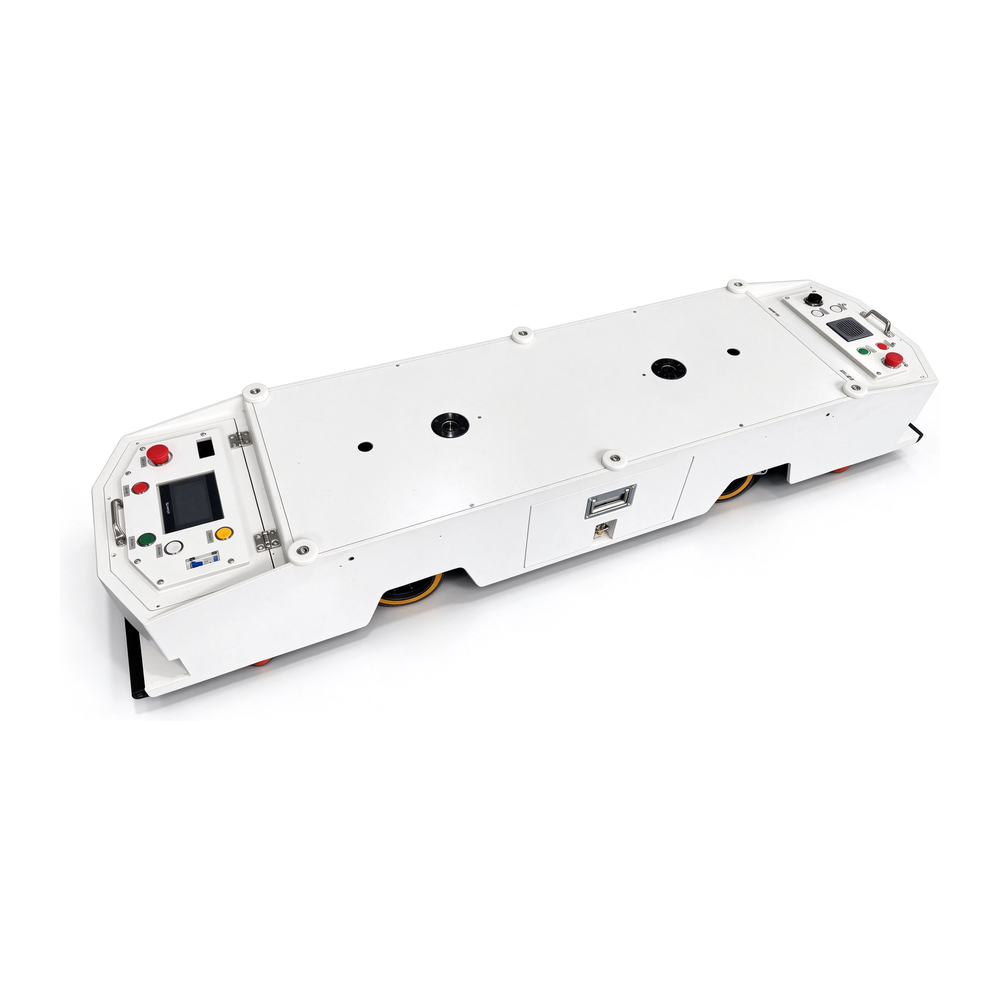
TZBOT 2500KG Lurking AGV Unmanned Control 8H Long Endurance Material Handling Mobile Robot for Shelf Towing
Best for: shelf-to-person picking, line-side replenishment and repetitive towing where uptime and 2.5-ton-class payload capacity matter.
- 2,500 kg class
- 8 h endurance
- Shelf towing
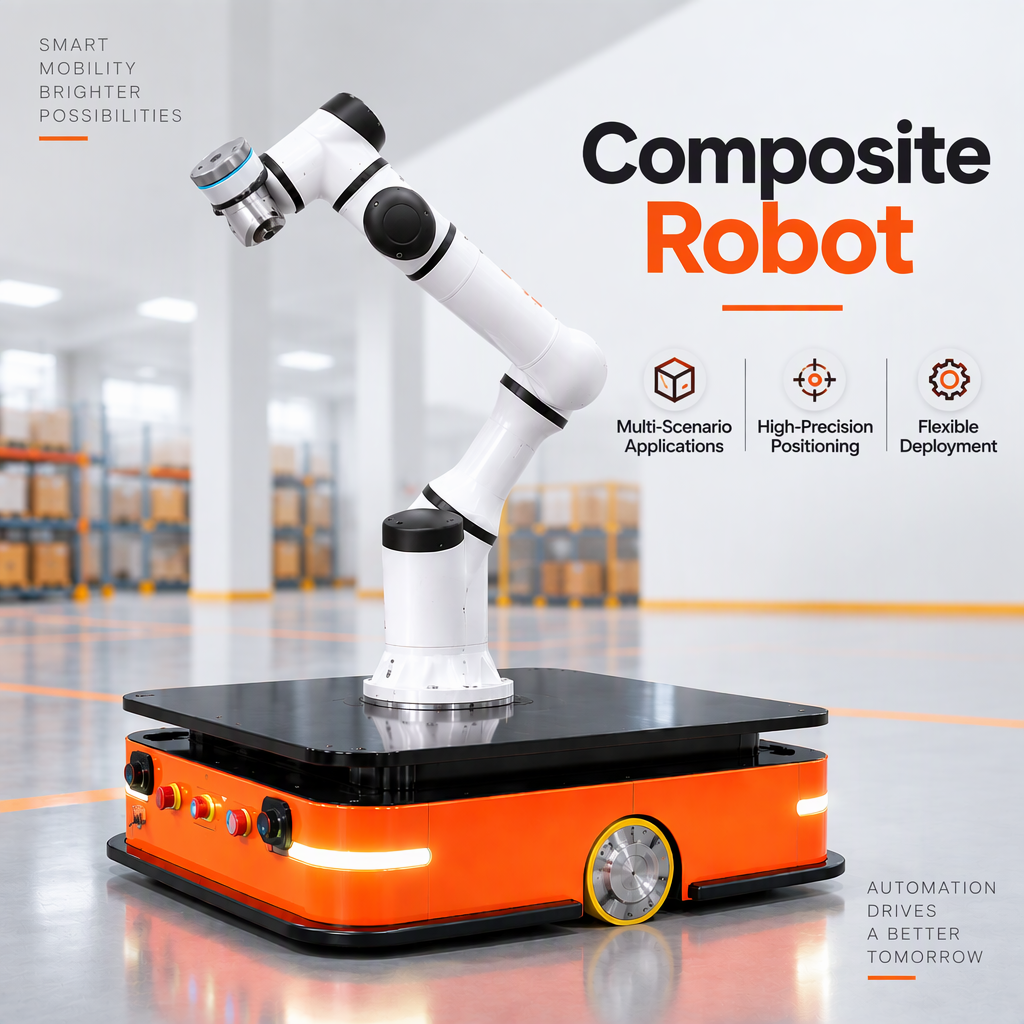
TZBOT Customizable Composite Robot Multi Applications 600kg Bearing Chassis AGV AMR with Robotic Arm
Best for: mobile manipulator projects, machine tending, palletising, inspection and flexible manufacturing cells requiring a 600 kg bearing chassis.
- 600 kg chassis
- Robotic arm
- OEM/ODM ready
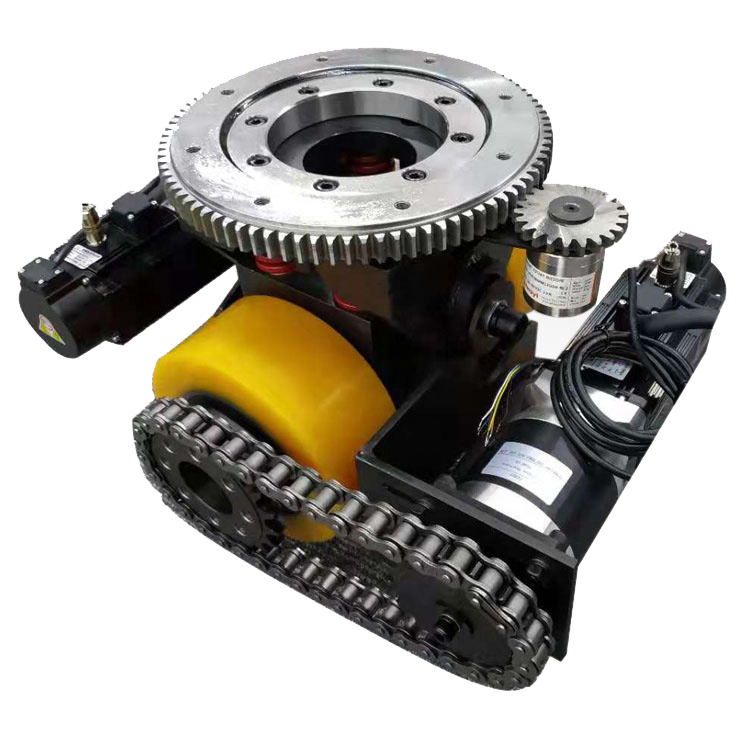
TZBOT 48V DC 2 Ton Heavy Duty Differential Unit AGV Wheel TZCS-750-30
Best for: OEMs building 2-ton-class differential-drive AGV platforms that need a robust, serviceable drive unit and 48 V DC system compatibility.
- 2-ton class
- 48 V DC
- Differential drive
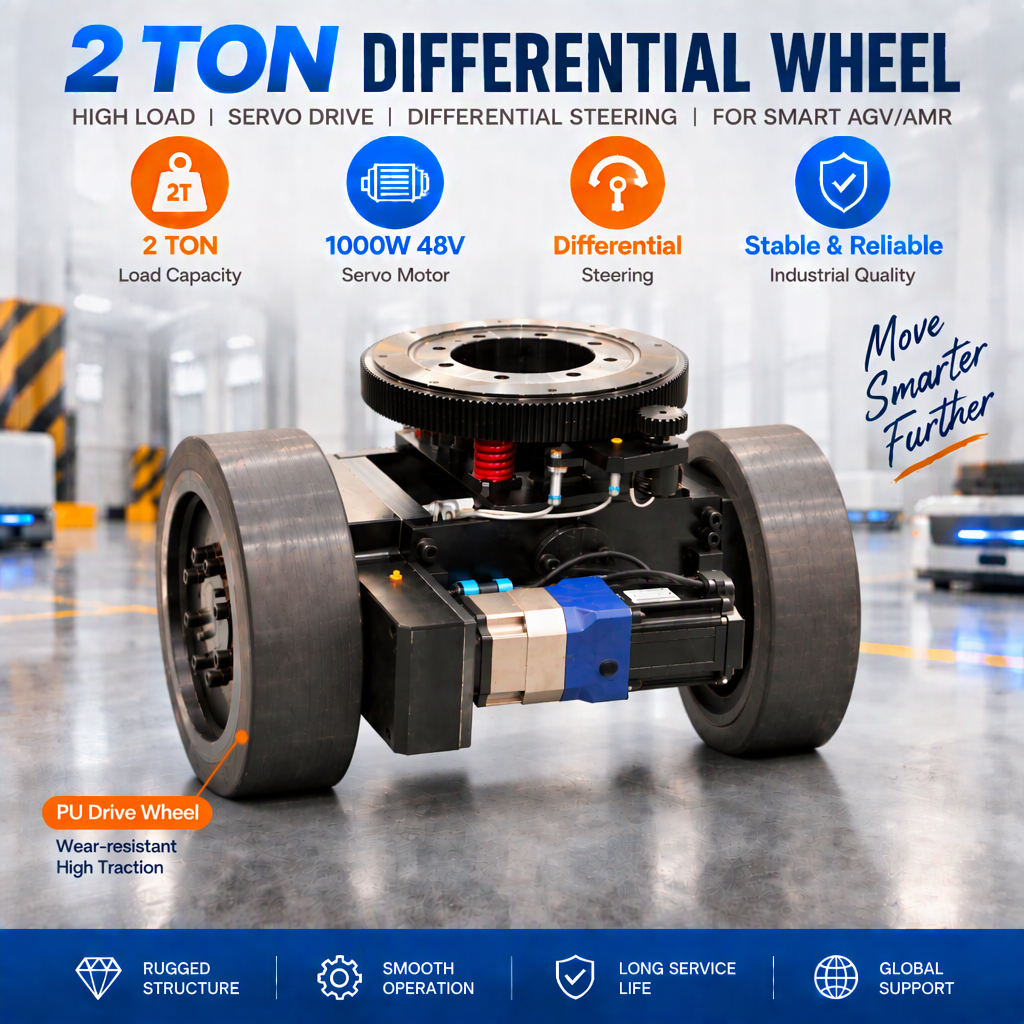
TZBOT Customized 2000kg Bearing Duty agv Wheel 1000w 48V Heavy Duty Series Mobile Robot Differential Drive Wheel with Suspension
Best for: uneven floors, docking accuracy and 2,000 kg bearing duty where suspension improves wheel contact and reduces chassis vibration.
- 2,000 kg bearing
- 1000 W
- Spring suspension
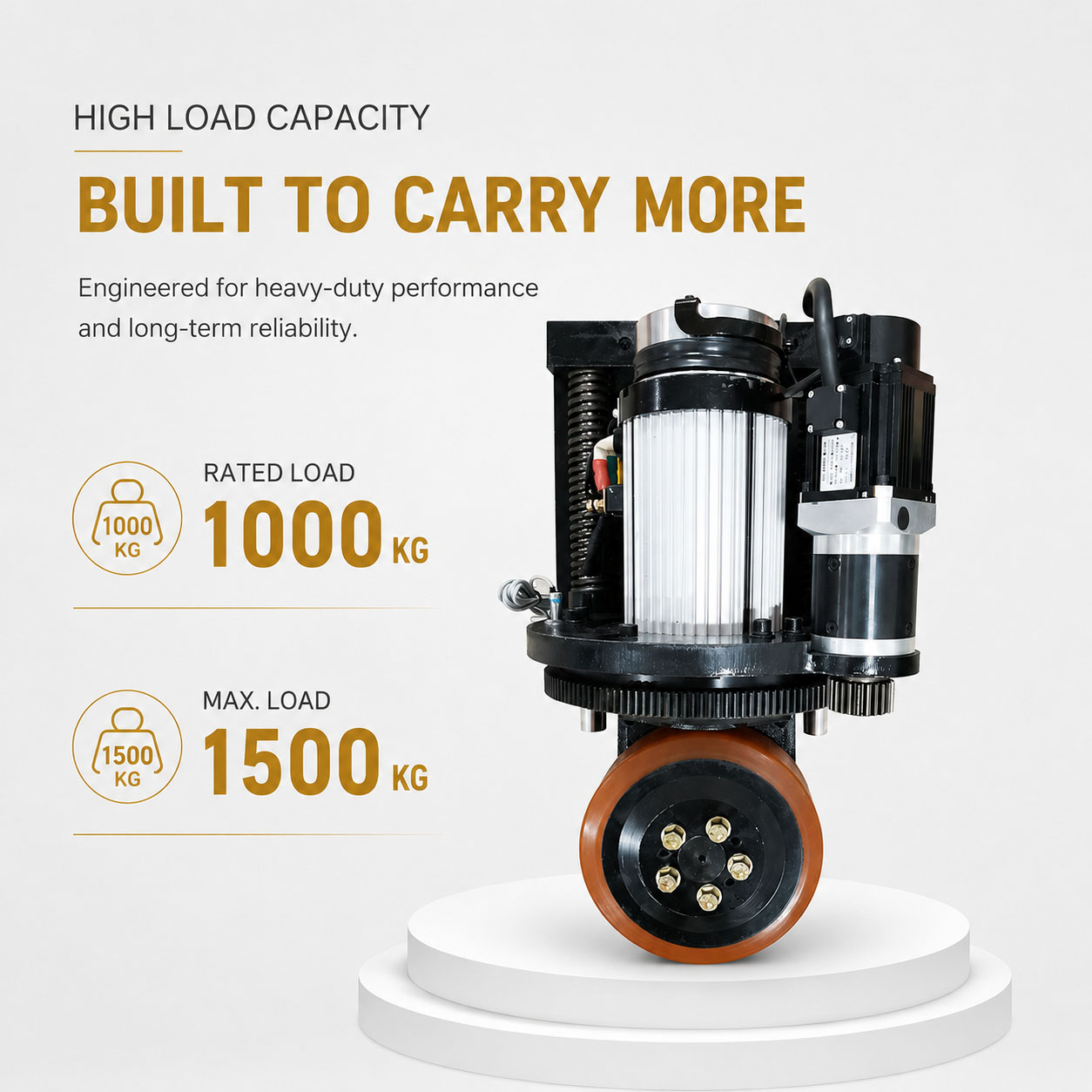
TZBOT 1000KG Bearing Duty 1500w Servo Motor AGV Forklift Driving Wheel with Suspension for Automatic Forklift
Best for: automatic forklifts and tricycle-style chassis needing servo control, suspension and a 1,000 kg bearing-duty drive solution.
- 1000 kg bearing
- 1500 W servo
- Forklift AGV
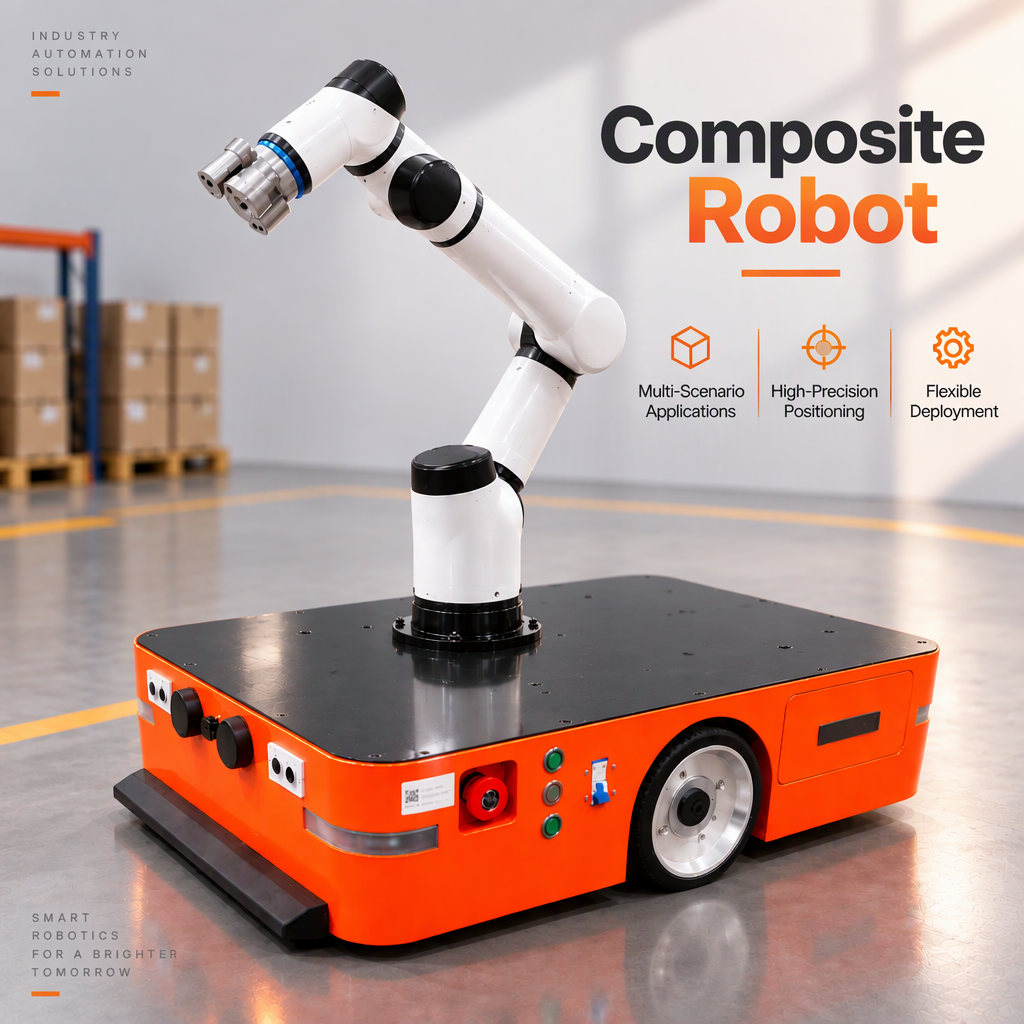
TZBOT Backpack AGV 200kg Load Capacity Chassis Magnetic Guidance Composite Robot with Robotic Arm
Best for: electronics, laboratory, assembly and light manufacturing cells requiring a compact magnetic-guidance composite robot.
- 200 kg load
- Magnetic guidance
- Robotic arm
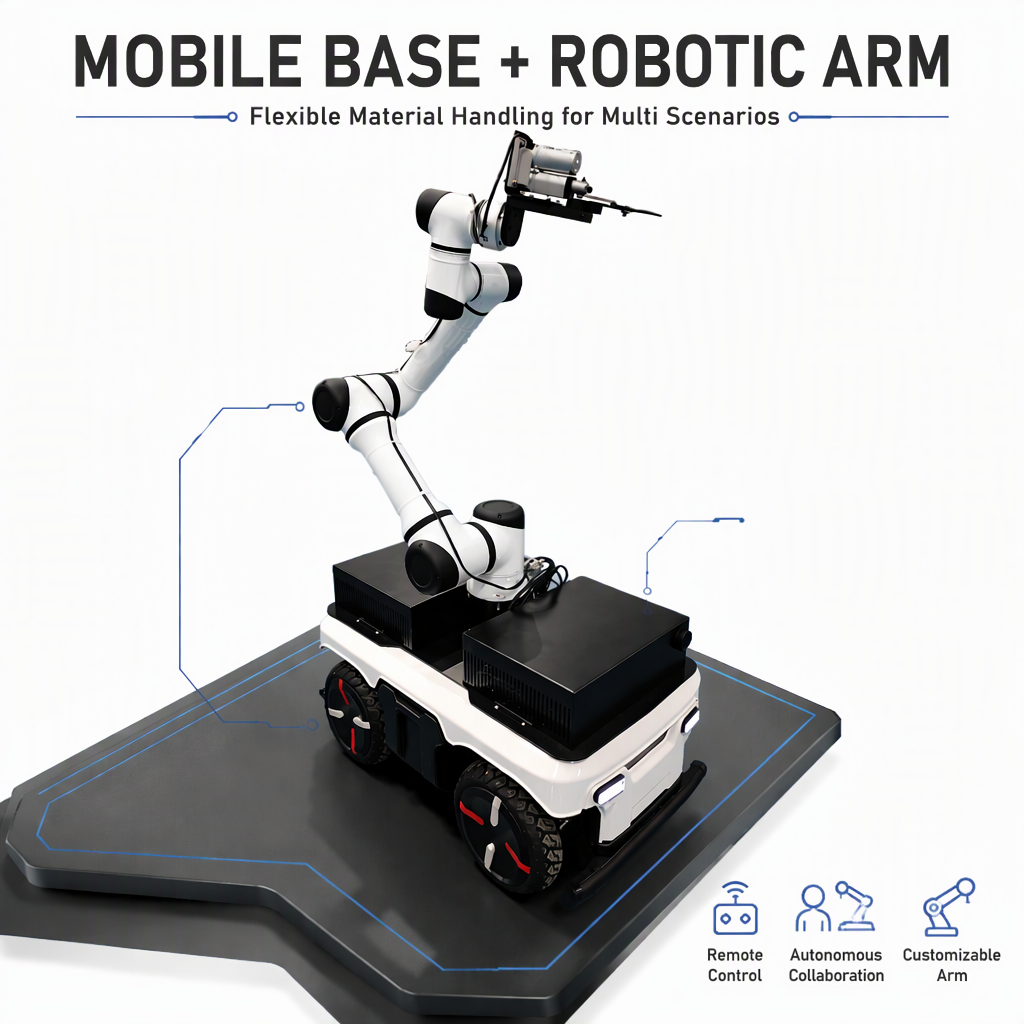
TZBOT Four Wheel Drive Ackerman Chassis AGV Collaborative Remote Control Composite Robot with Arm
Best for: engineering teams needing Ackerman steering, four-wheel drive and remote-control collaboration for larger composite robot platforms.
- 4WD chassis
- Ackerman steering
- Composite arm
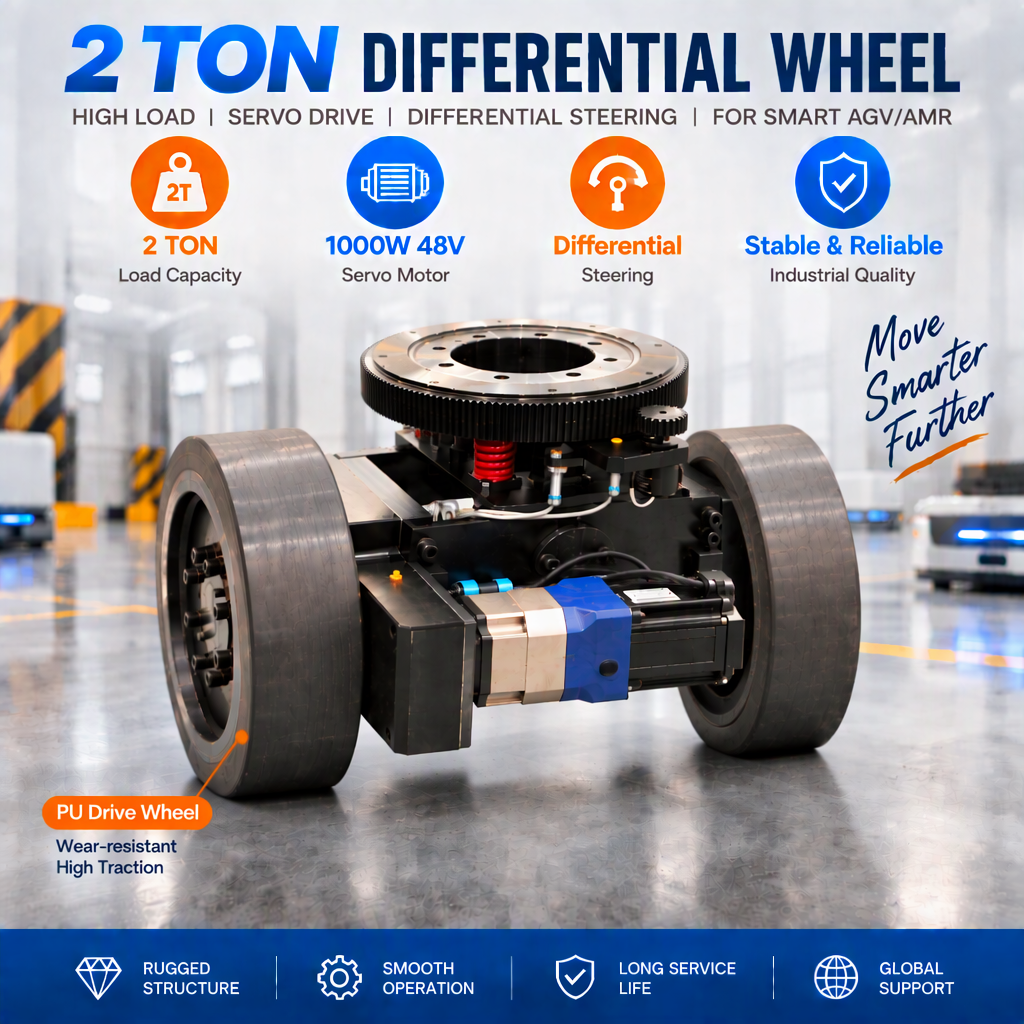
TZBOT 2000KG Heavy Duty Series AGV Wheel 1000w 48V Strong Power Mobile Robot Differential Drive Wheel with Spring Suspension
Best for: heavy-duty mobile robot upgrades where 1000 W, 48 V power and spring suspension must be matched to repeatable batch production.
- 2000 kg series
- 1000 W 48 V
- Spring suspension
Why OEM/ODM Buyers Choose Torqen as a Material Handling Robot Partner
Zhejiang Torqen Technology Co., Ltd. was founded in 2015 and has built its manufacturing system around motion control: AGVs, drive wheel assemblies, motors, reducers, encoders, servo/BLDC controllers and navigation sensors. Instead of forcing buyers to source every component from a different supplier, Torqen matches the drive train as a system — a meaningful advantage when your robot must move reliably on day one.
Single-Source Drive Train
Drive wheels, motors, servo/BLDC controllers, magnetic guide sensors, RFID position sensors and accessories are matched under one engineering team. This reduces integration risk, shortens commissioning and simplifies spare-parts planning for wholesalers.
OEM / ODM Customization
We support sample-based customization, design-based customization, OEM production, design services and buyer-label packaging. Typical changes include motor power, voltage, reduction ratio, wheel diameter, tread material, encoder type, brake options and mounting interfaces.
Verified Quality System
ISO 9001:2015 certification, Intertek onsite verification, eight awarded patents and five in-house testing instruments support finished-product inspection. Prototypes undergo extended-duration testing before production parts are released.
Export-Ready Wholesale Support
FOB, CFR, CIF, EXW, CIP, FCA, CPT, DDU and express delivery are supported, together with multiple payment methods and currencies. A 97.9% inquiry response rate and 4.9/5 buyer rating reflect a service model built for international buyers.
Material Handling Robot Procurement Trends Buyers Should Plan For
The purchasing conversation has shifted from “What is the unit price?” to “What will this system cost across its service life, and can the supplier prove repeatability?” For OEM and wholesale buyers, the strongest suppliers will be those who provide engineering data, matched components, lifecycle documentation and a clear customization path.
TCO Overtakes Unit Price
Procurement teams increasingly evaluate energy consumption, wheel replacement intervals, controller reliability, spare-parts availability and downtime risk. A lower-priced drive wheel is expensive if it slows commissioning or increases replacement frequency. Buyers should request torque-speed curves, bearing-load assumptions and duty-cycle data.
Matched Drive Trains, Not Isolated Parts
Wholesalers and integrators are consolidating suppliers to reduce compatibility risk. A matched wheel–motor–driver–sensor set simplifies wiring, parameter tuning and fault diagnosis. This trend favours manufacturers such as Torqen that can supply the complete AGV drive train and provide a single point of engineering accountability.
Verified Supplier Evidence
ISO certification, onsite verification, patent records, inspection equipment and prototype endurance data are becoming standard parts of the RFQ package. Buyers increasingly ask for traceable production records and evidence that the supplier can repeat performance across batches, not just deliver a good sample.
Lifecycle Supply & Spare-Parts Planning
Material handling robots are long-lived assets. Buyers want stable part numbers, replacement-wheel availability, controller firmware consistency and clear maintenance intervals. Wholesale programmes therefore need more than shipment capability — they need a supplier who can support installed fleets after commissioning.
Where Material Handling Robot Technology Is Heading
The product roadmaps of material handling robots are converging around modularity, higher payload density, composite robotics, sensor fusion and safety-ready architecture. For OEM/ODM buyers, the practical question is which trends should influence the platform you design now — and which can remain optional for later upgrades.
Mobile Manipulators Go Mainstream
AGV/AMR platforms with robotic arms are moving from demonstration projects into machine tending, palletising, sampling and inspection. The winning architecture combines a stable chassis, matched drive wheels, reliable battery endurance and a robot-arm interface that can be customised for the payload and reach.
Higher Payload Density with 48 V Platforms
Heavy-duty AGV design is shifting toward compact, high-torque drive wheels and 48 V DC systems that deliver strong power without excessive current. Spring suspension, robust bearings and matched servo/BLDC controllers help maintain traction and repeatable positioning under load.
Sensor Fusion & Multi-Mode Navigation
Magnetic guidance, RFID position sensing, QR code navigation and lidar SLAM are being combined rather than treated as competing choices. The result is more resilient routing: magnetic tape for repeatable trunk lines, RFID for station logic, and lidar or SLAM for flexible zones and obstacle avoidance.
Safety-Ready, Modular Architecture
Bumpers, obstacle sensors, emergency-stop logic, voice modules and controller parameters are easier to standardise when the drive train is modular. Buyers should design upgrade paths for safety sensors, charging interfaces and fleet-control connectivity rather than locking the platform into a single configuration.
How to Specify OEM/ODM Material Handling Robots Before You Request a Quote
Material handling robots fail at the procurement stage for predictable reasons: payload is understated, floor conditions are ignored, battery voltage changes late, or the drive wheel is matched to a controller from a different supplier without validation. A disciplined specification process reduces sampling cycles and protects your launch schedule.
Start with the load path, not the motor
Payload is only one number. You also need to define the gross vehicle weight, centre of gravity, wheel load, towing force, acceleration, braking profile and maximum gradient. For shelf-towing AGVs, the towed load and coupling geometry can dominate the duty cycle. For composite robots, the robot arm’s reach and acceleration create dynamic load shifts that must be reflected in wheel selection and suspension.
Floor condition is equally important. Expansion joints, ramps, dock levellers, oil films and debris all affect traction and positioning. A suspension drive wheel such as the TZBOT 2000 kg bearing-duty differential wheel can improve contact on uneven surfaces, while a compact differential unit may be sufficient for smooth, level warehouse floors. The right choice balances floor condition, chassis height, maintenance access and cost.
Match voltage, controller and feedback as a system
Do not treat the drive wheel as a stand-alone part. Motor power, rated voltage, reduction ratio, encoder resolution, brake type and controller current rating must be validated together. A 48 V platform with a high-torque wheel may reduce current draw, but the controller, wiring, connectors and battery management must support the operating envelope. Torqen’s ability to supply wheels, motors, servo/BLDC drivers and sensors from one engineering team is valuable here: it reduces the hidden cost of cross-supplier troubleshooting.
- Payload, gross weight, centre of gravity and wheel load
- Speed, acceleration, slope, braking and duty cycle
- Wheel diameter, tread material, suspension and mounting interface
- Battery voltage, motor power, reduction ratio and encoder feedback
- Controller compatibility, safety logic and maintenance access
For a faster quotation, send these five values: gross vehicle weight, target speed, maximum gradient, battery voltage and available chassis height. These determine the likely motor power, reduction ratio and wheel diameter before a drawing is issued.
| Configuration | Steering principle | Typical application |
|---|---|---|
| Differential drive unit | Two driven wheels turn by speed difference | Latent AGVs, jacking robots, shelf-towing robots and compact turning in warehouse aisles |
| Single steering drive wheel | Drive motor plus steering motor controls wheel angle | Automatic forklifts, tricycle chassis and tugger vehicles needing controlled steering |
| Ackerman chassis | Front wheels steer at different angles; four-wheel drive can improve traction | Larger composite robot platforms and applications requiring stable high-speed travel |
| Horizontal drive assembly | Motor mounted horizontally for low chassis height | Low-clearance under-ride carts and compact mobile platforms |
| Method | Infrastructure | Best fit |
|---|---|---|
| Magnetic guide sensor | Magnetic tape on floor | Fixed routes, low-cost deployment and repeatable trunk lines |
| RFID position sensor | Tags at stations and junctions | Station recognition, speed zones and process handshakes |
| QR code navigation | Floor QR grid | Grid warehouses and goods-to-person systems |
| Lidar SLAM | Natural features plus lidar | Flexible routes, layout changes and obstacle avoidance |
From Requirement Review to Export Packing
A predictable OEM/ODM process is a procurement advantage. Torqen’s workflow is designed to move from chassis data and load requirements to a tested sample, controlled production and export-ready delivery without leaving engineering questions unresolved.
Requirement Review
Payload, speed, voltage, floor condition and chassis height are reviewed by the engineering team.
Engineering Proposal
Motor, reducer, wheel and controller are matched; interface drawings and parameters are shared.
Prototype & Endurance Test
Samples are built and run for extended periods before approval for production release.
Production & Delivery
ISO 9001:2015 controlled manufacturing, final inspection, export packing and global shipping.
Frequently Asked Questions from OEM/ODM Buyers
These are the questions most often raised by distributors, system integrators and robot builders evaluating a material handling robot manufacturer or wholesale supplier.
Are you a manufacturer or a trading company?
Zhejiang Torqen Technology Co., Ltd. is a manufacturer and trading company founded in 2015 in Zhejiang, China. Our product scope covers automatic guided vehicles, drive wheel assemblies, DC/AC motors, encoders, reducers, servo/BLDC controllers, AGV sensors and accessories. We work with OEM integrators and wholesale buyers who need matched motion components rather than unrelated catalogue parts.
What OEM/ODM customization can Torqen provide?
We offer sample-based customization, design-based customization, OEM production, design services and buyer-label packaging. Customization can include motor power and voltage, reduction ratio, wheel diameter and tread material, encoder type, brake options, mounting interfaces, cable lengths, controller parameters and packaging requirements. For wholesale programmes, we can also discuss stable part numbers and repeat-order specifications.
How do you verify quality before shipment?
Our quality management system is certified to ISO 9001:2015, and our facility has been verified onsite by Intertek. Finished-product inspection uses five in-house testing instruments, and prototypes undergo extended-duration testing before production parts are released. For OEM projects, agree on the inspection items, acceptance criteria and documentation in the RFQ stage so that samples and mass production follow the same standard.
Which drive wheel should I choose for a latent AGV versus an automatic forklift?
Latent AGVs and shelf-towing robots commonly use differential drive units because two driven wheels can turn by speed difference and keep the chassis compact. Automatic forklifts and tricycle-type vehicles often need a single steering drive wheel or an Ackerman-style chassis with controlled steering angles. For low-clearance platforms, a horizontal drive assembly may be appropriate. Share the gross weight, speed, floor condition, chassis height and battery voltage so the configuration can be checked.
Can you supply the complete AGV drive train, including controllers and sensors?
Yes. Torqen supplies drive wheels, motors, reducers, encoders, servo/BLDC motor drivers, magnetic guide sensors, RFID position sensors, lidar sensors and AGV accessories. Buying the drive train as a matched set reduces integration risk and gives your engineers one technical contact for compatibility questions. It also helps wholesalers simplify their stock and spare-parts planning.
What payment and delivery terms are accepted?
Accepted payment methods include T/T, L/C, D/P, D/A, MoneyGram, credit card, PayPal, Western Union, cash and escrow, in USD, EUR, JPY, CAD, AUD, HKD, GBP or CNY. Delivery terms include FOB, CFR, CIF, EXW, CIP, FCA, CPT, DDU and express delivery. Final terms depend on the product configuration, order quantity and destination.
Which industries use Torqen material handling and drive products?
Our products are used in AGVs and AMRs, forklifts, aerial work platforms, airport equipment, agricultural machines, hydraulic applications, floor scrubbers and sweepers, wind energy, marine equipment and medical devices. The common requirement is reliable motion control in a mobile machine, often with limited maintenance access and a long service life expectation.
How should I prepare an RFQ for a custom material handling robot?
Prepare the vehicle type, gross weight, payload, centre of gravity, target speed, acceleration, maximum gradient, floor condition, wheel diameter limit, chassis height, battery voltage, duty cycle, required navigation method, controller preference, safety requirements and expected annual quantity. If a robot arm is involved, include arm mass, reach and dynamic load. These details allow engineering to recommend a drive wheel, motor, controller and sensor set without unnecessary back-and-forth.
Can you support wholesale distributors and private-label programmes?
Yes. We support OEM production and buyer-label packaging. For distributors, the practical starting point is to define the repeatable product set, target annual volume, labeling requirements, spare-parts kit and documentation language. A stable specification is especially important for drive wheels and controllers because small parameter changes can affect the entire robot platform.
Send Your Payload, Speed and Chassis Requirements
Torqen’s engineering team will help match the drive wheel, motor, controller and navigation sensor for your OEM/ODM material handling robot project. Share your application details to shorten the sampling cycle and receive a configuration recommendation.
