Eight AGV Modules Buyers Can Source from One OEM/ODM Factory
Product recommendation logic: buy a complete pallet forklift AGV drivetrain from one factory, or source a single replacement module without changing your existing controls. Each product below maps to a real procurement path—navigation tape, SLAM AMR transfer, high-traction drive wheels, forklift drive wheels with suspension, AGV controllers, Ackerman composite robots, heavy-duty differential wheels and a 1000 kg auto-guided chassis. Product URLs are preserved exactly as supplied.
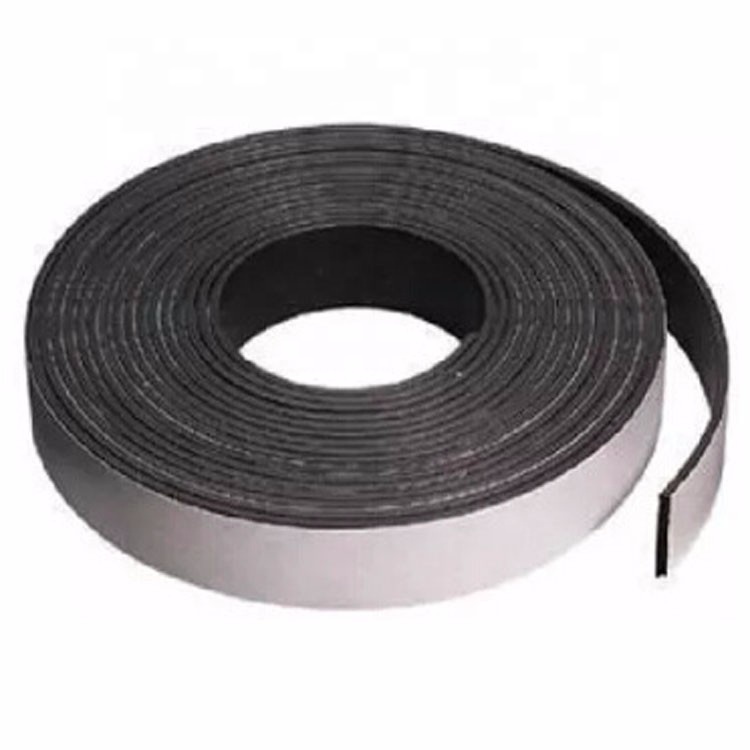
N-Pole Magnetic Guide Tape, 5 cm × 25 m, for AGV Paved Paths
Retail or wholesale magnetic tape for fixed-route AGV navigation, quick deployment and low-infrastructure warehouses.
- 5 cm width
- 25 m roll
- N-pole up
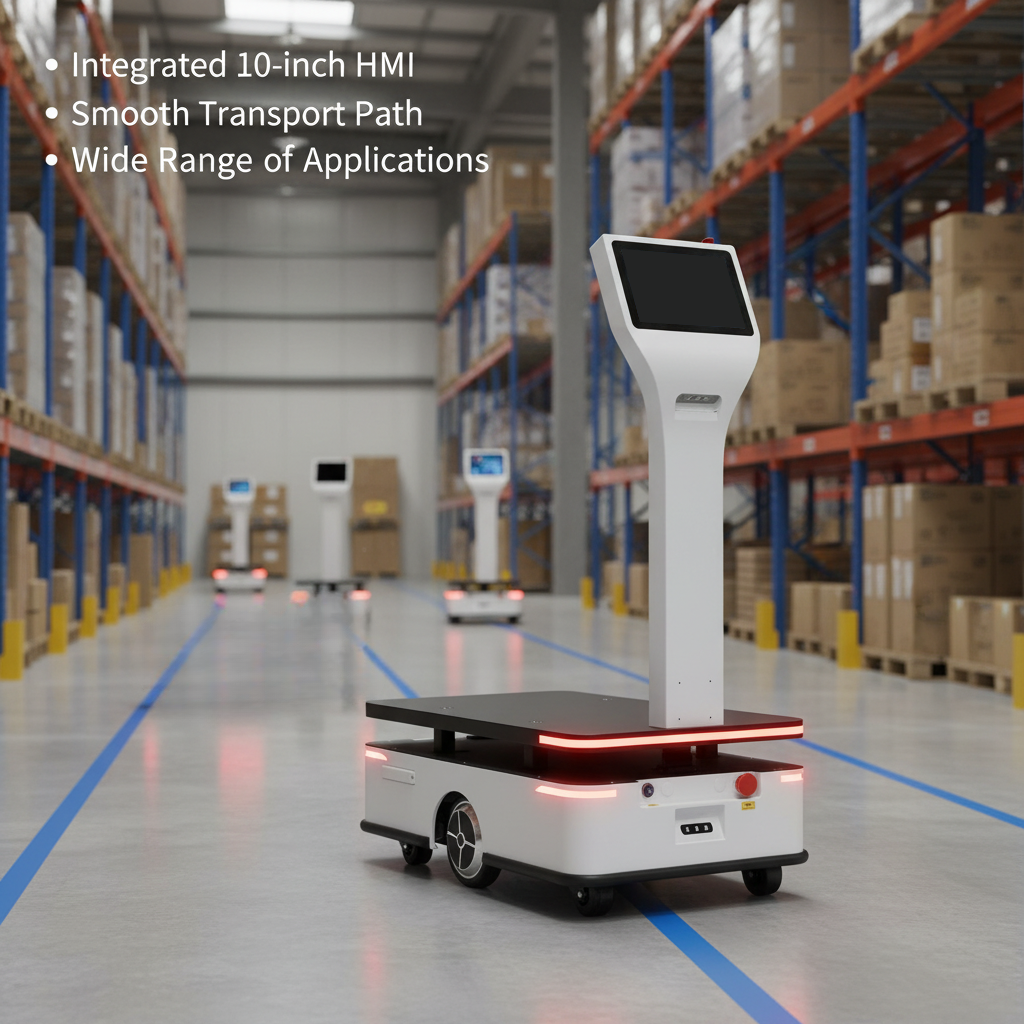
80 kg Payload SLAM AMR Transfer Cart for Intelligent Warehousing
Customizable warehouse logistics robot with unmanned control for flexible goods-to-person and line-side transfer.
- 80 kg payload
- SLAM navigation
- AMR transfer
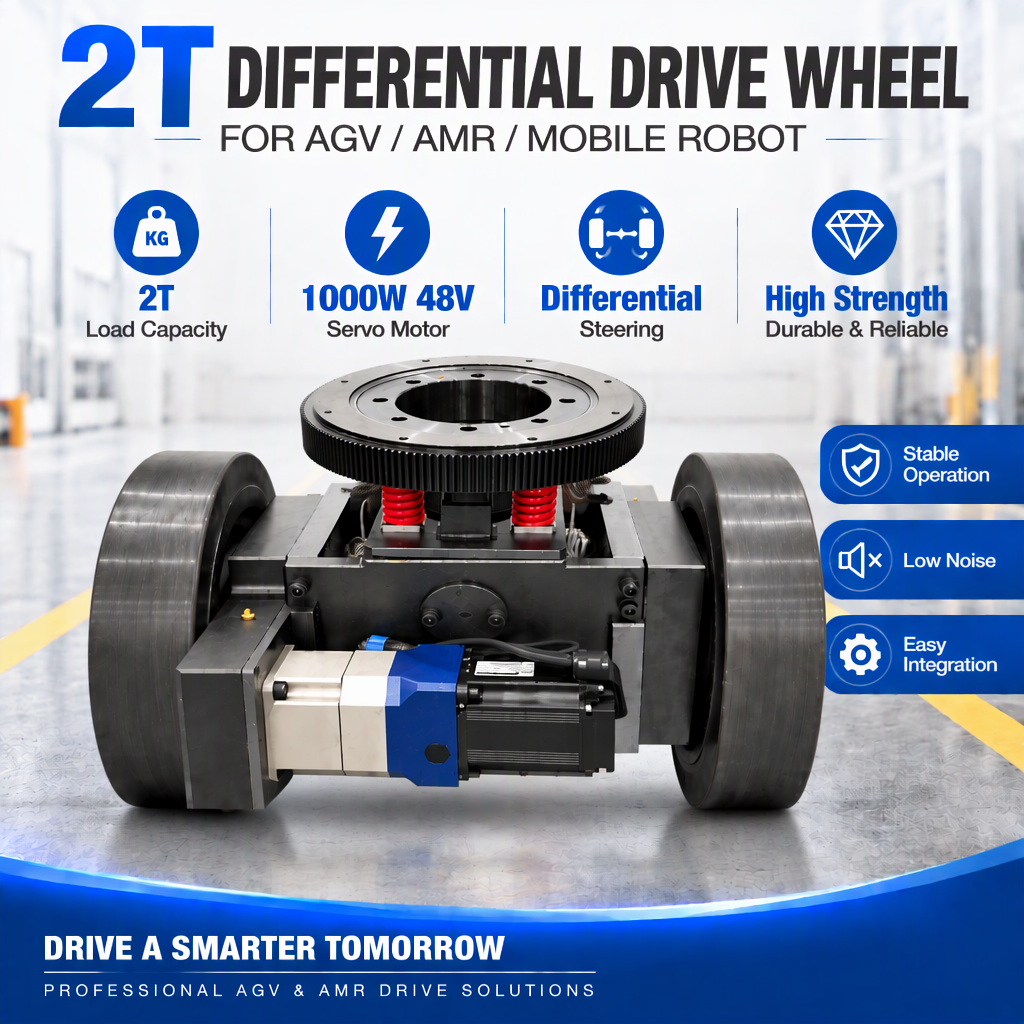
2000 kg Traction AGV/AMR Differential Steering Drive Wheel
High-traction logistic robot drive unit for heavy pallet movement and differential steering chassis platforms.
- 2000 kg traction
- Differential steering
- AGV / AMR
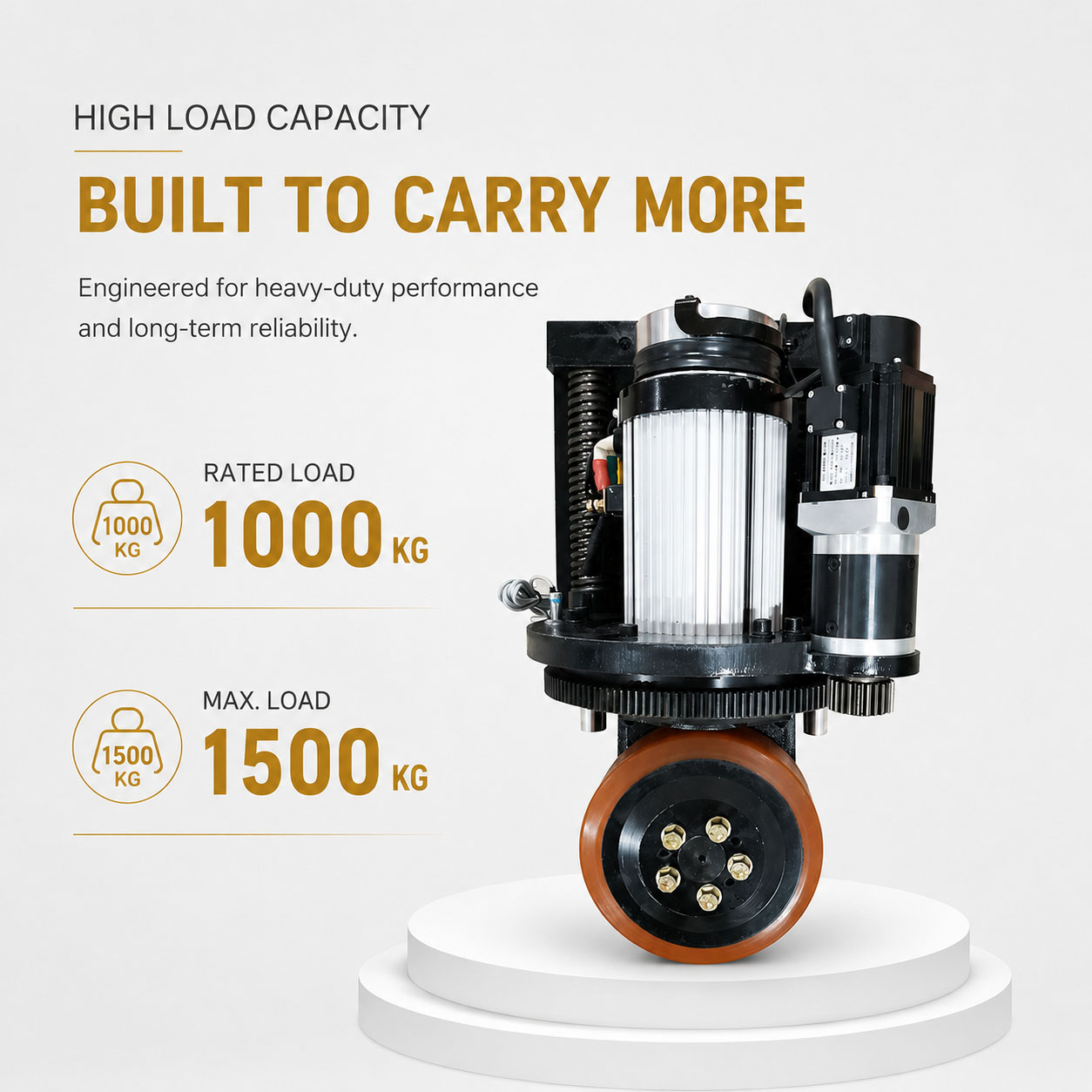
1000 kg Load 1500 W Servo AGV Forklift Drive Wheel with Suspension
Suspension drive wheel for automatic forklifts and pallet trucks that need stable floor contact and serviceable torque.
- 1000 kg load
- 1500 W servo
- Suspension
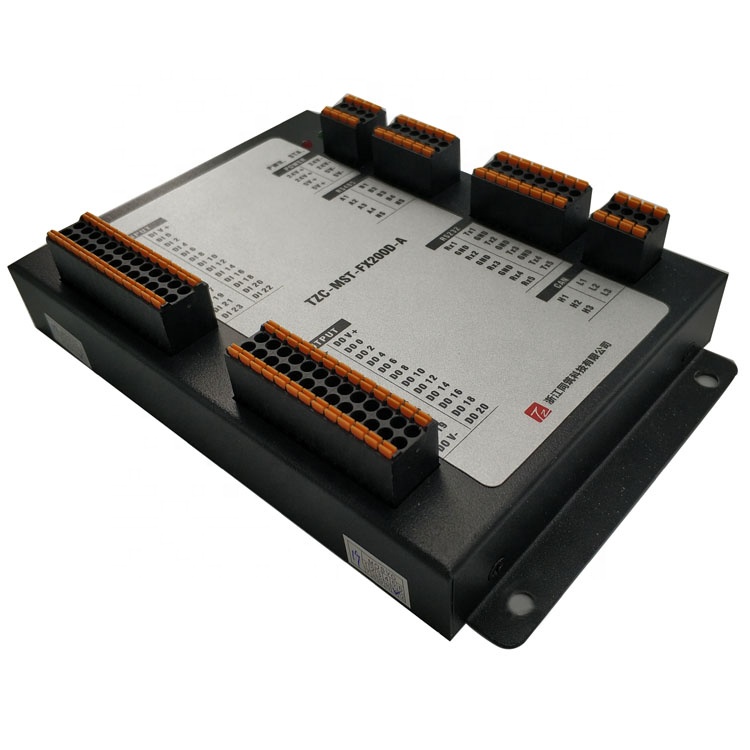
Smart AGV Controller TZC-MST-FX200D-A for Building Material Shops
Compact AGV controller with auto-guide capability for material handling layouts in building supply and distribution sites.
- Auto guide
- TZC-MST series
- Material shops
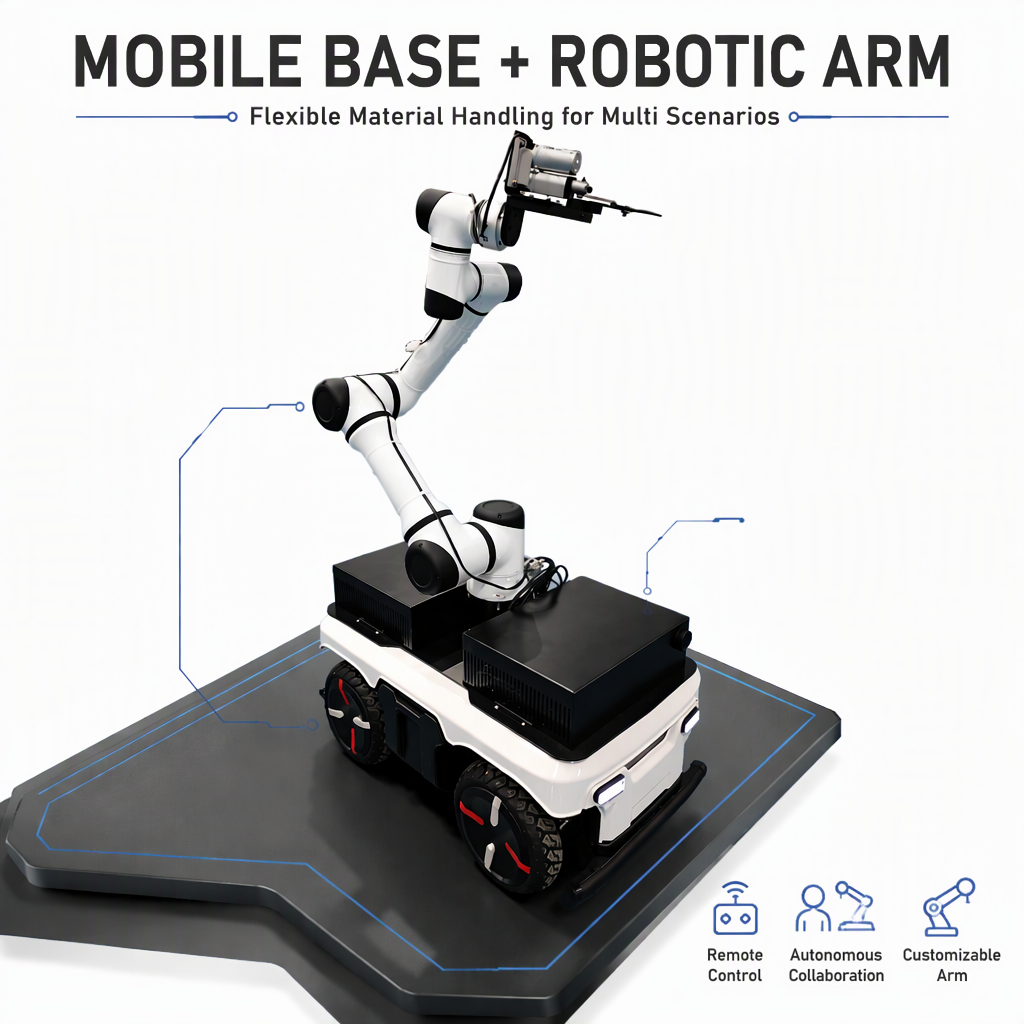
Four-Wheel Drive Ackerman AGV Composite Robot with Robotic Arm
Ackerman chassis platform with collaborative remote control for composite robot tasks that need car-like steering.
- 4-wheel drive
- Ackerman chassis
- Robot arm
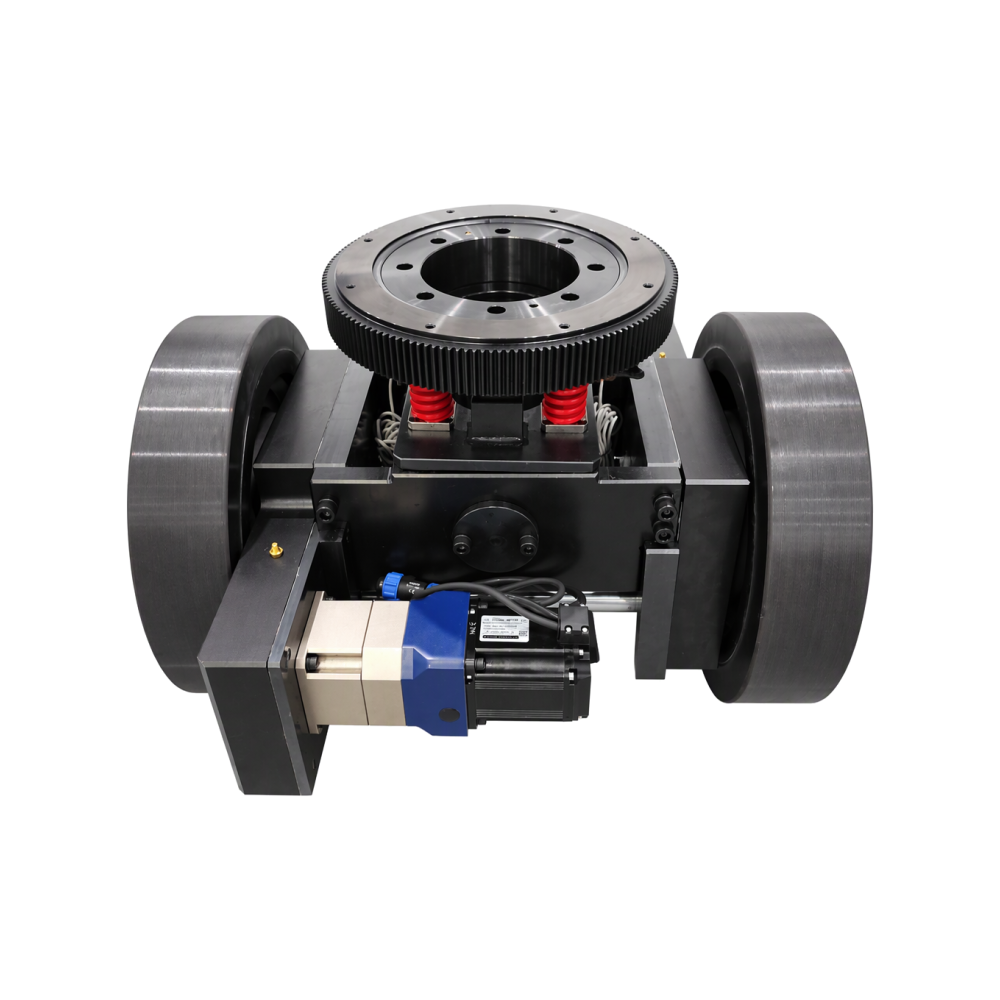
Heavy-Duty 1000 W 48 V AGV Differential Drive Wheel with Spring Suspension
Servo-controlled mobile robot drive wheel with spring suspension for demanding duty cycles and uneven floors.
- 1000 W
- 48 V
- Spring suspension
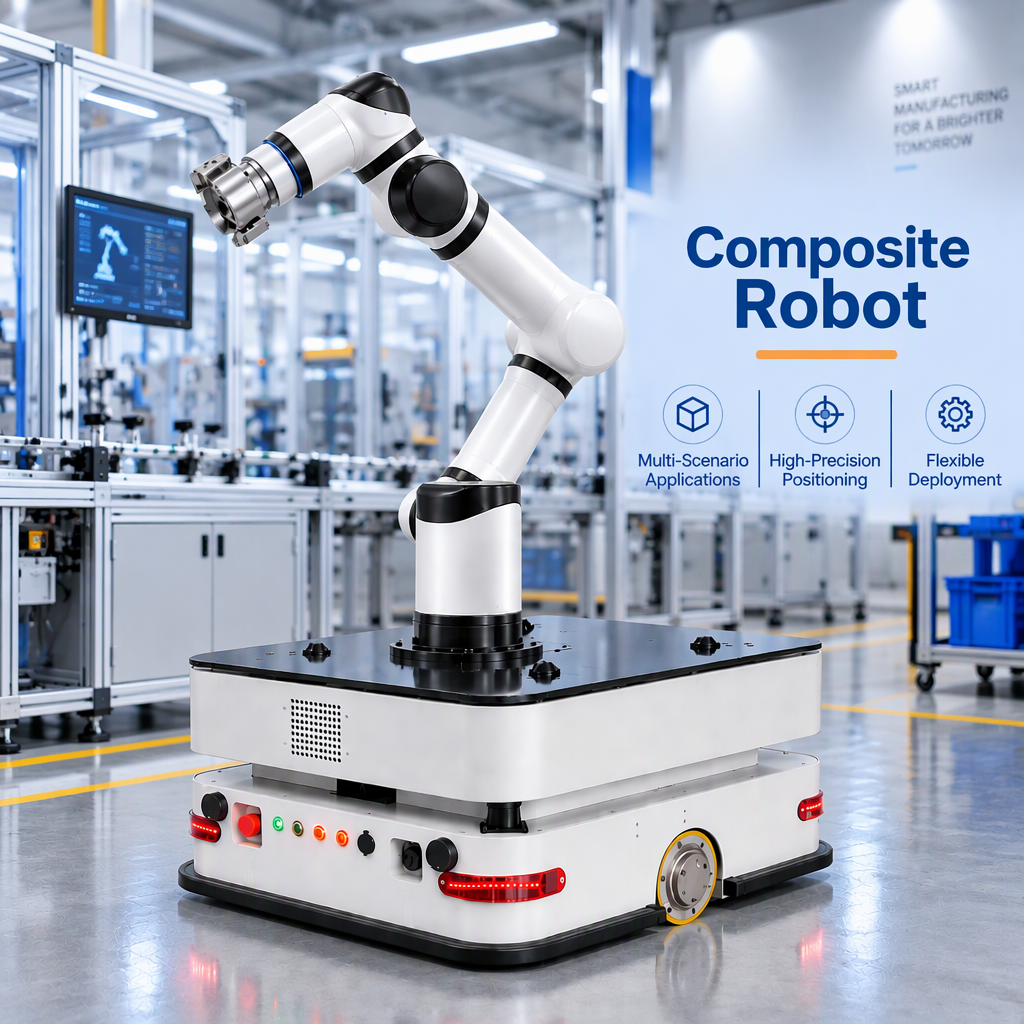
1000 kg Payload Auto-Guided Mobile Chassis with Integrated Robotic Arm
Auto-guided mobile chassis for intelligent composite robots, integrating arm-based handling with 1000 kg transport capacity.
- 1000 kg payload
- Auto guidance
- Integrated arm
Why Pallet Forklift AGVs Are Moving from Niche Automation to Core Warehouse Infrastructure
Pallet forklift AGVs are no longer a side project for innovation teams. They are becoming a procurement category with its own supplier scorecard, lifecycle model and integration risks.
In warehouses where labor availability fluctuates, dock-to-rack cycle time is measured in minutes, and safety incidents carry direct financial risk, the buying question has shifted from “Can an AGV do this?” to “Which OEM/ODM partner can deliver a repeatable, serviceable and audit-ready motion platform?” That change is important for semantic search and for procurement teams: searches now combine application intent—pallet handling, 1000 kg to 2000 kg traction, forklift mast integration—with supplier intent such as factory audit, customization, spare parts, lead time and certificates.
From an information-gain perspective, the real value is not another list of AGV specifications. It is the link between component choices and operating outcomes. A differential steering drive wheel with the wrong wheel tread can slip on a wet floor; a suspension wheel can improve floor contact but changes chassis height; a magnetic tape path can be fast to deploy but requires disciplined floor maintenance; a SLAM AMR can route around obstacles but needs a clear software ownership model. Buyers who define these dependencies early avoid the most expensive mistake in AGV projects: a low unit price that creates high integration cost.
Torqen approaches pallet forklift AGV supply as a motion-control system problem. The factory builds drive wheel assemblies, motors, servo/BLDC controllers, magnetic and RFID sensors, and AGV accessories, then matches them before shipment. That is a meaningful difference for OEM/ODM buyers. Instead of assembling a wheel from one supplier, a driver from another and a sensor from a third, the integrator can request a tested drive train with documented parameters, then focus engineering time on the forklift mast, safety scanner logic and fleet software.
This is also where E-E-A-T matters in a supplier page. A credible factory must explain not only what it sells, but how it tests, how it customizes and how it supports the product after delivery. The sections below are written for that procurement intent: first the product recommendations, then the engineering selection logic, then the trends that should shape your next RFQ, and finally the factory controls that reduce commercial risk.
Buyer Intent Signals in 2025 RFQs
Illustrative buyer-priority index based on OEM/ODM pallet forklift AGV RFQ patterns. Use it to structure your own scorecard before comparing suppliers.
Labor volatility and shift patterns
AGVs absorb repetitive pallet moves and reduce dependence on shift availability, but only when the drive wheel, battery and route design match the actual duty cycle.
Safety and auditability
Forklift AGVs share floors with people and manual trucks. Buyers increasingly require emergency-stop architecture, bumper and scanner integration, and traceable production records.
Brownfield integration
Most projects retrofit existing warehouses. Floor condition, aisle width, pallet type, Wi-Fi coverage and charger location often decide the project more than the vehicle headline specification.
Match the Drive, Navigation and Chassis to the Workflow
Pallet forklift AGV projects fail at the intersection of three choices: drive configuration, navigation method and chassis integration. The tables below summarise the decision logic our application engineers use before quoting a custom drive wheel, AGV controller or complete vehicle platform.
Drive Wheel Configuration
| Type | Steering Logic | Best-Fit Application |
|---|---|---|
| Differential drive unit | Turns by wheel-speed difference; compact and efficient. | Latent, jacking and shelf-lifting AGVs with tight turning needs. |
| Single steering drive wheel | Combines traction with a controlled steering angle. | Forklift AGVs, tricycle chassis and tugger vehicles. |
| Horizontal drive assembly | Motor mounted horizontally for low build height. | Low-clearance chassis and under-ride carts. |
Navigation and Positioning Options
| Method | Infrastructure | Best-Fit Application |
|---|---|---|
| Magnetic guide sensor | Magnetic tape on floor | Fixed routes, low cost and fast deployment. |
| RFID position sensor | RFID tags at stations | Station recognition, speed zones and junctions. |
| QR code navigation | Floor QR grid | Grid warehouses and goods-to-person systems. |
| Laser SLAM / lidar | Natural features, no fixed path | Flexible routes and frequent layout changes. |
Pallet Forklift AGV Procurement Trends: What Smart Buyers Will Demand Through 2030
Procurement is moving away from single-unit price comparisons toward life-cycle risk. In our RFQ conversations, buyers increasingly ask for documented test data, modular replacement paths and a clear division of responsibility between the AGV supplier, forklift OEM, software integrator and end user.
Total cost of ownership replaces lowest unit price
Buyers are modeling energy use, tire replacement, downtime, engineering hours and spare-part lead time. A drive wheel with serviceable components can be cheaper over five years than a sealed low-cost unit that requires complete replacement.
Modular, dual-source BOM strategy
Single-source convenience is balanced with second-source readiness. Standardized mounting interfaces, published electrical parameters and compatible driver firmware make it easier to qualify an alternative supplier without redesigning the chassis.
Safety and auditability
Forklift AGVs share floors with people and manual trucks. Procurement teams now expect safety-related documentation, emergency-stop architecture, bumper and scanner integration, and traceable production records.
Local service and remote diagnostics
Export buyers want response-time commitments, spare-part kits, remote parameter support and commissioning guidance. A lower-cost supplier without service depth can create weeks of downtime in another country.
What the Next Generation of Pallet Forklift AGVs Will Require
The next buying cycle will reward suppliers who can document interfaces, support hybrid navigation and keep hardware serviceable as software evolves. The product discussion is shifting from individual components to the whole motion stack.
Integrated drive-and-control modules
Motors, encoders, brakes, reducers and servo drivers are increasingly specified as one matched module. This reduces wiring, shortens commissioning and improves fault isolation.
Higher payload with lower chassis height
1000 kg to 2000 kg traction is becoming common, while low-clearance chassis demand horizontal drive layouts and compact steering wheels. Suspension design becomes a differentiator for floor contact and wheel life.
Hybrid navigation: magnetic + SLAM + RFID
Buyers want fixed-path reliability where routes are stable and flexible SLAM behavior where layout changes. Hybrid fleets need sensors that report cleanly to one controller and one fleet manager.
Software-defined serviceability
Remote diagnostics, parameter backup, API documentation and digital-twin commissioning are moving from premium features to procurement requirements. Hardware that cannot be monitored or updated becomes a long-term operational cost.
How Torqen De-Risks OEM/ODM Pallet Forklift AGV Projects
Zhejiang Torqen Technology Co., Ltd. was founded in 2015 and manufactures AGVs, AGV drive wheel assemblies, DC/AC motors, encoders, reducers, servo/BLDC controllers and navigation sensors for automation builders worldwide.
The company operates as a manufacturer and trading company with a factory footprint of 1,000–3,000 m², an annual output range of US$5M–10M and a team of 51–100 people. These facts matter because they show a real production organization behind the catalog—not only a trading listing. For buyers comparing an OEM/ODM pallet forklift AGV factory, the ability to match drive wheels, controllers and sensors in one technical environment is a practical risk-control advantage.
- ISO 9001:2015 quality management system and Intertek onsite-verified supplier status.
- Founded in 2015, with 8 awarded patents and a team of 51–100 employees and engineers.
- One factory for drive wheels, motors, servo/BLDC drivers, navigation sensors and AGV accessories.
- Sample-based and design-based customization for motor power, voltage, reduction ratio, wheel diameter, tread, encoder, brake and mounting interface.
- Five in-house testing instruments, finished-product inspection and extended-duration prototype testing before production release.
- Export terms including FOB, CFR, CIF, EXW, CIP, FCA, CPT, DDU and express delivery; payment in USD, EUR, JPY, CAD, AUD, HKD, GBP or CNY.
- 24/7 online response and integration support with wiring diagrams and parameter files for engineering teams.

Custom Drive Engineering
Motor power, voltage, reduction ratio, wheel tread, encoder and brake options can be matched to your chassis and duty cycle.
Tested Before Shipping
Five in-house testing instruments, finished-product inspection and endurance testing reduce start-up surprises.
Matched Electronics
Servo and BLDC drivers tuned to our own drive wheels, plus magnetic, RFID and lidar sensors for a single-source BOM.
Export-Ready Logistics
Flexible Incoterms, multiple currencies and export packing support buyers who need predictable cross-border delivery.
From Requirement Review to Export Shipment in Six Steps
A transparent process designed for engineering buyers who need predictable sampling, production and documentation.
Requirement Review
Load, speed, voltage, floor and chassis data reviewed.
Engineering Proposal
Motor, reducer, wheel and sensor matched; drawings shared.
Prototype Build
Sample-based or design-based customization produced.
Endurance Testing
Extended runs and parameter checks before release.
Mass Production
ISO 9001:2015 controlled manufacturing and traceability.
Inspection & Delivery
Final inspection, export packing and global shipping.
OEM/ODM Pallet Forklift AGV Procurement FAQ
Direct answers to the questions buyers ask before requesting a sample, approving a drawing or placing a production order.
What is the difference between an OEM and ODM pallet forklift AGV project?
An OEM project typically uses your brand, drawings or agreed specifications, with the factory manufacturing to your requirements. An ODM project starts earlier: Torqen helps define the drive layout, controller architecture, sensor set and mechanical interfaces, then supplies a product that can be branded or adapted for your market. Both models can include sample-based customization, buyer-label packaging, parameter files and production inspection.
Can you customize a pallet forklift AGV for our warehouse layout and load?
Yes. The most common custom parameters are motor power, voltage, reduction ratio, wheel diameter, tread material, encoder type, brake options and mounting interface. For complete vehicles, we also review aisle width, lift height, pallet type, floor condition and required safety functions. Send a layout drawing, load diagram and target cycle time; the engineering team can recommend a drive and navigation configuration before quotation.
Which drive wheel type should we choose: differential, steering or horizontal?
Differential drive units suit compact latent and jacking AGVs that turn by wheel-speed difference. Single steering drive wheels suit forklift AGVs and tricycle chassis that need controlled steering angles. Horizontal drive assemblies suit low-clearance chassis. The decision should be based on gross vehicle weight, maximum gradient, floor friction, battery voltage and available chassis height rather than catalog preference.
What is the typical lead time and order process?
Lead time depends on whether the item is a standard component, a customized sample or a production batch. Standard modules can be quoted from stock or short production runs; custom drive wheels and AGVs usually require drawing approval, prototype validation and then batch production. The process is: requirement review, engineering proposal, sample or design confirmation, endurance testing, mass production, final inspection and shipment. Confirm the exact schedule with our team before committing to an installation date.
How do you verify quality before shipment?
The quality system is certified to ISO 9001:2015 and the facility has been verified onsite by Intertek. Finished-product inspection uses five in-house testing instruments, and prototypes undergo extended-duration testing before production parts are released. For OEM projects, buyers can request inspection records, agreed test parameters and pre-shipment photos or video.
What payment and delivery terms are accepted?
Accepted payment methods include T/T, L/C, D/P, D/A, MoneyGram, credit card, PayPal, Western Union, cash and escrow, in USD, EUR, JPY, CAD, AUD, HKD, GBP or CNY. Delivery terms include FOB, CFR, CIF, EXW, CIP, FCA, CPT, DDU and express delivery. Final terms depend on order value, destination and whether the shipment is a sample or mass-production order.
Which industries use Torqen drive products?
AGV and AMR fleets, forklifts, aerial work platforms, airport equipment, agricultural machines, hydraulic applications, floor scrubbers and sweepers, wind energy, marine equipment and medical devices. This breadth matters for OEM buyers because it shows the drive platform has been exposed to different duty cycles, ingress risks and safety expectations.
How should buyers compare AGV supplier quotes?
Compare total cost of ownership, not only unit price: include engineering support, spare-part lead time, energy use, tire or wheel replacement, driver compatibility, documentation and after-sales response. Ask each supplier to state assumptions about load, speed, gradient and floor condition. A quote without those assumptions is difficult to compare fairly.
Specifying a New Pallet Forklift AGV or Replacement Drive Module?
Send your load, speed, wheel diameter, battery voltage and chassis height. Our application engineers will match the drive wheel, controller, sensor and navigation option, then return a configuration for quotation.
