8 AMR / AGV Components Buyers Request Most Often
These eight product families cover the drive, control, navigation and composite-robot requirements that appear most often in AMR supplier and wholesaler shortlists. Product links and image paths are preserved from the original catalogue.
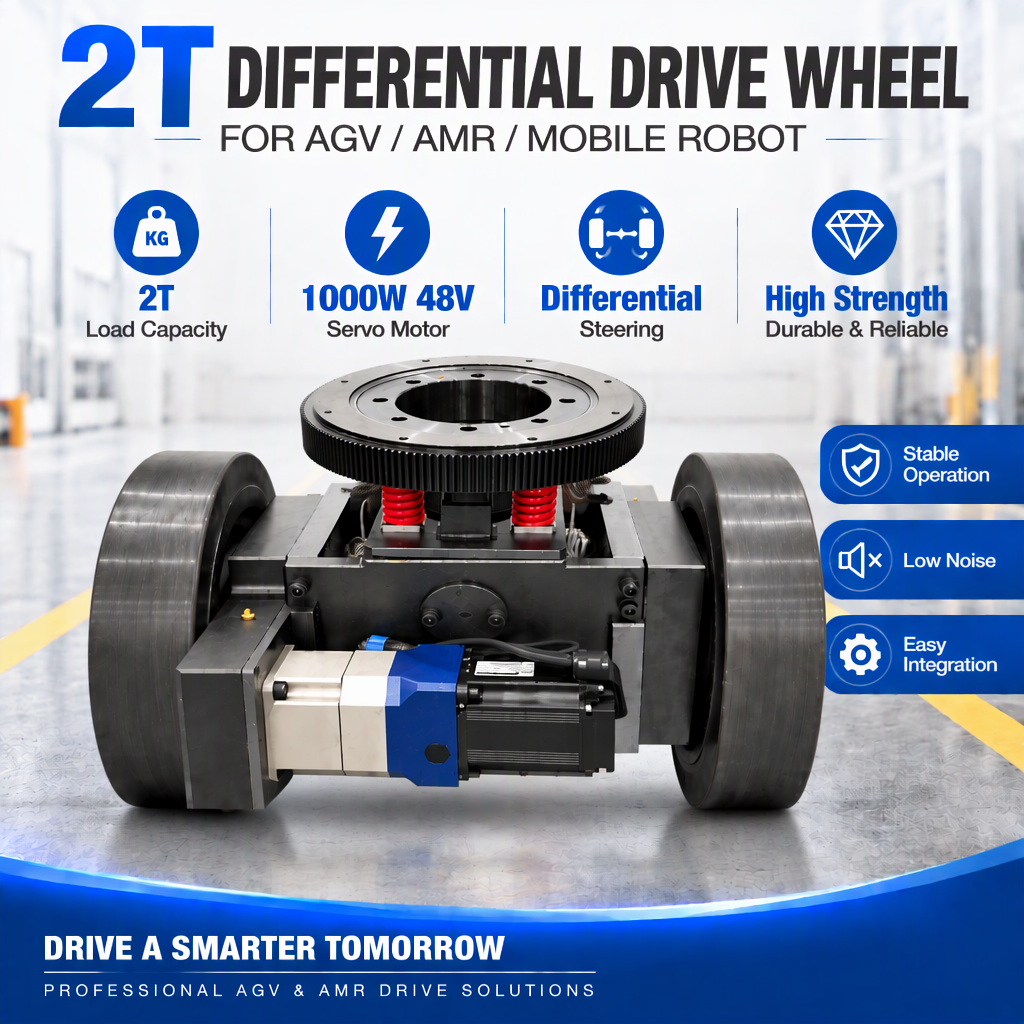
TZBOT 2000kg Traction Capacity Logistic Robot Part agv Amr Differential Steering Drive Wheel for Sale
A 2,000 kg-class differential steering drive solution for large logistics robots that require stable traction, controlled turning and serviceable integration.
- 2000 kg traction
- Differential steering
- Logistics robot
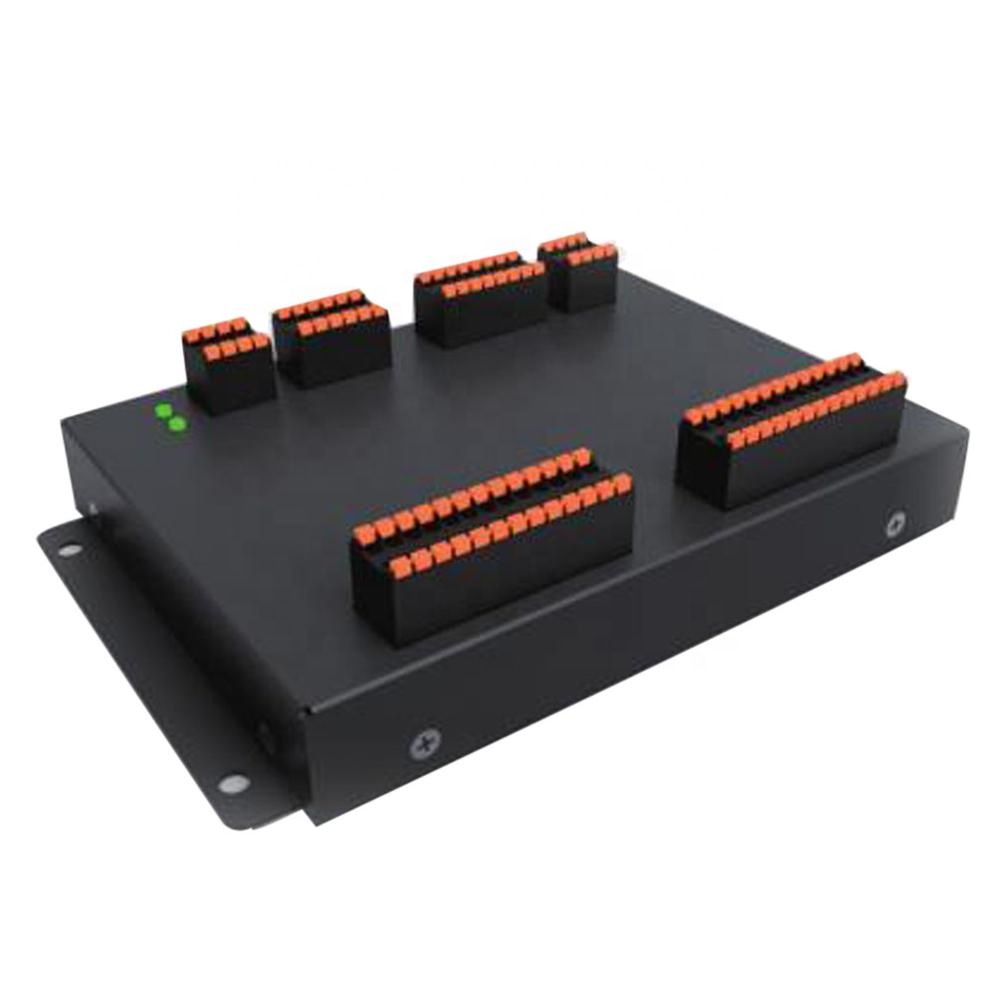
TZBOT Smart Controller TZC-MST-FX200D-A for Guiding the AGV Robot
A smart controller option for guiding AGV platforms, simplifying command integration between the vehicle chassis, sensors and motion components.
- Smart control
- AGV guidance
- OEM integration
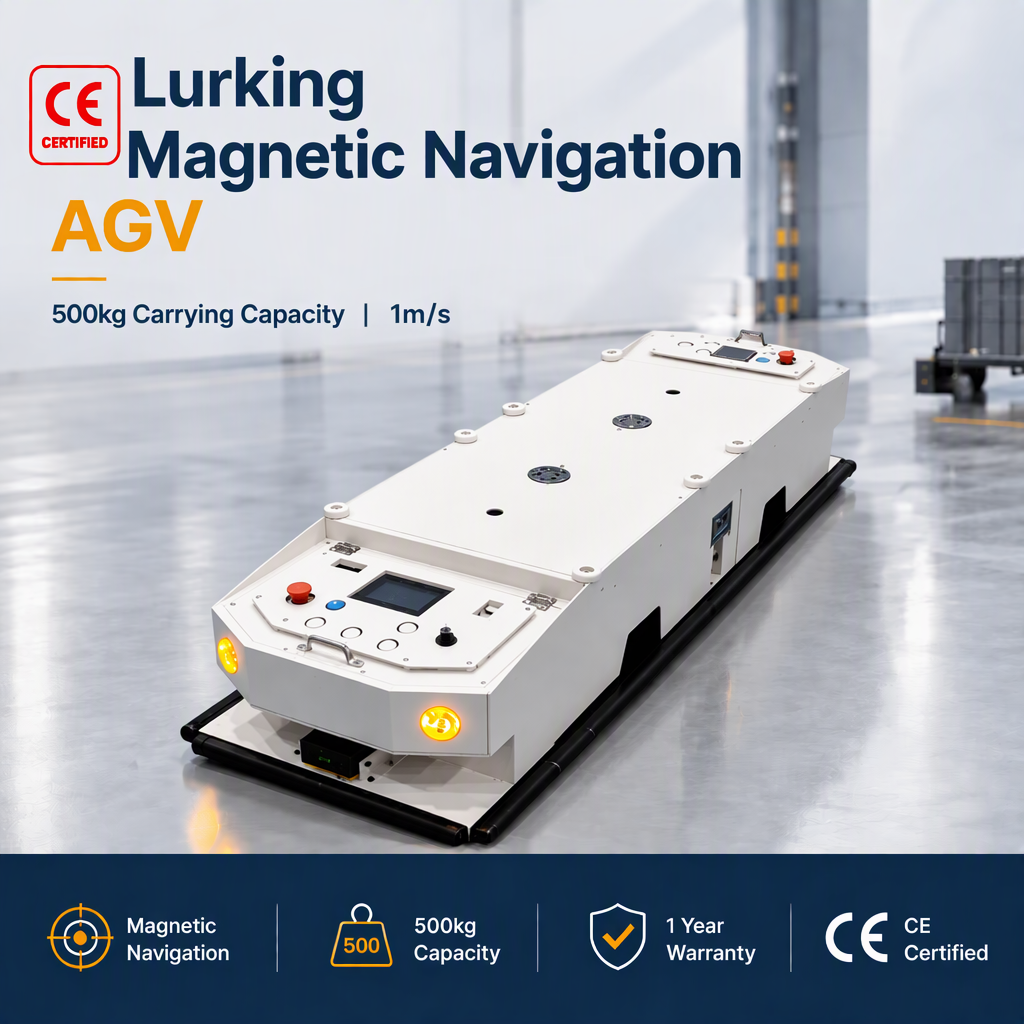
TZBOT EU CE Lurking AGV Material Handling Equipment Logistic Automation 500kg Bidirectional Magnetic Guidance Mobile Robot
A compact 500 kg lurking AGV for repetitive warehouse and production-line transport where magnetic guidance and bidirectional movement improve route discipline.
- 500 kg class
- Magnetic guidance
- Bidirectional
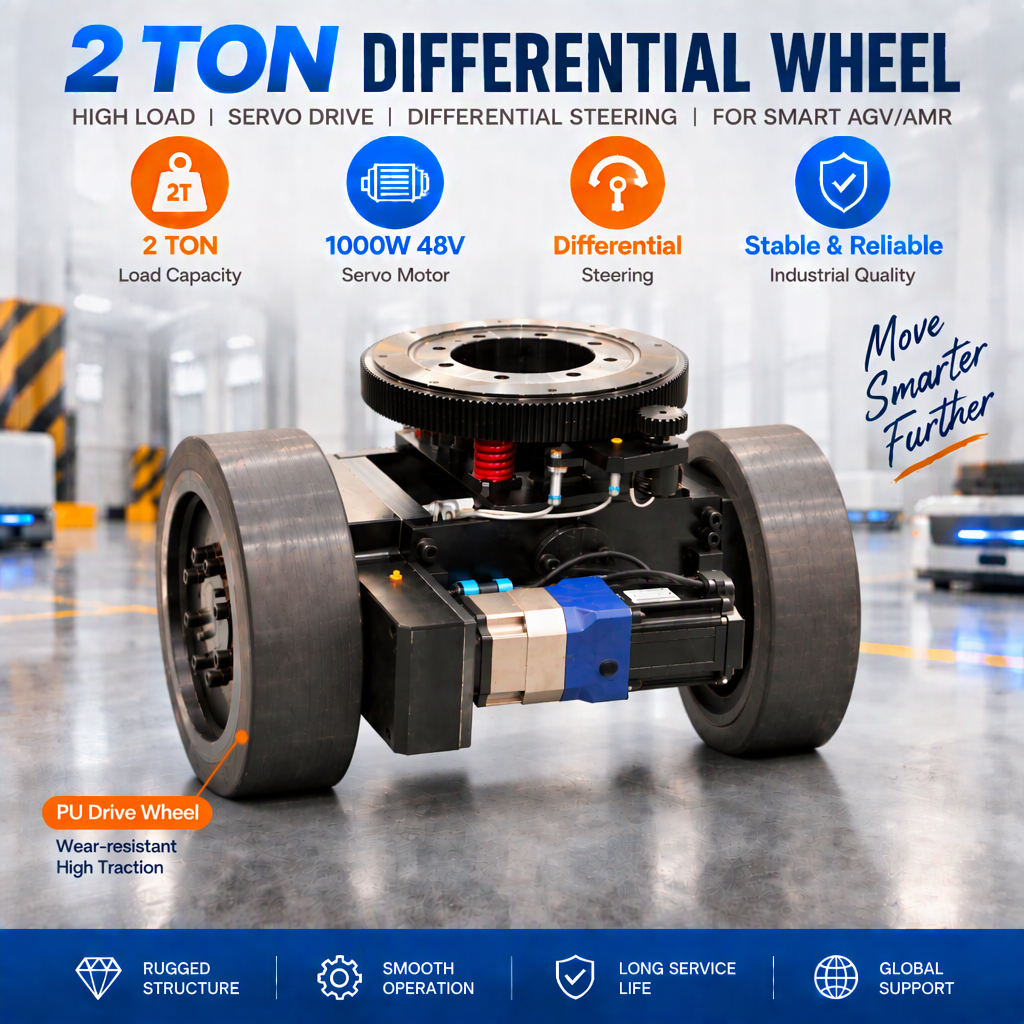
TZBOT Customized 2000kg Bearing Duty agv Wheel 1000w 48V Heavy Duty Series Mobile Robot Differential Drive Wheel with Suspension
A heavy-duty 1,000 W / 48 V differential drive wheel with suspension for large mobile robots that operate on less-than-perfect industrial floors.
- 2000 kg bearing
- 1000 W / 48 V
- Suspension
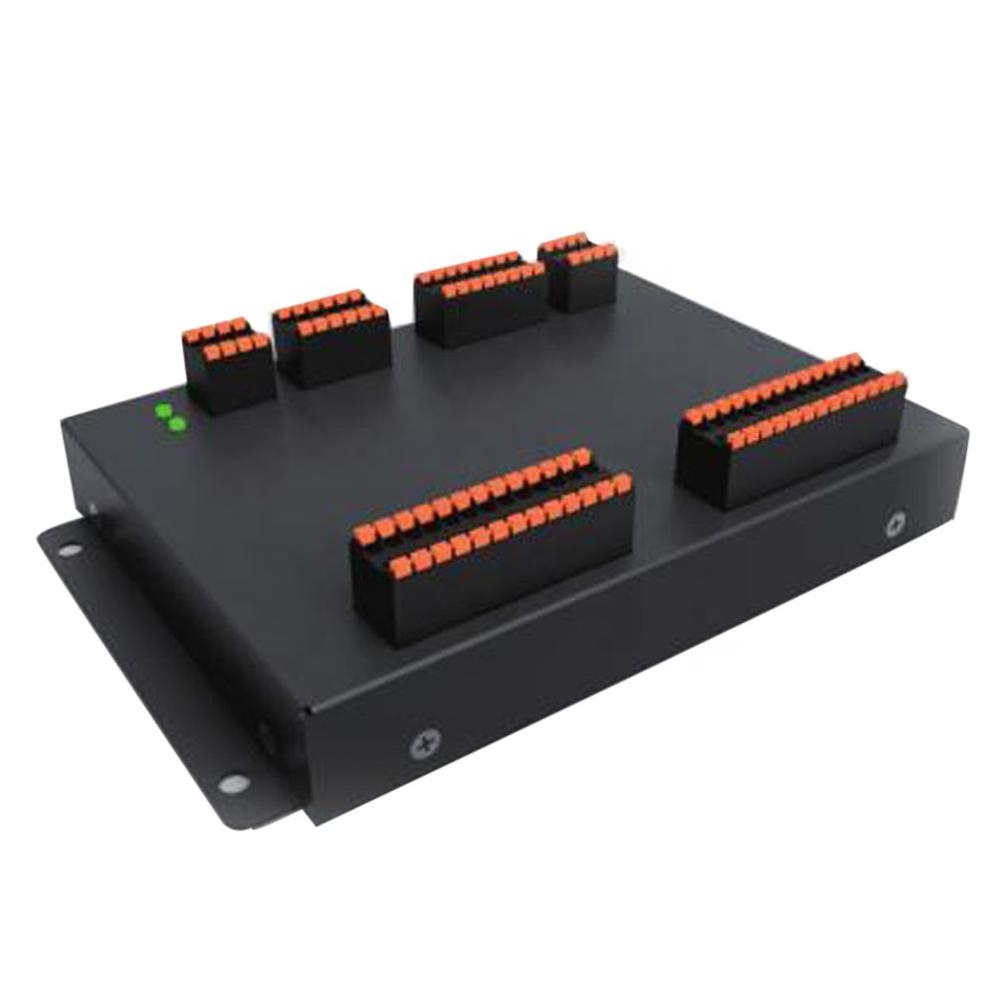
TZBOT TZC-MST-FX200D-A Controller for Commanding the AGV
A controller variant for commanding AGV motion and task logic, useful when a wholesaler or integrator needs a repeatable control platform across vehicle builds.
- AGV command
- Platform control
- Batch supply
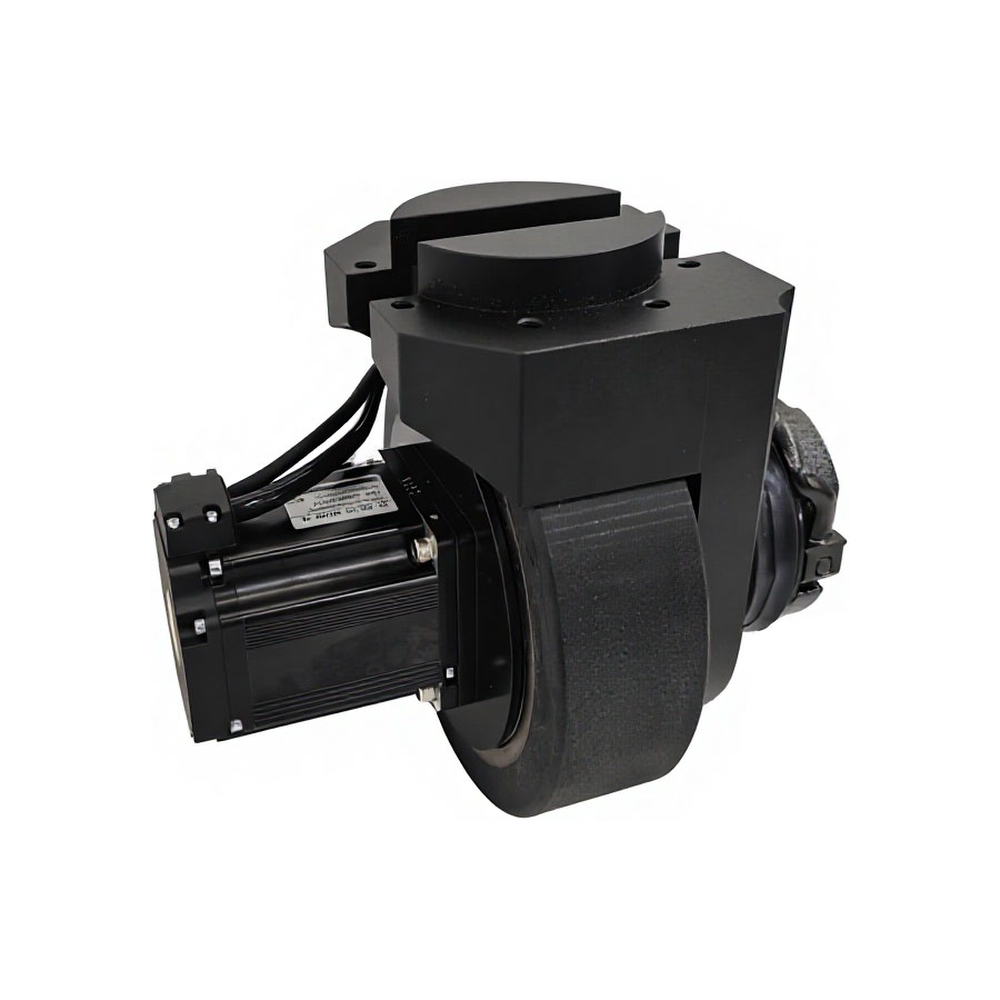
TZBOT 1000kg Bearing Capacity agv Wheel 1000w Servo Motor Material Handling Equipment Part Horizontal Drive Wheel
A 1,000 kg-class horizontal drive wheel with 1,000 W servo motor, suited to low-clearance material handling chassis and compact AMR layouts.
- 1000 kg bearing
- 1000 W servo
- Horizontal layout
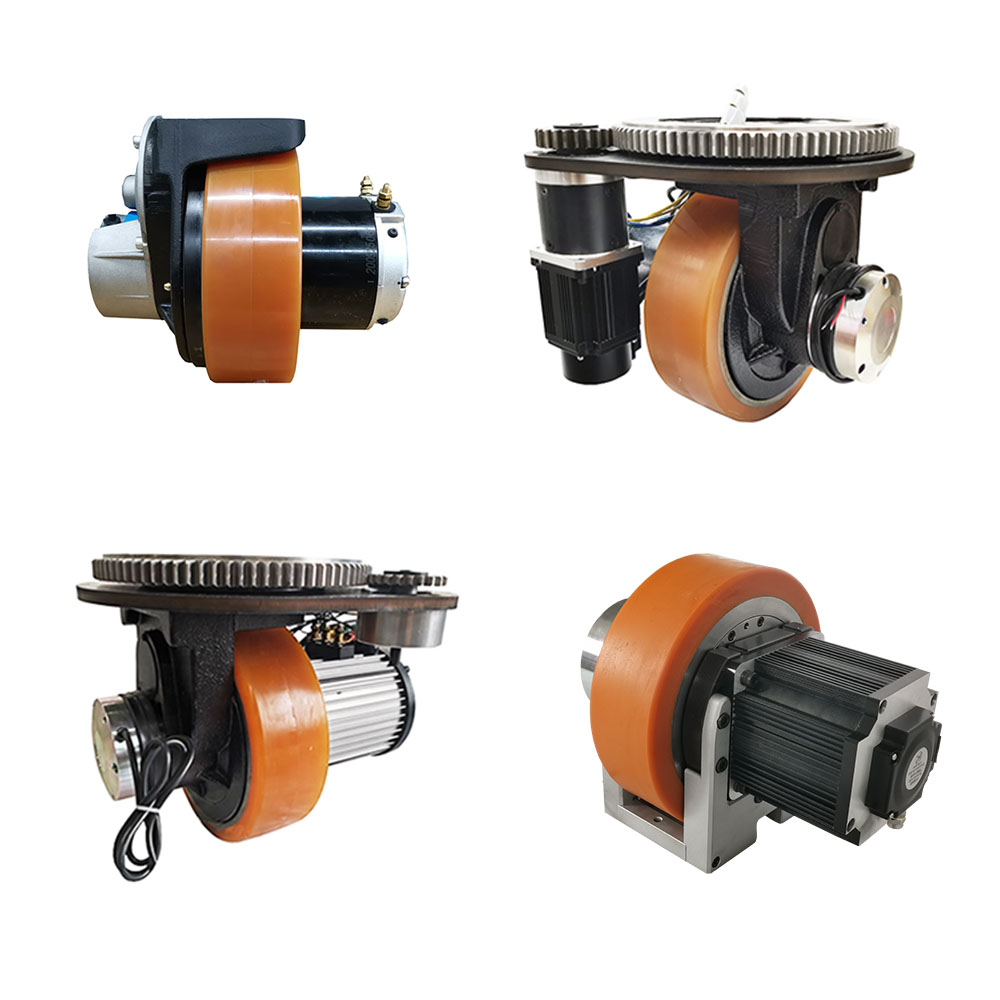
TZBOT 750W 1000KG Load Capacity Horizontal Drive Wheel Assembly AGV Wheel for Wholesale Automated Guided Robot
A 750 W horizontal drive wheel assembly for wholesale AGV projects that need a balanced combination of load capacity, chassis height and production cost.
- 750 W
- 1000 kg load
- Wholesale supply
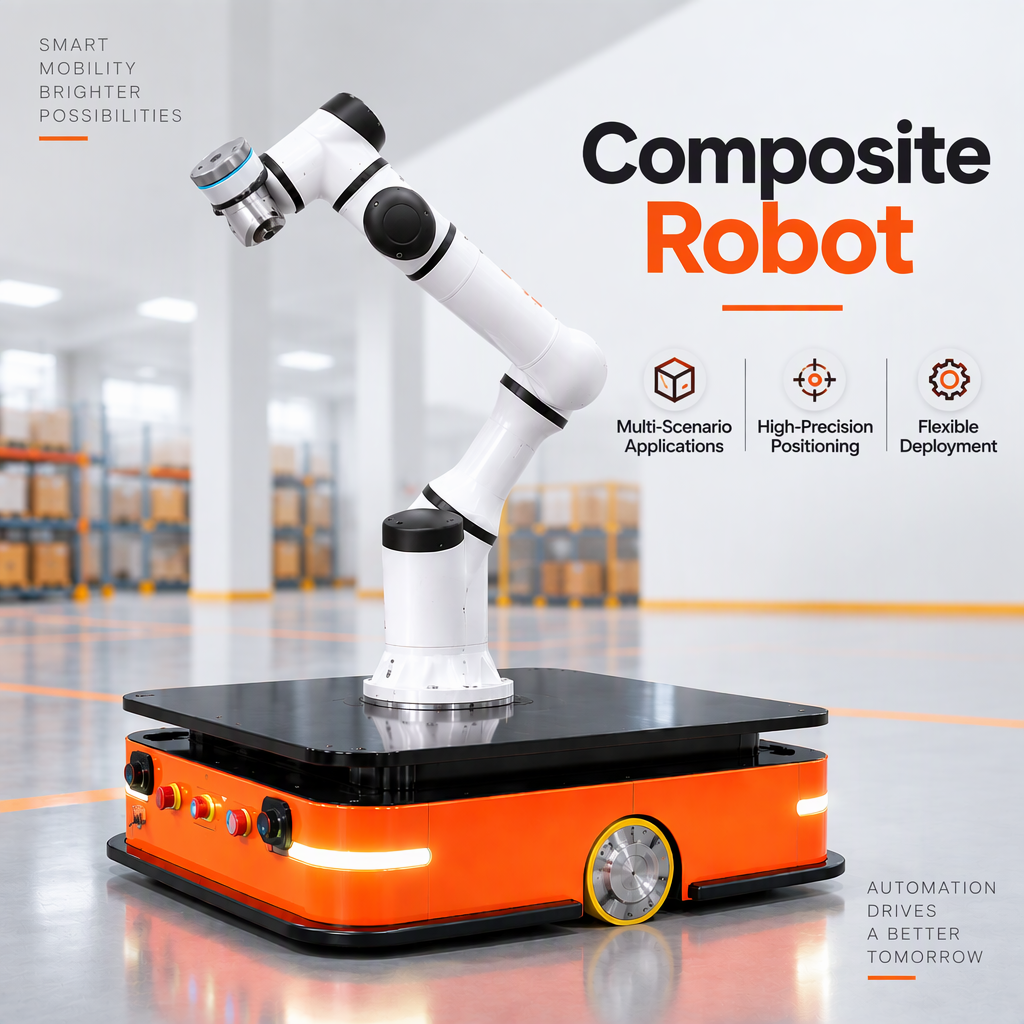
TZBOT Customizable Composite Robot Multi Applications 600kg Bearing Chassis AGV AMR with Robotic Arm
A customizable 600 kg composite robot that combines a mobile AGV/AMR chassis with a robotic arm for multi-application handling and automation cells.
- 600 kg chassis
- Robotic arm
- Multi-application
What “Top 10” Really Means in AMR Robot Procurement
The strongest supplier shortlists are built on verified engineering evidence, not directory position. This guide explains how to compare AMR robot suppliers and AGV component wholesalers with information gain.
The phrase Top 10 AMR Robot Suppliers & Wholesaler is only useful when it describes a shortlist you can verify. AMRs and AGVs are no longer purchased as isolated carts. They are bought as drive trains, safety systems, power electronics, navigation stacks and service commitments. A wholesaler that can document how a 2,000 kg differential drive wheel is matched to a servo controller, encoder, brake and mounting interface is more valuable than a supplier listing with no engineering evidence.
This guide is written for OEM integrators, warehouse automation teams and distributors comparing autonomous mobile robot suppliers. It uses the factory and product profile of Zhejiang Torqen Technology Co., Ltd. as a reference case: established in 2015, ISO 9001:2015 certified, Intertek onsite-verified, and offering OEM/ODM customization across drive wheels, controllers, sensors, motors and complete AGV/AMR platforms. The objective is not to repeat product names, but to show how a buyer can judge fit, quality, supply resilience and long-term cost.
Before price negotiation, define five engineering values: gross vehicle weight, target speed, maximum gradient, battery voltage and available chassis height. These values determine motor power, reduction ratio, wheel diameter, brake choice and controller current. Suppliers who ask for these inputs early usually have real application engineering. Suppliers who quote only by photograph usually do not.
The 10-Point Evaluation Framework Used by AMR Buyers
Use the same ten filters for every supplier, whether you are comparing a complete AMR robot supplier, a drive-wheel manufacturer or an AGV component wholesaler.
Engineering Questionnaire Depth
Look for questions about load, speed, gradeability, voltage, duty cycle and floor condition. A supplier that asks for these values is assessing the application, not just quoting a part number.
Drive-Train Matching
Wheels, motors, reducers, encoders and drivers must be selected as one system. Ask who defines the parameters, who tests the combination and who supplies replacement parts.
Certification Evidence
ISO 9001:2015 and onsite verification provide a baseline. Also ask for inspection records, test instruments, prototype endurance data and traceability for production lots.
Customization Boundaries
Confirm what can change: motor power, voltage, reduction ratio, wheel diameter, tread material, encoder type, brake options and mounting geometry. Clear boundaries reduce integration risk.
Navigation & Safety Architecture
Magnetic guidance, RFID, QR codes, lidar and SLAM each solve different problems. A credible supplier should explain the trade-offs instead of presenting one method as universal.
Spare-Parts Model
Ask for consumable lists, wheel replacement guidance, controller revision control and recommended spares for a fleet. Serviceability is a procurement decision, not an afterthought.
Export Documentation & Terms
Check payment methods, accepted currencies, Incoterms, packing standards and commercial documents. Flexible terms matter most when projects cross regions and approval cycles.
Production & Lead-Time Control
Factory size and output are signals, but the real question is change control. Confirm sample approval, production release, inspection points and shipping milestones in writing.
Total Cost of Ownership
Compare wheel tread life, brake service, controller replacement, spare-parts lead time and commissioning hours. A lower unit price can raise fleet cost when downtime is included.
Communication Discipline
Fast response is useful only when it is technically accurate. Look for named engineers, drawing revisions, parameter files and written assumptions that both teams can review.
Inside a Wholesaler That Behaves Like an Engineering Partner
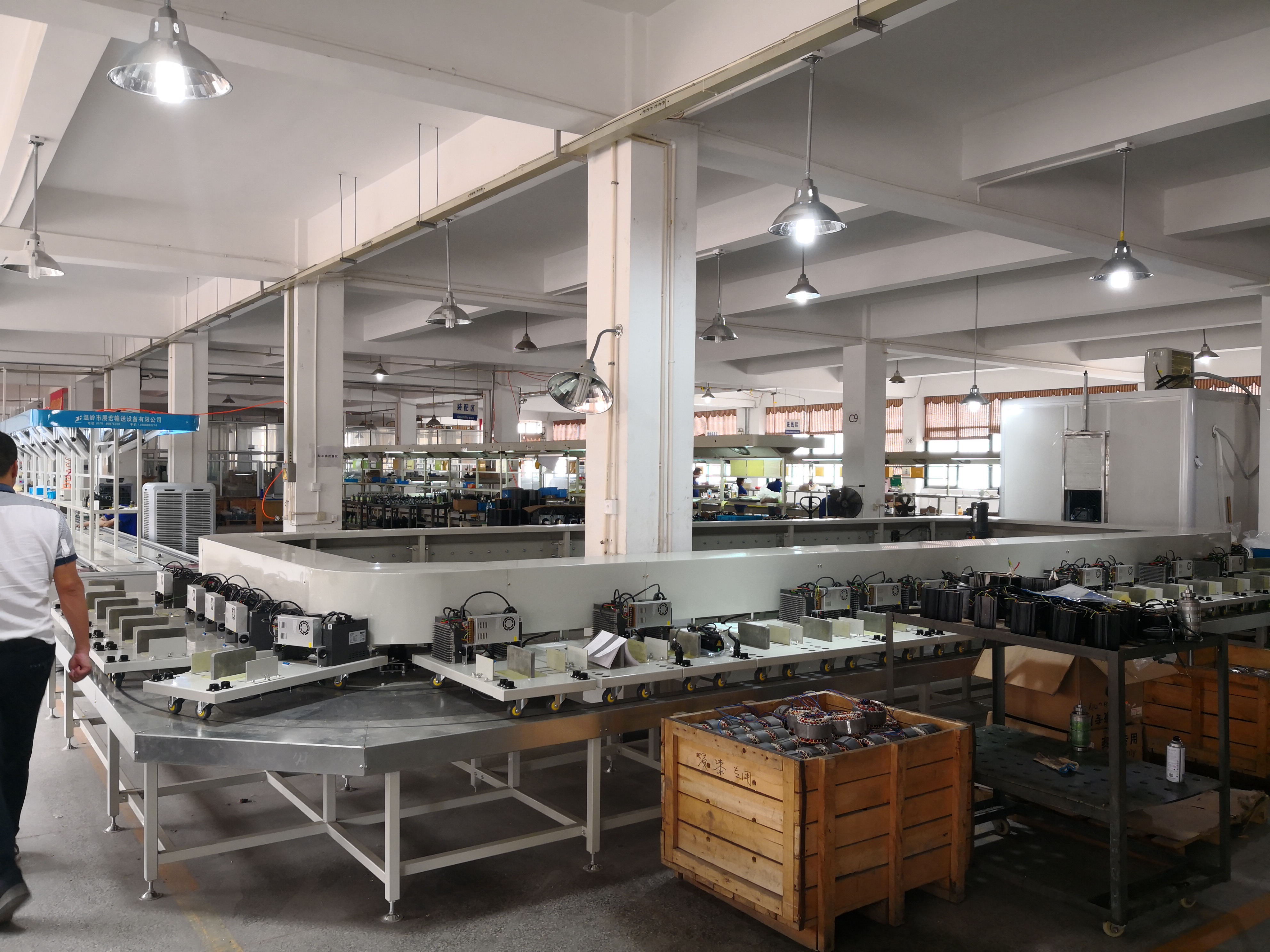
Zhejiang Torqen Technology Co., Ltd. is a manufacturer and trading company founded in 2015 in Zhejiang, China. The company designs and manufactures automatic guided vehicles, AGV drive wheel assemblies, DC/AC motors, encoders, reducers, motor controllers, caster and PU wheels, and in-wheel motor units for automation builders worldwide.
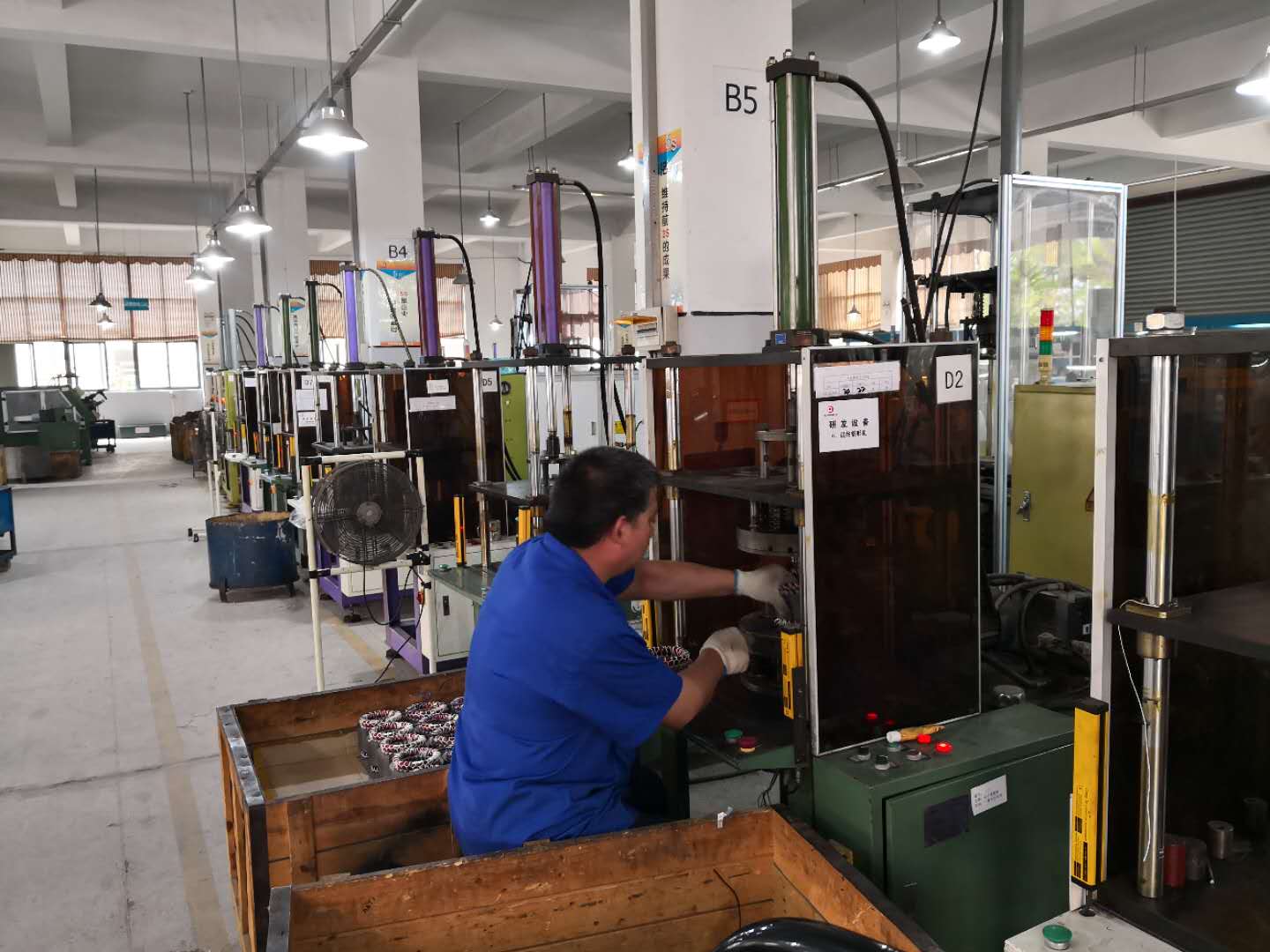
The factory profile states a 1,000–3,000 m² production area, US$5–10M annual output, 51–100 employees and eight awarded patents. Its quality management system is certified to ISO 9001:2015, and the facility has been onsite-verified by Intertek. These facts matter in AMR procurement because they show a supplier that can be audited on process, not only on product photography.
Torqen’s practical advantage is drive-train matching. A differential wheel, steering wheel or horizontal drive assembly is only as reliable as the servo driver, encoder, brake and mounting interface around it. Torqen engineers adapt motor power, voltage, reduction ratio, wheel diameter, tread material, encoder type, brake options and mounting geometry to the vehicle. Buyers can start from sample-based or design-based customization, then move to OEM production and buyer-label packaging. Prototypes are run for extended periods before production parts are released, and finished products pass inspection with five in-house testing instruments.
Commercial support is also export-ready. Accepted payment methods include T/T, L/C, D/P, D/A, MoneyGram, credit card, PayPal, Western Union, cash and escrow. Currencies include USD, EUR, JPY, CAD, AUD, HKD, GBP and CNY. Delivery terms include FOB, CFR, CIF, EXW, CIP, FCA, CPT, DDU and express delivery. For wholesalers and integrators, that flexibility reduces friction when projects cross regions, budgets and documentation requirements.

Company established in Zhejiang, China; manufacturing and trading profile.
Factory area stated in the company profile for production and assembly.
Team size supporting engineering, production, quality and export sales.
Patents awarded, reflecting continued investment in motion and drive design.
Quality management system certification; Intertek onsite verification is also stated.
Stated inquiry response rate, supported by 24/7 online communication.
Single-Source Drive Train
Drive wheels, motors, servo/BLDC drivers, magnetic guide sensors, RFID readers and lidar options are developed as one compatible bill of materials, reducing integration risk for OEMs.
OEM / ODM Depth
Sample-based customization, design-based customization, OEM production and buyer-label packaging are supported. Typical changes include power, voltage, ratio, wheel size, tread, encoder, brake and mounting.
Testing Before Release
Five in-house testing instruments support finished-product inspection. Prototypes undergo extended-duration testing before production parts are released, giving buyers evidence beyond a specification sheet.
Export-Ready Transactions
Payment methods, currencies and delivery terms cover common global buyer requirements, from T/T and L/C to FOB, CIF, EXW, DDU and express delivery.
Application Breadth
Products are used in AGVs and AMRs, forklifts, aerial work platforms, airport equipment, agricultural machines, hydraulic applications, floor scrubbers, wind energy, marine equipment and medical devices.
Responsive Engineering Support
A 24/7 online response model, integration assistance and after-sales spare-parts support help overseas buyers move from sample approval to repeat production with fewer delays.
AMR Robot Procurement Trends Reshaping Supplier Selection
Procurement teams are shifting from buying a single robot to buying a maintainable capability. These six trends are practical filters for a 2026 supplier shortlist.
Modular Sourcing vs Lock-In
Buyers want drive wheels, controllers, sensors and vehicle platforms to be separable at the bill-of-materials level while remaining matched at the engineering level. Ask for pinouts, parameter files and replacement-part identification before approving a platform.
Total Cost of Ownership
Purchase price is only one line. Wheel tread life, brake service, controller replacement, spare-parts lead time and commissioning hours decide the real cost of a fleet. Procurement teams now model these inputs before awarding volume.
Mixed-Fleet Interoperability
Warehouses rarely run one brand forever. Suppliers should document interfaces and support integration with existing WMS, MES, PLC and safety systems. Open documentation is becoming as important as hardware performance.
Safety & Compliance Evidence
CE-related documentation, risk-assessment support, E-stop logic, bumper and lidar integration, and traceable inspection records are now part of supplier qualification, especially for warehouse and production-line deployments.
Regional Spare-Parts & SLA
A wholesaler with clear spare-part lists, revision control and response commitments is more valuable than a low initial quote. Buyers increasingly ask how a wheel or controller will be replaced in days, not months.
Supply-Chain Resilience
Dual sourcing is not enough. Buyers want approved alternates, long-life consumables and transparent lead times for motors, drivers and wheels. A supplier that can explain constraints early is easier to plan around.
Where AMR Drive and Navigation Technology Is Heading
Product development is converging on fewer interfaces, higher information density and lower maintenance. These six directions should be reflected in any long-term supplier roadmap.
Integrated Drive & Controller
Drive wheels and servo/BLDC controllers are being tuned as a matched pair. The benefit is fewer wiring variables, faster commissioning and a single point of accountability when the vehicle is assembled.
Higher Payload per Footprint
Heavy-duty differential and suspension wheels allow 2,000 kg-class platforms to keep compact chassis dimensions. This trend favors suppliers that can match wheel, motor, reducer and brake without over-sizing the vehicle.
Hybrid Navigation
Magnetic guide sensors, RFID position readers, QR grids and lidar are increasingly combined rather than treated as competing choices. The procurement question becomes which layer provides the safest and most repeatable route in each zone.
Composite Robot Platforms
Mobile chassis with robotic arms are moving from demonstration projects to production cells. Buyers need a stable 600 kg-class bearing chassis, repeatable interfaces and service access to both the drive train and the arm.
Flexible Power & Voltage
Motor and controller options are broadening around 48 V and higher-current drive systems. This supports larger loads without abandoning existing battery architecture, making voltage flexibility a commercial advantage in OEM projects.
Condition Monitoring & Maintenance
Encoder feedback, current monitoring and controller diagnostics are being used to predict wheel wear, overload and brake service. Suppliers that supply data with the hardware make fleet-level maintenance planning more realistic.
Which Torqen Product Should You Shortlist?
Match the procurement requirement to the product family first, then confirm the detailed configuration with an application engineer.
| Buyer requirement | Recommended product family | Why it fits |
|---|---|---|
| 2,000 kg logistics platform Heavy payload, controlled steering |
TZBOT 2000kg Traction Capacity Logistic Robot Part and the 2000kg Heavy Duty Differential Drive Wheel | High load capacity with differential steering or suspension options supports large platform motion while keeping service access to motor, reducer and wheel. |
| Low-clearance chassis Compact AMR or under-ride cart |
1000kg Horizontal Drive Wheel and 750W 1000KG Horizontal Drive Wheel Assembly | Horizontal layout saves vertical height. The 1,000 kg bearing class and 750 W/1,000 W options give buyers a way to balance load, speed and cost. |
| Repetitive material transport Fixed routes and station recognition |
500kg Magnetic Guidance Lurking AGV | Bidirectional magnetic guidance suits stable routes, while the lurking format supports compact warehouse and production-line transport tasks. |
| Central command and guiding Controller platform for AGV builds |
TZC-MST-FX200D-A Smart Controller and TZC-MST-FX200D-A Controller for Commanding the AGV | Useful when one controller family must be repeated across multiple vehicles or when an OEM wants a clear command-and-guidance layer. |
| Robotic handling cell Mobile chassis plus arm |
600kg Composite Robot AGV AMR with Robotic Arm | Combines a mobile bearing chassis with a robotic arm for multi-application automation. Customizable design supports project-specific tooling. |
| Drive replacement and wholesale stock Service parts and repeat builds |
Heavy-duty and horizontal drive wheel families plus matched servo/BLDC controllers | Allows wholesalers and integrators to stock common replacement parts while keeping motor, reducer, encoder and controller compatibility under one supplier. |
How to Choose a Drive Unit and Navigation Method
These comparison tables turn product selection into a repeatable engineering review. Use them with your payload, speed, chassis height, battery voltage and route plan.
| Drive wheel type | How it steers | Best-fit platform |
|---|---|---|
| Differential drive unit | Two independently driven wheels turn by speed difference. | Latent, jacking and shelf-lifting AGVs; compact turning and stable straight-line traction. |
| Single steering drive wheel | Drive motor plus a dedicated steering motor sets the wheel angle. | Forklift AGVs, tricycle chassis and tugger vehicles that need controlled steering angles. |
| Horizontal drive assembly | Motor is mounted horizontally to reduce build height. | Low-clearance chassis, under-ride carts and compact AMR layouts. |
| Navigation method | Infrastructure needed | Procurement note |
|---|---|---|
| Magnetic guide sensor | Magnetic tape on the floor. | Low cost and fast deployment for fixed routes; confirm tape protection and sensor height. |
| RFID position sensor | RFID tags at stations or junctions. | Useful for station recognition, speed zones and route logic; keep tag data and reader compatibility documented. |
| QR code navigation | Floor QR grid. | Common in grid warehouses and goods-to-person systems; plan for floor cleanliness and code maintenance. |
| Laser SLAM / lidar | Natural features or mapped environment. | Best for flexible routes and frequent layout changes; confirm obstacle avoidance zones and safety integration. |
Where These AMR and AGV Components Go to Work
Torqen drive and motion products are used beyond standard AMRs. The application map below helps buyers check whether a component family is relevant to their equipment.
AMR Robot Supplier FAQ: What Buyers Ask Before Requesting a Quote
These are the questions that most often decide whether a supplier moves from shortlist to sample order. Clear answers reduce engineering cycles and avoid late specification changes.
Does Torqen support OEM and ODM customization for AMR and AGV components?
Yes. Torqen offers sample-based customization, design-based customization, OEM production, design services and buyer-label packaging. Typical customizations include motor power and voltage, reduction ratio, wheel diameter and tread material, encoder type, brake options and mounting interfaces.
How is product quality verified before shipment?
The quality management system is certified to ISO 9001:2015, and the facility has been verified onsite by Intertek. The company states that finished-product inspection uses five in-house testing instruments, and prototypes undergo extended-duration testing before production parts ship.
Which drive wheel type should I choose for my AGV or AMR?
Differential drive units suit compact latent and jacking AGVs that turn by wheel-speed difference. Steering drive wheels suit forklift and tricycle-type AGVs that need controlled steering angles. Horizontal drive wheel assemblies suit low-clearance chassis. Share payload, speed, chassis height and battery voltage so an engineer can recommend a configuration.
What payment methods, currencies and delivery terms are accepted?
Accepted payment methods include T/T, L/C, D/P, D/A, MoneyGram, credit card, PayPal, Western Union, cash and escrow. Currencies include USD, EUR, JPY, CAD, AUD, HKD, GBP and CNY. Delivery terms include FOB, CFR, CIF, EXW, CIP, FCA, CPT, DDU and express delivery.
Which industries use Torqen drive products?
Products are used in AGVs and AMRs, forklifts, aerial work platforms, airport equipment, agricultural machines, hydraulic applications, floor scrubbers and sweepers, wind energy, marine equipment and medical devices.
Is Torqen a manufacturer or a trading company?
Zhejiang Torqen Technology Co., Ltd. is described as a manufacturer and trading company. It designs and manufactures AGVs, drive wheel assemblies, motors, controllers and sensors, while also supporting export sales and wholesale supply for global buyers.
Can I request samples or prototypes before mass production?
Sample-based customization and prototype evaluation are part of the stated OEM/ODM workflow. The usual sequence is requirement review, engineering proposal, prototype build, endurance testing, production release and final inspection. Final sample terms depend on the model and customization scope.
What information should I send with an inquiry?
Send gross vehicle weight, target speed, maximum gradient, battery voltage, available chassis height, wheel diameter limit, floor condition, required navigation method, estimated annual quantity and destination country. These details let the supplier recommend a drive wheel, motor, controller and sensor combination instead of quoting a generic part.
Ready to Shortlist a Drive-Train Partner?
Send your load, speed, voltage and chassis requirements. The engineering team can match a drive wheel, controller and navigation sensor set for your AMR or AGV platform, and confirm OEM/ODM options for wholesale supply.
