Top 10 Automated Material Handling Factories & Exporter
How to choose an AGV drive, controller and navigation partner with verifiable engineering depth — from an ISO 9001:2015 certified, Intertek onsite-verified manufacturer founded in 2015.
8 Product Solutions for Automated Material Handling Projects
These products cover the core motion, control and navigation layers that determine whether an AGV, AMR or automatic forklift can move reliably, be commissioned quickly and be maintained economically after deployment.
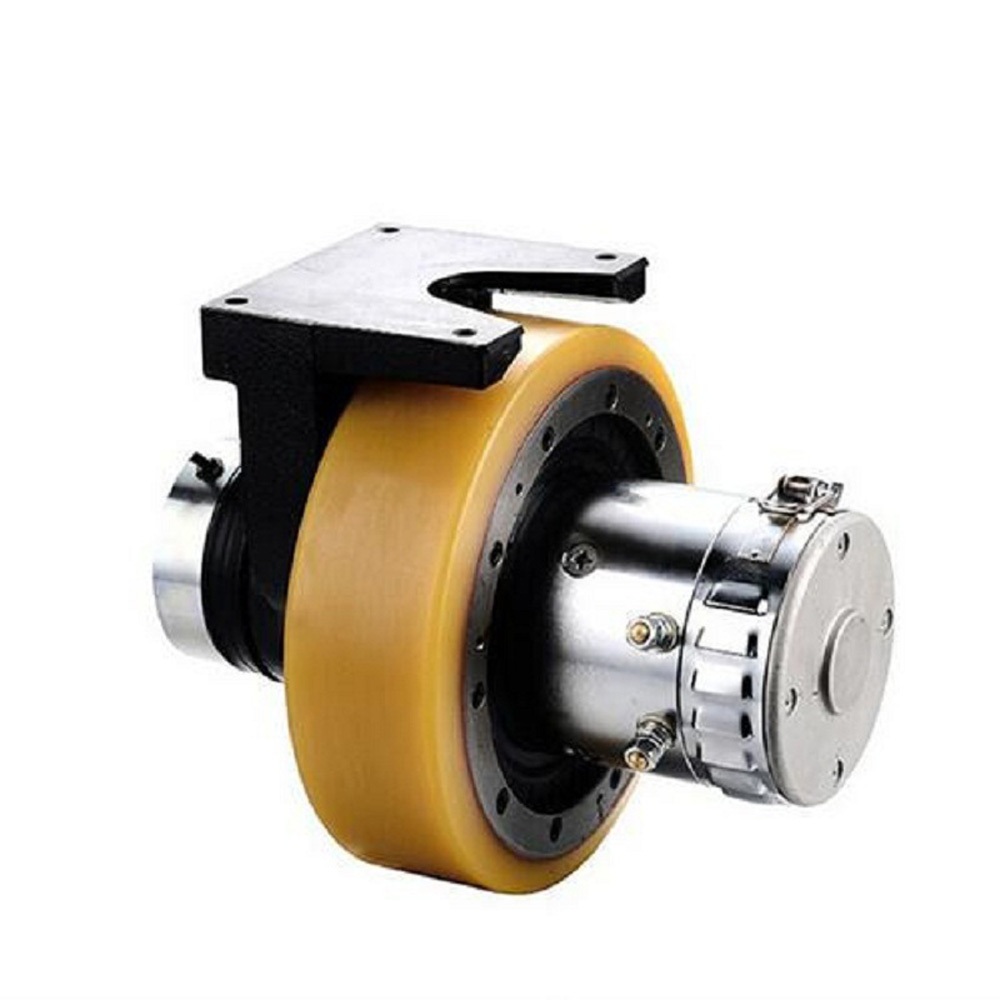
TZBOT TZ18-D12 1200W 24V Horizontal Drive Wheel Assembly
A compact horizontal wheel unit for low-clearance AGV and AMR chassis. It supports omnidirectional steering and stable traction in tight transfer lanes where deck height is a constraint.
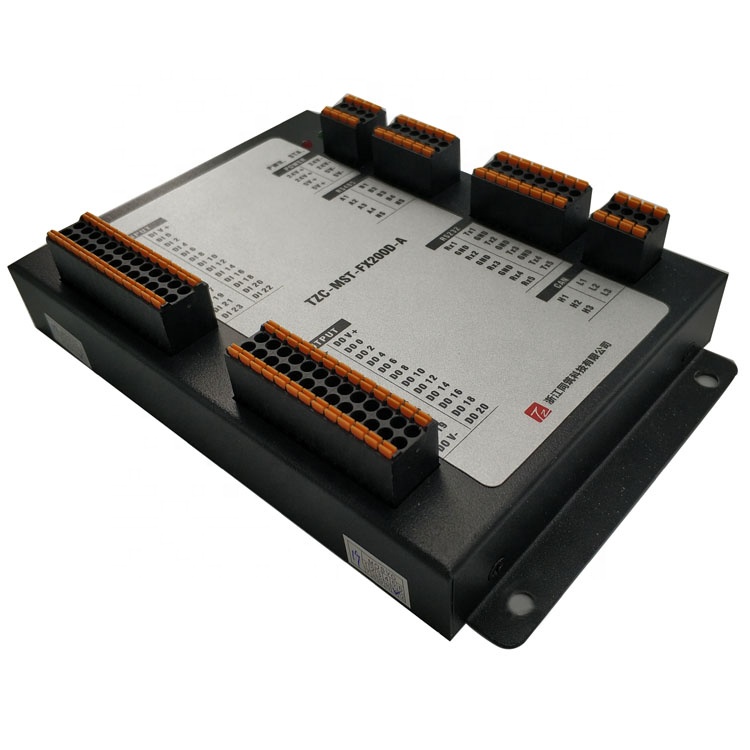
Smart AGV Controller TZC-MST-FX200D-A for Building Material Shops
An auto-guide controller designed for building-material shops and narrow industrial aisles. It combines route logic with practical I/O for lifts, rollers and station handshakes.
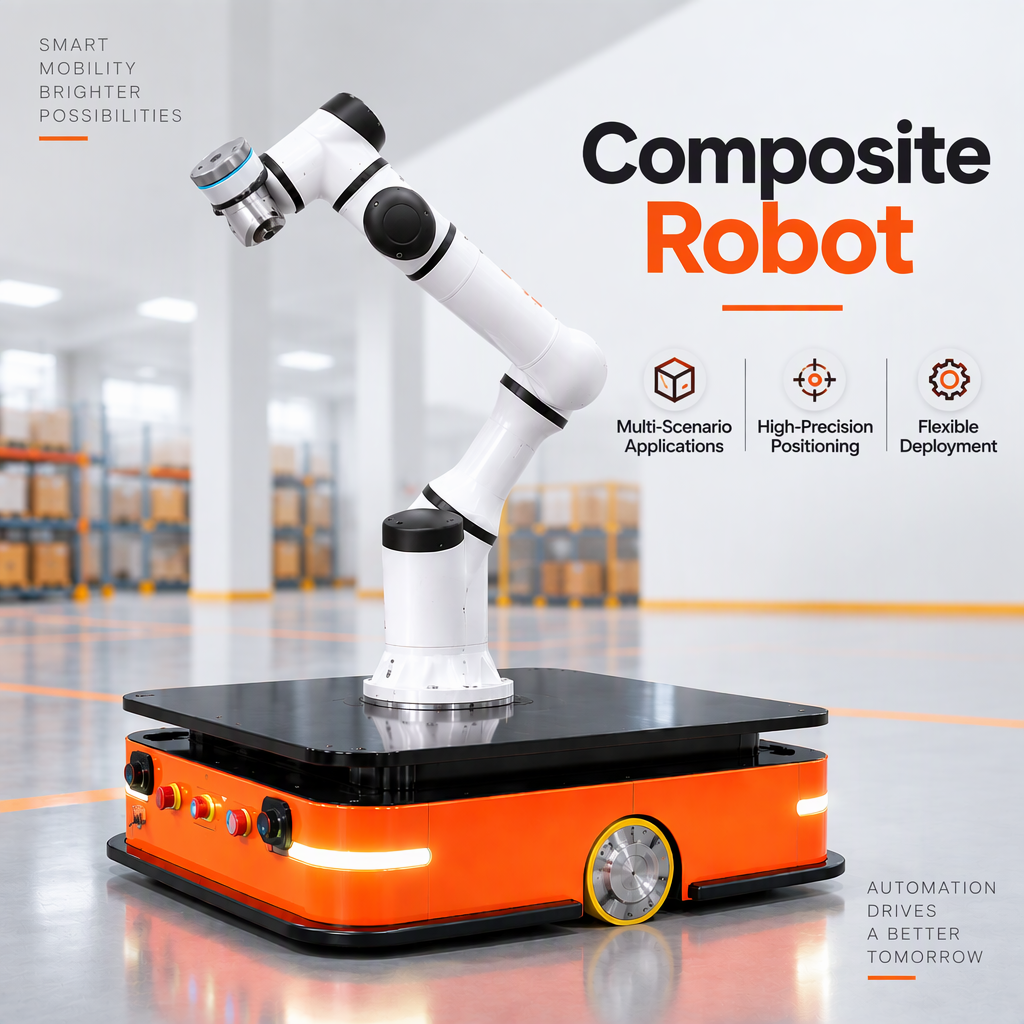
TZBOT Customizable Composite Robot 600kg AGV/AMR with Robotic Arm
A 600 kg bearing chassis with robotic-arm integration for machine tending, palletizing support and flexible manufacturing cells where mobility and manipulation must be engineered together.
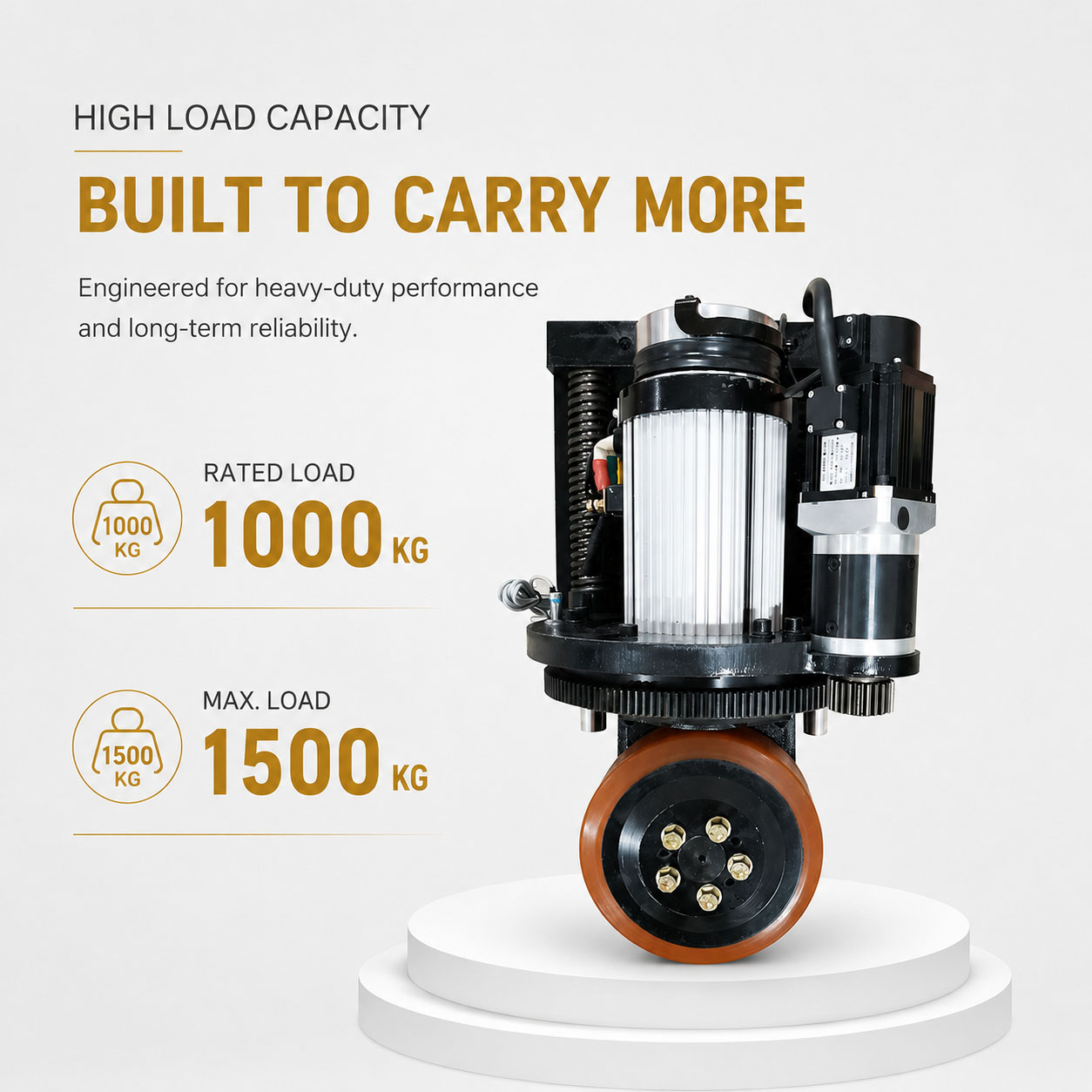
TZBOT 1000kg AGV Forklift Driving Wheel with Suspension
A 1000 kg bearing-duty forklift drive wheel with 1500 W servo motor and suspension. The suspension layout helps maintain wheel contact over uneven floors while supporting traction and steering.
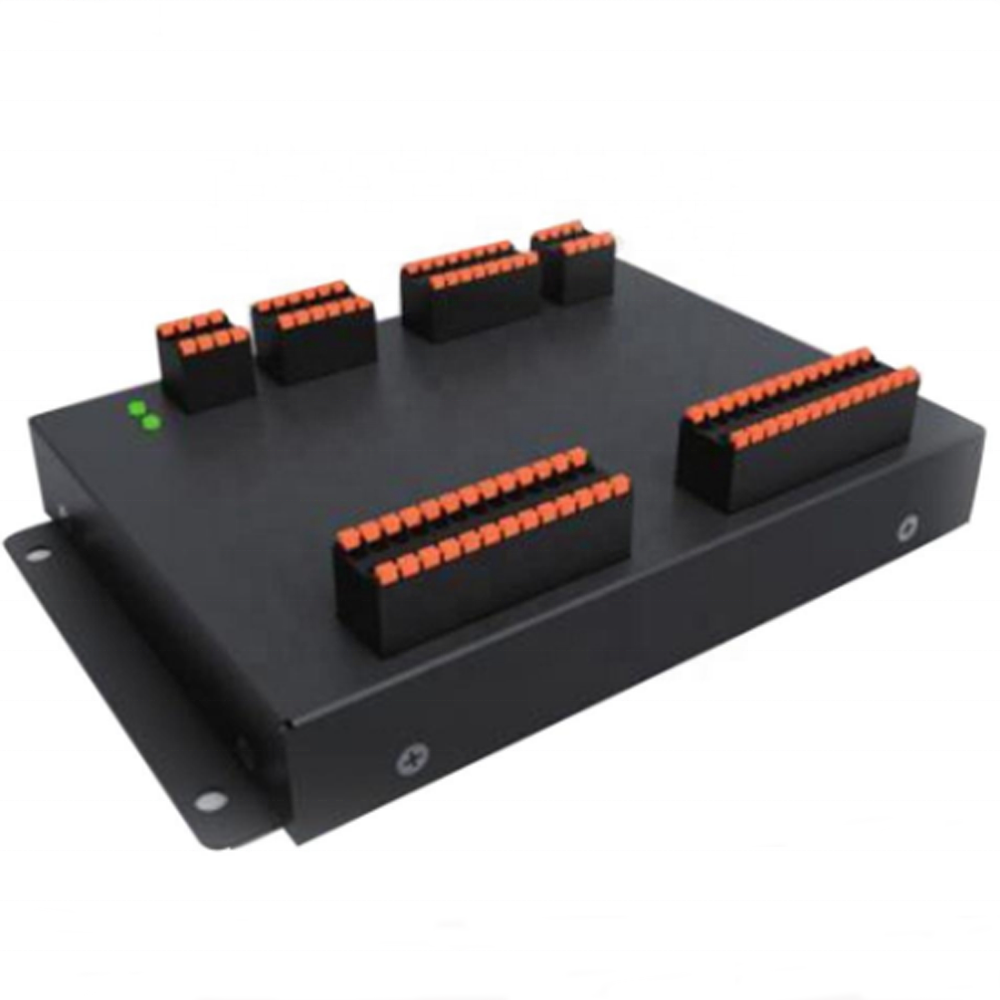
TZBOT FX Series Magnetic Guided AGV Controller
A magnetic-tape guided AGV controller with HX support for fixed-route vehicles. It is suitable for warehouses and production lines that need deterministic navigation and simple maintenance.
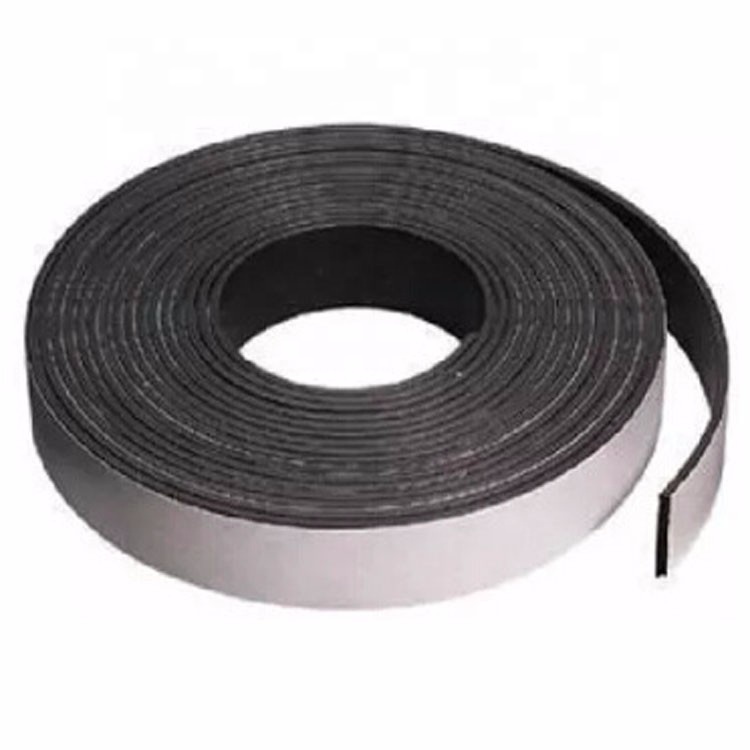
N-Pole AGV Magnetic Tape, 5cm × 25m
N-pole-up magnetic tape, 5 cm wide and 25 m per roll. Available for retail or wholesale, it is a practical consumable for AGV path installation, route changes and spare-parts stocking.
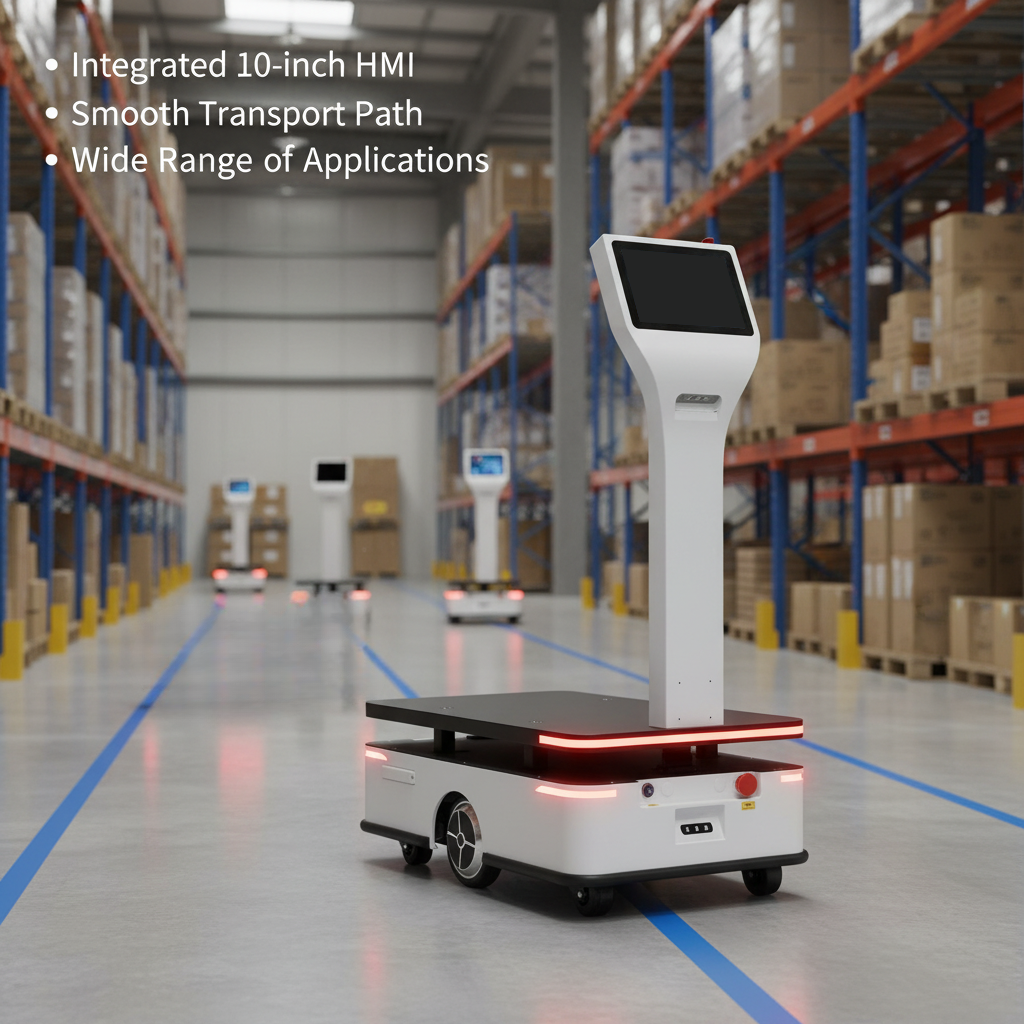
TZBOT 80kg Payload SLAM AMR Transfer Cart
An 80 kg payload SLAM AMR transfer cart for warehouse logistics and unmanned control. It suits flexible material flow where QR or magnetic paths would be too rigid or costly to retrofit.
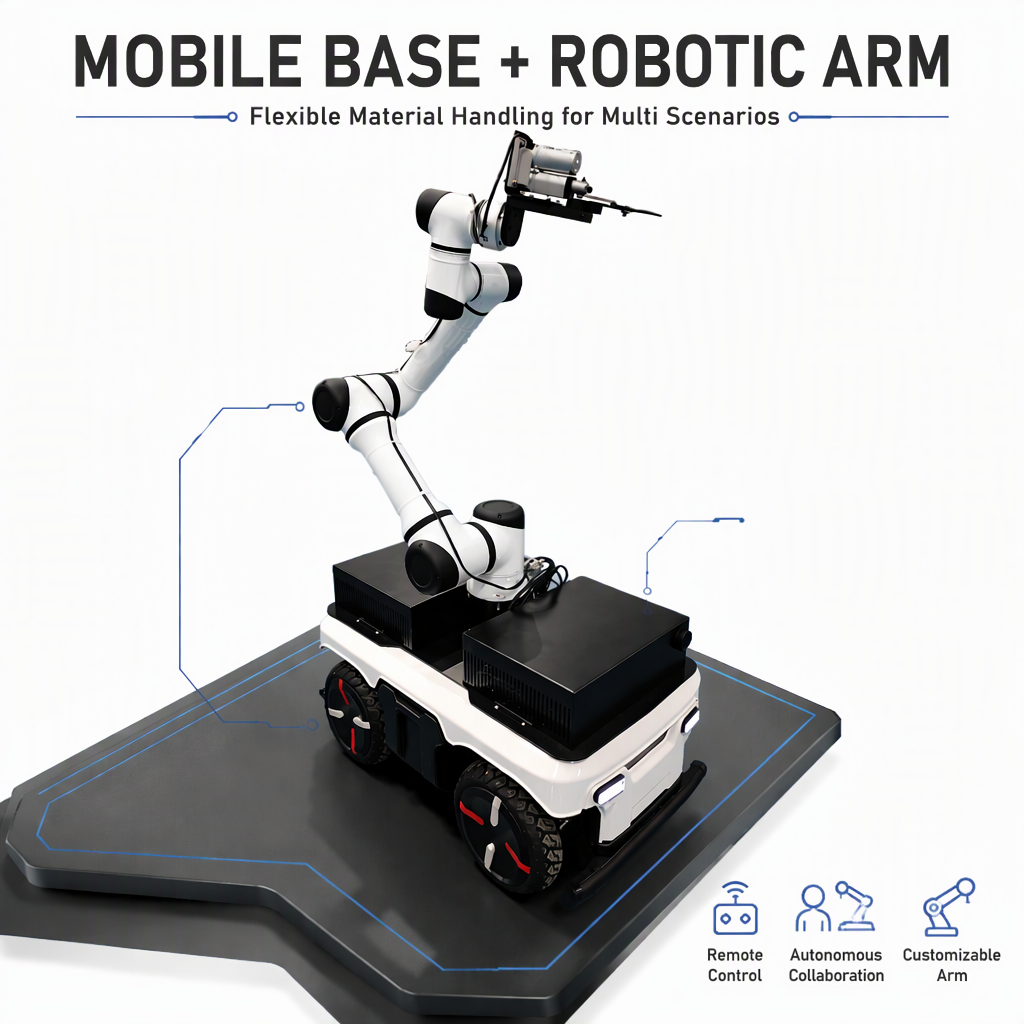
TZBOT Four-Wheel Ackerman AGV Composite Robot with Arm
A four-wheel-drive Ackerman chassis with collaborative remote control and composite robot arm. It is designed for applications that need car-like steering and larger turning stability.
What “Top 10” Should Mean When You Compare Automated Material Handling Exporters
Buyers searching for the Top 10 Automated Material Handling Factories & Exporter usually have a shortlist problem, not a catalog problem. They need to separate a genuine motion-control manufacturer from a trading desk that repackages components without owning the engineering interface. The difference becomes visible during sampling, commissioning and after-sales support.
This guide uses “top 10” as a due-diligence checklist rather than a popularity ranking. The objective is to help procurement teams, integrators and OEM engineers evaluate whether a supplier can match drive wheels, motors, servo/BLDC controllers, magnetic guide sensors, RFID position sensors and lidar sensors into a stable vehicle platform. That is the layer where information gain matters more than a long product list.
Zhejiang Torqen Technology Co., Ltd. is presented here as a working example of that evaluation method. Founded in 2015, the company designs and manufactures AGVs, AGV drive wheel assemblies, motors, reducers, controllers and navigation sensors, and supports sample-based customization, design-based customization, OEM production, private-label packaging and global export.
Search intent signals answered on this page
Which factory or exporter can supply a matched AGV drive train, not just one part?
How do differential, steering, horizontal and Ackerman drive layouts change the chassis design?
What certifications, testing evidence, export terms and after-sales capabilities should be verified?
10 Criteria That Separate a Top-Tier Factory from a Catalog Exporter
Use these ten checks when comparing automated material handling factories and exporters. Each criterion is tied to the engineering and commercial realities that appear after the purchase order is issued.
Drive-Train Engineering Before Price
Request the load case, speed, gradient, wheel diameter, gear ratio and duty cycle. A low unit price can hide integration cost if the motor, reducer and wheel are not matched. Torqen engineers match power, voltage, reduction ratio and tread to the chassis.
In-House Electronics and Parameter Ownership
AGV performance depends on servo or BLDC driver parameters as much as hardware. A supplier that controls both wheel and driver can tune current limits, acceleration and braking profiles. Torqen pairs its drive wheels with matched servo and BLDC controllers.
Certified Quality and Onsite Verification
ISO 9001:2015 is a baseline, not a differentiator. Look for onsite verification and a traceable inspection process. Torqen's facility has been verified onsite by Intertek and operates under ISO 9001:2015 with finished-product inspection.
Customization Depth
The exporter should support sample-based customization, design-based customization, OEM production, design services and buyer-label packaging. Typical changes include motor power and voltage, wheel diameter, tread material, encoder type, brake options and mounting interfaces.
Test Evidence, Not Test Claims
Ask for endurance data, inspection records and prototype run results. Torqen uses five in-house testing instruments and extended-duration prototype testing before production release, which helps buyers prepare FAT and site acceptance tests.
Navigation Portfolio and Sensor Fusion
A drive supplier that also understands magnetic, RFID and lidar navigation can reduce interface risk. Torqen offers magnetic guide sensors, RFID position sensors, lidar sensors and related controllers for hybrid navigation strategies.
Application Breadth
Check whether the same drive technology is used across AGV/AMR, forklifts, aerial work platforms, airport equipment, agricultural machines, floor scrubbers, wind energy, marine and medical devices. Broader application experience surfaces hidden load and safety issues earlier.
Export Discipline
Confirm Incoterms, payment methods, currencies, packing standards and shipping documents before the RFQ closes. Torqen supports FOB, CFR, CIF, EXW, CIP, FCA, CPT, DDU and express delivery, with multiple payment methods and currencies.
After-Sales Engineering
A spare-part catalog without parameter files and wiring support is incomplete. Look for 24/7 online response, integration assistance and traceable production records. Torqen reports a 97.9% inquiry response rate and provides commissioning guidance.
Total Cost of Ownership
Compare integration, commissioning, downtime, spare stock and change-order costs, not only the FOB price. A matched drive train from one qualified exporter can reduce engineering hours and shorten the path to a stable production line.
Why Zhejiang Torqen Technology Co., Ltd. Belongs on Your Shortlist
Torqen combines motion hardware, control electronics, navigation sensors and export support under one engineering contact. That combination is the practical advantage for OEMs and integrators who need fewer hand-offs between vendors.
Founded in 2015 in Zhejiang, China, Zhejiang Torqen Technology Co., Ltd. designs and manufactures automatic guided vehicles, AGV drive wheel assemblies, DC/AC motors, encoders, reducers, motor controllers, caster and PU wheels, and in-wheel motor units. Its stated business type is manufacturer and trading company, with a factory of 1,000–3,000 m², a team of 51–100 people and annual output of US$5M–10M.
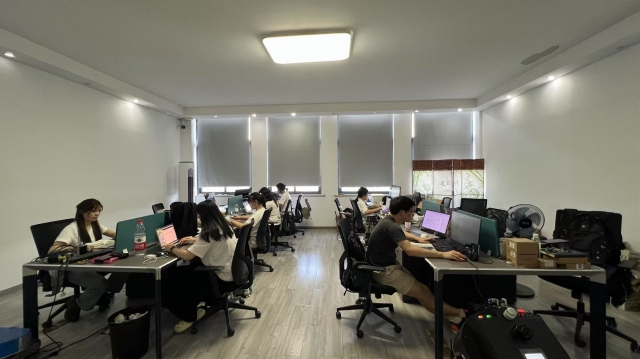
The engineering team works directly with OEM integrators to adapt torque, speed and mounting geometry to each vehicle. Continued investment in modern machining equipment helps the company move from drawing to tested prototype. Every prototype is run for extended periods before production parts are released. Torqen holds ISO 9001:2015 certification, has been verified onsite by Intertek and reports eight awarded patents.
For procurement teams, the advantage is not simply a catalog. It is the ability to combine drive wheels, motors, reducers, drivers, controllers and navigation sensors with one engineering contact. This reduces interface risk between mechanical, electrical and software teams, especially when a vehicle program moves from prototype to pilot production.

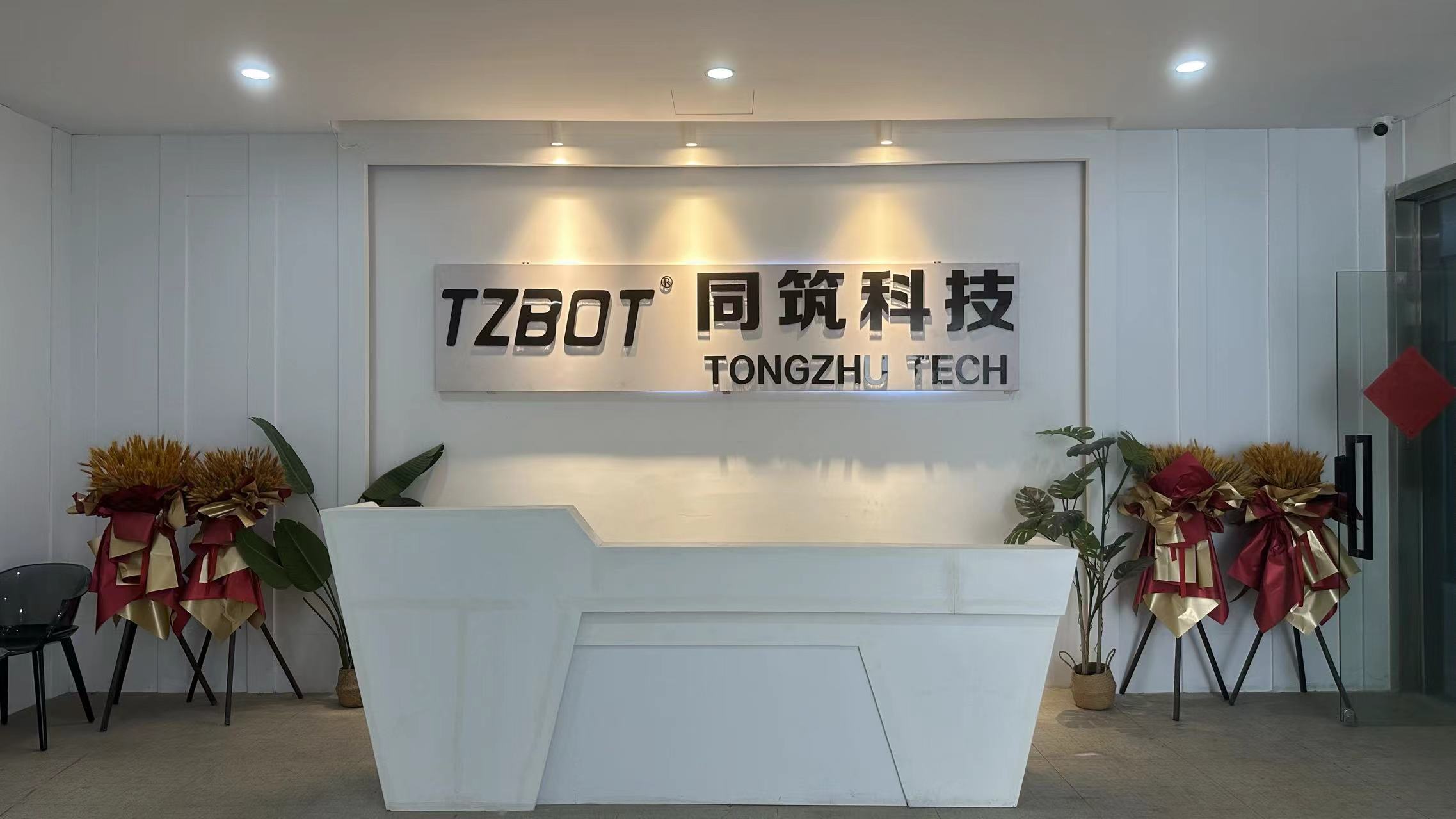
Zhejiang Torqen Technology Co., Ltd. — engineering, production and export support under one roof.
Established in Zhejiang, China
Patents awarded for in-house designs
Employees and engineering team
Verified buyer rating
Inquiry response rate
Engineering-First Customization
Sample-based customization, design-based customization, OEM production and buyer-label packaging are supported. Motor power, voltage, reduction ratio, wheel diameter, tread material, encoder type, brake options and mounting interfaces can be adapted.
Matched Electronics
Servo and BLDC drivers are tuned to Torqen drive wheels, while magnetic, RFID and lidar sensors support navigation and safety functions. This reduces the number of vendors involved in commissioning.
Tested Before Shipping
Five in-house testing instruments, finished-product inspection and extended-duration prototype runs help identify integration issues before the parts leave the factory.
Export-Ready Logistics
FOB, CFR, CIF, EXW, CIP, FCA, CPT, DDU and express delivery are available. Payment methods include T/T, L/C, D/P, D/A, credit card, PayPal, Western Union, cash and escrow.
Responsive Technical Service
24/7 online response and integration assistance cover wiring diagrams, driver parameter files and commissioning guidance. The stated inquiry response rate is 97.9%.
Traceability and Spare Parts
Spare-part supply and fault analysis are backed by traceable production records, which helps buyers plan maintenance and reduce unplanned downtime after installation.
How Automated Material Handling Buyers Will Purchase in 2026 and Beyond
Procurement is shifting from “buy a wheel” or “buy a controller” toward “prove the motion system.” The following trends are reshaping RFQs, supplier scorecards and total-cost models.
From Components to Matched Drive Trains
Buyers increasingly request a wheel, motor, reducer and driver as one matched set. The goal is to reduce interface risk, shorten commissioning and fix responsibility when performance does not meet the load case. Single-part sourcing still has a place for maintenance, but new platforms favor bundled engineering.
Lead-Time Resilience and Dual Sourcing
Post-pandemic supply planning favors suppliers that publish realistic lead times, keep spare-part traceability and support alternative Incoterms. Buyers are qualifying a second source earlier, even when the primary supplier is performing well, to protect production during demand spikes.
Low-Clearance and High-Payload Designs
Warehouse layouts are getting denser while payload expectations rise. Horizontal drive assemblies address low deck height, while suspension drive wheels support heavier automatic forklifts. Procurement teams now compare wheel contact, floor condition and maintenance access before choosing a layout.
Hybrid Navigation and Sensor Fusion
Magnetic tape remains cost-effective for fixed routes, RFID supports station recognition and lidar enables obstacle avoidance or SLAM. Hybrid navigation reduces the risk of a single technology, and buyers are asking suppliers to document how sensors, controllers and drive units interact.
Safety and Traceability Documentation
RFQs increasingly include requests for inspection records, component traceability, wiring diagrams, parameter files and change-control procedures. Documentation quality is becoming a procurement criterion because it affects site acceptance, audits and maintenance planning.
Total Cost of Ownership and Lifecycle Support
Purchase teams are comparing engineering hours, commissioning time, spare-part availability, energy efficiency and downtime risk alongside the unit price. A supplier that can support lifecycle maintenance and replacement planning often wins over a lower initial quote.
Where AGV Drive, Control and Navigation Technology Is Heading
These development directions are visible across the automated material handling market. They also explain why buyers should ask for modular interfaces, parameter ownership and long-term spare-part planning.
Integrated Servo Drive Wheels
Motor, reducer, encoder and wheel are increasingly engineered as one unit. Integration reduces mounting complexity, improves alignment and simplifies replacement. For buyers, the key question is whether the supplier can supply replacement units without re-engineering the chassis.
Higher Power Density and Voltage Flexibility
Compact AGVs need more torque in less space, while larger platforms may move to different battery voltages. Suppliers that offer flexible motor windings, driver configurations and voltage options can support more vehicle platforms with fewer unique parts.
Composite Robots and Modular Platforms
AGV chassis are being paired with robotic arms, lifts, conveyors and roller modules. Modular platforms allow one mobile base to serve multiple stations. The drive train must be selected for the combined center of gravity, not only the payload on the chassis.
Magnetic, RFID and Lidar Convergence
Rather than choosing one navigation method for the entire site, integrators deploy magnetic guidance in fixed lanes, RFID at decision points and lidar for obstacle avoidance or open areas. Controller architecture must support these combinations without creating new failure points.
Digital-Ready Components and Commissioning Data
Buyers increasingly expect machine-readable product data, wiring diagrams, parameter files and revision control. This shortens commissioning and supports digital twins, spare-part planning and remote troubleshooting across multiple sites.
Predictive Maintenance Signals
Encoder feedback, current monitoring and temperature data can support early fault detection. Even in basic AGV systems, capturing the right signals at the drive and controller level helps maintenance teams move from reactive repair to planned intervention.
Where Torqen Drive and Motion Products Are Used
The same motion-control building blocks appear across many mobile machines. Application breadth is useful evidence when validating a new load case, environment or duty cycle.
From Specification to Shipment in Six Steps
A transparent process helps engineering buyers predict sampling time, validation effort and production risk. The workflow below reflects the OEM/ODM support described in Torqen's company profile.
Requirement Review
Share load, speed, gradient, battery voltage, chassis height and duty cycle. The engineering team evaluates the motion envelope before proposing a drive layout.
Engineering Proposal
Motor, reducer, wheel and controller options are matched, and drawings or mounting interfaces are clarified for the chassis design.
Prototype Build
Sample-based or design-based customization is produced. Buyer-label packaging and OEM production options can be planned at this stage.
Endurance Testing
Prototypes are run for extended periods, with parameters and inspection results checked before production release.
Mass Production
Manufacturing is controlled under ISO 9001:2015, with finished-product inspection and traceable production records.
Inspection & Delivery
Final inspection, export packing and shipping documentation are prepared. FOB, CIF, EXW, DDU and express delivery are supported.
Commercial Terms for Global Procurement teams
Payment methods, delivery terms and currencies should be confirmed before the quotation is finalized. Flexible terms reduce friction for first-time buyers and repeat OEM orders.
Payment Methods
Delivery Terms
Currencies
What Buyers Ask Before Ordering AGV Drive and Control Components
These answers address the most common commercial and technical questions raised during supplier qualification, sampling and quotation review.
What does “Top 10 Automated Material Handling Factories & Exporter” mean in this guide?
It refers to the criteria a serious buyer should use when comparing factories and exporters, not a popularity list. The most important checks are drive-train engineering, in-house electronics, quality verification, customization depth, navigation capability, export terms and after-sales support. A supplier that scores well on these dimensions is more likely to deliver a stable vehicle platform.
How do I choose between differential, steering, horizontal and Ackerman drive wheels?
Differential drive units suit compact latent and jacking AGVs that turn by wheel-speed difference. Steering drive wheels suit forklift and tricycle-type AGVs that need controlled steering angles. Horizontal drive assemblies suit low-clearance chassis. Ackerman layouts provide car-like steering and stability for larger vehicles. Share payload, speed, chassis height and floor conditions, and the drive layout can be narrowed quickly.
Can Torqen customize an AGV drive wheel or controller?
Yes. Torqen supports sample-based customization, design-based customization, OEM production, design services and buyer-label packaging. Typical customizations include motor power and voltage, reduction ratio, wheel diameter and tread material, encoder type, brake options and mounting interfaces. The exact scope is confirmed after reviewing the vehicle load case and interface drawings.
How is product quality verified before shipment?
Torqen operates under ISO 9001:2015 and has been verified onsite by Intertek. Finished-product inspection is carried out with five in-house testing instruments, and prototypes undergo extended-duration testing before production parts are released. Buyers can specify inspection requirements during the RFQ so that acceptance criteria are clear before shipment.
Which navigation methods can be combined?
Common combinations include magnetic guide sensors for fixed lanes, RFID position sensors for station recognition and speed zones, and lidar for obstacle avoidance or SLAM. The right mix depends on route flexibility, floor conditions, traffic density and budget. Torqen supports magnetic guide sensors, RFID position sensors, lidar sensors and related controllers for integrated navigation designs.
What payment and delivery terms are available?
Payment methods include T/T, L/C, D/P, D/A, MoneyGram, credit card, PayPal, Western Union, cash and escrow. Delivery terms include FOB, CFR, CIF, EXW, CIP, FCA, CPT, DDU and express delivery. Quotations can be issued in USD, EUR, JPY, CAD, AUD, HKD, GBP or CNY. Final terms are confirmed with the proforma invoice.
Which industries use these drive products?
Torqen drive products are used in AGVs and AMRs, forklifts, aerial work platforms, airport equipment, agricultural machines, hydraulic applications, floor scrubbers and sweepers, wind energy, marine equipment and medical devices. This application breadth helps the engineering team identify hidden load, safety and maintenance requirements earlier in the project.
What information should I send for an accurate quote?
Send gross vehicle weight, maximum payload, target speed, maximum gradient, wheel diameter target, battery voltage, available chassis height, floor condition, steering layout and duty cycle. For controllers and sensors, include I/O count, communication protocol, navigation method and environmental requirements. Drawings or 3D models of the mounting interface shorten the review cycle.
How should I compare total cost of ownership?
Compare engineering hours, commissioning time, spare-part lead time, replacement interval, energy consumption and downtime risk alongside the unit price. A matched drive train from one qualified supplier may cost more upfront than separate components, but it can reduce integration cost and shorten the path to stable production. Request traceability records and maintenance guidance as part of the evaluation.
Does Torqen supply complete AGVs or only components?
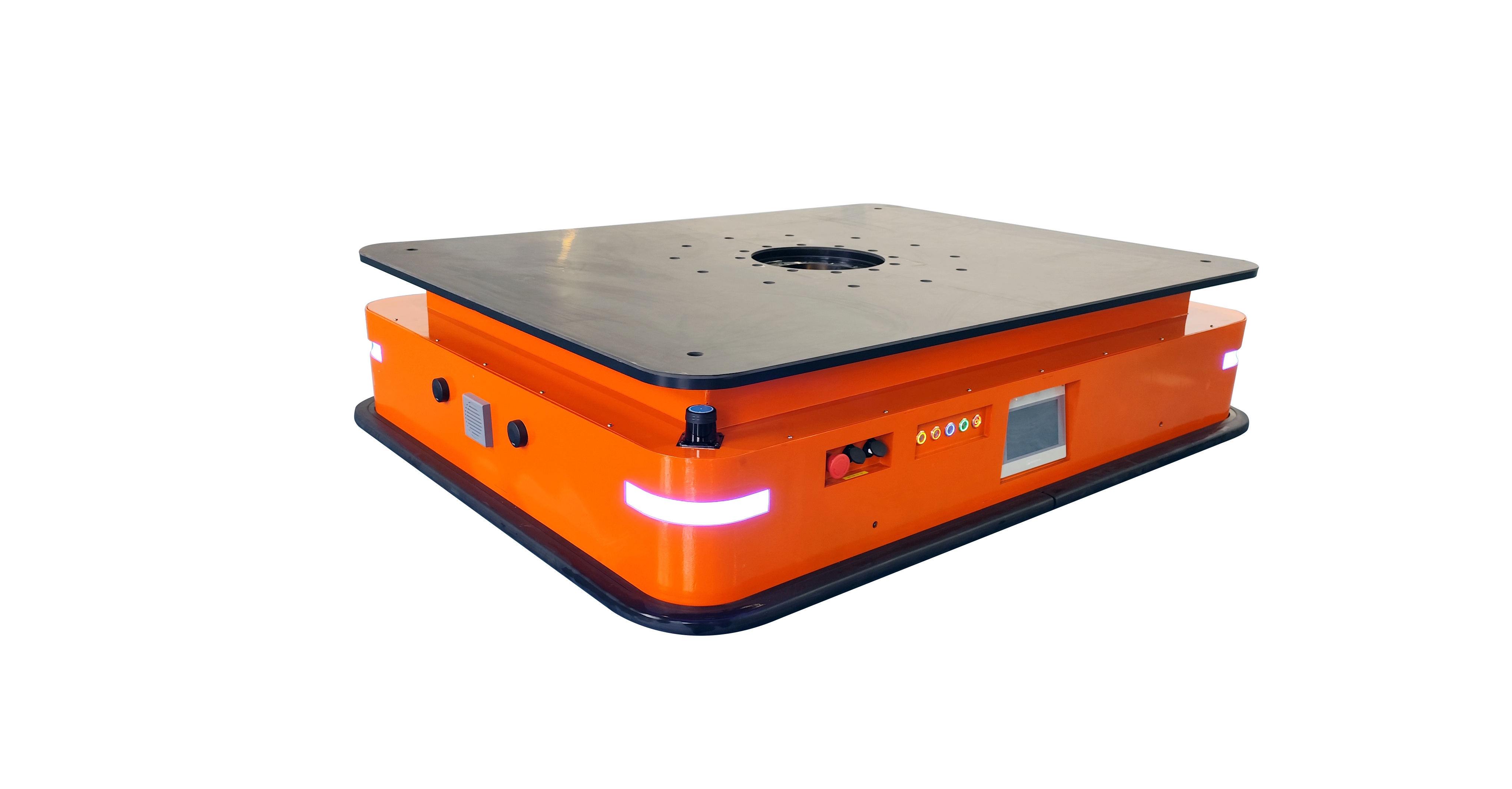
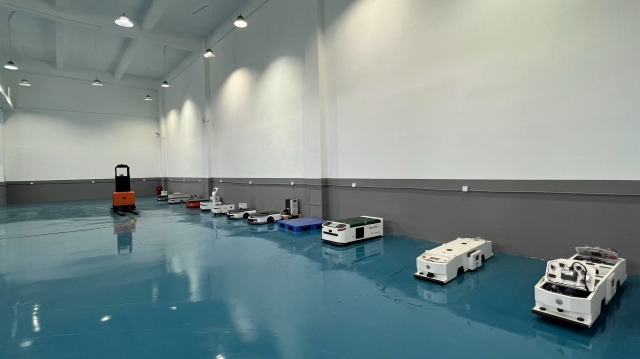
Torqen supplies both complete automatic guided vehicles and core components such as drive wheel assemblies, motors, controllers, sensors and accessories. Buyers can source a complete vehicle, a matched drive train or a single replacement part. The optimal scope depends on whether the goal is a new platform, a pilot line, a retrofit or maintenance of an existing fleet.
Send Your Load, Speed and Chassis Data. Get a Matched Drive-Train Proposal.
Tell our engineers what the vehicle must do: payload, speed, gradient, battery voltage, chassis height, floor condition and navigation method. We will review the drive layout, motor power, reducer ratio, wheel size and controller pairing, then recommend the most practical configuration for your project.
