Top 10 Lurking AGV Suppliers & Exporter
A buyer-focused guide to lurking AGV platforms, drive wheels, controllers, navigation sensors and export-ready factory verification for warehouse automation projects.
8 Lurking AGV Products Buyers Should Evaluate First
The following eight product families cover the core procurement path for a lurking AGV project: the vehicle platform, heavy-duty drive wheels, steering drive wheels, horizontal drive assemblies, controllers and customized differential drive wheels. For a serious RFQ, request drawings, torque curves, encoder specifications, interface files and test reports before comparing price alone.
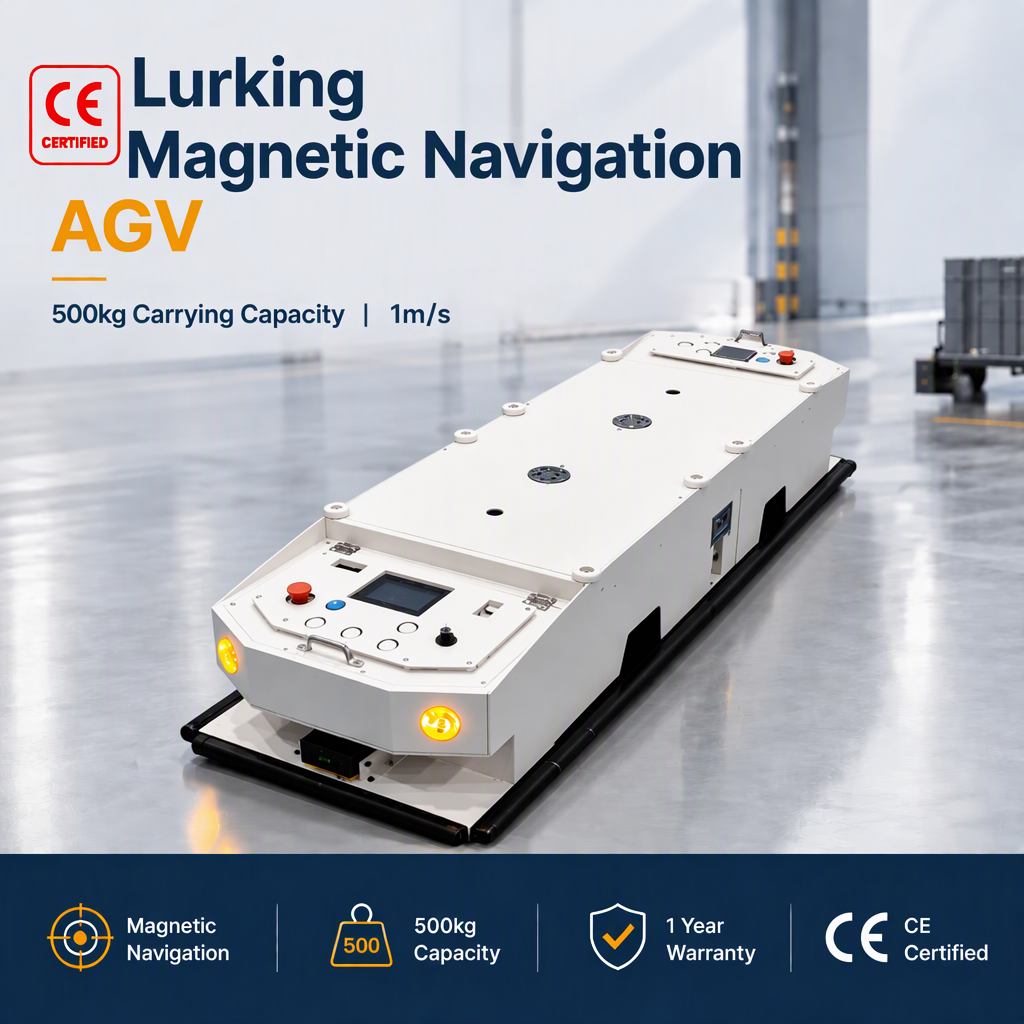
TZBOT CE Approved 500kg Bidirectional Lurking Robot 500kg Towing Capacity Material Handling Equipment Magnetic Navigation AGV
Low-profile bidirectional lurking AGV for under-cart towing, line-side replenishment and flexible material handling with magnetic navigation.
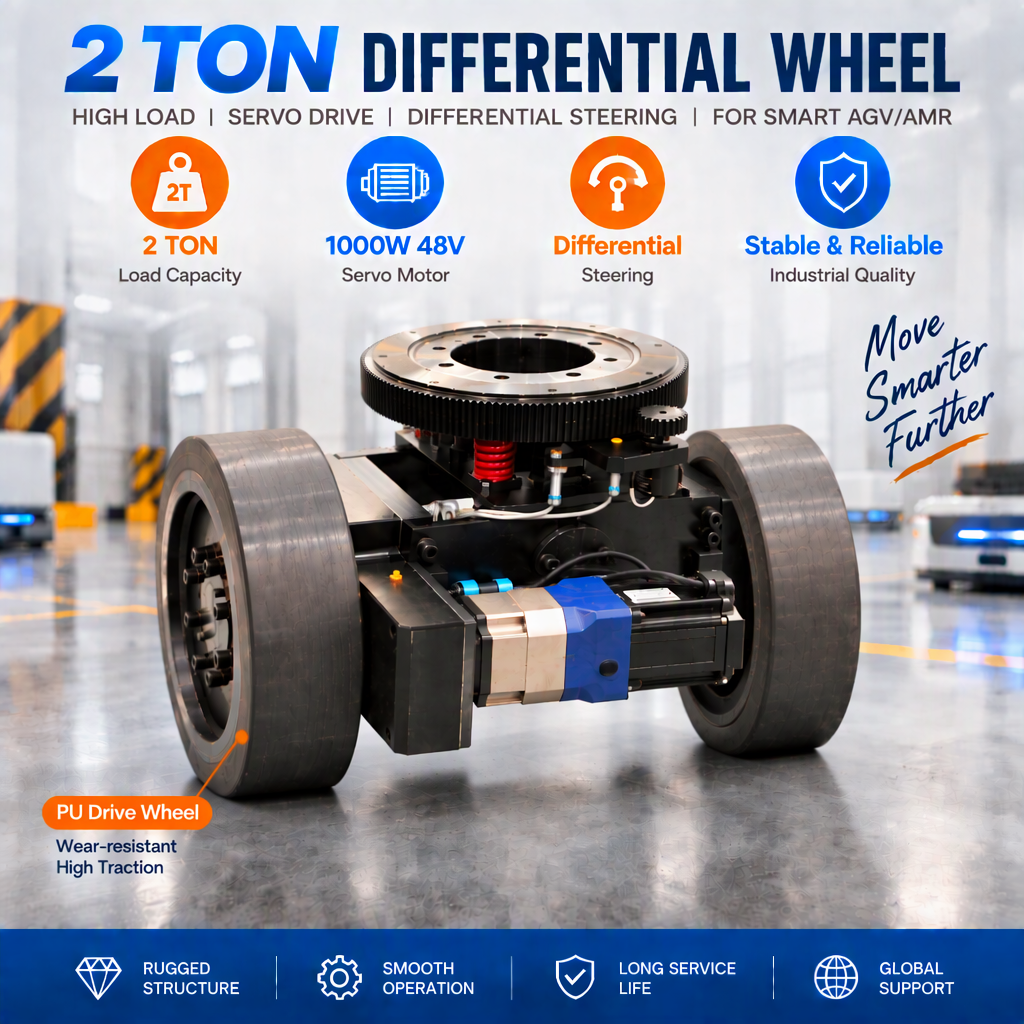
TZBOT 2000KG Heavy Duty Series AGV Wheel 1000w 48V Strong Power Mobile Robot Differential Drive Wheel with Spring Suspension
High-load differential drive wheel with spring suspension for stable traction, shock absorption and reliable heavy-duty mobile robot movement.
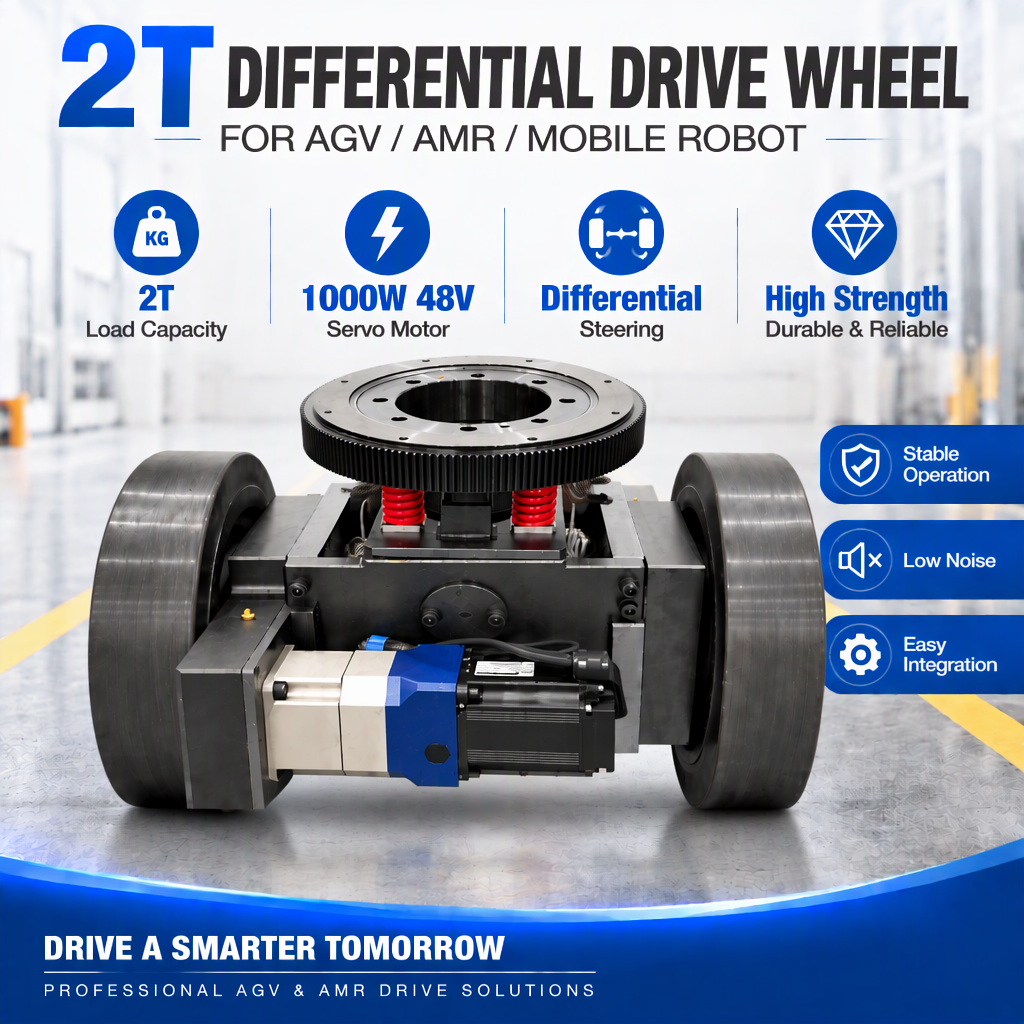
TZBOT 2000kg Traction Capacity Logistic Robot Part agv Amr Differential Steering Drive Wheel for Sale
Differential steering drive wheel for logistic robots that need controlled traction, precise turning geometry and integration flexibility.
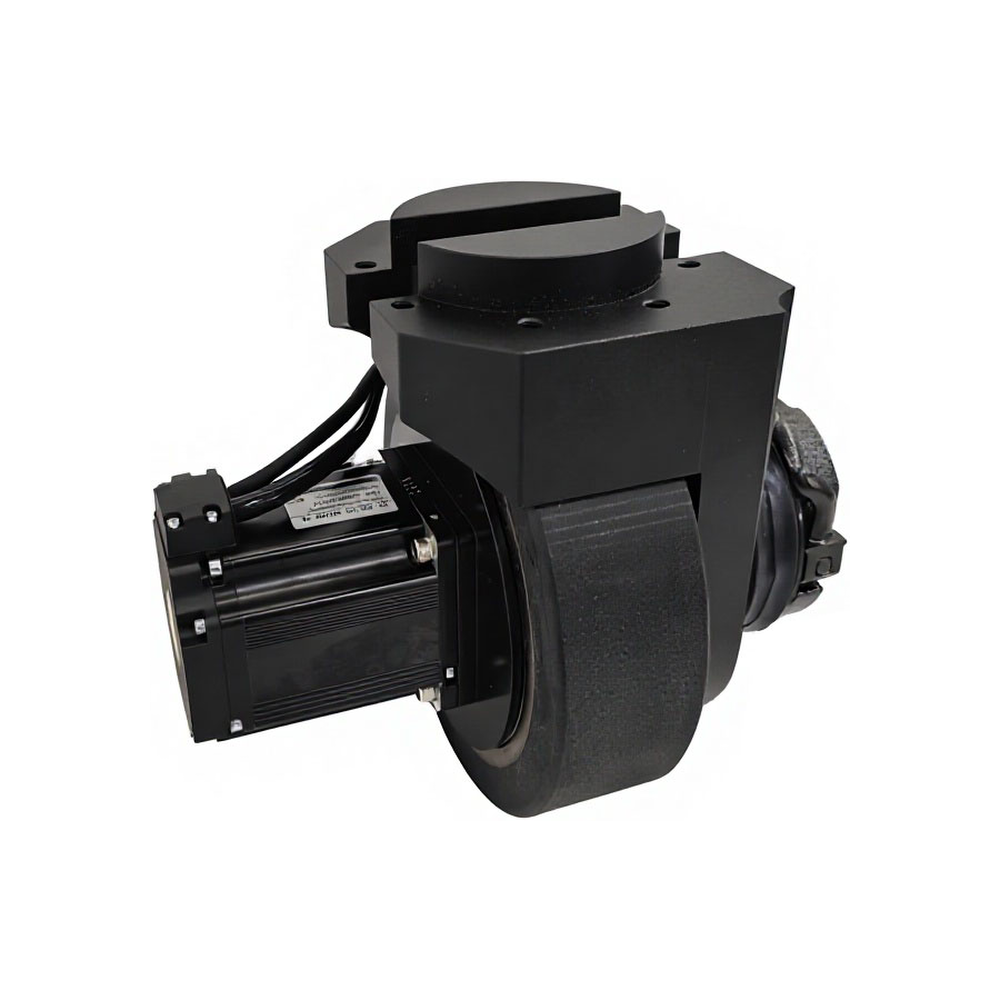
TZBOT agv Wheel Traction Accessories 1000kg Heavy Duty Capacity Material Handling Equipment Part Horizontal Drive Wheel Assembly
Horizontal drive wheel assembly designed for compact AGV chassis where low build height and 1000 kg load handling are required.
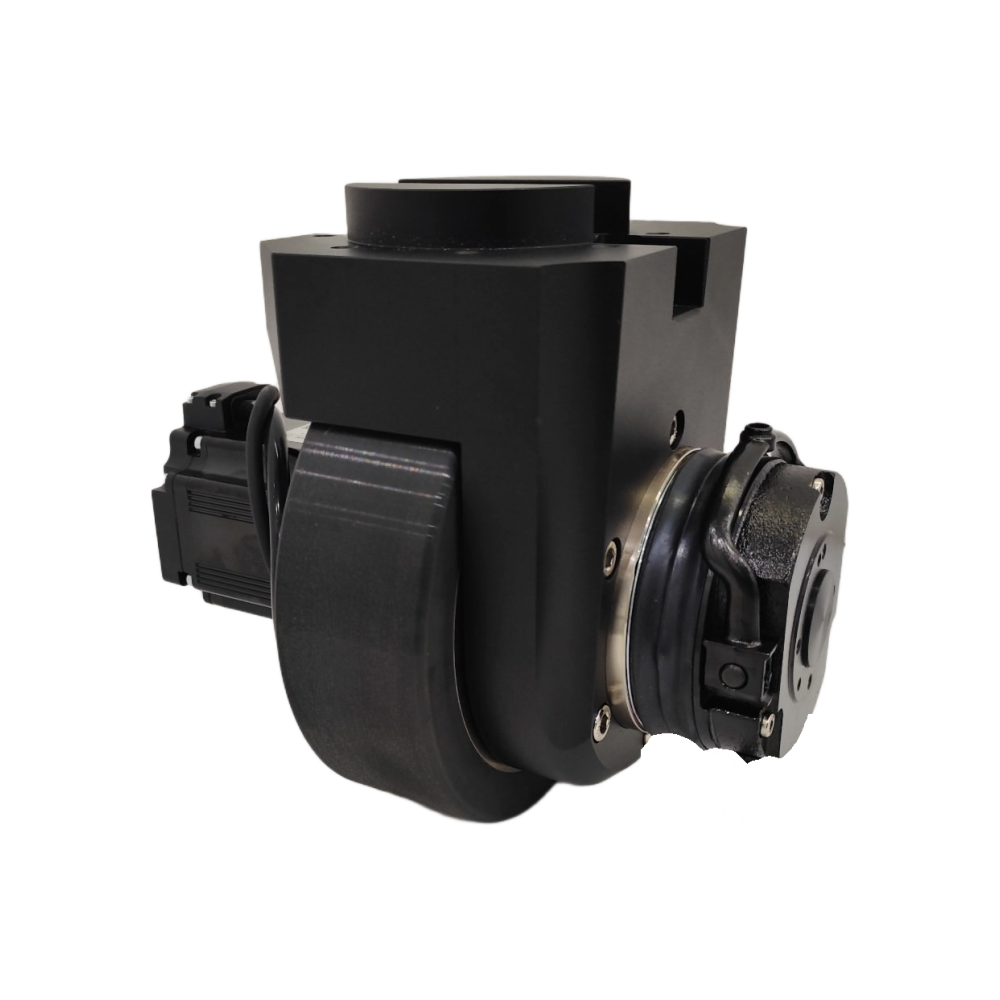
TZBOT Compact Structure agv Wheel Imported Polyurethane 1000kg Load Duty Mobile Robot Horizontal Drive Wheel Unit
Compact horizontal drive unit with imported polyurethane tread for quiet movement, floor protection and stable 1000 kg mobile robot duty.
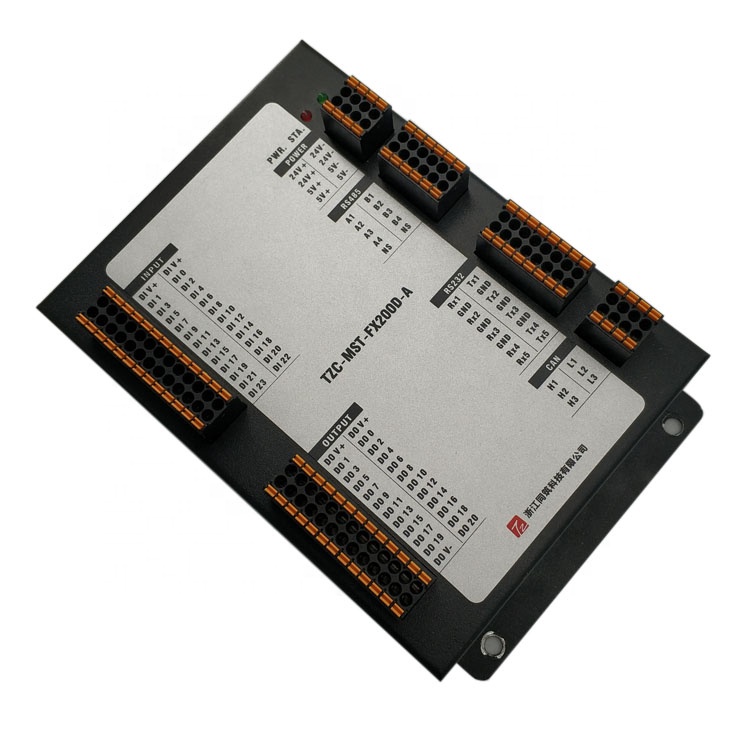
TZBOT AGV Smart Controller TZC-MST-FX200D-A with Function of Mapping and Auto Guide for agv
Smart AGV controller for mapping and auto guidance, supporting project integration where route control and vehicle intelligence matter.
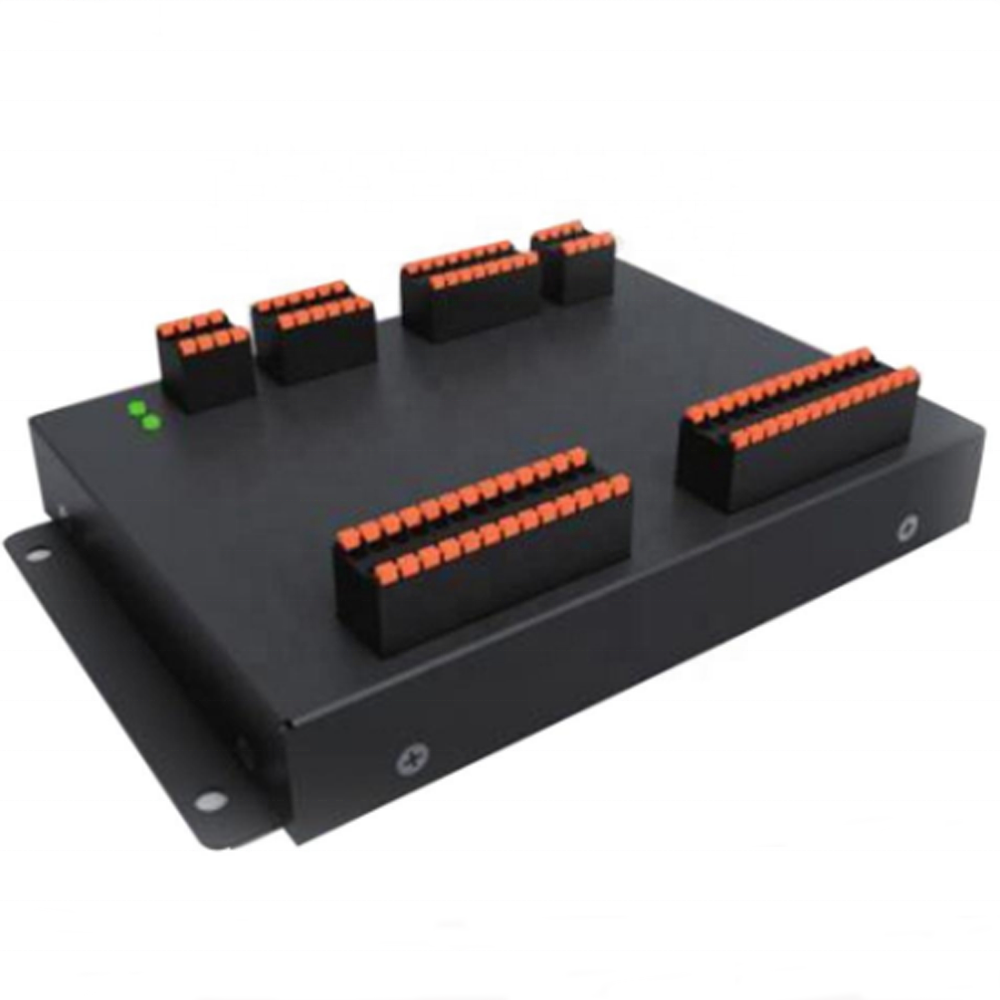
TZBOT FX Series Controller of HX Support Magnetic Tap Guided AGV
FX series controller for magnetic tape guided AGV systems, suitable for stable fixed routes and repeatable station-to-station movement.
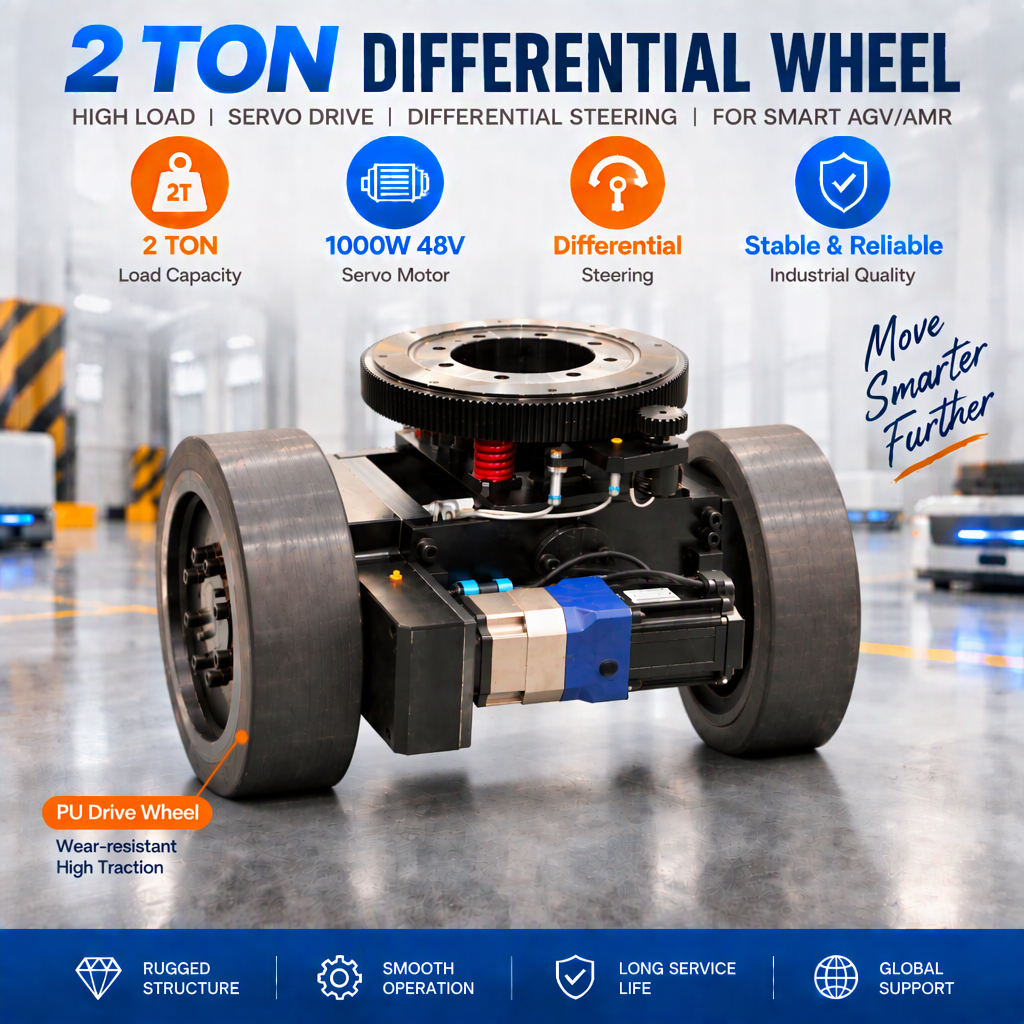
TZBOT Customized 2000kg Bearing Duty agv Wheel 1000w 48V Heavy Duty Series Mobile Robot Differential Drive Wheel with Suspension
Customized 2000 kg bearing-duty differential wheel with 1000 W 48 V power and suspension for demanding mobile robot platforms.
What “Top 10 Lurking AGV Suppliers & Exporter” Really Means for Buyers
The phrase combines several purchase intents: “top 10” signals supplier shortlisting, “lurking AGV” identifies a low-profile under-cart vehicle category, and “supplier & exporter” signals factory-direct sourcing and international trade capability. A useful article should therefore answer three questions: who can manufacture the hardware, who can integrate the drive train, and who can document quality and export it reliably.
Many supplier lists published online rank companies by website copy, exhibition photos or marketplace badges. For engineering buyers, that is not enough. A lurking AGV is only as reliable as the drive wheel’s thermal margin, the controller’s compatibility with the encoder and battery voltage, the navigation sensor’s repeatability, and the supplier’s ability to reproduce the same assembly after the sample has been approved. The best supplier shortlist is not the longest one; it is the one that can prove a matched drive train and a repeatable quality record.
This white paper is written from the perspective of a custom manufacturer and exporter, Zhejiang Torqen Technology Co., Ltd., founded in 2015 in Zhejiang, China. Torqen manufactures AGVs, AGV drive wheel assemblies, DC and AC motors, encoders, reducers, motor controllers, caster and PU wheels, and navigation-related components. The company is ISO 9001:2015 certified, Intertek onsite verified, and reported 8 patents, a 4.9/5 buyer rating and a 97.9% inquiry response rate in its public company profile. Those facts are useful because they let buyers apply the same evidence standard to any “top 10” list: certification, factory assessment, test method, customization process, export terms and after-sales traceability.
For procurement teams, the most valuable information gain is a repeatable audit framework. Instead of copying an unverifiable ranking, use the ten criteria in the next section to compare any lurking AGV supplier. Then ask every candidate for the same technical package: continuous torque and peak torque, wheel diameter and tread material, reduction ratio, encoder type, brake option, rated voltage, IP protection, controller interface, navigation accuracy, safety response time, factory inspection record and spare-part lead-time process.
Evidence Buyers Can Verify Before Requesting Samples
Use these verified company-profile data points as a benchmark when comparing lurking AGV suppliers and exporters. Any serious supplier should be able to provide equivalent evidence for certification, testing, customization, trade terms and after-sales support.
Established in Zhejiang, China
Patents awarded
Inquiry response rate
Buyer rating
Torqen’s factory size is listed at 1,000–3,000 m² with 51–100 employees and annual output of US$5M–10M. The product range covers automatic guided vehicles, AGV drive wheels, motor drivers and controllers, AGV sensors, motors and accessories. For a lurking AGV project, this matters because the buyer can source the wheel, motor, driver, controller and navigation component from one technical team rather than integrating parts from four unrelated vendors.
What Makes a Lurking AGV Different from a Standard Tugger?
A lurking AGV is built to move underneath a cart, rack or shelf, lift or couple with it, and tow or carry it without occupying large aisle space. The architecture is compact, but the engineering is not simple.
Drive Module
The differential or steering drive wheel defines traction, turning radius, floor pressure and maintenance access. Spring suspension is often needed for uneven floors.
Navigation Layer
Magnetic tape, RFID tags, QR codes and SLAM are often combined. The right choice depends on route stability, infrastructure budget and reconfiguration frequency.
Control Electronics
Servo and BLDC controllers must be matched to motor inductance, encoder resolution, battery voltage and braking behavior before the first commissioning run.
Safety & Power
Bumper strips, lidar or ultrasonic sensors, emergency stop circuits, battery management and charging strategy are part of the procurement specification, not accessories.
Top 10 Lurking AGV Supplier Evaluation Criteria
Use this ten-point scorecard to compare suppliers with the same evidence. A supplier that cannot answer a technical question in writing during the RFQ stage is unlikely to solve it during mass production.
Technical Fit
Can the supplier match torque, speed, wheel diameter, load and chassis height to your vehicle?
Drive Train Match
Are motor, reducer, encoder, brake and controller tuned together rather than sold as unrelated parts?
Quality System
Look for ISO 9001:2015, onsite verification, inspection records and traceable production data.
Testing Method
Ask what is tested, for how long, at what load and with which instruments before shipment.
Customization
Sample-based customization, design-based customization, OEM labeling and interface changes should be documented.
Export Readiness
FOB, CIF, EXW, DDU, express delivery, payment terms and currency flexibility reduce transaction friction.
Spare Parts
Confirm wheel tread replacement, encoder supply, controller replacement and after-sales fault analysis.
Safety Evidence
Request wiring diagrams, emergency stop logic, sensor response data and commissioning guidance.
Response Speed
Measure how quickly the supplier answers technical questions, not just how quickly it quotes a price.
Total Cost
Compare integration labor, downtime risk, spare-part cost and lifecycle support, not only unit price.
Zhejiang Torqen Technology: A Factory Reference for Matched AGV Motion Control
Torqen combines drive wheel engineering, motor and controller matching, navigation components and export service in one supplier relationship. This reduces the integration risk that appears when a lurking AGV is assembled from unmatched parts.
Custom Drive Engineering
Sample-based and design-based customization can cover motor power, voltage, reduction ratio, wheel diameter, tread material, encoder type, brake options and mounting interfaces.
Tested Before Shipping
Torqen reports five in-house testing instruments, finished-product inspection and extended-duration prototype testing before production parts are released.
Matched Electronics
Servo and BLDC controllers can be matched to Torqen drive wheels, with magnetic, RFID and lidar-related components available for a single-source bill of materials.
Export-Ready Service
Payment methods include T/T, L/C, D/P, D/A, MoneyGram, credit card, PayPal, Western Union, cash and escrow, with multiple delivery terms and currencies.

Experience, Expertise, Authority and Trust
Experience: Torqen has served automation builders since 2015 with AGV and drive technology, including sample and design customization.
Expertise: The company works across drive wheels, motors, reducers, encoders, servo and BLDC controllers, and navigation-related components, allowing engineers to discuss the complete motion path.
Authority: ISO 9001:2015 certification, Intertek onsite verification and 8 awarded patents provide third-party and intellectual-property signals that buyers can request evidence for.
Trust: Public company-profile data includes a 4.9/5 buyer rating, 97.9% inquiry response rate, 51–100 employees, 1,000–3,000 m² factory size and US$5M–10M annual output. Use these as audit prompts, then verify the current certificates and test reports for your order.
Which Drive Wheel Configuration Fits Your Lurking AGV?
Drive wheel selection should start with the vehicle task, not the catalog page. The three common configurations solve different chassis, steering and clearance problems.
| Drive Configuration | How It Works | Best Fit | Procurement Check |
|---|---|---|---|
| Differential drive unit | Two independently driven wheels turn by speed difference. | Latent, jacking and compact lurking AGVs that need tight turning. | Check continuous torque, wheel tread, suspension and controller matching. |
| Single steering drive wheel | A drive motor plus a steering motor controls wheel angle and traction. | Forklift AGVs, tricycle chassis and tugger vehicles requiring controlled steering. | Check steering angle range, absolute encoder, brake logic and mounting height. |
| Horizontal drive assembly | Motor is mounted horizontally to reduce chassis build height. | Low-clearance lurking AGVs and under-ride carts. | Check load capacity, gearbox layout, tread hardness and maintenance access. |
500 kg Class
For light under-cart towing and line-side delivery, prioritize compact size, magnetic navigation and smooth start-stop behavior.
1000 kg Class
For low-clearance horizontal drive applications, confirm floor condition, wheel tread and continuous duty cycle before price comparison.
2000 kg Class
For heavy-duty differential wheels, request torque curves and suspension data; overload may appear first as thermal drift or tread wear.
Customized Platform
For OEM/ODM projects, provide load, speed, gradient, voltage, chassis height and mounting interface in the first RFQ.
Future Procurement Trends for Lurking AGV Suppliers and Exporters
Buying behavior is shifting from “find a low-price part” to “qualify a repeatable motion-control partner.” These six trends will shape supplier selection during the next procurement cycles.
1. Single-Source Drive Trains
Buyers increasingly prefer wheel, motor, encoder and controller from one supplier because integration failures are harder to diagnose across multiple vendors.
2. Documentation as a Product
Drawings, torque curves, parameter files, inspection records and safety logic are becoming part of the purchase specification, not after-sales extras.
3. Small-Batch Customization
Sample-based and design-based customization lets integrators validate a new chassis before committing to mass production.
4. Total Cost of Ownership
Procurement teams now compare downtime, spare-part access and commissioning labor against the quoted unit price.
5. Spare-Part Readiness
Wheel treads, encoders, controllers and brake components should have a replacement strategy before the first fleet is deployed.
6. Compliance and Traceability
ISO 9001:2015, onsite verification and batch traceability help buyers reduce risk when the AGV is exported to another market.
How Lurking AGV Components Are Evolving
Hardware development is moving toward lower clearance, higher efficiency, quieter movement, smarter control and easier maintenance. These trends directly affect the RFQ checklist.
Low-Clearance Horizontal Drives
Compact chassis designs push drive units into horizontal layouts that reduce overall vehicle height while preserving load capacity.
48 V and High-Efficiency Motors
Heavy-duty 48 V systems with strong power and optimized servo or BLDC control are becoming common for mobile robot traction.
Sealed Polyurethane Tread
Imported polyurethane and sealed bearing designs improve floor protection, noise control and traction in clean warehouse environments.
Sensor Fusion
Magnetic guide sensors, RFID position readers, QR codes and lidar or SLAM are combined for redundancy and flexible routing.
Smart Controllers
Mapping, auto guide and diagnostic functions are moving into the controller layer, simplifying integration for AGV builders.
Modular Replacement
Quick-swap wheel units, standardized interfaces and accessible connectors reduce maintenance time and fleet downtime.
Do Not Compare Lurking AGV Suppliers by Unit Price Alone
Unit price is visible, but lifecycle cost is where procurement risk appears. The percentages below are an illustrative TCO model for planning, not a financial promise from any supplier.
A low-priced drive wheel can become expensive if the thermal margin is too small, the encoder is difficult to source, the tread wears quickly or the controller parameters are unstable. In a lurking AGV, downtime affects not only the vehicle but also the material flow around it. That is why serious buyers ask for matched electronics, spare-part recommendations and a commissioning support plan before placing a production order.
Where Torqen Drive Products Are Used
The product ecosystem extends beyond lurking AGVs into other mobile equipment where electric drive, control and navigation components must survive demanding duty cycles.
From RFQ to Export Shipment in Six Practical Steps
A transparent customization workflow reduces sampling risk and gives engineering buyers a clear approval path.
Requirement Review
Share load, speed, gradient, battery voltage, chassis height, mounting space and duty cycle.
Engineering Proposal
Match motor power, reduction ratio, wheel diameter, tread, encoder and controller.
Prototype Build
Produce a sample or design-based customization for mechanical and electrical validation.
Endurance Testing
Run extended-duration checks and confirm parameters before production release.
Mass Production
Manufacture under ISO 9001:2015 controlled processes with finished-product inspection.
Inspection & Delivery
Final inspection, export packing and shipping under the agreed trade terms.
Common Questions Before Buying from Lurking AGV Suppliers
These answers reflect the typical information buyers request during supplier verification and technical evaluation.
Does Torqen support OEM and ODM customization for AGV components?
Yes. Torqen offers sample-based customization, design-based customization, OEM production, design services and buyer-label packaging. Typical customization points include motor power and voltage, reduction ratio, wheel diameter and tread material, encoder type, brake options and mounting interfaces. For a faster quotation, provide the vehicle load, target speed, chassis height and battery voltage in the first message.
How is product quality verified before shipment?
The quality management system is certified to ISO 9001:2015, and the facility has been verified onsite by Intertek. Public company information also lists finished-product inspection with five in-house testing instruments and extended-duration prototype testing before production parts ship. Buyers should still request the current test report, inspection checklist and certificate copies for their specific order.
Which drive wheel type should I choose for my AGV?
Differential drive units suit compact latent and jacking AGVs that turn by wheel-speed difference. Single steering drive wheels suit forklift, tricycle and tugger-type AGVs that need controlled steering angles. Horizontal drive assemblies suit low-clearance chassis where the motor must sit horizontally. Share payload, speed, chassis height, floor condition and battery voltage, and the supplier can recommend a configuration.
What information should be included in a lurking AGV RFQ?
Include gross vehicle weight, payload, maximum speed, acceleration, ramp or gradient requirement, wheel diameter limit, chassis height, battery voltage, required communication interface, brake requirement, IP rating, floor condition and expected duty cycle. If the AGV uses magnetic, RFID, QR or SLAM navigation, state the route layout and sensor environment so the controller and drive unit can be matched correctly.
What payment and delivery terms are accepted?
Accepted payment methods include T/T, L/C, D/P, D/A, MoneyGram, credit card, PayPal, Western Union, cash and escrow, in USD, EUR, JPY, CAD, AUD, HKD, GBP or CNY. Delivery terms include FOB, CFR, CIF, EXW, CIP, FCA, CPT, DDU and express delivery. Confirm the final terms in the quotation and proforma invoice.
Which industries use Torqen drive products?
The products are used in AGVs and AMRs, forklifts, aerial work platforms, airport equipment, agricultural machines, hydraulic applications, floor scrubbers and sweepers, wind energy, marine equipment and medical devices. The common requirement across these industries is reliable electric drive and matched control in mobile equipment.
Can samples be customized before a production order?
Yes, sample-based customization is part of the OEM/ODM offering. The sample should be approved against documented specifications, dimensional drawings, electrical parameters and agreed test criteria. Sampling cost and timing should be confirmed in writing because they depend on whether the request is a standard configuration, a modified standard unit or a new design.
How should buyers compare “top 10” lurking AGV suppliers?
Use the same ten-point scorecard for every candidate: technical fit, drive-train matching, quality system, testing method, customization, export readiness, spare parts, safety evidence, response speed and total cost. Do not treat a marketplace badge or a “top 10” article as proof. Ask for certificates, test reports, drawings, warranty terms, spare-part availability and references before releasing a production PO.
Ready to Shortlist a Lurking AGV Drive Train?
Send your payload, speed, chassis height, battery voltage and navigation method. The engineering team can help match the drive wheel, motor, controller and navigation components for a sample or production project.
Contact UsSupplier reference: Zhejiang Torqen Technology Co., Ltd. · ISO 9001:2015 · Intertek onsite verified · Factory direct since 2015
