info@torqenbot.com Hangzhou, Zhejiang, China ISO 9001:2015 · Onsite-Verified Manufacturer
Buyer guide · 2025 decision framework

Top 10 Piggyback AGV Manufacturers & Exporters

A technical, procurement-focused guide to backpack AGV chassis, robotic-arm composite robots, steering drive wheels, AGV controllers, magnetic guidance and export-ready supplier due diligence.

Recommended Product Platforms

8 Product Platforms Shortlisted for Piggyback AGV Projects

Each platform below reflects a live product URL from the manufacturer’s catalog. Images are displayed complete and uncropped so engineering buyers can compare form factor, drive architecture and integration fit before requesting detailed specifications.

Procurement shortcut: If your team is comparing Top 10 Piggyback AGV Manufacturers & Exporters, start with the interface that creates the most integration risk — the drive wheel, controller and navigation sensor combination. A supplier that can match these three systems with documented test evidence reduces commissioning time far more reliably than a low unit price.

Get Catalog
Manufacturer Evidence

What Verified Supplier Data Looks Like

For piggyback AGV and composite robot projects, supplier claims should be converted into verifiable procurement signals: factory assessment, quality system certification, prototype endurance testing, export capability and documented customization scope.

2015Established in Zhejiang, China
8Patents awarded for motion designs
51–100Employees and engineering support
4.9/5Verified buyer rating evidence

What Is a Piggyback AGV and Why Does Supplier Choice Matter?

A piggyback AGV is a mobile robot base designed to carry a second work package on top of the drive chassis. That second package may be a robotic arm, an inspection head, a conveyor deck, a lifting fixture, a scanner or a custom end-effector. In procurement language, the same concept is often described as a backpack AGV, robotic-arm AGV, composite robot or autonomous mobile robot platform.

The mechanical idea is straightforward. The execution is not. Because the working load sits above the drive plane, every engineering decision affects stability, positioning accuracy and maintenance cost. The drive wheel must deliver enough torque without making the chassis too tall. The steering geometry must support the task envelope, not only straight-line travel. The controller must communicate reliably with the navigation stack. The sensor suite must remain stable when the arm moves, the load shifts or the floor transitions from smooth tile to painted steel. These are the details that separate a credible Top 10 Piggyback AGV Manufacturers & Exporters shortlist from a catalog-only supplier list.

For importers, the risk is not limited to product quality. A piggyback AGV project usually combines a drive unit, motor driver, steering system, navigation sensor, battery voltage and vehicle-control logic. If those subsystems come from unrelated vendors, the integrator becomes the middleman for every compatibility problem. A manufacturer that can match the complete drive train — or provide documented interface data for each part — gives the buyer a faster path from sample to stable production.

Top 10 Evaluation Criteria

Top 10 Piggyback AGV Manufacturer & Exporter Evaluation Criteria

Use these ten filters as a procurement scorecard when comparing manufacturers and exporters for backpack AGV, composite robot and robotic-arm AGV projects.

1. Payload and Center of Gravity

Check rated payload, deck stiffness, center-of-gravity limits and wheel loading. A piggyback arm can turn a modest payload into a stability problem if the chassis is specified only by kilograms.

2. Steering Geometry and Drive Match

Differential, single-steering and Ackerman chassis require different drive units. Confirm motor power, reduction ratio, wheel diameter and turning envelope against the real route layout.

3. Controller and Protocol Transparency

Ask for wiring diagrams, driver parameter files, communication protocols and error codes. A controller that cannot be commissioned by your engineers creates hidden after-sales cost.

4. Navigation Method Fit

Magnetic guidance, RFID, QR grids and SLAM have different infrastructure and flexibility profiles. The supplier should recommend a method based on traffic, layout change frequency and floor conditions.

5. Composite Robot Safety

Review emergency stop, bumper, lidar, voice warning, speed zoning and restart logic. For robotic-arm integration, safety must cover both the mobile base and the top-mounted tool.

6. OEM/ODM Depth

Check sample-based and design-based customization, motor voltage, encoder type, brake options, wheel tread, mounting interfaces and buyer-label packaging.

7. Verified Quality Management

Look for ISO 9001:2015, onsite factory verification, in-house testing instruments, finished-product inspection and extended-duration prototype testing records.

8. Export and Trade Terms

Confirm FOB, CFR, CIF, EXW, CIP, FCA, CPT, DDU or express options, payment methods, currencies, packing standards and documentation accuracy before the order.

9. Spare Parts and Response

A high-response supplier should provide traceable production records, spare parts availability, fault analysis and commissioning support after delivery.

10. Documentation and Information Gain

The best exporters publish practical selection data: load charts, interface drawings, test methods and application notes. Documentation quality is a leading indicator of engineering quality.

Product Recommendations: Matching the Platform to the Workflow

Piggyback AGV projects usually begin with a workflow problem, not a component specification. The following application-fit recommendations show how the eight platforms above can be combined for common buyer scenarios.

Application ScenarioRecommended Platform from the CatalogWhy It Fits
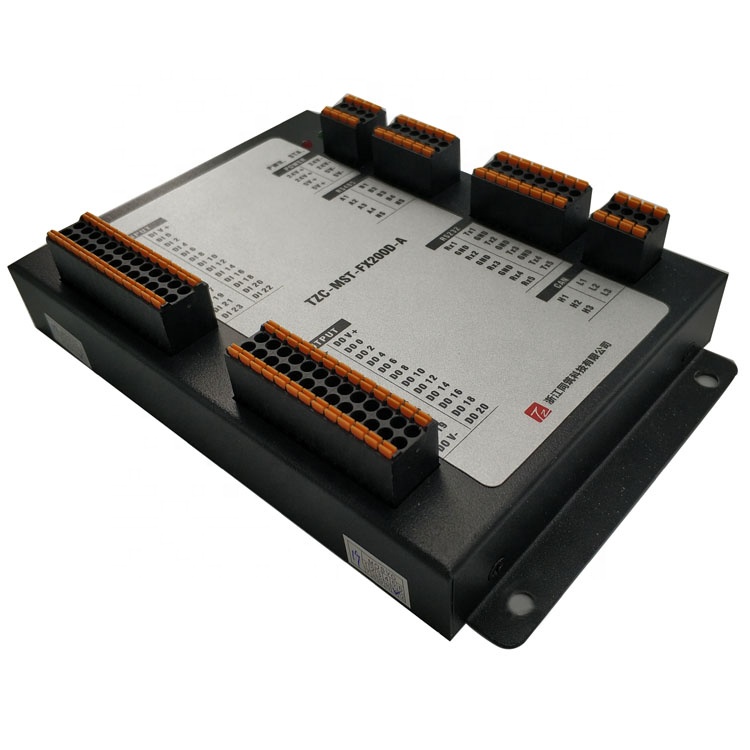
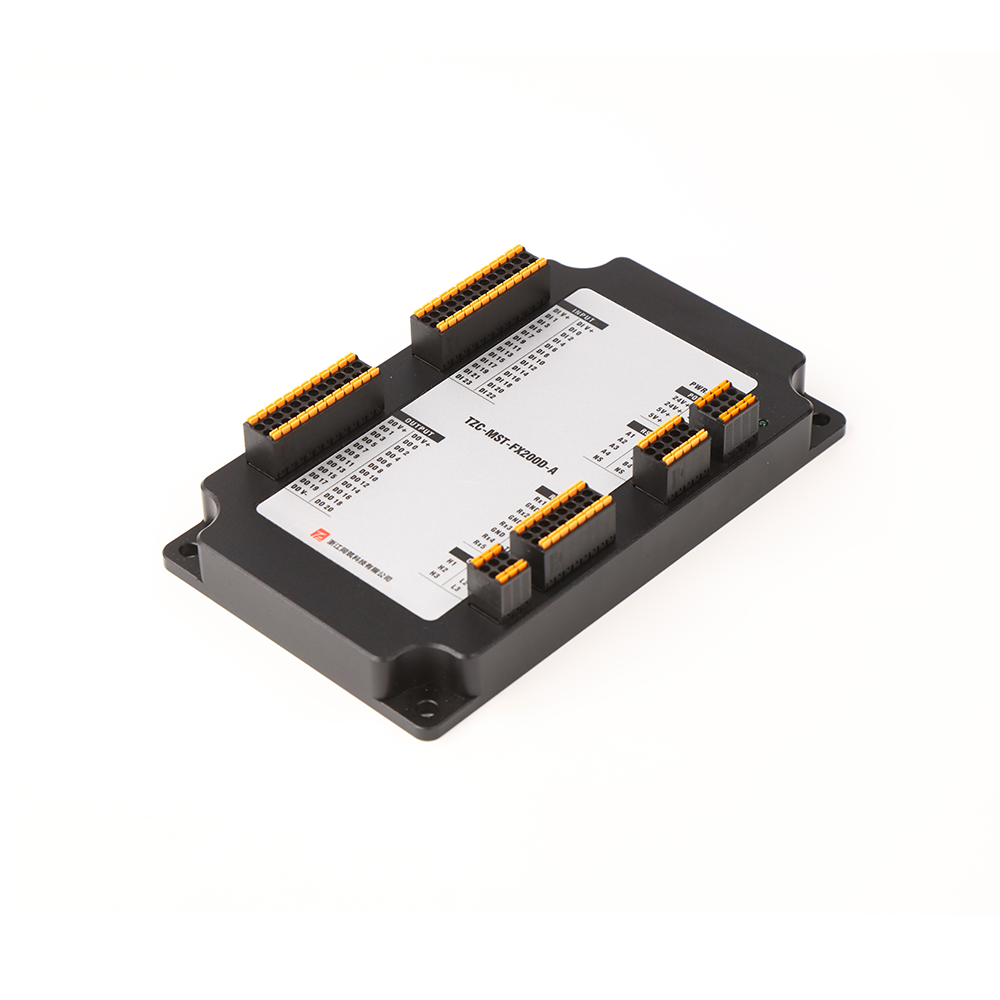
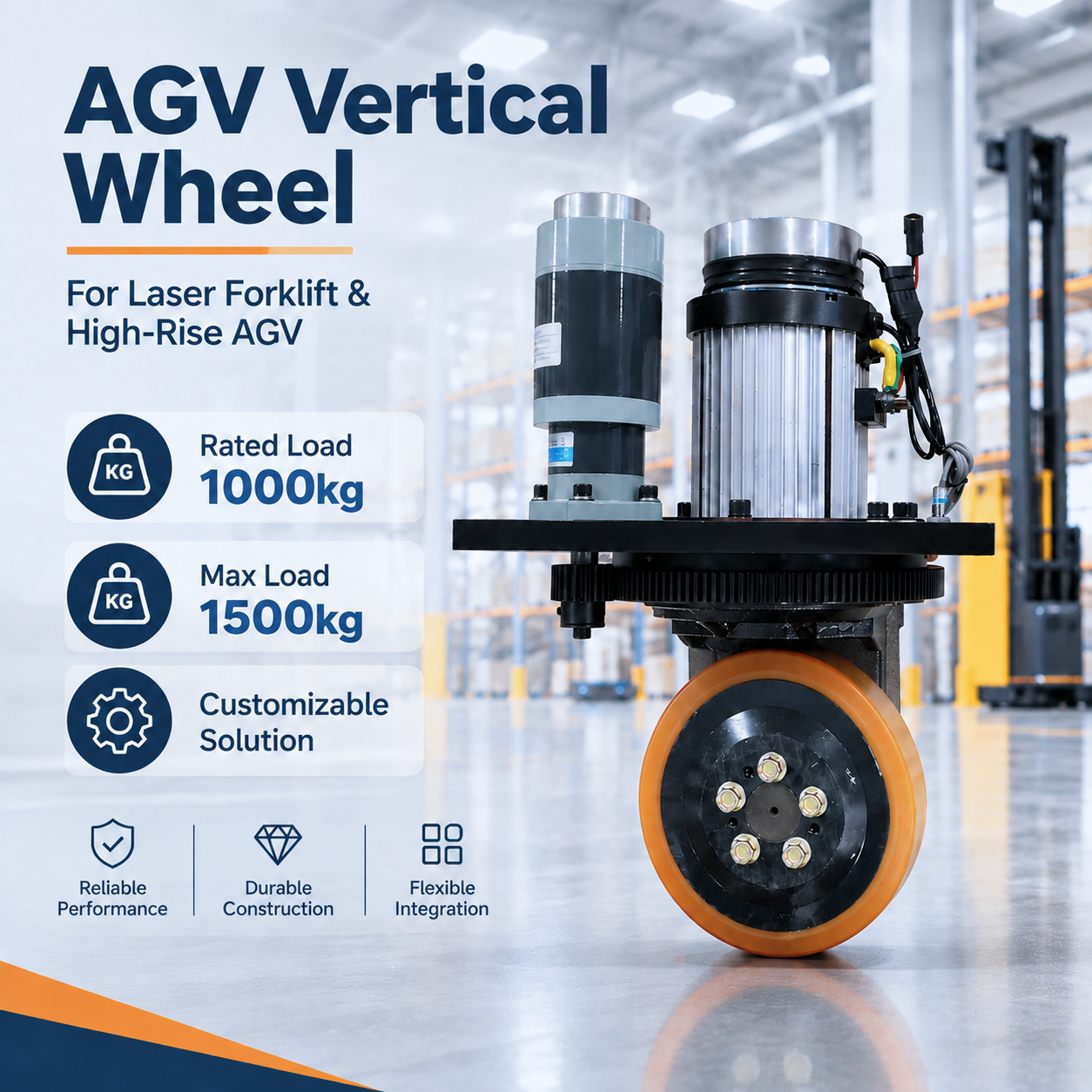
Forklift-style steering AGVTZBOT 2590r/min Vertical Driving Unit Electric Traction Wheel 1500W + TZC-MST-FX200D-A ControllerVertical steering drive supports controlled angle changes; the controller platform simplifies command integration for material-handling vehicles.
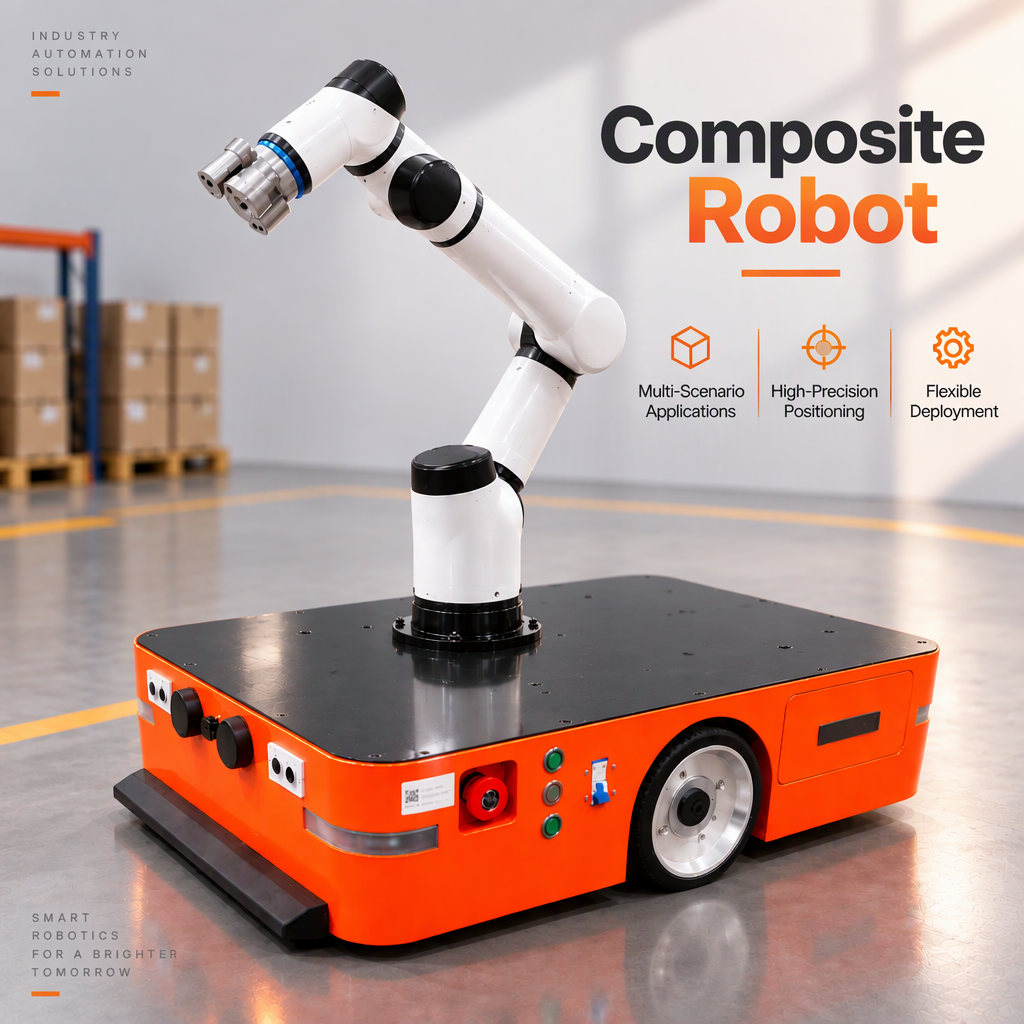
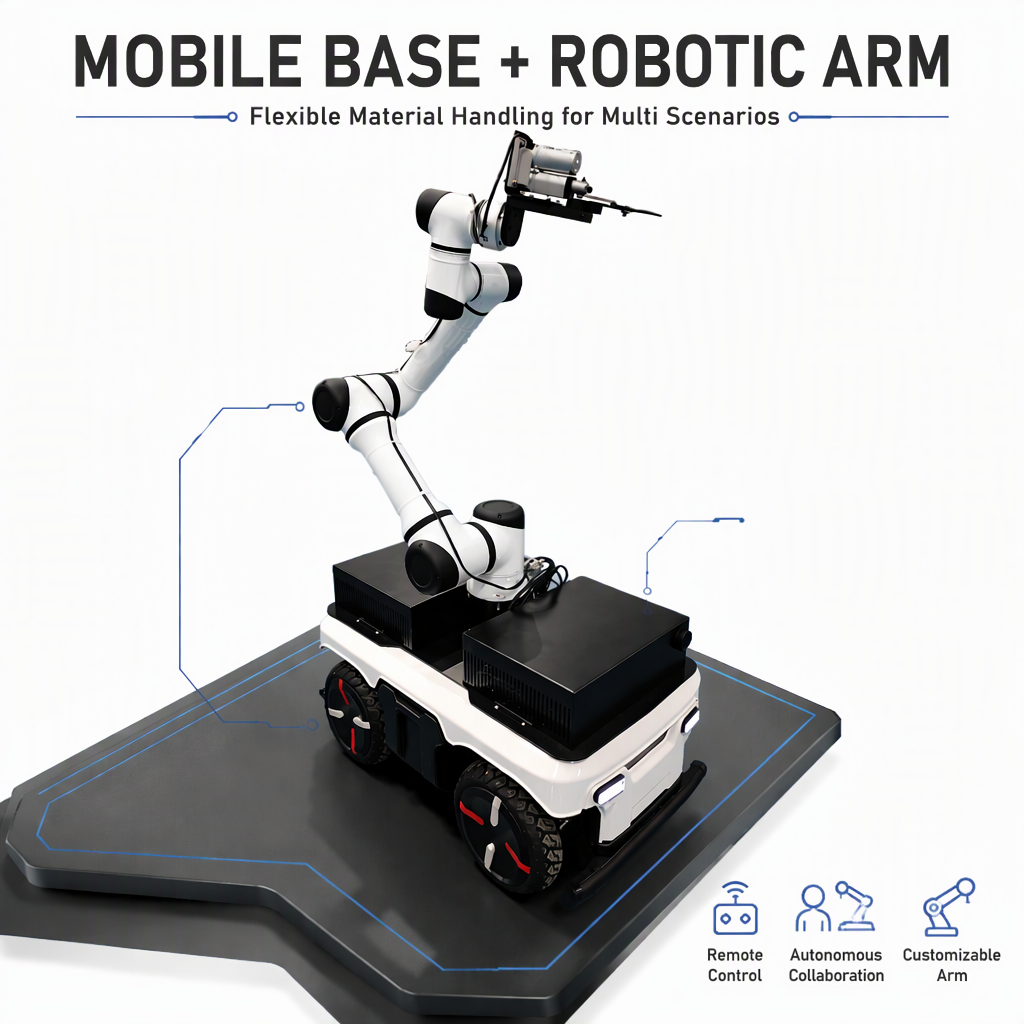
Robotic-arm composite robotTZBOT Backpack AGV 200kg Load Capacity Chassis with Robotic Arm + smart controllerThe backpack architecture creates a stable top deck for an arm, while magnetic guidance gives repeatable station access in structured environments.
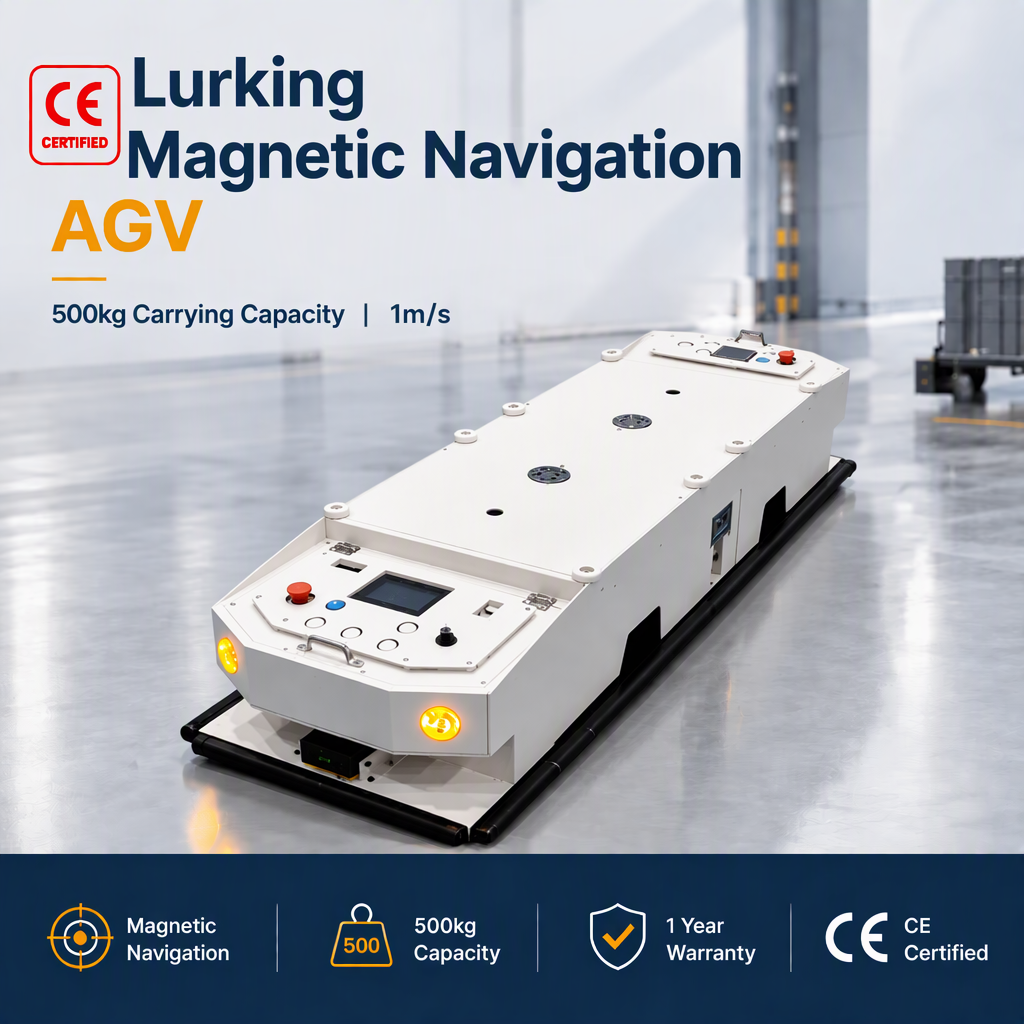
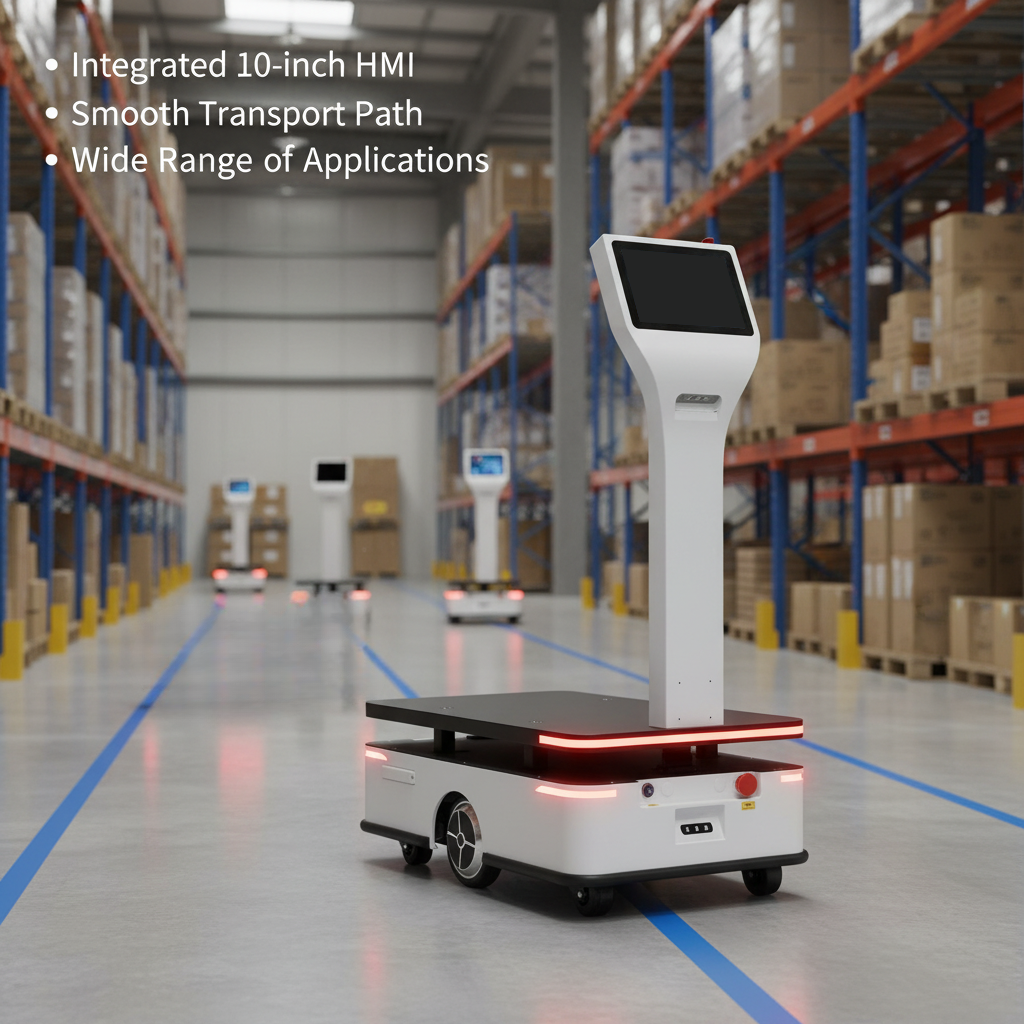
Under-cart logistics automationTZBOT EU CE 500kg Lurking AGVBidirectional movement and 500 kg load capacity suit latent logistics transport and under-cart material movement.
Flexible warehouse transferTZBOT 80kg Payload SLAM AMR Transfer CartSLAM navigation reduces fixed floor infrastructure and supports layout changes; 80 kg payload fits light assembly and warehouse transfer.
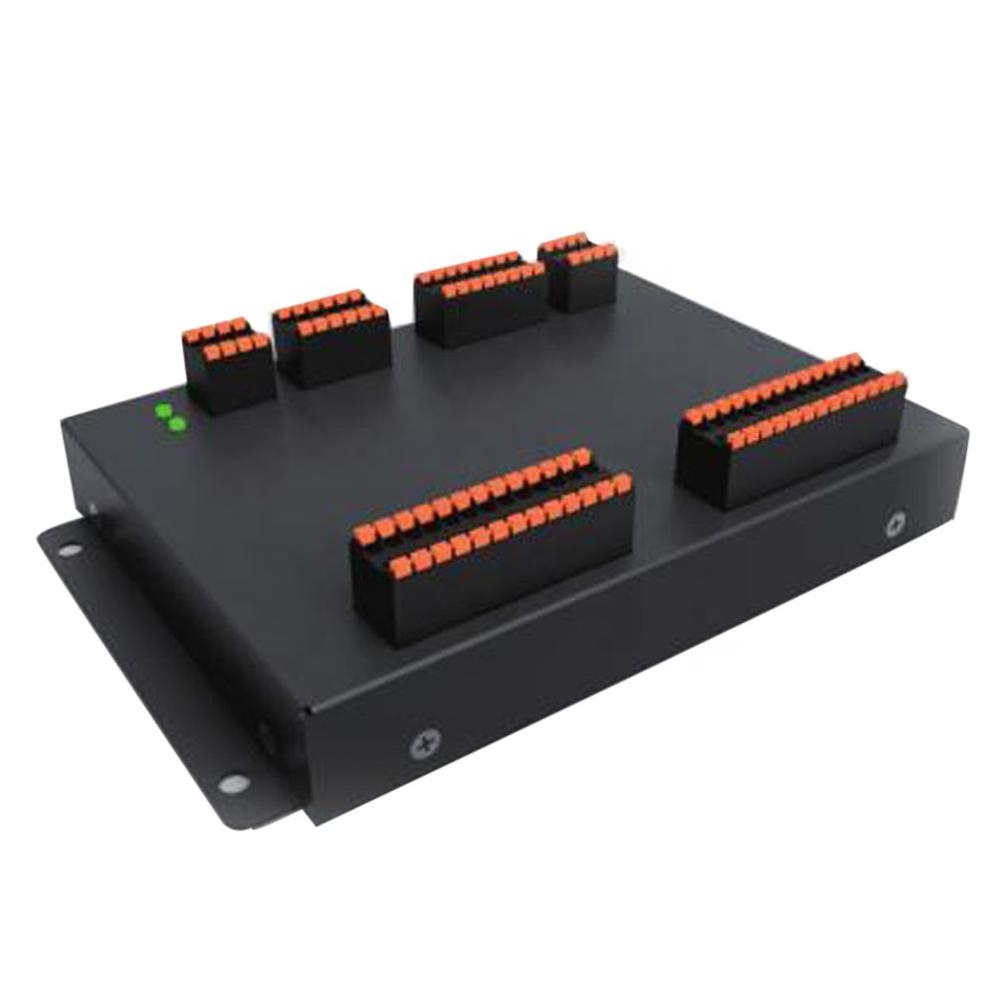
Low-voltage prototype or retrofitAGV Controller with 19V~29V PowerCompact voltage range and controller form factor fit small robots, laboratory prototypes and retrofit projects.
Outdoor or larger turning envelopeTZBOT Four Wheel Drive Ackerman Chassis Composite Robot with ArmAckerman steering and four-wheel drive provide stable travel for larger vehicle footprints, with remote-control composite robot capability.

Buyers should avoid choosing a drive unit solely by rated power. The more reliable method is to share gross vehicle weight, target speed, maximum gradient, battery voltage, available chassis height and duty cycle. These five values determine the motor, reducer, wheel diameter and controller current. A supplier that asks for them before quoting is usually treating the project as an engineering application rather than a commodity sale.

The TZBOT product range is especially relevant for integrators who want to compare a complete bill of materials across one source: drive wheels, motors, servo/BLDC controllers, magnetic guide sensors, RFID position sensors and AGV accessories. That single-source structure is not just convenient; it shortens the iteration loop when a backpack AGV’s center of gravity or turning radius changes during development.

Future Procurement Trends

Piggyback AGV Procurement Trends Buyers Should Plan For

The next purchasing cycle will reward buyers who evaluate suppliers as engineering partners, not only as catalog sellers. These six trends are already visible in export inquiries and technical due-diligence requests.

Modular Single-Source Sourcing

Procurement teams increasingly prefer one qualified supplier for drive wheel, controller and sensor packages. The goal is fewer interface disputes and faster commissioning, not merely a lower component price.

Sample-Led Customization

Buyers want a working sample before mass production. Suppliers that offer sample-based customization, design-based customization and buyer-label packaging will be preferred for urgent projects.

Export-Documentation First

CE-oriented documentation, packing lists, test reports and traceable production records are becoming part of the commercial evaluation, especially for European and North American importers.

Total Cost of Ownership

Energy efficiency, wheel life, encoder reliability, spare-parts cost and engineer response time increasingly outweigh the lowest initial quotation.

Open Control Interfaces

Integrators want controllers that accept common industrial communication and expose fault codes, parameters and configuration files. Closed black-box controllers create long-term dependency.

Verified Supplier Transparency

Onsite verification, ISO 9001:2015 certification, patents and published testing evidence are becoming standard filters in the shortlist stage.

Indicative 100-Point Procurement Weighting

A practical scorecard for comparing piggyback AGV manufacturers and exporters. Adjust the weighting to reflect your project risk.

Engineering and application fit
30%
Verified quality evidence
25%
Delivery and trade terms
20%
Price and total cost of ownership
15%
After-sales and integration support
10%
Product Development Trends

Product Development Trends in Backpack and Composite AGV Platforms

Hardware roadmaps are moving toward lower profile, higher integration and safer top-mounted automation. These trends directly affect the specification of drive wheels, controllers and navigation sensors.

Lower-Profile High-Torque Drives

Backpack AGVs need a low deck height without sacrificing torque. Integrated motor, reducer and wheel assemblies will continue replacing separate component stacks.

Integrated Steering and Servo Feedback

Single steering drive wheels will increasingly pair the drive motor, steering motor, encoder and brake in one tested assembly, reducing cabling and alignment work.

Sensor Fusion Navigation

Magnetic guidance for repeatable routes, RFID for station recognition and SLAM for flexibility will be combined rather than treated as competing options.

Higher-Payload Composite Robots

As arms become lighter and more compact, the market will demand 200 kg to 500 kg backpack platforms that remain stable during rapid arm movement.

Safety-Aware Mobile Platforms

Lidar, bumper strips, voice modules and speed zoning will be specified together as a safety package, especially for mixed human-robot environments.

Faster Customization Cycles

OEM buyers expect shorter sample cycles for voltage, mounting, wheel tread and controller firmware changes. Modular design is becoming a sales advantage.

Enterprise Advantages: Why Zhejiang Torqen Technology Co., Ltd. Belongs on the Shortlist

Zhejiang Torqen Technology Co., Ltd. was founded in 2015 in Zhejiang, China, and operates as a manufacturer and trading company focused on motion control and automated guided vehicle technology. The company designs and manufactures automatic guided vehicles, AGV drive wheel assemblies, DC/AC motors, encoders, reducers, motor controllers, caster and PU wheels, in-wheel motor units and related AGV accessories for automation builders worldwide.

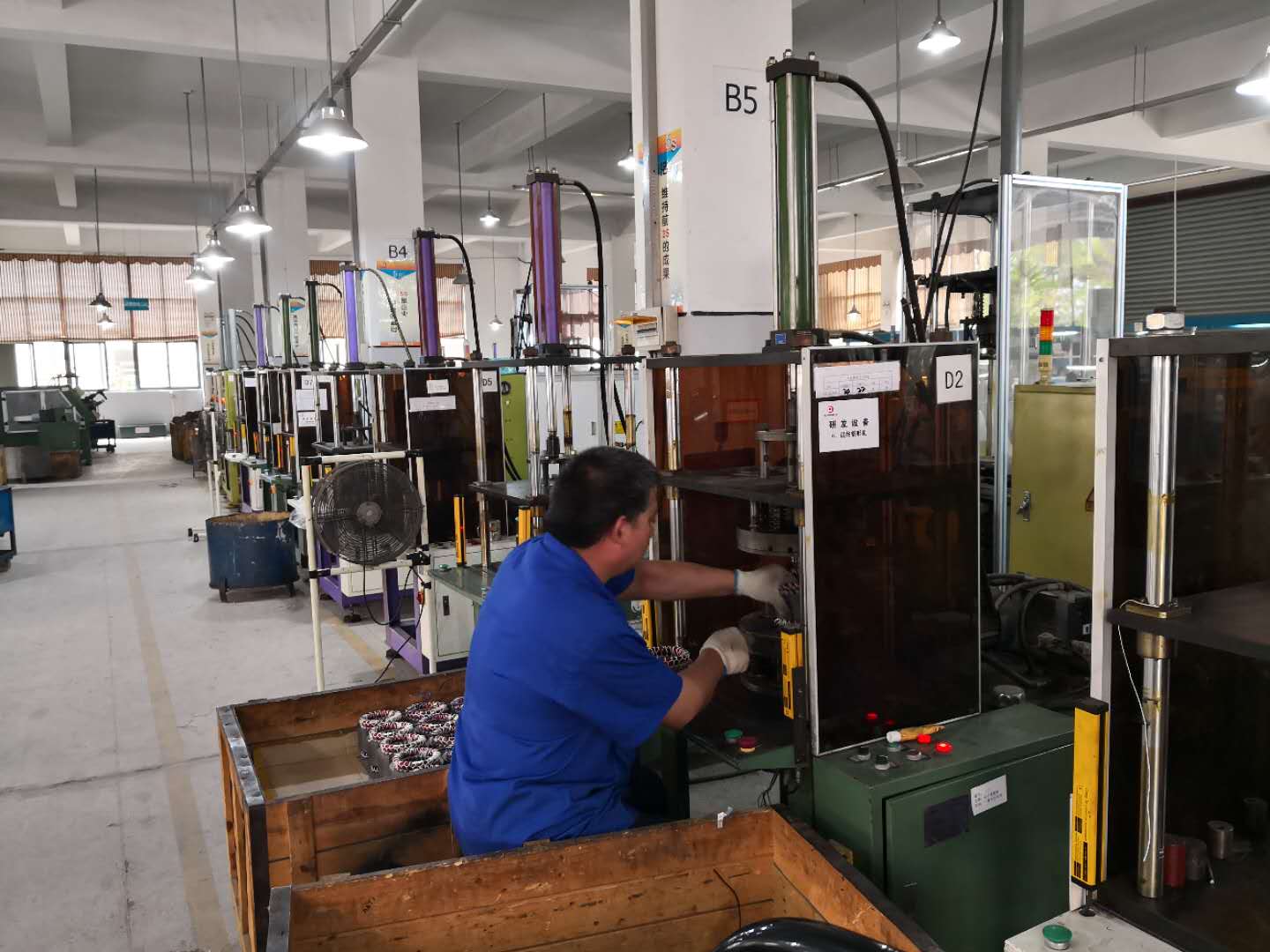
For piggyback AGV buyers, the most valuable advantage is system matching. Torqen’s engineering team works directly with OEM integrators to adapt torque, speed, mounting geometry, voltage and interface requirements. Because drive wheels, motors, drivers and sensors are developed around the same application data, the buyer has fewer compatibility unknowns when moving from drawing to tested prototype. Every prototype is run for extended periods before production parts are released, and the quality management system is certified to ISO 9001:2015. The facility has also been verified onsite by Intertek, and the company holds eight awarded patents.

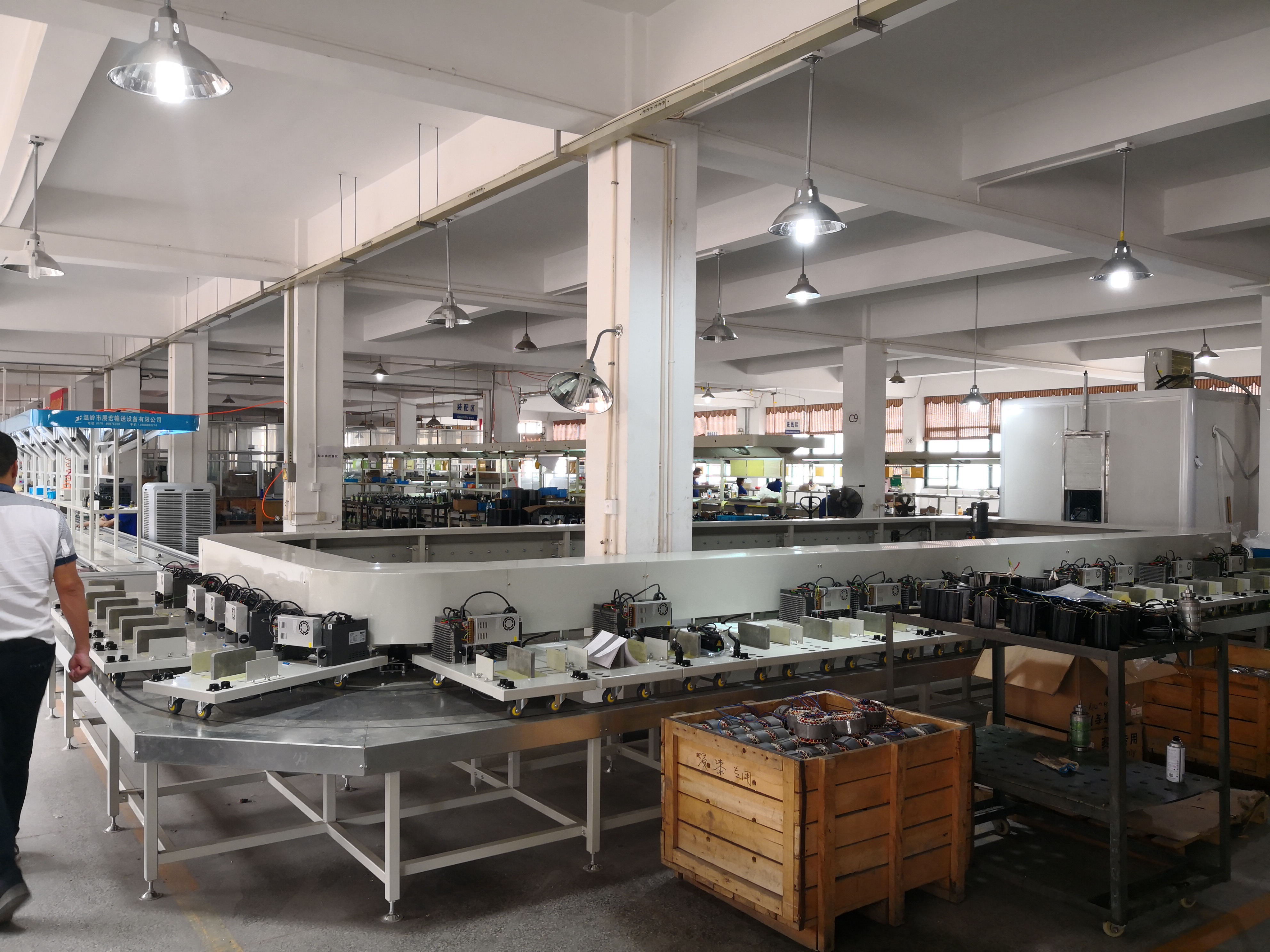
2015Established Zhejiang Torqen Technology Co., Ltd. office and production facility

Torqen AGV drive wheel assembly workshop Torqen engineering and quality inspection area
Business TypeManufacturer & Trading Company
Factory Size1,000–3,000 m²
Annual OutputUS$5M–10M
Team Size51–100 people
Quality SystemISO 9001:2015
Factory VerificationIntertek onsite-verified
CustomizationOEM / ODM · sample & design based
Response Rate97.9% inquiry response

Quality verification is not limited to certification logos. Torqen runs finished-product inspection with five in-house testing instruments, and prototypes undergo extended-duration testing before production parts ship. Customization covers motor power and voltage, reduction ratio, wheel diameter and tread material, encoder type, brake options and mounting interfaces. Buyer-label packaging and design services are also available for OEM and ODM programs.

Export readiness is another practical advantage. Accepted payment methods include T/T, L/C, D/P, D/A, MoneyGram, credit card, PayPal, Western Union, cash and escrow, with currencies including USD, EUR, JPY, CAD, AUD, HKD, GBP and CNY. Delivery terms include FOB, CFR, CIF, EXW, CIP, FCA, CPT, DDU and express delivery. For importers building a Top 10 Piggyback AGV Manufacturers & Exporters shortlist, these details reduce friction at the quotation and shipment stages.

The company’s products are used in AGVs and AMRs, forklifts, aerial work platforms, airport equipment, agricultural machines, hydraulic applications, floor scrubbers and sweepers, wind energy, marine equipment and medical devices. That application breadth is useful evidence for buyers who need a supplier to understand how a drive wheel behaves outside a clean warehouse floor.

Engineer’s takeaway: before requesting a piggyback AGV drive configuration, prepare gross vehicle weight, target speed, maximum gradient, battery voltage, available chassis height and duty cycle. These inputs determine motor power, reduction ratio, wheel diameter and controller current, and they sharply reduce the sampling cycle.

Get Catalog
Procurement FAQ

Frequently Asked Questions About Piggyback AGV Manufacturers & Exporters

These are the questions engineering buyers, importers and automation integrators most often ask before shortlisting a supplier.

What is a piggyback AGV, and how is it different from a standard AGV?

A piggyback AGV is a mobile base designed to carry an additional work package on top, such as a robotic arm, inspection device, conveyor deck or lifting fixture. A standard AGV usually focuses on transporting goods or carts. Piggyback AGVs require more careful center-of-gravity control, deck stiffness, steering accuracy and controller integration because the top-mounted equipment can move during travel.

Which drive unit should I choose for a backpack or robotic-arm AGV?

Differential drive units suit compact latent and jacking AGVs that turn by wheel-speed difference. Single steering drive wheels suit forklift, tricycle and larger vehicles that need controlled steering angles. Ackerman chassis are appropriate when stable travel and a larger turning envelope are more important than compact rotation. Share payload, speed, chassis height and voltage with the supplier so the motor, reducer and wheel can be matched together.

How can I verify a Top 10 piggyback AGV manufacturer before ordering?

Check ISO 9001:2015 certification, onsite factory verification, awarded patents, in-house testing equipment, prototype endurance testing records and export transaction history. Then request a technical proposal showing the drive wheel, controller and navigation sensor interface. A reliable manufacturer will ask for application data before quoting and will provide wiring diagrams, parameter files and inspection records.

Does Torqen support OEM and ODM customization?

Yes. Torqen offers sample-based customization, design-based customization, OEM production, design services and buyer-label packaging. Typical customized items include motor power and voltage, reduction ratio, wheel diameter and tread material, encoder type, brake options and mounting interfaces.

Which navigation method is best for piggyback AGV projects: magnetic guidance, QR code or SLAM?

Magnetic guidance is efficient for fixed routes and fast deployment. RFID helps with station recognition and speed zones. QR code navigation suits grid warehouses and goods-to-person systems. SLAM and lidar are better when routes change frequently and fixed floor infrastructure is undesirable. Many composite robots combine methods rather than relying on one technology.

What payment and delivery terms are available?

Torqen accepts T/T, L/C, D/P, D/A, MoneyGram, credit card, PayPal, Western Union, cash and escrow in currencies such as USD, EUR, JPY, CAD, AUD, HKD, GBP and CNY. Delivery terms include FOB, CFR, CIF, EXW, CIP, FCA, CPT, DDU and express delivery, depending on destination and order requirements.

Which industries use Torqen AGV drive products?

Torqen products are used in AGVs and AMRs, forklifts, aerial work platforms, airport equipment, agricultural machines, hydraulic applications, floor scrubbers and sweepers, wind energy, marine equipment and medical devices. This breadth provides useful evidence for buyers who need reliable motion components across demanding environments.

Ready to Shortlist a Piggyback AGV Platform?

Use the eight product platforms above as a starting point. Share your payload, target speed, chassis height, battery voltage, navigation method and delivery country with the engineering team to receive a matched drive and controller configuration.