8 Recommended Components & Vehicles for Tow Tractor AGV Projects
For a tow tractor AGV, the drivetrain is not a commodity. Payload, towed load, floor condition, steering method, battery voltage, and duty cycle all change the optimal wheel, motor, reducer, controller, and sensor set. The eight Torqen products below cover the most common high-value building blocks for tow tractor AGV factories, integrators, and retrofit teams.
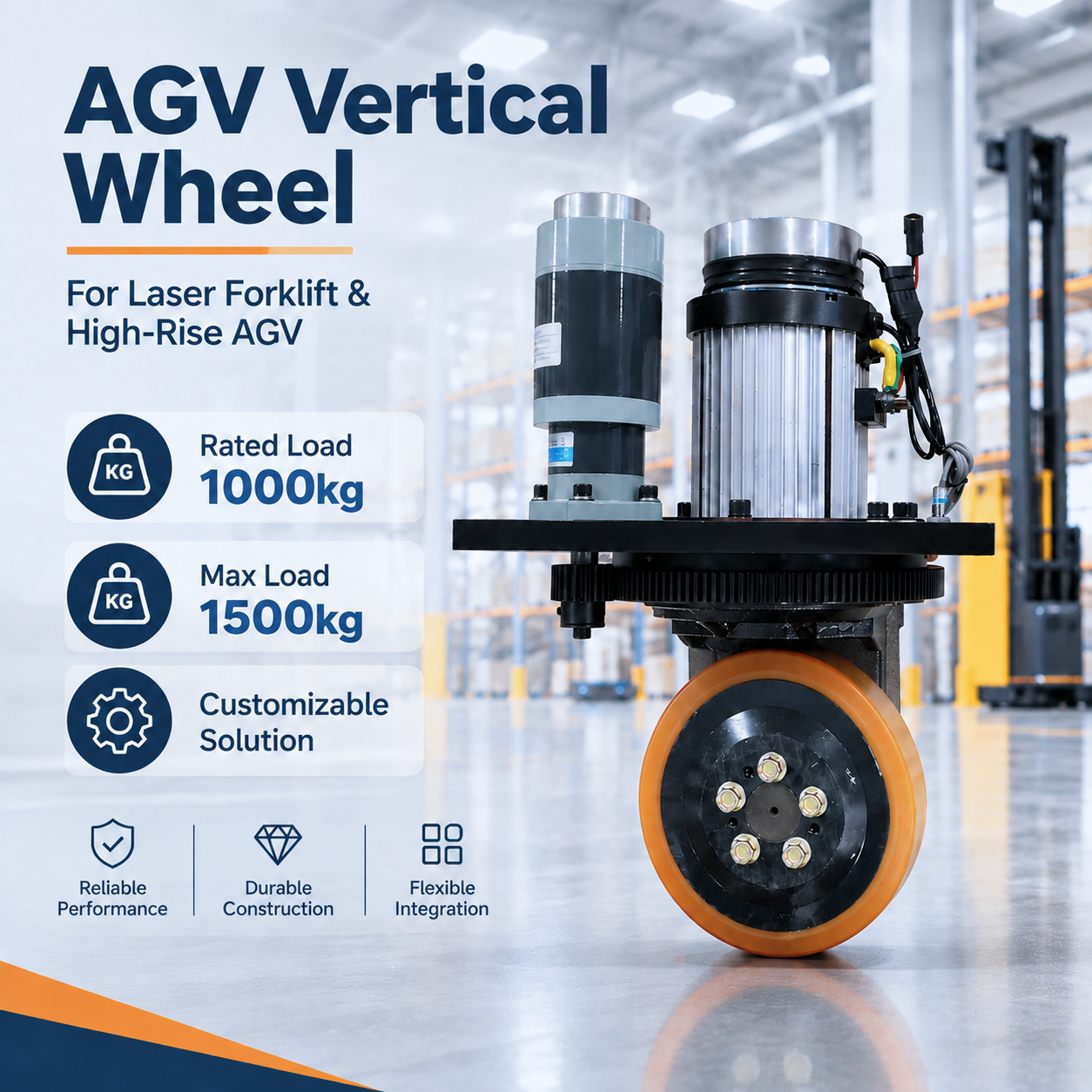
TZBOT 2590 r/min Vertical Driving Unit Electric Traction Wheel 1500W
A vertical steering drive for tow tractors and forklift-style AGVs that need precise wheel-angle control and high torque in a compact fork footprint.
- 1500 W
- 2590 r/min
- Steering
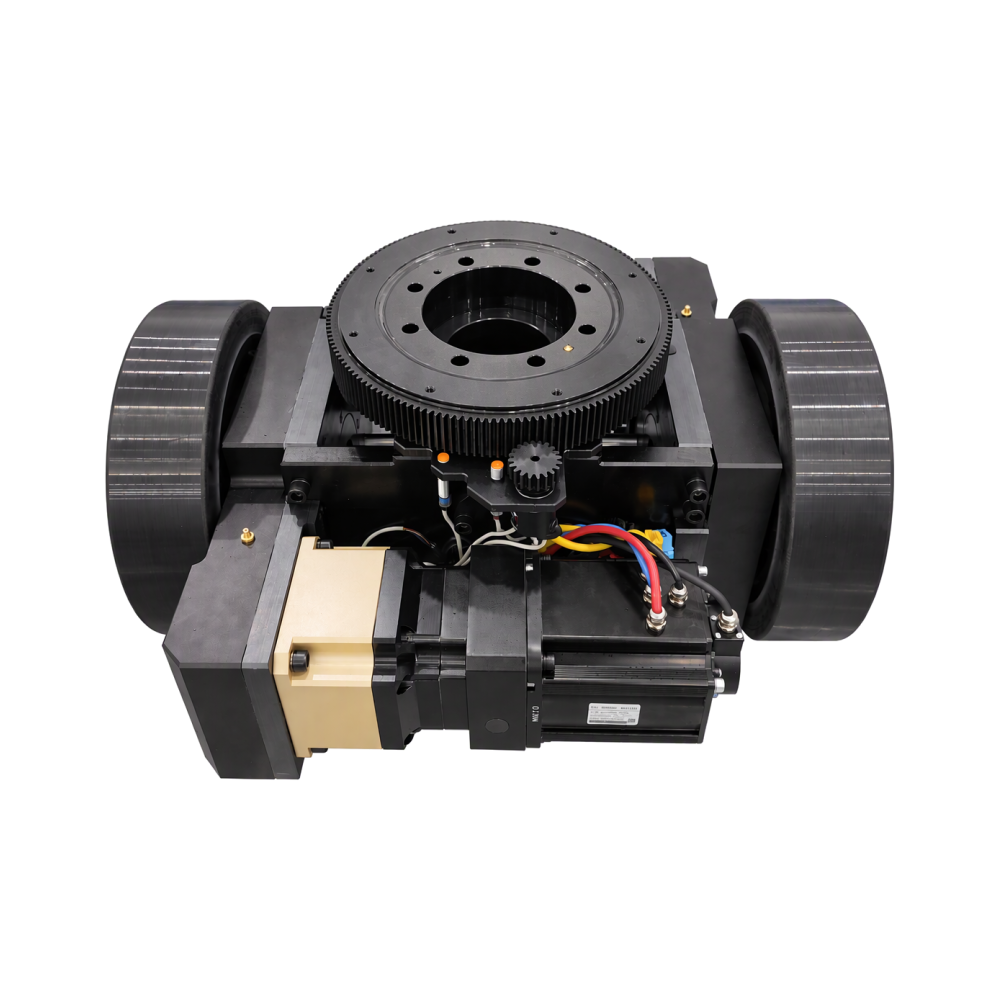
TZBOT Heavy Duty Series Robot Wheel 3000kg Differential Drive Wheel Assembly
A 3,000 kg-class differential drive for tow tractor AGVs that pull trains of carts and need high radial load capacity and stable traction.
- 3000 kg
- Differential
- Heavy Duty
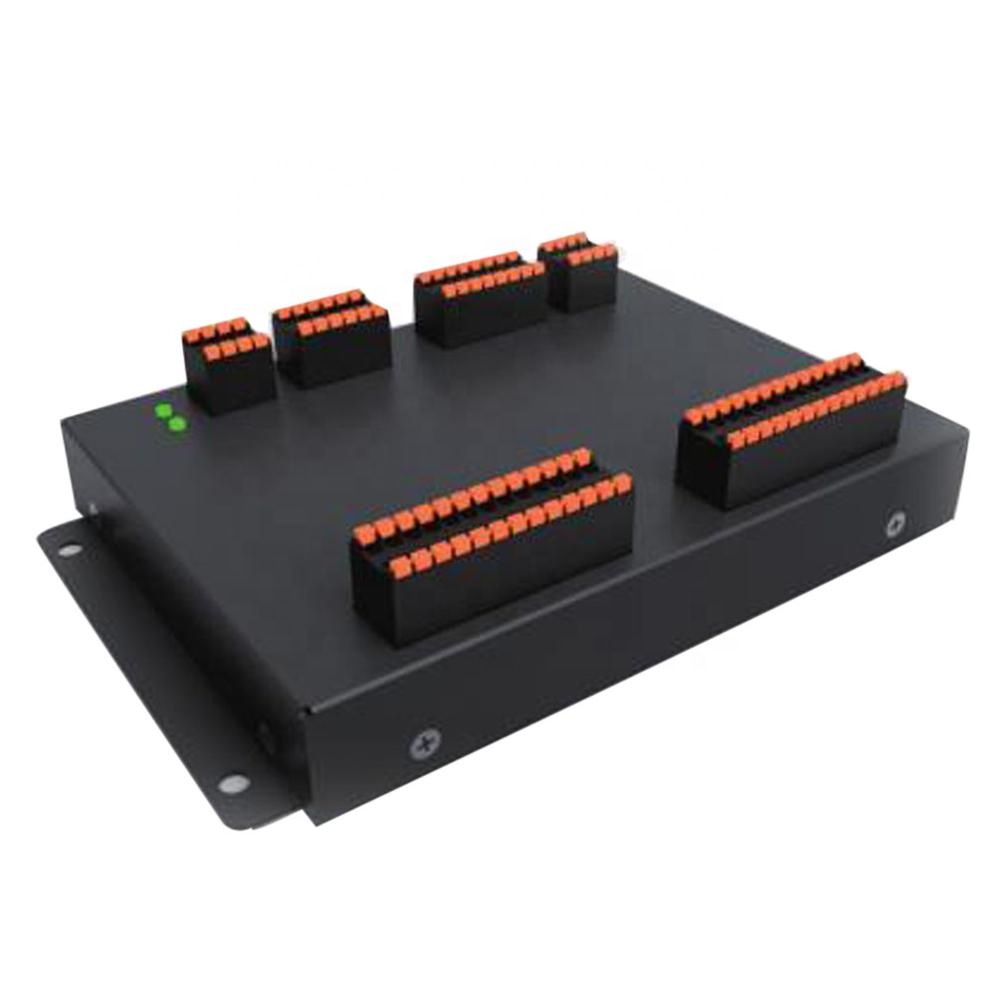
TZBOT Smart Controller TZC-MST-FX200D-A for Guiding the AGV Robot
A compact AGV controller for route guidance, I/O coordination, and safe-stop logic in tow tractor retrofits and new builds.
- Guidance
- I/O
- AGV
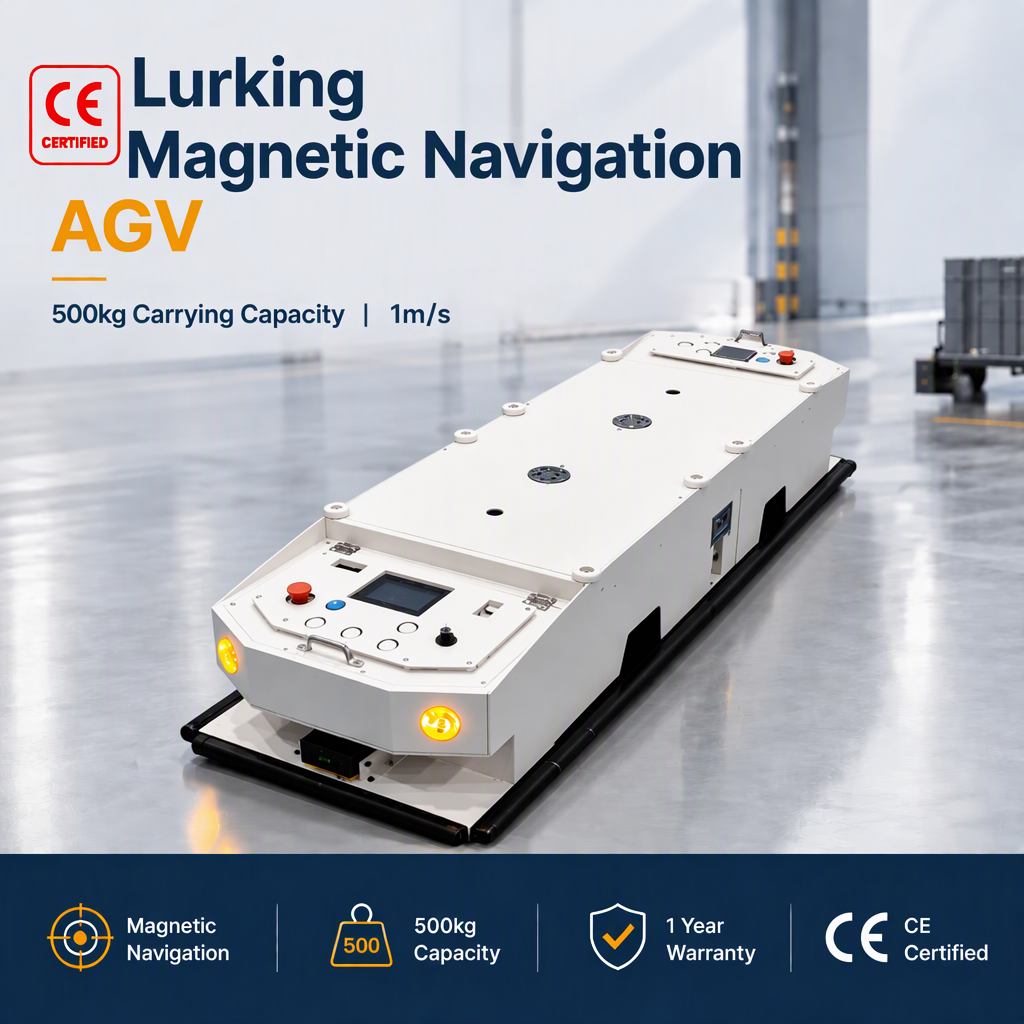
TZBOT CE Approved 500kg Bidirectional Lurking Robot Magnetic Navigation AGV
A CE-approved 500 kg bidirectional lurking robot for low-profile towing, cart transport, and magnetic-navigation workflows.
- 500 kg
- CE
- Magnetic
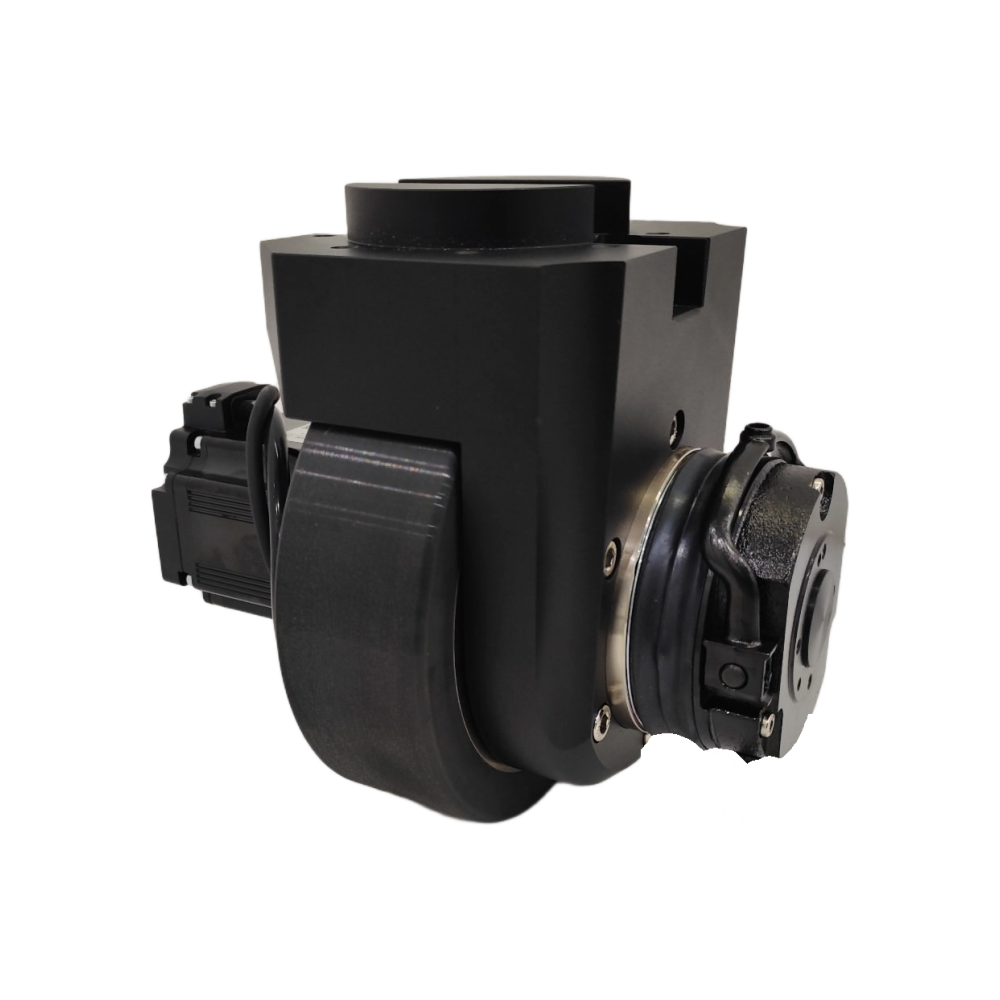
TZBOT Compact Structure agv Wheel Imported Polyurethane 1000kg Horizontal Drive Wheel Unit
A low-clearance horizontal drive unit with imported polyurethane tread for mobile robots that need a shallow chassis and quiet traction.
- 1000 kg
- PU Wheel
- Horizontal
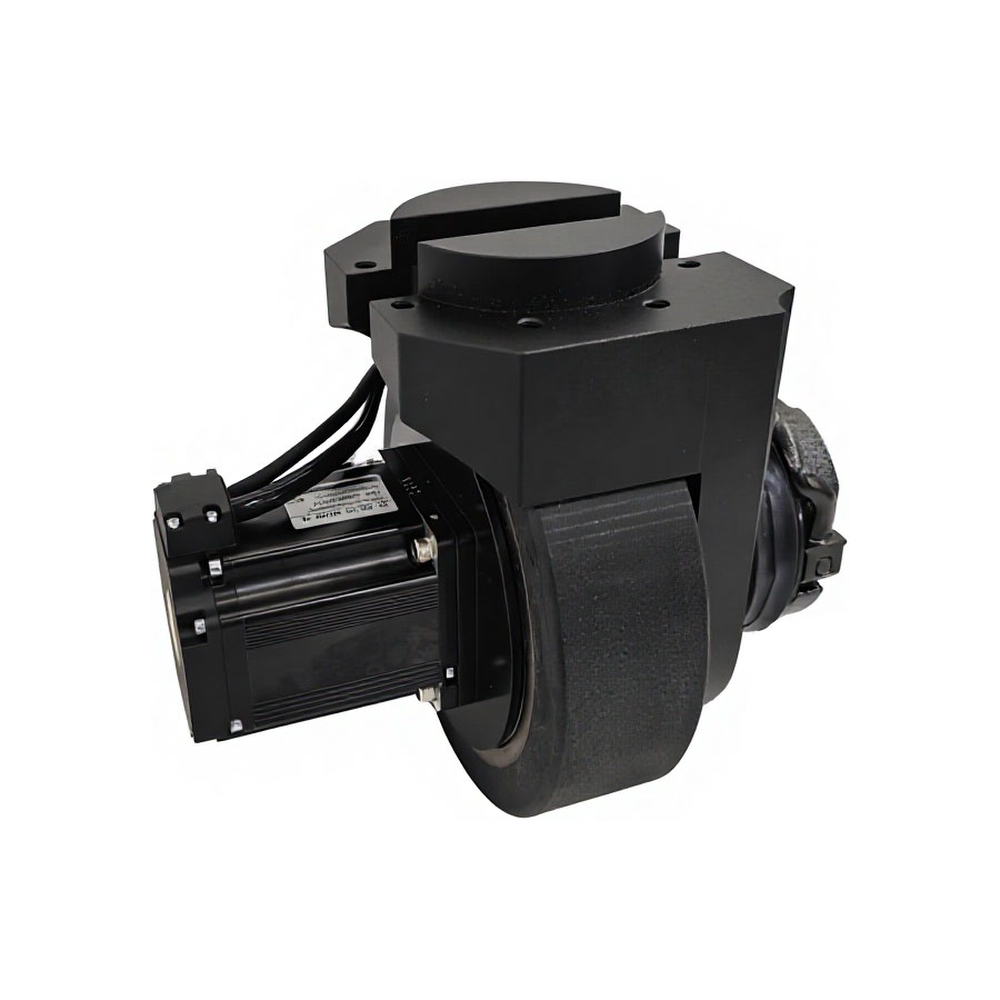
TZBOT 1000kg Bearing Capacity agv Wheel 1000w Servo Motor Horizontal Drive Wheel
A 1,000 kg horizontal drive wheel with 1,000 W servo motor for precise speed control and regenerative braking in tow tractor duty cycles.
- 1000 W
- 1000 kg
- Servo
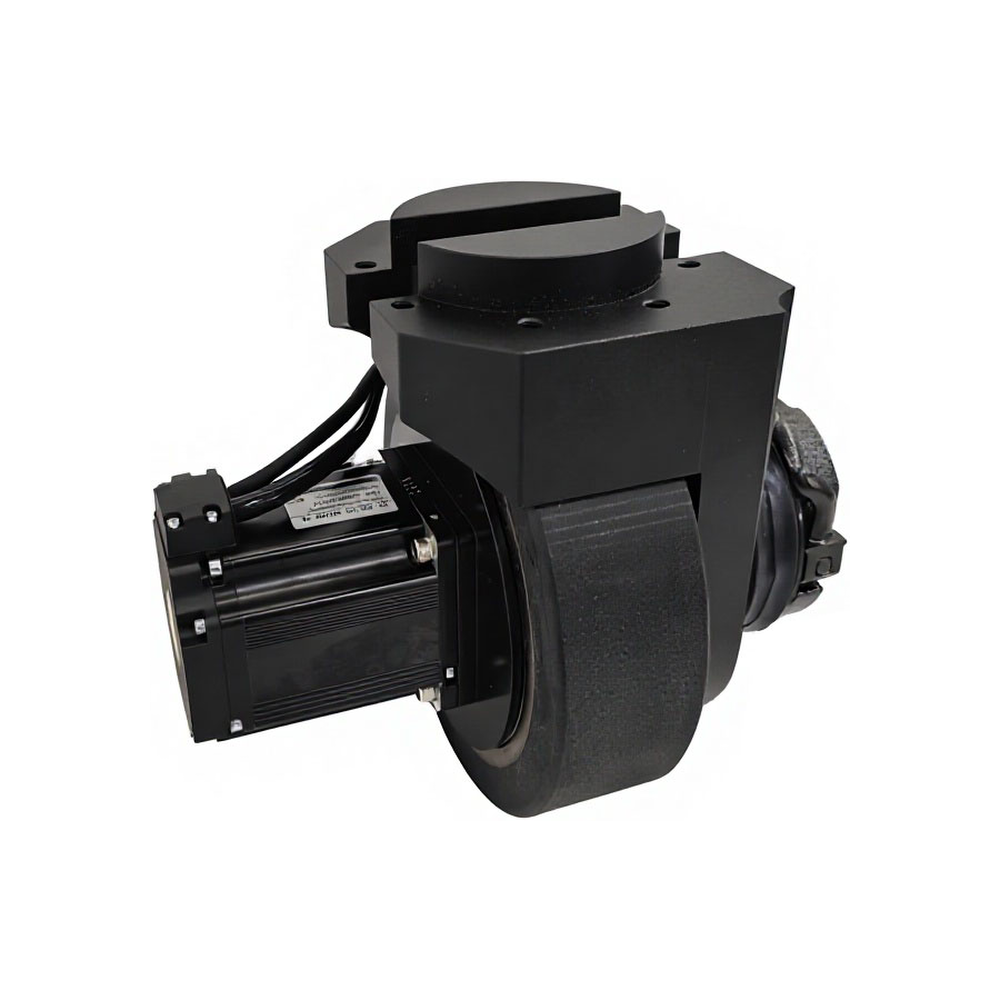
TZBOT agv Wheel Traction Accessories 1000kg Heavy Duty Horizontal Drive Wheel Assembly
A reinforced horizontal assembly for continuous towing, with serviceable traction components and a robust mounting interface.
- 1000 kg
- Assembly
- Traction
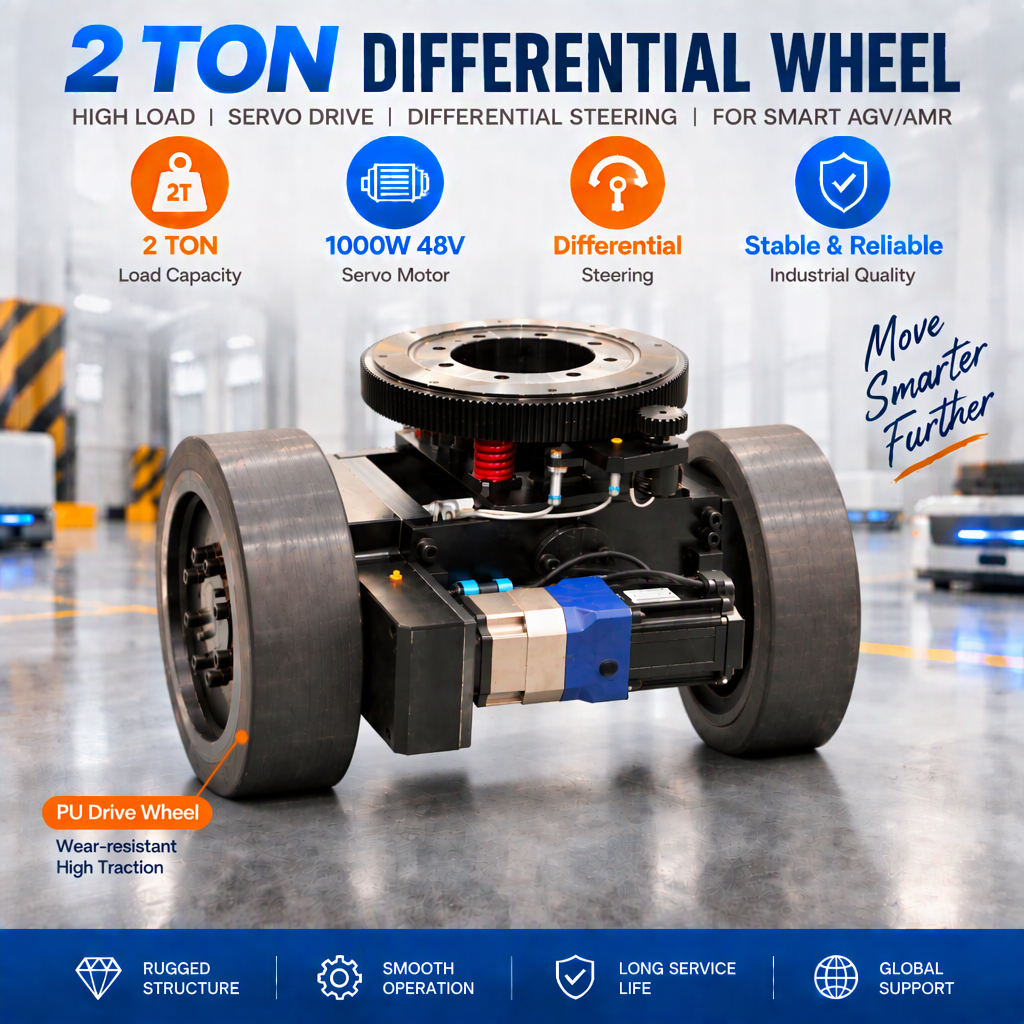
TZBOT Customized 2000kg Bearing Duty agv Wheel 1000w 48V Differential Drive Wheel with Suspension
A 2,000 kg customized differential drive with 1,000 W motor, 48 V architecture, and suspension for uneven floors and heavy tow loads.
- 2000 kg
- 48 V
- Suspension
Top 10 Tow Tractor AGV Factories & Suppliers: What to Verify
Supplier names change by region, certification status, and project scope. This evidence-led Top 10 framework lets you rank any tow tractor AGV factory or supplier against the capabilities that consistently reduce integration risk. Torqen’s verified profile is shown as a benchmark, not as an unverifiable directory listing.
| # | What to verify | Why it matters | Torqen evidence |
|---|---|---|---|
| 01 | In-house drive-train engineering | Mismatched wheel, motor, reducer, encoder, and controller create vibration, overheating, and commissioning delays. | Designs AGVs, drive wheel assemblies, DC/AC motors, reducers, servo/BLDC controllers, and sensors. |
| 02 | Payload-to-wheel matching | Tow tractor AGVs run continuous duty cycles; under-specified wheels fail early, while over-specified wheels add cost and height. | 500 kg to 3,000 kg drive options; 1,000 W to 1,500 W motors; 48 V configurations and customized variants. |
| 03 | ISO 9001:2015 and onsite verification | A certified quality system and factory audit are baseline filters for repeatable supply. | ISO 9001:2015 certified and Intertek onsite-verified manufacturer. |
| 04 | Test lab and endurance validation | Tow tractor duty cycles are continuous. Prototype testing must simulate heat, load, and stop-start operation. | Five in-house testing instruments, finished-product inspection, and extended-duration prototype testing. |
| 05 | OEM/ODM customization depth | Chassis height, mounting pattern, wheel diameter, tread, brake, encoder, and voltage vary by vehicle platform. | Sample-based and design-based customization, OEM production, design services, and buyer-label packaging. |
| 06 | Matched controllers and sensors | Unmatched electronics cause finger-pointing between suppliers when the AGV is commissioned. | Servo/BLDC drivers, magnetic guide sensors, RFID position sensors, and lidar options from one supplier. |
| 07 | Tow tractor integration experience | Latent, jacking, tugger, and forklift-style AGVs have different steering and load-transfer behavior. | Applications include AGV & AMR, forklifts, airport equipment, agricultural machines, floor scrubbers, and medical devices. |
| 08 | Export logistics and trade terms | Cross-border procurement needs predictable payment, delivery, and currency options. | FOB, CFR, CIF, EXW, CIP, FCA, CPT, DDU, and express delivery; payment in eight currencies. |
| 09 | After-sales responsiveness and spares | Downtime is expensive; spare-part lead time and technical response affect fleet uptime. | 24/7 online response, 97.9% inquiry response rate, integration assistance, and after-sales assurance. |
| 10 | Total cost of ownership transparency | The lowest unit price can carry higher integration, energy, downtime, and spare-part costs. | Single-source drive-train matching reduces supplier count and integration risk for tow tractor AGV builders. |
E-E-A-T note: This guide is compiled from Torqen’s public company profile, product documentation, and application engineering notes. Always request current certificates, test reports, and lead times before awarding a contract.
How to Specify a Tow Tractor AGV Drive Train
The right drive unit depends on steering method, chassis height, payload, and navigation. Use these engineering prompts before you request samples.
Differential, Steering, or Horizontal?
Each drive architecture solves a different tow tractor AGV problem.
- Differential drive unit: two independently driven wheels turn by speed difference. Best for compact latent, jacking, and shelf-lifting AGVs.
- Single steering drive wheel: a dedicated steering motor sets wheel angle. Best for forklift AGVs, tricycle chassis, and tugger vehicles.
- Horizontal drive assembly: the motor is mounted horizontally for a low build height. Best for low-clearance chassis and under-ride carts.
Magnetic, RFID, QR, or SLAM?
Navigation choice affects infrastructure cost, flexibility, and commissioning time.
- Magnetic guide sensor: low-cost fixed routes with magnetic tape; fast deployment for stable layouts.
- RFID position sensor: station recognition, speed zones, and junctions with floor tags.
- QR code navigation: grid warehouses and goods-to-person systems.
- Laser SLAM / lidar: flexible routes and frequent layout changes with natural-feature navigation.
| RFQ data point | Why it changes the design | Example input |
|---|---|---|
| Gross vehicle weight + towed load | Sets motor torque, wheel diameter, reducer ratio, and bearing class. | 1,200 kg AGV + 2,000 kg cart train |
| Target speed, acceleration, and gradient | Determines power headroom, brake choice, and thermal margin. | 1.2 m/s, 0.4 m/s², 3% ramp |
| Battery voltage and capacity | Drives controller selection, current draw, and charging strategy. | 48 V, 60 Ah lithium |
| Chassis height and wheel envelope | Decides vertical vs. horizontal drive and suspension needs. | 180 mm clearance, 160 mm wheel |
| Duty cycle and shift pattern | Defines continuous rating, cooling, and service interval. | 16 h/day, 5 days/week |
Information Gain: A Practical TCO Formula
TCO = unit price + integration engineering + energy consumption × duty cycle + downtime risk × spare lead time − residual value. For tow tractor AGV procurement, ask each supplier for energy data, replacement-part pricing, and response-time commitments. A lower-priced drive wheel can become the most expensive component if it increases commissioning hours or fleet downtime.
Tow Tractor AGV Procurement Trends for 2025–2030
Buyers are moving from component shopping to validated drive-train sourcing. These six trends are reshaping RFQs and supplier shortlists.
48 V and 80 V Architectures
Higher-voltage, lower-current drivetrains reduce cable size, improve efficiency, and support fast charging and regenerative braking.
Integrated Drive Units
Motor, reducer, encoder, wheel, and brake are purchased as one validated unit, shrinking chassis space and integration labor.
Functional Safety & CE Documentation
Procurement teams now ask for CE files, risk assessment, safe-stop logic, and traceable test reports before sample approval.
Hybrid Navigation
Magnetic tape for fixed lanes, RFID for stations, and SLAM/lidar for flexible zones are increasingly combined in one fleet.
Dual Sourcing & Local Assembly
Tariffs, lead times, and currency volatility push buyers to qualify a primary factory and a regional assembly or spare-parts partner.
TCO-Based Awarding
Lowest unit price is losing to scored TCO models that include energy, downtime, spare parts, and service response.
Tow Tractor AGV Product Development Trends
Component roadmaps now follow fleet economics: higher payload density, lower chassis height, integrated control, and predictive maintenance.
Higher Payload Density
2,000–3,000 kg drive wheels are being packaged into compact envelopes so tow tractors can pull heavier cart trains without growing the chassis.
Low-Profile Horizontal Drives
Under-ride carts and low-clearance tow tractors demand horizontal drive units with shallow mounting depth and protected cable routing.
Integrated Servo Control
Drive wheel, driver, and encoder are tuned as one system to improve speed accuracy, regenerative braking, and fault diagnostics.
Modular Tow Tractor Kits
Standard drive, controller, sensor, and battery interfaces shorten new platform development and simplify spare-parts planning.
Condition Monitoring
Temperature, current, vibration, and encoder data are used for predictive maintenance and early warning of wheel or reducer wear.
Lithium & Fast-Charge Compatibility
Higher-voltage architectures, regenerative braking, and charge-dock integration are becoming default requirements for multi-shift fleets.
Zhejiang Torqen Technology Co., Ltd. — A Benchmark Supplier for Tow Tractor AGV Drive Trains
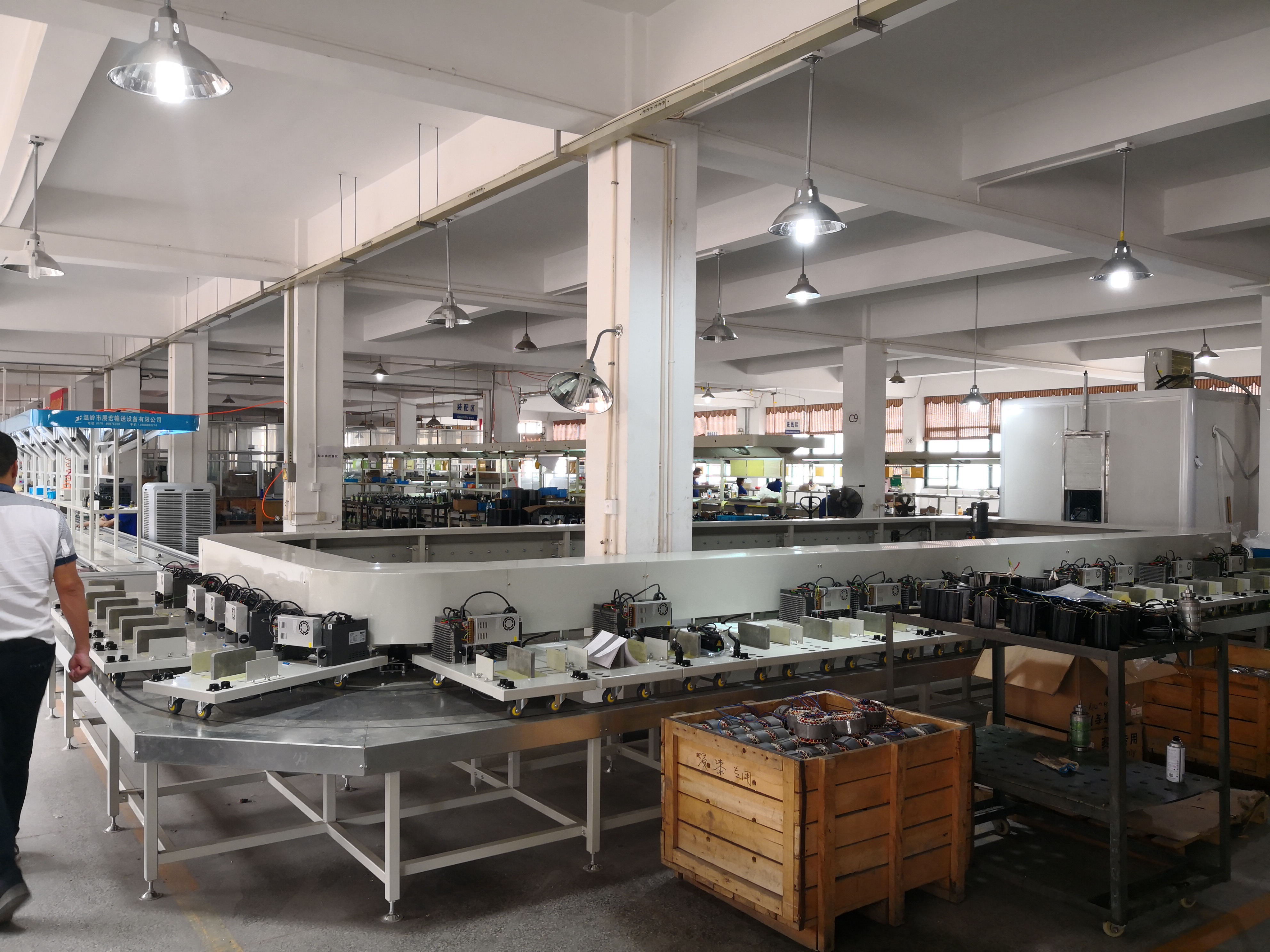
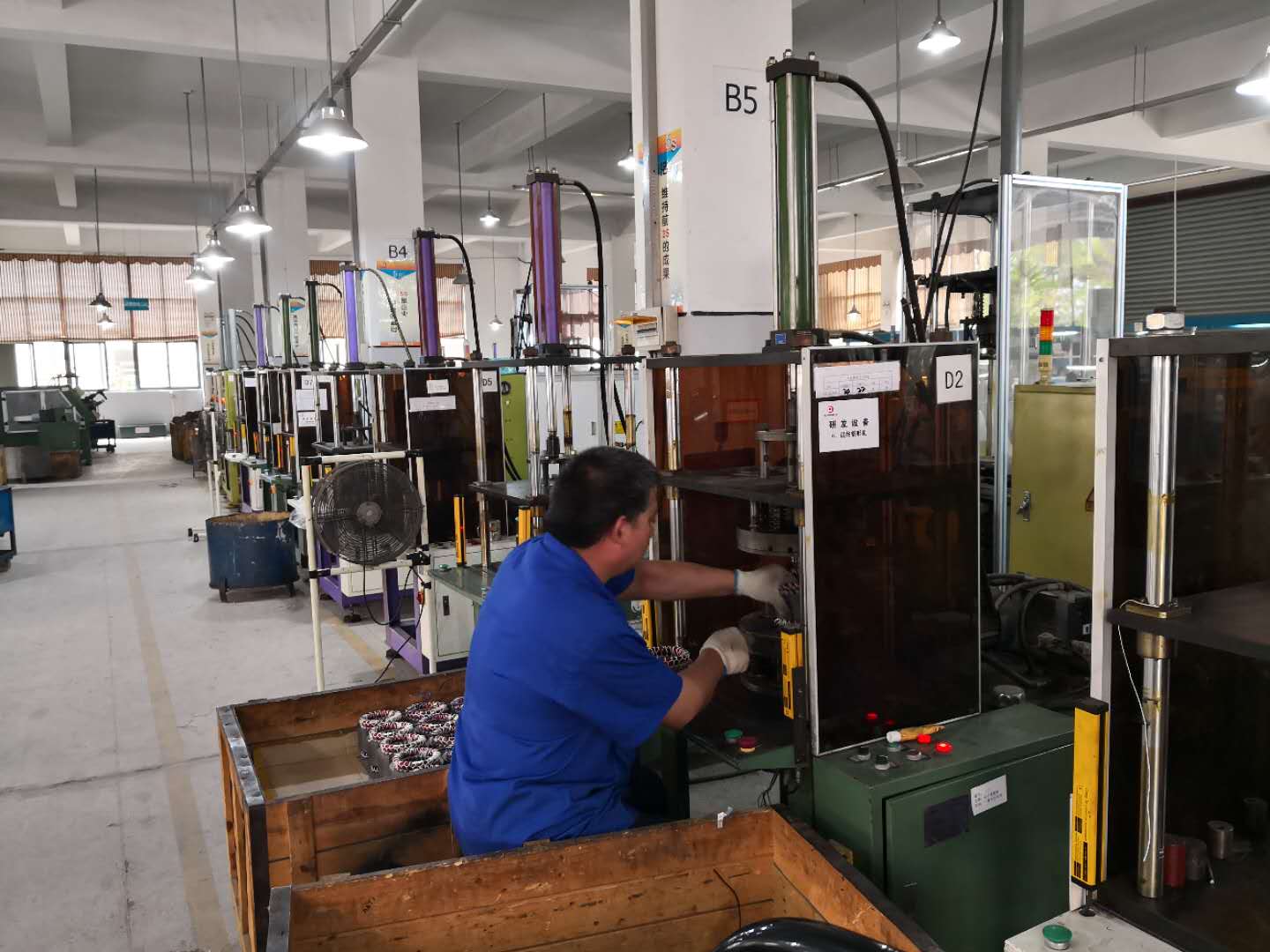
Founded in 2015 in Zhejiang, China, Zhejiang Torqen Technology Co., Ltd. designs and manufactures automatic guided vehicles, AGV drive wheel assemblies, DC/AC motors, encoders, reducers, servo/BLDC controllers, and navigation sensors. The company is ISO 9001:2015 certified and Intertek onsite-verified, with a 1,000–3,000 m² factory, 51–100 employees, and US$5M–10M annual output.
For tow tractor AGV buyers, the advantage is single-source drive-train matching: wheel, motor, reducer, encoder, driver, and sensor are selected together, not assembled from disconnected catalogs. Torqen supports sample-based and design-based customization, OEM production, design services, and buyer-label packaging.
- Business Type
- Manufacturer & Trading Company
- Factory Size
- 1,000–3,000 m²
- Annual Output
- US$5M–10M
- Team
- 51–100 people

Custom Drive Engineering
Motor power, voltage, reduction ratio, wheel diameter, tread material, encoder, brake, and mounting interface can be adapted to your tow tractor chassis.
Tested Before Shipping
Five in-house testing instruments, finished-product inspection, and extended-duration prototype runs help catch integration issues before production release.
Matched Electronics
Servo and BLDC drivers are selected with our own drive wheels, plus magnetic, RFID, and lidar sensors for a single-source bill of materials.
Export-Ready Logistics
FOB, CIF, EXW, DDU, and express delivery are supported with flexible payment terms in eight currencies for global buyers.
Benchmark Scorecard: Torqen Evidence vs. Top 10 Criteria
Comparative scores based on public profile data, product documentation, and procurement-relevant capabilities.
Scores are an indicative benchmark, not a third-party certification. Verify current evidence during RFQ.
Quality & Manufacturing Evidence
- ISO 9001:2015 quality management system certification
- Intertek onsite-verified supplier assessment
- 8 awarded patents and continued in-house design investment
- 5 in-house testing instruments and finished-product inspection
- Extended-duration prototype testing before production release
- OEM/ODM customization and buyer-label packaging
For tow tractor AGV projects, these controls matter most when drive wheels and controllers must survive continuous towing, frequent starts and stops, and uneven floor conditions.
Industries Powered by Torqen Drive Components
Tow tractor AGV technology shares drive-train requirements with other mobile equipment. These are the application areas reflected in Torqen’s product and company profile.
From Specification to Shipment in Six Steps
A transparent process for engineering buyers who need predictable sampling, testing, and production.
Requirement Review
Load, speed, voltage, gradient, and chassis data are assessed against the application.
Engineering Proposal
Motor, reducer, wheel, controller, and sensor are matched; drawings and parameters are shared.
Prototype Build
Sample-based or design-based customization is produced for validation.
Endurance Testing
Extended-duration runs, thermal checks, and parameter verification are completed.
Mass Production
ISO 9001:2015 controlled manufacturing and in-process inspection.
Inspection & Delivery
Final inspection, export packing, documentation, and global shipping.
Flexible Payment & Delivery for Global Buyers
Payment Methods
Delivery Terms
Currencies
Questions Buyers Ask Before Ordering
What defines a top tow tractor AGV factory or supplier?
A top supplier combines in-house drive-train engineering, verified quality management, payload-to-wheel matching, OEM/ODM customization, matched controllers and sensors, export readiness, and responsive after-sales support. Use the Top 10 criteria table above as an RFQ scorecard rather than relying on a single price quotation.
Does Torqen support OEM and ODM customization for tow tractor AGV components?
Yes. Torqen offers sample-based customization, design-based customization, OEM production, design services, and buyer-label packaging. Typical customizations include motor power and voltage, reduction ratio, wheel diameter and tread material, encoder type, brake options, and mounting interfaces.
How is product quality verified?
The quality management system is certified to ISO 9001:2015, and the facility has been verified onsite by Intertek. Torqen runs finished-product inspection with five in-house testing instruments, and prototypes undergo extended-duration testing before production parts ship.
Which drive wheel type should I choose for my tow tractor AGV?
Differential drive units suit compact latent, jacking, and shelf-lifting AGVs that turn by wheel-speed difference. Steering drive wheels suit forklift and tricycle-type AGVs that need controlled steering angles. Horizontal drive wheel assemblies suit low-clearance chassis. Share your payload, towed load, speed, chassis height, and battery voltage so the drive can be matched properly.
What RFQ data should I prepare before requesting a quote?
Prepare five values: gross vehicle weight plus towed load, target speed and gradient, battery voltage and capacity, chassis height and wheel envelope, and duty cycle or shift pattern. These determine motor power, reduction ratio, wheel diameter, controller current, and thermal margin.
What payment and delivery terms are accepted?
Payment methods include T/T, L/C, D/P, D/A, MoneyGram, credit card, PayPal, Western Union, cash, and escrow, in USD, EUR, JPY, CAD, AUD, HKD, GBP, or CNY. Delivery terms include FOB, CFR, CIF, EXW, CIP, FCA, CPT, DDU, and express delivery.
Which industries use Torqen drive products?
Torqen products are used in AGVs and AMRs, forklifts, aerial work platforms, airport equipment, agricultural machines, hydraulic applications, floor scrubbers and sweepers, wind energy, marine equipment, and medical devices.
How do I compare tow tractor AGV suppliers on total cost of ownership?
Score unit price, integration engineering hours, energy consumption, expected downtime, spare-part lead time, service response, and residual value. A single-source drive train may reduce integration risk and supplier count, but you should still request energy data, replacement-part pricing, and response-time commitments in writing.
Specifying a Tow Tractor AGV Platform?
Send your load, speed, chassis height, battery voltage, and navigation requirements. Our engineers will match the drive wheel, controller, and sensor set — and confirm current lead times.
Email: info@torqenbot.com
