Top China Driverless Forklift Manufacturers & Factory
A factory-direct buyer’s guide to driverless forklifts, AGV drive wheels, motion controllers and navigation sensors — with engineering criteria that separate a low-cost quotation from a reliable production partner.
Get Catalog8 Components and Platforms for a Driverless Forklift Build
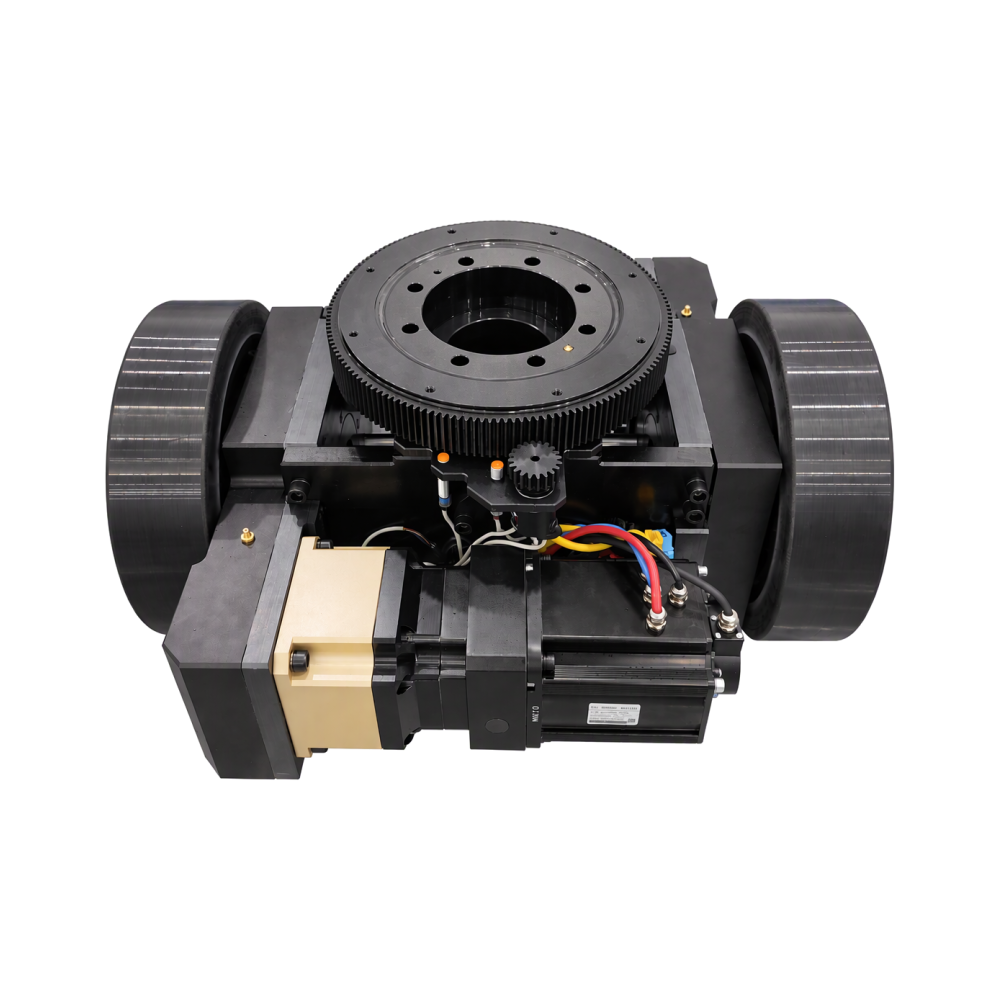
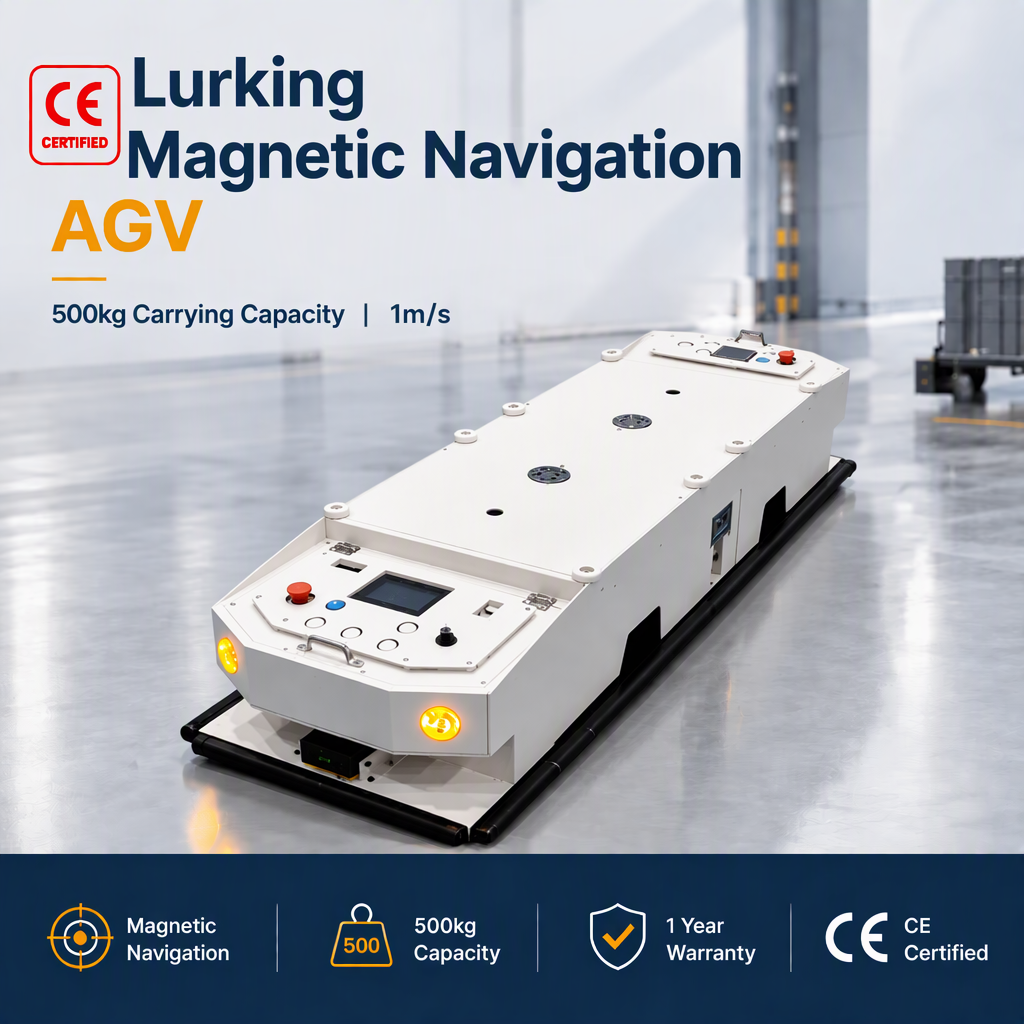
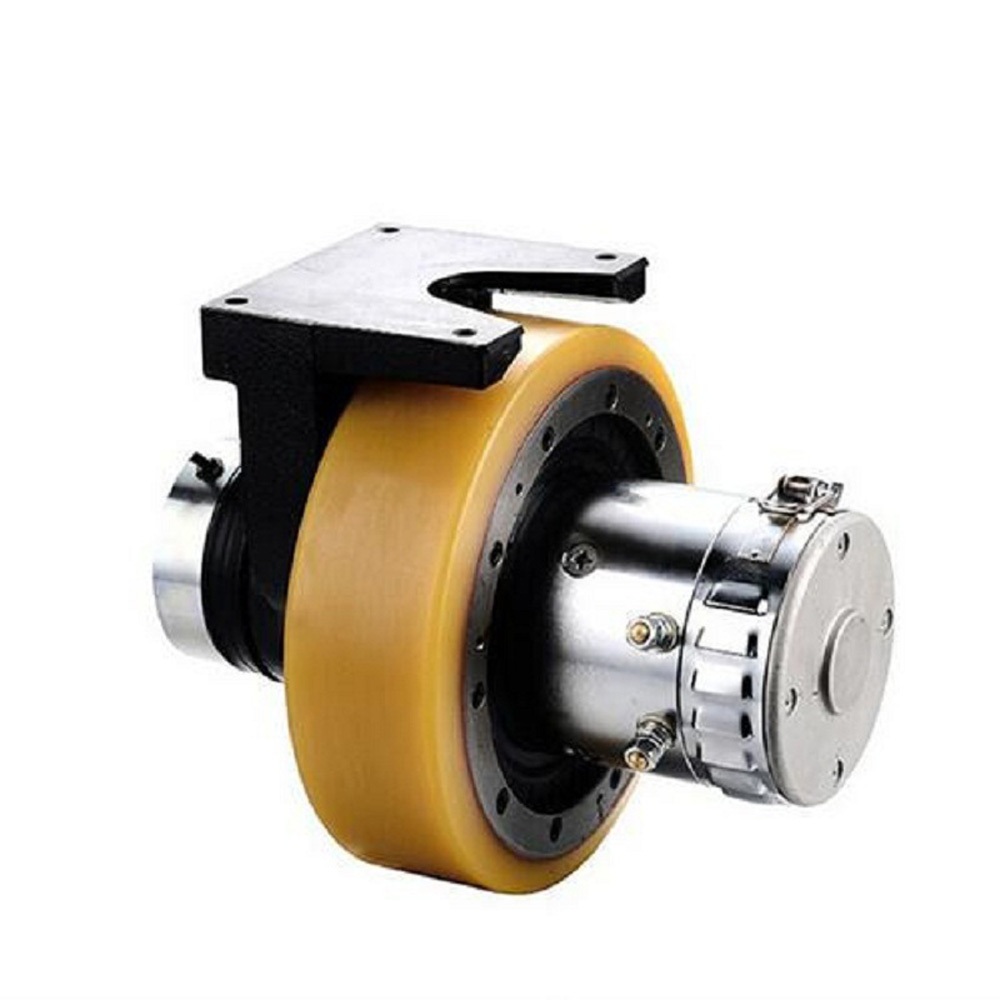
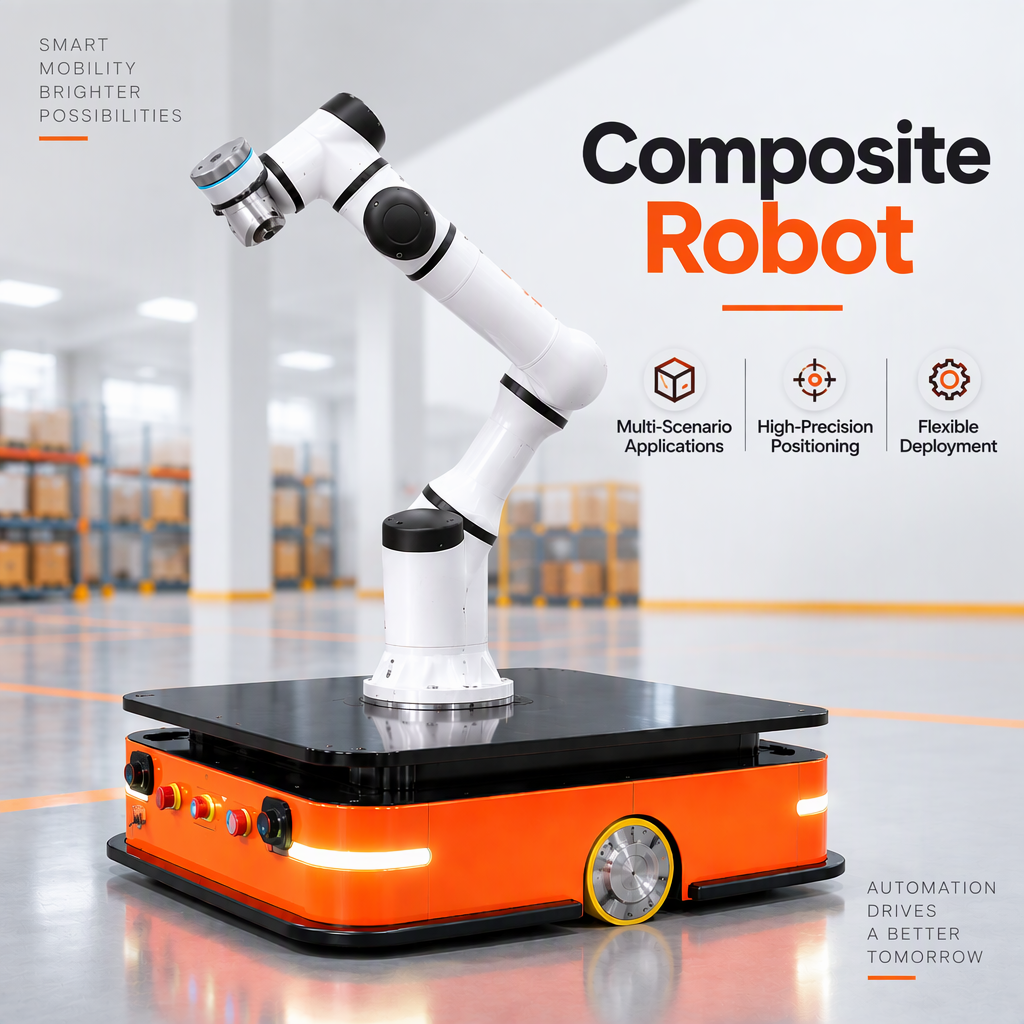
These eight factory-direct options cover the motion, control and guidance stack that determines steering accuracy, load stability, route reliability and maintenance cost. Product URLs are preserved exactly as supplied.
What Separates Top China Driverless Forklift Manufacturers from Low-Cost Assemblers
China now hosts a deep driverless forklift supply chain: vehicle integrators, drive-wheel specialists, motor and controller suppliers, sensor makers and fleet-software teams. The buying decision is no longer only about unit price.
For procurement teams, the difficult part is not finding a quotation. It is identifying which suppliers actually control the sub-systems that determine uptime. A driverless forklift is a system of drive wheels, motors, reducers, encoders, controllers, safety sensors, batteries, navigation hardware and software logic. A factory that only assembles bought-in parts may pass a sample inspection and still create integration risk when the vehicle enters 24/7 duty.
Top-tier manufacturers usually share four observable traits: a traceable quality system, component-level and vehicle-level testing, documented integration interfaces, and stable spare-parts support after shipment. These traits matter more than a long catalogue because they shorten commissioning, reduce unplanned stops and protect the buyer’s maintenance budget over the full life of the fleet.
Information gain for buyers: ask for test data, wiring and mounting drawings, controller parameter files, and a production traceability record — not just a product photo and a price. A supplier that can answer at the sub-system level is usually better prepared for OEM/ODM work than one that only resells finished units.
Matched Drive Train
Motor, reducer, wheel, encoder, brake and controller are selected as one system rather than five unrelated parts.
Tested Before Shipping
Five in-house testing instruments, finished-product inspection and extended-duration prototype runs support release decisions.
Integration Documentation
Wiring diagrams, driver parameters, mounting geometry and commissioning guidance reduce engineering back-and-forth.
Export-Ready Supply
Flexible payment and delivery terms, spare-parts planning and global shipping support for OEM buyers.
Zhejiang Torqen Technology Co., Ltd. — A Motion-Control Factory for Driverless Equipment
Founded in 2015 in Zhejiang, China, Zhejiang Torqen Technology Co., Ltd. designs and manufactures automatic guided vehicles, AGV drive wheel assemblies, DC/AC motors, encoders, reducers, motor controllers, caster and PU wheels, and in-wheel motor units for automation builders worldwide. The company operates as a manufacturer and trading company with a factory of 1,000–3,000 m², annual output of US$5M–10M and a team of 51–100 people.
Torqen’s engineering advantage is vertical matching. Instead of treating the drive wheel, motor, driver and sensor as separate purchases, our engineers match torque, speed, mounting geometry, reduction ratio and control parameters to the vehicle’s real duty cycle. Continued investment in modern machining equipment supports a fast path from drawing to tested prototype, and every prototype is run for extended periods before production parts are released.
- 2015Established in Zhejiang, China
- ISO 9001:2015Quality management system certified
- IntertekOnsite-verified manufacturer
- OEM / ODMSample and design-based customization
Typical customizations include motor power and voltage, reduction ratio, wheel diameter and tread material, encoder type, brake options and mounting interfaces. Buyers can also request OEM production, design services and buyer-label packaging. Service support includes 24/7 online response, wiring diagrams, driver parameter files, commissioning guidance, spare-parts supply and fault analysis backed by traceable production records.
Get Catalog
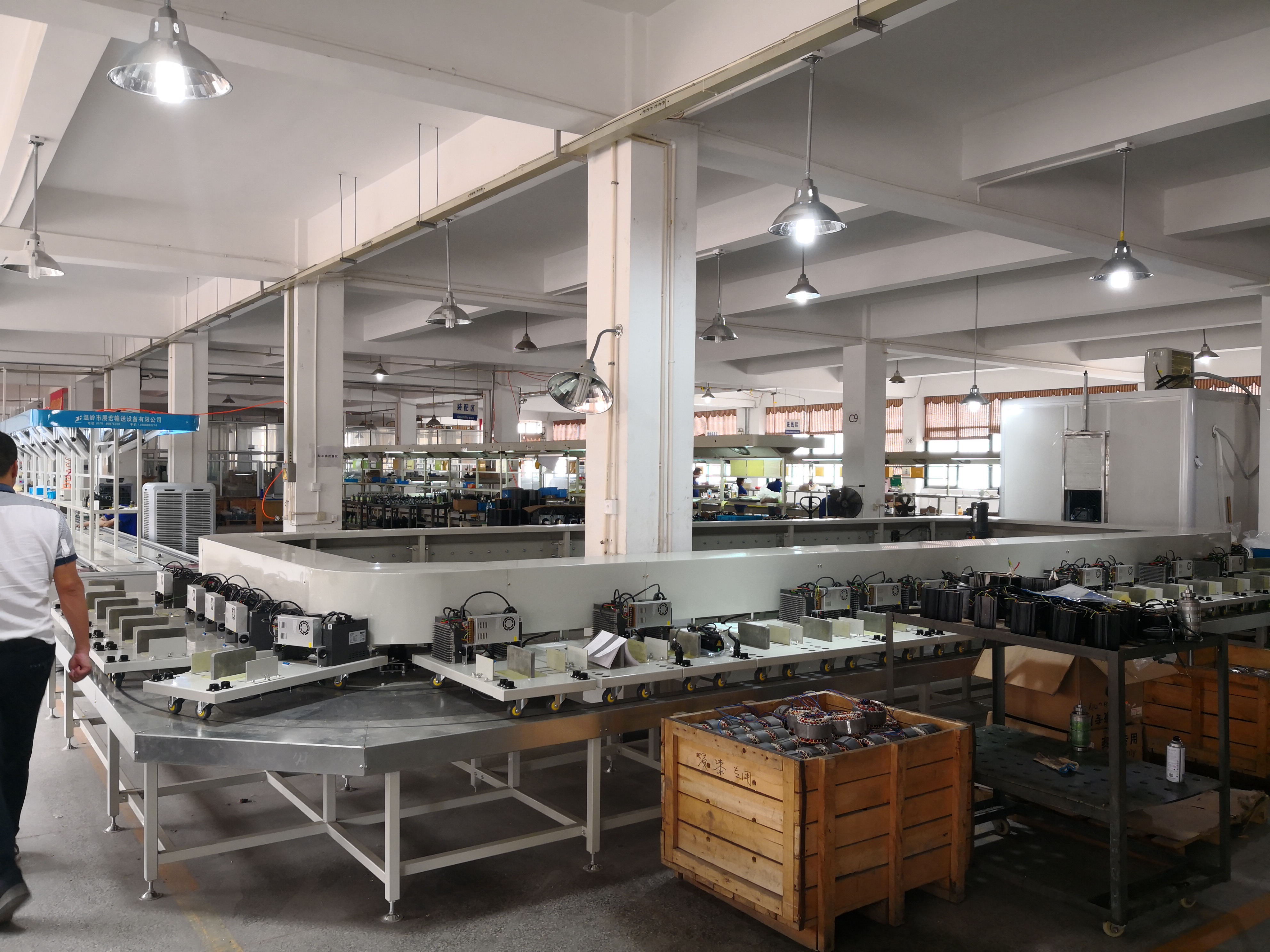
Drive wheel assembly and production workshop.
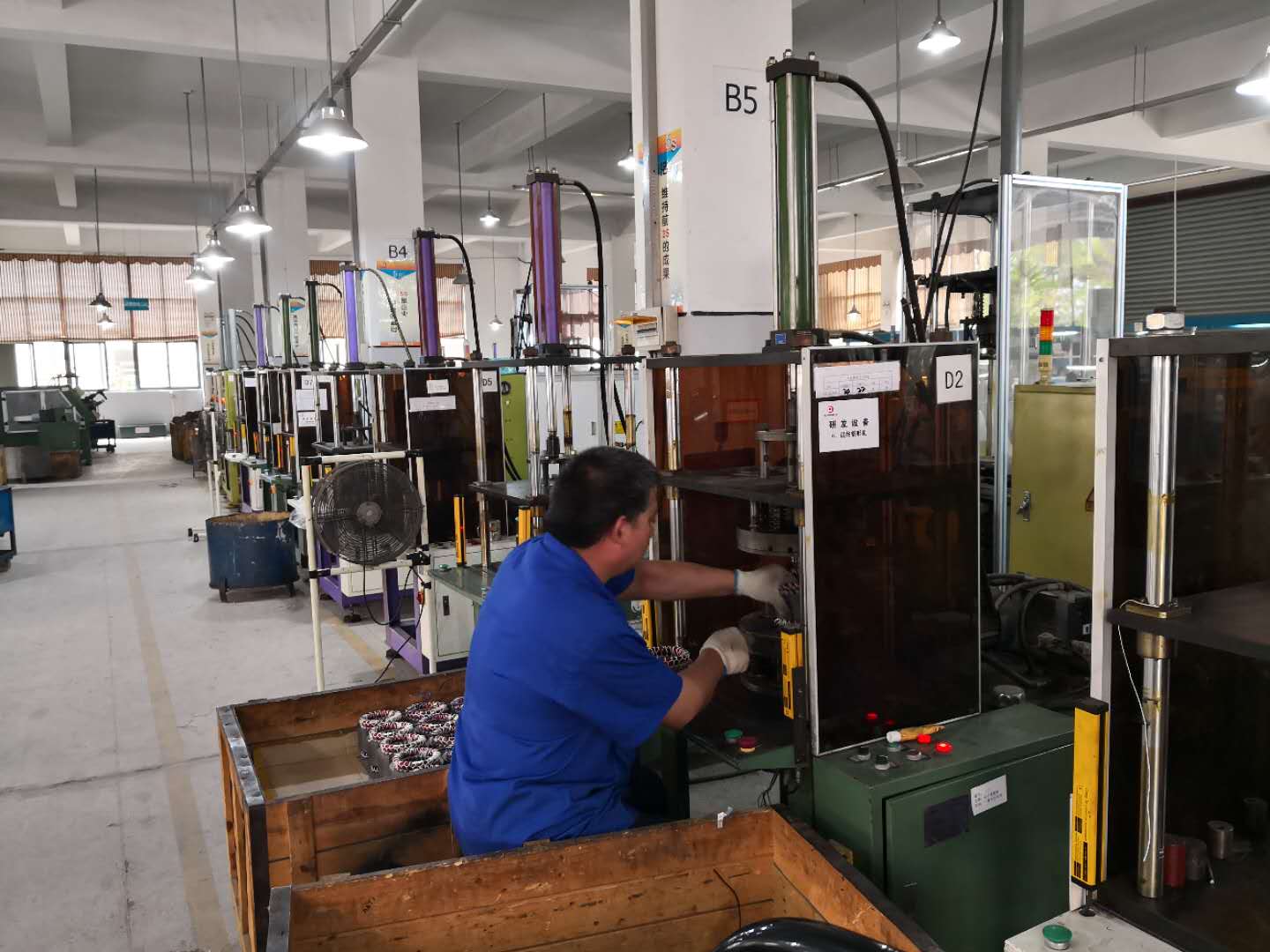
Engineering and quality-inspection area.
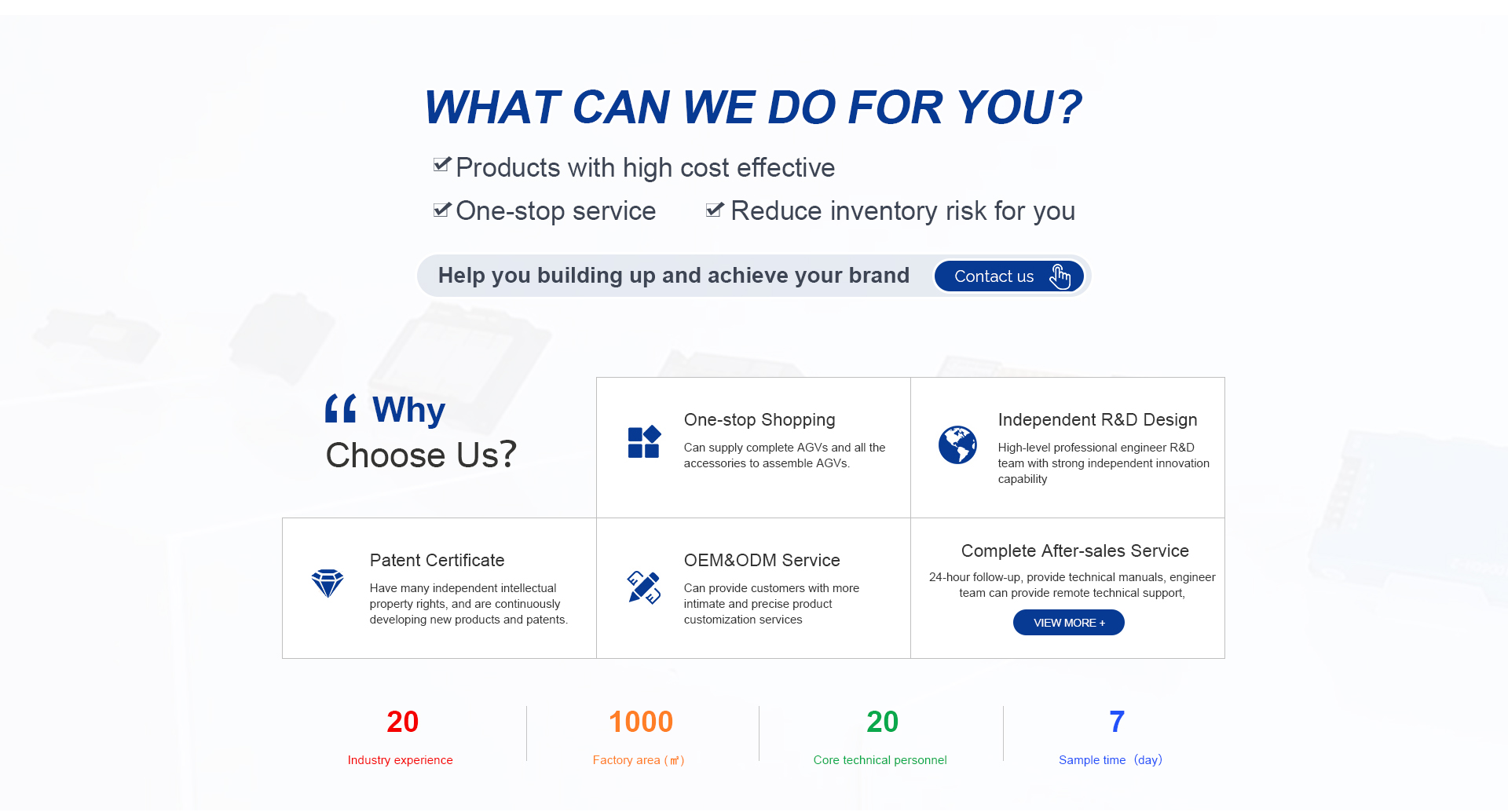
Factory overview and production capabilities.
Recommended Configurations for Common Driverless Forklift Projects
Use these three configuration paths as a starting point, then confirm load, speed, floor condition, battery voltage, aisle width and safety requirements with an application engineer.
500 kg Magnetic-Guide Latent AGV
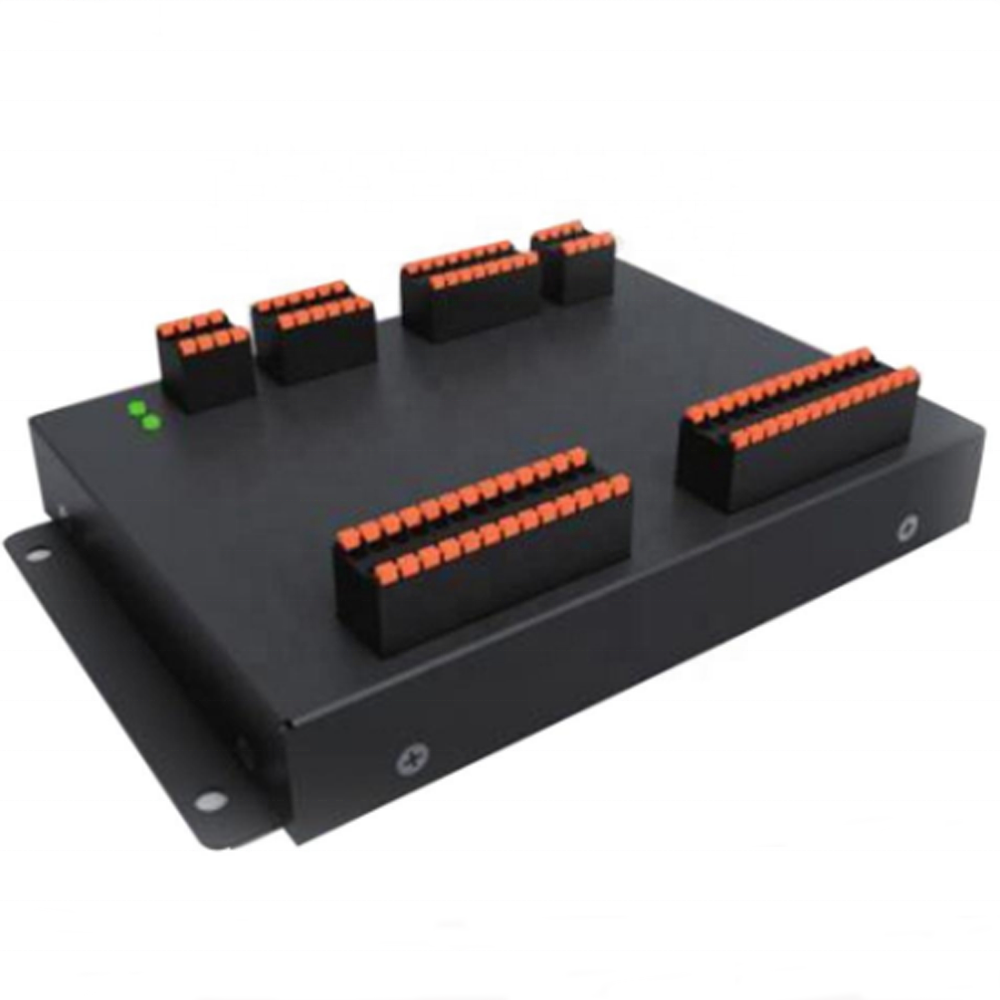
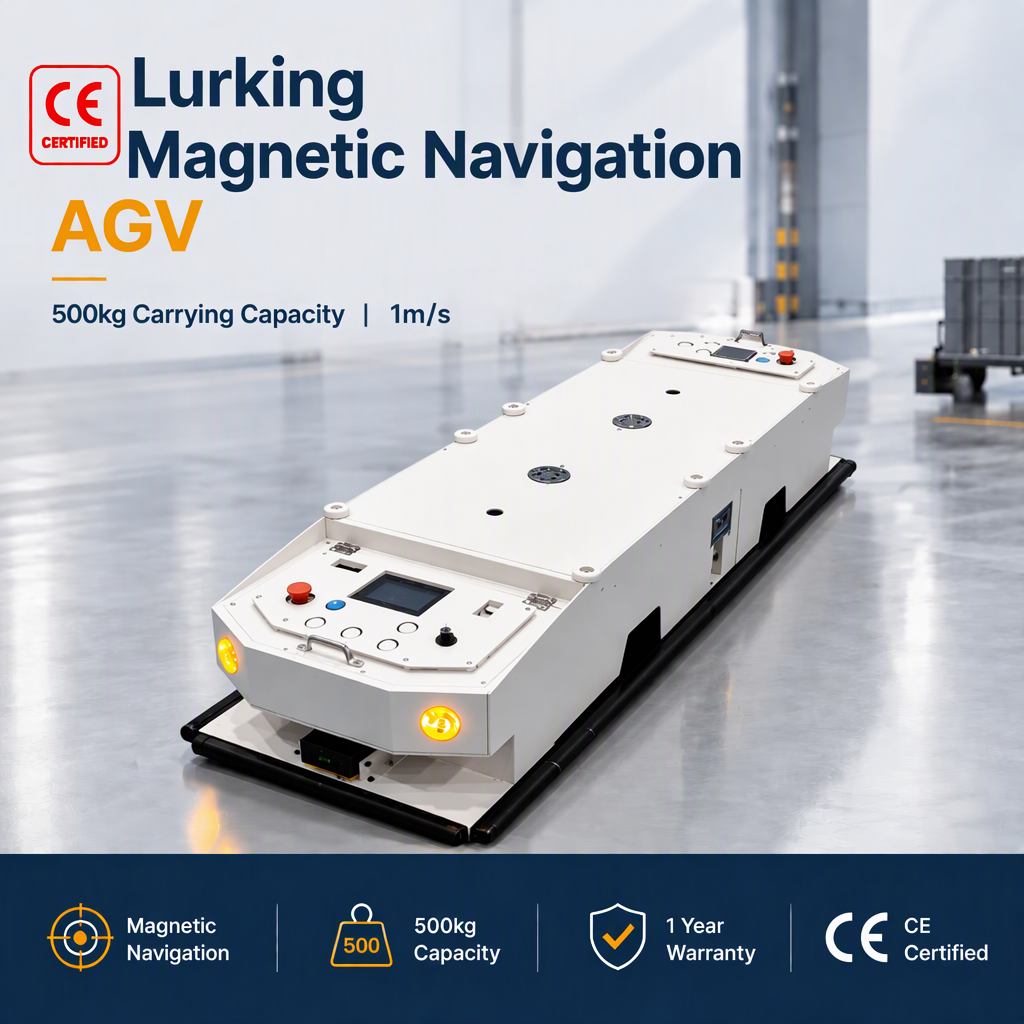
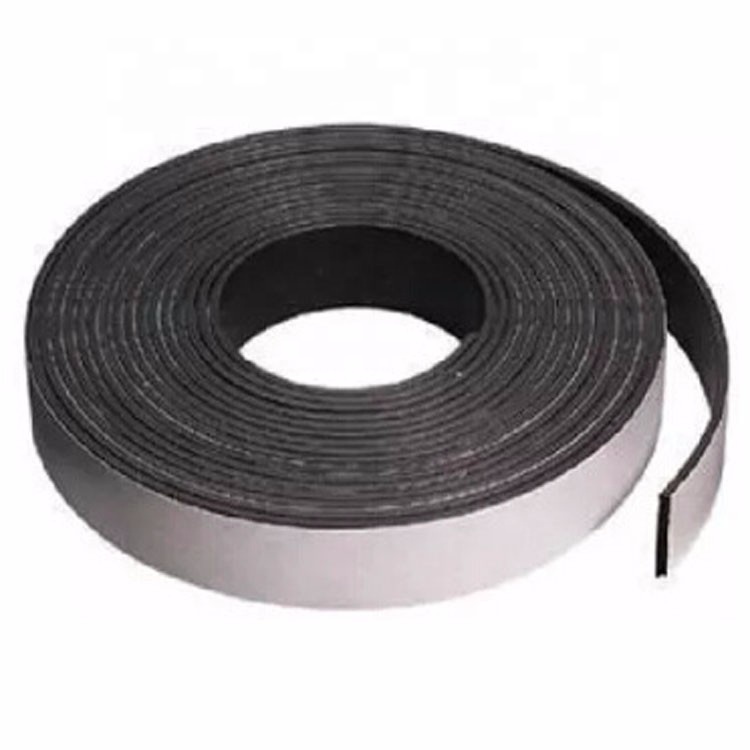
Pair the CE-approved 500 kg bidirectional lurking robot or the EU CE 500 kg magnetic-guidance AGV with 5 cm N-pole magnetic tape and the FX series controller. This path suits fixed-route warehouse moves, line-side replenishment and low-cost automation. Before ordering, confirm floor flatness, route intersections, station count and towing or lifting mode. For fixed paths, magnetic guidance remains a practical choice because the infrastructure is visible, repeatable and easy to maintain.
2–3 t Heavy-Duty Driverless Forklift
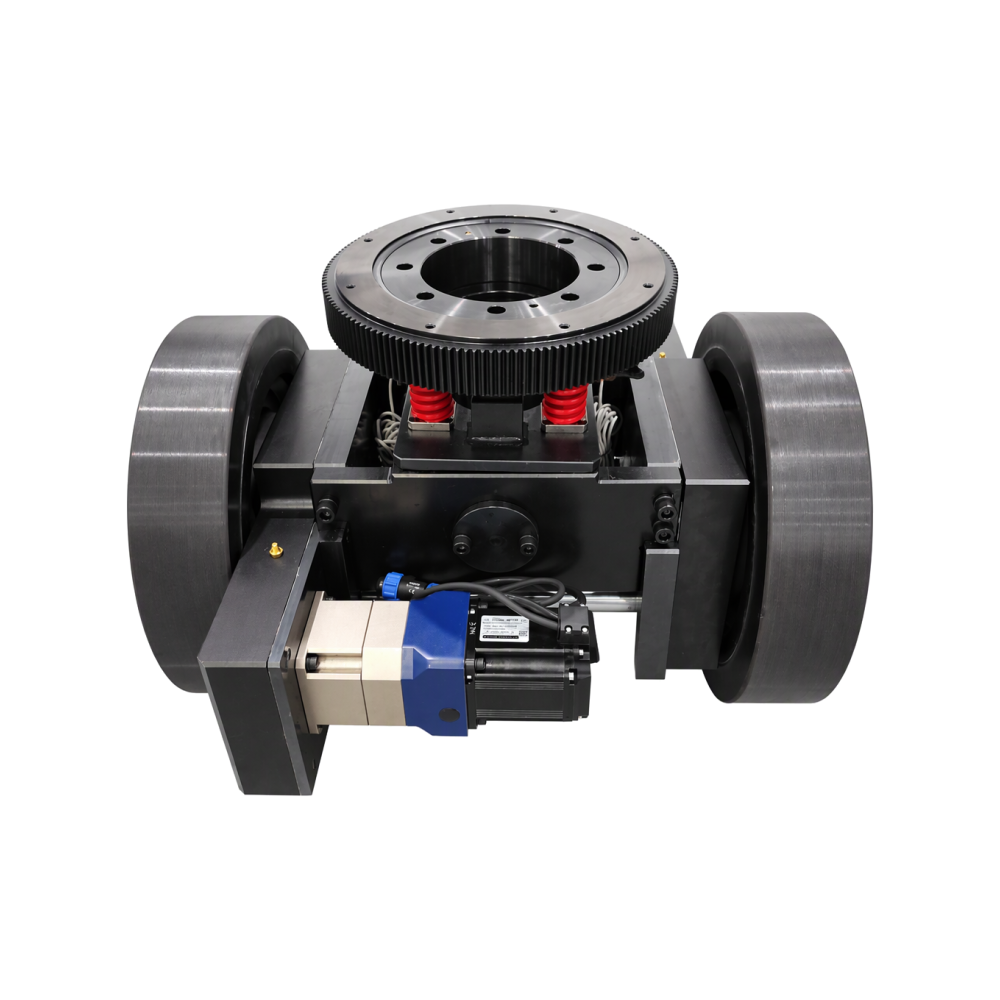
Combine the 3000 kg bearing differential drive wheel, the 1000 W 48 V servo differential wheel with spring suspension and a matched controller. This path is relevant to heavy pallet movement, industrial towing and robust chassis designs. Share gross vehicle weight, target speed, gradeability, tire tread, brake requirement and battery voltage. Ask for a load/speed calculation and a wheel-load review rather than selecting a drive wheel by diameter alone.
Low-Profile Omnidirectional Platform
Use the TZ18-D12 1200 W 24 V horizontal drive wheel assembly with a composite robot chassis and matched navigation sensors. This path fits under-ride carts, tight aisles, robot-arm cells and low-clearance platforms. The critical data are chassis height, payload center of gravity, steering duty cycle and required repeatability. When space is limited, the horizontal drive format can reduce build height without sacrificing steering control.
How Driverless Forklift Procurement Is Changing
Procurement teams are moving from catalogue buying to validated system sourcing. The following trends are especially relevant for buyers comparing China driverless forklift manufacturers and factory partners.
1. Total Cost of Ownership Beats Unit Price
Buyers increasingly evaluate energy consumption, tire wear, controller compatibility, spare-parts availability, commissioning time and downtime risk. A lower-priced drive wheel can become expensive if it shortens tire life, overheats the driver or requires adapter plates. The practical procurement change is to request a lifetime-cost model that includes replacement intervals, spare-part lead time and engineering support. This is where a factory that matches motor, reducer and controller in-house can provide more reliable input than a trading company reselling mixed components.
2. Modular Sourcing and Dual-Qualified BOMs
OEMs are standardising drive modules across multiple vehicle platforms while keeping a second-qualified source for critical parts. They ask for drawing packages, interface documents, parameter files and change-control notices. Modular sourcing reduces redesign work when payload or aisle width changes, but it only works when suppliers understand the whole motion stack. A factory that can document mounting dimensions, encoder signals, brake logic and controller settings makes modular procurement safer.
3. Safety, Compliance and Local Support
Driverless forklift projects now require more than a moving chassis. Buyers ask for risk assessment support, safety-sensor selection, stop-performance checks, CE-related documentation where applicable, and clear maintenance procedures. They also compare after-sales response across time zones. A supplier with export experience, traceable production records and responsive technical support reduces the hidden cost of commissioning and field service. In this context, the factory’s quality system and documentation quality become part of the commercial offer.
Where Driverless Forklift and AGV Hardware Is Heading
Product development is converging on compact integration, hybrid navigation and higher payload density. These trends directly affect what buyers should specify today for a platform that will remain competitive.
Integrated, Compact Drive Units
Motor, reducer, encoder, brake and controller are increasingly packaged as one matched drive unit. The benefit is lower chassis height, fewer mounting interfaces and simpler commissioning. For buyers, the implication is to request a complete interface drawing rather than a wheel outline. Ask how encoder feedback, brake release and overtemperature protection are handled. A compact unit can also improve serviceability if the supplier provides clear replacement procedures and spare-part identification.
Hybrid Navigation and Sensor Fusion
Magnetic tape remains cost-effective for fixed routes, while SLAM, lidar, QR codes and RFID tags provide flexibility and station recognition. Many new platforms combine these methods: magnetic guidance in dense production zones, RFID at junctions and lidar for obstacle avoidance. Procurement should therefore ask how sensors are fused, what happens when tape is damaged, and how the vehicle recovers position. Hybrid navigation is not simply more sensors; it is a control strategy that must be validated.
Higher Payload with Better Energy Use
Heavy-duty driverless forklifts are moving toward 48 V systems, spring suspension, higher-load casters and more efficient drivetrains. The goal is to carry more while limiting energy loss and floor wear. Buyers should compare torque curves, duty cycle, suspension travel and wheel tread rather than payload alone. For multi-shift operation, battery exchange strategy, charging windows and thermal behaviour of the controller are part of the product decision. A factory that tests prototypes under extended duration can provide more useful evidence than a static specification sheet.
How to Specify a Driverless Forklift Drive Unit and Navigation System
Use this table as a procurement checklist. Each row converts a technical decision into a question that a China driverless forklift factory should be able to answer with evidence.
| Specification Decision | What It Affects | Factory Question / Evidence to Request |
|---|---|---|
| Drive wheel type | Steering method, chassis height, turning radius and service access. | Ask for a comparison of differential, single-steering and horizontal drive units against your aisle width and load centre. |
| Payload and speed | Motor power, reduction ratio, brake size, wheel diameter and controller current. | Provide gross vehicle weight, target speed, gradeability and duty cycle; request a torque and thermal check. |
| Floor and tire condition | Traction, vibration, tire life, suspension need and stopping performance. | Share floor flatness, ramp slope, debris risk and cleaning regime; ask whether spring suspension or a specific tread is recommended. |
| Navigation method | Infrastructure cost, route flexibility, installation time and recovery behaviour. | Compare magnetic guidance, RFID, QR code and SLAM/lidar options; request failure-mode and maintenance procedures. |
| Controller matching | Current limits, protection logic, parameter stability and commissioning time. | Ask for driver parameter files, wiring diagrams and protection features; confirm the controller is matched to the selected motor and encoder. |
| Safety sensing | Obstacle detection, stop distance, risk assessment and compliance documentation. | Request sensor selection guidance, mounting positions, test records and recommended maintenance checks. |
| Spare parts and support | Uptime, maintenance cost, replacement lead time and field-service response. | Ask for recommended spare-parts lists, traceability records, warranty terms and technical response channels. |
Industries Powered by Torqen Drive Components
Torqen electric drives move far more than AGVs. They are used in demanding mobile equipment where reliability, torque density and serviceability matter.
Additional applications include aerial work platforms, agricultural machines, hydraulic applications, wind-energy equipment, marine equipment and medical devices.
From Specification to Shipment in Six Practical Steps
A transparent process for engineering buyers who need predictable sampling, testing and production.
Requirement Review
Load, speed, voltage, chassis height, aisle width and navigation strategy are reviewed.
Engineering Proposal
Motor, reducer, wheel, controller and sensor are matched; drawings and parameters are shared.
Prototype Build
Sample-based or design-based customization is produced for fit and function checks.
Endurance Testing
Extended-duration runs, inspection and parameter verification support release decisions.
Mass Production
ISO 9001:2015 controlled manufacturing with traceable production records.
Inspection & Delivery
Final inspection, export packing and flexible shipping terms for global buyers.
Questions Buyers Ask Before Ordering from a China Driverless Forklift Factory
These answers reflect common technical and commercial questions from OEM integrators, warehouse operators and material-handling distributors.
What is a driverless forklift, and is it the same as an AGV forklift?
A driverless forklift is an automated material-handling vehicle that performs lifting, towing or pallet movement without a seated operator. In practice, the term overlaps with AGV forklift, AMR forklift and automated guided vehicle. The key distinction is the navigation and control architecture: some vehicles follow magnetic tape or QR codes, while others use SLAM, lidar and natural-feature navigation. Buyers should define the route, load, lift height, aisle width, safety requirements and fleet-software needs before comparing quotations.
How can I compare top China driverless forklift manufacturers fairly?
Compare at the sub-system level. Ask each supplier to explain the drive wheel, motor, reducer, encoder, controller, sensor and brake choices for your duty cycle. Request test records, drawings, parameter files and spare-parts lists. Check quality-system evidence such as ISO 9001:2015 and onsite verification where available. A factory with in-house matching and documented integration support is usually easier to commission than a supplier that only resells mixed components. Price should be compared against total cost of ownership, not unit price alone.
Which specifications should I send for a drive wheel or AGV quotation?
Send gross vehicle weight, payload, target speed, maximum gradient, battery voltage, available chassis height, wheel diameter limit, aisle width, floor condition, duty cycle and brake requirement. For navigation projects, add route length, number of stations, turning points, required stopping accuracy and whether the facility will use magnetic tape, RFID, QR codes or SLAM. These inputs allow the factory to recommend a matched motor, reduction ratio, wheel tread and controller rather than quoting a generic unit.
Should I choose magnetic guidance, QR code, RFID or SLAM?
Magnetic guidance is cost-effective for fixed routes and repetitive paths. QR code navigation is common in grid warehouses and goods-to-person systems. RFID is useful for station recognition, speed zones and junctions. SLAM and lidar provide flexibility when layouts change frequently. Many reliable systems combine methods: magnetic tape in dense production areas, RFID at decision points and lidar for obstacle avoidance. The right choice depends on infrastructure budget, route stability, required speed, safety concept and maintenance capability.
Does Torqen support OEM and ODM customization for AGV components?
Yes. Torqen offers sample-based customization, design-based customization, OEM production, design services and buyer-label packaging. Typical customizations include motor power and voltage, reduction ratio, wheel diameter and tread material, encoder type, brake options and mounting interfaces. Engineers can work directly with OEM integrators to adapt torque, speed and mounting geometry. Buyers should provide application data early so the prototype and testing plan reflect the real vehicle duty cycle.
How is product quality verified before shipment?
Torqen’s quality management system is certified to ISO 9001:2015, and the facility has been verified onsite by Intertek. Production uses finished-product inspection with five in-house testing instruments, and prototypes undergo extended-duration testing before production parts are released. For critical projects, buyers should also request inspection records, test parameters, packing requirements and any agreed acceptance criteria before shipment. Documentation quality is part of the evaluation because it supports maintenance and future spare-parts planning.
What payment, delivery and currency terms are accepted?
Accepted payment methods include T/T, L/C, D/P, D/A, MoneyGram, credit card, PayPal, Western Union, cash and escrow. Currencies include USD, EUR, JPY, CAD, AUD, HKD, GBP and CNY. Delivery terms include FOB, CFR, CIF, EXW, CIP, FCA, CPT, DDU and express delivery. Final terms depend on order value, destination, customization scope and the agreed production schedule. Buyers should confirm Incoterms, packaging, documentation and inspection requirements in the quotation.
What after-sales support and spare parts are available?
Support includes 24/7 online response, wiring diagrams, driver parameter files, commissioning guidance, spare-parts supply and fault analysis backed by traceable production records. The sales and technical team handles messages across time zones, and the reported inquiry response rate is 97.9%. For fleet projects, buyers should agree on recommended spare parts, warranty terms, maintenance intervals and an escalation path before placing a production order. This is especially important for heavy-duty drive wheels and controllers used in multi-shift operations.
Which industries use Torqen drive products?
Torqen products are used in AGVs and AMRs, forklifts, aerial work platforms, airport equipment, agricultural machines, hydraulic applications, floor scrubbers and sweepers, wind energy, marine equipment and medical devices. The common requirement is controlled motion in a mobile machine where torque, steering accuracy, service access and spare-parts availability affect uptime. Buyers should describe the operating environment — indoor, outdoor, wet, dusty, cold or high-duty-cycle — so the drive wheel, motor, controller and protection level can be matched correctly.
Specifying a Driverless Forklift Platform?
Send your load, speed, chassis height, battery voltage and navigation requirements. Torqen’s engineers will help match the drive wheel, motor, controller and sensors for a reliable factory-direct build.
Get Catalog