Top China Pallet Handling AGV Manufacturers & Factory
An engineering-led guide to pallet handling AGV drive wheels, controllers, navigation sensors and factory sourcing — written for OEM integrators, warehouse operators and buyers who need lifecycle performance, not only a price list.
8 Pallet Handling AGV Products for Factory-Matched Projects
From suspended forklift drive wheels to differential drive units, smart controllers and composite robot chassis, these products cover common pallet handling, towing, transport and automation builds. Product links are preserved for direct technical review.
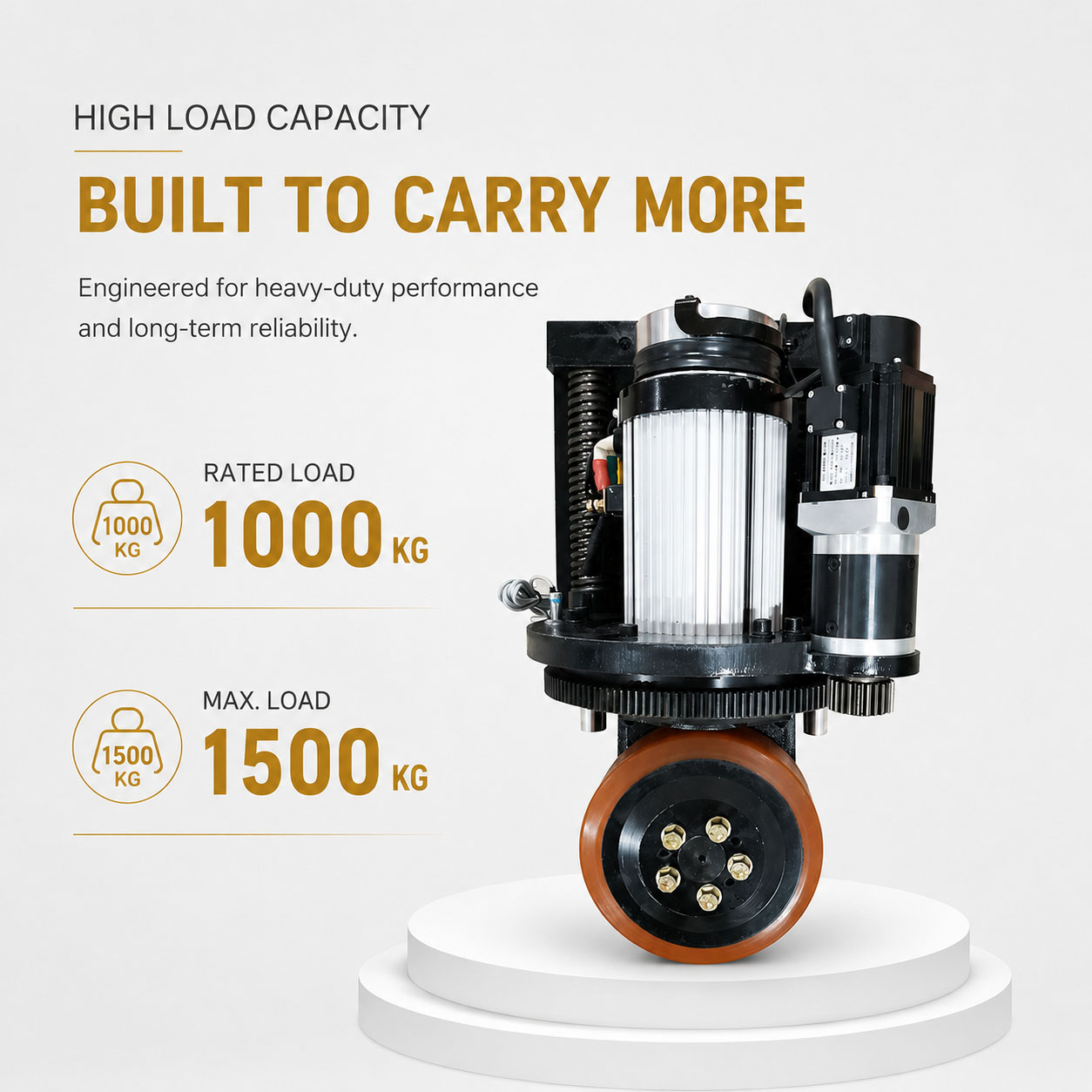
TZBOT 1000KG Bearing Duty 1500w Servo Motor AGV Forklift Driving Wheel with Suspension for Automatic Forklift
A pallet-truck and forklift AGV drive unit for uneven floors, where suspension helps maintain traction and reduce impact.
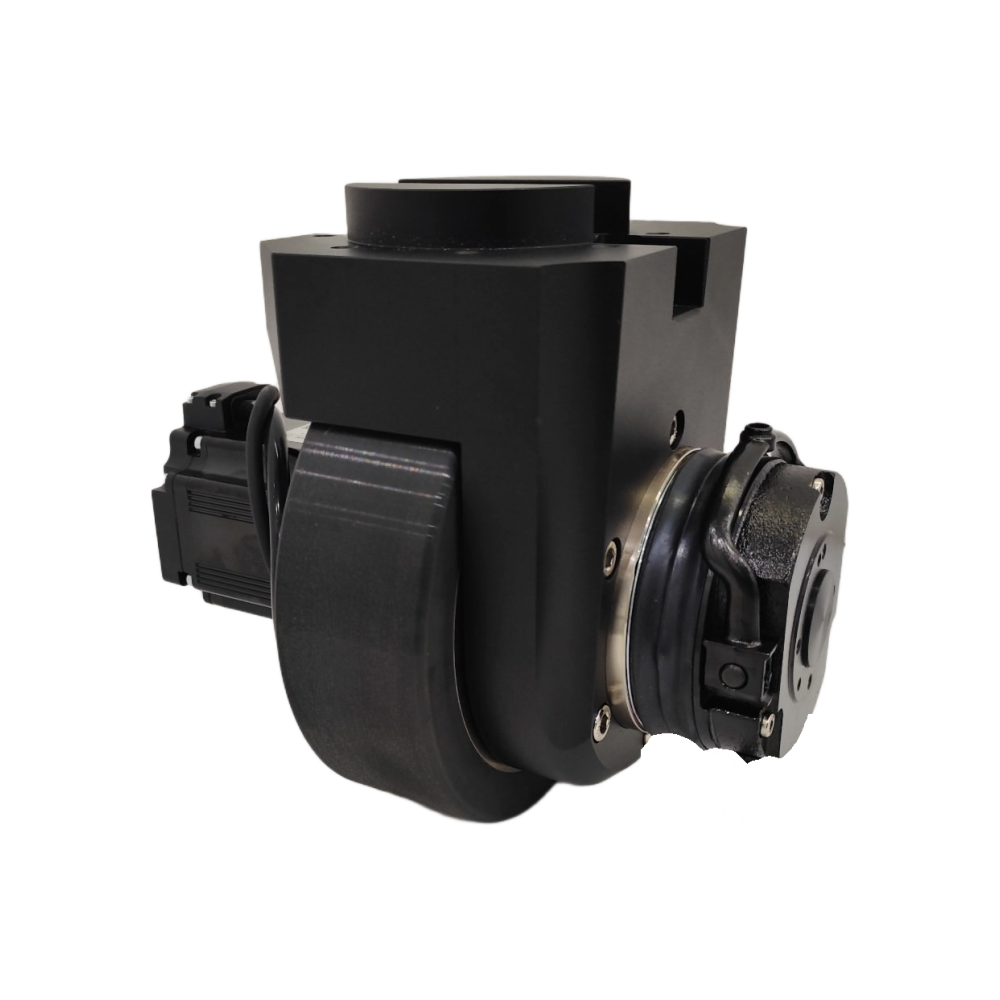
TZBOT Compact Structure agv Wheel Imported Polyurethane 1000kg Load Duty Mobile Robot Horizontal Drive Wheel Unit
For low-profile mobile robots and under-ride pallet movers where compact height and polyurethane traction matter.
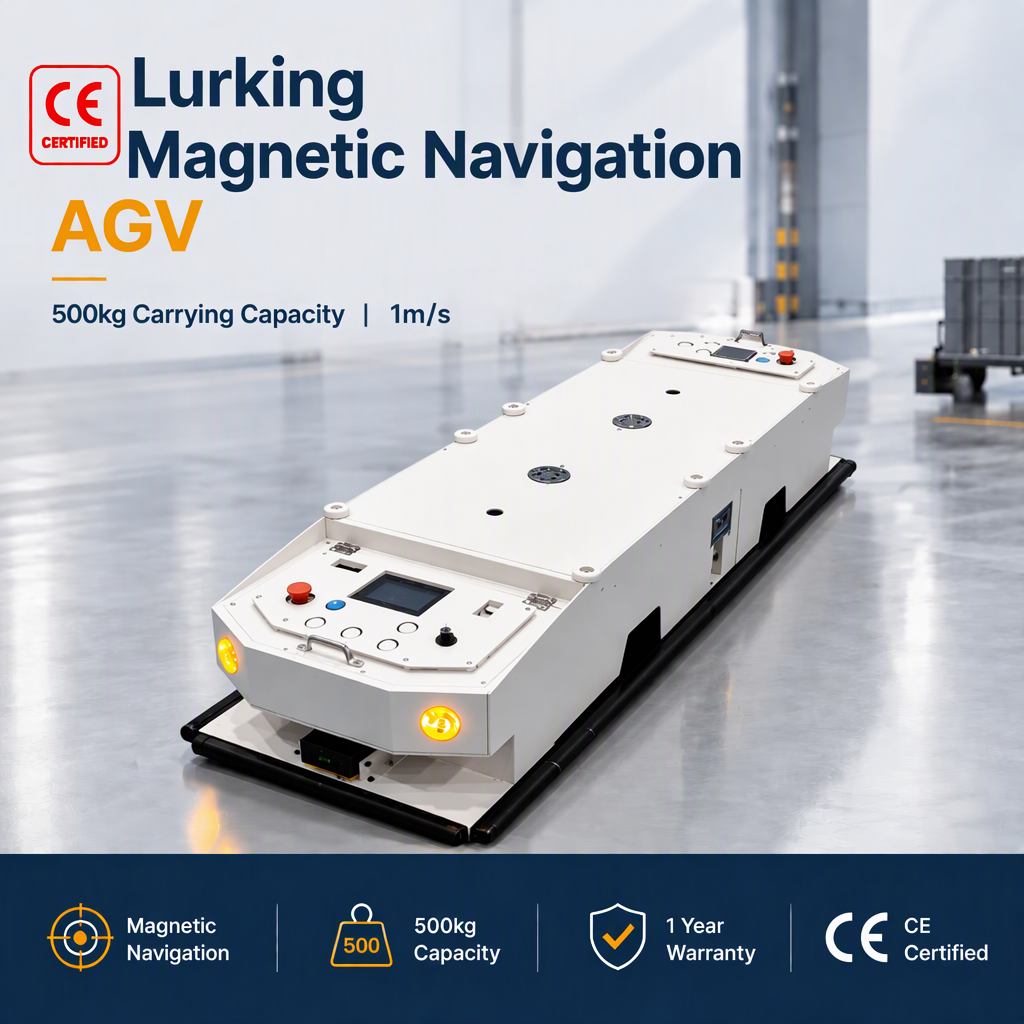
TZBOT CE Approved 500kg Bidirectional Lurking Robot 500kg Towing Capacity Material Handling Equipment Magnetic Navigation AGV
A CE-approved bidirectional lurking AGV for pallet handling, towing and repetitive material transport on magnetic guide paths.
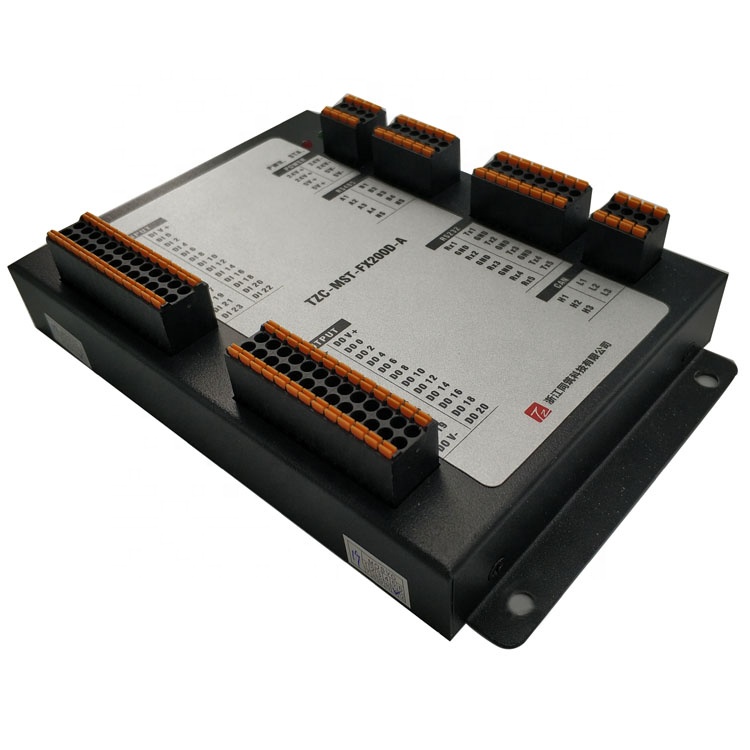
Smart AGV Controller TZC-MST-FX200D-A with Auto Guide Apply for Building Material Shops
A compact AGV control platform for building-material shops and small automatic guided vehicle projects.
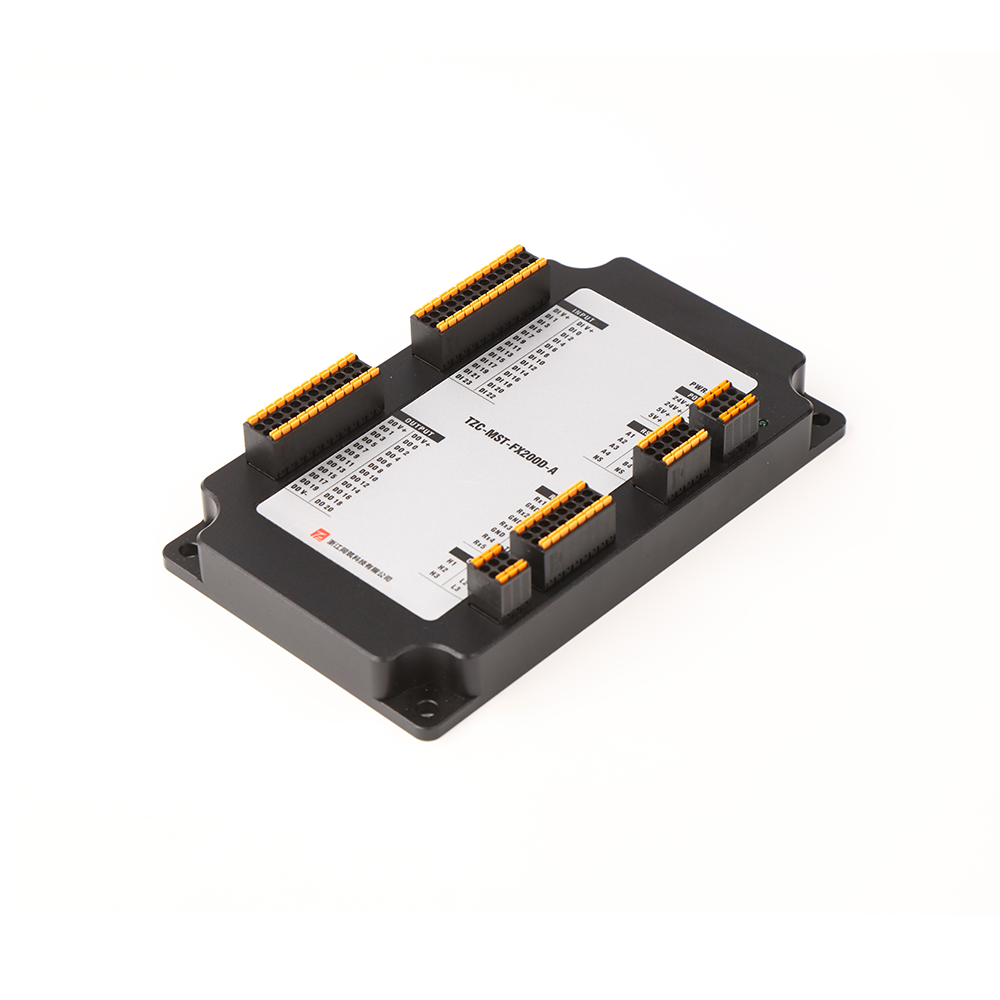
AGV Accessories Automated Guided Vehicle Controller with 19V~29V Power for AGV Robot
An automated guided vehicle controller for 19V–29V power architectures, suited to compact AGV robot platforms.
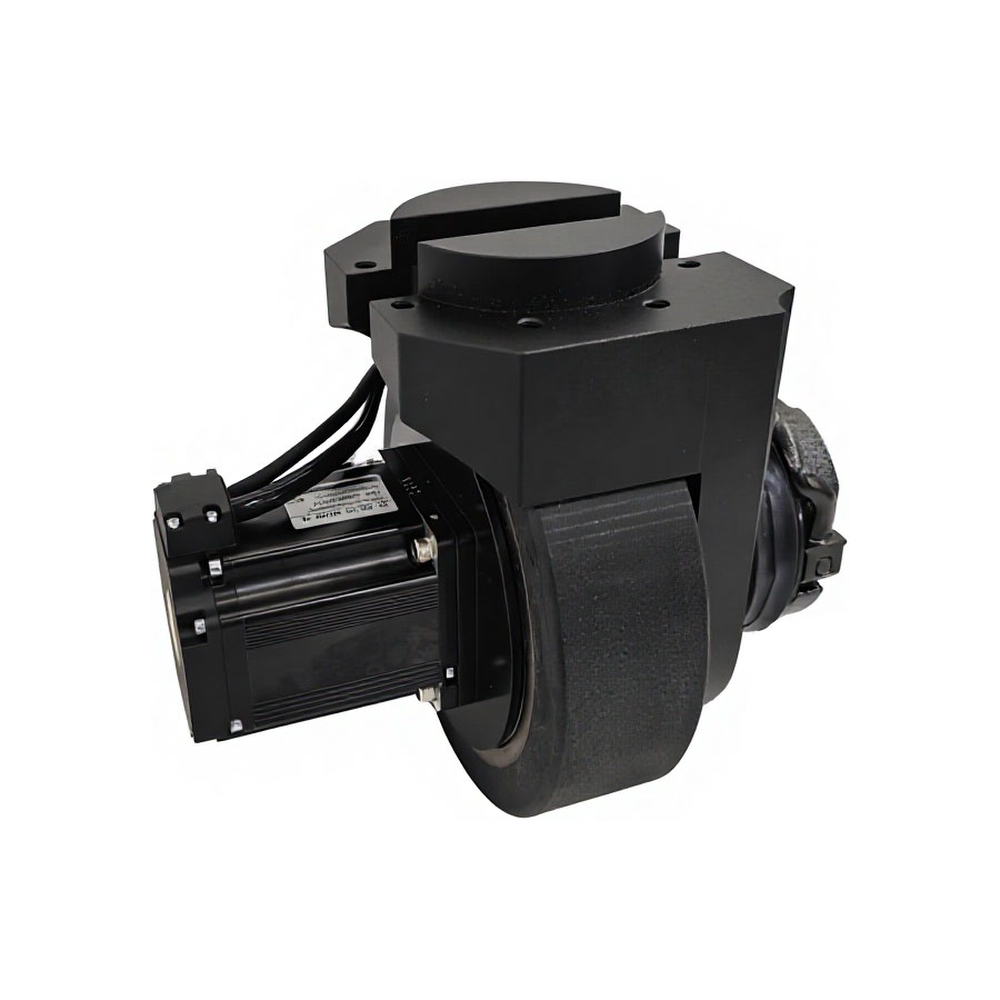
TZBOT 1000kg Bearing Capacity agv Wheel 1000w Servo Motor Material Handling Equipment Part Horizontal Drive Wheel
A material handling equipment part for efficient pallet movers that need a proven horizontal drive wheel.
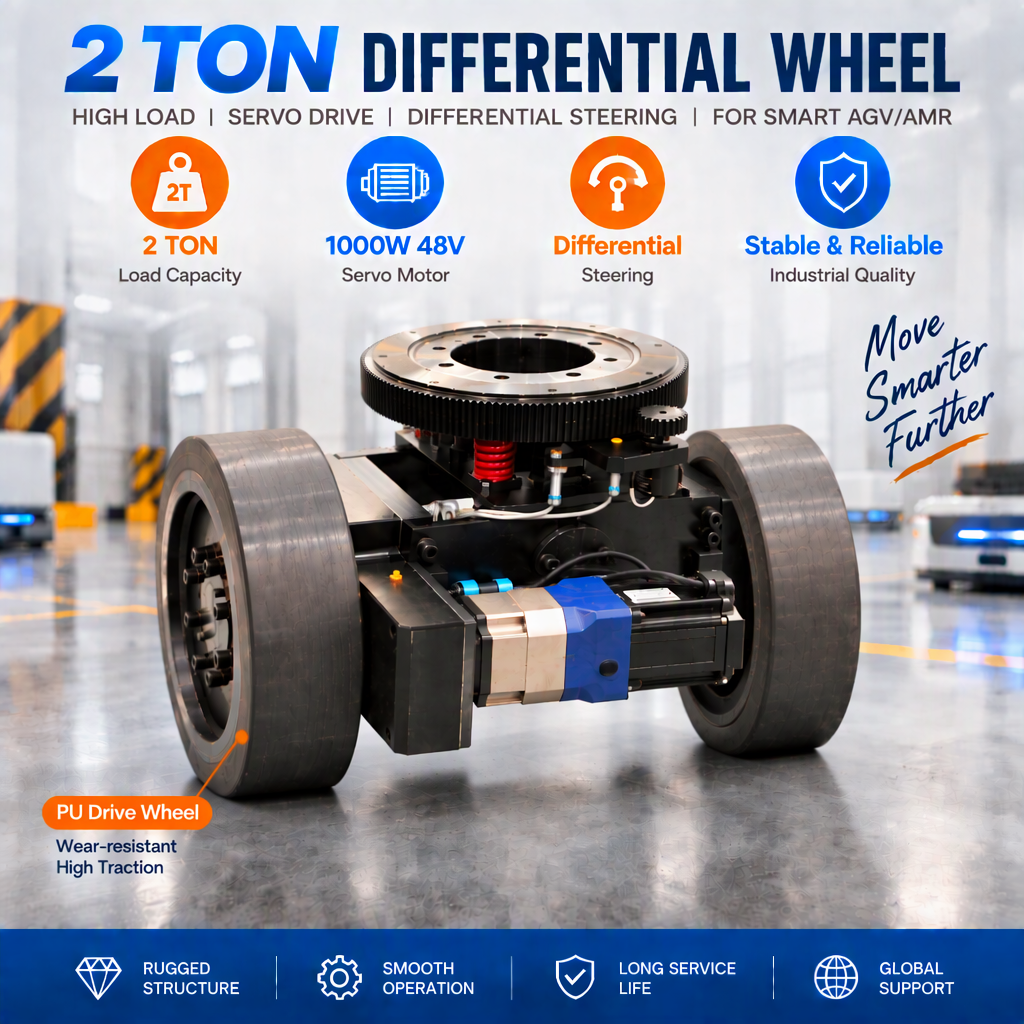
TZBOT 2000KG Heavy Duty Series AGV Wheel 1000w 48V Strong Power Mobile Robot Differential Drive Wheel with Spring Suspension
For heavy pallet handling and towing platforms that require high power, spring suspension and dependable differential steering.
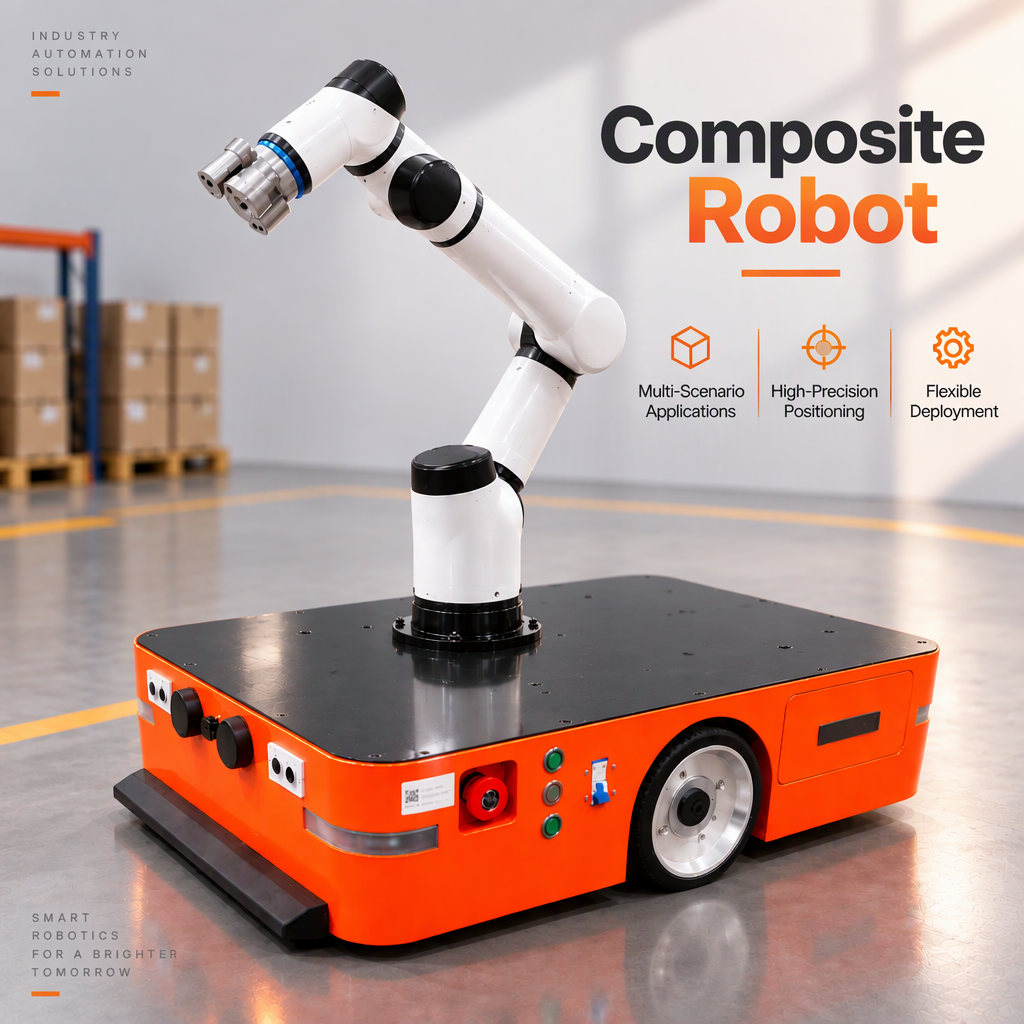
TZBOT Backpack AGV 200kg Load Capacity Chassis Magnetic Guidance Composite Robot with Robotic Arm
A magnetic guidance composite robot platform for tasks that combine light pallet handling with robotic arm operation.
Why China Pallet Handling AGV Procurement Requires a New Evaluation Model
China remains the world’s most concentrated manufacturing ecosystem for automatic guided vehicles, AGV drive wheel assemblies, servo and BLDC controllers, and navigation sensors. Buyers can source a complete latent AGV, a forklift AGV, a heavy-duty differential drive wheel, a magnetic guide sensor and a matched motor driver from the same industrial region. That density creates competitive pricing, but it also creates a wide quality gap between experienced drive-train manufacturers and assembly-only suppliers.
For pallet handling projects, the real sourcing question is not “Who sells the lowest-priced AGV?” It is “Which factory can prove that the drive wheel, motor, controller, sensor and chassis behave as one system under my load profile?” A pallet handling AGV may run 16 hours a day, start and stop thousands of times, climb ramps, cross expansion joints and interface with WMS, WCS or MES software. Integration depth, validation records and after-sales response matter more than a headline payload figure.
This guide uses the experience of Zhejiang Torqen Technology Co., Ltd., a manufacturer founded in 2015 in Zhejiang, China, that produces AGVs, drive wheel assemblies, DC/AC motors, servo/BLDC controllers, magnetic and RFID sensors and AGV accessories. The factory is ISO 9001:2015 certified, Intertek onsite-verified and holds 8 patents. Torqen’s practical position is simple: when the drive wheel, motor driver and navigation components are developed with knowledge of each other, the buyer faces fewer integration surprises.
What “Pallet Handling AGV” Really Includes
- Latent or under-ride AGVs that lift and move pallets from below.
- Forklift and stacker AGVs that pick, lift and place palletized loads.
- Tugger and towing platforms for repeatable material transport routes.
- Composite robot chassis that combine mobility with robotic arms or conveyors.
- Drive, control and navigation components selected as a matched bill of materials.
A 100-Point Framework for Comparing China Pallet Handling AGV Manufacturers
Use this scorecard during RFQ review and factory audits. The weights are designed for pallet handling projects in which downtime, safety and integration cost are more important than the initial unit price alone.
| Procurement criterion | Suggested weight | What to verify |
|---|---|---|
| Engineering fit & customization | 25% |
Motor power, voltage, reduction ratio, wheel tread, suspension, encoder, brake and mounting interface can be adapted to your pallet handling chassis. |
| Validation & traceability | 20% |
Extended-duration prototype testing, finished-product inspection, five in-house testing instruments, production records and batch traceability. |
| Component integration | 15% |
Drive wheel, servo/BLDC controller and navigation sensor are matched by one technical team rather than sourced independently. |
| Safety & compliance | 15% |
ISO 9001:2015, Intertek onsite verification, product documentation, CE-related models and safety design review for your operating environment. |
| Delivery & supply continuity | 15% |
Spare parts availability, production capacity, export packing, payment terms and flexible delivery terms such as FOB, CIF, EXW, DDU and express shipment. |
| Total cost of ownership | 10% |
Energy efficiency, wheel life, controller reliability, maintenance access, commissioning support and the cost of unscheduled downtime. |
Ten Numbers That Shorten AGV Drive and Sensor Sampling
Before asking for a quotation, prepare these values. They let an experienced pallet handling AGV manufacturer recommend a drive unit, controller and navigation configuration without repeated clarification.
Four Purchasing Shifts Reshaping Pallet Handling AGV Projects
The buying criteria for China pallet handling AGV factories are changing. Successful projects increasingly evaluate suppliers as long-term automation partners rather than commodity vendors.
Total Cost of Ownership
Buyers compare energy use, wheel life, service response and downtime risk alongside the unit price. A drive wheel with lower friction loss and a matched controller can cost less over five years than a cheaper assembly.
Modular Open Interfaces
Integrators prefer drive wheels, motors and controllers with predictable mounting, communication and parameter interfaces, making replacement and second-source validation easier.
Safety as a Gate
Pallet handling sites demand validated obstacle detection, emergency stop response, speed zoning and documented component behavior. Safety criteria are moving earlier in the supplier selection process.
Local Service & Digital Support
Remote troubleshooting, spare-parts planning and engineering response time are now part of the purchase decision, especially for overseas buyers operating multi-shift warehouses.
Where Pallet Handling AGV Hardware Is Heading Next
The next generation of pallet handling AGVs is being shaped by compact drive systems, higher safety intelligence and deeper integration between mechanical, electrical and navigation components.
Higher Torque Density
Pallet handling platforms are becoming more compact while payload requirements remain high. Integrated servo motors and planetary reducers allow stronger drive units in smaller envelopes.
Low-Clearance & Suspended Drives
Horizontal drive wheel units and spring-suspension designs are helping AGVs move under low pallets, absorb floor transitions and maintain traction on less-than-perfect concrete.
Diagnostic-Rich Controllers
Servo and BLDC drivers are adding more protection, parameter visibility and fault analysis. This reduces commissioning time and helps maintenance teams isolate drive, motor or wiring issues.
Sensor Fusion Navigation
Magnetic guide, RFID positioning, QR codes and lidar SLAM are increasingly combined to deliver reliable pallet handling in mixed environments and changing warehouse layouts.
Opportunity Charging & Energy Efficiency
Pallet handling fleets are moving toward opportunity charging and smarter energy management. Drive efficiency, regenerative options and controller sleep modes become procurement differentiators.
Digital Twin & Fleet Simulation
Before a pallet handling AGV is deployed, simulation can validate route density, charging strategy and traffic rules. Suppliers that support digital commissioning shorten site acceptance testing.
Where Torqen Drive & Navigation Components Add Value
Torqen products are used across AGV and AMR fleets and in demanding mobile equipment applications beyond warehousing.
Inside Zhejiang Torqen Technology Co., Ltd.
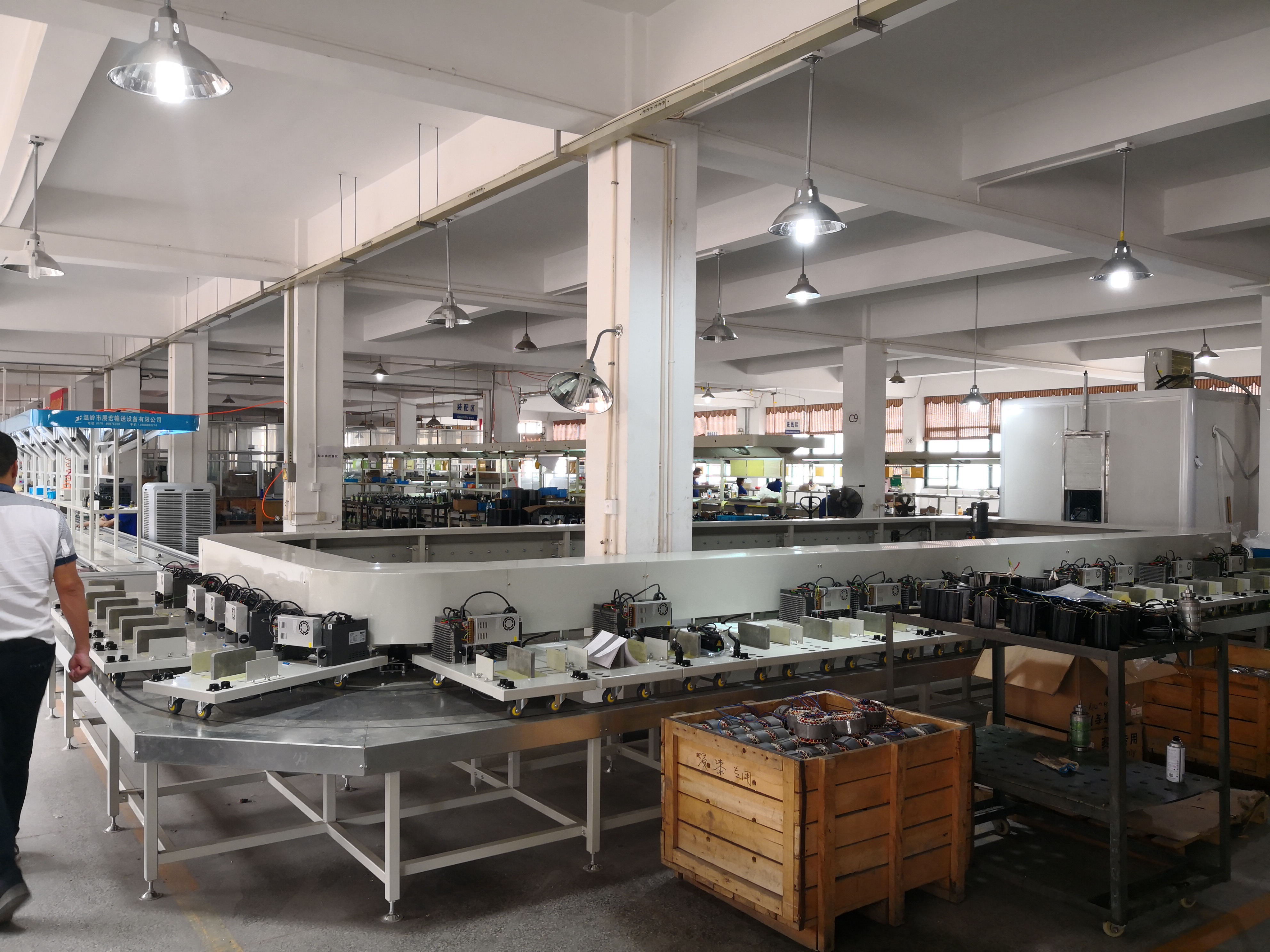
Zhejiang Torqen Technology Co., Ltd. was founded in 2015 in Hangzhou, Zhejiang, China. It operates as a manufacturer and trading company with a factory area of 1,000–3,000 m², a team of 51–100 people and annual output between US$5 million and US$10 million. The company designs and manufactures automatic guided vehicles, AGV drive wheel assemblies, DC/AC motors, encoders, reducers, motor controllers, caster and PU wheels, and in-wheel motor units for automation builders worldwide.
The practical advantage for pallet handling AGV buyers is that drive wheels, servo/BLDC controllers and navigation sensors are developed and matched by one technical team. Instead of coordinating three vendors when a wheel does not track correctly or a controller does not match a motor’s parameters, the buyer can resolve the issue through one engineering interface.
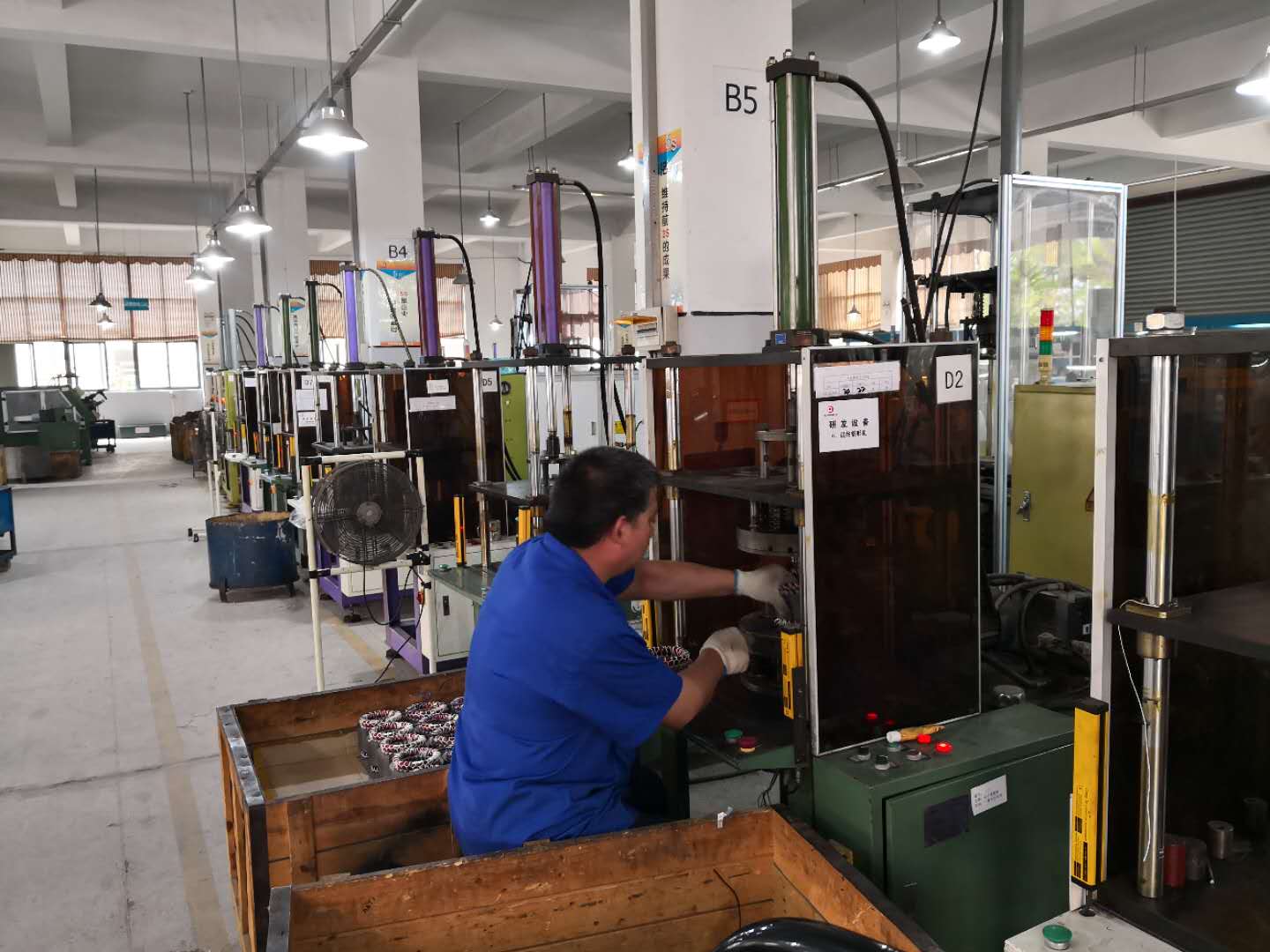
Torqen supports sample-based customization, design-based customization, OEM production, design services and buyer-label packaging. Typical customizations include motor power and voltage, reduction ratio, wheel diameter and tread material, encoder type, brake options and mounting interfaces. Finished products are inspected with five in-house testing instruments, and prototypes undergo extended-duration testing before production parts are released.
- ISO 9001:2015 quality management system
- Intertek onsite-verified factory assessment
- 8 patents awarded through in-house R&D
- Five testing instruments for finished-product inspection
- Servo and BLDC drivers tuned to matching drive wheels
- OEM/ODM sample and design customization support
- 97.9% inquiry response rate and 4.9/5 buyer rating
- Global export with flexible payment and delivery terms


From RFQ to Mass Production in Six Controlled Steps
A transparent process helps engineering buyers predict sampling time, validation risk and production readiness.
- Requirement ReviewLoad, speed, voltage, pallet type and chassis data are assessed.
- Engineering ProposalMotor, reducer, wheel and sensor options are matched with drawings.
- Prototype BuildSample-based or design-based customization is produced.
- Endurance TestingExtended-duration runs and parameter checks are completed.
- Mass ProductionISO 9001:2015 controlled manufacturing and inspection.
- Inspection & DeliveryFinal inspection, export packing and global shipping arrangements.
Verifiable Quality and Flexible Export Terms for Global Buyers
Pallet handling AGV procurement often involves multi-country engineering teams, so clear quality evidence and flexible commercial terms reduce project friction.
Quality Verification
Torqen’s quality management system is certified to ISO 9001:2015 and the facility has been verified onsite by Intertek. Finished-product inspection uses five in-house testing instruments, and prototypes are run for extended periods before production release. Production records support fault analysis and spare-parts planning after delivery.
Payment, Currency & Delivery
Accepted payment methods include T/T, L/C, D/P, D/A, MoneyGram, credit card, PayPal, Western Union, cash and escrow. Quotations can be issued in USD, EUR, JPY, CAD, AUD, HKD, GBP or CNY. Delivery terms include FOB, CFR, CIF, EXW, CIP, FCA, CPT, DDU and express delivery.
Common Questions About China Pallet Handling AGV Manufacturers & Factories
These are the questions engineering, operations and sourcing teams most often ask before selecting a pallet handling AGV supplier.
What should I include in an RFQ for a pallet handling AGV or drive unit?
Provide gross vehicle weight, pallet type and load center, required speed, gradeability, wheel diameter, chassis clearance, battery voltage, duty cycle, navigation method and safety requirements. Photos of the chassis and floor conditions are also useful. For drive wheel projects, include the mounting interface, encoder type, brake preference and expected annual quantity. With these details, a factory can recommend a differential, steering or horizontal drive configuration and match the motor driver.
How do I choose between a differential drive, steering drive wheel and horizontal drive unit?
Differential drive units suit compact latent, jacking and shelf-lifting AGVs that turn by wheel-speed difference. Steering drive wheels suit forklift AGVs, tricycle chassis and tugger vehicles that need controlled steering angles. Horizontal drive assemblies suit low-clearance chassis and under-ride pallet movers. The decision should be based on total vehicle weight, turning radius, available vertical space, floor quality and service access.
Are China pallet handling AGVs compatible with my WMS, WCS or MES?
Compatibility depends on the vehicle controller, fleet-management software and communication interface. When sourcing from a factory that also supplies drive controllers and navigation sensors, ask for the available communication protocols, I/O list, parameter files and integration documentation. For pallet handling projects, include the WMS/WCS task flow, station logic, traffic rules and exception handling in the technical agreement before production.
How does Torqen verify quality before shipping?
Torqen operates an ISO 9001:2015 quality management system and has been verified onsite by Intertek. Finished products are inspected with five in-house testing instruments. Prototypes undergo extended-duration testing before production parts are released. For buyer projects, the factory can provide inspection records and traceable production information to support incoming inspection and after-sales analysis.
Does Torqen support OEM and ODM customization for pallet handling AGV components?
Yes. Torqen offers sample-based customization, design-based customization, OEM production, design services and buyer-label packaging. Typical customizations include motor power and voltage, reduction ratio, wheel diameter and tread material, encoder type, brake options and mounting interfaces. Custom work is particularly relevant for pallet handling AGVs because chassis height, load center and floor conditions vary widely between projects.
What payment, currency and delivery terms are accepted?
Payment methods include T/T, L/C, D/P, D/A, MoneyGram, credit card, PayPal, Western Union, cash and escrow. Quotations can be issued in USD, EUR, JPY, CAD, AUD, HKD, GBP or CNY. Delivery terms include FOB, CFR, CIF, EXW, CIP, FCA, CPT, DDU and express delivery. The most suitable combination depends on order volume, destination and whether the buyer has a preferred freight forwarder.
Which industries use these products, and which pallet formats can be supported?
Torqen drive products are used in AGVs and AMRs, forklifts, aerial work platforms, airport equipment, agricultural machinery, hydraulic applications, floor scrubbers and sweepers, wind energy, marine equipment and medical devices. For pallet handling, common formats include EUR, ISO and GMA pallets, but the final design must account for pallet dimensions, load center, fork opening, lower deck clearance and floor transitions. Custom chassis and attachment designs can be reviewed during the RFQ stage.
How can I reduce total cost of ownership after the AGV fleet is commissioned?
Select a drive wheel and controller that are matched for efficiency, keep a spare wheel and controller in the maintenance store, train technicians on fault-code diagnosis, and schedule inspection of tread wear, suspension, wiring and connectors. Ask the supplier for parameter files, wiring diagrams and commissioning guidance. A factory that manufactures both the drive wheel and the motor driver can often resolve technical issues faster and reduce unscheduled downtime.
Why choose a factory that makes drive wheels, controllers and navigation sensors together?
Pallet handling AGV performance is a system result. A wheel can be mechanically correct but poorly matched to a motor driver; a controller can be capable but difficult to interface with the vehicle harness; a sensor can work on a test bench but behave differently on a steel floor with magnetic interference. A factory with integrated engineering can test these components together, provide one technical interface and shorten the path from prototype to reliable production.
What is the recommended starting point for a new pallet handling AGV project?
Start with the operating scenario, not the component catalog. Define the pallet flow, load, route, floor conditions, safety rules and daily throughput. Then select the navigation mix, chassis architecture, drive configuration, controller and battery voltage. For a fast technical review, share the ten RFQ values in this guide and ask the factory to propose a matched drive wheel, motor, driver and sensor set. This approach reduces sampling cycles and helps compare China pallet handling AGV manufacturers on engineering capability rather than price alone.
Request a Factory-Matched Pallet Handling AGV Configuration
Send your load, speed, pallet type, floor condition, battery voltage and safety requirements. Our engineers will propose a drive wheel, controller and navigation sensor combination for your application.
