Eight Industrial Transport Robot Products from a Verified Factory and Exporter
Shortlisting a factory is not a catalog exercise. It is a risk-allocation decision. This portfolio shows a vertically integrated range: SLAM AMR transfer carts, composite robots, laser SLAM material-handling platforms, heavy-duty differential drive wheels, horizontal drive assemblies, mobile chassis, smart AGV controllers, and backpack composite robots.
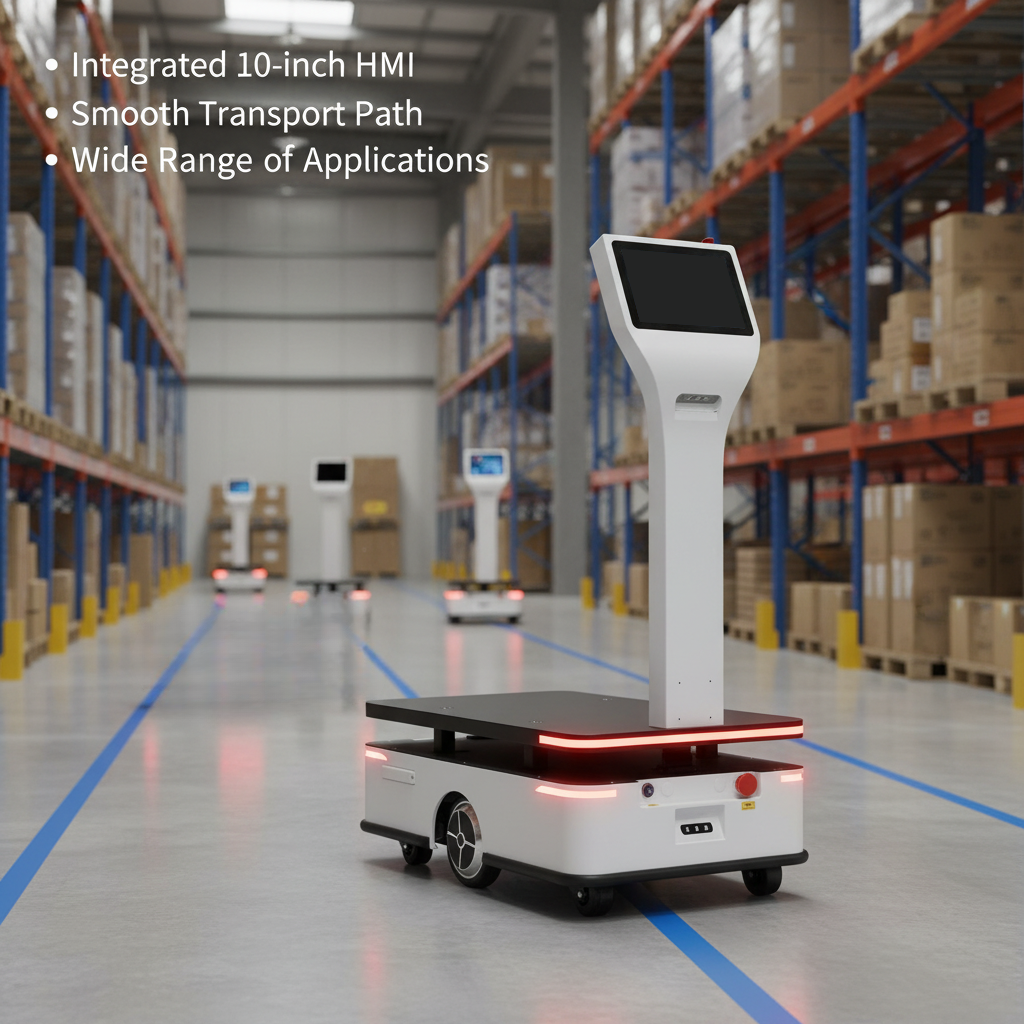
TZBOT Intelligent Warehouse Logistic Robot Unmanned Control System Customizable 80kg Payload agv Transfer Cart Slam Amr
Best-fit for warehouse and line-side transfer where an 80 kg load, SLAM navigation, and a compact turning envelope are required. Validate floor friction, map size, charger access, and hand-shake points before piloting.
- 80 kg payload
- SLAM navigation
- Unmanned control
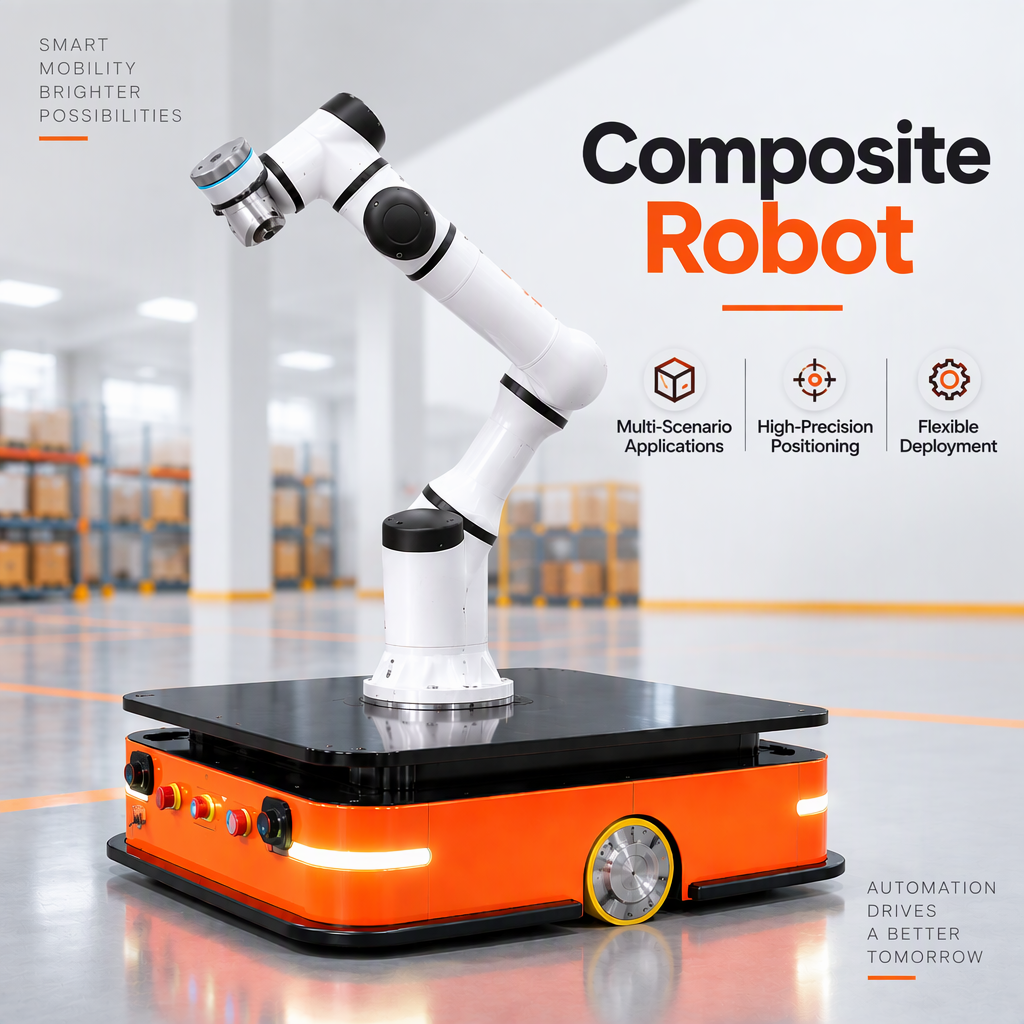
TZBOT Customizable Composite Robot Multi Applications 600kg Bearing Chassis AGV AMR with Robotic Arm
Best-fit for machine tending, carton handling, or pick-and-place cells that need a 600 kg bearing chassis plus a robotic arm. Confirm arm reach, center of gravity, safety zones, and cycle-time targets.
- 600 kg chassis
- Robotic arm
- Multi-application
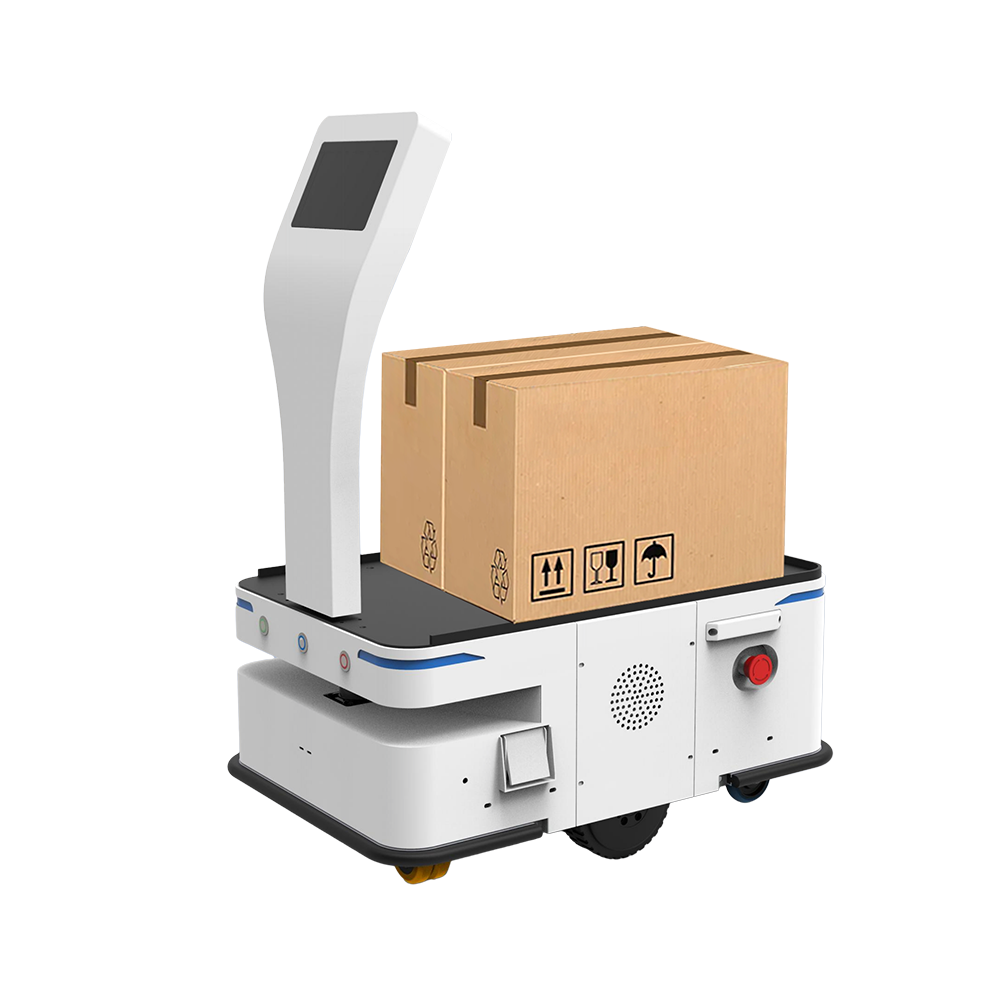
TZBOT High Precision Guidance Laser Slam Navigation Amr Robot 80kg Carrying Capacity Material Handling Amr Robot with 7 Inch HMI
Best-fit for dynamic material handling with laser SLAM and a 7-inch HMI. Ask for map memory limits, Wi-Fi roaming behavior, obstacle-avoidance fields, and station-docking tolerance.
- 80 kg capacity
- Laser SLAM
- 7-inch HMI
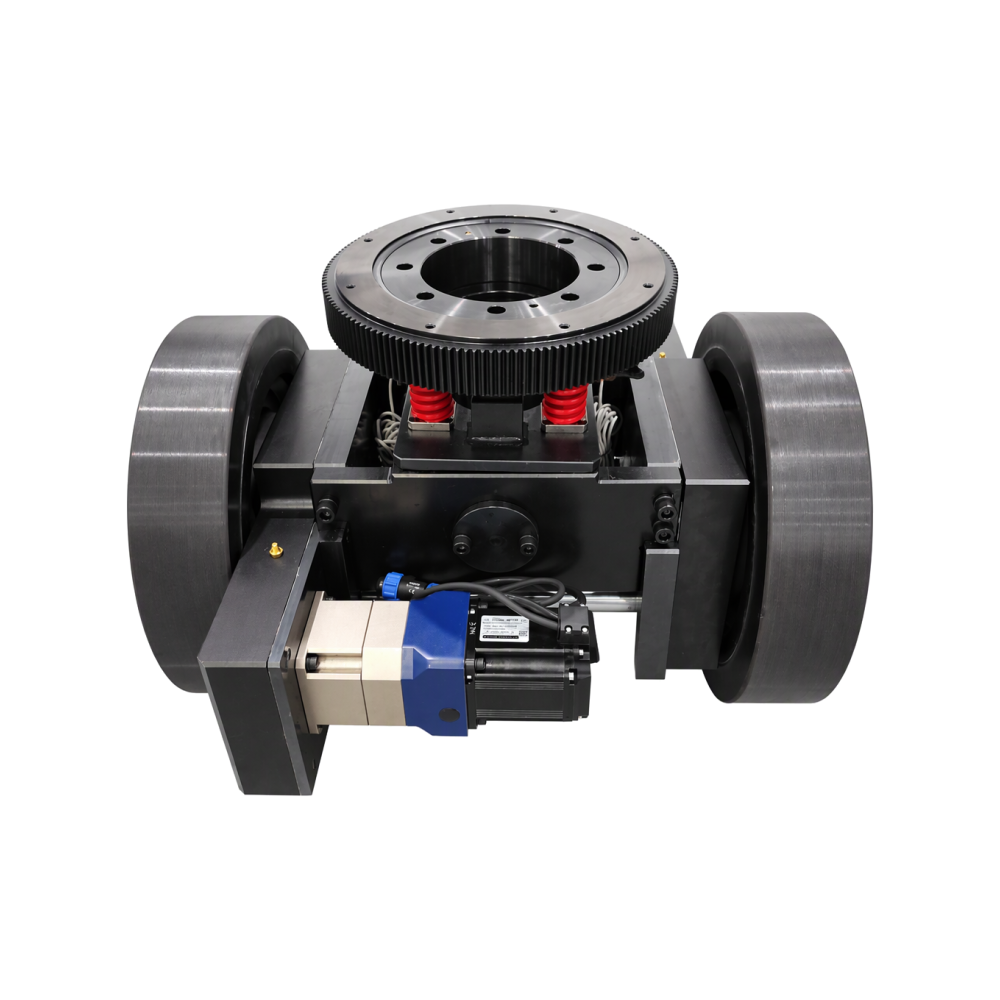
TZBOT Heavy Duty Series agv Wheel 1000w 48v Servo Motor Control Mobile Robot Differential Drive Wheel with Spring Suspension
Best-fit for 48 V heavy-duty differential drive platforms that need spring suspension and 1,000 W servo control. Confirm wheel diameter, reduction ratio, encoder type, brake, and floor conditions.
- 1000 W
- 48 V
- Spring suspension
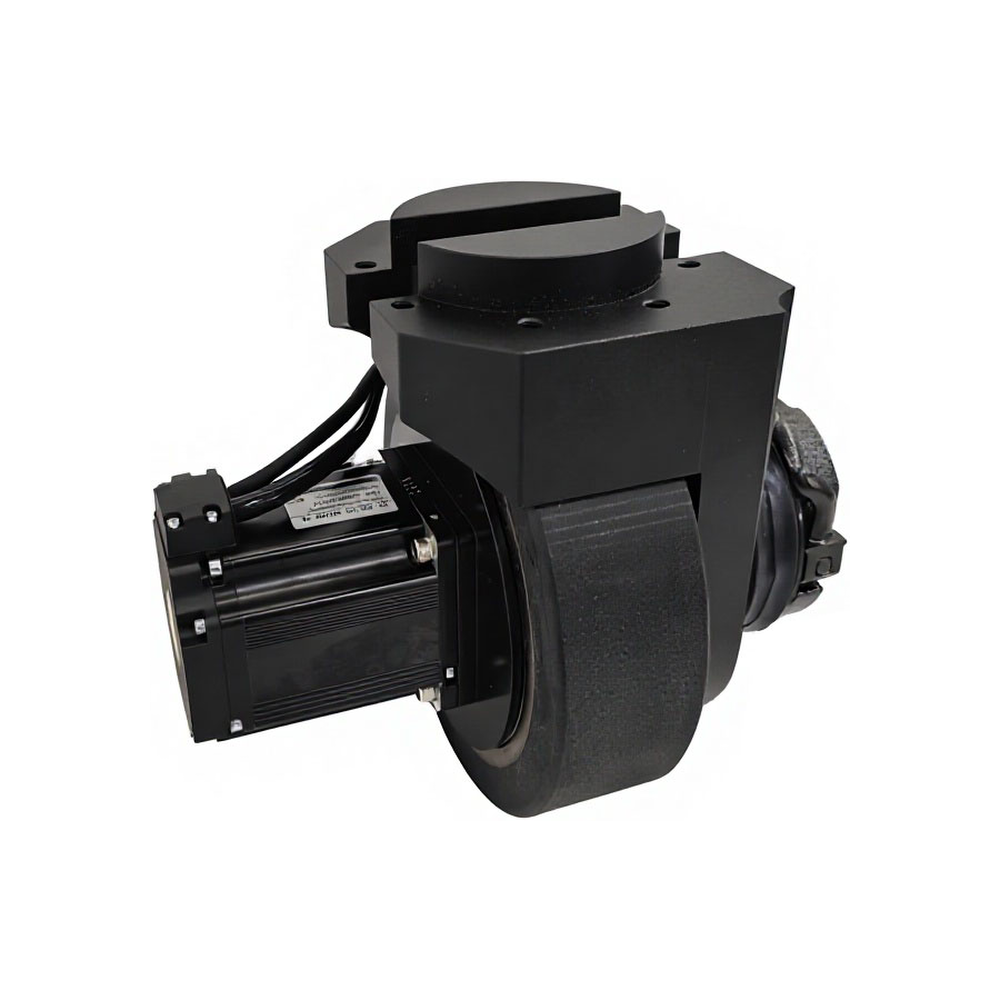
TZBOT agv Wheel Traction Accessories 1000kg Heavy Duty Capacity Material Handling Equipment Part Horizontal Drive Wheel Assembly
Best-fit for low-clearance AGV chassis where a horizontal drive wheel assembly must carry up to 1,000 kg. Check mounting interface, tread life, axle load, and maintenance access.
- 1000 kg
- Horizontal drive
- Traction assembly
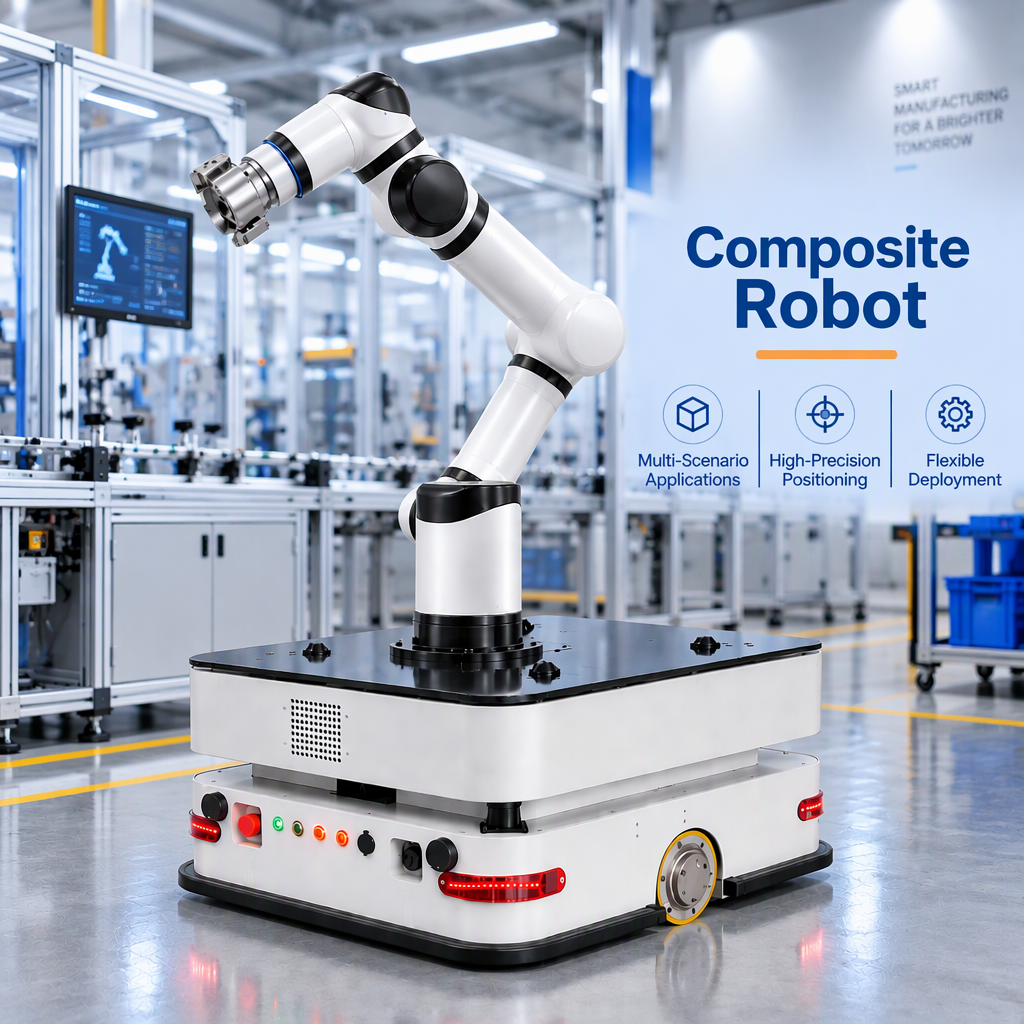
TZBOT Auto Guidance Mobile Chassis 1000kg Payload AGV Integrate Arm Robotic Intelligent Composite Robot
Best-fit for heavy composite robots needing a 1,000 kg mobile chassis integrated with a robotic arm. Model braking distance, safety scanners, floor slope, and battery duty cycle.
- 1000 kg payload
- Arm integration
- Auto guidance
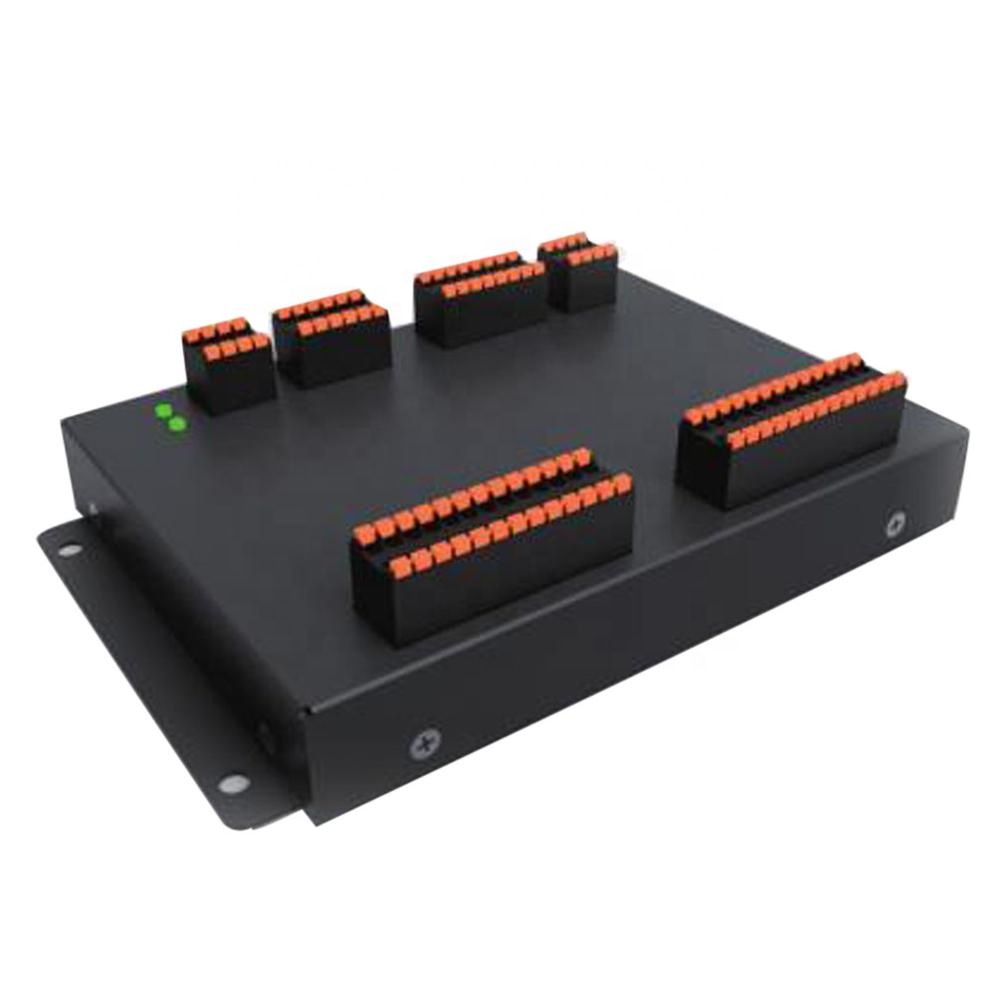
TZBOT Smart Controller TZC-MST-FX200D-A for Guiding the AGV Robot
Best-fit for AGV builders that need a smart guidance controller within a compact electrical bay. Request I/O schedule, protocols, firmware revision policy, and parameter backup process.
- AGV guidance
- Smart control
- Integration-ready
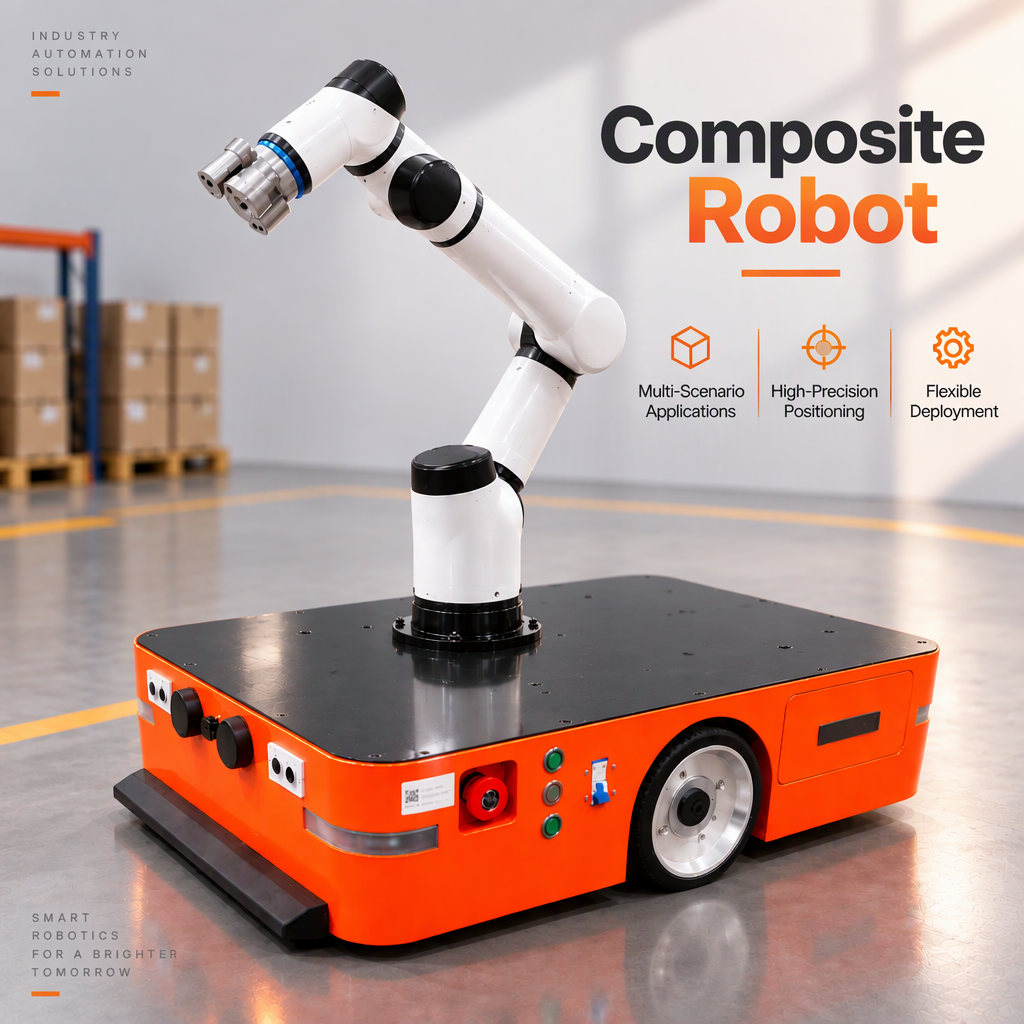
TZBOT Backpack AGV 200kg Load Capacity Chassis Magnetic Guidance Composite Robot with Robotic Arm
Best-fit for compact assembly lines using magnetic guidance and a 200 kg backpack AGV chassis with an arm. Confirm tape layout, lift height, safety bumpers, and station logic.
- 200 kg capacity
- Magnetic guidance
- Robotic arm
Why Zhejiang Torqen Technology Co., Ltd. Belongs on an Industrial Transport Robot Shortlist
Founded in 2015 in Hangzhou, Zhejiang, Torqen is a manufacturer and trading company focused on AGV/AMR vehicles, drive wheel assemblies, motors, reducers, encoders, servo and BLDC controllers, and navigation sensors. Its published profile lists a 1,000–3,000 m² factory, 51–100 employees, annual output of US$5M–10M, 8 patents, ISO 9001:2015 certification, and Intertek onsite verification.
From a procurement standpoint, the strongest signal is not a single product photo but vertical matching of the motion train. A drive wheel is only as predictable as the motor, reducer, encoder, driver parameters, mounting geometry, and tire interface around it. Torqen’s range allows buyers to request a matched motion package, then use factory engineering feedback to reduce interface risk, shorten commissioning, and create a traceable spare-parts strategy.

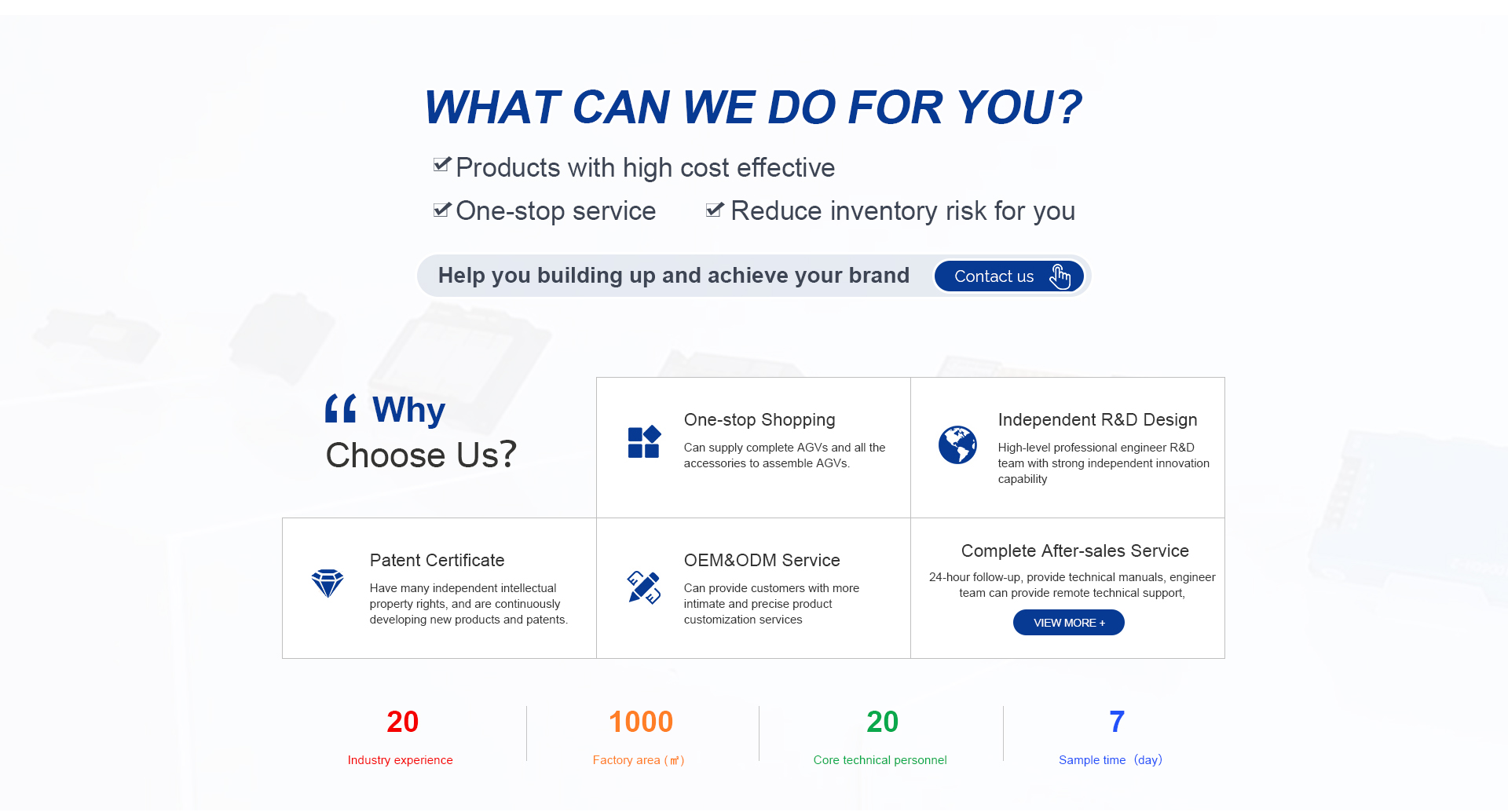
Established to support motion-control buyers
Patents supporting drive and control design
Team members in the published range
Square metres of factory space, published range
What a Factory-Exporter Must Prove Before It Wins a Transport Robot Program
Buyers need more than a price list. They need evidence that the supplier can control interfaces, document revisions, test samples, and support the product after shipment.
Vertical Drive-Train Fit
Motor, reducer, wheel, encoder, brake, and controller can be selected as one motion package, reducing undocumented mechanical and electrical interfaces between suppliers.
OEM / ODM Customization
Sample-based and design-based customization covers power, voltage, reduction ratio, wheel diameter, tread material, encoder type, brake options, mounting plates, and buyer-label packaging.
Validation Before Release
ISO 9001:2015 controls, five in-house testing instruments, finished-product inspection, and extended-duration prototype runs help catch failures before shipment.
Navigation Compatibility
Magnetic guide sensors, RFID station reading, lidar avoidance, laser SLAM platforms, and smart controllers let buyers align navigation choice with route flexibility and site infrastructure.
Export-Ready Commercial Terms
FOB, CFR, CIF, EXW, CIP, FCA, CPT, DDU, and express delivery are supported alongside T/T, L/C, D/P, D/A, card, PayPal, and other payment routes in multiple currencies.
Engineering Response
A 97.9% inquiry response rate and 24/7 online support matter when a line is down or a prototype window is closing. Spare-part traceability supports after-sales planning.
Industrial Transport Robot Procurement Trends Buyers Will Price Into 2025–2030 RFQs
The buying conversation is shifting from unit price to total lifecycle risk. These trends should be written into the tender, not discovered after the first breakdown.
TCO Beats Lowest Unit Price
Buyers increasingly score energy use, tire life, mean time between failures, spare-parts lead time, and commissioning hours. A cheap drive wheel with undocumented encoder and brake options can cost more over three years than a matched assembly.
Single-Source Motion Kits
Tender packages are moving from separate wheel, motor, driver, and sensor line items to a matched motion kit. This lowers interface risk and puts responsibility for compatibility on one supplier.
Modular Payload Platforms
Instead of one fixed machine, procurement teams ask for modular 80 kg, 200 kg, 600 kg, and 1,000 kg platforms that accept different tops, arms, lifts, or conveyor decks across sites.
Traceability and Digital Records
Serial numbers, revision-controlled drawings, firmware versions, test reports, and spare-part lists are becoming part of the purchase file, not an afterthought. This is essential for multi-site rollouts.
Safety Evidence Before Pilot
Risk assessments, emergency-stop logic, obstacle-zone configuration, and maintenance procedures are requested before a floor trial, especially in shared human-robot aisles and high-traffic zones.
Pilot-to-Scale Contracts
Buyers fund a measured pilot, then scale by performance. Suppliers that provide repeatable acceptance criteria, training, and engineering documentation shorten the gap between sample and volume.
Product Development Trends Reshaping Industrial Transport Robots
This is where SEO keywords become engineering reality: SLAM, composite robots, heavy payloads, low-clearance drives, matched servo/BLDC control, and fleet interoperability.
Multi-Sensor SLAM
Laser SLAM, QR grids, RFID stations, and lidar avoidance are being combined for redundancy. The procurement question is not only “Which sensor?” but “What happens when one navigation layer degrades?”
Composite Robot Growth
Robotic arms mounted on AGV/AMR chassis are moving from demos to production cells. The 600 kg, 1,000 kg, and 200 kg backpack composite products show how payload, arm reach, and chassis stability must be engineered together.
Low-Clearance High-Load Drives
Horizontal drive wheel assemblies let chassis designers reduce build height without giving up load capacity. Expect more RFQs for 1,000 kg-class assemblies with serviceable tread and clear axle-load data.
Integrated Servo / BLDC Control
Smart controllers and matched servo/BLDC drivers are becoming part of the motion specification. Buyers should request parameter files, firmware change policy, and spare-controller compatibility.
Energy-Aware Fleet Design
Opportunity charging, battery temperature data, and duty-cycle modeling are moving into the RFQ. The right drive and controller combination can reduce peak current and extend usable runtime.
Fleet API Interoperability
Multi-vendor fleets are making buyers ask for open interfaces and standards such as VDA 5050. A supplier that can document I/O, protocols, and controller behavior is easier to integrate with warehouse software and safety systems.
A Procurement Scorecard for Comparing Industrial Transport Robot Factory-Exporters
Use a weighted matrix so the cheapest quote cannot hide a weak drive train, undocumented navigation behavior, or a fragile spare-parts plan. Adjust the weights to your application and site conditions.
Example Weighted Decision Matrix
RFQ Data That Shortens Sampling
- Gross vehicle weight, payload, and load center.
- Target speed, acceleration, braking distance, and floor slope.
- Wheel diameter, available chassis height, and mounting interface.
- Battery voltage, duty cycle, charging strategy, and peak current.
- Navigation method, map size, station count, and Wi-Fi coverage.
- Annual volume, target Incoterm, certification needs, and spare-parts plan.
How to Audit an Industrial Transport Robot Factory and Exporter in Four Steps
Top trusted suppliers should survive a documented audit, not only a video call. This sequence keeps technical and commercial risk visible before the purchase order is issued.
Evidence Room
Request the business license, ISO 9001:2015 certificate, Intertek or third-party audit report, patent list, test reports, and current product revision list.
Engineering Review
Ask for drawings, interface dimensions, motor curves, encoder type, brake method, driver parameter file, and wiring diagram. Confirm who owns integration risk.
Sample Validation
Run a loaded, extended cycle on your floor. Record temperature rise, noise, positioning repeatability, brake behavior, alarm codes, and maintenance access.
Commercial Verification
Match Incoterm, payment method, packing, warranty, spare parts, and lead time to the RFQ. Document response times, escalation path, and shipment terms.
Where Industrial Transport Robots and Motion Components Create Value
The same drive wheel or controller may be used in very different duty cycles. Always specify the application, floor, load, and human interaction before comparing quotations.
Questions Buyers Ask Before Ordering Industrial Transport Robots
These answers are written for engineering buyers, OEM integrators, and procurement teams comparing factories and exporters.
What makes a top trusted industrial transport robot factory and exporter different from a trading reseller?
A credible factory-exporter can show evidence: ISO 9001:2015 certification, onsite verification, patents, testing equipment, product revision control, and engineering staff who can explain interfaces. A reseller may show the same photos but cannot control wheel-press fit, encoder alignment, driver parameters, or corrective actions. Torqen’s published profile cites a 1,000–3,000 m² facility, 51–100 team members, 8 patents, Intertek verification, and a 97.9% inquiry response rate—useful signals, but still validate them against your application and contract.
Which product should we start with: AMR, composite robot, drive wheel, controller, or sensor?
Start from the task. If you need a complete warehouse transfer platform, begin with the 80 kg SLAM AMR transfer cart or the laser SLAM material-handling AMR. If you build your own chassis, start with the drive wheel or horizontal drive assembly and match it to the controller. For machine tending and pick-and-place, compare the 600 kg and 1,000 kg composite robots. For compact assembly lines, the 200 kg backpack AGV with magnetic guidance may be a better fit.
Does Torqen support OEM and ODM customization for AGV and AMR components?
Yes. The published offer includes sample-based customization, design-based customization, OEM production, design services, and buyer-label packaging. Typical customizations include motor power and voltage, reduction ratio, wheel diameter and tread material, encoder type, brake options, and mounting interfaces. For serious projects, provide drawings, load cases, duty cycle, and target certification so the factory can propose a matched configuration instead of a generic replacement.
How is product quality verified before shipment?
Torqen states that its quality management system is certified to ISO 9001:2015 and its facility has been verified onsite by Intertek. The company uses finished-product inspection with five in-house testing instruments, and prototypes undergo extended-duration testing before production parts ship. Buyers should still request the test record for the exact model, including load, speed, temperature, noise, brake, and alarm checks relevant to their duty cycle.
What payment, currency, and delivery terms are accepted?
Accepted payment methods include T/T, L/C, D/P, D/A, MoneyGram, credit card, PayPal, Western Union, cash, and escrow, in USD, EUR, JPY, CAD, AUD, HKD, GBP, or CNY. Delivery terms include FOB, CFR, CIF, EXW, CIP, FCA, CPT, DDU, and express delivery. Confirm the exact Incoterm, packing method, warranty, and spare-parts list in the quotation so the commercial terms match the technical scope.
What information should we send to get a fast, accurate quotation?
Send gross vehicle weight, payload, load center, target speed, acceleration, braking distance, floor slope, wheel diameter, available chassis height, battery voltage, duty cycle, navigation method, site map size, number of stations, Wi-Fi coverage, safety requirements, annual volume, target Incoterm, and required certification. Include photos or drawings of the mounting interface. These details let an exporter recommend the right drive wheel, controller, sensor, or complete robot without a long clarification cycle.
Request a Motion-Train Review Before You Issue a Purchase Order
Share your payload, speed, chassis height, battery voltage, navigation layout, and target delivery terms. The factory can then match the drive wheel, servo or BLDC controller, sensor set, and robot platform around your actual application—not a generic catalog page.
Send an Inquiry