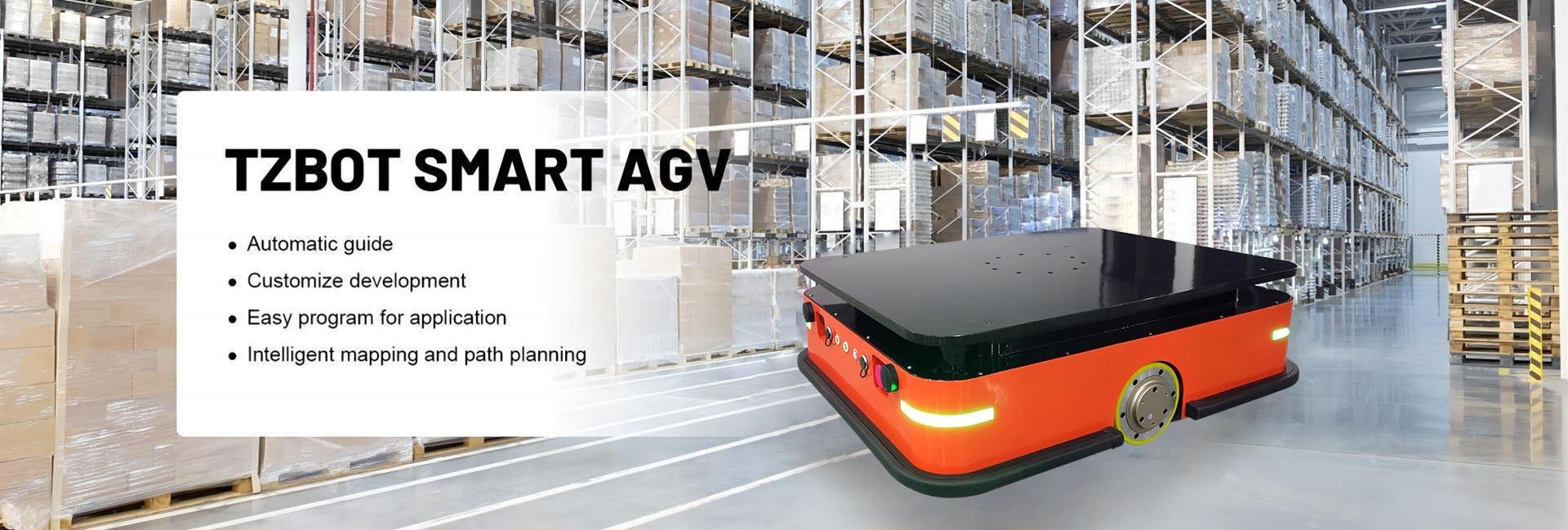
Top Trusted Omnidirectional AGV Supplier & Suppliers
Engineer-led sourcing for omnidirectional AGV drive wheels, smart controllers, laser SLAM AMR platforms and magnetic-guided automation — backed by an ISO 9001:2015 quality system, Intertek onsite verification and OEM/ODM customization since 2015.
8 Omnidirectional AGV Products for Faster Integration
The lowest-risk way to build or upgrade an AGV platform is to match motion, control and navigation from a supplier that validates them together. These eight products cover horizontal steering wheels, heavy-duty differential wheels, automatic forklift drive wheels, smart AGV controllers and a laser SLAM AMR platform. Product URLs are preserved for direct specification.
Omnidirectional AGV Procurement: From Price per Part to Uptime per Route
Omnidirectional AGVs have moved from demonstration projects into core intralogistics. The purchase decision has changed with them: buyers now evaluate route uptime, docking repeatability, safety validation, spare-part availability and total cost of ownership — not only the unit price of a wheel or controller.
A seemingly simple drive-wheel order carries hidden integration variables. Motor power, reduction ratio, wheel diameter, tread compound, encoder resolution, brake logic, mounting interface and suspension travel must all match the chassis, floor and load distribution. When these elements come from separate vendors, a small mismatch can surface as route drift, premature tyre wear, controller faults or unsafe deceleration. The result is not a component failure alone; it is lost uptime on the route.
This is why pre-matched drive trains are becoming a procurement advantage. A supplier that engineers the wheel, servo or BLDC motor, driver, encoder and navigation input together can shorten the commissioning cycle and reduce the number of finger-pointing conversations during a failed acceptance test. For OEMs and system integrators, the value of a trusted omnidirectional AGV supplier is measured in fewer engineering iterations and more predictable project margins.
Future procurement teams will also ask for documentation that supports an audit: ISO 9001:2015 certification, onsite verification, inspection records, prototype endurance reports and a clear change-control process. The supplier relationship is shifting from transactional parts sourcing to engineering risk transfer.
TCO replaces sticker price
Buyers compare energy use, tyre life, maintenance access, spare-part lead time and commissioning hours — not only the purchase order total.
Pre-matched interfaces
Motor, driver, encoder, brake and wheel supplied as one validated assembly reduce integration risk and acceptance-test delays.
Modular omnidirectional platforms
Standard mounting patterns and scalable power levels let OEMs reuse a chassis architecture across multiple payload classes.
Safety and audit evidence
Functional-safety rationale, inspection records and traceable production data are becoming part of the sourcing package.
Supply-chain resilience
Lead-time transparency, alternative shipping terms and multi-currency payment options matter when projects are scheduled across borders.
Data-ready components
Encoder feedback, controller logs and sensor inputs increasingly feed digital twins and predictive-maintenance dashboards.
Application Recommendations
Recommended Omnidirectional AGV Configurations by Application
The best drive wheel is not universal. Use this application-led matrix to shortlist components before requesting drawings or samples.
Compact latent AGV with low clearance
Use the TZBOT TZ18-D12 horizontal steering wheel when chassis height is tight. Its horizontal layout helps preserve a low deck while retaining omnidirectional steering capability.
Heavy-duty mobile robot
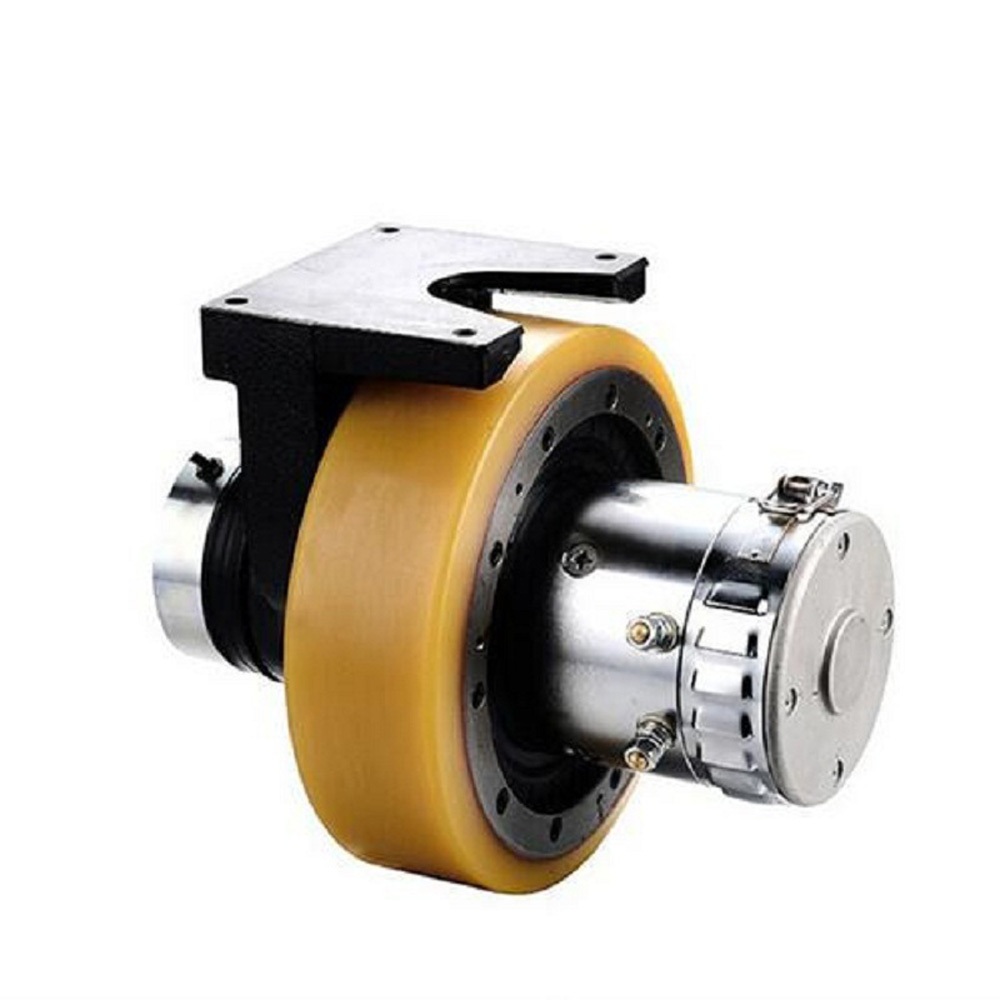
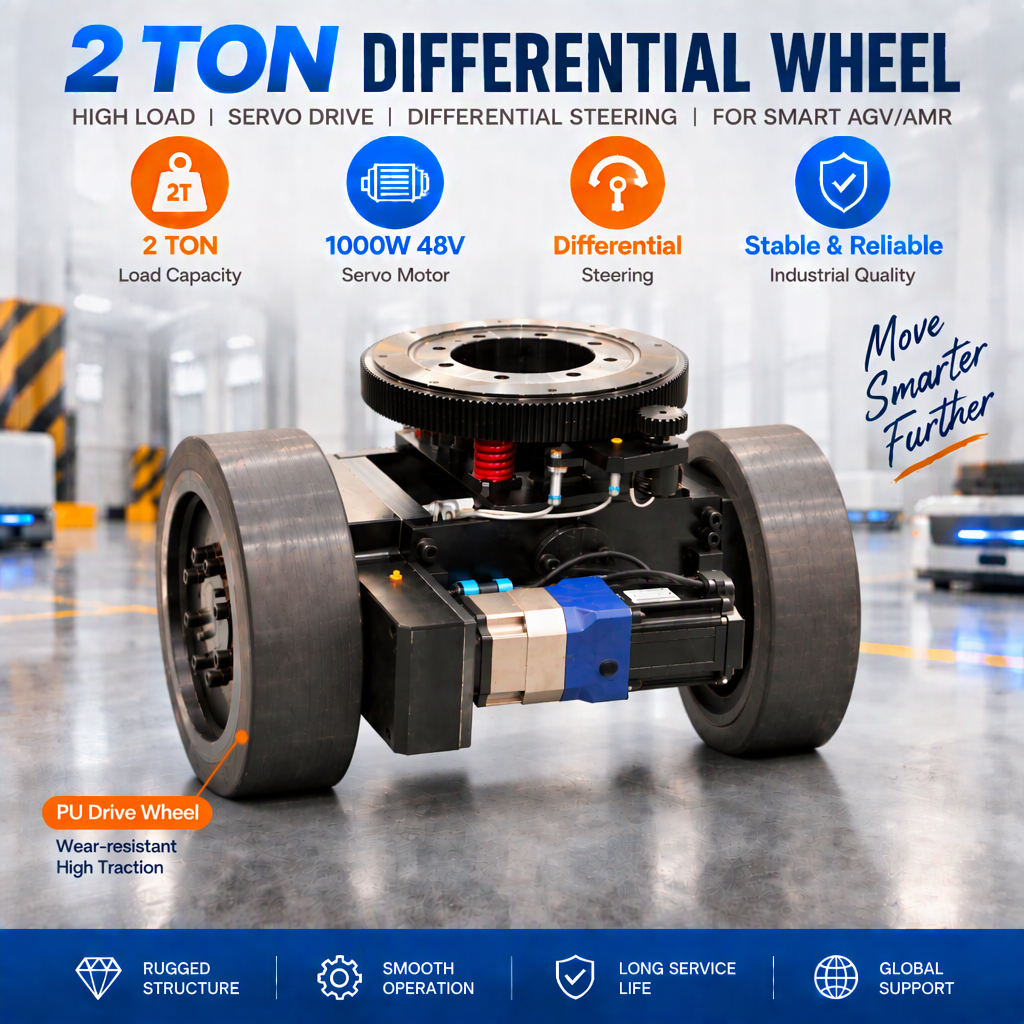
The 2,000 kg bearing-duty differential wheel with suspension suits heavy platforms that need traction, shock absorption and stable odometry over uneven floors.
Automatic forklift
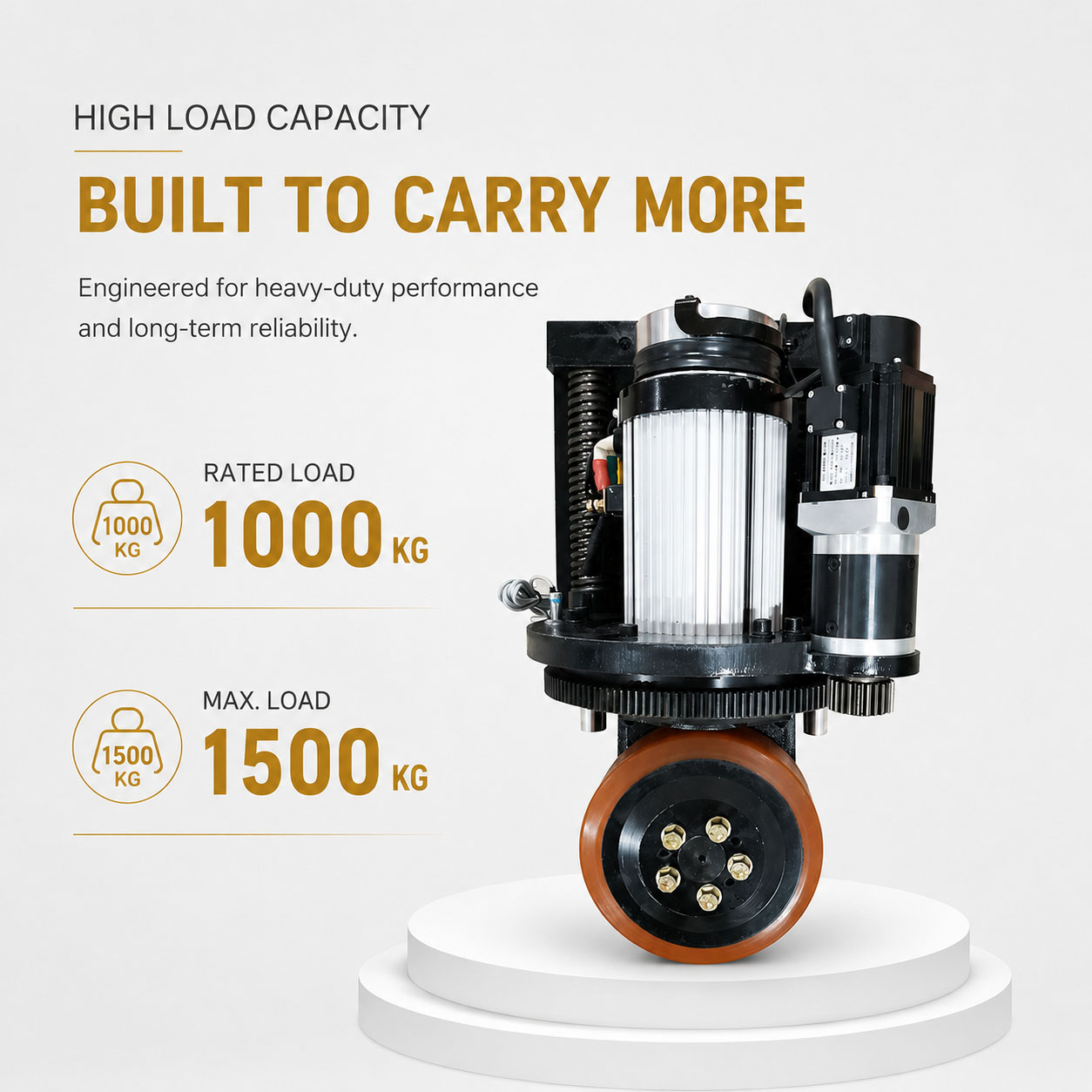
The 1,000 kg automatic forklift driving wheel with 1,500 W servo motor and suspension is aimed at controlled traction, braking and fork-level stability.
Magnetic-tape AGV fleet
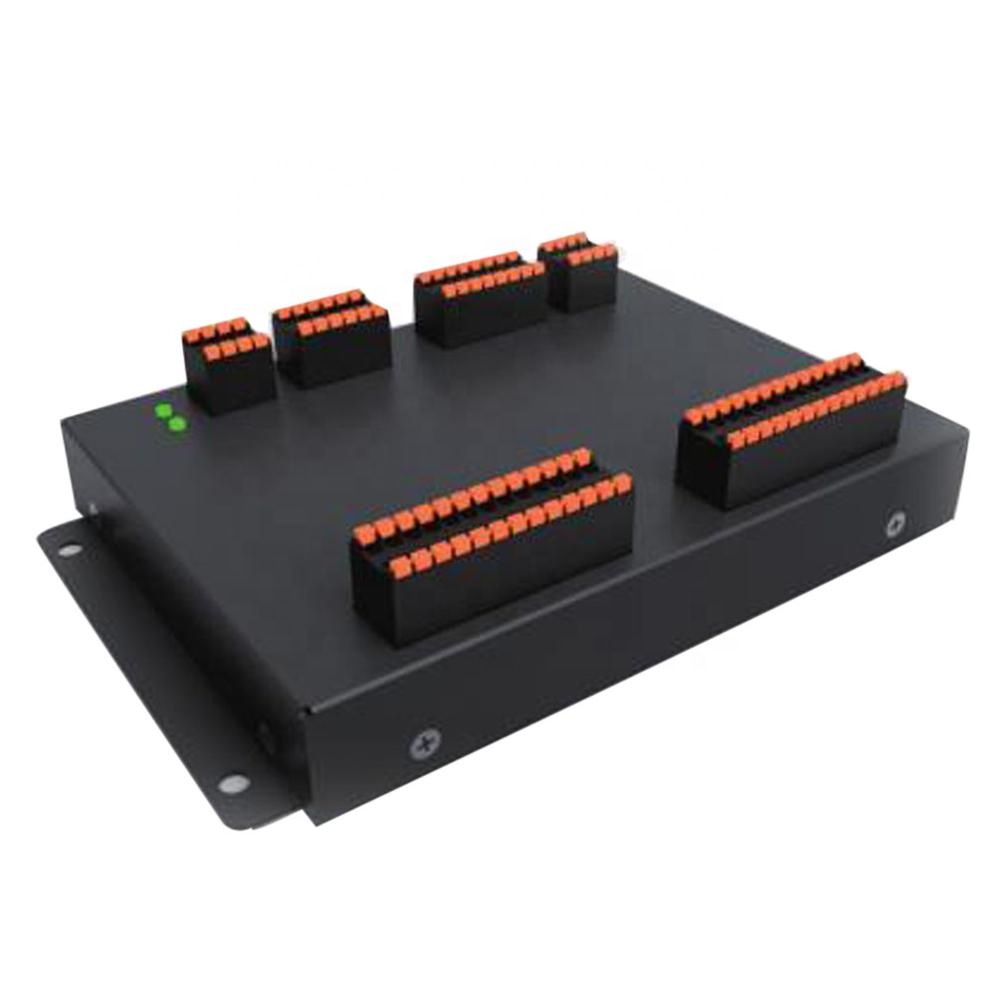
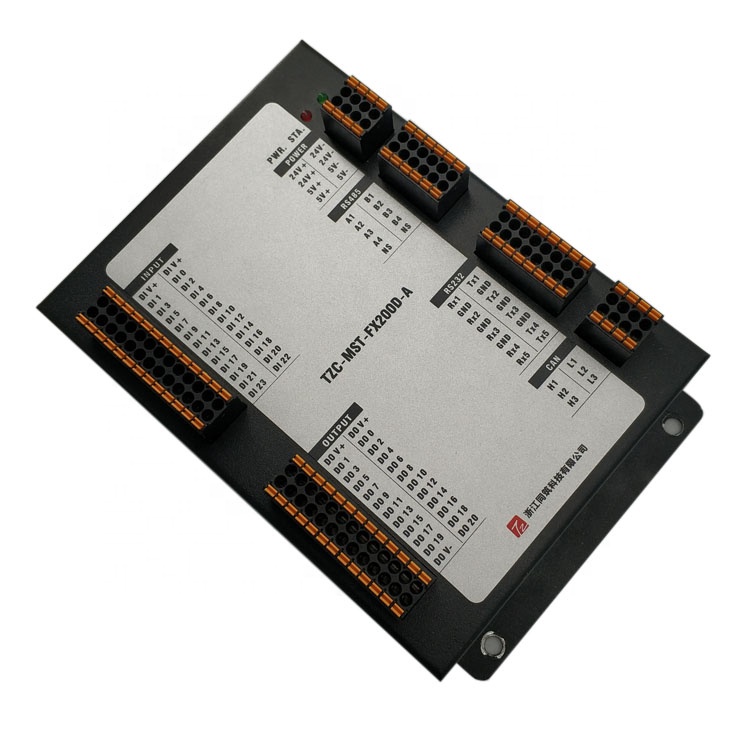
Pair the FX-series magnetic guided controller with a compatible TZ18 horizontal wheel for fixed-route transport where deployment speed and repeatability matter.
Laser SLAM pilot
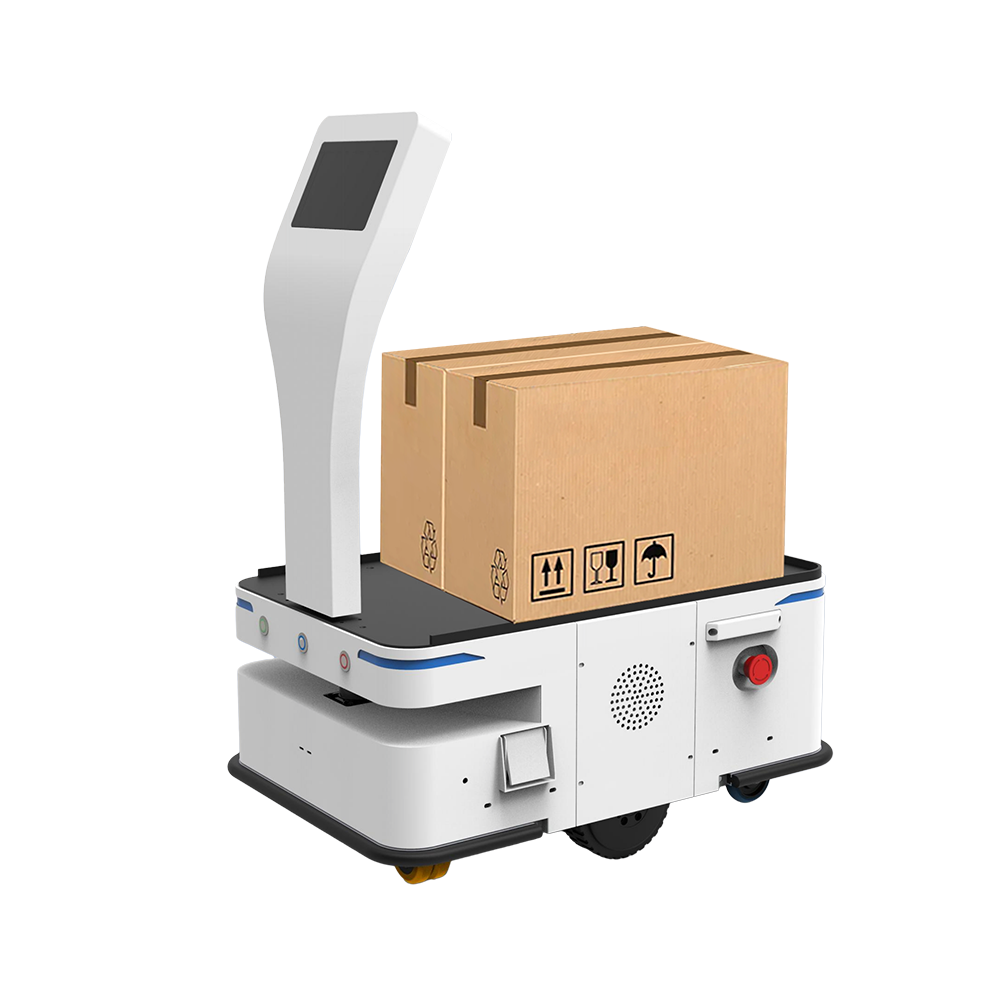
The 80 kg laser SLAM AMR with 7-inch HMI is a practical starting point for flexible routes, frequent layout changes and goods-to-person trials.
Brownfield controller retrofit
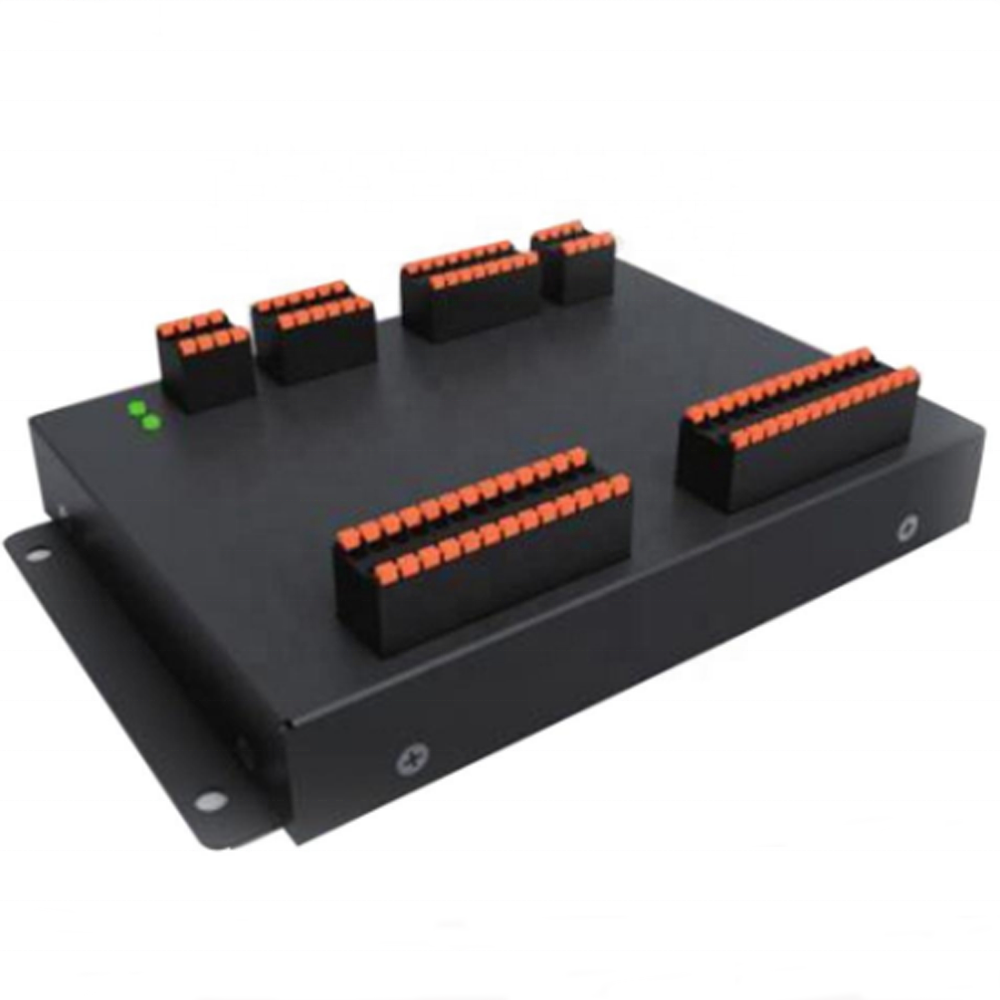
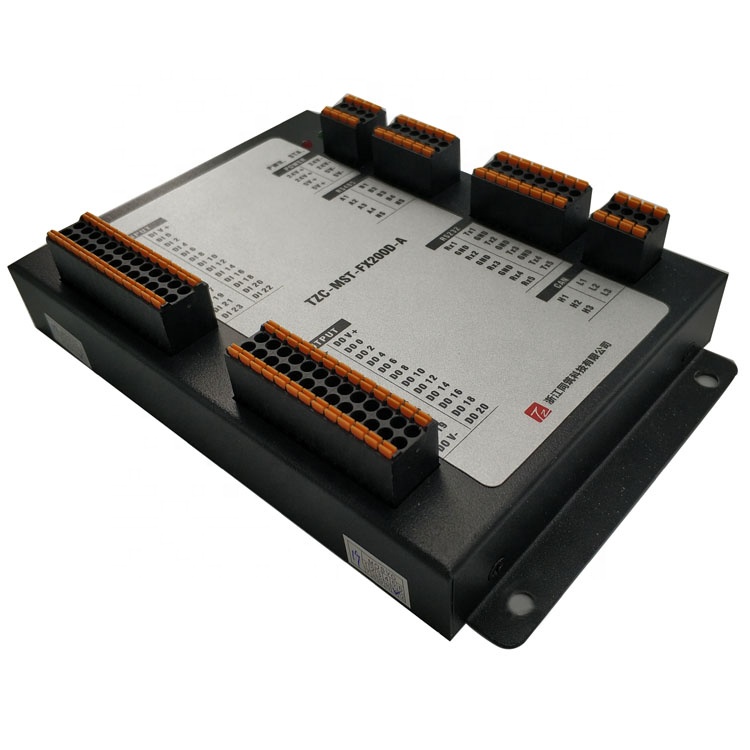
For existing steel or rubber-wheel chassis, the TZC-MST-FX200D-A mapping and auto-guide controller can update route teaching and station logic.
Development Trends
Product Development Trends That Will Shape AGV Sourcing Through 2030
Omnidirectional AGV components are converging around integrated mechanics, higher safety assurance and more flexible navigation. These trends influence what buyers should specify today to avoid re-engineering tomorrow.
Integrated drive modules
Motor, reducer, encoder, brake and suspension are increasingly supplied as one compact module, simplifying chassis design and validation.
Energy density and opportunity charging
Higher-density batteries and opportunity charging reduce vehicle weight and shift planning, influencing motor voltage and thermal design.
Sensor fusion
Magnetic, RFID, QR and laser SLAM are combined to deliver redundancy, smooth route transitions and higher docking accuracy.
Functional safety
Redundant sensing, safe torque-off, diagnostic coverage and documented safety rationale become differentiators for higher-speed applications.
AI and edge perception
Edge processing supports obstacle classification, dynamic rerouting and fleet orchestration without pushing every decision to a central server.
Modular chassis standards
Reusable power modules and common mounting interfaces allow OEMs to serve multiple payload classes from one engineering platform.
Engineering Guide
Drive, Navigation and Controller Matching for Omnidirectional AGVs
Use these selection tables to align the mechanical drive, navigation method and control electronics before requesting a quotation. A clear specification shortens sampling and reduces rework.
Drive configuration
How it steers
Best-fit AGV
Buyer checks
Differential drive wheel
Two independently driven wheels change heading by speed difference
Latent, jacking and shelf-lifting AGVs; compact turning
Wheelbase, load per wheel, floor friction, suspension travel
Single steering drive wheel
Drive motor plus dedicated steering motor sets wheel angle
Forklift AGVs, tricycle chassis and tugger vehicles
Overall height, service access, thermal clearance, cable routing
Navigation method
Infrastructure required
Best-fit operation
Procurement note
Magnetic guide sensor
Magnetic tape on floor
Fixed routes, low cost, fast deployment
Confirm tape protection, junction logic and sensor mounting height
RFID position sensor
RFID tags at stations
Station recognition, speed zones and junctions
Define tag spacing, read distance and environmental interference
QR code navigation
Floor QR grid
Grid warehouses and goods-to-person systems
Check floor flatness, code maintenance and camera height
Laser SLAM / lidar
None — uses natural features
Flexible routes and frequent layout changes
Validate dynamic obstacles, docking accuracy and safety fields
Engineer’s tip: before requesting a drive wheel or controller, prepare five values: gross vehicle weight, target speed, maximum gradient, battery voltage and available chassis height. These determine motor power, reduction ratio, wheel diameter and suspension requirement — and shorten the sampling cycle considerably.
Enterprise Advantages
What a Trusted Omnidirectional AGV Supplier Should Prove
Supplier claims are easy to publish; audit evidence is harder to produce. Zhejiang Torqen Technology Co., Ltd. supports buyer due diligence with company data, certification, testing capability and a documented customization process.
Zhejiang Torqen Technology Co., Ltd. — Built Around Motion Control
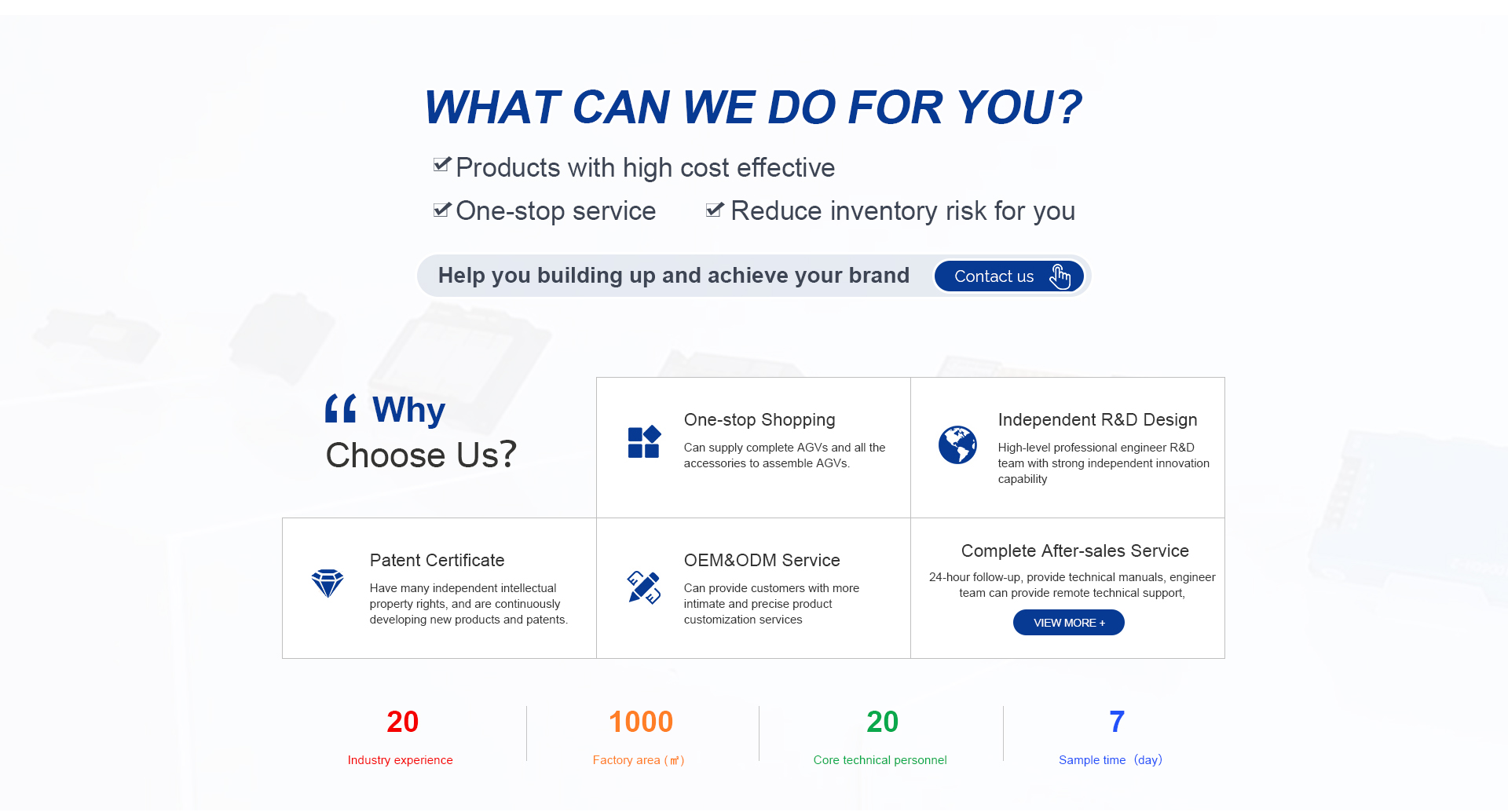
Founded in 2015 in Zhejiang, China, Torqen designs and manufactures automatic guided vehicles, AGV drive wheel assemblies, DC/AC motors, encoders, reducers, motor controllers, caster and PU wheels, and in-wheel motor units. The company operates as a manufacturer and trading company with a factory footprint of 1,000–3,000 m², annual output in the US$5M–10M range and a team of 51–100 people.
Our engineering approach is practical: share load, speed, voltage, floor and chassis data; match motor, reducer, wheel and controller; build a sample; run extended-duration testing; then release production under an ISO 9001:2015 quality system. This is how a trusted omnidirectional AGV supplier reduces integration uncertainty instead of simply shipping parts.
Quality is not a final inspection step alone. For AGV drive components, it is a chain that starts with the specification, continues through component matching and assembly, and ends with export packing and traceability. Torqen maintains an ISO 9001:2015 quality management system and has been verified onsite by Intertek.
Five in-house testing instruments support finished-product inspection and parameter verification.
Prototypes are run for extended periods before production parts are released.
Drive wheel, motor, reducer and controller interfaces are checked as a matched system.
Traceable production records support after-sales fault analysis and spare-part planning.
OEM/ODM options include motor power, voltage, reduction ratio, wheel diameter, tread material, encoder, brake and mounting interface changes.
Export packing and delivery terms are aligned with buyer requirements, including FOB, CFR, CIF, EXW, CIP, FCA, CPT, DDU and express delivery.
Applications
Industries Served by Torqen Drive and Control Components
Torqen products are used in AGVs and AMRs, forklifts, aerial work platforms, airport equipment, agricultural machines, hydraulic applications, floor scrubbers and sweepers, wind energy, marine equipment and medical devices.
AGV & AMR
Forklifts
Aerial Platforms
Airport Equipment
Agricultural Machines
Floor Scrubbers
Marine Equipment
Medical Devices
OEM / ODM Workflow
From Requirement Review to Export Delivery
A transparent six-step process helps engineering buyers predict sampling time, testing requirements and production release.
Requirement Review
Load, speed, voltage, floor condition and chassis envelope are assessed.
Engineering Proposal
Motor, reducer, wheel and controller are matched; drawings are shared.
Prototype Build
Sample-based or design-based customization is produced for evaluation.
Endurance Testing
Extended-duration runs and parameter checks are completed.
Mass Production
ISO 9001:2015 controlled manufacturing with inspection points.
Inspection & Delivery
Final inspection, export packing and global shipping arrangements.
Payment Methods
T/T
L/C
D/P D/A
MoneyGram
Credit Card
PayPal
Western Union
Cash
Escrow
Delivery Terms
FOB
CFR
CIF
EXW
CIP
FCA
CPT
DDU
Express
Currencies
USD
EUR
JPY
CAD
AUD
HKD
GBP
CNY
Supplier FAQ
Omnidirectional AGV Supplier Questions Buyers Ask
These answers reflect the procurement, engineering and delivery questions most often raised by AGV builders and automation integrators.
Are you an omnidirectional AGV supplier or only a trading company?
Zhejiang Torqen Technology Co., Ltd. is a manufacturer and trading company founded in 2015 in Zhejiang, China. We design and manufacture AGVs, AGV drive wheel assemblies, motors, servo/BLDC controllers, navigation sensors and related accessories, while also supporting export trade and buyer-specific sourcing requirements.
Can you customize a drive wheel for my chassis?
Yes. We support sample-based customization, design-based customization, OEM production, design services and buyer-label packaging. Typical changes include motor power and voltage, reduction ratio, wheel diameter, tread material, encoder type, brake options and mounting interfaces.
How do I choose between differential, steering and horizontal drive wheels?
Differential drive units suit compact latent and jacking AGVs that turn by wheel-speed difference. Steering drive wheels suit forklift and tricycle-type AGVs that need controlled steering angles. Horizontal drive wheel assemblies suit low-clearance chassis. Share payload, speed, chassis height and battery voltage, and our engineers can recommend a configuration.
Which navigation methods can be supported?
Our product portfolio includes magnetic guide sensors, RFID position sensors, QR code navigation and laser SLAM platforms. Magnetic guidance is cost-effective for fixed routes; RFID supports station recognition; laser SLAM provides flexibility when the layout changes frequently. Navigation choice should be matched to floor conditions, traffic and docking accuracy requirements.
How is product quality verified before shipment?
The quality management system is certified to ISO 9001:2015, and the facility has been verified onsite by Intertek. Finished-product inspection uses five in-house testing instruments, and prototypes undergo extended-duration testing before production parts are released.
What payment and delivery terms are available?
Payment methods include T/T, L/C, D/P, D/A, MoneyGram, credit card, PayPal, Western Union, cash and escrow. Currencies include USD, EUR, JPY, CAD, AUD, HKD, GBP and CNY. Delivery terms include FOB, CFR, CIF, EXW, CIP, FCA, CPT, DDU and express delivery.
Which industries use Torqen drive products?
Products are used in AGVs and AMRs, forklifts, aerial work platforms, airport equipment, agricultural machines, hydraulic applications, floor scrubbers and sweepers, wind energy, marine equipment and medical devices.
What information should I send for a fast quotation?
Send gross vehicle weight, target speed, maximum gradient, battery voltage, available chassis height, wheel diameter limit, floor material and condition, required navigation method, estimated annual quantity and any preferred payment or delivery term. Drawings or a 3D envelope are helpful for mounting-interface review.
Ready to Specify Your Omnidirectional AGV Drive Train?
Send your load, speed, voltage, chassis height and navigation requirement. Our engineers will help match the drive wheel, controller and sensors for your application.