info@torqenbot.com Hangzhou, Zhejiang, China ISO 9001:2015 · Onsite-Verified Manufacturer
Procurement Intelligence for Automated Material Handling

Top Trusted QR Code Navigation AGV Manufacturers & Suppliers

A buyer-focused white paper on how procurement teams separate true AGV manufacturing capability from catalogue reselling, benchmark drive, control, charging and navigation components, and prepare for hybrid navigation, modular sourcing and lifecycle risk through 2030.

  • ISO 9001:2015
  • Intertek Onsite-Verified
  • Founded 2015
  • 8 Patents
  • OEM / ODM Support
Product Recommendations

8 Product Benchmarks for QR Code Navigation AGV Sourcing

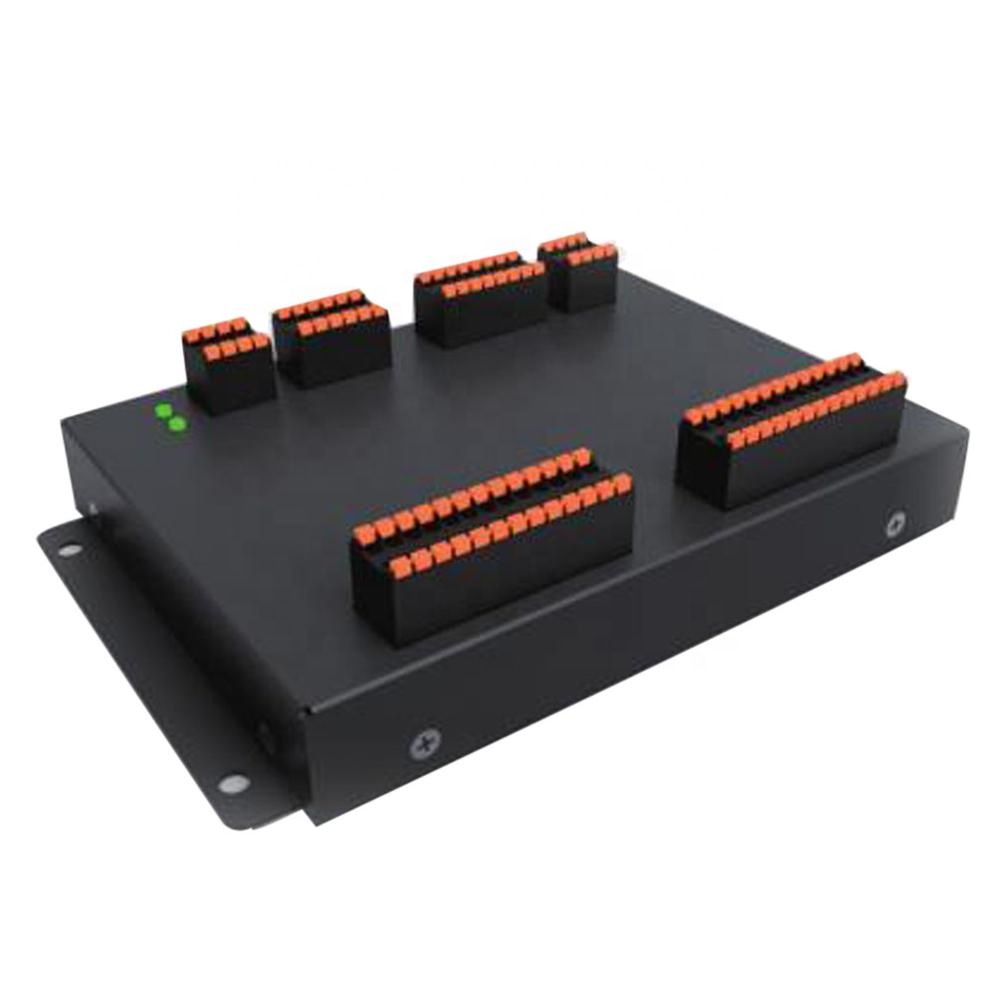
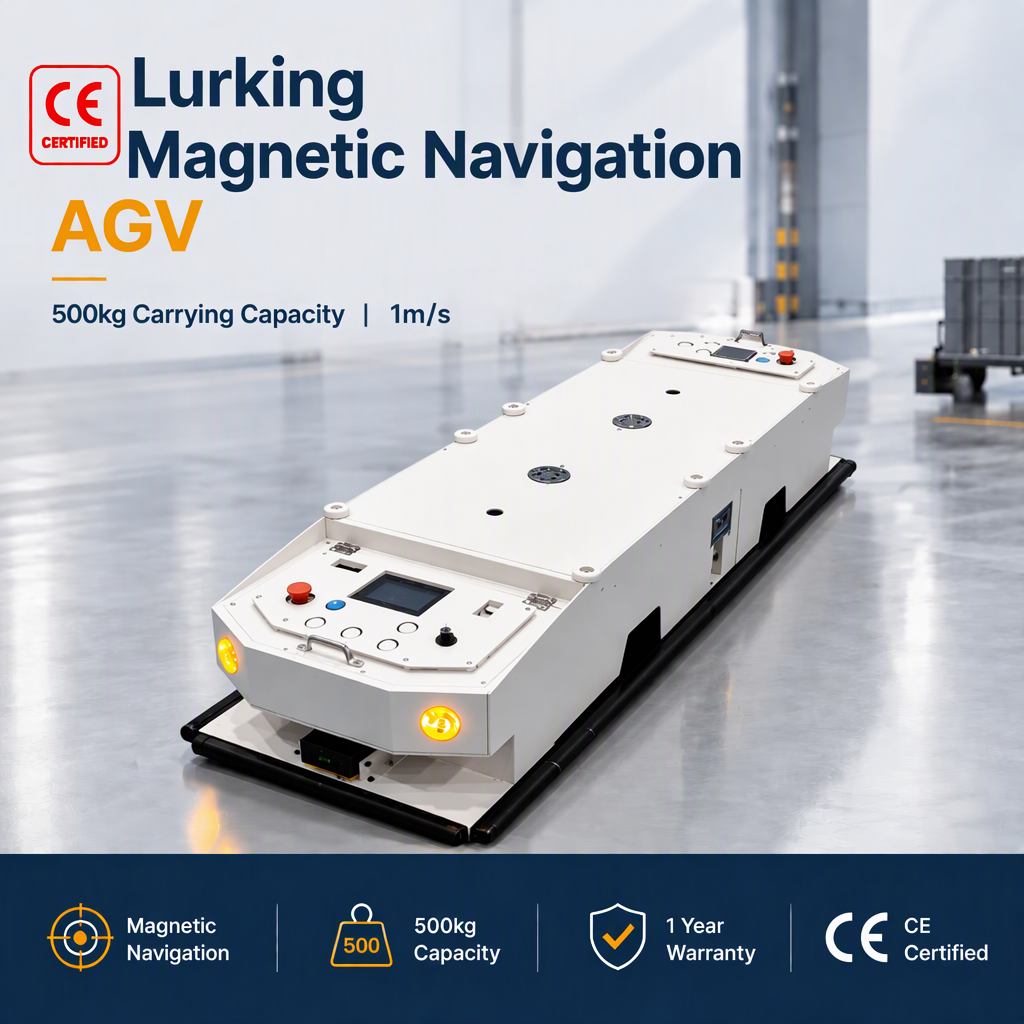
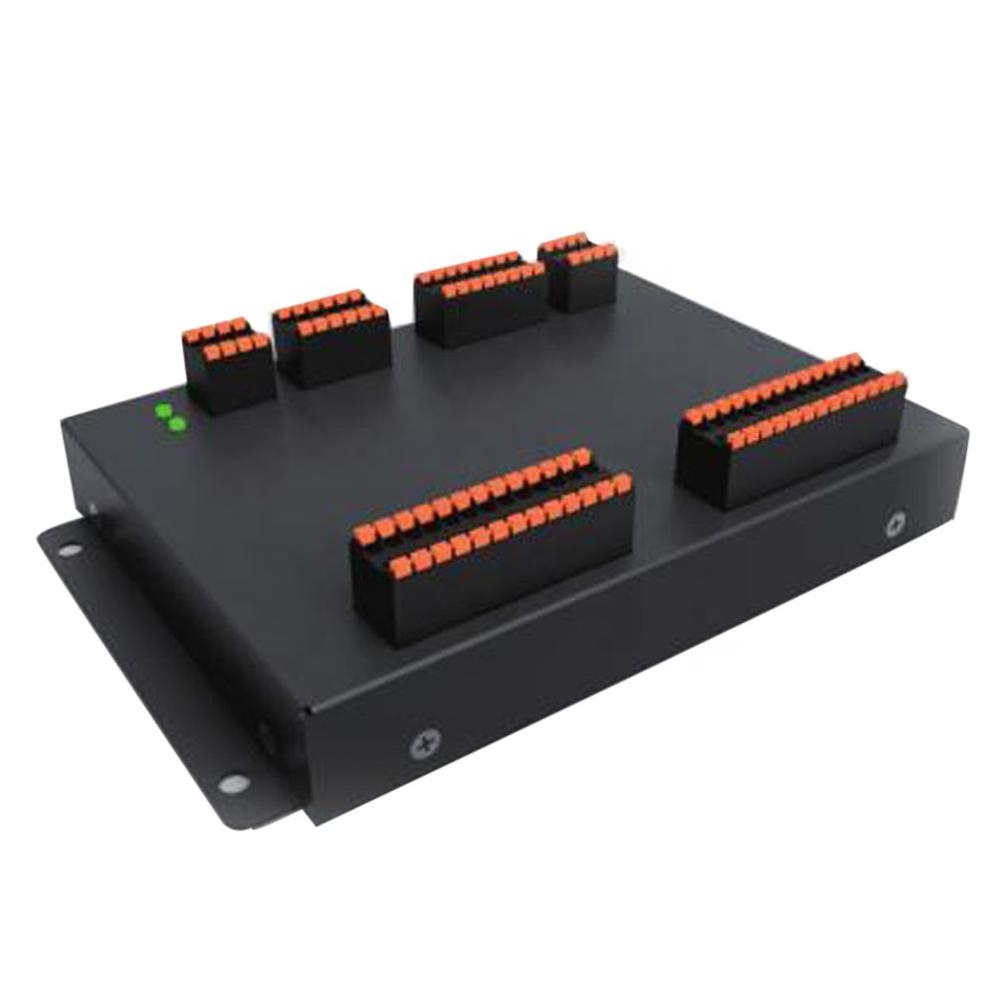
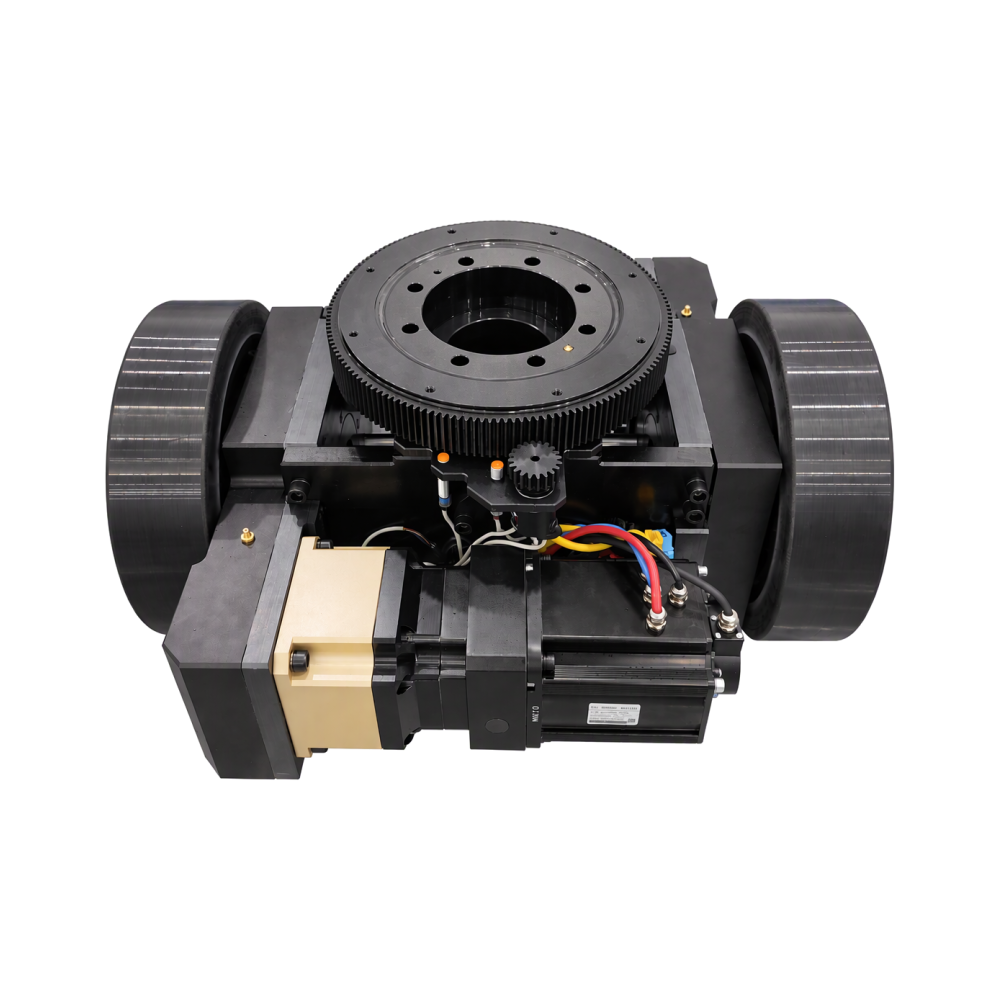
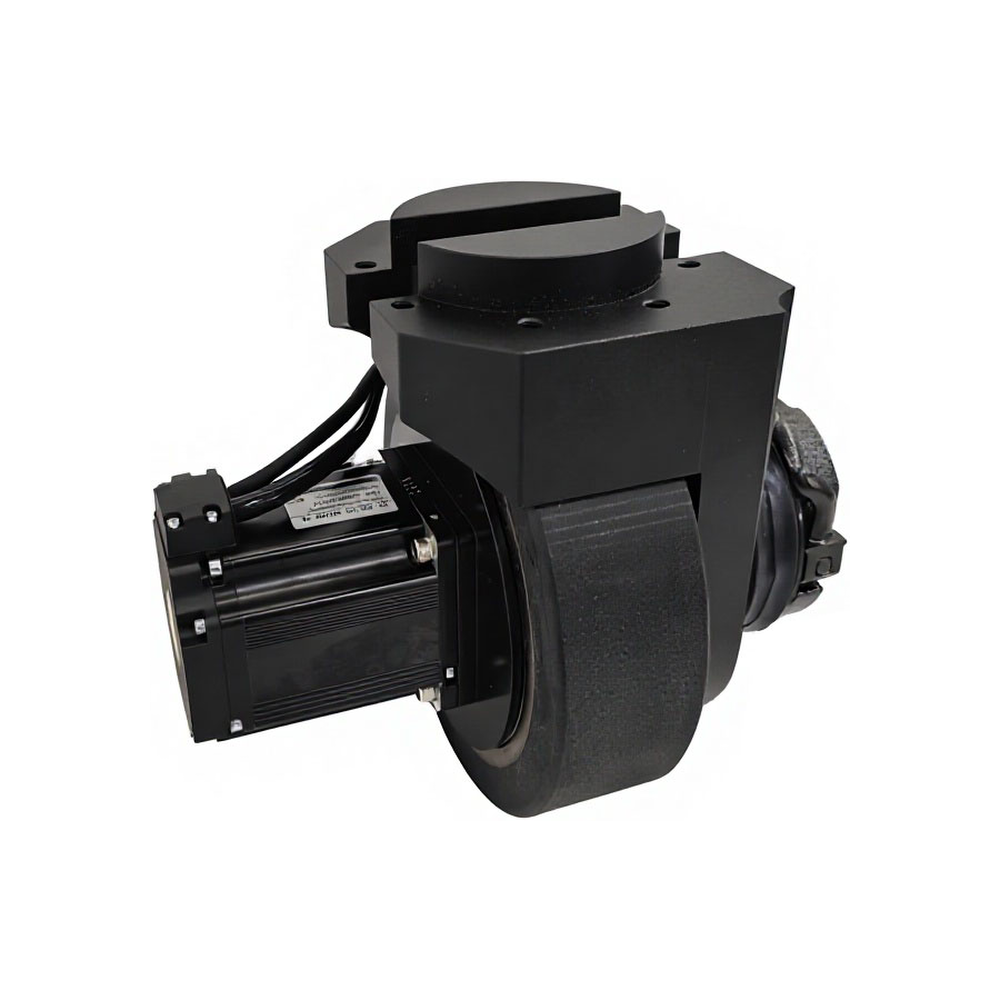
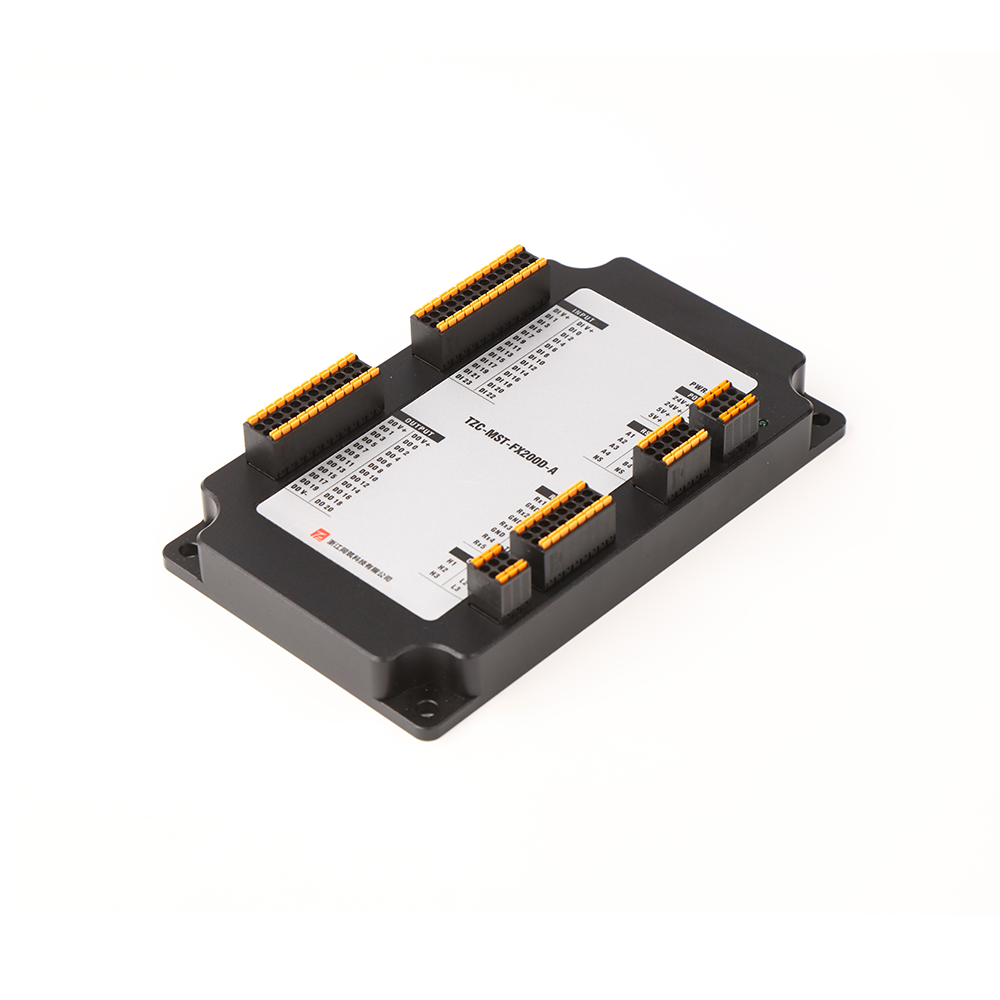
QR code navigation AGVs depend on far more than a downward camera. Reliable docking, stopping accuracy, fleet uptime and total cost of ownership are shaped by the chassis, drive wheel, controller, charging pad and power architecture. The eight Torqen products below form a practical benchmark set for buyers comparing QR code navigation AGV manufacturers and suppliers. Product links are preserved for detailed specifications.

Information Gain for Buyers

What “Top Trusted” Should Mean in QR Code Navigation AGV Procurement

Search results for top trusted QR code navigation AGV manufacturers and suppliers often show directory pages, but procurement risk lives in engineering details. A QR code navigation AGV localizes by reading floor or shelf-mounted landmarks with a downward camera. Repeatability therefore depends on camera height, floor flatness, lighting, wheel traction, encoder quality and controller latency. A supplier who cannot discuss these interactions is a reseller, not a manufacturing partner.

Stop Repeatability, Not Just Navigation

Ask for stop-position data at multiple QR landmarks, under different floor conditions and payloads. A repeatability specification without test conditions is marketing, not engineering evidence.

Drive Wheel & Chassis Compatibility

Differential, steering and horizontal drive units change turning behaviour and build height. Confirm motor power, reduction ratio, tread material, brake option and encoder compatibility against the real chassis.

Power, Charging and Fleet Uptime

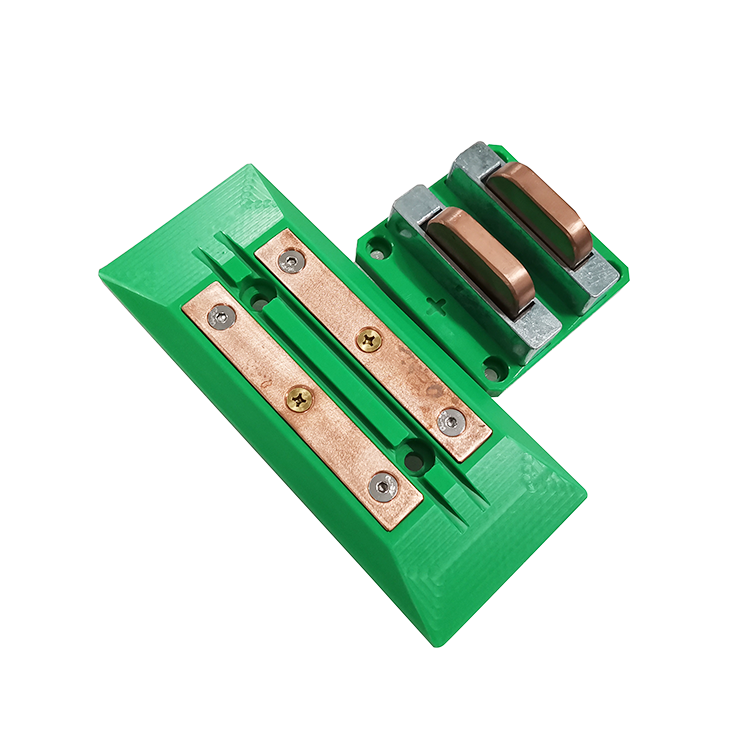
A QR code AGV fleet can lose more time to manual charging than to navigation errors. Evaluate opportunity charging pads, charger alignment tolerance, battery voltage windows and controller protection logic together.

Documentation, Spares and MTTR

Request BOM structure, firmware version policy, wiring diagrams and mean-time-to-repair assumptions. A trusted supplier supports the AGV after commissioning, not only during the quotation stage.

Manufacturer & Supplier Scorecard

A 6-Point Evaluation Scorecard for QR Code AGV Suppliers

Ask for evidence, not adjectives. The following scorecard turns supplier claims into a procurement decision. Score each item from 0 to 3 and require linked documents, sample test data or a factory review before shortlisting.

Factory Verification & QMS Evidence

Look for ISO 9001:2015 certification and onsite verification such as Intertek. Ask how incoming parts, finished products and firmware releases are controlled, and request the latest inspection records.

Drive-Train Validation Data

Request torque-speed curves, endurance runs, brake tests and wheel-tread wear data. A supplier that tests drive wheels with its own motors and drivers can reduce integration risk for your AGV platform.

Matched Electronics

Servo and BLDC controllers should be tuned to the drive wheel, not selected after the mechanics are fixed. Ask for wiring diagrams, parameter files, I/O maps and compatibility notes for magnetic, RFID or lidar sensors.

QR + Hybrid Navigation Roadmap

Ask whether the controller can combine QR code navigation with magnetic tape, RFID stations or lidar SLAM. Hybrid navigation reduces lane-closure risk and supports brownfield sites where floor marking changes over time.

Spare Parts & Response KPIs

Confirm spare-wheel, controller and charger availability, warranty handling and how quickly failure analysis is returned. Published responsiveness and buyer ratings are useful, but written service commitments matter more.

Customization & Change Control

For OEM/ODM projects, verify sample-based and design-based customization: motor power, voltage, reduction ratio, wheel diameter, tread, encoder, brake and mounting interface. Require documented approval before silent changes.

Buyer Priority Snapshot

Illustrative weighting for a QR code navigation AGV procurement committee. Adjust the weights to your process, payload class and existing fleet standards.

Navigation repeatability
94%
Drive-train matching
91%
Charging & uptime
88%
Lifecycle support
86%
Enterprise Advantage

Why Torqen Is a Practical Reference Supplier for QR Code AGV Projects

Zhejiang Torqen Technology Co., Ltd. has manufactured AGVs, drive wheel assemblies, DC/AC motors, encoders, reducers, servo and BLDC controllers, and navigation sensors since 2015. The company is ISO 9001:2015 certified and Intertek onsite-verified, with a factory of 1,000–3,000 m², a team of 51–100 people, 8 patents, reported annual output of US$5M–10M, a 4.9/5 buyer rating and a 97.9% inquiry response rate.

For QR code navigation AGV projects, the advantage is not a single SKU. It is the ability to match differential, steering and horizontal drive units with motors, drivers, charging pads, smart controllers and sensors. Customization includes motor power and voltage, reduction ratio, wheel diameter and tread material, encoder type, brake options and mounting interfaces. OEM production, design services and buyer-label packaging support OEM/ODM programs.

  • ISO 9001:2015 quality management and Intertek onsite verification
  • Five in-house testing instruments plus extended-duration prototype testing
  • Single-source drive train: drive wheel, motor, driver, controller and charger
  • Export terms include FOB, CFR, CIF, EXW, CIP, FCA, CPT, DDU and express delivery
  • Payment in USD, EUR, JPY, CAD, AUD, HKD, GBP or CNY through multiple trade methods
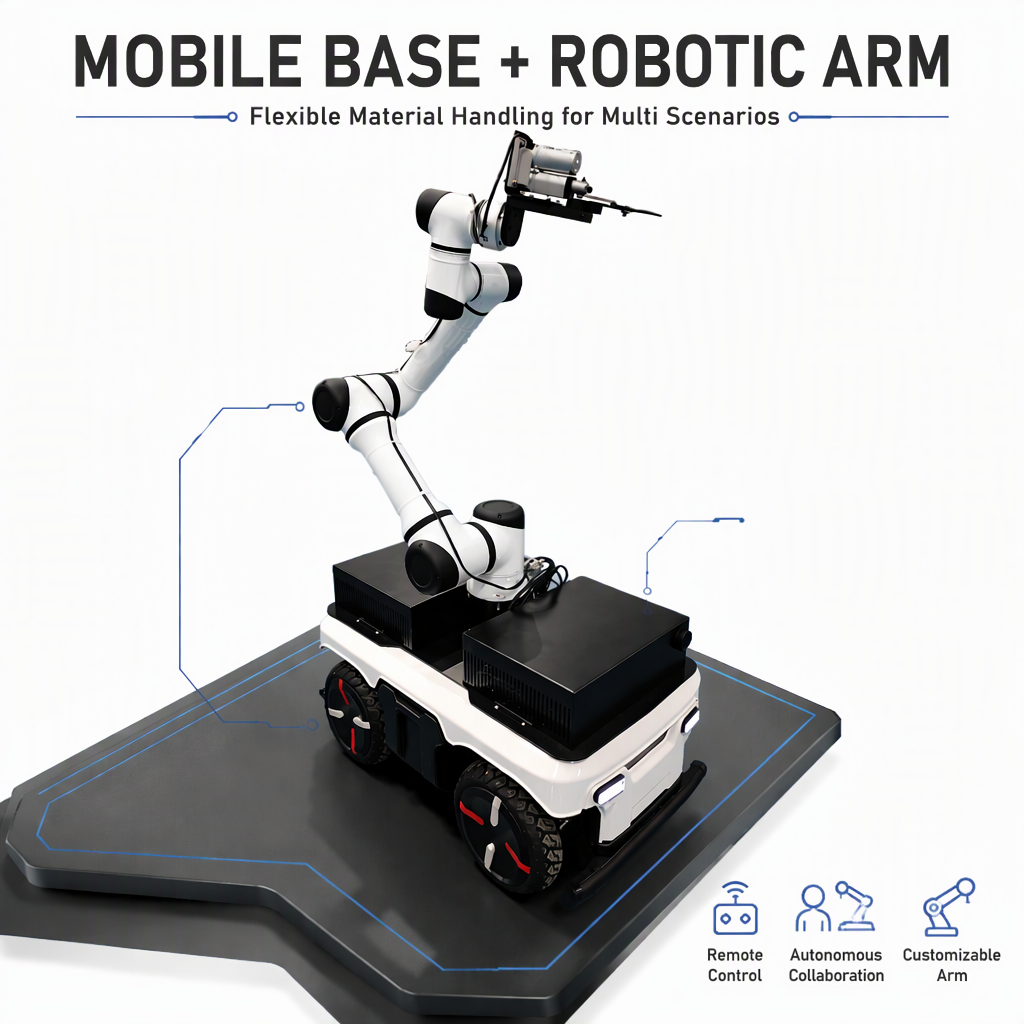
Zhejiang Torqen Technology Co., Ltd. AGV drive and motion technology facility
10+Years in drive and AGV technology since 2015
8Patents awarded for in-house design and development
51–100Team members supporting engineering, production and export
97.9%Inquiry response rate for global buyer communication
Future Procurement Trends

QR code navigation continues to be attractive in warehouses, electronics plants and grid-based goods-to-person systems because it is deterministic and cost-effective. The procurement conversation is shifting from “which robot?” to “which supplier can sustain a modular, traceable and hybrid-ready automation ecosystem?”

Hybrid Navigation Becomes a Default Requirement

Buyers increasingly specify QR code navigation with magnetic, RFID or lidar fallback. Hybrid modes reduce disruption when floor markings change and help AGVs move between controlled grids and mixed-traffic zones.

Modular Drive-Train Sourcing

Instead of buying a sealed AGV, more teams source drive wheels, controllers, chargers and sensors as modules. This supports dual sourcing and faster repair, but requires interface drawings, torque-speed data and firmware control.

Total Cost of Ownership Drives Decisions

TCO models now include charging labour, floor wear, tyre replacement, downtime and spare parts. Opportunity charging pads and efficient BLDC drives reduce battery cycling and hidden operating cost.

Traceability & Compliance Move Upstream

RFQs increasingly demand test records, material traceability, firmware change logs and cybersecurity hygiene. Suppliers with documented change control are easier to qualify for multinational production networks.

Product Development Trends

AGV Drive, Control and Charging Trends Buyers Should Track

The next wave of QR code navigation AGV development focuses on lower build height, higher payload density, integrated diagnostics and safer coexistence with people and other mobile equipment.

Low-Profile, High-Payload Drive Assemblies

Horizontal and compact differential drives allow AGVs to move under carts and racks without sacrificing payload. Buyers should request load diagrams, service clearance and bearing-life assumptions.

Controller-Integrated Diagnostics

Modern AGV controllers expose fault codes, current logs and performance counters. This data shortens commissioning and supports predictive maintenance when integrated with fleet management systems.

Sensor Fusion for Safety

QR cameras, magnetic guidance, RFID and lidar are increasingly combined. Suppliers should document sensor priority, stop-zone logic and fallback behaviour rather than listing sensors as isolated accessories.

Faster Opportunity Charging

Higher-current charging pads and smarter charger handshakes reduce battery cycling. Procurement teams should verify contact wear, alignment tolerance, floor cleanliness assumptions and charging-cycle data.

Application Fit

Where QR Code Navigation AGV Systems and Torqen Components Fit

Torqen products are used across AGVs, AMRs, forklifts, aerial work platforms, airport equipment, agricultural machinery, hydraulic applications, floor scrubbers and sweepers, wind energy, marine equipment and medical devices. The sectors below are especially relevant for QR-guided material handling.

Warehousing & E-commerce
Automotive & Electronics
Food & Beverage
Pharmaceutical & Medical
3PL & Distribution
Discrete Manufacturing
Sourcing Process

A Practical Four-Stage Sourcing Process for QR Code AGV Projects

A disciplined process reduces sampling cycles and protects the production launch. Use the same sequence whether you source complete AGVs, drive wheels or controllers.

01

Prepare the Requirement Brief

Define gross vehicle weight, target speed, gradient, battery voltage, chassis height, QR landmark size and required stopping tolerance before requesting a quotation.

02

Validate the Sample & Test Protocol

Require torque-speed data, wiring diagrams, parameter files and a sample test plan. Test stop repeatability under representative floor and payload conditions.

03

Run a Pilot and Review Data

Measure uptime, charging behaviour, navigation exceptions and maintenance events. Confirm that the controller and drive train behave as expected in the real layout.

04

Scale Up With Lifecycle Terms

Lock spare-parts availability, firmware change control, warranty process and response KPIs before volume production. Document every approved customization.

FAQ

Common Questions About QR Code Navigation AGV Manufacturers & Suppliers

These are the questions procurement teams most often ask before requesting samples, factory audits or OEM/ODM quotations.

What is a QR code navigation AGV, and when is it the right choice?

A QR code navigation AGV uses a downward-facing camera to read floor or rack-mounted QR landmarks, then calculates position and heading. It is a strong choice for grid warehouses, goods-to-person systems and structured production floors where the environment is controlled. For mixed traffic, long outdoor routes or rapidly changing layouts, a hybrid approach with magnetic guidance, RFID or lidar SLAM may be more appropriate.

How can I verify that a QR code navigation AGV manufacturer is trustworthy?

Check factory verification, ISO 9001:2015 certification, product test records and the supplier’s ability to explain interactions between camera height, floor flatness, wheel traction and controller latency. Ask for sample test data, spare-parts policy, firmware version control and recent buyer references. A trusted manufacturer will not rely only on catalogue specifications or trade-show brochures.

Which drive wheel type should I choose for a QR-guided AGV?

Differential drive units suit compact latent and jacking AGVs that turn by wheel-speed difference. Steering drive wheels suit forklift and tricycle-type AGVs that need controlled steering angles. Horizontal drive wheel assemblies suit low-clearance chassis. Share payload, speed, chassis height and battery voltage, and an experienced engineer can recommend the correct configuration.

What information should I send with an RFQ for AGV drive and control components?

Provide gross vehicle weight, maximum speed, gradient, wheel diameter limits, available chassis height, battery voltage, required stopping tolerance, floor material and QR landmark size. For controllers, include motor type, encoder type, I/O requirements and communication protocol. For charging pads, include charging current, available floor space and fleet cycling pattern.

Can Torqen customize AGV drive wheels and controllers for OEM/ODM projects?

Yes. Torqen supports sample-based customization, design-based customization, OEM production, design services and buyer-label packaging. Typical customizations include motor power and voltage, reduction ratio, wheel diameter and tread material, encoder type, brake options and mounting interfaces. Engineering documentation and approval steps should be defined before production.

What payment, delivery and support terms are available?

Accepted payment methods include T/T, L/C, D/P, D/A, MoneyGram, credit card, PayPal, Western Union, cash and escrow, in USD, EUR, JPY, CAD, AUD, HKD, GBP or CNY. Delivery terms include FOB, CFR, CIF, EXW, CIP, FCA, CPT, DDU and express delivery. Technical support covers integration guidance, spare-parts supply and fault analysis.

Inquiry Conversion

Ready to Benchmark Your QR Code Navigation AGV Supply Chain?

Send your payload, speed, chassis height, battery voltage and QR landmark requirements. Our team can help match the drive wheel, controller, charger and navigation components for your AGV platform.

info@torqenbot.com · ISO 9001:2015 · Intertek onsite-verified · OEM / ODM support