Top Trusted Smart Logistics Robot Exporter & Wholesaler
Factory-direct AGV drive wheels, navigation sensors, charger pads, and heavy-duty motion modules for integrators who need repeatable quality, lower total cost of ownership, and export-ready engineering support from Zhejiang Torqen Technology Co., Ltd.
- Intertek onsite-verified supplier
- 8 awarded patents
- 97.9% inquiry response rate
Eight Proven Modules for Smart Logistics Robot Builders
This is not a catalogue wall. Each module below solves a specific integration problem in an AGV, AMR, forklift, or automated material-handling platform. Product links are preserved for direct technical review.
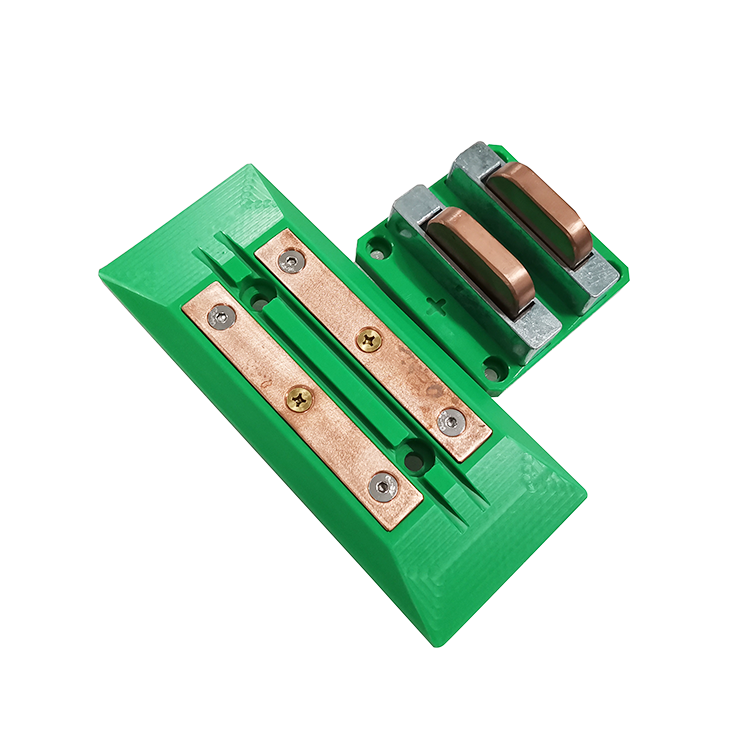
TZBOT Charger Pad Model TZ-CP-50A with Brush Plate and Brush Block for AGV Navigation Vehicles
- Auto charging
- Brush protection
- AGV ready
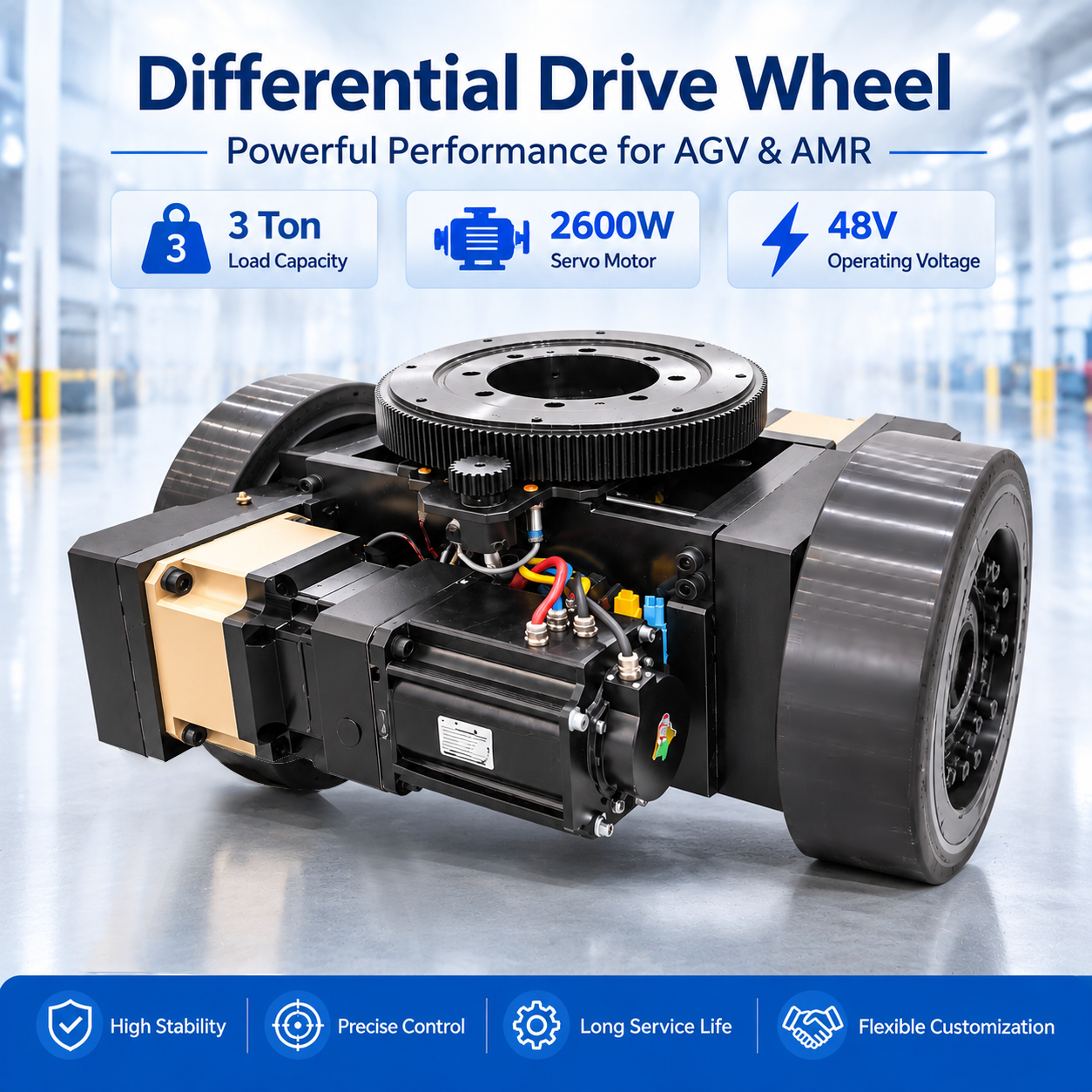
TZBOT Customizable 3000kg Load Capacity AGV Wheel Automatic Guided Vehicle Differential Drive Wheel with 2600W 48V Servo Motor
- 3,000 kg load
- Differential drive
- 2600 W 48 V
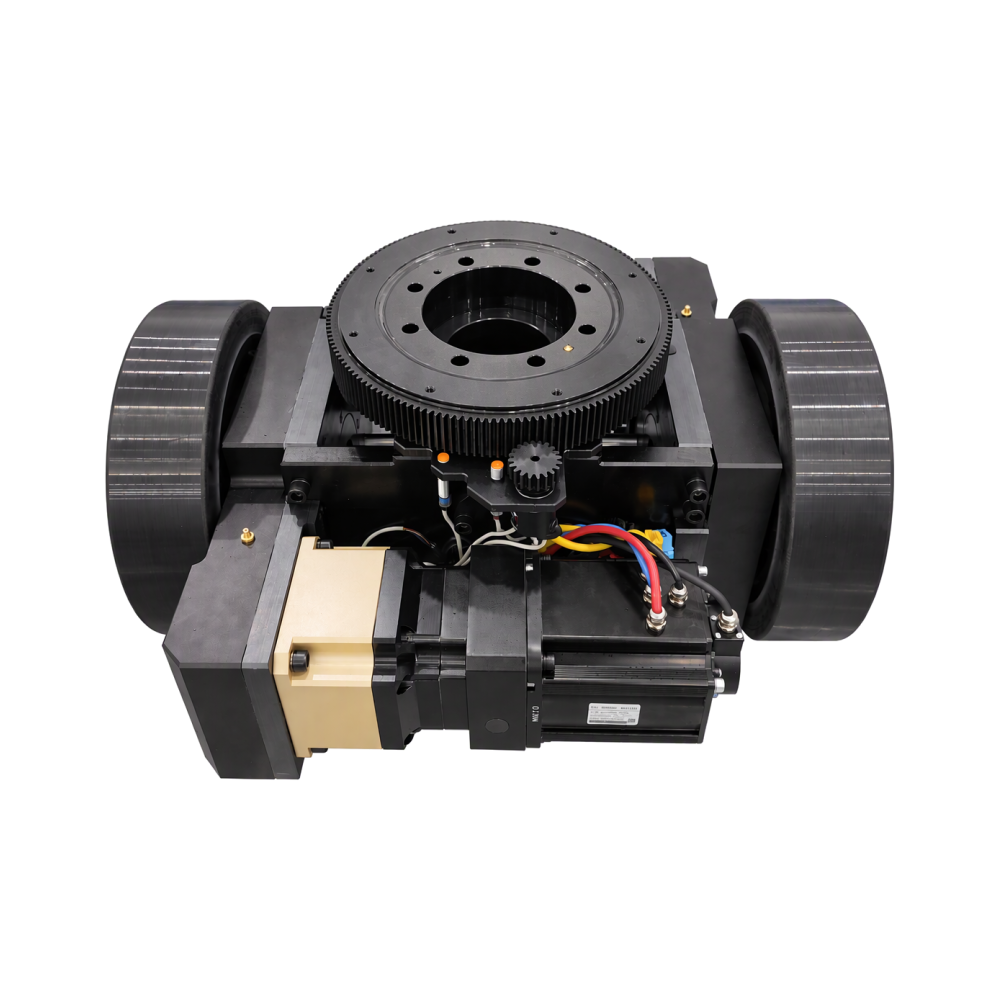
TZBOT Heavy Duty Series Robot Wheel 3000kg Bearing Capacity AGV Material Handling Equipment Differential Drive Wheel Assembly
- Heavy-duty bearing
- 3,000 kg
- Material handling
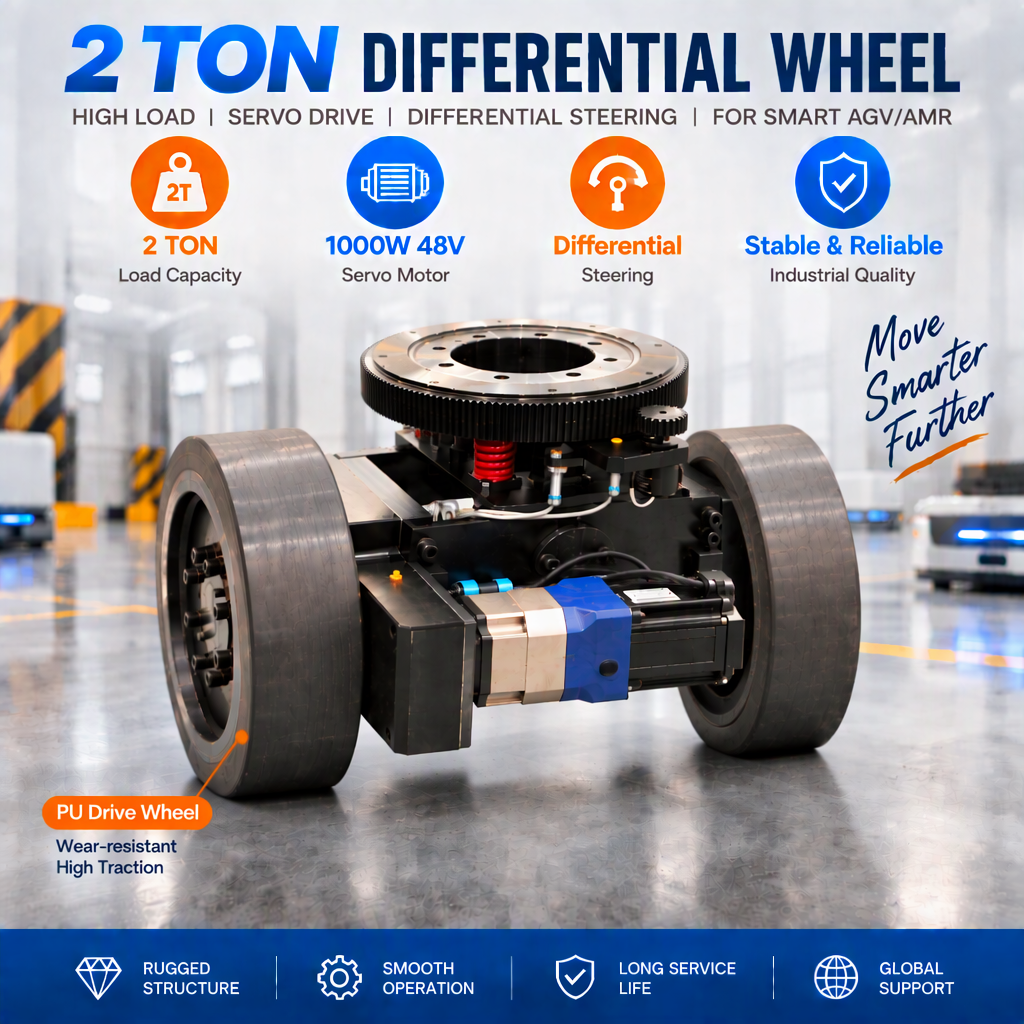
TZBOT 2000KG Heavy Duty Series AGV Wheel 1000W 48V Strong Power Mobile Robot Differential Drive Wheel with Spring Suspension
- 2,000 kg
- 1000 W 48 V
- Spring suspension
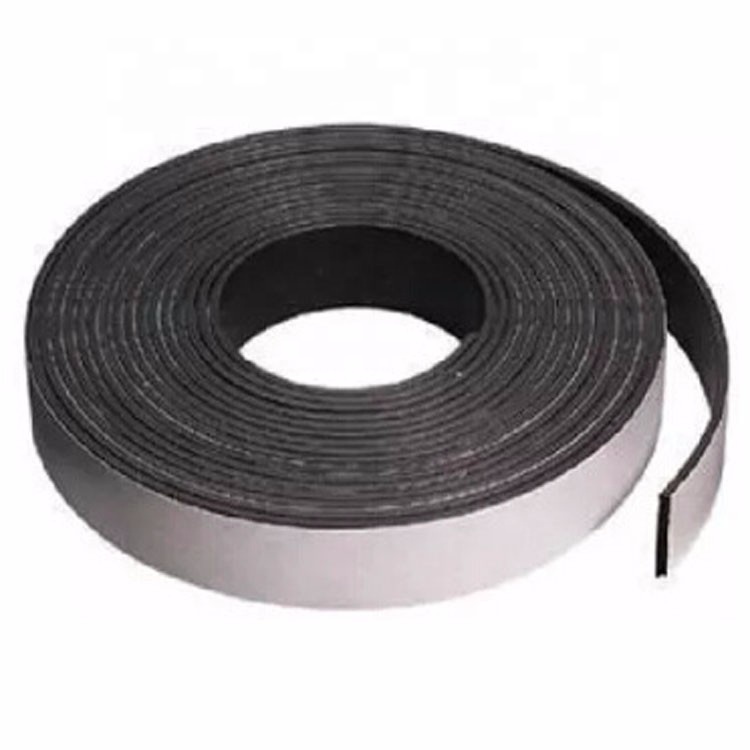
Sell Well Magnetic Tape, N-Pole Up, 5 cm Width × 25 m Roll for AGV Paved Path — Retail or Wholesale
- 5 cm × 25 m
- N-pole guidance
- Wholesale ready
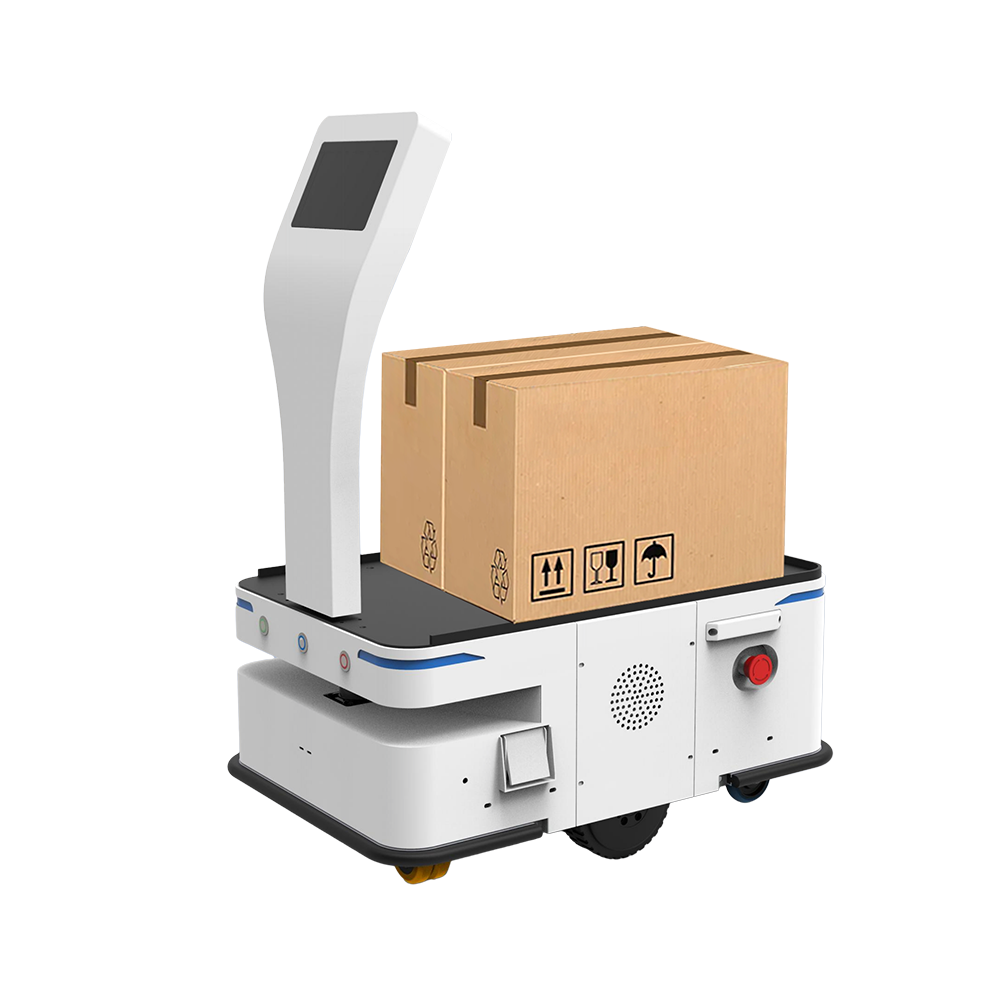
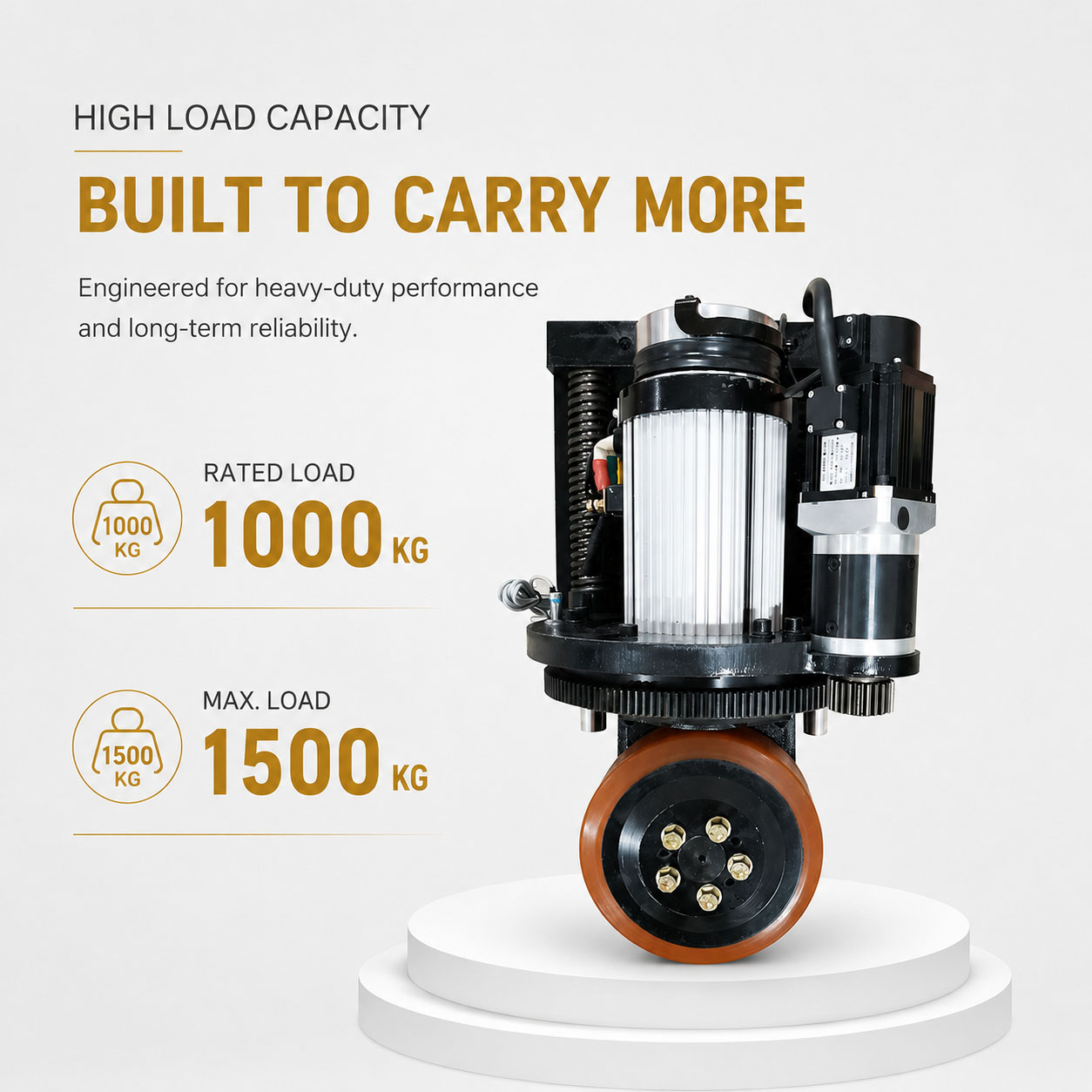
TZBOT 1000KG Bearing Duty 1500W Servo Motor AGV Forklift Driving Wheel with Suspension for Automatic Forklift
- 1,000 kg
- 1500 W servo
- Forklift suspension
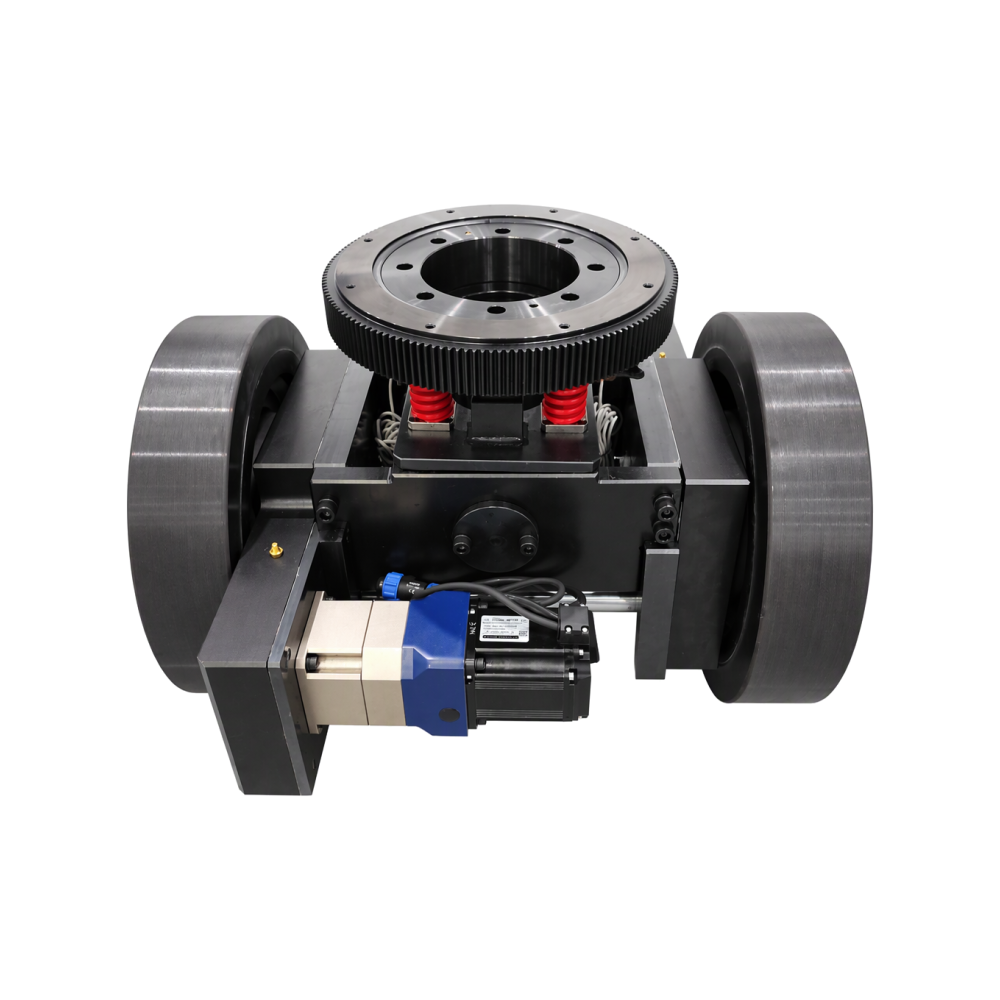
TZBOT Heavy Duty Series AGV Wheel 1000W 48V Servo Motor Control Mobile Robot Differential Drive Wheel with Spring Suspension
- 1000 W 48 V
- Servo control
- Spring suspension
Established in Zhejiang, China
Patents awarded for motion technology
Manufacturing and assembly footprint
Inquiry response rate for global buyers
A Smart Logistics Robot Exporter Is Judged After the Purchase Order
Price gets a supplier shortlisted. Documentation, matched electronics, testing discipline, and export support get that supplier reordered. Our advantage is built around those post-purchase realities.
One Drive Train, One Accountability
Drive wheels, servo or BLDC controllers, encoders, reducers, and navigation sensors are matched in-house. Integration risk does not get passed between three suppliers.
Tested Before It Ships
Finished-product inspection uses five in-house testing instruments. Prototypes undergo extended-duration testing before production parts are released to buyers.
OEM / ODM Customization
Motor power, voltage, reduction ratio, wheel diameter, tread material, encoder type, brake options, and mounting interfaces can be adapted to your chassis.
Export-Ready Commercial Terms
FOB, CFR, CIF, EXW, CIP, FCA, CPT, DDU, and express delivery are supported, with flexible payment methods and currencies for international wholesale programmes.
The 2026 Procurement Shift: From Lowest Piece Price to System-Level Assurance
For the past decade, many logistics robot projects were purchased line by line. The next buying cycle is different: serious integrators are calculating the cost of integration hours, commissioning risk, spare-part lead time, and warranty exposure before they compare unit prices.
The strongest information gain for buyers is not another list of wheel sizes. It is a decision framework: how a drive wheel, servo controller, encoder, reducer, charger pad, and navigation sensor behave as a system once the robot is on the floor. A four percent lower wheel price can disappear quickly if the motor and driver require three separate engineering loops, or if a replacement wheel arrives without the correct mounting interface.
This is why the phrase “Top Trusted Smart Logistics Robot Exporter & Wholesaler” should be read as an operating standard, not a slogan. Trusted exporters now compete on documentation completeness, engineering response speed, matched component availability, and lifecycle support. Wholesalers, in turn, need a supply partner that can support retail-sized spare-part orders and larger OEM programmes without changing quality systems between batches.
What Procurement Teams Rank First in 2026
Directional buyer-priority model based on common AGV and AMR sourcing requirements: total cost of ownership, modular customization, engineering response, and verified safety documentation.
The Hidden Cost of Mismatched Parts
A simple planning multiplier: when wheel, motor, driver, encoder, and sensor are sourced without system-level validation, engineering rework and commissioning delay can multiply the apparent savings.
- Extra wiring and parameter-tuning cycles
- Unclear warranty responsibility across vendors
- Longer spare-part lead time after commissioning
- Higher risk when scaling from prototype to batch production
The procurement implication is practical. Buyers should request a matched bill of motion components, not only a wheel drawing. Ask whether the supplier can provide the drive wheel, servo or BLDC controller, encoder feedback option, and navigation sensor interface as a coordinated package. Ask for the testing record, mounting drawing, and commissioning parameters before the first production order. These requests shorten the sampling cycle and reduce the chance that a pilot vehicle performs well while a batch-built fleet does not.
Another trend is the rise of wholesale-ready modularity. Distributors and replacement-part sellers increasingly want a small number of proven platforms that can cover many end applications. A 1,000 kg to 3,000 kg drive wheel family, a magnetic tape line, a charger pad, and a laser SLAM AMR can serve warehouse, forklift, and flexible-manufacturing customers without forcing the distributor to carry dozens of unrelated SKUs.
Six Engineering Directions Reshaping Smart Logistics Robot Components
These trends are already visible in buyer requirements. They reward suppliers who can combine mechanical design, motor control, navigation, and quality documentation under one roof.
Matched Servo and Drive-by-Wire Architecture
Buyers increasingly expect the drive wheel and controller to arrive as a tuned pair. Matching current limits, encoder resolution, braking logic, and communication protocol at the factory reduces commissioning time and improves repeatability across a fleet.
Hybrid Navigation: Laser SLAM + Magnetic + RFID
No single navigation method fits every route. Magnetic guidance remains cost-effective for fixed paths, RFID supports station recognition, and laser SLAM provides flexibility. Hybrid designs let operators change layout without rebuilding the entire infrastructure.
Energy-Aware Charging and Opportunity Charging
Automatic charger pads and brush-protected contacts are becoming part of uptime planning. Buyers look for charge interfaces that tolerate misalignment, resist debris, and support shorter opportunity-charging windows without accelerating wear.
Safety-First Sensing and Documentation
Safety is no longer an afterthought. Obstacle avoidance, bumper integration, emergency-stop logic, and clear responsibility for sensor validation are now part of procurement review, especially for robots working near people.
Modular, Repairable Mechanical Platforms
Heavy-duty drive wheels with spring suspension, replaceable tread, and accessible motor-reducer assemblies lower maintenance downtime. Wholesalers prefer platforms that can be serviced locally without returning the entire assembly to the factory.
Digital Twins and Commissioning Data
Engineering buyers want more than a product photo. They want CAD files, wiring diagrams, parameter files, and test data that can be loaded into a simulation or commissioning checklist. This is where a technically mature exporter creates measurable information gain.
Product Recommendations for 2026 Purchasing Plans
Use these bundles as a starting point. Share payload, speed, voltage, chassis height, route type, and annual volume, and our engineers can adapt the configuration without locking you into one catalogue number.
Latent and Jacking AGV Builders
Best for compact warehouse robots that turn by wheel-speed difference and need stable traction under repeated lifting cycles.
Forklift AGV and Tugger Projects
Best for controlled steering angles, heavier chassis loads, and applications where suspension reduces shock during pallet handling.
Flexible Intralogistics and AMR
Best for routes that change frequently, mixed pedestrian environments, and projects where fast deployment matters more than fixed-path simplicity.
Wholesalers and Spare-Part Distributors
Best for retail or wholesale programmes serving many end users who need fast replacement parts and predictable interface compatibility.
Drive Wheel Selection Matrix
| Configuration | How It Steers | Best Fit |
|---|---|---|
| Differential drive wheel | Turns by wheel-speed difference | Latent, jacking, shelf-lifting AGVs |
| Forklift driving wheel with suspension | Controlled steering with load support | Automatic forklifts and tugger vehicles |
| Heavy-duty drive assembly | High-load traction with spring suspension | Material handling and production-line transport |
Navigation Method Matrix
| Method | Infrastructure | Best Fit |
|---|---|---|
| Magnetic guide | Magnetic tape on floor | Fixed routes, low cost, fast deployment |
| RFID positioning | Tags at stations and junctions | Station recognition and speed zones |
| Laser SLAM | Natural features, minimal floor work | Flexible routes and layout changes |
| QR code navigation | Floor QR grid | Grid warehouses and goods-to-person systems |
Evidence Behind the “Trusted Exporter & Wholesaler” Claim
Zhejiang Torqen Technology Co., Ltd. was founded in 2015 and operates as a manufacturer and trading company for AGVs, drive wheel assemblies, motors, controllers, sensors, and AGV accessories. The evidence is designed to be checked, not simply claimed.
Manufacturing Base in Zhejiang Since 2015
Our team supports integration projects from a 1,000–3,000 m² manufacturing and assembly footprint, with annual output in the US$5M–10M range and a team of 51–100 people.
ISO 9001:2015 and Intertek Verification
Our quality management system is certified to ISO 9001:2015, and the facility has been verified onsite by Intertek. Quality claims are tied to a system, not a single inspection photo.
8 Patents and Application-Led R&D
Continued investment in modern machining and motion-control design supports faster movement from drawing to tested prototype, with patents reflecting practical engineering work rather than decorative claims.
Five In-House Testing Instruments
Finished-product inspection and extended-duration prototype testing are built into the release process. Buyers receive parts that have passed a production-stage quality routine, not only a sample-stage demonstration.
Matched Electronics and Mechanical Design
Servo and BLDC drivers, magnetic/RFID/lidar sensors, motors, encoders, reducers, and wheels are developed with system compatibility in mind. This reduces blind spots between mechanical and electrical teams.
Responsive Global Support
Our sales and technical team maintains a 97.9% inquiry response rate and supports integration with wiring diagrams, parameter guidance, spare-part planning, and export documentation.
Our products are used in AGVs and AMRs, forklifts, aerial work platforms, airport equipment, agricultural machines, hydraulic applications, floor scrubbers and sweepers, wind energy, marine equipment, and medical devices. That application breadth matters to exporters and wholesalers because it proves the drive technology is not limited to one warehouse layout or one robot style.
For buyers comparing a smart logistics robot exporter with a general trading company, the distinction is simple: a manufacturer-led supplier can explain why a motor, reducer, wheel tread, encoder, and controller belong together. A trading-only supplier can often quote a price; a technically accountable exporter can shorten the path from specification to stable operation.

Company office and production facility in Zhejiang, China.
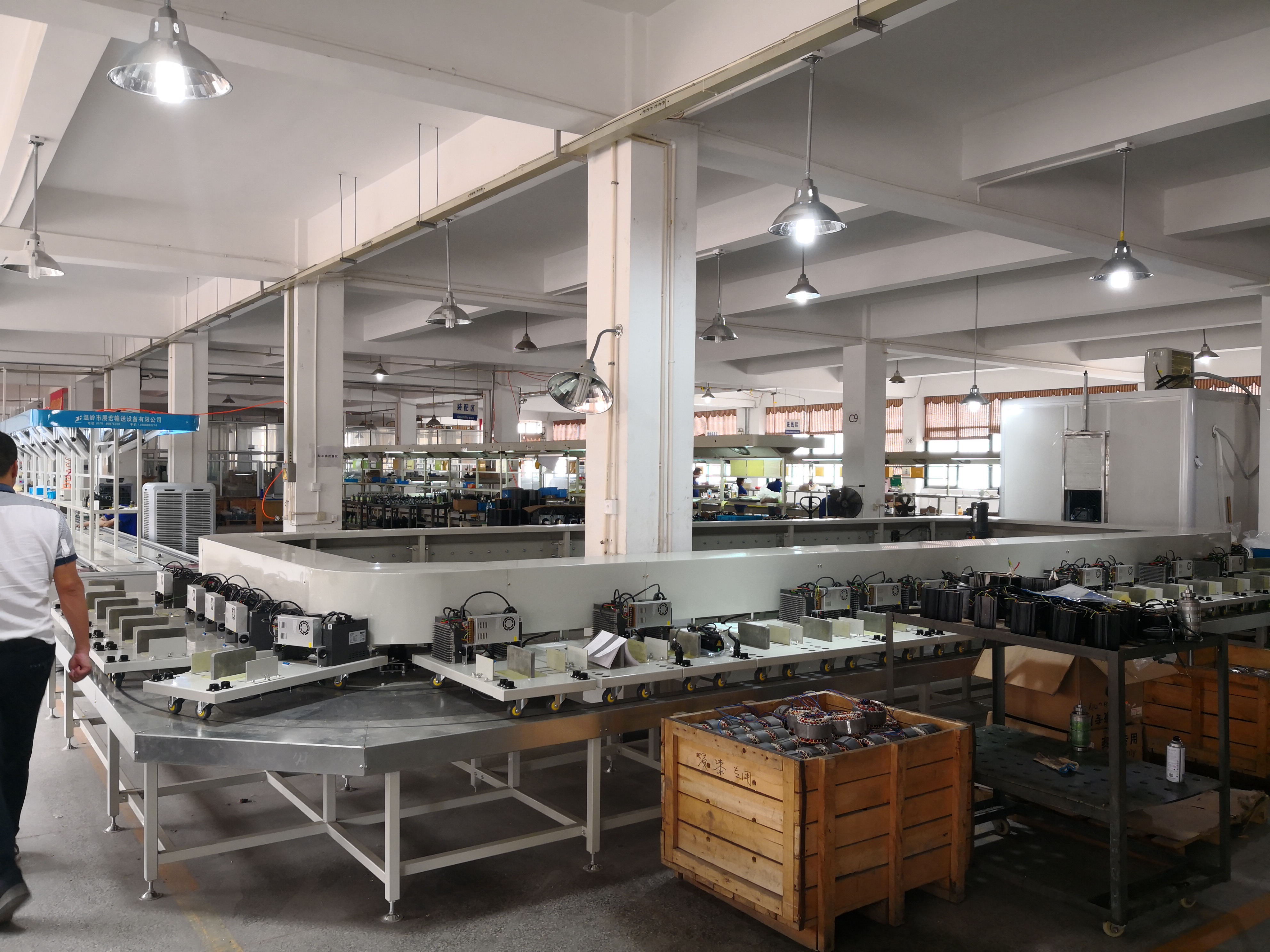
Drive wheel assembly workshop for AGV and AMR platforms.
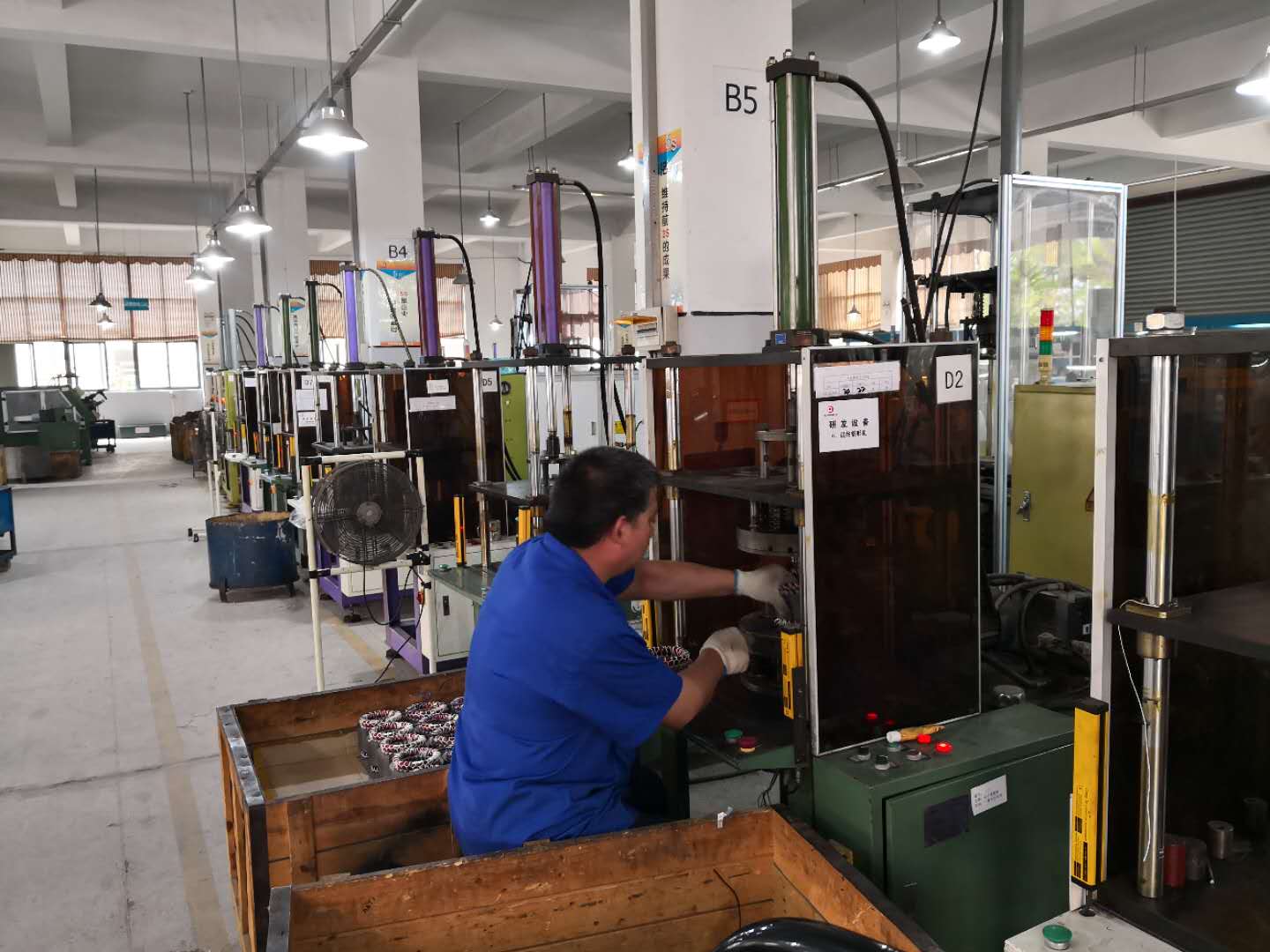
Engineering and quality inspection area for motion components.

International sales and technical support for global buyers.
Common Questions Before Ordering from a Smart Logistics Robot Wholesaler
These are the questions serious integrators, distributors, and OEM buyers ask during supplier qualification.
What makes a smart logistics robot exporter “trusted” beyond product price?
Trust is demonstrated by verifiable quality systems, engineering response, matched components, and lifecycle support. Look for ISO 9001:2015 certification, onsite verification such as Intertek, testing instruments, patent records, and the ability to explain how a drive wheel, controller, encoder, and sensor are matched. A trusted exporter should also provide drawings, parameter guidance, warranty clarity, and spare-part planning instead of only a quotation.
Can Torqen supply both drive wheels and matched controllers or sensors?
Yes. Torqen supplies AGV drive wheel assemblies, motors, servo and BLDC controllers, magnetic guide sensors, RFID position sensors, lidar options, charger pads, magnetic tape, and other accessories. This single-source approach reduces integration risk because the mechanical drive, motor feedback, controller limits, and navigation interface can be reviewed together before production.
What information is needed for a drive wheel recommendation?
Provide gross vehicle weight, maximum payload, target speed, maximum gradient, battery voltage, wheel diameter preference, available chassis height, braking requirements, and annual volume. For suspension or forklift applications, also share shock-load expectations and steering architecture. These values determine motor power, reduction ratio, wheel diameter, tread material, and mounting interface.
Which navigation method should a new AGV or AMR use?
Magnetic guidance is cost-effective for fixed routes and fast deployment. RFID positioning is useful for station recognition, speed zones, and junctions. Laser SLAM is better for flexible routes and frequent layout changes. QR code navigation fits grid warehouses and goods-to-person systems. Many projects benefit from a hybrid approach that combines one or more methods rather than forcing a single technology into every route.
How are product quality and batch consistency verified?
Our quality management system is certified to ISO 9001:2015, and our facility has been verified onsite by Intertek. Finished-product inspection uses five in-house testing instruments, and prototypes undergo extended-duration testing before production parts are released. For OEM projects, critical dimensions, motor parameters, encoder feedback, and mounting interfaces should be confirmed in the approved drawing before batch production.
What OEM and ODM options are available for wholesalers and integrators?
Sample-based customization, design-based customization, OEM production, design services, and buyer-label packaging are supported. Typical customizations include motor power and voltage, reduction ratio, wheel diameter and tread material, encoder type, brake options, cable length, connector type, and mounting interfaces. Wholesale programmes can also be planned around a compact set of core platforms with local spare-part stock.
What payment, delivery, and currency terms are accepted?
Accepted payment methods include T/T, L/C, D/P, D/A, MoneyGram, credit card, PayPal, Western Union, cash, and escrow. Delivery terms include FOB, CFR, CIF, EXW, CIP, FCA, CPT, DDU, and express delivery. Supported currencies include USD, EUR, JPY, CAD, AUD, HKD, GBP, and CNY. Final terms depend on order value, destination, and production schedule.
How should buyers plan spare parts and lifecycle support?
Start with a critical-spares list based on wear items: drive wheels, tires or tread, charger pads, controllers, encoders, sensors, and connectors. Confirm the expected replacement interval and the interface compatibility for each part. For wholesale and distribution programmes, keep a small buffer of high-turnover components locally while relying on factory support for lower-frequency parts. This balances working capital against robot uptime.
Build a Lower-Risk Smart Logistics Robot Supply Chain
Send your payload, speed, voltage, chassis height, route type, and annual volume. Our engineers will recommend a matched drive wheel, controller, charger pad, and navigation sensor configuration for your application — with export terms suitable for OEM, wholesale, and replacement-part programmes.
Inquire Now