8 Traction AGV Products from a Verified Manufacturer
These eight products cover the core traction chain: heavy-duty drive wheels, differential units, complete AGV platforms, magnetic controllers, SLAM AMR carts, replacement controllers and low-clearance horizontal steering wheels. Product URLs are preserved exactly as supplied.
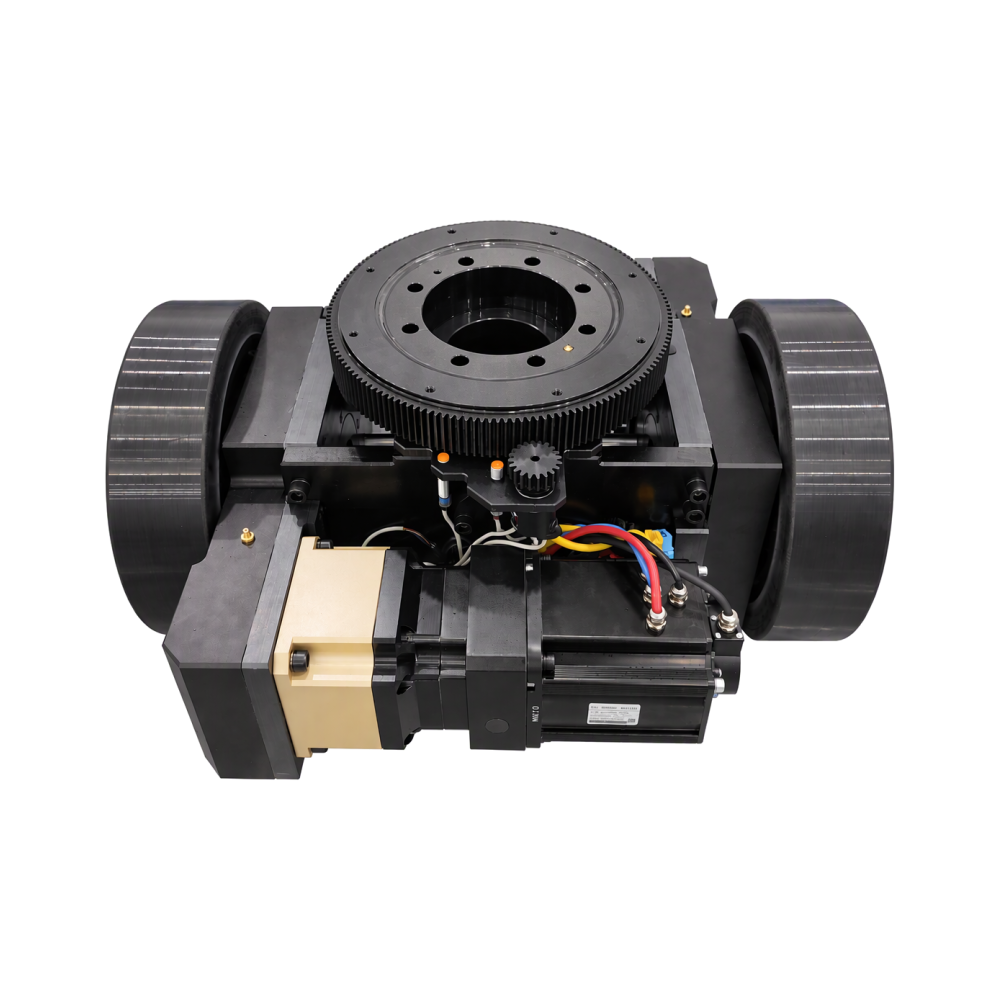
TZBOT Heavy Duty Series Robot Wheel 3000kg Bearing Capacity AGV Differential Drive Wheel Assembly
For high-load material handling platforms where wheel stiffness, bearing life and motor matching determine uptime. A practical starting point for heavy towing, automotive and industrial logistics projects.

TZBOT 48V DC 2 Ton Heavy Duty Differential Unit AGV Wheel TZCS-750-30
A 48V DC differential drive unit for compact but powerful traction AGV chassis. Buyers should confirm rated load, wheel tread, reduction ratio, encoder type and brake logic before sampling.
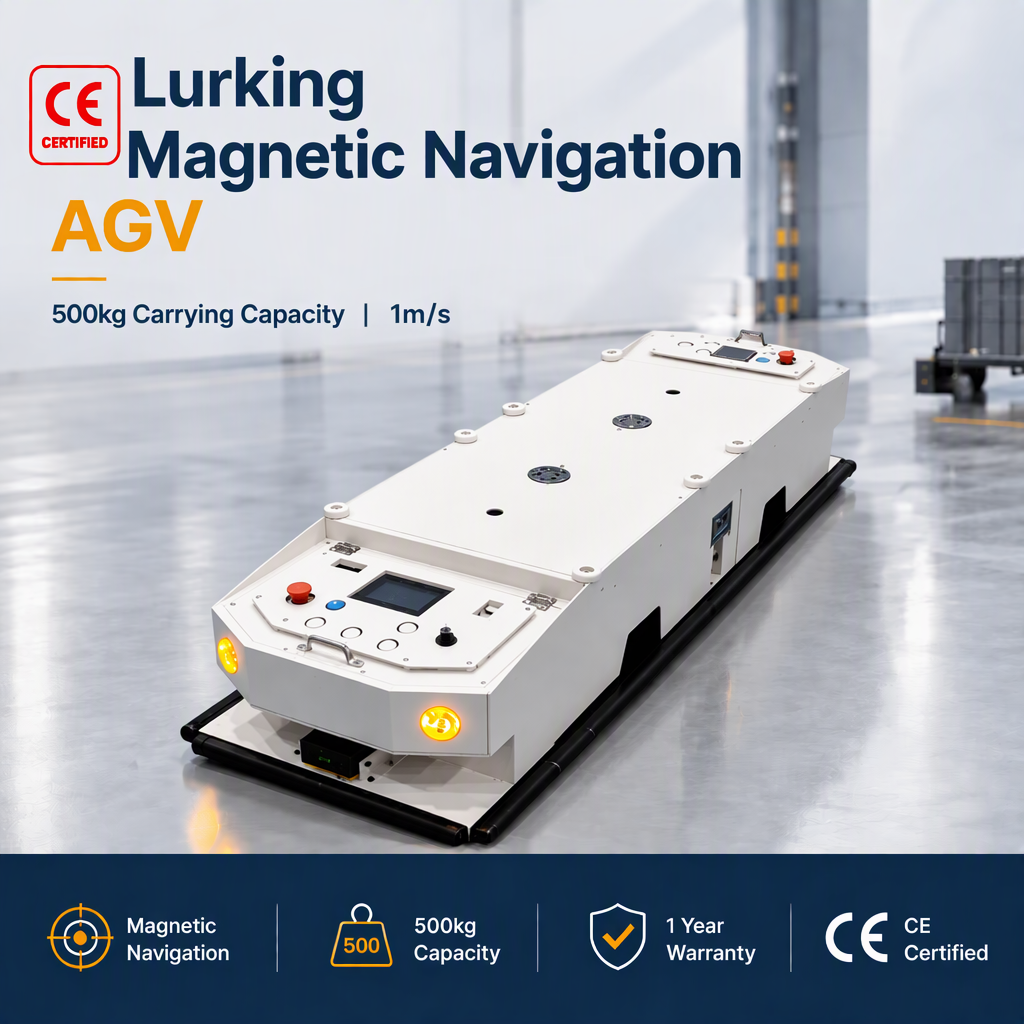
TZBOT EU CE Lurking AGV Material Handling Equipment Logistic Automation 500kg Bidirectional Magnetic Guidance Mobile Robot
A 500kg bidirectional magnetic-guidance lurking AGV for repeatable warehouse transport. It suits buyers who prioritize fast deployment, stable routes and a familiar magnetic-tape navigation model.
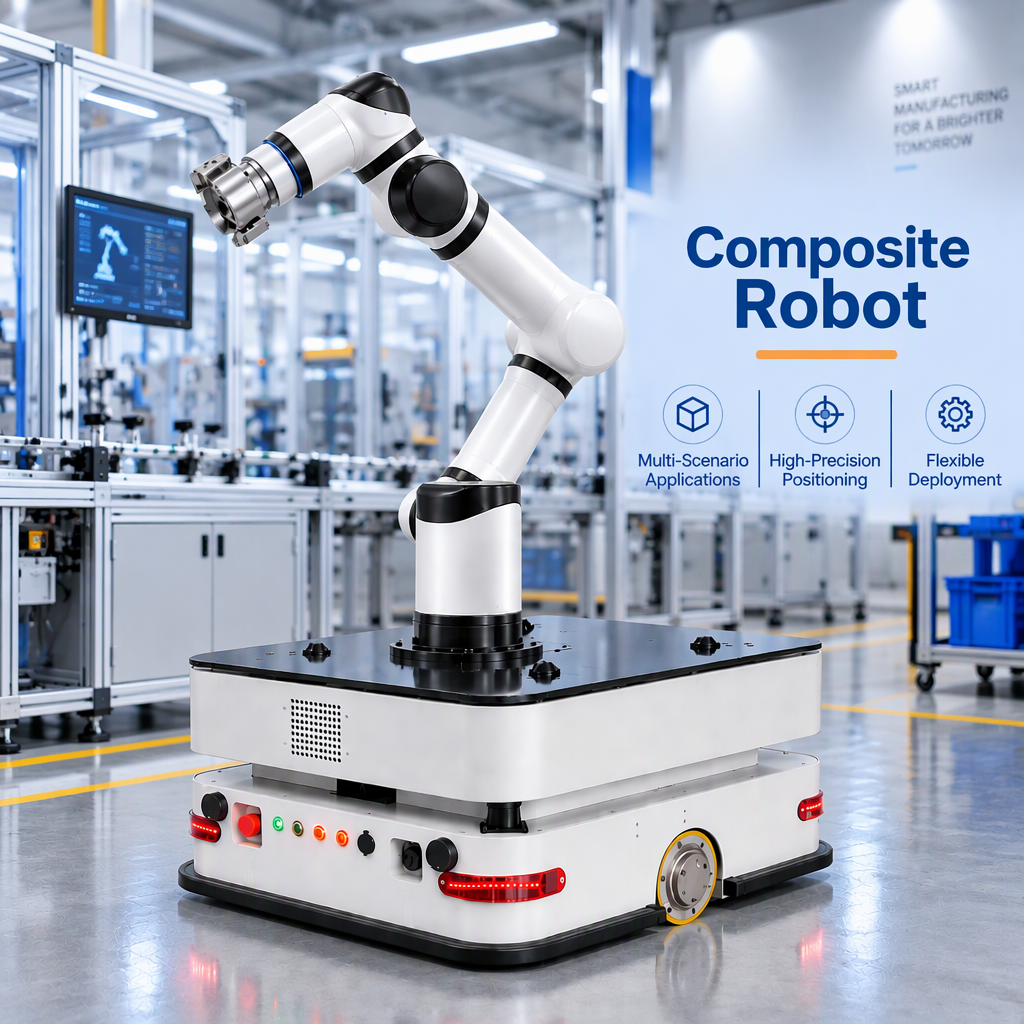
TZBOT Auto Guidance Mobile Chassis 1000kg Payload AGV Integrate Arm Robotic Intelligent Composite Robot
A 1000kg payload mobile chassis for integration with robotic arms and intelligent manufacturing cells. The engineering conversation should cover center of gravity, floor flatness, safety zones and power budget.
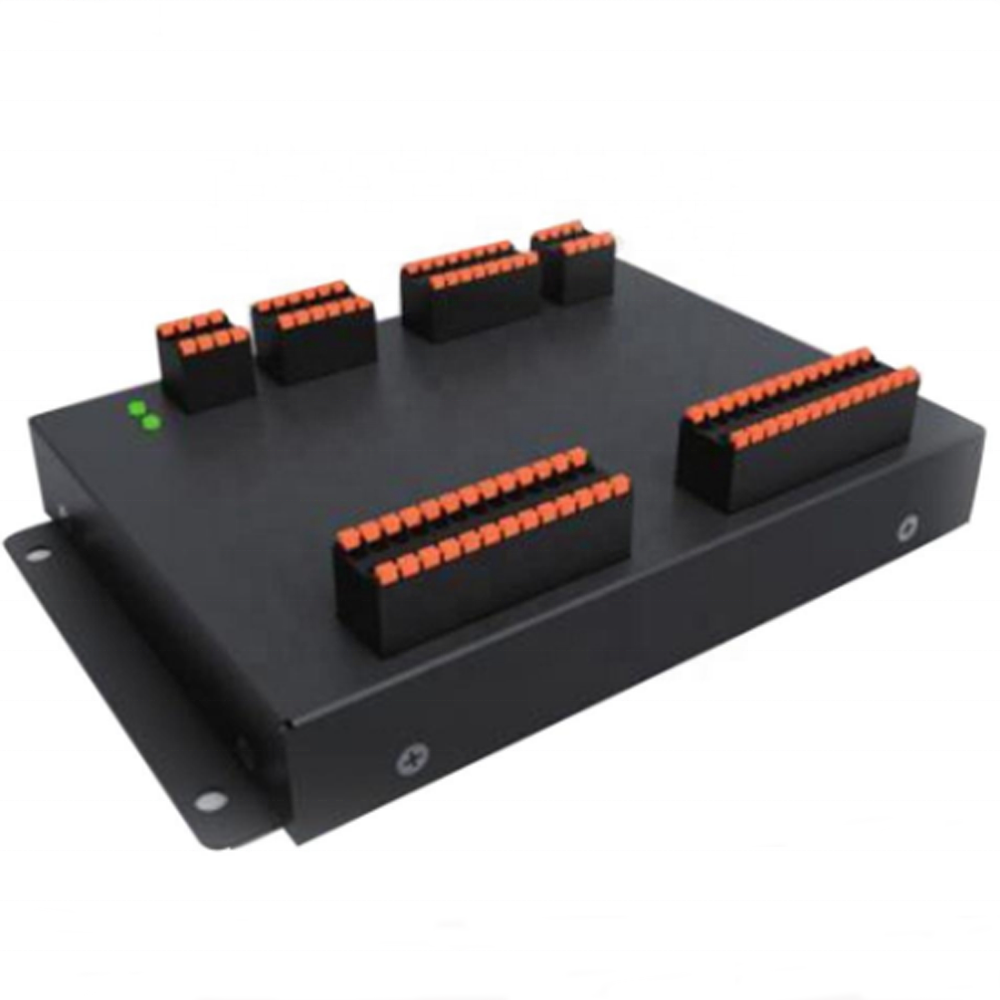
TZBOT FX Series Controller of HX Support Magnetic Tap Guided AGV
A controller family for magnetic-tape guided AGV platforms where cost control, stable navigation and straightforward commissioning matter. Request I/O mapping, wiring diagrams and parameter files.
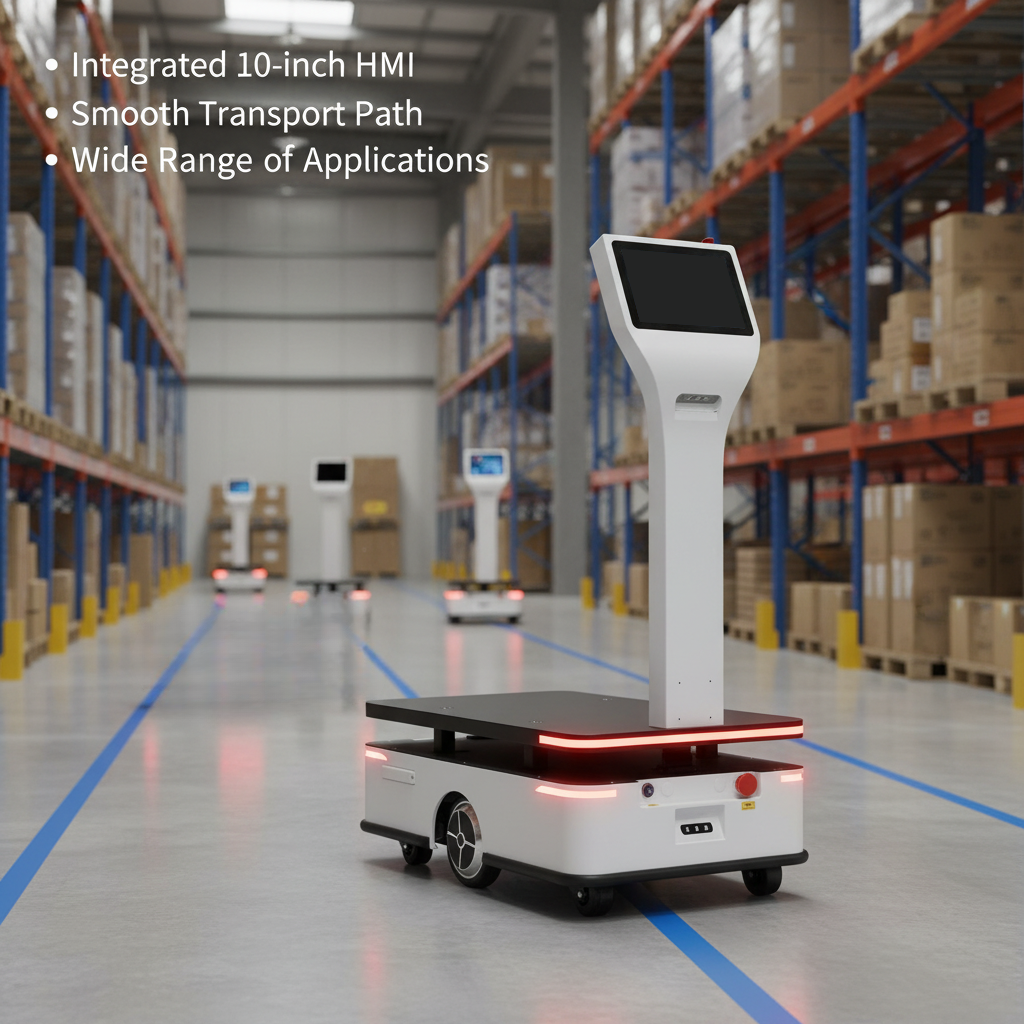
TZBOT Intelligent Warehouse Logistic Robot Unmanned Control System Customizable 80kg Payload agv Transfer Cart Slam Amr
An 80kg payload SLAM AMR transfer cart for lighter warehouse, electronics and assembly movements. Evaluate map-change frequency, obstacle avoidance layers and fleet-control requirements.
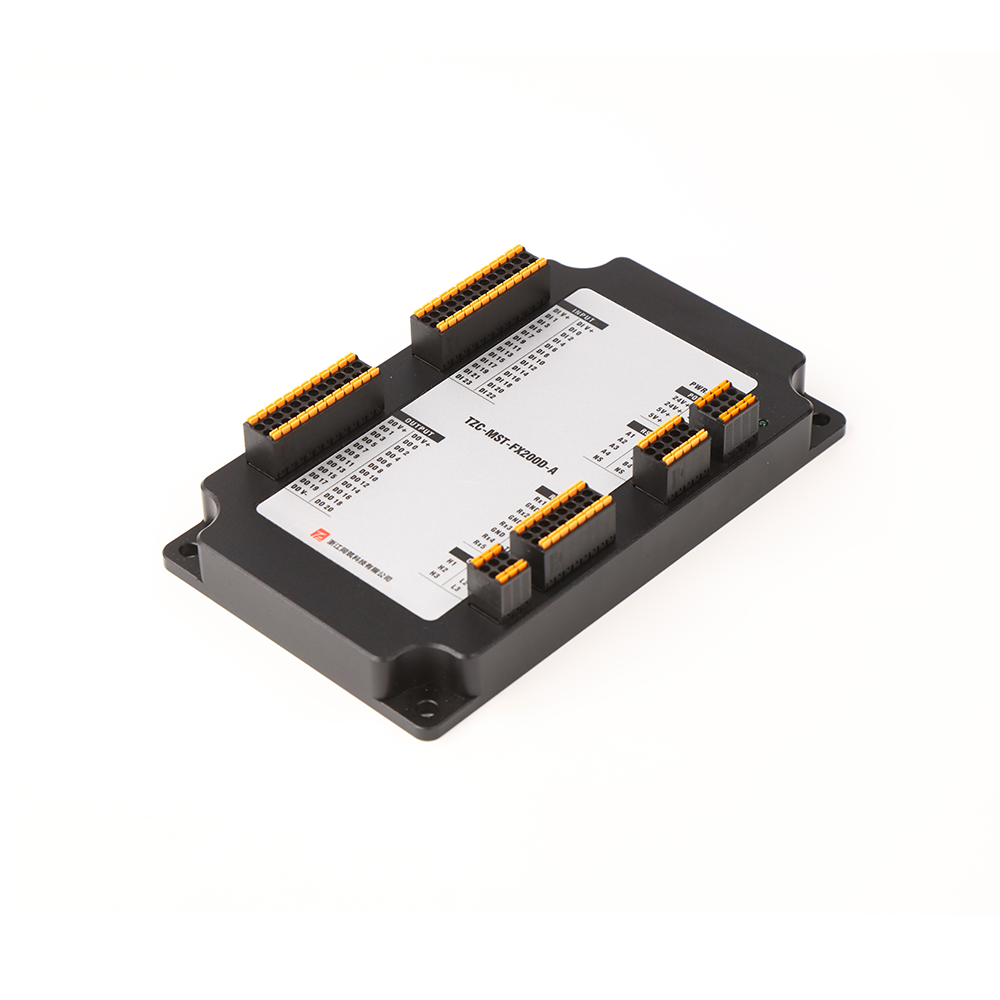
AGV Accessories Automated Guided Vehicle Controller with 19V~29V Power for AGV Robot
A 19V~29V AGV controller for automation builders and maintenance teams. Useful when you need a documented replacement path instead of reverse-engineering an obsolete control board.
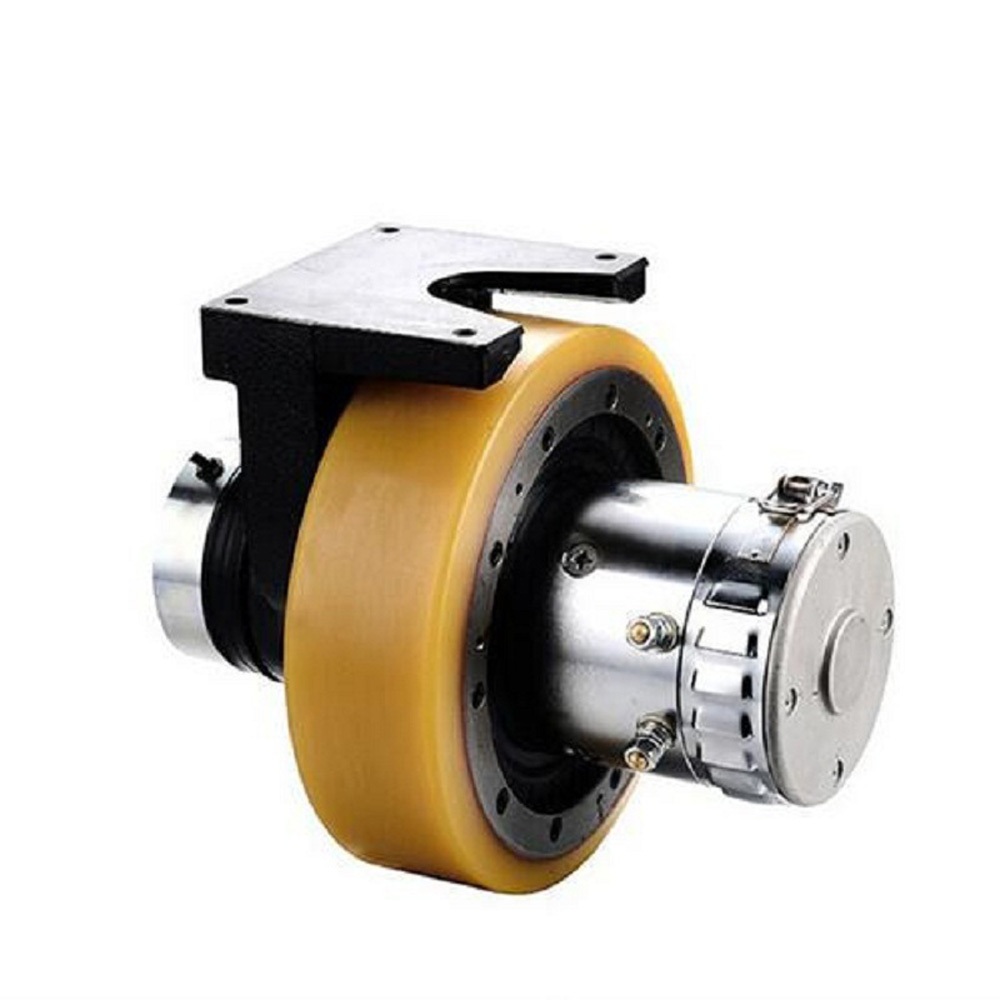
TZBOT TZ18-D12 1200W 24V Horizontal Drive Wheel Assembly Horizontal Wheel Unit Omnidirectional Automatic Steering Wheel
A 1200W 24V horizontal drive wheel assembly for low-clearance chassis and omnidirectional steering layouts. Confirm chassis height, steering angle, load per wheel and floor friction before design freeze.
Performance Signals Buyers Can Verify
Trust is not a slogan. It is a set of documents, test records, factory facts and response behaviors that can be checked before a purchase order is issued.
Why Traction AGV Factory Selection Has Become a Risk-Management Decision
A traction AGV is only as reliable as the interaction between its drive wheel, motor, reducer, encoder, brake, controller and navigation sensor. Buyers who compare only the advertised payload and price often discover the real cost later: unstable straight-line tracking, premature wheel wear, controller faults that are difficult to diagnose, or spare-part lead times that stall a production line.
For that reason, experienced integrators now evaluate traction AGV manufacturers as engineering partners rather than catalog suppliers. They ask for the evidence behind the specification: which motor and reducer are matched to the wheel, how the encoder is sealed, what test is performed before shipment, which parameters are tuned for the controller, and how quickly the factory can supply a replacement unit after commissioning.
This guide adds procurement-oriented information gain in four areas. First, it maps eight representative products to real application decisions. Second, it explains the purchasing trends that affect total cost of ownership. Third, it summarizes product-development directions that will influence 2025–2026 AGV platforms. Fourth, it provides a factory evaluation matrix and a practical FAQ that technical buyers can use during supplier review.
Traction AGV Purchasing Trends to Price Into 2025–2026
Traction AGV sourcing is moving from component price comparison to lifecycle risk control. These four trends appear repeatedly in serious OEM and integrator RFQs.
Total cost of ownership
Buyers increasingly compare cost per 10,000 operating hours rather than unit price. Ask for bearing life assumptions, gearbox service intervals, motor thermal data, wheel tread wear behavior and spare-part lead times. A lower-priced drive unit that fails early is rarely the lower-cost decision.
Matched modular sourcing
Instead of buying wheels, motors, drivers and sensors from separate vendors, integrators prefer one supplier who can match the complete traction chain. This reduces interface risk, simplifies parameter tuning and shortens the path from prototype to stable production.
Certification & traceability
Technical buyers now request ISO 9001:2015 evidence, onsite verification records, material certificates, serial-number traceability and inspection reports. For export projects, CE-related documentation and consistent labeling can prevent customs and commissioning delays.
Local engineering response
Response time is a procurement metric. Overseas buyers need wiring diagrams, commissioning guidance, driver parameter files and spare-part recommendations across time zones. A factory that answers technical questions quickly during evaluation is more likely to support you after shipment.
How Traction AGV Components Are Evolving
Component design is converging around compactness, integration, energy efficiency and diagnosability. These shifts affect chassis architecture, maintenance strategy and supplier selection.
Integrated drive-wheel assemblies
Motor, reducer, encoder, brake and wheel are increasingly supplied as one matched unit. This reduces mounting tolerance stack-up, simplifies spare-part management and allows the factory to validate the complete traction unit rather than isolated components.
Higher payload in compact frames
Heavy-duty AGVs are being designed with lower deck heights and tighter turning envelopes. That puts pressure on bearing selection, wheel tread, housing stiffness and heat dissipation. Payload alone is not enough; buyers must confirm load per wheel and duty cycle.
48V and energy-efficient drivetrains
48V systems continue to gain attention because they can reduce current for a given power level and support more responsive acceleration. The purchasing question is whether the motor, controller, charger and battery protection are engineered as a system rather than assembled afterward.
Hybrid navigation architectures
Magnetic guidance, RFID tags, QR grids, lidar and SLAM are being combined rather than treated as competing choices. A hybrid architecture can use magnetic tape for stable lanes, RFID for station logic and SLAM or lidar for flexible zones and obstacle avoidance.
Functional safety and diagnostics
Emergency-stop logic, bumper inputs, speed-zone control and fault reporting are moving from optional features to baseline expectations. Buyers should request I/O lists, fault codes and safety-response behavior so maintenance teams can troubleshoot without guesswork.
Data-ready maintenance
Controllers are increasingly expected to expose current, temperature, encoder and fault data for predictive maintenance. Even without a full fleet platform, basic logging helps buyers detect overload, misalignment and wheel wear before a line stops.
Traction AGV Factory Evaluation Matrix
Use this matrix to compare manufacturer claims with documentation. The strongest supplier is not always the largest; it is the one that can answer technical questions with traceable evidence.
| Verification area | Evidence to request | Why it matters |
|---|---|---|
| Factory identity | Business license, factory address, production floor photos, onsite inspection record, company profile and export history. | Confirms whether you are dealing with a manufacturer, a trading intermediary or a mixed model with reliable production control. |
| Drive-train matching | Motor power curve, reduction ratio, wheel diameter, tread material, encoder type, brake option and controller compatibility. | Prevents hidden integration cost caused by mismatched torque, speed, mounting dimensions or feedback signals. |
| Quality management | ISO 9001:2015 certificate, inspection checklist, test-instrument list, serial traceability and finished-product inspection record. | Shows whether quality depends on one inspector or on a repeatable process that survives volume production. |
| Customization capability | OEM/ODM examples, drawing approval process, sample-based and design-based customization options, packaging and label control. | Reduces project risk when your chassis requires special voltage, wheel tread, mounting interface, brake logic or buyer-label packaging. |
| Trade and logistics | Accepted payment methods, delivery terms, export packaging method, spare-part packing list and shipment lead time. | Protects cash flow and delivery planning, especially when the drive unit is a critical-path component for a new AGV platform. |
| After-sales support | Wiring diagrams, parameter files, fault-code list, warranty terms, spare-part recommendation and technical response time. | Determines how quickly your maintenance team can recover from a fault after the AGV enters service. |
Zhejiang Torqen Technology Co., Ltd.: A Drive-Train Factory Built Around Motion Control
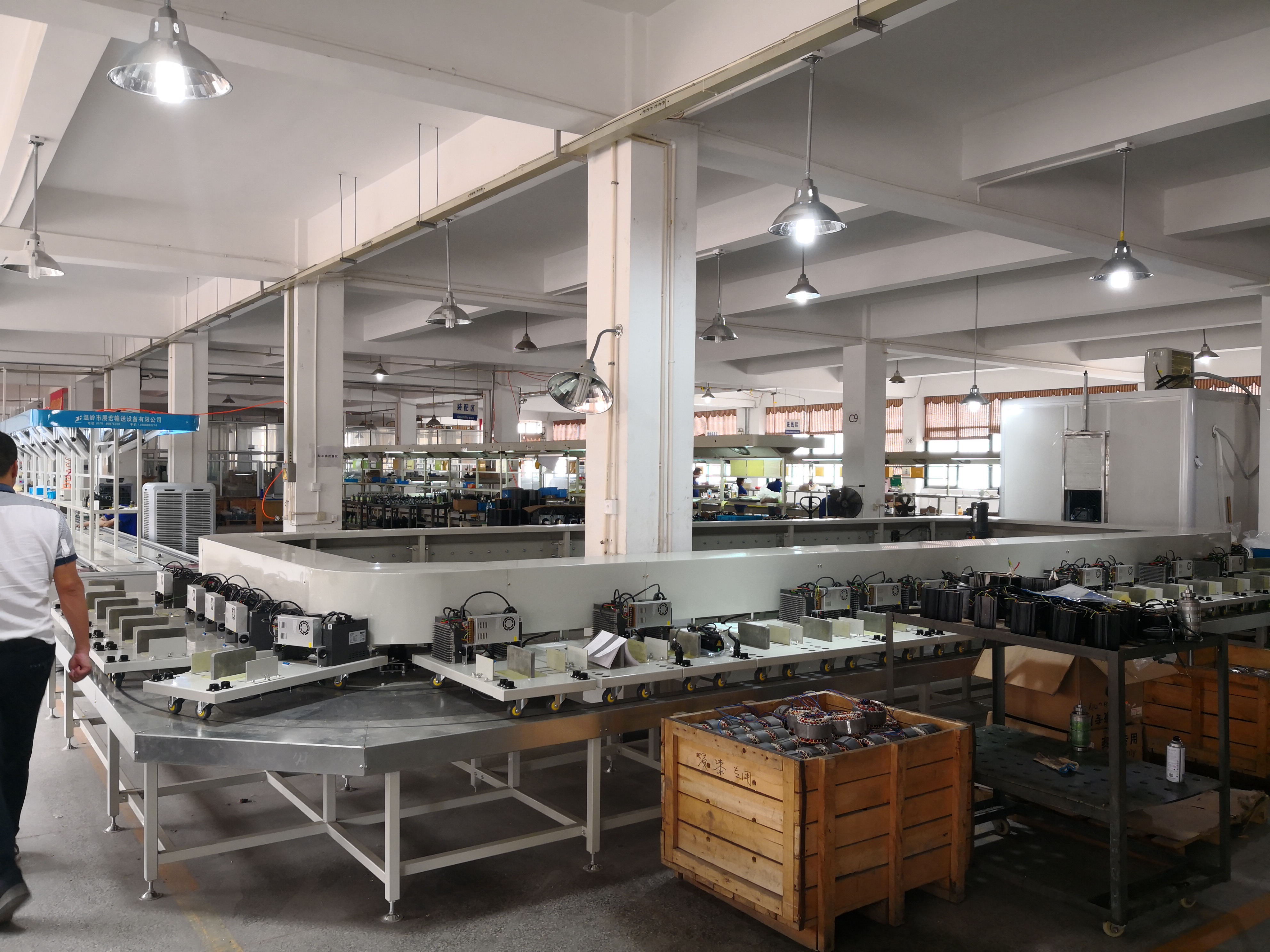
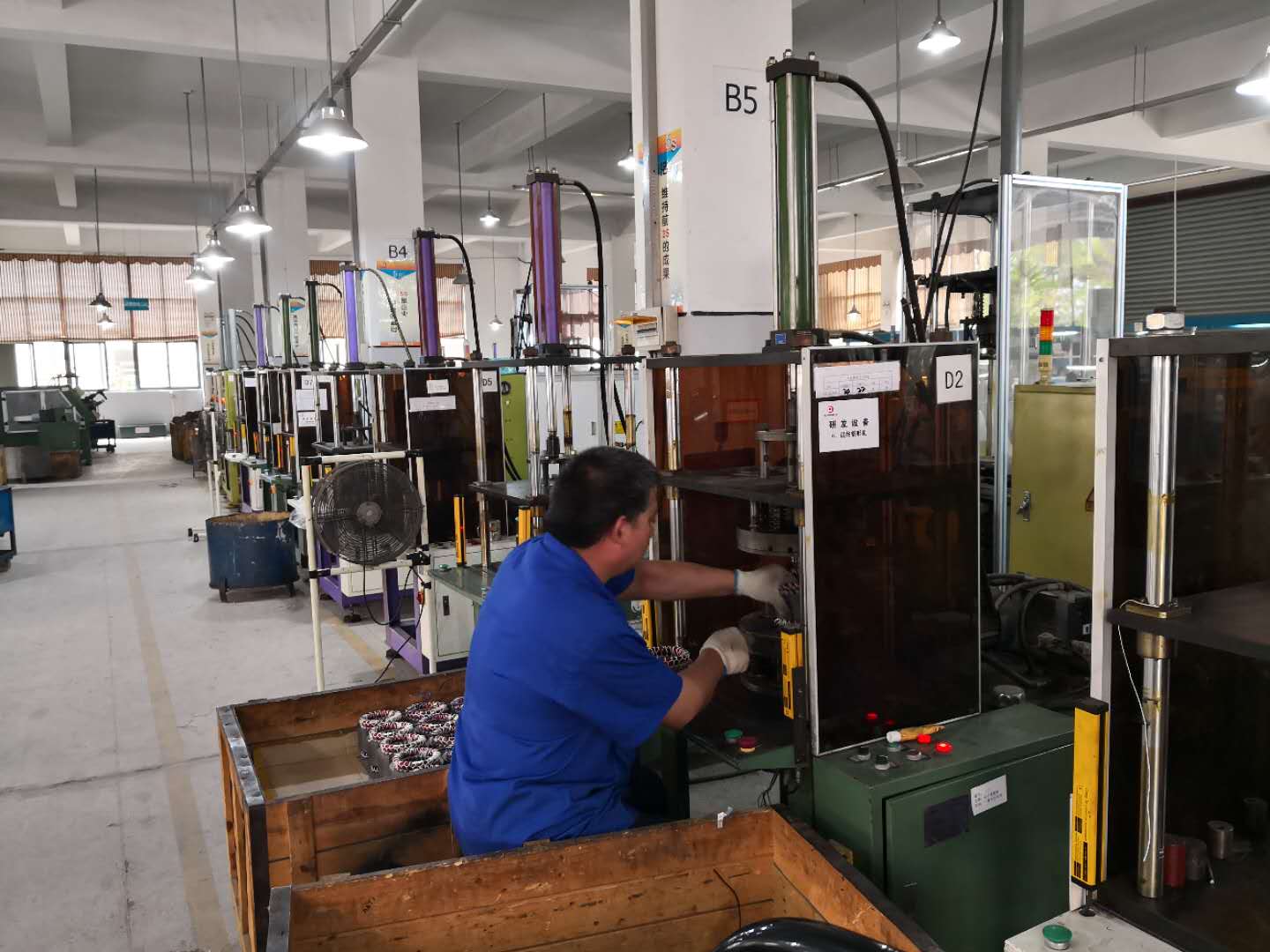
Founded in 2015 in Zhejiang, China, Zhejiang Torqen Technology Co., Ltd. designs and manufactures automatic guided vehicles, AGV drive wheel assemblies, DC/AC motors, encoders, reducers, motor controllers, caster and PU wheels, and in-wheel motor units for automation builders worldwide. The company operates as a manufacturer and trading company with a factory footprint of 1,000–3,000 m², an annual output range of US$5M–10M and a team of 51–100 people.
The practical advantage for buyers is matched engineering. Drive wheels, motors, reducers, servo and BLDC drivers, and navigation sensors can be specified as one system. That matters when a chassis is tight on space, when a 48V DC platform needs a specific reduction ratio, or when a low-clearance horizontal steering wheel must fit under an existing deck.
Torqen supports OEM and ODM projects through sample-based customization, design-based customization, design services and buyer-label packaging. Typical customization includes motor power and voltage, reduction ratio, wheel diameter and tread material, encoder type, brake options and mounting interfaces. Quality is supported by ISO 9001:2015 certification, onsite verification by Intertek, eight awarded patents and in-house finished-product inspection with five testing instruments. Prototypes are run for extended periods before production parts are released.
For international buyers, the company accepts T/T, L/C, D/P, D/A, MoneyGram, credit card, PayPal, Western Union, cash and escrow, in USD, EUR, JPY, CAD, AUD, HKD, GBP or CNY. Delivery terms include FOB, CFR, CIF, EXW, CIP, FCA, CPT, DDU and express delivery. These terms are useful during supplier comparison because they reveal whether the factory can support the documentation, packaging and shipment pattern your project requires.

Where Traction AGV Drive and Control Components Are Used
The same core motion technology is used across mobile equipment beyond warehouse AGVs. This breadth is useful evidence of engineering adaptability.
From RFQ to Shipment in Six Practical Steps
A clear process reduces sampling risk. This is the workflow technical buyers should expect when a drive unit is customized rather than simply selected from stock.
Requirement review
Share gross vehicle weight, target speed, gradient, duty cycle, battery voltage, chassis height, load per wheel and environmental conditions.
Engineering proposal
The factory should propose motor power, reduction ratio, wheel diameter, tread material, encoder and controller compatibility with drawings.
Prototype build
Sample-based or design-based customization moves from approved drawing to a physical unit. Confirm mounting interfaces and cable routing early.
Validation testing
Extended-duration runs, parameter checks and inspection records should be available before you approve volume production.
Controlled production
Production should follow an ISO 9001:2015 quality system, with serial traceability and a clear change-control procedure.
Inspection & delivery
Final inspection, export packing, shipping documents and spare-part recommendations close the loop before the unit leaves the factory.
Traction AGV Buying Questions Technical Teams Ask
These are the questions that most often determine whether a quotation becomes a working AGV platform or an integration problem.
What is a traction AGV, and how is it different from a standard AMR?
A traction AGV generally relies on a controlled drive wheel or differential wheel pair to move along planned paths, often using magnetic tape, RFID tags or QR codes for guidance. An AMR may use SLAM and natural-feature navigation for more flexible routing. Many modern systems combine both approaches, so buyers should define the route stability, change frequency and obstacle profile before choosing a navigation type.
Which drive wheel type should I choose for my chassis?
Differential drive units suit compact latent, jacking and shelf-lifting AGVs that turn by wheel-speed difference. Single steering drive wheels suit forklift, tricycle and tugger layouts that need controlled steering angle. Horizontal drive wheel assemblies suit low-clearance chassis. The correct choice depends on load per wheel, speed, floor condition, turning radius and available vertical space.
Does the factory support OEM and ODM customization?
Yes. Torqen offers sample-based customization, design-based customization, OEM production, design services and buyer-label packaging. Common customizations include motor power and voltage, reduction ratio, wheel diameter and tread material, encoder type, brake options and mounting interfaces. Provide drawings and performance targets so the factory can confirm feasibility before sampling.
How is product quality verified before shipment?
The quality system is certified to ISO 9001:2015, and the facility has been verified onsite by Intertek. Finished-product inspection is performed with five in-house testing instruments, and prototypes undergo extended-duration testing before production parts are released. Buyers should still request the inspection record, serial number and agreed acceptance criteria for their specific order.
What information is needed for a reliable quotation?
Send gross vehicle weight, payload, target speed, maximum gradient, duty cycle, battery voltage, wheel load, chassis height, floor condition, steering method, safety requirements, controller interface, annual volume and destination country. For custom drive wheels, include mounting drawing, shaft details, cable exit direction and environmental requirements such as dust or washdown.
What payment and delivery terms are available?
Accepted payment methods include T/T, L/C, D/P, D/A, MoneyGram, credit card, PayPal, Western Union, cash and escrow, in USD, EUR, JPY, CAD, AUD, HKD, GBP or CNY. Delivery terms include FOB, CFR, CIF, EXW, CIP, FCA, CPT, DDU and express delivery. Confirm Incoterms, packaging and spare-part content in the quotation.
Request a Matched Traction AGV Drive Train
Share your load, speed, voltage, chassis height and duty cycle. A clear engineering brief helps the factory recommend the right drive wheel, motor, controller and sensor combination — and reduces sampling cycles before your project enters production.
