info@torqenbot.com Hangzhou, Zhejiang, China ISO 9001:2015 · Onsite-Verified Manufacturer
White-Paper Overview

What “Exporter” Really Means When You Buy AGV Drive Modules for Thailand

Thailand is no longer only a low-cost assembly location. Its automotive, electronics, food, cold-chain, air-cargo and e-commerce clusters are investing in flexible automation, and that investment is moving down to the motion layer: the drive wheel, motor, controller and navigation sensor that decide whether an AGV is stable, safe and easy to maintain.

For Thai buyers, an AGV drive module exporter should be more than a trading company that forwards a quotation. The exporter must understand how a differential drive unit behaves on a slightly uneven concrete floor, how a steering drive wheel behaves when an automatic forklift turns inside a narrow aisle, and how a magnetic guide sensor performs around welding equipment, roller doors and battery-charging zones. The difference between a component catalogue and an engineered export partner appears during commissioning, not during the price comparison.

Zhejiang Torqen Technology Co., Ltd. has manufactured AGVs, AGV drive wheel assemblies, DC/AC motors, reducers, servo and BLDC controllers, magnetic guide sensors, RFID position sensors and AGV accessories since 2015. The company operates as a manufacturer and trading company in Hangzhou, Zhejiang, China, with a 1,000–3,000 m² factory, a 51–100 person team and an annual output range of US$5M–10M. Its product family is relevant to Thai integrators because the drive wheel, motor, driver and sensor can be matched in one technical conversation rather than assembled from four unrelated suppliers.

This white paper is written for three buying intents that appear repeatedly in Thailand: a Thai OEM building a new AGV platform, a system integrator retrofitting an existing fleet, and a distributor looking for a stable exporter with OEM/ODM support. It covers the localized application scenarios, the engineering data needed for a reliable quotation, the procurement questions Thai buyers ask most often, and the company advantages that reduce integration risk.

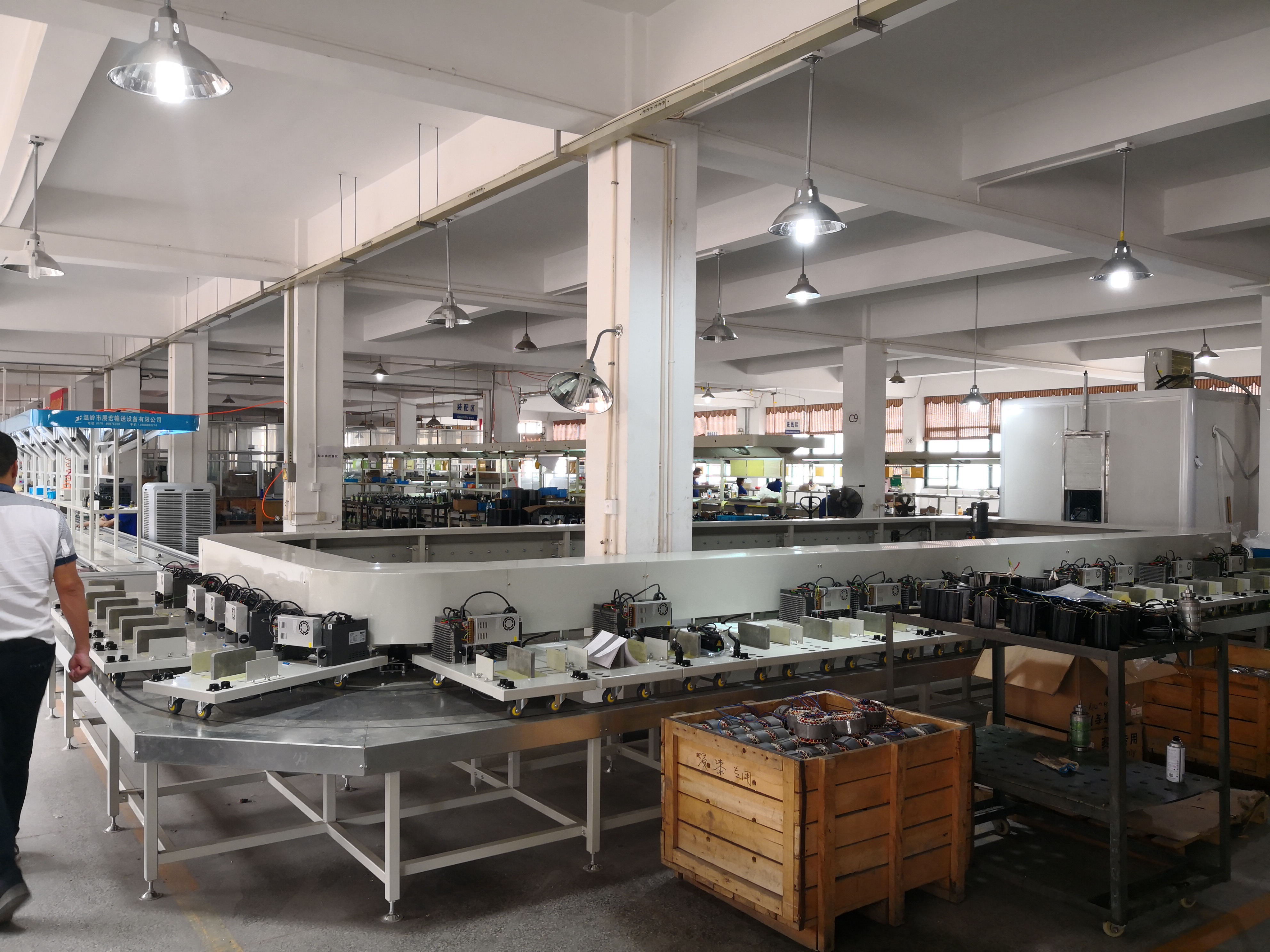
Since 2015 Zhejiang Torqen Technology office and production facility supporting AGV drive module exports

Engineering, assembly, inspection and export documentation are handled under one quality management system.

Faster Sampling

When the drive wheel, reducer and driver are matched in-house, Thai buyers spend less time resolving torque, current and encoder compatibility issues between separate vendors.

Verifiable Quality

ISO 9001:2015 certification, Intertek onsite verification, finished-product inspection and five in-house testing instruments give procurement teams traceable evidence.

Export-Ready Terms

FOB, CFR, CIF, EXW, CIP, FCA, CPT, DDU and express delivery are supported, with payment options including T/T, L/C, D/P, D/A, credit card, PayPal and escrow.

Thailand Localization Trends

Why AGV Drive Modules Are Becoming a Procurement Priority in Thailand

Local demand is being shaped by manufacturing upgrades, labour availability, warehouse density and tropical operating conditions. Each trend changes the specification, not just the purchase order.

EEC and High-Mix Manufacturing

Automotive, electronics and appliance plants in the Eastern Economic Corridor are adapting lines for more variants and shorter runs. AGVs need repeatable positioning and easy route changes, which increases demand for matched drive wheels and flexible navigation.

Labour Availability and Safety

Repetitive transport, night shifts and hot working areas are natural AGV tasks. Thai project owners increasingly ask for safety logic, obstacle detection and documented maintenance procedures aligned with driverless industrial truck practice such as ISO 3691-4 as a design reference.

Warehouse Density and Cold Chain

E-commerce fulfilment, 3PL warehouses and cold-chain operators are squeezing more storage into existing buildings. Compact latent AGVs and low-clearance horizontal drive units help protect aisle width while maintaining towing or lifting capacity.

Tropical Operating Conditions

High temperature, humidity, dust and occasional washdown affect lubricants, seals, connectors and polyurethane tread. Exporters serving Thailand should confirm duty cycle, enclosure protection, condensation management and spare-part availability before shipment.

Information gain for buyers: the lowest unit price is rarely the lowest project cost. A drive module that is over-specified wastes battery capacity; one that is under-specified overheats, loses traction or wears tyres prematurely. The correct specification starts with payload, wheel load, floor friction, gradient, acceleration and daily duty cycle.
Localized Applications

Where AGV Drive Modules Are Used Across Thailand

Different Thai industries load the drive module differently. A cleanroom electronics line, a tyre plant and a cold-store warehouse should not share the same wheel, tread, motor and controller recipe.

Automotive Assembly

Differential and heavy-duty drive units for engine, body and component transfer, with stable low-speed torque and repeatable stop positions.

Electronics and Cleanrooms

Compact horizontal drive wheels and low-particle polyurethane tread for narrow clean aisles and sensitive component handling.

3PL and E-commerce

Latent lifting AGVs and bidirectional robots for goods-to-person picking, cart towing and inbound/outbound staging.

Food and Beverage

Corrosion-aware components and sealed connectors for chilled preparation rooms, packaging lines and pallet movement.

Cold Storage

Battery, lubricant and condensation strategy must be reviewed for freezer and chilled zones before selecting a drive module.

Tyre and Rubber

Two-ton differential units and reinforced bearings for heavy transfer cars, high dust and frequent starts under load.

Air Cargo and Airports

Steering drive units and obstacle-detection sensors for baggage, cargo and ground-support equipment in high-traffic zones.

Pharmaceutical and Medical

Smooth motion, traceable production records and dependable spare-part supply for regulated and high-cleanliness areas.

Verified Company Strength

Proof Points Thai Procurement Teams Can Check

For a cross-border project, credentials should be specific enough to verify. These are the figures and controls behind the Torqen drive-module offer.

10+Years in drive and motion technology since 2015
8Patents awarded for in-house designs
97.9%Inquiry response rate for buyer requests
4.9/5Verified buyer rating
ISO 9001:2015 Intertek onsite-verified 5 in-house testing instruments 51–100 employees 1,000–3,000 m² factory
Recommended Product Set

8 AGV Drive Modules and Components for Thailand Projects

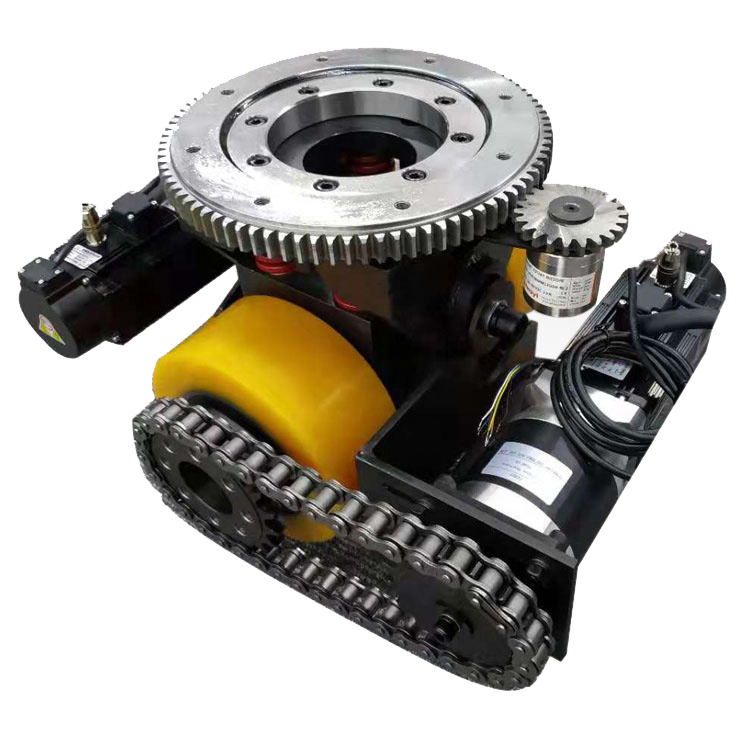
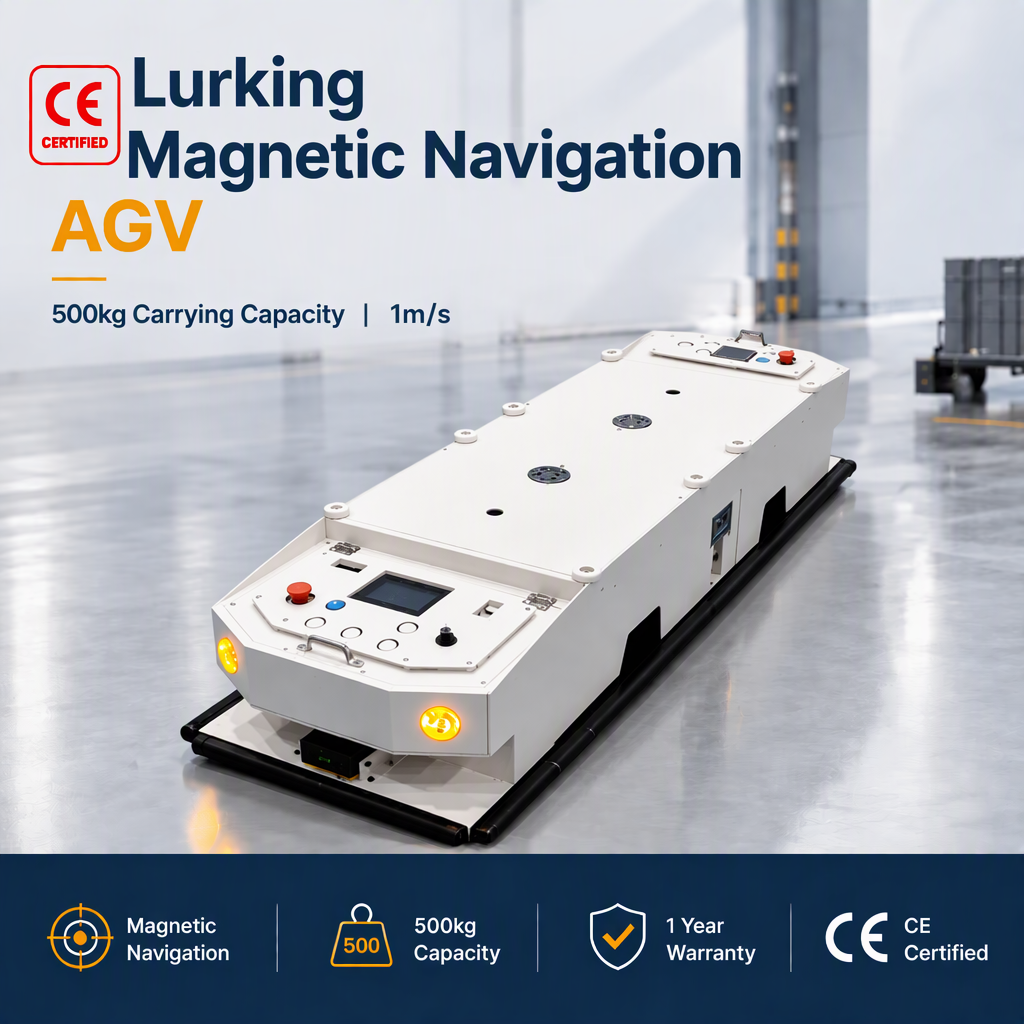
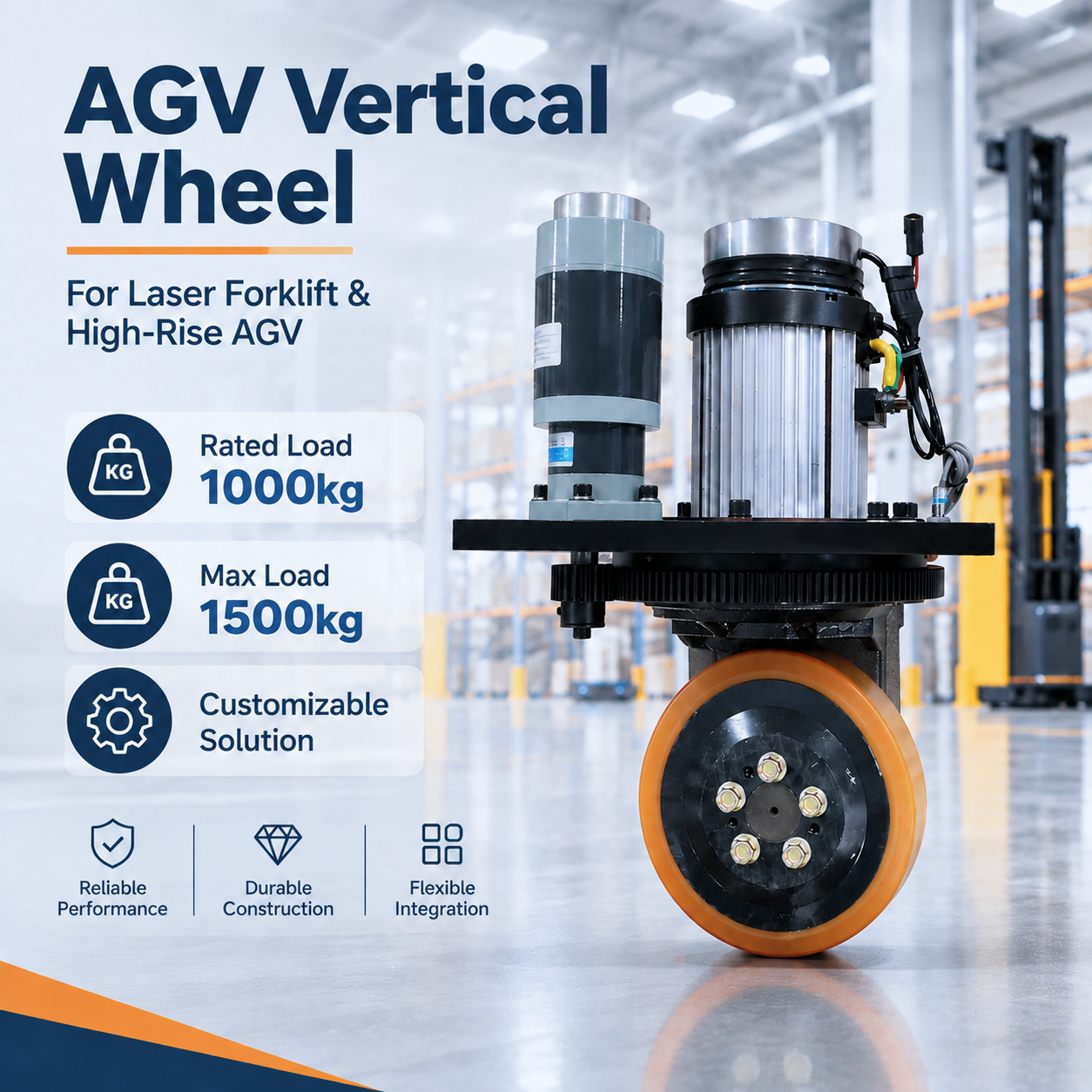
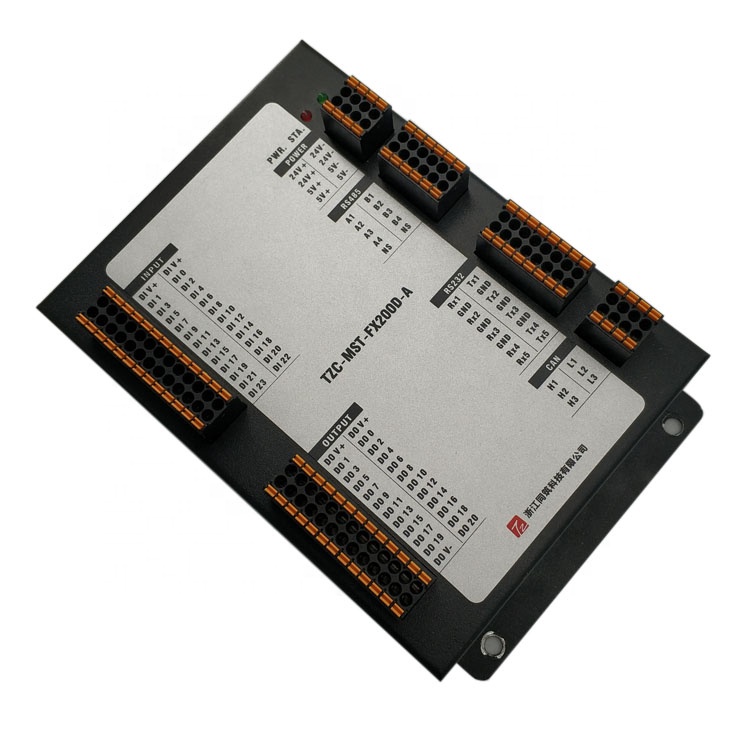
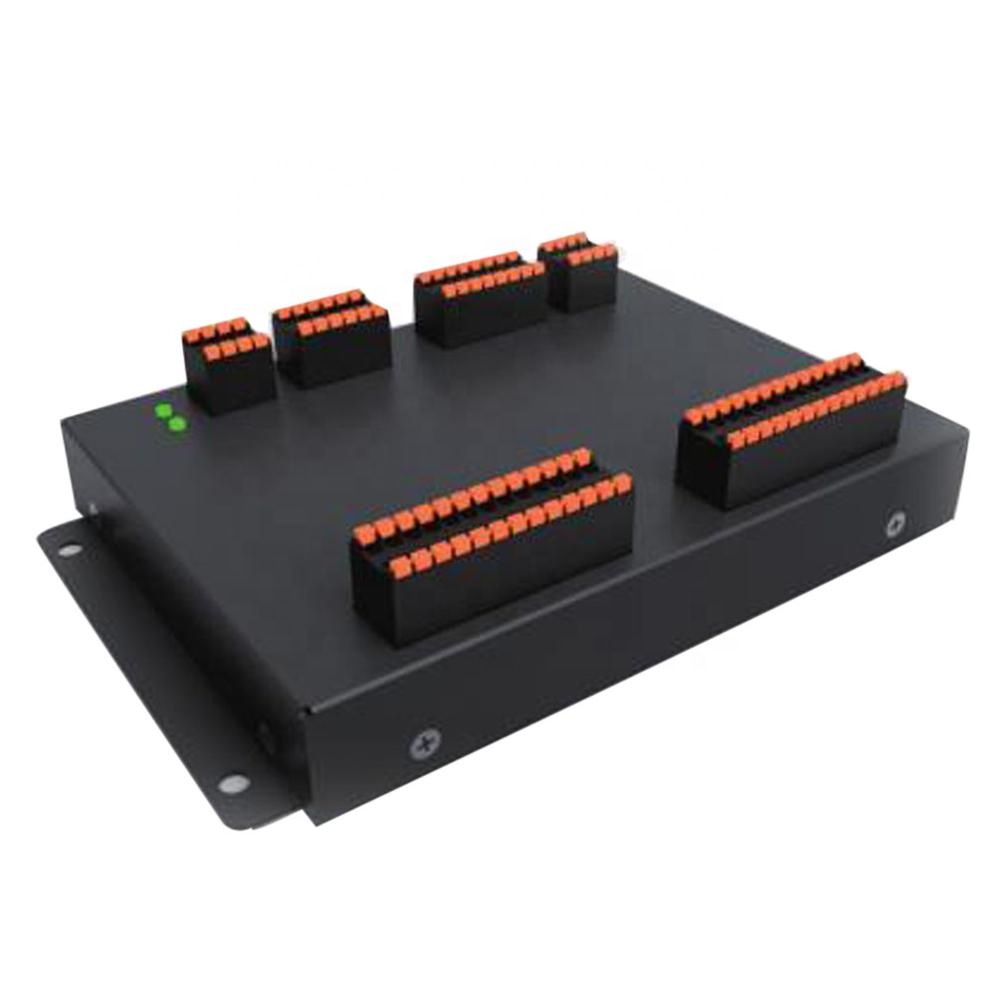
These eight products cover vehicle guidance, heavy-duty traction, latent material handling, steering, mapping control, low-clearance horizontal drive and automatic forklift suspension. Product links are preserved from the original catalogue for direct specification review.

Engineering Guide

How to Specify an AGV Drive Module for a Thai Factory Floor

Before asking for a quotation, prepare these five inputs: gross vehicle weight, target speed, maximum gradient, battery voltage and available chassis height. They determine motor power, reduction ratio, wheel diameter and controller current.

Define Payload and Wheel Load

Calculate not only the carried load but also the vehicle, battery, attachments and dynamic transfer. Uneven weight distribution can overload one drive wheel and reduce traction.

Measure Floor and Gradient

Concrete joints, epoxy coatings, ramps and dock levellers affect friction and shock. Share the maximum gradient and floor condition so the wheel tread and suspension can be matched.

Confirm Duty Cycle and Heat

Frequent starts, long shifts and tropical ambient temperatures increase motor and driver heating. Specify continuous current, acceleration time and rest periods rather than only peak power.

Choose Navigation and Safety Logic

Magnetic tape, RFID stations, QR codes and lidar SLAM solve different problems. The drive module must be compatible with the stopping distance, speed zones and obstacle sensors used in the project.

Thailand Sourcing Priorities — Buyer Scorecard

Scores reflect the priorities our application engineers hear most often from Southeast Asian integrators; they are a planning guide, not a universal ranking.

Differential drive unitTurns by wheel-speed differenceBest for latent, jacking and compact warehouse AGVs
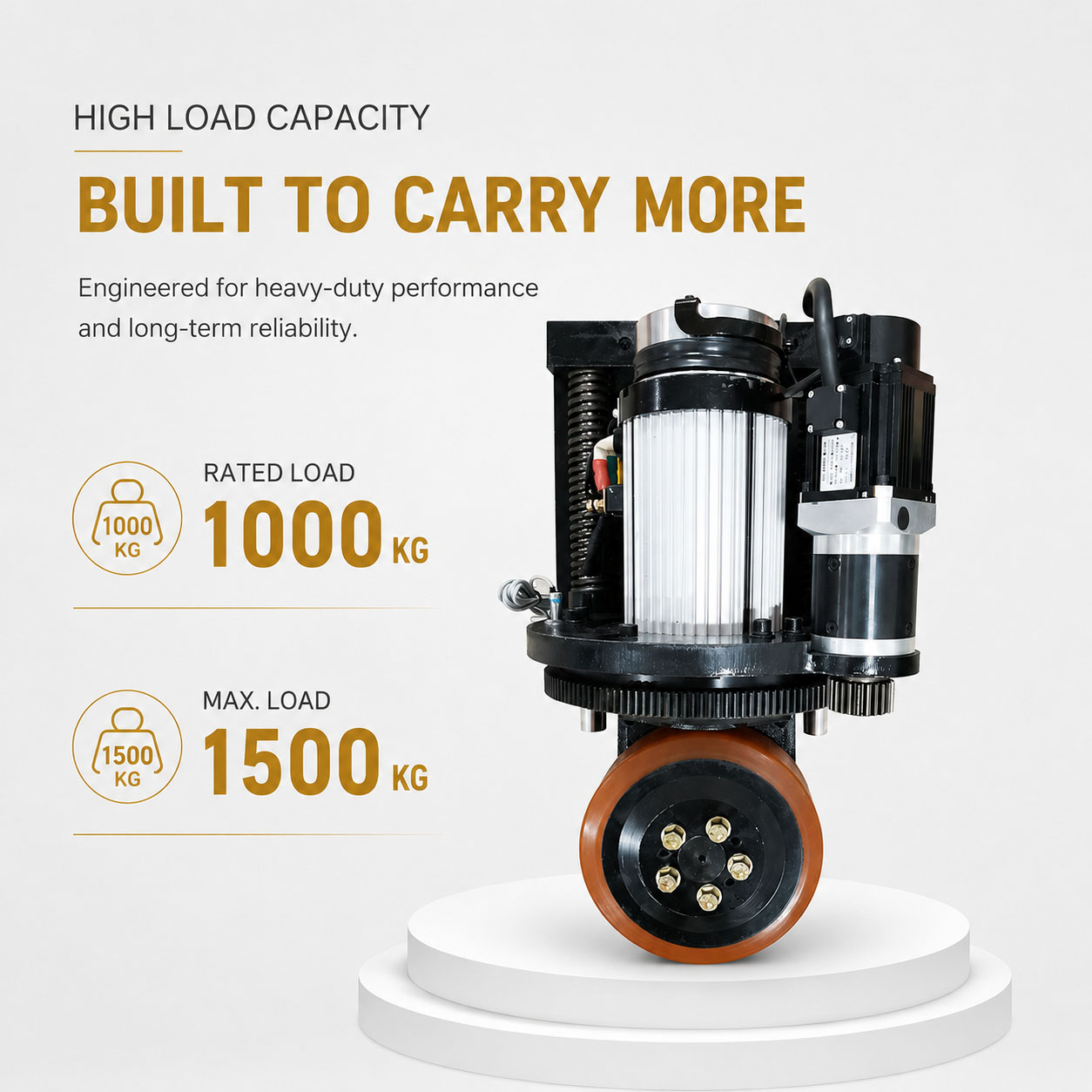
Steering drive wheelDedicated steering angle plus tractionBest for automatic forklifts, tuggers and tricycle chassis
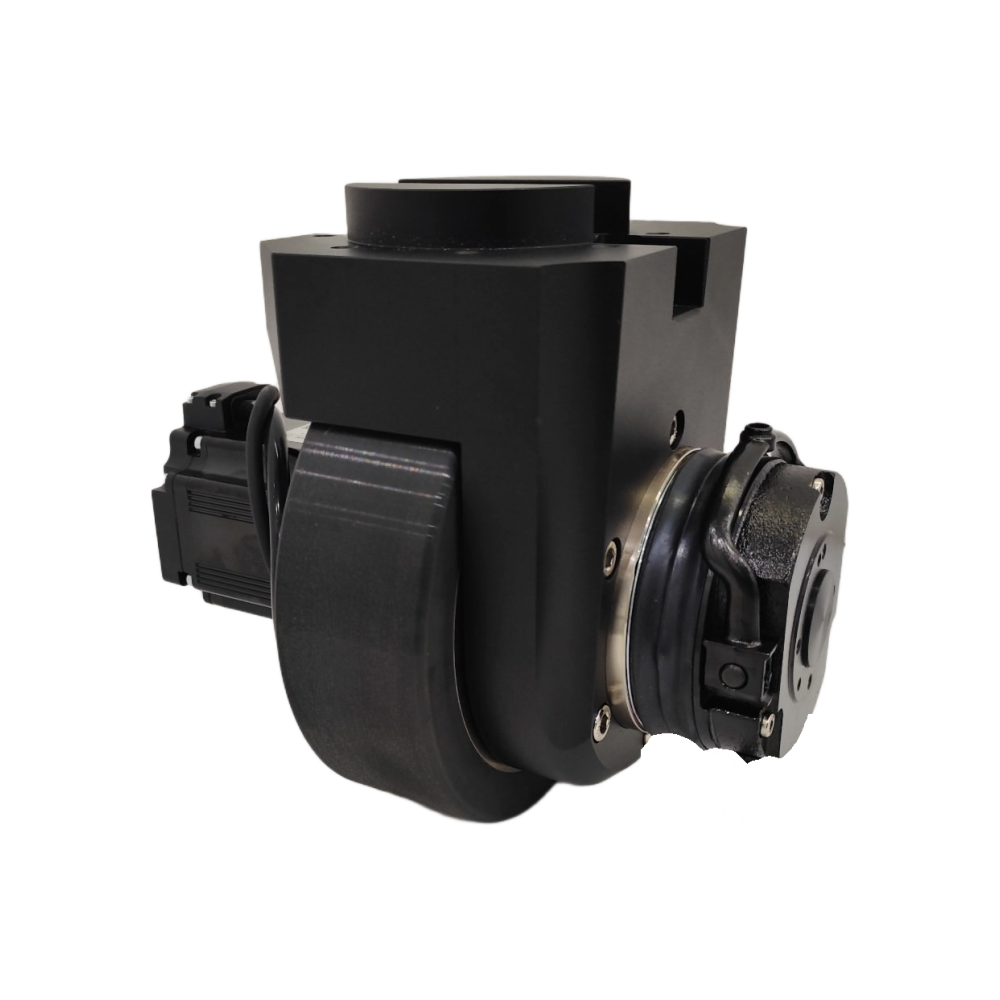
Horizontal drive assemblyMotor mounted horizontally for low heightBest for under-ride carts and low-clearance robots
Procurement tip: ask for a matched bill of materials — drive wheel, servo/BLDC driver, encoder, brake and sensor — so current limits, connector pinouts and parameter files arrive together. This is especially important when the Thai integrator and the end user are different companies.
E-E-A-T Company Profile

Why Zhejiang Torqen Is a Credible AGV Drive Module Exporter for Thailand

Experience, expertise, authority and trust are not slogans in a cross-border automation project. They are visible in factory verification, testing records, customization capability and after-sales responsiveness.

Founded in 2015, Zhejiang Torqen Technology Co., Ltd. designs and manufactures automatic guided vehicles, AGV drive wheel assemblies, DC/AC motors, encoders, reducers, motor controllers, caster and PU wheels and in-wheel motor units. The company is based in Hangzhou, Zhejiang, China, and works with OEM integrators to adapt torque, speed and mounting geometry to each vehicle platform.

Its quality management system is certified to ISO 9001:2015, and the facility has been verified onsite by Intertek. Production is supported by five in-house testing instruments, finished-product inspection and extended-duration prototype testing before production parts are released. The company holds eight patents and reports a 4.9/5 buyer rating with a 97.9% inquiry response rate.

For Thai buyers, the practical advantage is single-source matching. A steering drive wheel can be quoted together with its servo driver, encoder and braking option; a latent AGV can be quoted with magnetic guidance and RFID station recognition; and a replacement wheel can be checked against the original chassis height, mounting pattern and battery voltage. OEM/ODM support includes sample-based customization, design-based customization, buyer-label packaging and drawing review.

Founded 2015 Manufacturer & Trading Company 51–100 employees US$5M–10M annual output 8 patents
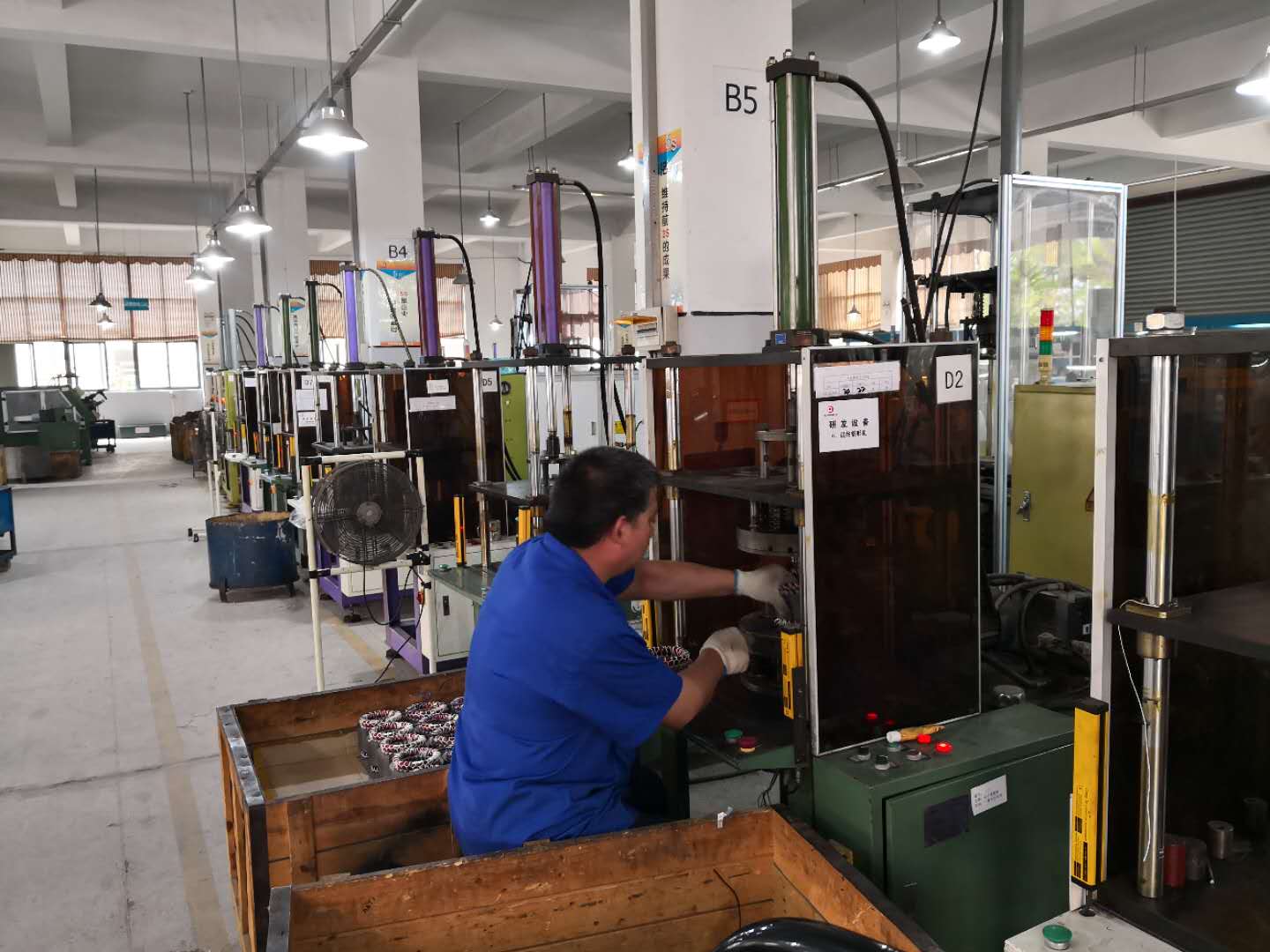
Torqen engineering and quality inspection area for AGV drive modules Torqen AGV drive wheel assembly workshop supporting export orders

Custom Drive Engineering

Power, voltage, reduction ratio, wheel diameter, tread material, encoder, brake and mounting interface can be adapted to the chassis.

Tested Before Shipping

Finished-product inspection with five in-house testing instruments and extended-duration prototype runs before production release.

Matched Electronics

Servo and BLDC drivers are tuned to Torqen drive wheels, with magnetic, RFID and lidar sensor options for a coordinated BOM.

Verified Credentials

ISO 9001:2015 certification, Intertek onsite verification, eight patents and a traceable production record support buyer due diligence.

Export Documentation

FOB, CFR, CIF, EXW, CIP, FCA, CPT, DDU and express delivery are available, with multi-currency payment support.

Integration Support

Wiring diagrams, driver parameter files, commissioning guidance and spare-part recommendations are available for project teams.

Thailand Procurement FAQ

Questions Thai Buyers Ask Before Ordering AGV Drive Modules

These answers reflect the technical and commercial questions that appear most often in cross-border AGV component projects. For project-specific advice, share your payload, speed, voltage and chassis drawing.

1. Do you export AGV drive modules directly to Thailand and support Thai system integrators?

Yes. Torqen supports export orders to Thailand through FOB, CFR, CIF, EXW, CIP, FCA, CPT, DDU and express delivery. Documentation and technical communication are normally handled in English, and the team can provide drawings, wiring information and parameter files so a Thai integrator can complete local installation and commissioning. For projects with a Thai end user, we recommend naming the integrator, end user and delivery site in the inquiry so the commercial and technical responsibilities are clear from the start.

2. What is the MOQ for a sample or trial order?

MOQ depends on the product family and customization level. Standard controllers, sensors and some drive wheels can be discussed as sample orders, while customized motors, wheels, mounting interfaces or buyer-label packaging usually require a larger trial batch. Send the model, required voltage, load and target annual quantity; the export team can then confirm whether a single sample, a small trial batch or a tooling-based order is appropriate.

3. How long does delivery to Bangkok or Laem Chabang usually take?

Lead time has two parts: production and transport. Standard products may be available from stock or require a short assembly period; customized drive wheels and controllers normally need sampling, testing and production scheduling. Sea freight to Bangkok or Laem Chabang is often cost-effective for palletized orders, while express or air freight is used for urgent samples and spare parts. The exact transit time depends on the shipping line, customs clearance and final address, so the quotation should state the proposed Incoterm and estimated schedule clearly.

4. Can the drive module be matched to 24V or 48V DC and to Thailand’s 230/400V 50Hz charging supply?

AGV traction systems commonly use 24V, 48V or other DC battery voltages, while chargers connected to the Thai grid must be compatible with the local 230V single-phase or 400V three-phase 50Hz supply. The drive module, motor, driver and charger should be specified as one system. Provide the battery voltage range, charger type, connector, required travel speed and acceleration; the engineering team can then check current limits, controller rating and braking strategy.

5. Are the components suitable for high temperature, humidity and dusty Thai factories?

Torqen can review enclosure protection, connector sealing, lubricant choice, polyurethane tread and condensation risk against your actual environment. A Thai factory may combine high ambient temperature, seasonal humidity, dust from tyre or food processing, and washdown in some areas. These conditions affect bearing life, brake performance and electronic reliability. Share the ambient temperature range, humidity, dust level, washdown chemicals and daily operating hours so the specification can be adjusted rather than assumed.

6. What documentation is available for CE, RoHS or safety review?

Product documentation depends on the model and configuration. CE-related documents are relevant where a CE-approved product or EU-market configuration is specified, while Thai projects may also require drawings, material declarations, test records and safety-related information for the machine builder’s risk assessment. Torqen can provide the available product documents for the selected model and discuss the difference between component compliance and complete-machine compliance, which remains the responsibility of the machine integrator.

7. How are spare parts and after-sales support handled after delivery?

Spare-part planning should start before the purchase order. Recommended wear items may include wheels, bearings, seals, encoders, drivers or connectors, depending on the product. Because the factory keeps traceable production records, the export team can identify the original configuration when a replacement is requested. For Thai projects, we recommend agreeing on a small critical-spares list at the time of order so the end user is not waiting for a single component during a production stoppage.

8. What information should I send with a quotation request?

Send the application, vehicle type, gross weight, payload, wheel layout, target speed, acceleration, maximum gradient, floor condition, battery voltage, available chassis height, daily duty cycle and required navigation method. For replacement parts, add photos of the existing unit, mounting dimensions, connector pinout and nameplate. For OEM projects, attach a drawing or 3D model if available. These details let the application engineer recommend a drive wheel, motor, driver and sensor combination instead of quoting an isolated part.

Thailand Project Inquiry

Need a Drive Module Recommendation for a Thai AGV Project?

Send your payload, speed, chassis height, battery voltage and navigation requirement. Our engineering and export team will help match the drive wheel, servo/BLDC controller and sensor set, then confirm a practical quotation for your project in Thailand.