AGV Forklift Sensor Factories & Wholesalers serving Tijuana
Factory-direct drive wheels, navigation sensors and AGV forklift components for Baja California’s nearshoring economy — engineered for dock ramps, 24/7 maquiladora shifts and cross-border maintenance teams.
AGV Forklift Drive Wheels, Robots & Magnetic Guidance Products for Tijuana
Tijuana buyers rarely need a generic catalog page. They need components that can be specified for the actual floor: concrete joints, dock plates, narrow aisles, battery voltage, brake behavior and spare-part availability. The eight products below are the practical starting points our engineers review for AGV forklift, latent AGV, towing robot and magnetic-guide projects in Baja California. Each product URL is preserved from the manufacturer’s catalog.
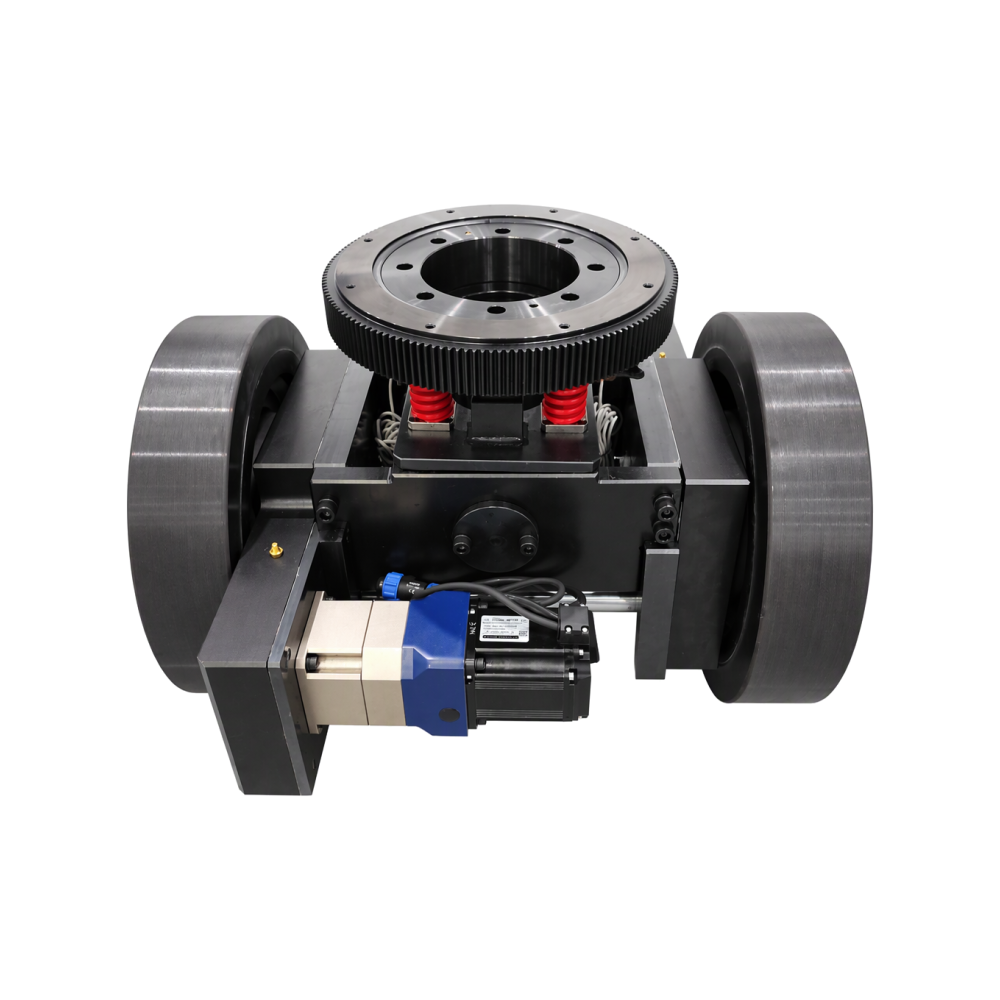
TZBOT Heavy Duty Series agv Wheel 1000w 48v Servo Motor Control Mobile Robot Differential Drive Wheel with Spring Suspension
- 1000 W
- 48 V
- Spring suspension
A robust differential drive solution for heavier AGV forklift platforms and mobile robots that encounter dock ramps, expansion joints and mixed pedestrian traffic.
Tijuana fit: automotive and cross-border 3PL warehouses where load stability and suspension travel reduce vibration and wheel slip.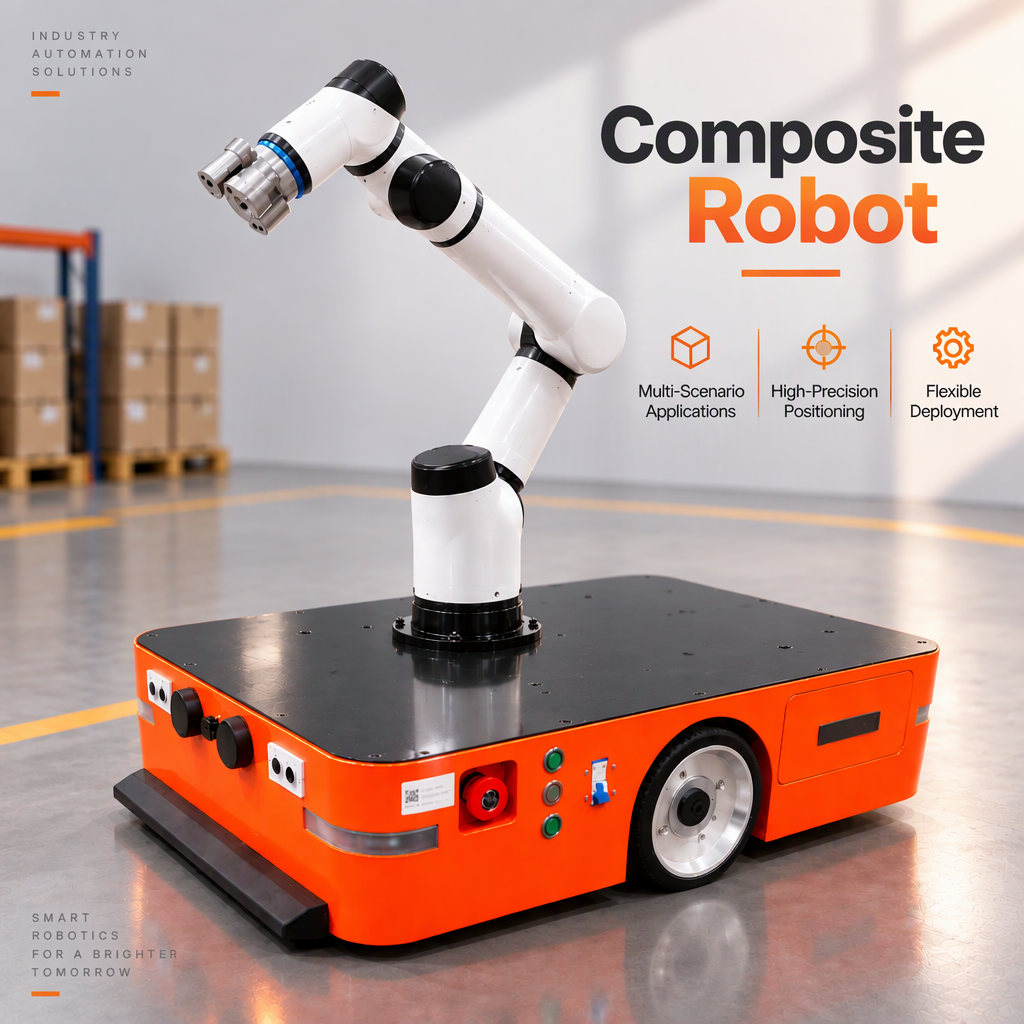
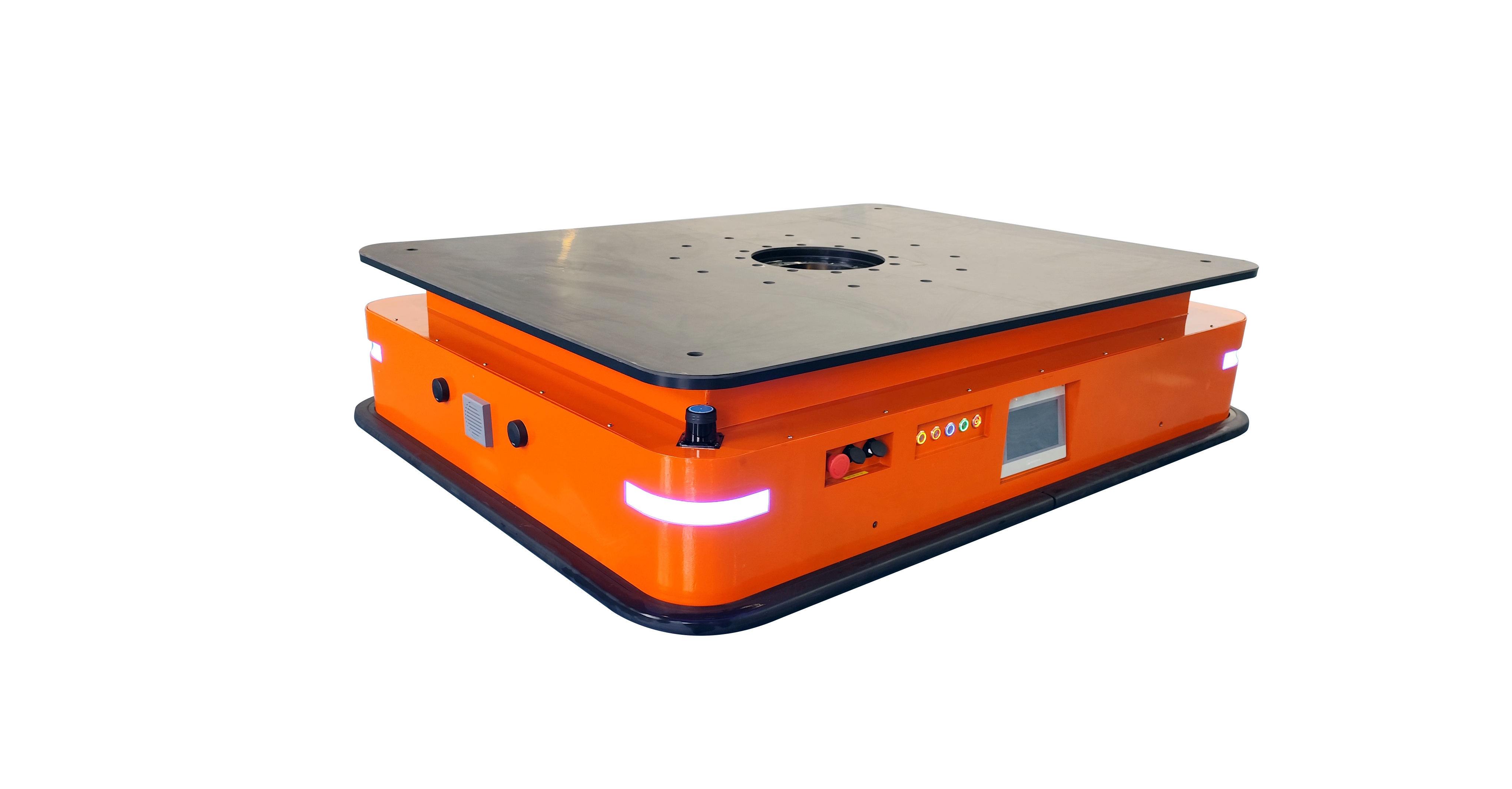
TZBOT Backpack AGV 200kg Load Capacity Chassis Magnetic Guidance Composite Robot with Robotic Arm
- 200 kg
- Magnetic guidance
- Composite robot
A compact platform for light material handling, machine tending and repetitive transfer tasks where a robotic arm must move with the chassis.
Tijuana fit: electronics assembly, medical-device subassembly and clean-aisle kitting where small WIP loads require repeatable station stopping.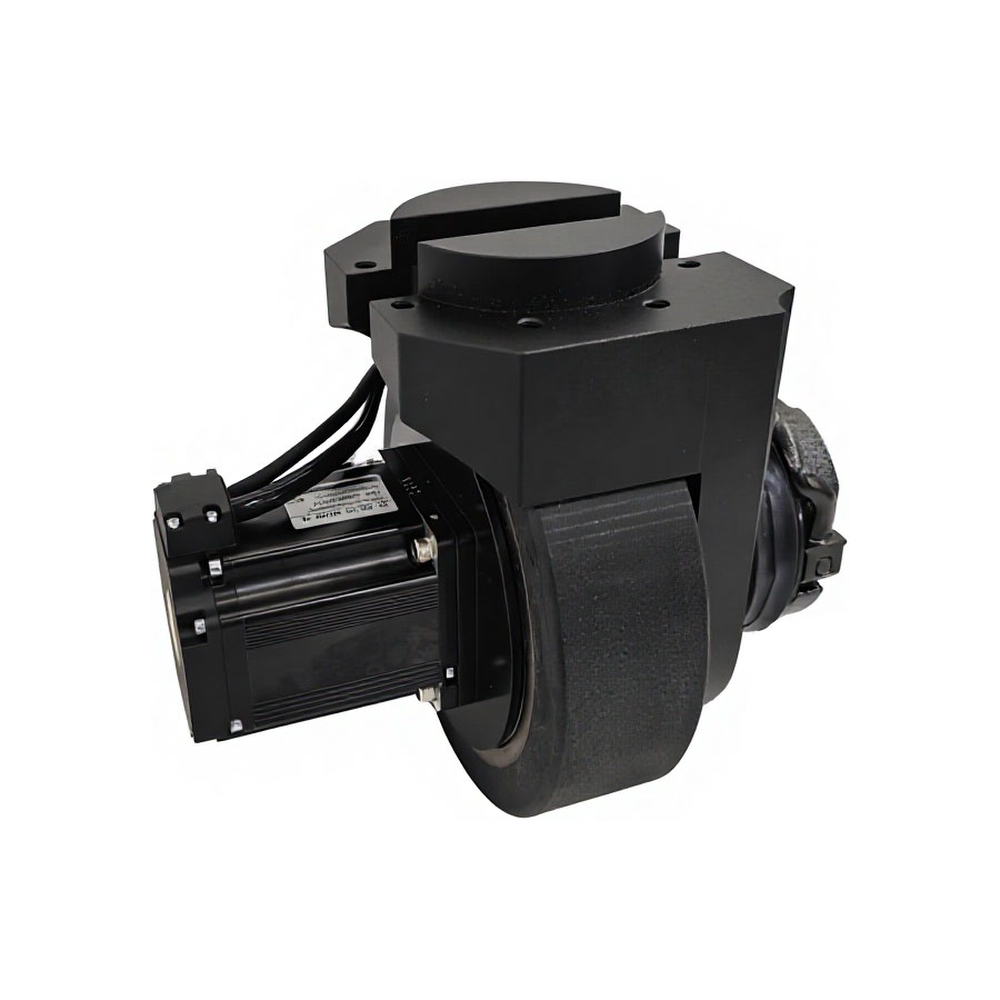
TZBOT 1000kg Bearing Capacity agv Wheel 1000w Servo Motor Material Handling Equipment Part Horizontal Drive Wheel
- 1000 kg bearing
- 1000 W servo
- Horizontal layout
A horizontal drive wheel for low-clearance chassis and replacement programs where the motor must sit low inside the vehicle frame.
Tijuana fit: low-profile AGV carts in older Ciudad Industrial buildings where chassis height and floor clearance are tight.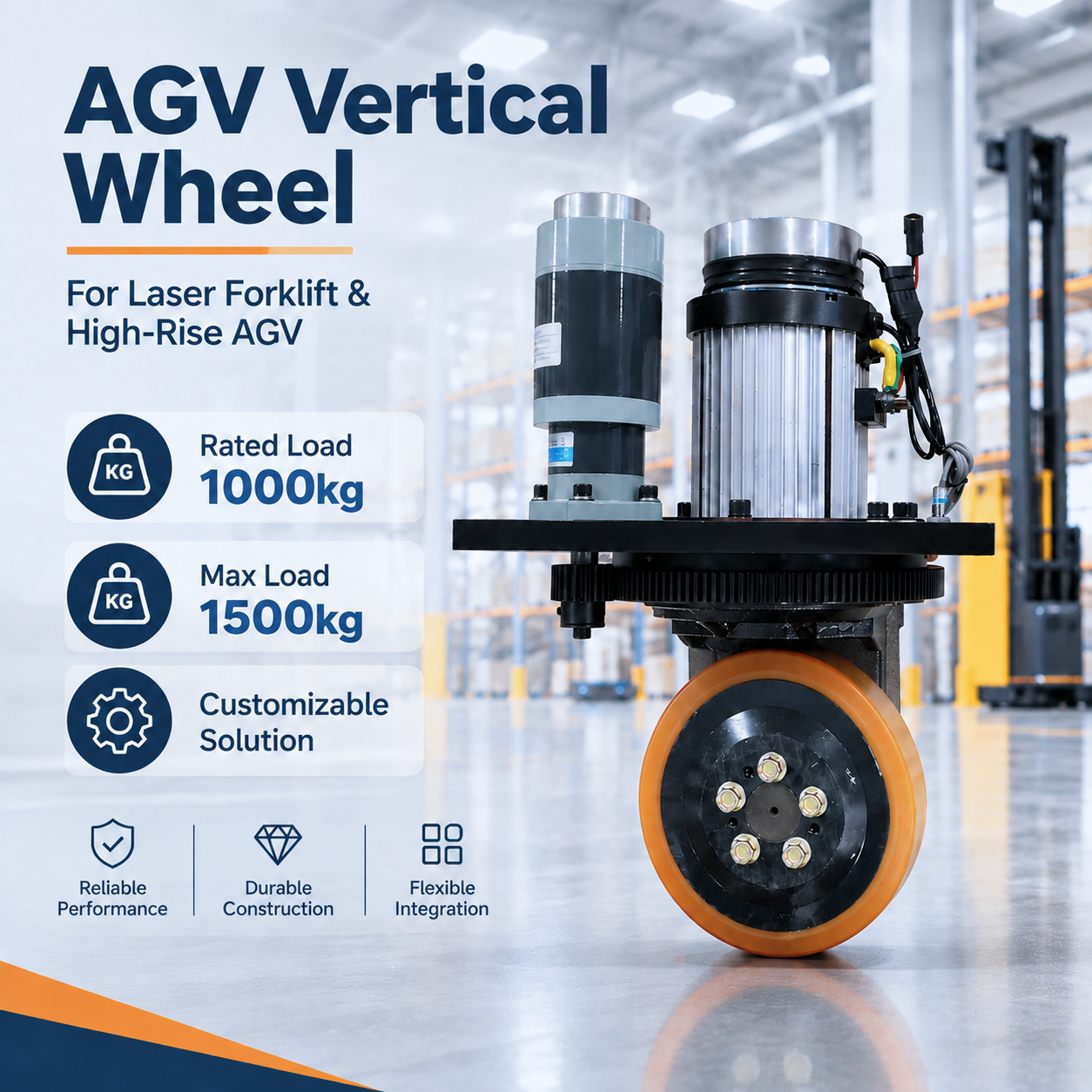
TZBOT 2590r/min Vertical Driving Unit Electric Traction Wheel 1500W Steering Forklift Accessories
- 1500 W
- 2590 r/min
- Steering traction
A steering drive unit for forklift-type AGVs and tricycle chassis that need controlled wheel angle rather than differential turning alone.
Tijuana fit: automatic forklifts and towing tractors operating around loading docks, ramps and mixed manual-forklift zones.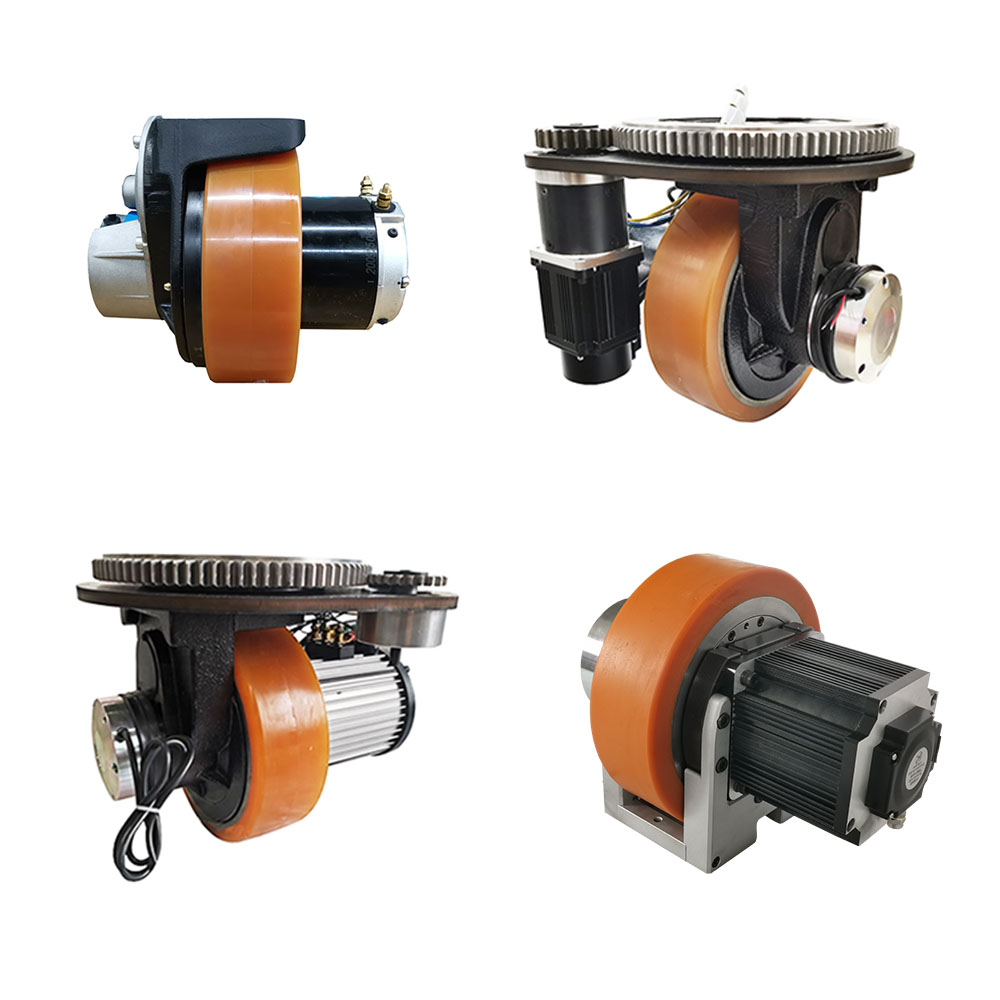
TZBOT 750W 1000KG Load Capacity Horizontal Drive Wheel Assembly AGV Wheel for Wholesale Automated Guided Robot
- 750 W
- 1000 kg load
- Assembly part
A cost-conscious horizontal drive assembly for wholesale replacement, pilot builds and integrators who standardize a mid-power platform.
Tijuana fit: Baja California integrators stocking a repeatable drive unit for multiple 1-tonne AGV chassis sizes.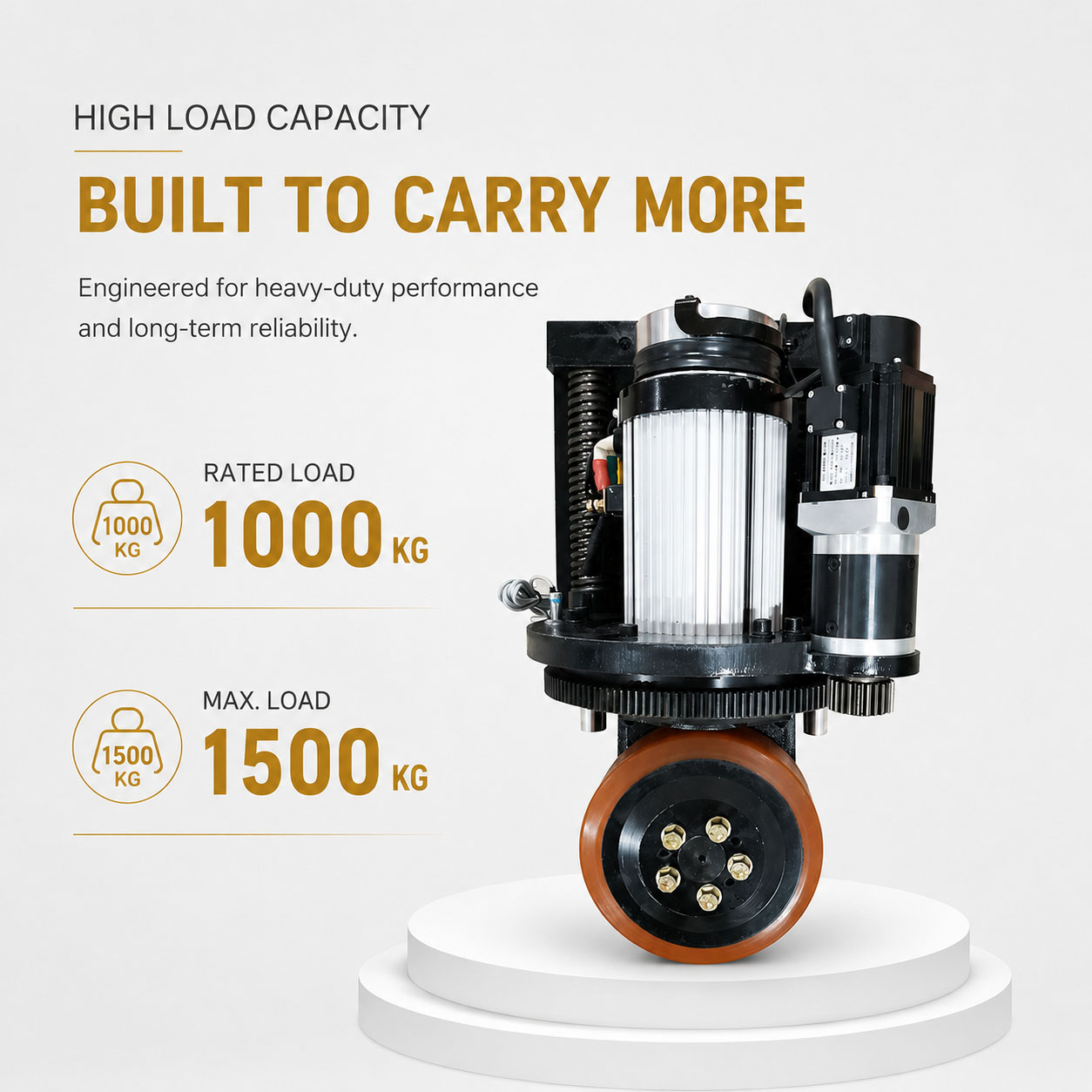
TZBOT 1000KG Bearing Duty 1500w Servo Motor AGV Forklift Driving Wheel with Suspension for Automatic Forklift
- 1500 W
- 1000 kg class
- Suspension
A suspension drive wheel for automatic forklifts and material-handling vehicles that must keep traction while crossing uneven thresholds.
Tijuana fit: dock-to-storage routes with dock plates, expansion joints and worn concrete that challenge fixed wheels.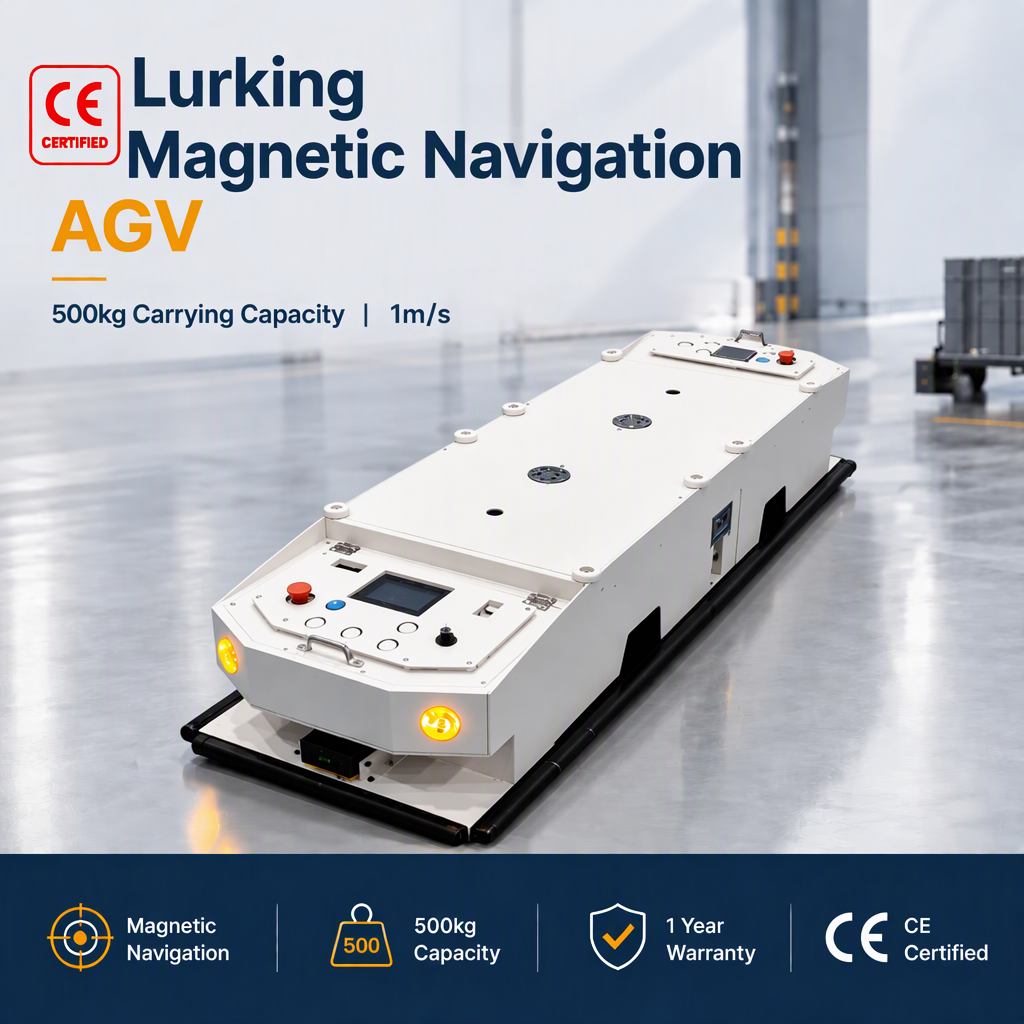
TZBOT CE Approved 500kg Bidirectional Lurking Robot 500kg Towing Capacity Material Handling Equipment Magnetic Navigation AGV
- 500 kg towing
- Bidirectional
- Magnetic navigation
A low-profile lurking robot for carts and dollies, designed for line-side replenishment where space and route changes are limited.
Tijuana fit: narrow-aisle plants in El Florido and Otay where a simple magnetic route keeps implementation fast and predictable.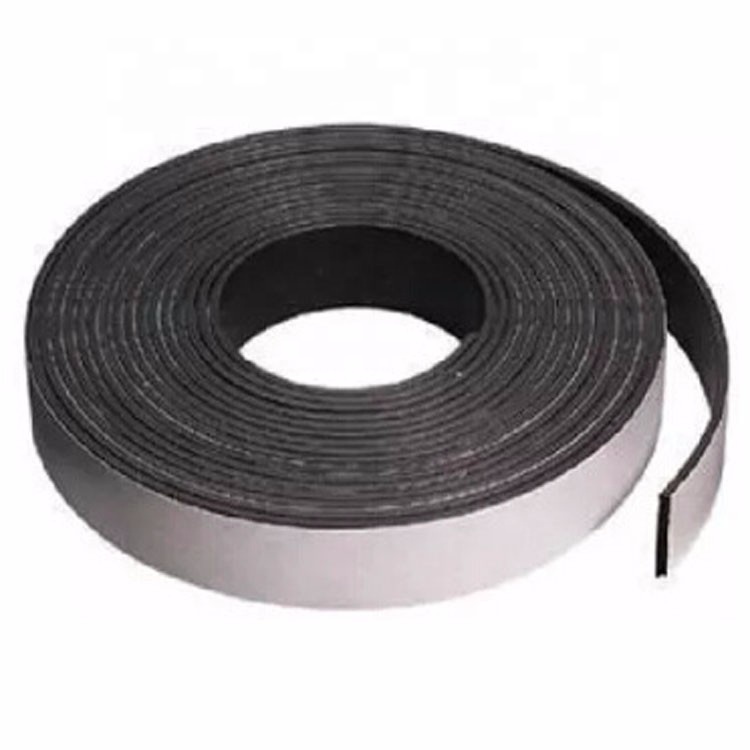
Sell Well Magnetic Tape Which N Pole up of 5cm Weith,25m One Roll for AGV Paved Path Can Retail or Wholesale
- 5 cm width
- 25 m roll
- N pole up
A practical consumable for magnetic guidance routes, replacement sections and rapid pilot installations.
Tijuana fit: warehouses retrofitting a fixed route without closing aisles for a long period; order spare tape with the first AGV kit.Where AGV Forklift Sensors and Drive Components Are Used in Tijuana
Tijuana is not a single warehouse market. It combines maquiladora manufacturing, cross-border logistics, medical-device production and dense industrial parks. The right sensor and drive package depends on the route, floor and maintenance model.
Automotive & aerospace maquiladoras
AGV forklifts move totes and components between kitting, assembly and shipping. Suspension drive wheels and reliable obstacle sensors help maintain traction on concrete joints and dock transitions.
Medical-device cleanrooms
In clean production areas, smooth acceleration and stable stopping matter. A compact magnetic-guided AGV with sealed drive components can reduce particulate generation and manual handling.
Electronics contract manufacturing
Small latent AGVs and backpack robots can carry WIP between test stations. RFID tags and magnetic tape provide repeatable station recognition without a full SLAM deployment.
Cross-border 3PL warehouses
Near Otay Mesa and major cargo corridors, high-cycle operations need robust drive wheels, predictable braking and quick spare-part replacement to protect shipping schedules.
Narrow-aisle component warehouses
Plants in Ciudad Industrial, El Florido and Otay often retrofit fixed routes instead of rebuilding the facility. Bidirectional lurking robots and magnetic guide tape are practical for quick deployment.
Air cargo and industrial-park logistics
With cargo flows linked to Tijuana International Airport and border crossings, backup sensors, spare wheels and bilingual maintenance instructions reduce cross-border downtime.
Nearshoring Is Changing How Tijuana Buys AGV Forklift Components
The procurement conversation in Baja California has shifted from “Can we automate?” to “How fast can we deploy, document and maintain it?” These four trends appear repeatedly in buyer requirements.
USMCA and regional supply chains
As production moves closer to North American customers, Tijuana plants face higher throughput expectations. Buyers want documented components, repeatable specifications and a clear spare-part path rather than one-off purchases.
Retrofit before rebuild
Many facilities optimize existing forklifts and warehouse aisles before investing in a new building. Retrofit-friendly magnetic tape, RFID stations and replacement drive wheels are often the first phase.
Bilingual engineering support
Maintenance teams work in English and Spanish. Clear wiring diagrams, label files, parameter records and commissioning checklists help local integrators train operators faster and reduce installation risk.
Total cost of ownership
Cross-border freight, customs clearance and production downtime can outweigh a low unit price. Wholesale buyers increasingly compare wheel life, sensor repeatability, controller matching and spare-kit planning.
How to Specify Drive Units and Sensors for Tijuana Site Conditions
A drive wheel or sensor is only “compatible” when it matches the vehicle, floor and maintenance model. Use this comparison to shorten the distance between an RFQ and a tested configuration.
Drive unit options
| Type | Steering principle | Best Tijuana use case |
|---|---|---|
| Differential drive wheel | Two driven wheels create turning by speed difference | Latent AGVs, jacking robots and compact platforms in electronics or medical-device plants |
| Steering drive unit | A steering motor sets wheel angle while the traction motor drives | Automatic forklifts, tricycle AGVs and towing tractors around docks and ramps |
| Horizontal drive assembly | Motor is packaged horizontally to reduce chassis height | Low-clearance vehicles in older industrial buildings and under-ride cart applications |
Navigation & sensor options
| Method | Site infrastructure | Why buyers choose it |
|---|---|---|
| Magnetic guide sensor + tape | Magnetic tape on the floor | Fast fixed-route deployment and lower engineering cost |
| RFID position sensor | RFID tags at stations or junctions | Repeatable station recognition, speed zones and route decisions |
| QR code navigation | Floor QR grid | Grid warehouses and goods-to-person operations |
| Lidar / SLAM | Natural features or reflectors | Flexible routes and frequent layout changes |
- Confirm whether the vehicle is new or a retrofit.
- Photograph the floor joints, ramps and dock transitions.
- Share the existing controller model and wiring diagram.
- Specify 24 V or 48 V system architecture before quotation.
- Plan magnetic tape, RFID tags and sensor brackets as one bill of materials.
- Order consumable spares with the first machine to reduce future downtime.
Why Torqen/TZBOT Supports Tijuana Integrators
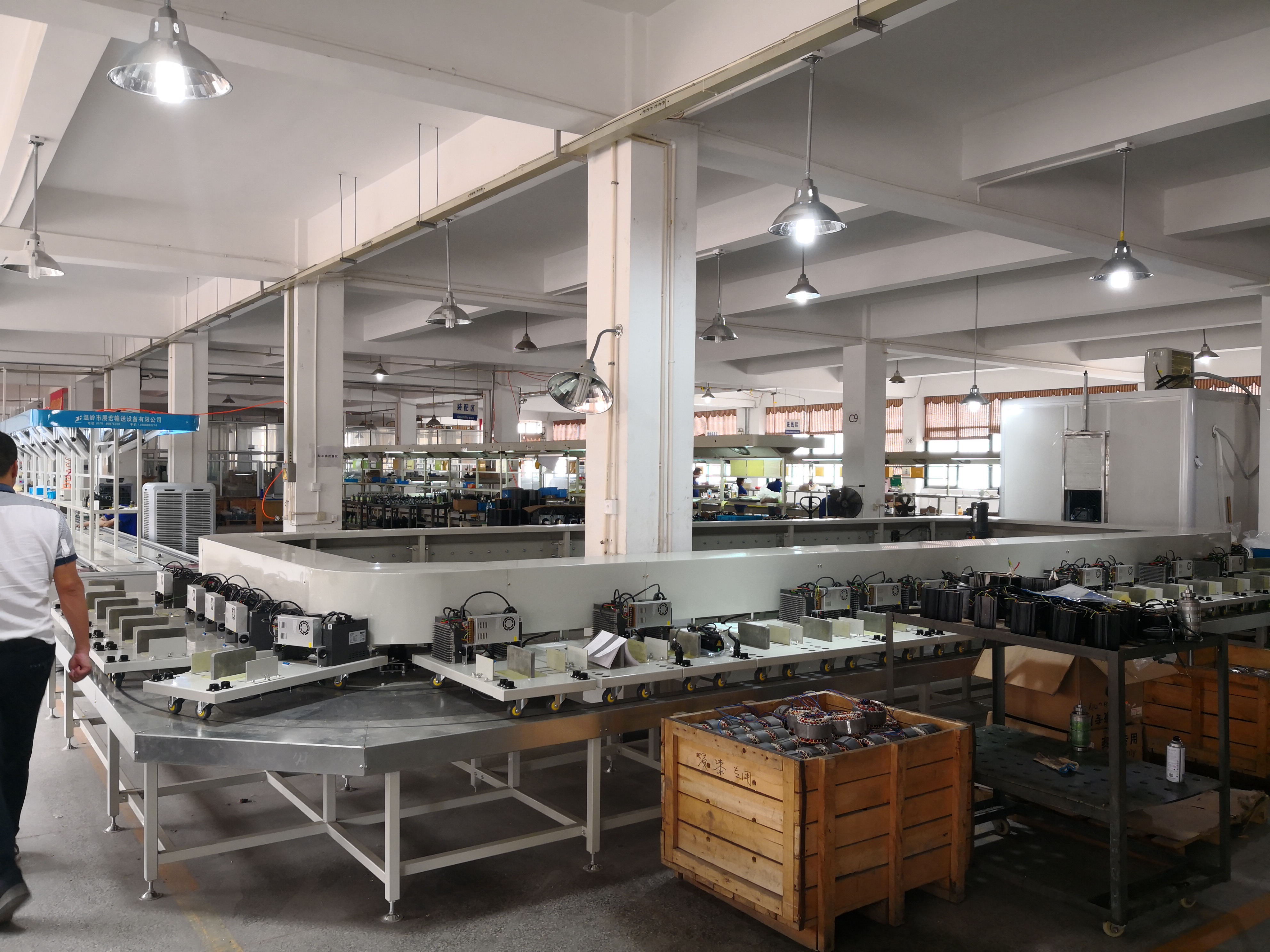
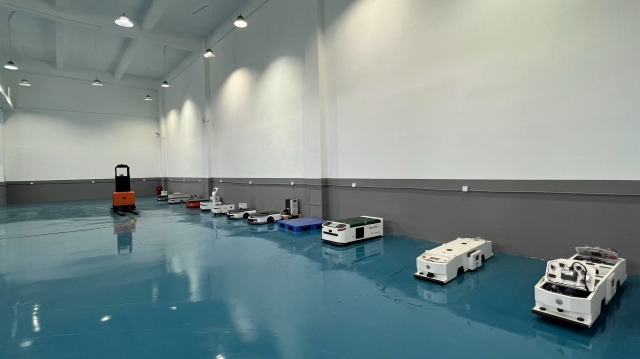
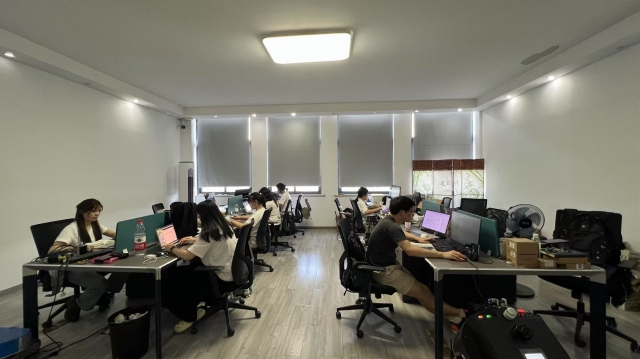
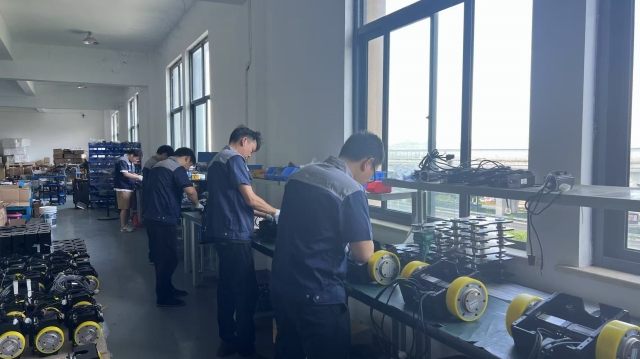
Zhejiang Torqen Technology Co., Ltd. has manufactured automatic guided vehicles, AGV drive wheel assemblies, motors, servo and BLDC controllers, navigation sensors and AGV accessories since 2015. For Tijuana buyers, the value is not simply a component price. It is the ability to match wheel, motor, driver, sensor and mounting geometry before shipment, then keep documentation traceable after delivery.
The company is certified to ISO 9001:2015 and has been verified onsite by Intertek. Its published profile lists 8 patents, a 51–100 person team, a 1,000–3,000 m² factory and annual output in the US$5M–10M range. Production inspection uses five in-house testing instruments, and prototypes undergo extended-duration testing before production parts are released. Torqen serves Tijuana as a factory-direct wholesale manufacturer rather than a local shelf-stock retailer, which is why buyers should confirm sample timing, export terms and distributor inventory before project scheduling.

Extended prototype testing
Prototypes are run for extended periods before production release, supporting reliability decisions for 24/7 Tijuana operations.
OEM / ODM customization
Sample-based and design-based customization covers motor power, voltage, reduction ratio, wheel diameter, tread, encoder, brake and mounting interface.
Quality documentation
ISO 9001:2015 controls, Intertek onsite verification, in-house inspection records and traceable production information support buyer audits.
Export terms for Baja California
Payment methods include T/T, L/C, D/P, D/A, credit card, PayPal, Western Union and escrow; delivery terms include FOB, CFR, CIF, EXW, CIP, FCA, CPT, DDU and express.
Questions Tijuana Buyers Ask Before Ordering AGV Forklift Sensors
These are the practical questions we see from plant engineers, integrators and wholesale buyers serving Baja California.
Can Torqen ship AGV forklift drive wheels and sensors to Tijuana?
Yes. Torqen exports factory-direct from Zhejiang, China, to buyers in Mexico and worldwide. For Tijuana shipments, the commercial invoice, packing list, HS code suggestions and freight documents can be prepared for your importer or customs broker. The Mexican importer normally manages the pedimento and any applicable NOM or destination compliance requirements, so confirm those details with your broker before the order is released. Sea freight, air freight and express options can be quoted against the final configuration.
Which AGV component should a Tijuana 3PL warehouse order first?
Start with the route and vehicle, not the catalog. For dock-to-storage duty, review a heavy-duty differential drive wheel, a suspension forklift drive wheel and a lidar or obstacle-avoidance sensor. For a narrow-aisle retrofit, magnetic guide tape, RFID station tags and a bidirectional lurking robot may be more appropriate. Share gross vehicle weight, ramp slope, aisle width, floor condition and shift pattern; the engineering team can then shortlist the drive wheel and sensor package.
Are Spanish manuals, bilingual labels and buyer-label packaging available?
OEM and ODM discussions can include buyer-label packaging, label files and documentation support for Spanish-speaking maintenance teams. The final compliance responsibility remains with the importer and integrator, but clear wiring diagrams, parameter records and commissioning checklists can be prepared in the project language. For a Tijuana plant, request the label language, control-panel terminology and spare-parts list early so they are included in the quotation.
What voltage and controller information is needed before selecting a drive wheel?
Send the battery voltage, existing controller model, motor power, rated speed, reduction ratio, encoder type and brake requirement. Many AGV platforms use 24 V or 48 V DC architectures, but the correct choice must be confirmed from the vehicle nameplate and wiring diagram. A photo of the existing wheel, mounting flange and controller label is often more useful than a generic description, especially for replacement projects in Tijuana where downtime is expensive.
Can small wholesale or pilot orders be supported?
Torqen supports sample-based customization and OEM/ODM projects, but minimum order quantities depend on the product family, customization level and packaging. A pilot order can be discussed for integrators validating a new AGV forklift design in Baja California. For standard catalog items, ask for a current quotation and lead time; for modified drive wheels or sensors, provide drawings, target performance and annual volume so the engineering and production schedule can be evaluated together.
How can a Tijuana maintenance team reduce cross-border downtime?
Plan consumables with the machine: magnetic tape, RFID tags, wheel assemblies, encoder cables and common sensor brackets. Record baseline parameters, keep photos of the original wiring and train at least two technicians on fault isolation. Torqen’s published support model includes online response, integration assistance and after-sales spare-parts support, with a 97.9% inquiry response rate listed in its company profile. For critical routes, a small spare kit is usually cheaper than a stopped production line.
Build a Tijuana-Ready AGV Forklift Component Shortlist
Send your load, ramp, floor, voltage and navigation requirements. The engineering team can match drive wheels, servo/BLDC controllers and sensors into a single wholesale quotation for your Baja California project.
