Eight Product Platforms for AGV and AMR Builds
Choose a complete vehicle platform, a drive module, a controller, or a sensor-ready chassis for wholesale, OEM, and replacement programs. Product links and images are preserved for direct technical review.
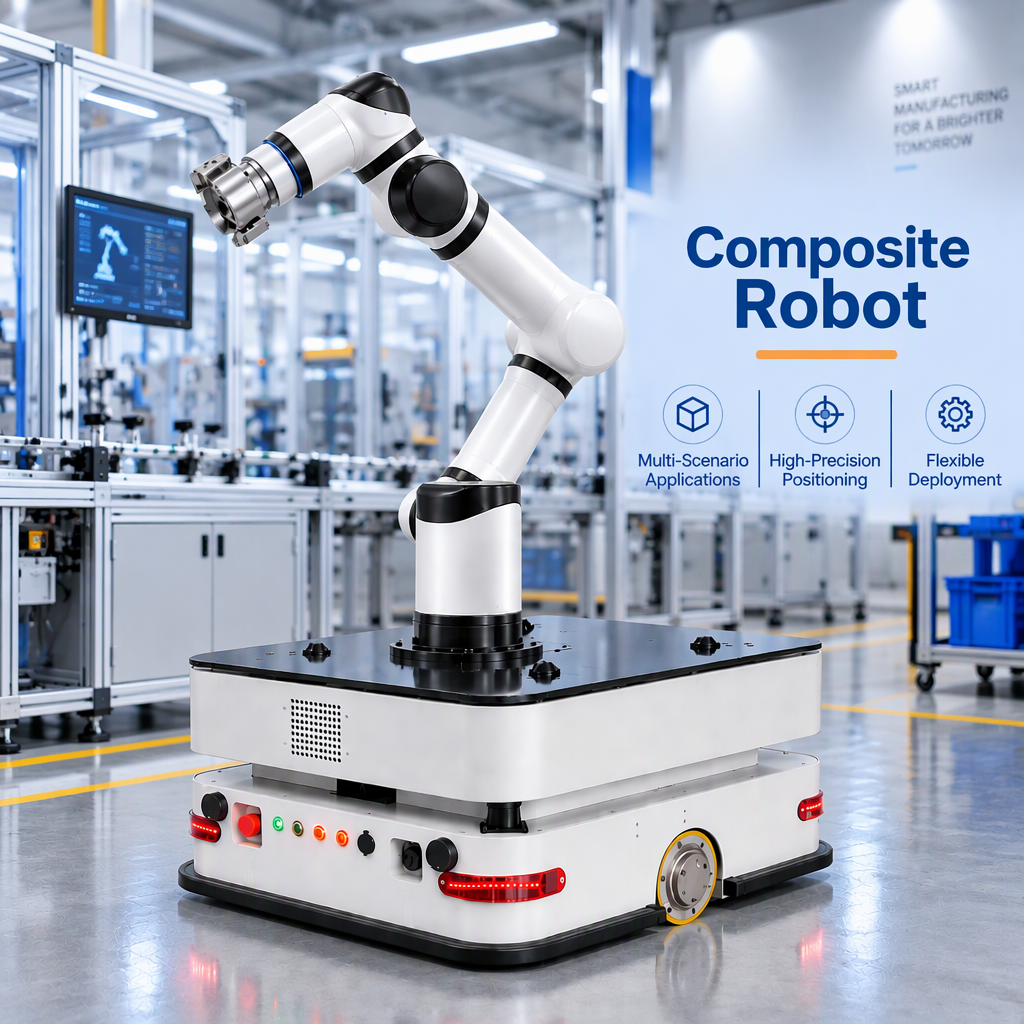
TZBOT Auto Guidance Mobile Chassis 1000kg Payload AGV Integrate Arm Robotic Intelligent Composite Robot
A stable 1000 kg mobile base for composite robot projects. Ideal when Indianapolis integrators need room for lidar, arm tooling, safety-zone hardware, and custom top modules.
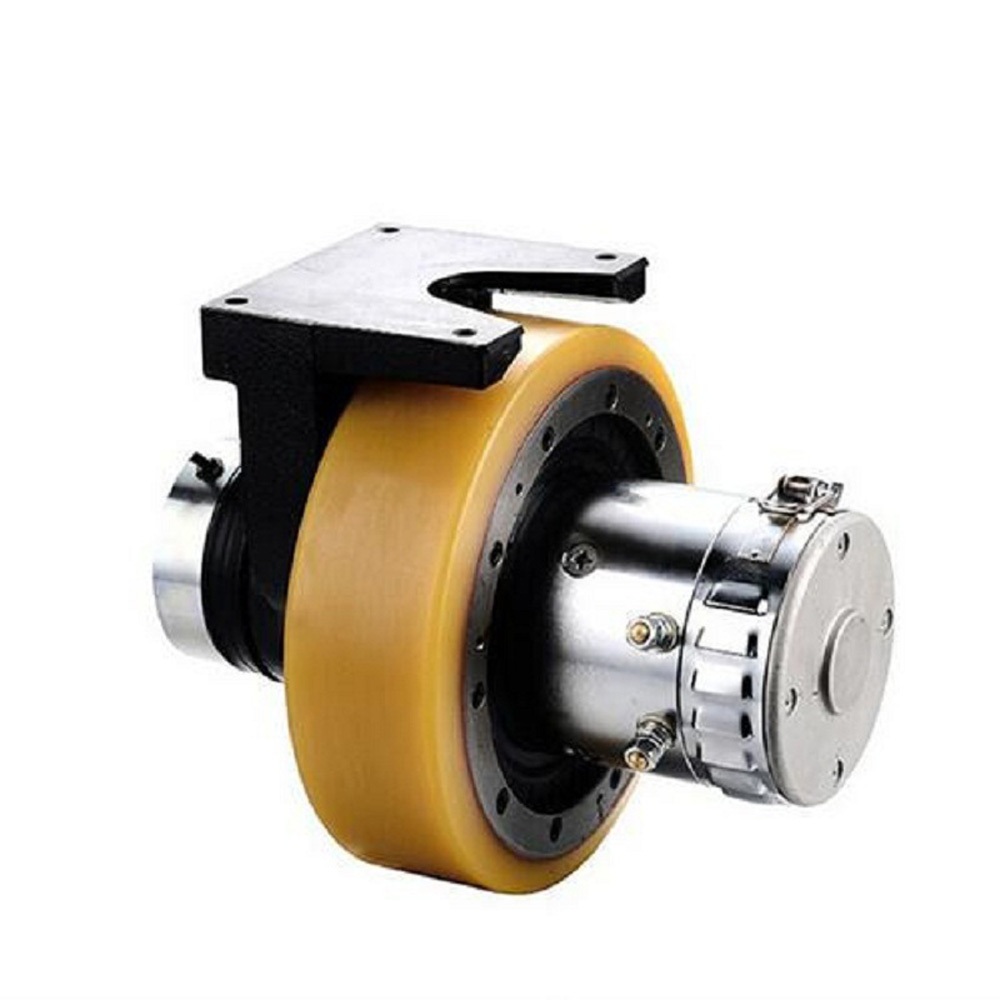
TZBOT TZ18-D12 1200W 24V Horizontal Drive Wheel Assembly Horizontal Wheel Unit Omnidirectional Automatic Steering Wheel
A 1200 W 24 V horizontal steering wheel assembly for low-profile omnidirectional vehicles. Useful where precise steering angle, compact packaging, and service access matter.
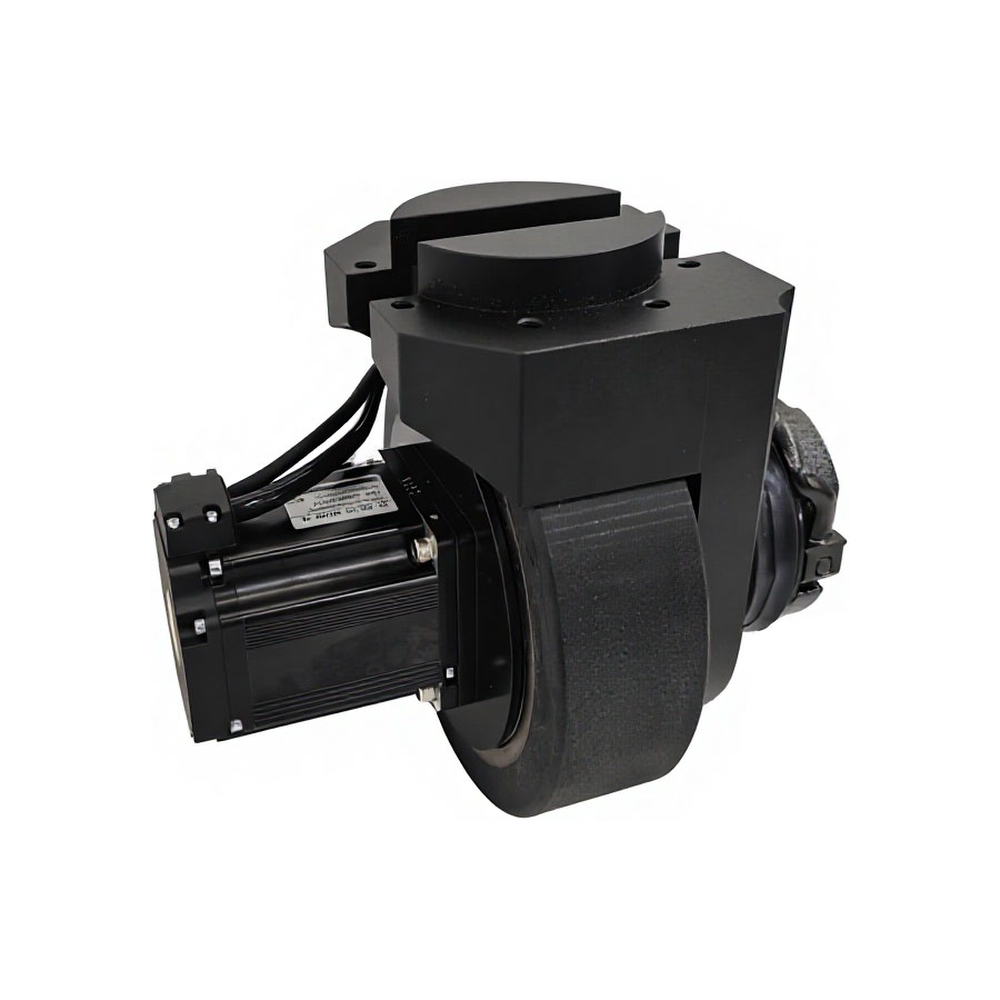
TZBOT 1000kg Bearing Capacity agv Wheel 1000w Servo Motor Material Handling Equipment Part Horizontal Drive Wheel
A 1000 kg bearing-capacity horizontal drive wheel with 1000 W servo motor. Suited to transfer carts, towing units, and material handling equipment that needs serviceable drive modules.
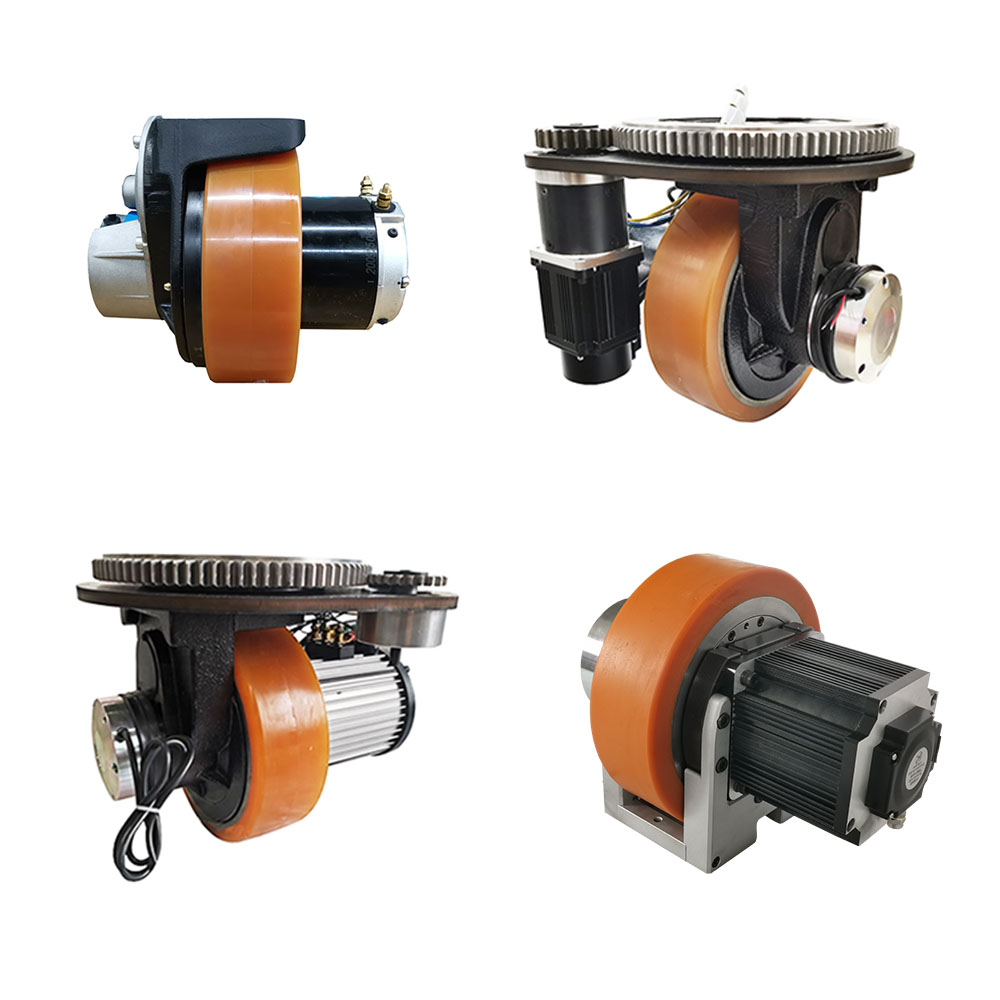
TZBOT 750W 1000KG Load Capacity Horizontal Drive Wheel Assembly AGV Wheel for Wholesale Automated Guided Robot
A 750 W / 1000 kg horizontal assembly for volume AGV programs. A practical balance of torque, speed, chassis height, and replacement-part simplicity.
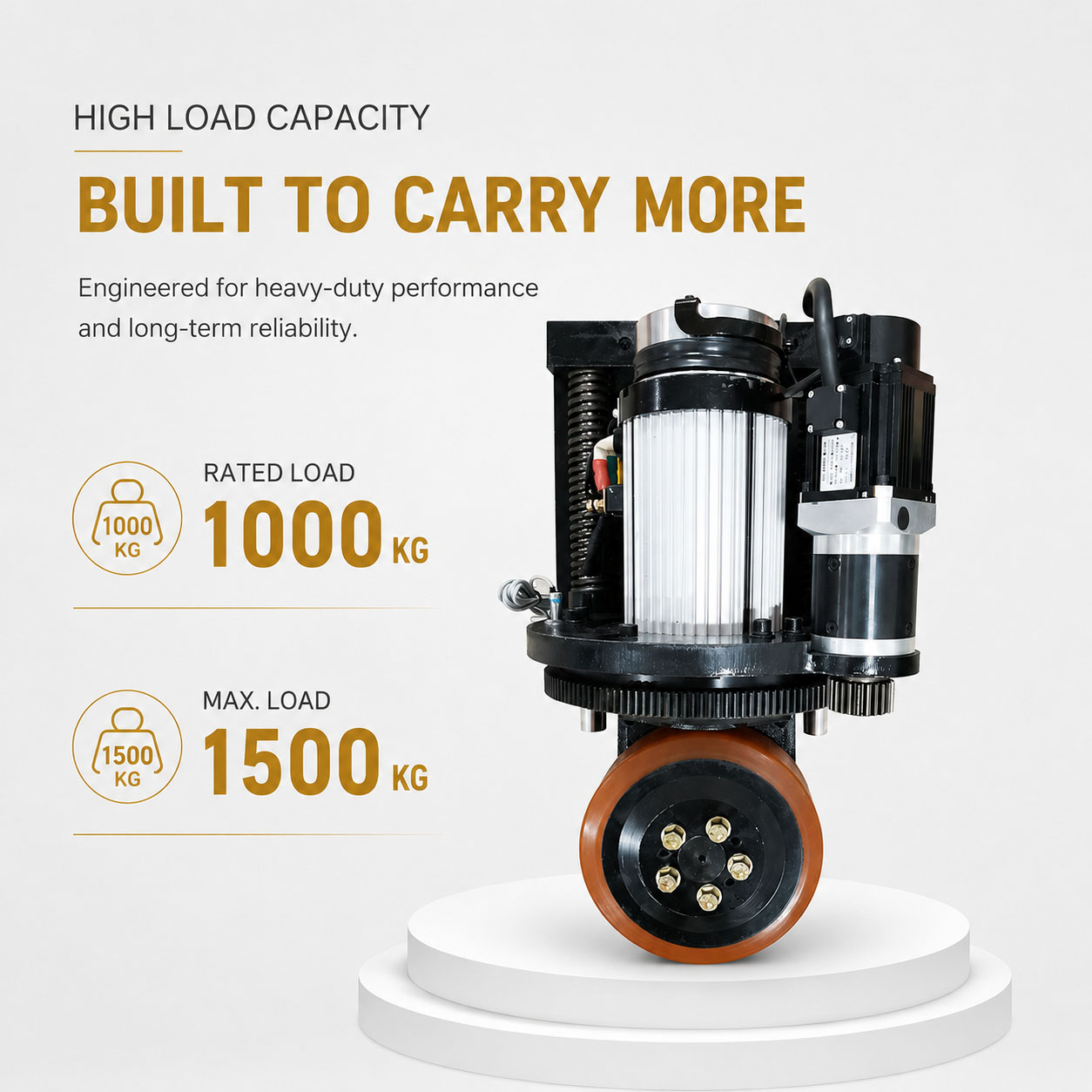
TZBOT 1000KG Bearing Duty 1500w Servo Motor AGV Forklift Driving Wheel with Suspension for Automatic Forklift
A 1500 W servo-driven forklift wheel with suspension to reduce impact loads and maintain traction. Suitable for pallet handling and automatic forklift applications.
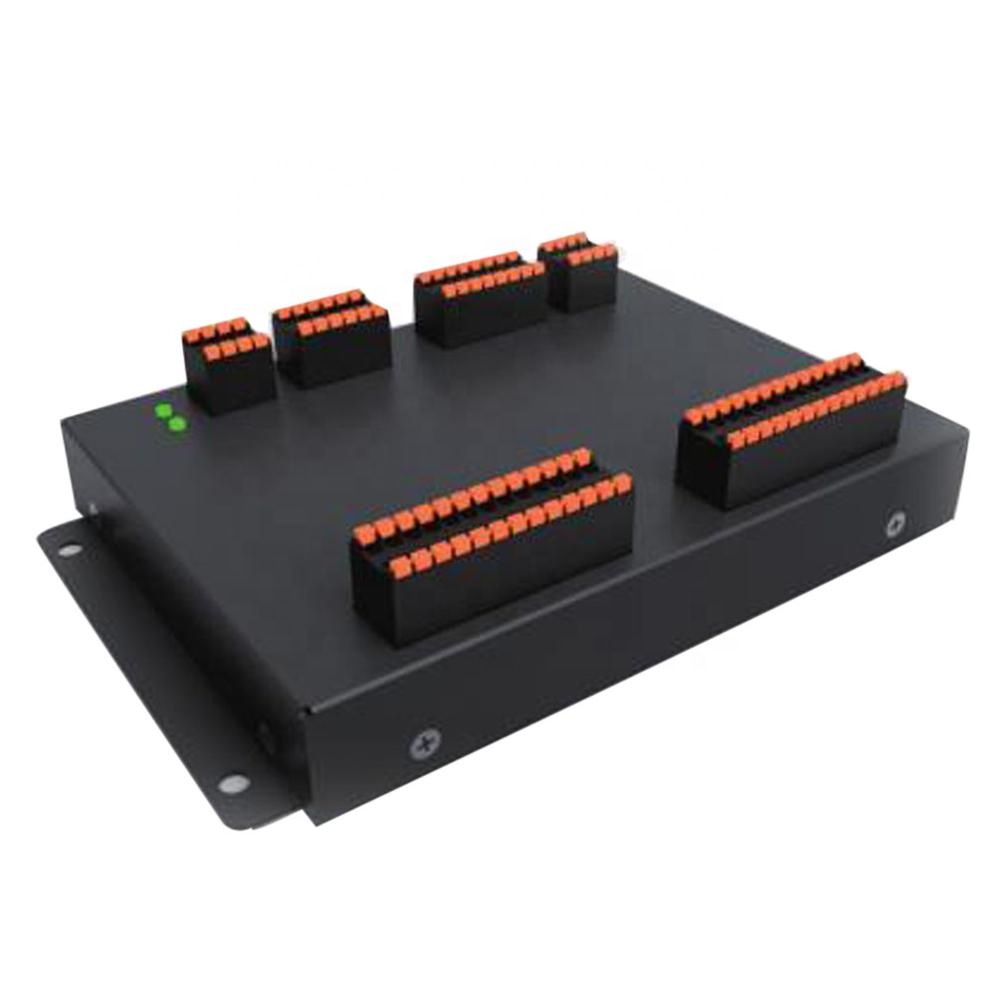
TZBOT Smart Controller TZC-MST-FX200D-A for Guiding the AGV Robot
A smart AGV controller for vehicle guidance and sensor coordination. Pair with lidar obstacle avoidance, magnetic guidance, RFID positioning, and safety devices.
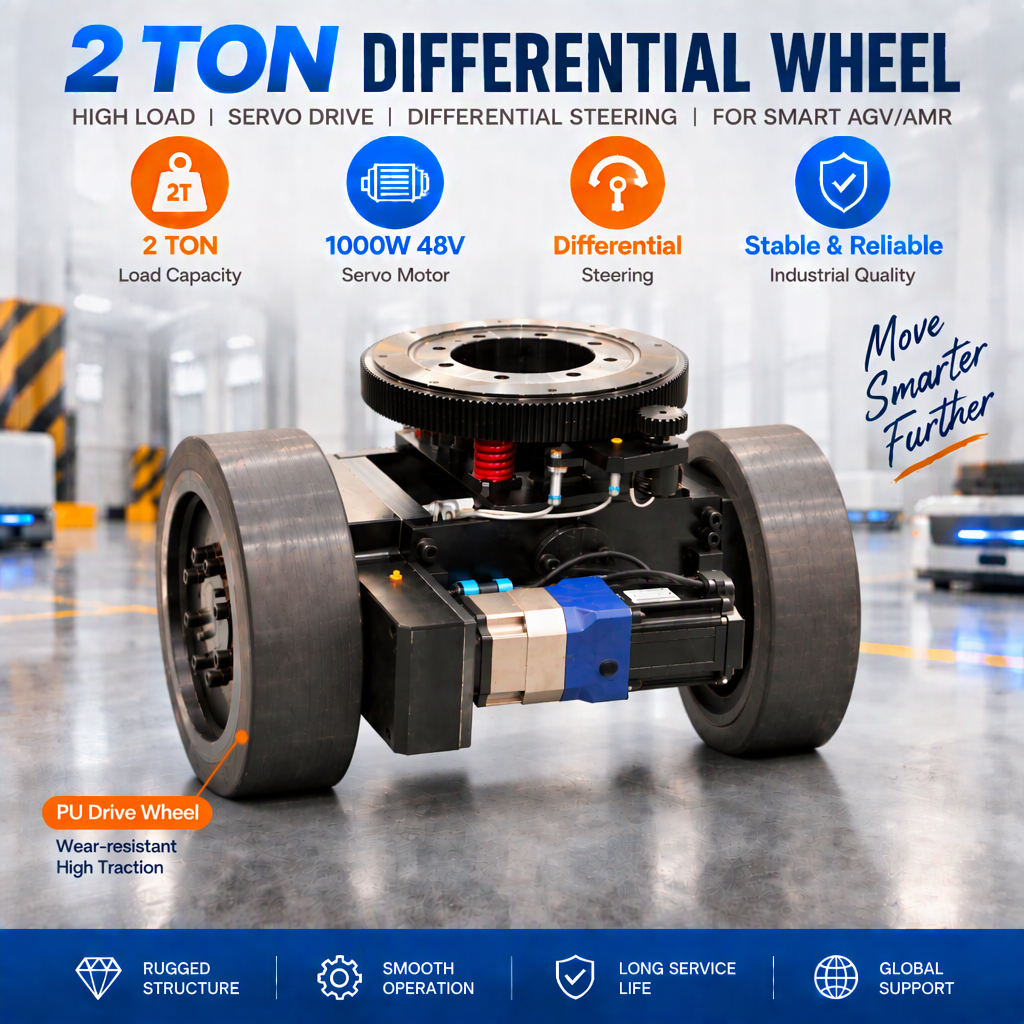
TZBOT Customized 2000kg Bearing Duty agv Wheel 1000w 48V Heavy Duty Series Mobile Robot Differential Drive Wheel with Suspension
A customized 2000 kg differential drive wheel with suspension for larger mobile robots and high-load transfer platforms. Configured for heavy-duty industrial duty cycles.
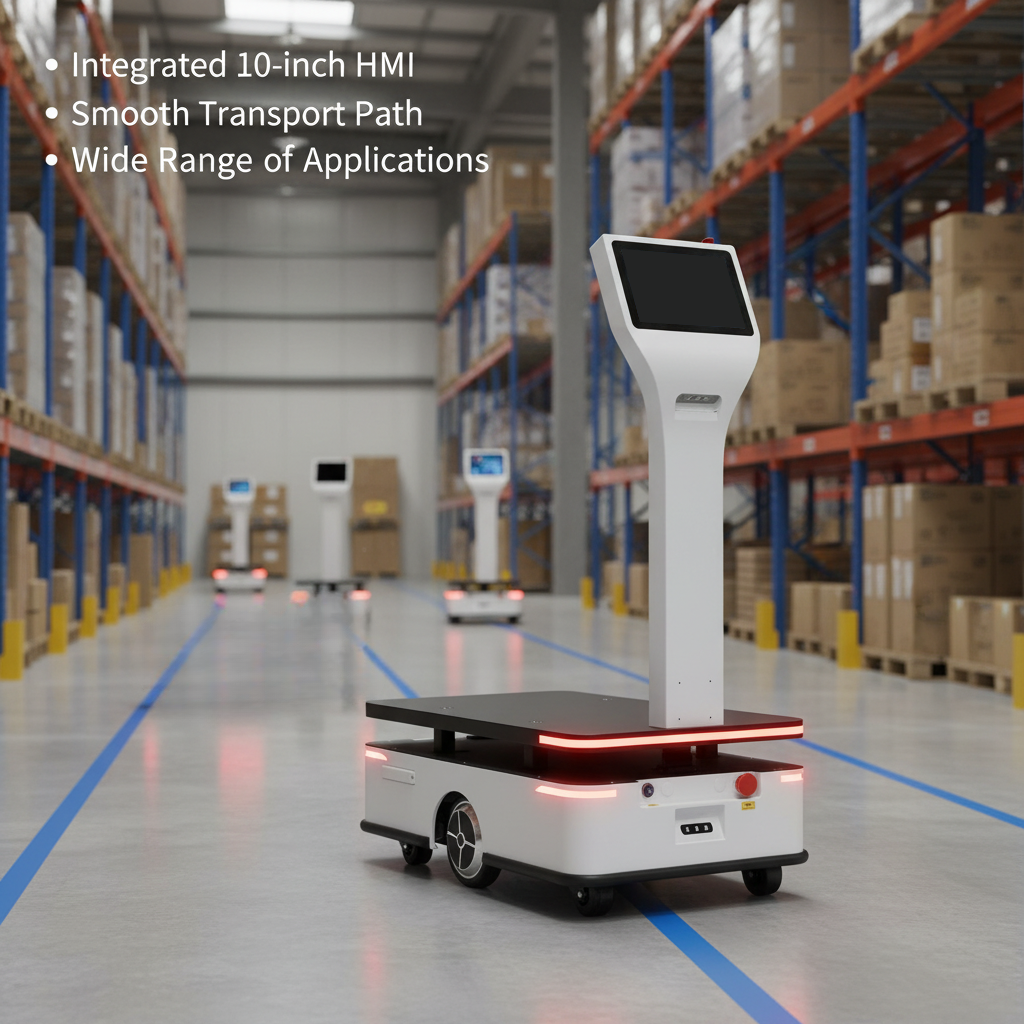
TZBOT Intelligent Warehouse Logistic Robot Unmanned Control System Customizable 80kg Payload agv Transfer Cart Slam Amr
An 80 kg payload SLAM AMR transfer cart for flexible warehouse logistics. A practical platform for mixed picking flows, station transfers, and layout changes.
Why Lidar Obstacle Avoidance Is a Local Engineering Decision in Indianapolis
Indianapolis buyers rarely operate one predictable traffic pattern. A 3PL site may combine dense pallet racking, high-speed cross-docking, forklift lanes, pedestrian walkways, and battery-charging zones in the same building. An automotive or EV component plant may add metal reflections, overhead conveyors, and tight transfer stations. The best AGV lidar obstacle avoidance sensor is therefore not simply the unit with the longest advertised range; it is the unit that can be mounted, configured, and validated inside the real vehicle and the real facility.
For a supplier and wholesaler relationship, the important question is not only unit price. It is whether the sensor, controller, drive wheel, and mounting geometry can be tested together before a fleet rollout. A 2D lidar may be excellent for floor-level obstacle detection but weak for overhanging loads. A 3D sensor may improve coverage but increase data processing and calibration time. A safety-rated scanner may be required for certain functions, while an obstacle avoidance sensor may sit outside the safety circuit. These distinctions should be documented before purchase.
Our application team reviews detection range, field of view, angular resolution, response time, interface type, IP rating, ambient-light behavior, vibration exposure, mounting height, and field-set logic. For Indianapolis warehouses, we also ask how the vehicle behaves near glass doors, reflective stretch wrap, dock edges, floor transitions, and congested pick faces.
When comparing a low-cost sensor with a better-matched sensor, calculate the cost of false stops, missed stops, commissioning time, replacement labor, and downtime across multi-shift operations. Information gain comes from site data, not from a generic obstacle avoidance claim.
Sensor Selection Weighting for Mixed Warehouses
Engineering note: Prepared by Torqen's motion-control and sensor application team. Final sensor selection should be validated against the vehicle risk assessment, site traffic rules, and applicable safety requirements. Product certifications vary by model and must be confirmed before order.
Where Indianapolis Buyers Deploy AGV Lidar Obstacle Avoidance
Central Indiana combines distribution, advanced manufacturing, medical logistics, and air-cargo activity. Each environment creates different detection challenges for autonomous vehicles.
3PL and e-commerce fulfillment
High-speed cross-docking, mixed pedestrian traffic, and changing pick faces demand adjustable warning and stop zones. Lidar settings should be tuned by aisle, speed mode, and shift pattern.
Automotive and EV component plants
Tote delivery, work-in-process movement, and end-of-line transfer can involve metal reflections, overhead structures, and narrow cells. Sensor mounting and field-set testing matter as much as raw range.
Cold chain and food distribution
Condensation, frost, and rapid temperature transitions can affect optical windows and sensor behavior. Buyers should confirm IP rating, heated-window options, maintenance intervals, and alarm logic.
Pharma and medical logistics
Smooth deceleration and repeatable station stops help protect high-value inventory and controlled workflows. Sensor data should support fault diagnosis without exposing unnecessary operational detail.
Airport, campus, and equipment yards
Indoor-outdoor transitions introduce sunlight, weather, and changing floor surfaces. A layered sensing approach using lidar plus mechanical bumpers and operational rules is often more reliable than a single sensor.
Heavy manufacturing and machine tending
Chips, coolant mist, vibration, and repetitive impact require robust mounting and service access. The sensor bracket should protect alignment while allowing quick cleaning and replacement.
Automation Trends Shaping Indianapolis Procurement
Buyers in central Indiana are not only replacing labor. They are designing for mixed traffic, faster changeovers, traceability, and uptime across longer operating windows.
Dense storage and narrow aisles
Higher rack utilization leaves less clearance for vehicles, pedestrians, and maintenance access. Sensor fields must match aisle width, speed mode, and stopping distance.
Mixed pallets and dynamic routes
Fixed route logic is giving way to flexible flows for e-commerce, returns, and rework. Lidar obstacle avoidance helps vehicles respond to unexpected carts, people, and dropped loads.
24/7 multi-shift uptime
When a vehicle runs across three shifts, cleaning, calibration drift, and spare-part response become procurement criteria. Sensor records and service access should be planned early.
EV and battery supply-chain growth
New production lines need repeatable material delivery and clean interfaces between automated vehicles and manual stations. Integration engineering is becoming as important as product price.
Safety documentation
More buyers now ask whether a sensor is part of a safety function or only a navigation aid. Clear documentation prevents false assumptions during audits and internal approvals.
Data-driven maintenance
Fleet teams want fault codes, detection events, and configuration history that help isolate issues quickly. A supplier that understands controller integration can reduce diagnostic time.
Recommended AGV Sensor and Drive Configurations
These configurations help Indianapolis integrators start with a coherent bill of materials instead of mixing unmatched drive and sensing hardware.
Low-profile transfer AGV
Best for latent lifting carts, under-ride platforms, and compact transfer vehicles that need a low build height and predictable service access.
- TZBOT 750W 1000KG horizontal drive wheel assembly for the base platform
- TZBOT smart controller for guidance and sensor input coordination
- 2D lidar obstacle avoidance at the bumper line, with a second sensor or mechanical bumper for blind-zone coverage
- Magnetic guide sensor or QR navigation where routes are structured
Automatic forklift and heavy load
Best for pallet handling, automatic forklifts, and high-load platforms where suspension, traction, and overhang detection are important.
- TZBOT 1500W forklift driving wheel with suspension for impact reduction
- TZBOT 2000kg heavy-duty differential drive wheel for larger platforms
- Lidar plus 3D depth sensing where forks, loads, or overhead structures create blind spots
- Controller configuration aligned with speed zones, fork height, and load state
Flexible SLAM AMR program
Best for warehouses that expect layout changes, mixed picking flows, and faster route deployment without fixed floor infrastructure.
- TZBOT 80kg payload SLAM AMR transfer cart for route-flexible logistics
- TZBOT 1200W 24V horizontal steering wheel for omnidirectional chassis designs
- Lidar obstacle avoidance tuned by speed, floor material, and traffic density
- Spare sensor window, cable set, and mounting bracket included in the service plan
Sensor and Integration Matrix for Indianapolis Warehouses
Use layered sensing. One device rarely covers pedestrians, forklifts, overhanging loads, glass, dock edges, and blind spots at the same time.
| Technology | What It Solves | Watch-outs in central Indiana facilities | Use with |
|---|---|---|---|
| 2D lidar obstacle avoidance | Floor-level people, carts, pallets, and dropped objects within a scanning plane | May miss overhanging loads, low pallet forks, and objects outside the scan plane; mounting height must be validated | AGV controller, speed zones, mechanical bumper |
| 3D lidar or depth sensing | Overhang detection, irregular loads, negative obstacles, and wider coverage | Higher data load, calibration effort, and integration complexity; confirm controller processing capacity | 2D lidar, fleet manager, vision system |
| Safety laser scanner | Safety-related detection zones where required by the risk assessment | Must be selected and wired as a safety function, not assumed from an obstacle avoidance sensor | Safety controller, E-stop, speed monitoring |
| Ultrasonic or proximity sensing | Close-range blind spots, glass, and low-cost supplementary detection | Environmental noise and surface angle can affect readings; use as part of a layered design | Lidar, bumper, operational rules |
| Mechanical bumper and tactile strip | Final-contact protection and detection when optical sensing is blocked | Frequent contact can require inspection and replacement; mounting should absorb impact | Lidar, safety circuit, maintenance plan |
| Magnetic guide and RFID | Structured routes, station recognition, speed zones, and junction logic | Floor tape or tags need protection and cleaning; layout changes may require rework | Lidar obstacle avoidance, smart controller |
Procurement tip: ask for a field-set template, wiring diagram, communication protocol, configuration backup, and recommended spare-parts list. These items reduce commissioning risk more than a marginal specification increase.
A Five-Stage Path from Sample to Fleet Release
A disciplined pilot keeps sensor decisions tied to vehicle behavior rather than brochure specifications.
Risk review
Define people, forklifts, loads, aisle widths, floor conditions, and required stopping behavior.
Mounting design
Set sensor height, angle, protection bracket, cleaning access, and blind-zone coverage.
Interface test
Validate I/O, communication protocol, controller logic, speed zones, and fault handling.
Field pilot
Run day and night shifts, log false stops, test congestion, and record configuration changes.
Release and spares
Freeze the configuration, document the bill of materials, and set spare-parts and service intervals.
Why Torqen Is a Practical Supplier for Indianapolis Integrators
Zhejiang Torqen Technology Co., Ltd. combines drive-wheel manufacturing, motion control, and sensor integration support in one supplier relationship.

Factory-direct engineering since 2015
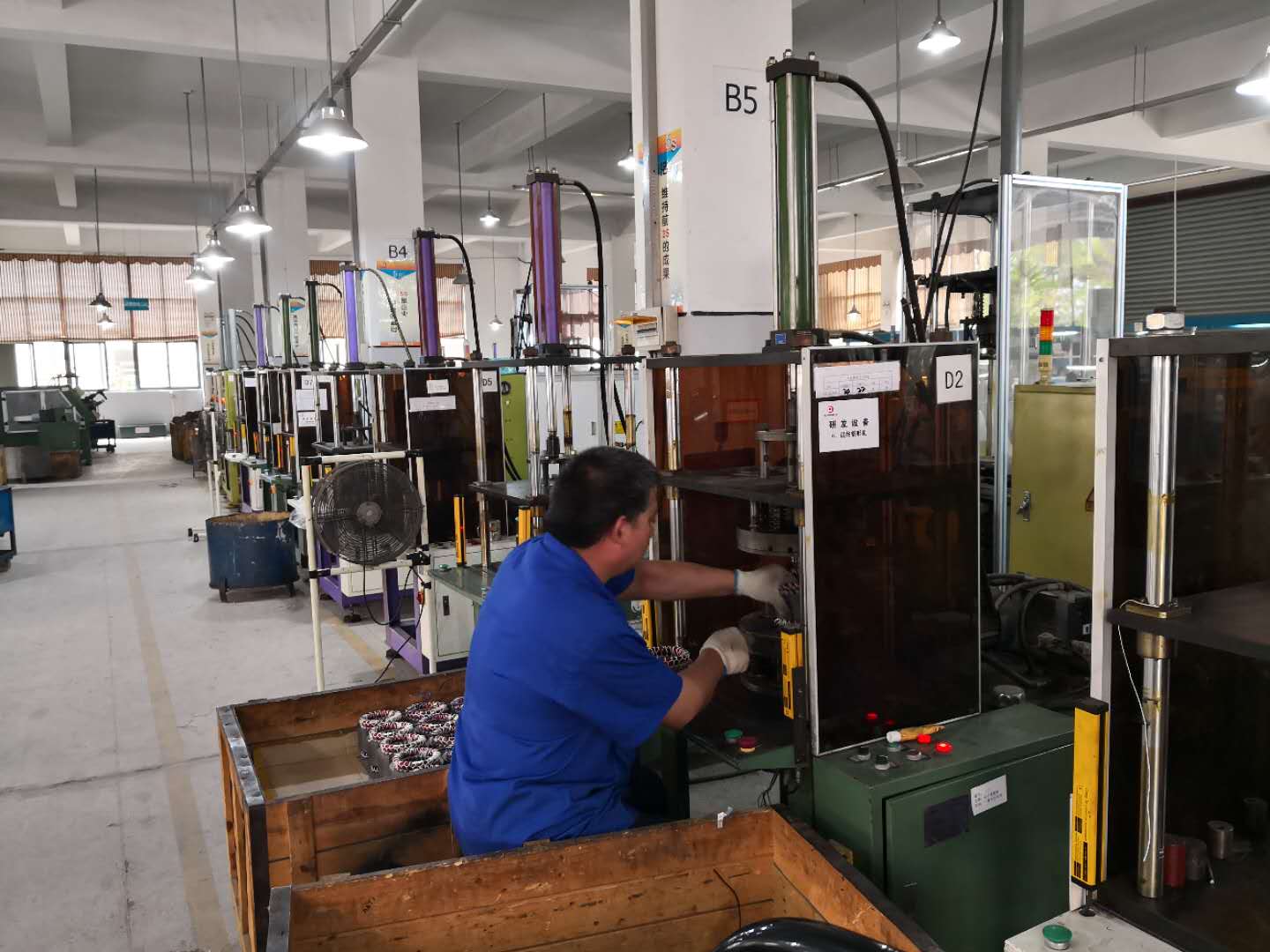
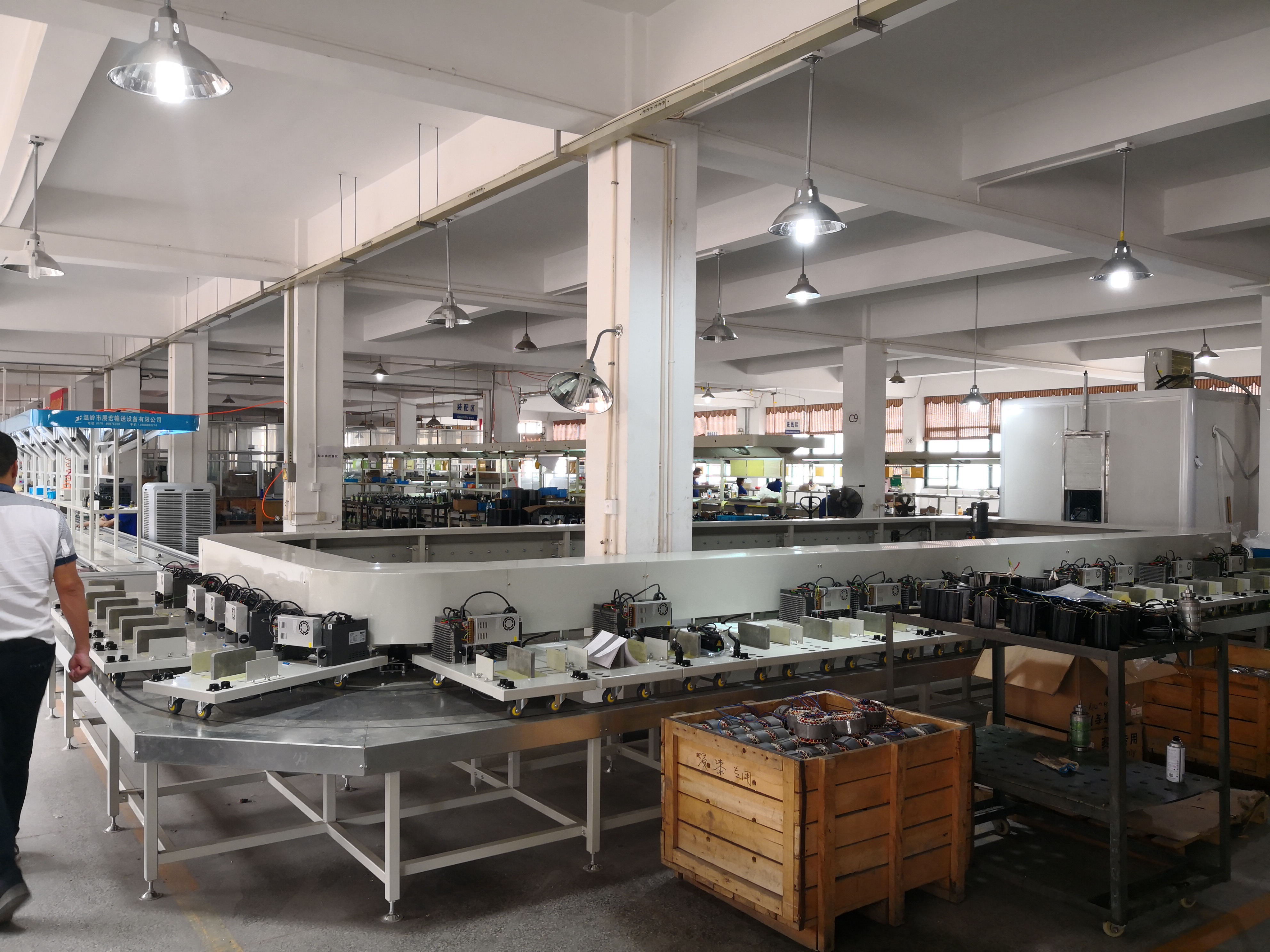
Founded in 2015 in Zhejiang, China, Torqen designs and manufactures AGVs, drive wheel assemblies, motors, encoders, reducers, controllers, and navigation accessories for automation builders.
Quality management with traceable checks
ISO 9001:2015 certified and onsite-verified by Intertek. Finished-product inspection uses five in-house testing instruments, and prototypes undergo extended-duration testing before production release.
OEM / ODM without losing accountability
Sample-based customization, design-based customization, OEM production, design services, and buyer-label packaging are available. Typical changes include motor power, voltage, reduction ratio, wheel diameter, tread material, encoder, brake, and mounting interface.

Export support for U.S. buyers
Payment methods include T/T, L/C, D/P, D/A, credit card, PayPal, Western Union, cash, and escrow in USD, EUR, JPY, CAD, AUD, HKD, GBP, or CNY. Delivery terms include FOB, CFR, CIF, EXW, CIP, FCA, CPT, DDU, and express delivery.
Additional company facts: factory size 1,000–3,000 m², annual output US$5M–10M, and support for global buyers through OEM/ODM production. For Indianapolis projects, share your vehicle layout, payload, speed, battery voltage, and safety-zone target so the drive and sensor package can be reviewed together.
Common Questions from Indianapolis Buyers
These answers focus on the practical details buyers ask before sampling, quoting, or releasing an AGV sensor and drive package.
Are you a local Indianapolis supplier or an overseas manufacturer?
Zhejiang Torqen Technology Co., Ltd. is a China-based manufacturer with export experience. For Indianapolis buyers, support is provided through remote engineering, export documentation, and shipment coordination to central Indiana addresses. We do not represent that we hold a local warehouse unless a specific quotation states it.
Can we order a sample before a wholesale release?
Yes. Sample-based customization and prototype support are available. The sample plan should define the sensor range, interface, mounting method, controller compatibility, and test criteria. Lead time and sample cost are quoted after the requirements are reviewed.
What data should we send for a sensor recommendation?
Send vehicle speed, payload, aisle width, mounting height, target types such as people, pallets, or forklifts, floor material, expected dust or moisture, required detection range, communication interface, and whether the sensor is for safety or navigation support. A simple layout drawing helps shorten the review.
How do you reduce false stops near racking and reflective floors?
Start with mounting angle, detection-plane height, field-set shape, response delay, and speed-dependent zones. Test the vehicle with representative loads and traffic. Where reflections or blind spots remain, use a layered design with a second sensing method, mechanical bumper, or revised operating rule.
Is an obstacle avoidance sensor automatically a safety-certified device?
No. An obstacle avoidance sensor may support navigation or collision risk reduction, but it should not be assumed to be a safety-rated device. If your risk assessment requires a safety function, request the specific certificate, standards, architecture, and wiring requirements for the exact model before purchase.
How do wholesale, OEM, and after-sales programs work?
OEM and ODM support can include sample approval, design-based customization, buyer-label packaging, and production inspection. After-sales support can include spare parts, configuration records, and remote fault analysis. Payment and delivery terms can be selected from standard options such as T/T, L/C, FOB, CIF, EXW, CIP, FCA, CPT, DDU, and express delivery.
Request a Sensor and Drive-Train Review for Your Indianapolis Project
Share your vehicle layout, payload, speed, battery voltage, aisle width, and safety-zone target. Our team will help match the AGV lidar obstacle avoidance sensor, controller, and drive wheel for a practical pilot or wholesale program.
