AGV Drive & Motion Products for Lithium-Powered New York AGV Projects
These eight product families are commonly specified alongside AGV lithium battery packs in New York material-handling projects. Battery voltage, capacity, BMS communication and charger strategy are quoted after the vehicle duty cycle and facility constraints are reviewed.
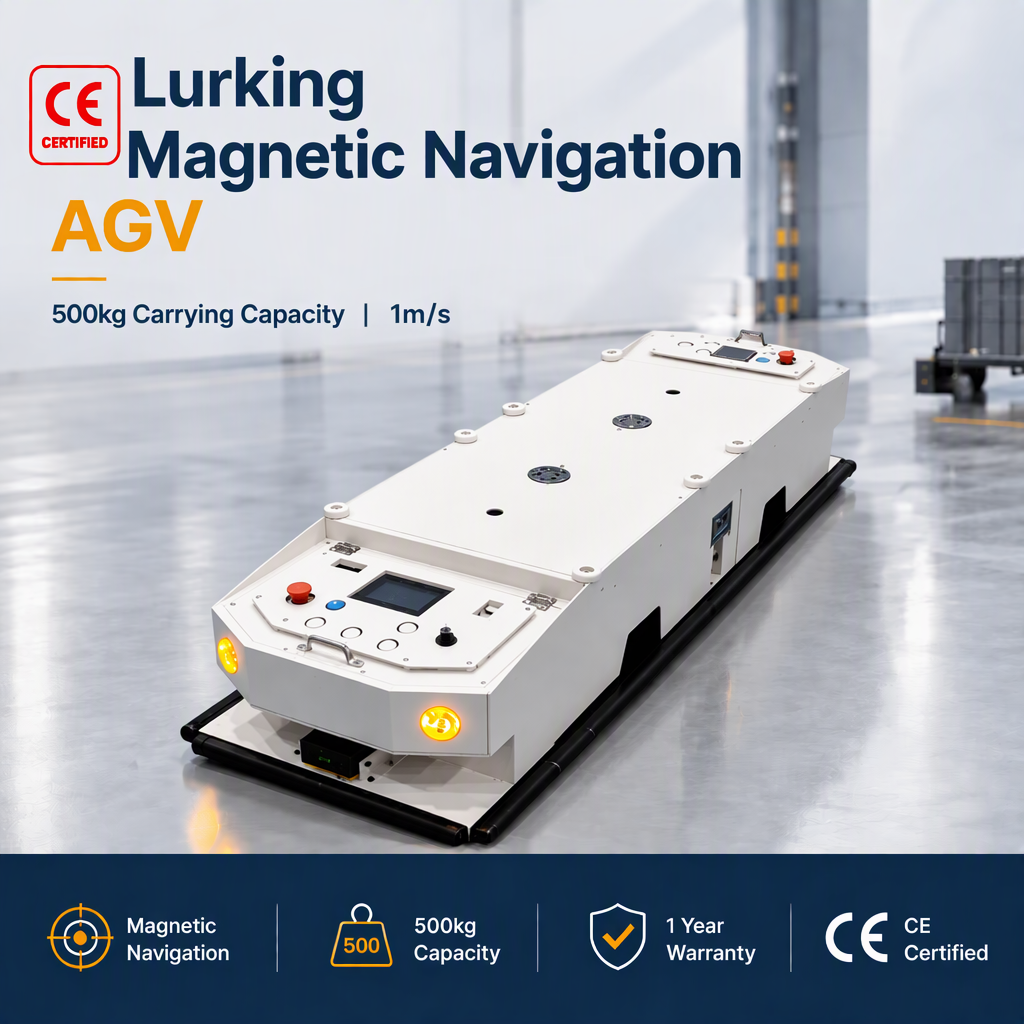
TZBOT EU CE Lurking AGV Material Handling Equipment Logistic Automation 500kg Bidirectional Magnetic Guidance Mobile Robot
New York fit: compact latent AGV for multi-level retail, e-commerce and Long Island distribution. Pair with a 24 V or 48 V LiFePO4 pack sized for elevator cycles and opportunity charging.

TZBOT Backpack AGV 200kg Load Capacity Chassis Magnetic Guidance Composite Robot with Robotic Arm
New York fit: laboratory, electronics and hospital logistics where space is tight. A compact lithium pack with CAN BMS supports quiet, high-cycle indoor operation.
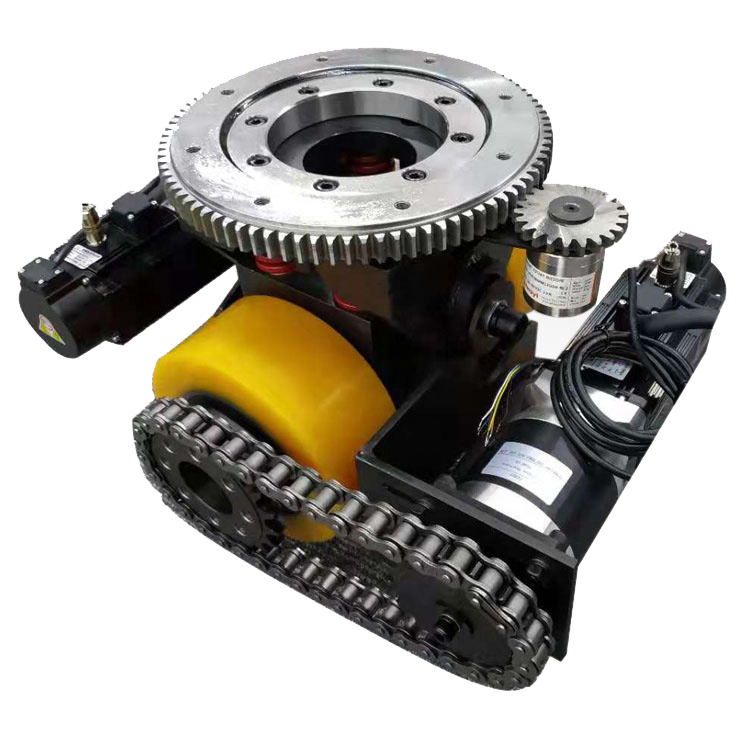
TZBOT 48V DC 2 Ton Heavy Duty Differential Unit AGV Wheel TZCS-750-30
New York fit: towing, cross-dock and heavy manufacturing transport. Recommended for 48 V high-capacity lithium systems with thermal and BMS protection reviewed for grade and load.
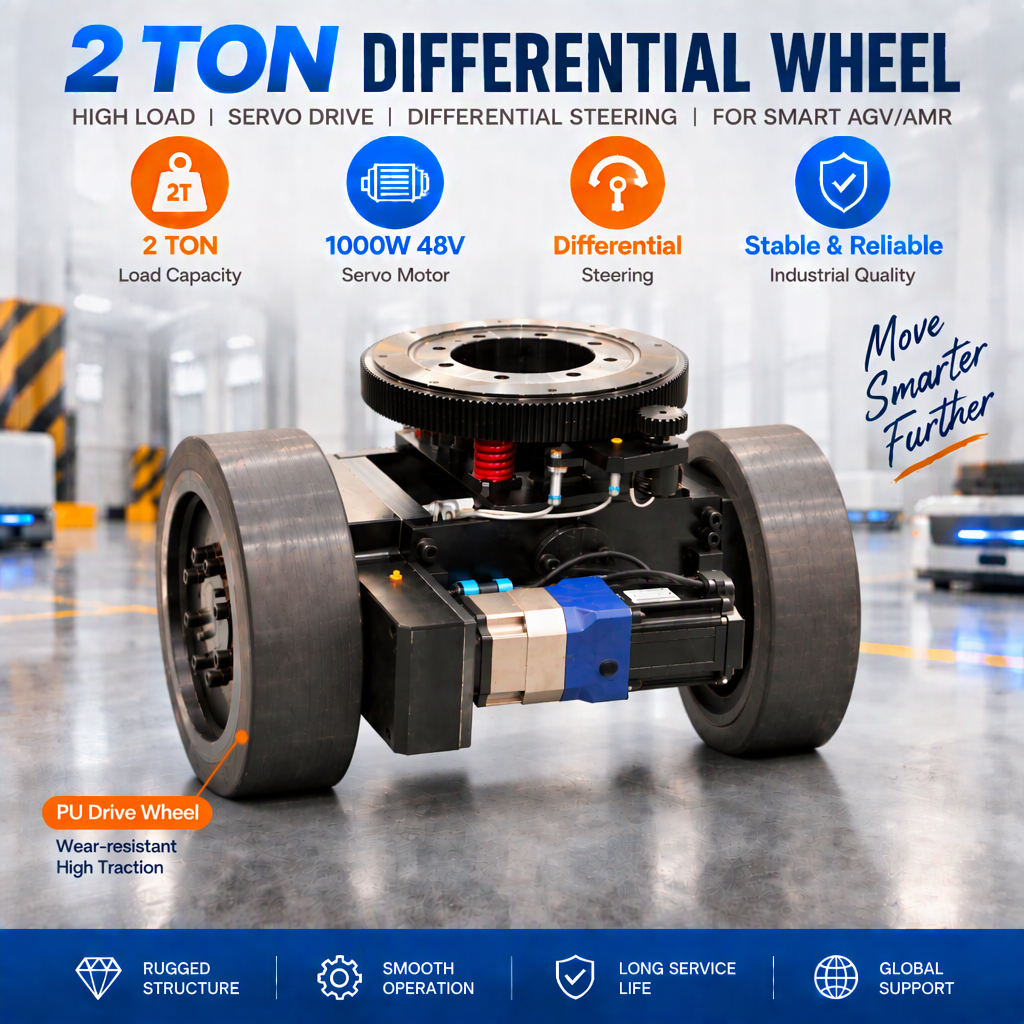
TZBOT Customized 2000kg Bearing Duty agv Wheel 1000w 48V Heavy Duty Series Mobile Robot Differential Drive Wheel with Suspension
New York fit: port-district cross-dock, steel, paper and heavy manufacturing loads. Battery sizing must account for ramp transitions, floor friction and multi-shift duty.
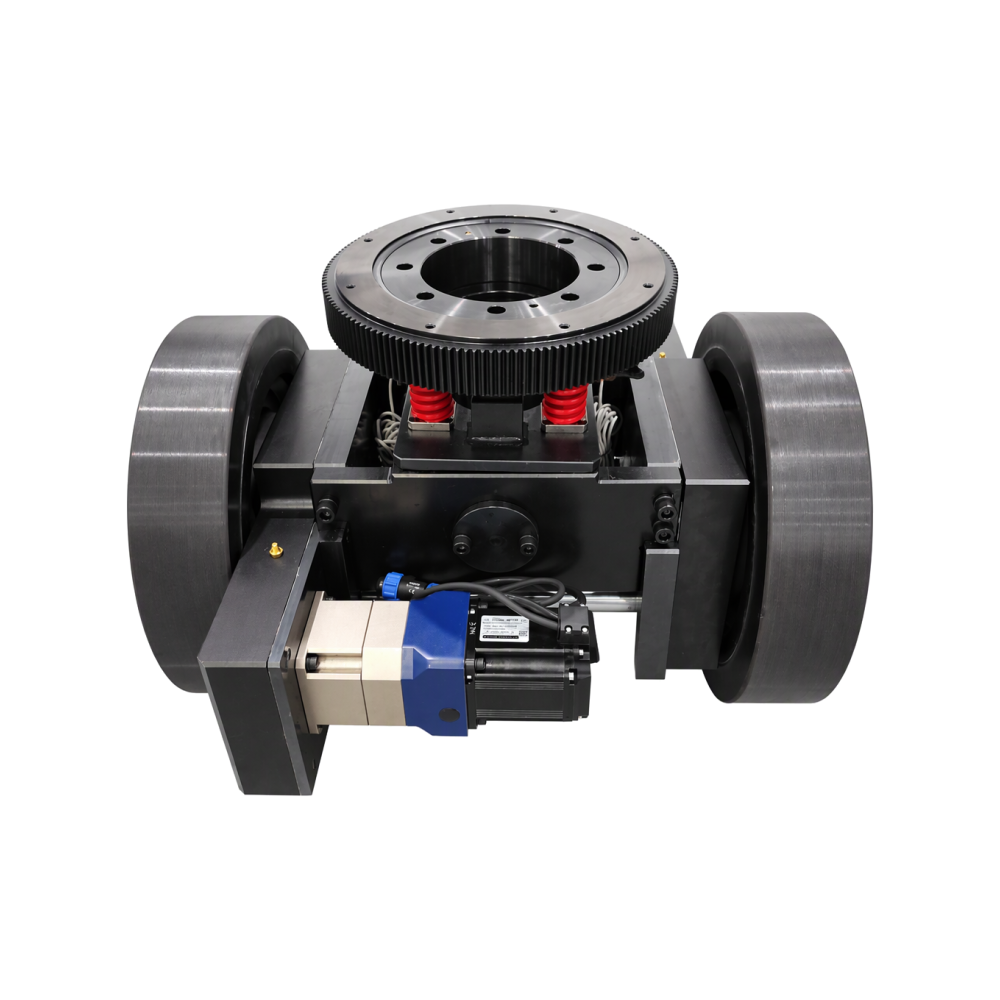
TZBOT Heavy Duty Series agv Wheel 1000w 48v Servo Motor Control Mobile Robot Differential Drive Wheel with Spring Suspension
New York fit: facilities with dock ramps, floor joints and mixed traffic. Servo control and suspension improve stability when lithium power is configured for frequent opportunity charging.
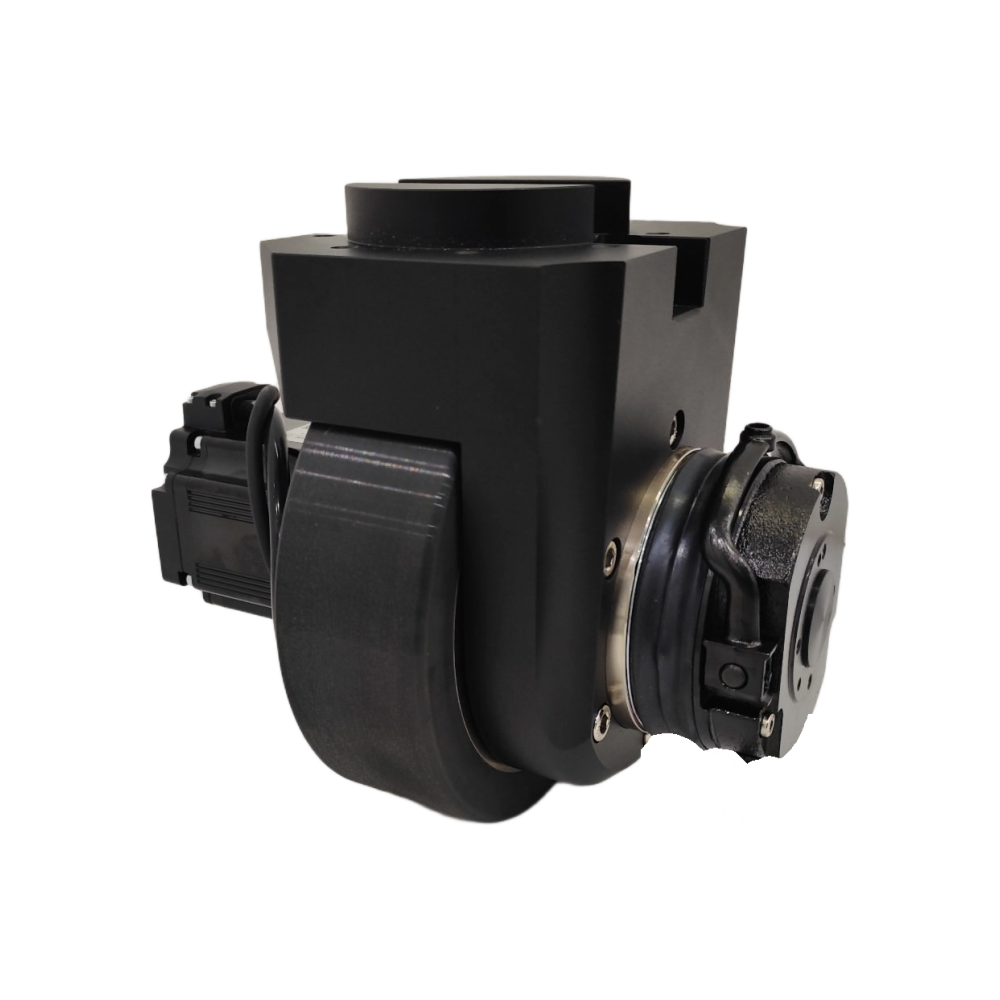
TZBOT Compact Structure agv Wheel Imported Polyurethane 1000kg Load Duty Mobile Robot Horizontal Drive Wheel Unit
New York fit: low-clearance chassis inside dense buildings. Helps leave room for lithium battery compartments, charger contacts and safety sensors without raising deck height.
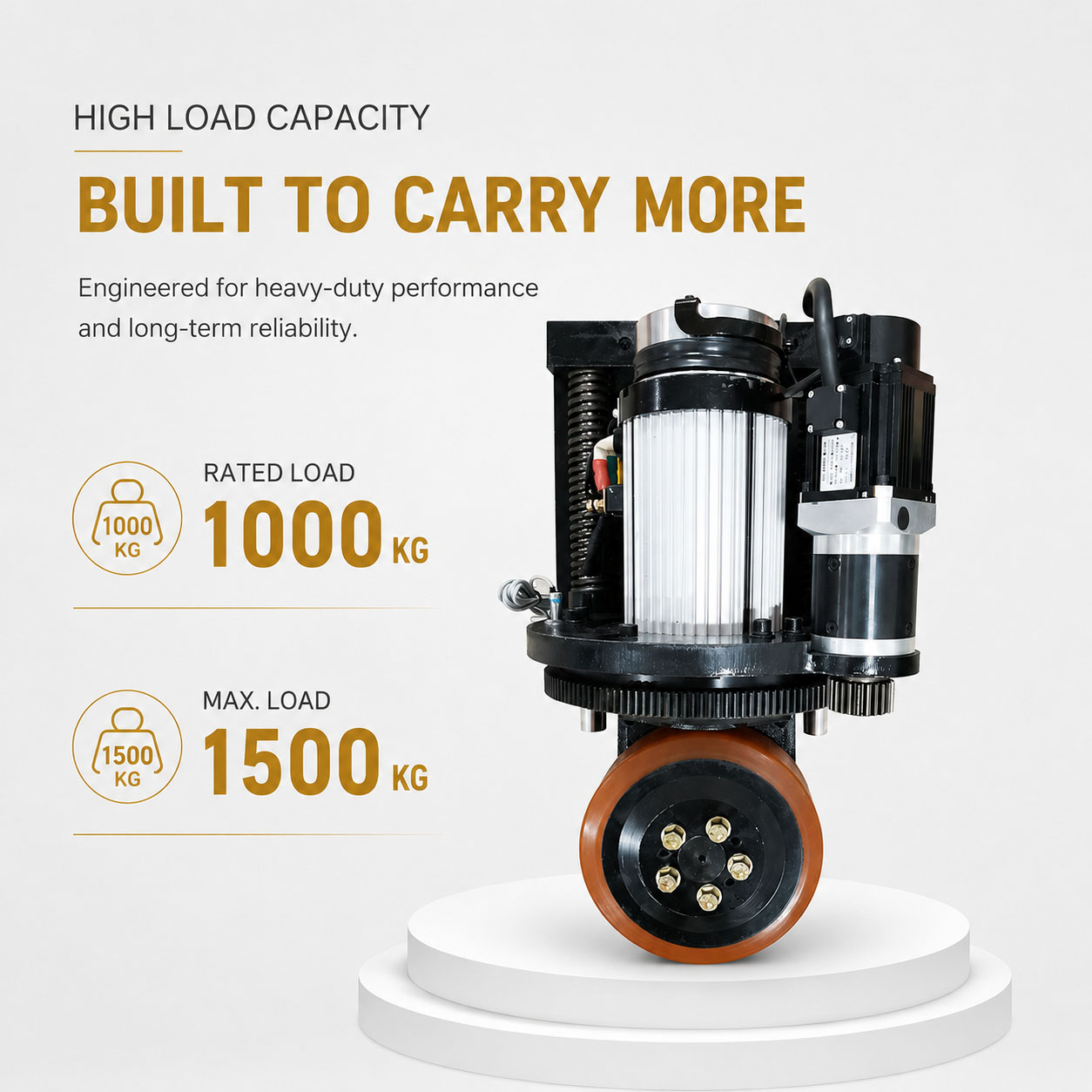
TZBOT 1000KG Bearing Duty 1500w Servo Motor AGV Forklift Driving Wheel with Suspension for Automatic Forklift
New York fit: automatic forklifts in warehouses, food distribution and manufacturing. Pair with high-voltage or opportunity-charged lithium packs after a full load, lift and duty-cycle study.

TZBOT Four Wheel Drive Ackerman Chassis AGV Collaborative Remote Control Composite Robot with Arm
New York fit: flexible automation, lab transfer and maintenance tasks. Requires careful lithium pack placement, SOC planning and charger layout for mixed indoor routes.
What New York Buyers Actually Mean by “AGV Lithium Battery Manufacturers & Suppliers”
Semantic search intent for this phrase is not limited to cell trading. It usually combines engineering customization, safety documentation, local delivery support and after-sales response for lithium-powered AGV fleets.
Manufacturer intent
OEM and ODM engineering teams ask for custom voltage, capacity, BMS communication, connector type, mounting envelope, charger matching and prototype validation. They need a supplier who can co-design the pack around an AGV chassis, not just quote a generic battery catalog number.
Supplier intent
Warehouse and facility operators in New York often need replacement packs, additional chargers, battery swapping support or a second source for an existing fleet. They compare lead time, documentation, warranty terms, service response and compatibility more than headline price alone.
Integrator intent
System integrators require a single technical file covering UN 38.3 transport documents, IEC 62619 or UL evidence where applicable, BMS parameters, charger settings, thermal limits and emergency procedures. They want fewer integration risks across drive wheels, controllers, sensors and lithium power.
Information gain for New York buyers: a credible AGV lithium battery page should separate cell supply from pack engineering, explain local fire-code and transport documentation, and show how battery choice affects AGV uptime in high-rise buildings, cold storage, ports and multi-shift manufacturing. The sections below use that procurement lens rather than repeating a generic battery catalog.
New York Application Scenarios for AGV Lithium Battery Systems
New York is not a single logistics market. Manhattan, Brooklyn, Queens, Long Island, the Port district, Buffalo, Rochester, Syracuse and the Capital Region place different demands on AGV power density, charging time, fire safety and service access.
Manhattan & Brooklyn multi-level fulfillment
Tight freight elevators, short loading windows and high labor costs reward compact AGVs with fast opportunity charging. Lithium packs should be sized to fit existing chassis envelopes and elevator weight limits.
Hunts Point & regional food cold chain
Cold storage and wet dock transitions require derating, condensation control and reliable BMS behavior. Some New York food distributors prefer LiFePO4 packs with preheat options for freezer-to-dock cycles.
Long Island hospitals & biotech
Hospitals, labs and pharmaceutical sites prioritize quiet operation, low electromagnetic interference, traceability and predictable service. Battery documentation and clean power behavior matter for sensitive equipment.
Buffalo, Rochester & Syracuse manufacturing
Heavy manufacturing, automotive suppliers and food processing sites often need higher-capacity packs for towing and multi-shift operation. Suspension drive wheels and robust BMS protection reduce downtime.
Port of New York & New Jersey cross-dock
Port district operations involve floor transitions, outdoor-to-indoor movement and high cycle demands. Battery enclosures, connectors and charger placement should be reviewed for dust, moisture and temperature swings.
Capital Region semiconductor & lab logistics
Cleanroom-adjacent, laboratory and advanced electronics logistics value stable power delivery, low particulate generation and precise motion. Pack design should support controlled charge profiles and data logging.
Hospitality, laundry & service corridors
Hotels, large residential buildings and hospital service corridors need slim AGVs that fit behind-the-scenes routes. Lithium power supports fast top-up charging during short idle windows without battery swapping.
Construction, utilities & infrastructure yards
New York infrastructure projects use AGV-style platforms for repetitive transport in yards, tunnels and staging areas. Higher ingress protection, robust connectors and charger logistics deserve early review.
New York Trends Shaping AGV Lithium Battery Selection
Local buyers are moving from simple amp-hour comparisons to total operating cost, safety file completeness and service access. These six trends are especially visible in New York procurement discussions.
LiFePO4 becomes the default for indoor AGV
Lithium iron phosphate is often preferred for industrial AGVs because its thermal stability and long cycle life suit daily charging in occupied buildings. NMC remains relevant where energy density or cold-weather packaging is more important than chemistry stability.
Opportunity charging in 24/7 operations
New York facilities rarely have room for a large battery room. Instead, AGVs charge during short breaks, elevator waits and shift changes. This raises the importance of charger matching, SOC window management and BMS temperature control.
Fire-code and AHJ documentation pressure
New York project teams increasingly request UN 38.3 transport documents, IEC 62619 or applicable UL evidence, charger specifications and emergency procedures. Authority-having-jurisdiction acceptance is project-specific, so early document review is essential.
Cold storage and winter dock duty
Freezer rooms and winter dock doors reduce usable capacity. Battery specification should include temperature derating, preheat strategy, condensation management and charger location. A pack rated only at 25°C can disappoint in a New York cold-chain site.
Battery swapping for constrained buildings
High-rise sites with limited charging space may prefer manual or semi-automated battery swapping. Design the pack handle, connector, lock mechanism and weight before ordering, because a battery that is difficult to swap reduces uptime.
Local service and spare-parts access
New York buyers ask how quickly a replacement pack, charger, connector or BMS module can reach NYC, Long Island, upstate New York or the NJ port district. Export-ready documentation and a clear warranty process matter as much as factory price.
LFP, NMC or LTO? AGV Lithium Battery Architecture for New York Operations
There is no universal AGV battery. The right chemistry depends on indoor safety review, duty cycle, temperature, available charging time, vehicle envelope and total cost of ownership.
LiFePO4 / LFP
Best fit for warehouses, hospitals, food distribution and multi-level buildings where thermal stability, cycle life and predictable charging are priorities.
- Long cycle life and strong daily-charge economics
- Good thermal stability for occupied facilities
- Heavier than NMC at equivalent energy
- Requires low-temperature charge review for cold storage
NMC lithium-ion
Useful when battery weight or volume is tightly constrained, such as compact chassis or high-energy routes where swapping space is unavailable.
- More usable energy per kilogram and per liter
- Needs robust BMS, thermal design and enclosure review
- Documentation and fire-safety evaluation should be early
- Often less attractive for cost-sensitive multi-shift AGVs
LTO lithium titanate
Considered for very high-cycle, fast-charge or cold-temperature applications where the higher cost per kWh is justified by uptime gains.
- Excellent fast-charge and low-temperature behavior
- Long cycle life in high-use operations
- Lower energy density and higher cost
- Project-specific ROI study is essential
Usable Wh = nominal voltage × Ah × usable SOC window × temperature derating × aging margin
Then compare usable energy with average traction power, auxiliary loads, route length, lift cycles, idle time and charging windows. For a 24/7 New York site, opportunity charging and battery swapping should be compared side by side before the pack is frozen.
How New York Buyers Should Compare AGV Lithium Battery Suppliers
Use a weighted scorecard during RFQ review. The lowest quotation can become the most expensive option if safety documents, integration support or spare-parts response are weak.
RFQ evidence checklist
Request in writing: cell specification, BMS topology, continuous and peak current, communication protocol, connector type, enclosure rating, charger curve, UN 38.3 report, IEC 62619 or applicable UL documentation, warranty terms and spare-parts lead time.
Review the AGV duty cycle: loaded travel, lift height, ramp angle, floor condition, ambient temperature, idle time, charging window and shift pattern. These variables determine whether a smaller LFP pack with opportunity charging or a larger pack with swapping is more economical.
Confirm local acceptance: New York fire-code review, building management requirements and authority-having-jurisdiction questions should be answered before installation, not after delivery.
Torqen’s Role in a Battery-Integrated AGV Program for New York
Zhejiang Torqen Technology Co., Ltd. combines AGV drive wheels, motors, servo/BLDC controllers, navigation sensors and battery-pack integration support so New York buyers can reduce multi-vendor integration risk.
Founded in 2015 in Zhejiang, China, Zhejiang Torqen Technology Co., Ltd. designs and manufactures automatic guided vehicles, AGV drive wheel assemblies, DC/AC motors, encoders, reducers, motor controllers, caster and PU wheels, and related motion components for automation builders worldwide. For a lithium-powered New York AGV project, this matters because the battery is only one part of uptime: the drive wheel, motor, controller, sensor package and charging strategy must be matched as one system.
Our quality management system is certified to ISO 9001:2015, and our facility has been verified onsite by Intertek. We hold 8 patents, operate with a team of 51–100 people in a 1,000–3,000 m² factory, and support OEM/ODM customization covering motor power, voltage, reduction ratio, wheel diameter, tread material, encoder type, brake options and mounting interfaces. Prototypes undergo extended-duration testing before production release, supported by five in-house testing instruments and finished-product inspection.
For New York procurement teams, Torqen offers sample-based customization, design-based customization, OEM production, design services and buyer-label packaging. Export terms include FOB, CFR, CIF, EXW, CIP, FCA, CPT, DDU and express delivery, with flexible payment methods and currencies listed in the FAQ below. Buyer feedback on our trade profile includes a 4.9/5 rating and a 97.9% inquiry response rate, which supports projects that need engineering answers across time zones.


From New York Requirement Review to AGV Lithium Battery Shipment
A disciplined six-step process helps engineering buyers compare samples, validate endurance and move into production without losing control of battery, drive and charger compatibility.
Requirement review
Collect vehicle weight, payload, speed, ramp, voltage, ambient temperature, shift pattern, charging window and New York site constraints.
Engineering proposal
Match motor, drive wheel, controller, BMS, charger and lithium pack architecture. Share drawings, interface data and document list.
Prototype build
Produce a sample or design-based customization with agreed connectors, mounting, communication protocol and safety features.
Endurance testing
Run extended-duration checks and parameter validation before production release. Review thermal behavior, current limits and charger matching.
Mass production
Manufacture under ISO 9001:2015 controlled processes with traceable inspection records and buyer-label packaging where required.
Inspection & delivery
Final inspection, export packing and shipment to New York, New Jersey or the project site using agreed delivery terms.
Questions New York Buyers Ask About AGV Lithium Battery Manufacturers & Suppliers
These answers reflect common RFQ and technical-review questions from warehouse operators, integrators and equipment builders comparing lithium power options for AGV projects.
Are you an AGV lithium battery manufacturer or only a supplier?
Torqen operates as an AGV drive and power-system manufacturer with battery-pack integration capability for industrial vehicle projects. We match qualified lithium cells, BMS, enclosure, connectors and chargers to the AGV application, and we combine that power package with our drive wheels, motors, controllers and sensors when required. Buyers who need cell-only sourcing, custom pack engineering or complete motion-system coordination should state that intent clearly in the RFQ.
Which lithium chemistry is best for an indoor AGV in New York City?
LiFePO4 is usually the first choice for indoor AGVs in warehouses, hospitals, food distribution and multi-level buildings because it offers strong thermal stability and long cycle life. NMC may be considered when weight or volume is tightly constrained, while LTO can be evaluated for very high-cycle or fast-charge applications. The final recommendation depends on duty cycle, charging window, temperature, vehicle envelope and the safety documentation required by the building or authority having jurisdiction.
What safety and transport documents should a New York buyer request?
Request UN 38.3 transport test documentation, IEC 62619 evidence or applicable UL documentation where required, cell specifications, BMS protection details, charger specifications, operating-temperature limits, emergency procedures and warranty terms. For New York installations, fire-code review and authority-having-jurisdiction acceptance can be project-specific, so provide the battery and charger data early to the facility team, insurer and local reviewer. Confirm the exact standard applicability with the project’s compliance professional.
Can you support delivery to New York, Long Island and the NY/NJ port district?
Yes. Torqen supports export documentation and delivery terms including FOB, CFR, CIF, EXW, CIP, FCA, CPT, DDU and express delivery. Shipments can be coordinated to New York, New Jersey, Long Island or an integrator’s project site. Buyers should confirm the final delivery address, receiving requirements, liftgate needs, appointment rules and any building-specific freight restrictions before the order is released.
How do I size an AGV lithium battery for 24/7 operation?
Start with usable energy after the SOC window, temperature derating and aging margin. Then compare that usable energy with average traction power, auxiliary loads, lift cycles, route length and the actual charging window. In crowded New York facilities, opportunity charging or battery swapping may be more practical than buying a very large pack. A good supplier should ask for load, speed, ramp, shift pattern and charger location before recommending capacity.
Can your battery and drive products integrate with an existing AGV brand?
In many cases, yes, but integration must be checked against voltage, current, communication protocol, connector, mounting envelope, charger communication and safety logic. Provide the existing AGV model, controller information, battery compartment dimensions, motor specifications and charger details. Our engineers can then recommend whether a drop-in replacement, adapter bracket, custom cable or new pack configuration is the safer path.
What about cold storage and winter dock conditions in New York?
Low temperatures reduce available capacity and can restrict charging for some lithium chemistries. For freezer rooms, cold docks and unheated warehouses, request a temperature-derating curve, low-temperature charge protection, preheat options if needed, condensation-management guidance and charger placement recommendations. A pack that performs well in a warm office environment may need a different configuration for a Buffalo winter dock or a Long Island cold-chain facility.
What MOQ, payment terms and currencies are available?
OEM/ODM projects can start with sample or prototype discussions before production volume is fixed. Payment methods include T/T, L/C, D/P, D/A, MoneyGram, credit card, PayPal, Western Union, cash and escrow, in USD, EUR, JPY, CAD, AUD, HKD, GBP or CNY. Delivery terms include FOB, CFR, CIF, EXW, CIP, FCA, CPT, DDU and express delivery. Final MOQ, lead time and warranty depend on the battery capacity, BMS architecture, connector, charger, labeling and testing requirements.
Specifying Lithium Power for a New York AGV Fleet?
Send your payload, route, shift pattern, voltage, charger location and building constraints. Our team will help match the lithium battery pack, drive wheel, controller and sensor package for a safer, smoother New York deployment.
Get Catalog