AGV Magnetic Guidance Tape and Matched Mobility Products
Start with the N-pole-up magnetic tape, then evaluate the AGV platforms, drive wheels and navigation hardware that determine how reliably a magnetic route performs. Images are displayed in full without forced cropping, and every product link keeps its original URL.
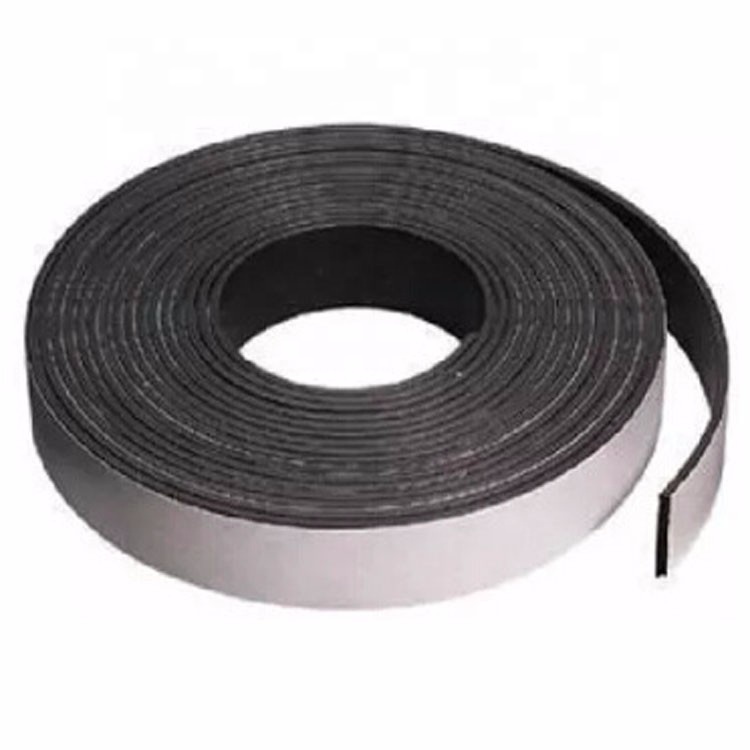
AGV Magnetic Tape 5 cm × 25 m, N Pole Up — Retail or Wholesale
N-pole-up magnetic guide tape for paved AGV routes, pilot lines, route changes and replacement stock. Available for retail or wholesale discussions.
- 50 mm width
- 25 m roll
- N pole up
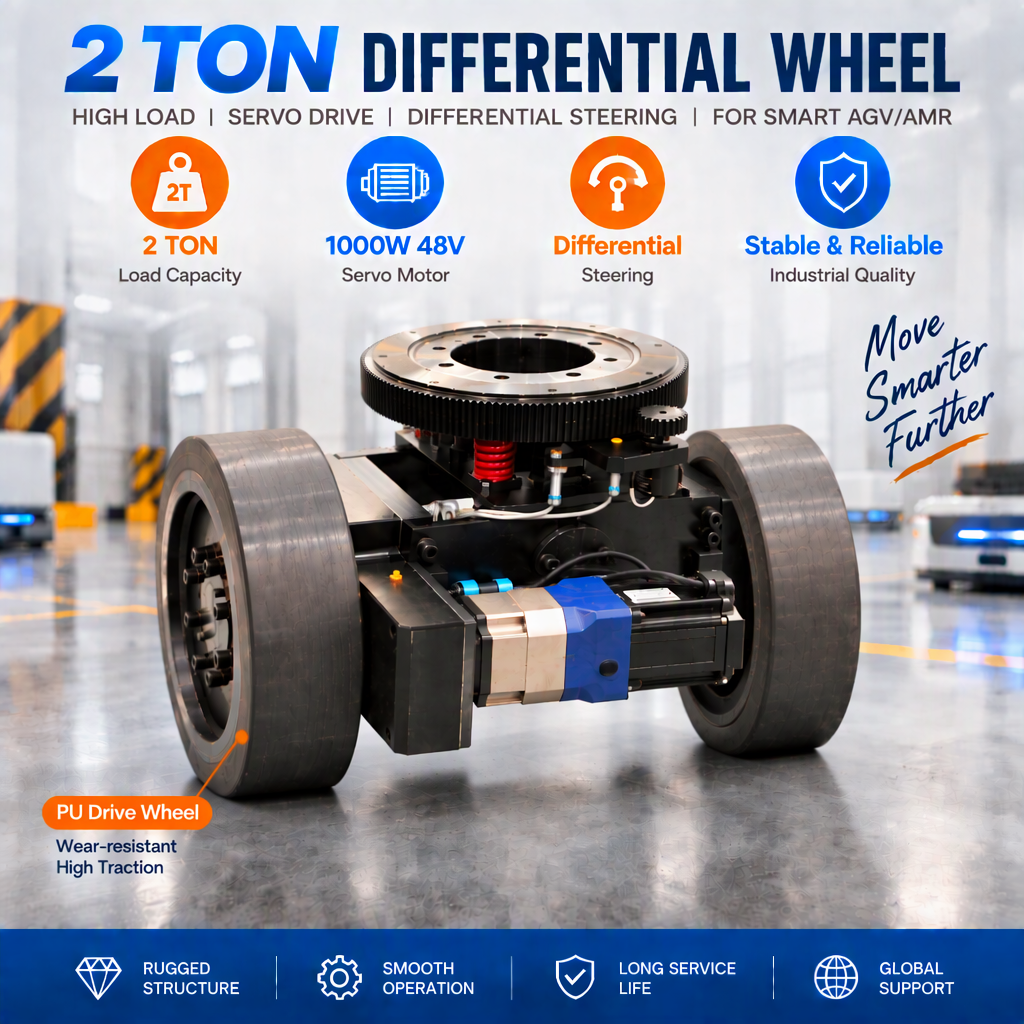
TZBOT 2000KG Heavy Duty AGV Wheel, 1000 W 48 V Differential Drive with Spring Suspension
Strong-power mobile robot drive unit for heavy material handling chassis that need stable traction and improved floor contact.
- 2000 kg class
- 1000 W 48 V
- Spring suspension
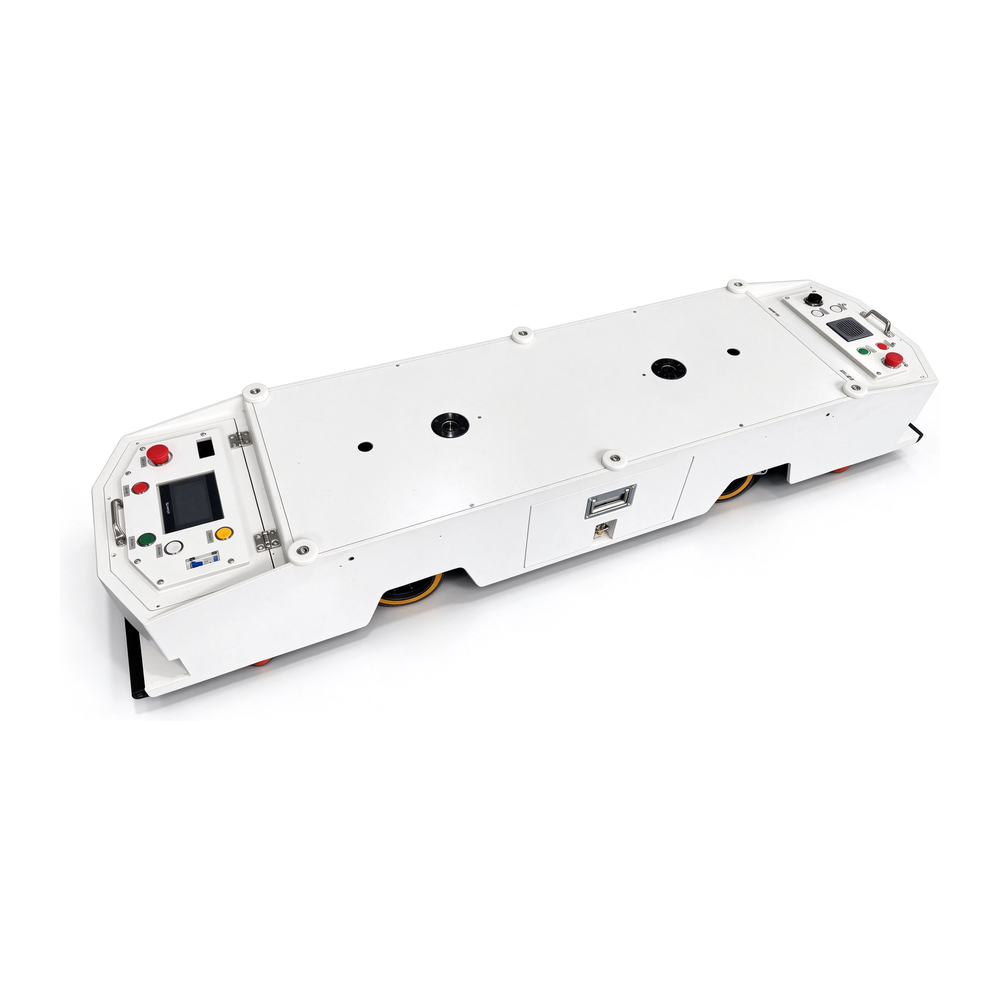
TZBOT 2500KG Lurking AGV Unmanned Control 8H Endurance for Shelf Towing
Material handling mobile robot for shelf towing and repetitive warehouse transfers where endurance and route stability matter.
- 2500 kg class
- 8H endurance
- Shelf towing
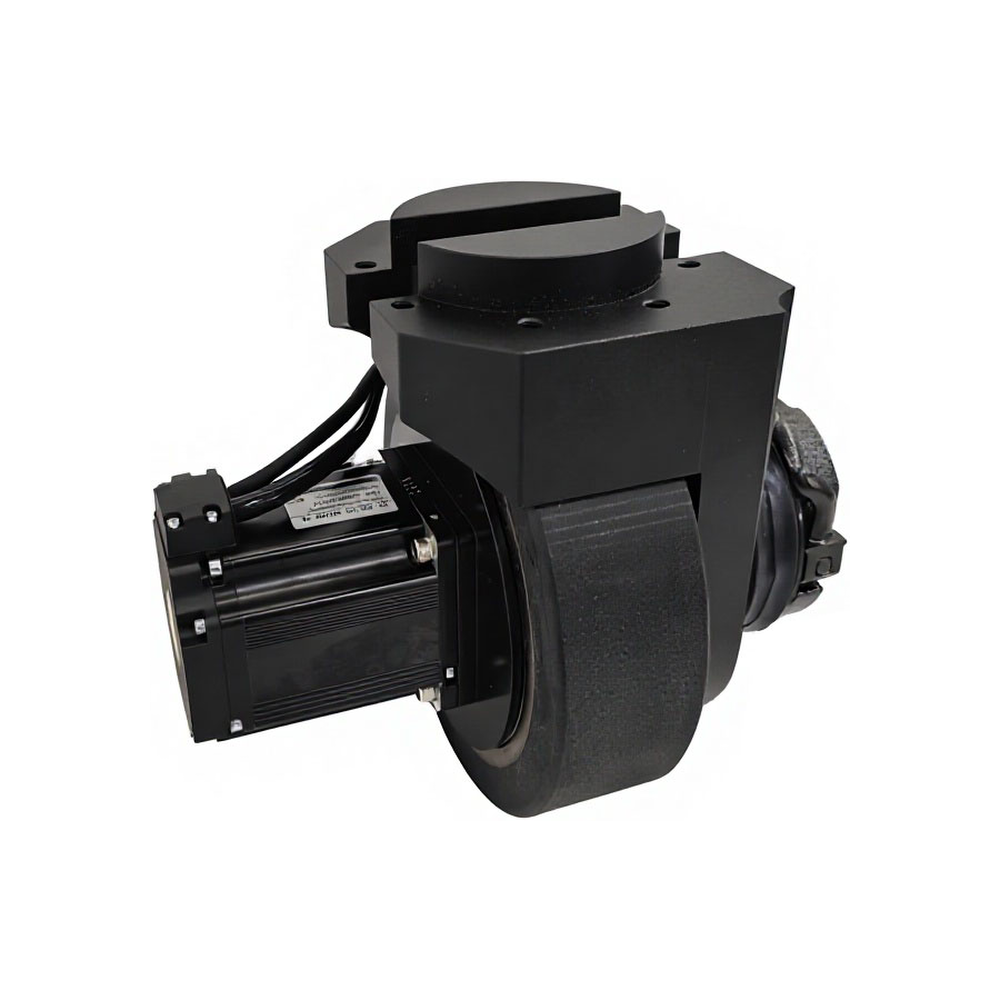
TZBOT AGV Wheel Traction Accessories 1000kg Horizontal Drive Wheel Assembly
Horizontal drive assembly for low-clearance chassis and material handling equipment parts requiring compact installation.
- 1000 kg capacity
- Horizontal layout
- Traction assembly
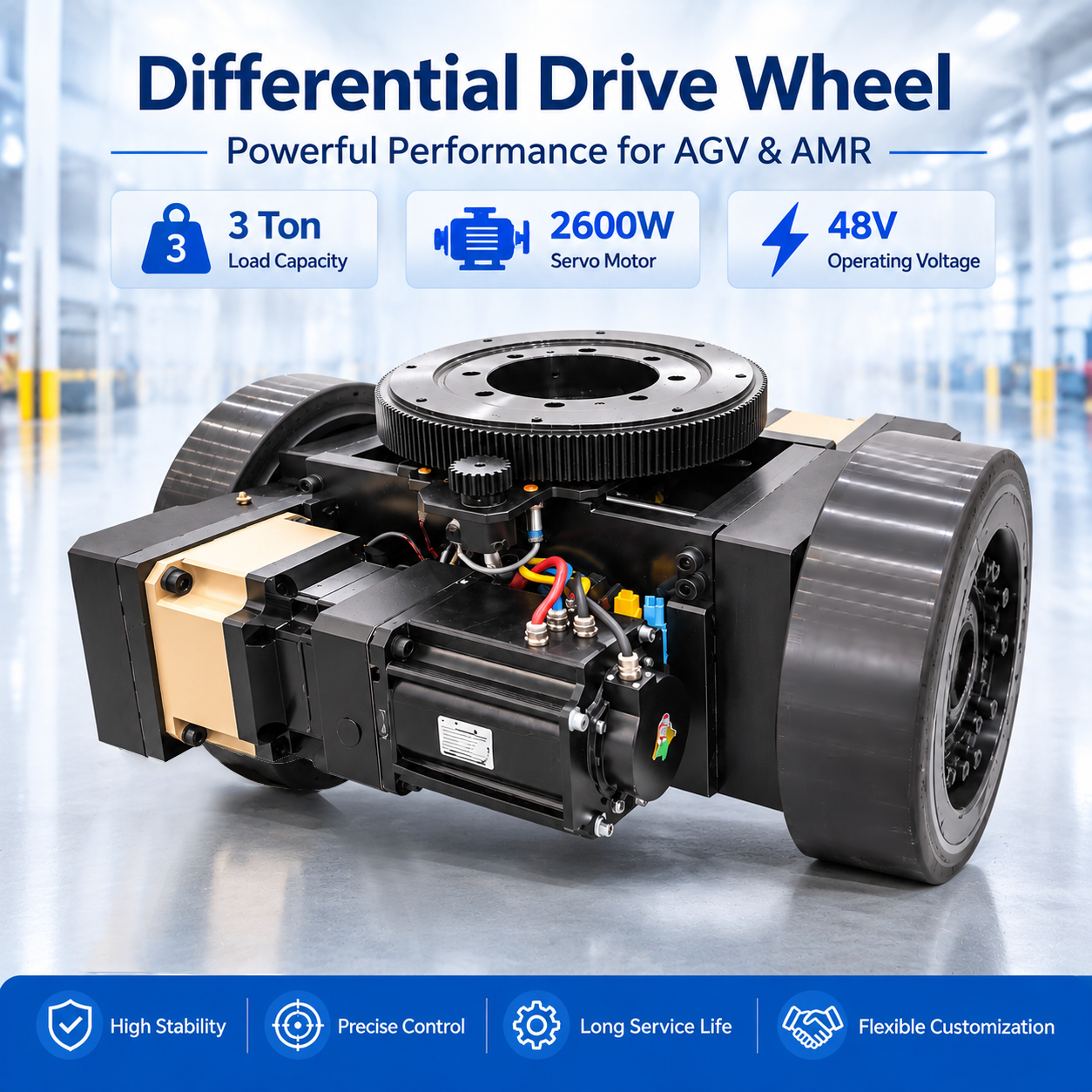
TZBOT Customizable 3000kg AGV Differential Drive Wheel with 2600 W 48 V Servo Motor
High-capacity differential drive platform for demanding automated guided vehicles and custom chassis programmes.
- 3000 kg load
- 2600 W 48 V
- Servo motor
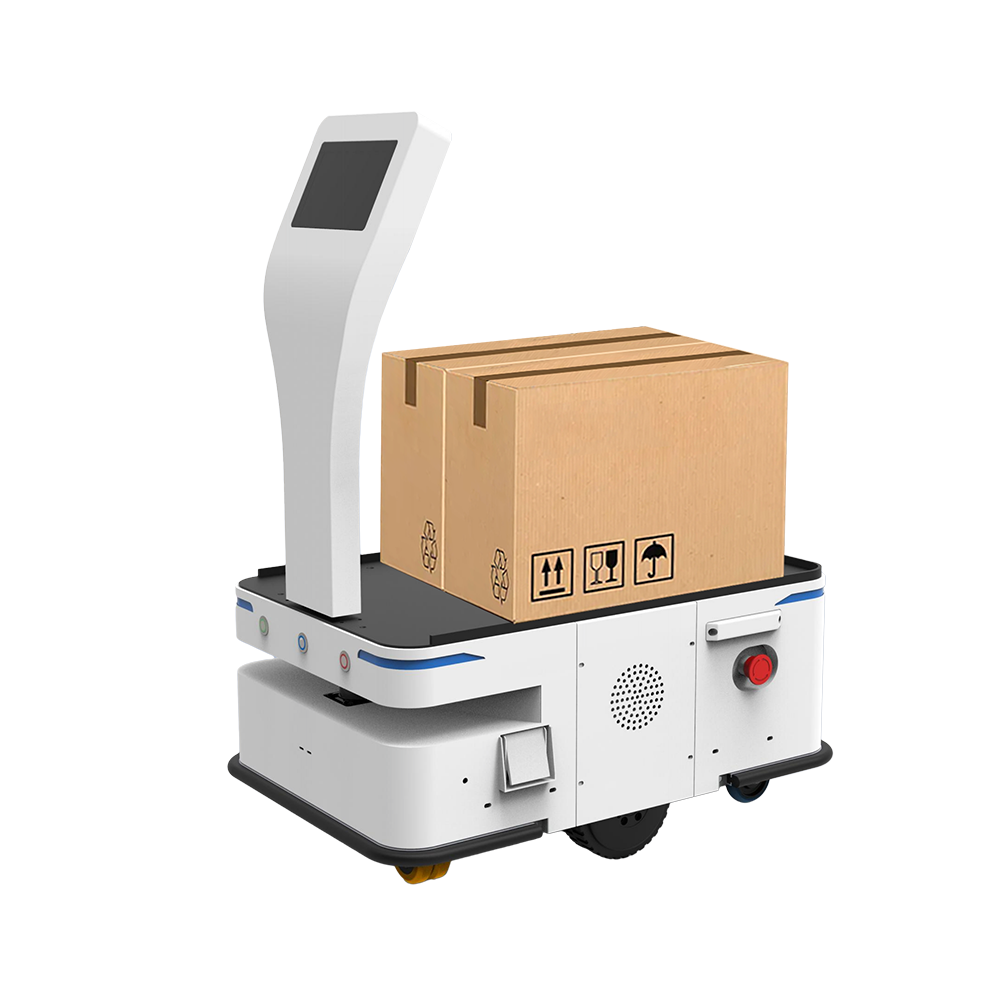
TZBOT High Precision Guidance Laser SLAM AMR, 80kg Capacity with 7 Inch HMI
Flexible AMR platform for mixed navigation environments where magnetic guidance and laser SLAM technologies may coexist.
- 80 kg carrying
- Laser SLAM
- 7-inch HMI

TZBOT Backpack AGV 200kg Load Capacity Chassis with Robotic Arm
Magnetic guidance composite robot platform for flexible handling tasks that combine mobility with robotic manipulation.
- 200 kg load
- Magnetic guidance
- Composite robot
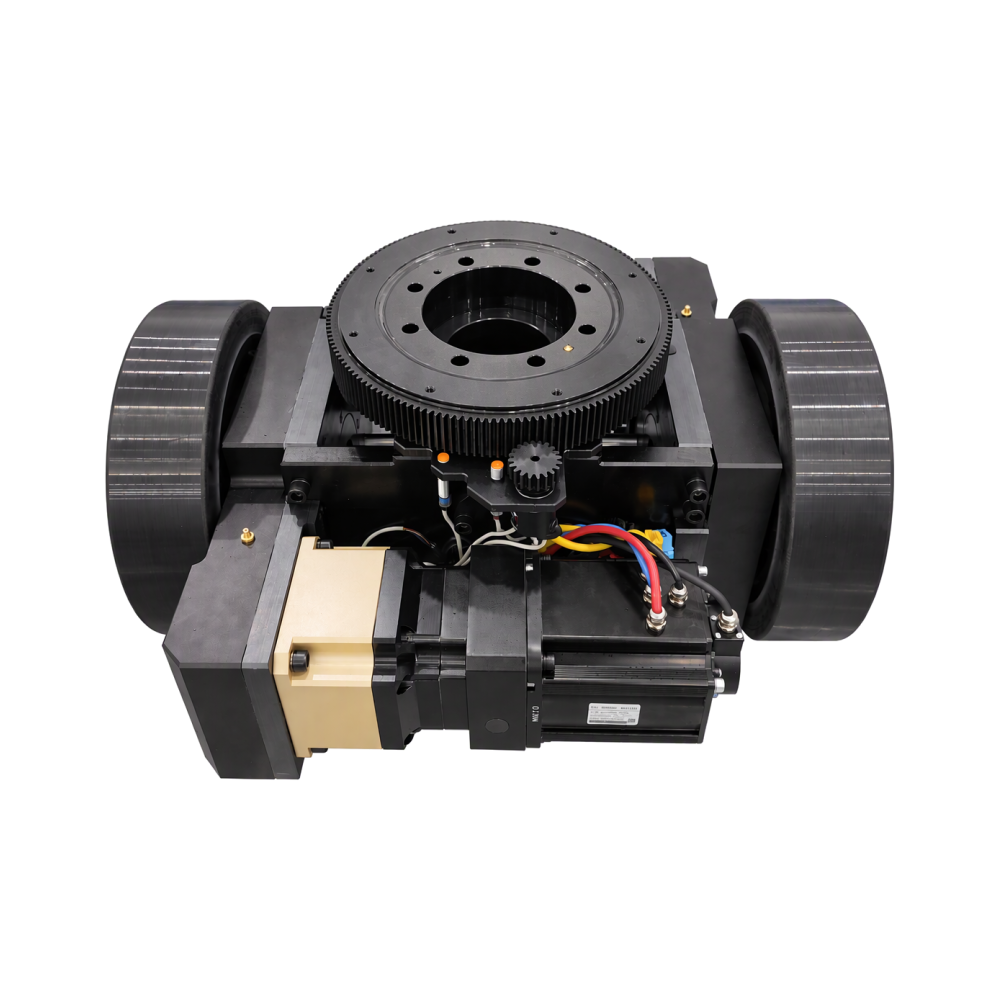
TZBOT Heavy Duty Series Robot Wheel 3000kg Bearing Capacity Differential Drive Wheel Assembly
Heavy-duty differential drive assembly for high-load AGV material handling equipment and robust industrial transport.
- 3000 kg bearing
- Differential drive
- AGV assembly
AGV Magnetic Stripe Protective Tape: The Wear Layer Behind Reliable Magnetic Guidance
AGV magnetic stripe protective tape is a sacrificial wear layer applied over magnetic guide tape on the floor. The guide tape supplies the magnetic field that a magnetic guide sensor reads; the protective tape absorbs abrasion, point loads, scuffs, cleaning-chemical contact and the small impacts that occur when forklifts, pallet trucks, staff and cleaning machines share an aisle with automated vehicles. In a Düsseldorf intralogistics retrofit, replacing a worn section of protective tape is generally less disruptive than re-routing a complete magnetic path, because the route logic and floor layout can remain unchanged.
For procurement teams, the specification is not simply “5 cm wide tape.” The magnetic orientation must match the sensor. The product shown on this page is 5 cm × 25 m, N pole up, and that detail should be confirmed against the actual AGV sensor installation. A tape that appears dimensionally correct but is installed with the wrong pole orientation can create commissioning delays that are far more expensive than the tape itself.
A four-layer specification model
Use this model when comparing suppliers: magnetic function (pole orientation and field consistency), mechanical protection (surface wear layer and edge stability), adhesive behaviour (floor compatibility and residue risk), and project logistics (roll length, packaging, documentation and delivery terms). A tape quotation becomes commercially comparable only when all four layers are addressed.
| Decision point | Why it matters in Düsseldorf operations | Practical question |
|---|---|---|
| Pole orientation | Magnetic sensors must read the expected field direction. | Is the route specified as N pole up, and does the sensor match? |
| Width and route geometry | Curves, junctions and cross-aisles need consistent sensor coverage. | Will a 50 mm tape width support the actual vehicle tolerance? |
| Adhesive and floor coating | Epoxy, concrete, tile and coated floors behave differently during cleaning. | Can a sample patch be trialled before full installation? |
| Top-layer wear resistance | Forklift traffic and pallet handling can damage exposed edges. | How often will the area be cleaned, swept or scrubbed? |
| Roll format | 25 m rolls reduce joins and simplify staged replacement. | What route length and spare allowance should be ordered? |
| Removal and rework | Maintenance teams need predictable removal during route changes. | Is low-residue removal required for the floor finish? |
Illustrative wear-pressure model for a Düsseldorf mixed-traffic floor
This is a qualitative planning model, not a performance guarantee. The purpose is to help procurement and maintenance teams ask the right questions before ordering protective tape for a Düsseldorf site.
Where AGV Magnetic Stripe Protective Tape Is Used in and Around Düsseldorf
Düsseldorf sits inside the Rhine-Ruhr economic region, where warehousing, advanced manufacturing, trade-fair logistics and air-cargo operations share dense infrastructure. The protective tape decision should reflect the actual floor conditions rather than a generic catalogue description.
Rhine-Ruhr distribution centres
Facilities in Neuss, Ratingen, Mönchengladbach, Wuppertal and Krefeld often operate mixed-traffic aisles. Protective tape helps shield magnetic guide paths from pallet-truck abrasion, scrubber contact and edge lifting.
Messe Düsseldorf event logistics
Temporary AGV routes, stand build-up traffic and hard-floor transitions require clean installation and controlled removal. A pilot patch on the actual floor helps verify adhesive behaviour before an exhibition schedule.
Düsseldorf Airport and air-cargo support
Round-the-clock operations and frequent cleaning increase the importance of flat, durable magnetic paths. Tape selection should be reviewed with the site’s cleaning regime and traffic safety plan.
Automotive and machinery suppliers
Line-side replenishment, kitting and just-in-sequence material flow depend on repeatable routes. Stable magnetic guidance supports predictable AGV arrivals in high-cadence production areas.
Medical, laboratory and clean-area logistics
Quiet, tidy material movement matters in hospital and laboratory environments. Clean installation and edge control should be discussed, then validated on the actual floor and cleaning protocol.
E-commerce and city micro-fulfilment
Compact Düsseldorf facilities change routes more often than large greenfield warehouses. A 25 m roll supports staged replacement, spare stock and retail or wholesale purchasing models.
Düsseldorf-Area Trends Shaping AGV Guidance Procurement in 2025–2026
Buyer behaviour in North Rhine-Westphalia is moving toward lower downtime, documented quality and faster retrofit cycles. These trends affect how magnetic stripe protective tape is specified and purchased.
Retrofits before greenfield builds
Existing Düsseldorf warehouses are being upgraded with AGVs and AMRs rather than rebuilt. Protective tape extends the service life of magnetic paths without changing the building footprint.
Mixed navigation architectures
Magnetic guidance often works alongside RFID station recognition, laser SLAM and QR grids. The protective tape becomes a route-level reliability component within a broader navigation strategy.
Downtime avoidance as a KPI
Maintenance managers are calculating the cost of a stopped AGV route, not just the price per roll. Fast replacement, clean removal and predictable roll length become part of the supplier scorecard.
Documented, export-ready procurement
Düsseldorf buyers increasingly request drawings, batch consistency, packaging details and clear trade terms. ISO 9001:2015 process control and Intertek onsite verification support that review.
How Düsseldorf Buyers Can Reduce Magnetic Tape Procurement Risk
Magnetic stripe protective tape is a low-unit-cost item that can create high-cost project delays when it is treated as a commodity. A Düsseldorf procurement team should align maintenance, engineering and receiving functions before releasing a purchase order.
Use the checklist at the right as a short pre-order gate. It is especially relevant for multi-site buyers in NRW that need consistent installation quality across Neuss, Düsseldorf, Wuppertal and Cologne-area facilities.
| Stage | Confirm before ordering | Why it protects the project |
|---|---|---|
| Floor audit | Substrate, coating, slope, moisture, joins and cleaning chemicals | Adhesion and removal behaviour depend on the actual floor, not the brochure. |
| Sensor compatibility | N pole up or alternative orientation, sensor make and mounting height | Prevents commissioning errors caused by mismatched magnetic fields. |
| Route layout | Total length, curves, junctions, crossings, spare allowance | Ensures sufficient 5 cm × 25 m rolls and reduces unnecessary joins. |
| Installation plan | Surface preparation, temperature window, roller method, cure time | Improves edge flatness and reduces early lifting under traffic. |
| Import and delivery | Delivery address in Düsseldorf, EORI, freight terms, packaging | Avoids customs surprises and damage to rolls during international shipping. |
| Quality evidence | ISO 9001:2015, onsite verification, inspection records, batch traceability | Supports internal supplier approval and after-sales traceability. |
Manufacturing and Export Snapshot
The following data points are drawn from the company profile behind this product range. They help Düsseldorf buyers evaluate supplier maturity before requesting a quotation.
Why Zhejiang Torqen Technology Is a Credible Supplier for Düsseldorf Buyers
Zhejiang Torqen Technology Co., Ltd. was founded in 2015 in Zhejiang, China. The company describes itself as a manufacturer and trading company with 51–100 employees and a 1,000–3,000 m² facility. Its product scope covers AGVs, AGV drive wheel assemblies, DC/AC motors, encoders, reducers, motor controllers, caster and PU wheels, in-wheel motor units and AGV accessories.
For Düsseldorf buyers, that scope is useful because magnetic guidance issues are rarely isolated. A damaged tape path may reveal a wheel alignment issue, a driver parameter mismatch or a sensor installation problem. A supplier that understands the wider drive train can help isolate the root cause instead of simply shipping another roll. The company’s quality system is certified to ISO 9001:2015, the facility has been verified onsite by Intertek, and finished-product inspection uses five in-house testing instruments.

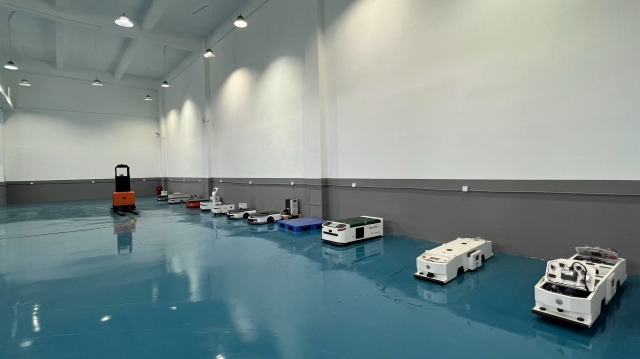
Custom engineering
Sample-based and design-based customization for motor power, voltage, reduction ratio, wheel tread, encoder and brake options.
Tested before shipping
Finished-product inspection and extended-duration prototype testing help reduce integration risk before production release.
Matched electronics
Servo and BLDC drivers can be matched with drive wheels, sensors and AGV accessories for a more coherent bill of materials.
Export terms
FOB, CFR, CIF, EXW, CIP, FCA, CPT, DDU and express delivery are supported, with flexible payment currencies.
Responsive support
A 97.9% inquiry response rate and 24/7 online support keep overseas technical questions moving across time zones.
Quality evidence
ISO 9001:2015 certification, Intertek onsite verification, 8 patents and five in-house testing instruments support buyer confidence.
Questions Local Buyers Ask Before Ordering AGV Magnetic Stripe Protective Tape
These answers address common procurement, compatibility and export questions from buyers in Düsseldorf, NRW and the wider Rhine-Ruhr region.
Are you a supplier and exporter that can ship AGV magnetic stripe protective tape to Düsseldorf?
Yes. Zhejiang Torqen Technology Co., Ltd. is a China-based manufacturer and trading company founded in 2015, and we support export orders to Düsseldorf and other NRW destinations. For an accurate quotation, share the delivery address, required quantity, packaging preference, product link and whether you need retail or wholesale supply. The sales team can then confirm the suitable trade term and shipping option.
What does “N pole up” mean, and how do I confirm compatibility?
“N pole up” describes the magnetic orientation of the tape as it is installed on the floor. The AGV’s magnetic guide sensor must be compatible with that field direction. Before ordering, confirm the sensor make and model, the original route specification and the installation orientation. If you are replacing an existing path, compare the old tape orientation with the product drawing before purchasing.
Can I order a small quantity for a pilot route before a larger rollout?
The 5 cm × 25 m magnetic tape is offered for retail or wholesale discussions, so a pilot route can be a sensible starting point. Provide the route length, number of curves and junctions, expected spare allowance and the floor type. A pilot helps the site team observe adhesion, edge wear and cleaning response before committing to a full replacement programme.
Which floor surfaces and cleaning chemicals should we check before installation?
Review epoxy coatings, concrete, tiles, sealed surfaces, floor joints, moisture and the site’s cleaning chemicals. Adhesive performance and residue behaviour can vary by floor finish. For Düsseldorf facilities using scrubbers or aggressive hygiene routines, we recommend a small sample patch and an installation trial before full deployment. Always follow the site’s safety and maintenance procedures.
Can the protective tape be used on curves, turns and intersections?
Magnetic routes often include curves, junctions and crossing points, but the exact installation approach depends on the floor, tape width, route tolerance and sensor performance. Share your layout drawing or installation photos with our team so the tape route can be reviewed. In some projects, staged installation and additional maintenance inspection at high-wear junctions are more practical than treating the whole route uniformly.
Do you offer OEM/ODM or private-label support for Düsseldorf buyers?
Yes. The company profile states that sample-based customization, design-based customization, OEM production, design services and buyer-label packaging are available. For tape orders, discuss label requirements, packaging format, roll markings and any documentation needs with the sales team. For AGV drive and navigation components, custom motor power, voltage, reduction ratio, wheel tread and mounting interfaces can also be reviewed.
What payment and delivery terms are accepted?
Accepted payment methods include T/T, L/C, D/P, D/A, MoneyGram, credit card, PayPal, Western Union, cash and escrow, with currencies including USD, EUR, JPY, CAD, AUD, HKD, GBP and CNY. Delivery terms include FOB, CFR, CIF, EXW, CIP, FCA, CPT, DDU and express delivery. For Düsseldorf buyers, confirm the preferred Incoterm and whether the receiving site can handle the selected packaging and delivery method.
How do you verify product quality before shipment?
The quality management system is certified to ISO 9001:2015, and the facility has been verified onsite by Intertek. The company uses five in-house testing instruments for finished-product inspection and runs extended-duration testing on prototypes before production parts are released. For a procurement record, request the relevant inspection documents, product drawing and batch information for the ordered item.
From Düsseldorf Specification to Shipment in Five Practical Steps
A disciplined sampling workflow reduces rework and makes the quotation comparable across suppliers.
Requirement capture
Route length, floor type, sensor orientation, annual usage and delivery address.
Layout review
Curves, junctions, cleaning routine and mixed-traffic risk points reviewed.
Sample trial
Pilot patch or small roll tested on the actual Düsseldorf site floor.
Quotation and terms
Product, packaging, Incoterm, payment currency and documentation aligned.
Production and shipment
Inspection, export packing and dispatch to the agreed NRW destination.
Request a Düsseldorf-Ready Magnetic Tape or AGV Component Quotation
Send your route length, floor surface, sensor orientation, expected annual usage, delivery address in Düsseldorf or NRW, and whether you need retail or wholesale packaging. Our team can respond with product recommendations, available trade terms and the next sampling step.
Email: info@torqenbot.com · ISO 9001:2015 · Intertek onsite-verified manufacturer · OEM/ODM support