Eight AGV Traction & Automation Products for Phoenix Buyers
Compare heavy-duty drive wheels, laser SLAM AMRs, forklift traction units, horizontal assemblies, magnetic guidance vehicles and smart controllers. Product links are preserved exactly for fast technical review and quotation.
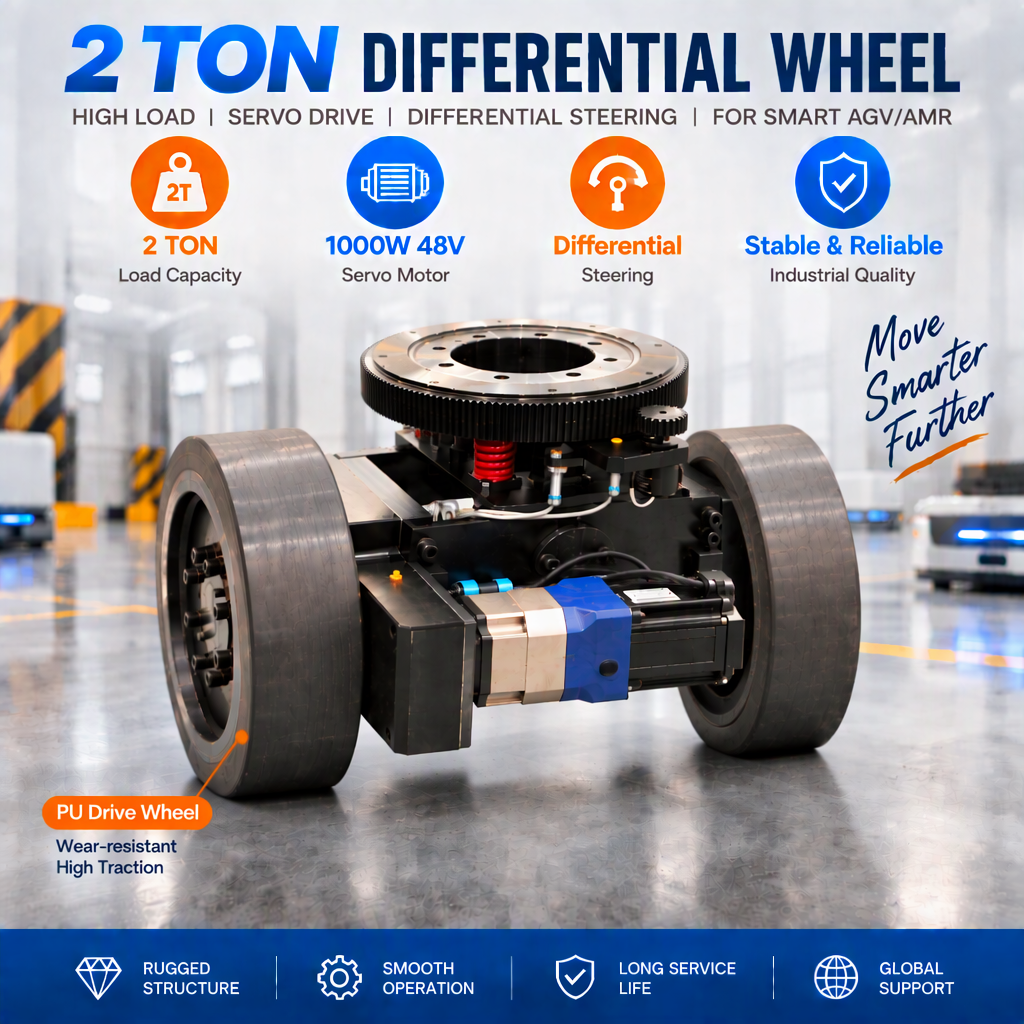
TZBOT 2000KG Heavy Duty Series AGV Wheel 1000w 48V Strong Power Mobile Robot Differential Drive Wheel with Spring Suspension
Recommended for pallet-size transfer robots, production-line carts and high-load chassis that need spring suspension on uneven Phoenix warehouse floors.
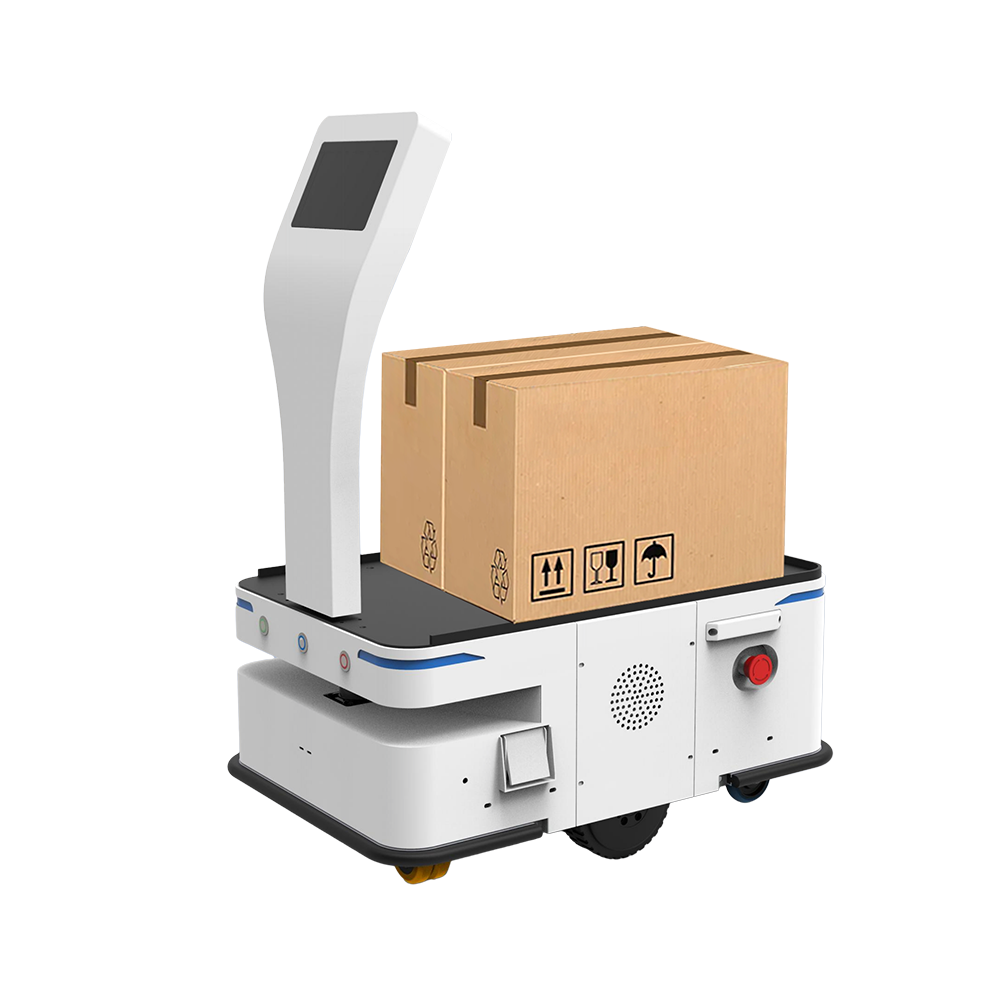
TZBOT High Precision Guidance Laser Slam Navigation Amr Robot 80kg Carrying Capacity Material Handling Amr Robot with 7 Inch HMI
An efficient choice for electronics, lab, medical and light assembly routes where Phoenix teams need flexible navigation without fixed magnetic tape.
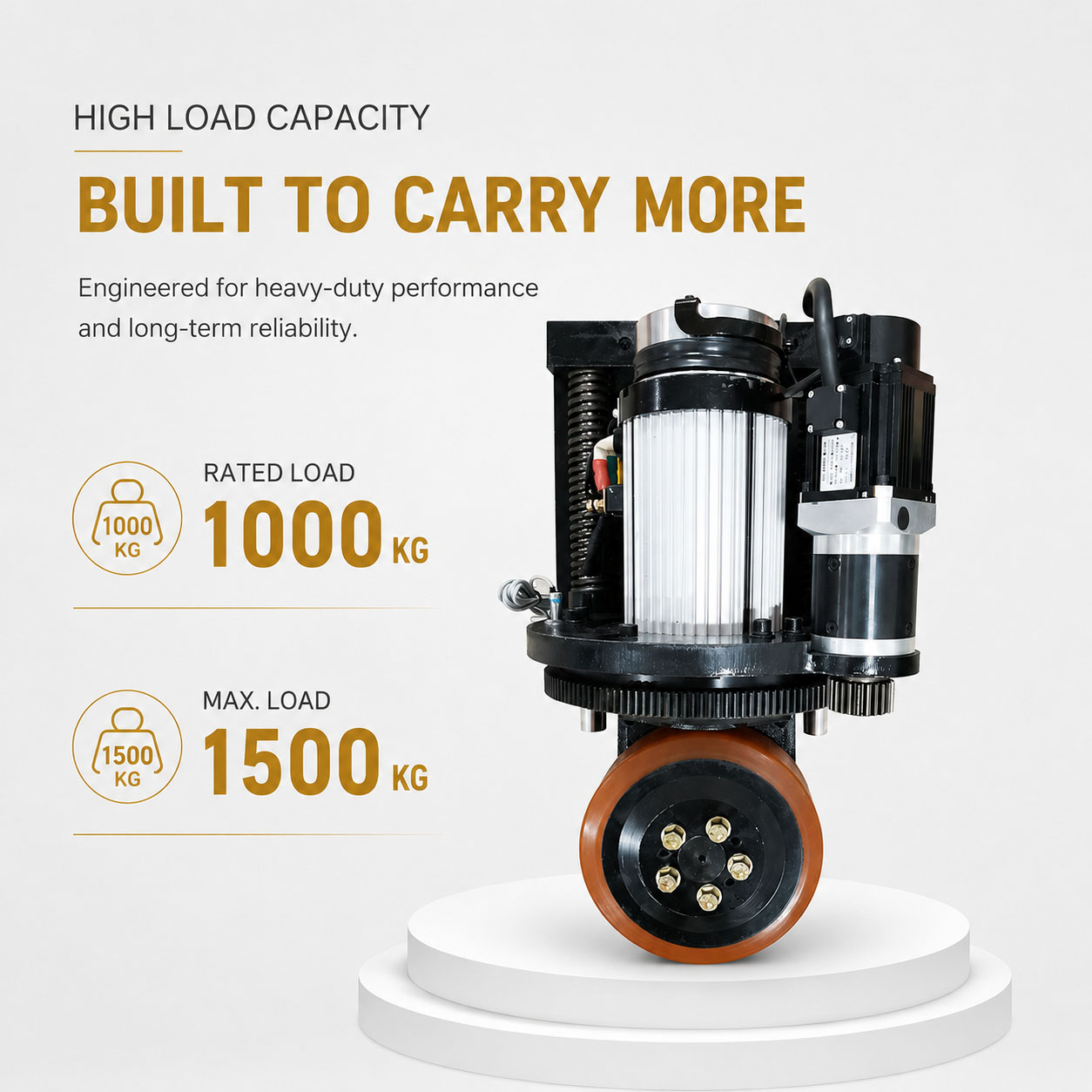
TZBOT 1000KG Bearing Duty 1500w Servo Motor AGV Forklift Driving Wheel with Suspension for Automatic Forklift
Built for automated forklifts, tuggers and tricycle-style AGVs that require controlled steering angle and dependable servo torque.
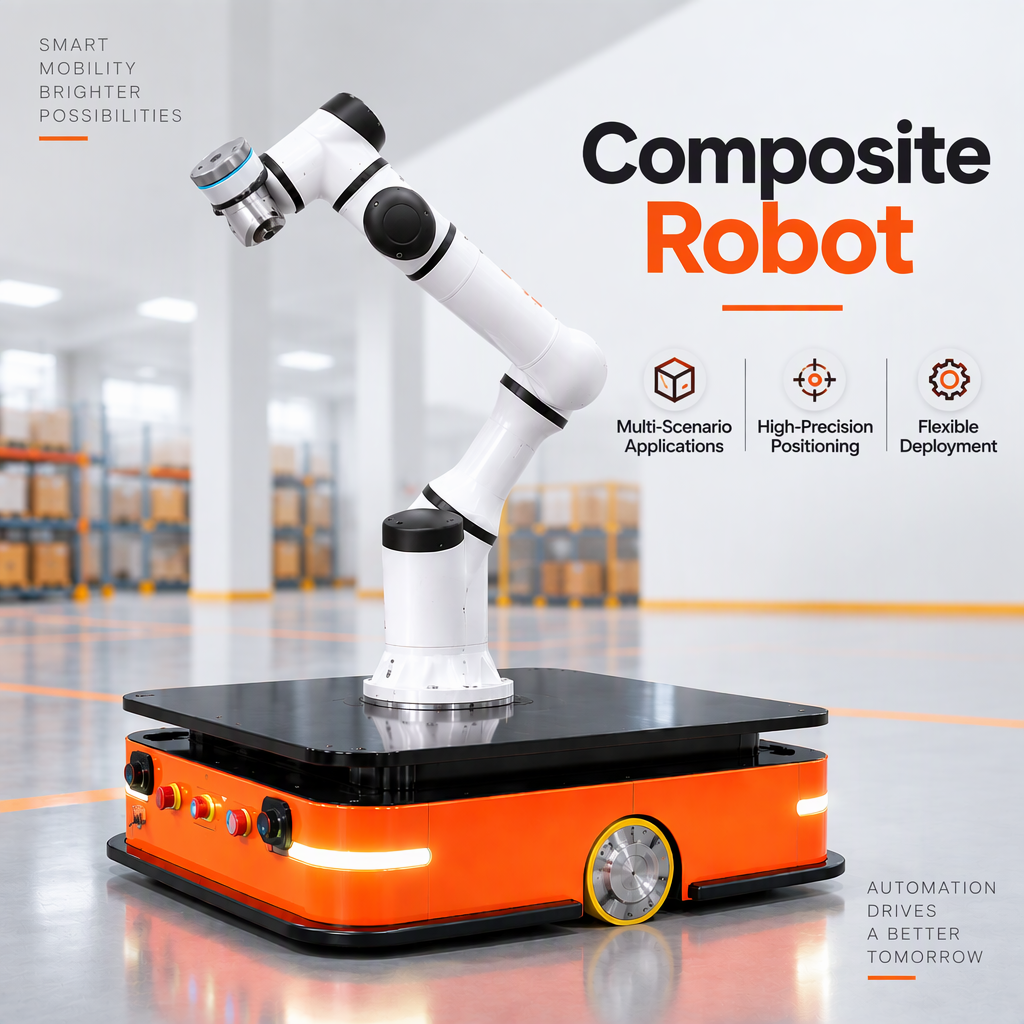
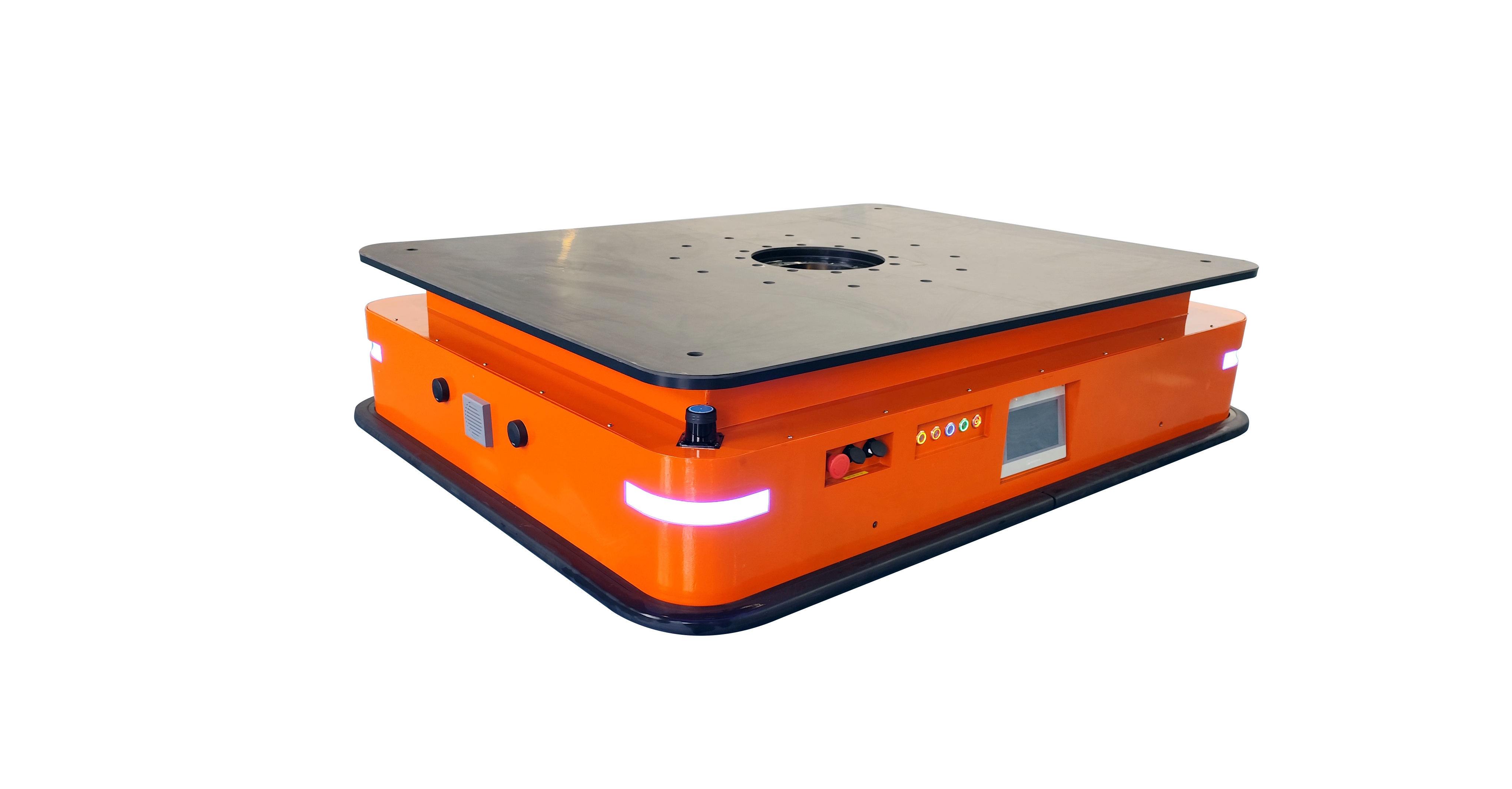
TZBOT Customizable Composite Robot Multi Applications 600kg Bearing Chassis AGV AMR with Robotic Arm
Useful for Phoenix automation pilots that combine mobile material handling with pick-and-place, inspection or machine-tending tasks.
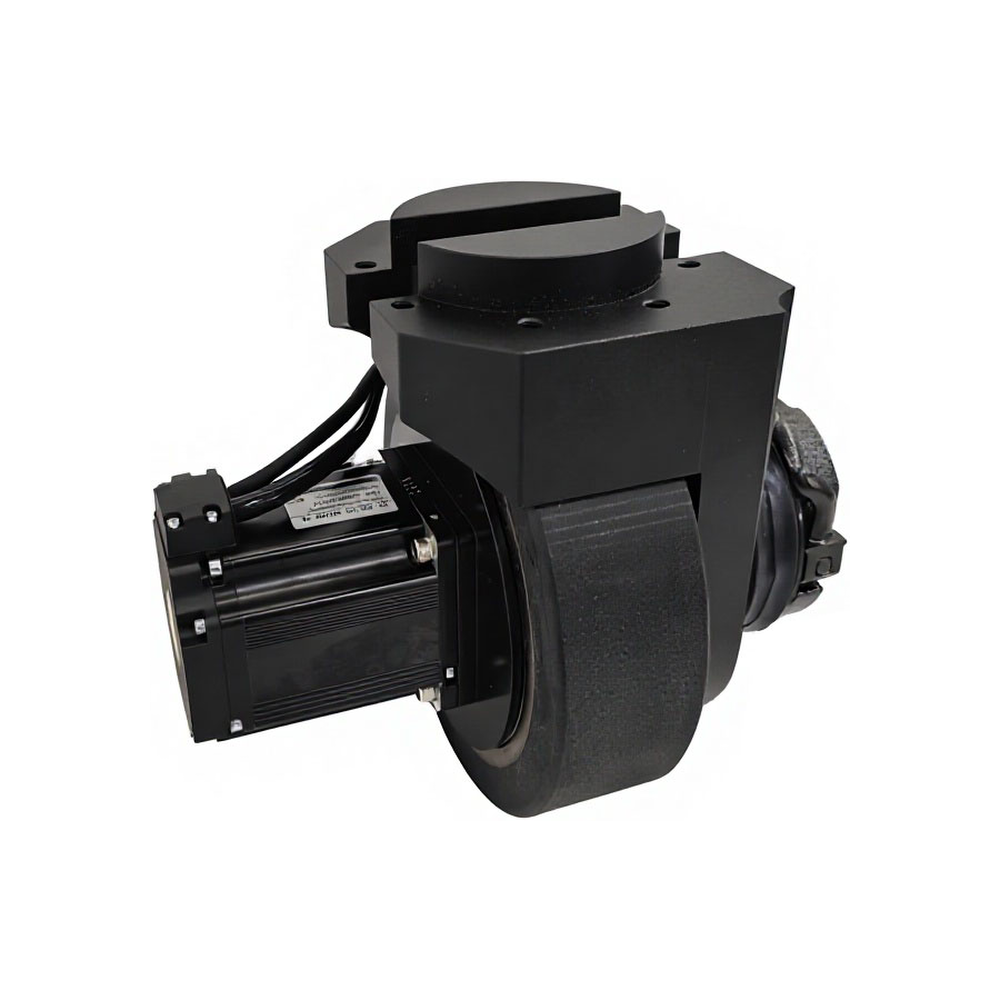
TZBOT agv Wheel Traction Accessories 1000kg Heavy Duty Capacity Material Handling Equipment Part Horizontal Drive Wheel Assembly
Suited to low-clearance chassis, compact latent AGVs and under-ride carts where vertical space is limited.
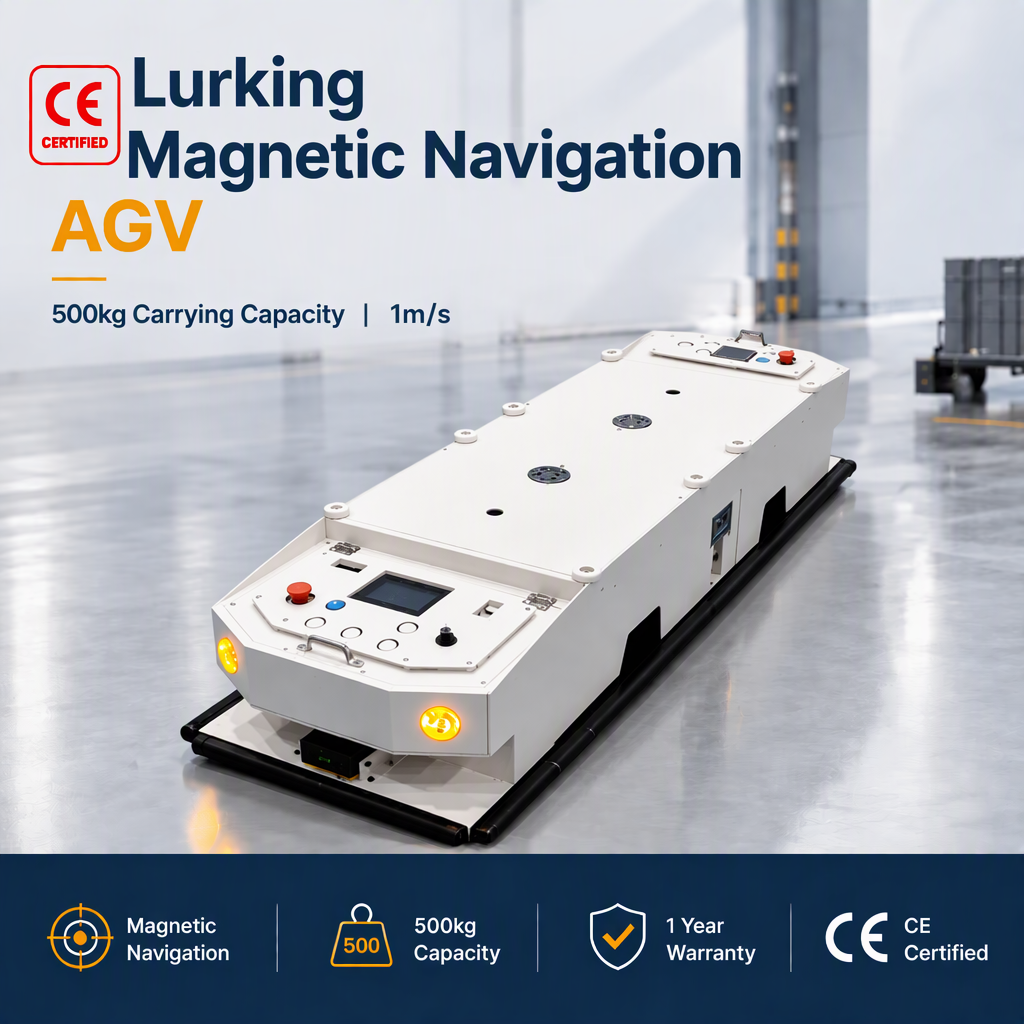
TZBOT EU CE Lurking AGV Material Handling Equipment Logistic Automation 500kg Bidirectional Magnetic Guidance Mobile Robot
For fixed-route transport under racks, bins and carts where fast deployment and predictable navigation are important.
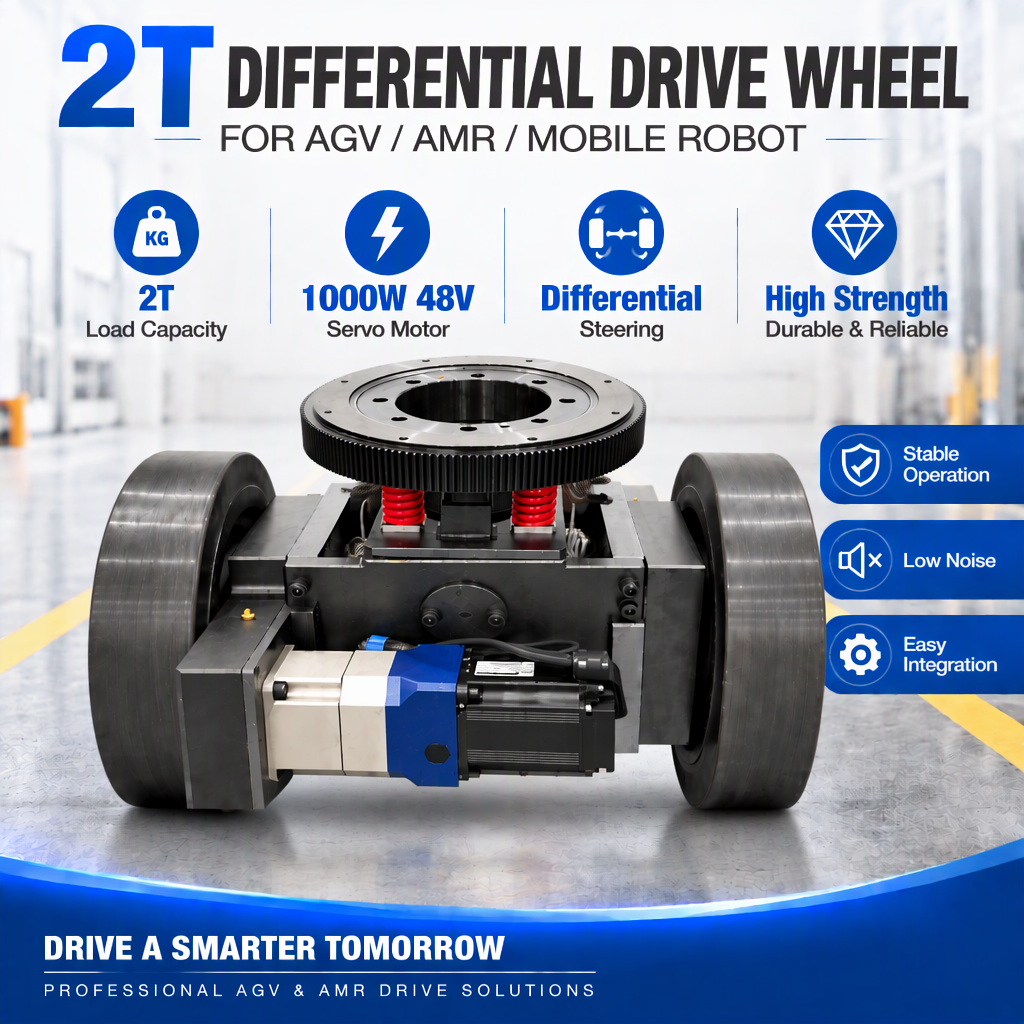
TZBOT 2000kg Traction Capacity Logistic Robot Part agv Amr Differential Steering Drive Wheel for Sale
A strong match for heavy logistic robots and automated tractors that need both traction and controlled steering behavior.
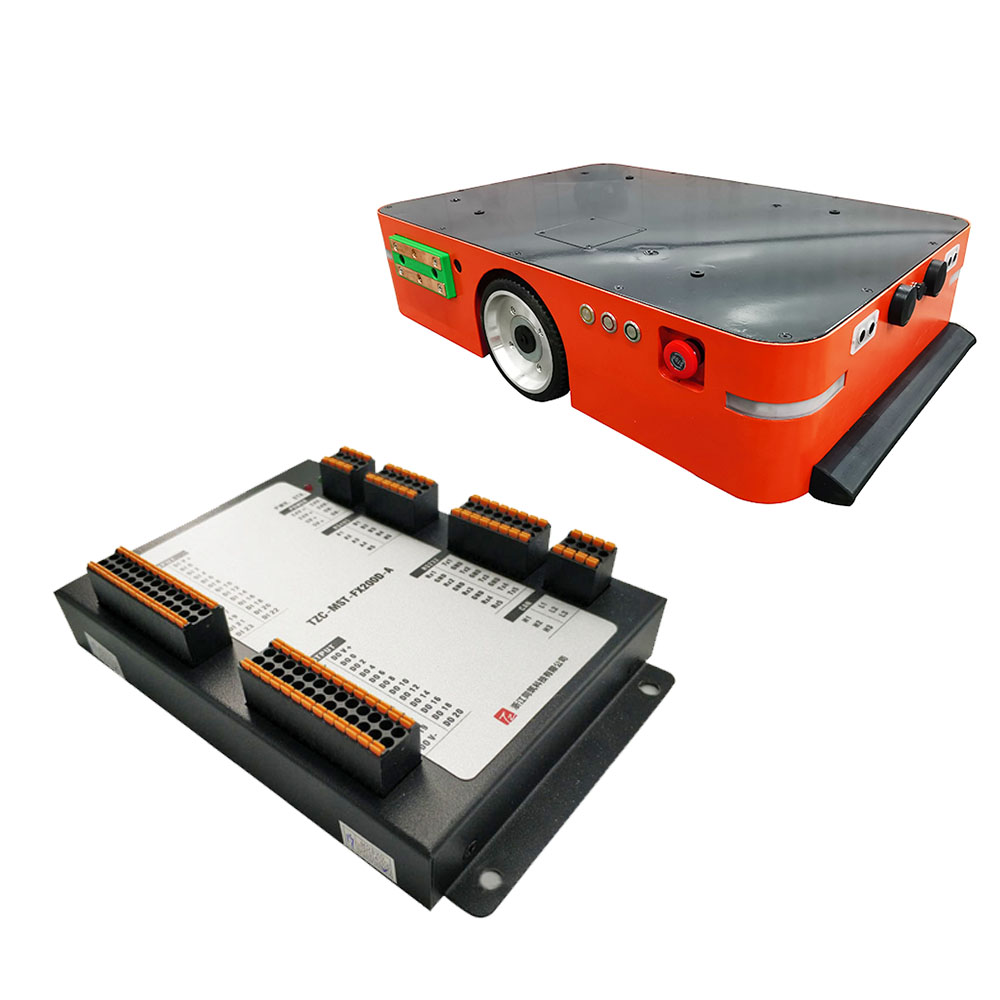
TZBOT Smart agv Controller for Commanding the AGV
Centralize vehicle motion commands and coordinate traction, navigation and safety signals for a cleaner system architecture.
What Phoenix Buyers Should Verify Before Shortlisting AGV Traction Device Suppliers
A supplier list is not a specification. For Phoenix warehouses, factories and logistics operations, the real question is whether the drive wheel, controller and navigation sensor will survive heat, dust, floor transitions and a 24/7 production rhythm.
Heat-aware engineering
Phoenix summer conditions can push motor and driver thermal margins. Ask for continuous torque, current limits and derating guidance above 40°C ambient.
Floor and transition fit
Expansion joints, dock levelers and worn aisles affect traction and suspension choice. A 2,000 kg wheel with poor floor matching still creates vibration and tire wear.
Matched electronics
A wheel is only as reliable as its encoder, brake, servo driver and controller pairing. Single-source matching reduces commissioning time and fault isolation effort.
Traceable quality evidence
ISO 9001:2015 certification, onsite verification, incoming inspection records and endurance test summaries are more useful than a brochure claim.
Where AGV Traction Systems Deliver the Most Value in Greater Phoenix
Phoenix has become a major distribution and advanced manufacturing region, with operations spread across the West Valley, Sky Harbor, Tempe, Chandler, Gilbert, Mesa, Goodyear and the Loop 101 / Loop 202 / I-10 logistics corridors. These are the highest-intent application scenarios for AGV drive wheels, AMR navigation and smart controllers.
3PL and distribution centers
Use a 2,000 kg heavy-duty differential drive wheel or 2,000 kg differential steering unit for pallet transfer, cart towing and high-throughput put-away. In Phoenix, specify sealed connectors and a heat-safe duty cycle because trailers, docks and mezzanines can expose robots to hot, dusty air.
Semiconductor and electronics support
For clean or controlled environments around Chandler and Tempe, a laser SLAM AMR with an 80 kg payload and 7-inch HMI can move small carriers, tooling and materials without fixed floor markers. The user intent is precise navigation, compact size and low particulate generation.
Automated forklifts and tuggers
A 1,000 kg bearing-duty 1,500 W servo motor forklift drive wheel with suspension is a practical fit for automated forklift platforms, tricycle AGVs and towing tractors. Phoenix operators should confirm ramp gradients, battery voltage and steering angle limits before ordering.
Low-clearance carts and latent AGVs
When the chassis height is constrained, the 1,000 kg horizontal drive wheel assembly offers a lower build profile than a conventional vertical drive unit. This is useful for under-ride carts, latent lifting vehicles and compact workcells in older Phoenix facilities.
Fixed-route material handling
The 500 kg bidirectional magnetic guidance lurking AGV is suitable for repeatable routes under racks and carts. Magnetic guidance can be cost-effective where the route is stable and fast deployment matters more than frequent layout changes.
Composite robot and machine tending
For Phoenix machine shops and assembly cells, a 600 kg customizable composite robot chassis with robotic arm can combine mobility with pick-and-place. The key information gain is early definition of center of gravity, arm reach and floor tolerance.
How Local Automation Demand Is Changing AGV Traction Device Procurement
Buyers are not only comparing wheel load ratings. They are asking for thermal evidence, spare-parts planning, controller compatibility and a supplier who can support a pilot in Arizona while shipping from an export-ready factory.
Larger distribution footprints
West Valley and Loop 202 warehouses are scaling rapidly. Longer routes increase wheel duty cycles, so AGV traction devices should be specified by continuous load, route length and charging schedule, not peak payload alone.
Advanced manufacturing growth
Semiconductor, aerospace, battery and electronics projects around the East Valley and Phoenix core are creating demand for compact AMRs, precise navigation and clean integration with existing MES or WMS workflows.
Hybrid AGV and AMR fleets
Many Phoenix sites keep existing magnetic-guided AGVs while adding laser SLAM AMRs. This increases the value of suppliers who can provide magnetic sensors, RFID positioning, lidar and smart controllers from one technical source.
Spare parts and uptime planning
Operations teams now ask for recommended spare wheel tires, encoder options, brake configuration and controller parameter backups. The buying intent has shifted from “lowest unit price” to “predictable uptime after commissioning.”
How to Choose an AGV Traction Device for Phoenix Heat, Dust and Floor Conditions
Use this comparison and weighting model to align engineering, procurement and operations before requesting samples.
| Traction type | Steering behavior | Best Phoenix application | Representative product |
|---|---|---|---|
| Differential drive wheel | Turns by wheel-speed difference | Pallet transfer, latent AGVs, production-line carts, compact turning in existing aisles | TZBOT 2000KG Heavy Duty Series AGV Wheel |
| Steering drive wheel | Dedicated steering motor controls wheel angle | Automated forklifts, tuggers, tricycle chassis and routes requiring controlled steering | TZBOT 2000kg Differential Steering Drive Wheel |
| Horizontal drive assembly | Compact horizontal motor layout | Low-clearance under-ride carts and compact chassis in older facilities | TZBOT 1000kg Horizontal Drive Wheel Assembly |
| Servo forklift drive wheel | Servo motor with suspension | 1,000 kg automated forklift platforms, ramp transitions and load stability | TZBOT 1000KG 1500W Servo Motor AGV Forklift Driving Wheel |
| AMR platform or smart controller | Software-driven navigation and motion commands | Flexible intralogistics, pilot projects and mixed-fleet integration | TZBOT Laser SLAM AMR / Smart AGV Controller |
Example Supplier Evaluation Weighting for Phoenix Projects
This is an illustrative weighting model, not a market statistic. Adjust the percentages to your own uptime, safety and lead-time priorities.
Zhejiang Torqen Technology Co., Ltd. — Export-Ready AGV Traction Manufacturing
Founded in 2015, Torqen designs and manufactures AGVs, AGV drive wheel assemblies, motors, reducers, encoders, servo and BLDC controllers, navigation sensors and accessories for automation builders worldwide. The company is an ISO 9001:2015 certified manufacturer with an Intertek onsite-verified facility, OEM/ODM customization and a 4.9/5 buyer rating.
Factory-direct customization
Sample-based and design-based customization for motor power, voltage, reduction ratio, wheel diameter, tread material, encoder, brake and mounting interface.
Verified quality system
ISO 9001:2015 quality management, Intertek onsite verification and finished-product inspection using five in-house testing instruments.
Patents and engineering depth
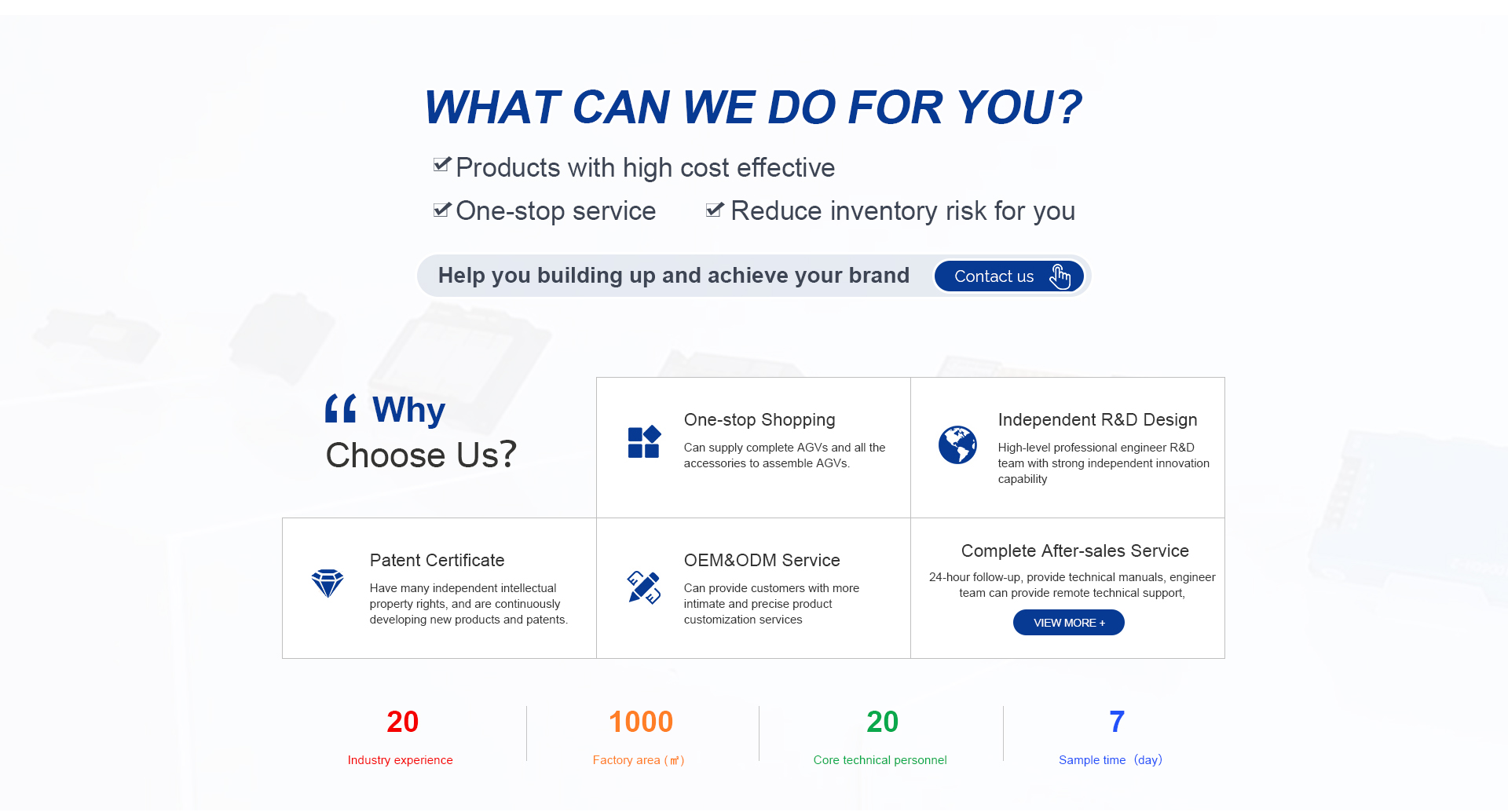
Eight patents, a 51–100 person team, a 1,000–3,000 m² factory and US$5M–10M annual output support repeatable production and custom development.
Buyer response performance
97.9% inquiry response rate and 4.9/5 buyer rating reflect a sales and technical team built around international OEM communication.
Matched drive train
Wheels, motors, reducers, encoders, brakes, servo/BLDC drivers, magnetic sensors, RFID readers, lidar and controllers can be matched in-house.
Prototype endurance testing
Prototypes are run for extended periods before production release, helping Phoenix integrators reduce commissioning surprises and warranty risk.
Flexible trade terms
Payment methods include T/T, L/C, D/P, D/A, credit card, PayPal, Western Union, cash and escrow. Currencies include USD, EUR, JPY, CAD, AUD, HKD, GBP and CNY.
Export delivery experience
Delivery terms include FOB, CFR, CIF, EXW, CIP, FCA, CPT, DDU and express delivery for buyers across global automation markets.
One Engineering Partner for the Complete AGV Drive Train
Buying an AGV traction device, servo driver and navigation sensor from separate suppliers can create avoidable integration risk. Torqen’s advantage is that the mechanical drive, motor, reducer, encoder, controller and sensor selection can be reviewed together. For a Phoenix integrator, that means fewer handoffs when a wheel, driver and controller must speak the same electrical and mechanical language.
- OEM and ODM support for motor power, voltage, ratio, wheel, encoder and brake.
- Sample and design customization with buyer-label packaging available.
- Product families covering AGVs, drive wheels, sensors, motor drivers, motors and accessories.
- Technical support for wiring diagrams, driver parameters and commissioning guidance.

Company Facts That Matter to Phoenix Procurement Teams
Verifiable capability, production scale and export readiness reduce the risk of a pilot that cannot scale.
Established manufacturing base in Zhejiang, China
Patents awarded for drive and automation development
Team size supporting engineering and international sales
Buyer rating from verified customer feedback
Inquiry response rate for global buyers
9001:2015 quality management system certified
In-house testing instruments for product inspection
Square-meter factory scale with room for custom builds
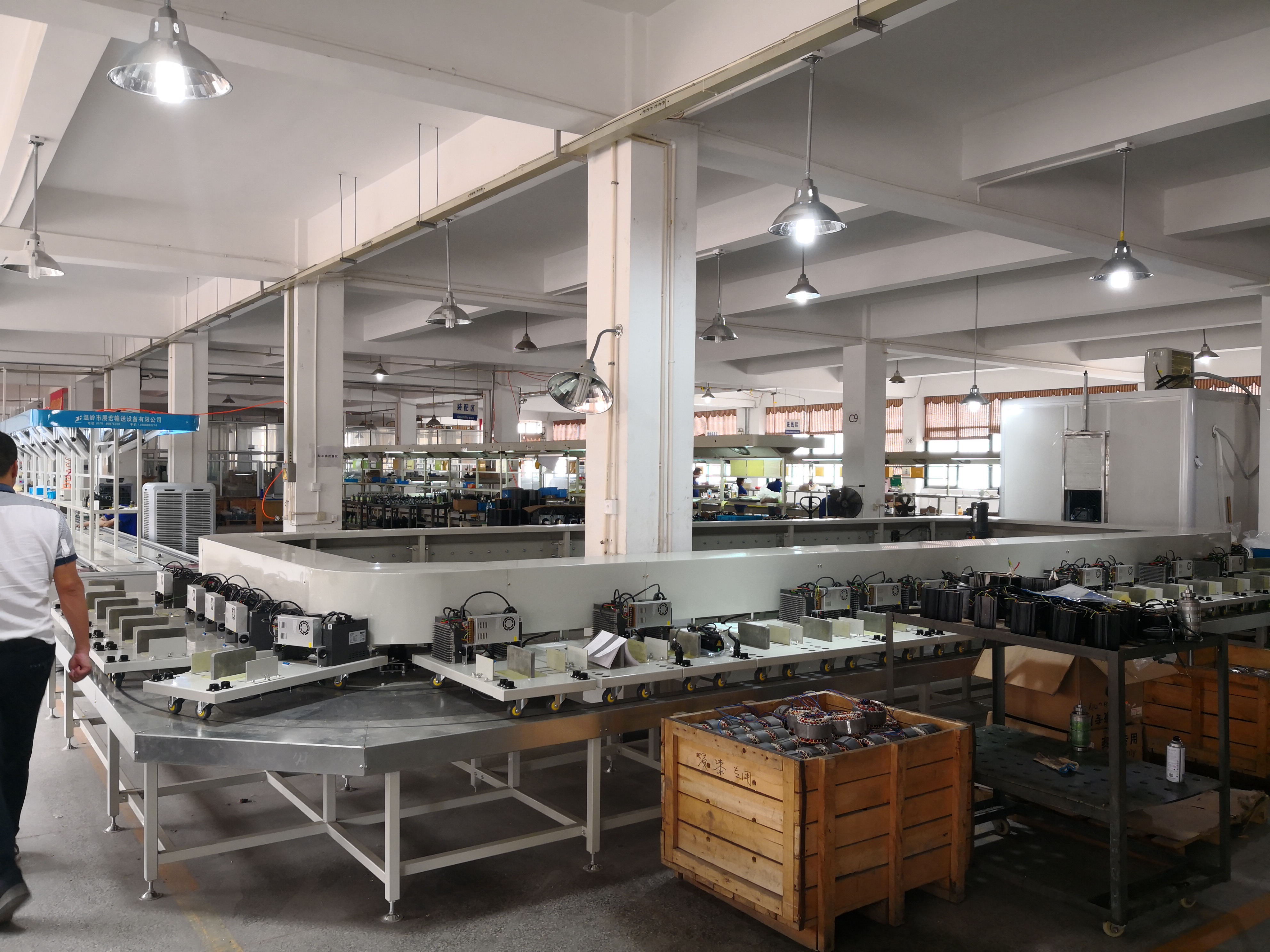
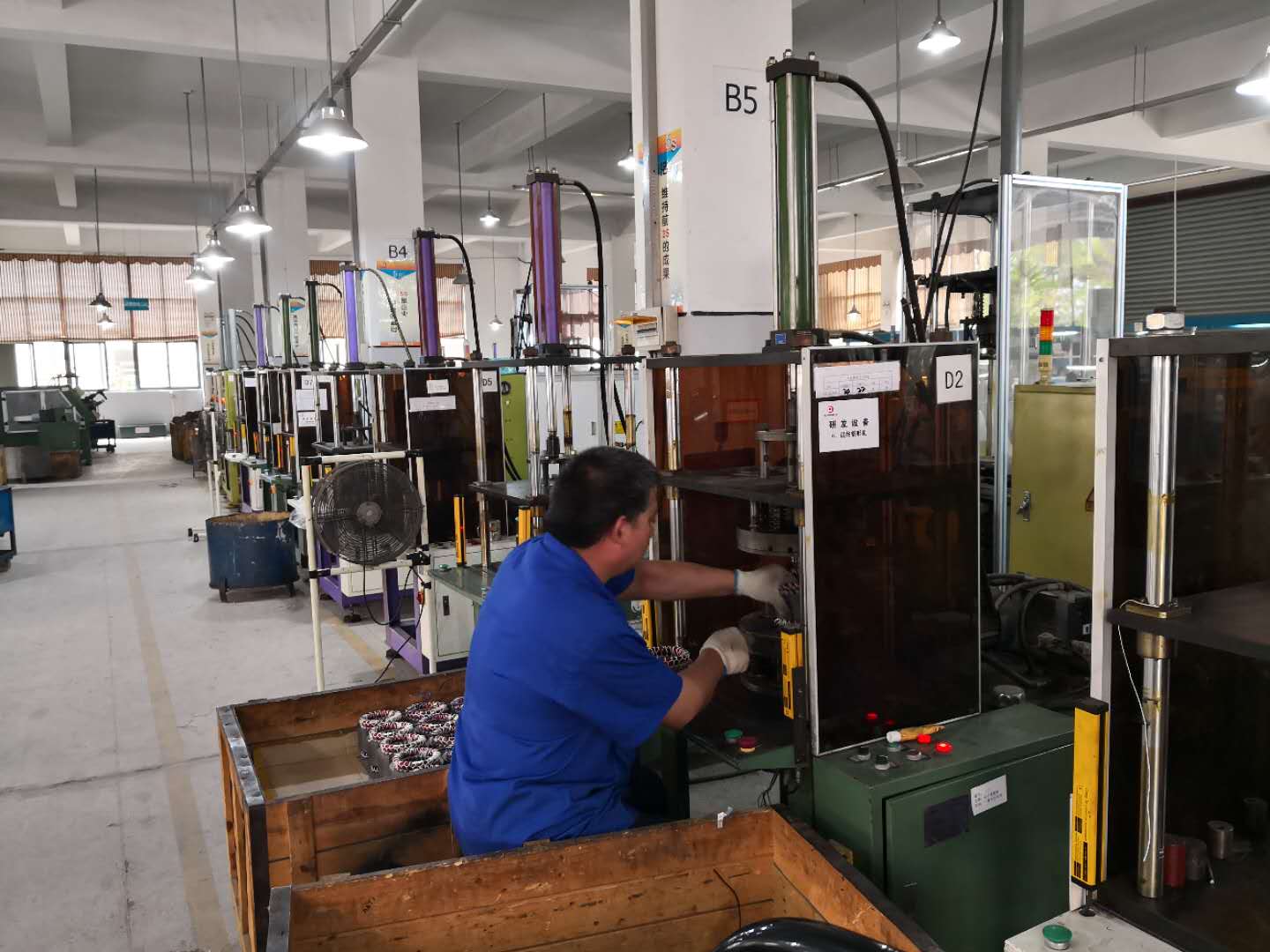
Inside the Production, Testing and Export Workflow
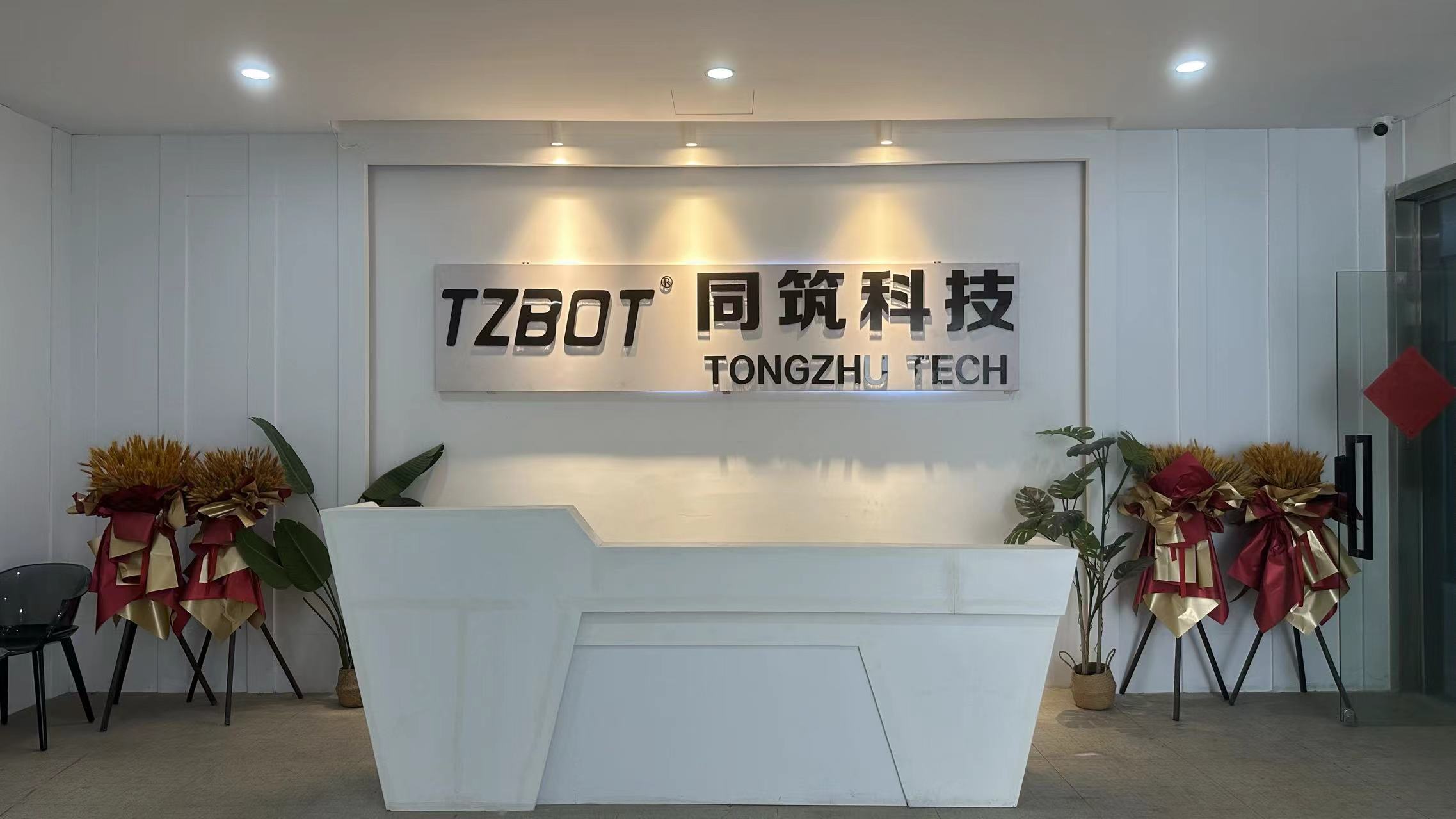
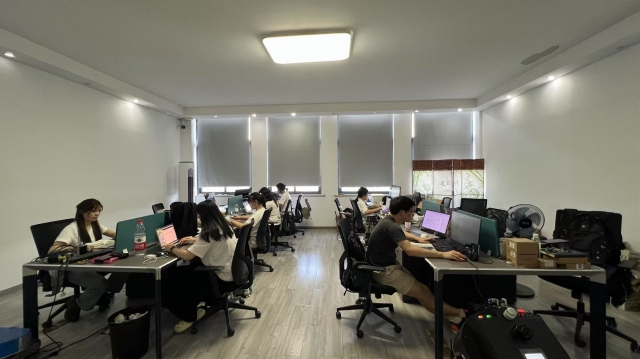
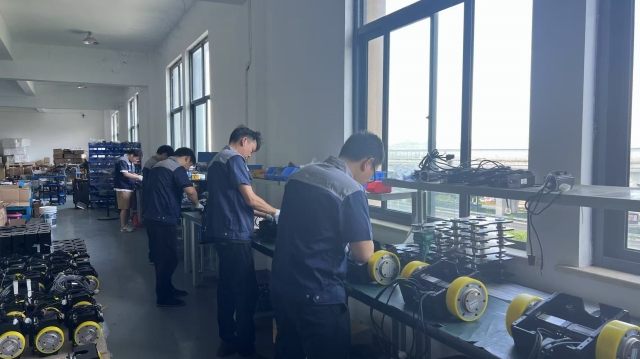
Images from the original Torqen manufacturing and quality environment help buyers evaluate factory capability before requesting a sample.
Company overview and production capability
Production workshop
Drive wheel assembly
AGV assembly and commissioning
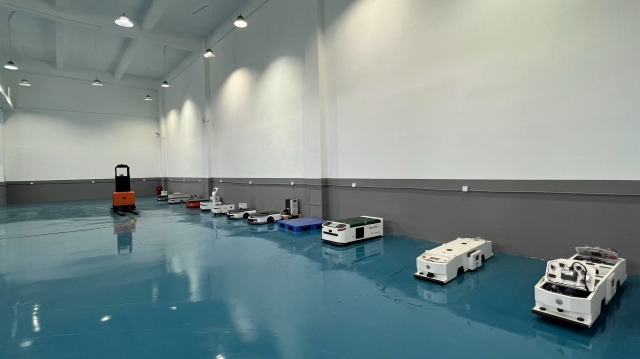
Product testing and inspection
Certification and patent evidence
Payment methods
- T/T
- L/C
- D/P
- D/A
- MoneyGram
- Credit card
- PayPal
- Western Union
- Cash
- Escrow
Delivery terms
- FOB
- CFR
- CIF
- EXW
- CIP
- FCA
- CPT
- DDU
- Express delivery
Currencies
- USD
- EUR
- JPY
- CAD
- AUD
- HKD
- GBP
- CNY
Common Local Procurement Questions Before Ordering AGV Traction Devices
Practical answers for Phoenix warehouse operators, integrators and OEM engineers evaluating a supplier in Asia.
How should Phoenix buyers specify AGV traction devices for high summer temperatures?
Ask for continuous torque, current limits, motor insulation class, driver thermal protection and derating guidance at 45°C and 50°C ambient. If an AGV runs near dock doors, in non-conditioned warehouses or through hot charging rooms, the duty cycle should be reviewed before confirming the wheel and motor combination.
Can these drive wheels handle dust, expansion joints and uneven concrete?
Yes, but the configuration matters. Suspension models are useful for uneven floors and dock transitions. Buyers should share floor photos, joint width, slope and expected debris. For dust-prone Phoenix operations, specify sealed connectors and a preventive-maintenance interval for tire inspection and cleaning.
Which product is recommended for a 1,000 kg or 2,000 kg Phoenix project?
For a 1,000 kg automated forklift platform, consider the 1,000 kg bearing-duty 1,500 W servo motor driving wheel with suspension. For 2,000 kg logistics robots, compare the 2,000 kg heavy-duty differential drive wheel with the 2,000 kg differential steering drive wheel based on turning behavior and chassis layout.
Can we request a sample or custom traction device for a pilot?
Yes. Torqen supports sample-based customization, design-based customization, OEM production, design services and buyer-label packaging. Typical custom work includes motor power, voltage, reduction ratio, wheel diameter, tread material, encoder type, brake options and mounting interface.
What is the typical sourcing process from an exporter to Phoenix?
Start with a specification review, then request a drawing and sample or prototype. After validation, confirm production lead time, inspection method, packaging, delivery term and spare-parts list. Export terms include FOB, CFR, CIF, EXW, CIP, FCA, CPT, DDU and express delivery, with flexible payment methods and currencies.
What information should we send with the inquiry?
Send gross vehicle weight, payload, target speed, maximum ramp angle, wheel diameter limit, chassis height, battery voltage, navigation method, floor condition and required delivery date. For replacement projects, include photos and the existing motor, encoder, brake and mounting dimensions to shorten the quotation cycle.
Need a Phoenix-ready AGV Traction Device Quote?
Share your load, speed, chassis height, battery voltage, floor condition and navigation plan. The Torqen team will help match the drive wheel, servo or BLDC driver, sensor and controller configuration for your application.
