AGV Voice Announcement Module Factory & Exporters for the Kawasaki Market
Event-driven Japanese voice prompts, safety announcements and export-ready documentation for AGV/AMR integrators serving Kawasaki, Kawasaki Port, the Keihin industrial zone and the wider Tokyo Bay manufacturing corridor.
Eight AGV Components That Support Voice-Enabled Deployments in Kawasaki
The announcement module is never an isolated accessory. In a Kawasaki deployment, its value depends on how reliably it receives events from the controller, how clearly it communicates around drive wheels, chargers, sensors and robot arms, and how quickly spare parts can be replaced. The eight products below are the factory-direct building blocks we most often review together with a Japanese-language AGV voice package. Product URLs are preserved from the original catalog.
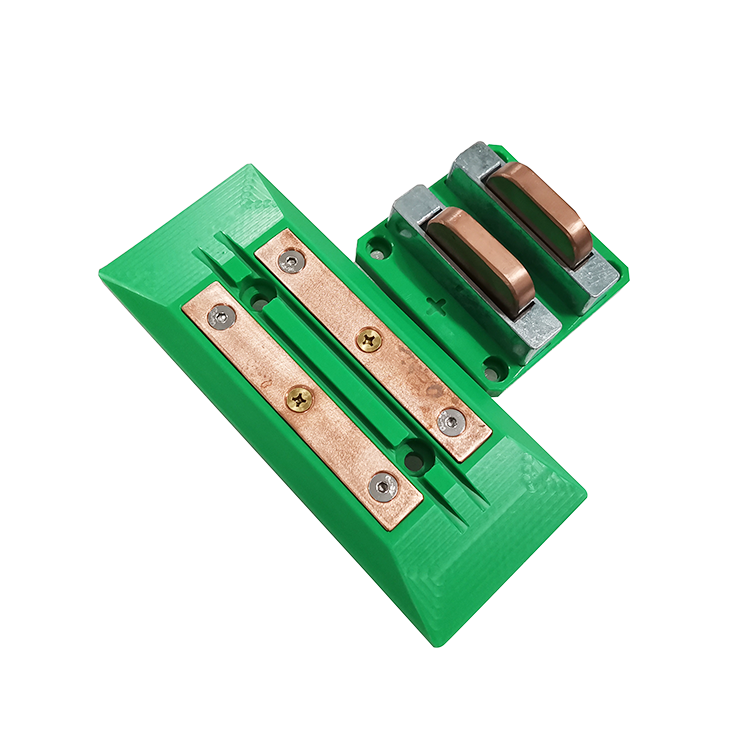
TZBOT Charger Pad Model TZ-CP-50A with Brush Plate and Brush Block for AGV Navigation Vehicles
Voice confirmation for docking, charging start, charging complete and fault recovery in automatic charging zones.
View product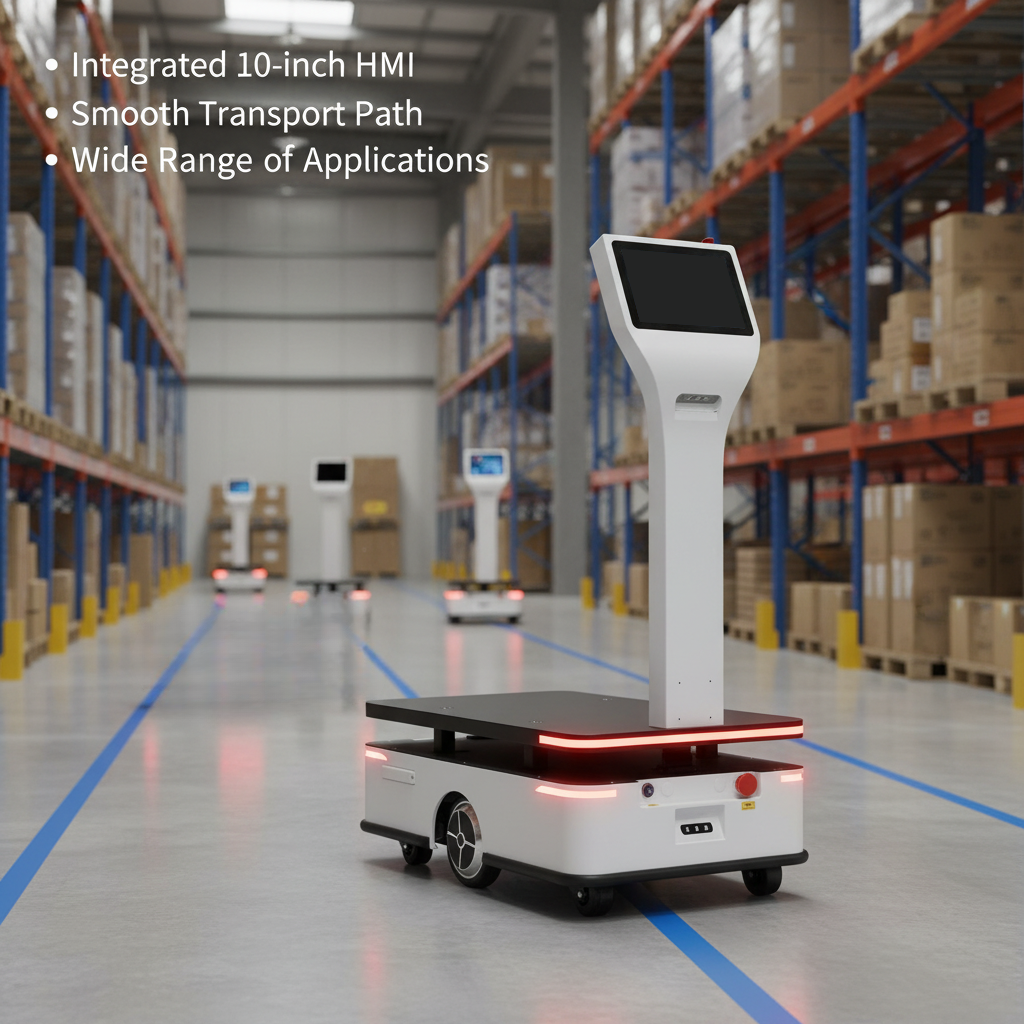
TZBOT Intelligent Warehouse Logistic Robot Unmanned Control System Customizable 80kg Payload agv Transfer Cart Slam Amr
Japanese station callouts and safe-transfer prompts for 80 kg warehouse AMR routes.
View product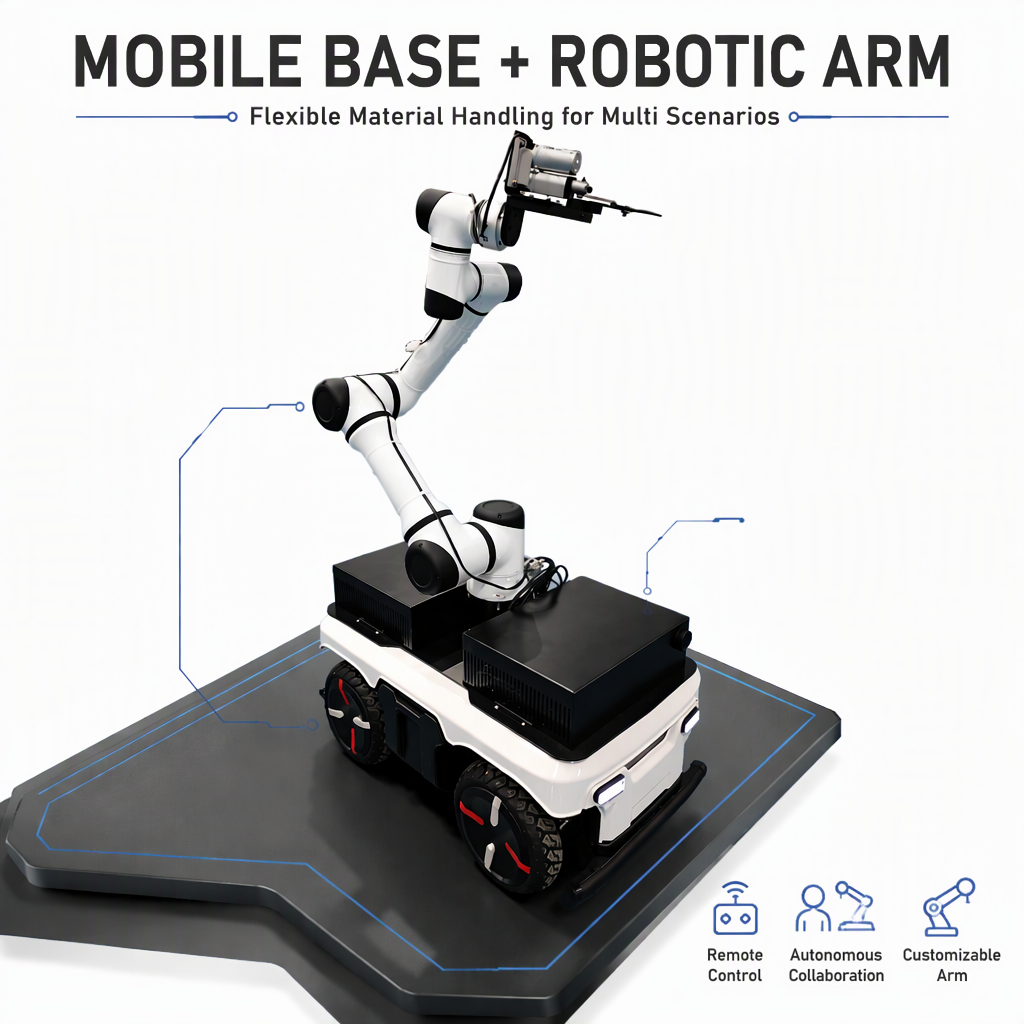
TZBOT Four Wheel Drive Ackerman Chassis AGV Collaborative Remote Control Composite Robot with Arm
Announce turning, arm movement and collaborative handover states in mixed human–robot cells.
View product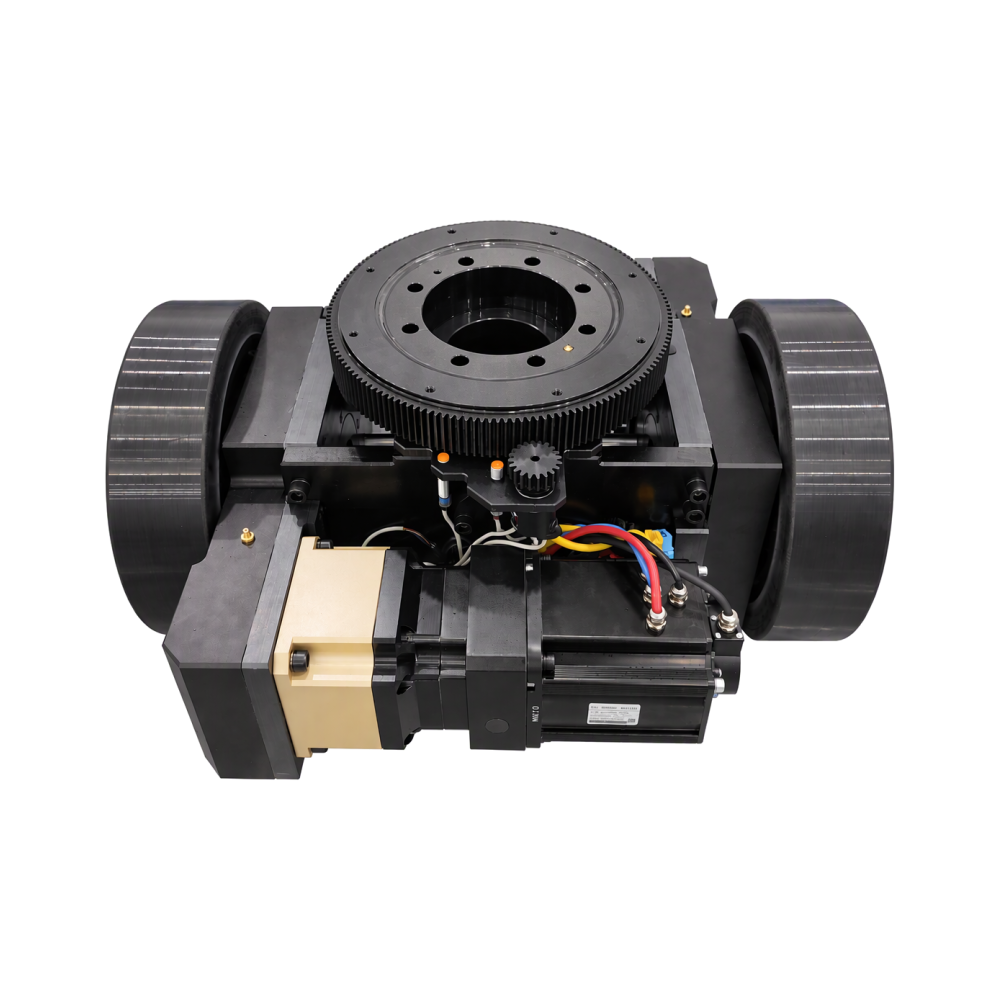
TZBOT Heavy Duty Series Robot Wheel 3000kg Bearing Capacity AGV Material Handling Equipment Differential Drive Wheel Assembly
Low-speed voice warnings for 3,000 kg heavy-duty moves where stopping distance and pedestrian awareness matter.
View product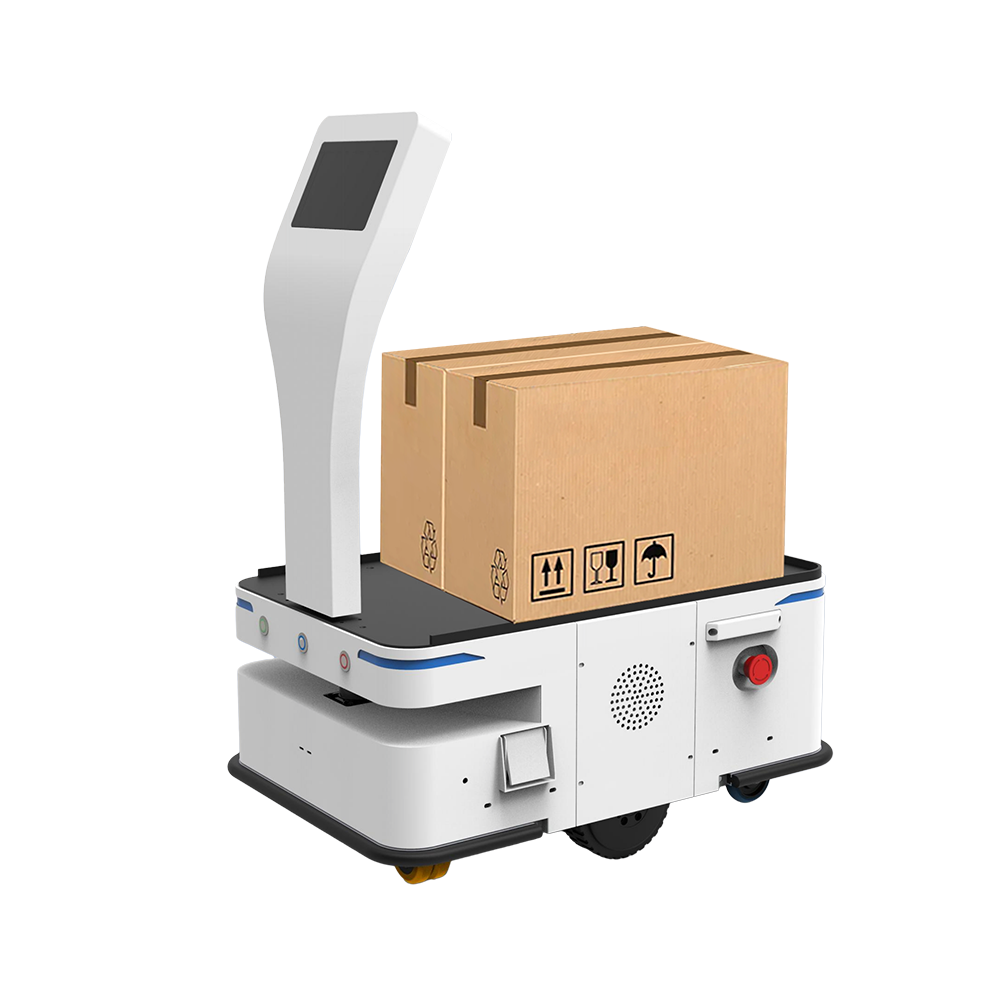
TZBOT High Precision Guidance Laser Slam Navigation Amr Robot 80kg Carrying Capacity Material Handling Amr Robot with 7 Inch HMI
Event-triggered navigation prompts for laser SLAM AMR fleets with 7-inch HMI interaction.
View product
TZBOT Auto Guidance Mobile Chassis 1000kg Payload AGV Integrate Arm Robotic Intelligent Composite Robot
Composite robot voice cues for arm approach, payload confirmation and safe departure.
View product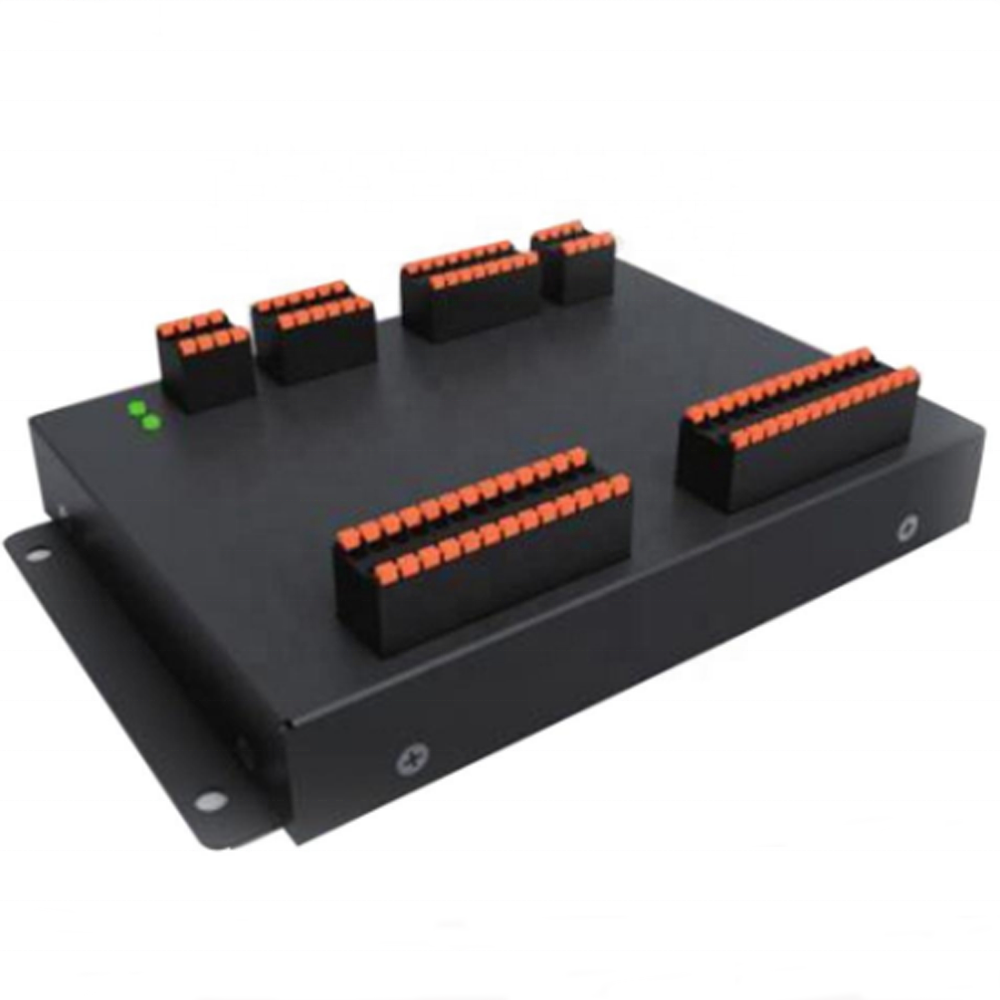
TZBOT FX Series Controller of HX Support Magnetic Tap Guided AGV
Controller-side event mapping for magnetic-tape routes, stations and speed zones.
View product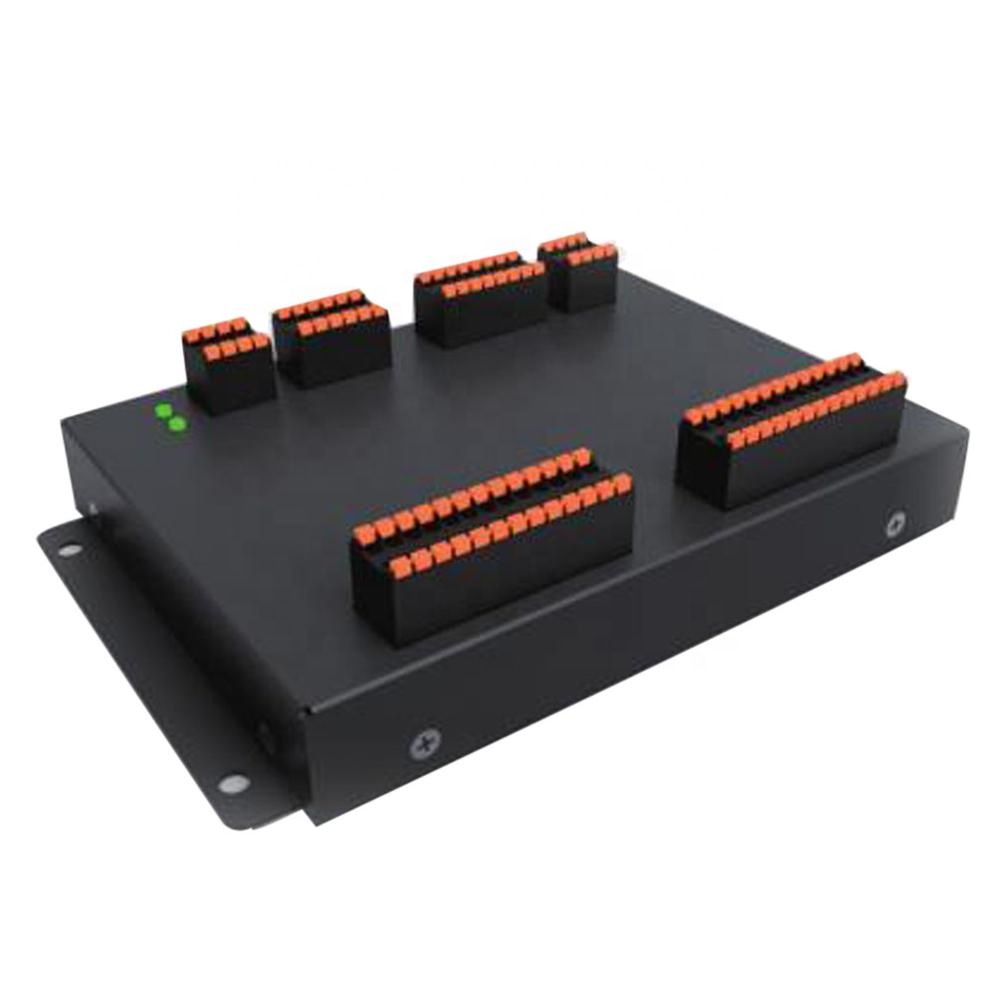
TZBOT Smart Controller TZC-MST-FX200D-A for Guiding the AGV Robot
Smart controller integration for IO-triggered Japanese speech, warning tones and fault messages.
View productWhat an AGV Voice Announcement Module Really Does
An AGV voice announcement module is an event-driven audio control unit, not a Bluetooth speaker bolted to a chassis. It receives a trigger from the vehicle controller, selects the correct prompt or warning tone, drives a speaker at a controlled volume, and reports status back to the system. In a Kawasaki factory or warehouse, this function matters because robots increasingly share aisles with pedestrians, forklifts, contractors and delivery staff. A clear Japanese announcement at the right moment can prevent hesitation at crossings, reduce unexpected movement near charging stations, and make a fleet feel predictable to the people working around it.
The module’s engineering value lies in the event map. Typical inputs include station arrival, departure, turning, reversing, obstacle detection, low battery, charging start, charging complete, lift up/down, door passing, emergency stop, fault code and maintenance reminder. Each event needs a priority, a phrase, a repeat rule, a volume profile and a fallback behavior. Safety events should interrupt status messages; routine status messages should not create noise fatigue. That hierarchy — safety first, motion second, status third — is the single most useful design principle we recommend for Japanese deployments.
Hardware selection follows the event map. Buyers should confirm DC input voltage, trigger interface, amplifier power, speaker impedance, memory size, audio format, enclosure rating, mounting position and cable routing. A voice module that is technically compatible but acoustically buried inside a steel chassis will fail in practice. In Kawasaki’s compact industrial buildings, the speaker location and prompt length often matter as much as the electronics. Our recommendation is to prototype the audio package on the actual vehicle, in the actual aisle, before scaling to a fleet.
Kawasaki Event Map Usually Requested
- Station arrival and departure in Japanese and English
- Reversing, turning and crossing warnings with directional earcons
- Charging start, charge complete and charging fault notices
- Obstacle slow-down, stop and recovery messages
- Door, elevator and fire-shutter permission confirmations
- Low battery, maintenance due and controller fault codes
- Emergency stop reset confirmation after safe inspection
Where Voice-Enabled AGVs Create Value in Kawasaki
Kawasaki is not a generic test market. The city combines the Kawasaki Port area, the Keihin coastal industrial zone, high-mix manufacturing, distribution centers, and a dense network of suppliers serving Kanagawa and Greater Tokyo. Buyers often need robots that can work in existing buildings with narrow aisles, frequent layout changes and a workforce that includes experienced technicians and newer operators. Voice announcements help bridge that gap.
Automotive & Heavy Equipment Parts
In mixed cells, an AMR must announce approach, reversing, docking and arm movement before entering the operator’s peripheral vision. A 1,000 kg composite robot or heavy-duty drive platform can use voice to separate normal transfer from maintenance or fault states, while a 3,000 kg wheel assembly supports low-speed, high-inertia moves.
Port, Cross-Dock & Distribution Centers
Near Kawasaki Port, vehicles move between indoor sorting areas and covered loading zones. Wind, refrigeration units and conveyor noise raise the required sound pressure. Directional speakers, short Japanese alerts and English fallback messages help visiting drivers and contract staff understand robot behavior without repeated training.
Electronics & Precision Manufacturing
Clean, quiet production areas need a different audio profile: lower volume, fewer routine prompts and precise fault messages. The module can be integrated with laser SLAM AMRs, smart controllers and safety sensors so announcements are triggered only when an operator intervention is genuinely useful.
Food, Beverage & Cold Chain
Condensation, washdown routines and low temperatures place attention on enclosure rating, cable sealing and speaker reliability. Voice prompts can confirm charging, door transit and cold-room entry, but the final enclosure and mounting plan should be reviewed against the cleaning regime and temperature profile.
Pharmaceutical & Medical Logistics
Traceability and quiet operation matter. Short prompts can confirm handover, restricted-area entry and exception handling, while the controller logs the underlying event. For regulated environments, buyers should define validation documents, change control for audio files and version checks for firmware.
Warehouses & 3PL Operations
In 3PL sites, temporary staff and changing SKU profiles make visual-only interfaces less reliable. Japanese voice prompts for pick-up, drop-off, recharge and exception recovery help floor teams respond consistently, especially when multiple robot types share a route.
Procurement Shifts Shaping the Kawasaki Voice-Module Market
The Kawasaki market is moving from isolated robot demonstrations to repeatable, multi-site deployment. Buyers now ask for Japanese-first interfaces, documented event logic and lifecycle support. These six trends are especially visible in RFQs from Kawasaki, Yokohama, Kanagawa and the Greater Tokyo industrial belt.
Japanese-First Human–Machine Interface
Japanese prompts are not a translation afterthought. Terminology, pitch, speed, politeness level and warning tone must fit the site. Buyers increasingly ask for script review, small approved audio sets and an English fallback for international staff.
Labor Shortage & the 2024 Logistics Problem
Japan’s logistics sector faces tighter driver hours and labor constraints, pushing warehouses toward automation. Voice-equipped AGVs are evaluated less as novelties and more as tools that reduce training time and prevent unsafe hesitation.
Compact Facilities & Mixed Traffic
Kawasaki facilities often retrofit automation into existing buildings. Narrow aisles, shared doors and blind corners favor event-driven voice alerts over long spoken instructions.
Safety Culture & Auditability
Procurement teams want traceable event logs, consistent prompts and documented test records. A module that cannot show which message played, when and under which trigger is harder to approve.
Integration with Existing Controllers
Many buyers already have AGV controllers, chargers and sensors. They prefer a module that maps to IO, RS485 or CAN rather than forcing a new software stack.
Spare Parts & Lifecycle Support
Fleet uptime depends on speakers, harnesses and firmware versions. Exporters that can supply repeatable audio packages and after-sales support have an advantage.
Kawasaki RFQ Evaluation Weighting Recommended by Our Application Team
How to Specify a Voice Module for Kawasaki Buyers
A voice module RFQ becomes much faster when the buyer supplies the operating context rather than only a product name. Use the table below as a specification checklist. Values are review ranges, not fixed promises; final configuration must be confirmed by our engineers.
| Parameter | What to specify | Kawasaki-specific note |
|---|---|---|
| Input voltage | 12 / 24 / 48 V DC; confirm tolerance and transient protection | Match the AGV battery and controller; avoid a separate AC adapter in wet or washdown areas. |
| Trigger interface | Dry contact, relay, RS232/RS485, CAN or custom IO | Existing Japanese AGV controllers may use different IO logic; share the pin map before quotation. |
| Audio output | 3–10 W amplifier, 4–8 Ω speaker; adjustable 60–85 dB at 1 m | Confirm intelligibility near chargers, conveyors and cold-room doors. Use day/night volume profiles. |
| Audio memory | 8–32 GB; WAV/MP3; checksum and version record | Keep Japanese prompt sets versioned, especially when sites share a fleet template. |
| Language workflow | Japanese first, English fallback, additional languages as required | Approve a glossary of factory terms; test with operators before fleet rollout. |
| Enclosure & mounting | IP54/IP65 study, bracket, vibration and cable strain relief | Speaker direction matters more than raw wattage in steel-heavy buildings. |
| Compliance review | RoHS/REACH, EMC, PSE or Radio Law review as applicable | Final scope depends on adapter, wireless option and installation. Request a document list early. |
| Service plan | Spare speaker, harness, firmware and audio-file archive | Keep a local spare kit for pilot and production phases. |
Recommended Configurations for Kawasaki Projects
The following combinations show how the voice module can be selected with factory-direct AGV components rather than assembled from unrelated vendors.
Warehouse AMR Voice Kit
TZBOT Intelligent Warehouse Logistic Robot + TZBOT Smart Controller TZC-MST-FX200D-A + AGV voice announcement module. Best for 80 kg payload warehouse transport, station callouts, battery alerts and Japanese operator guidance.
Laser SLAM Flexible-Route Kit
TZBOT High Precision Guidance Laser SLAM AMR + FX Series Controller + voice module. Best for routes that change frequently, with dynamic station announcements and obstacle recovery messages.
Heavy-Duty Safety Kit
TZBOT Heavy Duty 3000 kg differential drive wheel assembly + TZBOT 1000 kg composite chassis + TZ-CP-50A charger pad + voice module. Best for low-speed, high-inertia moves where reversing and charging confirmation must be unmistakable.
Why Torqen as Your Factory & Export Partner for Kawasaki
Zhejiang Torqen Technology Co., Ltd. has designed and manufactured AGV drive and motion products since 2015. Our portfolio covers automatic guided vehicles, drive wheel assemblies, DC/AC motors, servo and BLDC controllers, navigation sensors, caster and PU wheels, and AGV accessories. For voice-enabled projects, this matters because the announcement module must coexist with the same power, controller, sensor and drive hardware that determine the vehicle’s motion. A single-source review reduces integration risk and makes spare-part planning more realistic.
Our quality system is certified to ISO 9001:2015, and our facility has been onsite-verified by Intertek. We hold eight awarded patents and use five in-house testing instruments for finished-product inspection. Prototypes are run for extended periods before production parts are released. Our factory occupies roughly 1,000–3,000 m², with a team of 51–100 people and annual output in the US$5–10 million range. Buyers can request OEM/ODM support, sample-based customization, design-based customization, buyer-label packaging, matched driver parameters and export documentation.
For Kawasaki buyers, the practical advantage is communication speed. Our team supports 24/7 online response, integration assistance and after-sales fault analysis, with a 97.9% inquiry response rate and a 4.9/5 buyer rating in the original profile. Export terms include FOB, CFR, CIF, EXW, CIP, FCA, CPT, DDU and express delivery; payment options include T/T, L/C, D/P, D/A, MoneyGram, credit card, PayPal, Western Union, cash and escrow, in USD, EUR, JPY, CAD, AUD, HKD, GBP or CNY.


Questions Local Buyers Ask Before Ordering
These are the practical questions we receive from AGV/AMR integrators, distributors and factory engineering teams preparing a Kawasaki deployment.
Can the module speak Japanese and English for Kawasaki operators?
Yes. A typical Kawasaki configuration includes Japanese as the primary language, English as a fallback for international staff, and optional additional languages. We recommend approving a glossary of factory terms — for example, docking complete, obstacle ahead, returning to charge, door permission granted and emergency stop reset — before recording final prompts. Short, consistent phrases work better than direct translation of long sentences. Customer-approved audio files and version records are recommended before fleet rollout.
How does the voice module connect to an existing AGV or AMR controller?
Connection options depend on your controller. Common triggers use dry contacts, relay IO, RS232/RS485, CAN or a custom harness. We review the controller model, IO voltage, protocol, event list and speaker location, then return a wiring diagram and event map. This is especially important when retrofitting mixed fleets where the same voice module must work with more than one controller generation.
What sound pressure level is suitable for a noisy Kawasaki factory?
There is no universal decibel target. Typical AGV voice modules use adjustable output in the 60–85 dB at 1 m range, but high-noise areas may need greater output, directional speakers or a different mounting position. Voice should be intelligible without adding unnecessary noise pollution. For mixed day/night operations, a volume profile with lower night-time output is often useful.
Can announcements be prioritized by risk and operating state?
Yes. We recommend a rule set: safety events first, motion events second, status messages third. Obstacle detection, emergency stop, reversing and door conflicts should interrupt routine station callouts. Use earcons for simple states and speech for exceptions. This reduces operator fatigue and makes robot behavior easier to predict in shared aisles.
Which compliance documents should Kawasaki buyers request?
Request the ISO 9001:2015 certificate, test records, RoHS/REACH declarations as applicable, wiring diagrams, firmware version list and voice-file checksum records. If the module uses an external AC adapter, PSE scope should be reviewed. If a wireless option is used, Radio Law review and EMC/VCCI considerations may apply. Final compliance depends on the exact configuration and installation.
What is the MOQ and lead time for a custom voice package?
MOQ depends on enclosure, harness, language file set and branding requirements. We support sample-based and design-based customization. Prototype builds begin after specification freeze, and production lead time is confirmed after BOM, artwork, audio files and test plans are approved. For Kawasaki projects, we recommend a pilot batch before full fleet rollout.
What payment methods and shipping terms are available?
Payment methods include T/T, L/C, D/P, D/A, MoneyGram, credit card, PayPal, Western Union, cash and escrow, in USD, EUR, JPY, CAD, AUD, HKD, GBP or CNY. Delivery terms include FOB, CFR, CIF, EXW, CIP, FCA, CPT, DDU and express delivery. For Kawasaki, buyers can discuss FOB China ports, CIF Tokyo/Yokohama, DDU to warehouse or express shipment for samples.
What support is available after delivery?
Support includes 24/7 online response, integration assistance, spare-part supply and fault analysis backed by production records. For voice modules, we keep audio-file versions and event maps for repeat orders. Remote commissioning support can be scheduled across time zones so your engineers can validate prompts, volume profiles and trigger logic on the live vehicle.
Send Your Kawasaki Voice-Module Brief
To receive a useful catalog and engineering response, include your vehicle type, payload, route, ambient noise level, controller model, trigger interface, preferred Japanese prompt list, volume profile, enclosure requirement and target pilot date. Our application team will map the module, speaker, harness and compatible AGV products, then confirm compliance documents and export terms.
Get Catalog Factory-direct since 2015 · ISO 9001:2015 · Intertek onsite-verified · OEM/ODM support