8 Products for Charging-Station-Ready AGV & AMR Fleets
An automatic charging station is only one node in the autonomous material flow system. The drive wheel, controller, navigation sensor and vehicle architecture determine whether an AGV can dock, charge, undock and resume work reliably in a Ho Chi Minh City factory, warehouse or distribution centre.
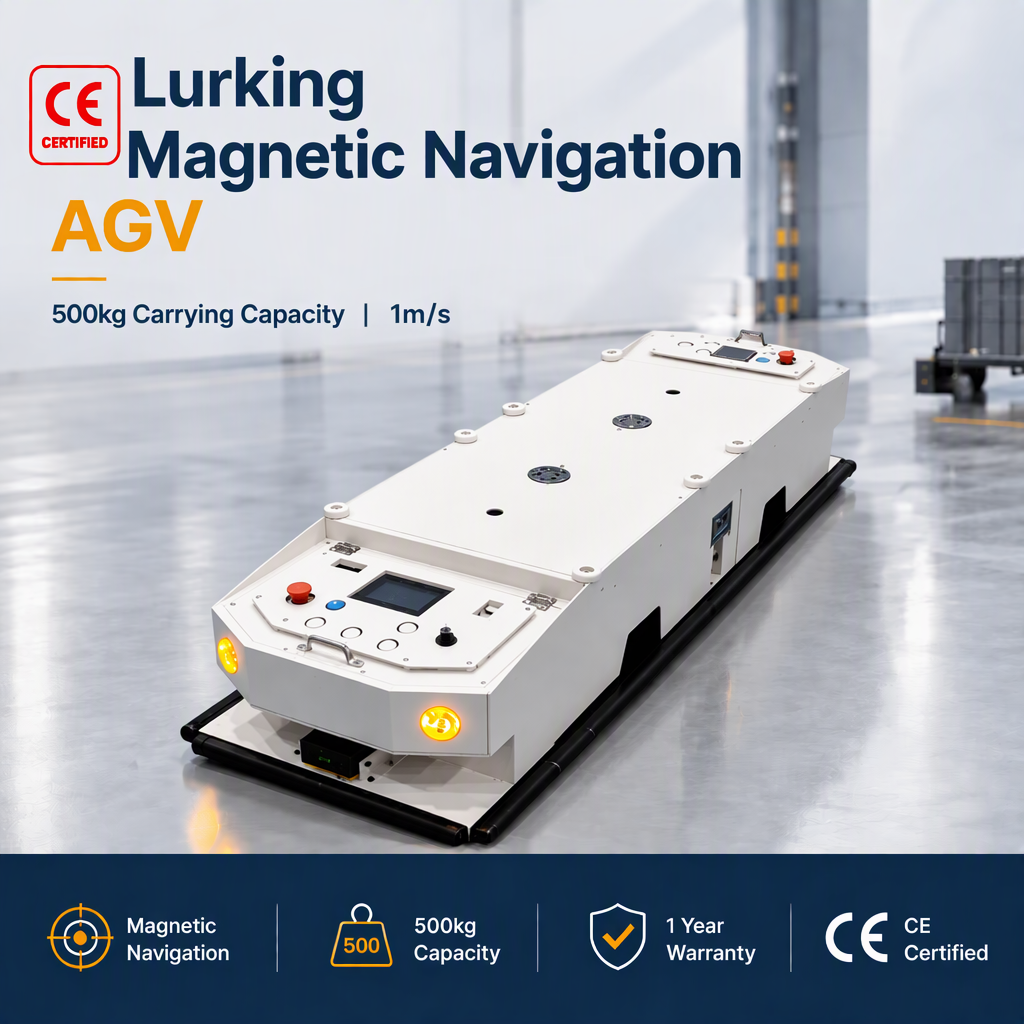
TZBOT EU CE Lurking AGV Material Handling Equipment Logistic Automation 500kg Bidirectional Magnetic Guidance Mobile Robot
A 500 kg bidirectional magnetic-guidance platform for tight aisles and station-to-station transfers, suited to opportunity charging during shift gaps.

TZBOT Customizable Composite Robot Multi Applications 600kg Bearing Chassis AGV AMR with Robotic Arm
A flexible 600 kg AGV/AMR chassis for robotic-arm integration, useful where charging cycles must fit variable pick-and-place workloads.
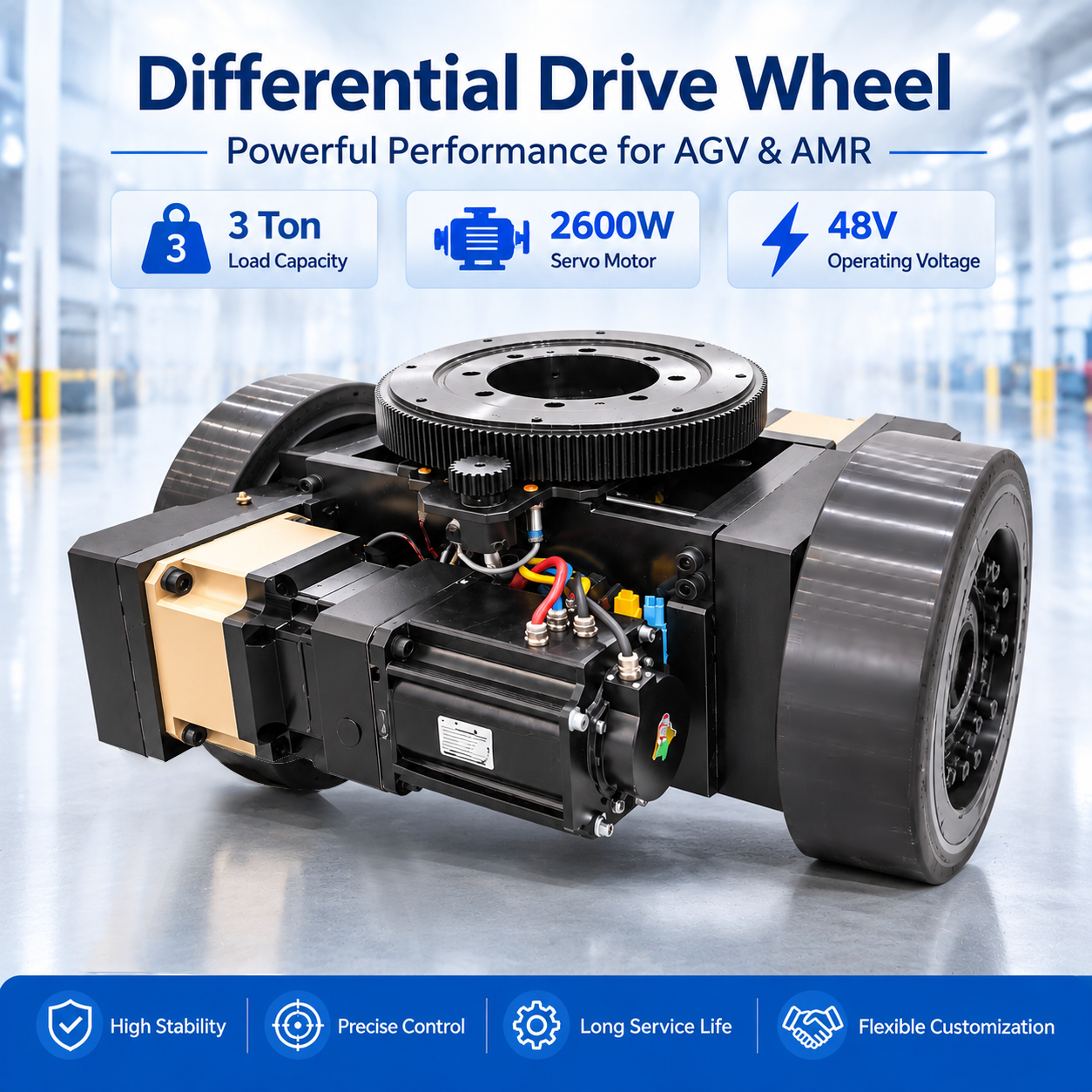
TZBOT Customizable 3000kg Load Capacity agv Wheel Automatic Guided Vehicle Differential Drive Wheel with 2600w 48V Servo Motor
High-load differential drive hardware for heavy transfer platforms and production-line feeders that return to a charging station on fixed routes.
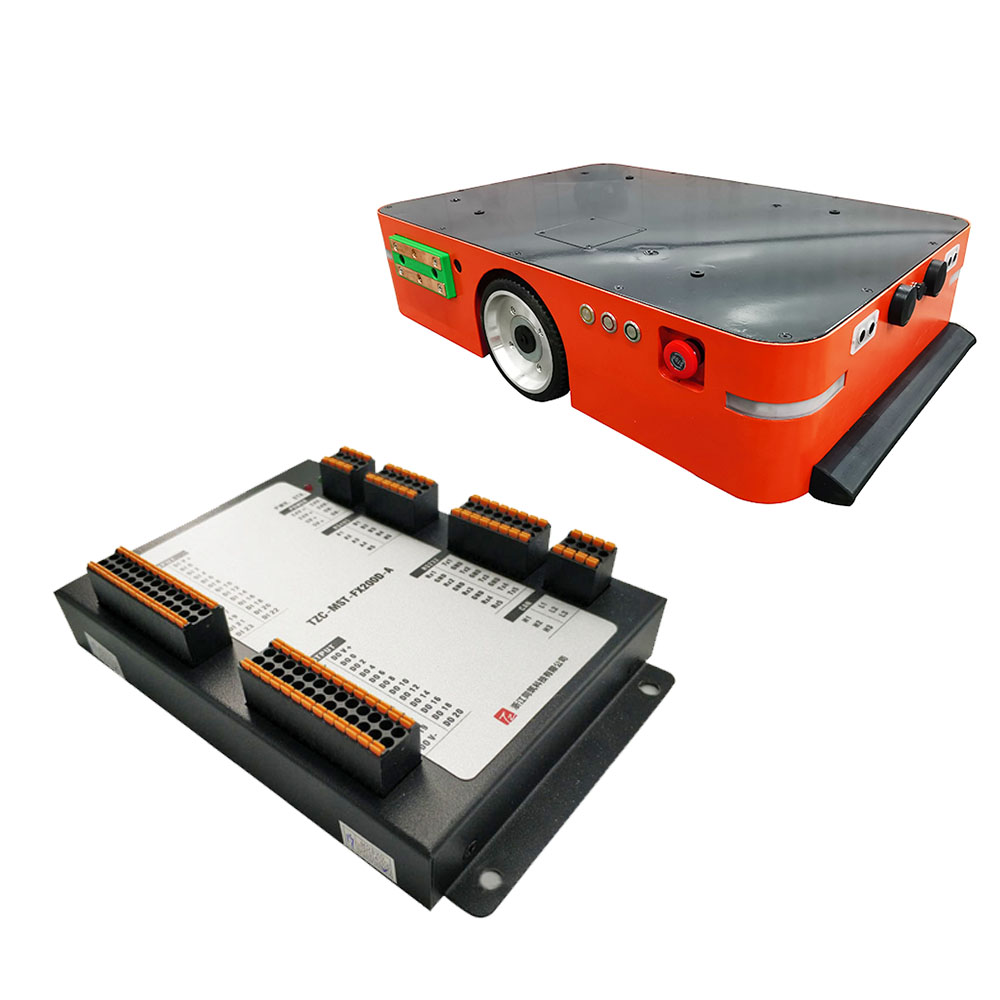
TZBOT Smart agv Controller for Commanding the AGV
A central control component for coordinating motion, docking approach, station handshakes and charging-state logic in a fleet.
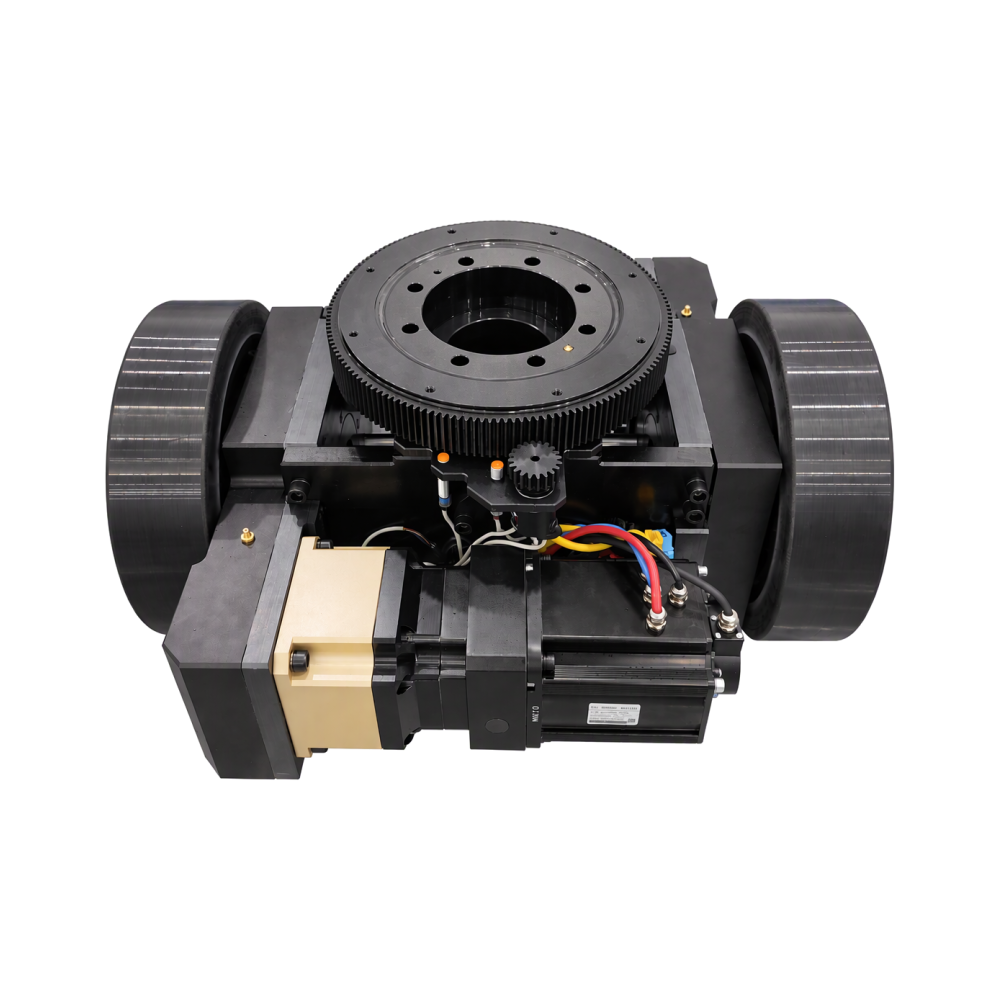
TZBOT Heavy Duty Series Robot Wheel 3000kg Bearing Capacity AGV Material Handling Equipment Differential Drive Wheel Assembly
A robust differential wheel assembly for demanding logistics duty cycles, especially where floor transitions and continuous charging shifts require durable traction.
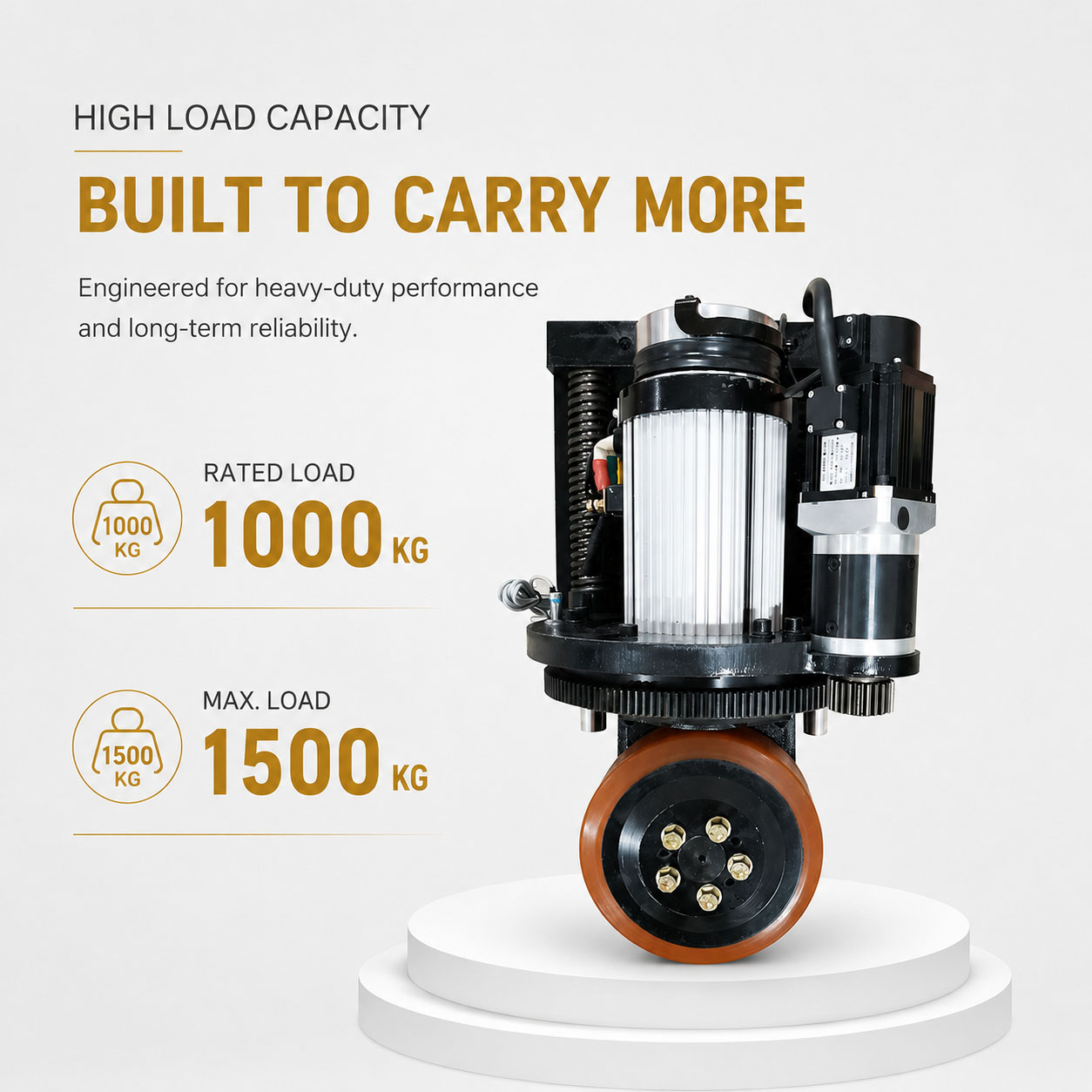
TZBOT 1000KG Bearing Duty 1500w Servo Motor AGV Forklift Driving Wheel with Suspension for Automatic Forklift
Suspension-supported drive hardware for automatic forklifts and tugger vehicles, helping maintain stable docking contact on imperfect floors.
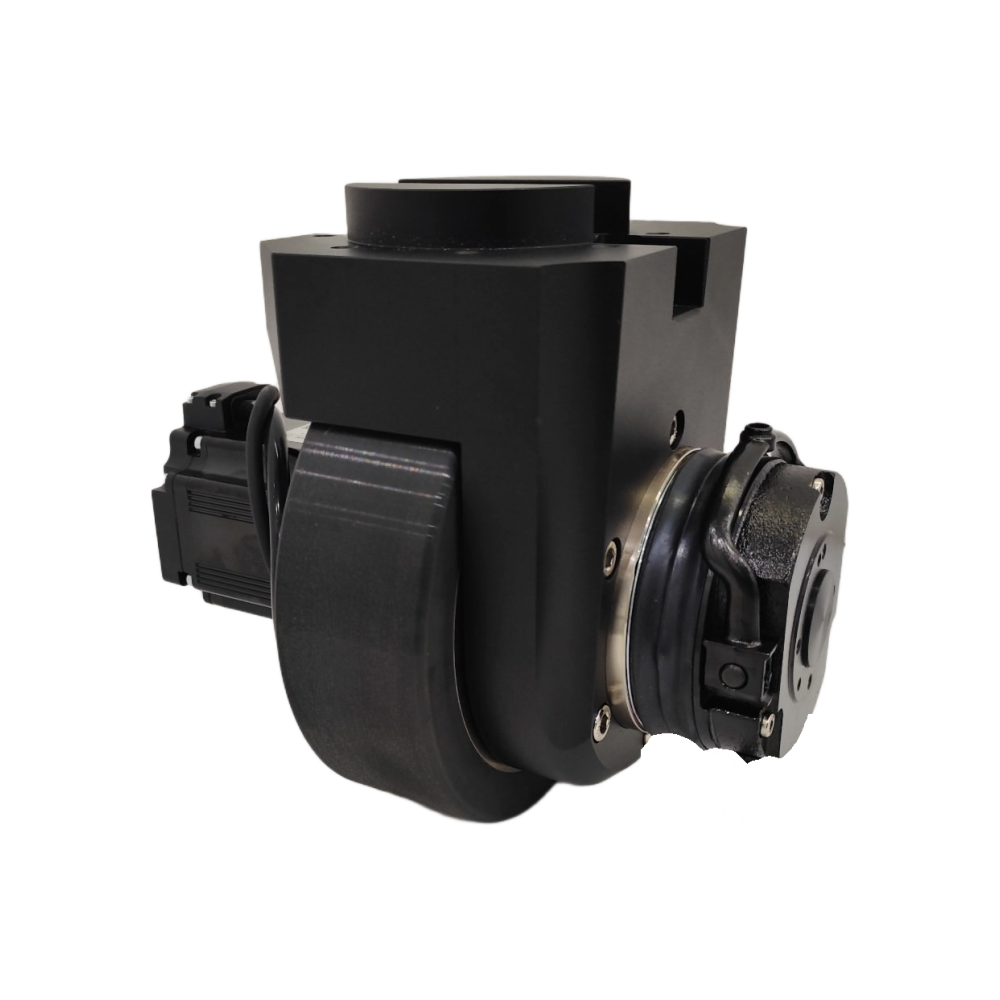
TZBOT Compact Structure agv Wheel Imported Polyurethane 1000kg Load Duty Mobile Robot Horizontal Drive Wheel Unit
A compact horizontal drive unit for low-clearance chassis, where the charging station must integrate into a dense floor plan with limited vehicle height.
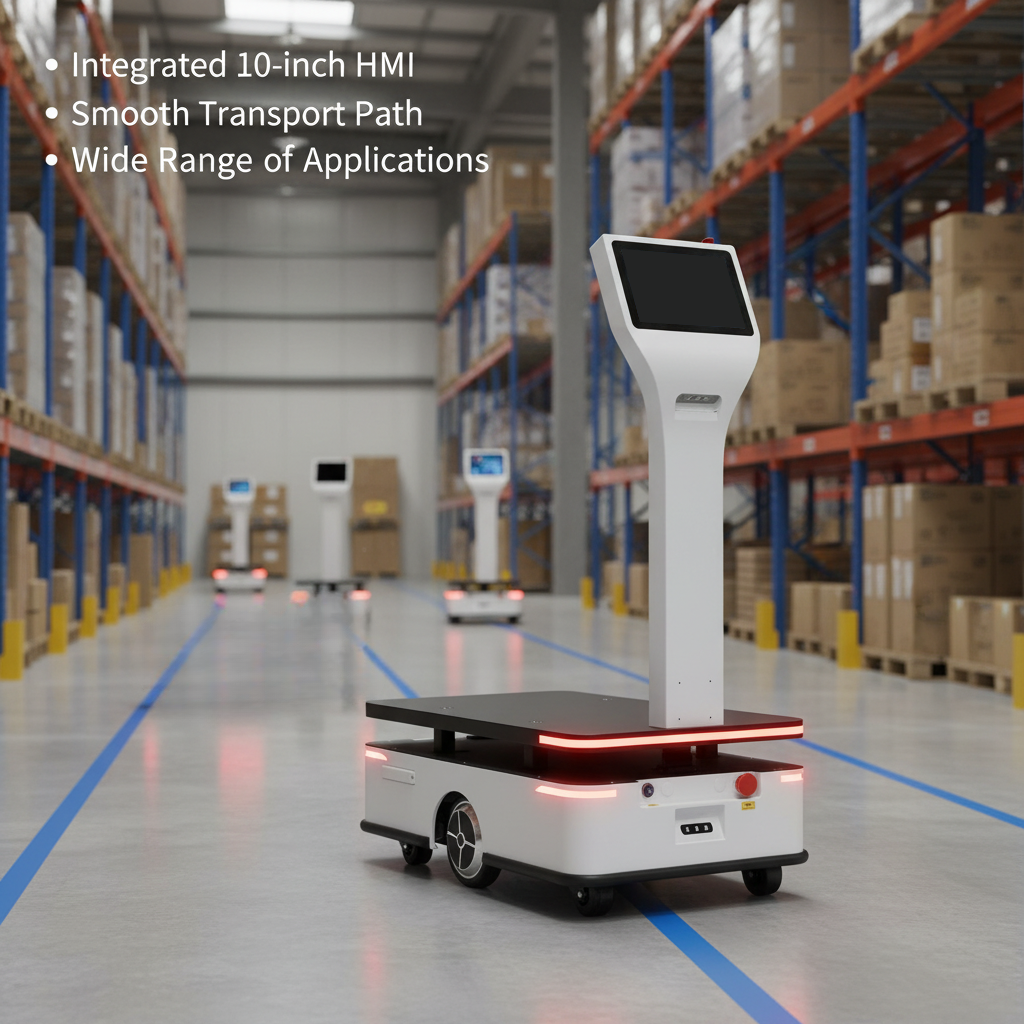
TZBOT Intelligent Warehouse Logistic Robot Unmanned Control System Customizable 80kg Payload agv Transfer Cart Slam Amr
A small-payload SLAM AMR transfer cart for flexible warehouse routes, adaptable to dispatcher-controlled opportunity charging.
Selection note: all product URLs are preserved from the existing catalogue. For a charging-station layout, share battery voltage, docking tolerance, shift schedule and fleet size so Torqen can match the station, wheel and controller together rather than as isolated parts.
Automatic Charging Stations Are Becoming Infrastructure, Not an Accessory
In Ho Chi Minh City, the commercial case for automatic charging is shaped by dense industrial parks, high-value warehouse floors, multi-shift logistics schedules and the continuous growth of e-commerce fulfilment. When an AGV or AMR fleet depends on manual battery swapping, every swap becomes a hidden production constraint: a traffic point, a safety exposure and a schedule interruption.
A well-designed automatic charging station transforms energy management into a background process. The vehicle approaches a fixed contact or wireless zone, confirms alignment, exchanges status with the charger and resumes work after a controlled top-up. In the Vietnamese context, this must also account for humidity, dust, uneven floor transitions, mixed forklift traffic and strong pressure on available floor space.
For procurement teams comparing an automatic charging station manufacturer & exporter for Ho Chi Minh City, the decisive questions are not only price per station. They are docking repeatability, compatibility with the vehicle’s battery and BMS, safe electrical design, spare-parts availability, documentation for import and the ability to support commissioning remotely or through local partners.

Why Localised Charging-Station Engineering Matters in Ho Chi Minh City
Ho Chi Minh City is not a generic export destination. It combines high-throughput logistics corridors, a dense industrial base and fast-changing warehouse layouts. Charging infrastructure has to work in that real operating environment.
Multi-Shift Uptime
Warehouses near Cat Lai, Thu Duc and the Binh Duong corridor often run extended shifts. Opportunity charging must be predictable enough to protect dispatch promises.
Floor-Space Discipline
Industrial land is costly. A charging station should occupy minimal floor area while still allowing safe approach, queueing and emergency access.
Mixed Fleet Traffic
AGVs, AMRs, forklifts and pedestrians share aisles. Charging points must suit traffic flow, sight lines and safety-zone marking.
Humidity & Dust Readiness
Seasonal humidity and airborne dust can challenge contacts and sensors. Design should support inspection, cleaning and stable docking force.
Maintenance Access
Spare contact modules, wheel treads, controllers and sensors should be replaceable with common tools and clear documentation for local technicians.
Export Documentation
For imported stations and components, clear packing lists, model labels, electrical data and shipping terms reduce delays at Vietnamese customs and receiving.
From the 220 / 380 V Grid to the AGV Contact: Four Design Layers
A safe automatic charging station project links power supply, station mechanics, vehicle interface and fleet operations. A weakness in any layer becomes a recurring production interruption.
| Design Layer | What to Specify | Why It Matters in Ho Chi Minh City |
|---|---|---|
| 1. Power supply | 220 V single-phase or 380 V three-phase supply, earth connection, surge and residual-current protection, cable route, charger isolation. | Many rented factories are retrofitted, so the station must fit existing electrical rooms rather than assume a new greenfield installation. |
| 2. Station mechanics | Contact travel, spring force, docking tolerance, floor anchoring, status light, emergency stop, cable protection and cleaning access. | Floor flatness and traffic vibration can change over time; adjustable docking hardware protects contact life. |
| 3. Vehicle interface | Battery voltage, BMS limits, charge curve, docking sensor, communication protocol, vehicle-side contact or wireless receiver. | Mixed AGV brands require a clear interface document so charging logic does not depend on guesswork. |
| 4. Fleet operations | Charge-opportunity rules, queue logic, station allocation, shift schedule, visual management, inspection plan and spare-parts list. | Ho Chi Minh City fleets often scale quickly; the operational model must support added vehicles without redesigning every route. |
Where Automatic Charging Stations Create Value in Ho Chi Minh City
The same station architecture can support very different operations. The application determines the docking layout, safety envelope and charging strategy.
3PL & E-Commerce Fulfilment
Opportunity charging at pick faces and packing stations keeps small AMR fleets moving through peak order cycles without long battery-swap breaks.
Electronics & Hi-Tech Manufacturing
In and around Saigon Hi-Tech Park, clean floors and precise station positioning support repeatable docking and stable production-line delivery.
Garment, Footwear & FMCG
Multi-shift factories can use charging stations near dispatch lanes and line-side buffers, reducing manual handling and battery logistics.
Cold Chain & Food Distribution
Charging areas placed outside temperature-sensitive zones can reduce condensation risk and keep maintenance access clear for technicians.
Automotive & Motorcycle Parts
Heavy-duty drive wheels and robust station mounting support mixed-material handling where AGVs share space with forklifts and production carts.
Airport, Port & Transfer Hubs
Around Tan Son Nhat and Cat Lai logistics corridors, covered docks and floor transitions require charging layouts that tolerate mixed indoor-outdoor traffic.
Four Trends Shaping Automatic Charging Procurement in Ho Chi Minh City
Buyers are moving from isolated vehicle purchases to fleet-level infrastructure planning. These trends are visible in the questions Vietnamese integrators bring to technical discussions.
Opportunity Charging Replaces Battery Swapping
Short top-ups during natural idle windows reduce manual handling, spare-battery inventory and the footprint needed for swap stations.
Fleet Energy Becomes a Management Layer
Warehouse teams want station status, vehicle state and charging queues visible in one operational view rather than managed by radio calls.
Safety and Standardisation Move Up the Agenda
Emergency stop, clear marking, earth protection and controlled docking force are becoming basic requirements, not premium options.
Faster Spare-Parts and Remote Support
Imported automation must stay available after commissioning. Buyers increasingly evaluate documentation, replaceable modules and remote engineering response.
Why Torqen Is a Practical Manufacturing Partner for Ho Chi Minh City Projects
Torqen combines drive-train manufacturing, AGV hardware, control electronics and export support. This reduces the integration risk that appears when charging stations, wheels, drivers and sensors are sourced separately.
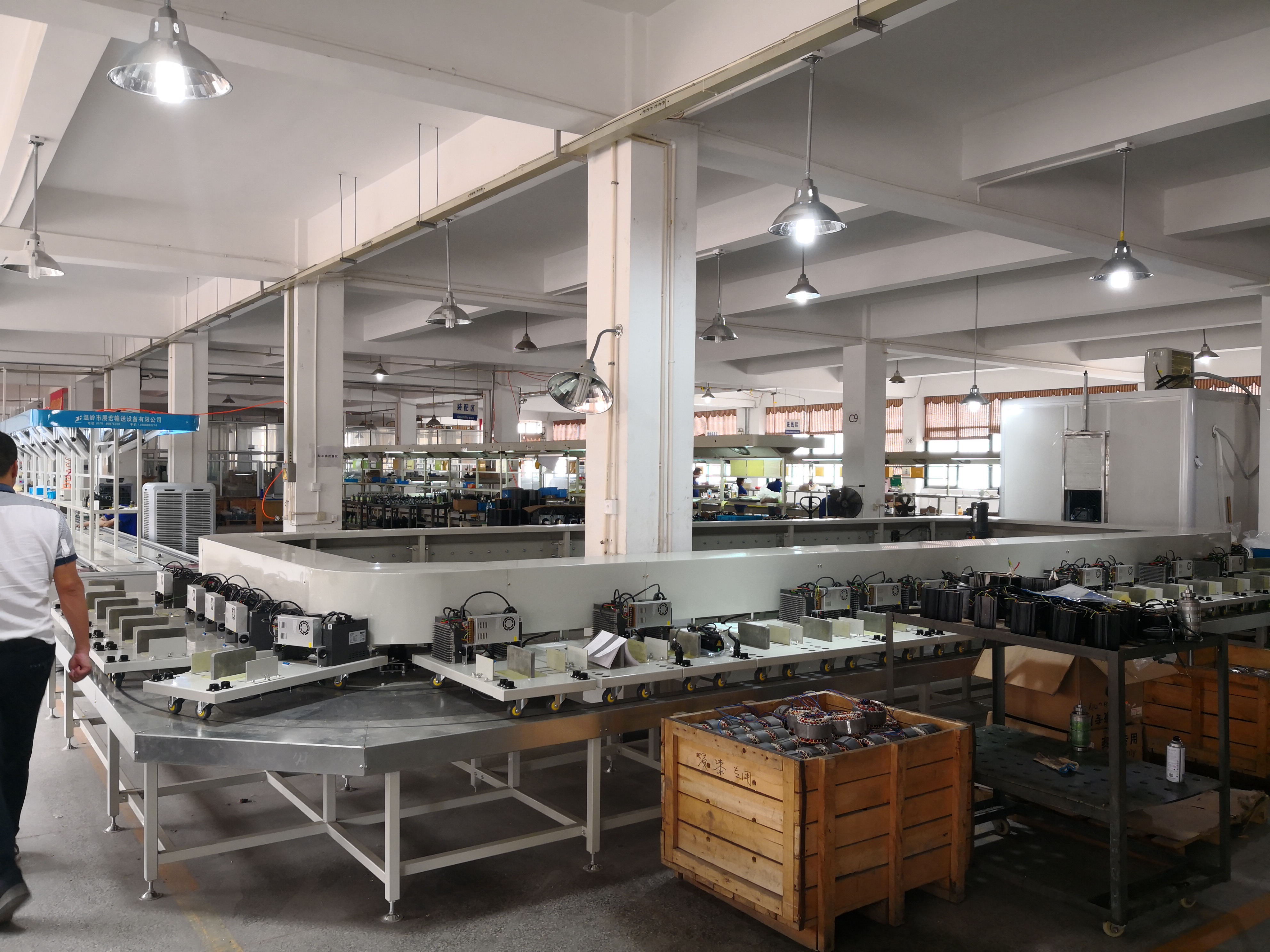
Founded in 2015 in Hangzhou, Zhejiang, Zhejiang Torqen Technology Co., Ltd. serves automation builders with AGVs, AGV drive wheel assemblies, motors, encoders, reducers, servo/BLDC controllers, navigation sensors and accessories. The company operates a 1,000–3,000 m² factory footprint with a 51–100 person team and annual output in the US$5M–10M range. Torqen is ISO 9001:2015 certified, Intertek onsite-verified, and supports sample-based customization, design-based customization, OEM production and buyer-label packaging.
For an automatic charging station manufacturer & exporter for Ho Chi Minh City, this matters because a station is only as reliable as the vehicle that docks to it. Torqen’s engineering team can review wheel traction, motor voltage, driver parameters, sensor alignment, docking tolerance and fleet operating rules in one technical conversation.
Drive-Train Matching
Wheels, motors, reducers and controllers are selected as a system, helping the vehicle approach and leave the charging contact smoothly.
OEM / ODM Customisation
Motor power, voltage, reduction ratio, wheel diameter, tread material, encoder, brake and mounting interfaces can be adapted to project requirements.
Quality Evidence
ISO 9001:2015 processes, onsite verification and finished-product inspection provide buyers with traceable evidence for procurement files.
Export-Ready Terms
FOB, CFR, CIF, EXW, CIP, FCA, CPT, DDU and express delivery are supported, with payment options including T/T, L/C, credit card, PayPal and others.
Fast Technical Response
24/7 online support, a 97.9% inquiry response rate and remote commissioning guidance help overseas buyers keep projects moving.
Integrated Sensors & Control
Magnetic guide sensors, RFID position readers, lidar and smart controllers can be matched with the drive system for stable station approach.
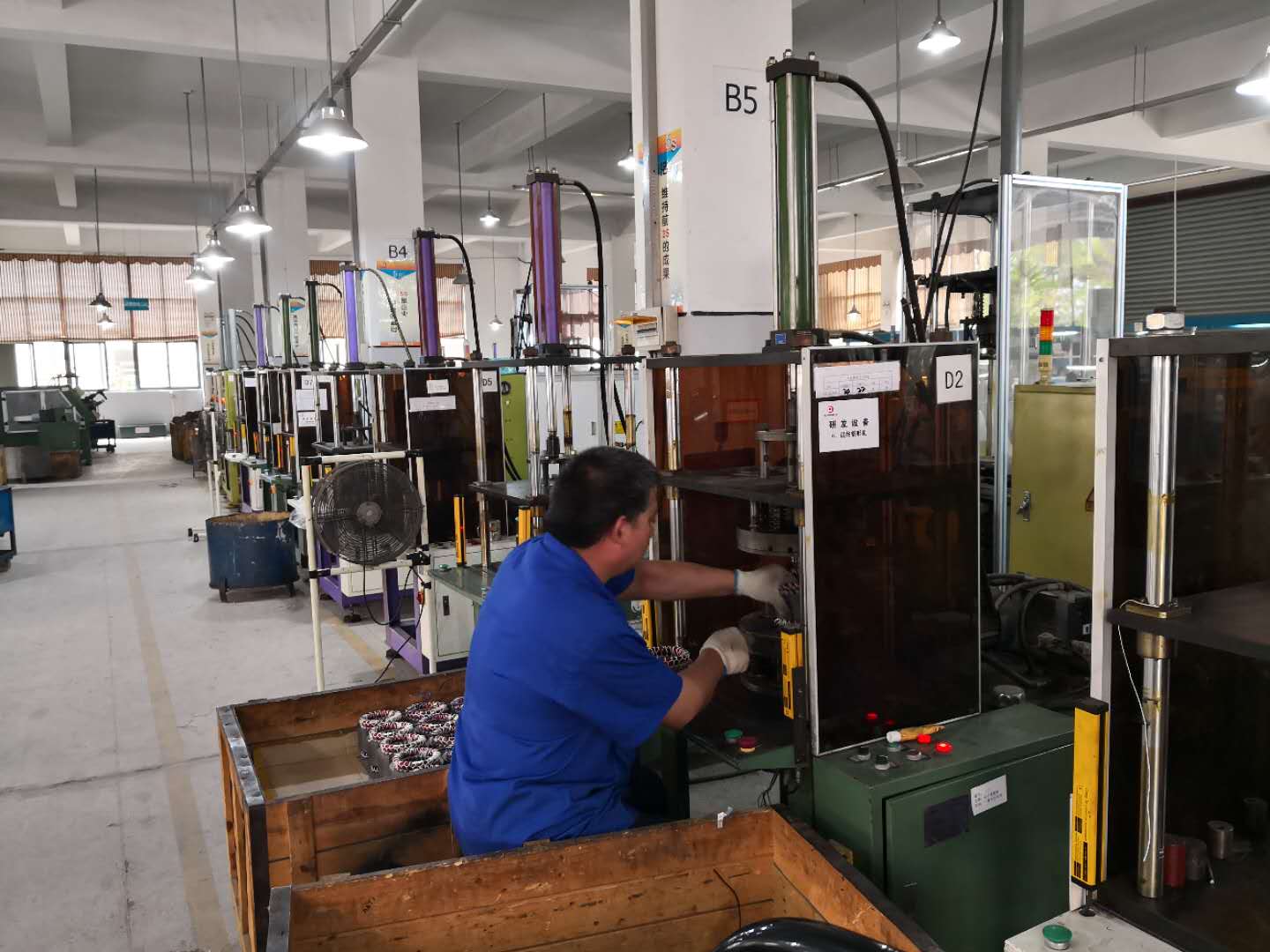
From Specification to Shipment in Six Controlled Steps
A clear sampling and production path helps Ho Chi Minh City buyers plan installation, training and commissioning with fewer unknowns.
Requirement Review
Payload, battery voltage, shift pattern, floor condition, dock layout and vehicle speed are reviewed together.
Engineering Proposal
Motor, reducer, wheel, controller, sensor and station interface are matched into a practical configuration.
Prototype Build
Sample-based or design-based customisation is produced according to the approved technical route.
Endurance Testing
Extended-duration runs and parameter checks identify docking, traction or thermal issues before release.
Mass Production
Manufacturing follows ISO 9001:2015 controlled processes with inspection records for export projects.
Inspection & Delivery
Final inspection, export packing, shipping documents and delivery terms are coordinated for the destination.
Questions Ho Chi Minh City Buyers Ask Before Ordering
These are the practical questions that shape a technical quotation for automatic charging stations and AGV hardware.
Are Torqen automatic charging stations compatible with 24 V and 48 V AGV batteries?
Compatibility depends on the battery chemistry, BMS limits and vehicle charge curve, not voltage alone. Torqen reviews the battery specification, maximum charge current, connector or contact type, and the AGV’s docking sensor before recommending a station configuration. This is particularly important when a Ho Chi Minh City buyer plans to mix several AGV models in one warehouse.
What information do you need to quote an automatic charging station for a Ho Chi Minh City factory?
Please provide the AGV or AMR model, battery voltage and capacity, BMS communication details, required charging current, available power supply, shift schedule, fleet size, floor plan, docking area dimensions and any local safety or electrical requirements. Photos of the intended charging area are also useful because floor transitions, aisle width and traffic flow affect the final layout.
Can you support 220 V single-phase and 380 V three-phase power in Vietnam?
Project configurations can be reviewed for common industrial supplies used in Vietnam. The final station design must be confirmed against the actual site supply, earth protection, isolation requirements and permitted installation practice. Torqen can prepare the electrical data needed for the local installer to verify the connection before shipment.
How do you reduce docking failures on uneven or dusty floors?
The engineering response usually combines guide features, compliant contact travel, wheel traction, sensor confirmation and a clear approach zone. For dusty environments, the station design should allow inspection and cleaning access. If the floor is significantly uneven, the vehicle suspension and approach speed also need review because the station cannot compensate for every mechanical misalignment.
Do you provide OEM / ODM branding and documentation for export projects?
Yes. Torqen supports OEM production, buyer-label packaging, sample-based customisation and design-based customisation. For export projects, model labels, packing lists, technical data and agreed shipping documents can be prepared so the receiving team in Vietnam can identify components and complete installation efficiently.
What payment, Incoterms and shipping options are available to Ho Chi Minh City?
Payment methods include T/T, L/C, D/P, D/A, credit card, PayPal, Western Union, cash and escrow, with currencies such as USD, EUR, JPY, CAD, AUD, HKD, GBP and CNY. Delivery terms include FOB, CFR, CIF, EXW, CIP, FCA, CPT, DDU and express delivery. The best shipping route depends on cargo size, battery restrictions, required delivery date and whether the buyer prefers a port-to-door or door-to-door arrangement.
How is product quality verified before shipment?
Torqen operates an ISO 9001:2015 quality management system and has been onsite-verified by Intertek. Finished-product inspection uses five in-house testing instruments, and prototypes undergo extended-duration testing before production parts are released. For critical projects, the buyer can request inspection records and agreed pre-shipment checks.
Can you support spare parts, installation and remote commissioning after delivery?
Yes. Torqen can provide spare contact modules, drive wheels, controllers, sensors and other service parts based on the project configuration. The engineering team can support remote commissioning, parameter checks and fault analysis. When a local integrator is involved in Ho Chi Minh City, Torqen can coordinate technical documents with that partner to shorten the installation and handover period.
Request a Ho Chi Minh City Charging-Station Layout and AGV Compatibility Review
Send your vehicle model, battery voltage, docking area photo, fleet size and shift schedule. Torqen will review the charging station, drive wheel, controller and sensor requirements as one system.
