8 Factory-Direct AGV Products Commonly Specified with AGV Bumper Sensors in Makati
The eight product cards below cover the drive, control, and robot platforms that sit around an AGV safety system. If your project needs a pressure-sensitive bumper, AGV bumper strip safety bar, or a complete bumper sensor assembly, share the mounting size, voltage, response requirement, and building constraints through the catalog request. Torqen’s engineers will match the safety device with the correct controller, drive wheel, and navigation layer.
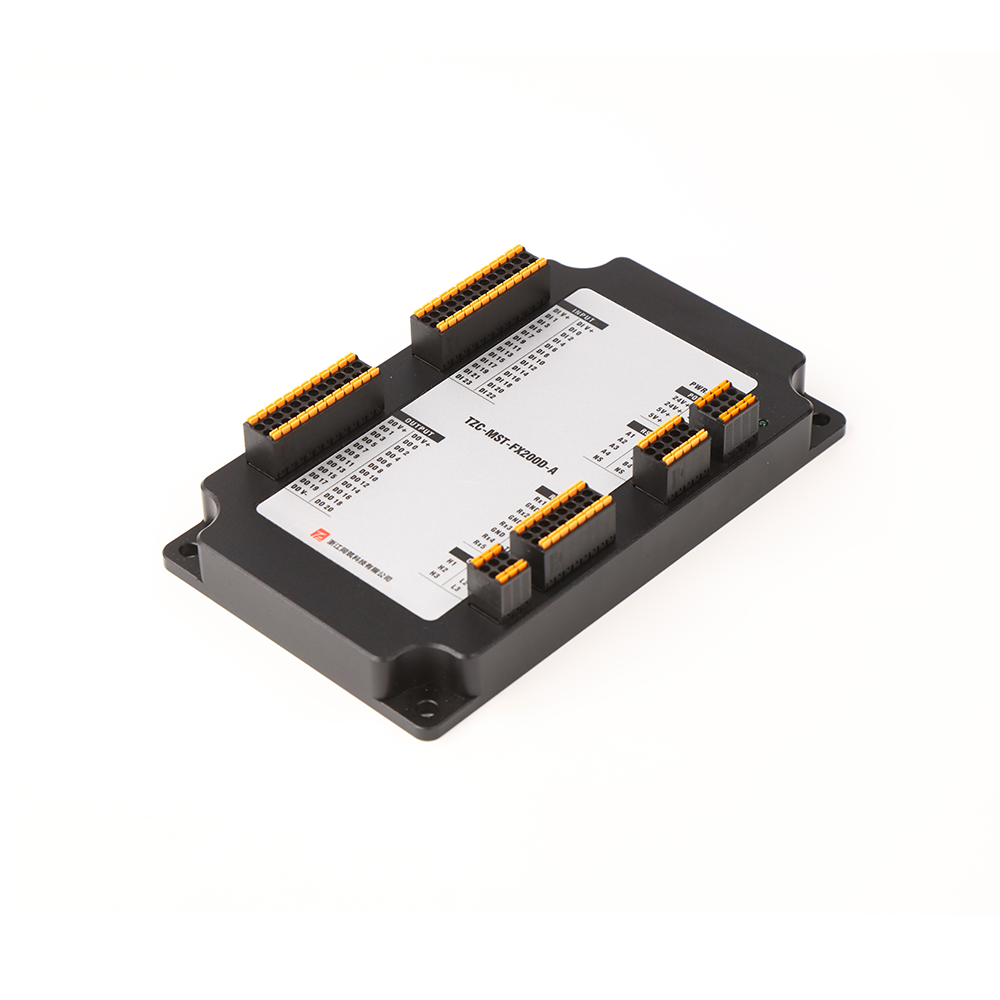
AGV Accessories Automated Guided Vehicle Controller with 19V~29V Power for AGV Robot
Compact controller for AGV retrofits and small autonomous platforms where bumper input, motor control, and safety-chain logic must fit inside a tight electrical cabinet.
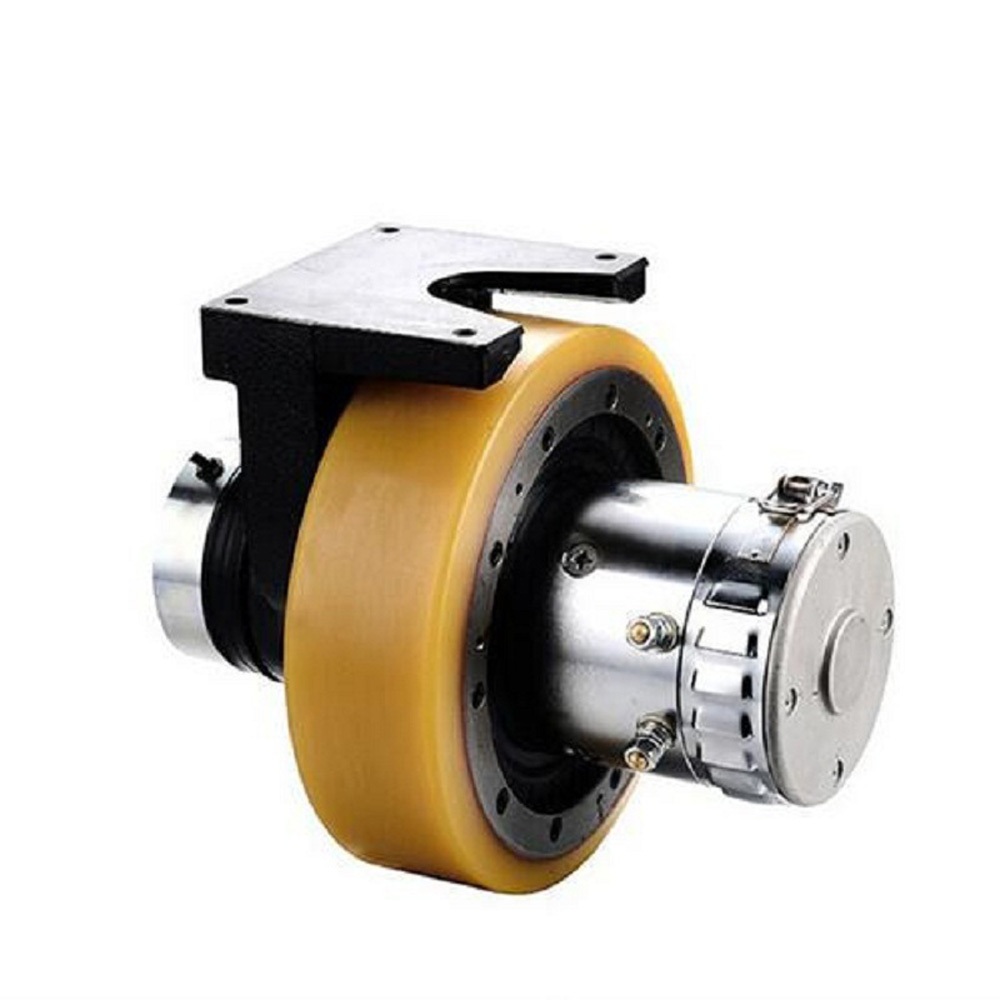
TZBOT TZ18-D12 1200W 24V Horizontal Drive Wheel Assembly Horizontal Wheel Unit Omnidirectional Automatic Steering Wheel
Low-profile horizontal drive for compact AGVs and service robots that need controlled movement in narrow corridors, lift lobbies, and Makati back-of-house routes.
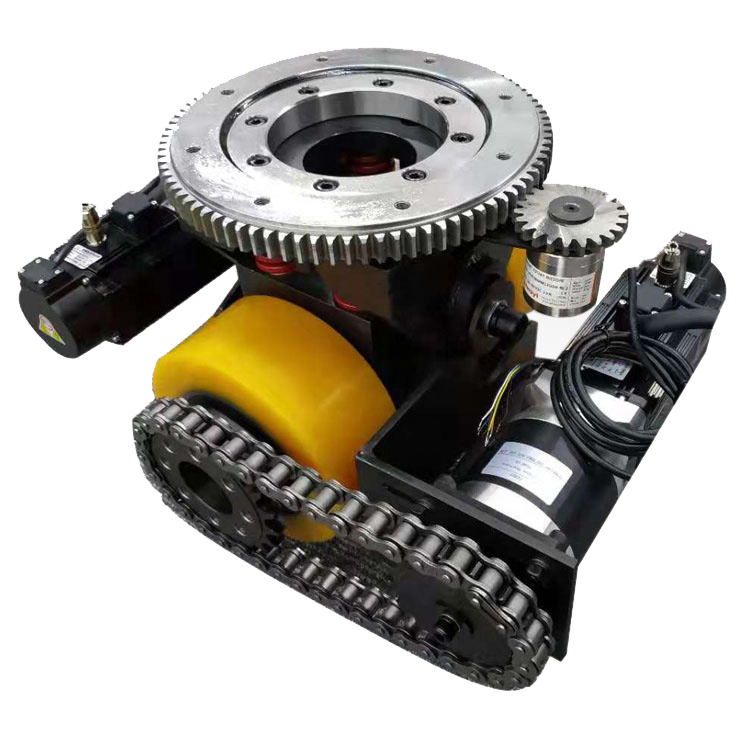
TZBOT 48V DC 2 Ton Heavy Duty Differential Unit AGV Wheel TZCS-750-30
Heavy-duty differential wheel for 2-ton class material handling platforms where stability, torque reserve, and reliable stopping performance are critical.
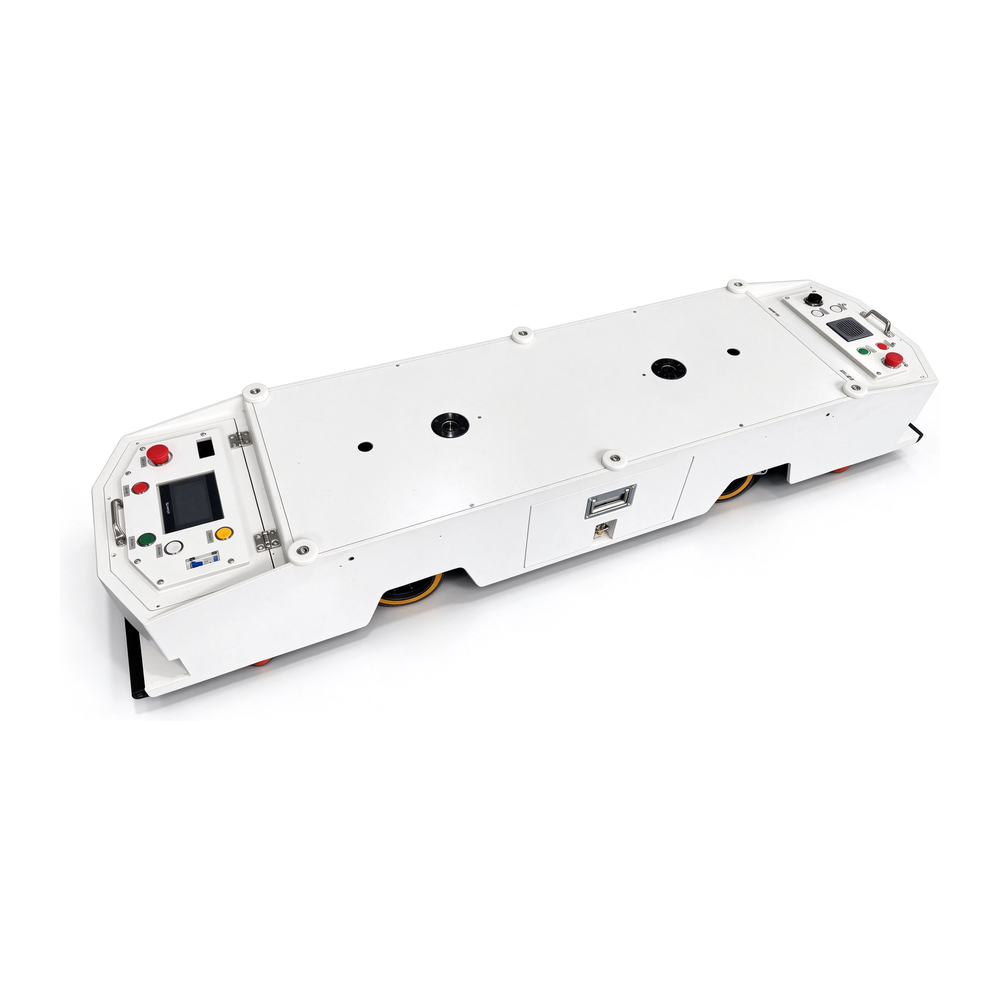
TZBOT 2500KG Lurking AGV Unmanned Control 8H Long Endurance Material Handling Mobile Robot for Shelf Towing
Lurking AGV platform for shelf towing and repetitive material movement where long endurance and predictable safety behavior reduce operational disruption.
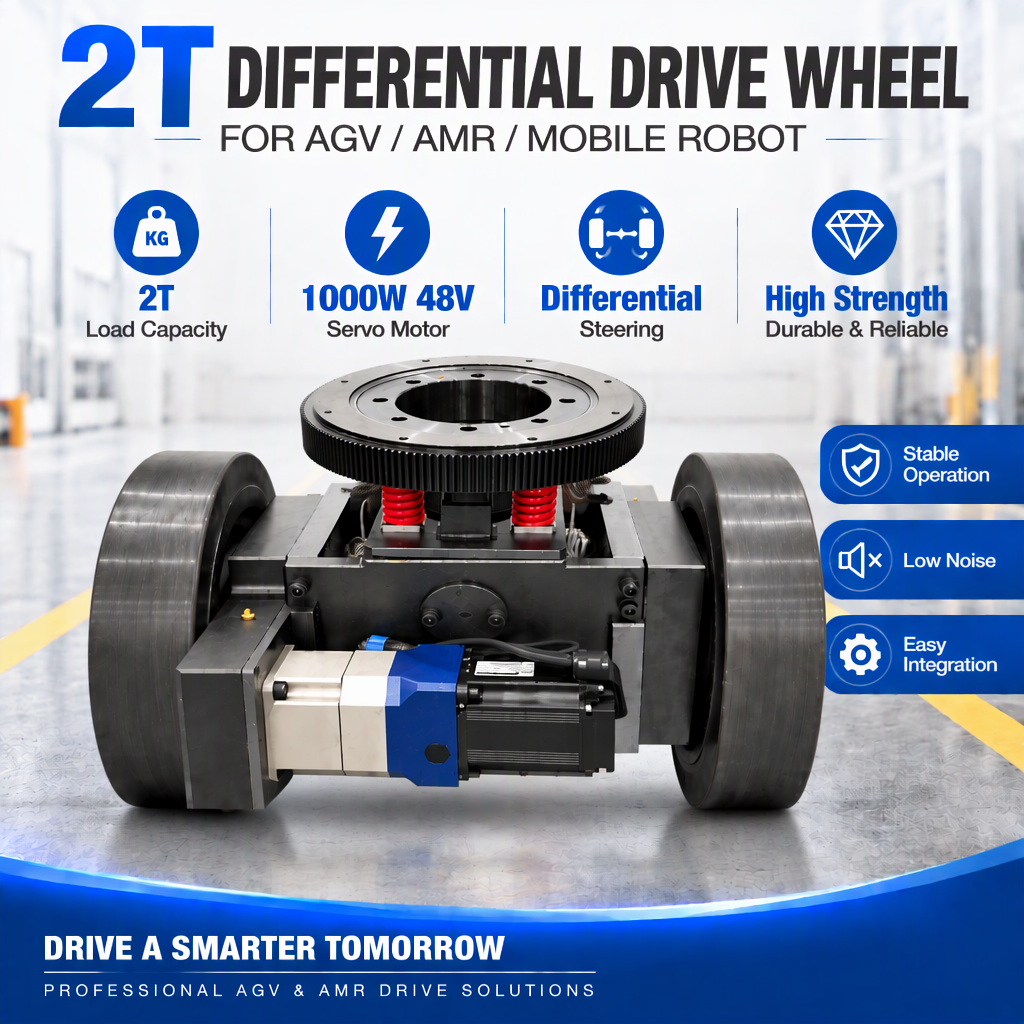
TZBOT 2000kg Traction Capacity Logistic Robot Part agv Amr Differential Steering Drive Wheel for Sale
Differential steering drive wheel for logistics robots that need both traction and controlled turning inside mixed-use facilities and loading zones.
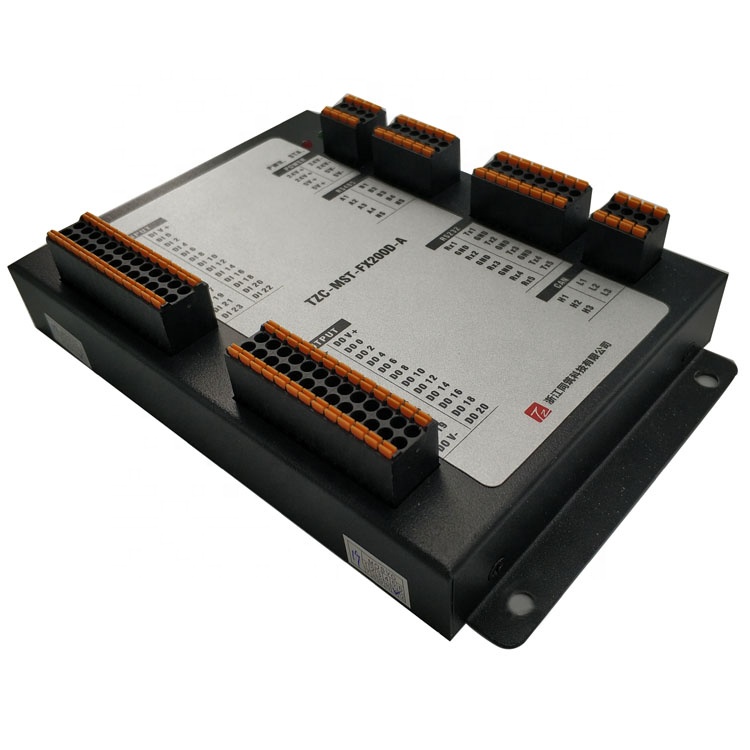
Smart AGV Controller TZC-MST-FX200D-A with Auto Guide Apply for Building Material Shops
Smart AGV controller for route guidance and practical integration in building material shops, retail backrooms, and small distribution points.
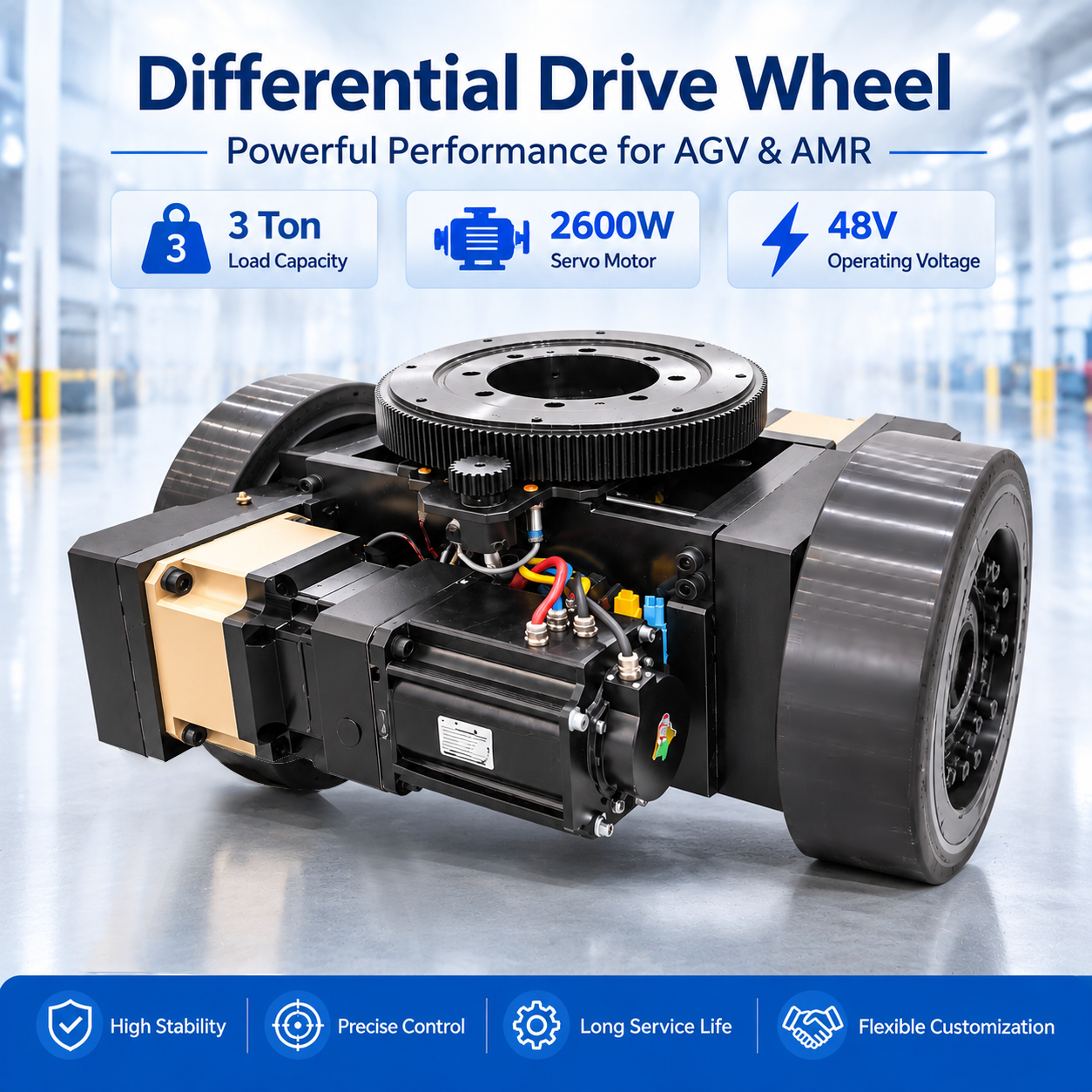
TZBOT Customizable 3000kg Load Capacity agv Wheel Automatic Guided Vehicle Differential Drive Wheel with 2600w 48V Servo Motor
Customizable 3-ton load capacity differential drive wheel with 2600 W 48 V servo motor for heavier AGV platforms and demanding industrial routes.
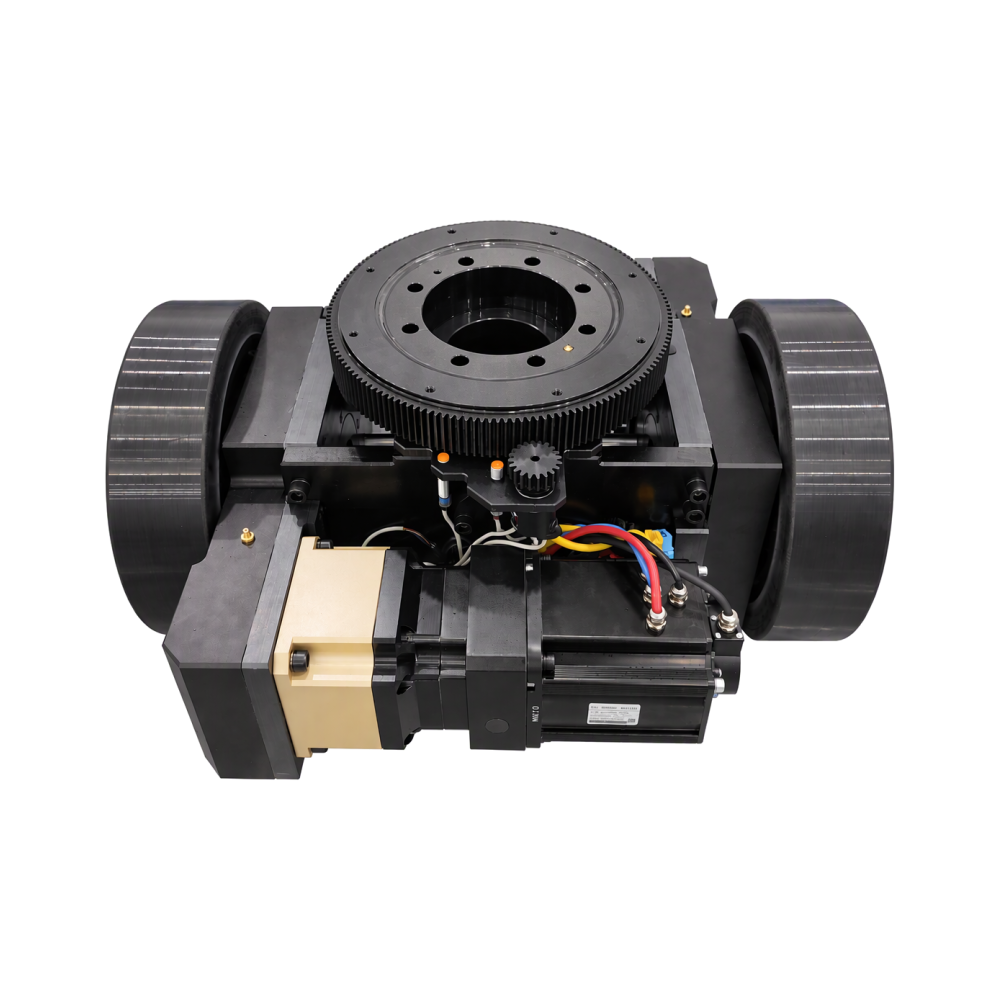
TZBOT Heavy Duty Series Robot Wheel 3000kg Bearing Capacity AGV Material Handling Equipment Differential Drive Wheel Assembly
Heavy-duty differential drive wheel assembly for AGV material handling equipment that requires high bearing capacity and long service life.
Factory Credentials Makati Buyers Can Check Before Sending an RFQ
Torqen is an ISO 9001:2015 certified manufacturer based in Zhejiang, China, with onsite verification by Intertek and export experience across AGV, AMR, forklift, airport equipment, medical device, and material handling applications.
Why the Bumper Sensor Is a Safety Specification, Not a Last-Minute Accessory
In Makati City, AGVs rarely operate in clean, isolated factory aisles. They share service corridors, basement loading bays, elevator waiting areas, retail backrooms, clinic hallways, and office-building delivery routes with people, carts, glass doors, and floor transitions. A bumper sensor is therefore part of the vehicle’s risk-control strategy, not a decorative add-on.
Contact Bumper Sensors Detect What Early-Stage Sensors Miss
A contact bumper sensor, also called a safety edge, pressure-sensitive bumper, or AGV bumper strip sensor, closes a detection loop when a low obstacle, protruding pallet, glass edge, or human foot enters the final zone. LiDAR and 2D scanners are excellent for early warning, but they may miss objects below the scan plane, reflective surfaces, or obstruction patterns close to the chassis. The safest architecture uses layered detection: LiDAR or ultrasonic for advance warning, magnetic or QR guidance for route control, and a contact bumper as the final mechanical-electrical stop layer.
For Makati projects, pay special attention to service-elevator thresholds, expansion joints, polished lobby stone, dock levellers, and tight turn areas. These features can create false triggers if the bumper height, hardness, or mounting angle is poorly matched to the floor condition.
Stopping Distance Must Be Calculated, Not Guessed
Application engineers commonly approximate stopping distance as d = v·tr + v²/(2a) + margin, where v is travel speed, tr is control response time, a is effective deceleration, and margin covers floor slip, load shift, and brake wear. A bumper sensor with a fast electrical response still cannot compensate for excessive speed, worn wheels, or a controller that ignores the safety input during auto mode.
This is why an AGV bumper sensor inquiry should include vehicle weight, payload, maximum speed, floor type, braking method, and the distance from the bumper face to the drive wheel. Buyers shopping from Makati often compare component prices first, but the lower total risk usually comes from matching the sensor, drive wheel, controller, and navigation system together.
Where AGV Bumper Sensors and Drive Systems Are Used in Makati
Makati’s density creates special requirements. Robots must often be compact, quiet, clean, and easy to integrate into building operations while still delivering measurable labor savings and safer material movement.
Office Tower Mailroom & Document Delivery
Along Ayala Avenue, Legazpi Village, and Salcedo Village, AGVs can move mail tubs, office supplies, and facilities equipment between service elevators and tenant floors. The bumper sensor must be matched to elevator door sills, carpet transitions, and pedestrian traffic, while the drive wheel should be compact and quiet.
Retail & Mall Back-of-House Replenishment
Retail operations around Greenbelt, Glorietta, and nearby mixed-use developments need frequent replenishment without disrupting shoppers. A combination of non-contact obstacle detection plus AGV bumper strip protection helps protect glass, display fixtures, and staff in blind corners. Non-marking wheels and controlled acceleration matter on polished floors.
Hospitals, Clinics & Laboratory Logistics
Medical-grade operations require smooth starts and stops, low noise, and predictable safety behavior. AGVs may transport linen, pharmacy bins, and supplies through corridors shared with patients. The bumper sensor response should be fast, wiring should be fail-safe where required, and the vehicle platform should be easy to clean.
E-commerce & 3PL Hubs Near Makati
Warehouses and fulfillment centers in Pasay, Taguig, and wider Metro Manila support Makati commerce. For 2-ton to 3-ton movements, heavy-duty differential drive wheels, matched servo controllers, and safety bumpers help handle repetitive shelf towing and pallet movement with less downtime.
Facilities Management & Cleaning Equipment
Floor scrubbers, sweepers, and autonomous cleaning machines often use low-clearance horizontal drive assemblies. A bumper sensor prevents damage near glass walls, elevator frames, and column bases. Electrical components should be selected with cleaning, dust, and splash exposure in mind.
Building Material & Equipment Shops
Shops and light distribution points use smart AGV controllers and compact robots for moving bulky samples, cartons, and hardware supplies. Because aisles are narrow and floor conditions vary, the controller logic must prioritize reliable bumper input, controlled deceleration, and clear fault reporting.
Local Automation Trends Shaping AGV Bumper Sensor Procurement in 2025–2026
Smaller Robots in Higher-Value Space
Makati’s high-rent commercial space favors compact AGVs, low-profile horizontal drive units, and tight-turn safety configurations. The bumper sensor must protect the chassis without increasing its footprint excessively.
Safety-First Buying Teams
Facilities managers increasingly ask for visible safety logic, fault feedback, and clear maintenance instructions. A supplier that can explain stopping distance, sensor redundancy, and test procedures wins trust before price negotiation.
Retrofit and Mixed-Fleet Reality
Many Metro Manila sites do not buy an entirely new fleet. They retrofit controllers, replace differential drive wheels, and add safety bumpers to existing AGV or AMR platforms. Documentation and wiring compatibility become decisive.
Faster Cross-Border Procurement
Buyers in Makati expect quick catalog downloads, clear payment terms, and export-ready packing. DDU, CIF, FOB, and express options help procurement teams compare landed cost while coordinating Manila customs clearance.
Bumper Sensor and Safety Layer Comparison for AGV Projects
Use this comparison as a starting point for Makati site discussions. The best safety layer is not the one with the longest detection range; it is the one that reliably controls risk at the speed, floor condition, and traffic pattern of the actual route.
| Safety Layer | Typical Role | Strength | Limitation to Check | Makati Buyer Checklist |
|---|---|---|---|---|
| Contact AGV bumper sensor | Final stop layer when contact occurs | Detects low, protruding, or unexpected objects at the chassis edge | Does not prevent impact by itself; response depends on controller and braking | Ask for mounting height, bumper length, NC/NO logic, IP target, connector type, and replacement method |
| 2D LiDAR / safety scanner | Early warning and zone-based slowing | Good for people detection and route safety fields | Blind spots below the scan plane; reflections and glass can affect setup | Confirm scan plane, field sets, floor level changes, and behavior in crowded elevator lobbies |
| Ultrasonic / infrared | Short-range gap detection and parking assist | Low-cost auxiliary detection for docking or tight clearance | May be affected by surface material, noise, and airflow | Use alongside contact bumper, not as a replacement where personnel are nearby |
| Magnetic guide sensor / RFID | Route guidance and station recognition | Stable fixed-route control with predictable behavior | Requires floor tape or tags and route maintenance | Coordinate bumper safety logic with floor works, re-taping schedules, and station stop zones |
How to Specify AGV Bumper Sensors for Makati Buildings
A precise requirement shortens sampling and reduces the risk of a device that fits physically but behaves poorly during commissioning.
Measure the Real Clearance
Record the distance from floor to bumper face, maximum obstacle height to detect, and available mounting depth. Account for ramps, elevator thresholds, and drainage covers. A bumper height that works in a showroom may false-trigger in a basement loading bay.
Define Electrical Logic
State whether the vehicle controller expects normally open or normally closed input, whether a relay or safety PLC is used, and how the controller reacts when the bumper is triggered. Include connector preference and spare-part replacement method.
Match the Stop Performance
Calculate stopping distance at maximum payload and maximum speed. If the robot operates in crowded retail or office spaces, consider speed derating in turns, reduced acceleration near elevators, and an audible or visual warning before movement.
Test the Actual Route
Commission on the real floor: polished stone, carpet edge, service lift, ramp, and docking point. Test with a representative payload. Record trigger points, reset behavior, and diagnostic messages so maintenance staff can respond quickly.
Why Zhejiang Torqen Technology Is a Practical China Supplier for Makati Integrators
Torqen is not positioned as a catalog-only trader. The company’s factory background, engineering customization, and matched electronics reduce the coordination burden on Makati integrators who need drive wheels, controllers, sensors, and safety accessories from one technical partner.
Zhejiang Torqen Technology Co., Ltd. — Drive and Motion Technology Since 2015
Founded in 2015 in Zhejiang, China, Torqen designs and manufactures automatic guided vehicles, AGV drive wheel assemblies, DC/AC motors, encoders, reducers, motor controllers, caster and PU wheels, and in-wheel motor units. The company supports OEM and ODM buyers with sample-based customization, design-based customization, OEM production, and buyer-label packaging.
For AGV bumper sensor projects, the practical advantage is system matching. The bumper sensor input must be understood by the vehicle controller; the controller must drive the motor and wheel predictably; the wheel must stop the loaded platform without excessive slip; and the navigation sensor must keep the vehicle on the intended route. Torqen’s product range allows these decisions to be reviewed together rather than purchased as disconnected parts.

Custom Drive Engineering
Motor power, voltage, reduction ratio, wheel diameter and tread, encoder type, brake options, and mounting interfaces can be adapted to your AGV platform.
Matched Electronics
Servo and BLDC drivers can be selected with the drive wheels, helping reduce integration risk between motor, controller, and safety input.
Quality Verification
ISO 9001:2015 quality management, Intertek onsite verification, finished-product inspection, and extended-duration prototype testing before production.
Export-Ready Trade Terms
Payment methods include T/T, L/C, D/P, D/A, credit card, PayPal, Western Union, cash, and escrow. Delivery terms include FOB, CFR, CIF, EXW, CIP, FCA, CPT, DDU, and express delivery.
From Requirement to Shipment for Makati AGV Projects
Requirement Review
Share payload, speed, chassis height, battery voltage, floor conditions, and bumper sensor interface. Photos or drawings of the AGV frame help.
Engineering Proposal
Torqen reviews the drive wheel, motor, controller, and safety accessory fit. Drawings and specifications are confirmed before sampling.
Prototype Build
Sample-based customization or design-based customization is prepared for evaluation on your platform or test rig.
Endurance Testing
Prototype parts are run for extended periods and checked against agreed performance points before production release.
Mass Production
Production is controlled under the ISO 9001:2015 quality management system with finished-product inspection.
Inspection & Delivery
Final inspection, export packing, documentation, and shipment to Manila or the buyer’s nominated forwarder are coordinated.
Frequently Asked Questions from Makati Buyers
These are the practical questions facilities managers, integrators, and procurement teams usually raise before requesting an AGV bumper sensor or drive component catalog.
Do you supply AGV bumper sensors to Makati and Metro Manila?
Yes. Buyers in Makati City can request AGV bumper sensor assemblies, bumper strip safety bars, and related AGV accessories. Please provide the bumper length, mounting dimensions, voltage, connector type, normally open or normally closed circuit preference, and required ingress protection. If the bumper will be installed on an existing robot, photos of the front and rear chassis are useful.
What information is needed for a fast quotation?
Send the vehicle type, gross weight, payload, maximum speed, wheel diameter, battery voltage, controller model, floor condition, and intended route. For bumper sensor projects, include the available mounting depth, required bumper travel, reset method, and electrical interface. These details help avoid multiple sample revisions.
Can a bumper sensor be integrated with a third-party AGV controller?
In many cases, yes, but it depends on the controller input type and safety logic. Provide the controller manual, input schematic, and required stop category. Torqen can review the interface, but the final integration must be validated by the vehicle builder and the site’s safety responsible person.
How are goods shipped from China to Makati?
Shipments commonly move by sea freight to Manila or by air freight depending on urgency. Torqen can quote EXW, FOB, CIF, CFR, DDU, or express delivery. The buyer should confirm import duties, VAT, local permits, and building delivery restrictions. For Makati buildings, confirm loading bay hours, service elevator dimensions, and truck access before shipment.
What payment methods and currencies are accepted?
Accepted payment methods include T/T, L/C, D/P, D/A, MoneyGram, credit card, PayPal, Western Union, cash, and escrow. Currencies include USD, EUR, JPY, CAD, AUD, HKD, GBP, and CNY. Final terms are confirmed on the quotation and order confirmation.
Which drive wheel should I choose for a 2-ton or 3-ton AGV?
For 2-ton class material handling, the TZBOT 48V DC 2-ton heavy-duty differential unit and 2000 kg traction differential steering drive wheel are common starting points. For 3-ton requirements, review the customizable 3000 kg differential drive wheel with 2600 W 48 V servo motor or the heavy-duty 3000 kg bearing capacity differential drive wheel assembly. Final selection depends on speed, wheel diameter, duty cycle, ramp grade, and control method.
Request a Project-Specific AGV Bumper Sensor & Drive Catalog
Send your payload, speed, chassis height, bumper mounting constraints, voltage, and building route conditions. Torqen’s team can recommend a matching drive wheel, controller, navigation sensor, and AGV safety accessory package for Makati and Metro Manila projects.
Get Catalog info@torqenbot.com