China Best AGV Lidar Obstacle Avoidance Sensor Factory & Exporter in Kyoto
A decision-grade white paper for Kyoto system integrators, warehouse operators, precision manufacturers and hospital logistics teams comparing Chinese AGV factories. The real benchmark is not the longest sensor range; it is a verified factory, a matched drive-control-sensor stack, Japanese-friendly documentation, and spare-parts continuity after installation.
Prepared for engineering-led procurement. Validate every safety function against your site risk assessment and local regulations before deployment.
8 AGV Products That Work Around a Lidar Obstacle Avoidance Sensor
A lidar sensor is only one part of a safe automated vehicle. The following eight products show how guidance, drive, control, charging and vehicle platforms fit together for Kyoto deployments. Each card preserves the original product URL.
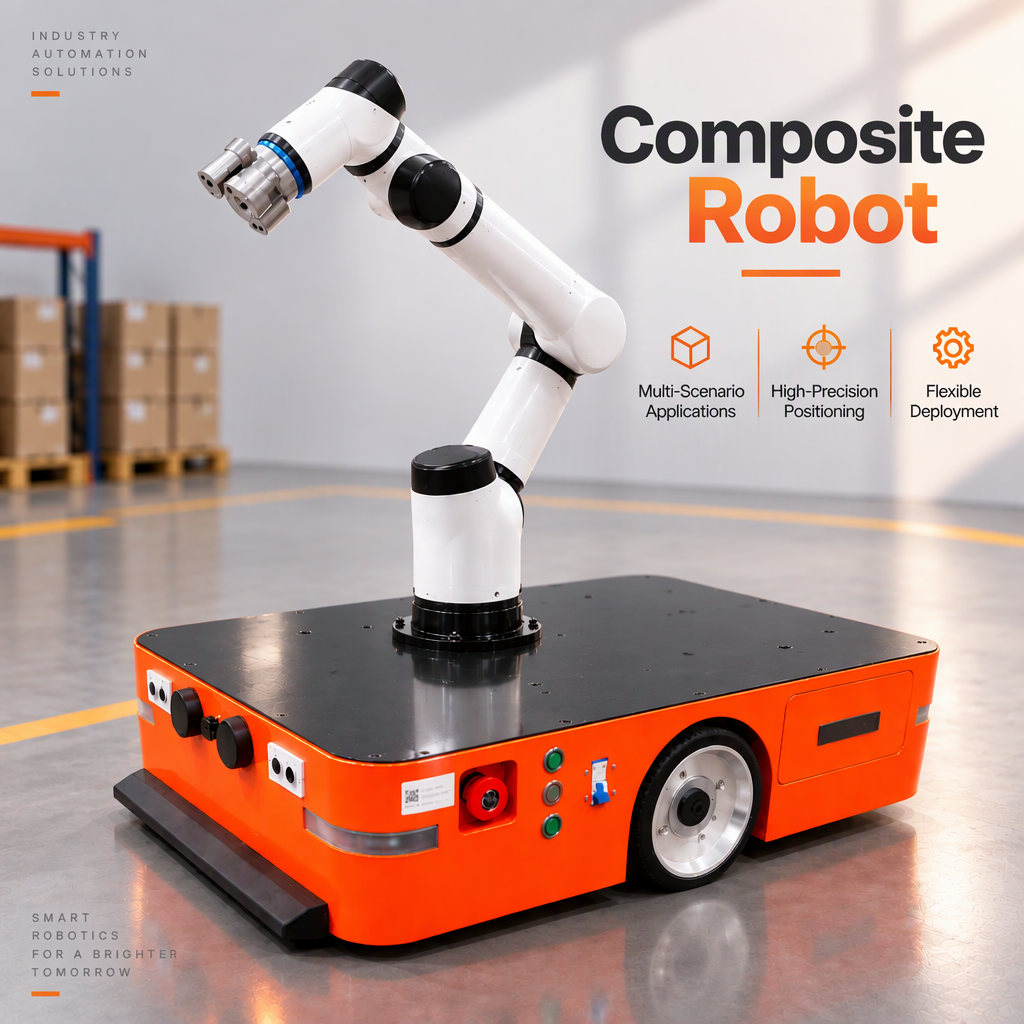
TZBOT Backpack AGV 200kg Load Capacity Chassis Magnetic Guidance Composite Robot with Robotic Arm
A compact composite robot base for machine tending, laboratory sample transport and space-constrained Kyoto workshops. Pair it with forward and rear lidar fields for low-speed personnel avoidance.
View product →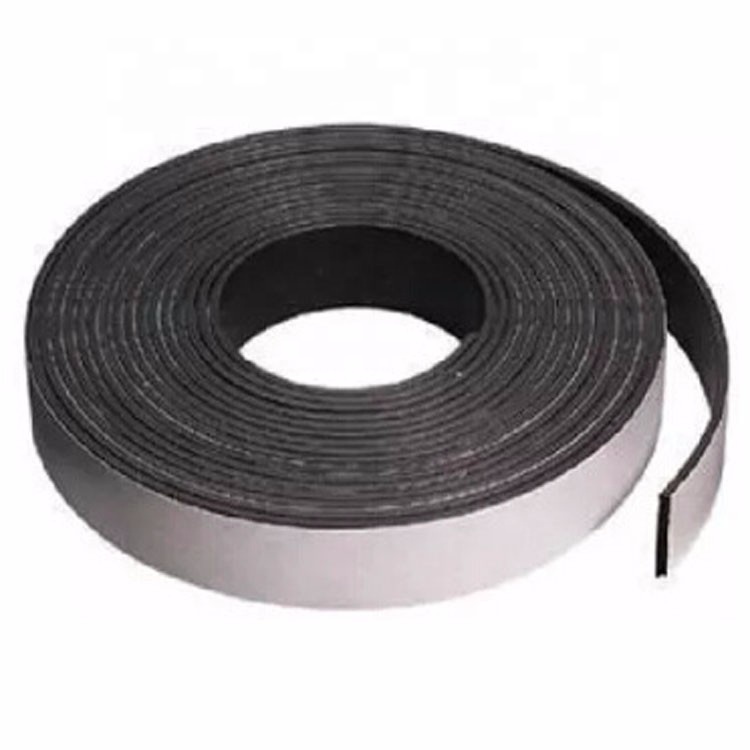
Sell Well Magnetic Tape Which N Pole up of 5cm Weith,25m One Roll for AGV Paved Path Can Retail or Wholesale
N-pole magnetic tape for repeatable fixed routes on clean factory and warehouse floors. Combine it with lidar obstacle detection when people, carts or pallets enter the path.
View product →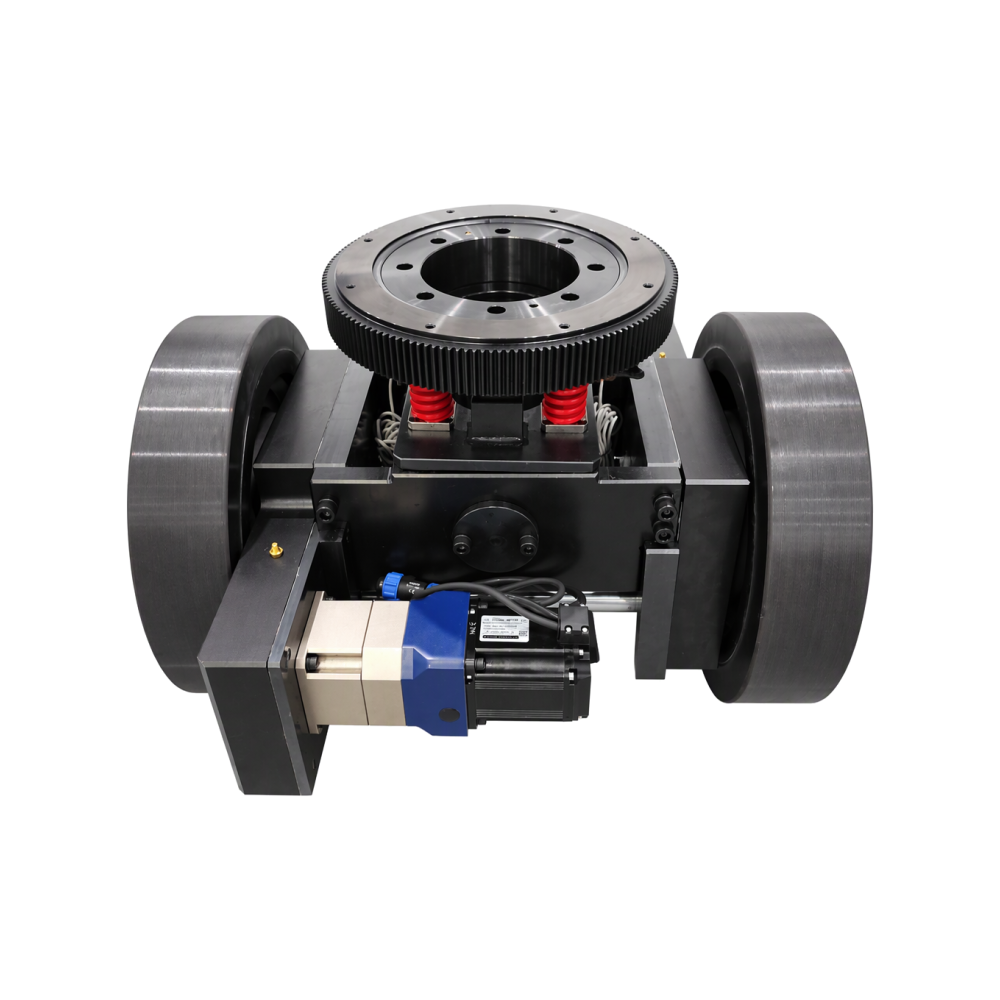
TZBOT Heavy Duty Series agv Wheel 1000w 48v Servo Motor Control Mobile Robot Differential Drive Wheel with Spring Suspension
A 1000W differential drive wheel with spring suspension for heavy AGV platforms. Stable traction supports predictable braking when lidar obstacle avoidance triggers a stop.
View product →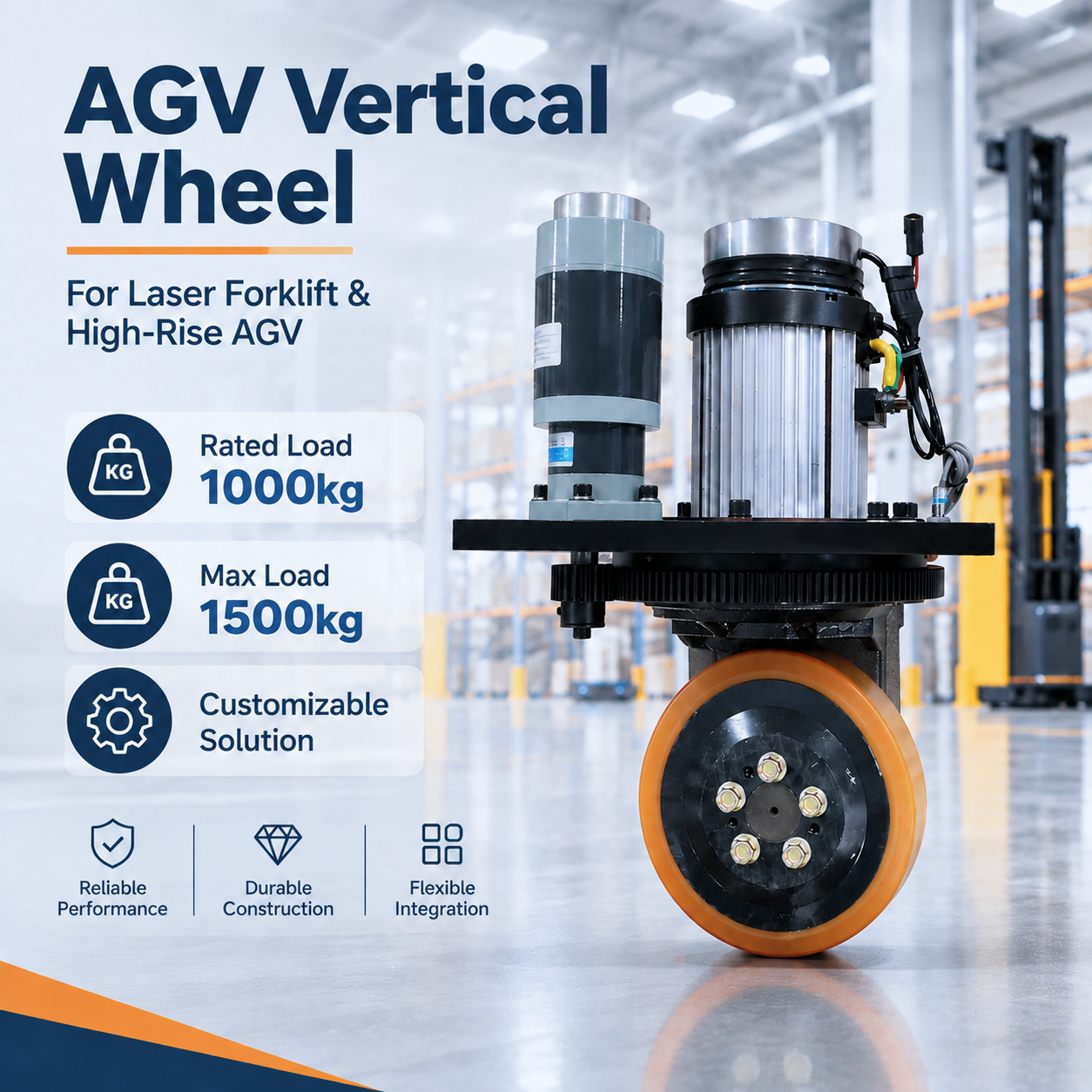
TZBOT 2590r/min Vertical Driving Unit Electric Traction Wheel 1500W Steering Forklift Accessories
A vertical traction and steering unit for forklift-style and tricycle AGV chassis. Controlled steering angles help navigate narrow aisles while lidar monitors blind corners.
View product →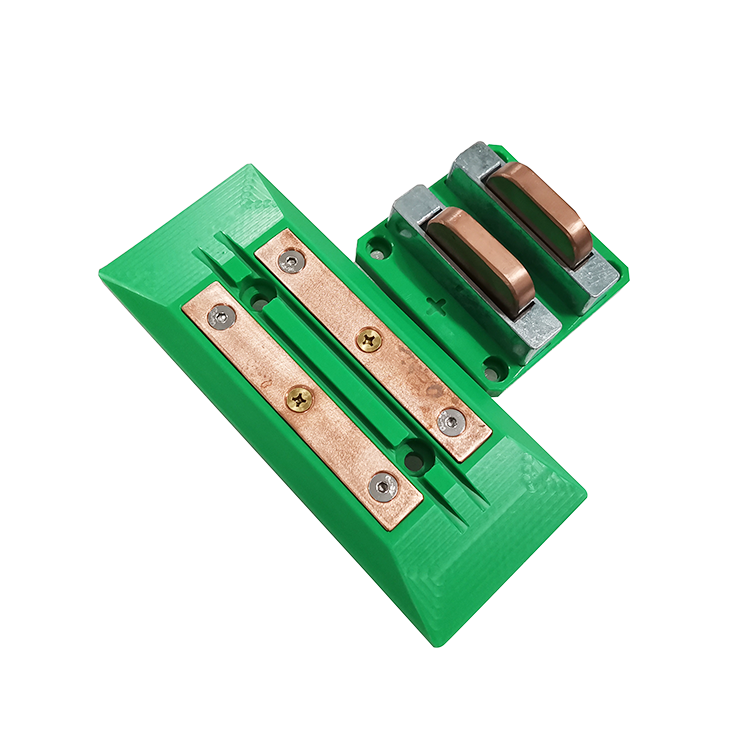
TZBOT Charger Pad Model TZ-CP-50A with Brush Plate and Brush Block for AGV Navigation Vehicles
A charging contact pad for automated opportunity charging. Reliable docking reduces manual handling and keeps AGV fleets available across long shifts.
View product →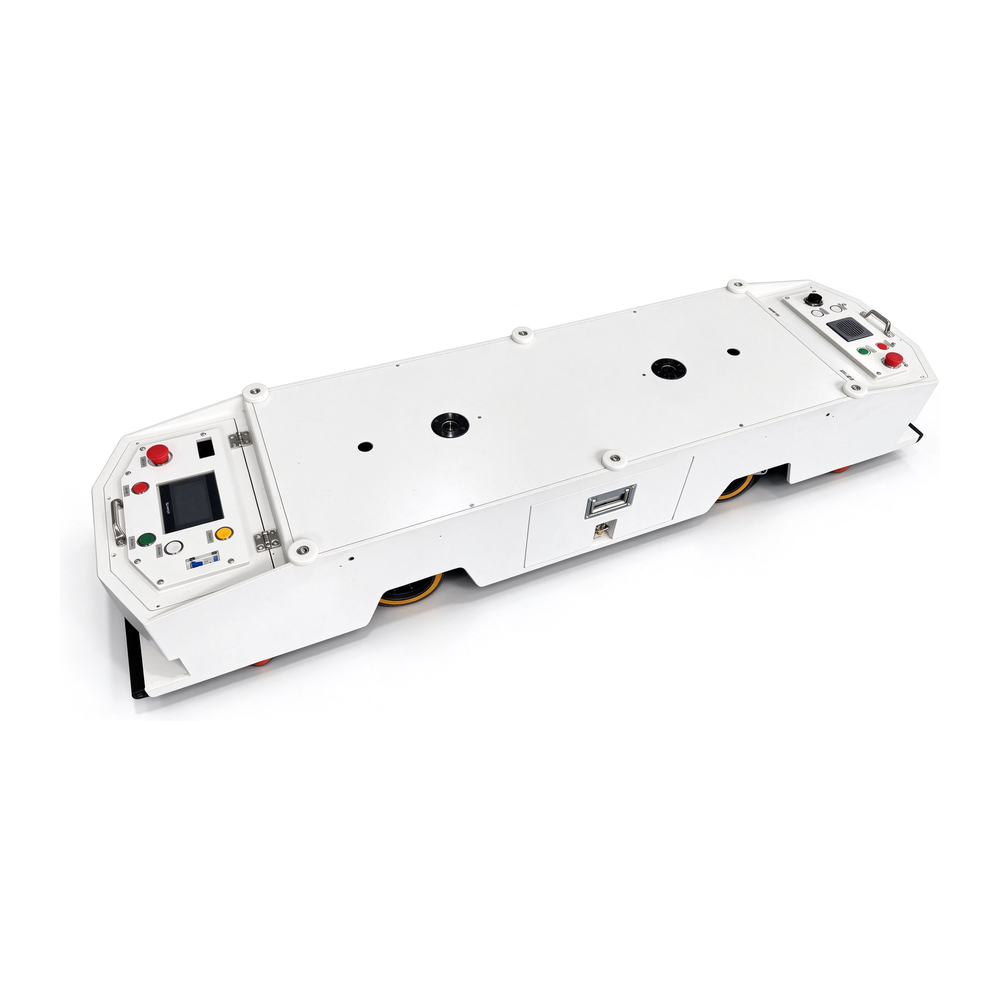
TZBOT 2500KG Lurking AGV Unmanned Control 8H Long Endurance Material Handling Mobile Robot for Shelf Towing
A 2500 kg lurking AGV for shelf towing and repetitive material movement. For 2.5-tonne loads, validate stopping distance, floor friction and multi-zone safety lidar coverage.
View product →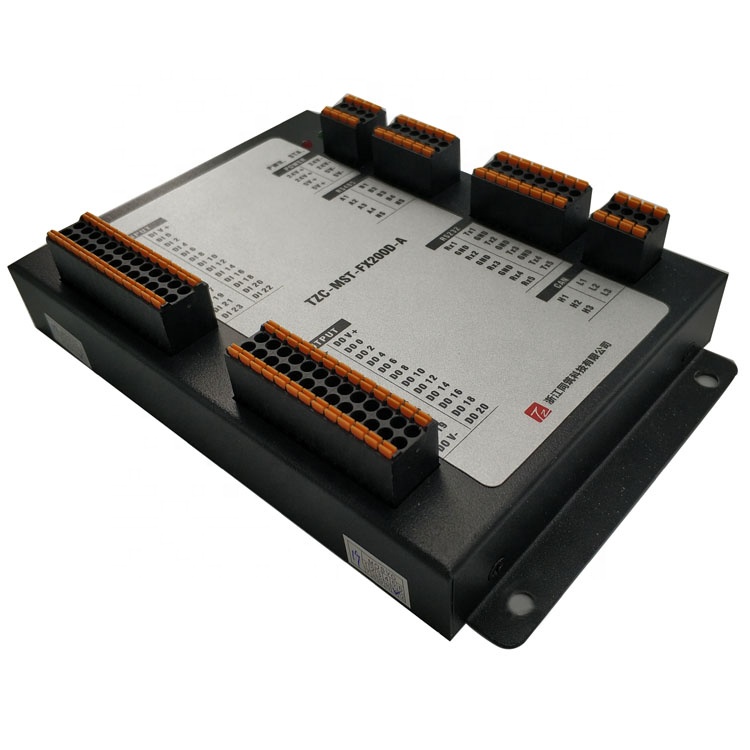
Smart AGV Controller TZC-MST-FX200D-A with Auto Guide Apply for Building Material Shops
A smart AGV controller for auto-guided platforms and industrial material shops. Controller cycle time is part of the safety chain, so specify it together with sensor latency and drive response.
View product →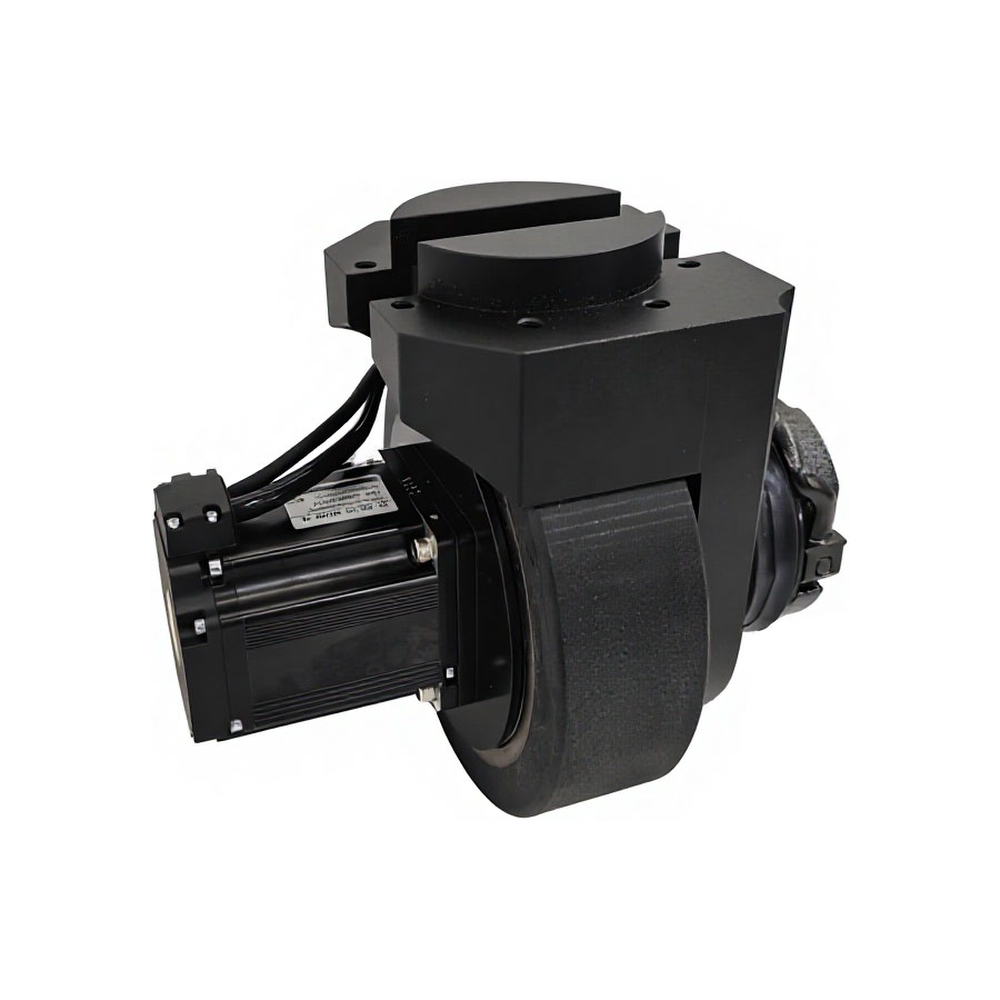
TZBOT 1000kg Bearing Capacity agv Wheel 1000w Servo Motor Material Handling Equipment Part Horizontal Drive Wheel
A horizontal drive wheel for low-deck AGV chassis with up to 1000 kg bearing capacity. It suits compact platforms where lidar placement and low build height must be balanced.
View product →What Kyoto Buyers Should Mean by a “Best” AGV Lidar Factory
The query “China best AGV lidar obstacle avoidance sensor factory & exporter in Kyoto” blends product research, supplier verification and cross-border procurement. It deserves a more rigorous answer than a brochure list.
A Kyoto buyer may be an OEM engineer developing a compact AMR, a warehouse manager facing chronic labor shortages, or a system integrator who must prove safety to a customer. Each has a different definition of “best.” For the engineer, it is optical performance, interface compatibility and repeatable EMC behavior. For the operations manager, it is uptime, quiet operation and fast spare-parts support. For the integrator, it is traceable testing, clear drawings and a supplier who answers technical questions in writing.
That is why the most useful information gain in this category is not another copy of general lidar specifications. It is the connection between obstacle detection and the whole vehicle stopping chain: sensor scan interval, controller cycle time, servo drive response, wheel tread, floor friction, load distribution and brake logic. A factory that understands this chain can help you avoid an AGV that detects a person but still travels too far before stopping.
The procurement question behind the keyword
The practical question is rarely “Which lidar has the longest range?” It is: “Can this Chinese factory supply and verify a compatible sensor-drive-controller stack, document the safety concept, and support spare parts after the vehicle enters service in Kyoto?” Search for factory evidence, integration evidence and lifecycle evidence—not just superlatives.
Factory Evidence
Look for onsite verification, a quality management system, test equipment and patents—not only marketplace badges.
Integration Evidence
Ask how the sensor interacts with the drive wheel, controller, safety logic and charging behavior under real loads.
AGV Obstacle Avoidance Scenarios in Kyoto
Kyoto is not a single logistics market. Central Kyoto has narrow streets, heritage-sensitive traffic and pedestrian priority; Fushimi, Uji and Keihanna host precision manufacturing and research campuses; regional freight moves through Osaka and Kobe gateways. Safety automation must fit each environment.
Narrow-aisle precision manufacturing
In Fushimi, Uji and Keihanna production sites, component kitting and machine tending often happen in tight cells with mixed foot traffic. A low-clearance horizontal drive wheel, a responsive controller and front/rear lidar can move parts safely between workstations.
Warehouse and distribution pressure
Japan’s labor shortage and the “2024 logistics problem” have pushed warehouse operators to reduce walking, lifting and night-shift strain. The 2500 kg lurking AGV with heavy-duty drive and opportunity charging supports repetitive shelf towing with predictable safety zones.
Hospitals, elder care and clean corridors
Kyoto’s aging population increases demand for internal logistics that reduce staff walking. Quiet, low-speed AGVs can move linens, meals and supplies when obstacle detection is tuned for wheelchairs, patients and blind corners—not only for pallets.
Food, confectionery and cold-chain
Food producers need hygienic layouts and frequent line changes. Magnetic guidance can be reliable on clean, dry floors, while sealed lidar and careful sensor placement handle wet or reflective zones. Avoid exposing unsealed electronics to washdown.
Tourism, retail and back-of-house
Hotels, ryokan and retail sites in central Kyoto face narrow service corridors and delivery windows before crowds arrive. Small AGVs with precise low-speed control and lidar safety fields can move linens or stock without disrupting guest areas.
R&D and robotic-arm cells
Kyoto’s research clusters and precision engineering companies often prototype new automation. The 200 kg backpack AGV with a robotic arm, matched controller and charging pad offers a compact base for laboratory logistics, sample handling and machine tending pilots.
How to Match LiDAR, Drive Wheels and Controllers for Kyoto Projects
Do not buy the sensor in isolation. Use the project scenario to define the whole drivetrain and safety chain.
| Kyoto Project Need | Recommended Building Blocks | Why It Matters |
|---|---|---|
| Narrow-aisle part transport | 1000 kg horizontal drive wheel + smart AGV controller + front/rear lidar | Low deck height helps fit compact chassis; zone-based speed reduction protects mixed walkways. |
| 2.5-tonne shelf towing | 2500 kg lurking AGV + heavy-duty differential drive wheel + charger pad + lidar | High load requires predictable traction, braking validation and opportunity charging for long shifts. |
| Forklift-style tugger | Vertical 1500W traction unit + heavy-duty drive wheel + controller + lidar | Steering angle control and sensor coverage at corners reduce blind-spot risk in dense aisles. |
| Fixed route with pedestrian crossings | N-pole magnetic tape + RFID positioning + lidar obstacle avoidance | Tape handles repeatable guidance; lidar adds dynamic obstacle stopping near people and carts. |
| Robotic-arm machine tending | 200 kg backpack AGV + controller + charger pad + compact lidar field | Small footprint, low-speed motion and safe docking suit laboratories and cell-based production. |
| Building-material shop or mixed indoor/outdoor yard | Smart controller + horizontal drive wheel + magnetic route + sensor guards | Dust, glare and floor transitions require careful sensor cleaning access and protected mounting. |
The missing calculation: stopping distance in a Kyoto aisle
Use a conservative mental model: stopping distance = reaction distance + braking distance. Reaction distance depends on vehicle speed multiplied by sensor scan interval, controller cycle time and drive response. Braking distance depends on speed, load, floor friction and wheel tread. At 1.2 m/s, every 100 ms of delay adds about 120 mm before the brake command even begins. In a narrow corridor, that margin matters.
Reaction distance ≈ speed × (lidar scan interval + controller cycle + drive response)
Braking distance ≈ v² ÷ (2 × μ × g) for a first-order estimate
Total stop margin = measured stopping distance + engineering safety allowance
Many AGV lidar products are used for navigation and obstacle detection, not as certified safety devices. For personnel protection, specify safety-rated sensors, a safety controller, e-stops, bumpers and a documented risk assessment. Ask your Kyoto integrator to validate the final machine against applicable Japanese and site-specific requirements.
Local Trends Shaping AGV Lidar Adoption
Kyoto buyers are not adopting automation for fashion. They are responding to labor availability, service quality, safety expectations and energy costs.
Labor resilience
An aging workforce and hiring pressure make repetitive transport a priority for automation, especially in night shifts and back-of-house logistics.
Mixed human-robot traffic
Safety is no longer optional. Buyers ask for obstacle avoidance, speed zoning, audible alerts and evidence that the stopping chain was tested under load.
Inland logistics discipline
Kyoto relies on Osaka and Kobe port gateways plus Kansai airports. Compact packaging, spare-part planning and clear Incoterms reduce installation risk.
Energy and uptime
Opportunity charging, efficient servo drives and properly sized motors help control total operating cost while keeping AGV availability high.
Zhejiang Torqen Technology Co., Ltd. — Motion Control Around the Vehicle
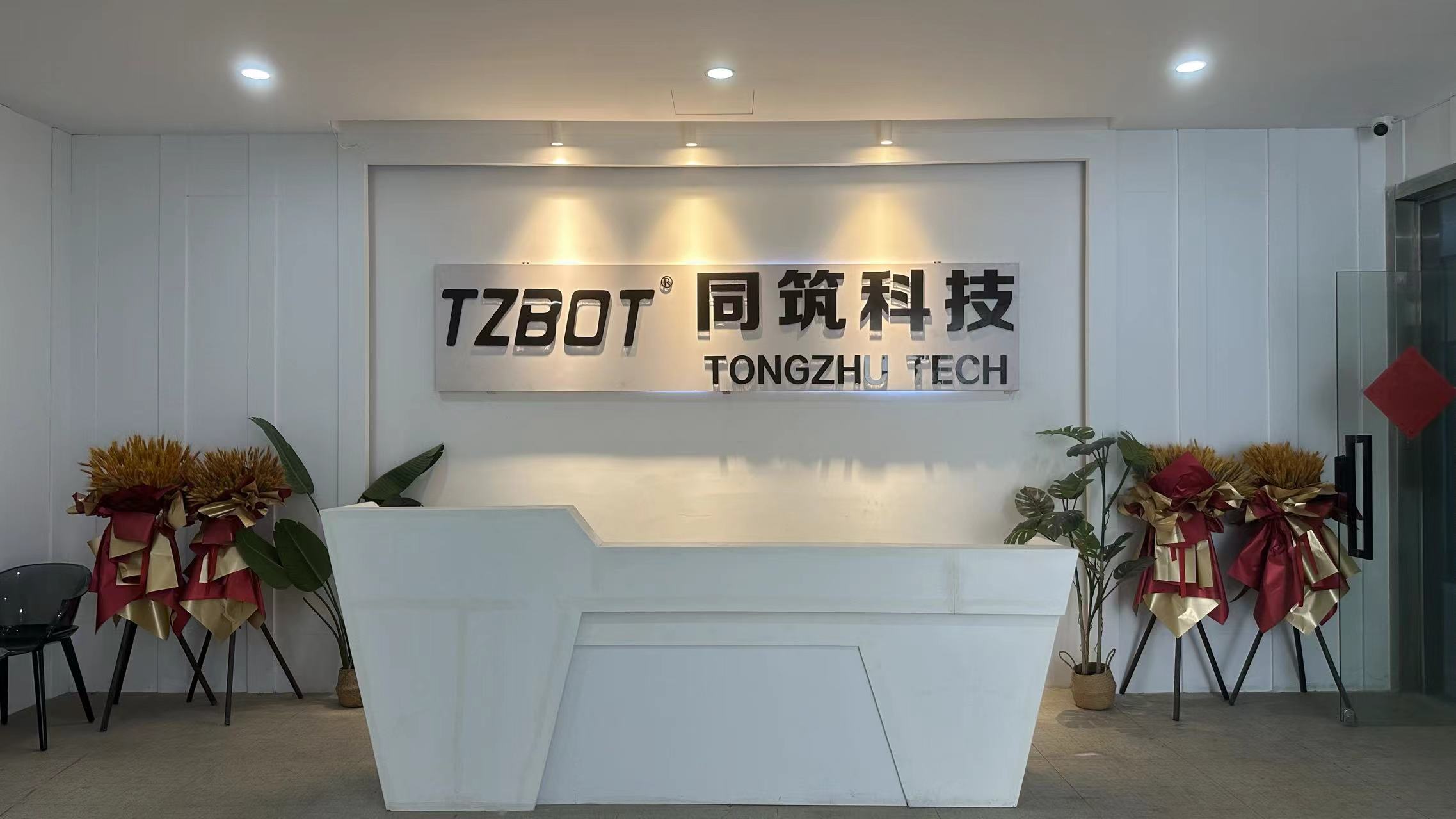
Founded in 2015 in Zhejiang, China, Torqen designs and manufactures AGVs, AGV drive wheel assemblies, DC/AC motors, encoders, reducers, motor controllers, caster and PU wheels, navigation sensors and in-wheel motor units for automation builders worldwide.
The advantage of a factory that works across drive wheels, controllers, motors and sensor integration is practical: fewer mismatched interfaces. Our engineers work directly with OEM integrators to adapt torque, speed and mounting geometry to each vehicle. Continued investment in modern machining equipment helps move quickly from drawing to tested prototype, and prototypes are run for extended periods before production parts are released.
- Established2015, Zhejiang, China
- Quality systemISO 9001:2015 certified
- Factory verificationIntertek onsite assessment
- Intellectual property8 patents awarded
- Facility1,000–3,000 m² factory area
- Team51–100 people
- Annual outputUS$5M–10M
- Quality control5 in-house testing instruments
Customization includes sample-based and design-based work, OEM production, design services and buyer-label packaging. Typical changes cover motor power and voltage, reduction ratio, wheel diameter and tread material, encoder type, brake options and mounting interfaces. For Kyoto projects, we recommend documenting these changes in a frozen specification before tooling or batch production.
Export-ready commercial support
Payment methods include T/T, L/C, D/P, D/A, MoneyGram, credit card, PayPal, Western Union, cash and escrow, in USD, EUR, JPY, CAD, AUD, HKD, GBP or CNY. Delivery terms include FOB, CFR, CIF, EXW, CIP, FCA, CPT, DDU and express delivery.
Engineering support across time zones
A dedicated sales and technical team handles buyer inquiries around the clock and reports a 97.9% inquiry response rate. Integration assistance can include wiring diagrams, driver parameter files and commissioning guidance for your engineers.
Traceable quality and after-sales
Finished-product inspection, extended-duration prototype testing and traceable production records support fault analysis and spare-parts planning after delivery. This matters when an AGV is part of a live Kyoto logistics or production schedule.


Questions Local Buyers Ask Before Ordering
These answers reflect common buyer concerns for projects shipped from China to Kyoto, Osaka, Kobe and the wider Kansai region.
Can a Chinese factory support a Kyoto site without a local office?
Yes, but support must be planned. Remote engineering, English documentation, labeled wiring, spare-parts kits and a named integrator in Japan reduce risk. For commissioning, agree on video call schedules, response expectations and who will validate the final machine. Torqen’s export team reports a 97.9% inquiry response rate, and technical support can provide wiring diagrams and driver parameter guidance.
Which LiDAR specifications matter most for AGV obstacle avoidance?
Start with the application, not the datasheet headline. Check field of view, minimum detectable distance, angular resolution, scan rate, ambient-light immunity, dust and vibration tolerance, mounting height, interface and response time. For personnel protection, determine whether a safety-rated function is required. Many navigation lidars are not certified safety devices, so they must be combined with a risk assessment, e-stops, bumpers and a safety controller.
Should we choose magnetic tape, QR codes or lidar SLAM?
Magnetic tape is cost-effective for fixed routes and stable factories; RFID tags help with stations and speed zones. QR navigation suits grid-based warehouses. Lidar SLAM is more flexible when layouts change, but it requires mapping, validation and disciplined fleet management. In Kyoto’s older buildings and narrow corridors, many projects use fixed guidance plus lidar obstacle avoidance rather than relying on one navigation method alone.
What is the usual process for OEM or ODM customization?
Torqen supports sample-based customization, design-based customization, OEM production, design services and buyer-label packaging. Typical variables include motor power and voltage, reduction ratio, wheel diameter and tread material, encoder type, brake options and mounting interfaces. Share your drawings, target performance and annual volume; request a frozen specification, sample test plan and inspection criteria before batch production.
How do payment, shipping and customs work for Kyoto deliveries?
Accepted payment methods include T/T, L/C, D/P, D/A, MoneyGram, credit card, PayPal, Western Union, cash and escrow in eight currencies including JPY. Delivery terms include FOB, CFR, CIF, EXW, CIP, FCA, CPT, DDU and express. Kyoto is inland; practical routing usually uses Osaka or Kobe seaports and Kansai International Airport, with customs clearance and last-mile delivery arranged by the importer or a broker. Confirm who pays import duties and consumption tax before shipment.
What should be included in a spare-parts and warranty plan?
List the high-wear items for your exact configuration: wheel tread, encoder, brake, driver, charger brush, sensor window, fuses and cables. Keep at least one critical spare set for live operations. Ask for traceable production records, inspection reports and a written warranty scope. Because AGV uptime affects production and service quality, spare-parts planning should be decided before the vehicle is commissioned—not after the first fault.
Specifying a LiDAR-Safe AGV for Kyoto?
Send your load, speed, aisle width, floor condition, battery voltage and required safety function. Our engineers can help match the drive wheel, controller, charging pad and obstacle-avoidance sensor layout before you commit to a prototype.
Email: info@torqenbot.com · Online support 24/7 · Export support for OEM/ODM projects
